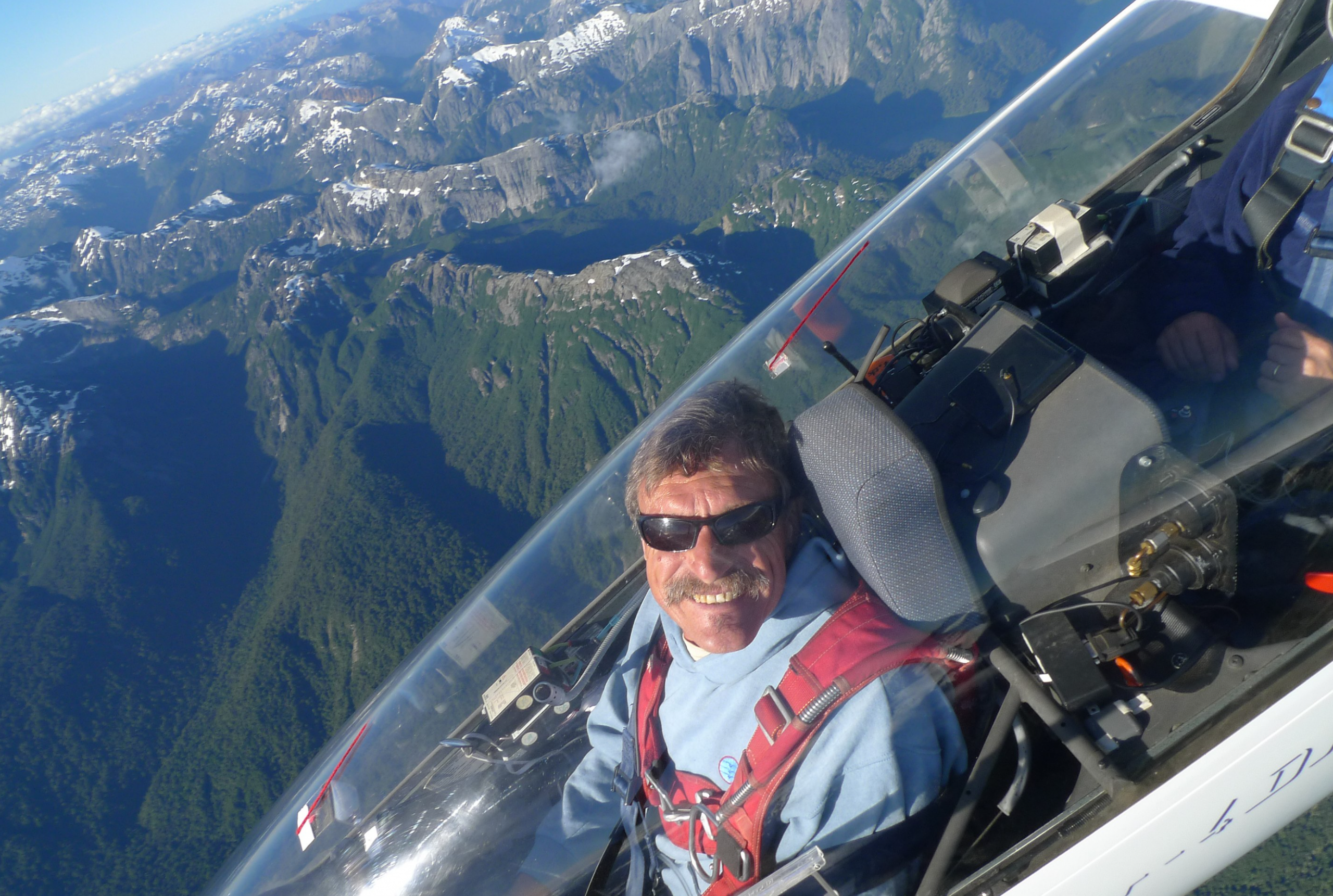
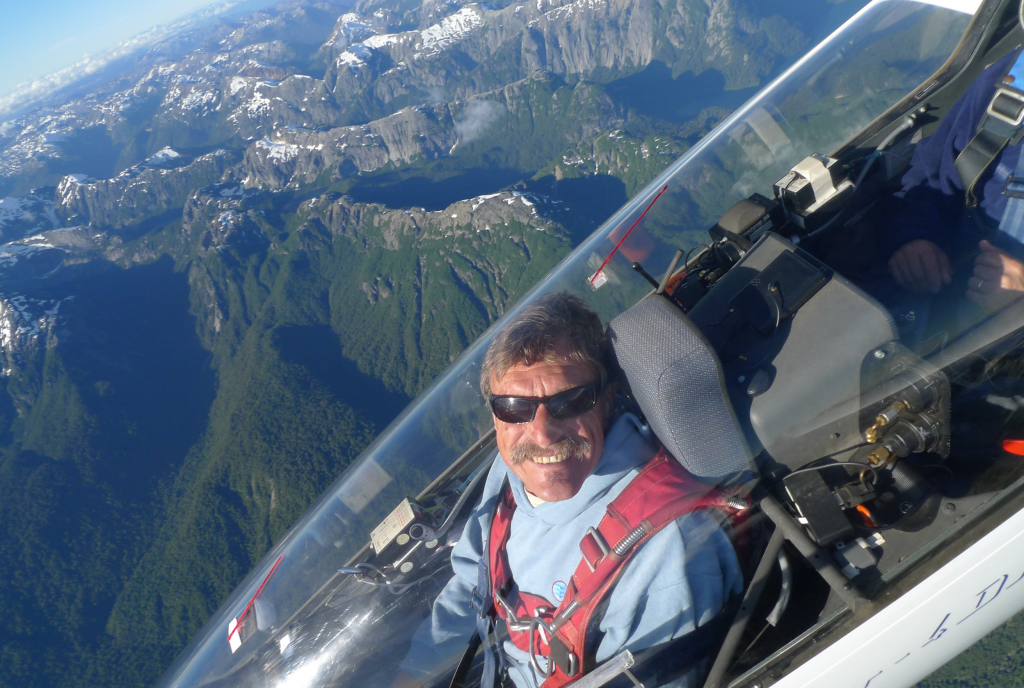
Klaus Ohlmann (born June 29, 1952 in Neustadt an der Aisch) is a German dentist and glider pilot who has set several distance records in the Alps and the Andes. In 2003, he flew the second longest distance in cross-country soaring over a freely chosen course, covering 3008.8 km in 15 hours and 17 minutes in Argentina. [1] In 1996/1997, he won the Barron Hilton Cup in the Open Class.
He lives in La Bâtie-Montsaléon in the Hautes-Alpes department, where he operates a gliding center.
Klaus Ohlmann is a four-time world champion in gliding and, with over 60 world records, the most successful glider pilot of all time. The longest glider flight ever recorded, as well as the highest average speed ever achieved of 307 km/h on a 500 km course, have been listed in the Guinness Book of World Records for over a decade. Among these records is also the record for a free distance flight with up to three turning points: On January 21, 2003, he flew 3,009 km from Chapelco Airport in San Martín de los Andes, Argentina, in a Schempp-Hirth Nimbus 4 DM. Just two weeks earlier, on January 9, 2003, he had already broken Hans-Werner Grosse’s 30-year-old distance record with a flight of 2,247.6 km in a Schempp-Hirth Nimbus 4 DM in El Calafate, Argentina.
On February 1, 2014, he became the first glider pilot ever to fly over Mount Everest.
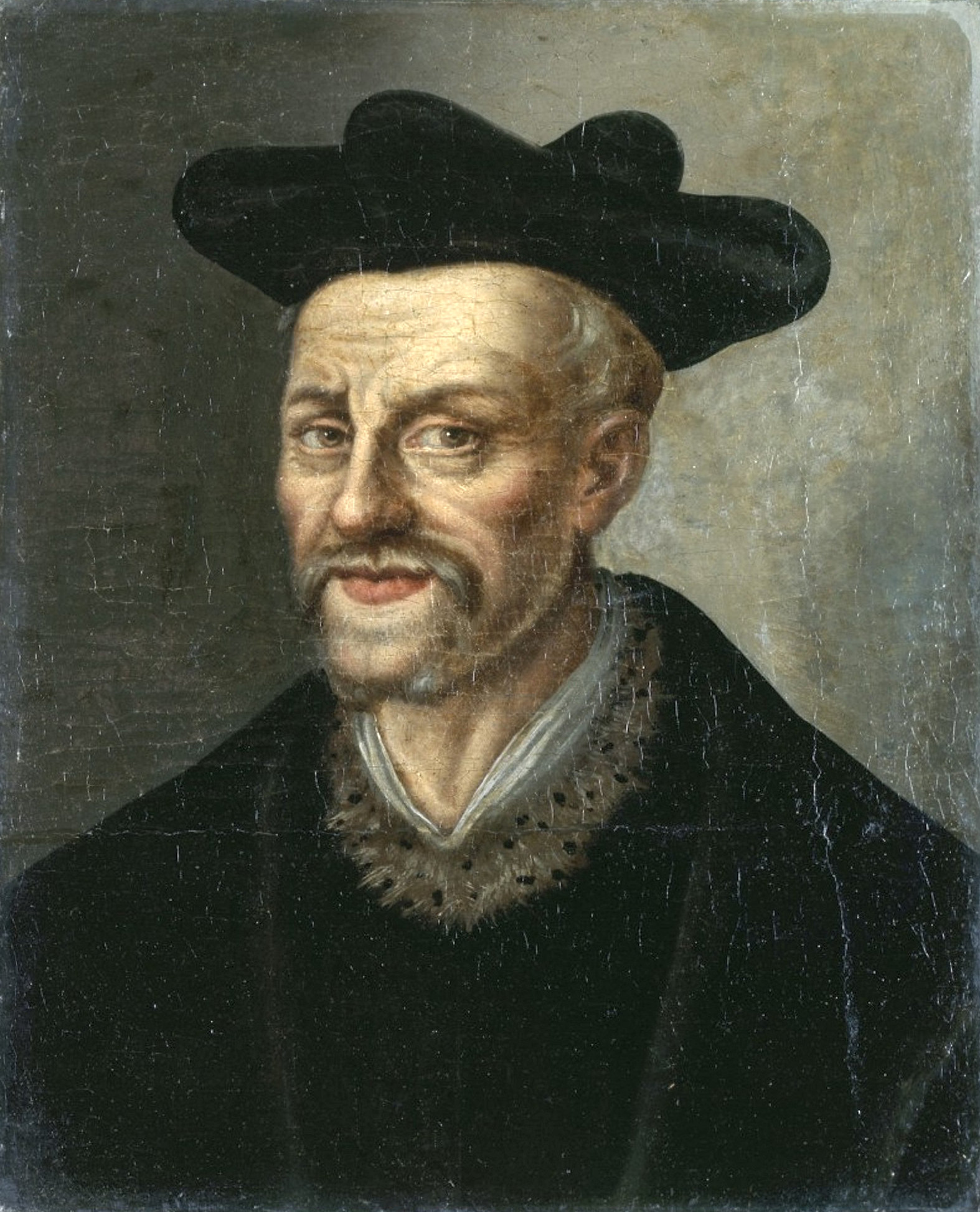
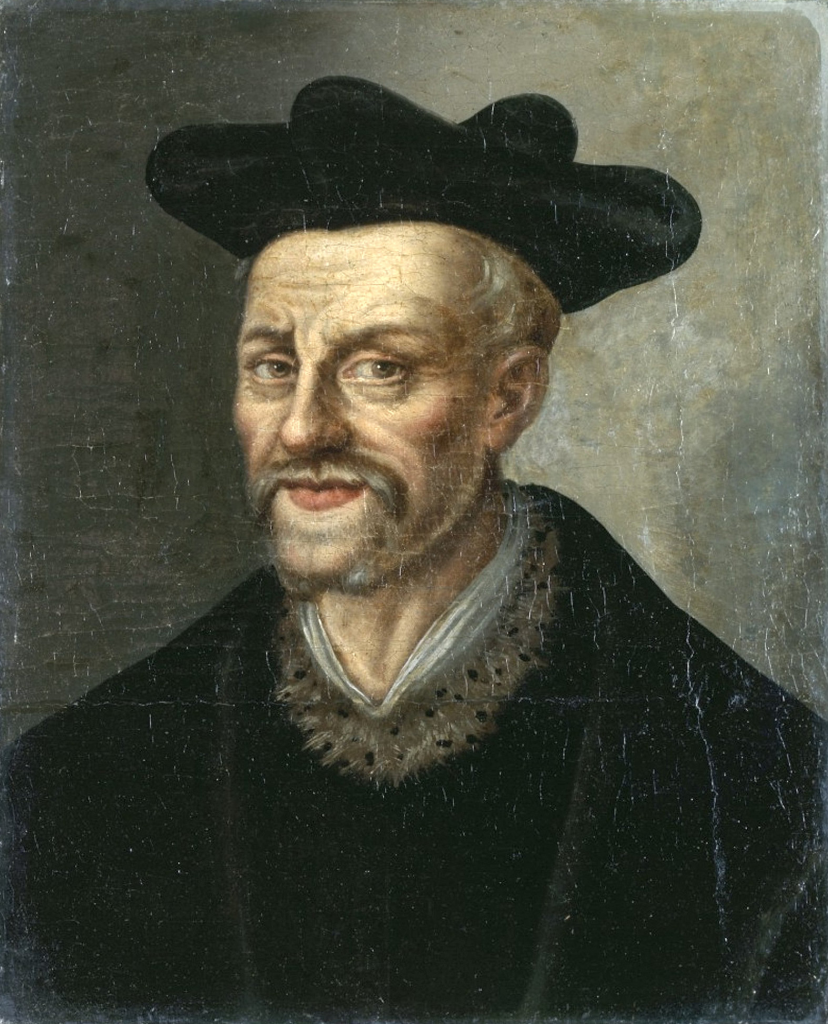
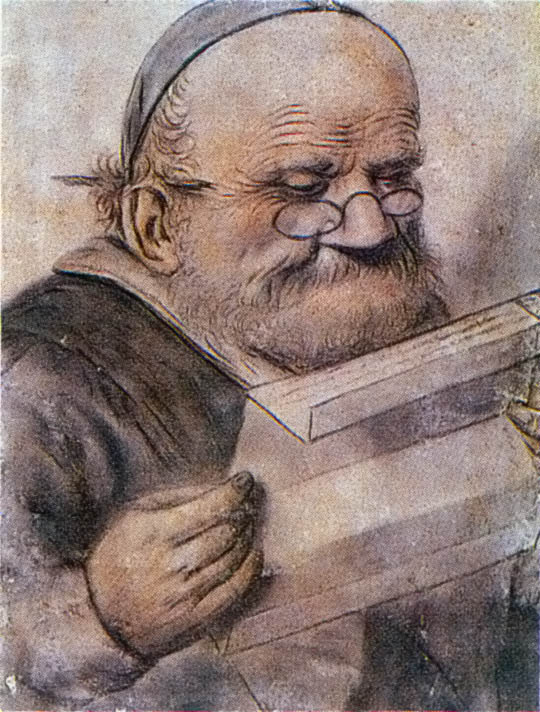
François Rabelais [fʁɑ̃.swa ʁa.blɛ] (c. 1494, perhaps 1483, in La Devinière near Chinon, Touraine; † April 9, 1553, in Paris) was a French Renaissance writer, humanist, Roman Catholic friar and secular priest, practicing physician, and lecturer. He is one of the most important prose writers in French literature; of his works, the novel cycle Gargantua and Pantagruel is most well-known.
Rabelais-Museum
Rabelais began his novitiate as a religious priest in the Franciscan monastery of La Baumette, Couvent des Cordeliers de la Baumette, near Angers. He received his sacraments of ordination around 1511. In 1520, he is documented as a religious priest in the Couvent des Puy-Saint-Martin in Fontenay-le-Comte (Vendée department).[5] Here, through an older confrere, he came into contact with the humanism radiating from Italy and began to learn ancient Greek.
From 1528 onwards, he was in Paris, presumably after stops at the universities of Bordeaux, Toulouse, and Orléans. He appears to have assumed the status of diocesan priest, which gave him greater freedom to continue his medical studies and cultivate scholarly contacts. His marriage to a widow produced two illegitimate children, François and Junine. This did not keep him in Paris; rather, in September 1530, he enrolled at the famous medical school in Montpellier, where Rabelais earned a baccalaureate degree on November 1.
In the summer of 1532, Rabelais lived in Lyon, where he practiced medicine and published various scholarly works with the printer and publisher Sebastian Gryphius. He also wrote a novel, which was also published in Lyon at the end of 1532: The Horrible and Poisonous Things Made and Proud of the Very Renowned Pantagruel, King of Dipsodes, Son of the Great Gargantua. Composed Newly by Master Alcofrybas Nasier. The title alone made the work recognizable as a parody, especially of the chivalric romance genre.
The Very Excellent and Entertaining History of François Rabelais – Part 1 https://www.youtube.com/watch?v=pGbh2q1lohE
When the Quart livre was published in its entirety in early 1552, now in Paris, the attitude of the rulers changed. The king and the pope had come to an agreement; criticism of the latter was no longer welcome. Accordingly, the Sorbonne did not hesitate to condemn the book. Subsequently, the Paris Parliament also banned the work. It did not help that Cardinal Odet de Châtillon had previously accepted Rabelais’s dedication. The ban did not diminish the book’s success. However, at the beginning of 1553, Rabelais himself had to give up a benefice in Meudon near Paris and another in the diocese of Le Mans, which he had received through Jean du Bellay. Nothing more is known of him after this. However, he was apparently still working on a further volume until shortly before his death in April 1553. This volume was completed by an unknown hand, presumably at the instigation of his printer. It was published in 1563 under the title “Le cinquième livre” and was included in the complete editions of the cycle, which began publication shortly after the author’s death and continued to appear with great regularity.
The very excellent and entertaining story of François Rabelais – Part 2 https://www.youtube.com/watch?v=L-7nRjqe-dQ
The François Rabelais University of Tours[14] (French: Université François Rabelais de Tours or simply Université de Tours) is a public university in the French city of Tours and was named after François Rabelais after its founding on March 27, 1969. A plant genus, Rabelaisia Planch, in the rue family (Rutaceae), is also named after Rabelais.
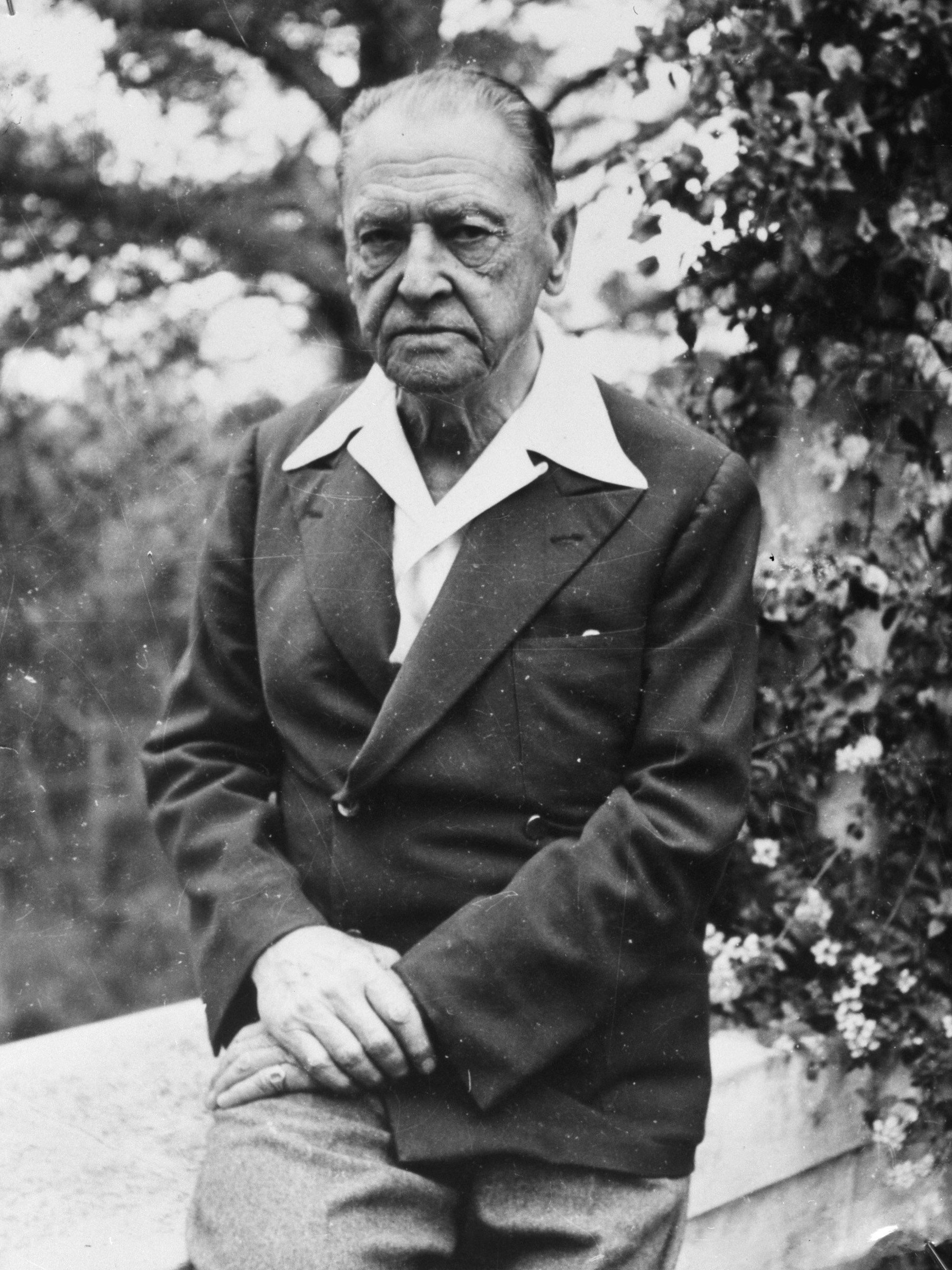
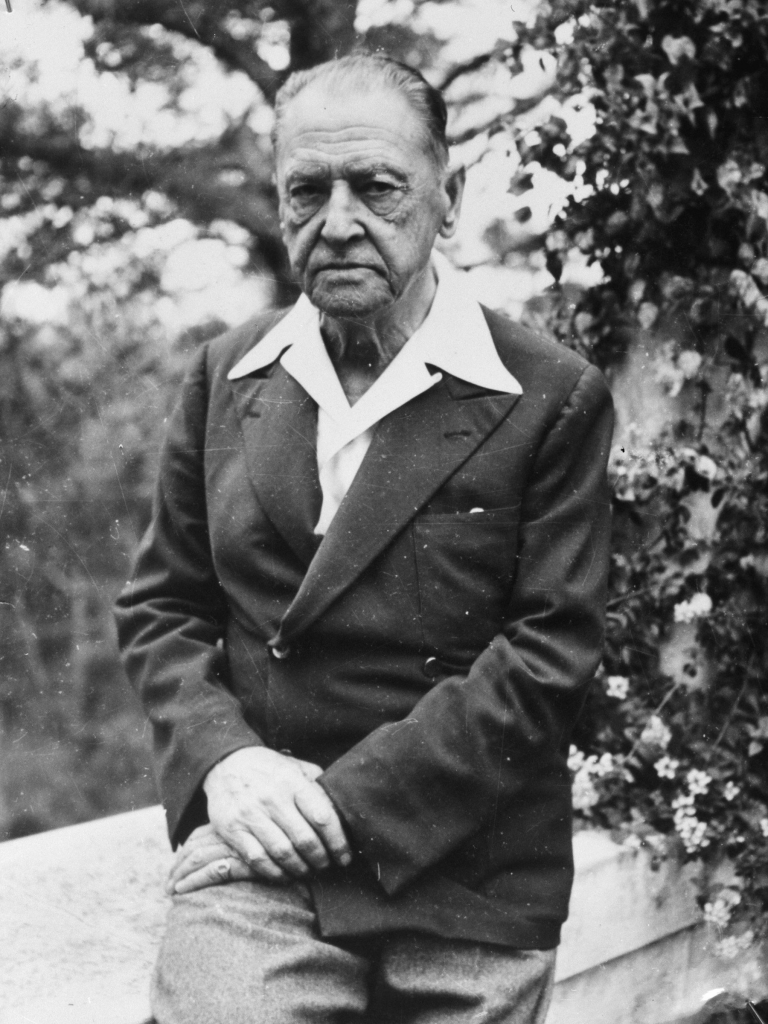
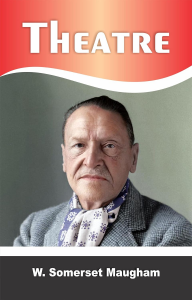
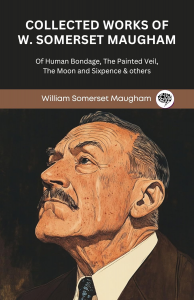
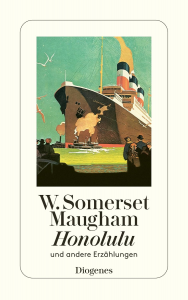
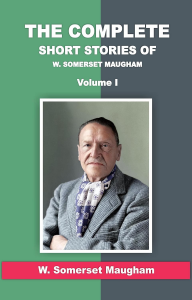
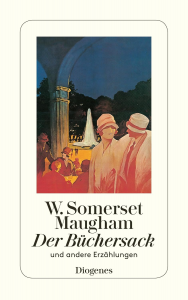
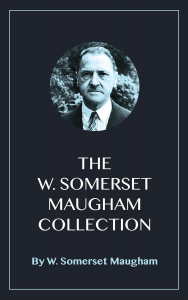
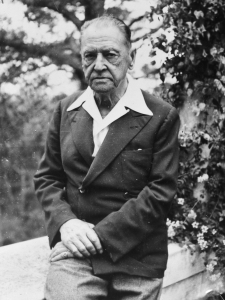
William Somerset Maugham [ˈsʌməsɪt mɔːm] (January 25, 1874 in Paris – December 16, 1965 in Saint-Jean-Cap-Ferrat near Nice), also known as W. Somerset Maugham, was an English novelist and playwright. He is one of the most widely read English-language authors of the 20th century.
William Somerset Maugham was the son of an English lawyer who worked for British clients in Paris. His older brother was the jurist Frederic Maugham. His parents died when he was still a child. As an orphan, he spent his youth under the supervision of a sanctimonious uncle and in boarding schools. He suffered from a stutter. He studied German, literature, and philosophy at the University of Heidelberg, and later medicine at King’s College London. Despite his passion for literature, Maugham successfully completed his medical studies in 1898—largely under pressure from his uncle.
William Somerset Maugham achieved early literary success with his first novel, Liza of Lambeth, published in 1897, and simultaneously caused a scandal. In the novel, Maugham processed experiences he had as a trainee doctor in the slums of London. The middle class considered it inappropriate to portray the world of the working class in such a naturalistic way.
The book was followed by years of self-determination as an author. At first, he worked as a playwright, writing plays such as The Circle, Our Betters, and The Constant Wife. In the early 20th century, four of his plays were performed simultaneously in London. His productivity was astonishing: he usually needed only a week to write each act and another week to edit the play. Later, he devoted himself to prose and wrote numerous novels and short stories.
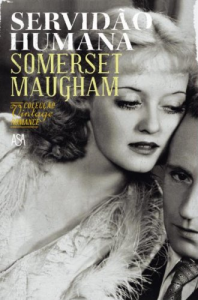
Maugham’s most important work is generally considered to be the novel Of Human Bondage, an autobiographical story whose hero, Philip Carey, like Maugham, grows up as an orphan with his sanctimonious uncle and is handicapped by a clubfoot. Maugham himself stuttered.
In the English-speaking world, Maugham’s work is considered middle-brow literature, which, while easy to read and highly entertaining, nevertheless achieves a remarkable artistic and formal level.[2] A theme that repeatedly occupied Maugham in his dramatic and narrative work is adultery.
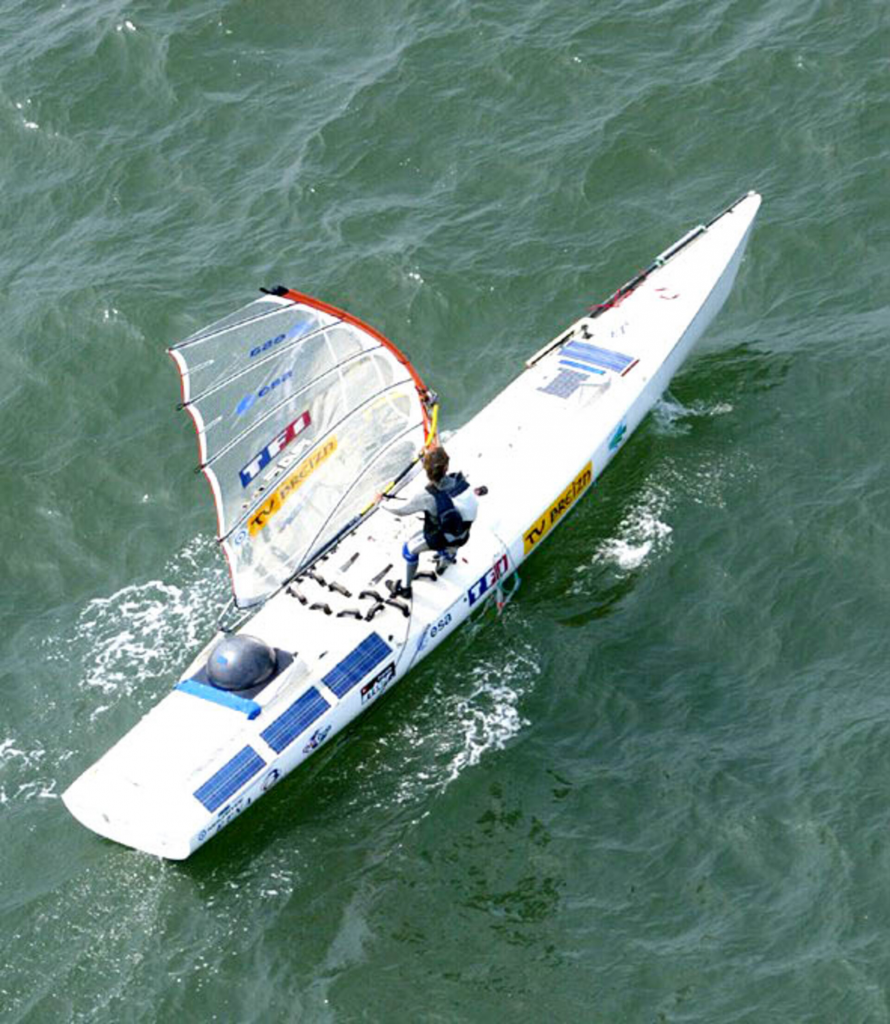
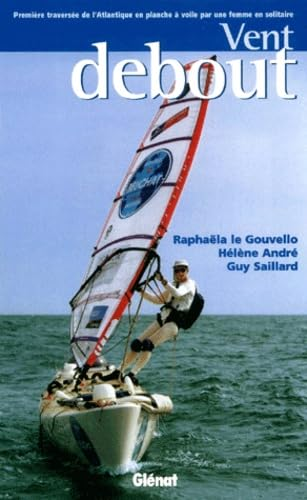
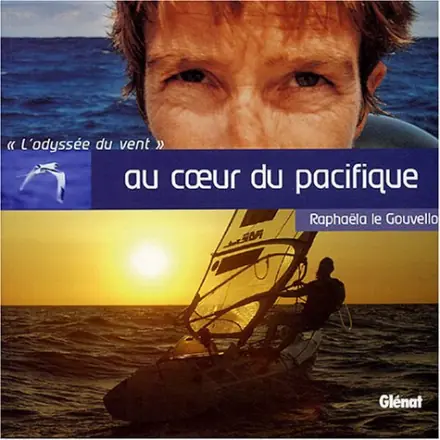
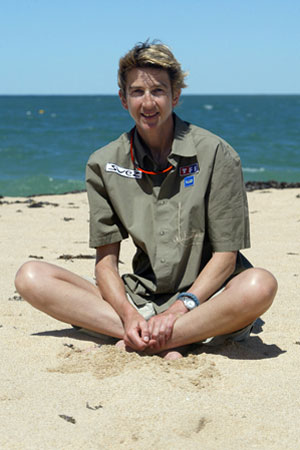
Raphaëla le Gouvello (born May 4, 1960 in Paris[1]) is a French windsurfer who has crossed the Atlantic, Pacific (Peru-Tahiti), and Indian Oceans, among others, on ocean-going surfboards measuring 7.50 to 7.80 meters long and approximately 75 cm wide. She has documented her experiences on the crossings in three books to date.
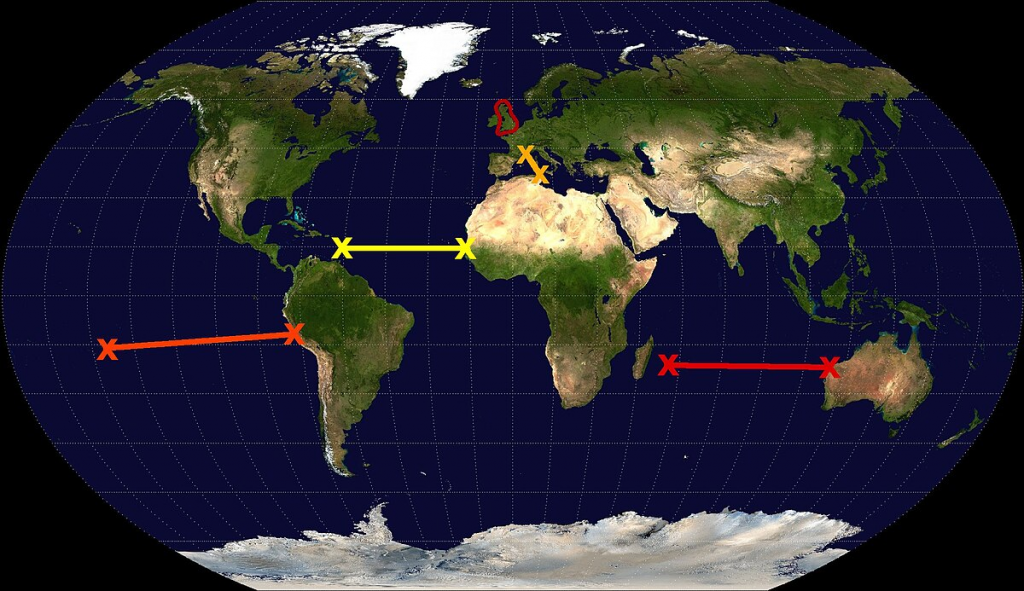
Ports of departure and arrival of windsurfer Rafaëla le Gouvello, in her trans-atlantic (2000), trans-Mediterranean (2002), trans-pacific (2003), trans-Indian Ocean (2006), and round-Great Britain (2007) tours. The connecting routes for the trans-oceanic trips are only drawn for better visibility and do not indicate the exact routes taken.
The veterinarian, who specializes in aquaculture (fish farms and the breeding of other aquatic animals), is committed to environmental protection and sustainable development, including through her windsurfing trips.
Le Gouvello began windsurfing in 1976, competed in competitions from 1977, and has been teaching as a windsurfing instructor since 1978. From 1980 to 1982, she improved her performance in open competitions, reaching seventh place among French female windsurfers.[2] Since 1984, le Gouvello has also regularly participated in funboarding.
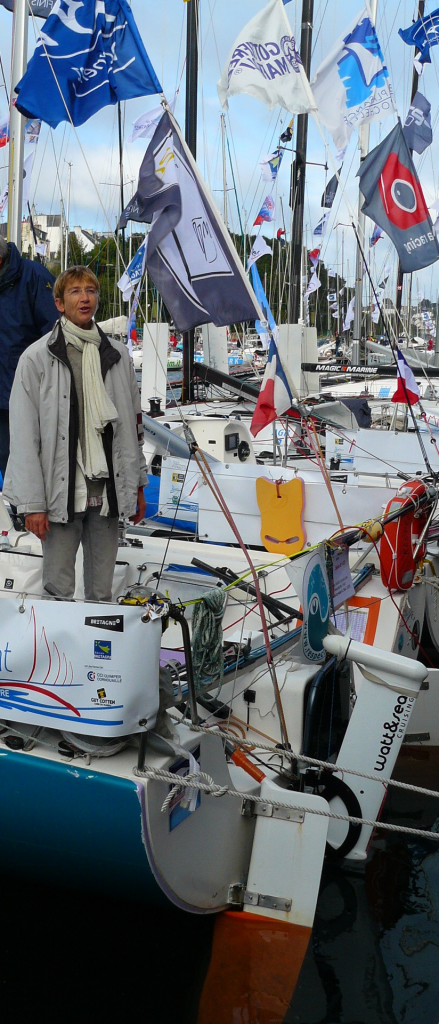
Rafaëla le Gouvello in Douarnenez, a few days before the start of her first transoceanic boat race, the 2013 Transat 6.50.
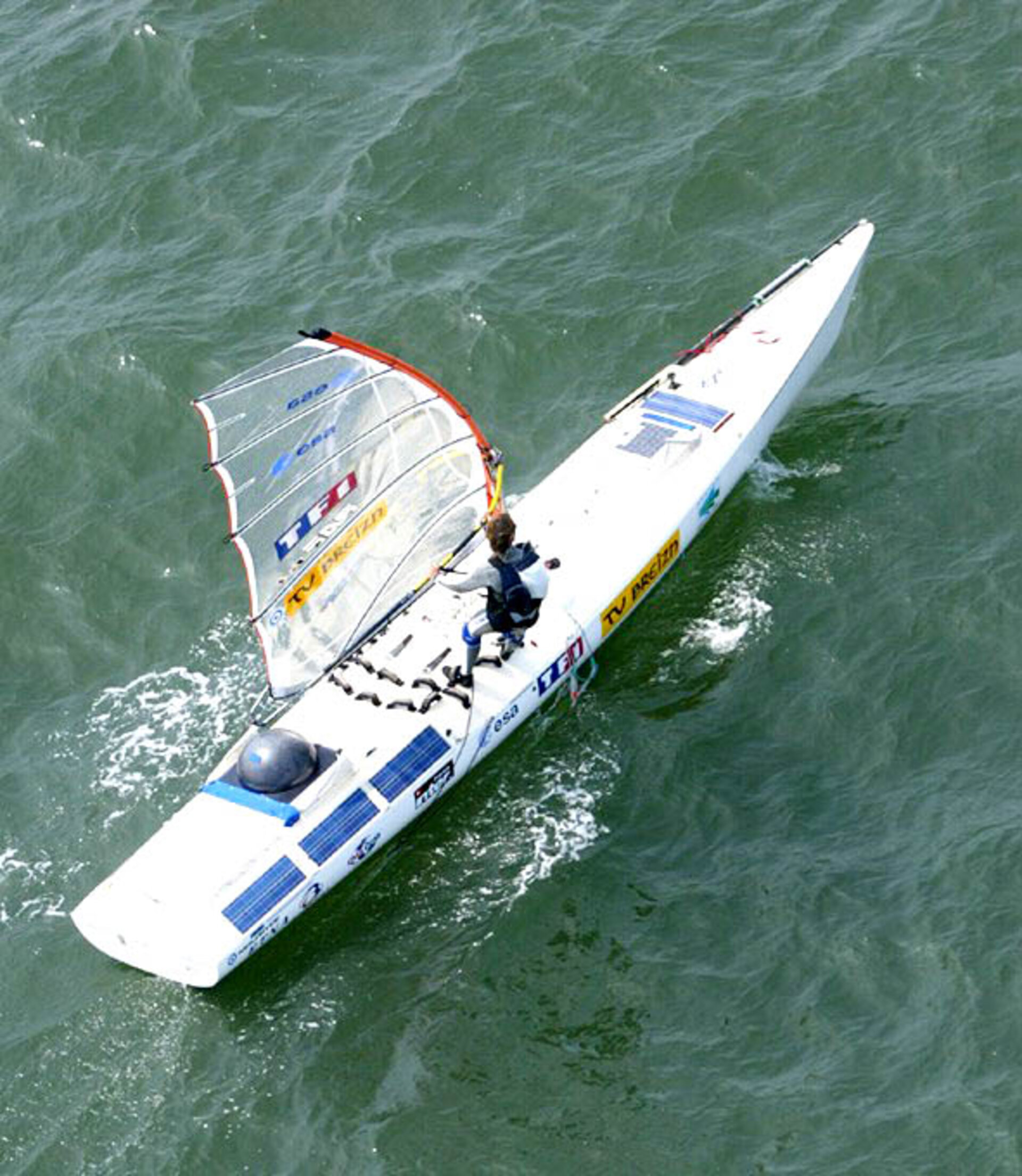
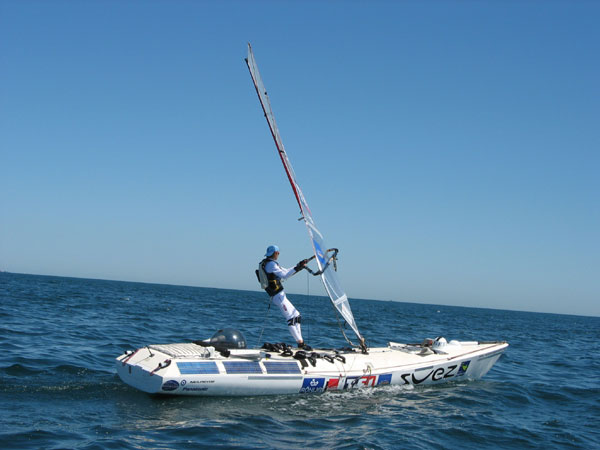
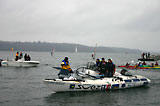
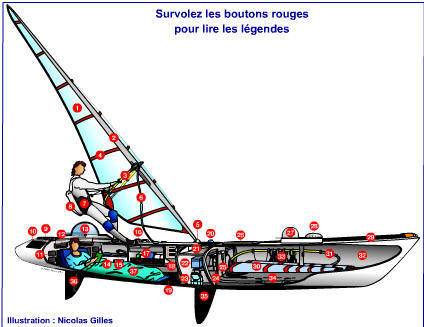
From February 25 to April 24, 2000, she became the first woman (and the third windsurfer ever) to cross the Atlantic alone, without an escort, on a surfboard. The 7.5 m long and 1.3 m wide surfboard was designed by Guy Saillard for Stéphane Peyron, who had used it in 1987 to become the first windsurfer to cross the Atlantic alone[3] and who advised le Gouvello on her crossing. The flat hull, used instead of a conventional surfboard, contained, among other things, a sleeping accommodation and provisions, five spare sails, and the lowered sail and rig for use at night and in bad weather (see web links for photos). She needed 58 days, 10 hours and 11 minutes to cover the 2,750 nautical miles (just over 5,000 km) from Saly Portudal in Senegal, south of Dakar, to Le Diamant on the Caribbean island of Martinique; Peyron had needed only 49 days for the roughly 3,500 nautical miles from New York to the French town of La Baule. The unexpectedly long duration of le Gouvello’s crossing was due to unusually weak winds over two and a half weeks at the start of the voyage, forcing the Frenchwoman to ration her supplies in the last third of the journey; nevertheless, she had to have food supplies brought to her by a French naval ship from Guyana. There was also excitement on April 17, when le Gouvello fell from her surfboard; however, the safety line she was wearing kept her connected to the board and she was able to get back on easily.
The Frenchwoman’s next goal was to cross the Pacific. For this, she had a new windsurfing device built from 2001 to 2002, again designed by Saillard. The 7.80 m long, 1.30 m wide, and up to 75 cm thick hull offers space for a second sail, sleeping accommodation, a desalination plant, sufficient provisions, and various navigation devices; the maximum sail area is 7.4 m².
To test the device and prepare for the Pacific, le Gouvello first attempted a Mediterranean crossing – becoming the first windsurfer ever to do so. However, on her first attempt, which began on July 25, the Frenchwoman capsized and had trouble righting the device. On her second attempt, from August 25 to September 7, 2002, she succeeded in completing the first crossing of the Mediterranean on a surfboard, completing the 550 nautical miles (just over 1,000 km) from Marseille to Sidi Bou Saïd in Tunisia in 10 days, 1 hour, and 38 minutes. The new surfboard was faster than the previous one and also more reliable.
In 2003, she became the first windsurfer to cross the Pacific Ocean alone. The 4,455 nautical miles (approximately 8,250 km) journey from Lima, Peru, to Papeete, Tahiti is the longest distance the Frenchwoman has ever completed, taking 89 days and 7 hours from August 5 to November 2.
From April 10, 2006, to June 8, 2006, le Gouvello became the first and, as of 2008, only windsurfer to cross the Indian Ocean. The Frenchwoman needed 60 days, 2 hours, and 1 minute to complete the 3,541 nautical miles (over 6,500 km; direct route 3,262 nautical miles) from Exmouth, Australia, to Le Port, on the French island of Réunion, off Madagascar. During the voyage, le Gouvello repeatedly struggled with seasickness, gastritis, injuries and changing weather conditions.
In the spring of 2007, le Gouvello circumnavigated Great Britain while windsurfing. She visited 26 ports during her trip, where she promoted environmental protection in general and the protection of the British coast in particular through educational work. She also allowed windsurfers with basic experience (confirmed windsurfers) to try out her windsurfing gear.
Le Gouvello still uses the windsurfing gear, which was completed in May 2002 (as of 2008). In 2003, she had an “airbag” developed by Saillard in collaboration with ESA installed, which further simplifies righting the gear after a capsize. Since then, a large airbag at the rear of the windsurfing gear can be triggered from both inside and outside the hull. In 2005, the gear’s electrical system, electronics, and paintwork were overhauled.
Le Gouvello has nine brothers and sisters.
As a veterinarian, the Frenchwoman specialized in aquaculture (fish farming and breeding other aquatic animals). After graduating from high school in 1978, le Gouvello studied veterinary medicine and received her doctorate in 1985, writing her thesis on aquaculture in Taiwan in 1984. In 1986, she earned a Master of Science in Natural Resources from Humboldt State University in California. In 1987, she devoted herself to the reproduction of Chinese and Indian carp and the management of lakes in Bangladesh. A year later, she conducted a project on ichtyopathology (fish pathology) and aquatic techniques in France.
From 1987 to 1990, le Gouvello worked for an aquaculture food producer, then in the aquaculture program of a veterinary laboratory until 1993. In 1994, the Frenchwoman founded Stermor, a company that provides advice on nutrition, health, and hygiene for aquaculture. Le Gouvello operates the company from her hometown of Pénestin in the French Morbihan (Brittany).
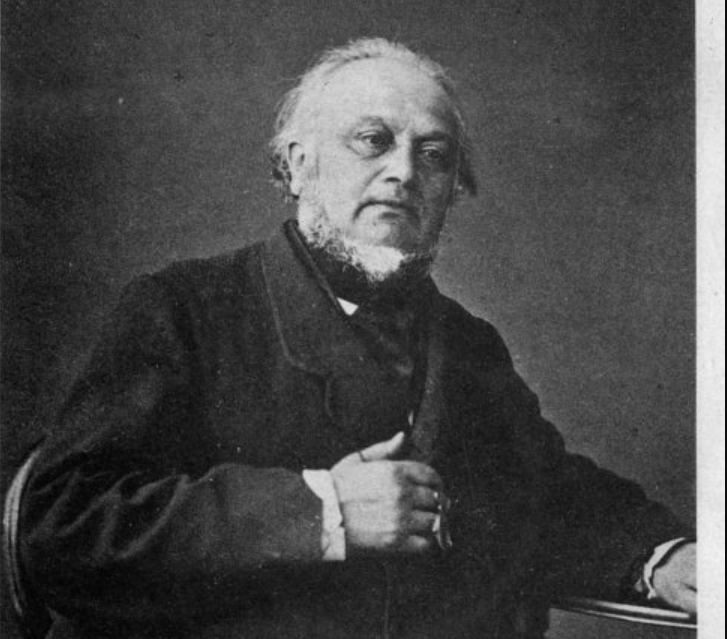
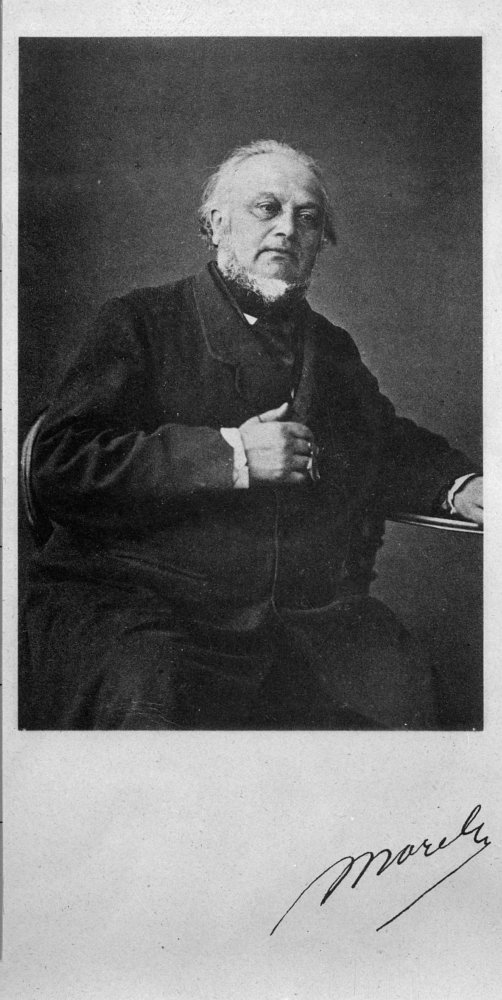
Bénédict Augustin Morel (22 November 1809 – 30 March 1873) was a French psychiatrist born in Vienna, Austria. He was an influential figure in the field of degeneration theory during the mid-19th century.
Morel received his education in Paris, and while a student, supplemented his income by teaching English and German classes. In 1839 he earned his medical doctorate, and two years later became an assistant to psychiatrist Jean-Pierre Falret (1794–1870) at the Salpêtrière in Paris.[2]
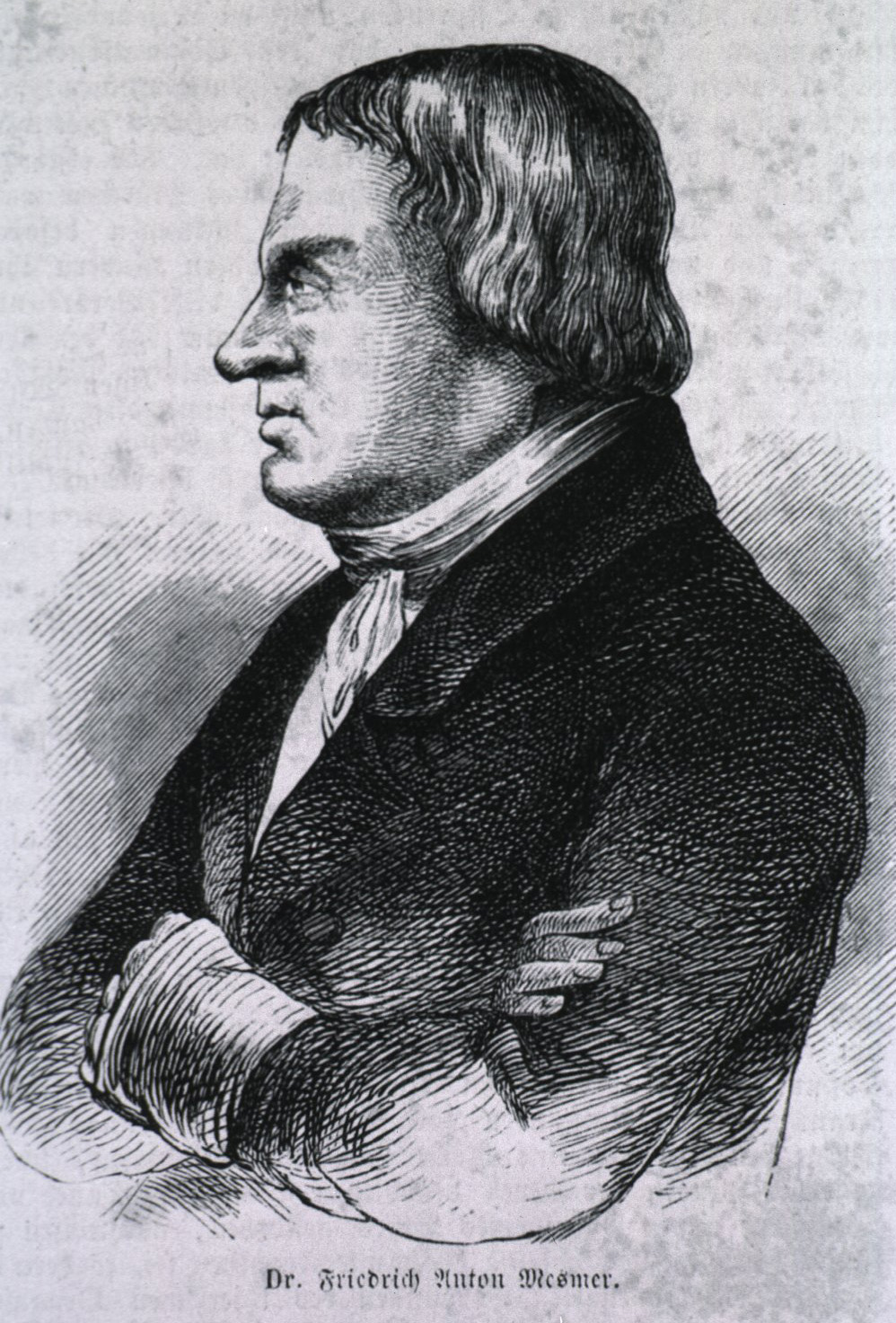
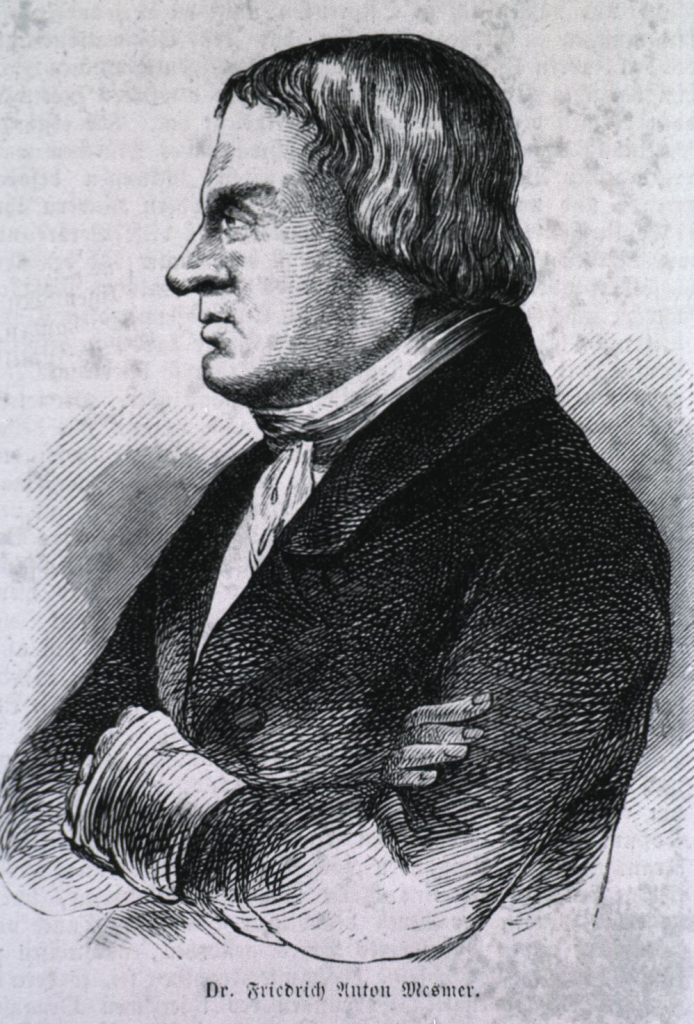
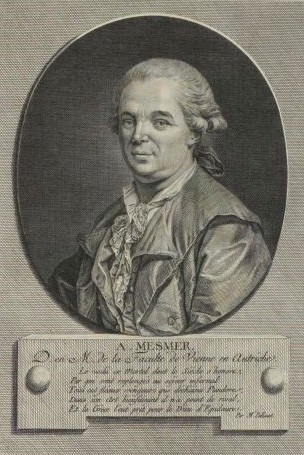
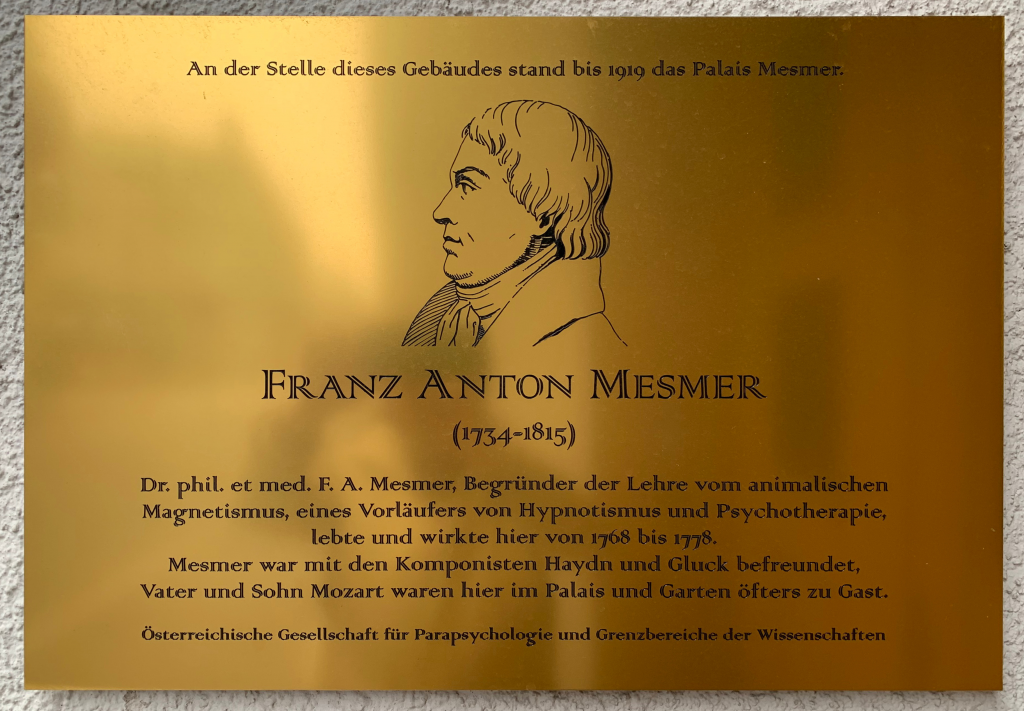
Franz Anton Mesmer (/ˈmɛzmər/MEZ-mər;[1] German: [ˈmɛsmɐ]; 23 May 1734 – 5 March 1815) was a German physician with an interest in astronomy. He theorized the existence of a process of natural energy transference occurring between all animate and inanimate objects; this he called “animal magnetism“, later referred to as mesmerism. Mesmer’s theory attracted a wide following between about 1780 and 1850, and continued to have some influence until the end of the 19th century.[2] In 1843, the Scottish doctor James Braid proposed the term “hypnotism” for a technique derived from animal magnetism; today the word “mesmerism” generally functions as a synonym of “hypnosis”. Mesmer also supported the arts, specifically music; he was on friendly terms with Haydn and Mozart.
Mesmer would often conclude his treatments by playing some music on a glass harmonica.
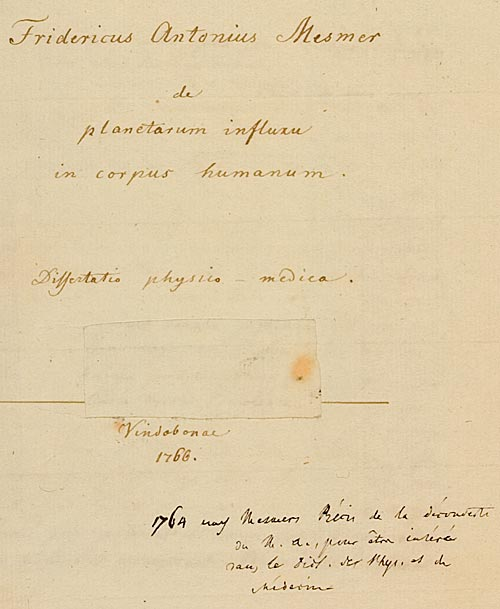
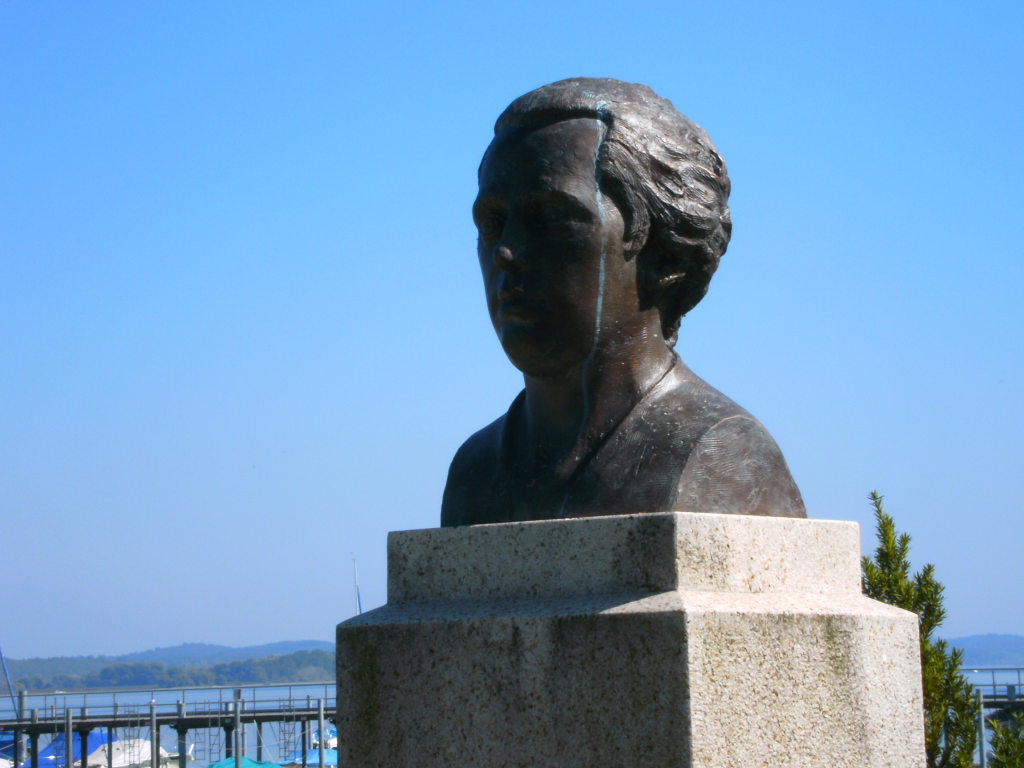
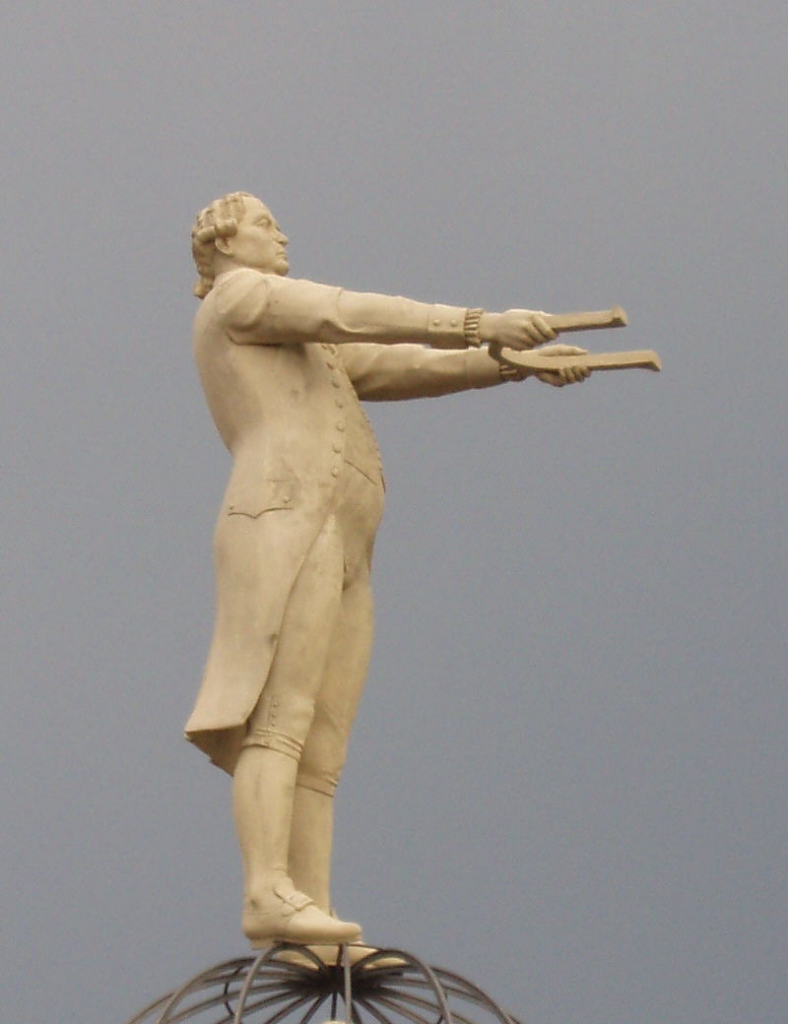
Glassharfe | glassharp in Film “Mesmer”Print of Franz Anton Mesmer (Musée de la Révolution française)Gedenktafel an der Stelle des Palais Mesmer in der Rasumofskygasse 29 in Wien-LandstraßeDe planetarum influxu in corpus humanumBüste Franz Anton Mesmer hergestellt im Jahr 2013 durch den Bildhauer Friedhelm Zilly in der Uferanlage beim Hafen in Moos (am Bodensee) Ortsteil Iznang. Profil.Mesmer. Plastik von Peter Lenk auf der Hafenmole von MeersburgFranz Anton Mesmer
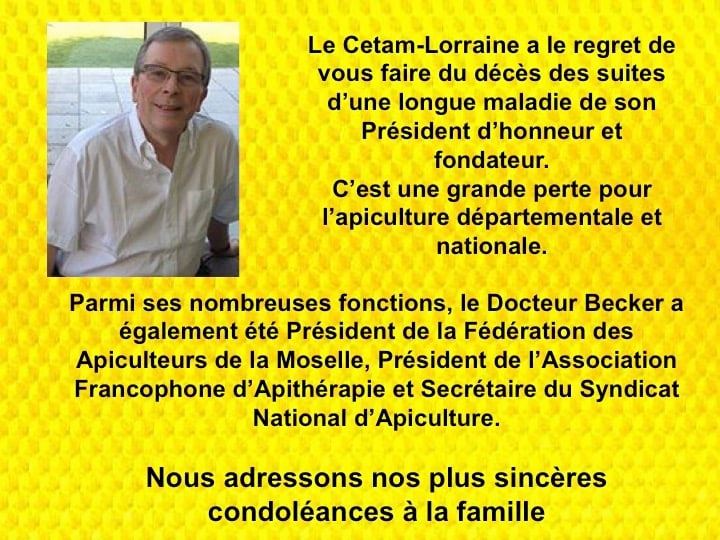
Langjähriger Vorsitzender von Imkergesellschaften im Raum Straßburg und überregional. Autor von Büchern über Api-Therapie.
25 years ago he became president of a local beekeeper organisation. Later he was in the board of the Lothringen/France Beekeeper organisation and later general secretary of the national french beekeepers.
Then he even worked in a European level organisation but the drew back a bit to be able running his doctors office as general practitioner……
In 2009 at Montpellier/France he will be participating in the ApiMondial congress.