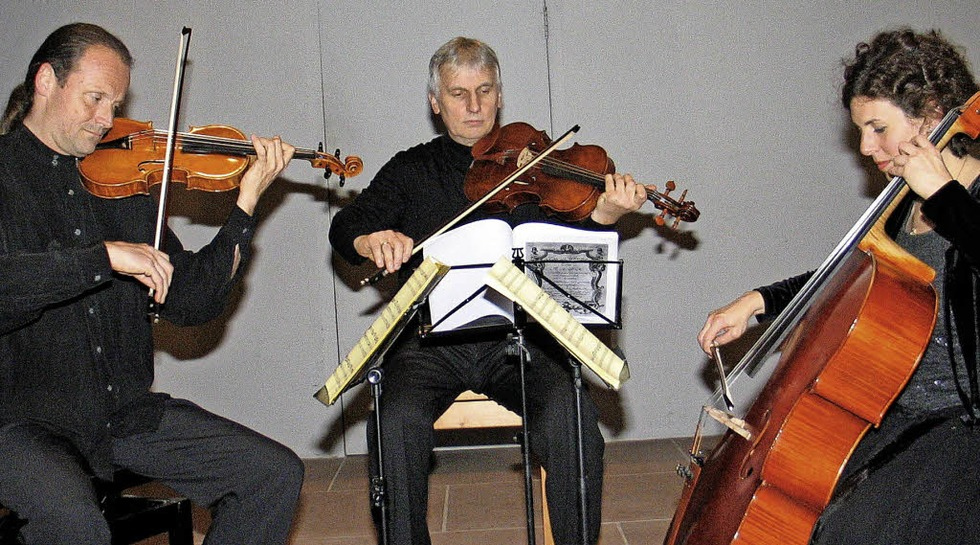
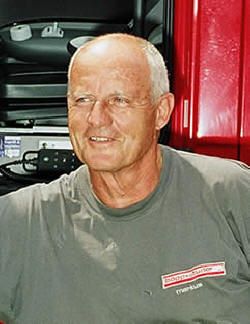
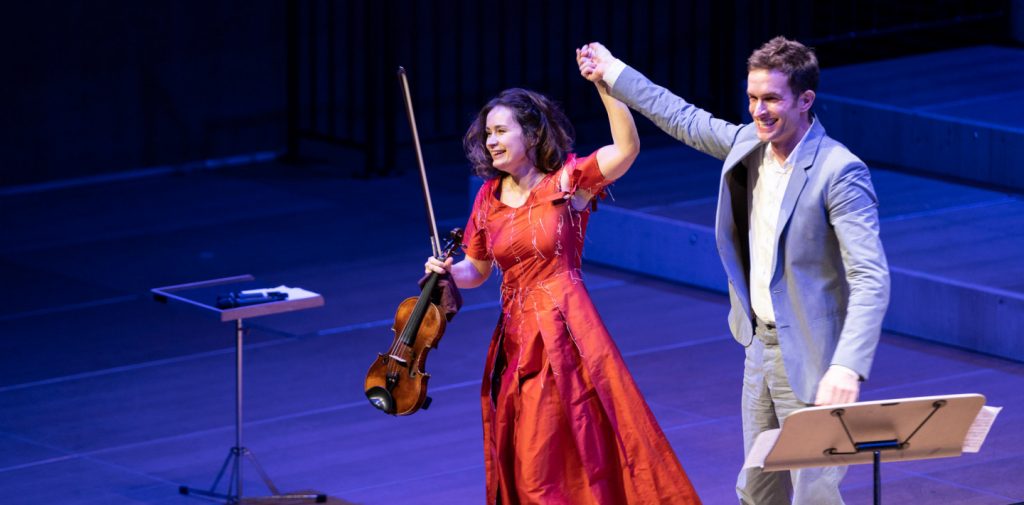
Horst Hildebrandt, born in Marburg (Germany), completed violin studies in Freiburg (Germany) and London, and studied medicine in Freiburg. He has furthered his training in movement therapy, dispokinesis, mental training, and pain therapy. He is a member of the German National Youth Orchestra and the Junge Deutsche Philharmonie. He has worked as a violinist in opera and radio orchestras. He is the first violinist of the Hilaros Quartet, the Ensemble Aisthesis, and various orchestras. From 1988, he was a violinist and violist with the Ensemble Aventure Freiburg for over 30 years. He has taught for many years at music schools, as well as at music academies and professional orchestras. He has been the head of the Music Physiology/Music and Preventive Medicine department at the Zurich University of the Arts (since 1997) and the Basel University of Music (since 1999). His areas of expertise include teaching and research in psychophysiology, prevention, and health promotion. He is the director of the MAS continuing education program in Music Physiology at the Zurich University of the Arts. Founder and management team member of the Zurich Center for Musicians (ZZM) and the Swiss University Center for Music Physiology (SHZM).
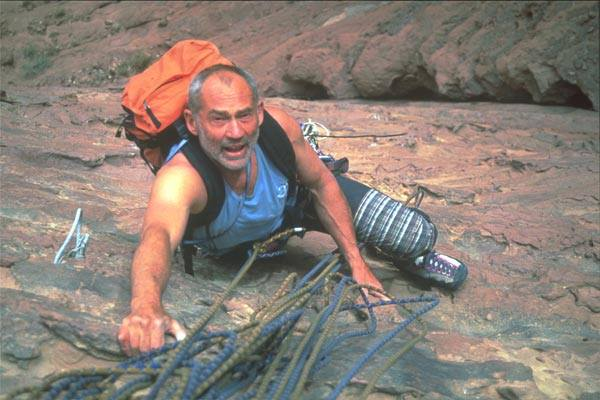
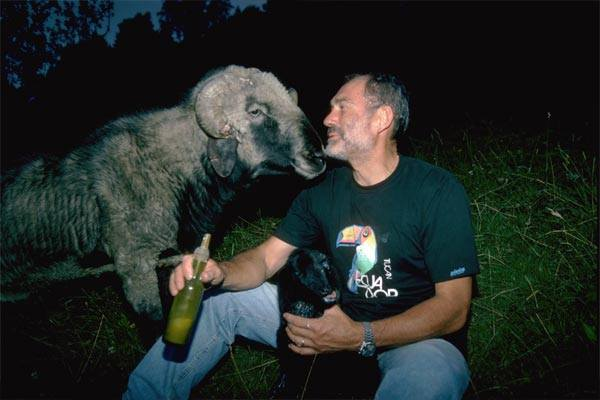
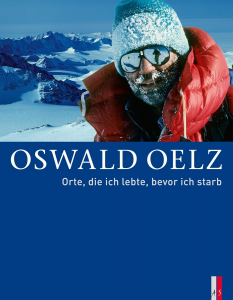
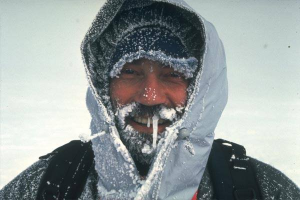
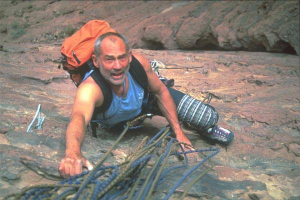
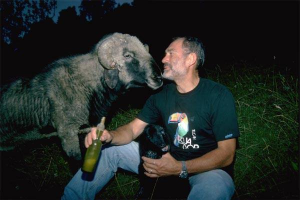
Oswald “Bulle” Oelz (born February 6, 1943 in Rankweil, Vorarlberg) is an Austrian-Swiss physician and mountaineer. From 1991 to 2006, he was chief physician at the Triemli City Hospital in Zurich. In addition to his medical work, the internist and high-altitude physician practiced extreme mountaineering, participated in numerous expeditions in the Himalayas, and gave slide presentations about his climbing tours. He breeds sheep.
As an expedition doctor, Oswald Oelz accompanied numerous expeditions in the Himalayas, including mountaineers such as Reinhold Messner, Peter Habeler, and Hans Kammerlander. In 1972, Oelz traveled to the Himalayas to climb Manaslu (8,163 m), but was unsuccessful.
In 1978, he was one of two doctors on the controversial expedition to Mount Everest (8,848 m), during which Messner and Habeler climbed the mountain for the first time without supplemental oxygen. Oelz and six other expedition members successfully completed the ascent using oxygen cylinders. He was thus the first Vorarlberg native to successfully climb Mount Everest.
During an expedition in 1979, he attempted to climb the Ama Dablam Northeast Ridge (6,856 m). He was unable to reach the summit due to a rescue operation. In 1981, he accompanied an expedition to Shishapangma (8,027 m), but in 1982, he failed to climb Cho Oyu (8,188 m) due to cerebral edema. In 1983, he survived an avalanche on Glacier Dome (7,193 m) in the Annapurna massif. In 1985, Oelz climbed Shishapangma, his second eight-thousander. A further attempt to climb Makalu (8,485 m) failed in 1986.
In 1990, Oswald Oelz became the third person to reach all of the Seven Summits according to the Carstensz version: Aconcagua (6,961 m, 1974 & 1986), Mount McKinley (6,190 m, 1976), Mount Everest (1978), Mount Vinson (4,892 m, 1986), Kibo (5,895 m, 1987), Mount Kosciuszko (2,228 m, 1989), Elbrus (5,642 m, 1989), and the Carstensz Pyramid (4,884 m, 1990).[3]
He reached the summit of Ama Dablam in 1995. In the Alps he climbed the three great north faces of the Alps: the Matterhorn North Face, the Eiger North Face (1995) and the Walker Pillar of the Grandes Jorasses.
In the documentary Höhenrausch: Die Entwicklung der Höhenmedizin (2022), Oelz states that he “lost a total of 29 friends with whom he climbed high peaks.” In 1978, in a personal experiment on Mount Everest, he reduced his hematocrit from 58 to 52% to reduce viscosity, but subsequently became seriously ill. After a week, he recovered and climbed the summit with oxygen. In 1986, he suffered high-altitude pulmonary edema on Aconcagua and was treated with nifedipine, with rapid improvement after 10 minutes.
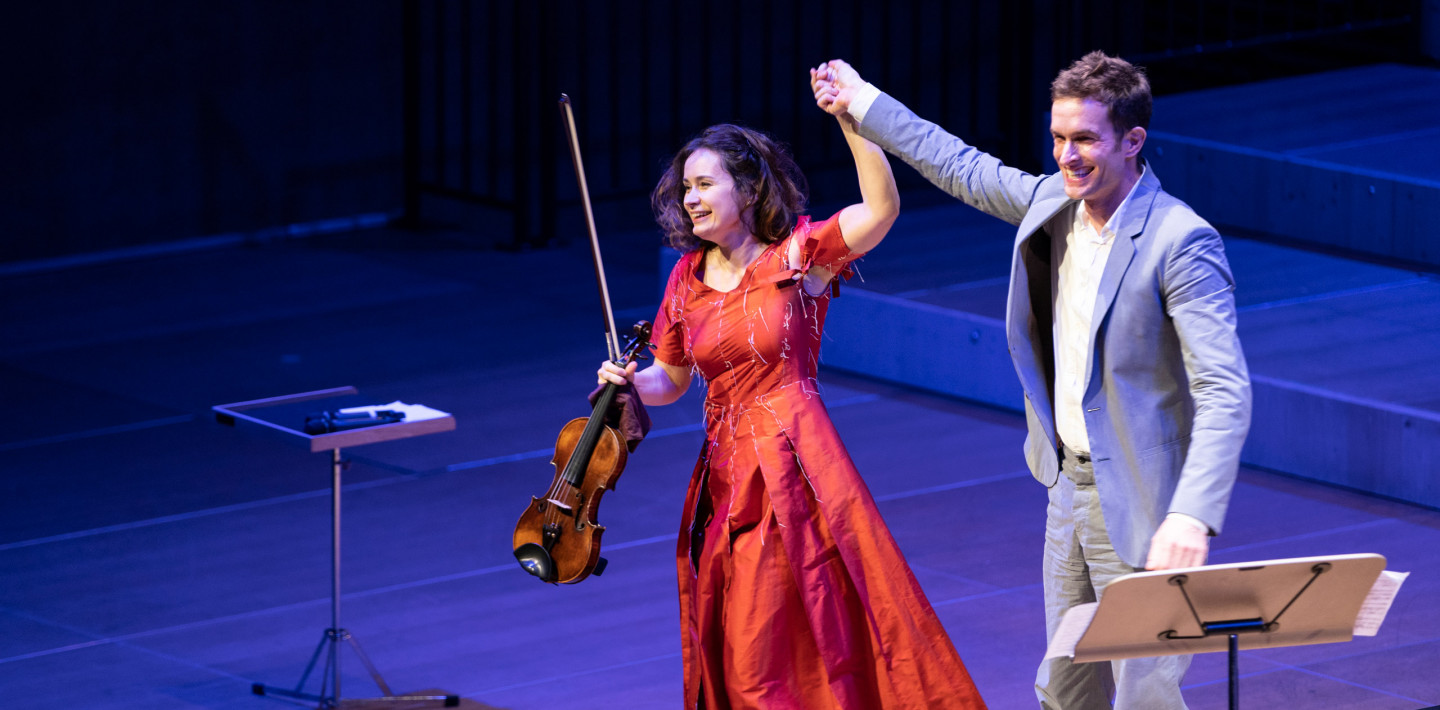
Fabian Unteregger graduated from ETH Zurich with a MSc in Food Science in 2003 and received his ETH teaching credential in 2004. From 2008 to 2014, he studied human medicine at the University of Zurich. He received his doctorate in medicine in 2017.
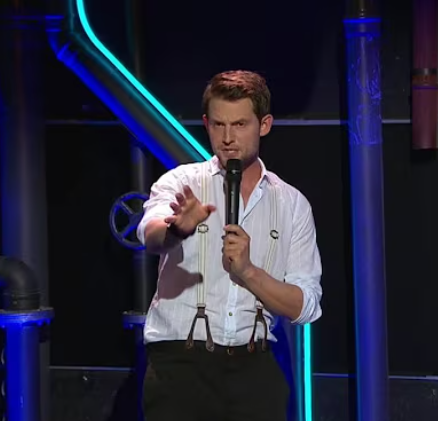
Unteregger can be found in theater sports, as an impersonator, or as a presenter on various stages. He imitates well-known Swiss personalities from politics and sports. In 2007, he answered viewer questions once a week on Radio Top as National Councilor Christoph Mörgeli. In 2008, he became known to a broad national audience with appearances on the Swiss TV satire show Giacobbo/Müller on SF 1. In addition to Mörgeli, he also parodies other Swiss personalities such as Roger Federer, Köbi Kuhn, and Moritz Leuenberger, the latter in his weekly radio column Moritz explains German on Radio 24 and Capital FM. From 2009, he toured cabaret stages in German-speaking Switzerland with his first solo show Showbiss. Since July 4, 2013, he has also been a weekly presenter of the TV comedy show Metzgete – Heiteres Prominentenraten on SRF 1. His second stage show premiered on October 7, 2015.
2005, 2007: Second place at the Swiss Theater Sports Championships (with Improvenös)
2008: European Theater Sports Champion[2]
2008: Winner of Best of Swiss Web Gold, Best Football Marketing Site (for Natifans.ch)[3]
2016: Prix Walo in the Comedy category
In December 2010, Fabian Unteregger organized the first “Christmas Medical Lecture” at the University of Zurich for the benefit of the ALS Association Switzerland and was subsequently appointed its ambassador.
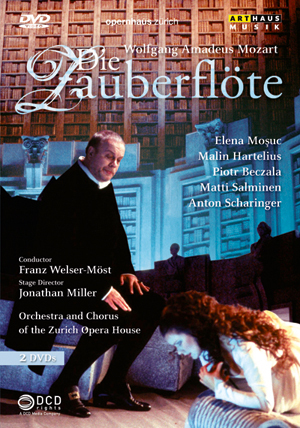
Die Zauberflöte zählt zu den bekanntesten und meistgespieltesten Opern weltweit und versetzt den Zuhörer vom ersten Ton der Ouvertüre in eine Märchenwelt. Allen bekannt ist vor allem die Arie des Vogelfängers Papageno. Mozart schrieb dieses Werk im Auftrag von Emanuel Schikander und beendete seine Komposition innerhalb von drei Wochen kurz vor seinem Tod im Jahr 1791. Unter dem Dirigat von Franz Welser-Möst und in der Inszenierung des englischen Regisseurs Jonathan Miller erlebte das Publikum eine überzeugende Aufführung im Zürcher Opernhaus, die Maßstäbe setzt. Die Individualität dieser Produktion ist nicht zuletzt auch auf die exzellente Auswahl der Interpreten zurückzuführen. Glänzend disponiert sind der Tenor Piotr Beczala als Tamino, Matti Salminen als Sarastro, Anton Scharinger als Papageno, Elena Moşuc als Königin der Nacht oder Julia Neumann als Papagena.