Category Archives: biologyDocs

  • -

Martin Nweeia

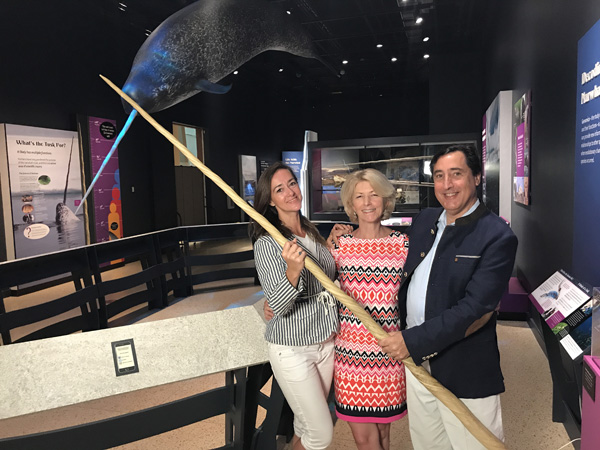
Jane O’Brien, an anchor of BBC World News, joins Martin Nweeia, D.D.S., ’77, right, and Nweeia’s wife, Pamela Peeters, at the Smithsonian. Photo by Ryan Lavery

Dr. Martin Nweeia is the world’s leading expert on the narwhal’s tusk and tooth system. He is a National Foundation Scientist and has led over 20 High Arctic expeditions and carried 15 expedition flags to study the elusive narwhal. He holds doctorates in dentistry and surgery and is a member of the dental faculties of Harvard University and Case Western Reserve University. He also conducts research at the Canadian Museum of Nature and the Smithsonian Institution. The Smithsonian Institution has awarded him two fellowships: one in physical anthropology and one in vertebrate zoology.

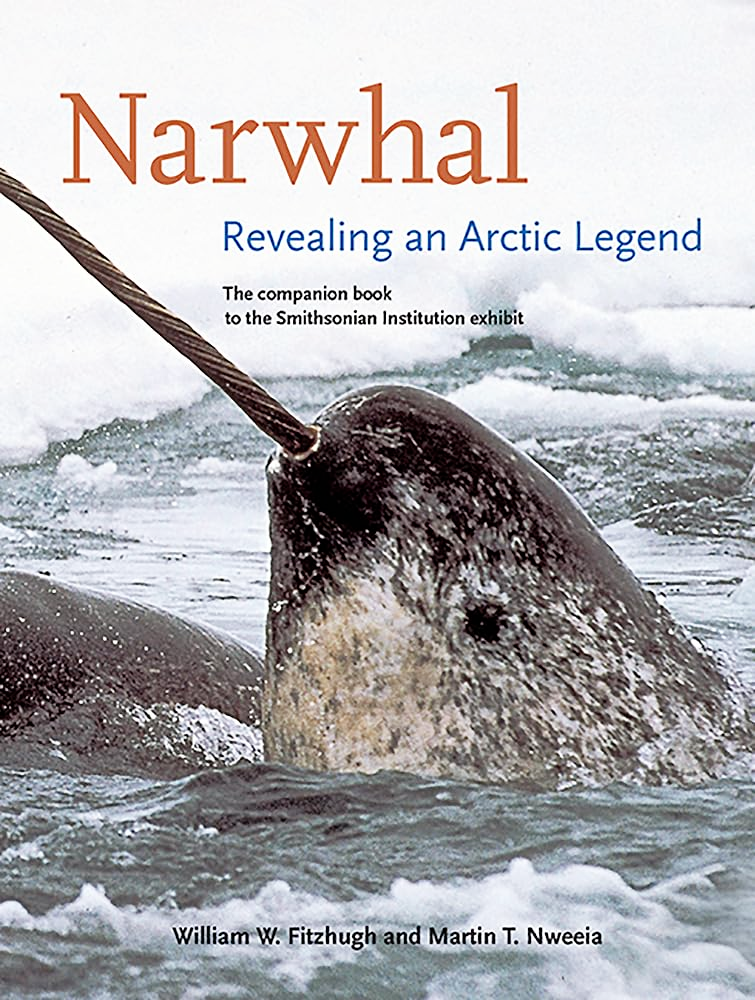
His work has been featured in The New York Times, NPR’s “Pulse of the Planet,” “A Beautiful World,” “Morning Edition,” “Earth Wise,” and documentaries by National Geographic, “Découverte” (French Discovery), and the BBC, including “Natural Curiosities” with Sir David Attenborough. Dr. Nweeia has received a CINE Golden Eagle for the NGS Wild Chronicles narwhal story, the William Mills Prize for his book “Narwhal: Revealing An Arctic Legend,” and the Lowell Thomas Award for Arctic Research. His 2020 scientific publications have been published in Nature, PNAS, and two Smithsonian books.
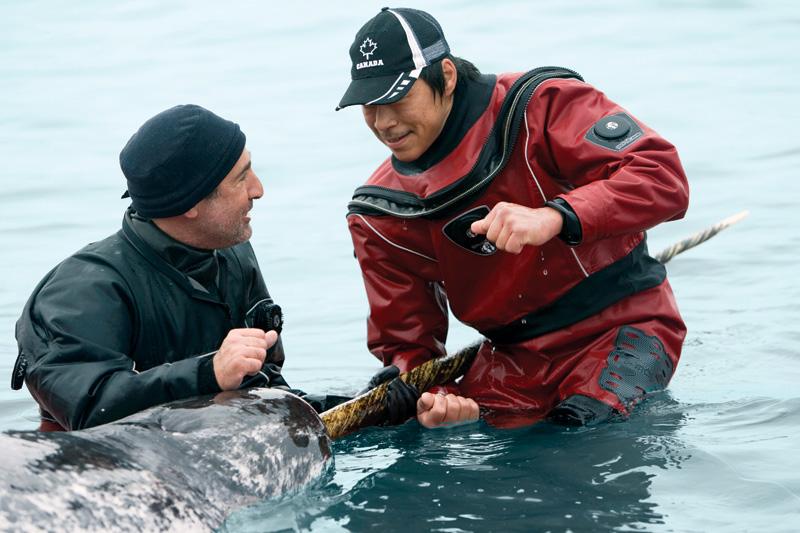
Martin Nweeia ’77 and research colleague Adrian Arnauyumayuq complete experiments on a live narwhal in Arctic Bay, Nunavut, Canada, in 2007. Photo by Gretchen Freund

Ein ziemlich ausgefallenes Hobby hat der amerikanische Zahnarzt Martin Nweeia: Er studiert den Stoßzahn des Narwals. Nweeia, niedergelassen in Sharon im US-Staat Connecticut und Lehrbeauftragter an der School of Dental Medicine der Harvard University, fährt seit Jahren im Frühjahr nach Kanada in die Arktis und untersucht die rätselhaften Wale mit dem einen großen Zahn, berichtet “New Scientist” online.
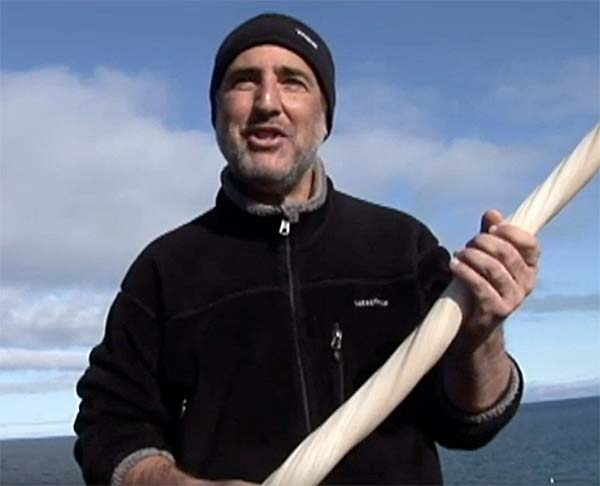
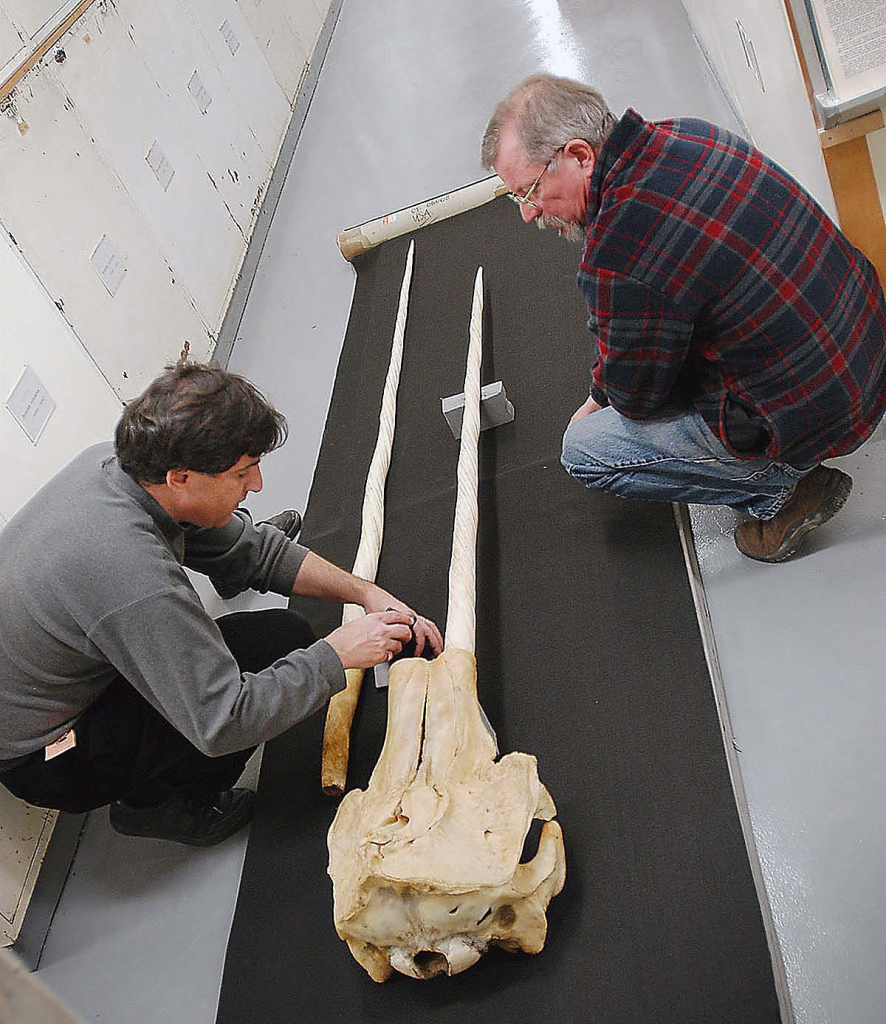
The narwhal’s tusk—the model for the unicorn’s horn—is unique in nature, says Nweeia. “It’s the only known straight tusk and the only spirally twisted one.” In stress tests, narwhal tusks have proven to be extremely flexible and tough—a combination that’s unusual for teeth.
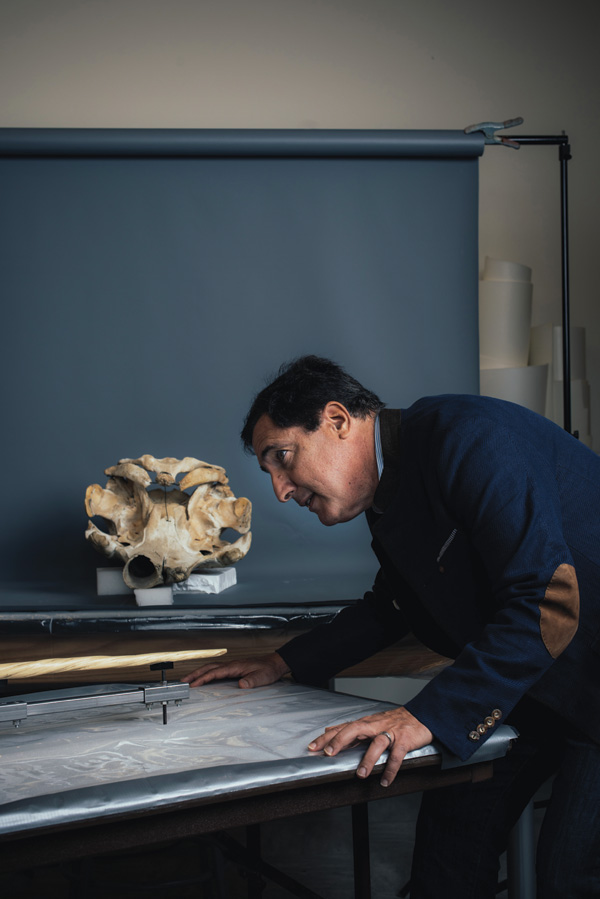
Nweeia examines a narwhal tusk and skull at the Smithsonian’s National Museum of Natural History before it is placed in a new exhibit, which opened in August. Photo by Stephen Voss

In male narwhals, one tusk grows to almost two and a half meters, while the other remains embedded in the jaw. Most females lack a tusk. The purpose of the tooth is still unclear. Weeia’s theory: “I think the tooth is a kind of sensor. It probably has something to do with detecting prey.” To test this, he is currently equipping whales with a sensor in their teeth.
https://narwhal.org/

https://www.aerztezeitung.de/Panorama/Dieser-Zahn-ist-ausserordentlich-und-einzigartig-in-der-Natur-331804.html

https://www.docseducation.com/blog/famed-dentist-studies-elusive-%27sea-unicorn%27-learn-more-about-human-teeth

https://www.si.edu/stories/understanding-narwhals-smile

https://www.glexsummit.com/explorers/martin-nweeia

  • -

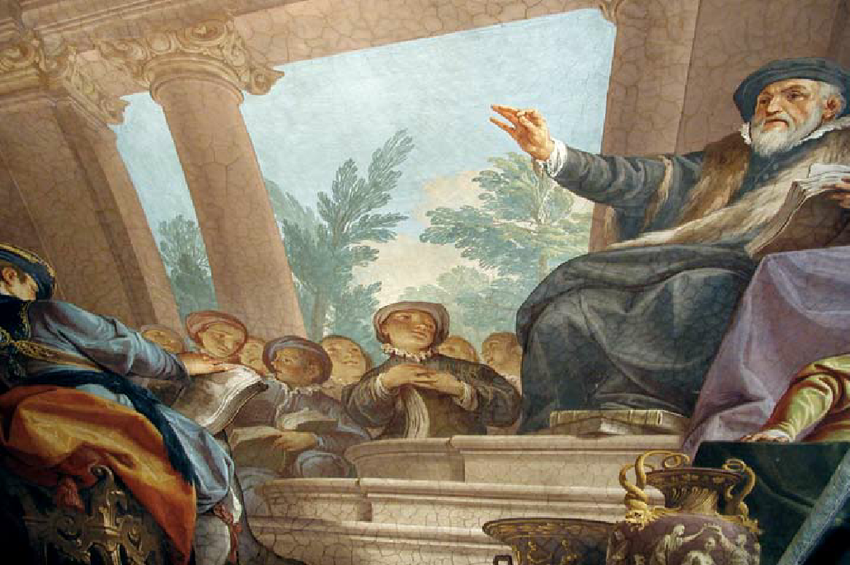
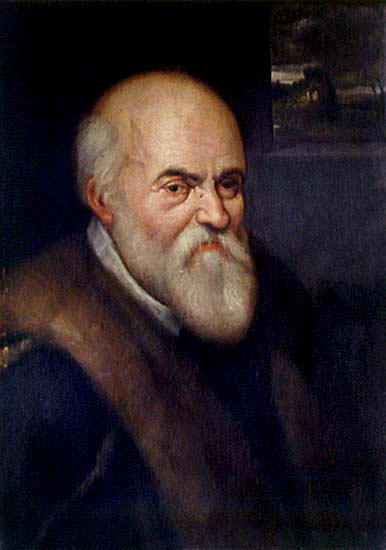
Ulisse Aldrovandi

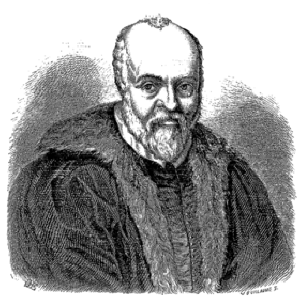
Ulisse Aldrovandi (11 September 1522 – 4 May 1605) was an Italian naturalist, the moving force behind Bologna’s botanical garden, one of the first in EuropeCarl Linnaeus and the comte de Buffon reckoned him the father of natural history studies. He is usually referred to, especially in older scientific literature in Latin, as Aldrovandus; his name in Italian is equally given as Aldroandi.

Aldrovandi was born in Bologna to Teseo Aldrovandi and his wife, a noble but poor family. His father was a lawyer, and Secretary to the Senate of Bologna, but died when Ulisse was seven years old. His widowed mother wanted him to become a jurist. Initially he was sent to apprentice with merchants as a scribe for a short time when he was 14 years old, but after studying mathematicsLatinlaw, and philosophy, initially at the University of Bologna, and then at the University of Padua in 1545, he became a notary. His interests successively extended to philosophy and logic, which he combined with the study of medicine.[1]

In June 1549, Aldrovandi was accused and arrested for heresy on account of his espousing of the anti-trinitarian beliefs of the Anabaptist Camillo Renato. By September, he publicly abjured, but was nevertheless transferred to Rome, and remained in custody or house arrest until absolved in April, 1550. During this time, he befriended many local scholars. While in light captivity there, he became more and more interested in botanyzoology, and geology (he is credited for the invention/first written record of this word[2]). From 1551 onward, he organized a variety of expeditions to the Italian mountains, countryside, islands, and coasts to collect and catalogue plants.

He obtained a degree in medicine and philosophy in 1553 and started teaching logic and philosophy in 1554 at the University of Bologna. In 1559, he became professor of philosophy and in 1561 he became the first professor of natural sciences at Bologna (lectura philosophiae naturalis ordinaria de fossilibus, plantis et animalibus).[1] Aldrovandi was a friend of Francesco de’ Medici, Grand Duke of Tuscany (1574 – 1587), visiting his garden at Pratolino and travelling with him, compiling a list of the most valuable plants at Pratolino.[b] He also formed fruitful associations with botanical artists such as Jacopo Ligozzi, to further develop illustrated texts.[3] He died in Bologna on 4 May 1605, at the age of 82.

Aldrovandi’s wife Francesca Fontana was invaluable to his research. He utilized her dowry to build their massive country estate that ultimately included his natural history collection. She was a research partner who located texts for him to cite and use in his books, edited his books, and wrote sections of them as well. She wrote the preface for his posthumous book On the Remains of Bloodless Animals, which Suzanne Le-May Sheffield described as “their shared work”.[4]

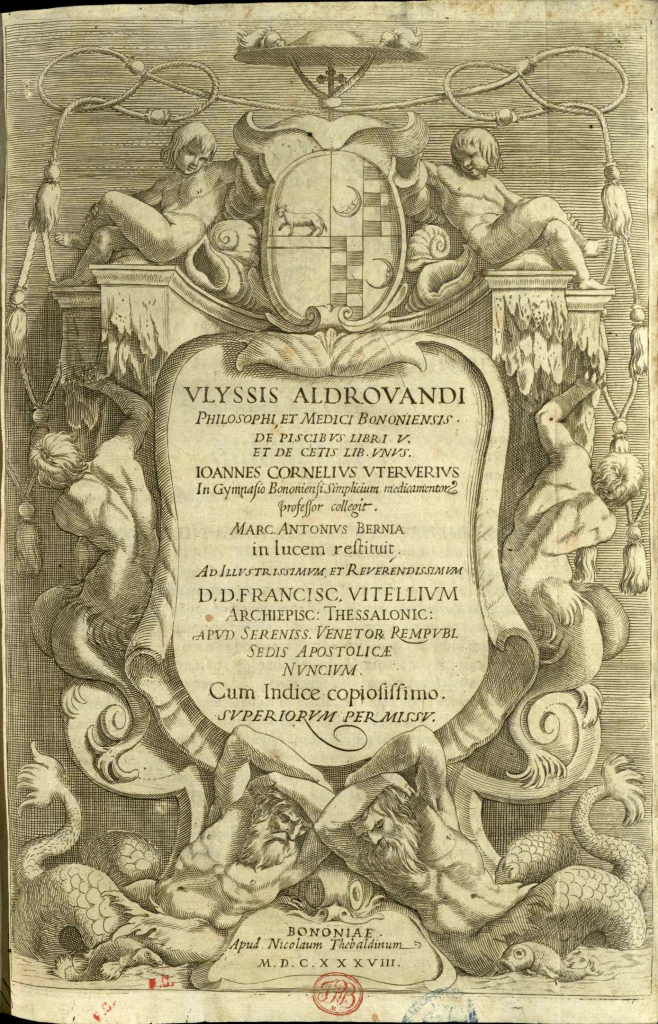
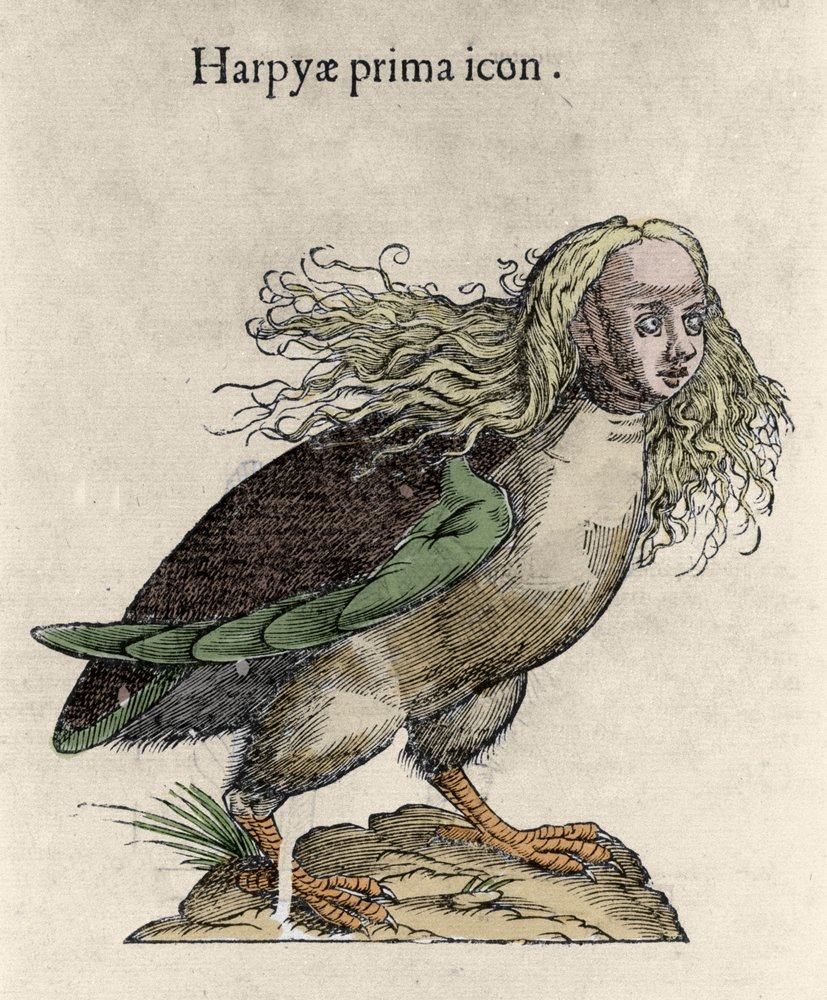
Over the course of his life, he would assemble one of the most spectacular cabinets of curiosities: his “theatre” illuminating natural history comprising some 7000 specimens of the diversità di cose naturali, of which he wrote a description in 1595. Between 1551 and 1554, he organized several expeditions to collect plants for a herbarium, among the first botanizing expeditions. Eventually, his herbarium contained about 4760 dried specimens on 4117 sheets in sixteen volumes, preserved at the University of Bologna. He also had various artists including Jacopo Ligozzi, Giovanni Neri, and Cornelio Schwindt, compose illustrations of specimens.

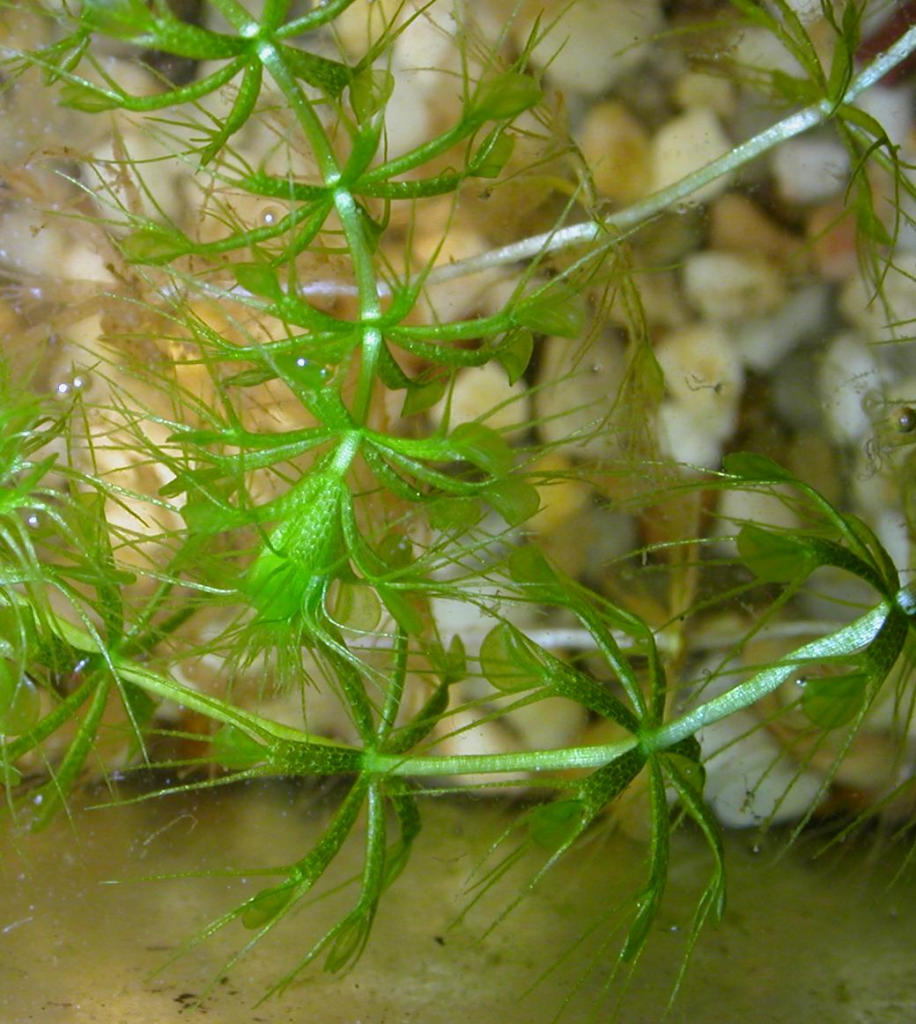
The plant genus Aldrovanda is named after him.

At his demand and under his direction, a public botanic garden was created in Bologna in 1568, now the Orto Botanico dell’Università di Bologna.[5] Due to a dispute on the composition of a popular medicine with the pharmacists and doctors of Bologna in 1575, he was suspended from all public positions for five years. In 1577, he sought the aid of Pope Gregory XIII (a cousin of his mother), who wrote to the authorities of Bologna to reinstate Aldrovandi in his public offices and request financial aid to help him publish his books.

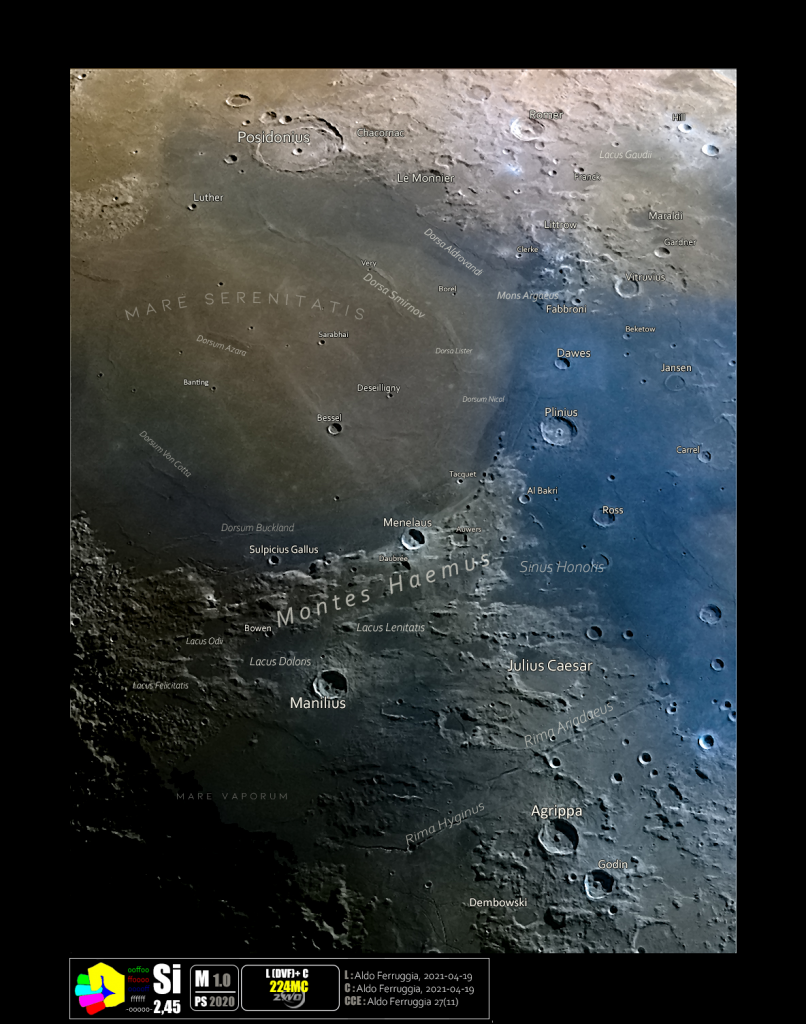
The wrinkle ridge Dorsa Aldrovandi on the Moon is named after him.

The Civico Orto Botanico “Ulisse Aldrovandi” in San Giovanni in Persiceto is named in his honor.

https://de.wikipedia.org/wiki/Ulisse_Aldrovandi

https://en.wikipedia.org/wiki/Ulisse_Aldrovandi


  • -

Reto Eberhard Rast

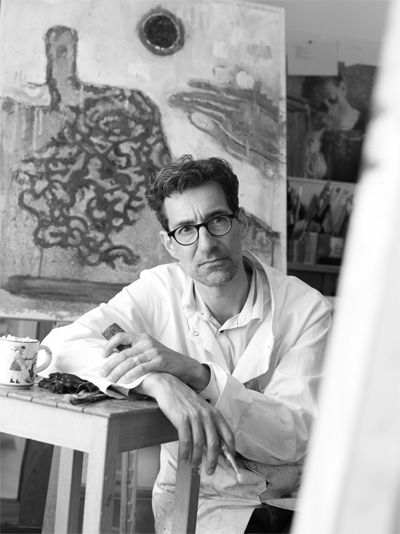
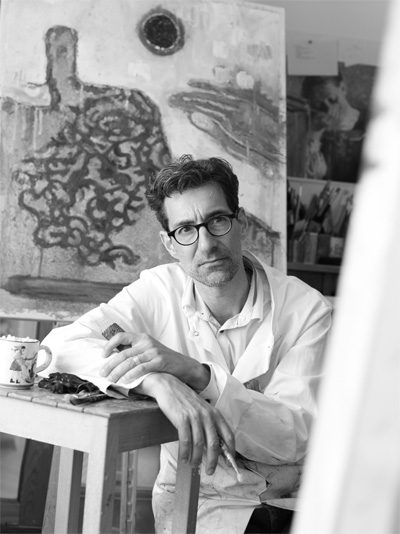
Reto Eberhard Rast (*1973)

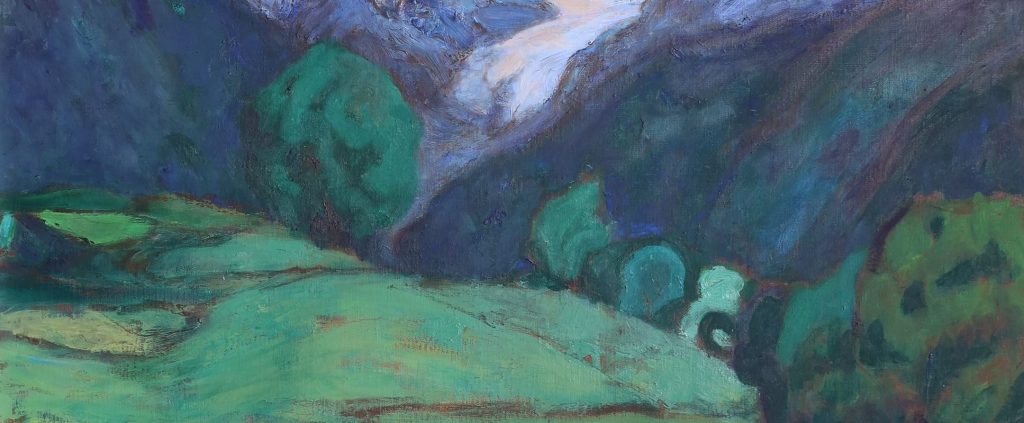
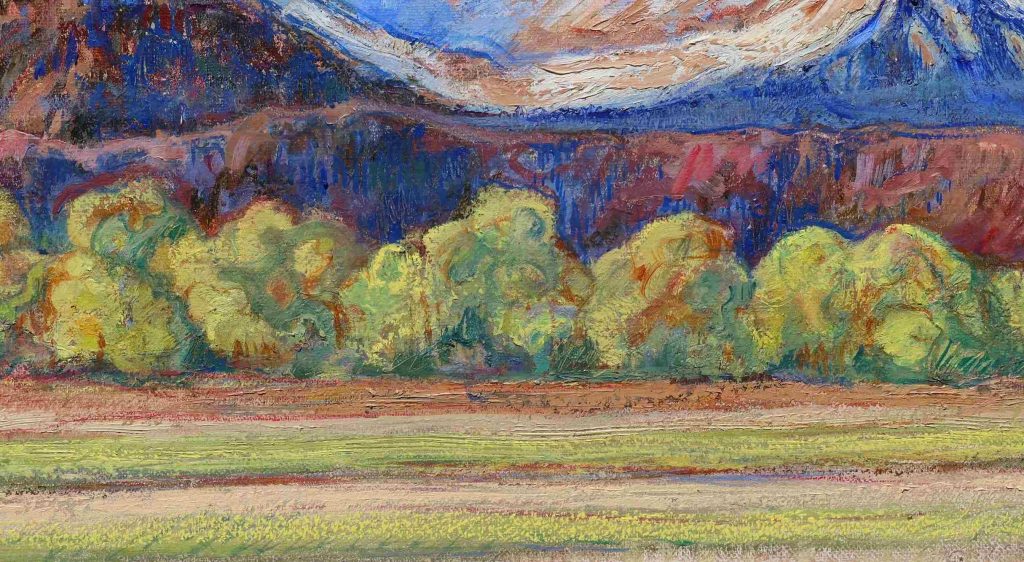
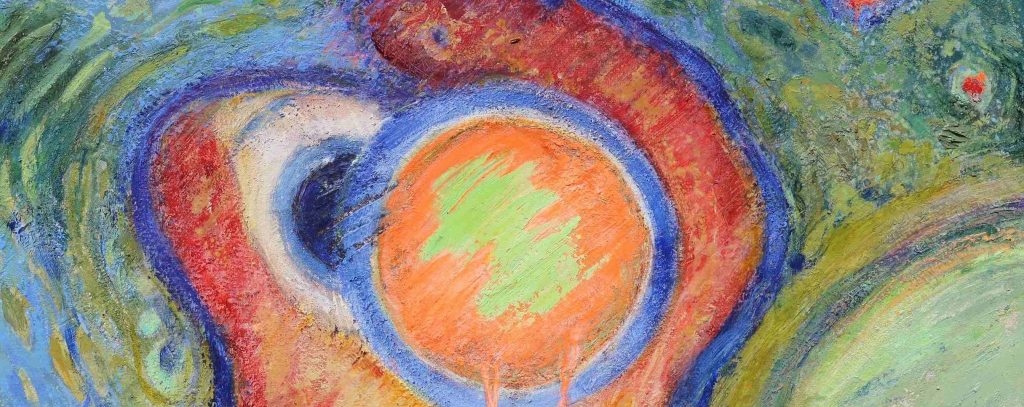
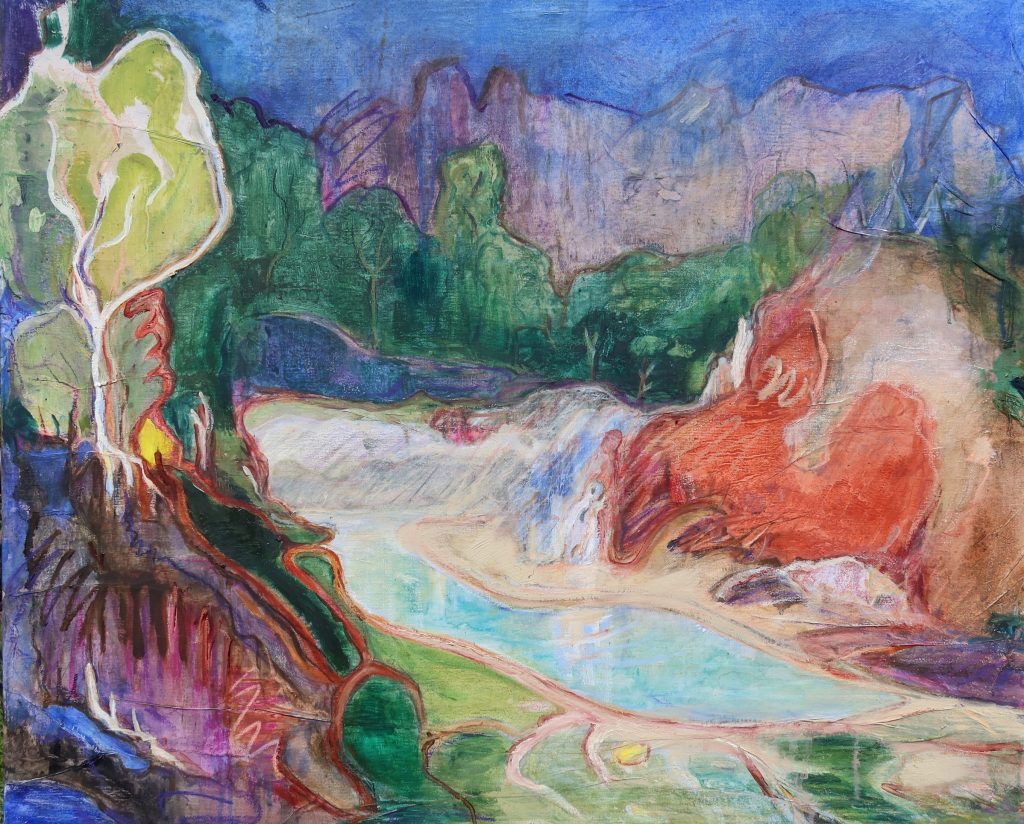
Was raised in St. Moritz and lives with his family in Lucerne. Despite an inner urge to paint and several awards at a young age, he decided to study medicine, followed by additional studies in history and biology. He worked as a family doctor, teacher and lecturer. As a Red Cross delegate, he carried out missions in countries hit by natural disasters and epidemics. He also worked as an illustrator and art assistant. In 2021, he gave up his practice and has been working as a freelance artist ever since. For one semester he attended courses in figure drawing and engraving at the École des Beaux-Arts in Paris.

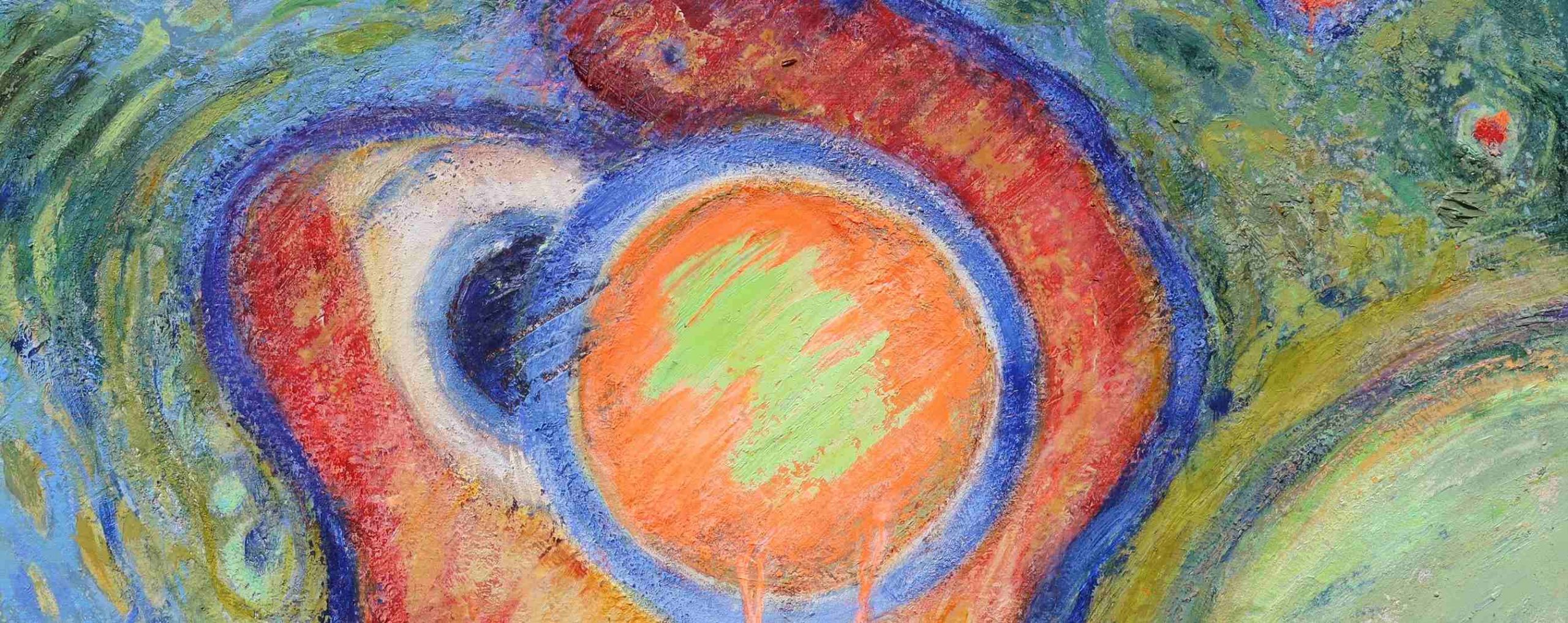
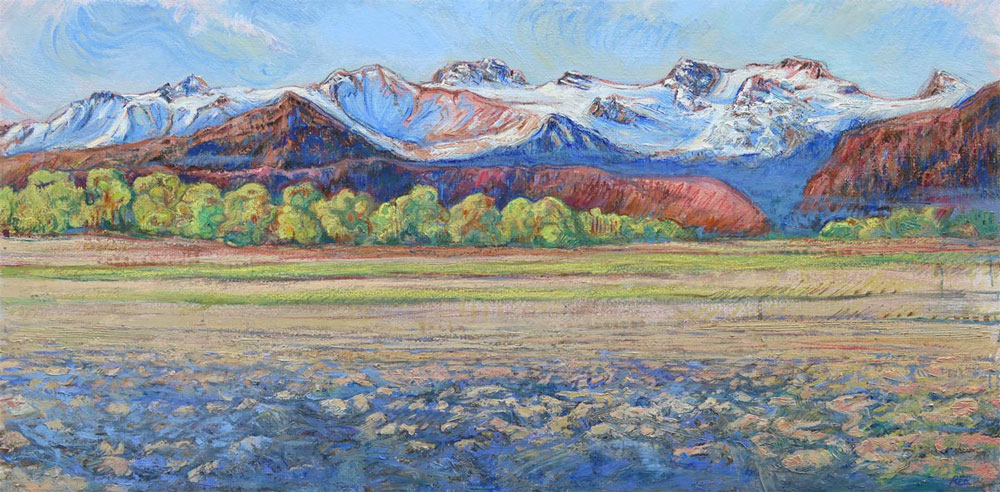
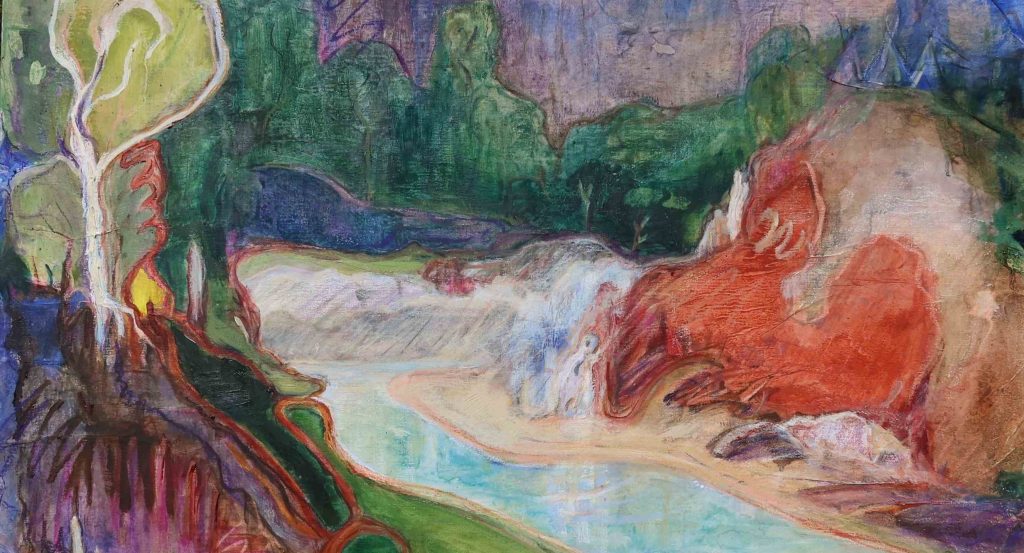
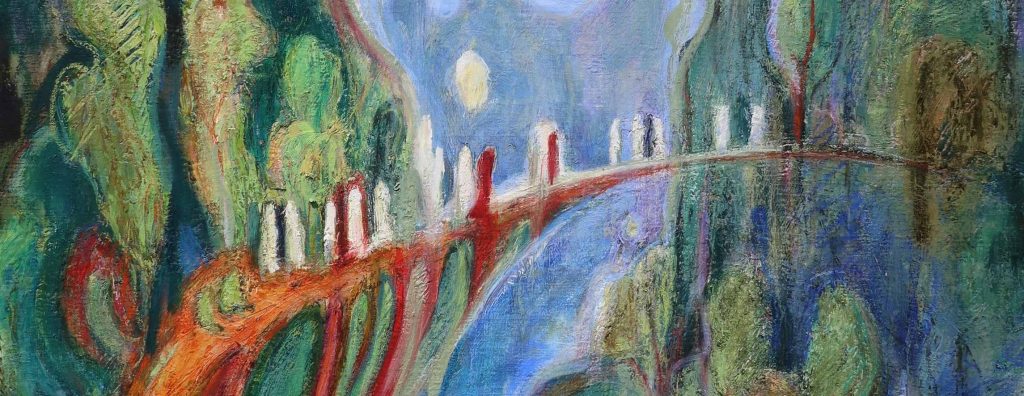
Reto Eberhard Rast intends his paintings as ‘poetic realism’, stylistically. His aim is to render the beauty of nature’s nuances and to express his appreciation of colour and form. Expressive chromatic harmonies are more important to him than naturalistic reproduction. He uses an impasto painting style, with patterns on textured surfaces, that are enhanced by the use of glazes.

web

SAEZ Schweizerische Ärztezeitung

youtube


  • -

Charles Eldon Brady Jr.

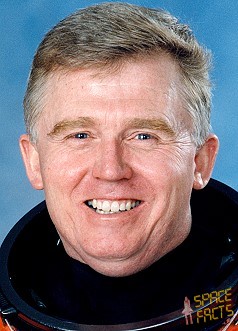
Doctorate of medicine from Duke University, 1975; Commander, USN; flight surgeon and member of Navy Flight Demonstration Squadron “Blue Angels”; hobbies: Tennis, canoeing, kayaking, biking, amateur radio operator, graduate work for a master of science in Biology at University of Texas-Galveston 1999/2000; then he retired from active duty; died by suicide.

web

wikipedia

youtube – vimeo

facebook – twitter – instagram

work