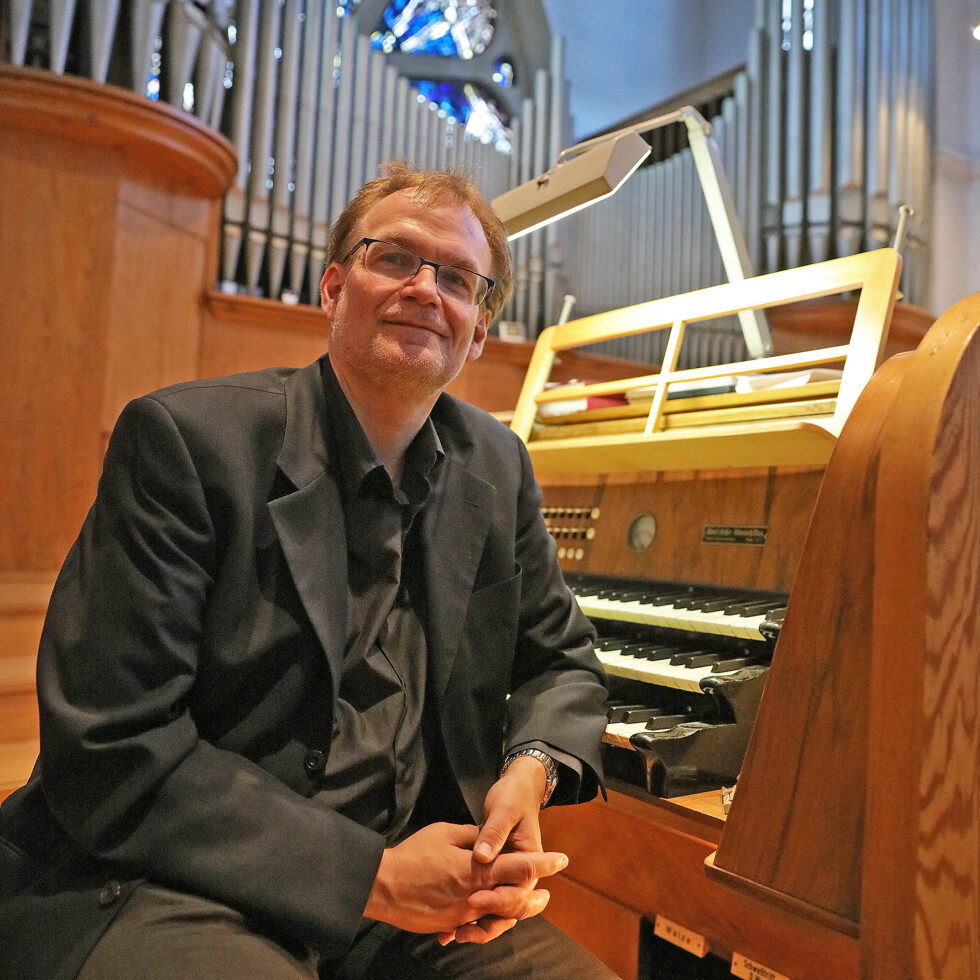
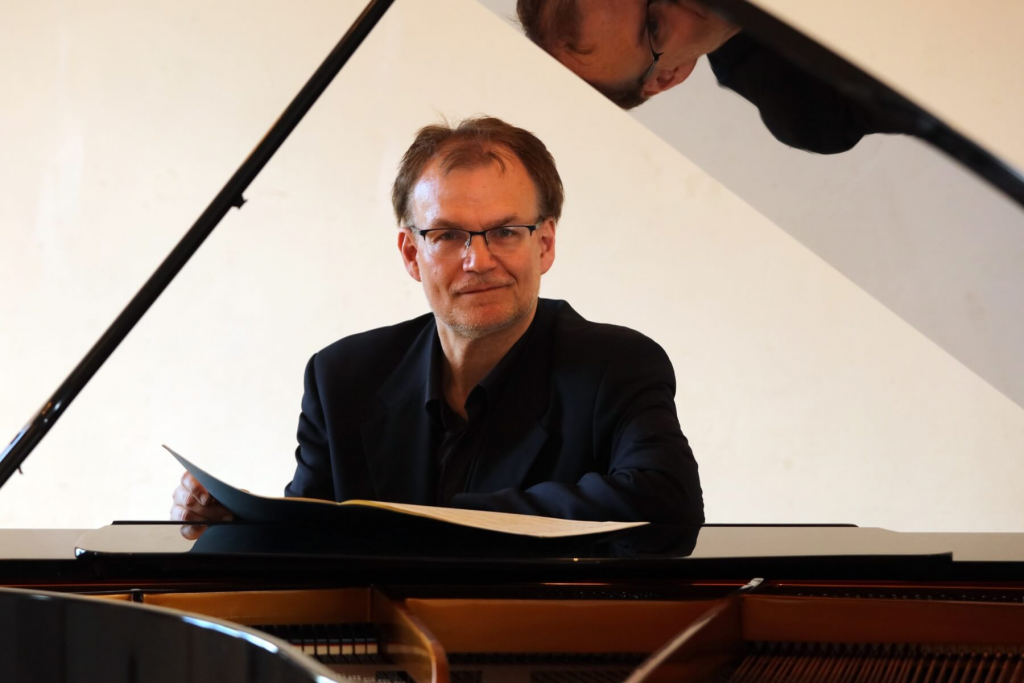
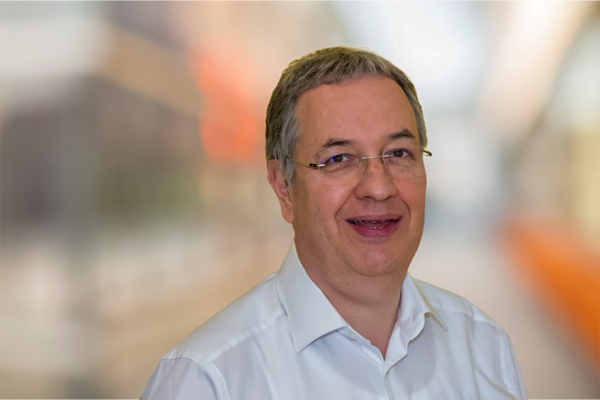
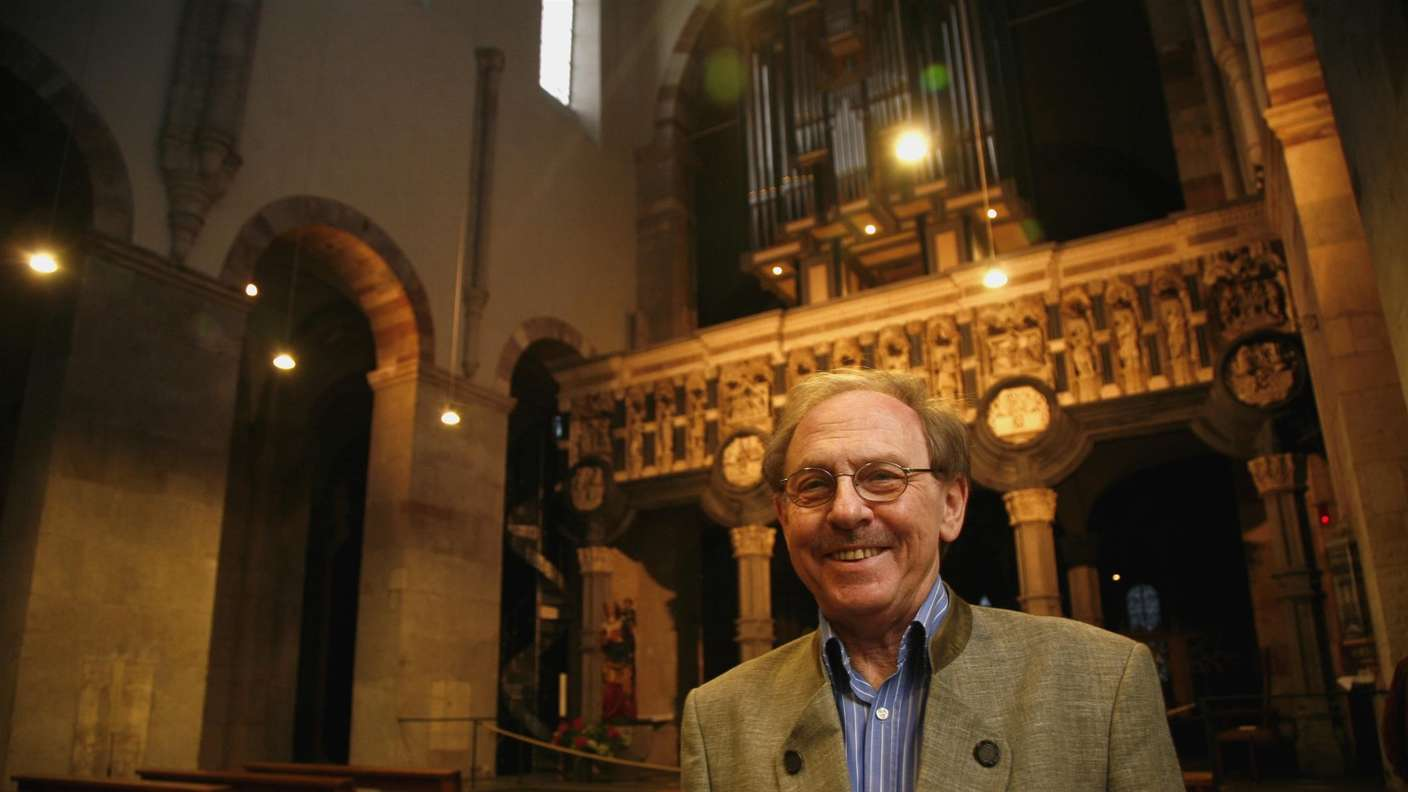
In addition to his work as a senior physician, Hans-Roman Kitterer leads an active musical life in and around Aalen as a pianist in the theater with solo and chamber music programs and on the organ solo or in ensembles such as here:
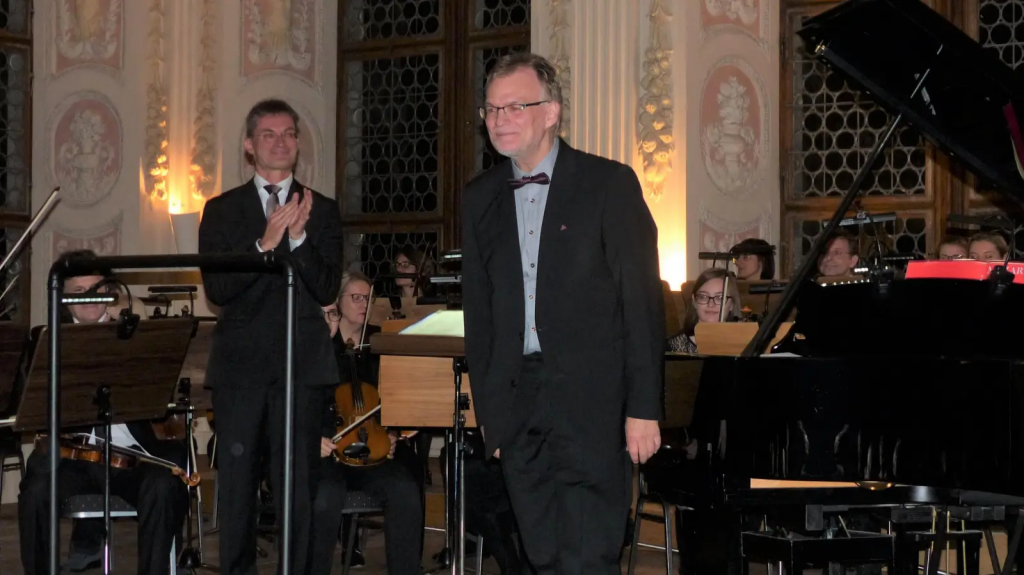
The Oettinger Residence Concerts Board concluded the concert season with a piano concerto by W. A. Mozart, played by Hans Roman Kitterer from Aalen and the Oettinger Chamber Orchestra under the direction of Günter Simon.
1982 Passed the C-level examination in church music (choir conducting, organ, piano, vocals)
1984–2000 Organist and pianist of the Daimler-Benz Choir Stuttgart, the Esslingen Police Department Choir, and the Swabian Singers’ Selected Choir.
1976–2000 Temporary organist and choir director (St. Ulrich, Maria Königin, Kreuz- und Thomaskirche Kirchheim-Teck)
Singing, organ and piano playing, classical music, swimming, water polo, cycling, badminton, collecting model trains and old tin toys, model making (remote-controlled airplanes, trains)
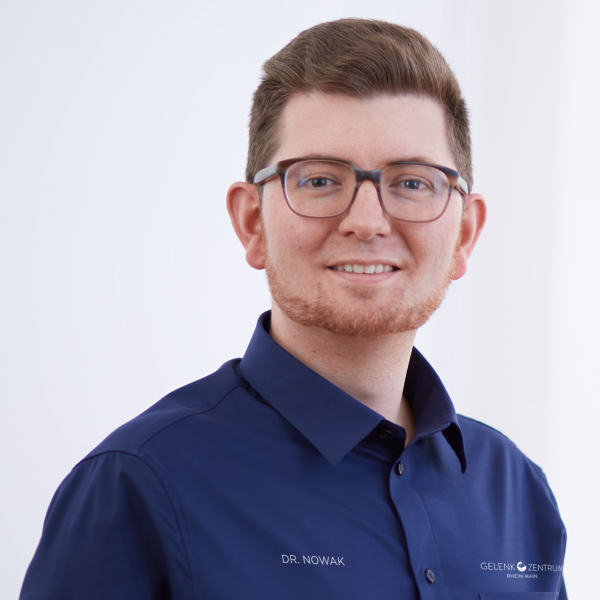
Lukas Nowak began playing the piano at the age of 6. At 14, he switched to the organ and received church music training from Helmut Kickton. He also learned the piccolo and guitar and acquired basic proficiency in horn and percussion. As a student, he wrote, among other works, choral and poem settings, a four-movement symphony, and a tone poem for organ and large orchestra (“The Prophecy of the Messiah,” premiered in 2004). He also worked as a choir director until he began his career. Since moving to the branch, he has been performing regularly again.
In addition to the general teaching program in Music Physiology and Musician Medicine, Dr. Nowak offers a special consultation hour for musicians by appointment, which is open to all students and faculty at the University of Music and Performing Arts.
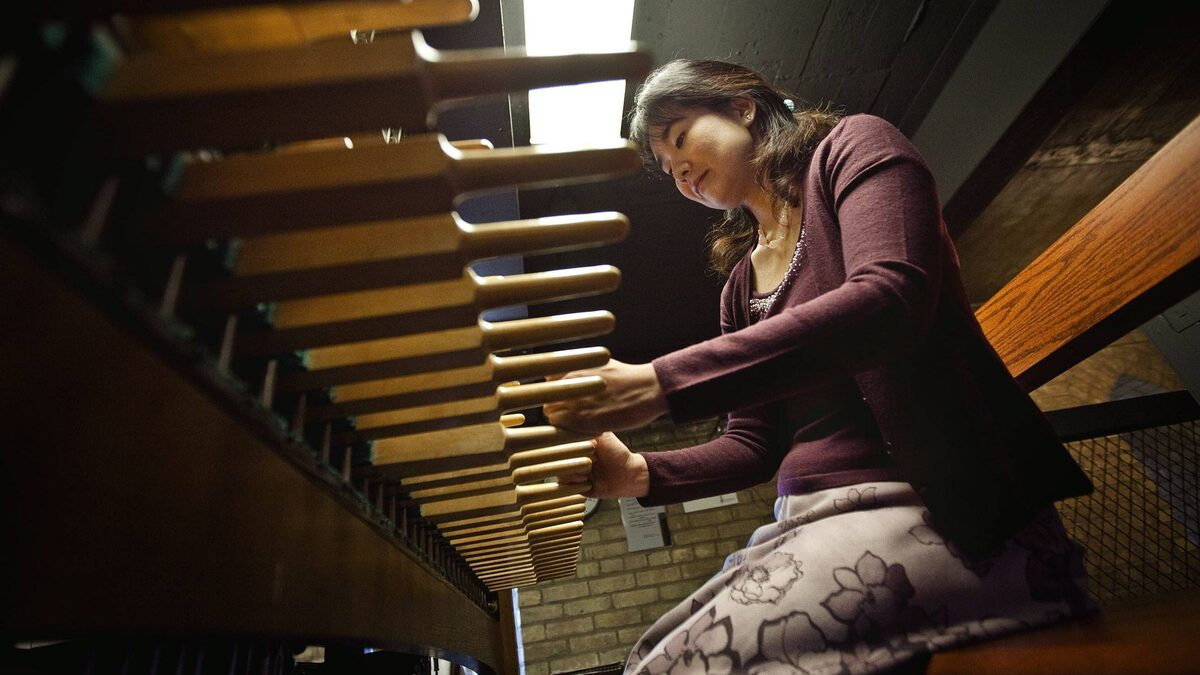
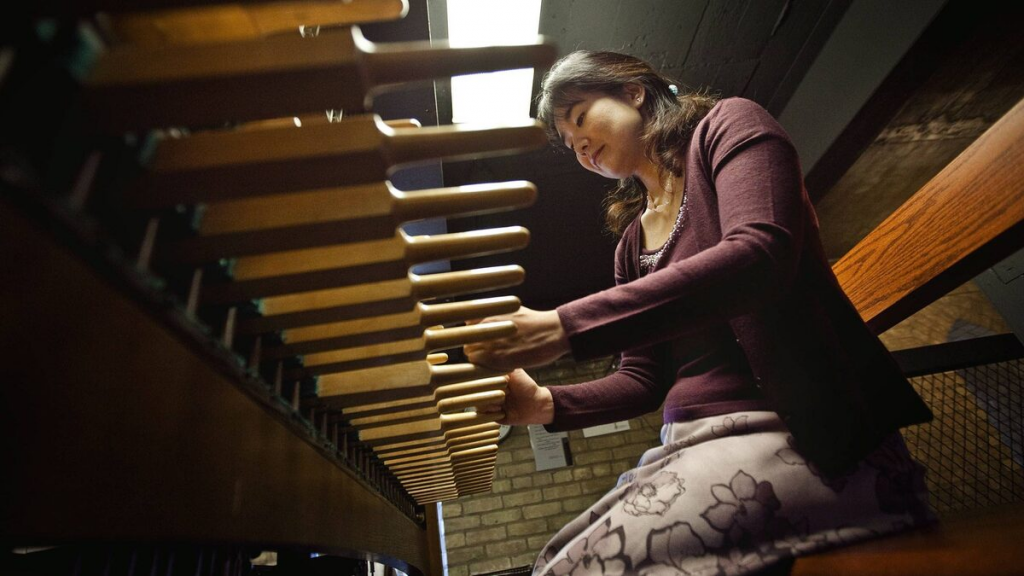
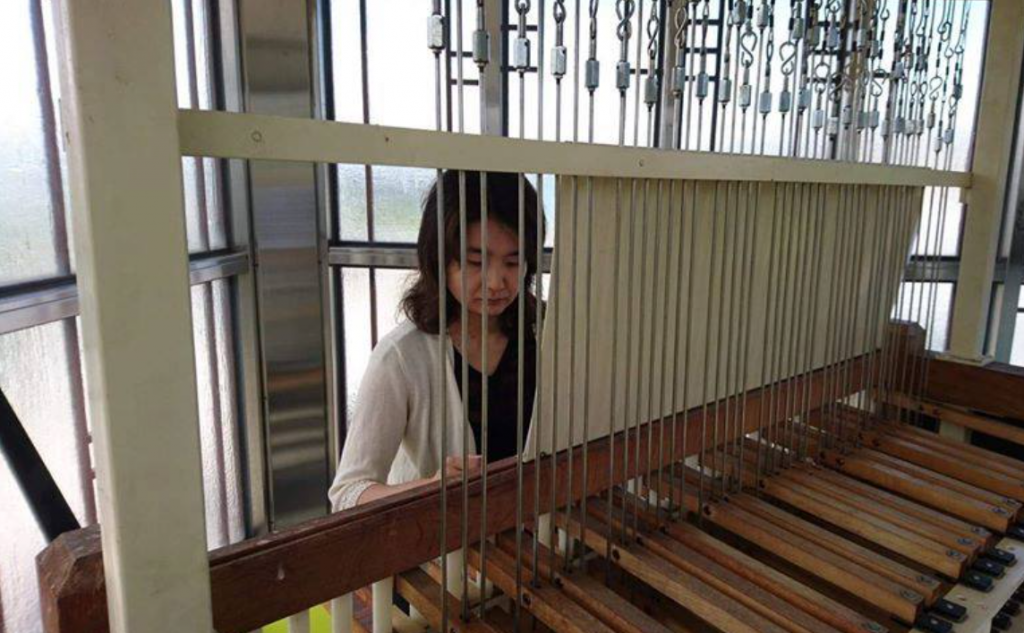
Minako Uchino began her music studies at age 4 in Tokyo and started playing organ in grade 8. She pursued a medical career, completing her training as a radiation oncologist. In 2009, while studying medical education at the University of Toronto, Dr. Uchino discovered the carillon at Soldiers’ Tower and began studying under Roy Lee.
She has played recitals in Toronto, Ottawa, and Japan, including for the 150th Anniversary of Friendship between Japan and Belgium recital at the Belgian Embassy of Tokyo in 2017. In 2019, she became the first Japanese member of the Guild of Carillonneurs in North America. Since 2022, Dr. Uchino has studied carillon, organ and figured base full-time at Carleton University in Ottawa. She is currently at the Royal Carillon School in Belgium, pursuing her passion for music.
“Flying in the Sky” composed by Koichi Sugiyama. “Flying in the Sky” is the song played during the flying scenes in the game “Dragon Quest.” This piece was arranged for performance on a glockenspiel and recorder. This piece was performed at Carillon Day (Beiarddag) in May 2024 in Mechelen with Japanese recorder player Gosuke Nozaki. Please excuse the poor camera position, as only the glockenspiel is captured… (I’m truly sorry, Mr. Nozaki.)
A musette piece entitled “Carillon” was performed by an ensemble consisting of a real carillon and musette. Musette: Gosuke Nozaki; Glockenspiel: Minako Uchino
“Furusato” is one of the most popular songs from the Japanese children’s songbook. Performed by GCNA member Minako Uchino in Itami, Japan.
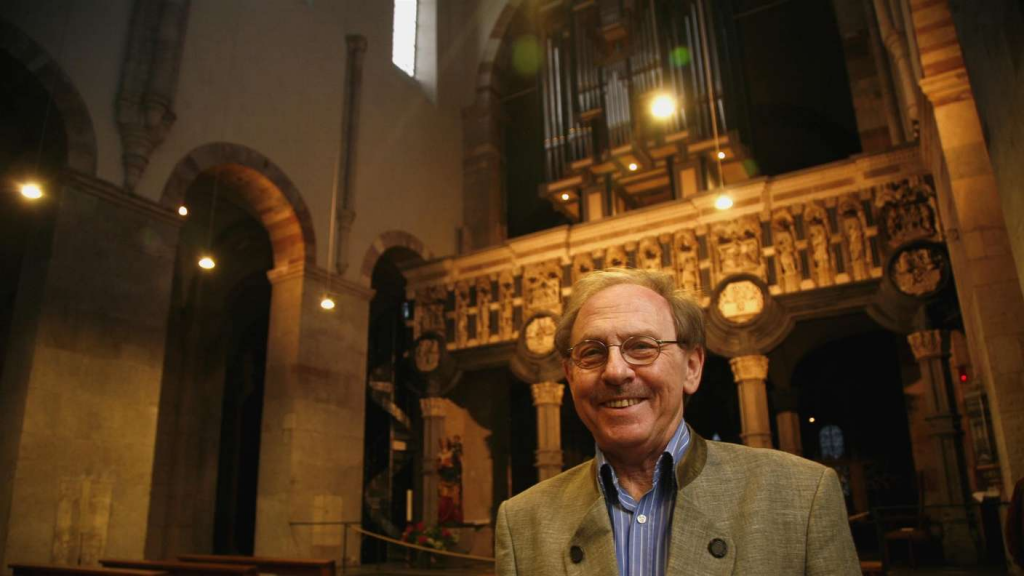
From the beginning of my medical studies, I had the desire to dedicate myself to both medicine and music. However, during my medical studies, I lacked the time for regular organ lessons. Therefore, I had no choice but to continue my education self-taught. After passing my medical state examination and receiving my doctorate, I began studying music in Cologne and completed my studies with a concert diploma in organ playing.
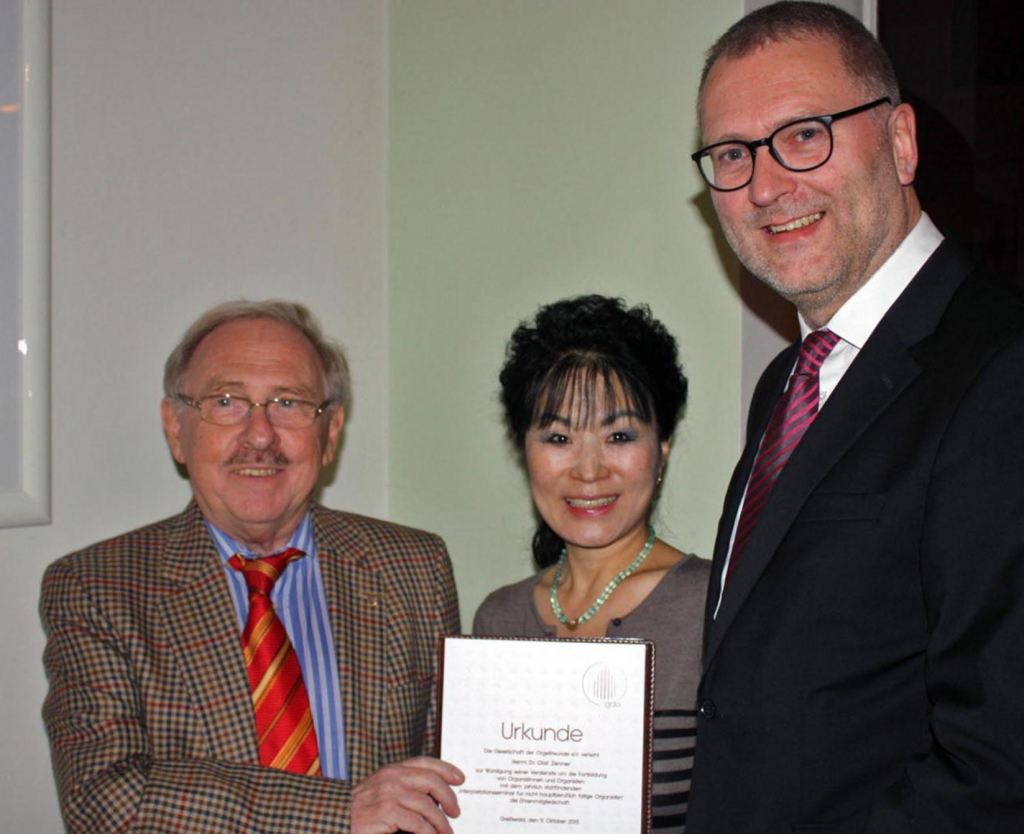
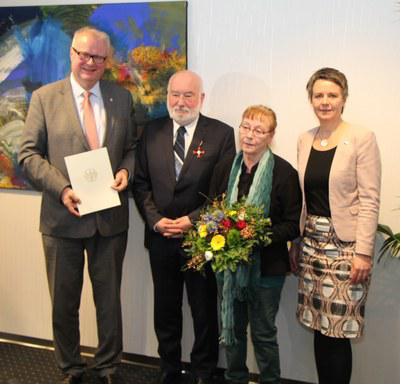
Dr. Olaf Zenner and his wife with the President of the GdO, Prof. Dr. Matthias Schneider, on the occasion of the award of honorary membership of the GdO. (Photo: Roland Behrens)
Wolfram Hackel studied medicine. In 1967, he received his doctorate from the Medical Academy in Dresden. He then ran a urology practice in Dresden-Plauen as a specialist.
Wolfram Hackel has published works on organs and churches since the 1970s. He soon became one of Saxony’s most important organ researchers. Wolfram Hackel is a long-standing member of the Society of Organ Friends.[1] He was a member of its Advisory Committee (1995–1998), Secretary (1998–2003), and a member of its Main Committee (2011–2021).
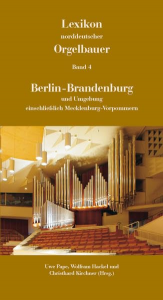
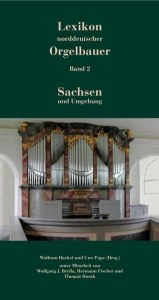
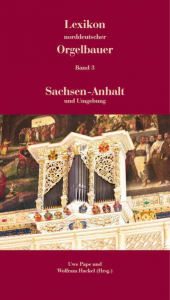
Wolfram Hackel was co-editor of the four-volume Lexicon of North German Organ Builders and published numerous texts on organs and organ builders, especially in Saxony.Wolfram Hackel was co-editor of the four-volume Lexicon of North German Organ Builders and published numerous texts on organs and organ builders, especially in Saxony.
Gerhard Aumüller (born November 19, 1942 in Arolsen) is a German physician and was a professor of anatomy and cell biology at the Philipps University of Marburg. He has also distinguished himself as an organ historian.
Aumüller has also researched historical organ building and published primarily on classical organ building in Hesse and Westphalia. He has been a member of the Historical Commission for Hesse since 2000 and was elected to the advisory board of the International Heinrich Schütz Society (ISG) in 2012. For his research in medical and music history, Gerhard Aumüller was awarded the Order of Merit of the Federal Republic of Germany (Federal Cross of Merit) in 2017.
Gerhard Aumüller, born in 1942, studied medicine and anthropology in Mainz, Würzburg, and Marburg. He then earned his doctorate and habilitation in the field of anatomy. After a research stay in the USA, the honoree took over the Chair of Experimental Morphology at Philipps University in Marburg. He later assumed the Chair of Anatomy II there, a position he held until his retirement in 2007. In addition to medical history, Professor Aumüller is actively involved in the Waldeck Historical Society. He has been a volunteer there since 2012. Since 2013, he has edited the extensive review section of the academic journal “Geschichtsblätter für Waldeck.” Professor Aumüller is also passionate about music history. This is expressed, among other things, in his commitment to preserving listed church organs. He has supported numerous organ restorations within the Evangelical Church of Kurhessen-Waldeck. In addition, he regularly serves as organist in parishes in the Marburg region.
The honoree was admitted to the Historical Commission for Hesse in 2000. In 2002, he was elected to its main committee, where he served until 2012. As a board member of the Historical Commission for Hesse and the Association for Hessian History and Regional Studies, he serves as co-editor of the Journal for Hessian History and Regional Studies.
Wolfgang Adelung (1 October 1920 in Berlin; 15 November 1994 in Singen, Baden-Württemberg) was a German physician and organ researcher.
Wolfgang Adelung studied medicine. He received his doctorate in Freiburg in 1948. Later, he ran a dermatology practice in Singen (Hohentwiel).
Adelung also became an organist and was one of the most important members of the Society of Organ Friends during his time. In 1952, he co-founded its organ journal, Ars Organi. He subsequently became editor (1957–1972), chairman (1973–1983), head of the office (1983–1987), and a member of the Advisory Committee of the Society of Organ Friends (1987–1994).
Wolfgang Adelung authored the standard work “Introduction to Organ Building,” which has been published in several revised editions. He also published other books and articles on organs. Monographs
Complete list
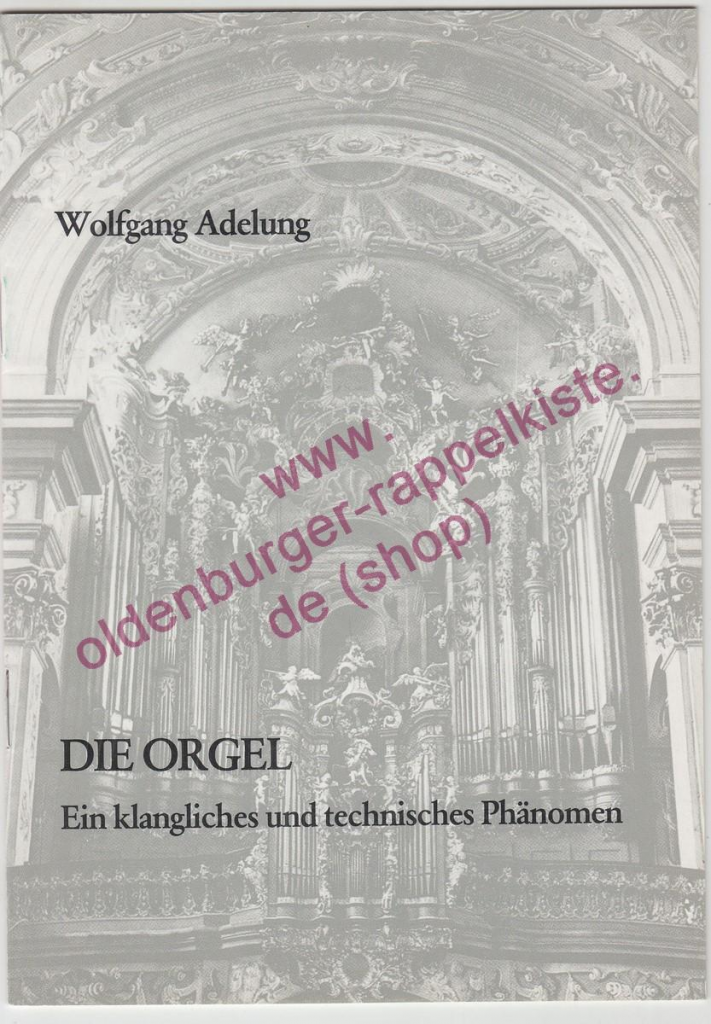
The Normal Blood Count of Freiburg, dissertation, Freiburg 1948 Introduction to Organ Building, Breitkopf & Härtel Leipzig 1955; subsequently six new editions, several of which have been expanded, most recently Introduction to Organ Building, Breitkopf & Härtel Wiesbaden 1991 Electron Instrument and Pipe Organ, Merseburger, Berlin 1956 The Elektrium, Merseburger, Berlin 1964 Organs of the Present, Bärenreiter, Kassel et al., 1972 The Organ, Orgelbau-Fachverlag, 1977
The 49-bell Carillon of St Colman’s Cathedral in Cobh is the largest such instrument in Ireland and Britain.
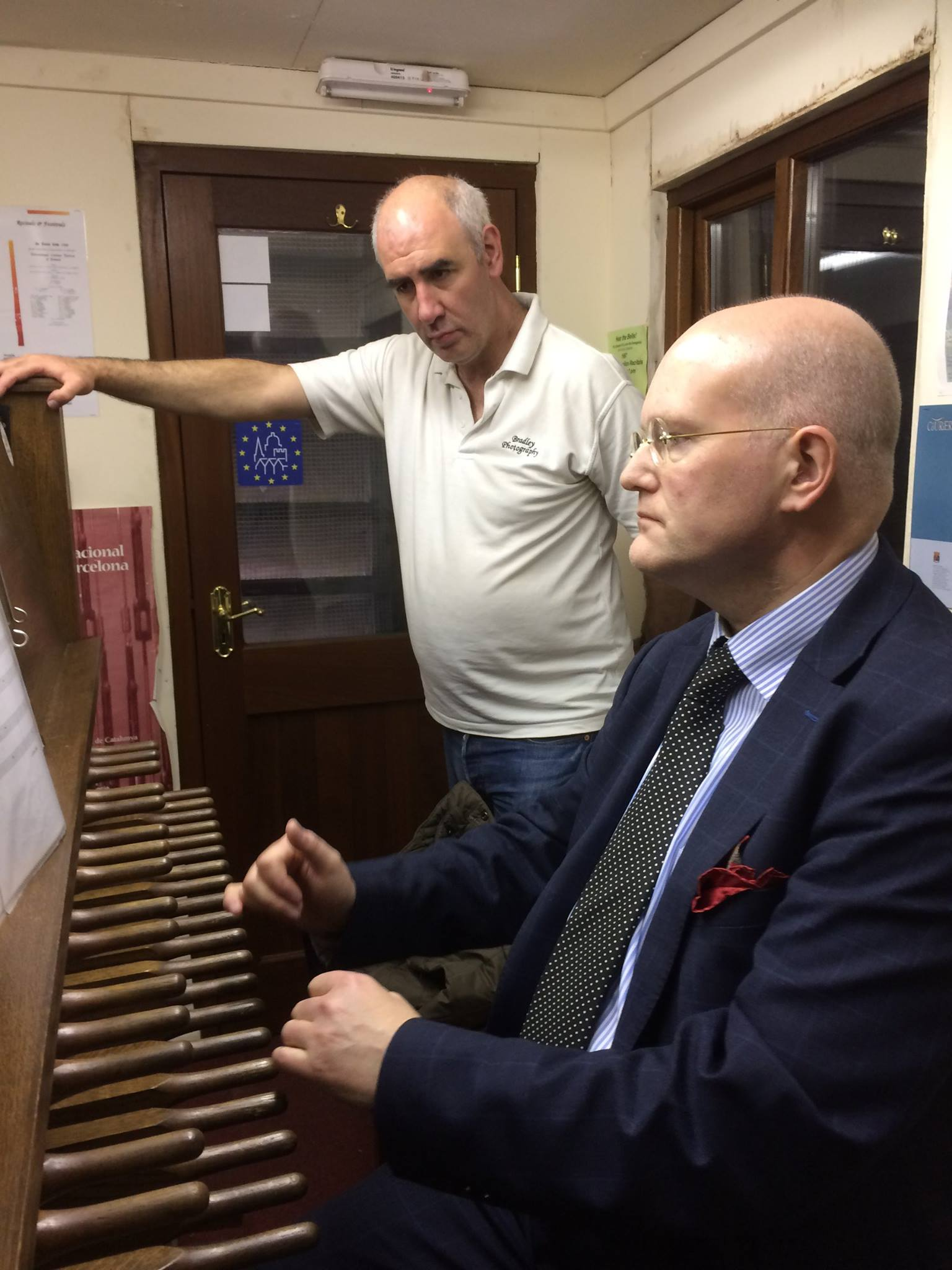
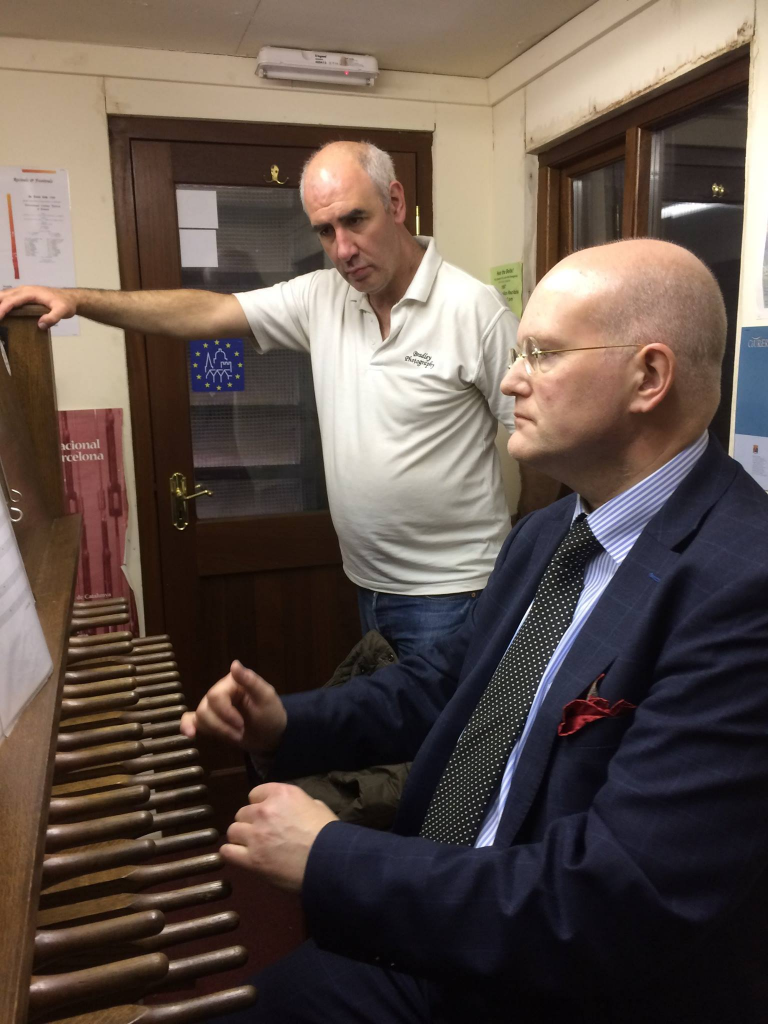
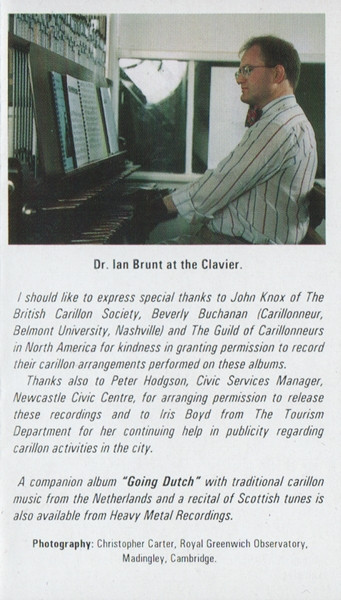
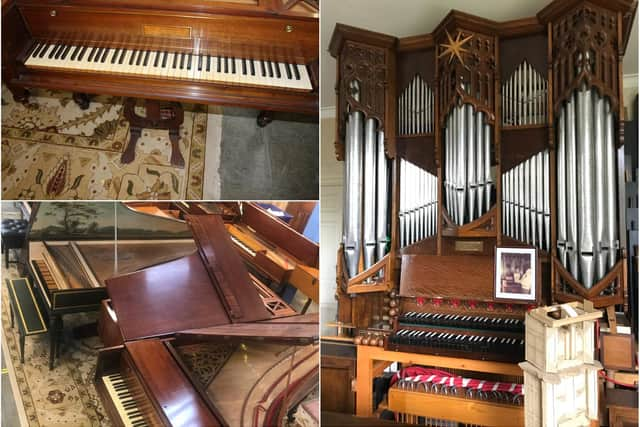
Dr Ian Brunt was Director of The Lanchester Early Music Festival and City Carillonneur of Newcastle Upon Tyne, regularly giving concerts and recitals on organ, carillon, harpsichord and fortepiano. He was a member of the National Youth Orchestra of Great Britain 1979- 1981 as flautist, composer and general musician and has specialised in the baroque flute for over thirty years. He performs with Hexham Collegium Musicum, Anglia Concertante, Durham Sinfonietta, Tyneside Baroque Players, Durham Baroque, The Hallgate Ensemble, among others, playing chamber music and giving concerto performances and has recorded six commercial solo albums on harpsichord, organ and carillon. Recent new music composed includes a pair of Notturni for classical guitar, a setting of George Herbert’s “My Words and Thoughts” and a solo organ concert piece “Fantazia on a Melody from the Scottish Psalter (1615).” In 2007 he was photographed for The North East Passion Archive project, the images held by Tyne and Wear Museums at The Discovery Museum, Blandford Square, Newcastle and also accessible on the Internet.
In a tribute to Dr Brunt, Michael Boyd of the British Carillon Society, wrote: “Ian was proud of his Northumberland heritage – he was an exceptionally competent player of the Northumbrian small pipes.
“I believe he wanted to instil a sense of community pride in the Edith Adamson memorial carillon, the first and only carillon to be installed in a civic centre of a major city in Britain. His repertoire also reflected his deep personal connection with the North of England.”
Dr Brunt championed the music of 18th-century Newcastle composer
Charles Avison and was an advocate of folk music on the carillon.
2021: News has just come through of the death this morning at the age of fifty-eight of Ian Brunt, Carillonneur of the Newcastle Civic Centre. Despite his busy workload as a G.P. and ongoing health issues, Ian was also dedicated to his beloved carillon art. He once described how he would swim seventy lengths five times a week in order to keep fit enough to play the carillon, which he claimed was “like going for a five-mile run”! He gave a memorable guest recital in Cobh in July 2007, when this photo was taken. This gentle and cultured man will be sorely missed and long remembered by his colleagues and friends. Requiescat in pace.
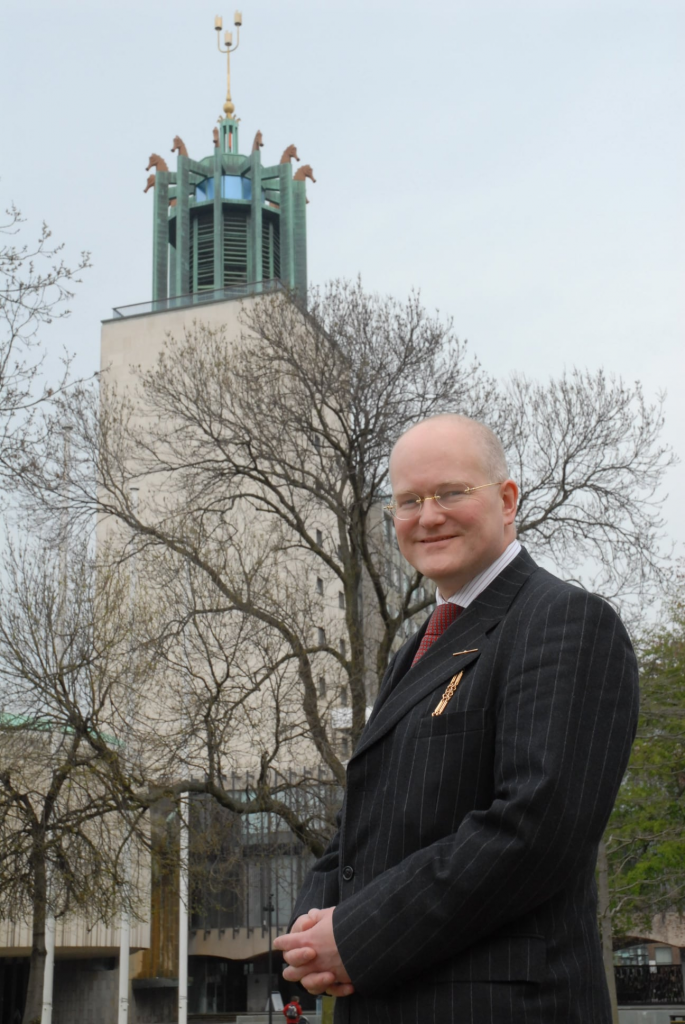
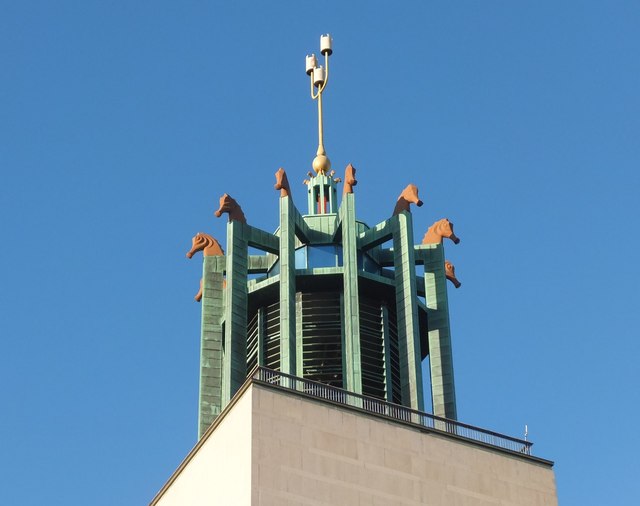
The Edith Adamson Memorial Carillon, Newcastle Civic Centre The Edith Adamson Memorial Carillon, constructed in 1966 by J.Taylor and Co and installed in 1967, was given to the city by James Wilfred Adamson in memory of his wife. James (‘Jimmy’) Adamson started his paints business from a horse and cart, and went on to be a driving force in the establishment of British Paints Ltd, see Link . The carillon, see Link has 25 bells, the largest of which weighs 71cwt, 1qr, 13lb – which if my maths serves me correctly is 825lb, or 374.214kg – and is tuned to A major. Recitals take place on Saturdays at 2pm and occasionally on Thursday at 7pm – the Carilloneur is Dr Ian Brunt, who swims 70 lengths five times a week in order to keep fit enough to play the carillon, which takes so much physical energy that he describes it as ‘like going for a five-mile run’, see Link . The carillon tower has twelve seahorses and is topped by the three castles of the Newcastle coat-of-arms, see Link .
 . The carillon, see
