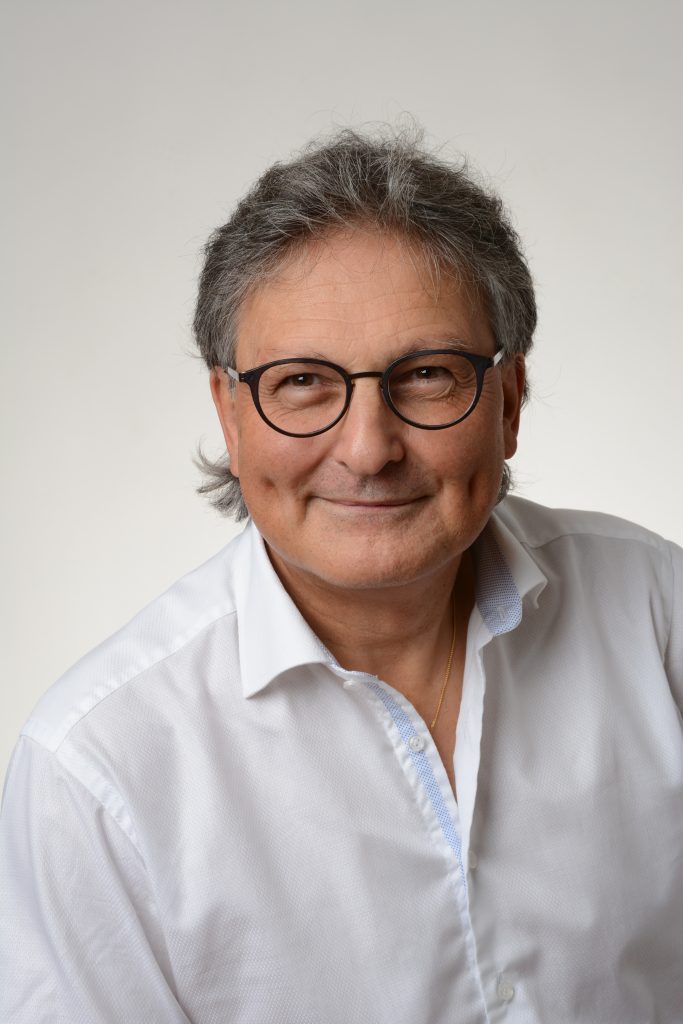
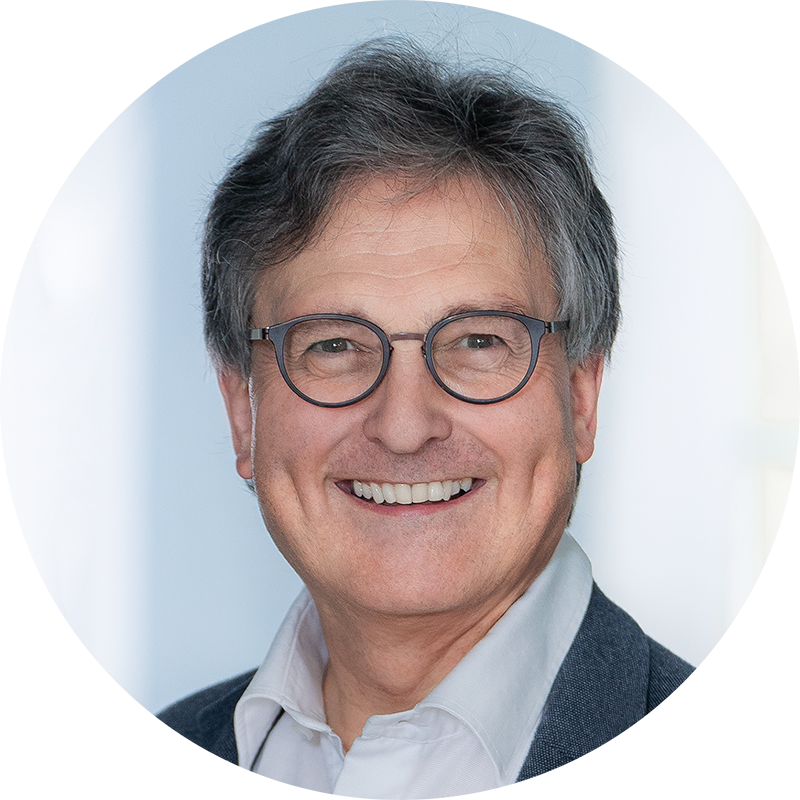
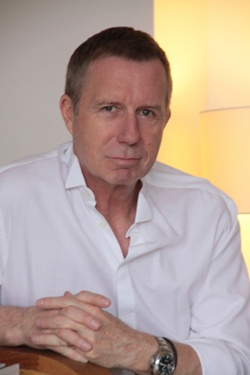
Originally from Basel, he has lived in Central Switzerland for over 45 years. As a qualified eye surgeon, he runs the Zentravis eye practice at Bahnhofplatz in Lucerne and is a co-founder of the Sursee Eye Day Clinic. He also initiated an optical chain with the integration of ophthalmic diagnostics into the eyewear business and a so-called one-price policy, Doctor-Eyepoint. “Central Switzerland is a paradise. Being able to live and/or work here is a privilege.”
He builds model trains in H0 and H0m scales with the themes of Göschenen and Disentis (planned). He likes steam locomotives and steamships and is a member of the Lake Lucerne Steamship Company. He sings in the Basel Theater Choir (due to lack of time…). He enjoys hiking, skiing, cycling, concerts and cinema, as well as traditional and popular Swiss folk theater. He shoots videos, edits, and creates his own soundtrack. He also enjoys cooking, spending time outdoors and playing games like “The Settlers of Catan…”
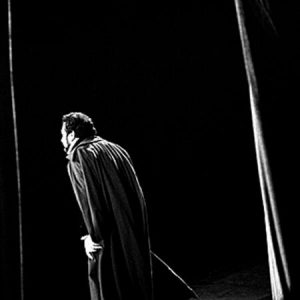
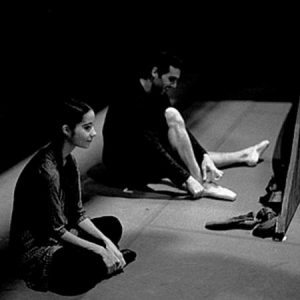
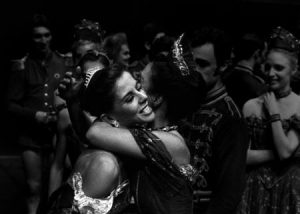
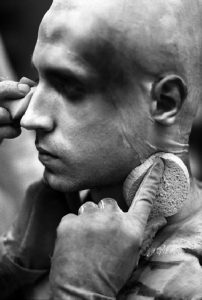
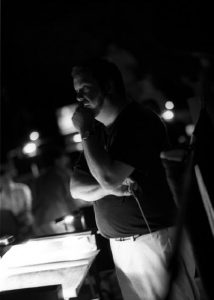
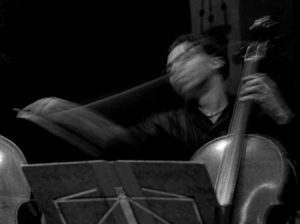
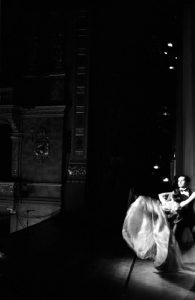
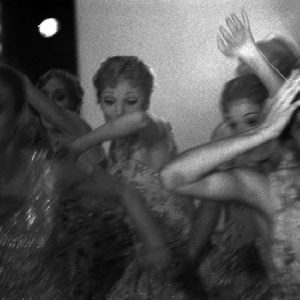
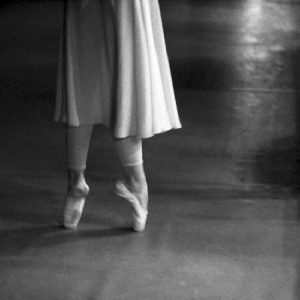
Karl Maria Udo Remmes (born 2 July 1954 in Tübingen, West Germany – 25 November 2014 in Köln[1]) was a German photographer and physician. He has become known especially for his work in backstage photography specializing in opera, ballet and musicals. The leading idea of Remmes’ photographic work is not the documentation – he wants to capture the moments when the hard work of acting transmutes into art.
Remmes’ first photo exhibition “Operaria” at the University of Düsseldorf[5] presents a portrait of backstage operations of the Deutsche Oper am Rhein. Remmes worked at various European opera and ballet theatres such as the Teatro Regio of Turin, the Graz Opera, the English National Opera in London, the Savonlinna Opera Festival in Finland and at the Chang’an Grand Theatre in Beijing, China.[6] In 2002, the Theatre Museum Düsseldorf established the “Remmes Collection”. Remmes was elected a Fellow of the Royal Photographic Society (FRPS), Fellow of the Royal Society of Arts (FRSA) and a Fellow of The Royal Society of Medicine. He represented the City of Düsseldorf at the World Exhibition EXPO 2010 in Shanghai, showing his work in an exhibition on the interface between theater work and theatrical stage art in Liu Haisu Art Museum Shanghai[7]
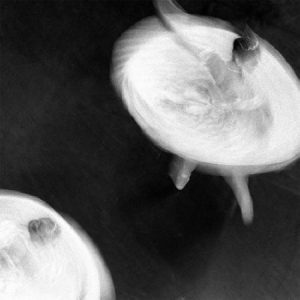
Remmes ‘ photographic style is based on pictorialism. His “Intrinsic Photography” (Remmes about his work) is contrary to the New Objectivity of the Düsseldorf School of Photography founded by Bernd and Hilla Becher. He captures multiple dimensions of theater reality by including diverse temporal, spatial, contextual and reality layers in one image. His pictures tell stories of the theatre machinery. He shows the backgrounds and unwritten laws, the union of scientific and superstitious components behind the scenes.[8] Remmes writes small notes and poems with light to show different realities: the world outside and the artificial world on stage, when actors and singers swap from one world to the other.[9] He represents modern theatre photography but he’s not interested in personality cult or in documentation of the action on stage.[10] He uses unusual prospects, i.e. bird’s eye view.[11] The photographs carry emotion in a different way, by blurred and strong contrasted sujets.[12] Remmes manages to bring the sensitive balance between theatrical work and art to perceptibility
2003 – Leica Gallery Tokyo, Japan – Theatrical Museum Dusseldorf – Foundation „Collection Remmes“ related to Dumont-Lindemann-Archive by the City of Dusseldorf – Photo-Art Setting new foyer of the Dusseldorf Theatrical Museum
Frank Rawer, physician and artist, was born in Strasbourg. He grew up in Saarland and the Odenwald region; at the Odenwald School (near Heppenheim, Bergstrasse), he served as president of the school council, among other things. He received a travel scholarship from the Fondation des Bourses de Zellidja. He graduated with honors. He studied medicine in Frankfurt am Main, including an internship abroad in New York, USA. He passed the state examination (“very good”), received his doctorate (“magna cum laude”), and passed the ECFMG examination in 1971. He trained and continued his medical education (pediatric clinic, surgery, internal medicine, pathology, anesthesiology with helicopter rescue service, and radiology). He is a specialist in internal medicine and a specialist in radiology, specializing in nuclear medicine. He worked for many years as a senior radiologist.
For a long time (over 40 years), however, he has also worked as an artist, with a now extensive body of work, largely outside the art world for many years.
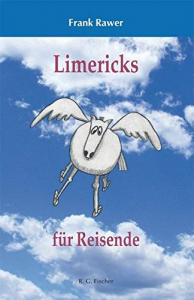
Frank Rawer has also won prizes in several photography competitions and participated in related exhibitions (including the International Book Fair Frankfurt 2000, Photokina Cologne 2004). Frank Rawer is also the author of the poetry collection “Limericks for Travelers” (R.G. Fischer Verlag).
On the occasion of an exhibition, journalist and art historian Ingrid Zehnder (St. Gallen) wrote: “… as a self-taught artist, he has not only achieved astonishing precision and perfection in his craftsmanship, but has also developed a distinctive, independent style in his invention and expressiveness.
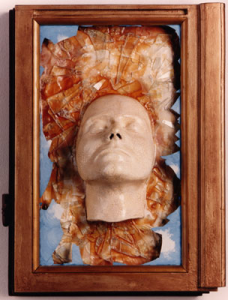
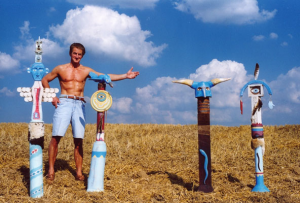
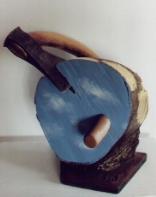
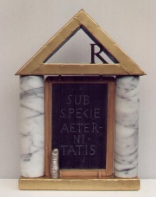
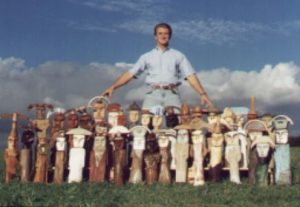
Frank Rawer works with a wide variety of materials: wood and plaster, Carrara marble and feathers, gold and sheet metal, precious woods and found objects from nature, canvas and paper. These are not random assemblages, however; the inherent quality of the material always plays a role.
Frank Rawer’s works are original and imaginative; they make allusions and set chains of ideas in motion. Sometimes they are cheerful and witty, ironic and playful, sometimes serious and critical, ambiguous and subtle.”
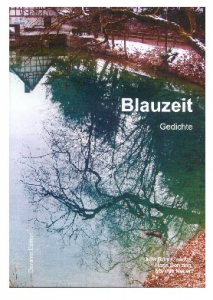
Michael Lobisch-Delija, born in 1952 in Dannenrod, Hesse, and attended high school in Darmstadt, studied medicine at the Justus Liebig University in Giessen from 1970 to 1976. After completing his military service as a military doctor and completing specialist training, he became a senior physician at the Institute of Anesthesiology and Intensive Care Medicine at Darmstadt Hospital in 1984. In 1986, he moved into clinical research and the development of drugs for pain and other chronic diseases.
He wrote his first poems in 1995. These were initially published online on various guest websites, and since 2005, he has also been published in various anthologies. MLD lives and works in the Wetterau region.
His lyrical work is currently divided into five cycles entitled “Emphasis,” “Gaya,” “Kronos,” “Blood,” and “Eros,” which explore the central aspects of human existence.
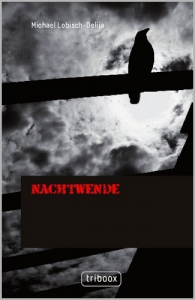
His poetry collection NACHTWENDE (ISBN: 978-3-942384-05-6, triboox Verlag) was published in February 2011.
NACHTWENDE
Independent Publication
The poems from 1995 to 2010 are thematically divided into five cycles (Vita, Gaia, Kronos, Blood, and Eros). They are straightforward poetry, which precisely for this reason evokes strong visual associations in the reader and, despite its relative fluidity, is not free of oppressive elements. After an occasionally laconic beginning in the familiar here and now, the shift to another world can occur suddenly and be disturbing, or unfold a special charm through a skillful punchline at the end. Sometimes one has to read between the lines and understand what appears to be harmless; stylistic elements such as enjambments and playful “going against the grain” are used supportively but casually. Exaggerated clauses are deliberately avoided in favor of vivid metaphors, as this would impair comprehensibility; clarity and depth should take priority.
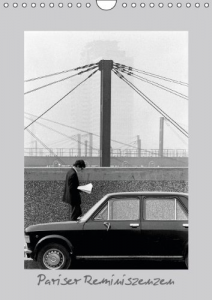
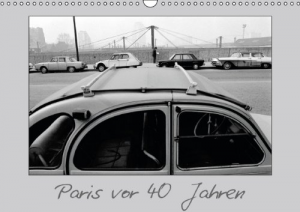
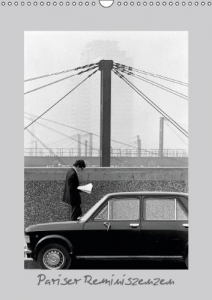
I’ve been taking photographs since I was 14. Main subjects: People in their environment; symmetries; architecture and other geometries; seafood; travel photography. I work with an SLR (Contax), 28mm f/2 & 100mm f/2, preferably under available light conditions. I digitize my films/negatives with a Microtek FilmScan (2700 dpi), and post-process them with Photoshop Elements or Photomatix Pro (HDRI images). Additional images are taken with a Panasonic Lumix FZ28 or Sony Alpha 77V digital camera.
Exhibitions/Awards:
1971 Award at the VDAV State Photo Show Two awards at the German Youth Photo Prize in Bad Godesberg (organized by the Federal Minister for Youth, Family and Health) Certificate from the IFAM (International Amateur Photo Championship), organized by hobby magazine.
1972 Two pictures displayed in the 1972 Society exhibition at Photokina in Cologne 1973 Exhibited at the 5th FIAP Photo Forum Youth 1973 of the Federation Internationale de l’Art Photographique (FIAP) 1976 Silver medal at the 5th International European Youth Photography Competition 1976 Due to studies and specialist training, a long break from competitions and exhibitions, but not from photography. 2003 Photo exhibition at the White Tower in Darmstadt 2004 Participation in the photo community’s photo exhibition on the topic of “People in Europe” in Vienna 2009 Photo exhibition at the Orthopedic University Hospital in Giessen 2011 Photo exhibition at the PAPARAZZO Gallery-Restaurant in Friedberg
Book publications: 2011 “Paris without the Eiffel Tower” http://www.blurb.de/user/FotoPoesie 2014 “How does my picture work? See more clearly for better photos” ISBN 978-3-8266-9694-7, mitp-Verlag, FotoHits series
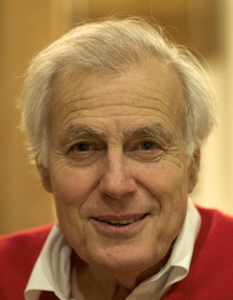
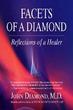
John Diamond (9 August 1934 – 25 April 2021) was a physician and author on holistic health and creativity
Diamond married three times. His first wife was Suzanne Gurvich, with whom he had three children, Ian, Kathie, and Peter. In the 1970s he married Betty Peele, and in 1994 the opera singer Susan Burghardt.[2] For many years, Diamond played drums in a jazz band which he founded, named the Diamond Jubilators. The band performed in hospitals and nursing homes.[2][1] He enjoyed photography and painting in the final years of his life.
ohne John Diamond, aber sicher ähnlich hat es MIT ihm geklungen! without John Diamond, but it surely sounded similarly WITH him!
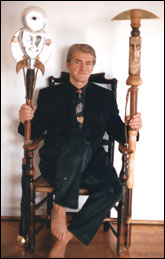
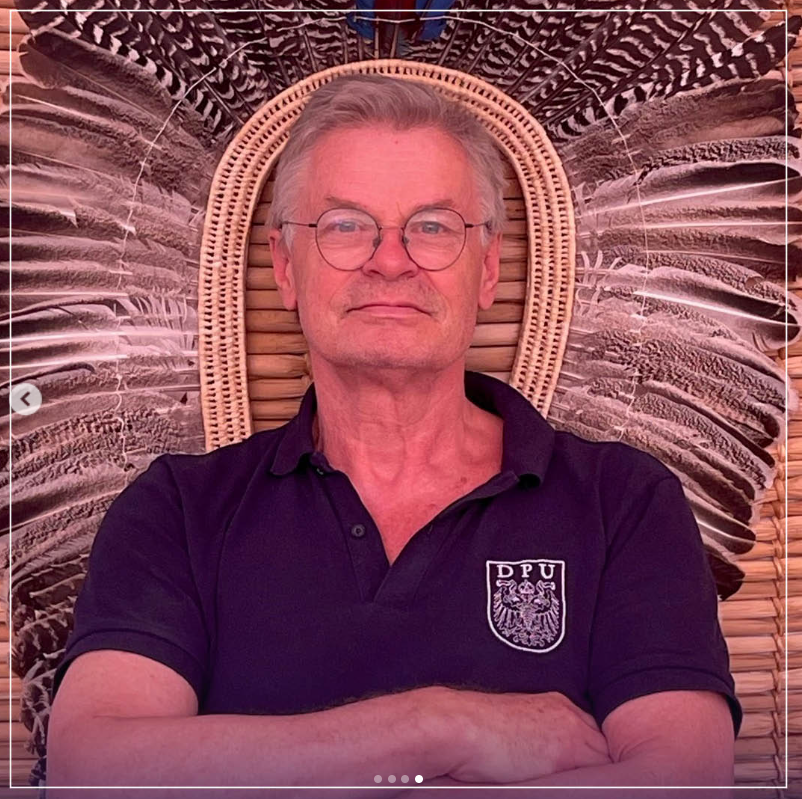
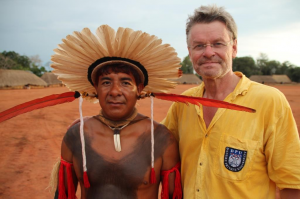
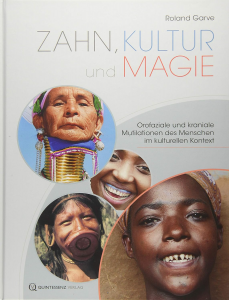
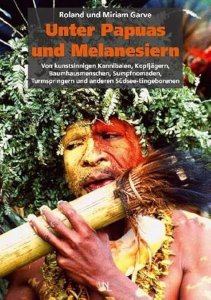
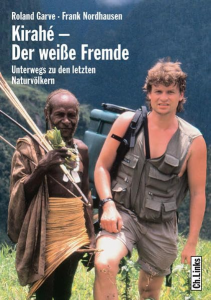
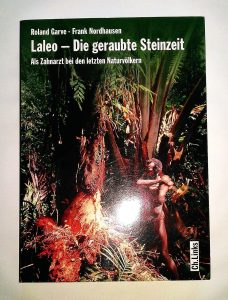
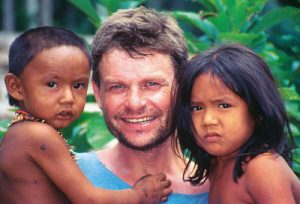
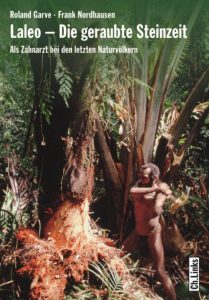
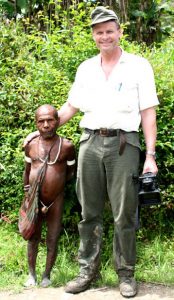
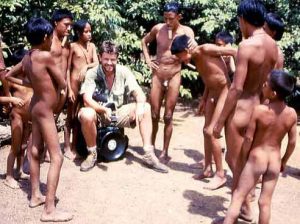
Roland Garve (born December 9, 1955 in Boizenburg/Elbe) is a German dentist and ethnomedical specialist.
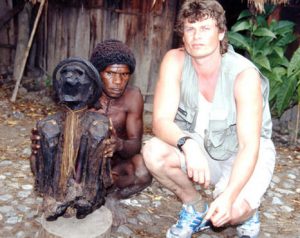
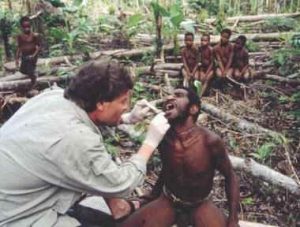
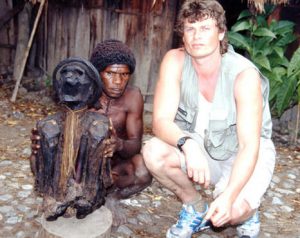
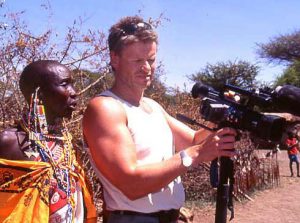
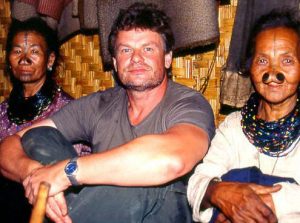
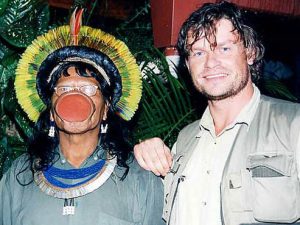
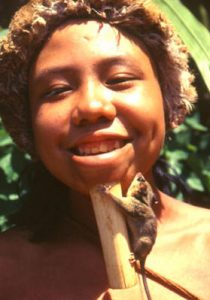
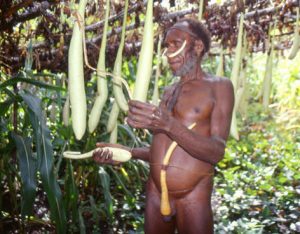
Garve, born and raised in Boizenburg/Elbe, attended the Polytechnic High School from 1962 to 1972 and then the extended High School Boizenburg, where he received his Abitur in 1974. After his military service, he studied dentistry at the University of Greifswald from 1976 and received his license to practice dentistry in 1981. From 1981 to 1983 he was imprisoned in Brandenburg-Görden for preparing an “illegal border crossing” from the GDR. During his imprisonment he treated fellow inmates as a trained dentist. Finally, after being expelled from the GDR in 1984, he left the GDR and received his doctorate from the University of Hamburg in 1986. After working as an assistant in a dentist’s office in Jesteburg, Garve ran a dental practice in Geesthacht in Schleswig-Holstein from 1985 to 2010. He subsequently retired from dental practice. He undertook numerous research trips (including Africa, Brazil, Thailand, Venezuela, and Papua New Guinea) to study indigenous peoples in collaboration with the Ethnological Museums in Dresden and Leipzig. Garve also gives lectures on ethnodentistry and ethnology. He has authored several books about his experiences. Garve also works part-time as a cameraman, photographer, and documentary film producer.
Since 2011, Roland Garve has been a lecturer at the Center for Human Cultural and Natural History, Faculty of Medicine/Dentistry, Krems (Austria), at the Danube Private University.[1]
In 2012, he received his diploma in Tropical Medicine from the Bernhard Nocht Institute for Tropical Medicine at the University of Hamburg.
In 2014, he was appointed Associate Professor and Head of the Department of Ethno-Dentistry at the Danube Private University Krems. Garve is considered the founder of the interdisciplinary research field of ethno-dentistry.
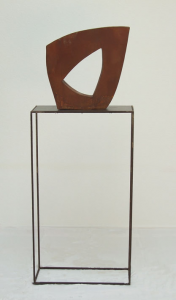
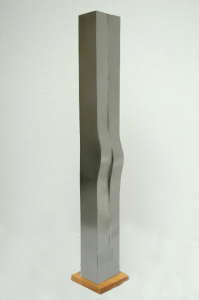
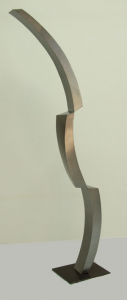
On numerous trips through America, he explored pre-Columbian art, as well as the art of the Aztecs, Incas, and Mayans in Mexico, Peru, and Guatemala. During his travels through the United States and Europe, he studied modern sculpture and sculpture at venues such as the Getty Museum in Los Angeles, the Museum of Modern Art in New York, the Guggenheim Museum in Bilbao, and the Tate Gallery of Modern Art in London.
Took a welding course in 1990. First outdoor sculpture in 1993. 2006 Exhibition “Szene Bühl 2006” at Volksbank Bühl. 2008 Exhibition at CUBUS Gallery in Bühl. 2009 Exhibition of Art and Culture at the Baden-Baden Regional Court.
Since 2005, he has shared a studio with Christine Faust in Hasengarten (Bühl).
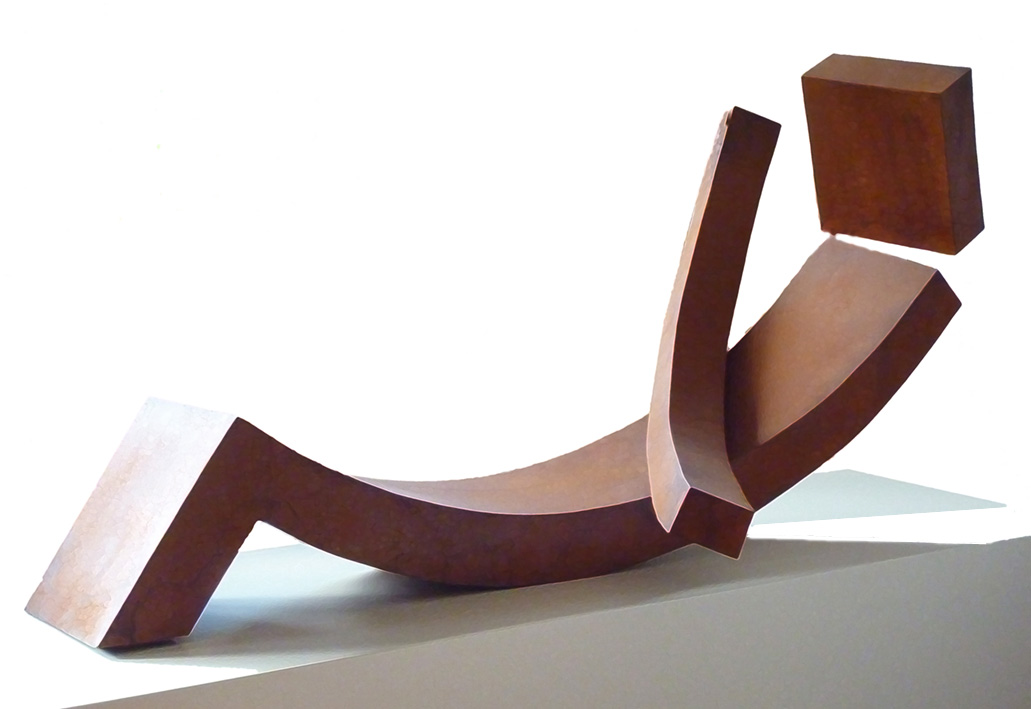
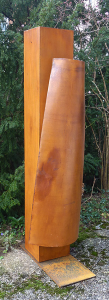
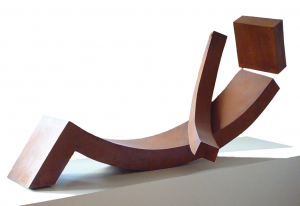
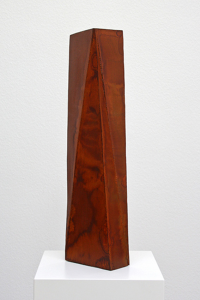
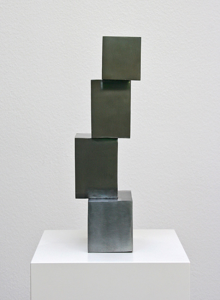
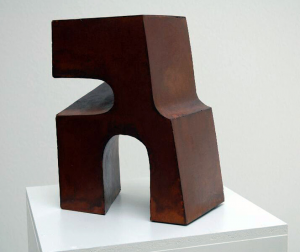
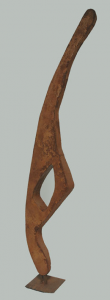
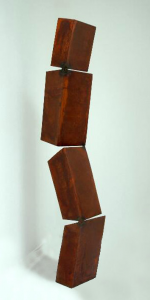
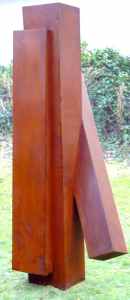
The artist’s iron works are distinguished by their clear formal language, reduction to essential elements, and emphasis on the organic material iron and its interaction between mass and space.
Lukas Grafenauer has positioned himself at the forefront of tennis in Austria.
Tenniskarriere und Tennisausbildung
In addition to my medical training, I also completed the highest level of training in ÖTV tennis teaching to become a state-certified tennis instructor and state-certified tennis coach at the Austrian Federal Sports Academy. I have also achieved valuable tennis successes myself and, as a counterbalance to my medical activities, I still keep myself fit through sport. Discipline, punctuality, taking personal responsibility, commitment, consistency, stamina, focus, the ability to overcome obstacles, resilience, resistance to stress, dealing with disappointment and defeat, accepting defeat, not becoming arrogant because of victories, setting goals and working consistently towards them, practicing teamwork, lifelong friendships, and staying calm and overview in critical situations are positive aspects that I have also learned through tennis and that help me a lot in my professional and private life. For an incredible 40 years, from the age of 16, I played for the SV Sparkasse Leobendorf men’s tennis team in the general league (interrupted by three years of championship play for UTC Stockerau). I also served as team captain for several years and enjoyed great success in championship competitions, including in the state league. I’m still very active in sports, fortunately in top shape, passionate about skiing, and, of course, still playing tennis, as well as extensive, exciting bike rides.
1994 and 1995: Men’s Singles Tennis: National Physicians’ Championship in Schladming and Bad Waltersdorf
2001-2003: Men’s Singles Tennis: Bronze medalist at the World Medical Games in Evian, France, Tihany, Hungary, and Stirling, Scotland
2001-2003: Mixed Doubles Tennis: World Physicians’ Championship
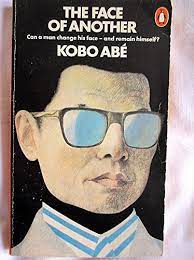
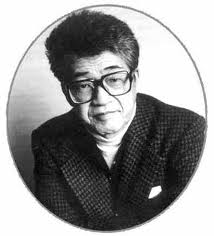
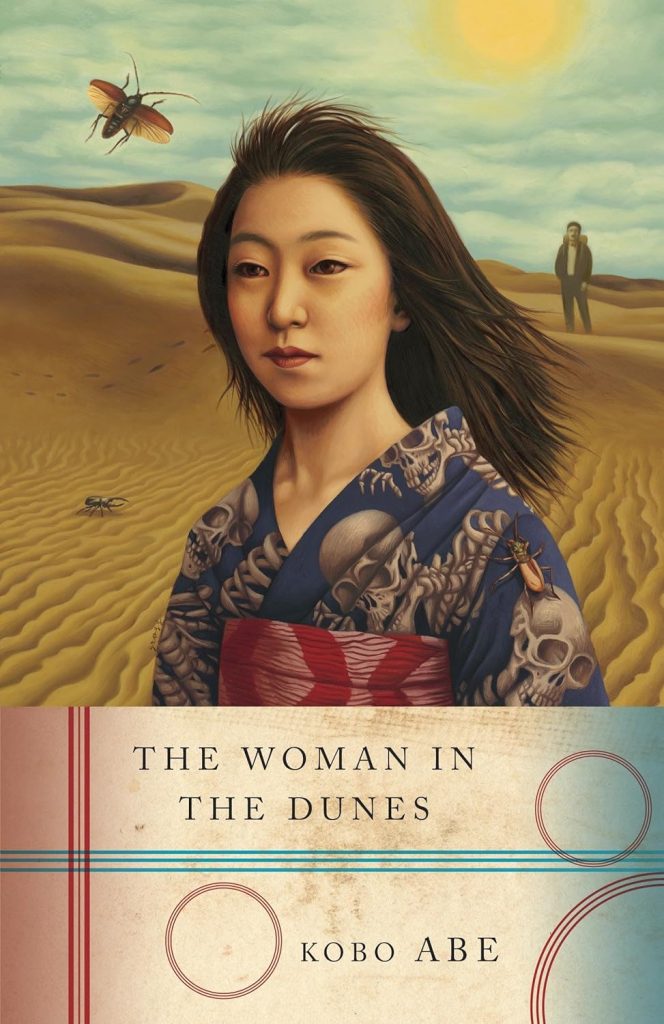
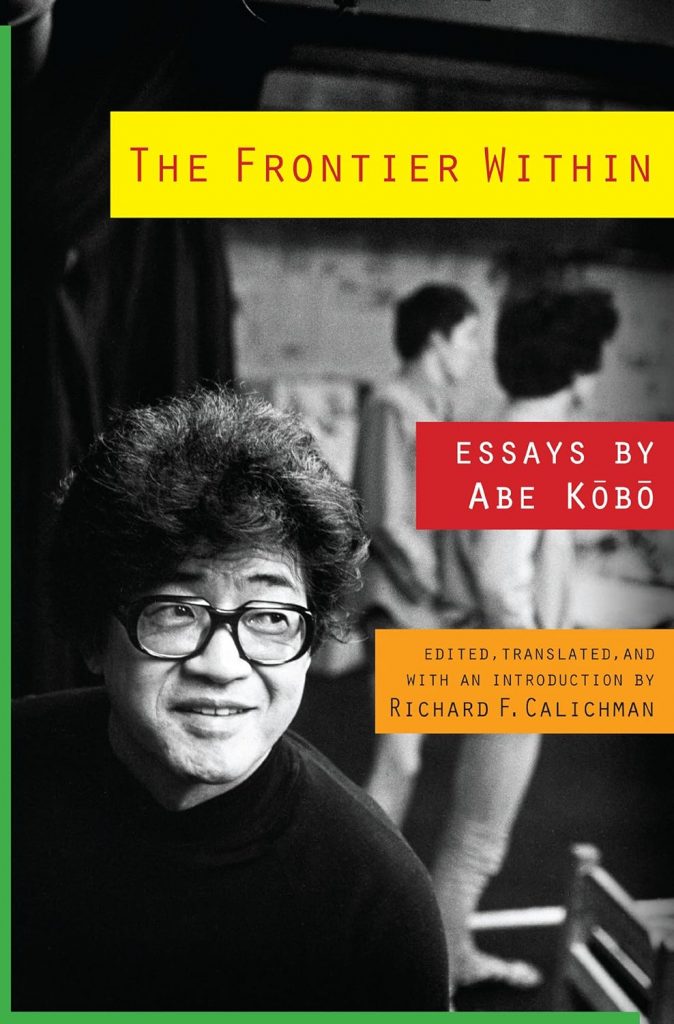
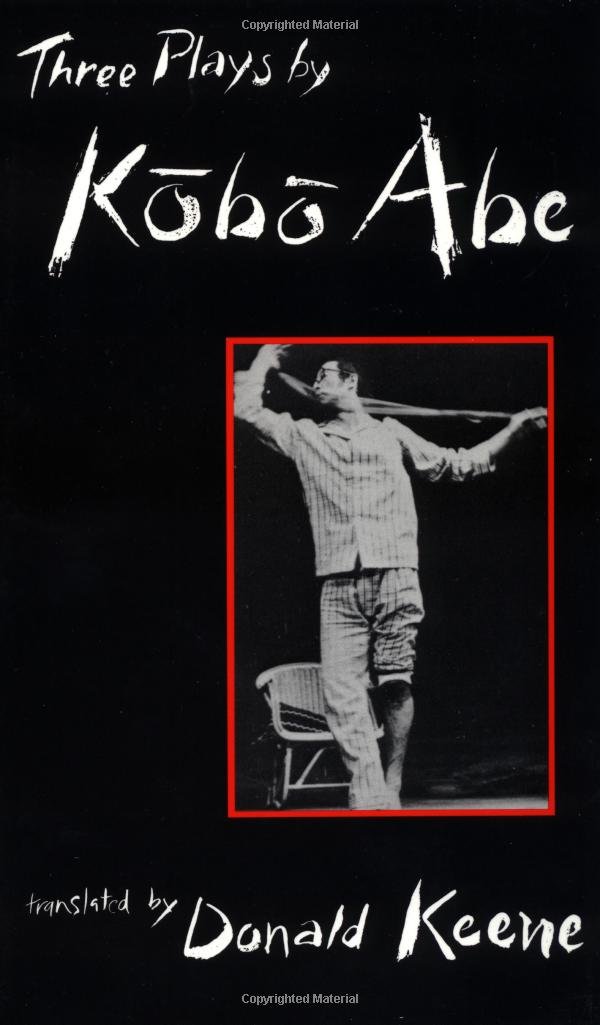
Kōbō Abe (安部 公房, Abe Kōbō), pen name of Kimifusa Abe (安部 公房, Abe Kimifusa, March 7, 1924 – January 22, 1993), was a Japanese writer, playwright, musician, photographer, and inventor. He is best known for his 1962 novel The Woman in the Dunes that was made into an award-winning film by Hiroshi Teshigahara in 1964.[2] Abe has often been compared to Franz Kafka for his modernist sensibilities and his surreal, often nightmarish explorations of individuals in contemporary society.
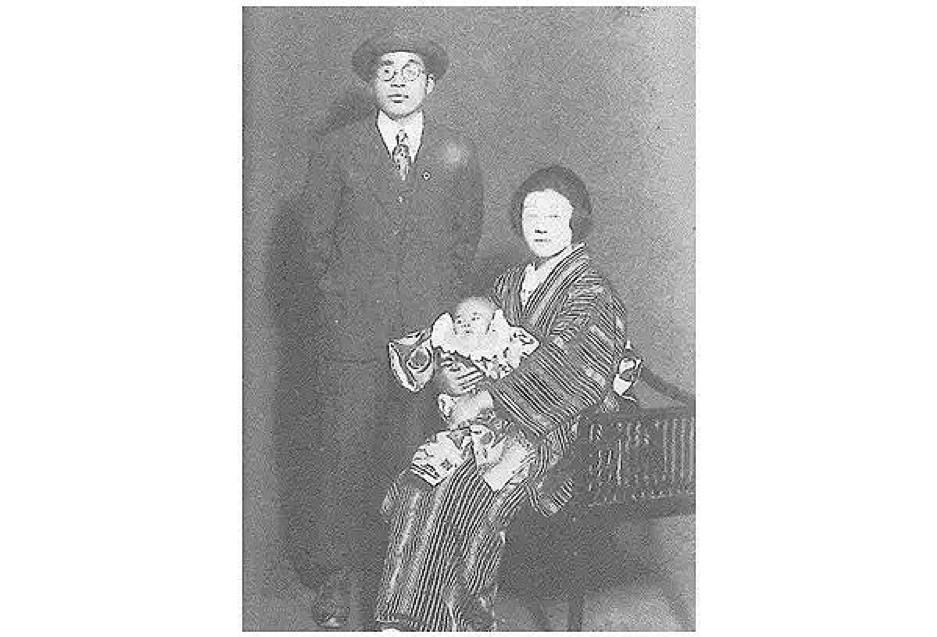
Abe was born on March 7, 1924[1][6] in Kita, Tokyo, Japan and grew up in Mukden (now Shenyang) in Manchuria.[2][1] Abe’s family was in Tokyo at the time due to his father’s year of medical research in Tokyo.[7] His mother had been raised in Hokkaido, while he experienced childhood in Manchuria. This triplicate assignment of origin was influential to Abe, who told Nancy Shields in a 1978 interview, “I am essentially a man without a hometown.[2] This may be what lies behind the ‘hometown phobia’ that runs in the depth of my feelings. All things that are valued for their stability offend me.”[7] As a child, Abe was interested in insect-collecting, mathematics, and reading. His favorite authors were Fyodor Dostoyevsky, Martin Heidegger, Karl Jaspers, Franz Kafka, Friedrich Nietzsche, and Edgar Allan Poe.
Abe returned to Tokyo briefly in April 1940 to study at Seijo High School, but a lung condition forced his return to Mukden, where he read Jaspers, Heidegger, Dostoyevsky, and Edmund Husserl. Abe began to study medicine at Tokyo Imperial University in 1943, partially out of respect for his father, but also because “[t]hose students who specialized in medicine were exempted from becoming soldiers. My friends who chose the humanities were killed in the war.”[7] He returned to Manchuria around the end of World War II.[1] Specifically, Abe left the Tokyo University Medical School in October 1944, returning to his father’s clinic in Mukden.[7] That winter, his father died of eruptive typhus. Returning to Tokyo with his father’s ashes, Abe reentered the medical school. Abe started writing novellas and short stories during his last year in university. He graduated in 1948 with a medical degree, joking once that he was allowed to graduate only on the condition that he would not practice.
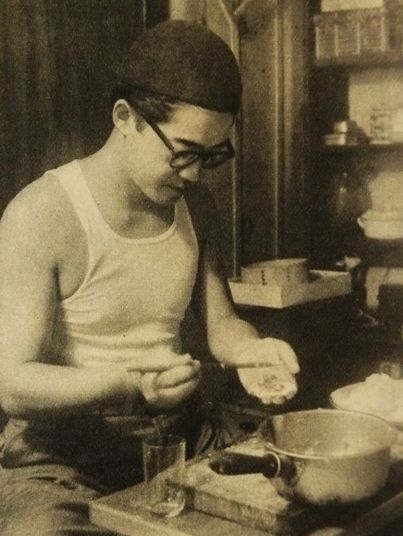
In 1945 Abe married Machi Yamada, an artist and stage director, and the couple saw successes within their fields in similar time frames.[7] Initially, they lived in an old barracks within a bombed-out area of the city center. Abe sold pickles and charcoal on the street to pay their bills. The couple joined a number of artistic study groups, such as Yoru no Kai (Group of the Night or The Night Society) and Nihon Bungaku Gakko (Japanese Literary School). Their daughter, Abe Neri, was born in 1954.[8]
https://www.youtube.com/watch?v=MXPDlRLTSpg
screenplay and adaptation: Kobo Abe
As the postwar period progressed, Abe’s stance as an intellectual pacifist led to his joining the Japanese Communist Party, with which he worked to organize laborers in poor parts of Tokyo. Soon after receiving the Akutagawa Prize in 1951, Abe began to feel the constraints of the Communist Party’s rules and regulations alongside doubts about what meaningful artistic works could be created in the genre of “socialist realism.”[7] By 1956, Abe began writing in solidarity with the Polish workers who were protesting against their Communist government, drawing the Communist Party’s ire. The criticism reaffirmed his stance: “The Communist Party put pressure on me to change the content of the article and apologize. But I refused. I said I would never change my opinion on the matter. This was my first break with the Party.”[7]: 35 [a] The next year, Abe traveled to Eastern Europe for the 20th Convention of the Soviet Communist Party. He saw little of interest there, but the arts gave him some solace. He visited Kafka’s house in Prague, read Rilke and Karel Čapek, reflected on his idol Lu Xun, and was moved by a Mayakovsky play in Brno.[7]
The Soviet invasion of Hungary in 1956 disgusted Abe. He attempted to leave the Communist Party, but resignations from the party were not accepted at the time. In 1960, he participated in the Anpo Protests against revision of the US-Japan Security Treaty as part of the pan-ideological Young Japan Society.[10] He later wrote a play about the protests, The Day the Stones Speak, which was staged several times in Japan and China in 1960 and 1961.[11] In the summer of 1961, Abe joined a group of other authors in criticizing the cultural policies of the Communist Party. He was forcibly expelled from the party the following year.[12] His political activity came to an end in 1967 in the form of a statement published by himself, Yukio Mishima, Yasunari Kawabata, and Jun Ishikawa, protesting the treatment of writers, artists, and intellectuals in Communist China.[7] According to translator John Nathan, this statement led to the falling-out between Abe and fellow writer Kenzaburō Ōe.[13]
His experiences in Manchuria were also deeply influential on his writing, imprinting terrors and fever dreams that became surrealist hallmarks of his works. In his recollections of Mukden, these markers are evident: “The fact is, it may not have been trash in the center of the marsh at all; it may have been crows. I do have a memory of thousands of crows flying up from the swamp at dusk, as if the surface of the swamp were being lifted up into the air.”[7] The trash of the marsh was a truth of life, as were the crows, yet Abe’s recollections of them tie them distinctively. Further experiences with the swamp centered around its use as a staking ground for condemned criminals with “[their] heads—now food for crows—appearing suddenly out of the darkness and disappearing again, terrified and attracted to us.” These ideas are present in much of Abe’s work.
Abe was first published as a poet in 1947 with Mumei-shishū (“Poems of an unknown poet”), which he paid for himself,[1] and as a novelist the following year with Owarishi michi no shirube ni (“The Road Sign at the End of the Street”), which established his reputation.[1] When he received the Akutagawa Prize in 1951, his ability to continue publishing was confirmed.[7] Though he did much work as an avant-garde novelist and playwright, it was not until the publication of The Woman in the Dunes in 1962 that Abe won widespread international acclaim.[14]
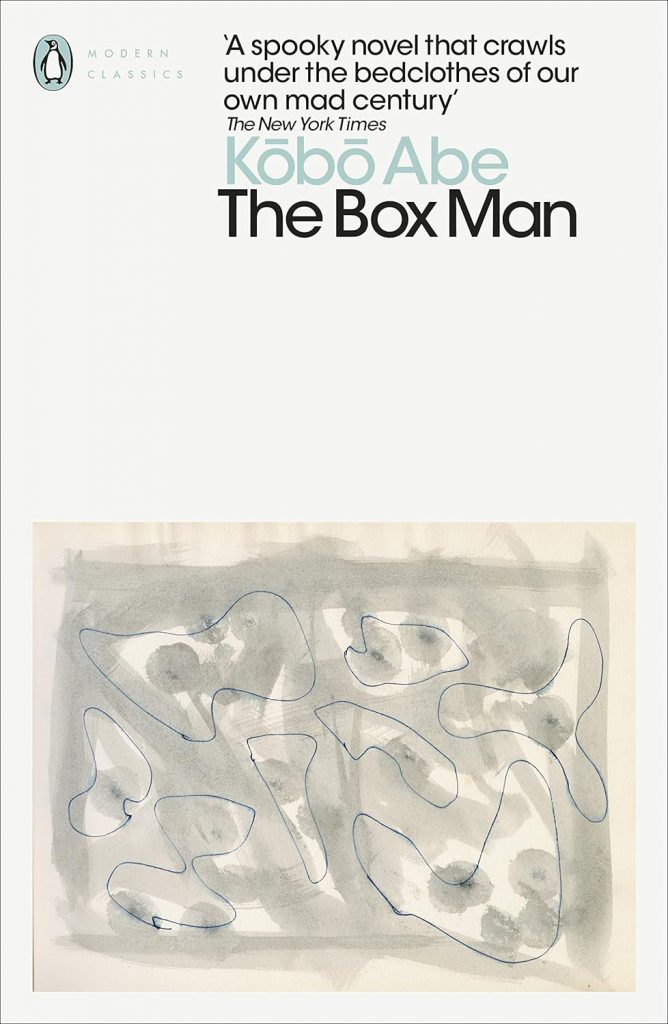
In 1971, he founded the Abe Studio, an acting studio in Tokyo.[7] Until the end of the decade, he trained performers and directed plays. The decision to found the studio came two years after he first directed his own work in 1969, a production of The Man Who Turned Into A Stick. The production’s sets were designed by Abe’s wife, and Hisashi Igawa starred. Abe had become dissatisfied with ability of the theatre to materialize the abstract, reducing it to a passive medium. Until 1979, he wrote, directed, and produced 14 plays at the Abe Studio. He also published two novels, Box Man (1973) and Secret Rendezvous (1977), alongside a series of essays, musical scores, and photographic exhibits.[7] The Seibu Theater, an avant-garde theater in the new department store Parco, was allegedly established in 1973 specifically for Abe, though many other artists were given the chance to use it. The Abe Studio production of The Glasses of Love Are Rose Colored (1973) opened there. Later, the entirety of the Seibu Museum was used to present one of Abe’s photographic works, An Exhibition of Images: I.[7]
The Abe Studio provided a foil for much of the contemporary scene in Japanese theater, contrasting with the Haiyuza‘s conventional productions, opting to focus on dramatic, as opposed to physical, expression. It was a safe space for young performers, whom Abe would often recruit from the Toho Gakuen College in Chofu City, on the outskirts of Tokyo, where he taught. The average age of the performers in the studio was about 27 throughout the decade, as members left and fresh faces were brought in. Abe “deftly” handled issues arising from difference in stage experience.