Category Archives: CollectorDocs

  • -

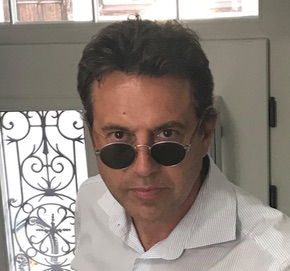
Simon Heiniger

«Poor man’s E-Type» – very poor man!

Simon Heiniger: Born in 1962 and raised in Emmental, he studied medicine in Bern. Thanks to a curriculum from the FIAM Bern, he trained as a general practitioner. Since 1994, he has been a family doctor in Olten. Married to a very understanding and patient wife, with three adult children. He writes like a writer:

I would like to tell you something about my hobby. I restore. From a medical perspective, the problem of restoration is not yet fully understood. It is suspected that a relatively rare spontaneous mutation on the Y chromosome occurs (so the female readership can breathe a sigh of relief). This deviation from the original genome forces the male psyche to fight against natural aging with all its might. If a man fails to do this for himself, he turns his energies to, for example, his car.
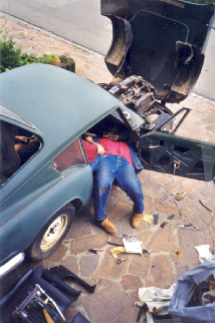
Divide and conquer – but be sure to make a sketch first!

The first symptoms appeared at an atypically young age, which I didn’t yet know how to interpret clearly at the time: I began restoring wooden furniture during my studies. I told everyone at the time that it was a mental balance, and I felt absolutely certain that I had found a survival tool and perhaps even a second source of income for future crises. After a few years, when our apartment looked like a stage set for a Gotthelf theater, my wife convinced me that it might not be very beneficial for the children to grow up in this antiquated living environment, and that, after all, something modern could also be very appealing. I recognized the seriousness of these objections and, somewhat offended, retreated to my workshop, gave away one piece after another, and patronizingly allowed modernity to slowly move into our household. I had the time and opportunity to choose a new hobby. For a brief moment, I even considered sports or reading.

As with many chronic illnesses, one tends to delude oneself into believing one’s health during symptom-free periods. However, when I saw a Triumph Spitfire shortly after opening my practice (for the more interested reader: Mk IV, Jg 72), I quickly added the price tag to the total investment expenditure, and since this didn’t result in a significant difference, I drove the Spitfire home. This spontaneity, often typical of me and equally overwhelming for those around me, didn’t meet with much approval this time either. Since then, I always discuss a car purchase with my wife beforehand, or at least mention such a project sometimes. The Spitfire was a good purchase. The engine almost always started, and only rarely did it let me down on the road. Every now and then, I curiously unscrewed something, marveled at the (still) nameless part, and screwed it back on. Apparently, it was fine; everything worked. The problem with this car was that there was nothing to restore. On a later occasion, I complained about this plight to the Triumph dealer. I think he wrestled with himself for a moment before telling me that instead of ruining the good car, he had an idea. His suggestion was a rather dilapidated Triumph GT6 (for the still-interested reader: Mk I, 1968, also known as the “poor-man’s E-Type”), parked behind the garage years ago and left to rot and rust.
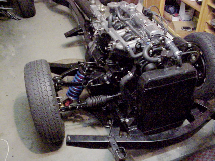
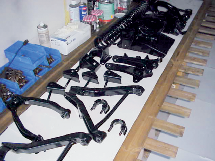
Runs, but doesn’t drive yet

My restoration heart leapt with pity, beat faster, and with much effort (I can’t go into the details, as the various violations may not have expired yet), I parked the “vehicle” in our backyard. I tried to counter my wife’s incomprehensible horror (had I really forgotten to inform her?) with arguments like “it’ll be a great car by spring” and “it looks terrible, but it’s solid.” Admittedly, spring had come several times, and the solidity wasn’t quite so great after all. To lend my determination a touch of credibility, I began the rather hectic disassembly that same day. This bold step in particular isn’t particularly suitable for imitation: even today, I still have a reproachful box of small parts for which, no matter how hard I tried to imagine, I simply couldn’t find room when putting them back together. Very quickly, an unexpected space problem arose. If the car, in drivable condition, has the dimensions of a small vehicle, the space required in a gutted state is about four times larger. I had to discreetly incorporate the now-modernized living space into the storage room, and even for this practical conversion of space, there was strangely no applause. Today I can talk about it; at that stage, I was almost desperate. Half the neighborhood was amused by the noise and chaos.

Give up? Those who restore cars don’t know that expression, and anyway, it’s part of the very nature of a family doctor to persevere, not to give up, even when no one believes in a happy ending anymore. I needed help and comfort, lots of comfort. The bookshelf was filled with specialist literature on British vehicles, rust treatment, engine construction, reports with tips and tricks from fellow sufferers. I discovered I wasn’t alone. Similar fates seem to be shared in many places, with many a self-proclaimed preserver of rusty cars suffering with brave perseverance in a small, unheated garage. The project progressed in small steps. There was a time when the various parts were spread out over a radius of many kilometers: the engine was at the cardiologist’s, the chassis at the orthopedist’s, and the body at the dermatologist’s. Our house was once again stress-free and livable. In this situation, I was once again able to benefit from my experience as a family doctor.
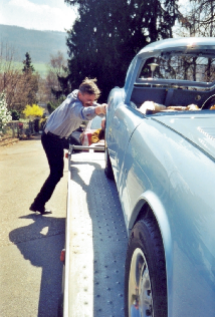
«Barba non facit philosophum», And a beautiful body doesn’t necessarily make a vehicle.

It took my persistent attention until my patient (still disassembled) was finally back home. Now all that was left was to reassemble it. With my now considerable experience and the painful experience of using many new tools, this should really only be the crowning achievement. The conclusion, and especially the crowning achievement, would have to wait for another spring. I became acquainted with the English understanding of precision. The majority of imported new parts rarely fit; where there should have been a recess, there wasn’t one. And the wiring harness had countless nerve endings that simply ended up somewhere without any reason (perhaps I should have paid more attention in neurology). Improvisation and courage were required.
Once all the holes and recesses on the freshly veneered dashboard were covered, I had the part x-rayed in the office. With the old bronchoscope, I was sometimes able to get a better overview of the depths of the engine or the body. And all the useful surgical instruments were briefly put to a different use (and, of course, later sterilized again).

One fall, the Triumph was finally finished, previously in “British racing green,” now in a more conciliatory “powder blue.” Everything worked, and even the motor vehicle inspection gave it its veteran’s blessing. For a short time, the symptoms disappeared, and everyone rejoiced in the miraculous healing. If only the Moto Guzzi hadn’t been at the motorcycle dealer,
or the sadly beautiful Saab on the internet, or the old Vespa in my father-in-law’s barn…

With time and experience, I’ve learned something very important. Before making any new purchase, I always talk to my wife first. She’s learned to live with my weakness and patiently stands by me (sometimes she still has a meltdown when there are so many vehicles in and around the house, so I just have to get rid of another restored object; never mind, I’ll find another one).

Dear reader, I have one final request: If you meet a man in a shiny, beautiful old car, be kind to him. He’s been through a lot.

PrimaryCare 2006;6: Nr. 51-52

Dr. med. Simon Heiniger
Ziegelfeldstrasse 25
4600 Olten
heiniger.simon@freesurf.ch


  • -

Uwe Ochs

1982 Passed the C-level examination in church music (choir conducting, organ, piano, vocals)

1984–2000 Organist and pianist of the Daimler-Benz Choir Stuttgart, the Esslingen Police Department Choir, and the Swabian Singers’ Selected Choir.

1976–2000 Temporary organist and choir director (St. Ulrich, Maria Königin, Kreuz- und Thomaskirche Kirchheim-Teck)

Singing, organ and piano playing, classical music, swimming, water polo, cycling, badminton, collecting model trains and old tin toys, model making (remote-controlled airplanes, trains)


  • -

Ian Brunt

The 49-bell Carillon of St Colman’s Cathedral in Cobh is the largest such instrument in Ireland and Britain.

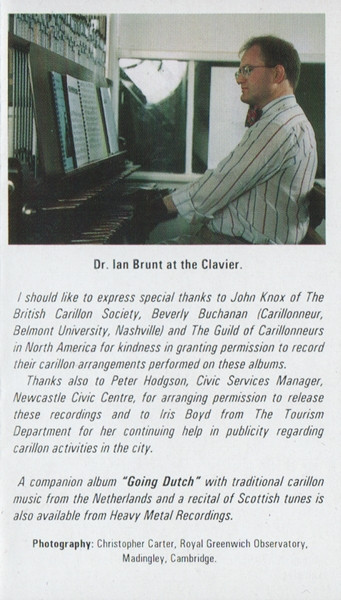
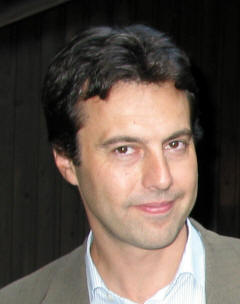
Dr Ian Brunt was Director of The Lanchester Early Music Festival and City Carillonneur of
Newcastle Upon Tyne
, regularly giving concerts and recitals on organ, carillon, harpsichord
and fortepiano.
He was a member of the National Youth Orchestra of Great Britain 1979-
1981 as flautist, composer and general musician and has specialised in the baroque flute
for over thirty years
. He performs with Hexham Collegium Musicum, Anglia Concertante,
Durham Sinfonietta, Tyneside Baroque Players, Durham Baroque, The Hallgate Ensemble,
among others, playing chamber music and giving concerto performances and has recorded
six commercial solo albums on harpsichord, organ and carillon. Recent new music composed includes a pair of Notturni for classical guitar, a setting of George Herbert’s “My
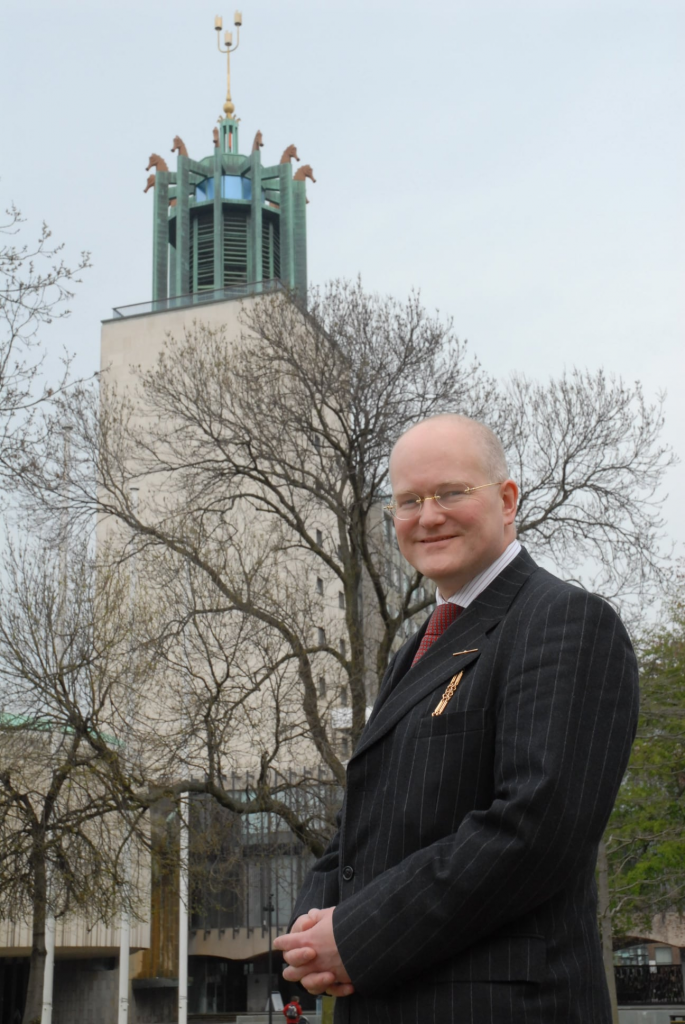
Words and Thoughts” and a solo organ concert piece “Fantazia on a Melody from the Scottish Psalter (1615).” In 2007 he was photographed for The North East Passion Archive project, the images held by Tyne and Wear Museums at The Discovery Museum, Blandford
Square, Newcastle and also accessible on the Internet.

In a tribute to Dr Brunt, Michael Boyd of the British Carillon Society, wrote: “Ian was proud of his Northumberland heritage – he was an exceptionally competent player of the Northumbrian small pipes.

“I believe he wanted to instil a sense of community pride in the Edith Adamson memorial carillon, the first and only carillon to be installed in a civic centre of a major city in Britain. His repertoire also reflected his deep personal connection with the North of England.”

Dr Brunt championed the music of 18th-century Newcastle composer

Charles Avison and was an advocate of folk music on the carillon.

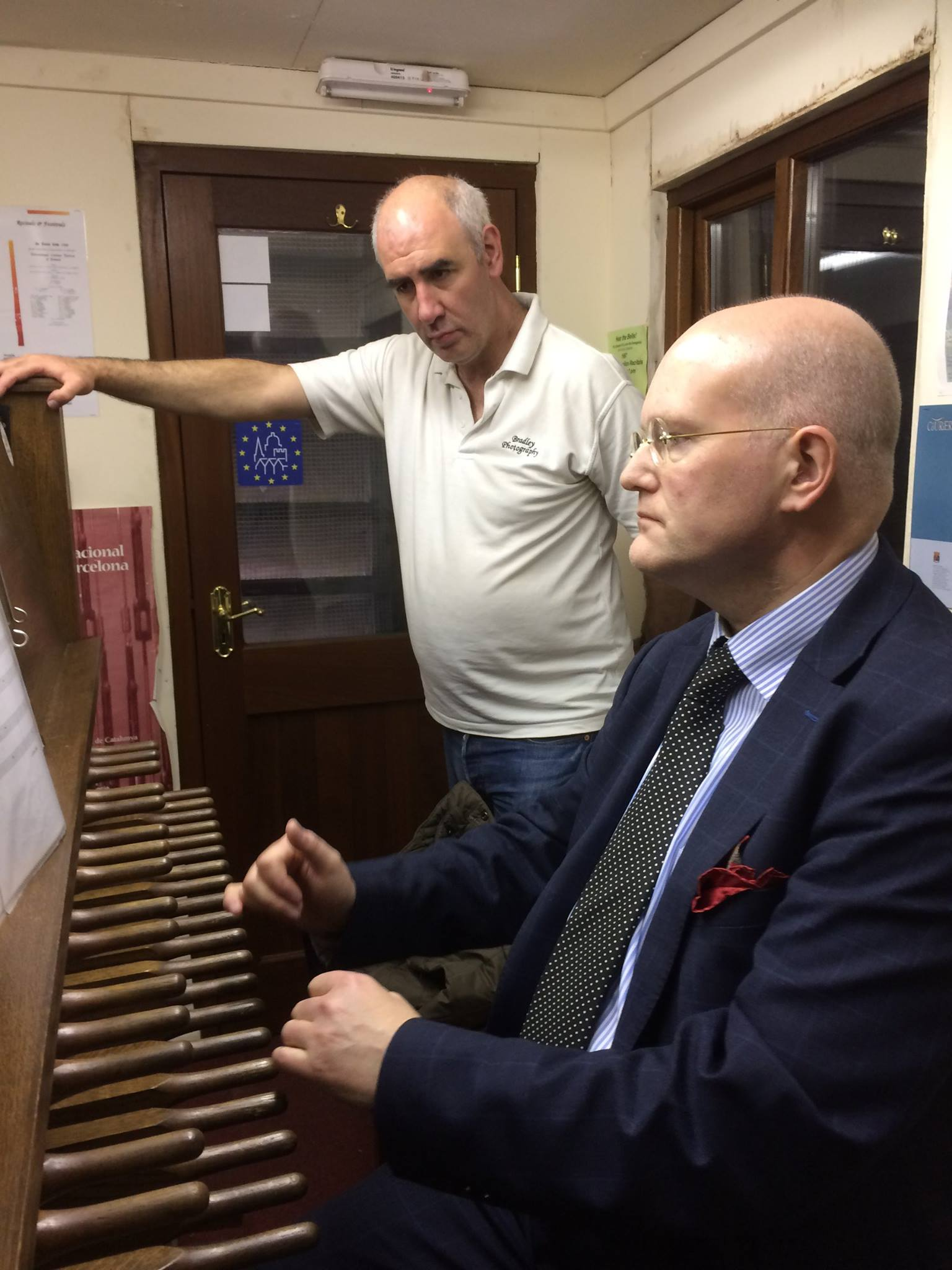
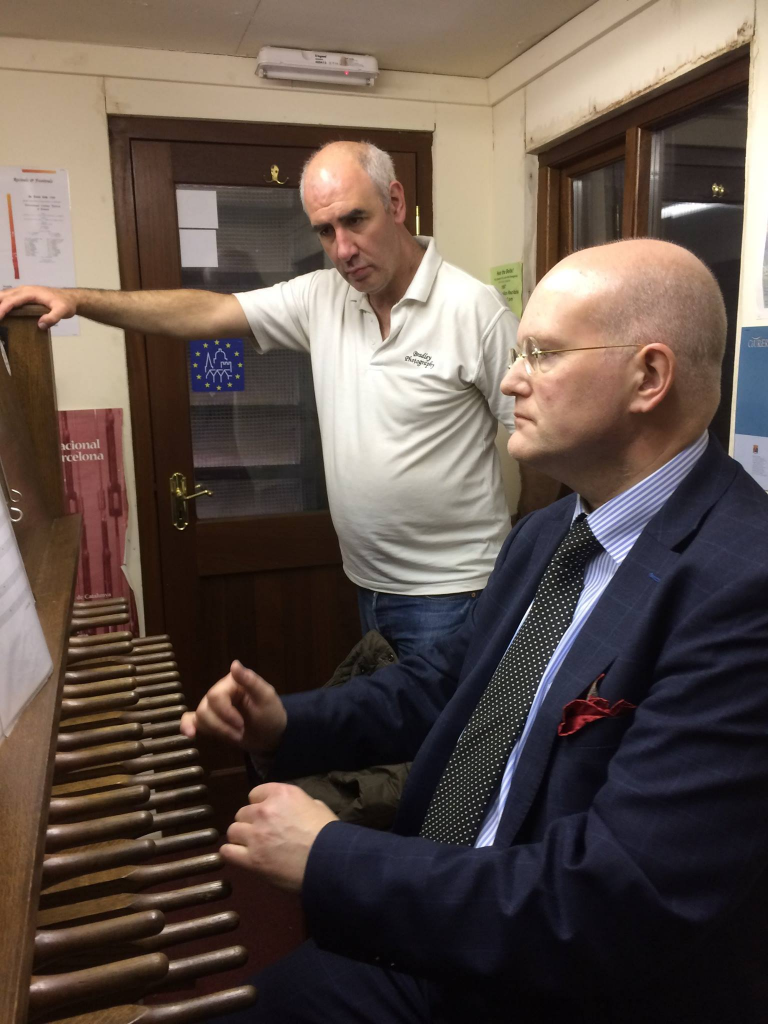
2021: News has just come through of the death this morning at the age of fifty-eight of Ian Brunt, Carillonneur of the Newcastle Civic Centre. Despite his busy workload as a G.P. and ongoing health issues, Ian was also dedicated to his beloved carillon art. He once described how he would swim seventy lengths five times a week in order to keep fit enough to play the carillon, which he claimed was “like going for a five-mile run”! He gave a memorable guest recital in Cobh in July 2007, when this photo was taken. This gentle and cultured man will be sorely missed and long remembered by his colleagues and friends. Requiescat in pace.

https://www.newcastle.gov.uk/our-city/edith-adamson-carillon-newcastle-civic-centre

https://www.facebook.com/Cobh49bellcarillon

https://www.discogs.com/de/release/7117467-Dr-Ian-Brunt-High-Baroque

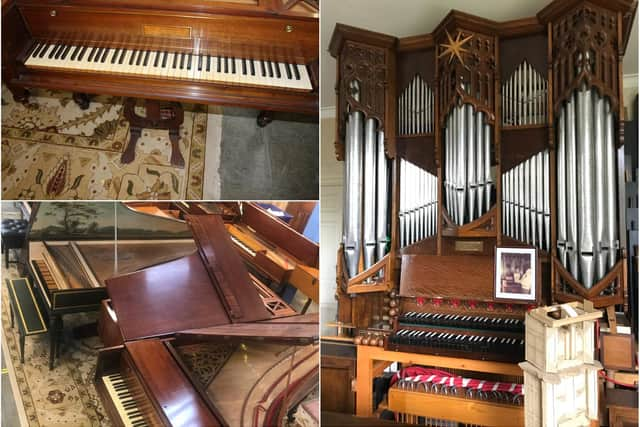
https://www.sunderlandecho.com/news/people/two-church-organs-among-instruments-found-in-gps-living-room-going-under-auction-3173179

But in addition to being a doctor, he was also a composer and an accomplished musician on a variety of instruments, including piano and flute.

https://www.musicdurham.co.uk/reviews/organ-recital-dr-ian-brunt

The Edith Adamson Memorial Carillon, Newcastle Civic Centre
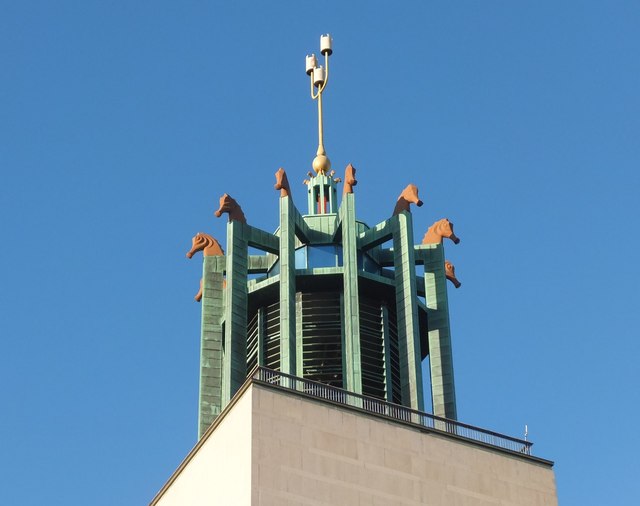
The Edith Adamson Memorial Carillon, constructed in 1966 by J.Taylor and Co and installed in 1967, was given to the city by James Wilfred Adamson in memory of his wife. James (‘Jimmy’) Adamson started his paints business from a horse and cart, and went on to be a driving force in the establishment of British Paints Ltd, see LinkExternal link . The carillon, see LinkExternal link has 25 bells, the largest of which weighs 71cwt, 1qr, 13lb – which if my maths serves me correctly is 825lb, or 374.214kg – and is tuned to A major. Recitals take place on Saturdays at 2pm and occasionally on Thursday at 7pm – the Carilloneur is Dr Ian Brunt, who swims 70 lengths five times a week in order to keep fit enough to play the carillon, which takes so much physical energy that he describes it as ‘like going for a five-mile run’, see LinkExternal link . The carillon tower has twelve seahorses and is topped by the three castles of the Newcastle coat-of-arms, see LinkExternal link .


  • -

Gerhard Dammann

Gerhard Wolfgang Dammann (* 11 December 1963 in Oran, Algeria; † 20 June 2020 in Münsterlingen, Switzerland;[1] resident in Basel[2]) was a Swiss psychiatrist, psychologist and psychoanalyst.

Dammann studied medicine, psychology, and sociology in Tübingen, Frankfurt am Main, Basel, and Paris, graduating with the state examination in medicine (Germany, 1990), a diploma in psychology, and a diploma in sociology. From 1986, he was a member of the Catholic equestrian student association AV Guestfalia Tübingen.

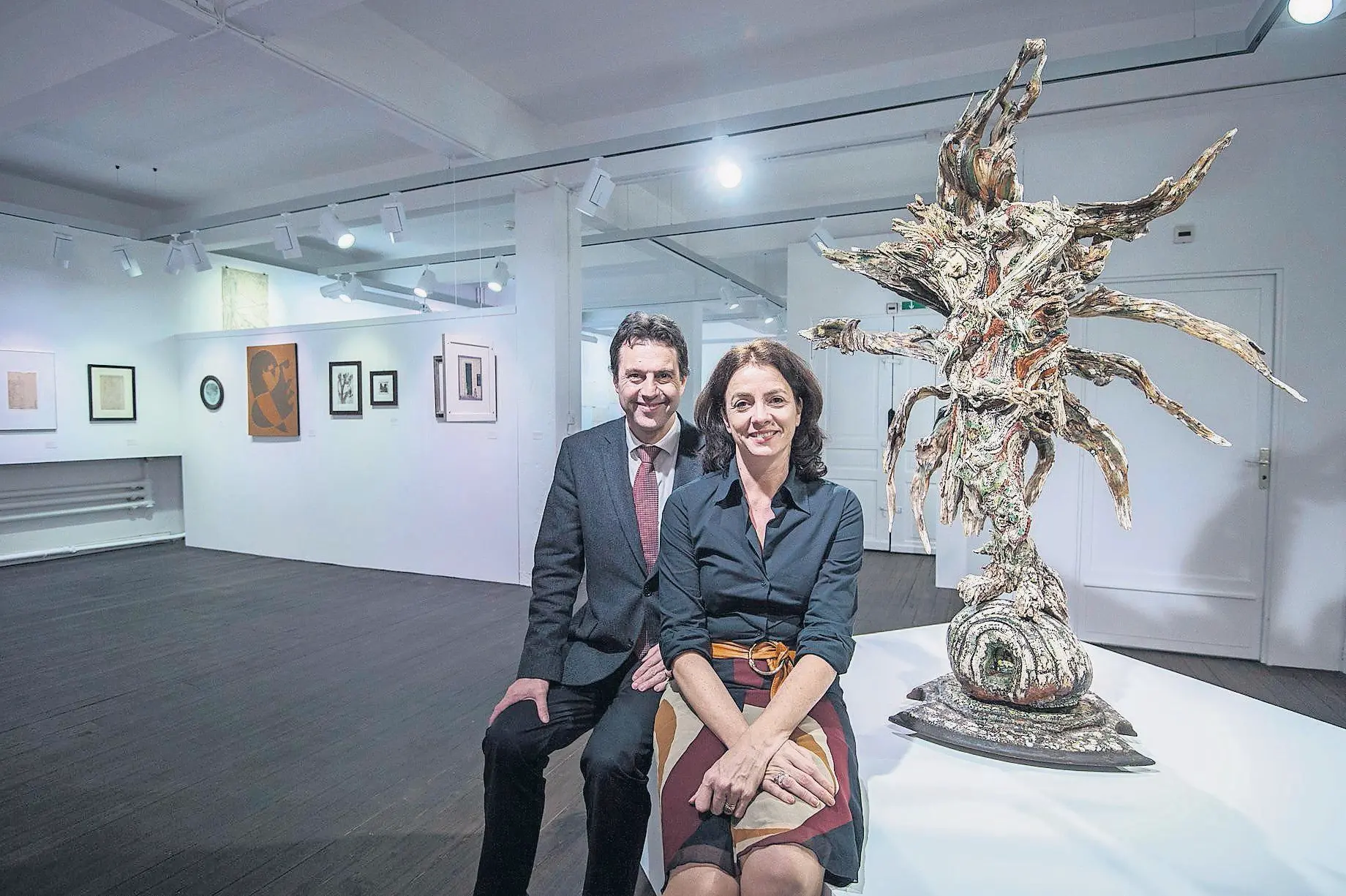
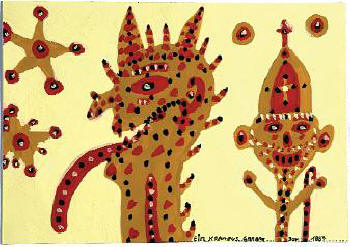
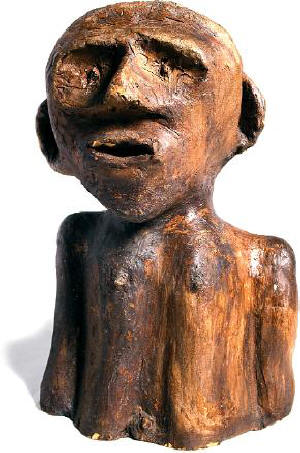
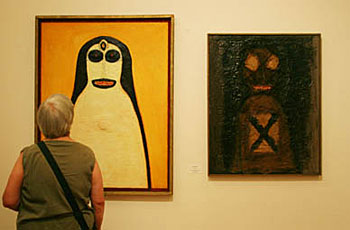
As a medical student, Gerhard Dammann explored the art of psychotics and those with psychiatric experience. During his clinical internship, he spent several months as an intern in the Prinzhorn Collection at Heidelberg University, acquiring his first works from the fields of “Outsider Art” and “Art Brut.” The collection began with a collage by Adolf Wölfli, a drawing by Louis Soutter, a painting by Johann Hauser, and a musical instrument by Gustav Mesmer. After his marriage, he and his wife Karin began collecting more and more systematically in the late 1990s.[1] From 1995 onwards, they placed the acquired works in their large Munich apartment. Initially, they acquired works by artists from the Art/Brut Center Gugging, including watercolors by Oswald Tschirtner and drawings by Franz Kamlander. From 2000 onwards, they supplemented the collection with further outsider art by Albert Louden, Sava Sekulić and Michel Nedjar. In 2003, they bought a large part of the works created in the “La Tinaia” studio, as well as historical Art Brut created in psychiatric hospitals.

In 2006, the collection comprised around 100 artistic works by self-taught artists in the fields of Naive Art and Outsider Art, and by 2014 had grown to around 300 works of “select quality.” In 2023, the collection consisted of over 1,000 exhibits. The core of the collection is a selection of Art Brut classics. These include series of works by the Gugging artists Johann Hauser, August Walla, and Oswald Tschirtner from the early 1970s, as well as works from the open studios of the “La Tinaia” psychiatric hospital in Florence. In addition, the Dammann Collection includes five of fifteen works donated from the original Prinzhorn Collection, three works by Else Blankenhorn[5], and two sheets by August Klett. There are also some unusual works: a carved bed made of solid oak, created around 1880 in an institution near Chartres, or a sheet dated 1720, which is considered the oldest known work of outsider art.

https://de.wikipedia.org/wiki/Gerhard_Dammann_(Mediziner)

https://de.wikipedia.org/wiki/Sammlung_Dammann

https://www.news.uzh.ch/de/articles/2007/2598.html

https://www.tagblatt.ch/kultur/leuchtender-wahnsinn-ld.922360


  • -

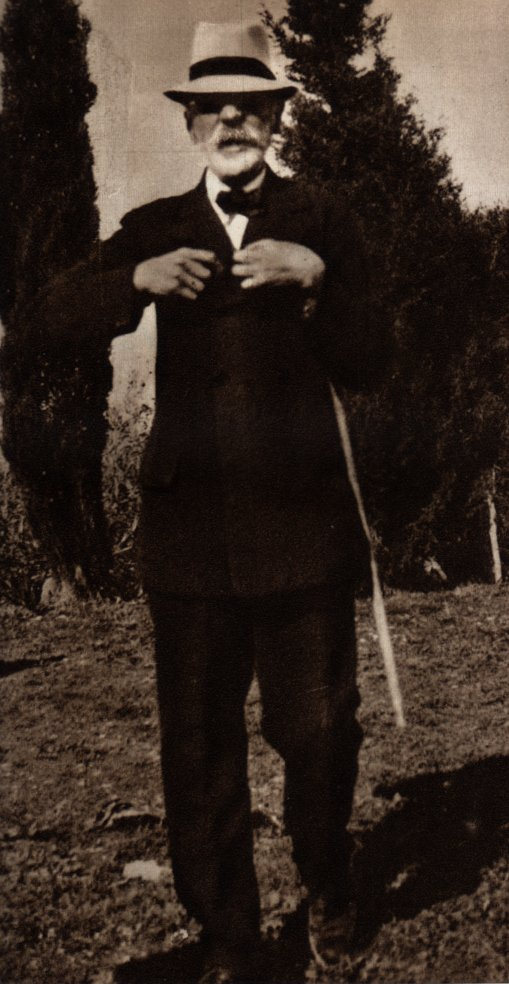
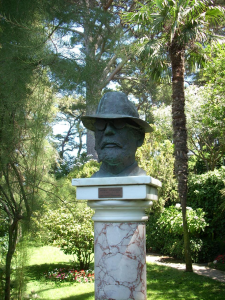
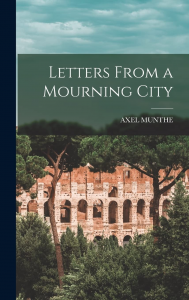
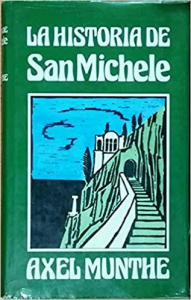
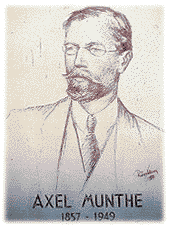
Axel Munthe

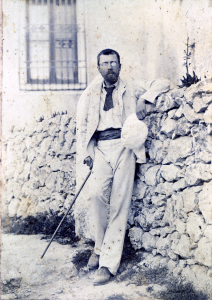
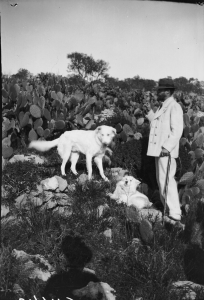
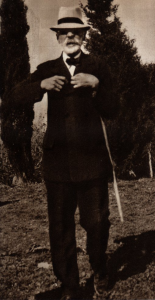
Axel Martin Fredrik “Puck” Munthe [ˌakːsəl ˈmɵnːtə] (October 31, 1857 in Oskarshamn – February 11, 1949 in Stockholm) was a Swedish physician and author.

Beruf und Leben

Axel Munthe was born in 1857, the son of a pharmacist. He studied medicine in Uppsala, Montpellier, and Paris.

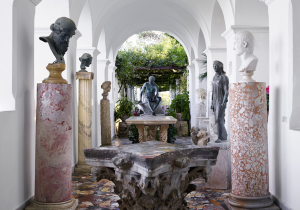
In 1880 he began practicing medicine in Paris and Rome. Over the years he worked in Naples, London and Stockholm. During his student years in Paris he was particularly impressed by the work of Jean-Martin Charcot. Even in later years his special interest lay in psychiatry. His professional career shows several outward breaks. For example, he worked as a doctor for the lower classes of society while simultaneously or shortly thereafter running a fashionable medical practice. In Rome, for example, he set up his practice in the Keats-Shelley House on the Spanish Steps, which had previously been inhabited by the poet John Keats and others. From 1908 Munthe was personal physician to the Swedish Queen Victoria, a Princess of Baden by birth, who regularly stayed in Munthe’s neighborhood on Capri until her death. At his Villa San Michele in Anacapri, he was visited by Henry James, Oscar Wilde, Rainer Maria Rilke, and Curzio Malaparte. The house, with its magnificent garden and sweeping views over the sea, has served as a museum since the 1950s.

At the age of 22 (the youngest in France), he received his doctorate in medicine from the Sorbonne and soon became one of the most successful physicians of his time. He was considered a miracle worker. His patients included members of the upper classes and nobility of Europe and America, but he also worked among the poor in Paris, Rome, and Naples.

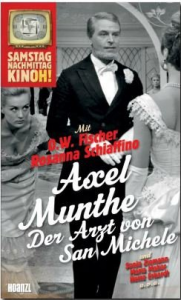
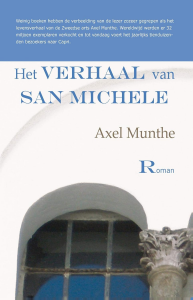
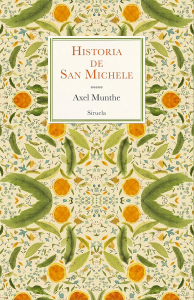
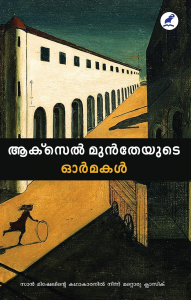
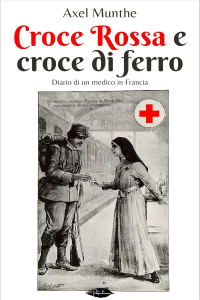
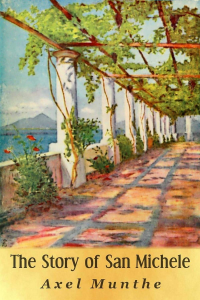
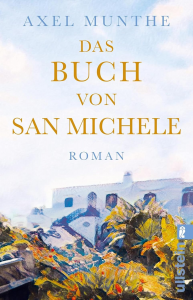
The newspaper report on his work in cholera-stricken Naples in the autumn of 1884 made him instantly famous. However, he was not a professional writer, and his real success did not come until 45 years later. “The Story of San Michele” was published in 1929 and became one of the most successful books of the 20th century. It was written in English, translated into numerous other languages, and is still being reprinted today.

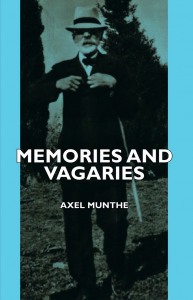
Axel Munthe became internationally known through his memoirs, The Book of San Michele, published in 1929 and translated into numerous languages. However, biographical elements are mixed with fantasy to the point of inseparability; for example, Bengt Jangfeldt and Thomas Steinfeld demonstrated numerous differences between the author’s real and “autobiographical” life in their Munthe biographies, published in 2003 and 2007, respectively.

Although Munthe was not an architect, he had one of Europe’s most famous villas built on Capri: the Villa San Michele, which experts describe as a masterpiece of architecture.
He was a passionate Anglophile, but his favorite philosopher was Schopenhauer, his favorite poet was Heine, and his favorite composers were Schubert, Wagner, Schumann, and Hugo Wolf. And despite his republican outlook on life, his most important patient was not only of royal descent and German origin, but also strongly German-oriented.

Munthe died in 1949 in his last residence, located in a side wing of the Royal Palace in Stockholm.

https://www.villasanmichele.eu/munthe

https://en.wikipedia.org/wiki/Axel_Munthe


  • -

Werner Schunk

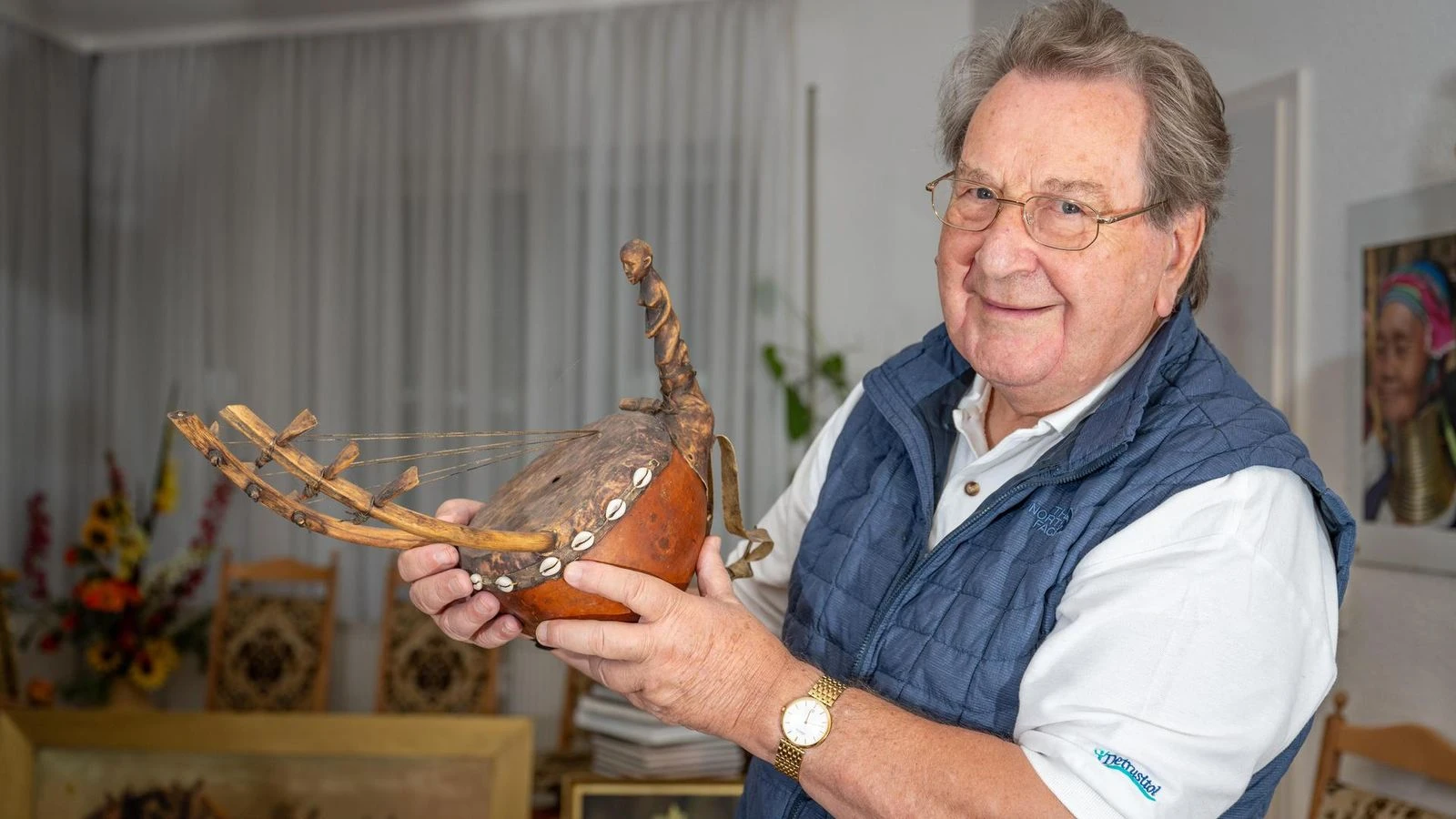
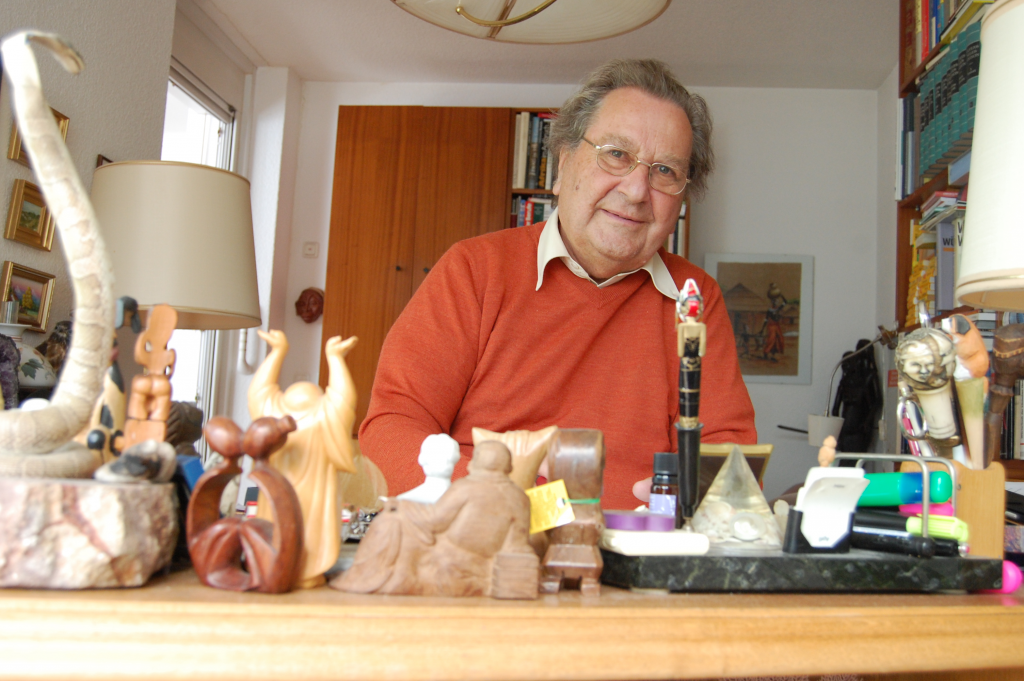
Prof. Dr. Werner Schunk has traveled to more than 100 countries in his lifetime. His curiosity about people in other cultures, their way of life, and their art has repeatedly led him to board trains, cars, buses, airplanes, rickety helicopters, and the suspiciously light boats of the locals. He wanted to see with his own eyes how the indigenous people of Papua New Guinea, the Amazon, or Madagascar live, and always stayed for a while. Rich in impressions, insights, and the gratitude of the people, he returned home, bringing back rare works of art as souvenirs. He will exhibit some of these extraordinary mementos at the KunstForum Gotha from October 2, 2020, to March 28, 2021, combining them with interesting anecdotes and tips from his work as a physician and brain researcher.
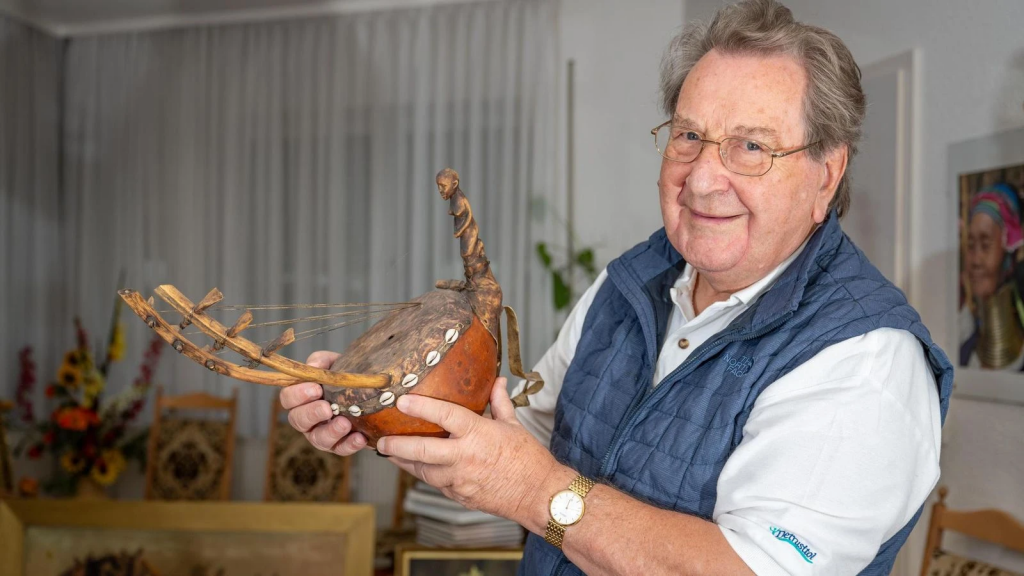
The astonishingly universal life’s work of Professor Werner Schunk is anchored in his hometown of Gotha. He was born in Sundhausen, trained as a metalworker in railroad car manufacturing, and just a few years after completing his medical studies, became a company doctor. When practice space became scarce, he treated people from Gotha East in his apartment. For the rubber combine, he systematized poisons, their effects, and their treatment. Schunk shared the findings of his work with other researchers from Sweden, Great Britain, and America. He later traveled to Japan and India to help people suffering from Parkinson’s disease with his “Way of Schunk” treatment method. Thanks to his extensive knowledge and experience, he became Director of the Institute for Occupational Medicine and Vice-Rector of the Medical Academy in Erfurt, while also serving on the Gotha City Council and for the Perthes Forum in Gotha.

The core of Professor Werner Schunk’s research is the miracle of the brain. He knows it with incredible precision, down to the most complex biochemical processes, yet has never lost his sense of wonder. He calls this mysterious organ a work of art capable of thinking, feeling, and moving. He explored it so extensively and persistently that he became one of the first people in the world to discover that the brain’s own metabolism can be severely disrupted by manganese. From then on, he could have only hung around at receptions and accepted numerous prizes and honors. But then he swapped his fine suit for a doctor’s coat and tropical clothing to be where true art is created: among people.

He has published 800 scientific publications and lectures, as well as ten scientific books. He holds 68 patents, including those for biomaterials.

Wandlung des Lächelns

Jetzt huscht es über dein Gesicht,
ein Lächeln, das die Starre bricht.
Zeigt an die innere Verspannung,
löst Körper, Geist aus der Verbannung.

Das Lächeln ist auf bestem Wege
zur wundersamen Körperpflege.
Verschenke es mit deinem Blick,
es kommt in andrer Form zurück.

Diese äußerliche Handlung
zeugt von innerer Verwandlung.

https://werner-schunk.de

https://www.kultourstadt.de/kunstforum/ausstellungen/werner-schunk


  • -

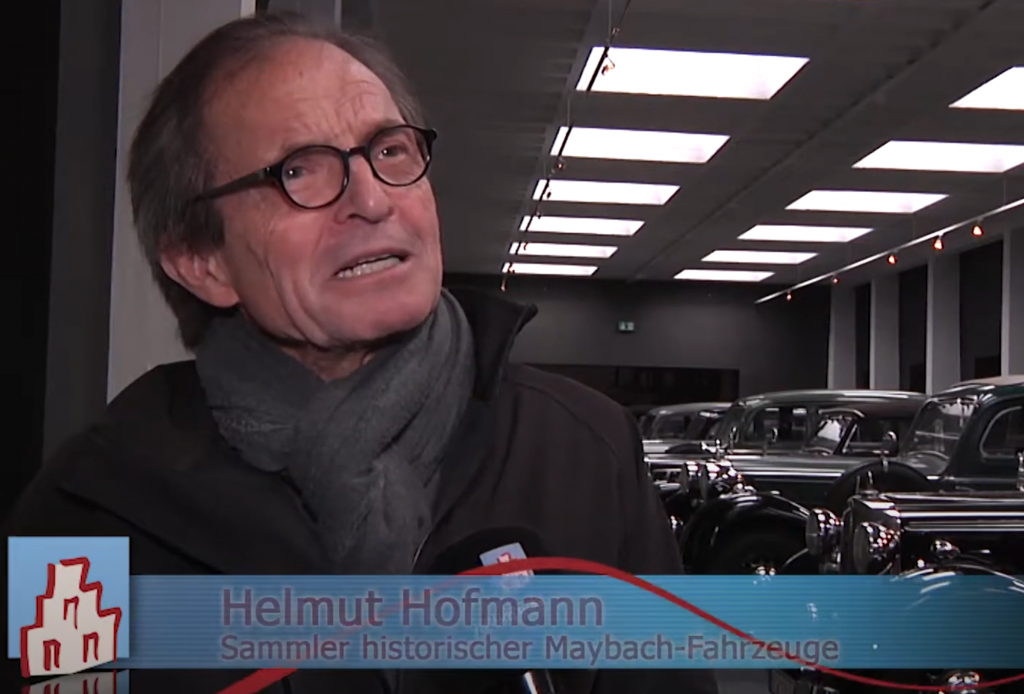
Helmut Hofmann

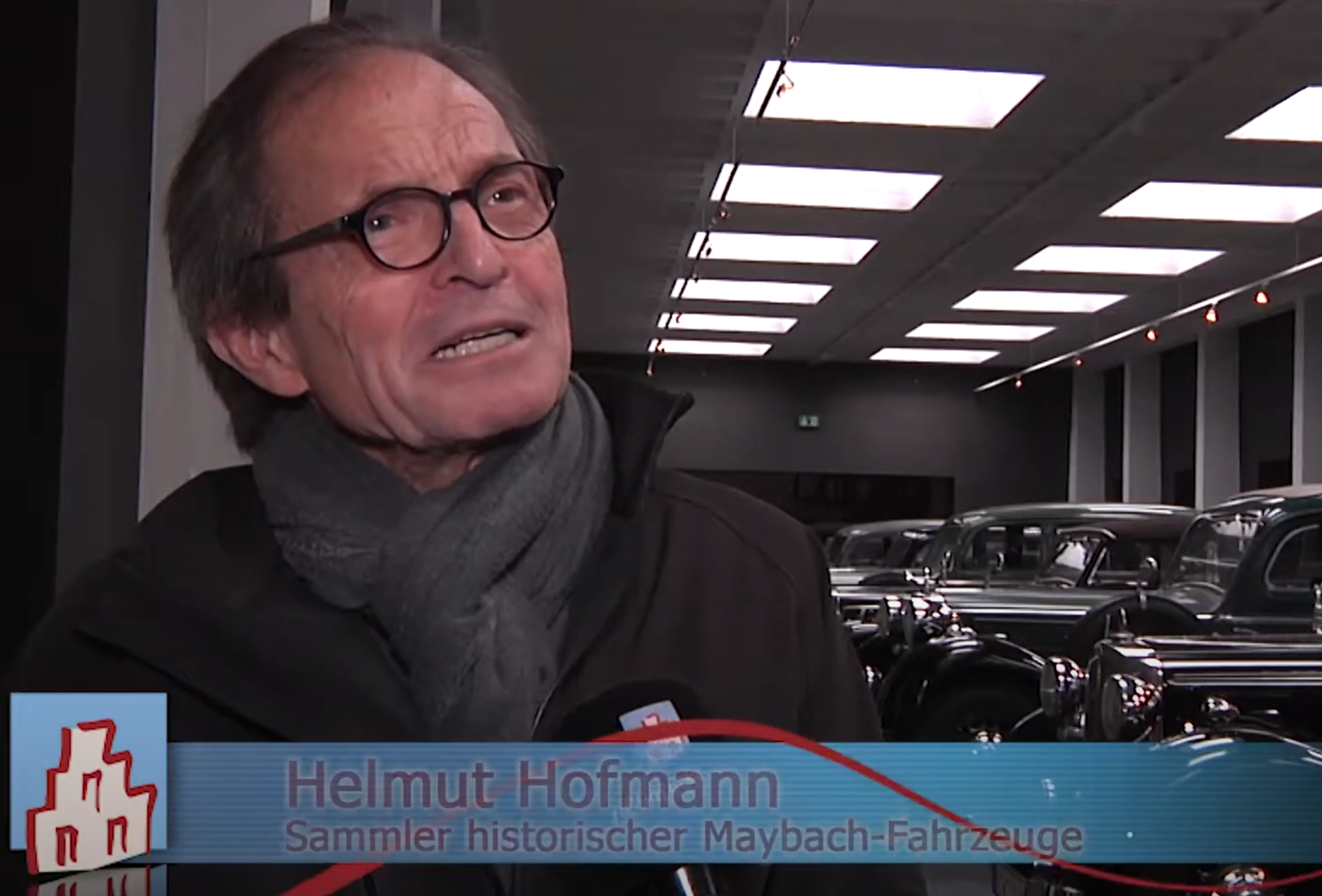
With the private Museum for Historic Maybach Vehicles, the Neumarkt-based collector couple Anna and Dr. Helmut Hofmann fulfilled a lifelong dream – and in 2009 opened a globally unique collection of these gleaming chrome luxury cars to the public. Around 20 historic Maybach vehicles – one-tenth of the world’s remaining stock – are housed in this attractive museum building. The museum tells the exciting story of the “Maybach myth” and the Maybach-Motorenbau GmbH owned by Wilhelm and Karl Maybach. Just 1,800 of these valuable vehicles were built to order between 1921 and 1941; around 160 remain around the globe – and almost 20 of them are located in Neumarkt. On approximately 2,500 square meters of exhibition space, the precious vehicles can be viewed in a chronologically structured display and in a wide variety of conditions – from sawn-up barn finds to concours classics. No less spectacular is the building complex, which grew out of the historic industrial buildings of a former bicycle and motorcycle factory from the Wilhelminian era, the famous Neumarkt Expresswerke. A small but impressive additional exhibition showcases several exhibits from the history of the Expresswerke.

https://www.automuseum-maybach.de

https://de.wikipedia.org/wiki/Museum_f%C3%BCr_historische_Maybach-Fahrzeuge

https://en.wikipedia.org/wiki/Museum_for_Historical_Maybach_Vehicles

https://www.kurier.de/inhalt.maybach-museum-10-jahre-mythos-maybach-in-der-oberpfalz.3e2a348b-96c1-44f5-9cca-f14a695470c5.html

https://www.fr.de/ratgeber/auto/einmaliges-maybach-museum-11495271.html

https://en.naturpark-altmuehltal.de/sehenswertes/museum_fuer_historische_maybac-4533

https://museen.de/maybach-museum-neumarkt.html


  • -

Hans Prinzhorn

Hans Prinzhorn (6 June 1886 – 14 June 1933) was a German psychiatrist and art historian.

Hans Prinzhorn als Abiturient (1904)

Born in HemerWestphalia, he studied art history and philosophy at the universities of Tübingen, Leipzig and Munich, then receiving his doctorate under Theodor Lipps with the dissertation “Gottfried Semper’s basic aesthetic views” in 1908. He then went to the Leipzig Conservatory in 1909 and received lessons in music theory and piano. Afterwards he went to London to pursue his desire of becoming a singer, however his voice was ultimately not good enough for an artistic career. During the First World War, he assisted a military surgeon and in 1913 he finally started studying medicine, receiving his training at the universities of Freiburg and Strasbourg. He completed his second doctorate (in medicine) in 1919 at the University of Heidelberg after an invitation from Karl Wilmanns, with the dissertation “The artistic capabilities of the mentally ill”.

Geburtshaus von de:Hans Prinzhorn in Hemer.

In 1919 he became assistant to Karl Wilmanns at the psychiatric hospital of the University of Heidelberg. His task was to expand an earlier collection of art created by the mentally ill and started by Emil Kraepelin. When he left in 1921 the collection was extended to more than 5,000 works by about 450 “cases”.

In 1922 he published his first and most influential book, Bildnerei der Geisteskranken. Ein Beitrag zur Psychologie und Psychopatologie der Gestaltung (Artistry of the mentally ill: A Contribution to the Psychology and Psychopathology of Configuration), richly illustrated with examples from the collection. While his colleagues were reserved in their reaction, the art scene was enthusiastic. Jean Dubuffet was highly inspired by the works, and the term Art Brut was coined.

The book is mainly concerned with the borderline between psychiatry and art, illness and self-expression. It represents one of the first attempts to analyse the work of the mentally ill.

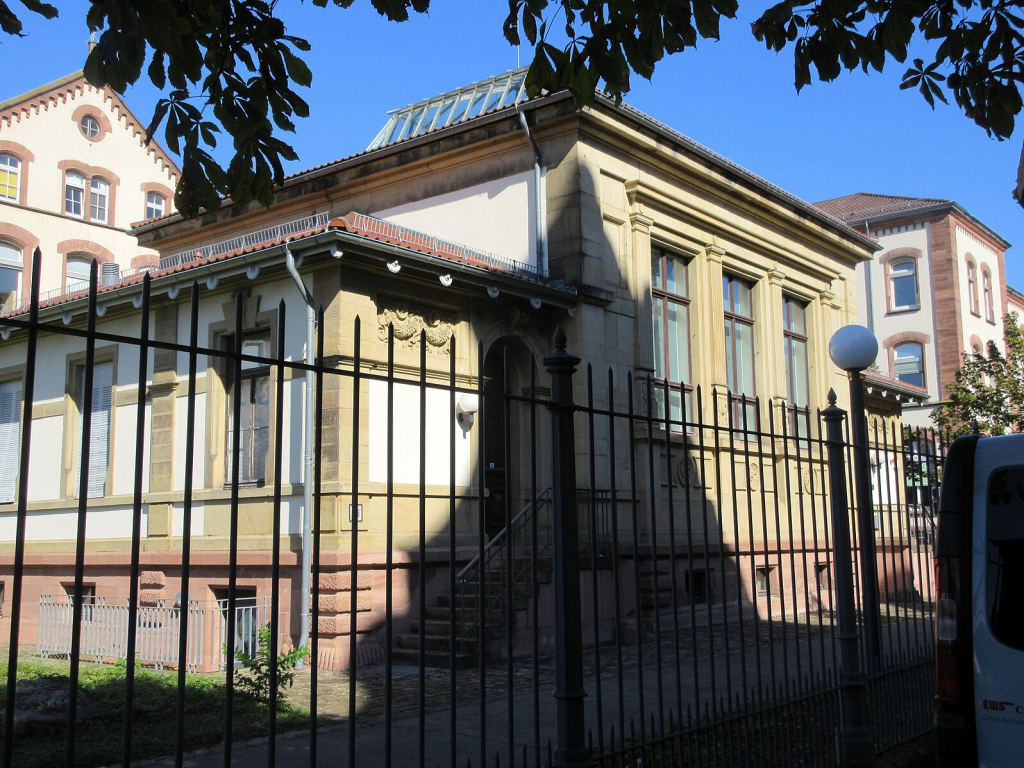
Das ehemalige Hörsaalgebäude des Altklinikums Bergheim ist heute der Forschungssammlung Prinzhorn als Museum gewidmet

After short stays at sanatoriums in ZürichDresden and Wiesbaden, he began a psychotherapy practice in Frankfurt in 1925, but without much success. He published a follow up project to his first book, titled “Bildnerei der Gefangenen” (Artistry of Prisoners) in 1926, however it was met with little success. He also wrote poems, which were published by a private publisher after his death. He continued to write numerous other books which were mainly on the field of psychotherapy. He approached psychology with an original method where he combined philosophy, anthropology and psychoanalysis. He went on to give lectures over radio, and he was a sought-after speaker home and abroad. He went to an invitation-based lecture tour of US universities in 1929. His original approach was well respected within the German community, however it was largely forgotten due to the dominant force of experimental psychology. His hopes to find a permanent position at a university were never fulfilled. Disillusioned by professional failures, and after three failed marriages, he moved in with an aunt in Munich and retreated from public life, making a living from giving lectures and writing essays. He died in 1933 in Munich after contracting typhus on a trip to Italy.
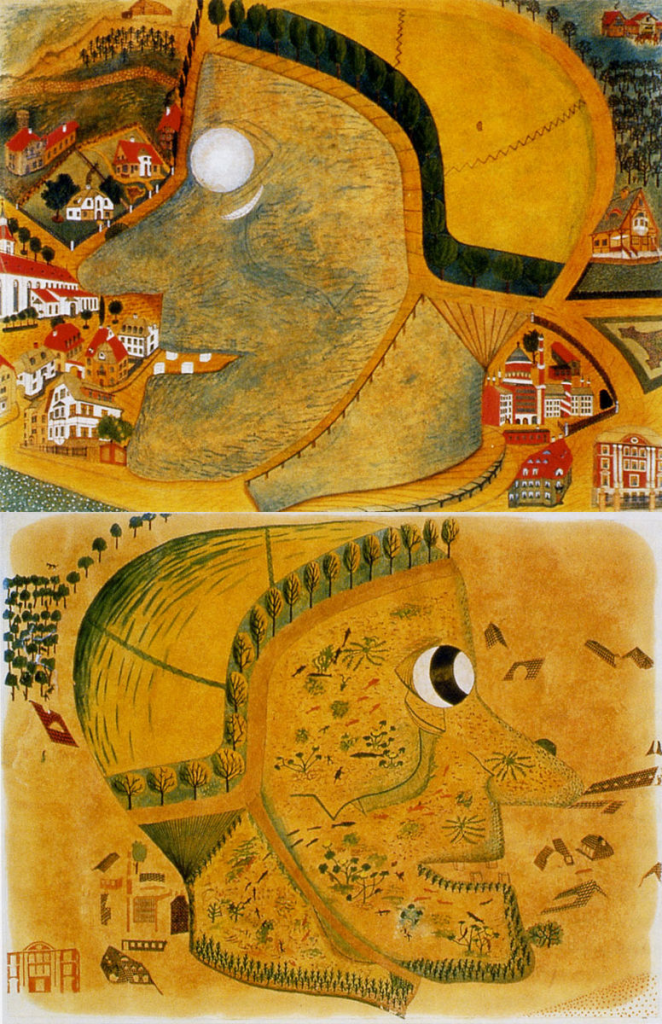
Aus der Sammlung Prinzhorn: August Natterer (Neter): „Hexenkopf“ (Vorder- u. Rückseite), ca. 1915

Shortly after his death the Prinzhorn Collection was stowed away in the attics of the university. In 1938 a few items were displayed in the Nazi propaganda exhibition Entartete Kunst (“Degenerate Art”). Since 2001 the collection has been on display in a former oratory of the University of Heidelberg.

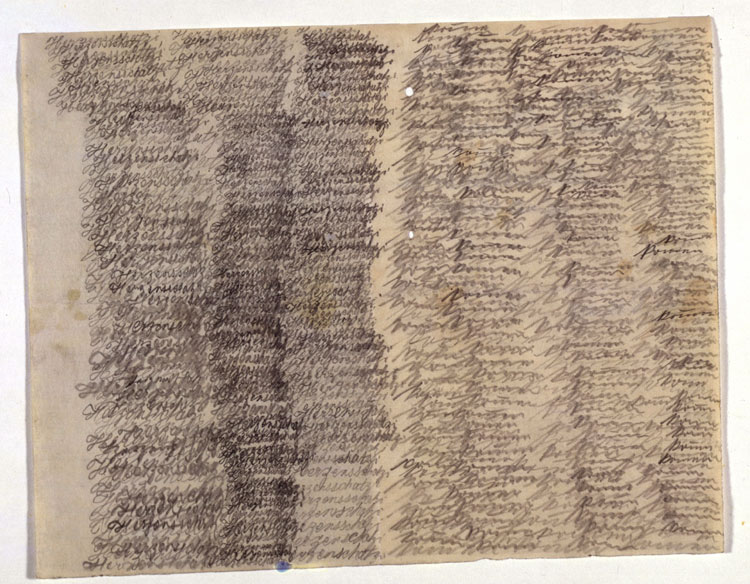
Brief der Psychiatriepatientin Emma Hauck 1909, von Prinzhorn als Beispiel für „Kritzeleien“ angeführt, Sammlung Prinzhorn

In Hans Prinzhorn’s hometown of Hemer, the municipal secondary school and the local specialized clinic for psychiatry and psychotherapy are named after him. A clinic for differentiated treatment options in compulsory and full-service settings, the clinic is sponsored by the Regional Association of Westphalia-Lippe. The clinic also serves as a training and continuing education institution. The Felsenmeer Museum, run by the Citizens’ and Local History Association, houses a Prinzhorn archive, largely filled with copies. The literary scholar Yukio Kotani, influenced by Ludwig Klages, campaigned to raise awareness of Prinzhorn’s work in Japan.

https://de.wikipedia.org/wiki/Hans_Prinzhorn

https://en.wikipedia.org/wiki/Hans_Prinzhorn


  • -

Johannes Zeilinger

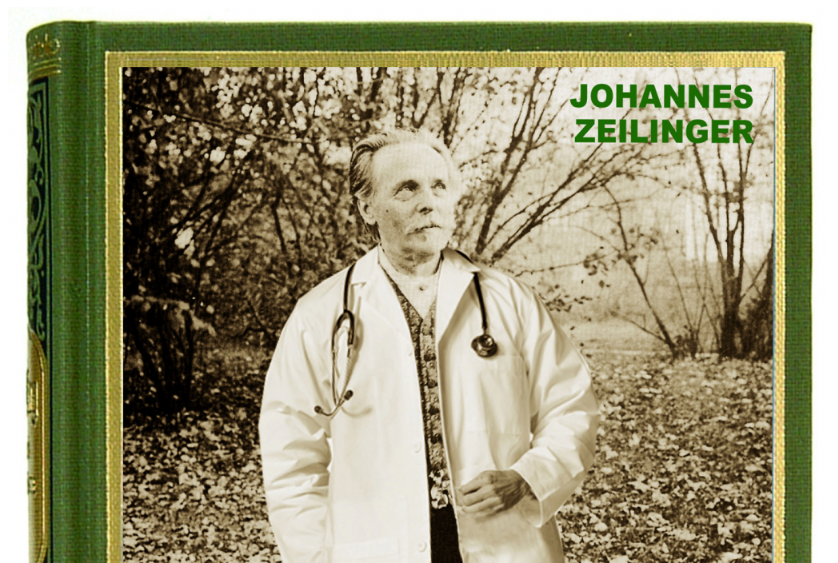
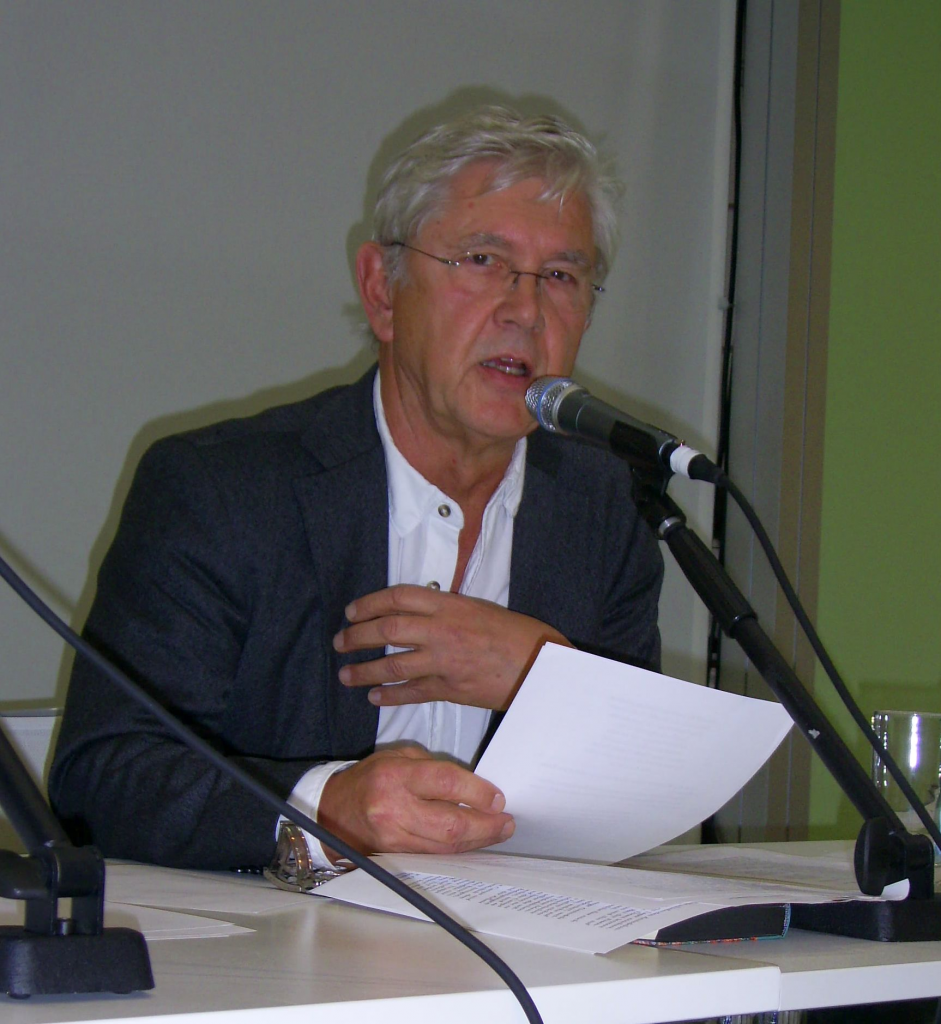
Johannes Zeilinger (* 1948 in Wolfratshausen) is a German sports medicine specialist and author. From 2007 to 2019, he was chairman of the Karl May Society, one of Germany’s largest literary societies.

Zeilinger studied medicine at the universities of Würzburg and Berlin until 1975. Since 1983, he has practiced in a sports medicine group practice in Berlin.

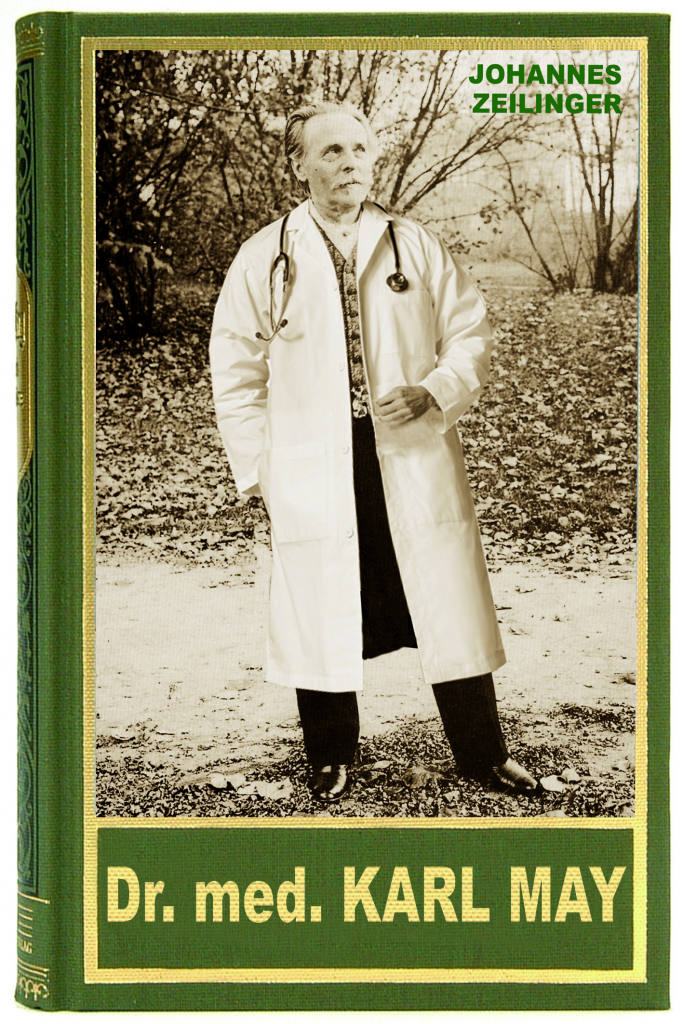
As an author, he publishes primarily on Karl May (1842–1912), still Germany’s best-selling author. In 1999, he caused a stir with his thesis that Karl May was not blind in his early youth.

Johannes Zeilinger, born in 1948, studied medicine in Würzburg and Berlin, where he has been a practicing physician since 1983. Doctorate on the psychopathology of Karl May, followed by numerous publications as author and editor on Karl May, but also on the cultural history of Cyprus, on Lya de Putti and on Frederick A. Cook.

https://de.wikipedia.org/wiki/Johannes_Zeilinger

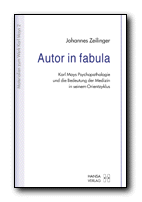
The young Karl May’s unfulfilled wish to become a doctor left numerous traces in his novels. Not only does Karl Sternau shine with his comprehensive medical skills, but Kara Ben Nemsi and Winnetou also astonish with their diverse medical knowledge and successes. Therefore, there are numerous healings, some meticulously researched and others imaginatively conceived. With its listing of all the medical episodes, the volume is ultimately a stroll through the history of medicine and, moreover, incorporates the complex personality of the creative writer into its analytical examination.

“I can’t chew anything out of a pencil.” This is how B. Traven described the authenticity of his novel characters in 1929. “Others might be able to do that, but I can’t. I have to know the people I’m talking about. They must have been my friends or companions or my adversaries or my neighbors or my fellow citizens if I want to portray them.” This postulate also held true when the author presented film agent Paul Kohner with a story in 1948 in which he described the story of a strange personality change. The case of the Mexican woman Mercedes Ortega Lozano, Traven assured him, had actually happened as described; only the name of the affected person was his invention. Johannes Zeilinger analyzes the medical disorders of this character, who has found its way into Mexican film history, and places them in the context of Traven’s biography.

This book is published in the film literature series “Filit,” edited by Rolf Aurich and Wolfgang Jacobsen.


  • -

Nilson Melle de Oliveira

Dr. Nilson de Mello e Oliveira M.D. ophtalmologist from Brasile:

Collecting beer cans since 1975, when went for an exchange student program in the United States. First Brazilian to be associated with the Beer Can Collectors of America, As of today the collection is of over 4.500 different cans from more than 70 countries.