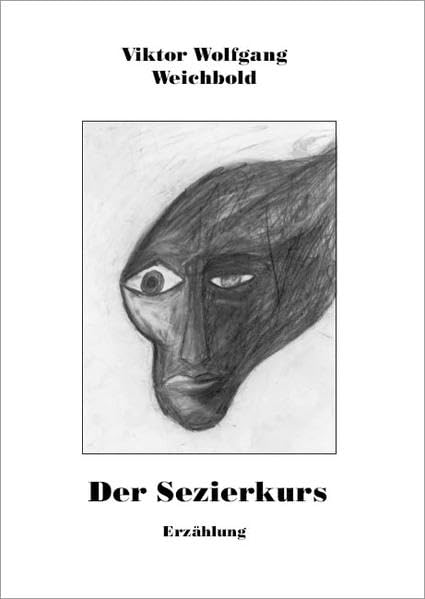
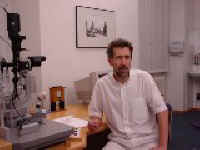
Funny that there are so many docs writing novels or poems… I too! As for me: I’m MD (specialized in hearing disorders), psychologist, statistician and theologist (you surely don’t believe it, but it’s true). – I wrote several novels, however, all of them in German. Among those published there is one dealing with a specifically medical subject: “The Dissection Course” – a kind of thriller.
Barner studied medicine and mathematics and earned doctorates in both subjects. “As a researcher at the helm of a globally active company, he knows exactly how important science is for the economy,” said Andreas Schlüter, Secretary General of the Stifterverband, according to a statement.
Andreas Barner (born February 10, 1953 in Freiburg im Breisgau) is a German physician and mathematician. From 2009 to 2016, he was Chairman of the Board of Directors of Boehringer Ingelheim.
Barner studied medicine at the University of Freiburg and mathematics at the Swiss Federal Institute of Technology in Zurich, completing both degrees with doctorates.
After a year as a medical intern, he moved to the pharmaceutical industry and initially held various positions in the research department of the then Ciba-Geigy AG in Basel, Switzerland.
In 1992, Barner joined Boehringer Ingelheim, Ingelheim am Rhein (Germany), where he took over the management of the Medical Division, which includes global clinical research, registration, information and biometrics, and drug safety. Since July 1, 1999, he has been a member of the Executive Board, responsible for the Pharmaceutical Research, Development, and Medical Division. In 2009, he also assumed the role of Spokesperson of the Executive Board.
On June 30, 2016, Barner stepped down as Chairman of the Executive Board and joined the Shareholders’ Committee of Boehringer Ingelheim.
Barner holds positions in several scientific and industrial associations. Since June 2013, he has been President of the Stifterverband für die Deutsche Wissenschaft (Donors’ Association for the Promotion of Sciences and Humanities in Germany).[2] Barner is also a member of the Senate of the Max Planck Society[3] and a member of the Executive Board of the German Research Foundation (DFG).
He was also Chairman of the Board of the German Association of Research-Based Pharmaceutical Companies (VFA) until 2007.[4][5] He was also a member of the Executive Board of the Federation of German Industries (BDI)[6] and the Association of the Chemical Industry (VCI).[7] In 2007, he was appointed to the German Council of Science and Humanities by the German Federal President.
Barner has been a member of the Presidium of the German Evangelical Church Congress since 2008.[9] He chaired the 35th German Evangelical Church Congress in Stuttgart in 2015 as President.[10] In November 2015, he was elected as a member of the Council of the EKD[11] and re-elected in 2021.
From 2016, Barner served as Chairman of the Board of Trustees and Managing Director of the Fazit Foundation, which, as majority shareholder, controls the Frankfurter Allgemeine Zeitung. In July 2019, he swapped roles with Karl Dietrich Seikel in the Fazit Foundation and the Supervisory Board. He is now Chairman of the Supervisory Board of the Frankfurter Allgemeine Zeitung.
Since 2017, Barner has been Chairman of the Board of the Gutenberg Foundation, which supports the Gutenberg Museum in Mainz.
Incidentally, ophthalmologist Dr. Martin Nowak from Michelfeld near Schwäbisch Hall set a mathematical record on February 18, 2005: The 47-year-old doctor discovered the largest known prime number to date, with exactly 7,816,230 digits.
A standard computer completed the task. This computer is part of the worldwide Great Internet Mersenne Prime Search (GIMPS) network based in Orlando, Florida, in which tens of thousands of computers search for prime numbers.
The computer in the basement of Nowak’s eye center discovered the 42nd Mersenne prime number on February 18 after a computing time of 50 days – while Nowak was sleeping, treating patients, or cycling. The computer usually only controls an information display for patients, calculating prime numbers in the background. The idea behind the GIMPS project is to use free computing capacity to solve complex problems.
Nowak was enthusiastic about the idea, which he learned about in 1999. He first began calculating prime numbers with a computer; today, there are 24. At first, he was completely oblivious to his historic discovery. It wasn’t until an email from Orlando alerted him to his success. “At first, I didn’t even know which screen to look at,” Nowak recalls. After installing the small, free program, he barely paid any attention to it: “I didn’t really follow it.”
Nowak describes himself as an amateur mathematician. “I have a basic understanding of numbers, and I’m interested in their application in technical drawing.” Advanced mathematics, including calculus and mathematical proofs, however, aren’t his thing. He much prefers cycling across Europe or playing the piano.
No one knows whether there actually are other Mersenne numbers. Prime numbers go back to the French monk Marin Mersenne (1588-1648). They have the formula (2 to the power of n) – 1.
Nowak’s newly discovered Mersenne number has over half a million more digits than the previous prime number record. Written on graph paper, it forms a strip 39 kilometers long.
Martin also participated in the doctors’ piano courses.
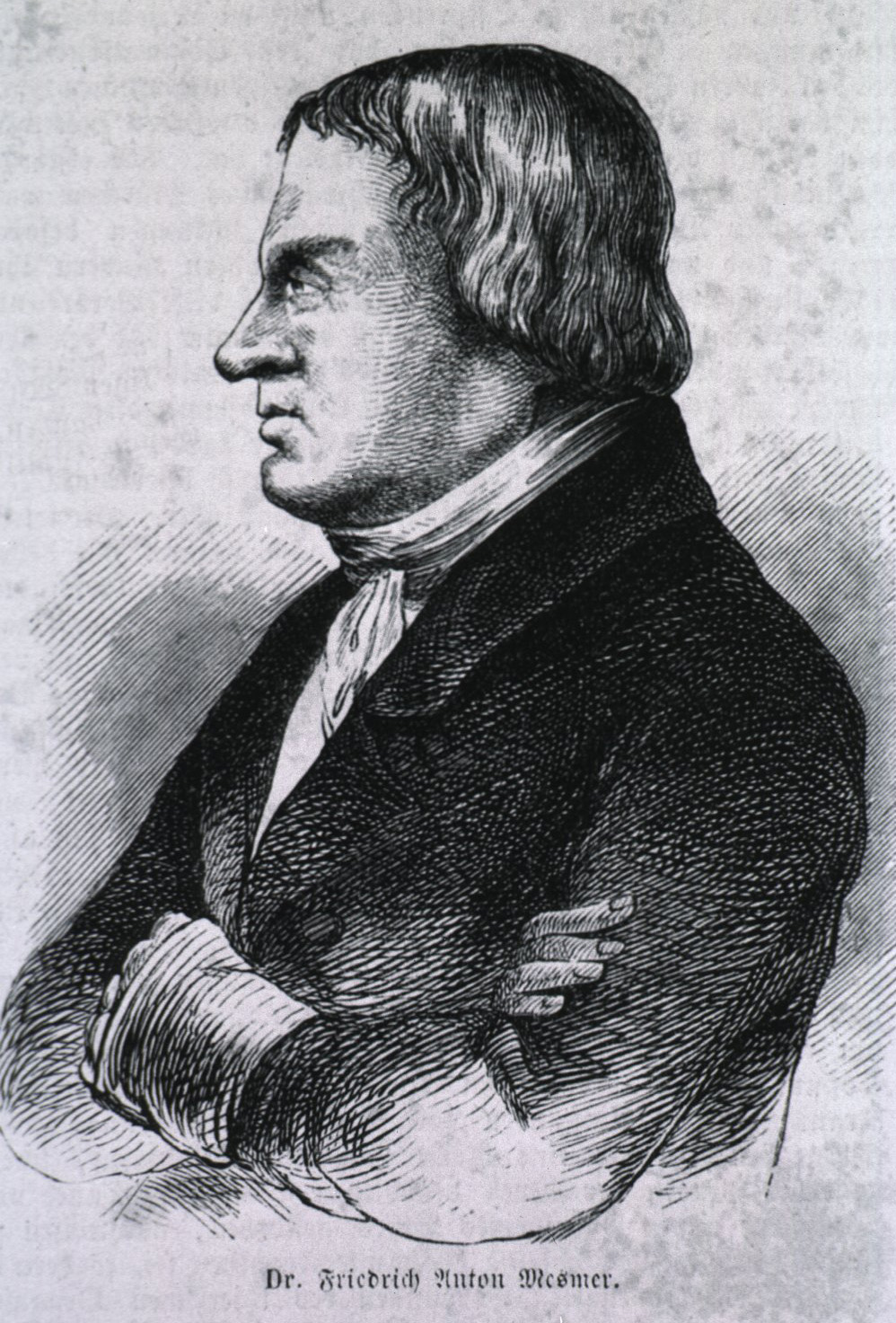
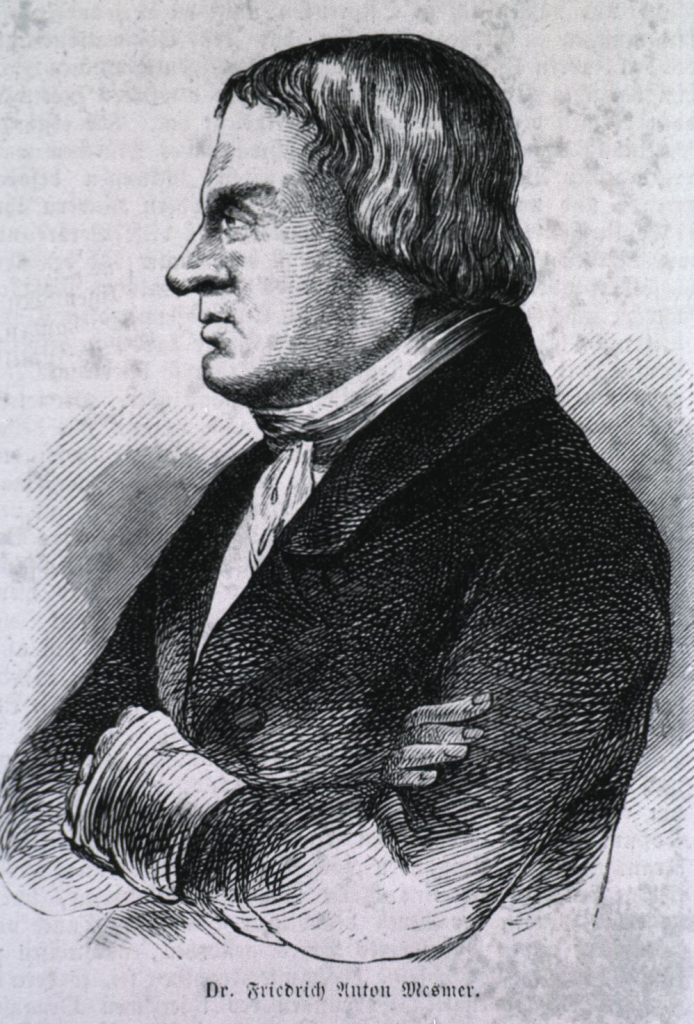
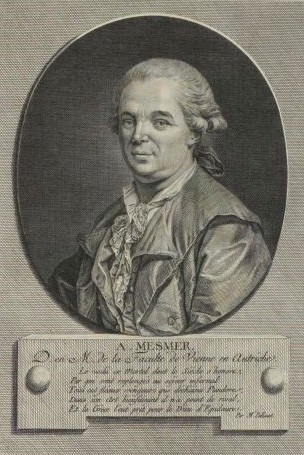
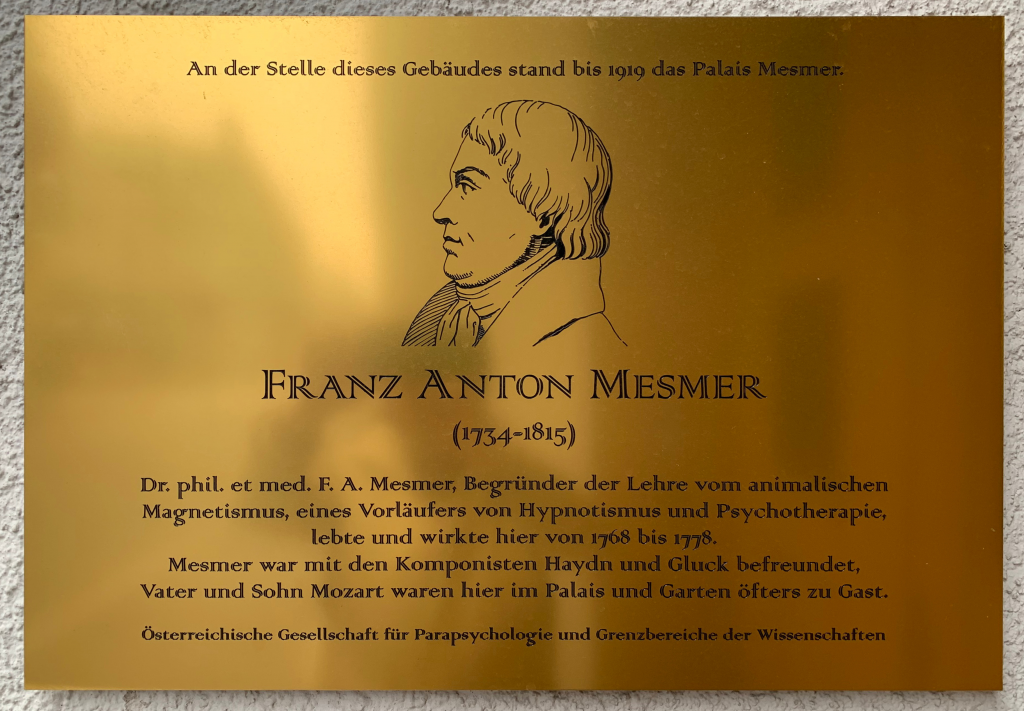
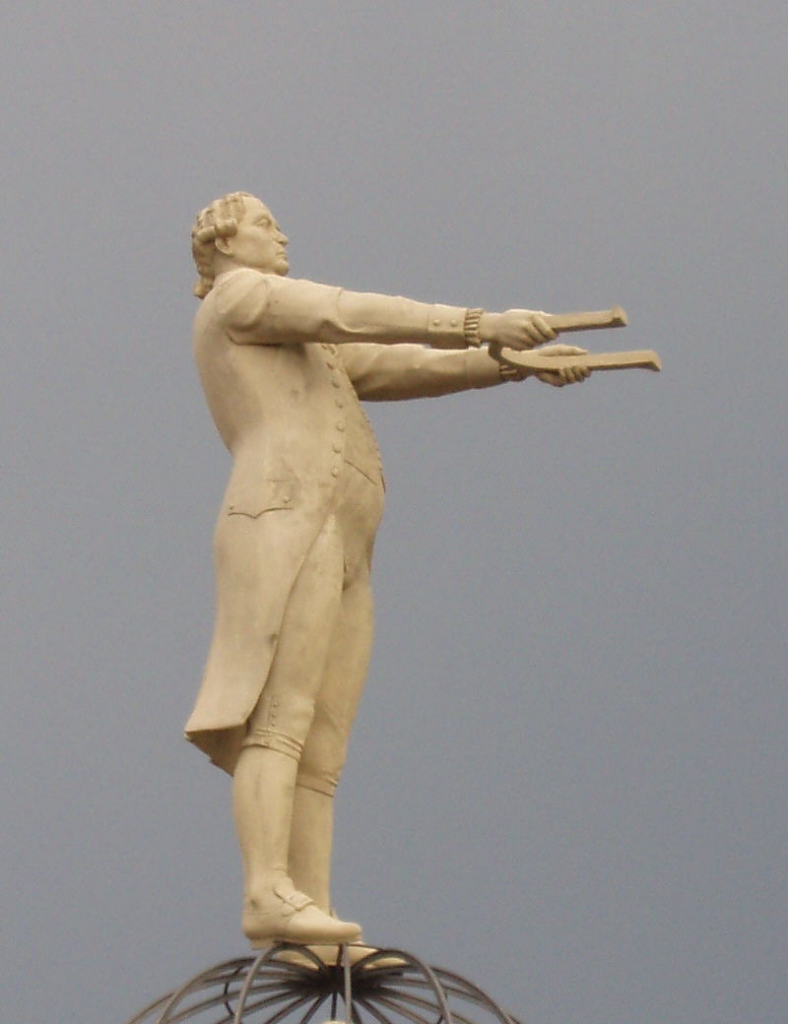
Franz Anton Mesmer (/ˈmɛzmər/MEZ-mər;[1] German: [ˈmɛsmɐ]; 23 May 1734 – 5 March 1815) was a German physician with an interest in astronomy. He theorized the existence of a process of natural energy transference occurring between all animate and inanimate objects; this he called “animal magnetism“, later referred to as mesmerism. Mesmer’s theory attracted a wide following between about 1780 and 1850, and continued to have some influence until the end of the 19th century.[2] In 1843, the Scottish doctor James Braid proposed the term “hypnotism” for a technique derived from animal magnetism; today the word “mesmerism” generally functions as a synonym of “hypnosis”. Mesmer also supported the arts, specifically music; he was on friendly terms with Haydn and Mozart.
Mesmer would often conclude his treatments by playing some music on a glass harmonica.
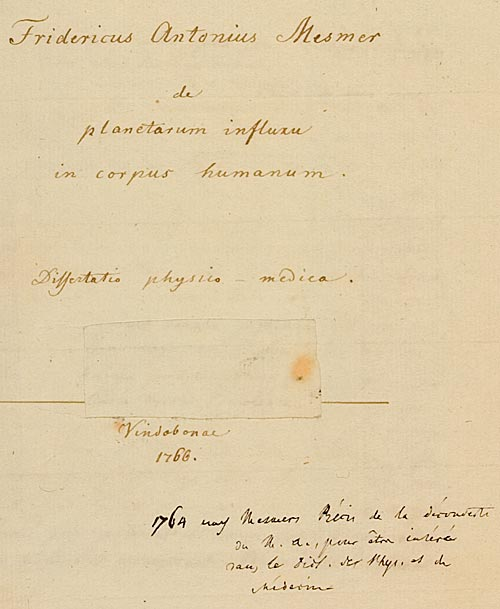
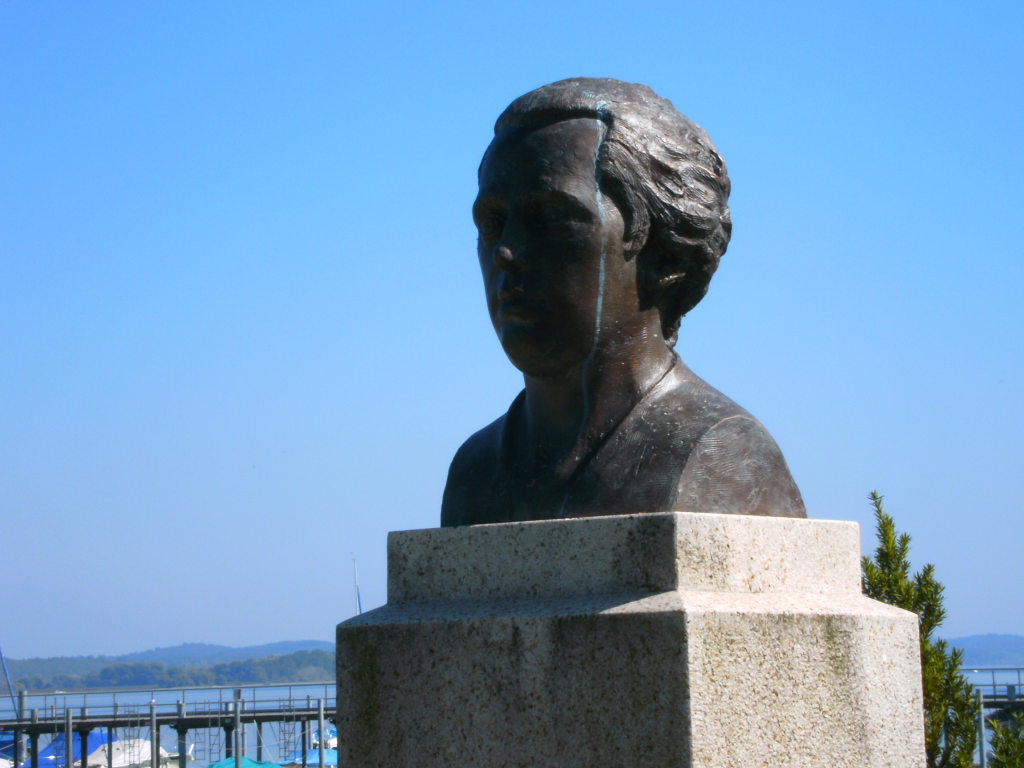
Glassharfe | glassharp in Film “Mesmer”Print of Franz Anton Mesmer (Musée de la Révolution française)Gedenktafel an der Stelle des Palais Mesmer in der Rasumofskygasse 29 in Wien-LandstraßeDe planetarum influxu in corpus humanumBüste Franz Anton Mesmer hergestellt im Jahr 2013 durch den Bildhauer Friedhelm Zilly in der Uferanlage beim Hafen in Moos (am Bodensee) Ortsteil Iznang. Profil.Mesmer. Plastik von Peter Lenk auf der Hafenmole von MeersburgFranz Anton Mesmer
Al-Kindi was born in Kufa and educated in Baghdad.[7] He became a prominent figure in the House of Wisdom, and a number of Abbasid Caliphs appointed him to oversee the translation of Greek scientific and philosophical texts into the Arabic language. This contact with “the philosophy of the ancients” (as Hellenistic philosophy was often referred to by Muslim scholars) had a profound effect on him, as he synthesized, adapted and promoted Hellenistic and Peripatetic philosophy in the Muslim world.[8] He subsequently wrote hundreds of original treatises of his own on a range of subjects ranging from metaphysics, ethics, logic and psychology, to medicine, pharmacology,[9] mathematics, astronomy, astrology and optics, and further afield to more practical topics like perfumes, swords, jewels, glass, dyes, zoology, tides, mirrors, meteorology and earthquakes.
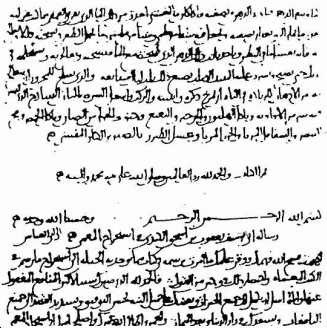
Die erste Seite al-Kindīs Manuskript über die Kryptanalyse
In the field of mathematics, al-Kindi played an important role in introducing Hindu numerals to the Islamic world, and their further development into Arabic numerals along with al-Khwarizmi which eventually was adopted by the rest of the world.[12] Al-Kindi was also one of the fathers of cryptography.[13][14] Building on the work of al-Khalil (717–786),[15] Al-Kindi’s book entitled Manuscript on Deciphering Cryptographic Messages gave rise to the birth of cryptanalysis, was the earliest known use of statistical inference,[16] and introduced several new methods of breaking ciphers, notably frequency analysis.[17][18] He was able to create a scale that would enable doctors to gauge the effectiveness of their medication by combining his knowledge of mathematics and medicine.
The central theme underpinning al-Kindi’s philosophical writings is the compatibility between philosophy and other “orthodox” Islamic sciences, particularly theology, and many of his works deal with subjects that theology had an immediate interest in. These include the nature of God, the soul and prophetic knowledge.[
Al-Kindi is credited with developing a method whereby variations in the frequency of the occurrence of letters could be analyzed and exploited to break ciphers (i.e. cryptanalysis by frequency analysis).[18] His book on this topic is Risāla fī Istikhrāj al-Kutub al-Mu’ammāh (رسالة في استخراج الكتب المعماة; literally: On Extracting Obscured Correspondence, more contemporarily: On Decrypting Encrypted Correspondence). In his treatise on cryptanalysis, he wrote:
One way to solve an encrypted message, if we know its language, is to find a different plaintext of the same language long enough to fill one sheet or so, and then we count the occurrences of each letter. We call the most frequently occurring letter the “first”, the next most occurring letter the “second”, the following most occurring letter the “third”, and so on, until we account for all the different letters in the plaintext sample. Then we look at the cipher text we want to solve and we also classify its symbols. We find the most occurring symbol and change it to the form of the “first” letter of the plaintext sample, the next most common symbol is changed to the form of the “second” letter, and the following most common symbol is changed to the form of the “third” letter, and so on, until we account for all symbols of the cryptogram we want to solve
Cardiology resident ???? Loves research, tech, piano, cooking, numbers, and interesting conversations! Has studied Advanced Statistics here: Public Health Foundation of India (PHFI)
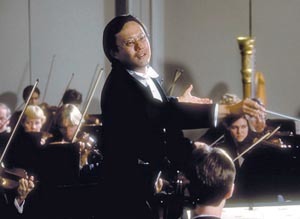
(EN:) Wong pursued his first degree in Toronto at the Royal Conservatory of Music, where he graduated with a degree in piano performance. While there, he also studied composition, tuba and violin.
After obtaining his music degree, Wong moved on to Harvard to pursue a second degree in medicine. Wong was a Magna Cum Laude graduate of the applied mathematics program at Harvard and later graduated from Harvard Medical School with honors in ophthalmology, neurology and psychiatry. He completed a one year internship in Internal Medicine and then began an ophthalmology residency at Manhattan Eye and Ear Hospital in 1989.
His humanitarian work has brought him to Tibet, China, and Amman, Jordan to restore sight in refugees.
Some time before 1514, Copernicus wrote an initial outline of his heliocentric theory known only from later transcripts, by the title (perhaps given to it by a copyist), Nicolai Copernici de hypothesibus motuum coelestium a se constitutis commentariolus—commonly referred to as the Commentariolus. It was a succinct theoretical description of the world’s heliocentric mechanism, without mathematical apparatus, and differed in some important details of geometric construction from De revolutionibus; but it was already based on the same assumptions regarding Earth’s triple motions. The Commentariolus, which Copernicus consciously saw as merely a first sketch for his planned book, was not intended for printed distribution. He made only a very few manuscript copies available to his closest acquaintances, including, it seems, several Kraków astronomers with whom he collaborated in 1515–30 in observing eclipses. Tycho Brahe would include a fragment from the Commentariolus in his own treatise, Astronomiae instauratae progymnasmata, published in Prague in 1602, based on a manuscript that he had received from the Bohemian physician and astronomer Tadeáš Hájek, a friend of Rheticus. The Commentariolus would appear complete in print for the first time only in 1878.[45]