since 2009 As an expert on ZDF, RTL, N24, Sat1, and HR for “Service:Gesundheit” and “Einfach gesund!”
2008 “Gesundheit!”, BR, working as an expert in nutritional medicine
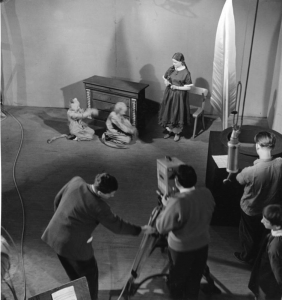
Explanatory video with self-played piano transitions
2006-2007 “Die Sprechstunde” (The Consultation Hour), BR, Engagement: Nutrition Expert
2006-2007 “Weck Up” (SAT.1), Engagement as a Consulting Physician
Kokew impresses with her naturalness and freshness, as well as her excellent screen presence… (Logo Institute) Member of the cabaret group “Comedizyniker” (KOMM-Kabarett) at the University Hospital Frankfurt; acting lessons
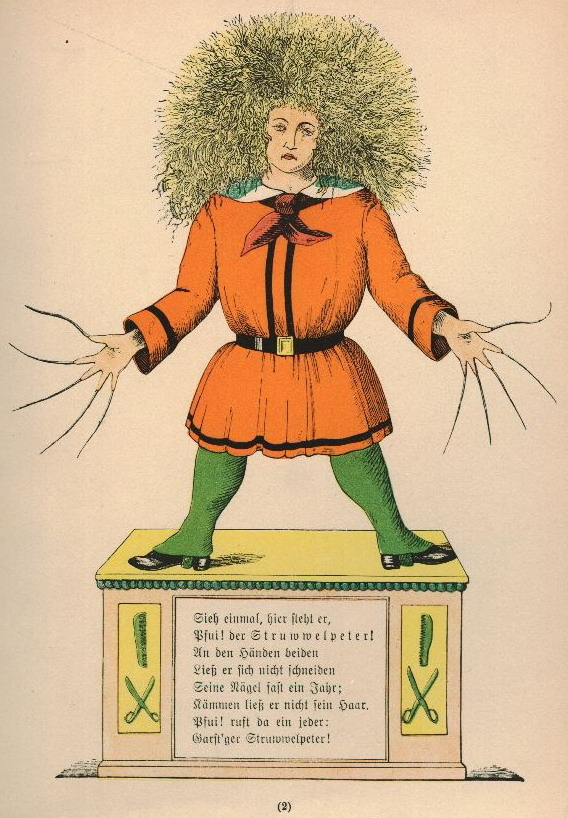
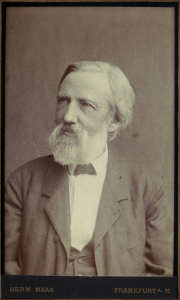
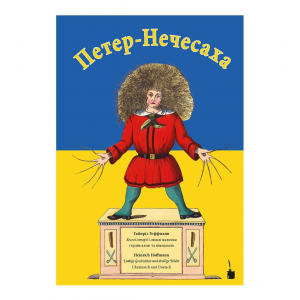
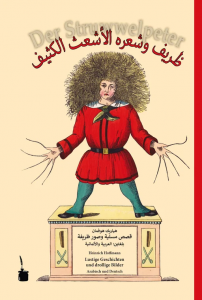
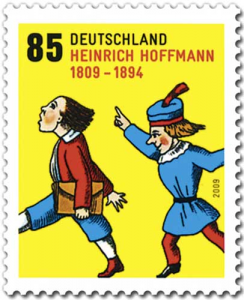
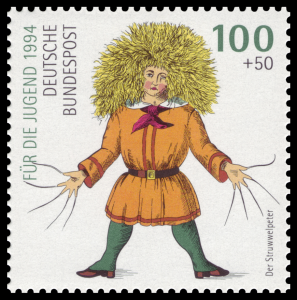
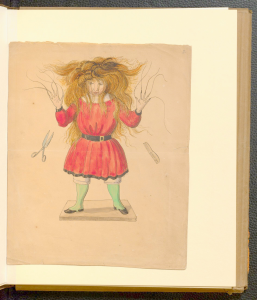
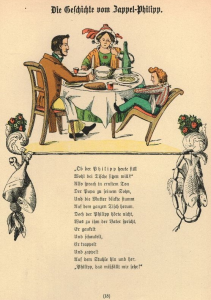
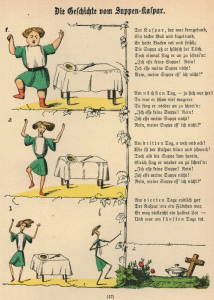
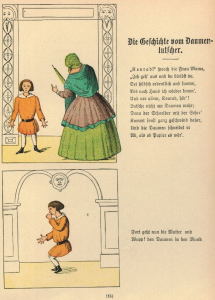
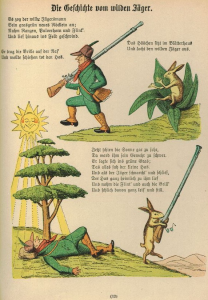
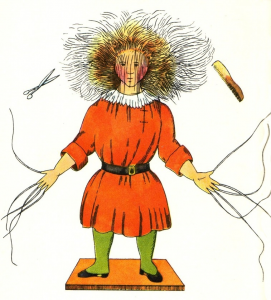
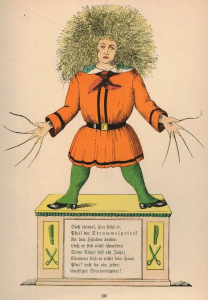
Heinrich Hoffmann (June 13, 1809 in Frankfurt am Main; September 20, 1894 in Frankfurt am Main) was a German psychiatrist, poet, and children’s book author. He is the author of Struwwelpeter (The Struwwel Peter). He also used the pseudonyms Heulalius von Heulenburg, Reimerich Kinderlieb, Peter Struwwel, and Polycarpus Gastfenger.
Politics
In 1848, he was a member of the Frankfurt Preliminary Parliament. He hosted the revolutionary Friedrich Hecker in his household. Hoffmann himself advocated a constitutional monarchy under Prussian rule and was a member of the Hereditary Imperial Party. In his satirical works “Handbook for Diggers or Concise Instructions on Becoming a People’s Man in a Few Days” (1848) and “The Howler Mirror” (1849), he strongly opposed the republicans. In 1866, he supported the annexation of the Free City of Frankfurt by Prussia.
Literarische Werke
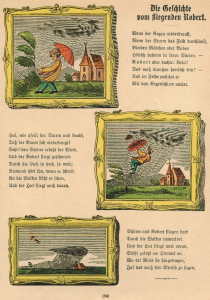
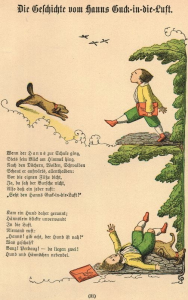
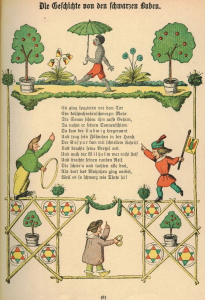
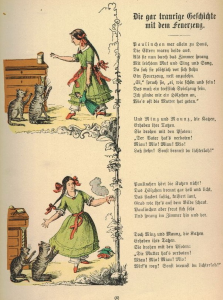
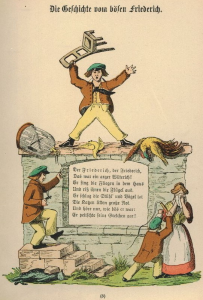
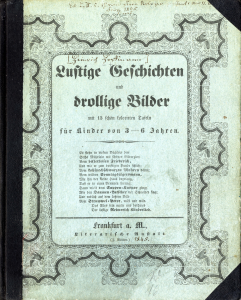
From 1842 onwards, Hoffmann published poems and plays under various pseudonyms. He described himself as an occasional verse writer. He became known worldwide through his children’s book, Struwwelpeter, which he illustrated himself and wrote for his eldest son for Christmas 1844. Presumably in 1858, Hoffmann created a new version with modified illustrations; all subsequent editions of Struwwelpeter are based on this.
In 1851, he published his Christmas fairy tale “King Nutcracker and Poor Reinhold.” The first edition was illustrated with a drawing by the author depicting the Frankfurt Christmas market.
After his retirement, he wrote his memoirs, which were not published until 1926.
Memberships, Private Life
As a student in Heidelberg, Hoffmann had been a member of the Corps Alemannia since 1830, later an honorary member.[3] In 1836, he joined the Masonic lodge “Zur Einigkeit.” After a few years, he left because it did not admit Jews.[4]
In the fall of 1840, Hoffmann founded the Society of Tutti Frutti and its Baths in the Ganges in Frankfurt am Main, a society of writers, artists, and scholars whose members adopted specially chosen “fruit names.” Hoffmann himself was the “Onion.” The members included Franz Xaver Schnyder von Wartensee (“Pine Cone”), Ludwig Braunfels (“Chestnut”), Wilhelm Speyer (“Betel”), Theodor Creizenach (“Deadly Nightshade”), Carl Trost (“Thorn Apple”), Friedrich Maximilian Hessemer (“Date”), Eduard Schmidt von der Launitz (“Juniper”), Lorenz Diefenbach (“Strawberry”), Georg Eduard Steitz (“Nut 2”), Johann David Passavant (“Pomeranian Orange”), Heinrich von Rustige (“Nut”) and Philipp Veit (“Fennel”).
In 1845, he co-founded a medical association and composed “Wine Songs for Doctors” for social occasions.
He died after a stroke and was buried in Frankfurt’s Main Cemetery (at the Wall, No. 541, honorary grave).[6]
A street in Frankfurt-Niederrad is named after him, where the Clinic for Psychiatry, Psychosomatics, and Psychotherapy of the Frankfurt University Hospital is now located. Two museums are dedicated to him, as are several memorial plaques at his former residences in Frankfurt.
Dice Game
Mr. Fix von Bickenbach’s Journey Around the World in 77 Days, Struwwelpeter Museum, Frankfurt am Main, 2012. Available as a facsimile in a slipcase.[7]
Museum
The Heinrich Hoffmann and Struwwelpeter Museum has been located in Frankfurt am Main since 1977, providing information about the life and work of this man and his classic children’s book.[8] In September 2019, the museum, now known as “Struwwelpeter,” moved to its current location.-Museum“, in das Haus zum Esslinger in der Neuen Frankfurter Altstadt.[9]
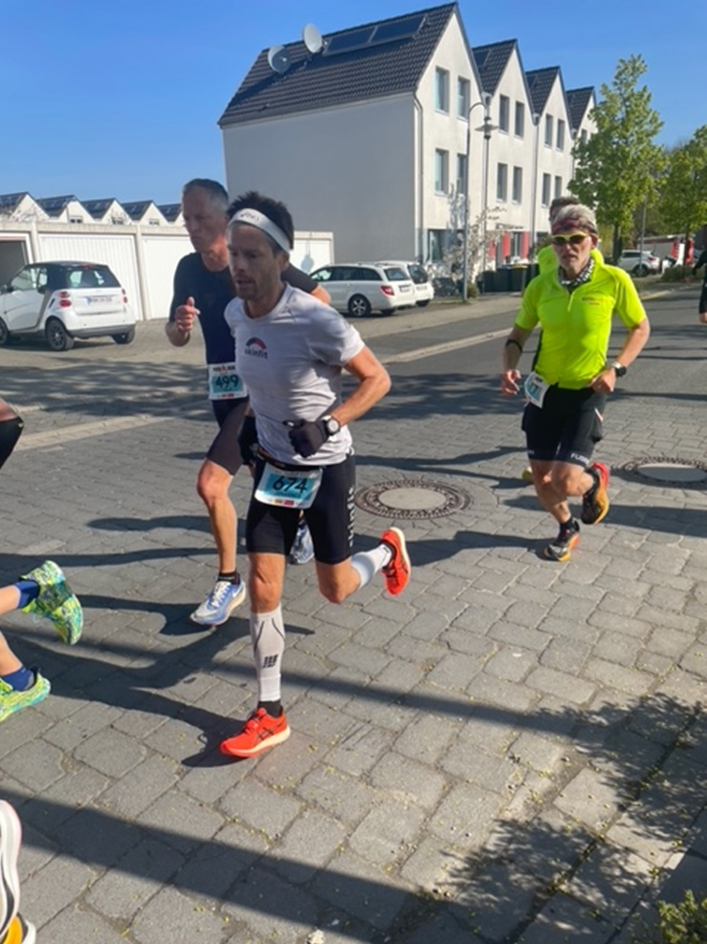
The Triathlon Association of German Doctors and Pharmacists (TVDÄ) was founded in 1985 in Großkrotzenburg. Doctors and pharmacists joined forces to promote triathlon, as well as duathlon and cross-country skiing (King Ludwig Run).
Compliments to the association for combining these three disciplines into one organization with a consistent website! This is something that is (still) lacking in other medical associations…
The president of the medical triathlon association Martin Engelhardt is also president of DTU – Deutschen Triathlon-Union since 2021
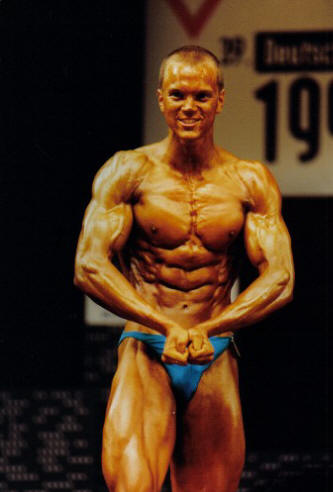
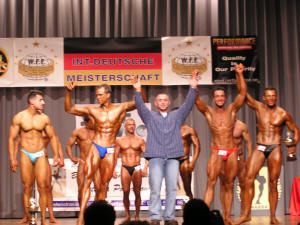
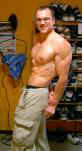
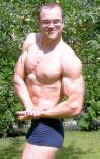
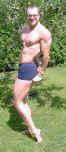
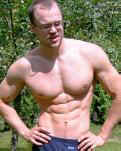
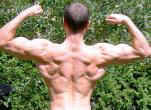
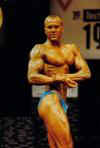
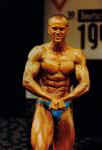
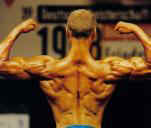
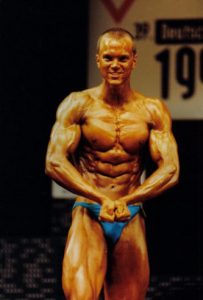
Alexander Dargatz (born May 1977 in Frankfurt) is a German bodybuilder.
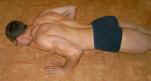
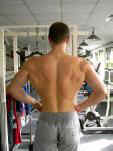
Dargatz began systematic bodybuilding training at the age of 18. In 1997, he achieved second place in the fitness competition “Grand Prix of Hesse and Rhineland-Palatinate.” In 1998, he won four junior championships and took third place in the German Championships in the Junior Class 2. After breaks to study medicine and a knee injury, he took second place in the middleweight division at the German Natural Bodybuilding Championships in October 2005.[1] In December of the same year, he won the overall victory in the fitness class at the 2005 WFF Bodybuilding World Championships, making him the bodybuilding world champion.[2]
Dargatz has been a vegan since 2000.[3] He is a well-known vegan advocate. The animal rights organization PETA (People for the Ethical Treatment of Animals) nominated him for Sexiest Vegetarian German in 2008.
Dargatz studied human medicine and works as a continuing education assistant in child and adolescent psychiatry and psychotherapy (as of 2011).