Category Archives: sculptureDocs

  • -

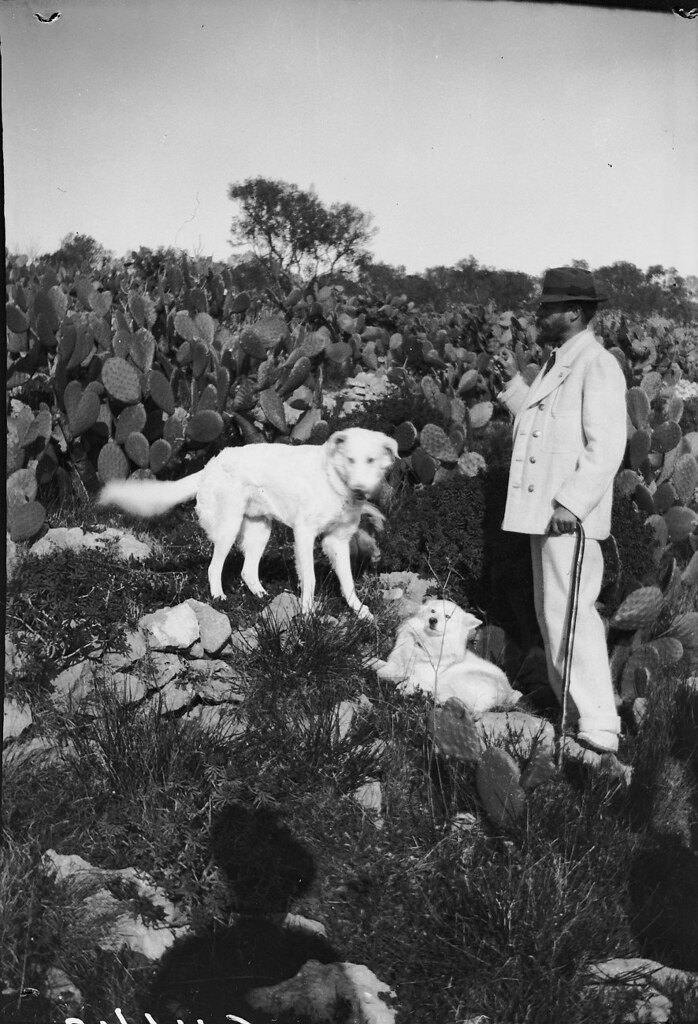
Adolf-Friedrich Holstein

Statements spoken by Adolf Friedrich Holstein

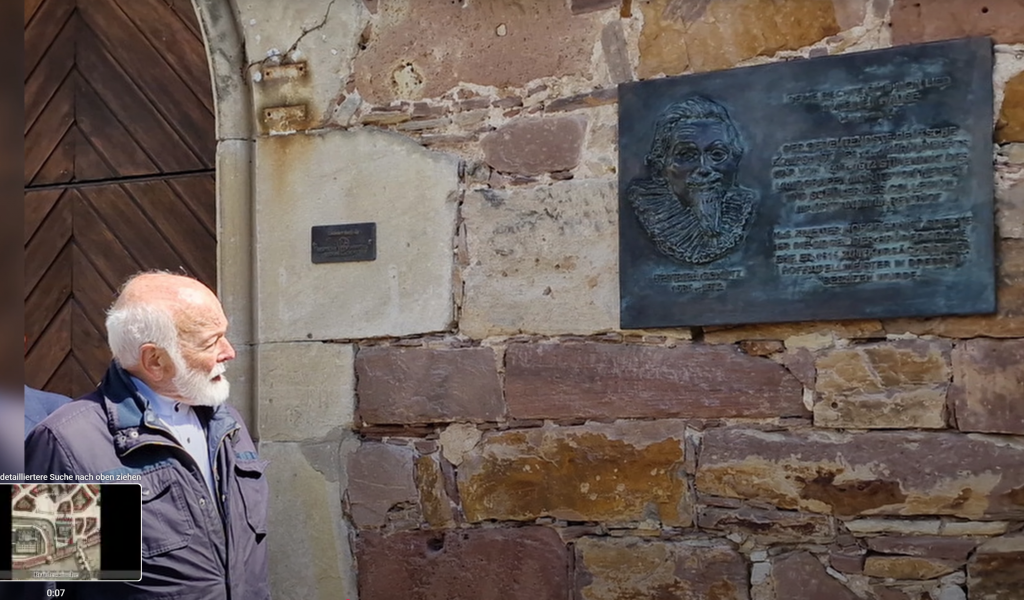
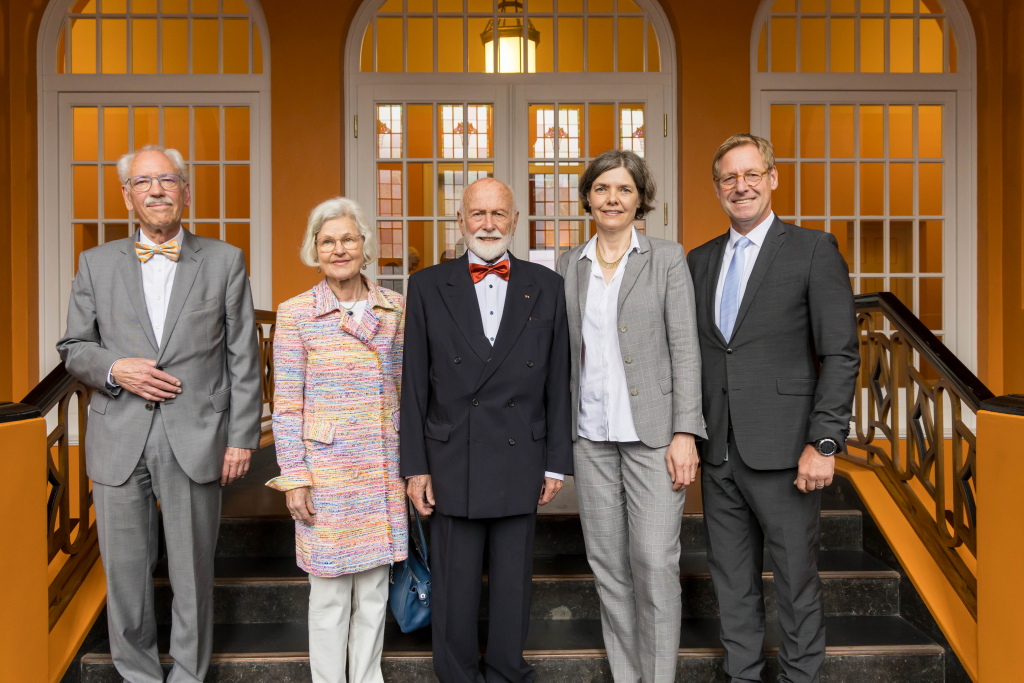
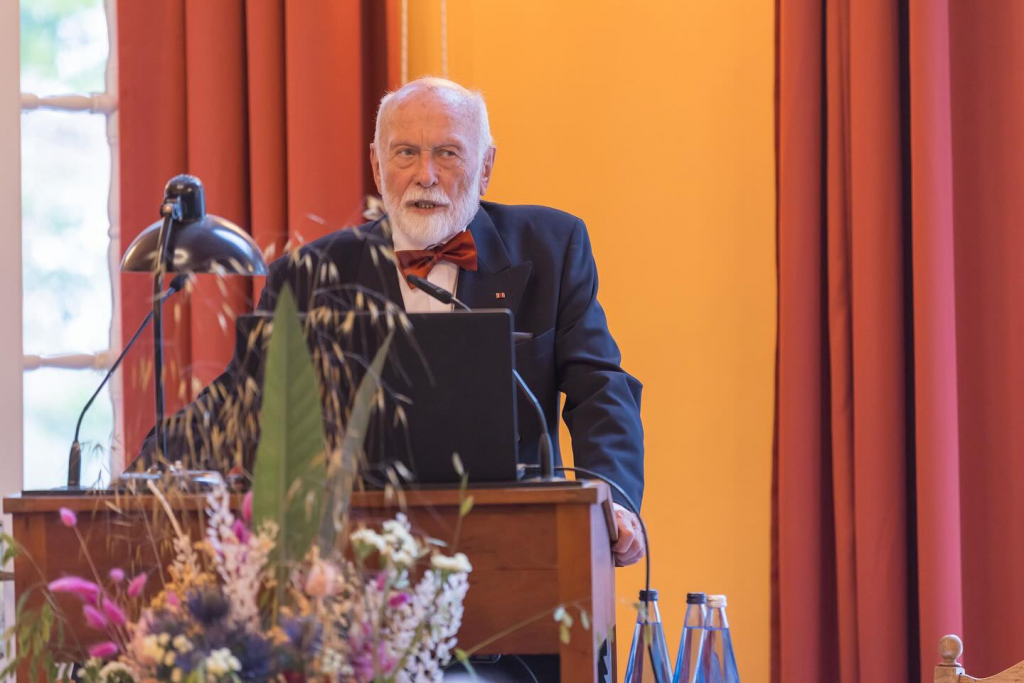
Wolfgang Ellenberger was one of Prof. Holstein’s anatomy students and was able to provide the musical accompaniment for his 80th birthday.
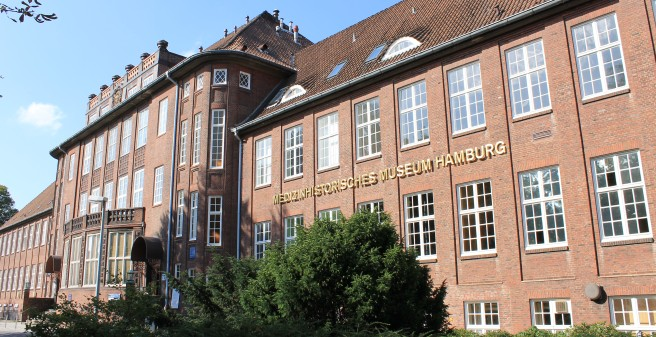
The history of the Hamburg Museum of Medical History began in 2007. The UKE board of directors asked the UKE’s Friends and Supporters Association to restore what is now the Fritz Schumacher House after the Institute of Pathology had moved out and to find a new use for it. The idea of ​​establishing a medical history museum in the restored building was welcomed by all involved. Prof. Holstein, the then chairman of the Friends and Supporters Association, took on the task and initially sought funding for the upcoming work and the museum’s establishment.
In close cooperation with the monument preservation authority, the individual construction phases were completed and presented to the public step by step. In 2010, the restored dissection room was unveiled, accompanied by an exhibition that provided an initial insight into the diversity of the exhibits. In October 2013, the first part of the permanent exhibition “The Emergence of Modern Medicine” opened. In December 2014, the museum opened the recently completed small dissection room and the rooms on the first floor.
https://www.uke.de/kliniken-institute/institute/geschichte-und-ethik-der-medizin/medizinhistorisches-museum/index.html

90. Geburtstag im UKE Erikahaus mit Feier. 2024
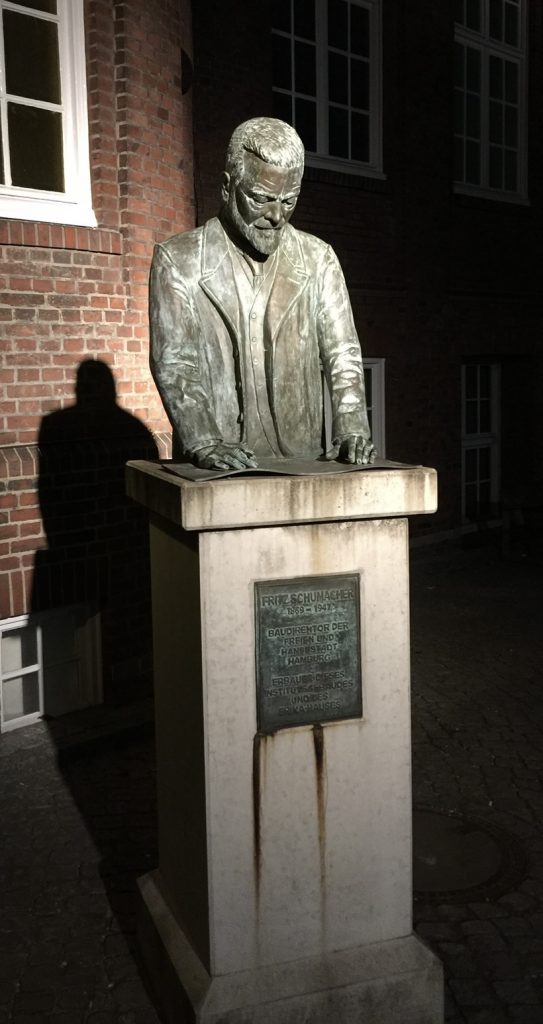
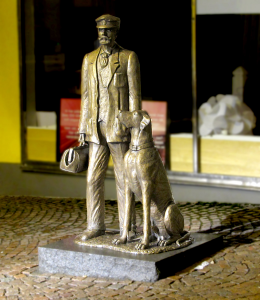
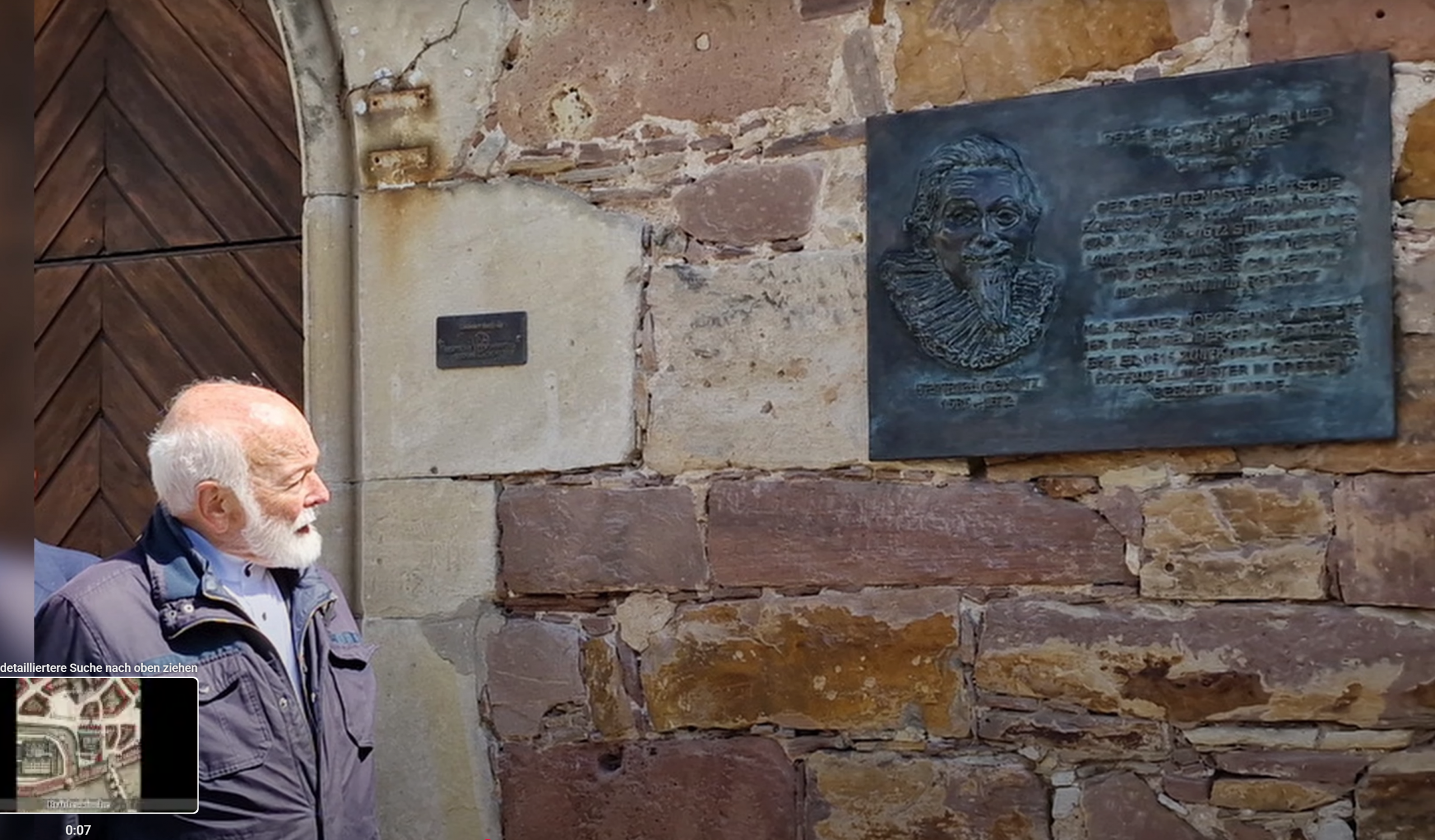
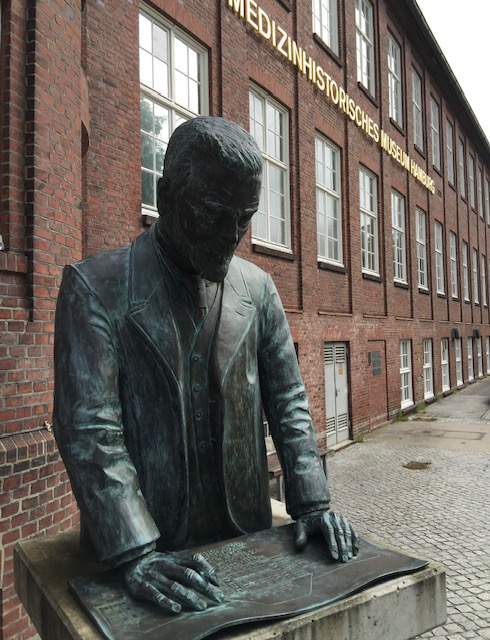
Sculpture of Fritz Schumacher, the builder of the building that now houses the Hamburg Museum of Medical History. Created by Adolf-Friedrich Holstein.

Dear Mr. Ellenberger,

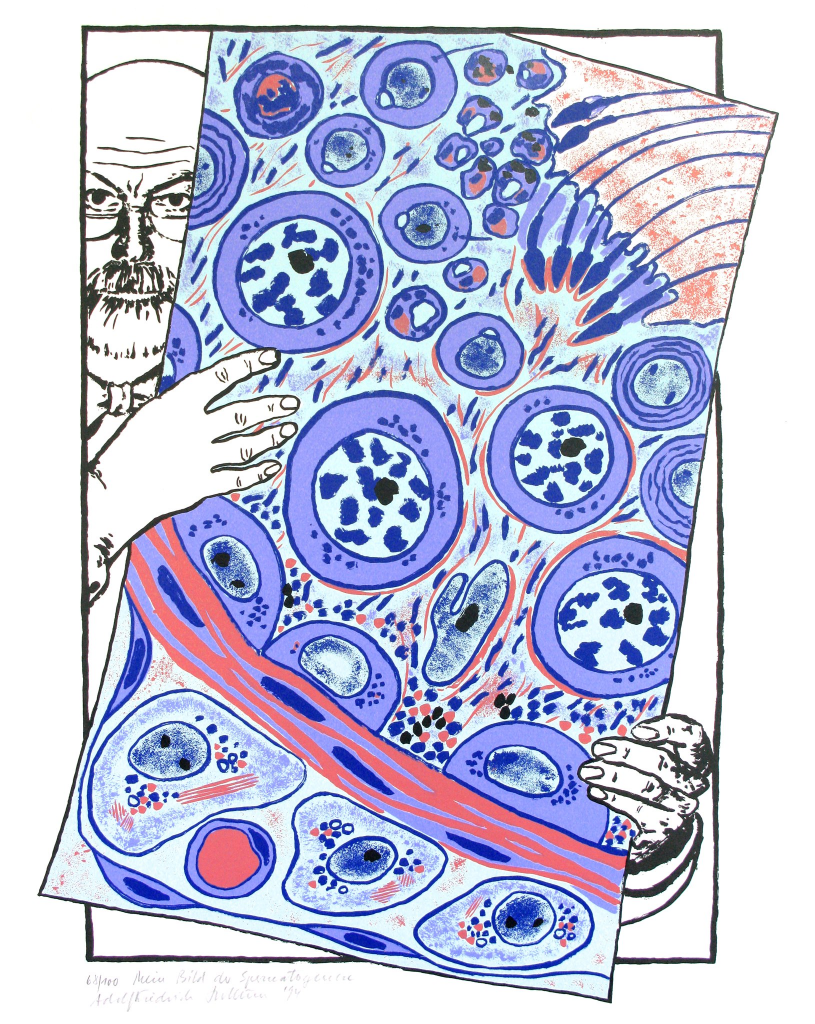
Thank you very much for your kind email. I am touched by everything you want to share about me. Of course, I agree. During my professional career, I was highly committed to medical teaching and research on spermatogenesis, and after my retirement, I devoted myself to monument preservation, painting, and sculpture. After restoring the rooms in the Erika House, I founded a center for communication and culture there. I then took over the task of restoring the pathology institute building from the medical director, Prof. Jörg Debatin. I created a new use for it as the Hamburg Museum of Medical History. At my request, the building was named Fritz Schumacher House after its builder, to house a new cultural institute. To illustrate this, I created a sculpture of the famous building director, which stands in front of the museum.

If you give me your address, I will be happy to send you a small booklet published by the Friends and Supporters Association for my 90th birthday.

But now I’d also like to know how you’re doing? How do music and medicine fit into your life?

Best regards

Adolf-Friedrich Holstein

Prof. Dr. Adolf-Friedrich Holstein
Medizinhistorisches Museum Hamburg
Martinistr.52
20246 Hamburg
  • -

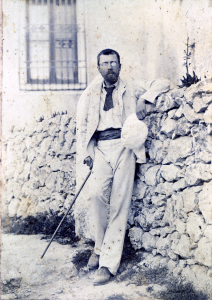
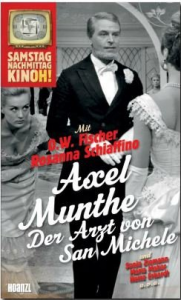
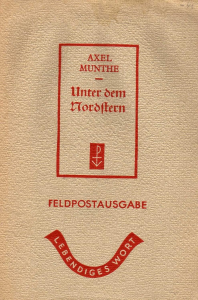
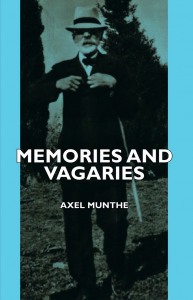
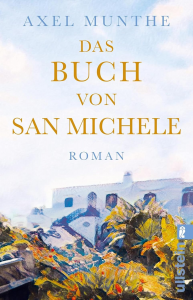
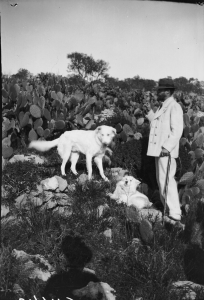
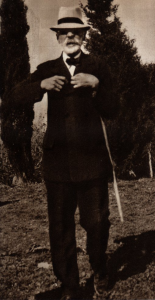
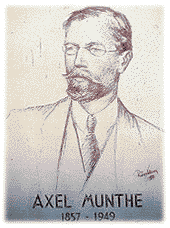
Axel Munthe

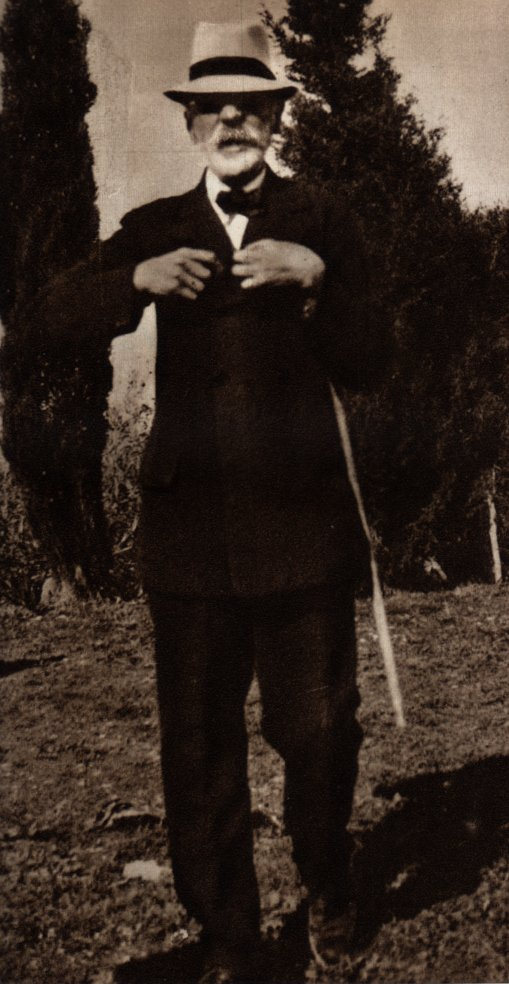
Axel Martin Fredrik “Puck” Munthe [ˌakːsəl ˈmɵnːtə] (October 31, 1857 in Oskarshamn – February 11, 1949 in Stockholm) was a Swedish physician and author.

Beruf und Leben

Axel Munthe was born in 1857, the son of a pharmacist. He studied medicine in Uppsala, Montpellier, and Paris.

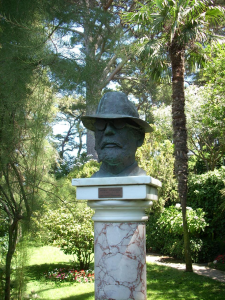
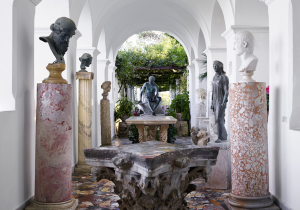
In 1880 he began practicing medicine in Paris and Rome. Over the years he worked in Naples, London and Stockholm. During his student years in Paris he was particularly impressed by the work of Jean-Martin Charcot. Even in later years his special interest lay in psychiatry. His professional career shows several outward breaks. For example, he worked as a doctor for the lower classes of society while simultaneously or shortly thereafter running a fashionable medical practice. In Rome, for example, he set up his practice in the Keats-Shelley House on the Spanish Steps, which had previously been inhabited by the poet John Keats and others. From 1908 Munthe was personal physician to the Swedish Queen Victoria, a Princess of Baden by birth, who regularly stayed in Munthe’s neighborhood on Capri until her death. At his Villa San Michele in Anacapri, he was visited by Henry James, Oscar Wilde, Rainer Maria Rilke, and Curzio Malaparte. The house, with its magnificent garden and sweeping views over the sea, has served as a museum since the 1950s.

At the age of 22 (the youngest in France), he received his doctorate in medicine from the Sorbonne and soon became one of the most successful physicians of his time. He was considered a miracle worker. His patients included members of the upper classes and nobility of Europe and America, but he also worked among the poor in Paris, Rome, and Naples.

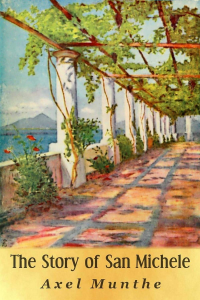
The newspaper report on his work in cholera-stricken Naples in the autumn of 1884 made him instantly famous. However, he was not a professional writer, and his real success did not come until 45 years later. “The Story of San Michele” was published in 1929 and became one of the most successful books of the 20th century. It was written in English, translated into numerous other languages, and is still being reprinted today.

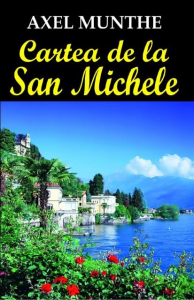
Axel Munthe became internationally known through his memoirs, The Book of San Michele, published in 1929 and translated into numerous languages. However, biographical elements are mixed with fantasy to the point of inseparability; for example, Bengt Jangfeldt and Thomas Steinfeld demonstrated numerous differences between the author’s real and “autobiographical” life in their Munthe biographies, published in 2003 and 2007, respectively.

Although Munthe was not an architect, he had one of Europe’s most famous villas built on Capri: the Villa San Michele, which experts describe as a masterpiece of architecture.
He was a passionate Anglophile, but his favorite philosopher was Schopenhauer, his favorite poet was Heine, and his favorite composers were Schubert, Wagner, Schumann, and Hugo Wolf. And despite his republican outlook on life, his most important patient was not only of royal descent and German origin, but also strongly German-oriented.

Munthe died in 1949 in his last residence, located in a side wing of the Royal Palace in Stockholm.

https://www.villasanmichele.eu/munthe

https://en.wikipedia.org/wiki/Axel_Munthe


  • -

Rudolf Rehbach

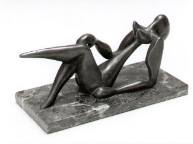
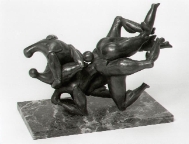
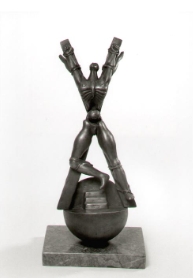
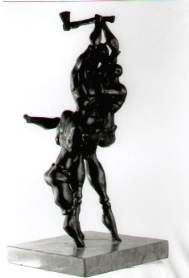
In his time as medical student ans assistant doctor Rehbach still had time for his artistic ambitions. Georg Brenninger and Emil Krieger were supporting him at the Munich Art Academy. He got further impulses from the Phantastic Realism of the Vienna School – Ernst Fuchs and Aric Brauer were protagonists here. But also surrealism – especially Salvador Dalí and Max Ernst wer influencing his visions of shape as well as Henry Moore.

Based on this he mainly makes small sculptures of bronce in the magical-mystical world between erotics and sexuality – as a free style of the new era.

Though his main work for the last 1 5years (2007) is obstetrics and cytology in Neufahrn near Munich/Bavaria/Germany. He is member of an art circle in Echingen and participated in several exhibitions and got a great response about his work.

Nachfolgerin der Praxis


  • -

Michael Haisermann

Born in 1949 in Heilbronn

On numerous trips through America, he explored pre-Columbian art, as well as the art of the Aztecs, Incas, and Mayans in Mexico, Peru, and Guatemala.
During his travels through the United States and Europe, he studied modern sculpture and sculpture at venues such as the Getty Museum in Los Angeles, the Museum of Modern Art in New York, the Guggenheim Museum in Bilbao, and the Tate Gallery of Modern Art in London.

Took a welding course in 1990.
First outdoor sculpture in 1993.
2006 Exhibition “Szene Bühl 2006” at Volksbank Bühl.
2008 Exhibition at CUBUS Gallery in Bühl.
2009 Exhibition of Art and Culture at the Baden-Baden Regional Court.

Since 2005, he has shared a studio with Christine Faust in Hasengarten (Bühl).

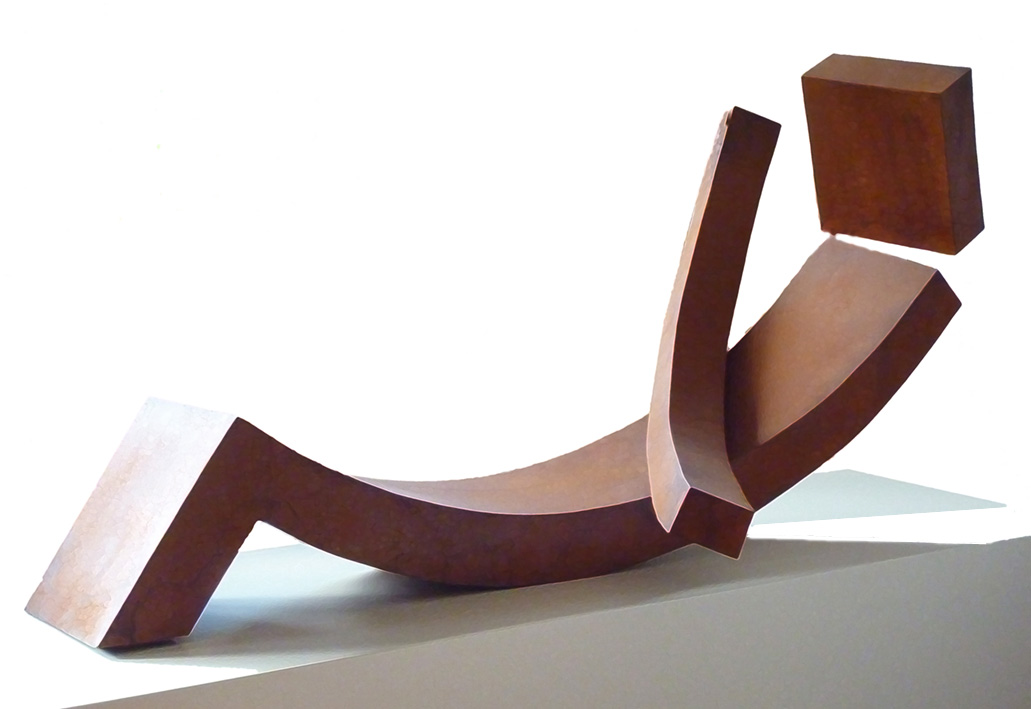
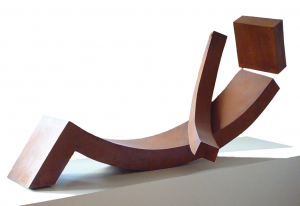
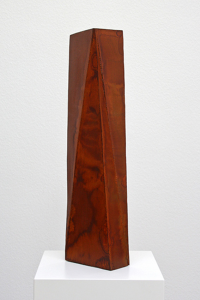
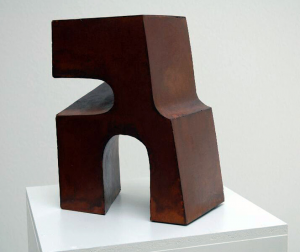
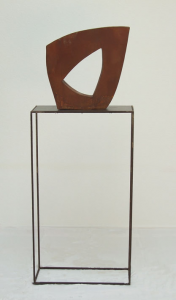
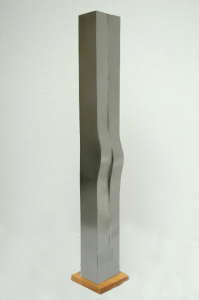
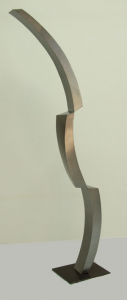
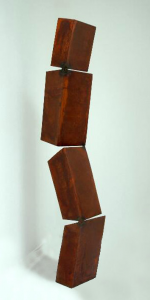
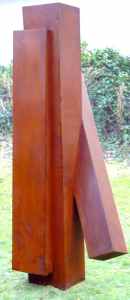
The artist’s iron works are distinguished by their clear formal language, reduction to essential elements, and emphasis on the organic material iron and its interaction between mass and space.

Eisenholz-Art

Praxis | work


  • -

Nadey Hakim

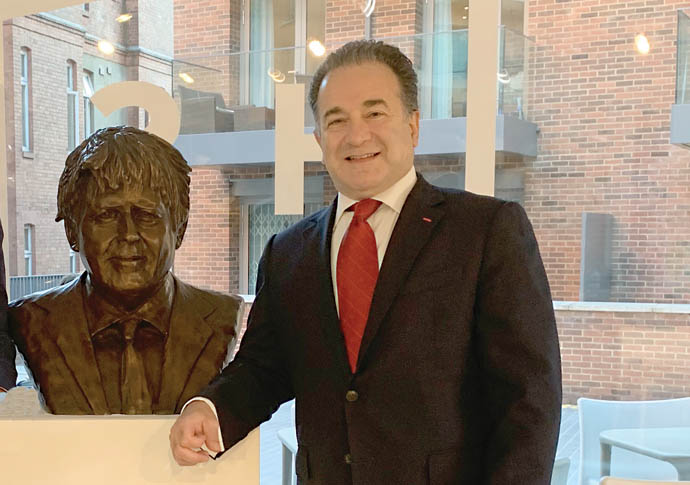
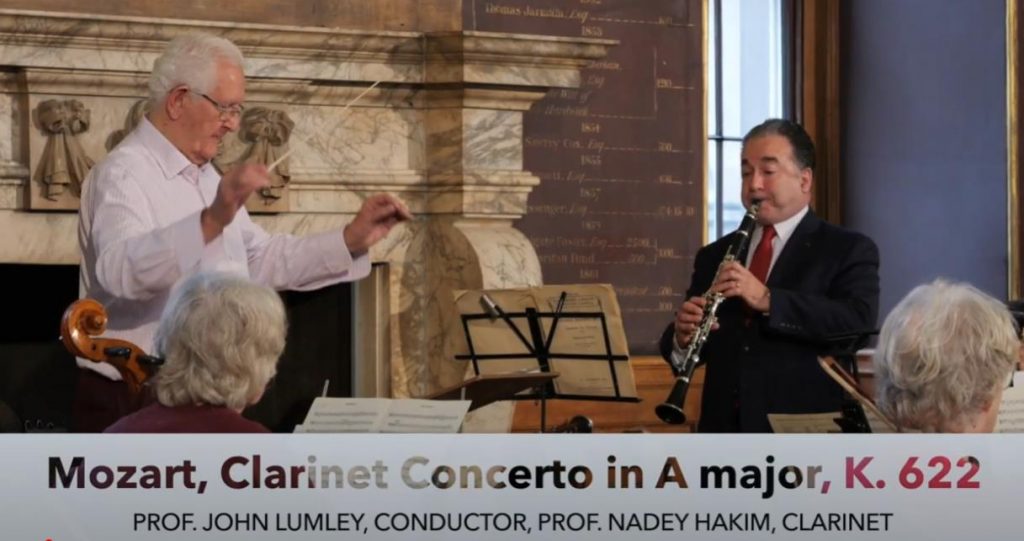
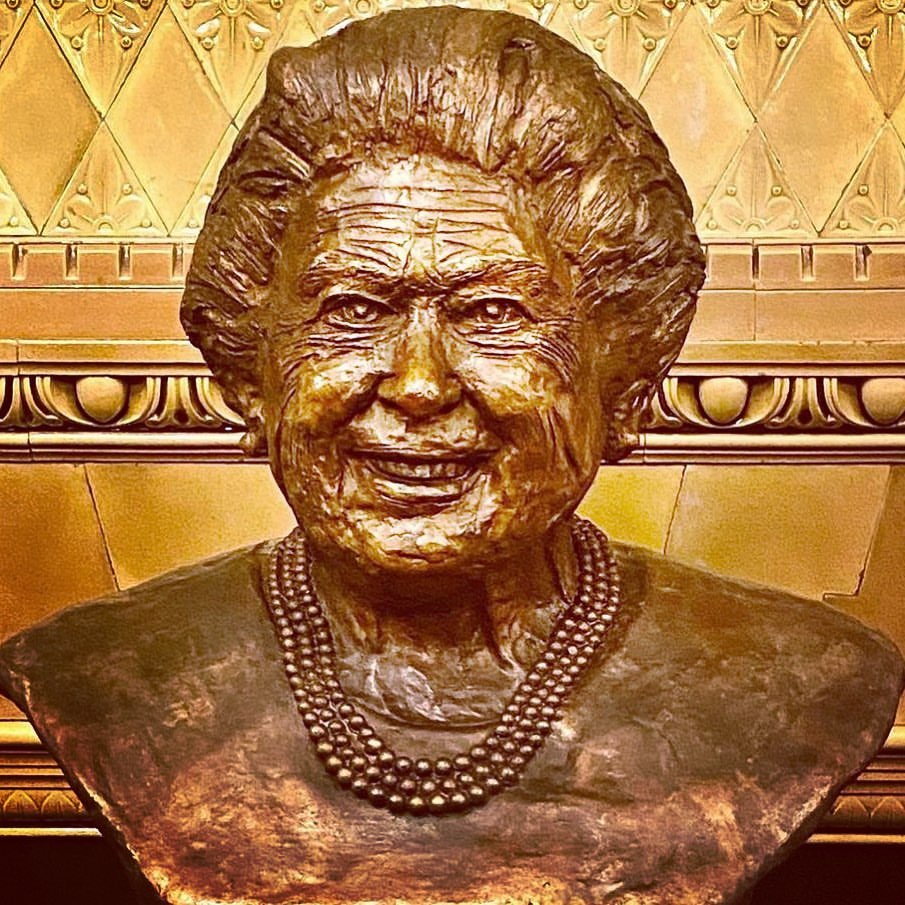
Nadey Hakim is a multi-talent: He is clarinet player and sculpturist, his specialty are sculptures of prominent people which made him very well-known.

Skulpturen | sculptures

google-search many sculptures

facebook video

instagram

linkedin

review

review

youtube

wikipedia EN

work


  • -

MAS – Medical Art Society

The Medical Art Society, founded in 1935, exists for doctors, dentists, veterinary surgeons, and recently all fully accredited healthcare professionals, whether working, retired or students, who enjoy drawing, painting and sculpture.

It is based in the UK, but welcomes medical artists living abroad as members and has links with similar medical art societies in other countries.

The Society’s programme includes lectures by well known artists, visits to studios and galleries, life drawing sessions, painting days and weekends, short breaks in UK and abroad, occasional conferences and always an Annual Exhibition .

The MAS is administered by its Officers and Committee. There is no joining fee and the annual MAS subscription is low.

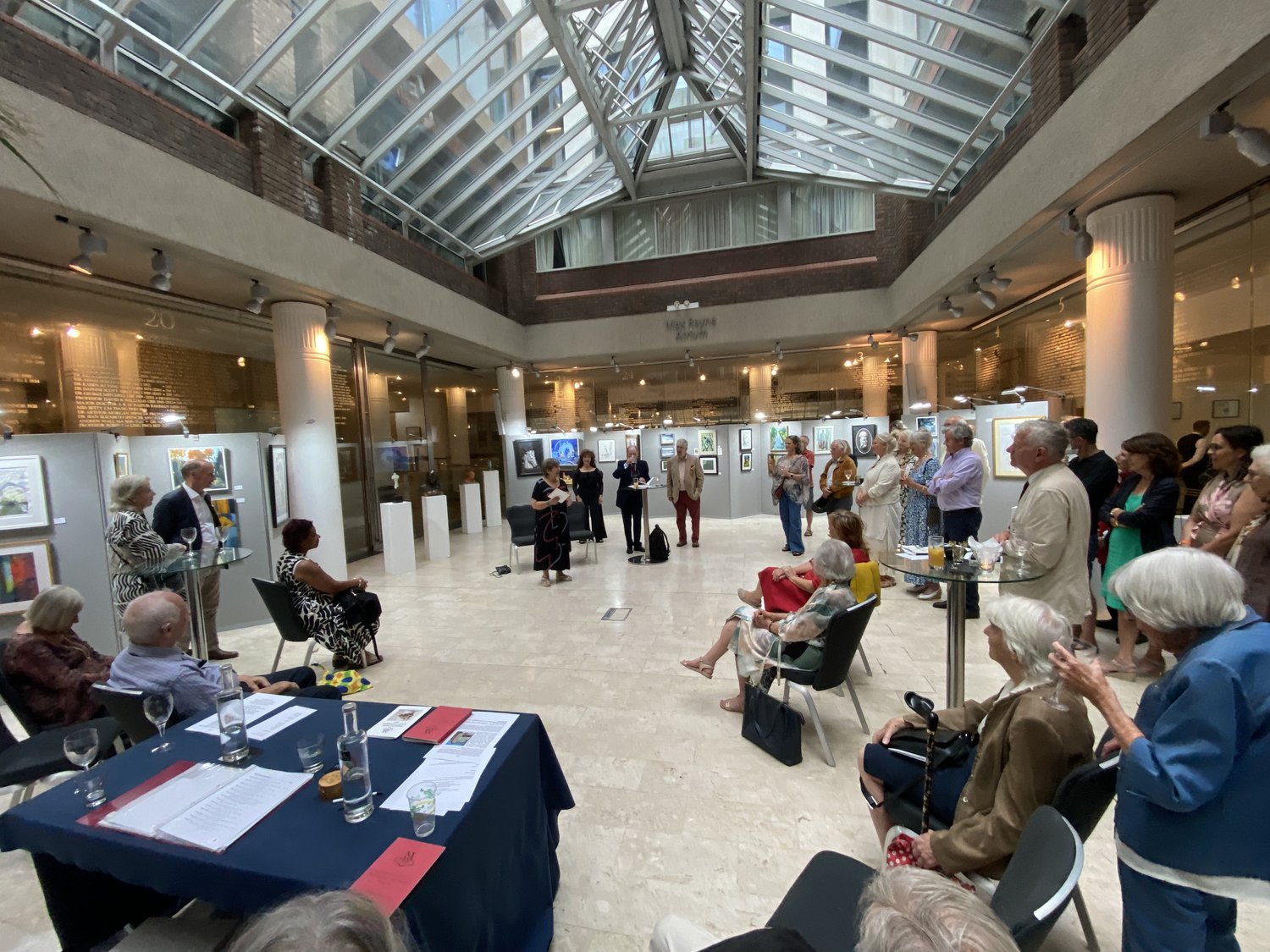
Opening of the yearly exhibition 2023

web

wikipedia EN


  • -

Mark P. Seraly

See the article below about the development of Mark´s wonderful talent as sculpturist!

Arbeit | work

Artikel | article

Michelangelo didn’t have it. Renoir was missing it. As for Picasso, luck didn’t deal it to him.

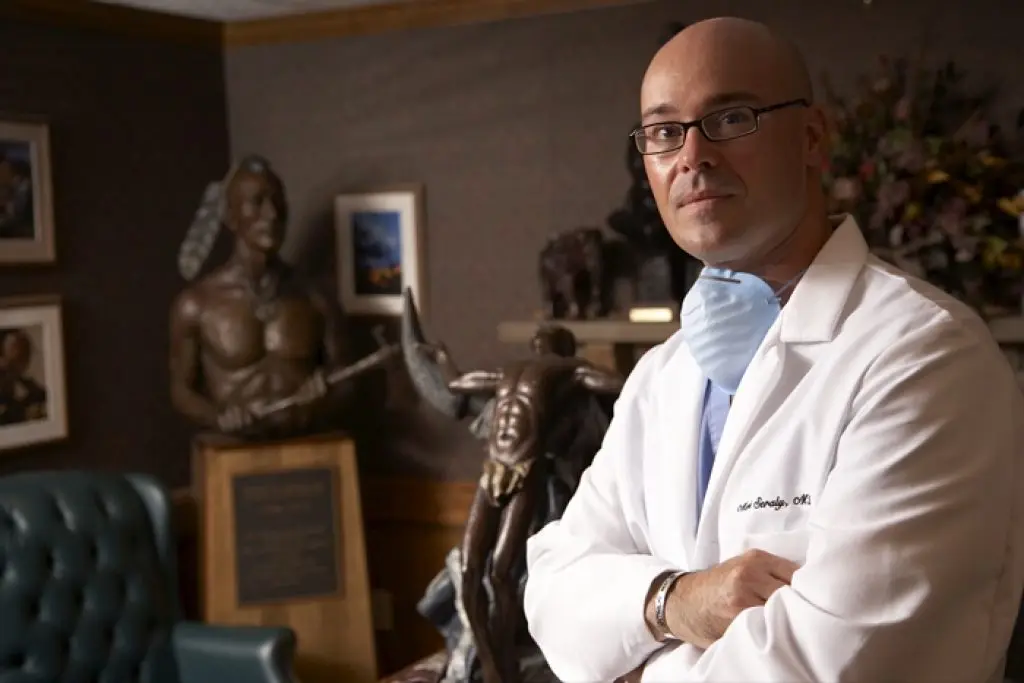
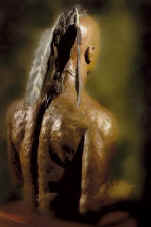
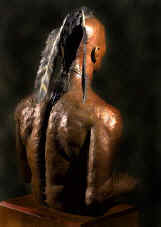
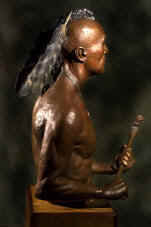
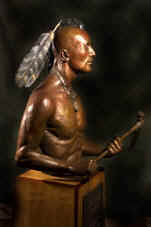
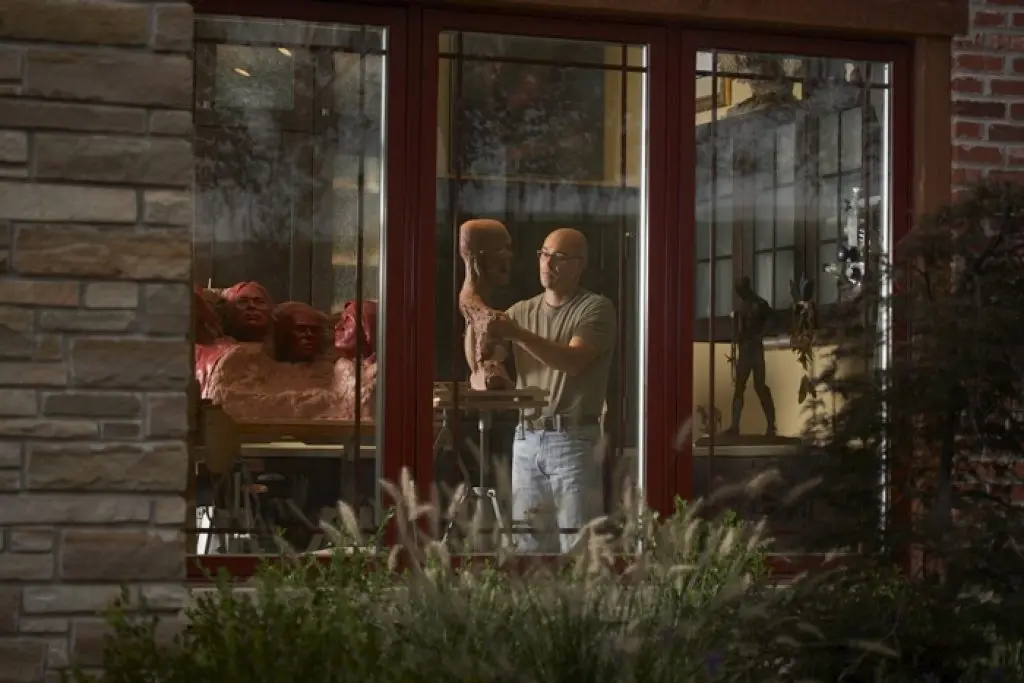
But self-made sculptor Dr. Mark Seraly has it—a day job that delivers his subject matter in a steady stream of people. True, they were all inspired, but inspiration comes from a subject he knows best—the human body.

The 46-year-old Canonsburg dermatologist, of course, treats patients with conditions of the skin, but when he’s out of his scrubs and in his studio, he creates bodies of art.
It was just 14 years ago that Seraly first touched the cold moist clay to blaze a trail to this surprising and fruitful second career. In 1996, he was at the University of Pittsburgh working on his dermatology and chief residency when he commented on a patient’s earrings.
“It turns out she made them and then asked me if I had any interest in art. I told her I liked sculpture,” he said.

Then she hooked him up with well-known sculptor Susan Wagner. Her pieces adorn PNC Park with the likes of Willie Stargell, Bill Mazeroski and Roberto Clemente. Not a bad hook-up.

From there he took a class at the Center for the Arts where he says he was “the only bald guy in the room with a bunch of backpacking kids.” By the time he completed the class, his instructor told him he ought to be a professional sculptor.

Since then he has worked tirelessly in an eternal pursuit to understand the human form. “I never grew up thinking I was an artist. Things I’ve gravitated toward are right brain. This is a natural fit with things I do as a doctor,” he said.

Seraly attributes his role as a dermatologist to his success in sculpting.

“I get to study the human form. I see smiles, tears, the changing of body posture,” all which translate into his attention to detail on his pieces. “What I’ve learned in my career goes hand-in-hand with my art. Not a lot of sculptors can have that,” he said.

Born in Brunswick, Maine, where his father served at the Naval Air Base, he was raised a Navy child. He claims his father’s influence, along with a certain dose of his maternal grandfather’s OCD (obsessive compulsive disorder) tendencies, have likely helped him along the way.

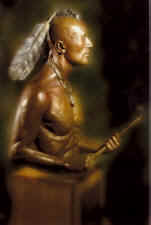
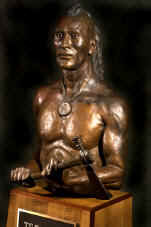
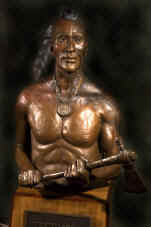
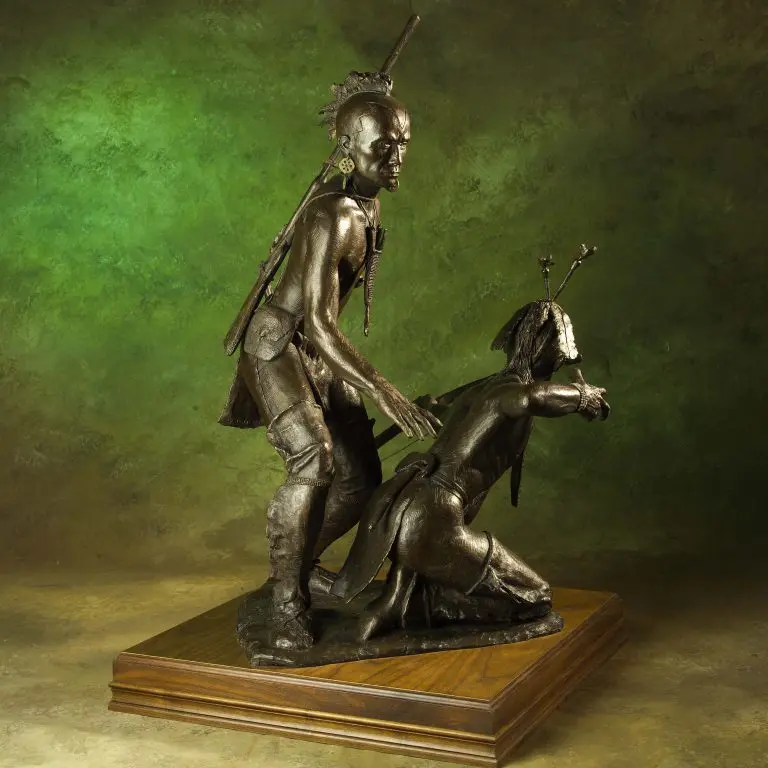
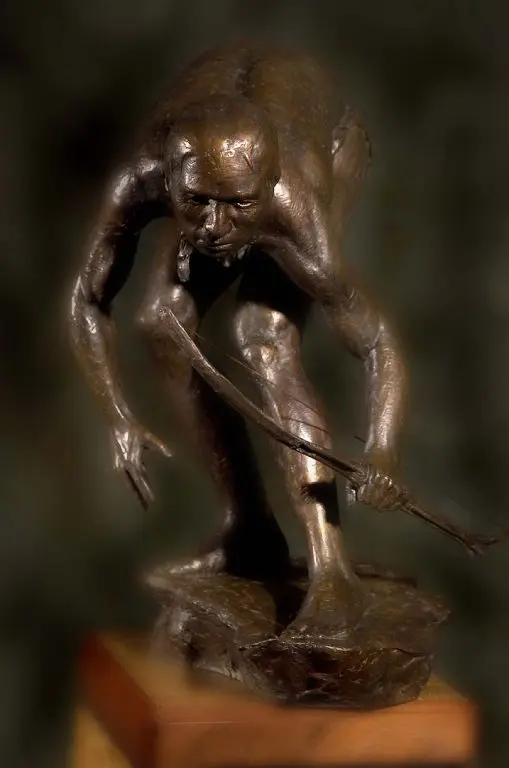
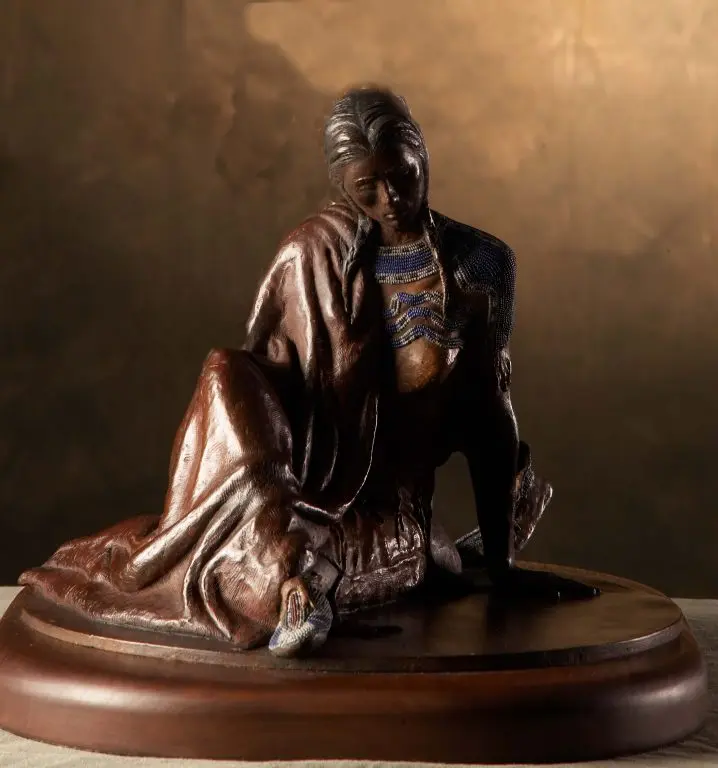
He spent grade school through high school in Succasunna, New Jersey, where he developed his love for the West and Native American traditions. He studied, collecting American Indian artifacts, and always fueling his passion. He takes that history and applies it directly to his pieces where the observer can take in the accuracy of his work and place himself alongside Chief Gall at the Victory Dance, the Hopi Girl or Ishi, in the spirit of the hunt.

His latest piece, Indian on Horseback Fighting Bear, is almost complete.

Seraly will hand deliver it to Coopermill Bronzeworks in Zanesville, Ohio where it will undergo the casting and molding process. He’s come to know the foundry owner Charlie Leasure, who has taught him yet another phase of the artistic process, allowing Seraly to see his pieces through to the finished product.

Seraly’s work surrounds his patient waiting area, office and home, but never did he dream his pieces would be included in private, public and corporate art collections.

A bust of Peter Rossin was commissioned by the Rossin family and sits in the Rossin Campus Center at his alma mater, Washington and Jefferson College in Washington, PA.

Given the choice of whether to practice as a dermatologist or spend his days sculpting, he answered, “Both. I tell my patients my commitment to them is 150 percent. I’m not just a doctor with a hobby.”

Without his patients, his work wouldn’t have the edge it does. 


  • -

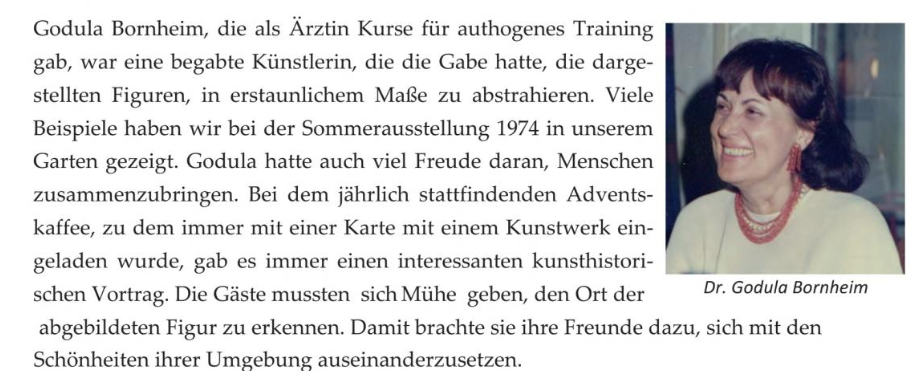
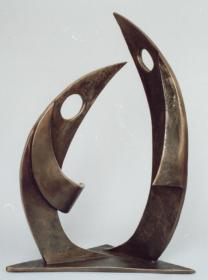
Godula Bornheim

Category : ArtDocs , sculptureDocs

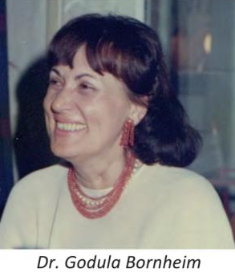
Geboren in Neuenkrug/pomm. lebt in Wiesbaden.

1967-71Ceramic education with Mrs. H. Wildenhof – Dr. Steinbach
1982-83École nationale d’Art décoratif, Centre artistique de rencontres internationales Nizza/F.
1984-85art school of Scaliga, Amerang, sculpture workd with Michel Fuzellier.
1992+97Akademy for Fine Arts in Steffeln – Vulkaneifel
Since 1976Free artistic work
membership in different artists associations
Public sales in Germany and abroad, ordered works.

Literature:
Bildende Künstler Lexikon, Kulturamt Wiesbaden, 1981
Adreßbuch bildender Künstler
FIBK Nürnberg, 1990/91
M.Hiller/G.Kübth (Hgb.), Künstlerbiografien Land-Art Unna, 1995
Kstdb. Meister bildender Künste, Bd 4, 1999
Allg. Lexikon der Kunstschaffenden und gestaltenden Kunst, im Druck

several catalogues, press, radio and television.
More than 40 exhibitions in Germany and abroad.

Godula Bornheim is deceased.