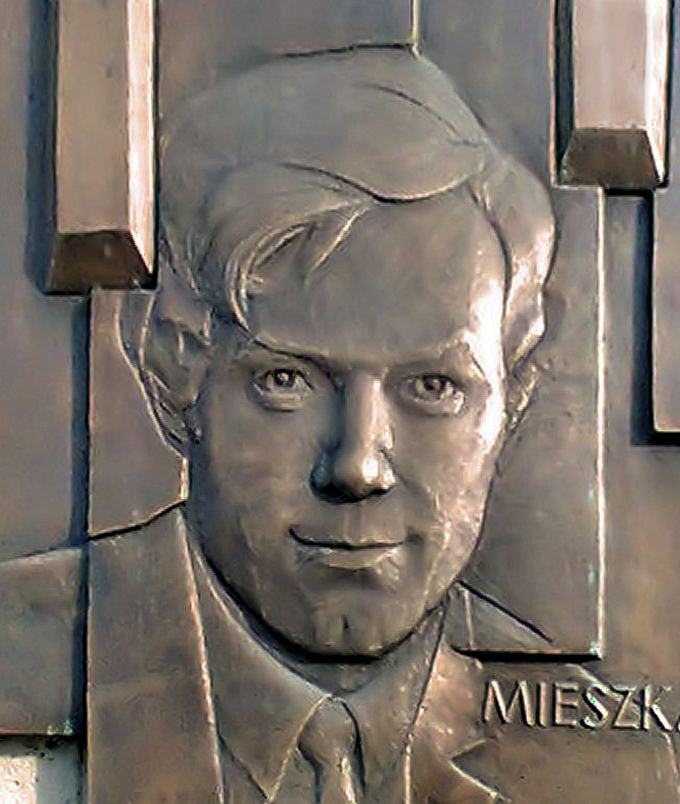
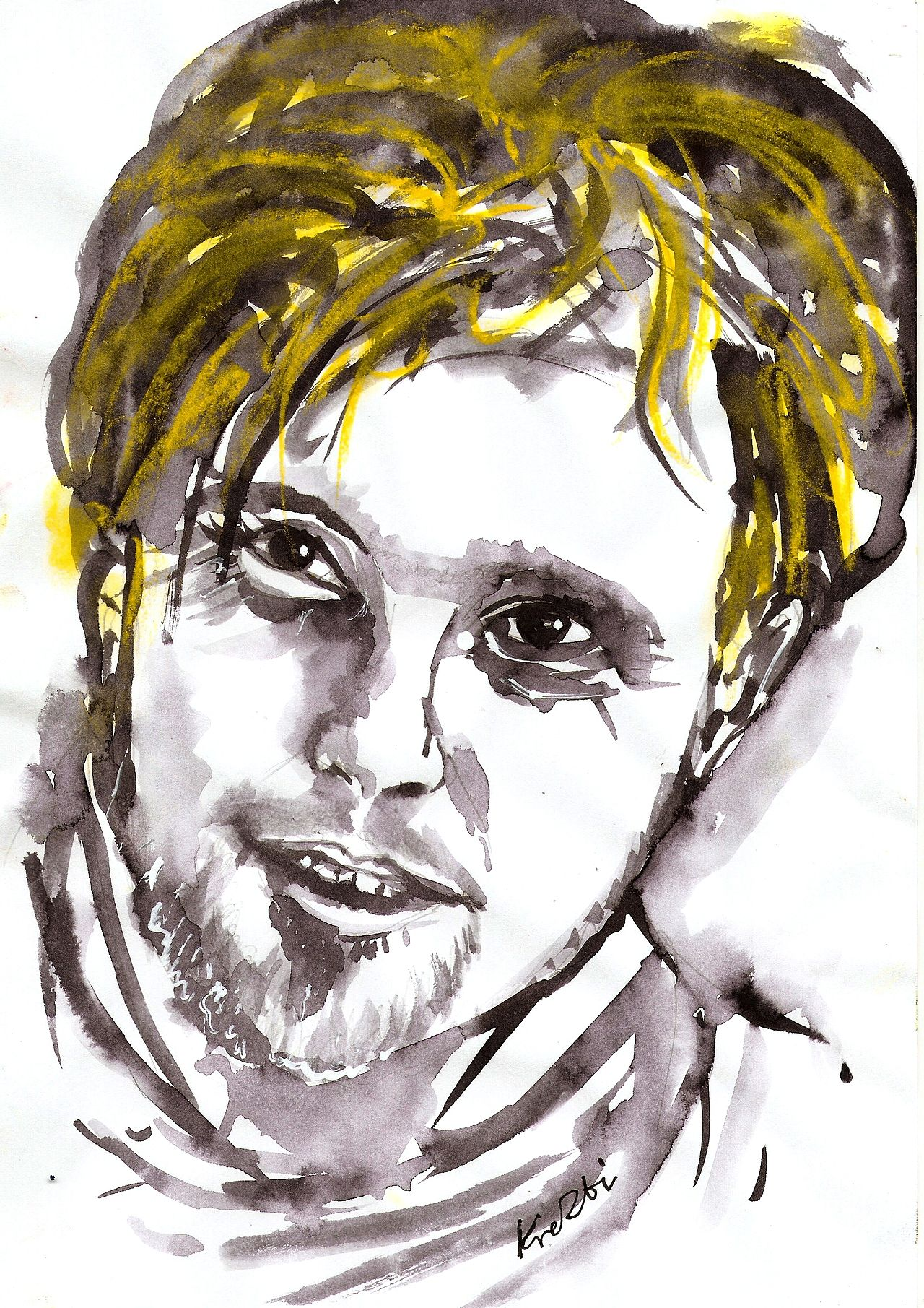
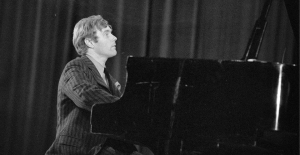
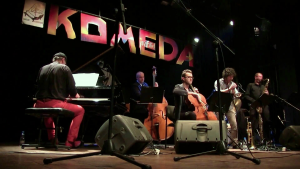
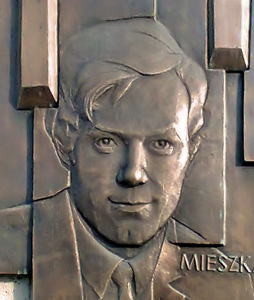
Krzysztof Komeda (born Krzysztof Trzciński; April 27, 1931 in Poznań – April 23, 1969 in Warsaw) was a Polish jazz pianist and composer of jazz and film music of international renown. According to Jan Wróblewski, Komeda occupies a similar musical rank in Poland to Chopin.
In his youth, he received piano lessons in Ostrów Wielkopolski (German: Ostrowo), where he lived from 1946 to 1951. Later, he became a student at the Conservatory in Poznań (piano lessons and music theory). He then decided to study medicine. His father, Mieczysław Trzciński, was a banker and took over the position of branch director of the National Bank of Poland in Poznań in December 1952. During his studies, he lived there with his parents from 1952 to 1956[2] and had his own piano.[3] As a student, he made contact with the Krakow underground jazz scene. They met in private apartments or nightclubs, the “catacombs of jazz”.[3] His interest in popular and dance music shifted from Dixieland to bebop and finally to contemporary jazz.
Komeda-Trzciński celebrated her first national success in August 1956 at the first jazz festival in Sopot with the Komeda Sextet. News of a jazz festival had spread like wildfire throughout Poland. The completely improvised event attracted approximately 30,000 to 50,000 young Poles, who spent the night on lawns, in parks, or in beach chairs.
The festival began with a parade similar to the New Orleans orchestra parades at Mardi Gras. The Komeda Sextet, in two boxes, symbolically buried the traditional Dixieland jazz and dance music. Since all the newspapers reported on the first free jazz festival, jazz music could no longer be banned from public view as easily as before.
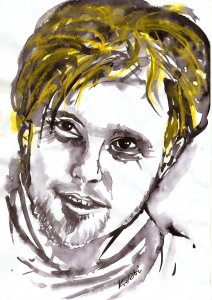
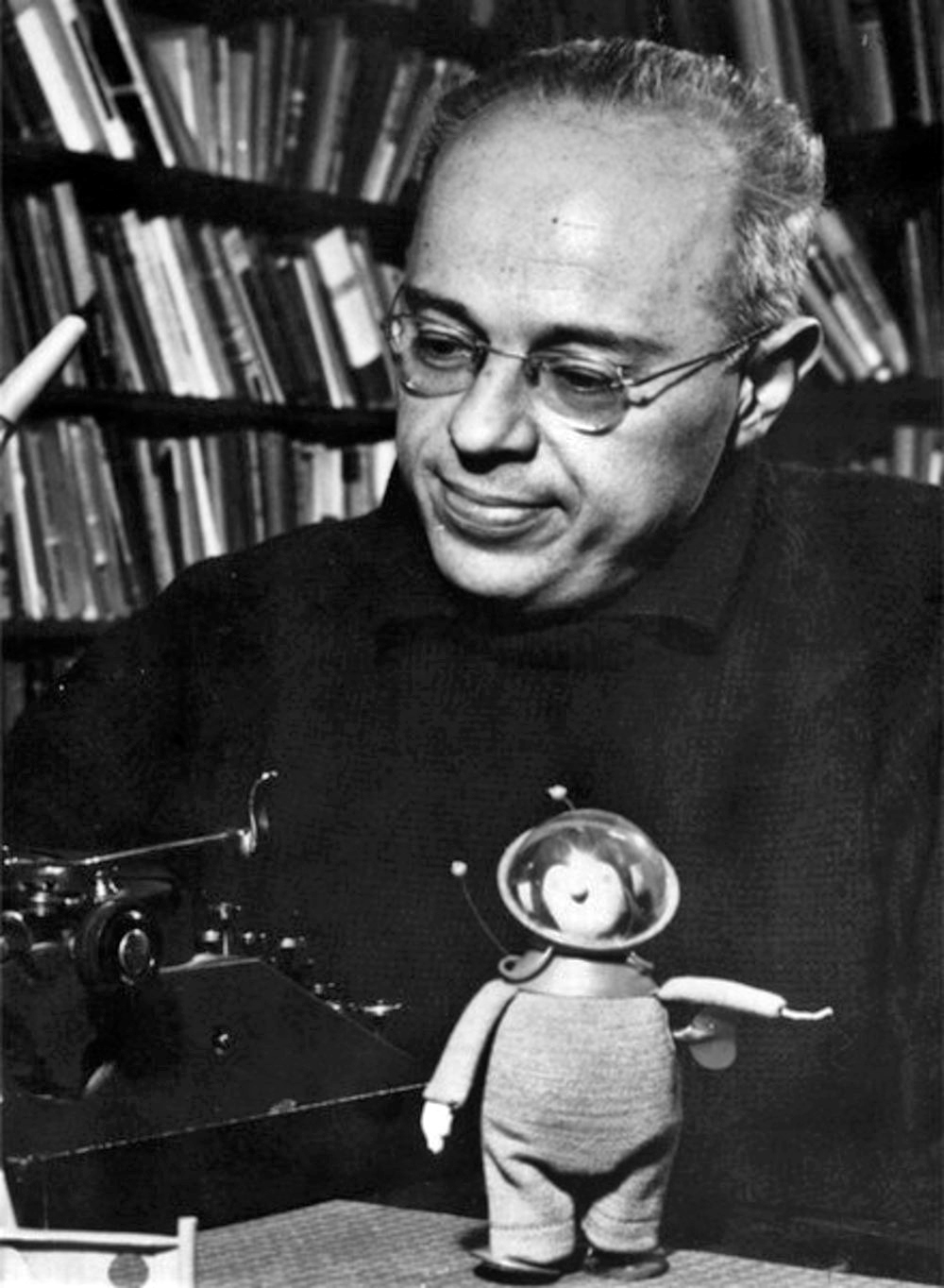
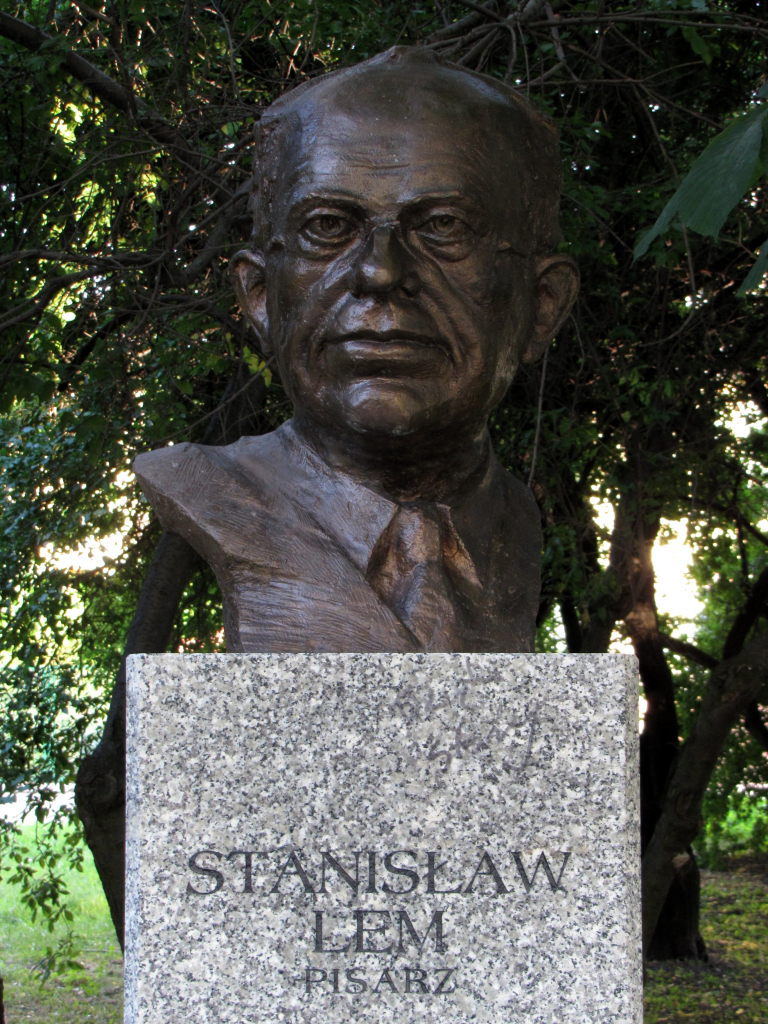
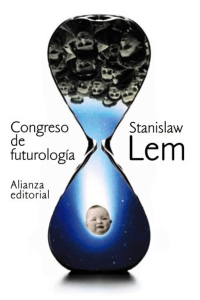
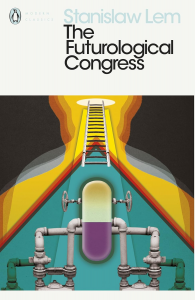
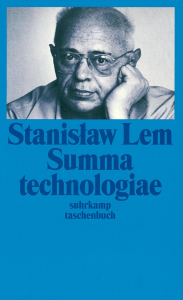
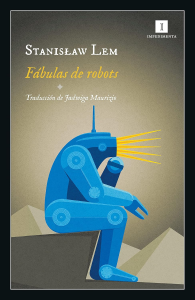
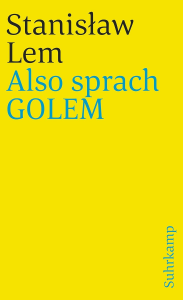
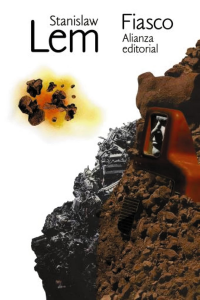
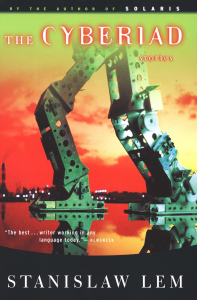
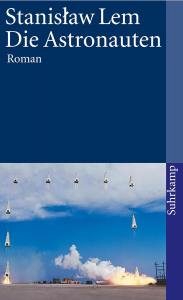
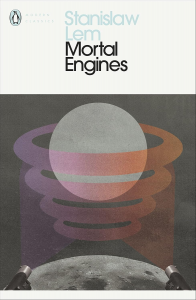
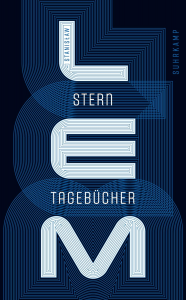
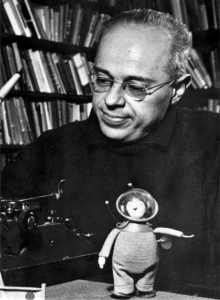
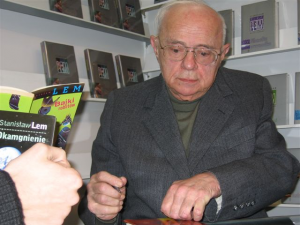
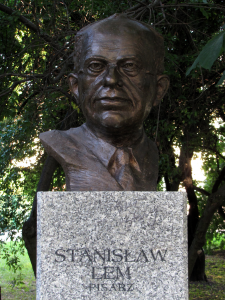
Stanisław Herman Lem (also known as Stanislaw Lem, pronunciation: [staˈɲiswaf lɛm]; September 12, 1921 in Lwów, Poland – March 27, 2006 in Kraków) was a Polish writer, best known as a science fiction author, philosopher, and essayist. Lem’s works have been translated into 57 languages and sold more than 45 million copies. He is one of the most widely read science fiction authors, although he did not like to call himself that because of the complexity of his work. Due to the numerous puns and neologisms, his works are considered difficult to translate.
Lem is considered a brilliant visionary and utopian who conceived numerous complex technologies decades before their actual development. As early as the 1960s and 1970s, he wrote on topics such as nanotechnology, neural networks, and virtual reality. A recurring theme is the philosophical and ethical aspects and problems of technological developments, such as artificial intelligence, human-like robots, and genetic engineering. In many of his works, he employed satire and humor, often subtly exposing the hubris of the belief in human superiority based on faith in technology and science. Some of his works also contain gloomy and pessimistic aspects regarding the long-term survival of humanity. He frequently addressed attempts by humans to communicate with extraterrestrial intelligences, which he addressed as a major failure in one of his best-known novels, Solaris.
In the 2000s, the multifaceted Lem became a critic of the internet and the information society—something he had predicted, in part—because they turned users into “information nomads” who merely “hop incoherently from stimulus to stimulus.” “It is proving increasingly difficult to bring together different sources and perspectives to obtain a well-rounded, complete picture of a subject.”
Stanisław Lem was born into a Polish-Jewish family of doctors. His father, Samuel Lem, was an ENT doctor; the satirist Marian Hemar was his cousin.[2]
Lem had a sheltered childhood. He studied medicine at the University of Lviv from 1940 until the German occupation of Lviv in 1941. His studies were interrupted by World War II. Lem was able to conceal his Jewish origins with forged papers; most of his family perished in the Holocaust.
“It took Hitler to help me realize I was Jewish.”
During the war, he worked as an assistant mechanic and welder for a German company that recycled scrap metal. He helped the resistance against Nazism. When Poland was liberated from the Nazis by the Red Army towards the end of the war and the country came under the Soviet Union’s sphere of influence, he continued his studies in Lviv. In 1945, after his hometown fell to the Soviet Union, he was forced to move to Kraków.
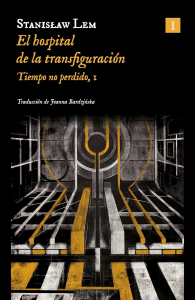
He resumed his medical studies for the third time at the Jagiellonian University in Kraków. Between 1948 and 1950, he worked at the Konservatorium Naukoznawcze as a research assistant to Mieczysław Choynowski on problems of applied psychology. At the same time, he met the editor of the Tygodnik Powszechny, Jerzy Turowicz, who, along with Choynowski, became a formative figure. Wisława Szymborska was also among his friends at the time. His first literary attempts also occurred during this period, and he began writing stories in his free time, including the plays Yacht “Paradise” (with his friend Roman Husarski) and Korzenie. Drrama wieloaktowe, an anti-Stalinist satire, which was only rediscovered after Lem’s death and published in 2009. In 1948, he wrote his first novel, Szpital Przemienienia (The Wanderings of Dr. Stefan T.), which could not be published until eight years later due to censorship.[4] It was also during this time that he met his future wife, Barbara Leśniak, a radiologist, whom he married in 1953.[5]
Lem received a certificate confirming that he had fully completed his studies. However, in his final exam, he refused to give answers in the spirit of Lysenkoism, because he rejected it. This refusal allowed him to avoid a career as a military doctor, as the examiners failed him for it.
Since he was also unable to practice medicine, he worked in research and increasingly focused on writing.
Lem was a polyglot: he mastered Polish, Latin (from medical school), German, French, English, Russian, and Ukrainian.[6] Lem claimed that his IQ was tested at 180 in school.[7]
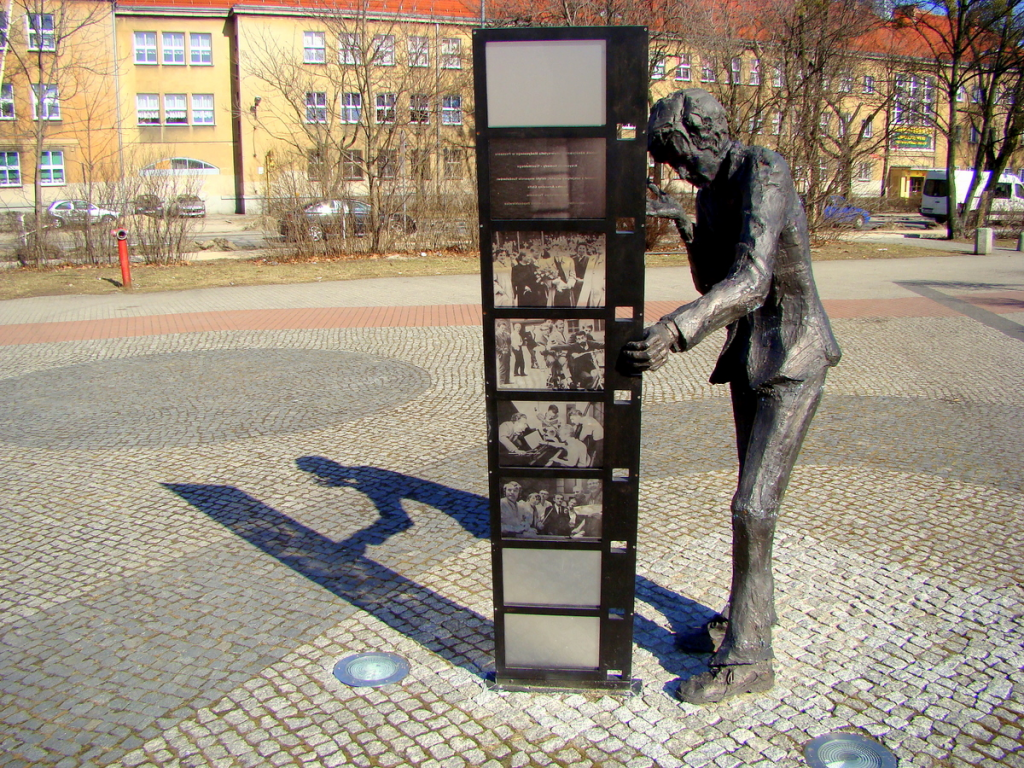
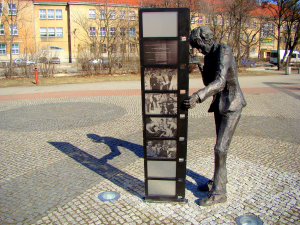
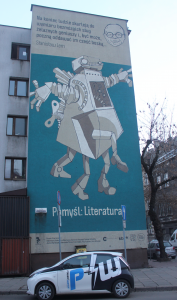
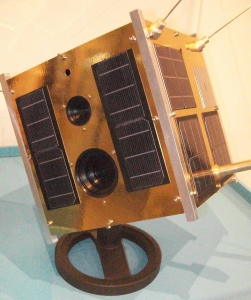
In 2013, the Polish research satellite Lem, named after him, was launched into Earth orbit by a Russian-Ukrainian Dnepr launch vehicle as part of the international BRITE project. In German-speaking countries, the Stanisław Lem Way in Halle-Neustadt is dedicated to him.
The Polish Sejm declared 2021 the Year of Stanisław Lem.[23] The dedication is divided between Lem, Stefan Wyszyński, Cyprian Norwid, Krzysztof Kamil Baczyński, Tadeusz Różewicz, and the Constitution of May 3. The first Lem video game, The Invincible, was released in the same year.[24]
The Komet Lem Festival took place in Darmstadt from October 2016 to March 2017.[25] The festival, organized by the Philosophical Institute of the Technical University of Darmstadt, the German Polish Institute, and the State Theater, was dedicated to Stanisław Lem with various events such as readings, plays, and film screenings, as well as musical interpretations of Lem’s works. The exhibition Lem’s Animal Life after Mróz consisted of drawings by illustrator Daniel Mróz based on Lem’s worlds.[26]
J. Doyne Farmer called Lem the “Poet Laureate of Artificial Life” for his achievements.
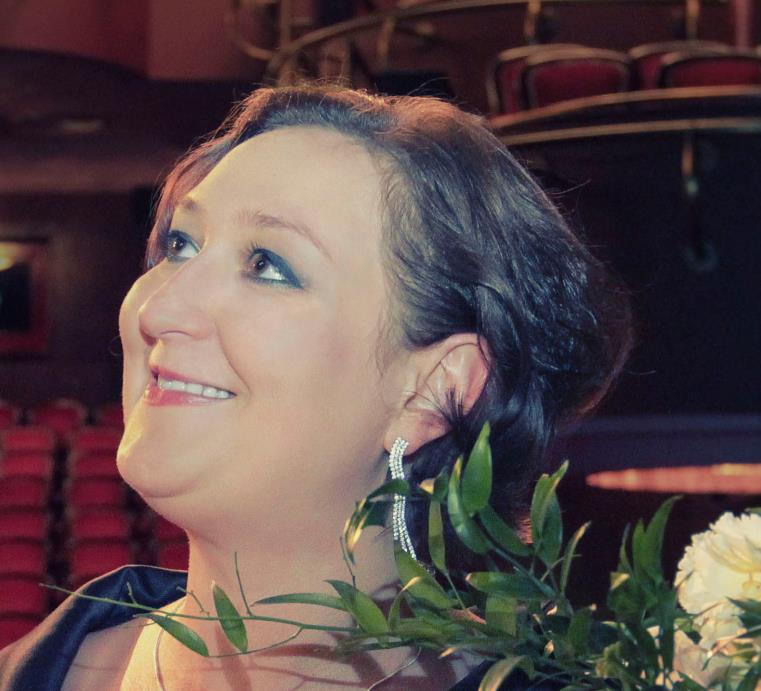
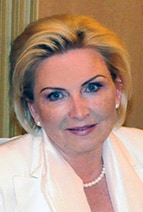
She began her singing adventure in 2001 in the Choir of the Medical University of Białystok, conducted by prof. Bożena Sawicka, who, as a conductor and teacher, had the greatest influence on her musical development in the following years.

In 2006, she began studies at the Fryderyk Chopin Academy of Music in Warsaw, at the Instrumental and Pedagogical Faculty in Białystok, in the class of prof. Urszula Trawińska-Moroz. She also studied solo singing at the Conservatorio Statale di Musica "E.F. Dall'Abaco" in Verona (Italy) in the class of prof. Maria Sokolińska-Noto.

In 2011, she graduated with honors from vocal studies at the Instrumental and Pedagogical Faculty of the Fryderyk Chopin University of Music in Białystok, in the solo singing class of prof. Cezary Szyfman.

She is also a graduate of the Faculty of Medicine of the Medical University of Bialystok (2007) and of the Doctoral Studies of the Medical University of Bialystok at the Department of Pediatric Otolaryngology, UDSK in Białystok (2013). She is a specialist in Otorhinolaryngology, Head and Neck Surgery and Pediatric Otorhinolaryngology. Since 2021, he has been the Head of the Department of Otolaryngology, Head and Neck Diseases of the University of Warsaw in Olsztyn.

She participated in master classes conducted by outstanding artists, including: prof. Jadwiga Rappe, prof. Izabela Kłosińska, prof. Bożena Harasimowicz, prof. M. Sokolińska-Noto, prof. Zdzisław Madej, Johann Tillego (Finland), Olga Makarine (Metropolitan Opera, New York), Sahoko Sato Timpone (Metropolitan Opera, New York), Denia Gavazzani (Teatro alla Scala, Milan), Pille Lill (National Opera in Tallinn, Estonia)
web
youtube
facebook
Bartowz ist Medizinstudent in Warschau und hat Klavier studiert.
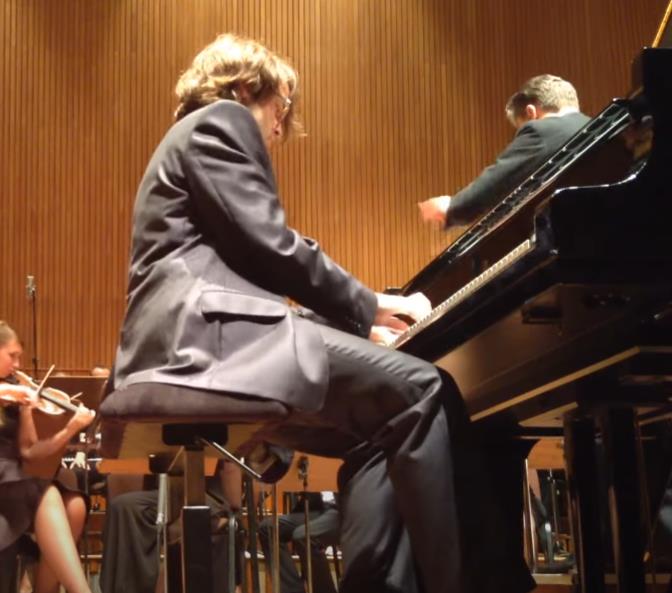
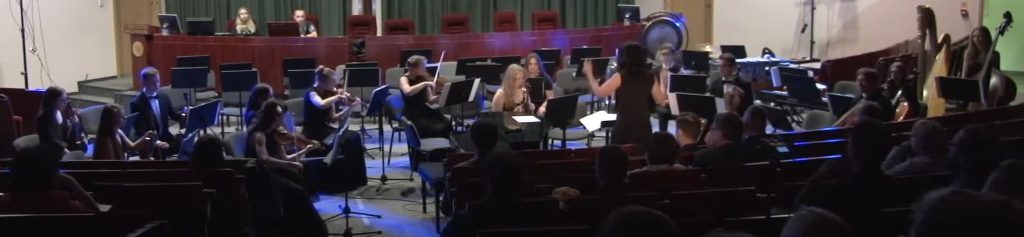
Bartosz Zwolan is a student of the 3rd year of the Medical University of Warsaw on the Faculty of Medicine. He was born in Zamość where he completed with distinction the State Music School of Karol Szymanowski in 2011. He performed concerts both as a soloist and with accompaniment of orchestra. One of his more significant concerts was the spectacle “Fryderyk Chopin – The Space Concert” in Zamość, where he played with The Symphony Orchestra of Karol Namysłowski in Zamość, conducted by Tadeusz Wicherek. He also participated in many piano contests and parades in Poland. His greatest achievements include the special prize for the best performance of Fryderyk Chopin’s piece on the 4th Competition of Music and Knowledge of Fryderyk Chopin in Lublin in 2005 and the 1st place in the 10th Regional Auditions for Piano Students from the School of Music in Radzyń Podlaski in 2006. Since 2012 he is a member of the Orchestra of the Medical University of Warsaw conducted by Beata Herman.
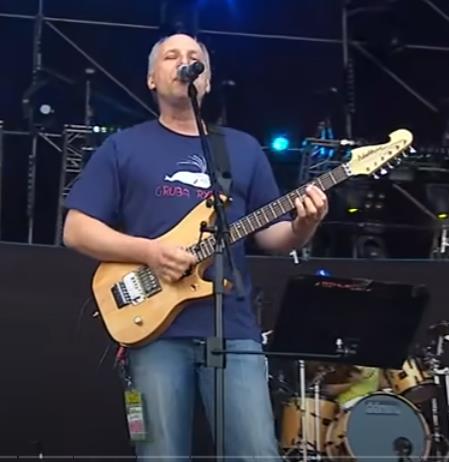
What can we say about Jakub “Kuba” Sienkiewicz? Well, he staunchly refuses to be put in any sort of box, that’s for sure. Put him in the eccentric pop/rock musician box? You’ll learn he’s also a practicing MD. And a guy who looks and sounds so friendly could never come up with strange, ironic, weird lyrics like these, right?
So, yeah, he might be just a little bit Crazy Sane. And slightly cool. Has covered a lot of Jacek Kleyff (communist-era poet and comedian) songs, most famously Telewizja, and cooperates with his fellow doctor/musician, the legendary skiffler Zacier.
No relation. (That we know of.) He is however a nephew of a famous Polish actress Krystyna Sienkiewicz, known from comedic routines and movies.
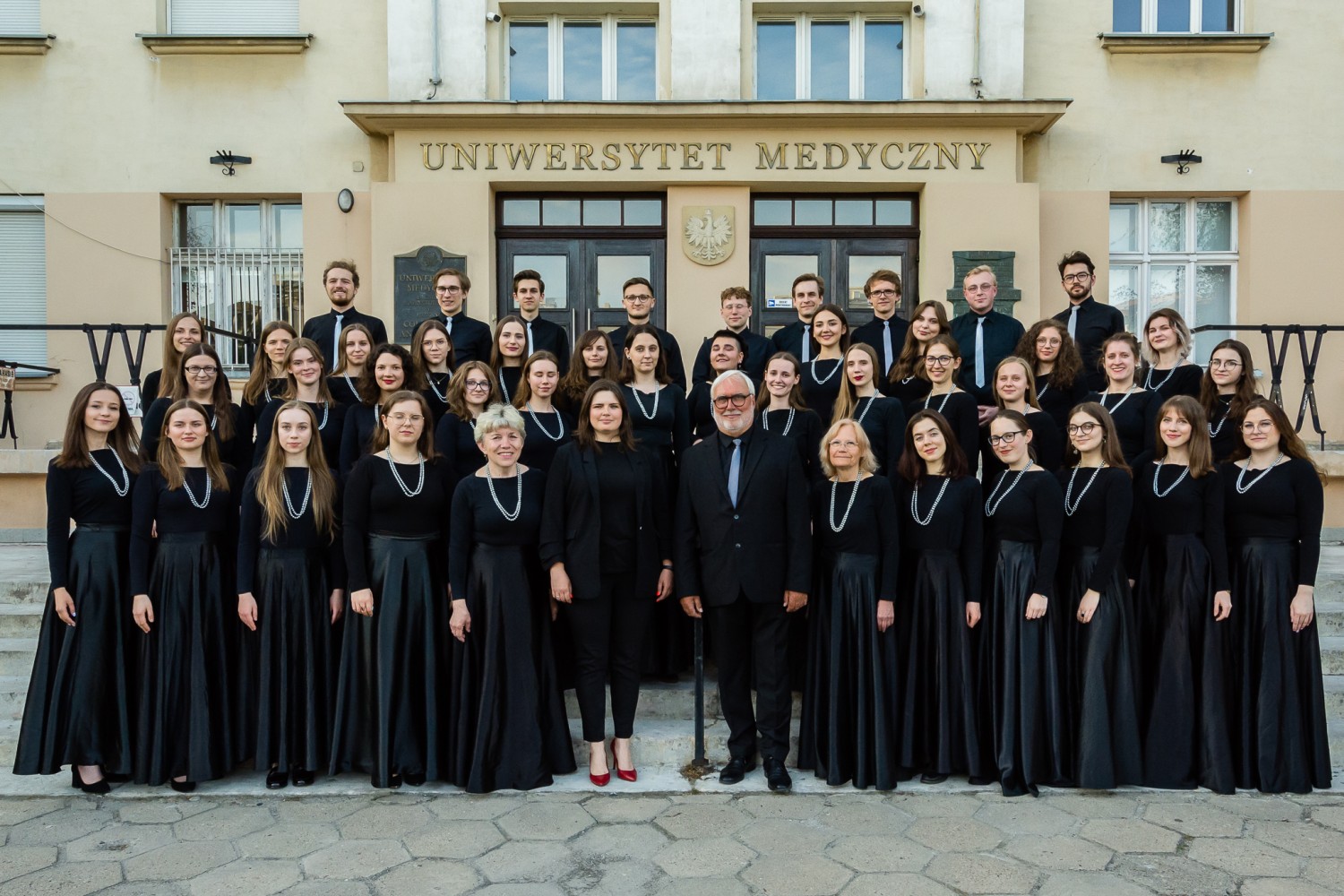
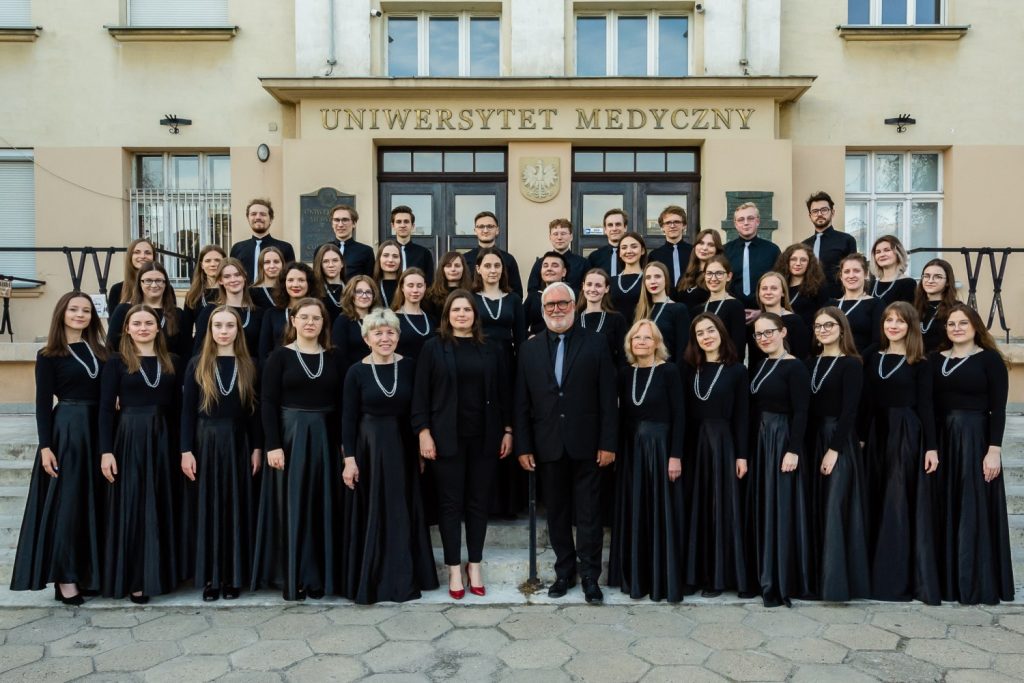
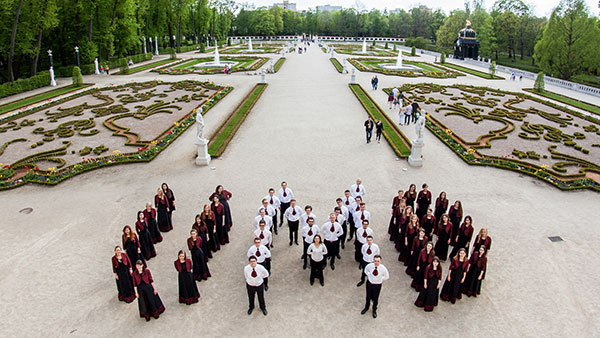
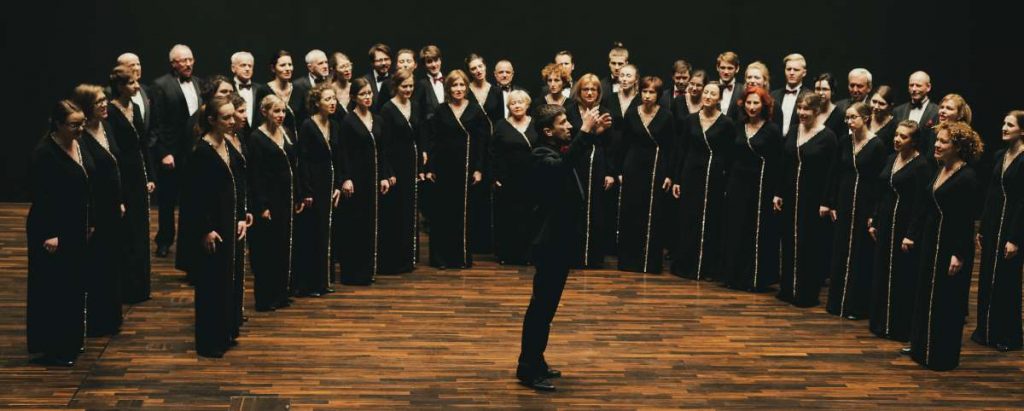
Choir of the University of Medical Sciences, founded by Dr. George Fischbach – doctor and conductor in one person, exists since 1959. Choir is an important artistic element of his alma mater, performing at numerous academic events. Takes an active part in the cultural life of the city and the country. The choir has repeatedly regular concerts „Poznań Choral Meetings”, „Musica Sacra”, „Feast Choral”, „Teachers and their choirs”, „Concerts Fair”, „Choirs, Organ and …” and others. Collaborated with the National Philharmonic orchestras in Poznań, Wrocław and Koszalin and the Symphony Orchestra of the Music Academy in Poznan, Chamber Orchestra of the Mieczyslaw Karłowicz National High School of Music in Poznan, Orchestra of the Eighth Day and more recently with the European Medical Students and Doctors’ Orchestra (EMSO 2004) – performing vocal and instrumental works by Handel, Vivaldi, Zwierzchowski, Mozart, Beethoven, Verdi, Kilar, Moniuszko, Czyz, Debski, Stalmierski, Kozub and others. The band has in its repertoire also dozens of a cappella choral works by Polish and other nations composers . The choir has performed for Pope John Paul II at the Vatican and the Belgian royal couple Neerpelt and the President of Hungary in Budapest. Collaborated with distinguished conductors as Henryk Czyż, Renard Czajkowski, Agnieszka Duczmal, Marcin Sompoliński, Volker Hartung and soloists Eve Werke, Grazyna Flicińską-Panfil, Antonina Kowtunow, Czeslaw Niemen, Jan A. P. Kaczmarek, Maja Urbanek and others.
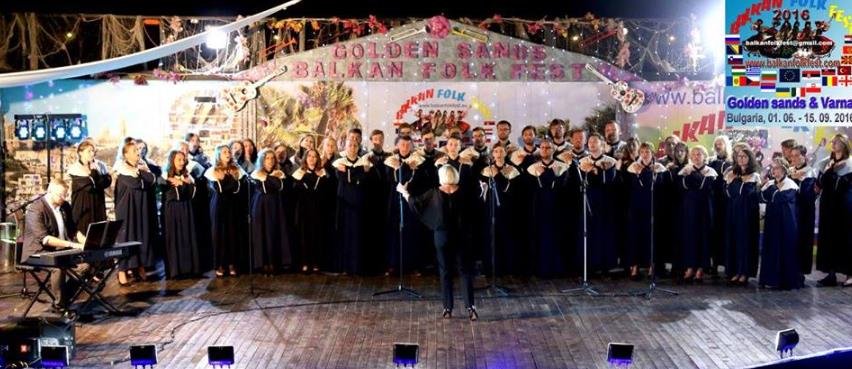
The choir has won 17 top prizes and awards choral competitions and festivals in Poland, France, Belgium, Czechoslovakia, Spain, Bulgaria, Germany, Switzerland, Italy and Hungary. Also performed in Great Britain, Austria, Sweden, Spain, Germany and the Netherlands. The choir has made several recordings for radio and television in the country and abroad. In 1995 choir recorded the first team in the history of the CD. Another – with a repertoire of Christmas carols – was recorded in November 1999 by the Choir „Graduate” Medical Academy. Choir last album was recorded in 2008. This time is based on the popular music, but it appeared on folk songs and sacred.
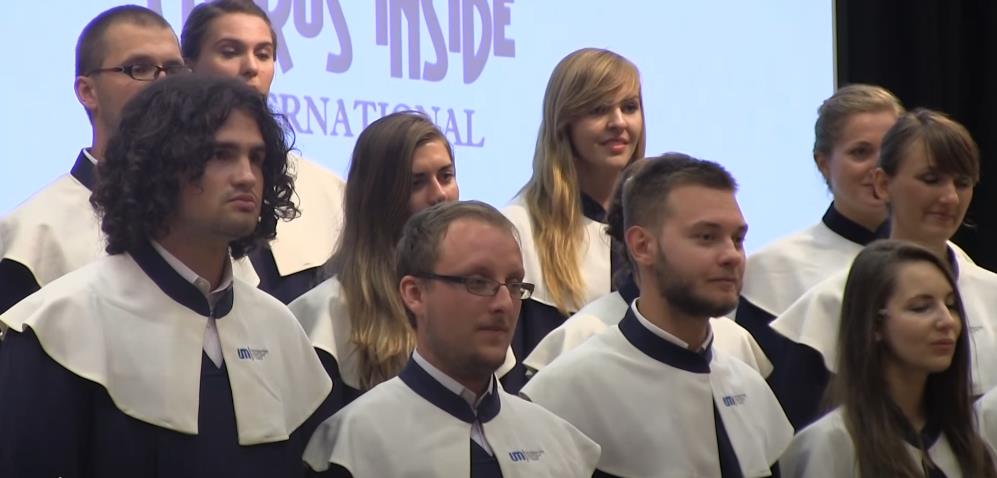
In 1997, in addition to 40-year tradition of cultivating student choral group – created the Choir „Graduate” UM, which consists of young academics Academy of Medical Sciences in Poznan and health care – and choir graduates of the Medical University.
The Choir of the Medical University of Bialystok is one of the oldest university choirs in Poland. It was founded in 1951 by a group of students of medicine – music enthusiasts. It belongs to the category of mixed choirs and consists both of students of the Medical University and young doctors. The repertoire contains not only great oratorio works but also sacred and secular a cappella compositions ranging from the Renaissance to contemporary times, including some first performances. The Choir cooperates with the Bialystok Philharmonic Orchestra on a regular basis. For many years the Choir has taken part in numerous international festivals and competitions as well as in prestigious concerts both in Poland and abroad (e.g. Austria, Belgium, France, Germany, Greece, Great Britain, Hungary, the Netherlands, Ireland, Israel, Lithuania, Italy, Portugal, Spain, Slovakia). In 2013 Choir of the Medical University of Bialystok won the First Place in International Choir Festival VRATISLAVIA SACRA (Wroclaw, Poland) and was awarded with the Silver Diploma at the VII Rimini International Choral Competition (Rimini, Italy). In 2014 Choir of the Medical University of Bialystok was awarded with the Gold Diploma and won the First Place at the IV International Choral Competition “Kaunas Cantat” (Kaunas, Lithuania).
Founded in 1946, the Gdańsk Medical University Choir is one of the oldest and most successful academic choirs in Poland. Over the course of our many years of operation, we have performed in dozens of countries around the world in Europe, Asia and North America. Our group has won top awards at numerous Polish and foreign choir festivals. We sing a cappella pieces as well as great oratorios and cantatas. Our repertoire includes works by many Polish and foreign composers from different musical styles and eras, such as church music, spirituals and gospel, as well as music from films and musicals. When producing oratorio works, we cooperate with many cultural institutions, especially with the Baltic State Philharmonic and the Polish Chamber Philharmonic in Sopot. Our members are mainly students from the Medical University of Gdańsk, but we also have people from outside this group who have decided to stay with us longer and have been singing with us for many years. The artistic director and conductor of the choir is Błażej Połom.
The Choir of the Medical University of Lodz was founded in March 2005 on the initiative of the Rector’s authorities.
The conductor of the choir from the beginning of its existence is a respected and well-known conductor, professor of art Anna Domańska, head of the Department of Choral Conducting at the Karol Szymanowski Academy of Music in Katowice “Grażyna and Kiejstut Bacewicz” in Lodz.
The choir’s president is Katarzyna Starosta, Justyna Przytulska, assistant conductor, and Jakub Czech, is the assistant accompanist.
The choir’s repertoire is varied – from Polish folk, gospel and sacred music to, finally, popular music.
The members of the team are students of the Medical University and its graduates – already working professionally as doctors, pharmacists or paramedics.
The Choir of the Medical University of Lodz adds splendor to all celebrations related to the University – ceremonies of awarding diplomas to Graduates, scientific conferences, as well as ceremonies of awarding Doctorates Honoris Causa of the Medical University of Lodz. In addition, the Choir of the Medical University of Lodz conducts extensive concert activity both in Lodz and throughout Poland.
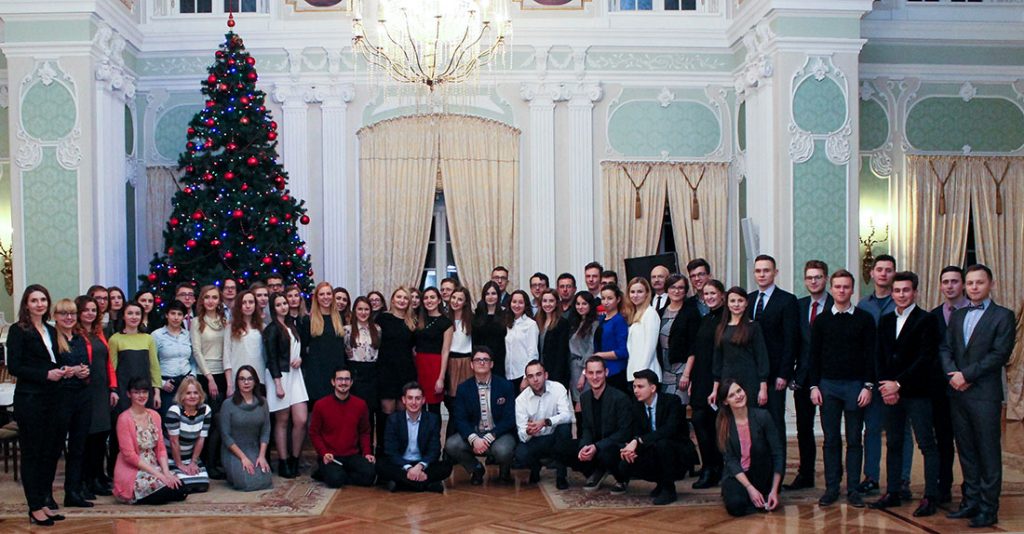
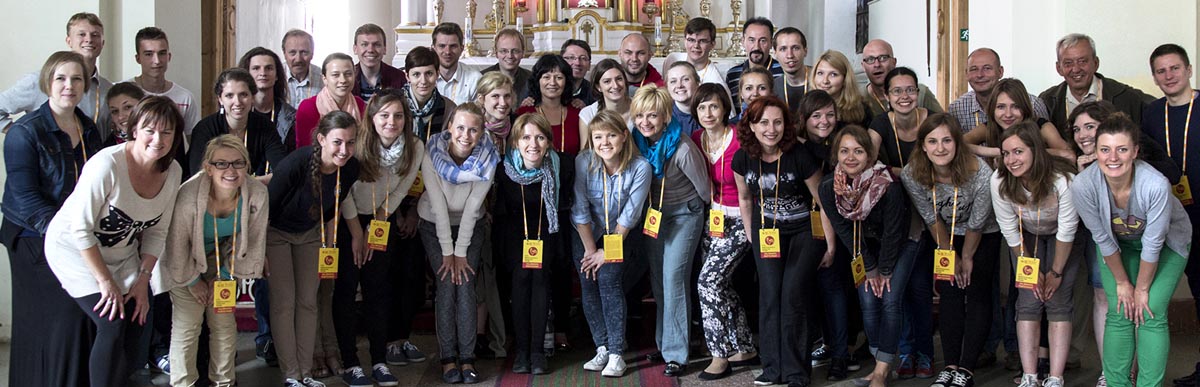
The people who make up the band are – thanks to such frequent meetings – not only choirmates, but a group of really good friends. The bond between them is strengthened thanks to workshop and integration trips as well as trips to competitions and festivals in Poland and abroad.
Thanks to intensive work, the choir has already won many awards and distinctions.