CD O nature, come and dance with me
Category : CD-+DVD+BD+VHSDocs
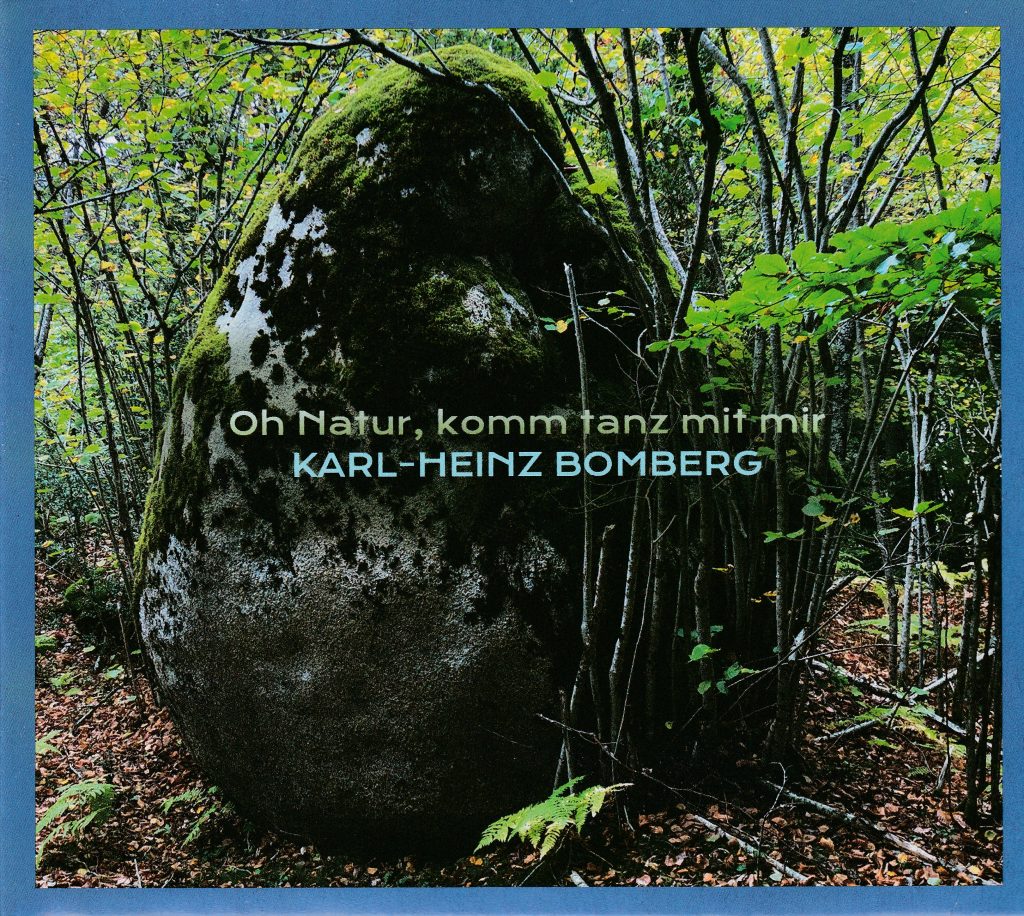
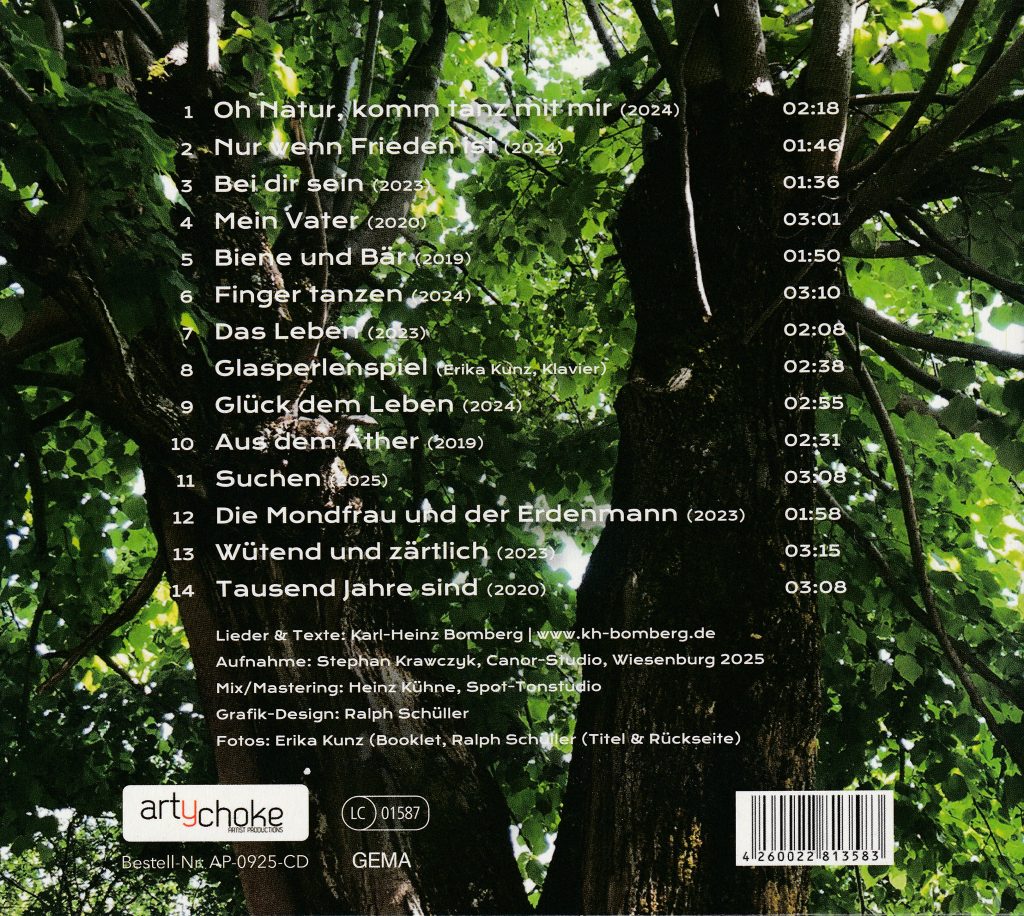
CD00212 Karl-Heinz Bomberg | Oh Natur, komm tanz mit mir | O nature, come and dance with me
Category : CD-+DVD+BD+VHSDocs
CD00212 Karl-Heinz Bomberg | Oh Natur, komm tanz mit mir | O nature, come and dance with me
Category : ComposerDocs , OperaDocs , PianoDocs , SingerDocs , theatreDocs
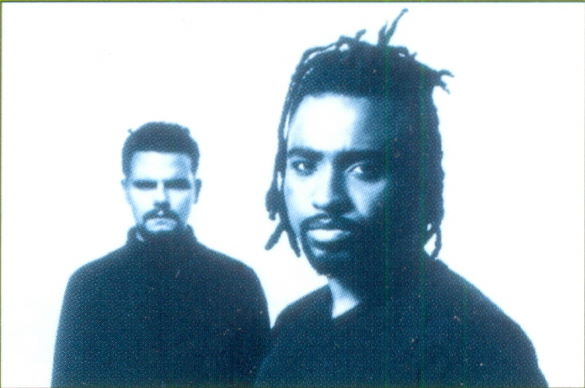
Kwame is something quite unusual, a collaboration between an African trumpeter and metal musician (Kwame Boaten) and a Swedish guitarist who has previously devoted himself primarily to classical music (Carl Ljungström). They met a few years ago in a music student dormitory in London. This would be the beginning of “Volatile.”
On the album cover, I see a blurry image of a dark-haired guy with dreadlocks. Yes, I think it’s another Swedish hip-hop artist hanging out with Ken and the guys. Oh, what a mistake I made. Ghanaian-born Kwame Boaten has brought new light into the pop fog with his calm, captivating music. After a few years, he found Calle Ljungström, a former metal musician, at music school in London. The two began a slow and cautious collaboration, and now we hear the final result. It quickly becomes clear: when you bring two musicians with such different backgrounds into a studio, it works really well.
The album Volatile is difficult to describe precisely, as it differs so markedly from other productions in this genre. Calle Ljungström is responsible for the beautiful strings and guitars, and Kwame for his wonderfully beautiful, bright voice. Also in the studio are names like Magnus Frykberg, Pontus Olsson, and Lars Halapi, who have also never performed in similar contexts before. An exciting collaboration that I’d like to learn more about. If it’s long enough for another album.
The danger of rehashing unbearable, sleazy music is in the air when a classical guitarist of Ljungström’s caliber is about to release an album. But to be blunt, that’s not a good way to get off. The sound is a bit too clean and suitable for a living room at times, but it also avoids unnecessary gimmicks.
Furthermore, this could probably be described as music for adults, and some songs have an almost baroque touch at times, but it never becomes intrusive. Ljungström, on the other hand, provides striking tones with his six nylon strings, which, together with Boaten’s tasteful voice, create cool, slightly melancholic songs of the quiet variety. One danger of this restrained music is that certain elements tend to become repetitive. This is partly the case here, as the same mood runs through almost the entire album. And it’s nice, isn’t it, but a little more variety wouldn’t have hurt.
The vocals are at times Jeff Buckley-esque and at least as intense and captivating. The fact that the strings also play a fairly large role makes the whole thing even more exquisite, and it’s impossible not to curl up and enjoy it—as is usually the case.
1993 he has worked at the theatre of Kiel / Germany.
https://www.smp.se/artikel/kwame-volatile
Category : EventDocs , instrumentBuilderDocs , PianoDocs
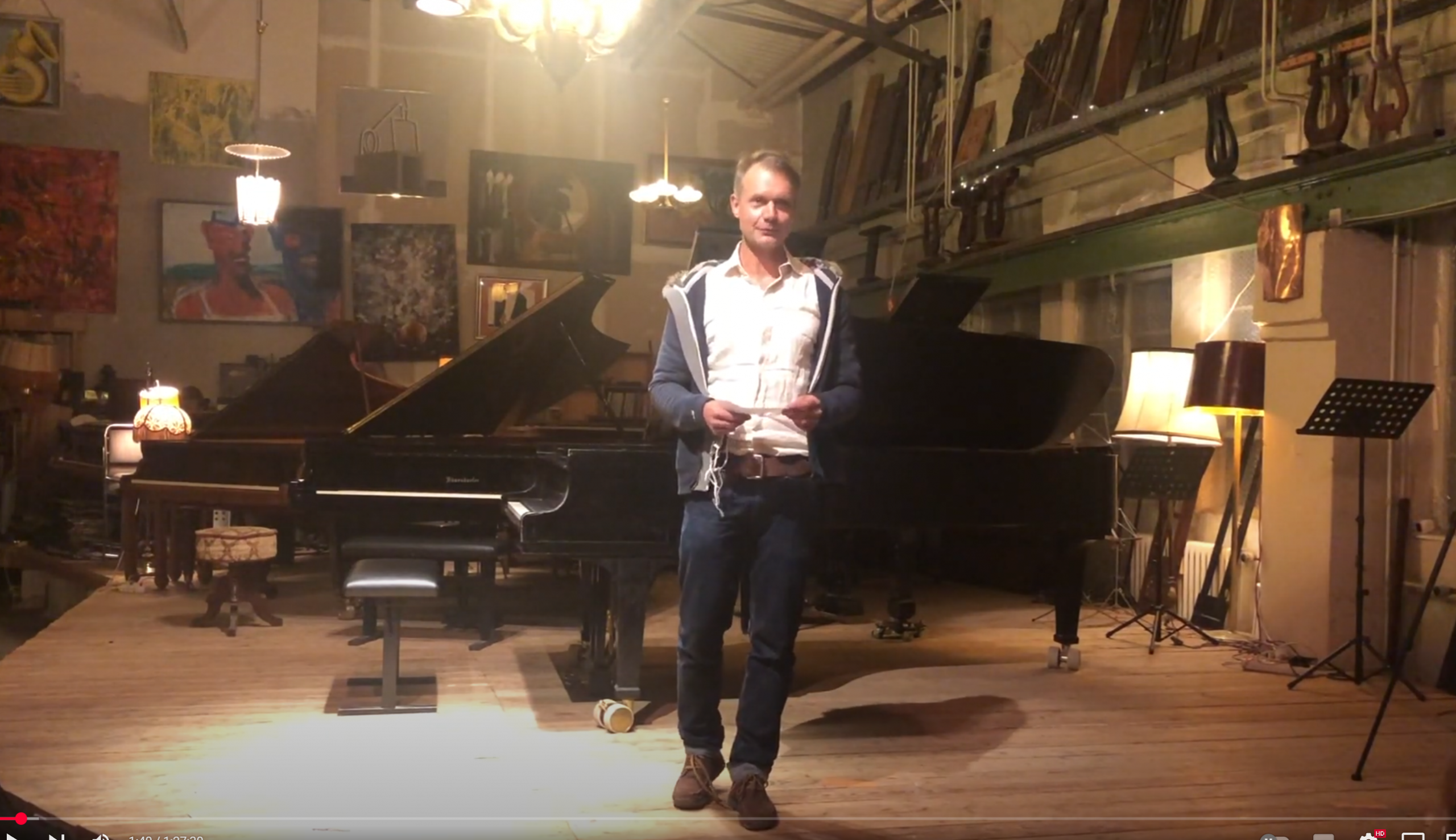
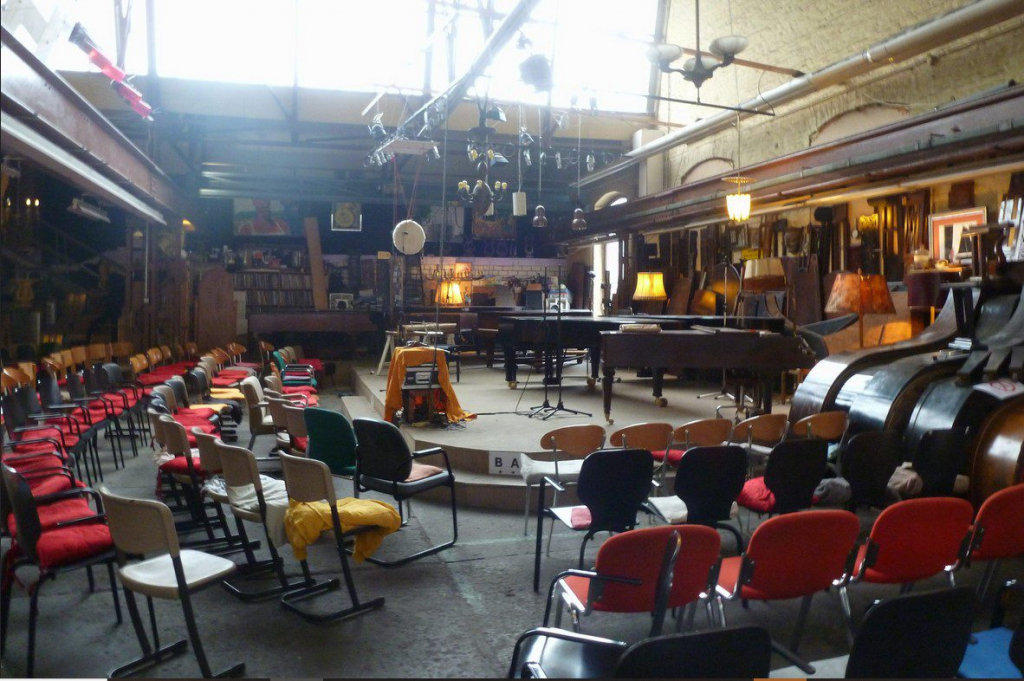
Founded in 1998, the Piano Salon Christophori in the listed Uferhallen in Berlin’s Gesundbrunnen district is a gem for piano lovers and those who aspire to become one. Solo, chamber, and jazz concerts with exquisite programs take place almost daily in the former tram depot, which salon founder Christoph Schreiber also uses as a workshop for the restoration of historic grand pianos. Numerous individual parts from the instruments adorn the walls of the 600-square-meter hall, which seats 199 spectators. Schreiber’s collection includes around 120 examples from two centuries of piano making, and just under a dozen are available to the artists in a playable state. The venue and workshop are named after Bartolomeo Cristofori, who developed the first fortepiano at the beginning of the 18th century.
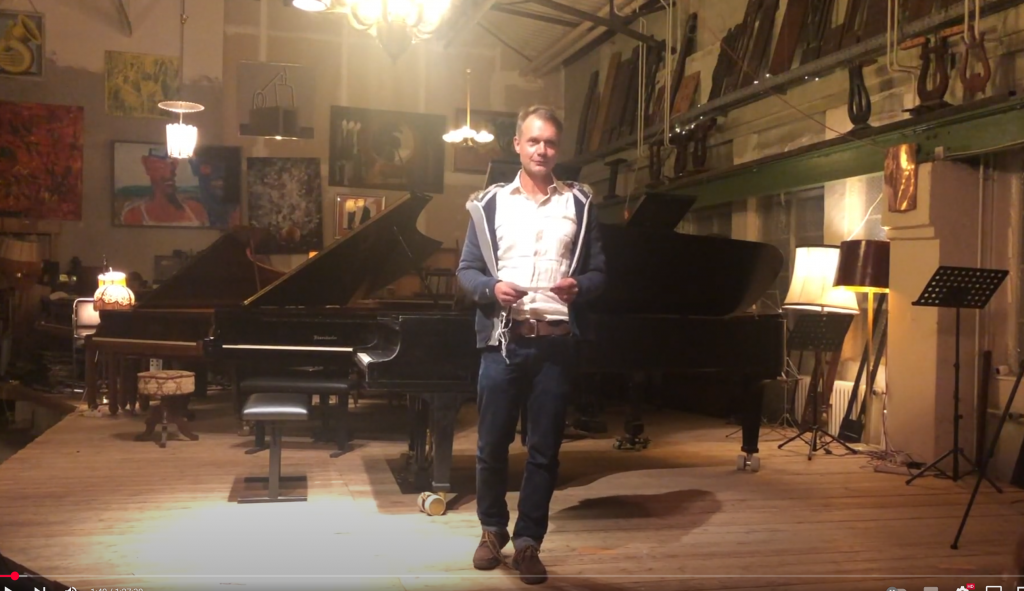
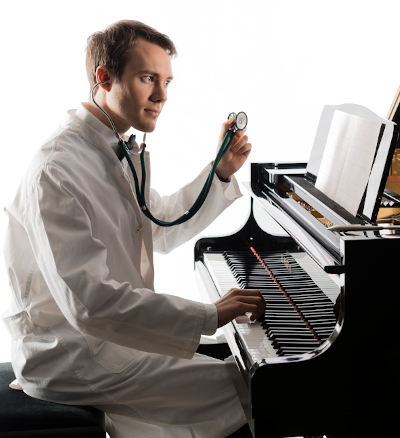
Christoph Schreiber no longer works as a doctor. He speaks about this profession in a tone that makes it clear he would be extremely reluctant to put on the white coat again. Now he has time for his passion. But that also means having to make time for his passion. Being a music promoter is a 24/7 job. He’s on the phone an incredible amount, has music and musicians to manage. And, of course, the family is still there, says the father of three.
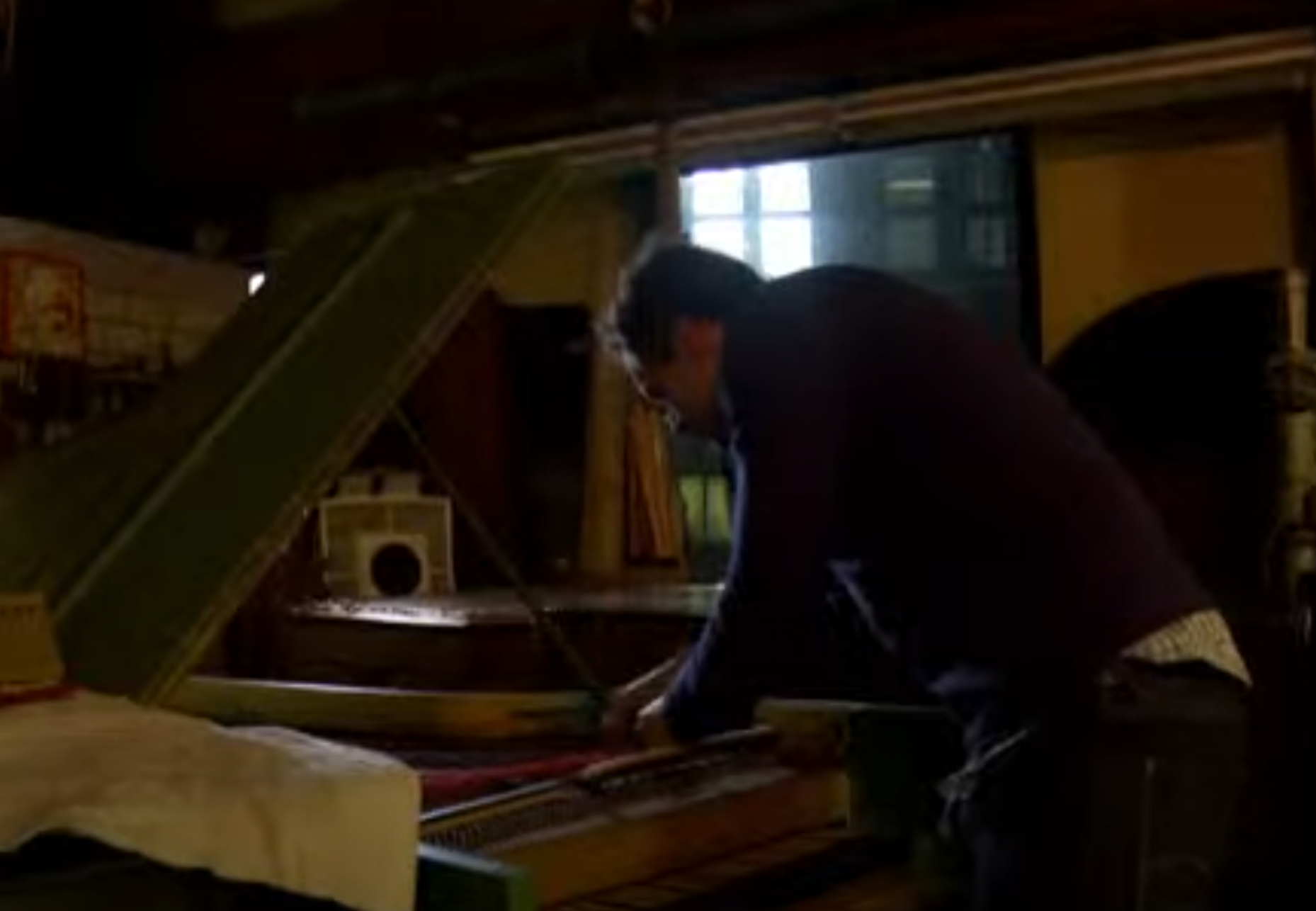
Christoph Schreiber’s true passion isn’t organizing concerts. His enthusiasm is for historical instruments. He’s gone from being a doctor for people to being a full-time doctor for pianos. In other words: Christoph Schreiber restores old grand pianos, upright pianos, and upright pianos. “I’d like to do more hands-on work,” he says. He sounds a bit regretful. But he doesn’t seem dissatisfied either. Apparently, life has now put him in the right place. Somewhere in a salon with over 100 historical pianos. Where he can afford to turn down commissioned restorations. Because it’s “too much effort to do it properly.”
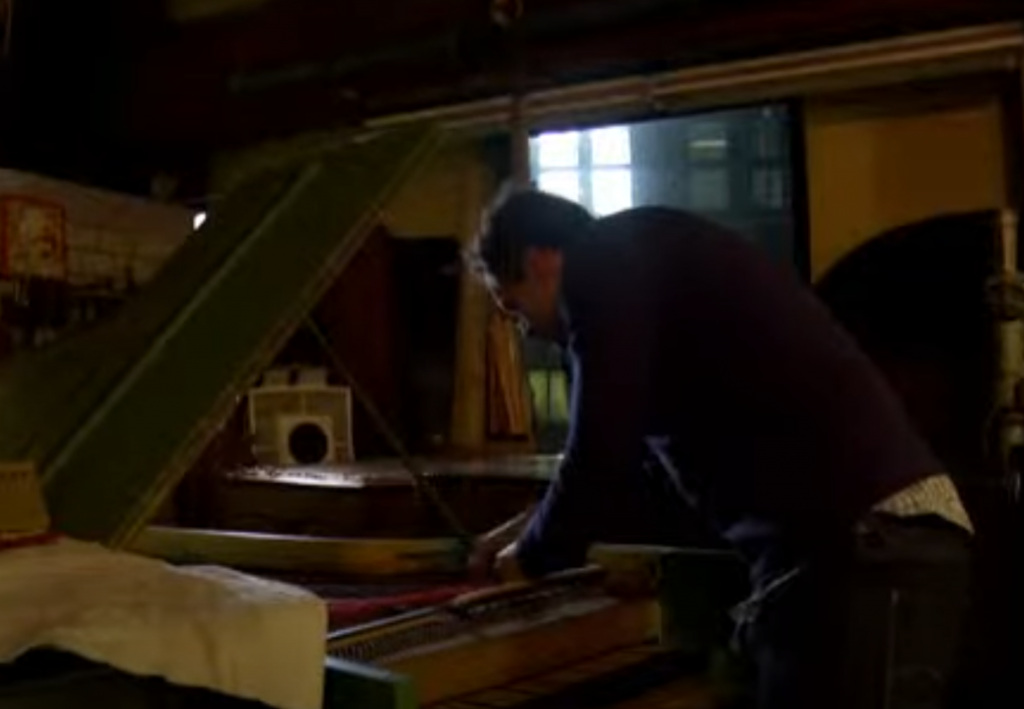
So he restores historic grand pianos for his own purposes—for concerts, for performances. He calls this part of his daily work “keeping it in concert condition.” He considers which instrument is right for a guest musician’s performance in his salon and repairs it. But he relies on the audience. And that has changed his habits during the lockdown years. In the piano salon, he says, he’s fortunate to attract a diverse audience, “even if the mix is less than before Corona.”
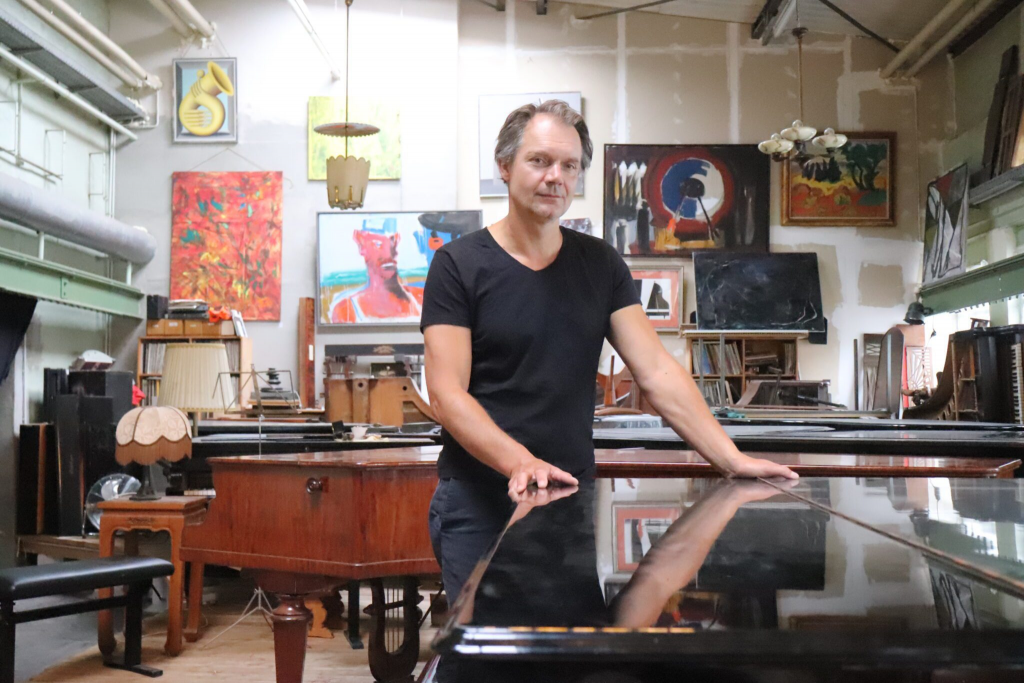
It’s noticeable that this sentence isn’t meant to sound plaintive, just descriptive. That’s why Christoph Schreiber speaks in the next sentence about responsibility and the task facing music promoters. As if to say, you have to bring people back. Convince them again. Re-engage them. His contribution: At the Piano Salon, students pay 15 euros for admission (the regular price is usually 25 euros). A drink is always included. And he encourages them to bring children. In his experience, most of them listen attentively.
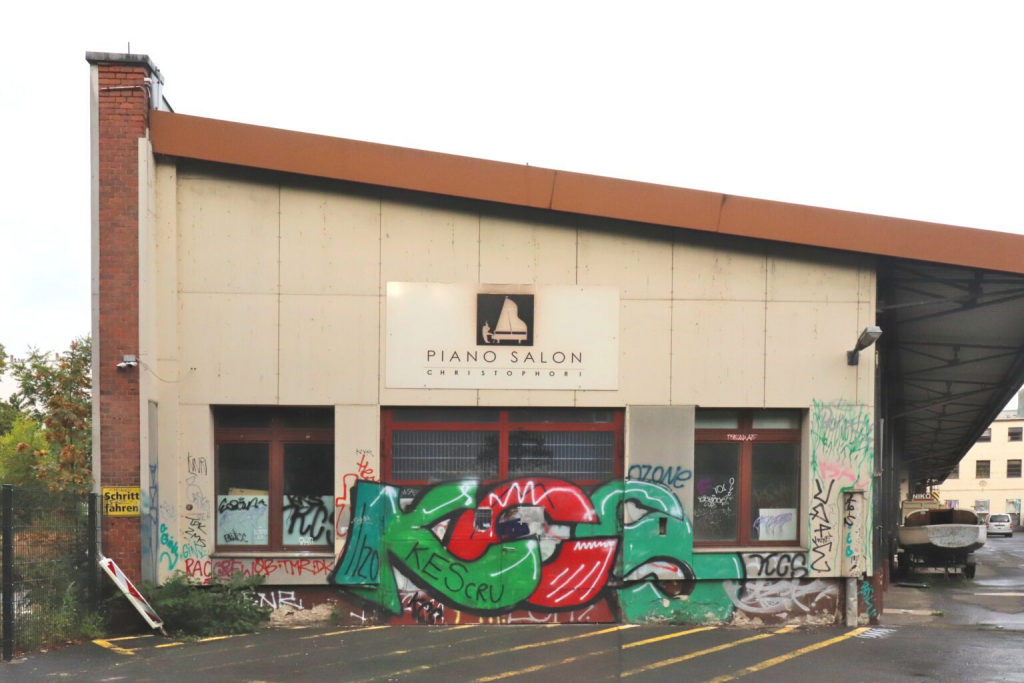
The music facilitator has set up 160 chairs in the warehouse. Previously, there were 199. People today don’t want to sit as tightly as they normally would a few years ago. And he organizes concerts on a donation basis less frequently, now generally setting fixed prices. Has the coronavirus pandemic also eroded the willingness to financially reward good performance, even without being asked? It’s a question everyone has to ask themselves to answer. Christoph Schreiber has to raise a good 5,000 euros a month for rent. Covid hasn’t changed the system of space for rent.
https://www.konzertfluegel.com
https://de.wikipedia.org/wiki/Piano_Salon_Christophori
Category : PianoDocs , theatreDocs
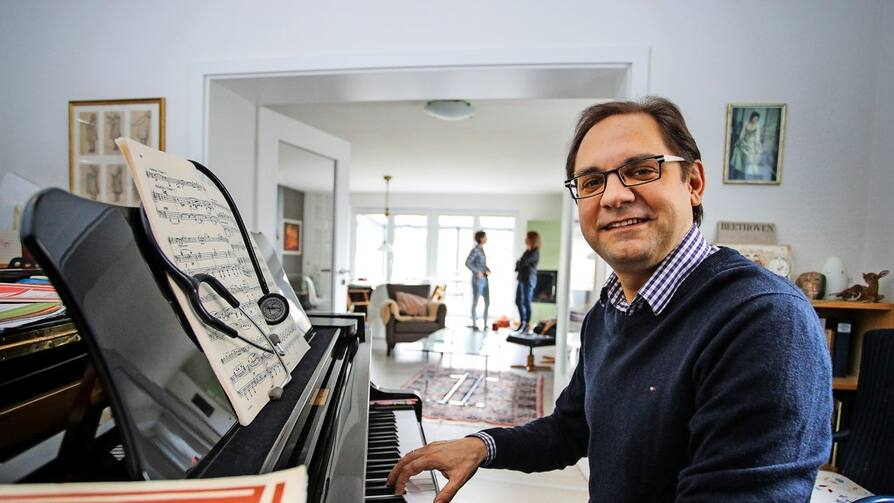
In addition to regular benefit concerts with piano solo programs, I am dedicated to musicians’ medicine. Since 2019, I have been a board member of the German Society for Music Physiology and Musicians’ Medicine.
Category : PianoDocs , TeacherDocs
Alexander Schmidt (born January 15, 1977 in Kiel) is a German neurologist and musician. He has been Professor of Musician Medicine at the Hanns Eisler Academy of Music in Berlin since 2014, where he directs the Kurt Singer Institute for Music Physiology and Musician Medicine (KSI), and since 2015, Director of the Berlin Center for Musician Medicine (BCMM) at the Charité. He has been a board member of the German Society for Music Physiology and Musician Medicine (DGfMM) since 2017 and its president since November 2019.
Alexander Schmidt completed his piano studies with Vladimir Krainew at the Hanover University of Music, Drama and Media, graduating with a diploma in music education, and subsequently studied medicine at the Hanover Medical School. He wrote his dissertation on the pathophysiology of musician’s dystonia: neuroplasticity and clinical genetics at the Institute for Music Physiology and Musician’s Medicine in Hanover under Eckart Altenmüller. After receiving his doctorate in 2009, he completed a neurological residency at the Department of Neurology at the University of Lübeck and the Ameos Clinic for Psychiatry and Psychotherapy in Lübeck. At the same time, as a research associate at the Institute of Neurogenetics, he headed the research group on endophenotypes of movement disorders. In 2016, he completed his habilitation in “Experimental Neurology” at the University of Lübeck on the topic of genetic and environmental causes of musician’s dystonia and other dystonia syndromes.
Schmidt conducts research in the field of musicians’ neurophysiology and neurological movement disorders, with a focus on focal dystonia in musicians. He is married to the pianist Saskia M. Schmidt-Enders and has six children.
https://de.wikipedia.org/wiki/Alexander_Schmidt_(Mediziner)
https://www.ln-online.de/kultur/regional/wenn-musik-krank-macht-JWGYNT36EK46PZ7IRXFQR3QWNQ.html
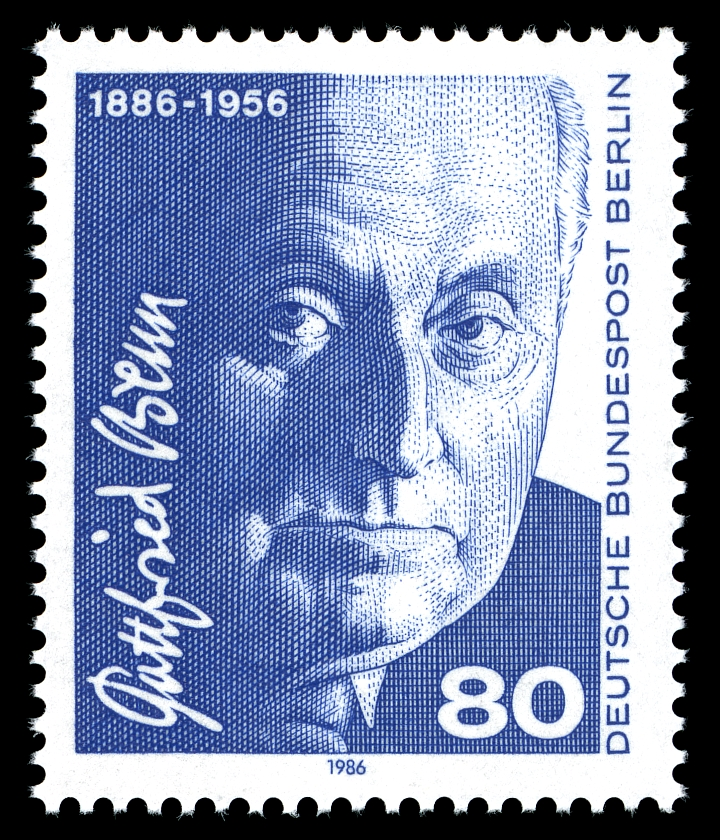
Category : StampDocs , WriterDocs
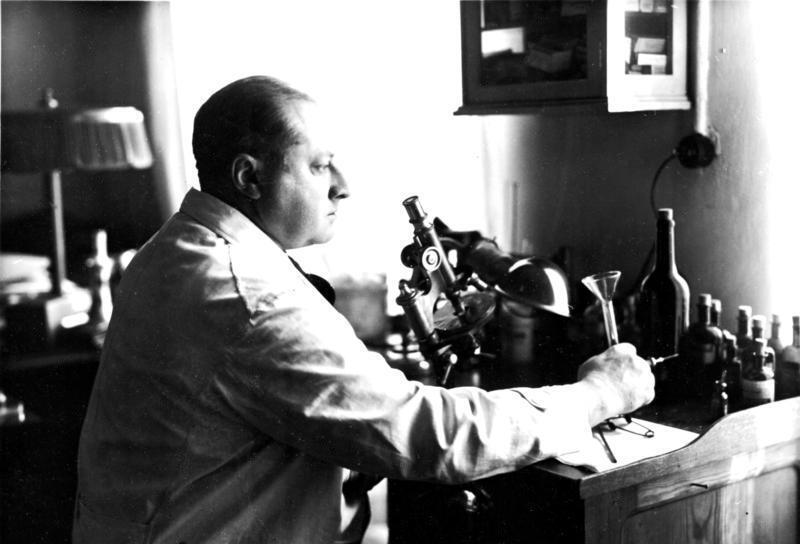
Gottfried Benn (May 2, 1886 in Mansfeld near Putlitz, Prignitz; July 7, 1956 in Berlin) was a German poet, essayist, and physician. He grew up as the son of a theologian in a rectory. After abandoning his theology studies, he successfully completed his medical studies. In 1912, his first volume of poetry, Morgue and Other Poems, was published. It caused a scandal due to its drastic choice of themes and casual expression and immediately made the author known as a representative of the newly emerging Expressionist poetry.
With the novella volume Brains, published in 1916, he made a significant contribution to Expressionist short prose. From then on, he pursued the civilizational critique of the Morgue poems in his essayistic work. In The Modern Self, he devoted himself to the question of the position of the individual in society.
Gottfried Benn is considered one of the most important German poets of modern literature. He first entered the literary scene as an Expressionist with his Morgue poems, which radically broke with conventional poetic traditions and strongly reflected impressions from his work as a doctor. Dissections and cancer and maternity wards are described with seemingly dispassionate nuance, and romantic titles like “Little Aster” arouse expectations that are then blatantly disappointed.
The rights to the work are now held by Klett-Cotta Verlag.
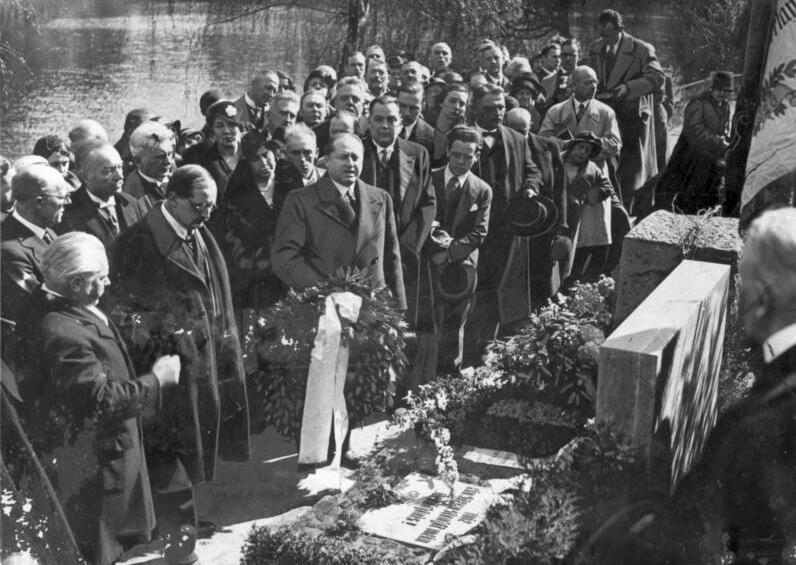
From the beginning, Benn wrote essayistic, poetically avant-garde, and autobiographical prose works. After 1945, he surprised the public with the novel Phenotype, on which he had been working since at least 1944.
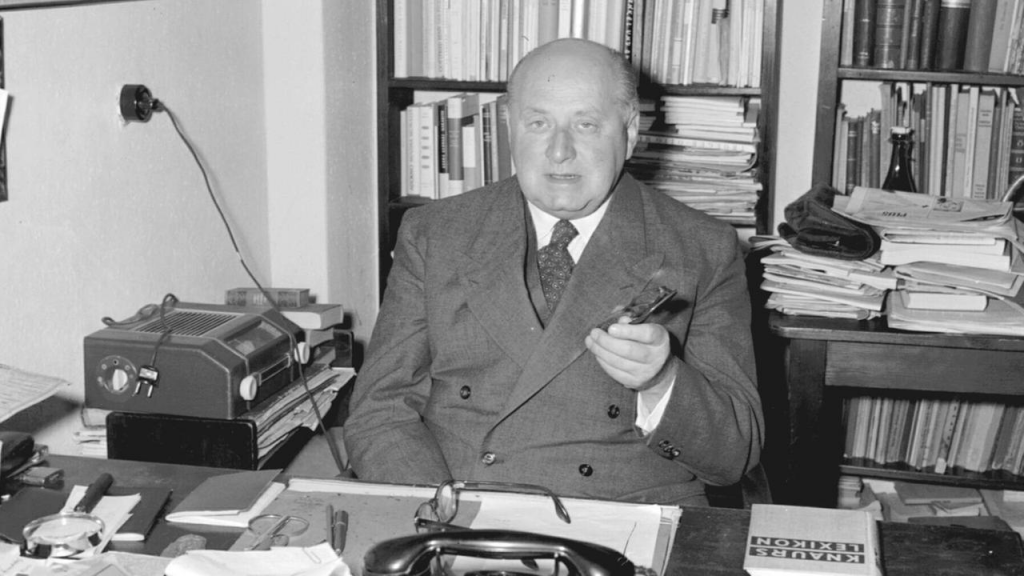
https://de.wikipedia.org/wiki/Gottfried_Benn
https://www.deutschlandfunk.de/der-gottesleugner-gottfried-benn-das-gezeichnete-ich-102.html
Category : OrchestraDocs
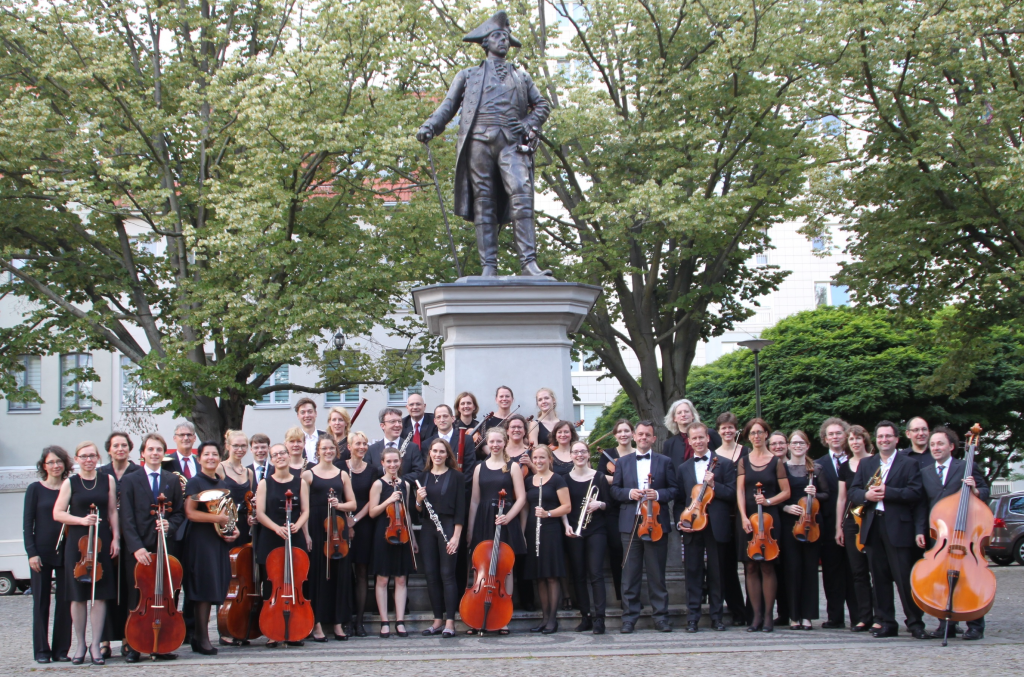
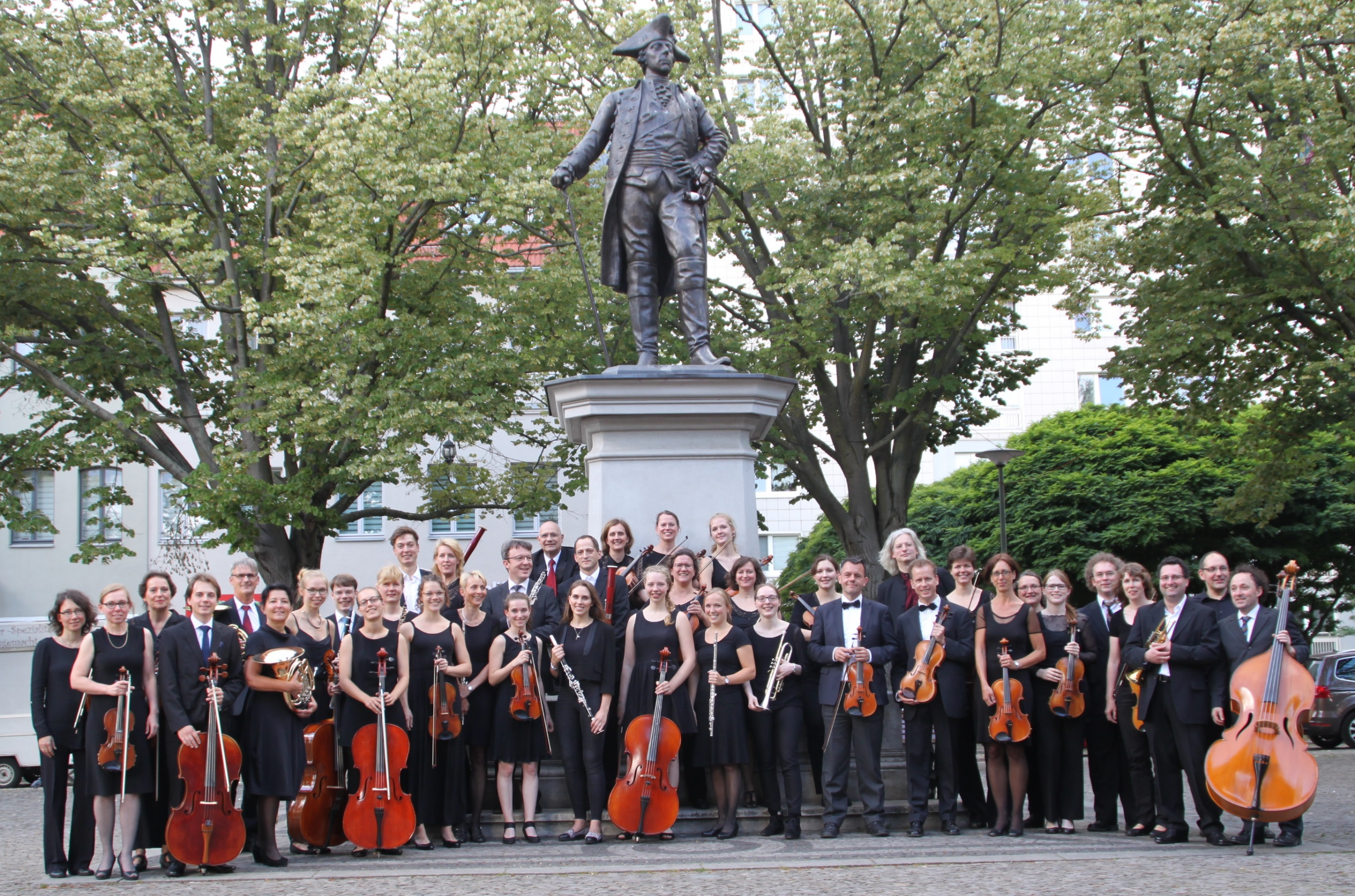
The MUSICI MEDICI was founded in 1981 from a chamber music group at the Biochemical Institute of the Humboldt University of Berlin and for many years consisted almost exclusively of medical students. Today, the orchestra has 35 members, about half of whom are physicians, along with other natural scientists and representatives of other disciplines. The proportion of medical students currently stands at about 15 percent.
Details + Dates: http://musicimedici.de
Category : ComedyDocs , MagicDocs
No one should later claim they weren’t warned:
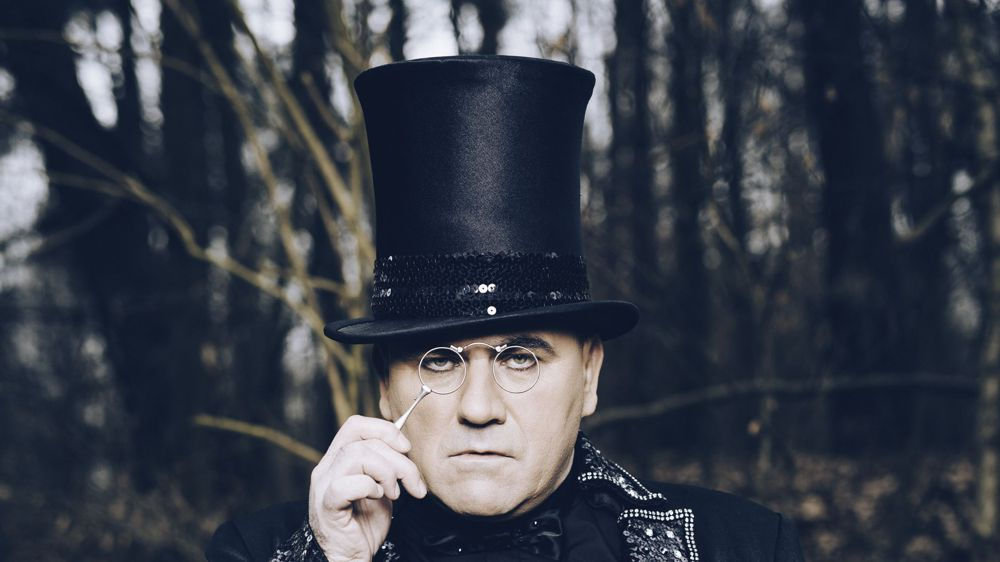
The magic shows of dentist Franz, aka André Hieronymus, are not for the sunny-natured.
No glittering curtain, no scantily clad assistant, no half-hour of fussing over a single rabbit trick.
Hieronymus’ magic is short and painful, with no feel-good guarantee, but guaranteed to be funny!
Talk to your doctor or psychologist about risks and side effects.
Category : JournalistDocs
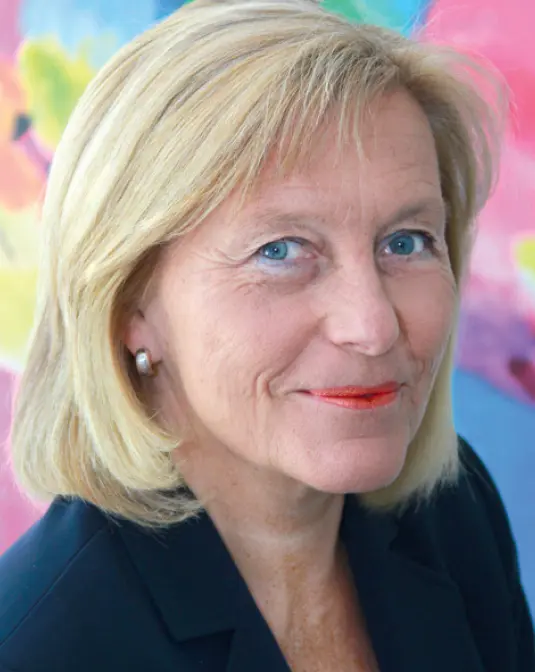
Dr. Vera Zylka-Menhorn cannot yet reflect on her life’s work; born in 1954 she certainly still has a lot planned. After all, she has been a medical journalist for exactly 20 years. On April 25, she was awarded the Walter Trummert Medal by the Association of German Medical and Professional Press in recognition of her overall achievements. Prof. Dr. Peter Sefrin, the chairman of the association, presented her with the award in Wiesbaden, where medical journalists meet every year for the Internal Medicine Congress.
Zylka-Menhorn, born on May 3, 1954, studied medicine in Cologne (1972 to 1979) and further trained to become a specialist in anesthesiology. What attracted her to anesthesiology was “the atmosphere in the operating room.” In 1986, she changed careers and became a journalist, initially at the “Welt” newspaper (1986 to 1990), then successfully working freelance, finally joining Deutsches Ärzteblatt in 1993. There, Zylka-Menhorn is responsible for the “Medizinreport” (Medical Report), which primarily focuses on current medical reporting and commentary. Zylka-Menhorn is committed to providing truthful information about new products and procedures. She is not afraid to speak her mind. Roche Diagnostics is the founder of the Walter Trummert Medal, named after a former editor-in-chief of the Münchner Medizinische Wochenschrift (Munich Medical Weekly).
At the same time, the Bayer Health Care European Journalism Award was presented. It was noted with praise and a touch of irony that two competing companies were jointly participating in such an event. Although the teams sat at separate tables, they had one goal: to honor critical journalism.
She headed various departments at Deutsches Ärzteblatt.
https://www.aerzteblatt.de/archiv/editorial-760624db-f544-45c8-928f-6656da6db682
https://www.aerzteblatt.de/archiv/editorial-68323c31-a362-49fa-8328-d47492d13c96