Manfred Lütz
Category : CharityDocs , ComedyDocs , radioDocs , SpiritualDocs , TV-doc , WriterDocs
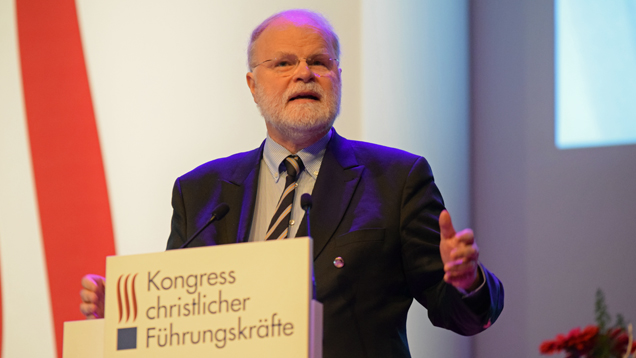
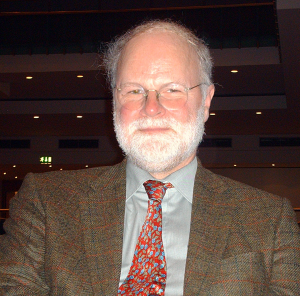
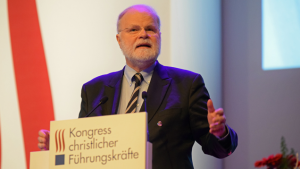
Manfred Lütz (born March 18, 1954 in Bonn) is a German psychiatrist, psychotherapist, Roman Catholic theologian, Vatican advisor, and author. He headed the Alexianer Hospital in Cologne from 1997 to 2019.[1]
Lütz studied medicine, philosophy, and Catholic theology in Bonn and Rome. He obtained his medical license in 1979 and his diploma in Catholic theology in 1982. During his studies, he became a member of the KDStV Bavaria Bonn in the CV.
Social Commitment
Manfred Lütz founded the inclusive youth group “Brücke-Krücke” in Bonn in 1981, in which disabled and non-disabled young people and young adults from Bonn and the surrounding area work together without professional supervision.[3][5] Since then, Lütz has volunteered for the initiative,[6] which is affiliated with the Catholic Youth Agency in Bonn. He organizes annual trips and participates in events. The group includes approximately 200 disabled and non-disabled people.
Church and Vatican Advisor
Pope John Paul II appointed Lütz a consultant to the Congregation for the Clergy in 2003.[7] In the same year, he organized a congress in the Vatican on the topic of “Abuse of Children and Young People by Catholic Priests and Religious.”[3] From 2006, he was part of the Pastoral Office’s working group in the Archdiocese of Cologne, responsible for processing and investigating cases of sexual abuse of minors by clergy and lay people in pastoral ministry.[8] Lütz himself served under three popes until 2016 as a member of the Pontifical Council for the Laity.[9] He contributed as an advisor to the creation of the Youth Catechism, Youcat.[10] He was a corresponding member of the Pontifical Academy for Life from the beginning of the 2000s, and a full member from 2004, to whose board he was appointed in March 2005 for a term until 2010.[12] After the restructuring of the Academy as part of the Curia reform, he was reappointed as a full member by Pope Francis in 2017 and is considered a supporter of the opening and renewal of the body implemented by the Pope.[13]
Pope Francis appointed him a member of the Dicastery for Laity, Family and Life on October 6, 2018.
Author and Media Presence
After his essay “The Blocked Giant: Psycho-Analysis of the Catholic Church” (1999), which received primarily internal attention, Manfred Lütz has been active as an author for a wider audience since 2002 and has gained greater recognition through several bestsellers.[2][3][9][16] In his books, he addresses general topics of lifestyle and modern culture, religion, and the conditions in the Catholic Church and psychiatry from the perspective of a psychotherapist, sometimes with humor and satirical slant. Manfred Lütz has also been active and in demand for many years as a lecturer, speaker, and interviewee. Lütz has also occasionally performed as a cabaret artist since 2006.[17] He has frequently participated in television programs as a discussion partner on psychiatric and psychotherapeutic topics and took part in prominent talk shows as a church expert in the run-up to the conclaves of 2005 and 2013.[18][19][20] In March 2013, he accompanied the live broadcasts of the papal election at the 2013 conclave and the subsequent events of the inauguration of the new pope in Rome as a commentator for ZDF and Phoenix.
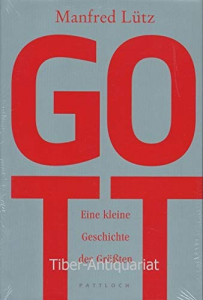

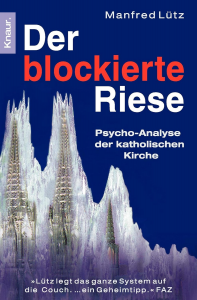
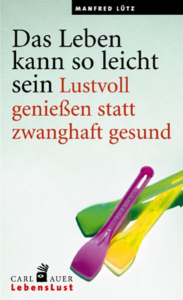
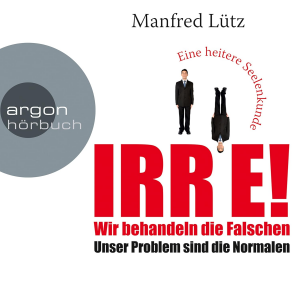

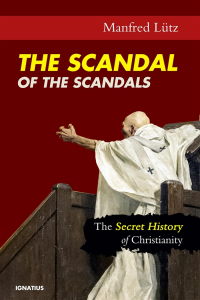
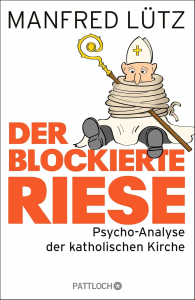



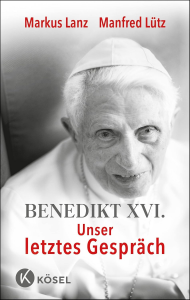
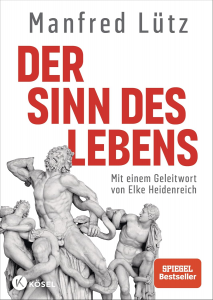
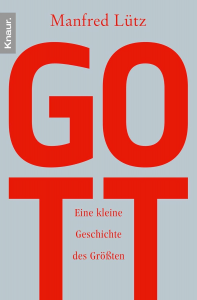

Manfred Lütz’s best-known book is entitled “Crazy! We Treat the Wrong People. Our Problem Are the Normal People” (2009), the paperback edition of which spent 106 weeks on the Spiegel bestseller list.[22] In 2013, it resulted in a television show with the Cologne cabaret artist Jürgen Becker.[23] His book “Bluff: The Falsification of the World” (2012) was also at the top of the Spiegel bestseller list.[16] Other frequently cited books are “Lust for Life: Against Diet Sadists, Health Craze, and the Fitness Cult” (2002), “God: A Short History of the Greatest” (2007), and “How You Will Inevitably Become Happy: A Psychology of Success” (2015). In 2016, he published a volume of conversations with the Auschwitz survivor Jehuda Bacon. His 2018 book The Scandal of Scandals was one of Herder Verlag’s two best-selling titles in 2018.
In various articles, for example in the Frankfurter Allgemeine Zeitung (FAZ), Lütz emphasized in 2010 that abuse by Catholic priests was worse than any other abuse, but at the same time rejected the idea of scapegoating the church and ignoring the social context of the 1970s. He sees the left-wing scene as the cause of the abuse. On the contrary, he argues that the “structures of the church are even helpful” when it comes to solving cases of abuse.[25] Society as a whole bears responsibility here.[26] In 2018, he commented on the so-called “MHG study”[27][28] published by the German Bishops’ Conference, calling it “spectacularly unsuccessful.”