William Carlos Williams

  • -

William Carlos Williams

Category : WriterDocs
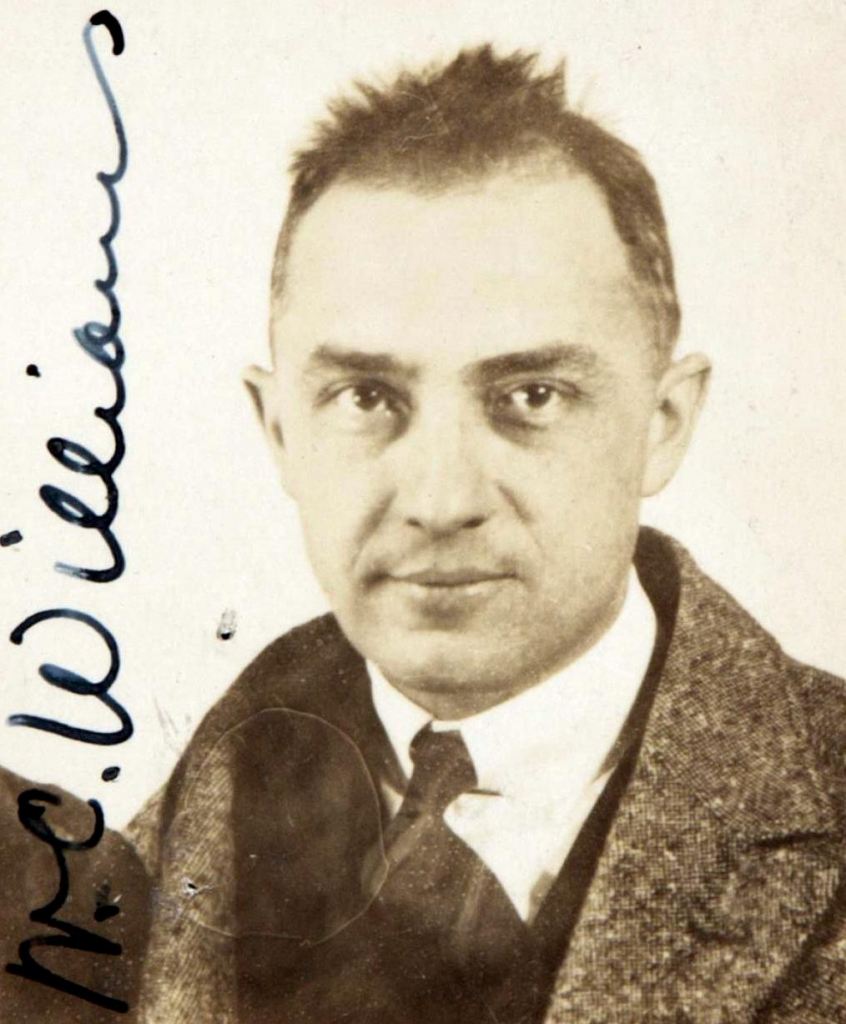
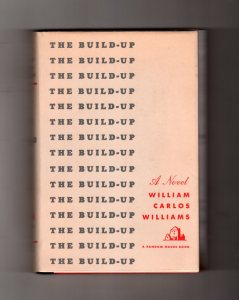
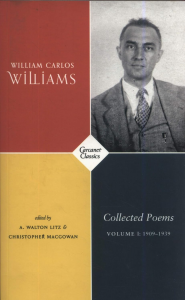
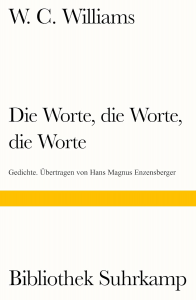
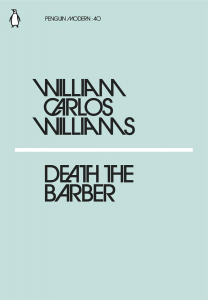
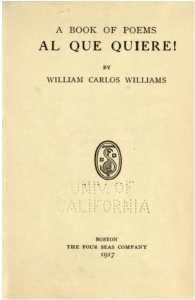
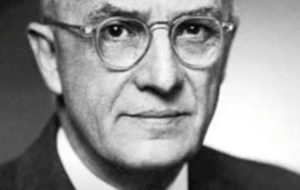
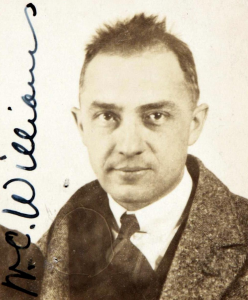
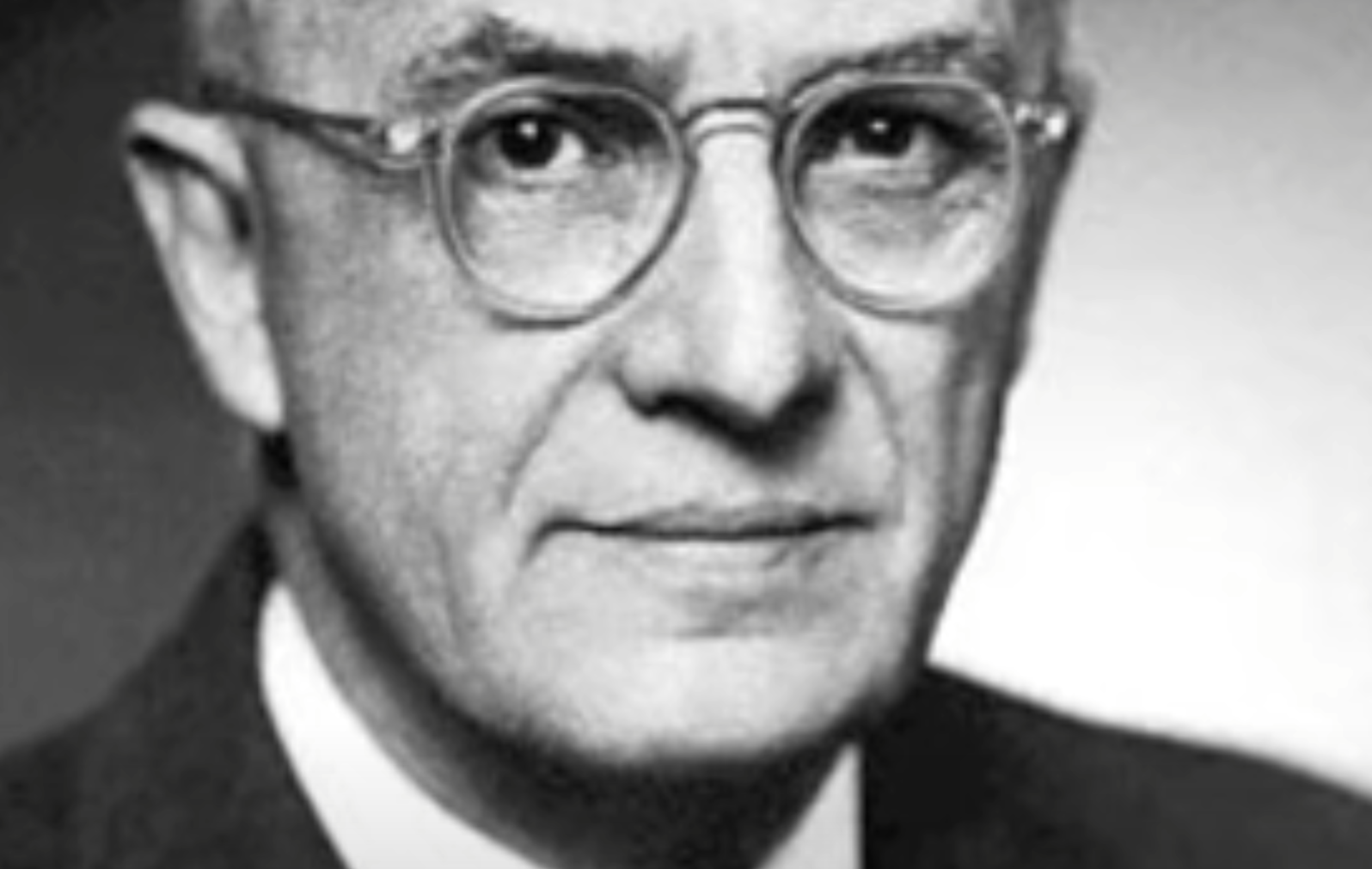
William Carlos Williams (September 17, 1883, Rutherford, New Jersey – March 4, 1963, ibid.), often abbreviated to WCW, was an American physician and poet.

Williams’ life quickly became entirely centered – apart from his travels in Europe – in his hometown of Rutherford, New Jersey, where he practiced medicine (M.D.) since 1910.

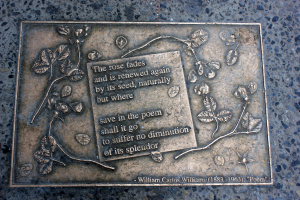
In addition to his writing, Williams was a long-time physician, practicing both pediatrics and general medicine. He was affiliated with Passaic General Hospital, where he began serving as chief of pediatrics from 1924 until his death. The hospital, now called St. Mary’s General Hospital, honored Williams with a plaque bearing the inscription, “We walk the paths Williams walked.”

In contrast to Pound, who was inspired by European models, William Williams, in his collection of essays “In the American Grain” (1925), called for a simple yet avant-garde poetry that should be oriented towards spoken language and everyday American life.

Williams writes in his autobiography, published in 1951[5]: “Ezra has always been very careful to bridge the gap between my educational deficiencies and his sovereign scholarship. Since he treats me in no way patronizingly in this regard, I allow it. It genuinely grieves me that my literary knowledge is so far inferior to his. I respect his discomfort and try my best to accommodate his well-intentioned efforts.”[6] If Williams was less well-versed in European literature than Pound, he endeavored to remedy this deficiency on his European tour, as he met with well-known European writers, intellectuals and painters, especially in Paris.
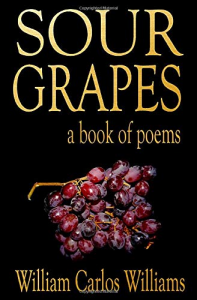
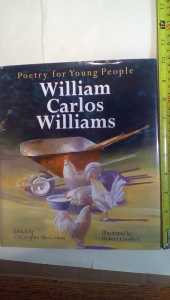
His early poems were still strongly influenced by European Dadaism and Surrealism. In 1923 he wrote his most famous poem to date, “This is Just to Say.”[10] Together with Pound and Eliot, he joined the Imagists, an Anglo-American literary movement, around 1912. His friendship with Pound later broke down due to artistic differences of opinion and Pound’s support for Italian fascism, but this did not prevent him from visiting Pound, who was interned in the USA (see autobiography).
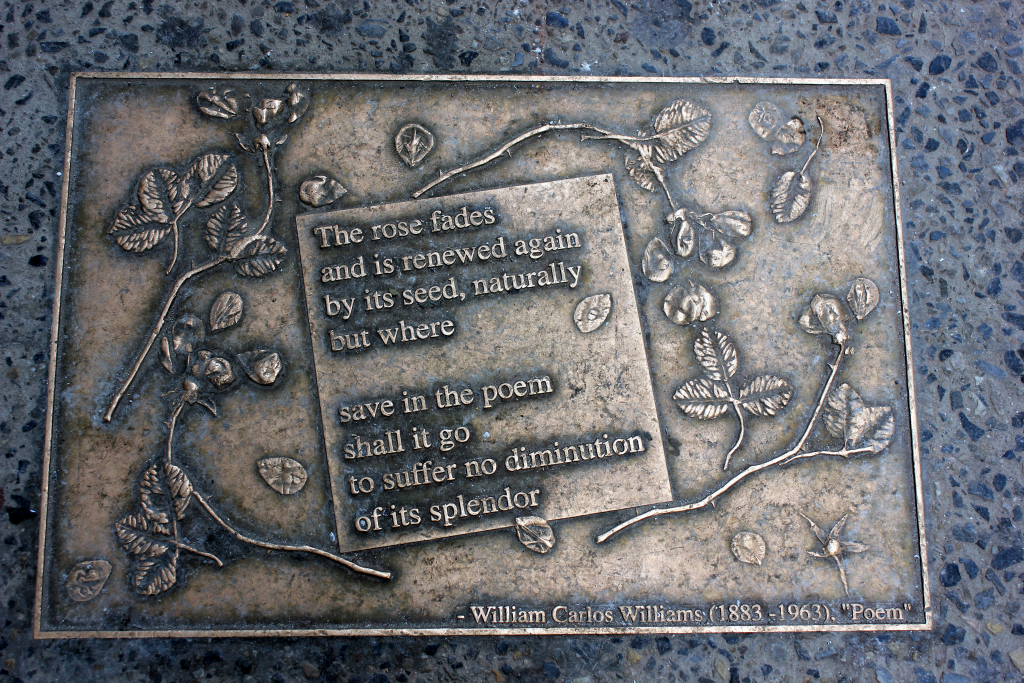
As a result of his third stroke (the first was in 1951) in October 1955, he suffered paralysis, which slowed his work pace. Nevertheless, he taught himself to type on an electric typewriter with his non-paralyzed hand.

At the age of 79, poet-physician William Carlos Williams died in March 1963 in Rutherford, New Jersey, after another series of severe strokes.

Audio William Carlos Williams https://writing.upenn.edu/pennsound/x/Williams-WC.php
https://de.wikipedia.org/wiki/William_Carlos_Williams

https://en.wikipedia.org/wiki/William_Carlos_Williams


  • -

John Diamond

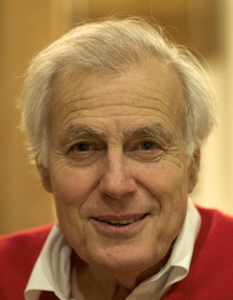
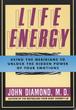
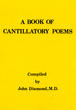
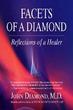
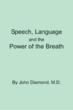
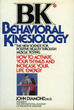
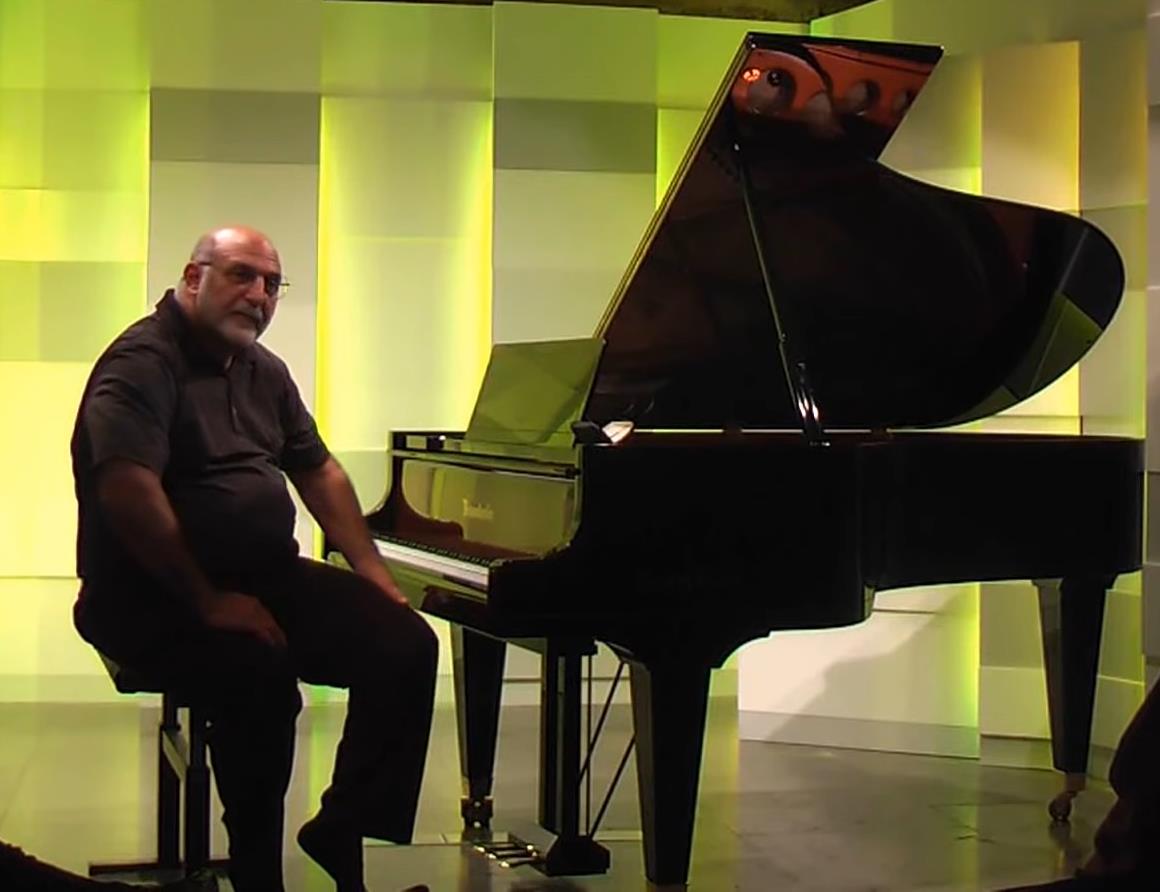
John Diamond (9 August 1934 – 25 April 2021) was a physician and author on holistic health and creativity

Diamond married three times. His first wife was Suzanne Gurvich, with whom he had three children, Ian, Kathie, and Peter. In the 1970s he married Betty Peele, and in 1994 the opera singer Susan Burghardt.[2] For many years, Diamond played drums in a jazz band which he founded, named the Diamond Jubilators. The band performed in hospitals and nursing homes.[2][1] He enjoyed photography and painting in the final years of his life.

ohne John Diamond, aber sicher ähnlich hat es MIT ihm geklungen!
without John Diamond, but it surely sounded similarly WITH him!

Website

https://www.youtube.com/@JohnDiamondMD

LifeEnergyArts

https://en.wikipedia.org/wiki/John_Diamond_(doctor)


  • -

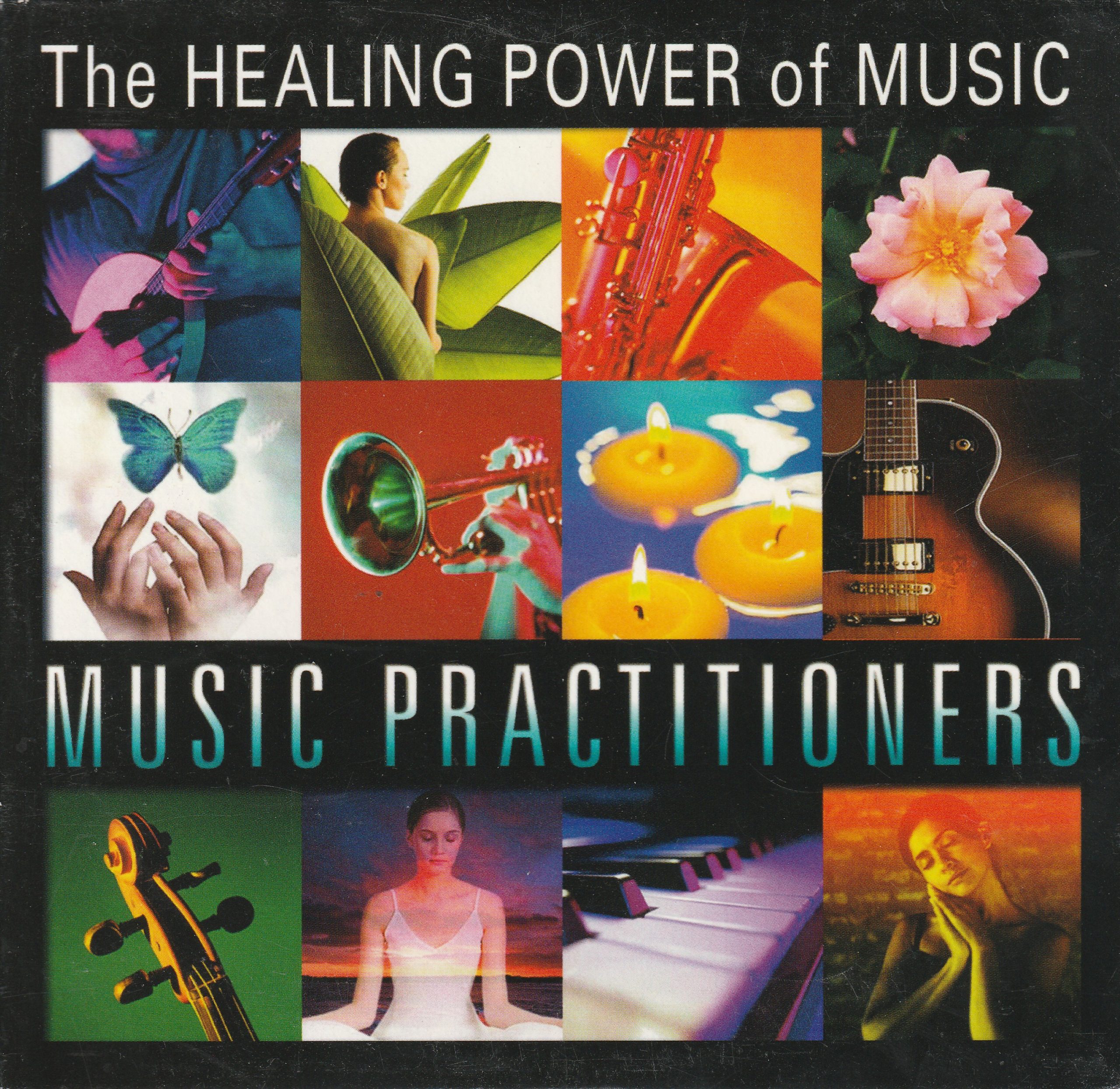
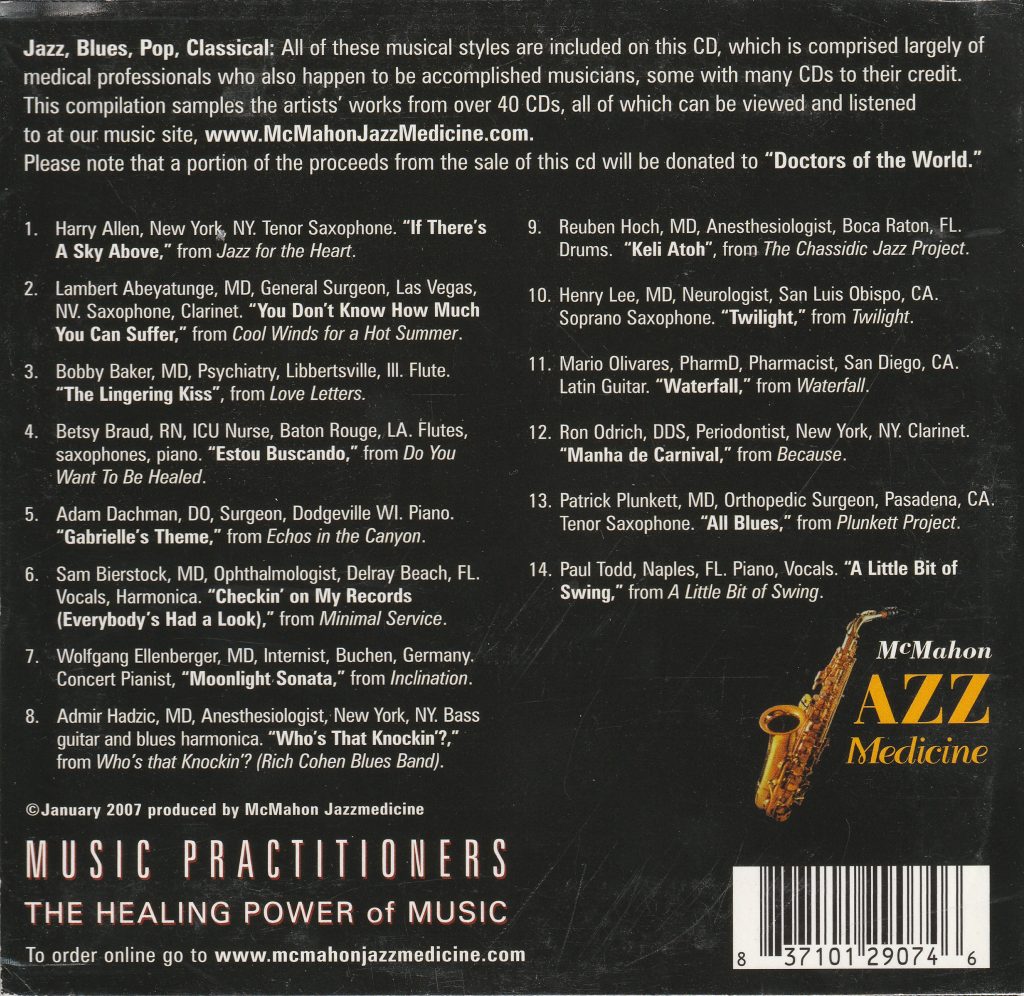
CD The Healing Power of Music | McMahonJazzMedicine

CD The Healing Power of Music | McMahonJazzMedicine

Adam Dachman

Sam Bierstock

Wolfgang Ellenberger


  • -

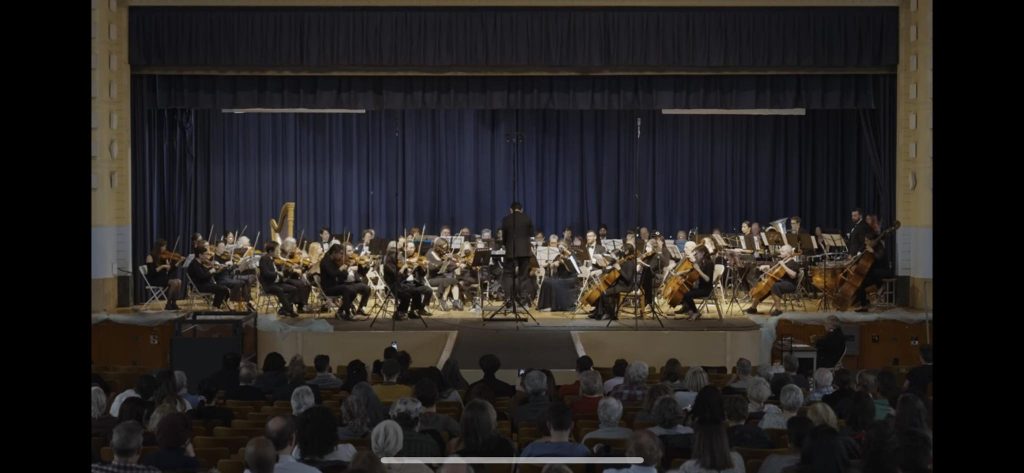
Doctors’ Orchestral Society of New York

Die DOSNY wurde 1938 von Ärzten gegründet und führte symphonische Musik unter Ignatz Waghalter auf. Bis zu sechs Konzerte jährlich finden in den bekannten Konzertsälen statt, Carnegie Hall, Town Hall und in der Avery Fisher Hall.

DOSNY was founded in 1938 by physicians interested in performing symphonic music under the direction of Ignatz Waghalter. In recent years it has added community musicians representing the diverse professions in the New York metropolitan area.

The Doctors’ Orchestra performs four to six concerts annually, often donating its services for benefits. Depending on the music, the orchestra performs concerts with between 50 and 60 members. The orchestra has performed in New York’s major concert halls including Carnegie Hall, Town Hall and Avery Fisher Hall.

web

youtube

facebook

instagram


  • -

Ben Schwartz

Category : CartoonDocs

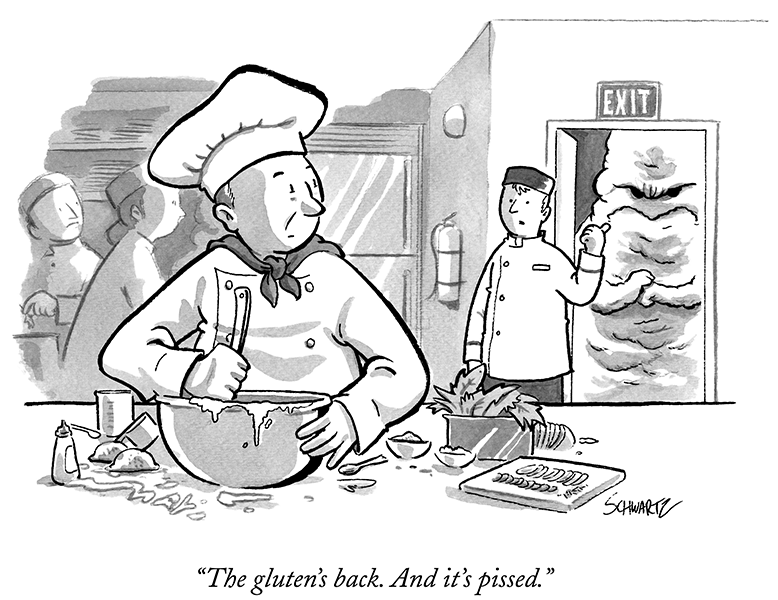
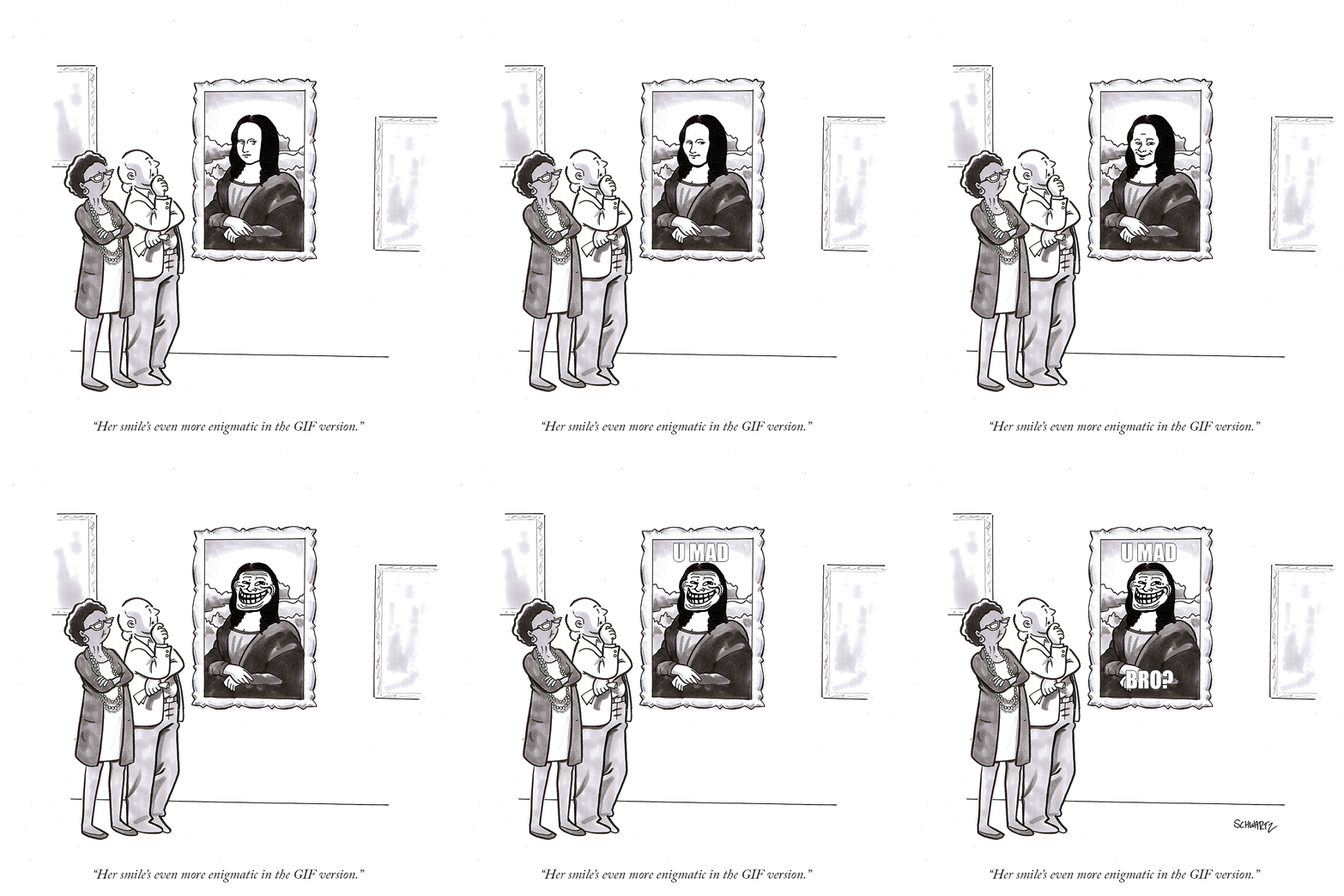
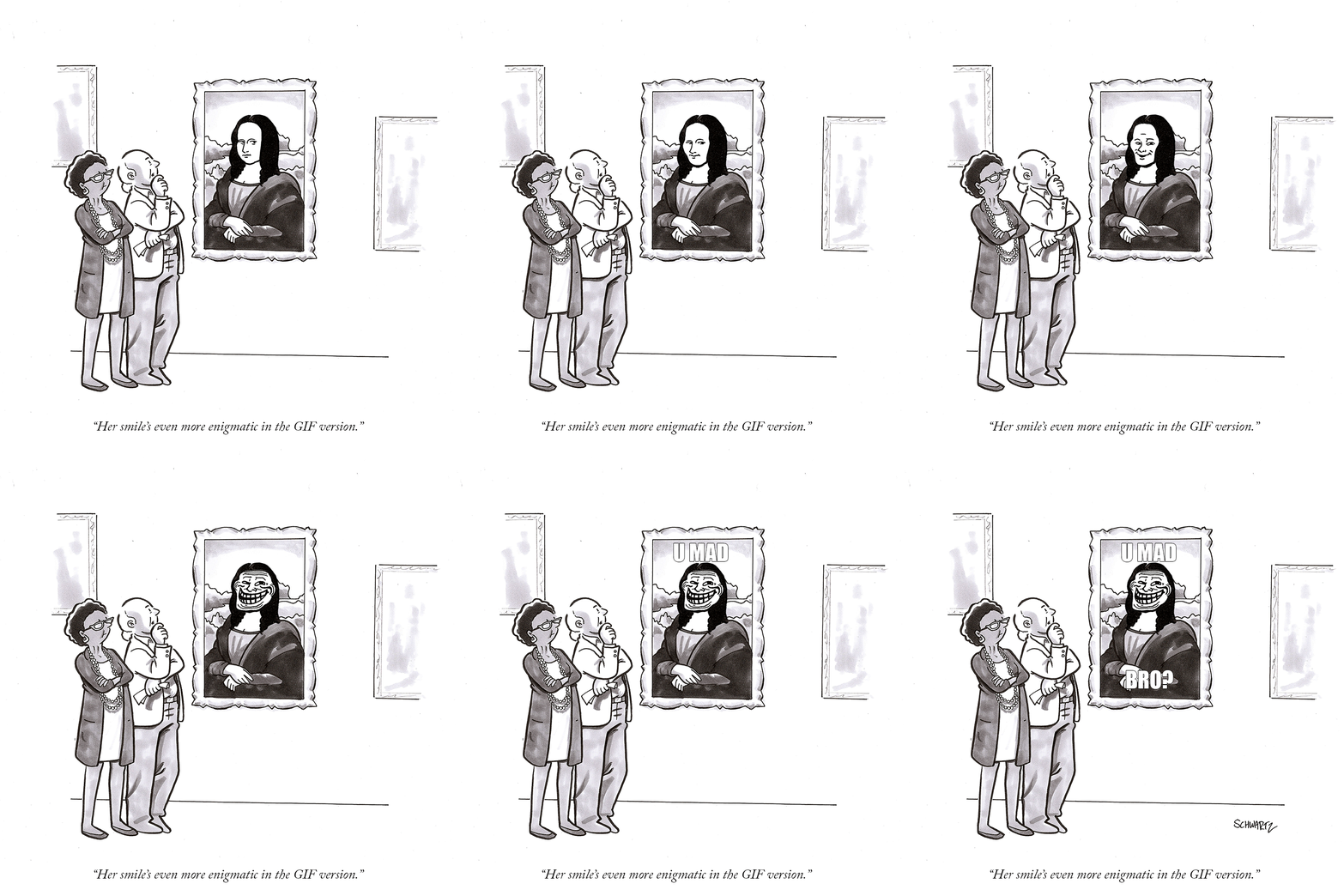
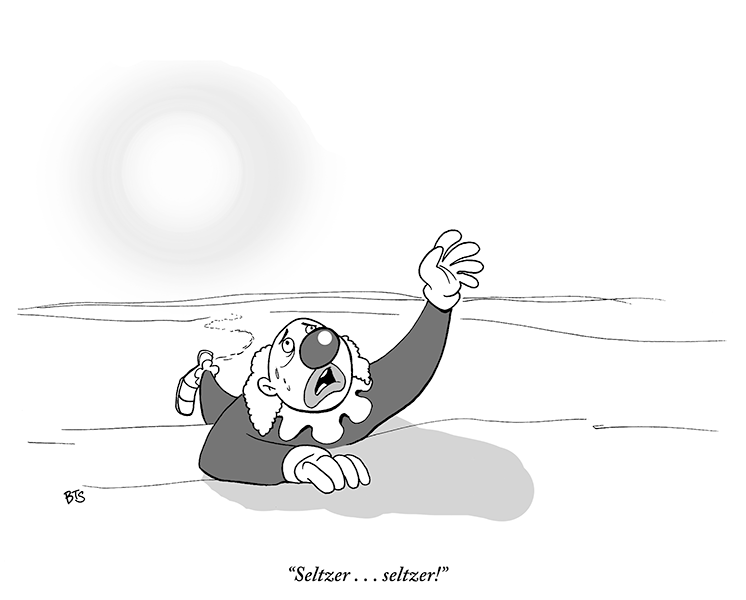
Ben Schwartz’s path to cartooning happened by way of a long flirtation with a medical career. He entered college planning to fulfil his premed requirements, dropped that after a year (opting for a psychology major), then returned to the sciences just in time to prepare for admission to Columbia’s College of Physicians and Surgeons. Through all of his studies, one thing stayed constant: He drew.

Schwartz made it all the way through his first year as a resident in internal medicine before drawing comics full time. His work regularly appears in The New Yorker and he illustrated the recently published A is for Artisanal: An Alphabet Book for the Hip, Modern Baby. His career has also brought him back to medicine in ways he didn’t expect.

In 2012, Columbia’s Department of Ophthalmology approached Schwartz about developing a comics-based curriculum for its students. He was later asked to teach in Columbia’s Narrative Medicine program, which helps doctors both understand and communicate the patient stories that might not appear on charts. In both areas, Schwartz shares the grown-up value of comics for doctors-in-training.
Q: Where do your ideas for New Yorker cartoons about doctors come from?
A: A lot about medicine lends itself to humor. There’s a very strange power dynamic when you have one person who’s essentially in a costume, with the white coat and the equipment, and another person who’s nearly naked just sitting on a table.

Q: Not all of your work is humorous. You’re currently working on a comics-based curriculum for ophthalmologists.
A: It’s an area where the medium suits the message really well. What we’re talking about in med school is not all abstract and conceptual. We’re talking about anatomy and pathophysiology, things where the visual information is a big part of what you need to know. You need to know where this organ is in relation to this other organ.

It’s natural to teach all of this through a visual medium. Comics have the added bonus of being told through panels. This helps break down complex content into more manageable chunks.

But beyond that, the associations people have with comics make this very complex material more approachable. As a cartoonist, I sometimes fight against the perception that comics are necessarily “kid stuff.” But as an educator, those playful associations are an advantage when you’re disseminating information to stressed-out med students.

Q: You went to medical school yourself. Did cartooning skills ever come in handy?
A: I spent a month doing an elective in narrative medicine, a subject I now teach a class in. Narrative medicine basically teaches students how to better interpret—and tell—the stories of illness and recovery they will encounter as doctors. I spent that class working on a children’s book. The subject was actually a real downer, a child dealing with the death of a parent. That month, all I did was think about this sad story, and how I could bring it to life. Despite the subject matter, it was my favorite month of medical school. It convinced me that maybe there was a value to the space between medicine and art.

Q: What makes cartooning so well suited to teaching?
A: First, I don’t think that cartooning is so special in that regard. All these creative exercises in our field—fiction, poetry—help students focus on this larger idea that doctors are storytellers. Cartooning is just one route to get to that.

That said, I happen to think it’s a pretty good starting point, with unique lessons.

Q: Can you give an example?
A: I do a whole lesson that starts out teaching artistic perspective and how cartoonists use it to enhance narrative perspective. Students tell one story from the doctor’s point of view, then from the patient’s point of view. They explore the physical angle of the doctor standing above the patient, and what effect that has on the story emotionally. From the perspective of the doctor, the patients might seem fragile, or even pathetic. Then when students think about the patient’s perspective, the doctor could appear heroic, standing above, or judgmental, looking down.

It’s a way of understanding what happens in doctors’ offices. It changes when you think about it visually. 

New Yorker

collection | Sammlung cartoons on google

article | Artikel Massachussetts hospital

article | Artikel Columbia News

article | Artikel DoctorsWhoCreate

instagram

twitter


  • -

Richard Kogan

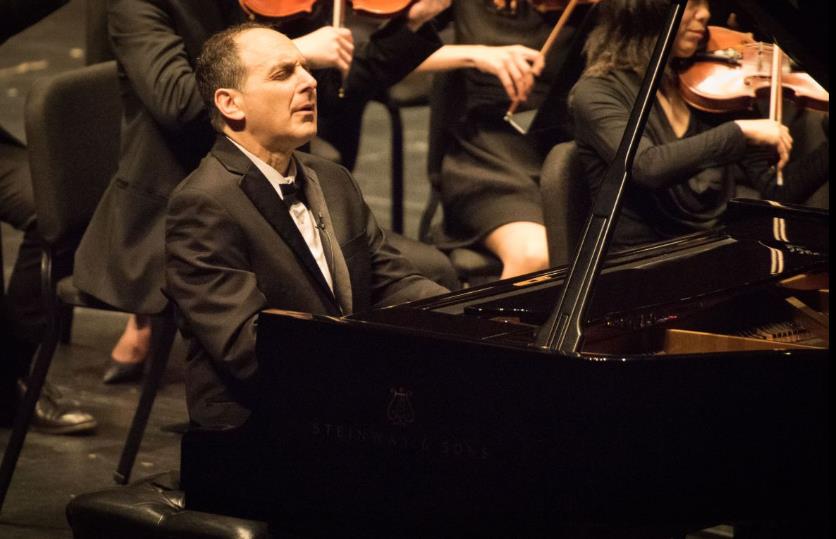
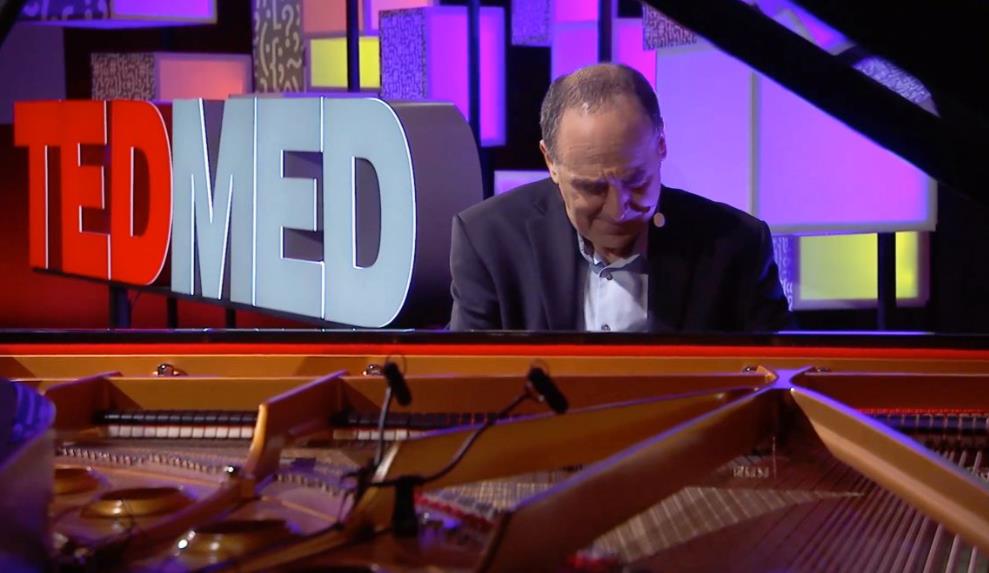
Richard Kogan has a distinguished career both as a psychiatrist and as a concert pianist. Clinical Professor of Psychiatry at Weill Cornell Medical College and Artistic Director of the Weill Cornell Music and Medicine Program, he has been praised for his “exquisite playing” by the New York Times, and the Boston Globe wrote that “Kogan has somehow managed to excel at the world’s two most demanding professions.”

Dr. Kogan has gained renown for his lecture/concerts that explore the role of music in healing and the influence of psychological forces and psychiatric illness on the creative output of the great composers. A master storyteller, he has captivated audiences at medical conferences, music festivals, universities and scholarly symposia throughout the world.  He has been the recipient of numerous honors and awards in both psychiatry and the arts.

Dr. Kogan is a graduate of the Juilliard School of Music Pre-College, Harvard College, and Harvard Medical School.  He has a private practice of psychiatry and lives in New York City.

web

wikipedia EN

youtube


  • -

Alexie Puran

“With JetBlue Airways’ Inflight Buddy Program, I was able to work part-time as a flight attendant while simultaneously attend medical school. My experiences as a flight attendant have helped shape the physician who I am today, a better physician.”

article: How working as a flight attendant made me a better physician

profile


  • -

Tony Cicoria

Tony Cicoria after being struck by a lightning had an out-of-body-experience and in this status was inspired with a lightning piano sonata. Later he took up piano lessons, wrote down the piece, played and recorded it and last-not-least played it in the Vienna Mozart House at the recital of a PianoMusicDocs master-class. ( www.pianoforte.best )
This is a very special overcoming of an essential trauma!

If you click on the youtube link below you see lots of TV-shows and interviews with him. He became president of a “near-death-experience-association”.

web

wikipedia DE – wikipedia EN – wikipedia XY

youtube – vimeo – soundcloud

facebook – twitter – instagram – XING

work


  • -

Samuel Wong

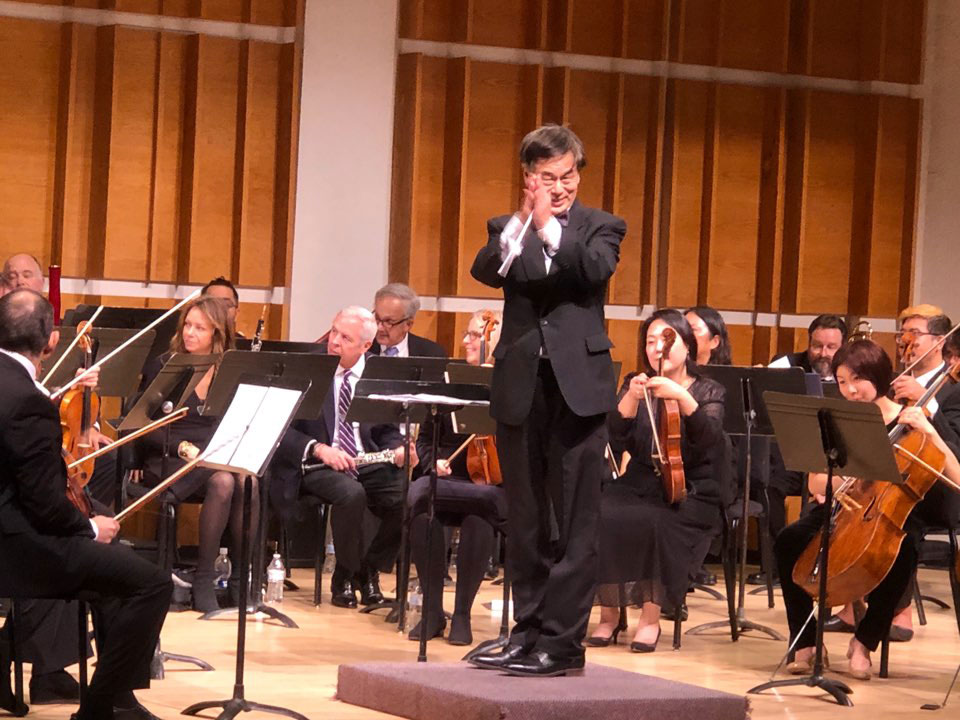
Samuel Wong (Chinese: 黃大德) is a Hong Kong-born Canadian conductor and ophthalmologist [1].

Trained at Harvard Medical School and Columbia University College of Physicians and Surgeons,[1] Dr. Wong is an eye surgeon practicing in Manhattan and Brooklyn.

In another career, he has conducted many international orchestras including the New York PhilharmonicSeattle and Houston Symphonies, Toronto and Montreal Symphonies, orchestras in ItalySpainBelgium, and Israel. Wong led the New York Philharmonic in December 1990 after the untimely death of Leonard Bernstein, and replaced Zubin Mehta in Washington D.C. in January 1991 when Maestro Mehta traveled to Israel in an act of solidarity with the Israel Philharmonic during the Persian Gulf War.

(EN:) Wong pursued his first degree in Toronto at the Royal Conservatory of Music, where he graduated with a degree in piano performance. While there, he also studied composition, tuba and violin.

After obtaining his music degree, Wong moved on to Harvard to pursue a second degree in medicine. Wong was a Magna Cum Laude graduate of the applied mathematics program at Harvard and later graduated from Harvard Medical School with honors in ophthalmology, neurology and psychiatry. He
completed a one year internship in Internal Medicine and then began an ophthalmology residency at Manhattan Eye and Ear Hospital in 1989.

His humanitarian work has brought him to Tibet, China, and Amman, Jordan to restore sight in refugees.

web – Harvard alumni article

wikipedia DE
wikipedia EN

youtube – vimeo

facebook – twitter – instagram

workwork2work3


  • -

Samaritan Doctors Orchestra

Tags :

Category : OrchestraDocs

The inaugural concert was held initially in the name of the North America Medical Orchestra (NAMO) on 12/16/2017 in New York with lots of support from physicians and medical researchers. The leaders of the NAMO actually helped in 4 major concerts in Domarican Republic in 2018 & 2019 seasons. Now NAMO is reborn with the name of the Samaritan Doctors Orchestra to stretch their humanitarian activities outside of the North America.

web

wikipedia

youtube – vimeo

facebook – twitter – instagram

work