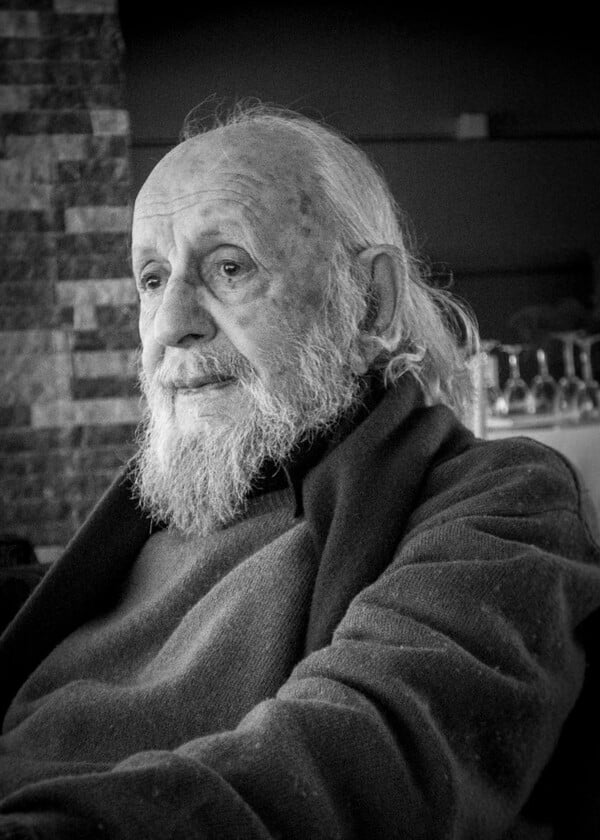
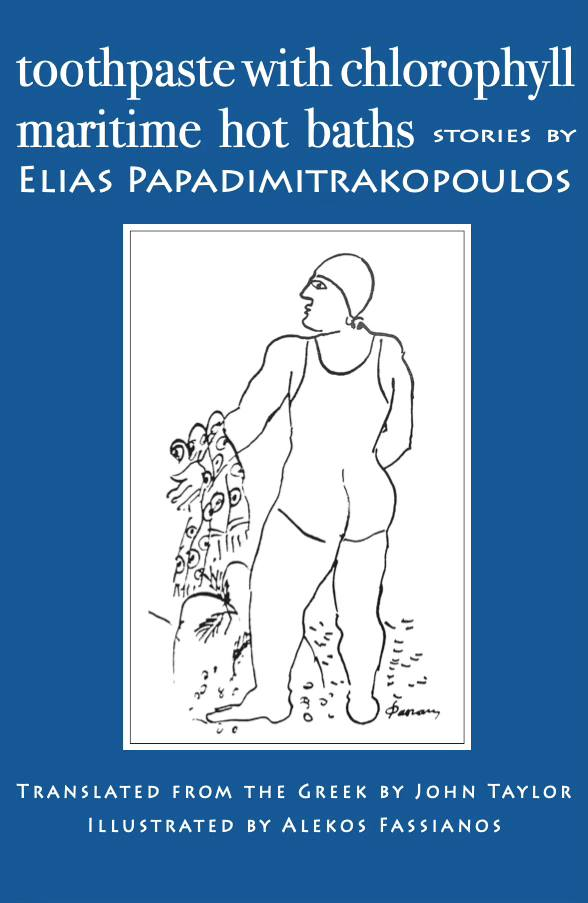
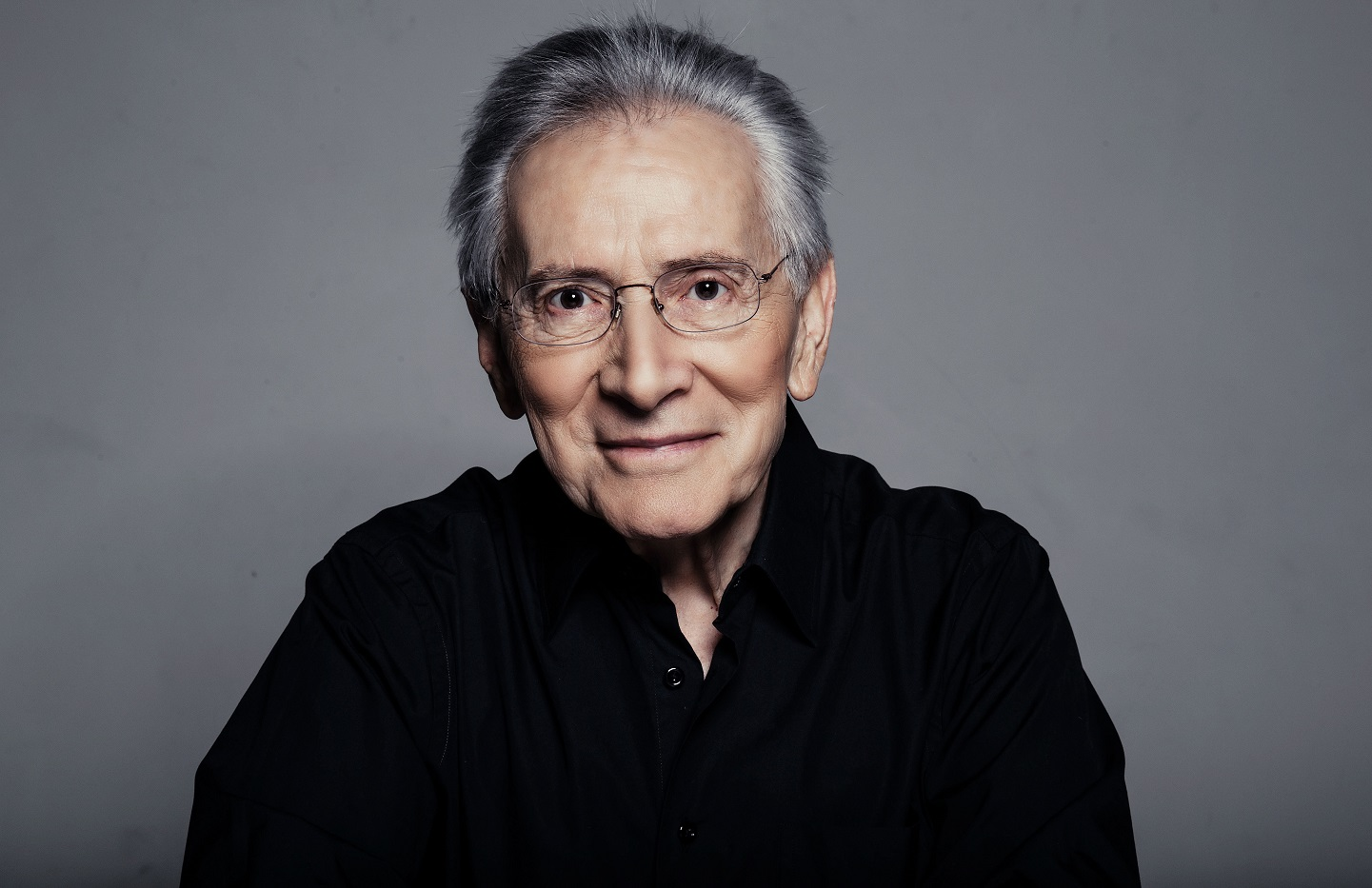
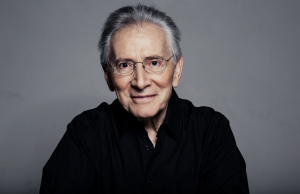
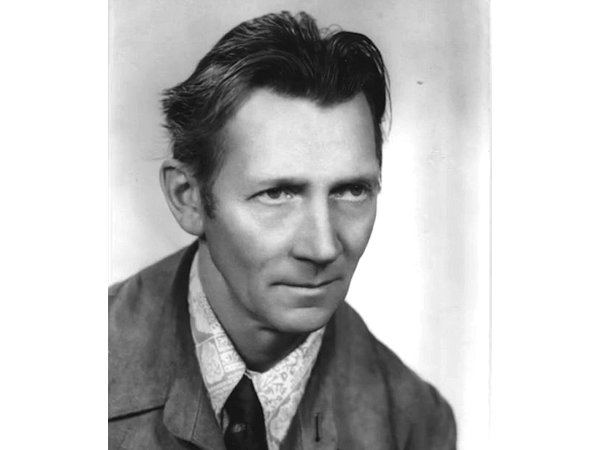
Elias H. Papadimitrakopoulos (Pyrgos, Ilia, August 23, 1930 – Athens, November 29, 2024) was a Greek novelist, prose writer, and military doctor.
He was born in Pyrgos, Elis, where he spent his childhood and youth. After the death of his father, a lawyer, in 1943, his family faced difficult times. As he later wrote, he studied at the Military Medical Faculty of the University of Thessaloniki from 1949 to 1955 out of necessity.
From 1959 to 1968 he served in Kavala. There he first appeared in mail advertising with the short story “O frakasanes”, which he published under a pseudonym in the Kavala magazine Argo in 1962. He also collaborated with the magazines Skapti Yli (Kavala), Tachydromos (Kavala), Dialogos (Thessaloniki), Dialogos (Lechenia), Anti, Harti, Chroniko and To Tetarto. In addition, he served for many years as editor-in-chief of the journal Medical Review of the Armed Forces. He retired from the army in 1983 with the rank of senior chief surgeon.
His work, considered part of Greek post-war literature, is characterized by linguistic simplicity, subtle irony, and tender nostalgia for the difficult years of youth. He was recognized in 1995 with the short story award from the magazine Diavázo.
He occasionally wrote articles for the newspapers Kathimerini and Eleftherotypia and also edited books by lesser-known authors such as Homer Pellas (1921–1962). [5] He is also responsible for the first critical presentation of the work of Nikos Kachtitsis in Greece, which appeared in a private publication in 1974. His most recent works are the short story collection The Treasure of the Nightingales (2009) and the story Symtopia of a Plane Tree (2010).
In 2007, the documentary film “House by the Sea” was made about him, directed by Lefteris Xanthopoulos.
His short stories have also been translated into French.
He died on November 29, 2024, at the age of 94. His body was buried in the 1st Cemetery of Pyrgos.
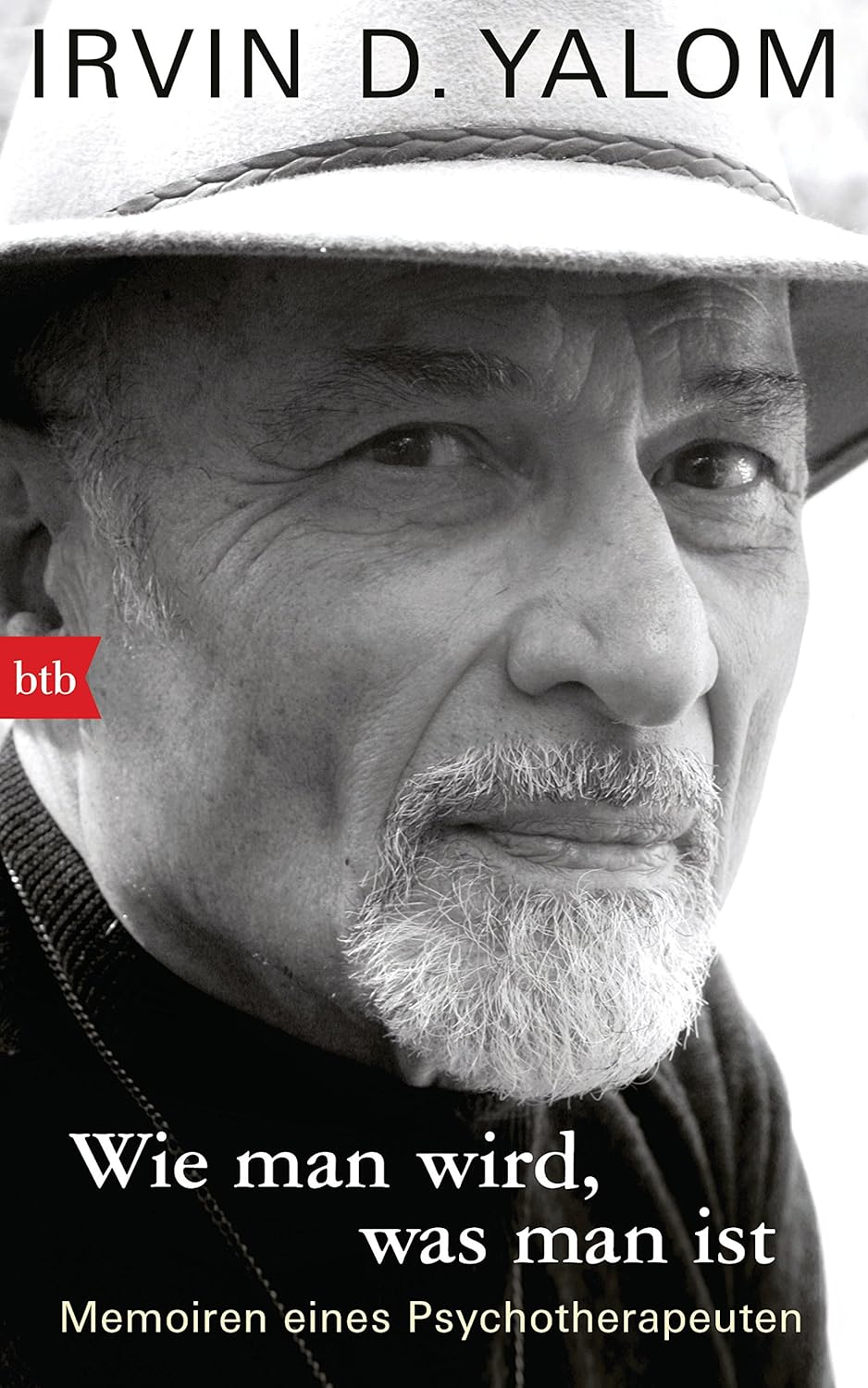
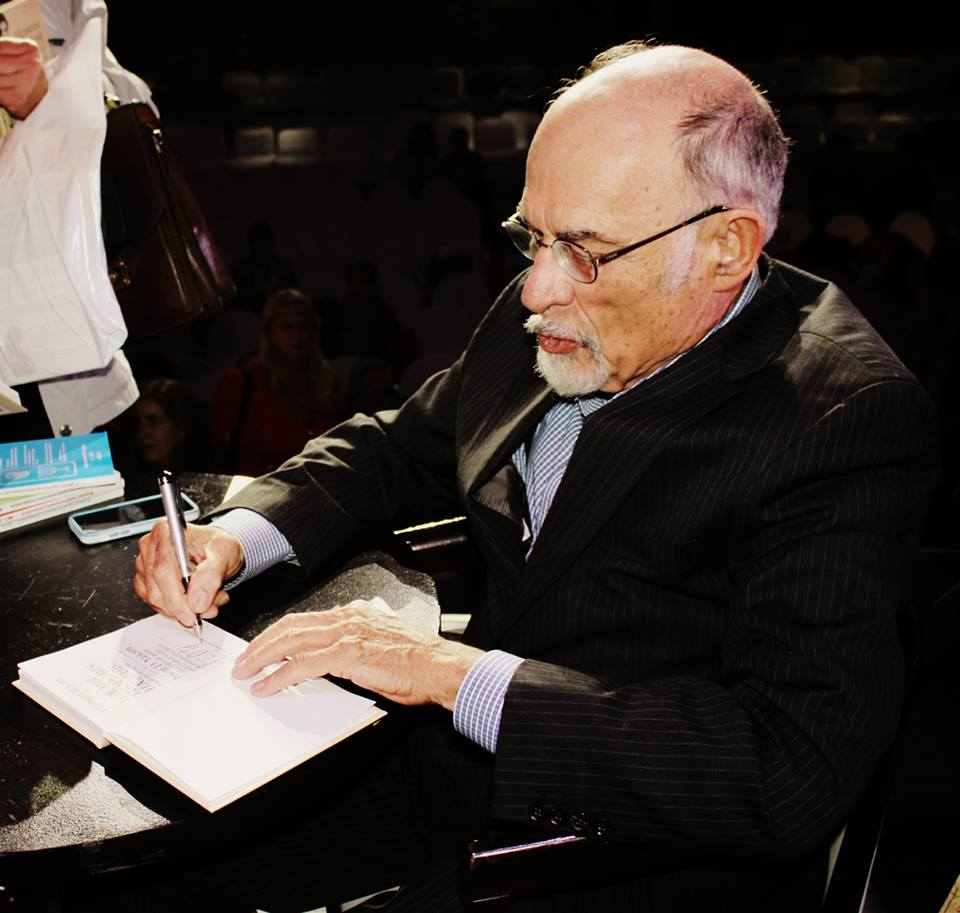
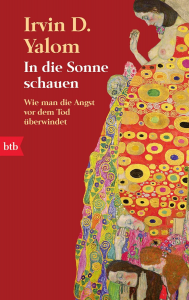
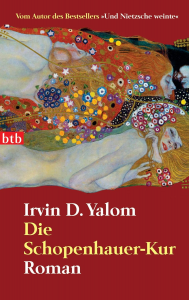
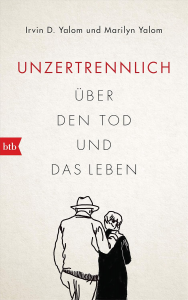
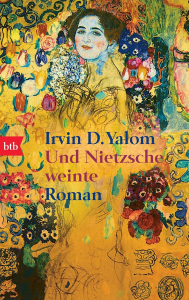
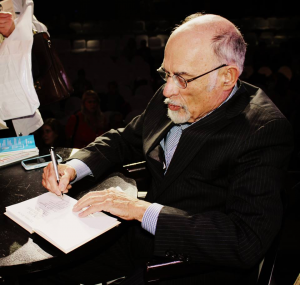
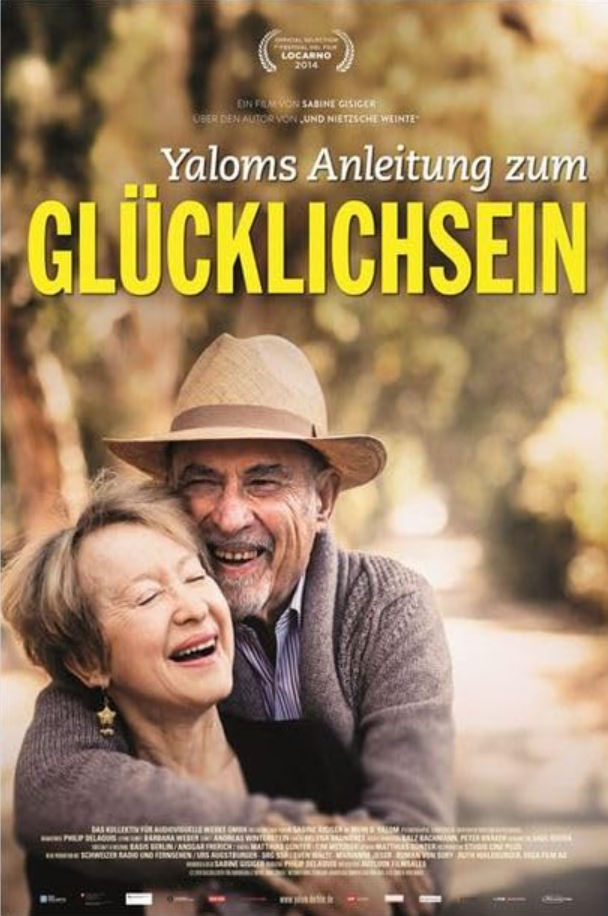
Irvin David Yalom (born June 13, 1931 in Washington, D.C.) is an American psychoanalyst, psychotherapist, psychiatrist, and writer. He is Professor Emeritus of Psychiatry at Stanford University and the author of numerous academic books and novels. Yalom is considered the most important living representative of existential psychotherapy. He is the recipient of the 2009 International Sigmund Freud Prize for Psychotherapy.
The book Every Day a Little Closer, which he published in 1974 in the form of an epistolary novel with Ginny Elkins [the pseudonym of his former client], is based on an unusual experiment. The client was a writer and her year-long participation in one of his therapy groups had been relatively unsuccessful. He therefore suggested individual therapy on the condition that, instead of paying him, she write a free-flowing, uncensored summary of each therapy session, in which she expressed all the feelings and thoughts she had not verbalized during the session. He did exactly the same. Exchanging notes every few months revealed the great discrepancies between sensations and memories regarding the same sessions. At first he used the notes in therapeutic teaching, then they were published as a book. The advice in his book The Panama Hat is based on notes from 45 years of clinical practice.
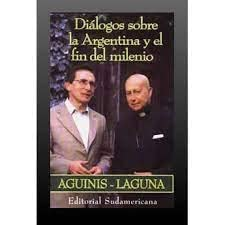
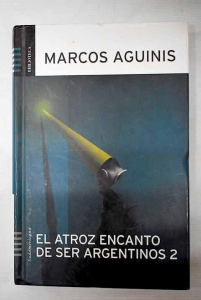
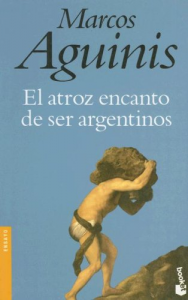
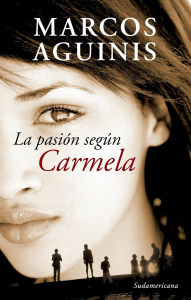
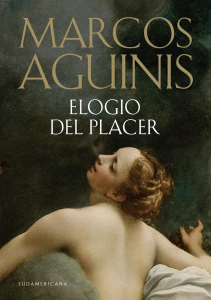
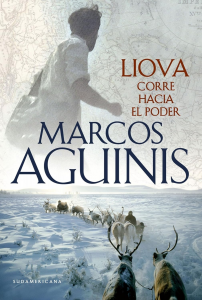
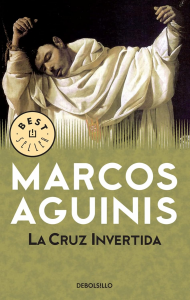
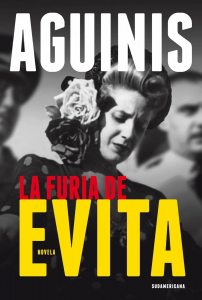
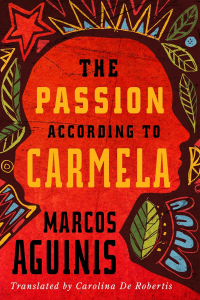
Marcos Aguinis (born January 15, 1935 in Córdoba, Argentina) is an Argentine neurosurgeon and writer.
Aguinis’ father immigrated to Buenos Aires from Bessarabia in 1928 and soon moved in with relatives living in Cruz del Eje in the province of Córdoba. As a schoolchild, Marcos Aguinis suffered discrimination from classmates and some teachers because of his Jewish heritage. During the persecution of Jews in Germany, all of his remaining family members in Europe were killed. After his bar mitzvah, he began to study literature and religion intensively. He borrowed books about the Bible and Israel from the public library. Among other works, he read Stefan Zweig, Julio Nin y Silva’s “History of the Religion of Israel,” Emil Ludwig’s “The Son of Man,” “Muhammad and the Koran” by the Spaniard Rafael Cansinos Assens, and Ernest Renan’s “The Life of Jesus.” Reading Renan’s book marked the beginning of his doubts about his faith. Today, Aguini is an agnostic.
He began writing short stories while still at school. After finishing school, he studied psychiatry, neurology, and psychoanalysis. At the age of 23, he received a scholarship to study neurosurgery in Buenos Aires. He continued his medical and psychiatric studies at the Hôpital de la Salpêtrière in France, as well as in Freiburg im Breisgau and Cologne with the help of a scholarship from the Alexander von Humboldt Foundation. After returning from Europe, he earned his doctorate at the University of Córdoba and initially worked as a neurosurgeon at the Southern Regional Clinic. During this time, he published his first short stories.
Aguinis published his first book in 1963. Since then, he has published numerous novels, essay collections, short story collections, and two biographies. His articles in newspapers and magazines in Latin America, the United States, and Europe cover a wide range of diverse topics. He has given numerous lectures and offered courses in Germany, Spain, the United States, France, Israel, Russia, Italy, and almost all Latin American countries.
During the dictatorship in Argentina, the distribution of Aguinis’s works was subject to restrictions. Some of his works could only be published abroad and were brought into the country illegally.
When Argentina returned to democracy in December 1983, Aguinis was appointed Secretary of State and then Secretary of Culture. He organized PRONDEC, a national program for the democratization of culture, supported by UNESCO and the UN. He launched intensive activities to raise public awareness of their rights, responsibilities, and opportunities for developing a genuine democracy. For his work, he was nominated by UNESCO for the Peace Education Prize.
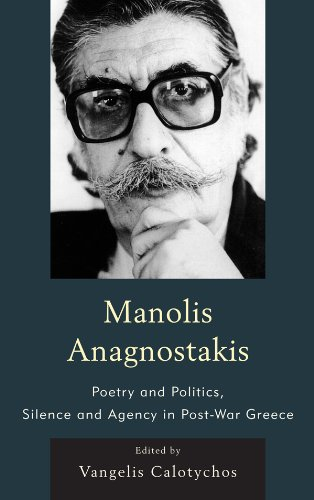
Manolis Anagnostakis (Greek: Μανώλης Αναγνωστάκης; * 10 March 1925 in Thessaloniki – 22 June 2005 in Athens) was a Greek existentialist poet.
Leben
Anagnostakis initially studied medicine at the Aristotle University of Thessaloniki and later practiced as a radiologist. During World War II and the subsequent civil wars, he was an active member of the resistance movement. After a military court sentenced him to death, he spent many years in prison and exile.
He began his writing career in 1944 with articles in the magazine Xekinima. His first volume of poetry, titled Epoch I, was published in 1945. Further volumes in this cycle followed in 1948 and 1951. He published a second series of poems between 1956 and 1962.
His works have been set to music by composers such as Mikis Theodorakis, Thanos Mikroutsikos, Angeliki Ionatou, and Michalis Grigoriou.
In 2002, he received the Greek Special Prize for Literature
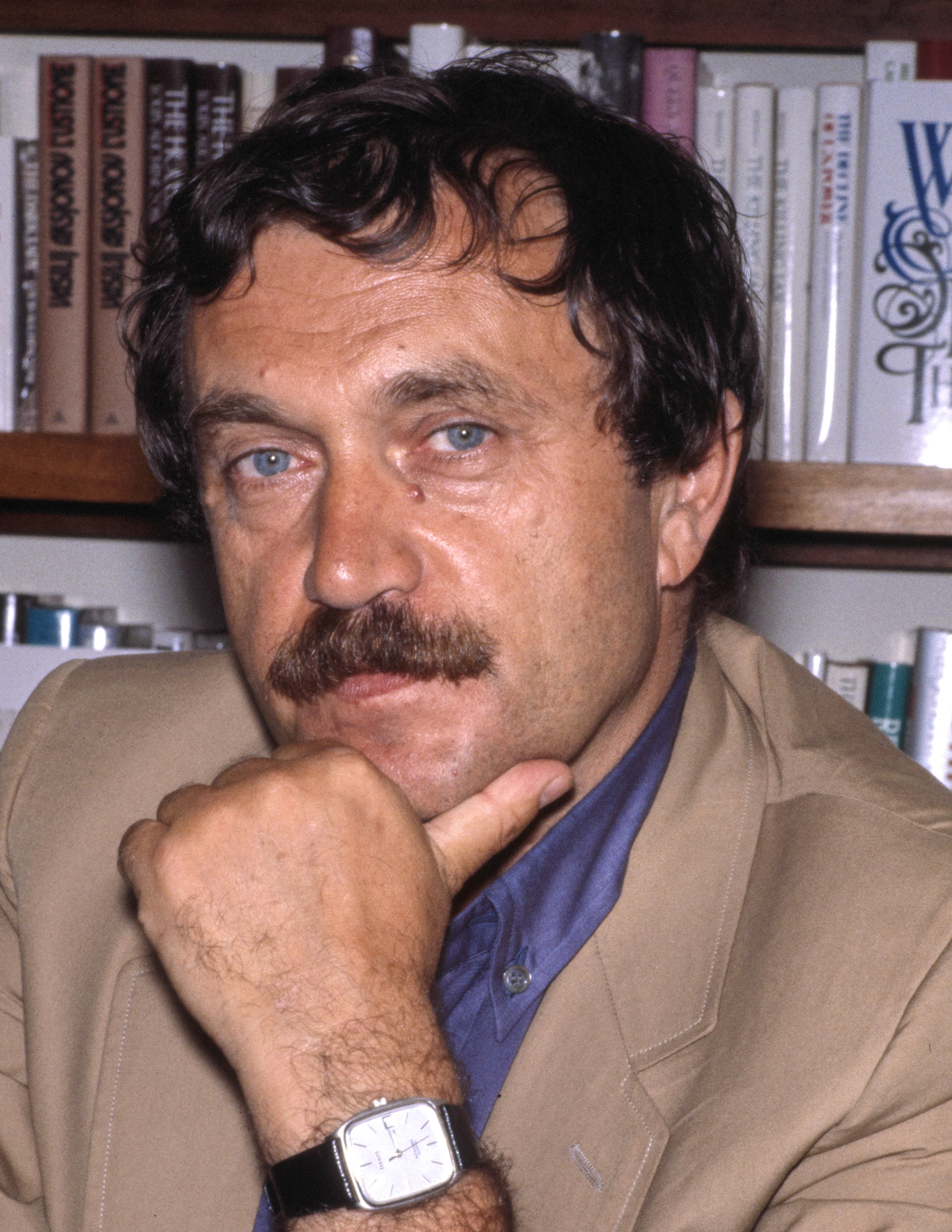
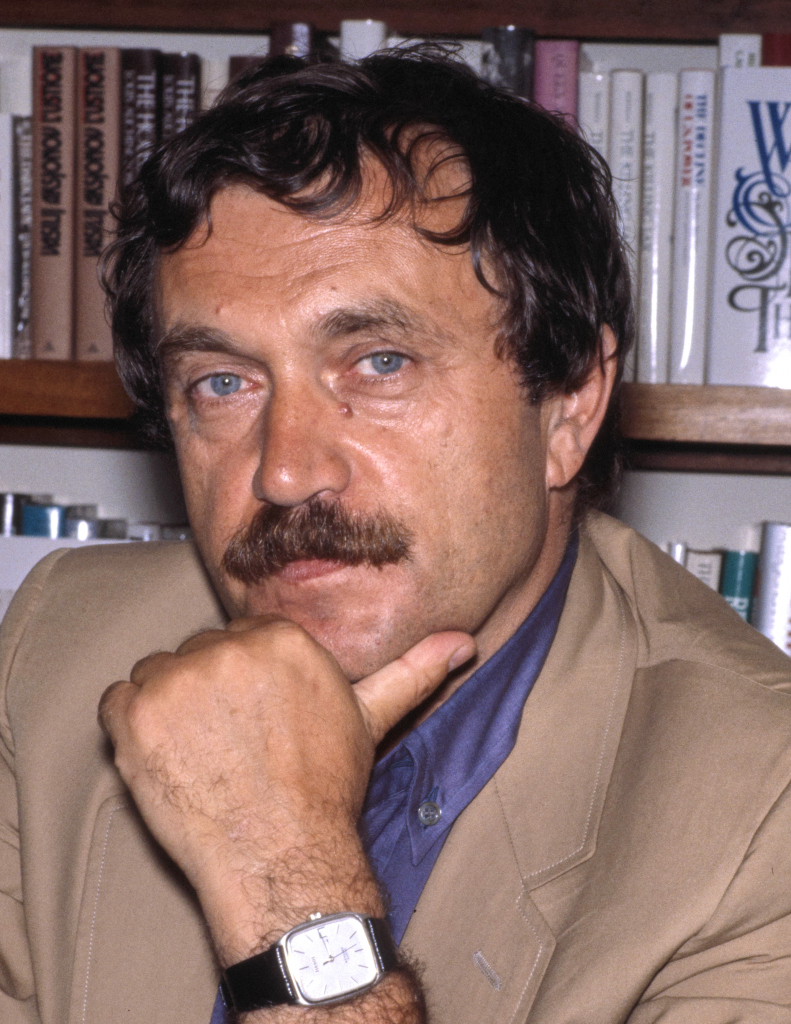
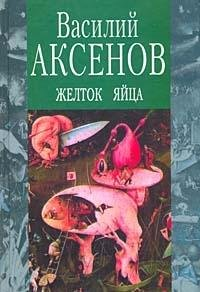
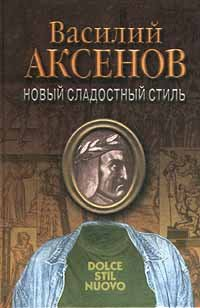
Vasily Pavlovich Aksyonov (Russian: Василий Павлович Аксёнов, scientific transliteration: Vasilij Pavlovič Aksënov, born August 20, 1932 in Kazan; died July 6, 2009 in Moscow) was a Russian writer. He began his career in the Soviet Union and later had to emigrate to the United States.
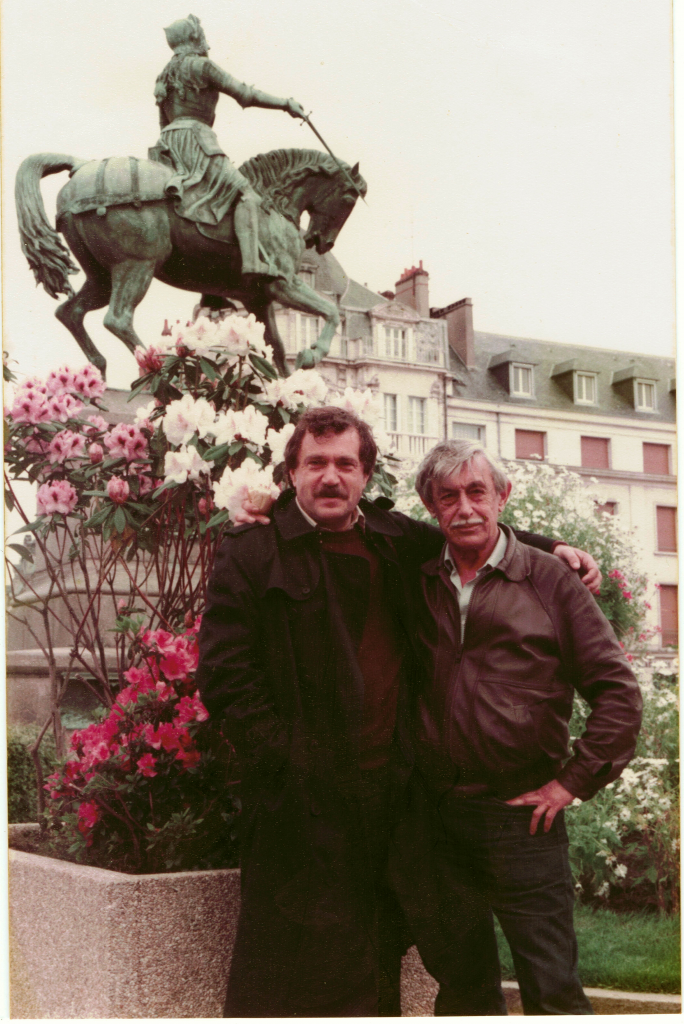
Wassili Aksjonow (left) with Viktor Nekrasov (in front of the equestrian statue of Joan of Arc, Place du Martroi, Orléans, 1983)
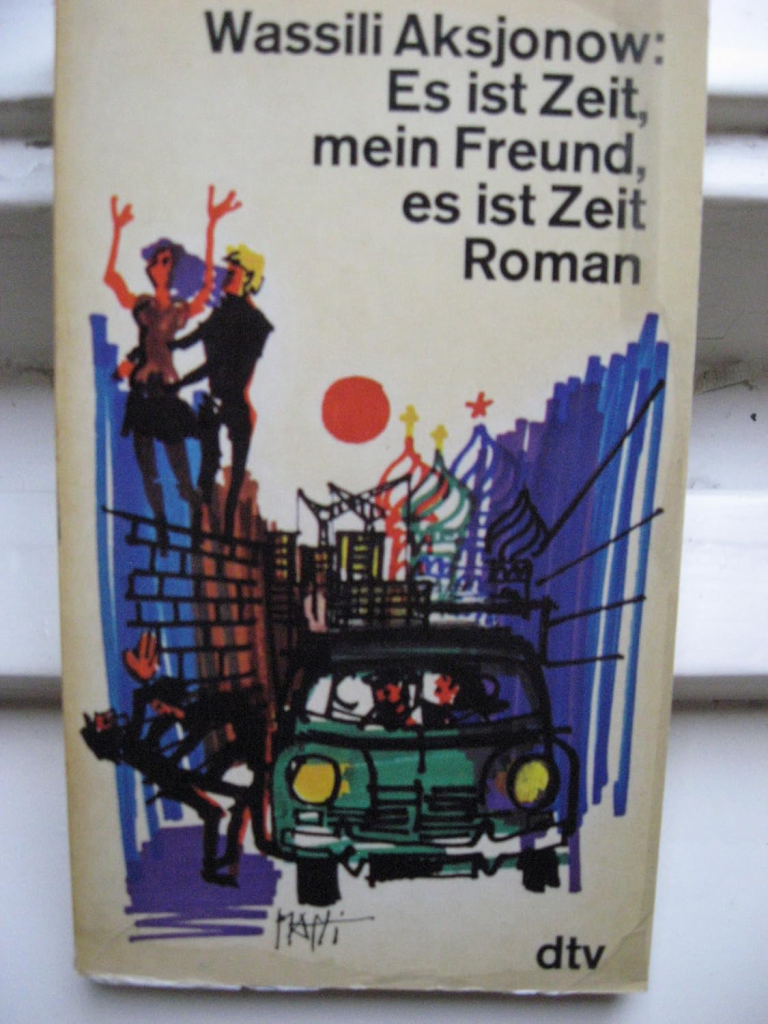
From 1956 to 1960, he worked as a doctor, but had already begun writing sketches and short stories while still a student. He published his first stories in the 1960s, which soon became very popular, especially among young readers. In 1979, he came under pressure for his collaboration on the underground literary almanac Metropol, along with Andrei Bitov, Fazil Iskander, Viktor Yerofeyev, and Yevgeny Popov.
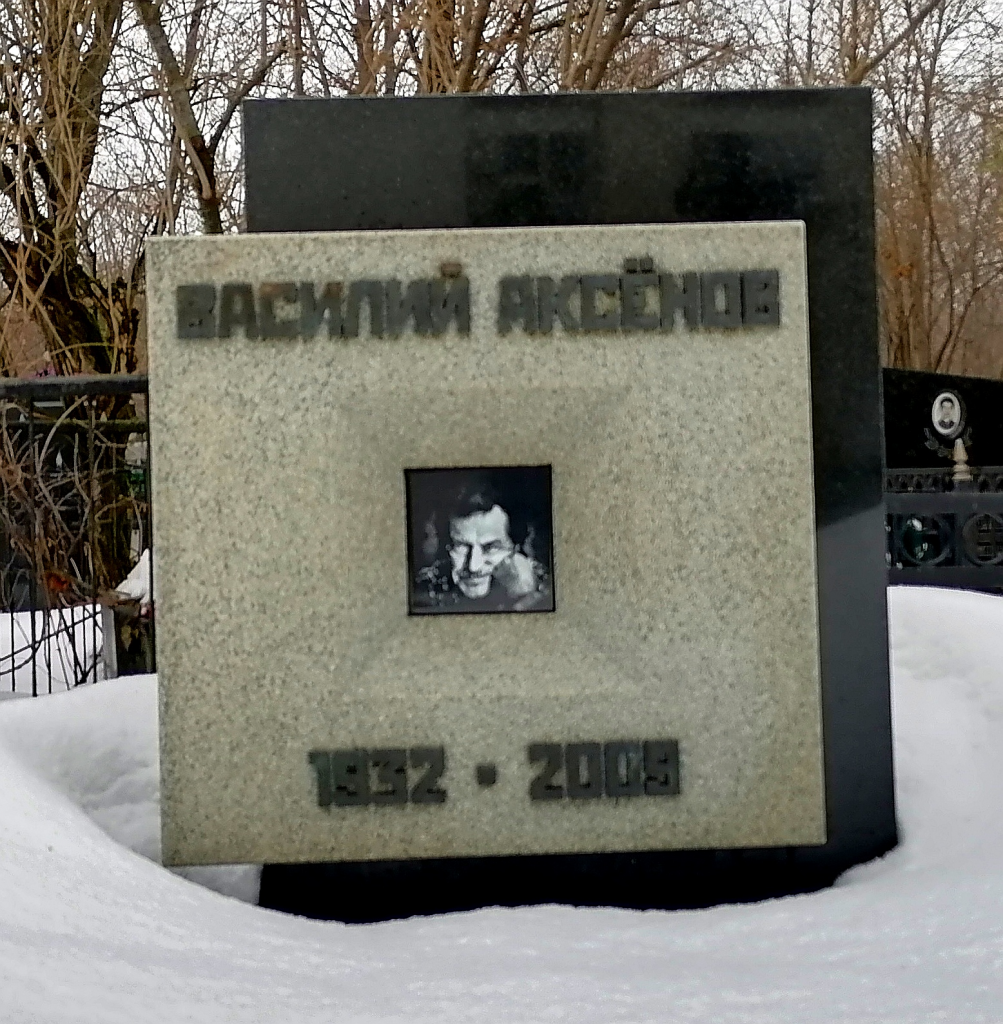
In 1980, Aksyonov accepted an invitation from an American university and took up permanent residence in the United States, where he continued his writing career. Until 2003, he taught as a professor of Russian at George Mason University in Fairfax, Virginia. In 2004, he moved to Biarritz. He spent the following years alternating between France and Moscow, where he died in July 2009.[2] His grave is in the Vagankovo Cemetery in Moscow.
In 1980, Aksyonov accepted an invitation from an American university and took up permanent residence in the United States, where he continued his writing career. Until 2003, he taught as a professor of Russian at George Mason University in Fairfax, Virginia. In 2004, he moved to Biarritz. He spent the following years alternately in France and Moscow, where he died in July 2009.[2] His grave is in the Vagankovo Cemetery in Moscow.
Aksyonov’s first stories appeared in the magazine Yunost, on whose editorial board he was a member.
In his works, Aksyonov processed his family’s experiences during the Stalin era. The thaw that began in the political and intellectual life of the USSR in the 1960s allowed him to address this topic.
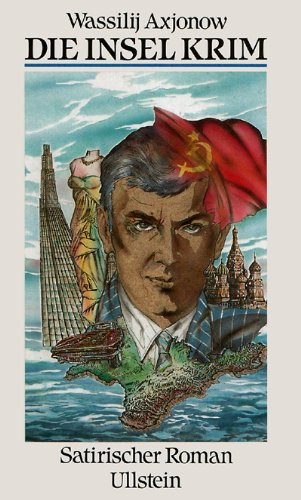
In 1981, while he was in exile, the novel The Island of Crimea (Остров Крым), written in 1979, was first published in English translation. It tells, among other things, how Crimea was “liberated” from the Moscow government through an invasion. In the English-speaking West, Aksyonov became known for his novel “The Burn” (Russian: “Ozhog,” 1975; German: “Gebrannt,” 1986) and the trilogy “Generations of Winter” (Russian: Московская сага, 1989–1993), works in which he explored the taboo subject of Stalinist persecution. “Generations of Winter” tells the story of the Gradov family of doctors from 1925 to 1953. The novel was adapted into a lavish television series in Russia in 2004.
For his 2004 novel “Voltarians and Voltarian Women,” Aksyonov received the $15,000 Booker Prize for Literature – Open Russia. Aksyonov’s books have been translated into several languages. Film adaptations of his books have been made in Russia and France. He has also written plays.
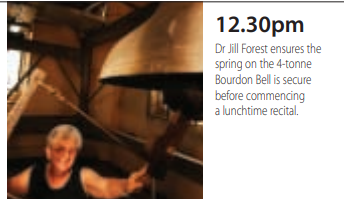
Alongside her medical work, in 1978 Jill Forrest was appointed an Honorary Carillonist. In 1993 she was appointed University Carillonist through to her retirement in 2010. In this position Jill Forrest and the carillon have brought great prestige to the University. The War Memorial Carillon is the ceremonial voice of the University of Sydney, the only University in Australia to have such a splendid asset. It is played to celebrate festive occasions and to dignify solemn occasions and serves all faculties and organisations of the University. Jill Forrest has treasured the carillon and with distinction, made an outstanding contribution in her role as the University Carillonist. She is a highly accomplished performer and has represented Australia at International Carillon Festivals in Europe and America. During her tenure she played the carillon for well over a hundred graduations, Sunday recitals and festive occasions each year. She has maintained the fabric of the carillon, bell chamber and clavier at world standards and fostered strong links between the University and all other countries with carillons. She also founded and donated a library of carillon music, with the latest annual publications. She has published, edited, arranged and composed a vast quantity of high quality carillon music, and has educated carillonists to world standards, thus ensuring Australian carillonists for the future. She has hosted international carillonists all of whom have been immensely impressed with the instrument and the art of carillon in Australia. In addition, as Honorary Consultant to the Bathurst Council, she has advised on refurbishment and upgrading of the Bathurst War Memorial Carillon. Her dedication to Medicine and Music for over 50 years was recognised in 2011 by the Award of Member of the Order of Australia (AM). Chancellor, I present Consultant Physician Emeritus and Emeritus University Carillonist Dr Jill Forrest AM and invite you to confer the title of Honorary Fellow of the University upon her.
Interview: Katherine Connolly talks to Jill Forest, University Carillonist
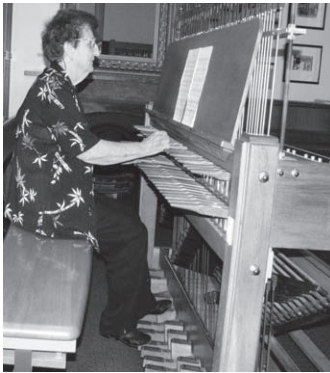
So what exactly is a Carillon and how does it work? Carillons are the largest musical instruments in existence. They consist of at least two chromatic octaves of tuned bells, made from an alloy of 80% copper and 20% tin, which sound when struck by internal clappers of soft iron. The Sydney carillon contains 54 bells (4 ½ octaves) that are hung in the clock tower in the main quadrangle. The bells are fixed in position; their clappers are connected by wires to a large keyboard in the room below the belfry. When the clapper strikes the inside of the bell, the bell’s diameter determines the frequency of the fundamental note. A number of overtones also sound, including the minor third; these add richness to the sound. The instrument is played from a keyboard of manual batons and pedals.
How did you get to become the University Carillonist?
In its early years, the carillon was played by a number of honorary carillonists. In 1944 John Douglas Gordon was appointed the first University Carillonist, a position that he held until his death in 1991. He taught me to play, and in 1978 I passed an exam and joined the group of enthusiasts who assisted him as Honorary Carillonists. Later I studied carillon in New Zealand and Holland. When John died senior Honorary Carillonist, Dr Reginald Walker, took over for a year, during which time auditions and interviews took place and I was fortunate enough to be appointed to the position.
What’s the history of the University’s Carillon?
The University of Sydney War Memorial Carillon commemorates the 197 undergraduates, graduates and staff who died in World War I. It was paid for by private subscription both inside and outside the university, and was dedicated on Anzac Day 25 April 1928. The original bells were cast in England by the famous bellfoundry of John Taylor and Co. of Loughborough, Leicestershire. In 1973, the Taylors recast the top bells, and in 2003 the top 33 treble bells were replaced by Whitechapel of London, the bellfoundry that cast Big Ben.
Is it difficult for players to access the Carillon to practice?
Yes, this certainly restricts the number of students. The Environmental Protection Act precludes playing the bells themselves before 8 am (if we were a chainsaw we could start at 7 am!), and of course during working hours and lectures they could be a distraction. So if you are jogging in the morning between 8 and 8.45 am, or in the evenings and weekends when there are no other functions in the vicinity, someone will be practicing.
What is the best time and place to hear the Carillon being played?
There are free recitals every Sunday afternoon at 2 pm, and every Tuesday at 1 pm, except when there are exams in the vicinity. However, to hear the bells at their joyful best one should listen on the front lawns or in the main quadrangle before and after each of the University graduation ceremonies because then, as the Ceremonial Voice of the University, the bells will rejoice with you.
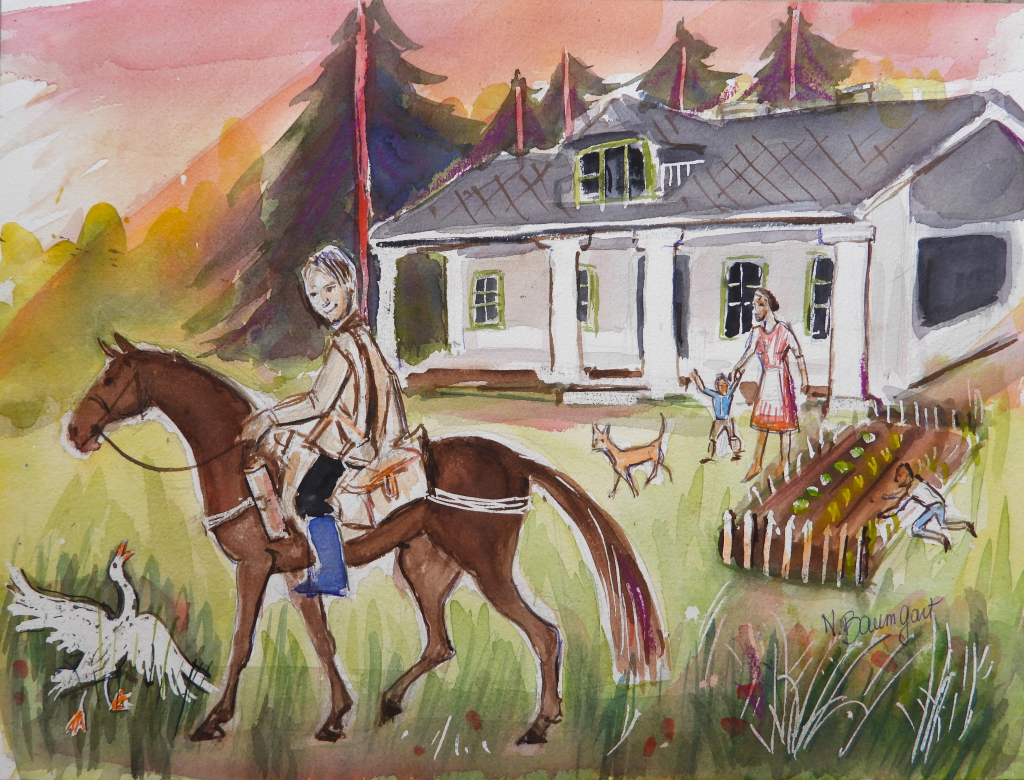
The Doctor on a Horse – A True Legend in the Bohemian Forest – Watercolor – Illustration
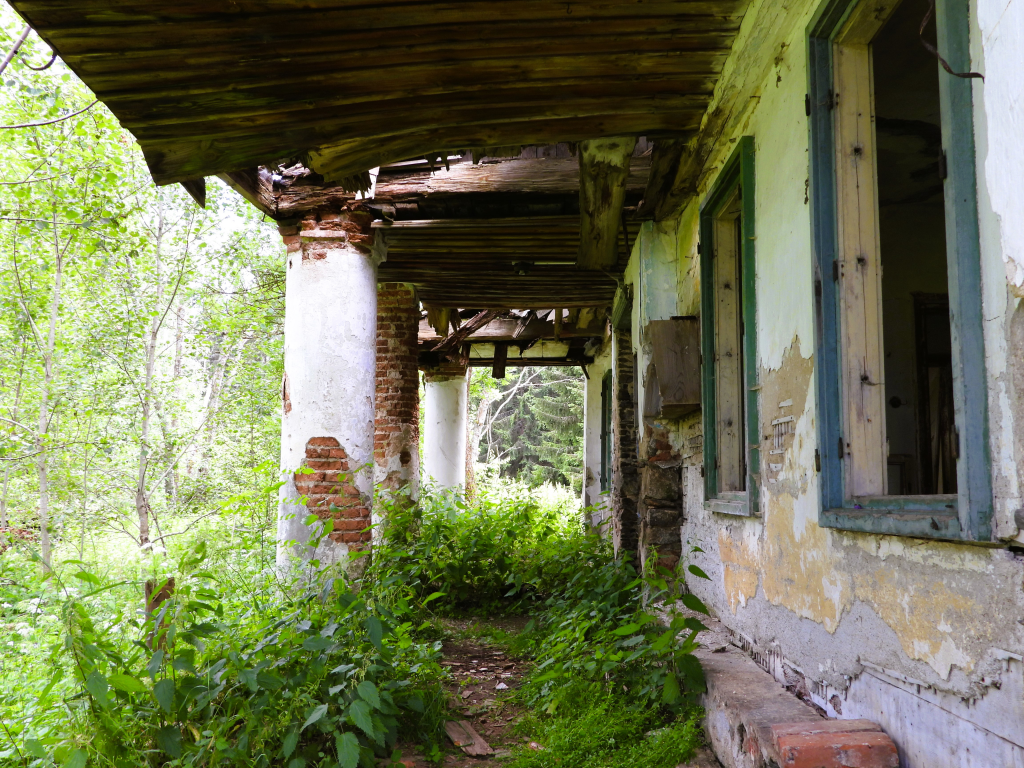
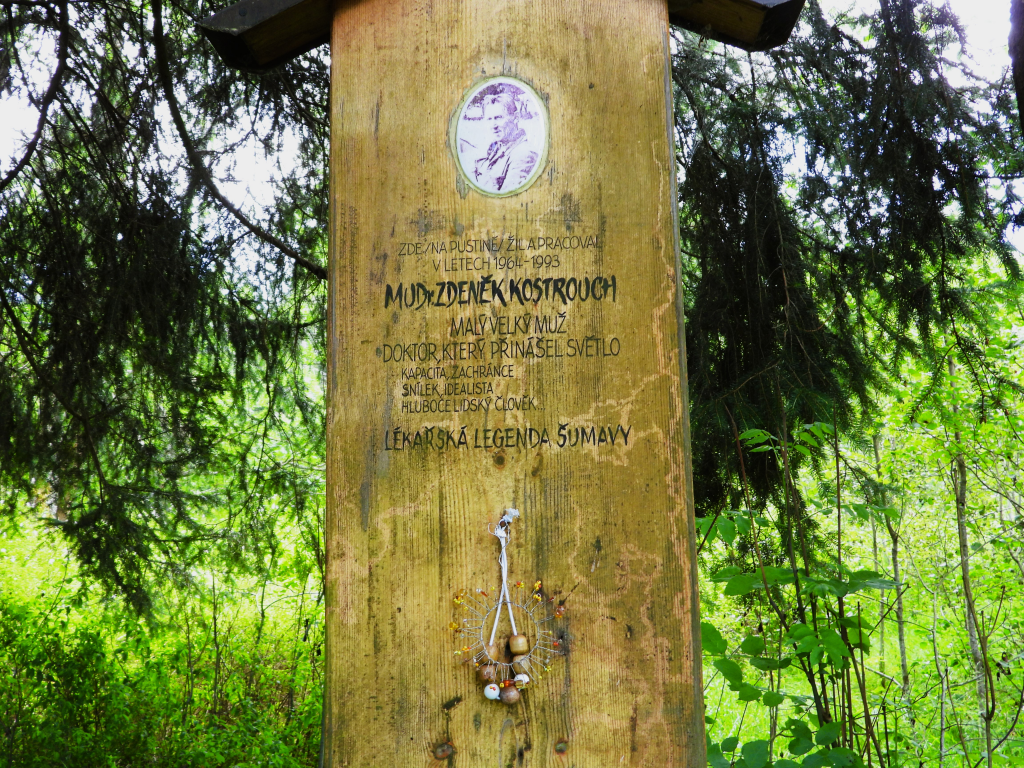
MD Zdeněk Kostrouch was a unique figure in the Bohemian Forest and was also called the “doctor on horseback.” From 1964 to 1993, he lived in Hájenko Pustina. Kostrouch originally wanted to go to Africa as a doctor, but ultimately stayed in the Bohemian Forest. He himself recounted how he came to own the horse: “I had an old piccolo flute that I always rode to patients with, and I always had two spare horses with me in case we got stuck. One day, they said to me, ‘Look, Doctor, you have a horse over there. Whisper in his ear that you want to go to Záluží, and he will take you there.’ The horse was then sold to me for 520 crowns, and I learned that horses can be driven easily in the Bohemian Forest.” The doctor recounted his first encounter with the Hermitage: “In the 1950s, I was driving from Hartmanice to Kašperské Hory and saw a column of smoke in my rearview mirror. A flash of lightning and it was gone. The Hermitage was then overgrown with nettles.
4CXJ+MXQ Hartmanice, Tschechien
And in the spring of 1964, they wanted to demolish it because it was located in the Dobrá Voda military district. Thanks to my contacts, I was able to prevent the demolition order and moved in myself.” Kostrouch founded a farm in Pustina, established a library, and furnished one of the rooms with antique furniture. Since transport to his practice in Hartmanice was very difficult, especially in winter, Dr. Kostrouch owned horses, which he also used to transport patients. His sons also used horses. His first wife was MUDr. Helena Kostrouchová – a doctor in Kašperské Hory. She was the daughter of Ottla Davidová (Kafková), the sister of the writer Franz Kafka. Her sister, Věra Saudková, was the editor of Lidové noviny and the Odeon and Svoboda publishing houses. His retirement and his second marriage proved fatal for the famous doctor. After his death, everything was taken away or grew moldy. Within a few years, the farmstead fell into complete disrepair. A memorial plaque near the forester’s lodge commemorates his stay in Pustina, with the text: “Here in Pustina he lived and worked from 1964 to 1993, MUDr. Zdeněk Kostrouch, a small, great man, a doctor who brings light and ability, a savior, a dreamer, an idealist, a deeply human being… A medical legend of the Bohemian Forest.”
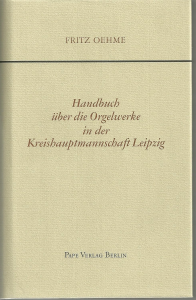
Wolfram Hackel studied medicine. In 1967, he received his doctorate from the Medical Academy in Dresden. He then ran a urology practice in Dresden-Plauen as a specialist.
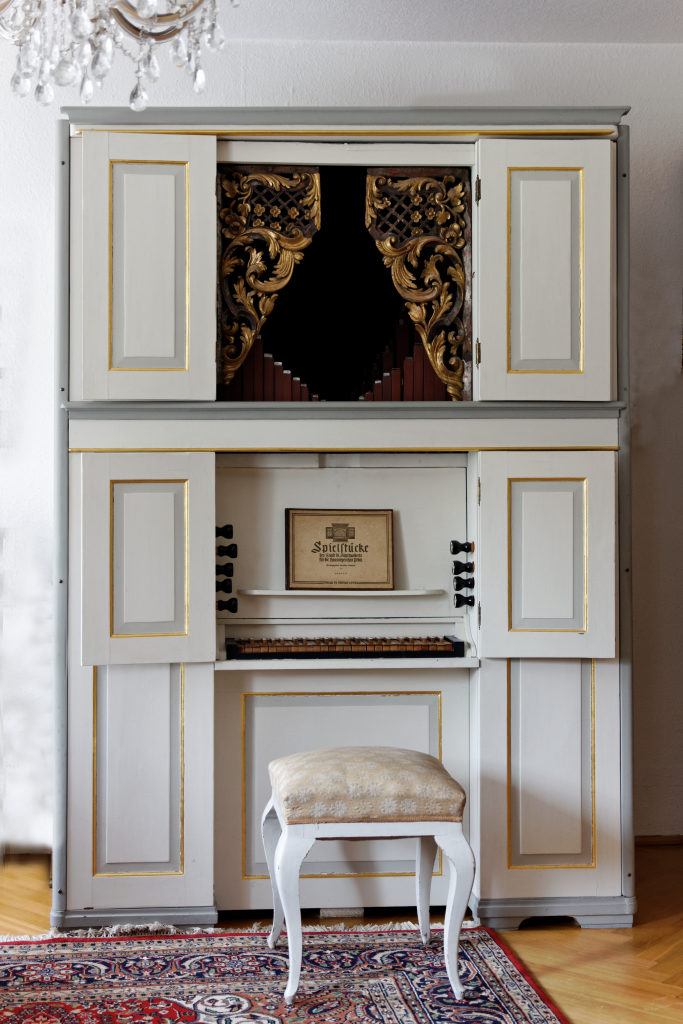
Wolfram Hackel has published works on organs and churches since the 1970s. He soon became one of Saxony’s most important organ researchers. Wolfram Hackel is a long-standing member of the Society of Organ Friends.[1] He was a member of its Advisory Committee (1995–1998), Secretary (1998–2003), and a member of its Main Committee (2011–2021).
Wolfram Hackel was co-editor of the four-volume Lexicon of North German Organ Builders and published numerous texts on organs and organ builders, especially in Saxony.Wolfram Hackel was co-editor of the four-volume Lexicon of North German Organ Builders and published numerous texts on organs and organ builders, especially in Saxony.
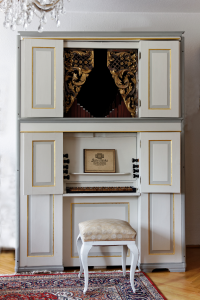
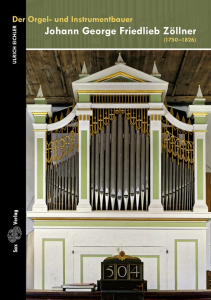
Gerhard Aumüller (born November 19, 1942 in Arolsen) is a German physician and was a professor of anatomy and cell biology at the Philipps University of Marburg. He has also distinguished himself as an organ historian.
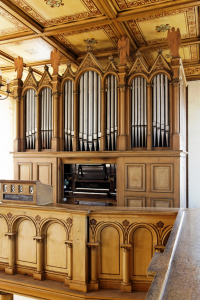
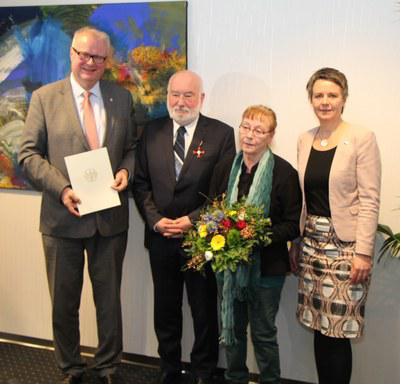
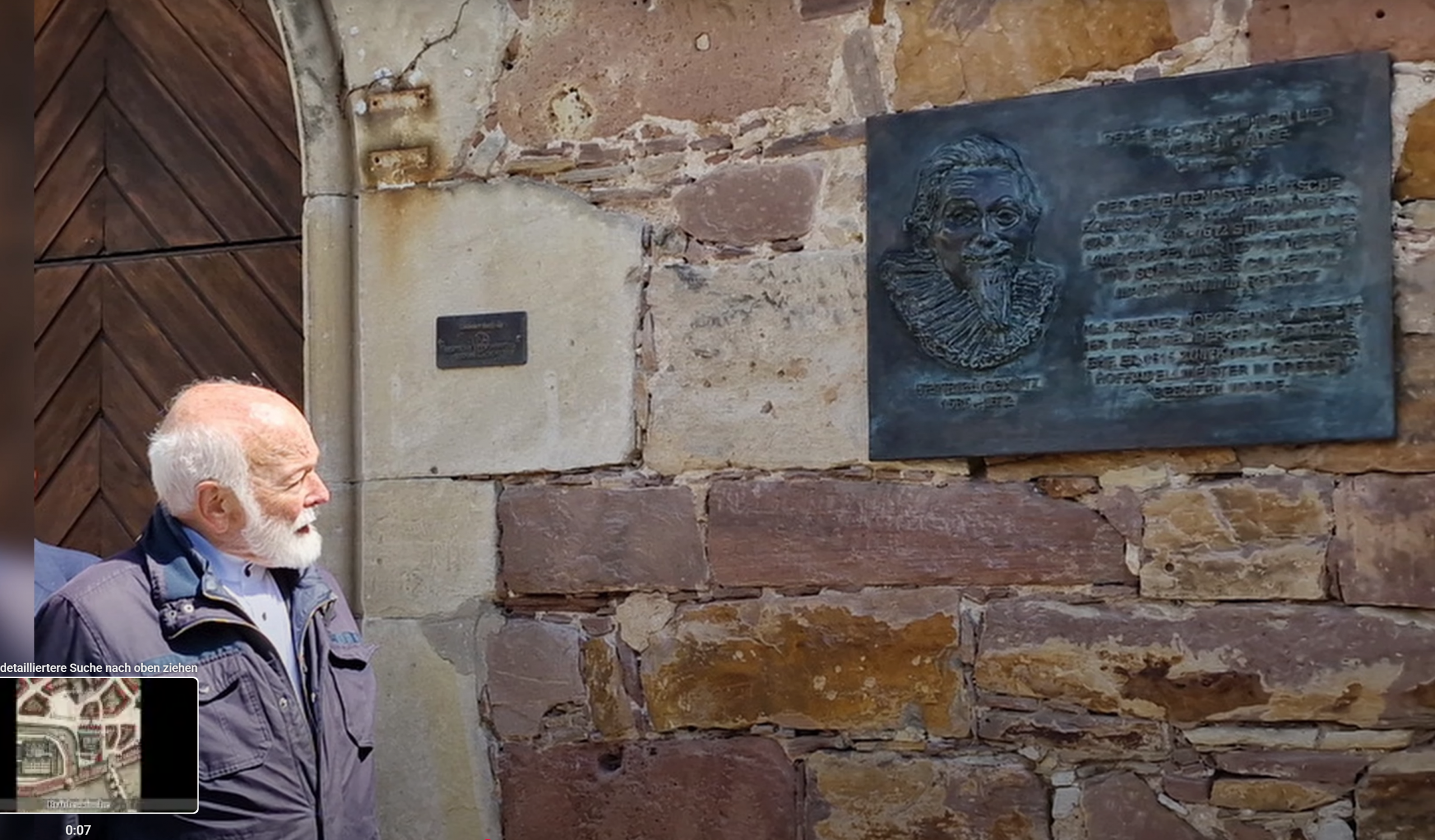
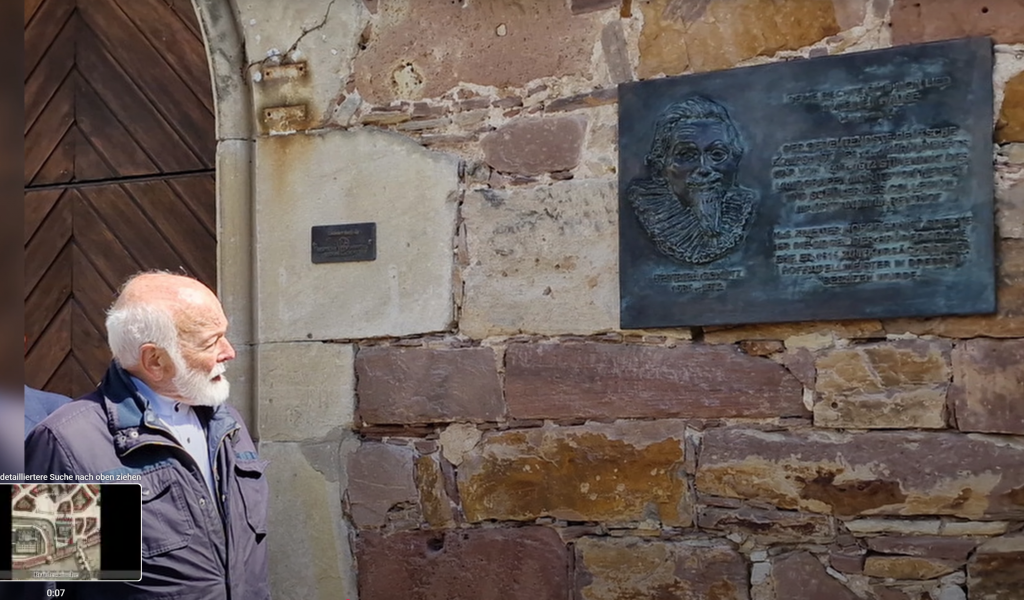
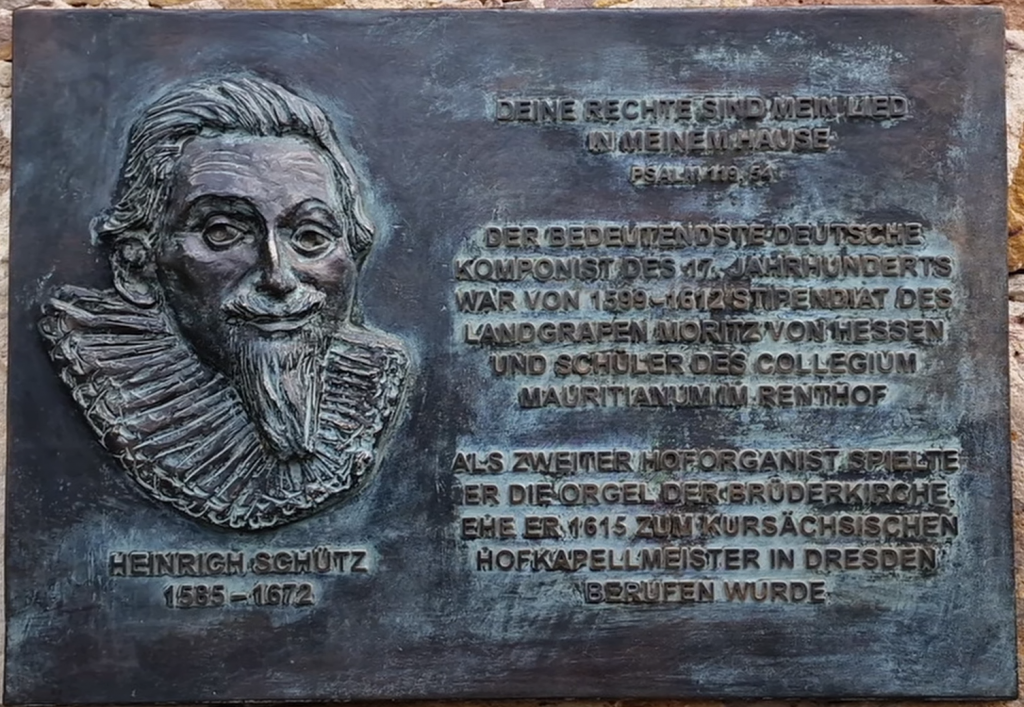
Aumüller has also researched historical organ building and published primarily on classical organ building in Hesse and Westphalia. He has been a member of the Historical Commission for Hesse since 2000 and was elected to the advisory board of the International Heinrich Schütz Society (ISG) in 2012. For his research in medical and music history, Gerhard Aumüller was awarded the Order of Merit of the Federal Republic of Germany (Federal Cross of Merit) in 2017.
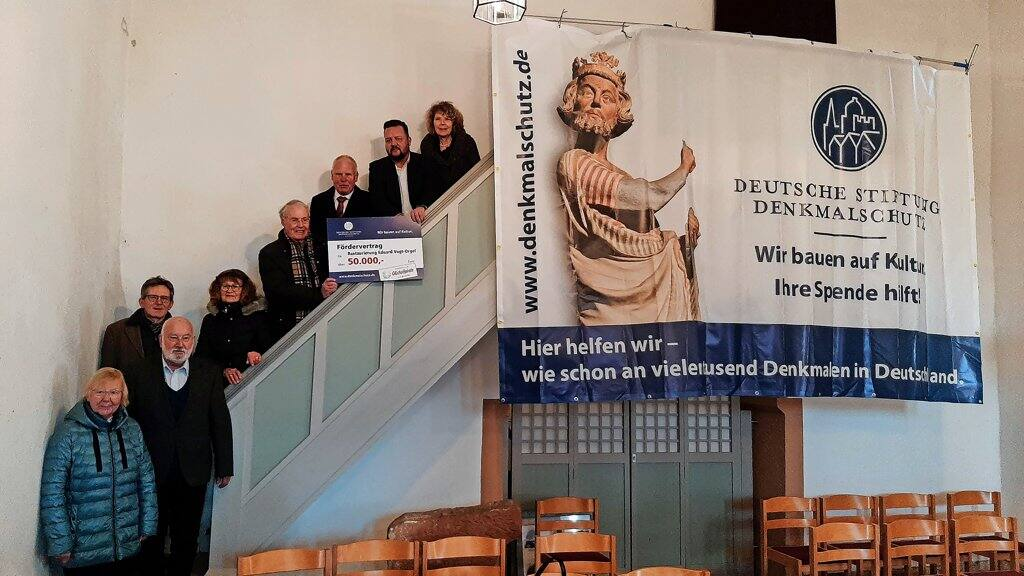
Gerhard Aumüller, born in 1942, studied medicine and anthropology in Mainz, Würzburg, and Marburg. He then earned his doctorate and habilitation in the field of anatomy. After a research stay in the USA, the honoree took over the Chair of Experimental Morphology at Philipps University in Marburg. He later assumed the Chair of Anatomy II there, a position he held until his retirement in 2007. In addition to medical history, Professor Aumüller is actively involved in the Waldeck Historical Society. He has been a volunteer there since 2012. Since 2013, he has edited the extensive review section of the academic journal “Geschichtsblätter für Waldeck.” Professor Aumüller is also passionate about music history. This is expressed, among other things, in his commitment to preserving listed church organs. He has supported numerous organ restorations within the Evangelical Church of Kurhessen-Waldeck. In addition, he regularly serves as organist in parishes in the Marburg region.
The honoree was admitted to the Historical Commission for Hesse in 2000. In 2002, he was elected to its main committee, where he served until 2012. As a board member of the Historical Commission for Hesse and the Association for Hessian History and Regional Studies, he serves as co-editor of the Journal for Hessian History and Regional Studies.
Wolfgang Ellenberger was one of Prof. Holstein’s anatomy students and was able to provide the musical accompaniment for his 80th birthday.
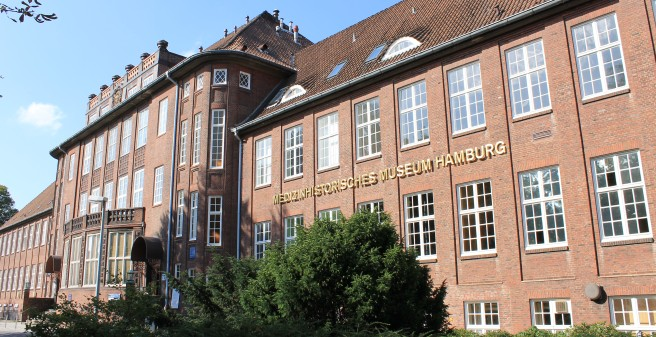
The history of the Hamburg Museum of Medical History began in 2007. The UKE board of directors asked the UKE’s Friends and Supporters Association to restore what is now the Fritz Schumacher House after the Institute of Pathology had moved out and to find a new use for it. The idea of establishing a medical history museum in the restored building was welcomed by all involved. Prof. Holstein, the then chairman of the Friends and Supporters Association, took on the task and initially sought funding for the upcoming work and the museum’s establishment. In close cooperation with the monument preservation authority, the individual construction phases were completed and presented to the public step by step. In 2010, the restored dissection room was unveiled, accompanied by an exhibition that provided an initial insight into the diversity of the exhibits. In October 2013, the first part of the permanent exhibition “The Emergence of Modern Medicine” opened. In December 2014, the museum opened the recently completed small dissection room and the rooms on the first floor.
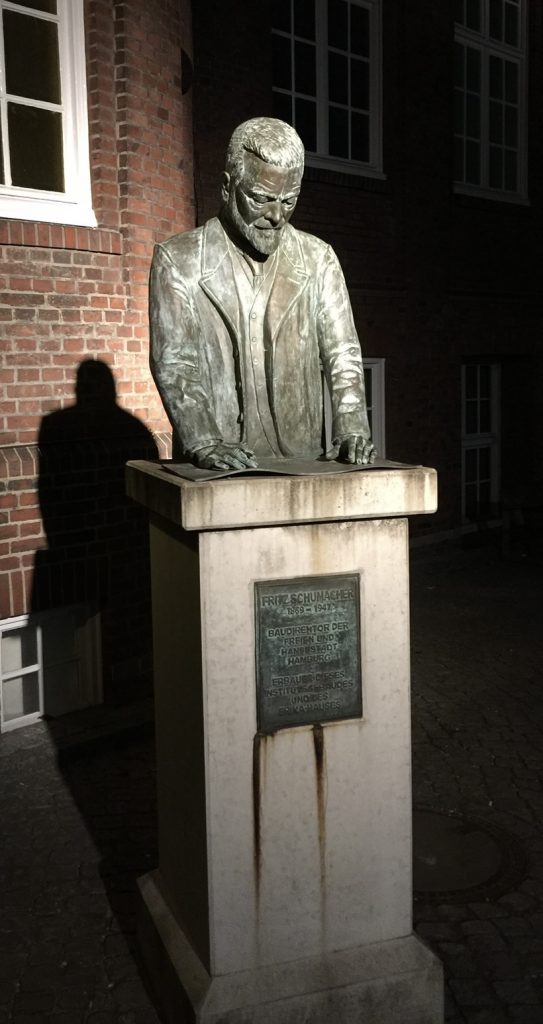
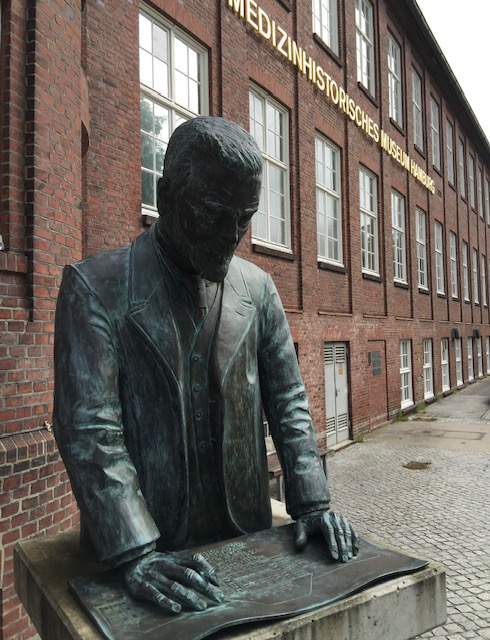
Sculpture of Fritz Schumacher, the builder of the building that now houses the Hamburg Museum of Medical History. Created by Adolf-Friedrich Holstein.
Dear Mr. Ellenberger,
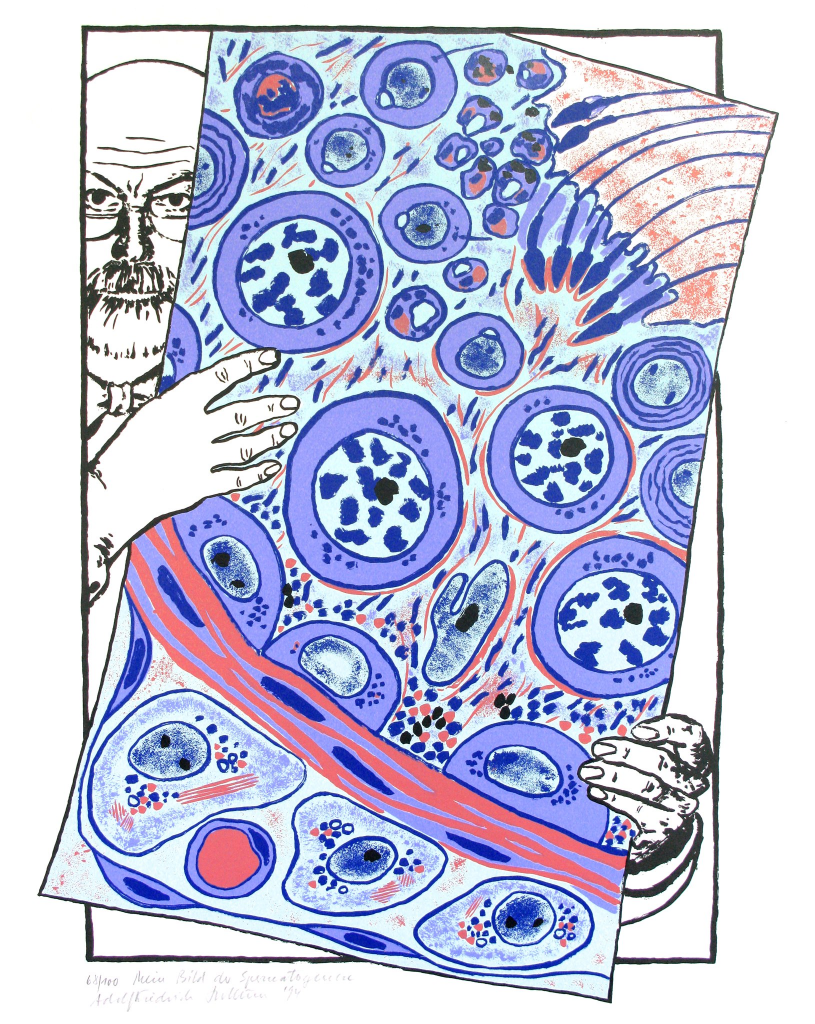
Thank you very much for your kind email. I am touched by everything you want to share about me. Of course, I agree. During my professional career, I was highly committed to medical teaching and research on spermatogenesis, and after my retirement, I devoted myself to monument preservation, painting, and sculpture. After restoring the rooms in the Erika House, I founded a center for communication and culture there. I then took over the task of restoring the pathology institute building from the medical director, Prof. Jörg Debatin. I created a new use for it as the Hamburg Museum of Medical History. At my request, the building was named Fritz Schumacher House after its builder, to house a new cultural institute. To illustrate this, I created a sculpture of the famous building director, which stands in front of the museum.
If you give me your address, I will be happy to send you a small booklet published by the Friends and Supporters Association for my 90th birthday.
But now I’d also like to know how you’re doing? How do music and medicine fit into your life?
Best regards
Adolf-Friedrich Holstein
Prof. Dr. Adolf-Friedrich Holstein Medizinhistorisches Museum Hamburg Martinistr.52 20246 Hamburg