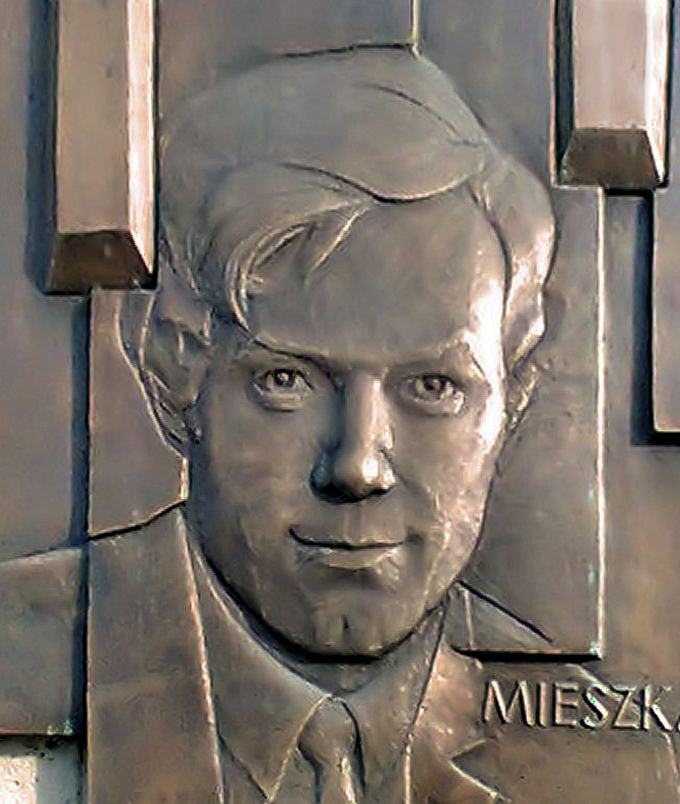
Krzysztof Komeda
Category : ComposerDocs , jazzDocs , monumentDocs , movieDocs , PianoDocs
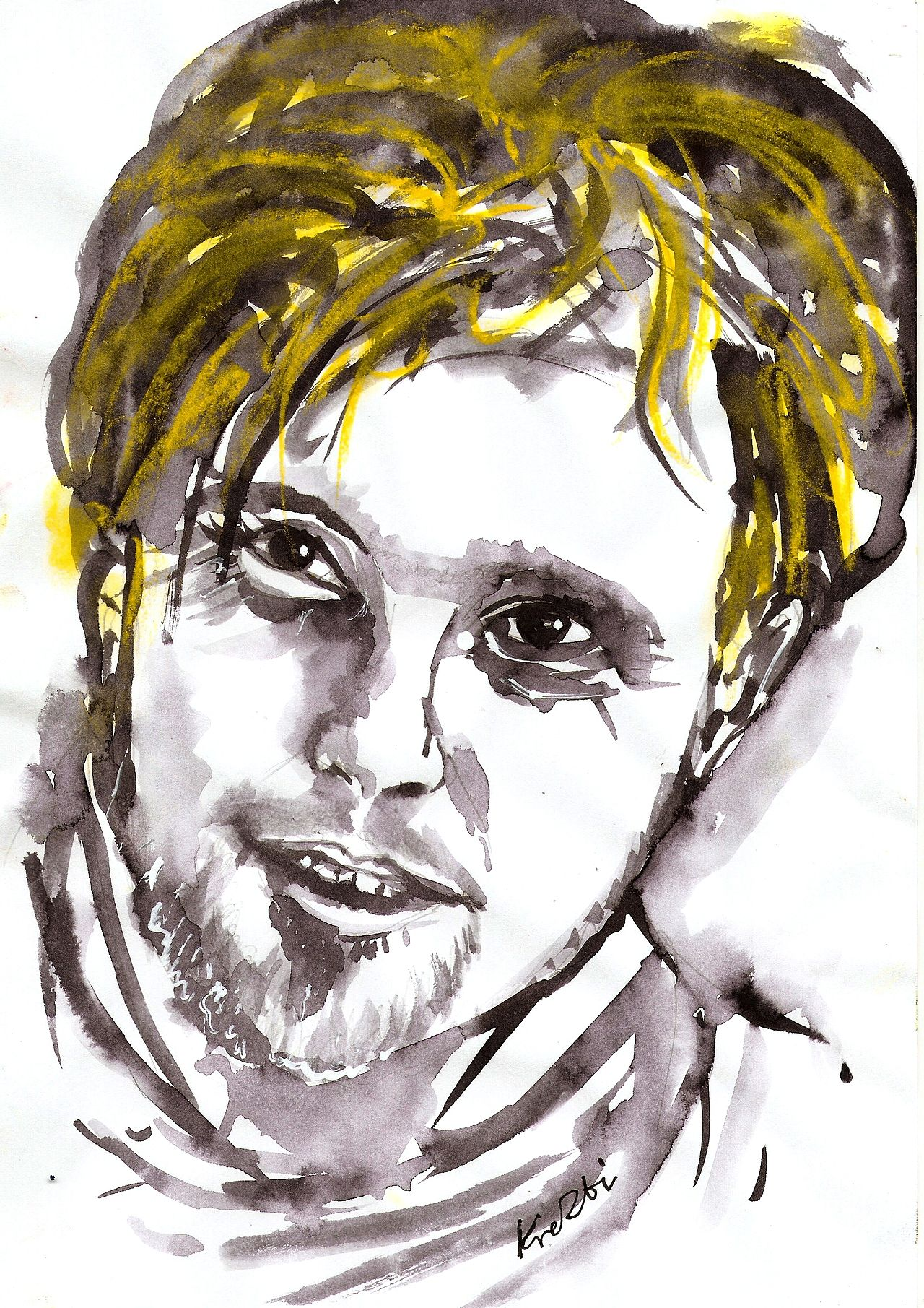
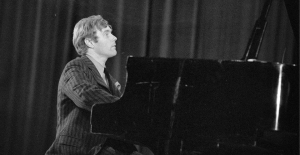
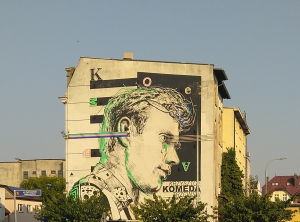
Krzysztof Komeda (born Krzysztof Trzciński; April 27, 1931 in Poznań – April 23, 1969 in Warsaw) was a Polish jazz pianist and composer of jazz and film music of international renown. According to Jan Wróblewski, Komeda occupies a similar musical rank in Poland to Chopin.
In his youth, he received piano lessons in Ostrów Wielkopolski (German: Ostrowo), where he lived from 1946 to 1951. Later, he became a student at the Conservatory in Poznań (piano lessons and music theory). He then decided to study medicine. His father, Mieczysław Trzciński, was a banker and took over the position of branch director of the National Bank of Poland in Poznań in December 1952. During his studies, he lived there with his parents from 1952 to 1956[2] and had his own piano.[3] As a student, he made contact with the Krakow underground jazz scene. They met in private apartments or nightclubs, the “catacombs of jazz”.[3] His interest in popular and dance music shifted from Dixieland to bebop and finally to contemporary jazz.
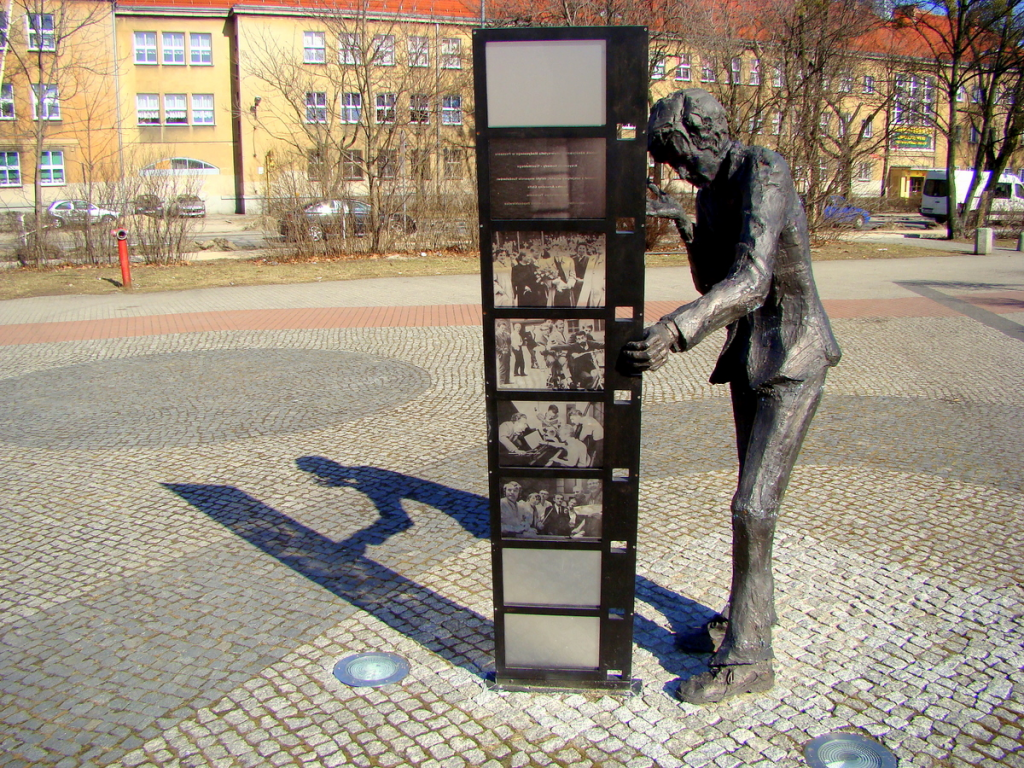
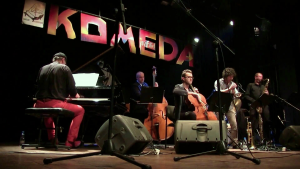
Komeda-Trzciński celebrated her first national success in August 1956 at the first jazz festival in Sopot with the Komeda Sextet. News of a jazz festival had spread like wildfire throughout Poland. The completely improvised event attracted approximately 30,000 to 50,000 young Poles, who spent the night on lawns, in parks, or in beach chairs.
The festival began with a parade similar to the New Orleans orchestra parades at Mardi Gras. The Komeda Sextet, in two boxes, symbolically buried the traditional Dixieland jazz and dance music. Since all the newspapers reported on the first free jazz festival, jazz music could no longer be banned from public view as easily as before.

