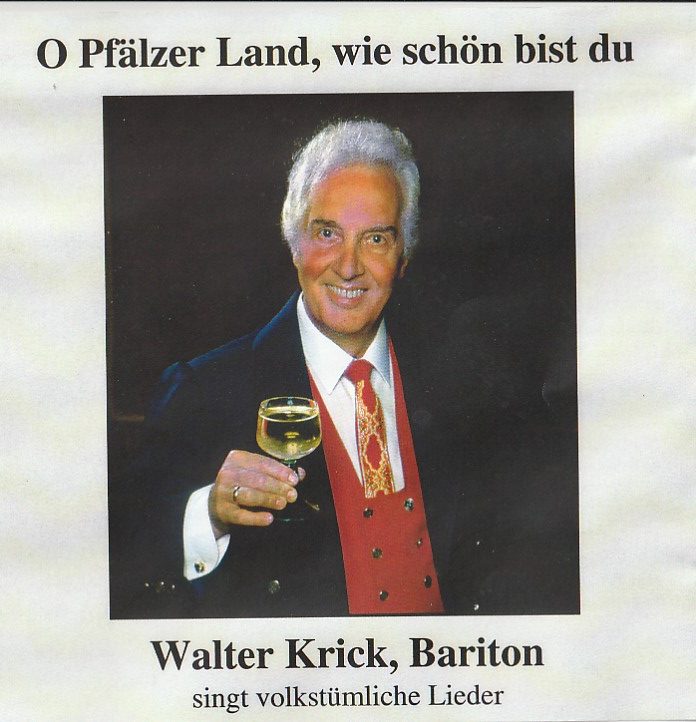
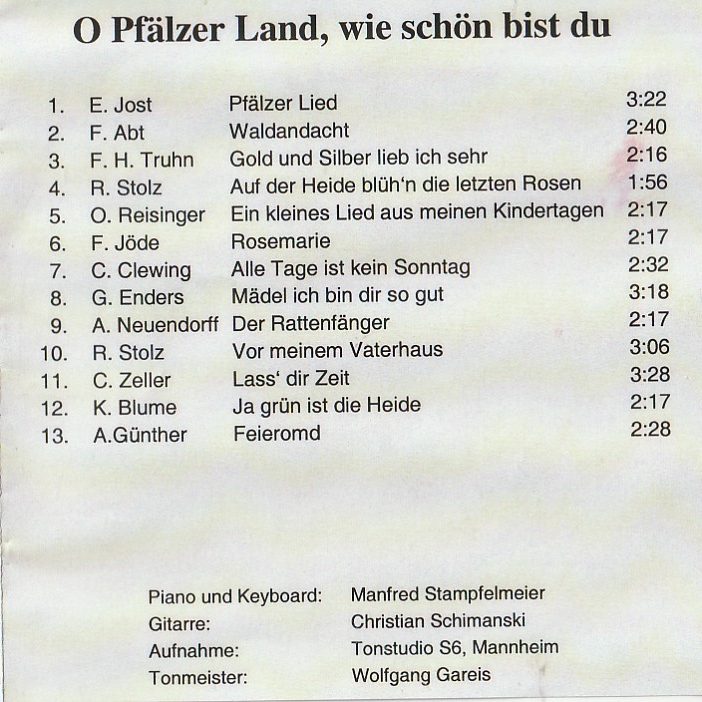
CD O Pfälzer Land, wie schön bist du
Category : CD-+DVD+BD+VHSDocs
Walter Krick was a baritone singer with folkloristic repertoire.
Category : CD-+DVD+BD+VHSDocs
Walter Krick was a baritone singer with folkloristic repertoire.
Category : EventDocs
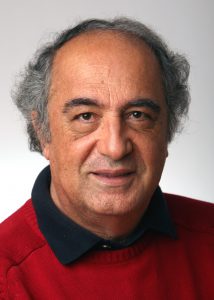
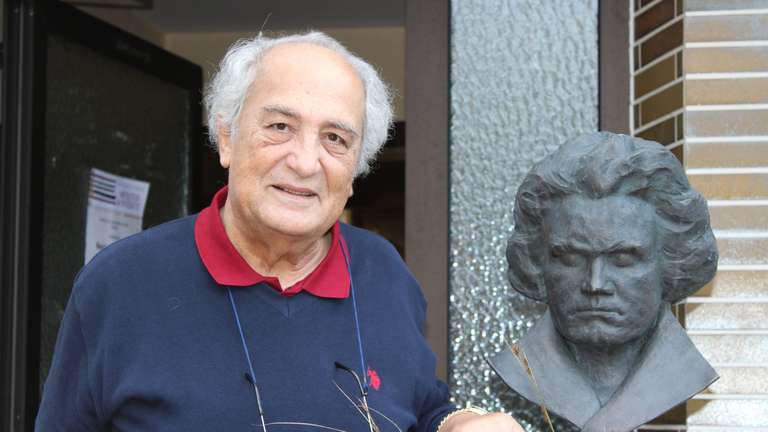
Since 1990 Dr. med. dent. Ferhat Derman organises the Bad Zwestener Meisterkonzerte
There are concerts over the year from piano solo over chamber music up to symphonic orchestra music.
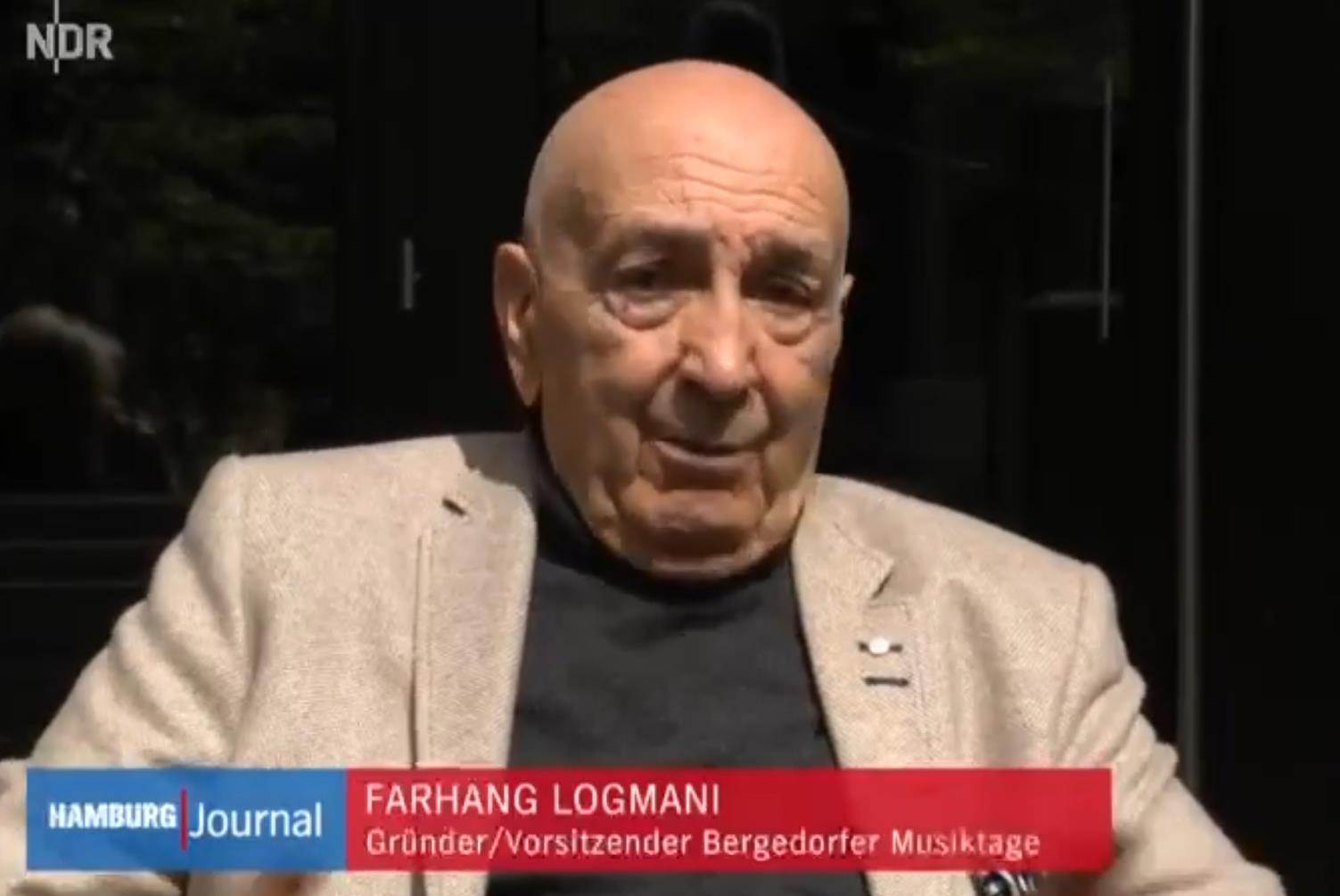

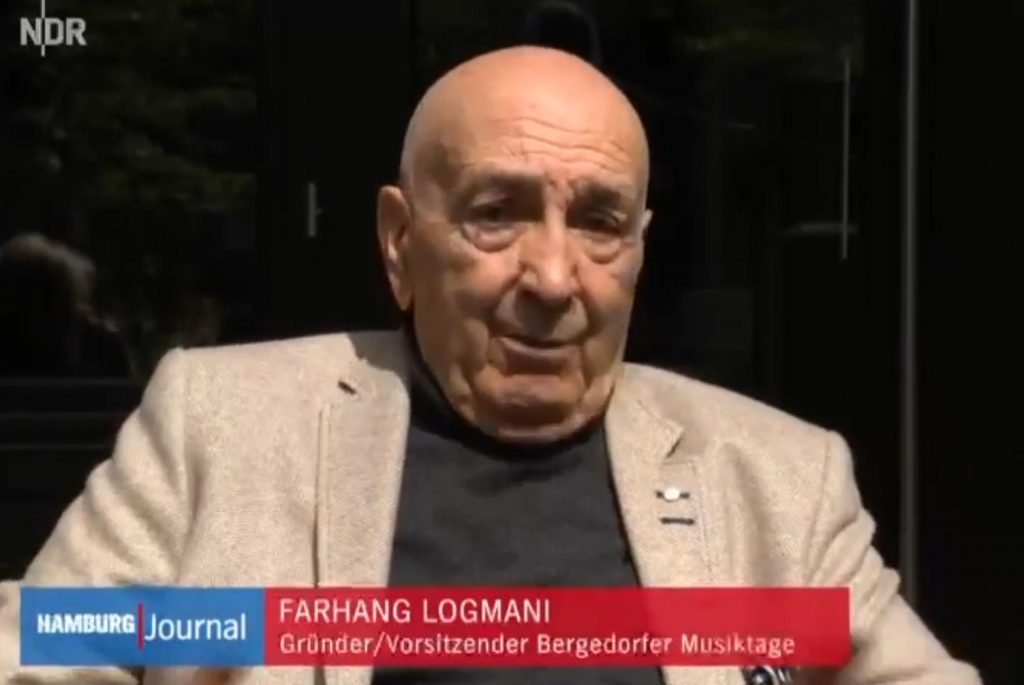
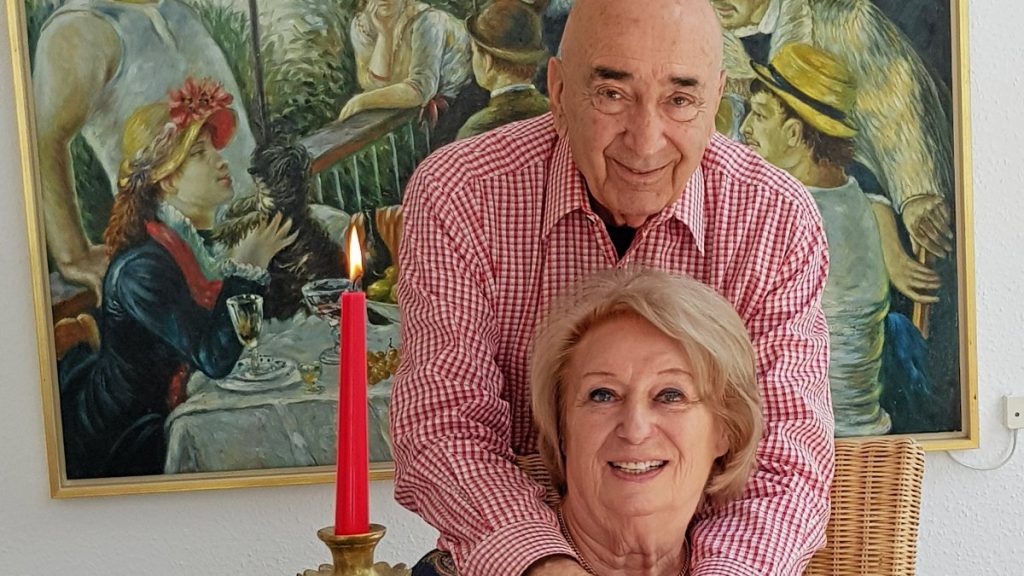
Since 2002 Dr. Farhang Logmani organises the Bergedorfer Kulturtage, which are becoming a MUSIK- AND THEATERFESTIVAL from 2024.
His wife contributes with organisation and a whole team handles the events. These events have positively influenced the entire region.

Category : RacingDocs
Iain Corness (1932 – 30.01.2023) was a leading MGB competitor of the 1960’s.
He was born in Northern Ireland in November 1941 and came to Australia as a “10 quid pom”.
Gained medical degree in Brisbane and practiced there.
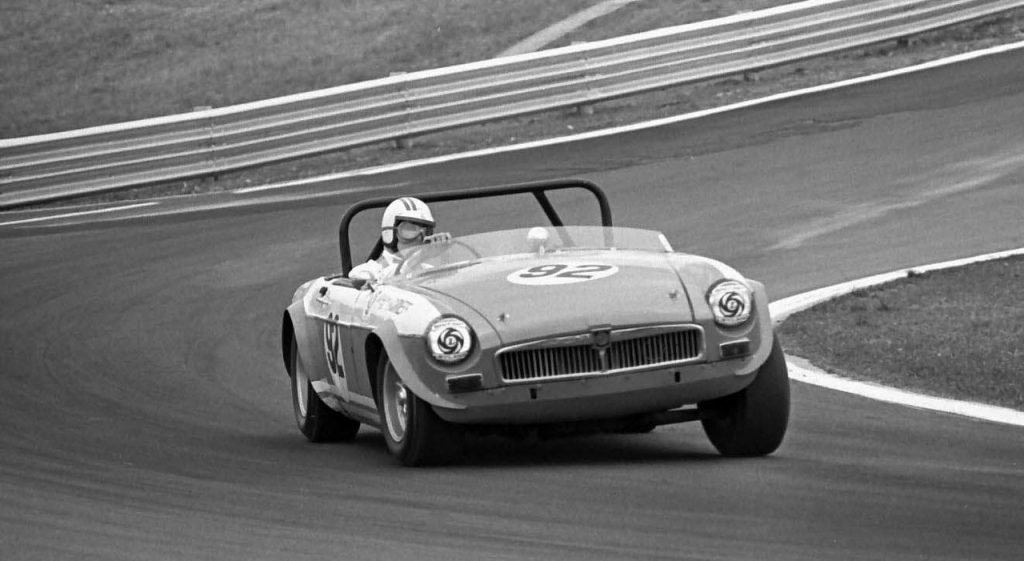
He took up amateur racing and eventually developed an MGB into the fastest in the world. This was extremely modified and included a Twin Cam head from an MGA fitted to the MGB block.
He raced many times at Oran Park and Warwick Farm, in some fantastic production sports car races. He gained sponsorship from British Leyland and the car was turned out in a great blue and white colour scheme. He had an equally well-presented Ford F100 ex ambulance also in the team colors as his tow car. The MGB came to be called the “SuperBee” and was covered in a great track test in October 1970 Sports Car World.
Eventually CAMS changed the rules for Prod Sports as development was getting out of hand. This outlawed the SuperBee and Ross Bond’s Austin Healey amongst other. Sometime later he developed a team of three radical Fort Escort Sports Sedans. These had space frame chassis and Mazda rotary engines. They were sponsored by Bryan Byrt Ford and looked very impressive in blue and white paint schemes. Iain was the lead driver. I don’t recall them racing at Sydney circuits, staying in Queensland.
In 1997 Iain moved permanently to Thailand settling in Pattaya. This is a city of 120,00 on west Thailand coast. It’ s main attraction for Iain was it had the only race circuit in Thailand.
He took up a Consultancy at the Bangkok Pattaya Hospital.
He continued racing in Thailand until age 80, mainly in a modified Ford Escort. See the attached YouTube video which is very interesting.
Pattaya’s Dr. Iain – Racing cars throughout his Life! – YouTube
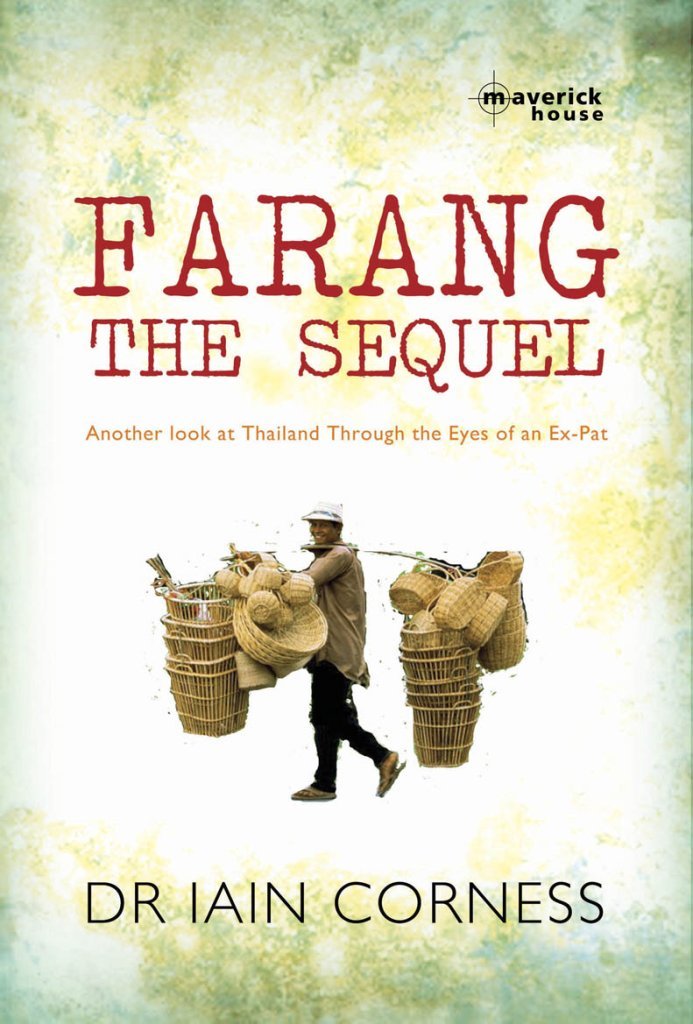
He wrote a bestselling book titled “Farang, Thailand through the eyes of an expat” . Subsequently he wrote a sequel.
Both books available through Amazon.
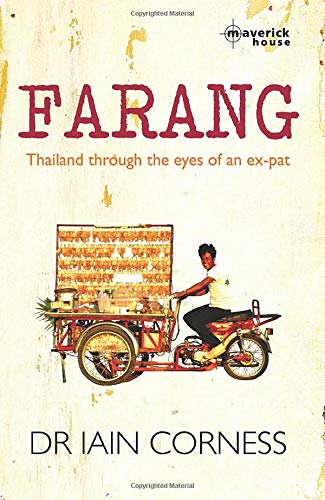
This Shannons article describes the development of the SuperBee:
MGA and MGB: Aussie doctor and the world’s fastest ‘Super Bee’ – Shannons Club
Iain was a truly unique character and larger than life.
Category : Miss-TerDocs
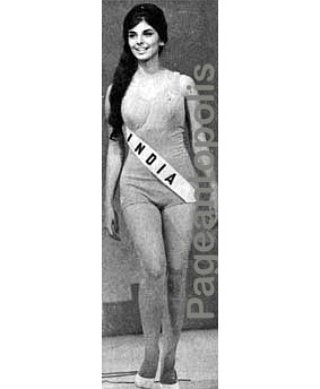
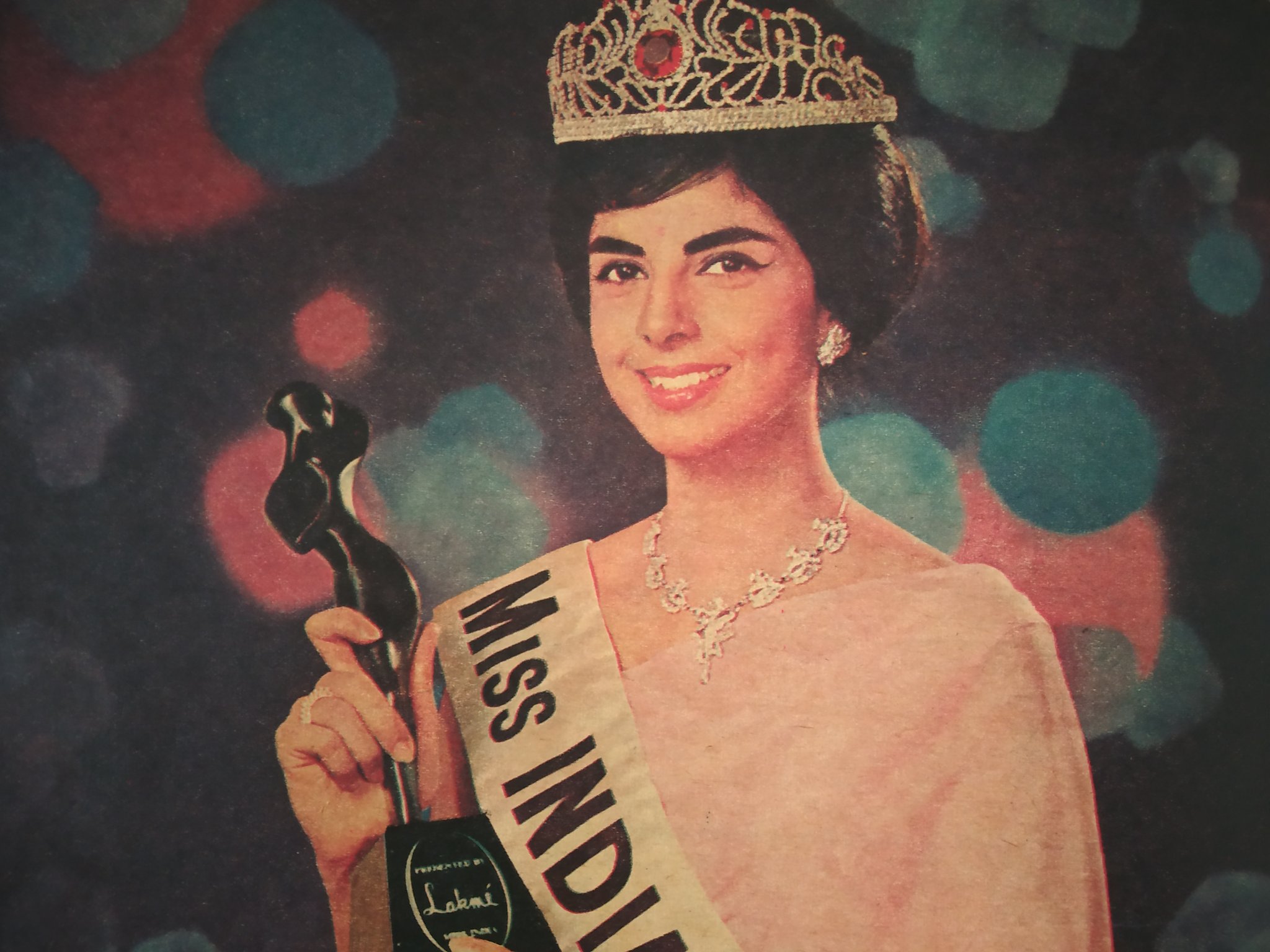
Yasmin Daji (born 1947) is an Indian doctor, model and beauty pageant titleholder. She was crowned Femina Miss India 1966. She represented India at Miss Universe 1966, where she was crowned 3rd Runner Up.
She was studying medical science in Lady Hardinge Medical College (LHMC), New Delhi when she entered Femina Miss India pageant in 1966. She was crowned the eventual winner. She also won Miss Beautiful Smile sub-award at the said pageant.[2]
She represented India at Miss Universe 1966 pageant and was declared 3rd Runner Up.
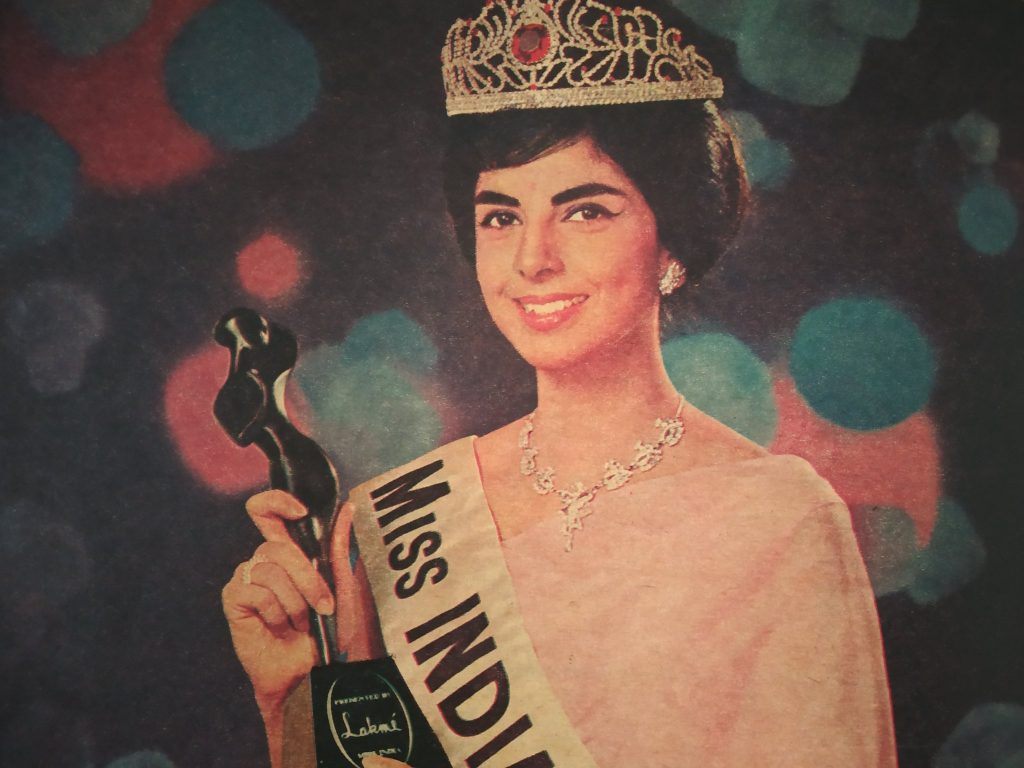
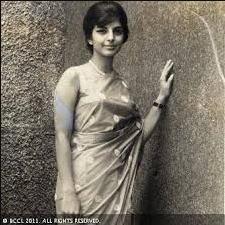
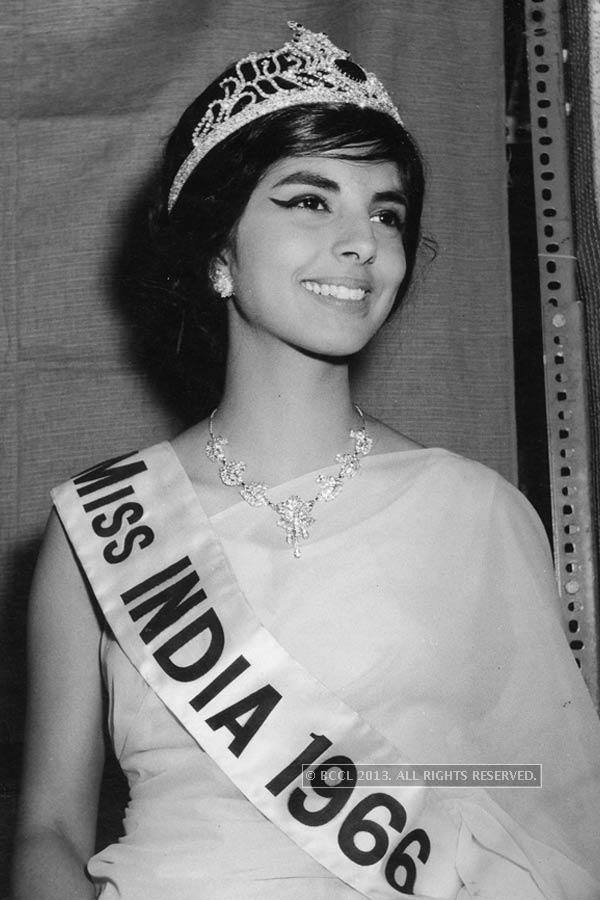
After becoming Miss Universe 3rd runner up, she became a very prominent and well known face in India. She was the face of the famous Lure cosmetics in India. She became one of the most beautiful women in the Indian modelling industry.[4] She was also mentioned in the famous book Pride of India by Persis Khambatta.
After completing her reign as Miss India Universe and finishing her studies she returned to the United States and got married.[5] She has two sons.
| Awards and achievements | ||
|---|---|---|
| Preceded by Ingrid Norman | Miss Universe3rd Runner-Up 1966 | Succeeded by Ritva Lehto |
| Preceded byPersis Khambatta | Femina Miss India 1966 | Succeeded byNayyara Mirza |
Category : Miss-TerDocs
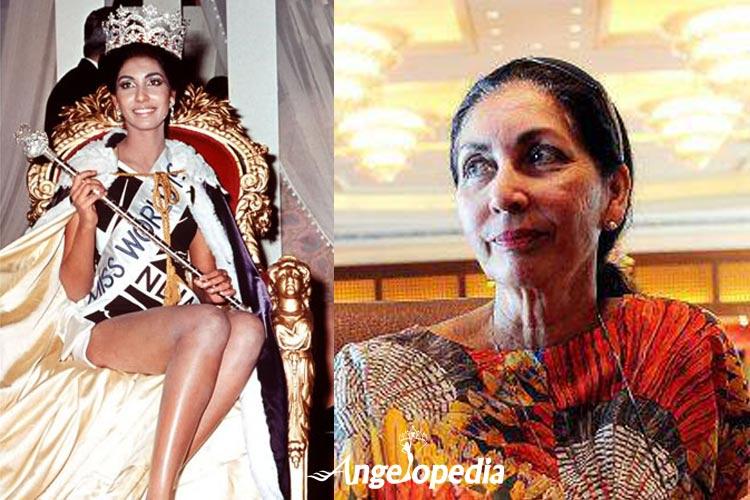
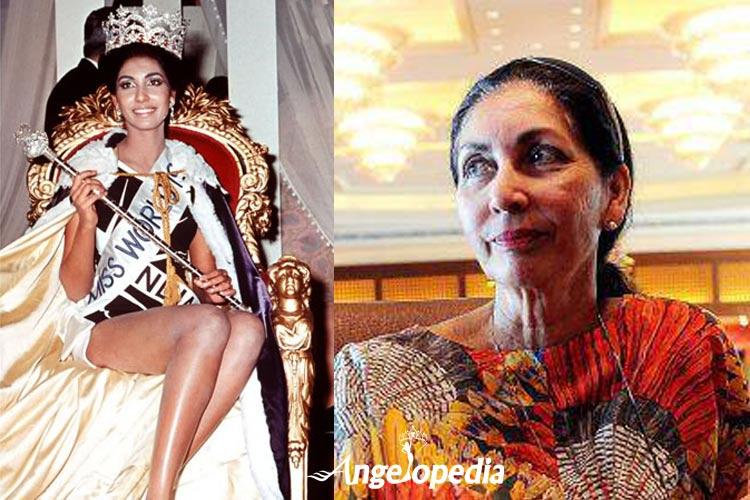
Reita Faria Powell[1] (néeFaria; born 23 August 1943)[2] is an Indian physician, former model and the winner of the Miss World 1966 pageant. She is also the first Miss World winner to be qualified as a physician.[3]
Her parents were Goan Catholics with her father John hailing from the village of Tivim and her mother Antoinette belonging to Santa Cruz.[4] Faria was the pairs second daughter after their eldest, Philomena. The family was a middle class one, with her father working in a mineral water factory and her mother running a salon.[5]
Reita Faria was born in Mumbai’s (then British India’s Bombay) Matunga district on 23rd August 1943.
Growing up, Faria, with an adult height of 5 feet 8 inches, was unusually tall for an Indian girl and made fun of by schoolboys who nicknamed her ‘mommy long legs’. Nevertheless Faria used her tall and lean build to her advantage in sports, playing ‘everything from throwball, netball and badminton’. Her first newspaper headlines were for scoring hat-tricks in hockey.[6]
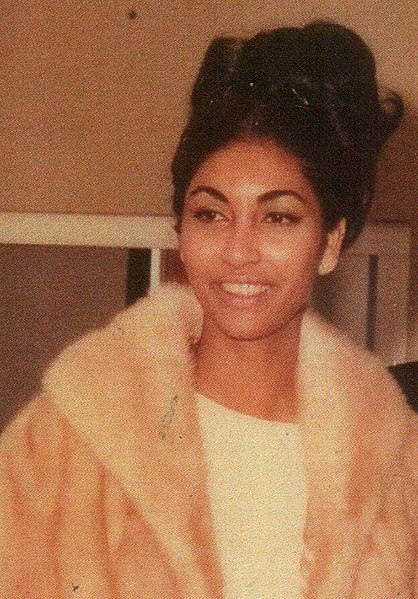
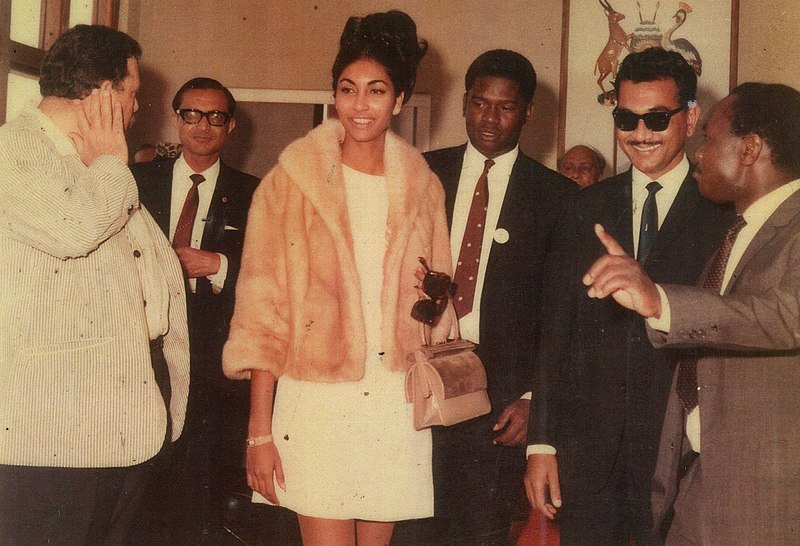
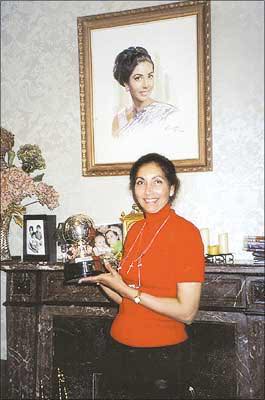
Faria was born in Bombay. Soon after winning the Miss Bombay Crown, she won the Eve’s Weekly Miss India contest 1966 competition (not to be confused with the Femina Miss India, won by Yasmin Daji).
During the Miss World 1966 contest, she won the sub-titles ‘Best in Swimsuit’ and ‘Best in Eveningwear’ for wearing a saree. She eventually went on to win the Miss World 1966 crown at the climax of the event, beating 51 competing delegates from other countries.[7]
Reita Faria is the first Asian to win the Miss World title in the year of 1966. She is the only Miss World who qualified as a Doctor during her reign. Faria was a student at the Grant Medical College & Sir J. J. Group of Hospitals where she completed her M.B.B.S. degree. Thereafter she went on to study at King’s College Hospital, London. She married her mentor David Powell in 1971, and in 1973, the couple shifted to Dublin, where she started her medical practice.
After her one-year tenure as Miss World, she began receiving various offers to act in films. Faria refused lucrative modelling and acting contracts, and instead concentrated on medical studies. She was a student at the Grant Medical College & Sir J. J. Group of Hospitals, where she completed her M.B.B.S. degree. Thereafter she went on to study at King’s College Hospital, London. She married her mentor David Powell, in 1971, and in 1973, the couple shifted to Dublin, where she started her medical practice.[8]
Reita was a judge at Femina Miss India in 1998, and has come back to judge the Miss World competition on a few occasions. She was a judge along with Demis Roussos at the Miss World final of 1976 held in London where Cindy Breakespeare was crowned Miss World.
Faria currently[when?] lives in Dublin, Ireland, with her husband, endocrinologist David Powell, whom she married in 1971. She has two daughters,
Category : photographyDocs , theatreDocs , WriterDocs
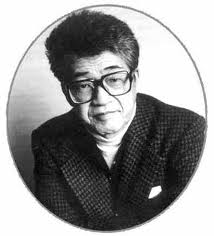
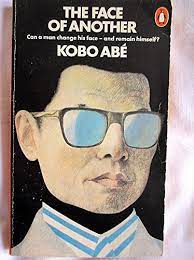
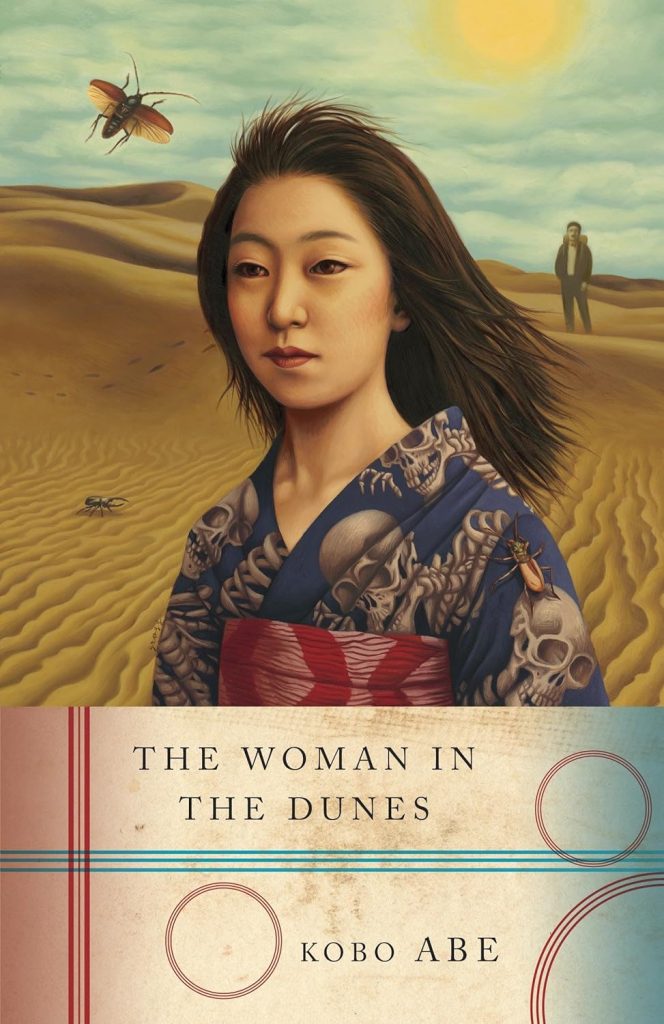
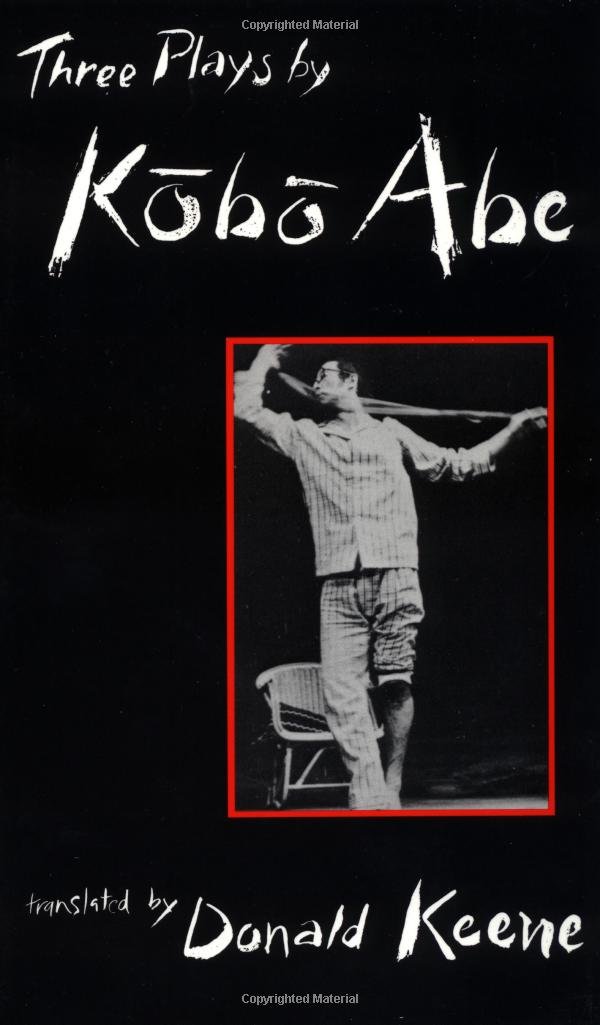
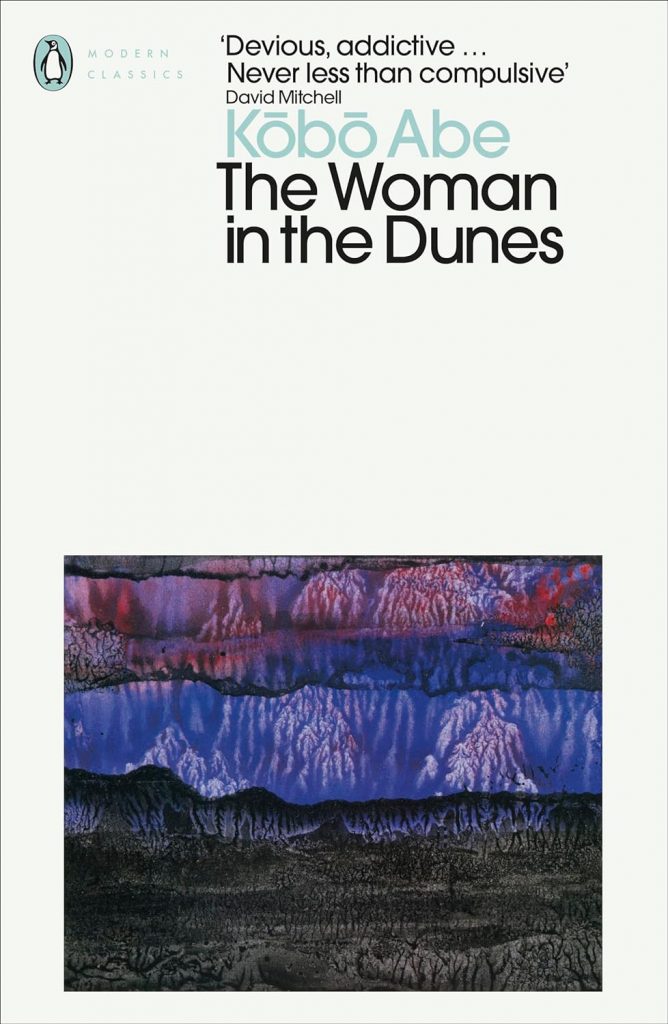
Kōbō Abe (安部 公房, Abe Kōbō), pen name of Kimifusa Abe (安部 公房, Abe Kimifusa, March 7, 1924 – January 22, 1993), was a Japanese writer, playwright, musician, photographer, and inventor. He is best known for his 1962 novel The Woman in the Dunes that was made into an award-winning film by Hiroshi Teshigahara in 1964.[2] Abe has often been compared to Franz Kafka for his modernist sensibilities and his surreal, often nightmarish explorations of individuals in contemporary society.
Abe was born on March 7, 1924[1][6] in Kita, Tokyo, Japan and grew up in Mukden (now Shenyang) in Manchuria.[2][1] Abe’s family was in Tokyo at the time due to his father’s year of medical research in Tokyo.[7] His mother had been raised in Hokkaido, while he experienced childhood in Manchuria. This triplicate assignment of origin was influential to Abe, who told Nancy Shields in a 1978 interview, “I am essentially a man without a hometown.[2] This may be what lies behind the ‘hometown phobia’ that runs in the depth of my feelings. All things that are valued for their stability offend me.”[7] As a child, Abe was interested in insect-collecting, mathematics, and reading. His favorite authors were Fyodor Dostoyevsky, Martin Heidegger, Karl Jaspers, Franz Kafka, Friedrich Nietzsche, and Edgar Allan Poe.
Abe returned to Tokyo briefly in April 1940 to study at Seijo High School, but a lung condition forced his return to Mukden, where he read Jaspers, Heidegger, Dostoyevsky, and Edmund Husserl. Abe began to study medicine at Tokyo Imperial University in 1943, partially out of respect for his father, but also because “[t]hose students who specialized in medicine were exempted from becoming soldiers. My friends who chose the humanities were killed in the war.”[7] He returned to Manchuria around the end of World War II.[1] Specifically, Abe left the Tokyo University Medical School in October 1944, returning to his father’s clinic in Mukden.[7] That winter, his father died of eruptive typhus. Returning to Tokyo with his father’s ashes, Abe reentered the medical school. Abe started writing novellas and short stories during his last year in university. He graduated in 1948 with a medical degree, joking once that he was allowed to graduate only on the condition that he would not practice.
In 1945 Abe married Machi Yamada, an artist and stage director, and the couple saw successes within their fields in similar time frames.[7] Initially, they lived in an old barracks within a bombed-out area of the city center. Abe sold pickles and charcoal on the street to pay their bills. The couple joined a number of artistic study groups, such as Yoru no Kai (Group of the Night or The Night Society) and Nihon Bungaku Gakko (Japanese Literary School). Their daughter, Abe Neri, was born in 1954.[8]
As the postwar period progressed, Abe’s stance as an intellectual pacifist led to his joining the Japanese Communist Party, with which he worked to organize laborers in poor parts of Tokyo. Soon after receiving the Akutagawa Prize in 1951, Abe began to feel the constraints of the Communist Party’s rules and regulations alongside doubts about what meaningful artistic works could be created in the genre of “socialist realism.”[7] By 1956, Abe began writing in solidarity with the Polish workers who were protesting against their Communist government, drawing the Communist Party’s ire. The criticism reaffirmed his stance: “The Communist Party put pressure on me to change the content of the article and apologize. But I refused. I said I would never change my opinion on the matter. This was my first break with the Party.”[7]: 35 [a] The next year, Abe traveled to Eastern Europe for the 20th Convention of the Soviet Communist Party. He saw little of interest there, but the arts gave him some solace. He visited Kafka’s house in Prague, read Rilke and Karel Čapek, reflected on his idol Lu Xun, and was moved by a Mayakovsky play in Brno.[7]
The Soviet invasion of Hungary in 1956 disgusted Abe. He attempted to leave the Communist Party, but resignations from the party were not accepted at the time. In 1960, he participated in the Anpo Protests against revision of the US-Japan Security Treaty as part of the pan-ideological Young Japan Society.[10] He later wrote a play about the protests, The Day the Stones Speak, which was staged several times in Japan and China in 1960 and 1961.[11] In the summer of 1961, Abe joined a group of other authors in criticizing the cultural policies of the Communist Party. He was forcibly expelled from the party the following year.[12] His political activity came to an end in 1967 in the form of a statement published by himself, Yukio Mishima, Yasunari Kawabata, and Jun Ishikawa, protesting the treatment of writers, artists, and intellectuals in Communist China.[7] According to translator John Nathan, this statement led to the falling-out between Abe and fellow writer Kenzaburō Ōe.[13]
His experiences in Manchuria were also deeply influential on his writing, imprinting terrors and fever dreams that became surrealist hallmarks of his works. In his recollections of Mukden, these markers are evident: “The fact is, it may not have been trash in the center of the marsh at all; it may have been crows. I do have a memory of thousands of crows flying up from the swamp at dusk, as if the surface of the swamp were being lifted up into the air.”[7] The trash of the marsh was a truth of life, as were the crows, yet Abe’s recollections of them tie them distinctively. Further experiences with the swamp centered around its use as a staking ground for condemned criminals with “[their] heads—now food for crows—appearing suddenly out of the darkness and disappearing again, terrified and attracted to us.” These ideas are present in much of Abe’s work.
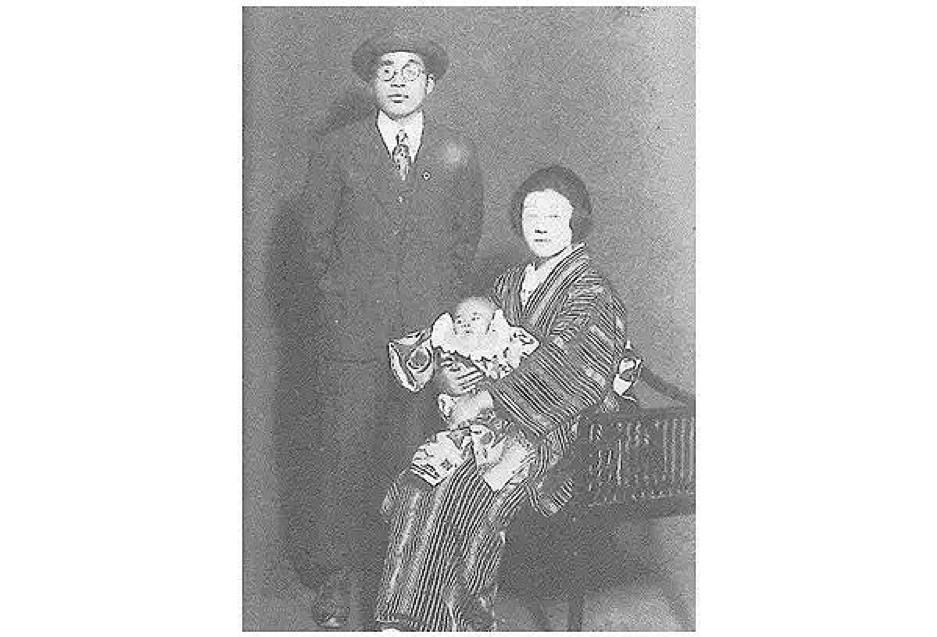
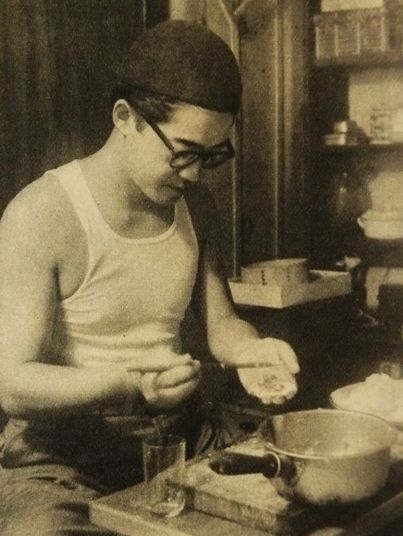
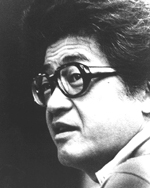
Abe was first published as a poet in 1947 with Mumei-shishū (“Poems of an unknown poet”), which he paid for himself,[1] and as a novelist the following year with Owarishi michi no shirube ni (“The Road Sign at the End of the Street”), which established his reputation.[1] When he received the Akutagawa Prize in 1951, his ability to continue publishing was confirmed.[7] Though he did much work as an avant-garde novelist and playwright, it was not until the publication of The Woman in the Dunes in 1962 that Abe won widespread international acclaim.[14]
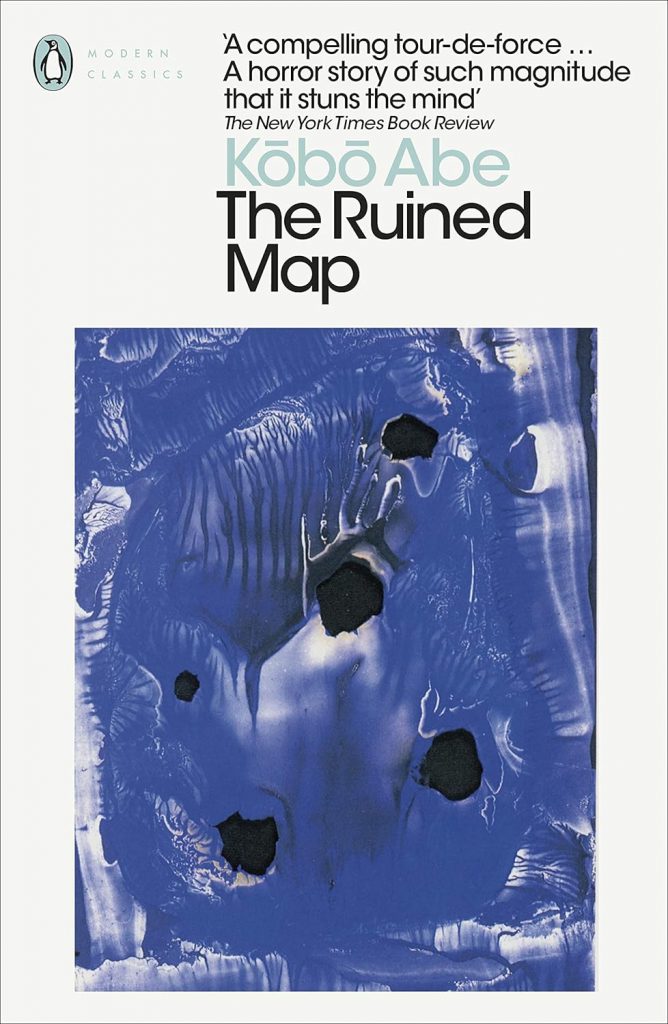
In the 1960s, he collaborated with Japanese director Hiroshi Teshigahara on the film adaptations of The Pitfall, Woman in the Dunes, The Face of Another, and The Man Without a Map. Woman in the Dunes received widespread critical acclaim and was released only four months after Abe was expelled from the Japanese Communist Party.
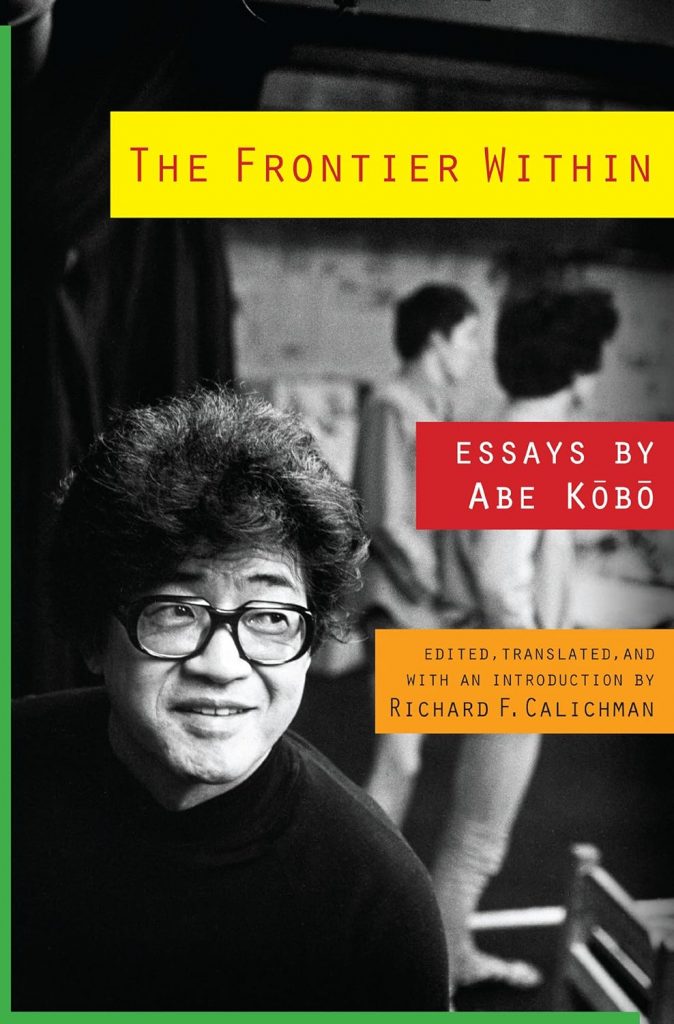
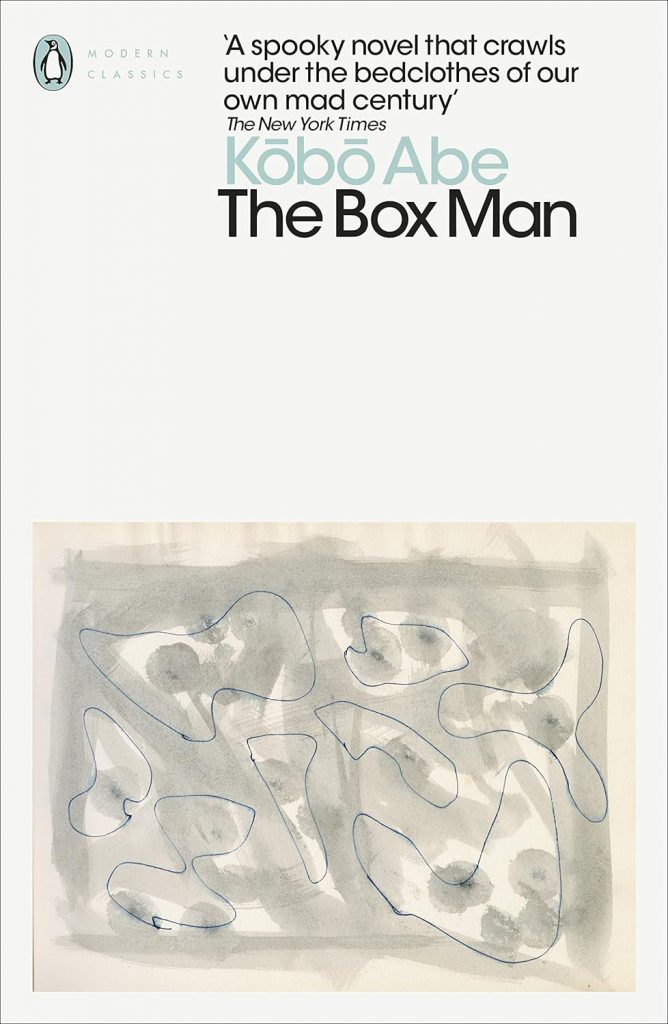
In 1971, he founded the Abe Studio, an acting studio in Tokyo.[7] Until the end of the decade, he trained performers and directed plays. The decision to found the studio came two years after he first directed his own work in 1969, a production of The Man Who Turned Into A Stick. The production’s sets were designed by Abe’s wife, and Hisashi Igawa starred. Abe had become dissatisfied with ability of the theatre to materialize the abstract, reducing it to a passive medium. Until 1979, he wrote, directed, and produced 14 plays at the Abe Studio. He also published two novels, Box Man (1973) and Secret Rendezvous (1977), alongside a series of essays, musical scores, and photographic exhibits.[7] The Seibu Theater, an avant-garde theater in the new department store Parco, was allegedly established in 1973 specifically for Abe, though many other artists were given the chance to use it. The Abe Studio production of The Glasses of Love Are Rose Colored (1973) opened there. Later, the entirety of the Seibu Museum was used to present one of Abe’s photographic works, An Exhibition of Images: I.[7]
The Abe Studio provided a foil for much of the contemporary scene in Japanese theater, contrasting with the Haiyuza‘s conventional productions, opting to focus on dramatic, as opposed to physical, expression. It was a safe space for young performers, whom Abe would often recruit from the Toho Gakuen College in Chofu City, on the outskirts of Tokyo, where he taught. The average age of the performers in the studio was about 27 throughout the decade, as members left and fresh faces were brought in. Abe “deftly” handled issues arising from difference in stage experience.
In 1977 Abe was elected a Foreign Honorary Member of the American Academy of Arts and Sciences.
Category : ChessDocs , JournalistDocs , OlympicDocs , TV-doc , WriterDocs
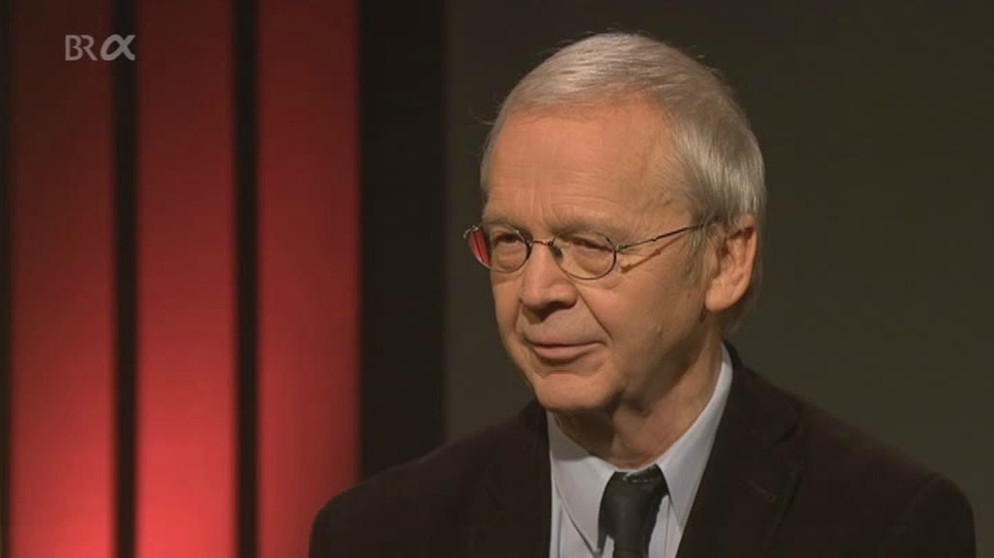
Helmut Pfleger (born August 6, 1943) is a German chess grandmaster and author. He was one of the most promising chess players in the 1960s and 1970s. From 1977 until 2005, Pfleger hosted a series of chess programs on German public TV, including Chess of the Grandmasters, often together with grandmaster Vlastimil Hort. By profession, he is a doctor of medicine.
In 1960 he won the German Junior Championship, in 1961 was fourth in the World Junior Chess Championship. In 1965 he tied for 1st with Wolfgang Unzicker in the German Chess Championship in Bad Aibling, but lost an additional match to him there.
He took 1st at Maputo 1973, tied for 1st–2nd at Polanica-Zdrój 1971, tied for 1st–2nd at Montilla 1973, tied for 2nd–3rd at Montilla 1974, tied for 2nd–5th at Manila 1975, tied for 2nd–3rd at Havana 1982, was 4th at Royan 1988.
Pfleger played for Germany in the Chess Olympiads of 1964, 1968, 1972, 1974, 1978, 1980 and 1982. At the Tel Aviv Olympiad of 1964, he was awarded the gold medal for best performance on fourth board and a bronze medal for his contribution to the team’s overall performance.[1] He was awarded the Grandmaster title in 1975.
On the April 2009 FIDE list, he has an Elo rating of 2477, although he has been virtually inactive since 1990.
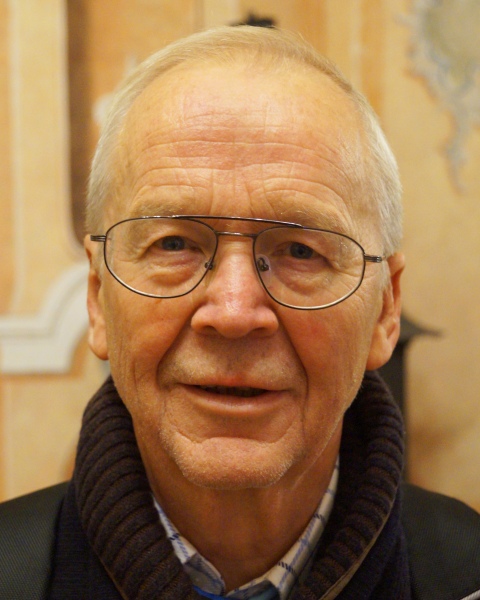
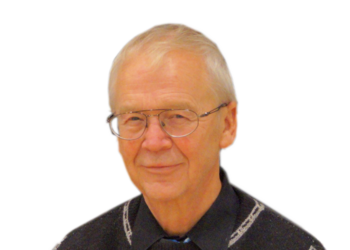
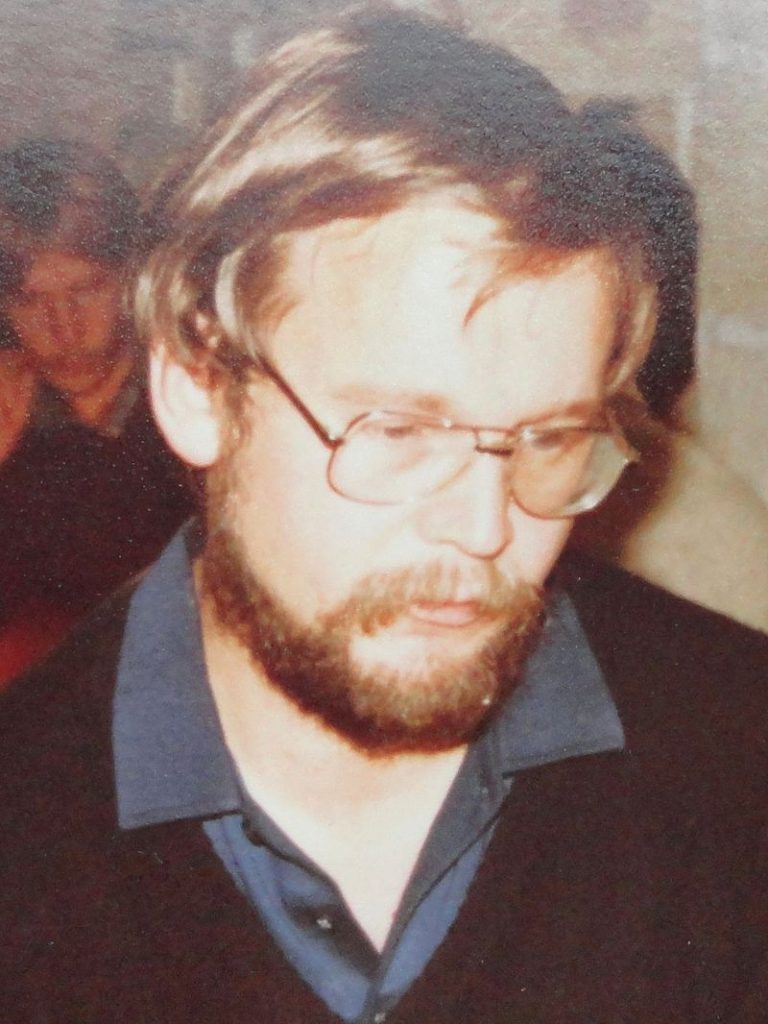

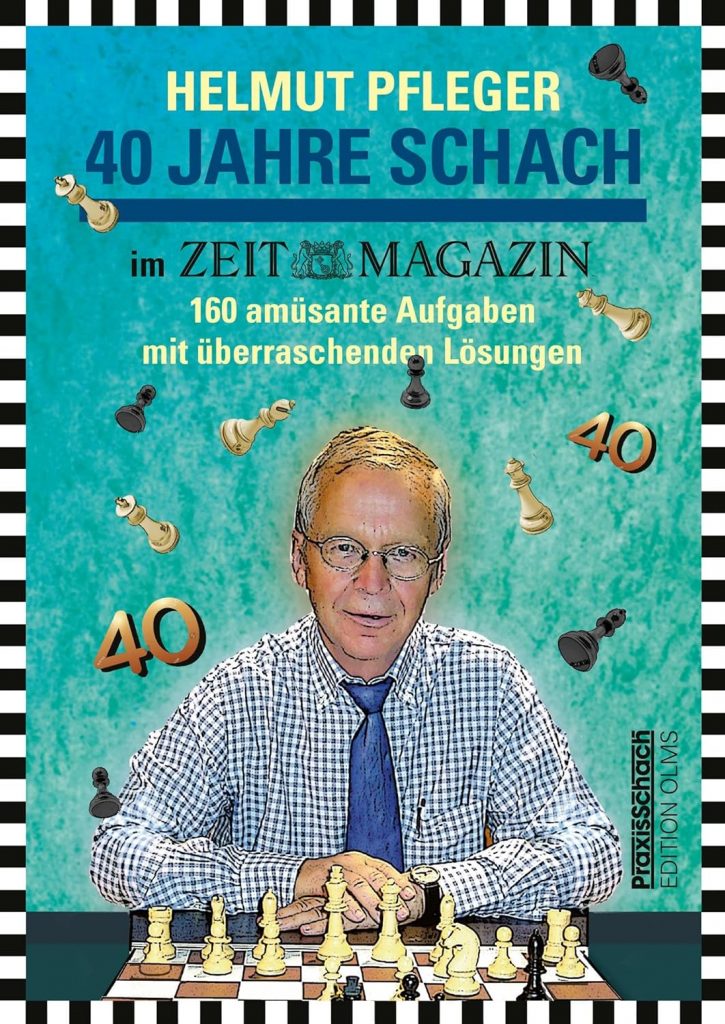


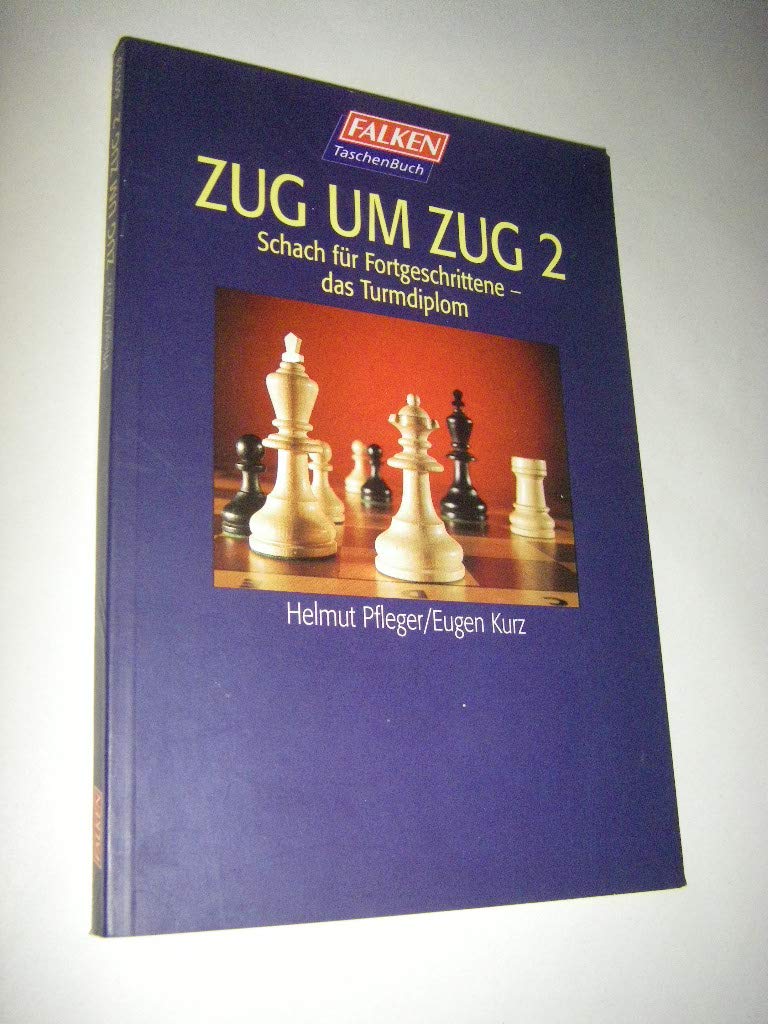
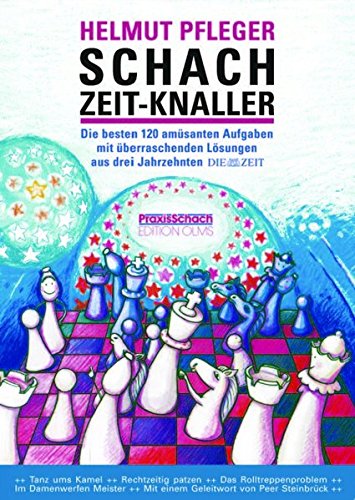
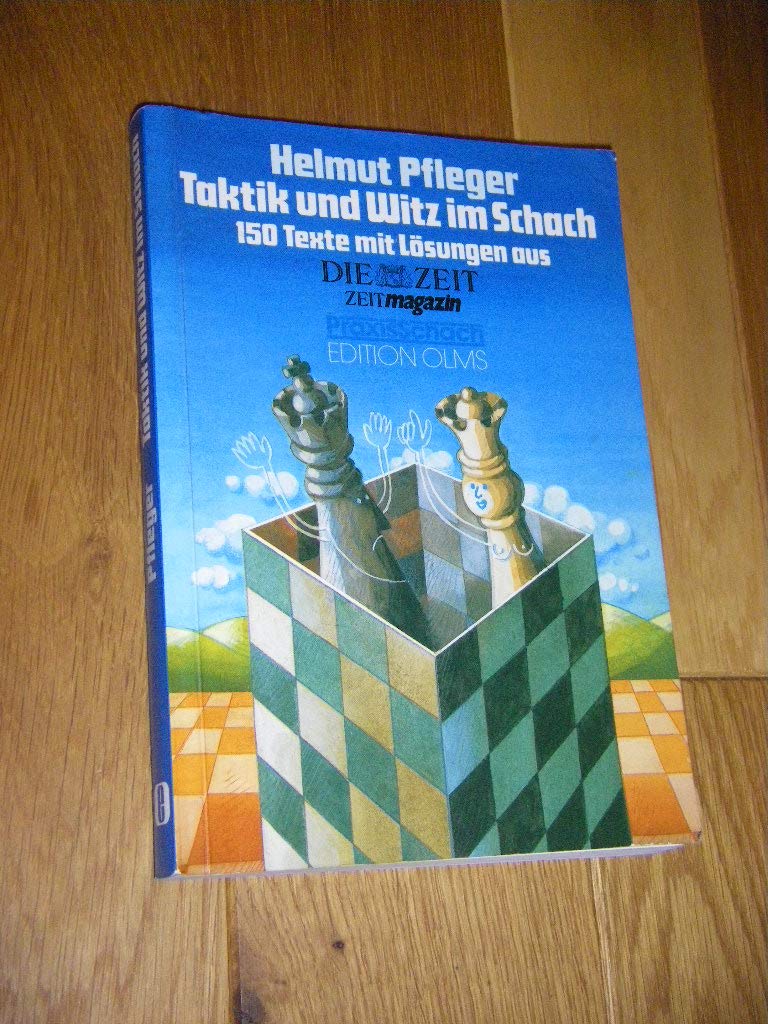

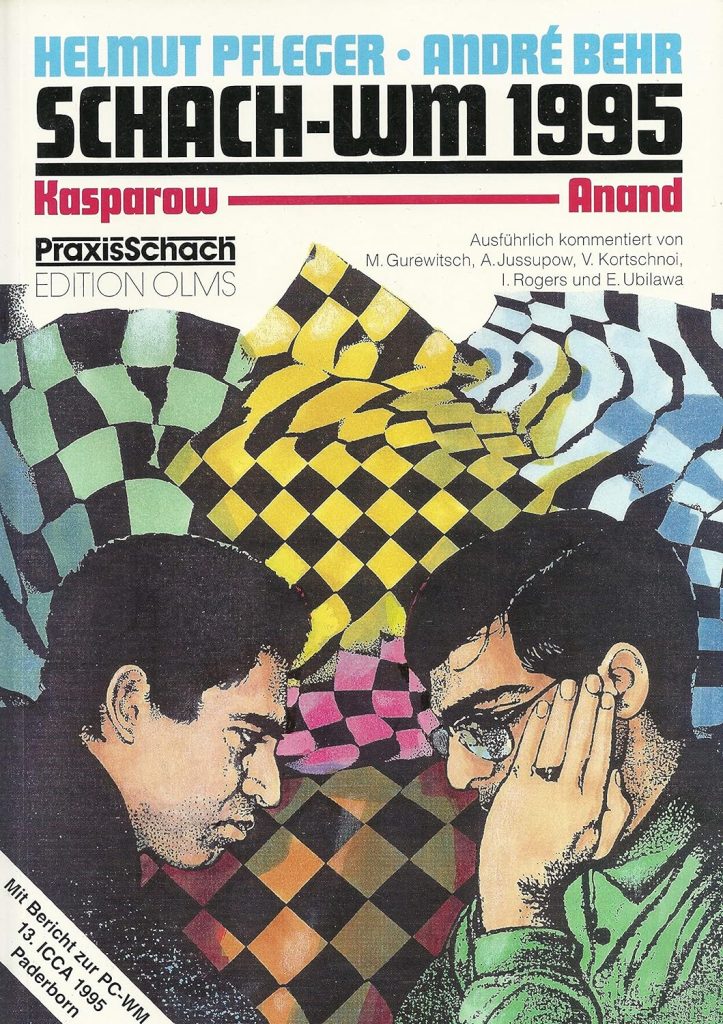
Pfleger is inactive at FIDE because he has not made games with Elosince 1999.
He participated in the chess olympics 1974 in Nizza as well as in European or world championships.
Pfleger organises Medical Chess Championships in Germany for >30 years now. That association is very radical denying to use their photos, more unfriendly than anybody in THIS web, but you can see lots of the photos in the Deutsches Ärzteblatt: https://www.aerzteblatt.de/search?q=schachmeisterschaft
ÄrzteSchach.de | DoctorsChess.de
80. Geburtstag | 80th birthday laudatio
Great interview in TV BR Bayerischer Rundfunk
Category : BlogDocs , CollectorDocs , philosophyDocs , psychologyDocs , radioDocs , TV-doc , WriterDocs
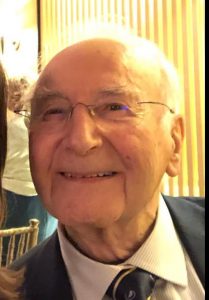
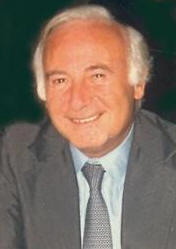
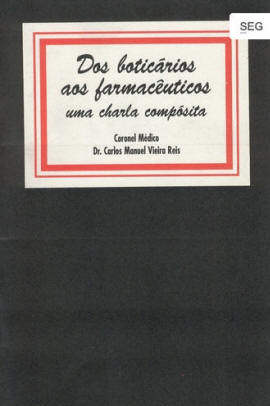
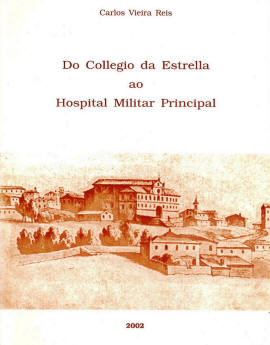
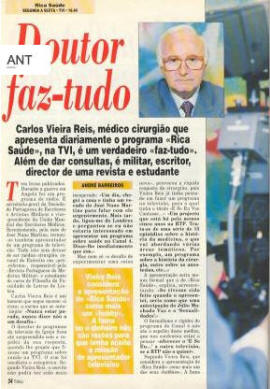
Carlos Manuel Vieira Reis (*19. Januar 1935 in Chaves, Portugal) has been married to Maria de Lurdes Frimer, a teacher.
He studied medicine in Coimbra and Lisboa and specialized in Surgery. In addition he studied also Tropical Diseases, Sportive Medicine, Psicology and Philosophy.
Carlos Vieira Reis is a multi-interested personality, with several intellectual activities, like historical research, literature, art collector, radio and television activities.
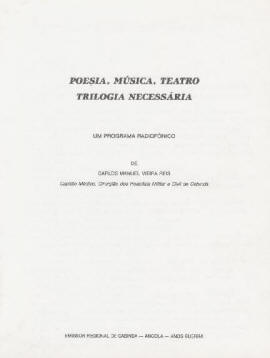
He had a weekly radio program, named «Poesia, Música e Teatro – Trilogia necessária»
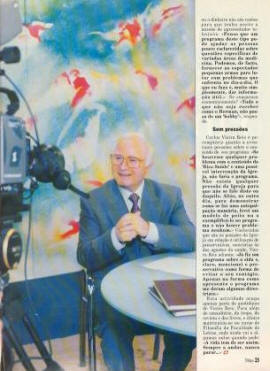
He had a diary program on Television Independent (TVI) named «Rica Saúde» during 1993
And recently he had a weekly program on Television by cable (TV Saúde), named «E, se eu vos contasse?» – 35 distincts programs.
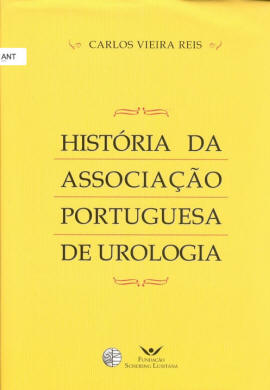
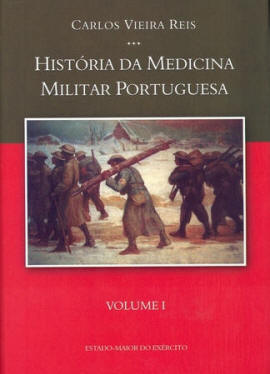
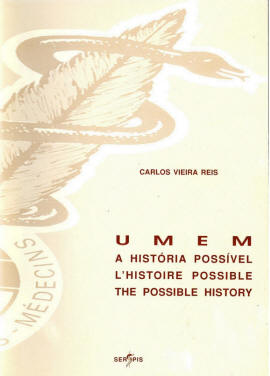
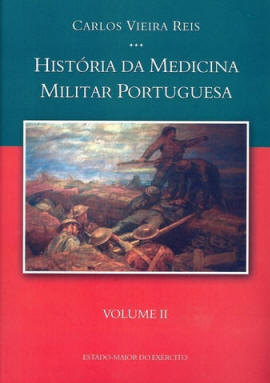
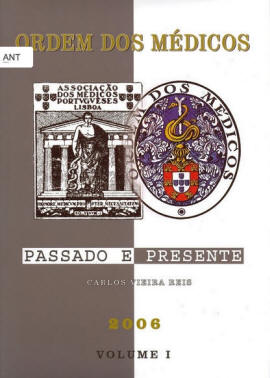
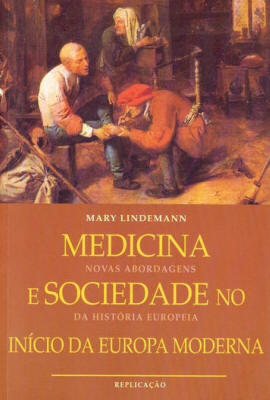
Carlos Vieira Reis is also a writer and had published several books , novels, poetry, history of medicine, essay and romance.
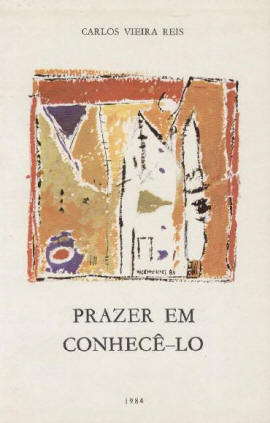
«Prazer em conhecê-lo» – novel
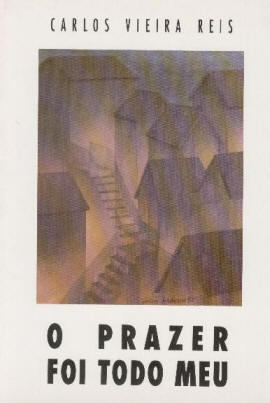
«O prazer foi todo meu» – novel
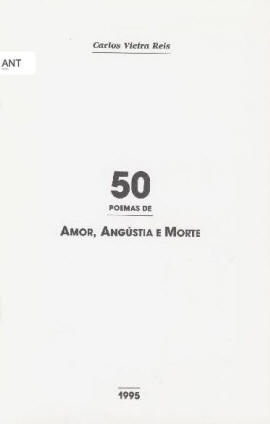
«50 poemas de amor, angústia e morte» – poetry
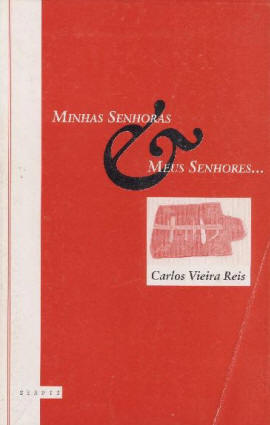
«História da Medicina Militar Portuguesa» – 2 volumes – 1350 pages – 2004 – history «Minhas senhoras e meus senhores» – 480 pages – 1998 – history
«História da Associação Portuguesa de Urologia» – 586 pages – 2003 – history
«A influência da medicina militar nos séculos XVIII e XIX» – 430 pages – Award Abel Salazar 1997 – essay
«Um rio de vinho, um rio de sangue» – translated for spanish, french, english, italian, german and japonese language – Award Cesare Pavese – Italy 1989 – essay
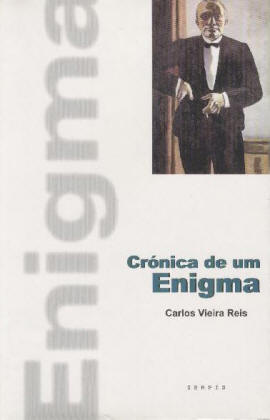
«Crónica de um enigma» – Award Fialho de Almeida – 1997 – romance
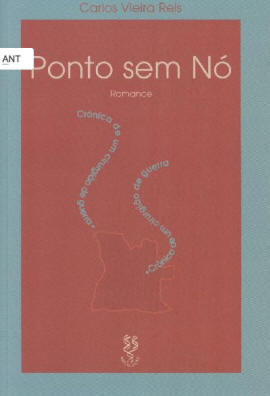
«Ponto sem nó» – 2000 – romance
«História da Ordem dos Médicos – passado e presente» – 845 pages – 2004 – history
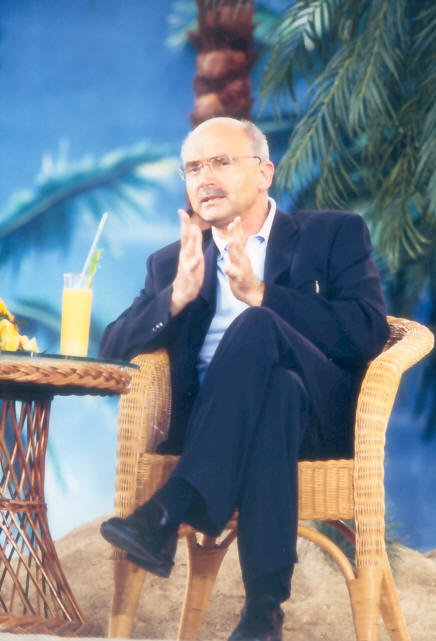
Category : SpeakerDocs , TV-doc , WriterDocs
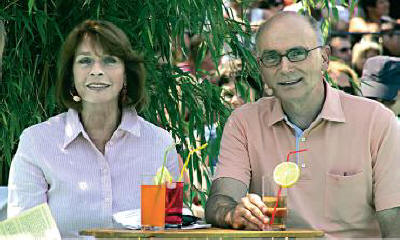
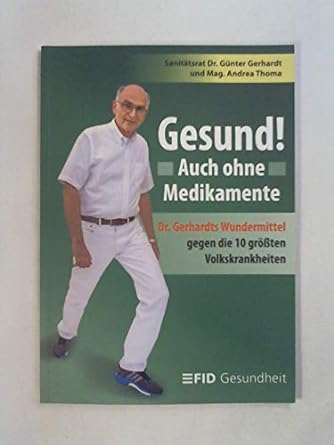
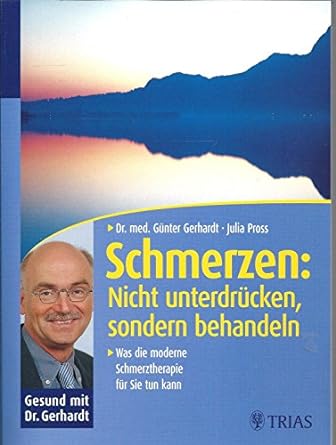
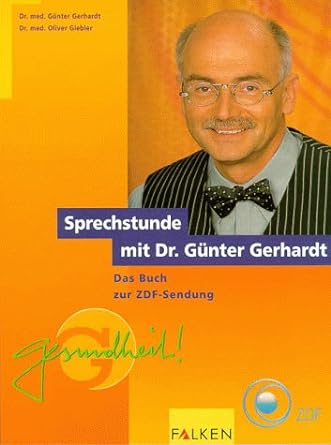
Günter Gerhardt (*1947) is a German TV-Doc and also was director of the German KV – Kassenärztlichen Bundesvereinigung. He runs a video portal for seniors in RLP – Rheinland-Pfalz.
During his TV career he performed in many stations as ZDF, 3sat, WDR and RTL and SWR4. Titles of his shows were „Gesundheitstipp“, in ZDF „PRAXIS täglich“ and in 3sat „Teletipps vom Hausarzt“.
He also has humour and sings with the Mainz carneval band…..