Wolfgang Adelung (1 October 1920 in Berlin; 15 November 1994 in Singen, Baden-Württemberg) was a German physician and organ researcher.
Wolfgang Adelung studied medicine. He received his doctorate in Freiburg in 1948. Later, he ran a dermatology practice in Singen (Hohentwiel).
Adelung also became an organist and was one of the most important members of the Society of Organ Friends during his time. In 1952, he co-founded its organ journal, Ars Organi. He subsequently became editor (1957–1972), chairman (1973–1983), head of the office (1983–1987), and a member of the Advisory Committee of the Society of Organ Friends (1987–1994).
Wolfgang Adelung authored the standard work “Introduction to Organ Building,” which has been published in several revised editions. He also published other books and articles on organs. Monographs
Complete list
The Normal Blood Count of Freiburg, dissertation, Freiburg 1948 Introduction to Organ Building, Breitkopf & Härtel Leipzig 1955; subsequently six new editions, several of which have been expanded, most recently Introduction to Organ Building, Breitkopf & Härtel Wiesbaden 1991 Electron Instrument and Pipe Organ, Merseburger, Berlin 1956 The Elektrium, Merseburger, Berlin 1964 Organs of the Present, Bärenreiter, Kassel et al., 1972 The Organ, Orgelbau-Fachverlag, 1977
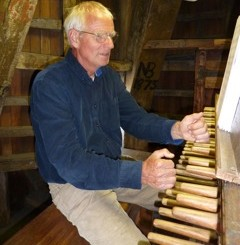
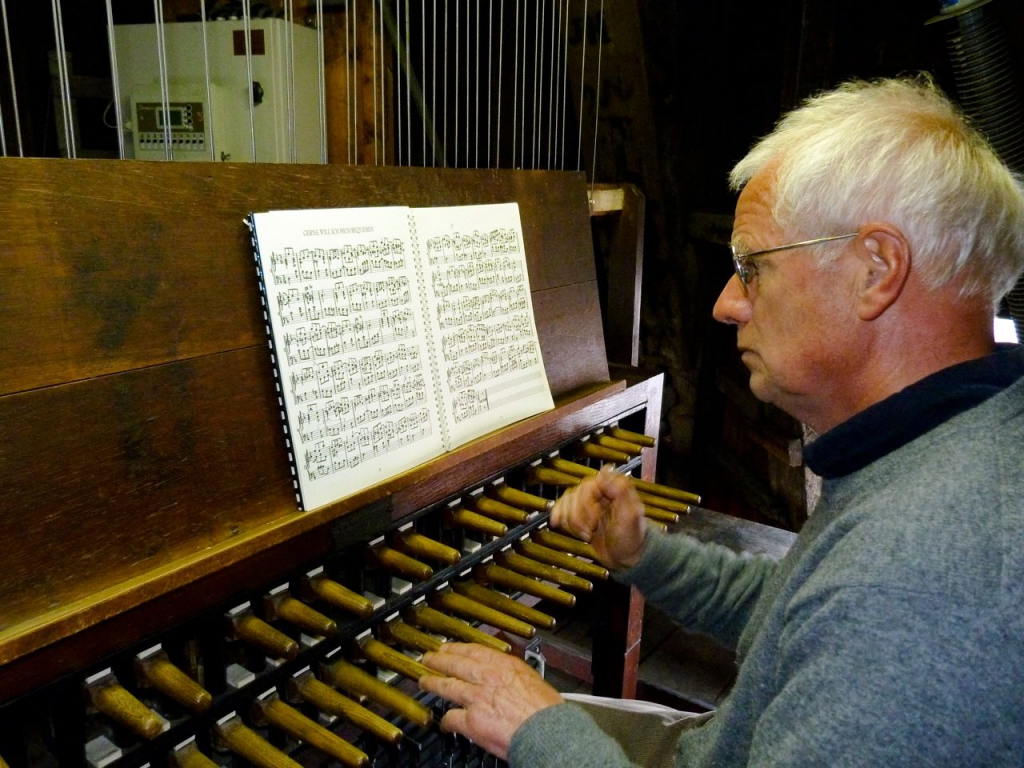
Sjoerd Tamminga, born in 1947 in Goes, Netherlands, received his first carillon lessons at the age of eleven from his piano teacher, the then city carillonneur of Goes, Wilhelm Harthoorn. While studying dentistry in Amsterdam, he received further carillon lessons from the carillonneur of the Oudekerk in Amsterdam, Cees Roelofs, who had studied with Jef Denyn at the Carillon School in Mechelen, Belgium, and graduated there in 1933. Tamminga followed his example and earned his own carillon diploma “with great distinction” from the same school in 1976. That same year, he won first prize in the carillon competition at the Holland Festival in Tiel. In 1977, he became city carillonneur of Goes. He performs at carillon festivals in various European countries and records CDs. He specializes in popular melodies, evergreens, and jazz. Together with his son, the carillonneur and composer Jorrit Tamminga, he works on music for carillon and electronics.
Carillon der Maria MagdalenakerkGoes Niederlande
GOES – City carillonneur Sjoerd Tamminga has passed away at the age of 65. From 1977, he was the regular carillon player in Goes. With Tamminga’s death, the city loses a remarkable musician who dared to combine modern music with the ancient craft of carillonnage.
Tamminga first encountered carillon music at the age of 11 through piano lessons with city carillonneur Willem Harthoorn, whose successor he later became. From 1974, he studied at the Royal Carillon School in Mechelen, where he received his diploma with honors in 1976.
Lou Reed In 2009, Sjoerd Tamminga represented the Netherlands at the celebration of the 400th anniversary of relations between our country and New York. On Queen’s Day of the same year, he played the carillon of the Riverside Church in the metropolis, the largest carillon in the world. In the presence of singer Lou Reed, Tamminga performed his version of “Perfect Day.”
Anniversary Seven years earlier, the Goes native celebrated his 25th anniversary as the city’s carillonneur. On October 30, Sjoerd Tamminga would have celebrated his 66th birthday.
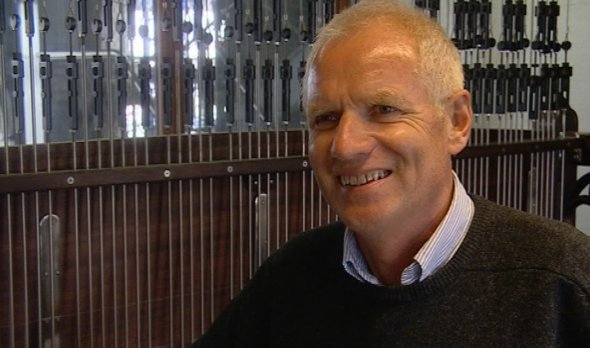
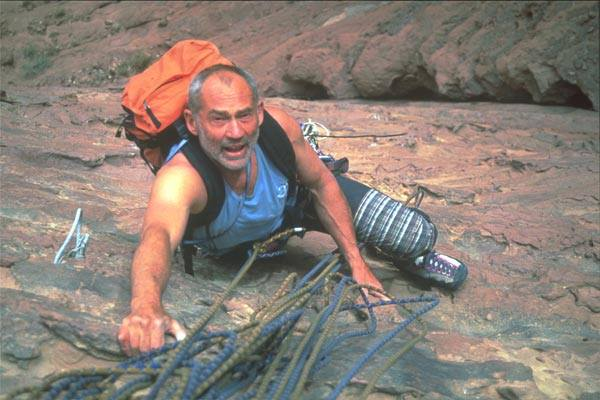
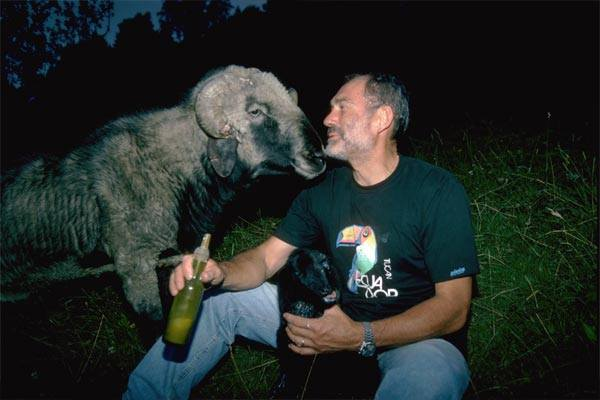
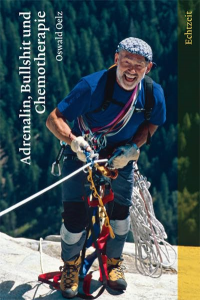
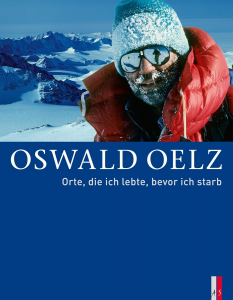
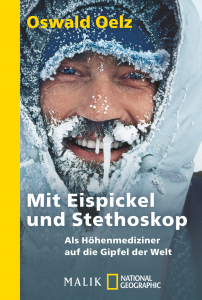
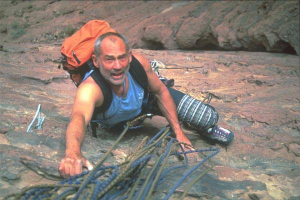
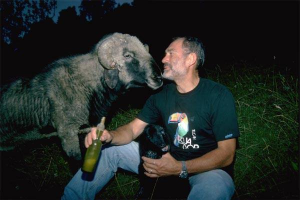
Oswald “Bulle” Oelz (born February 6, 1943 in Rankweil, Vorarlberg) is an Austrian-Swiss physician and mountaineer. From 1991 to 2006, he was chief physician at the Triemli City Hospital in Zurich. In addition to his medical work, the internist and high-altitude physician practiced extreme mountaineering, participated in numerous expeditions in the Himalayas, and gave slide presentations about his climbing tours. He breeds sheep.
As an expedition doctor, Oswald Oelz accompanied numerous expeditions in the Himalayas, including mountaineers such as Reinhold Messner, Peter Habeler, and Hans Kammerlander. In 1972, Oelz traveled to the Himalayas to climb Manaslu (8,163 m), but was unsuccessful.
In 1978, he was one of two doctors on the controversial expedition to Mount Everest (8,848 m), during which Messner and Habeler climbed the mountain for the first time without supplemental oxygen. Oelz and six other expedition members successfully completed the ascent using oxygen cylinders. He was thus the first Vorarlberg native to successfully climb Mount Everest.
During an expedition in 1979, he attempted to climb the Ama Dablam Northeast Ridge (6,856 m). He was unable to reach the summit due to a rescue operation. In 1981, he accompanied an expedition to Shishapangma (8,027 m), but in 1982, he failed to climb Cho Oyu (8,188 m) due to cerebral edema. In 1983, he survived an avalanche on Glacier Dome (7,193 m) in the Annapurna massif. In 1985, Oelz climbed Shishapangma, his second eight-thousander. A further attempt to climb Makalu (8,485 m) failed in 1986.
In 1990, Oswald Oelz became the third person to reach all of the Seven Summits according to the Carstensz version: Aconcagua (6,961 m, 1974 & 1986), Mount McKinley (6,190 m, 1976), Mount Everest (1978), Mount Vinson (4,892 m, 1986), Kibo (5,895 m, 1987), Mount Kosciuszko (2,228 m, 1989), Elbrus (5,642 m, 1989), and the Carstensz Pyramid (4,884 m, 1990).[3]
He reached the summit of Ama Dablam in 1995. In the Alps he climbed the three great north faces of the Alps: the Matterhorn North Face, the Eiger North Face (1995) and the Walker Pillar of the Grandes Jorasses.
In the documentary Höhenrausch: Die Entwicklung der Höhenmedizin (2022), Oelz states that he “lost a total of 29 friends with whom he climbed high peaks.” In 1978, in a personal experiment on Mount Everest, he reduced his hematocrit from 58 to 52% to reduce viscosity, but subsequently became seriously ill. After a week, he recovered and climbed the summit with oxygen. In 1986, he suffered high-altitude pulmonary edema on Aconcagua and was treated with nifedipine, with rapid improvement after 10 minutes.
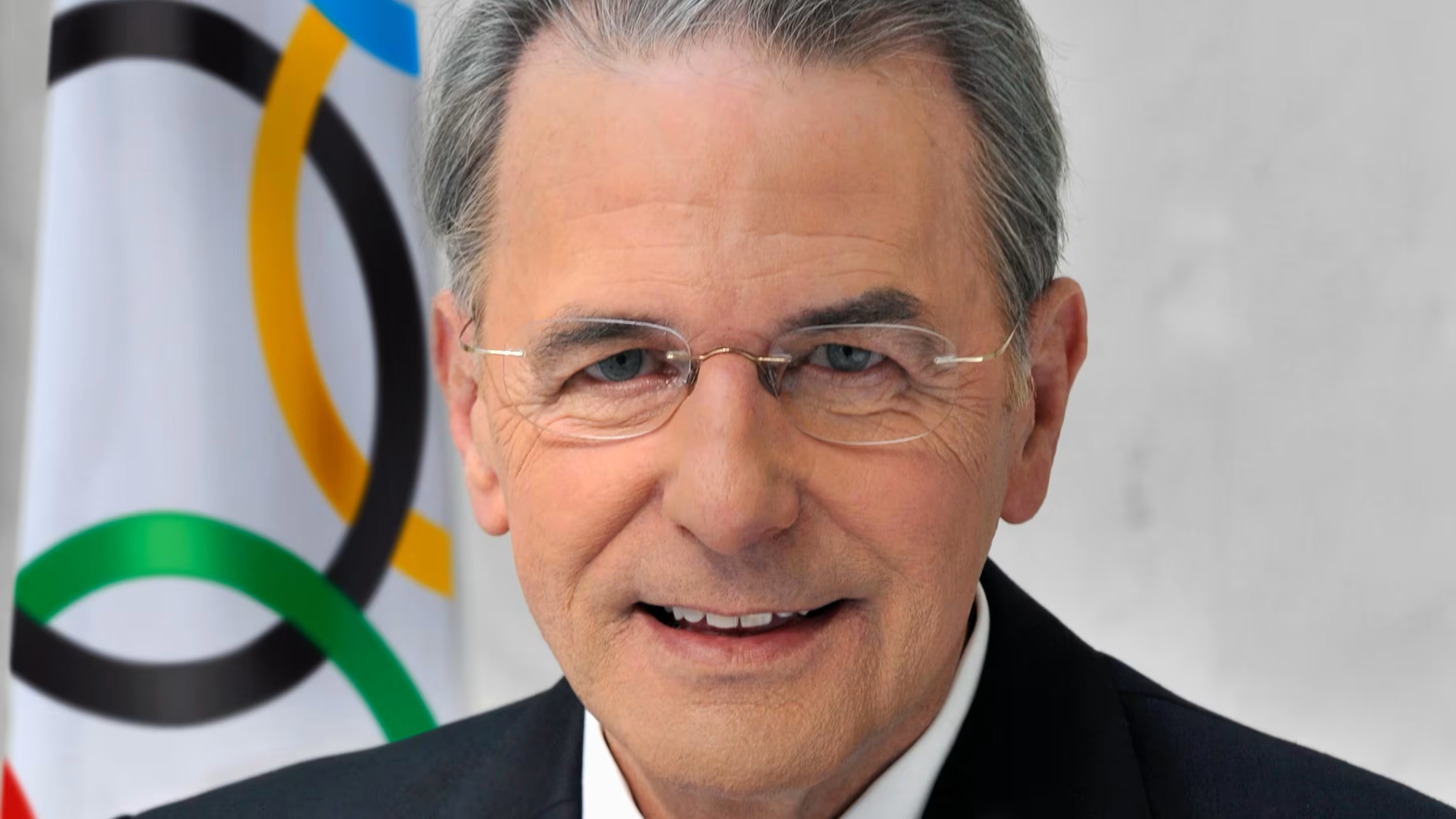
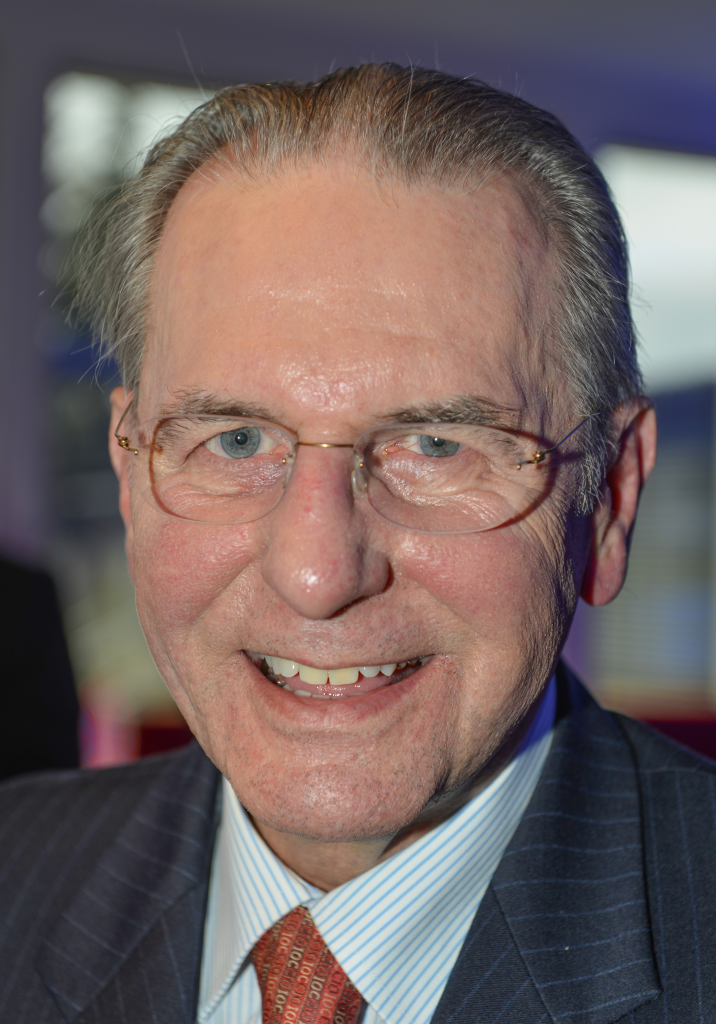
Jacques, Count Rogge KCMG (May 2, 1942 in Ghent; August 29, 2021 in Deinze) was a Belgian sports official. From 2001 to 2013, he was President of the International Olympic Committee (IOC) in Lausanne, Switzerland.
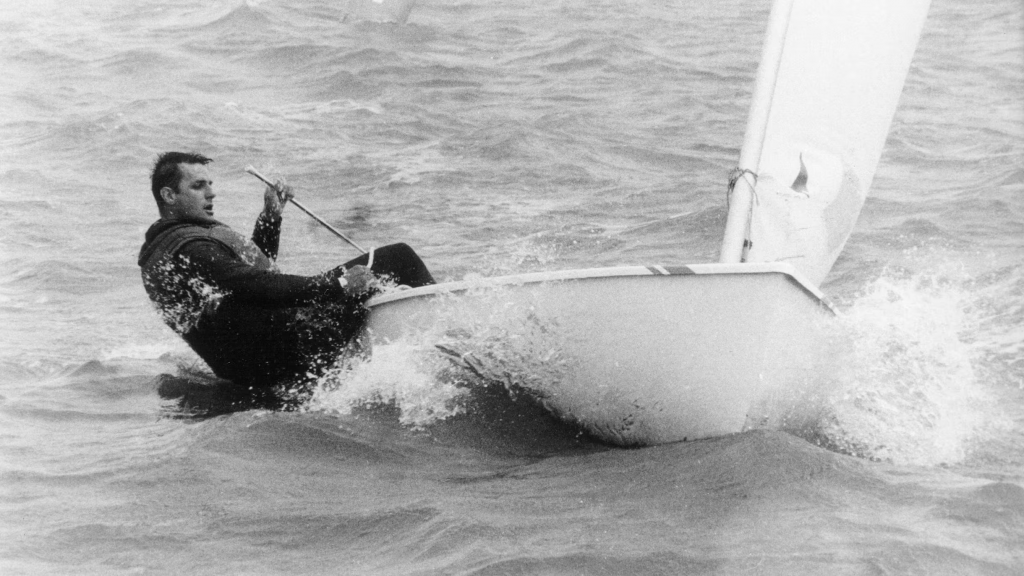
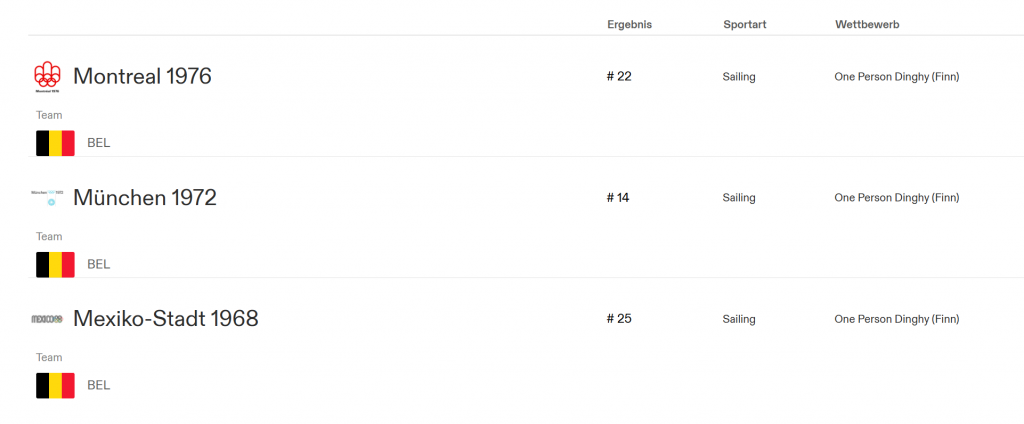
After completing his schooling at Sint-Barbaracollege, a Jesuit college in Ghent, Jacques Rogge studied at Ghent University, where he earned a doctorate in orthopedic surgery. He competed in sailing at the 1968, 1972, and 1976 Summer Olympics, achieving his best finish of 14th in the 1972 Finn Dinghy. He also played for the Belgian national rugby team.
In 1991, he became a member of the IOC and President of the Belgian National Olympic Committee. On July 16, 2001, at the 112th IOC General Assembly in Moscow, he was elected as the eighth President of the IOC, succeeding Juan Antonio Samaranch, for an initial term of eight years. The 2002 Winter Olympics in Salt Lake City were his first as IOC President, and that year he was also knighted by King Albert II of Belgium; his title was that of Comte (French) or Graaf (Dutch).
One of the core principles of his policy was limiting the number of Olympic participants to 10,000. He also campaigned against the increasing gigantism of construction projects and against commercialization.
On October 9, 2009, Jacques Rogge was re-elected for a second four-year term at the 121st IOC General Assembly in Copenhagen. A re-candidacy in 2013 was not permitted under the IOC Statutes. Thomas Bach, a German, was elected Rogge’s successor.
Jacques Rogge was married and had two children. He died at the end of August 2021 at the age of 79.
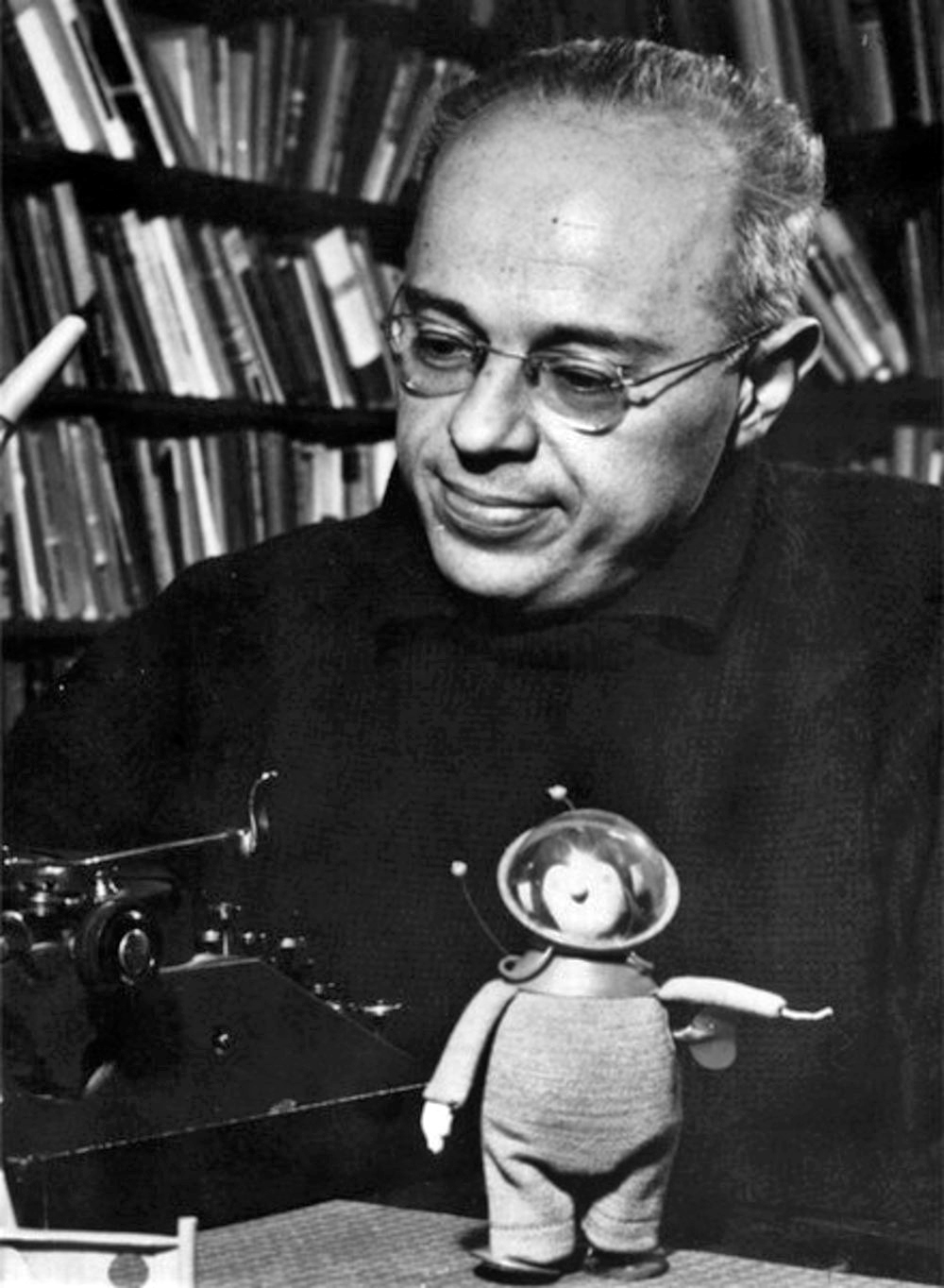
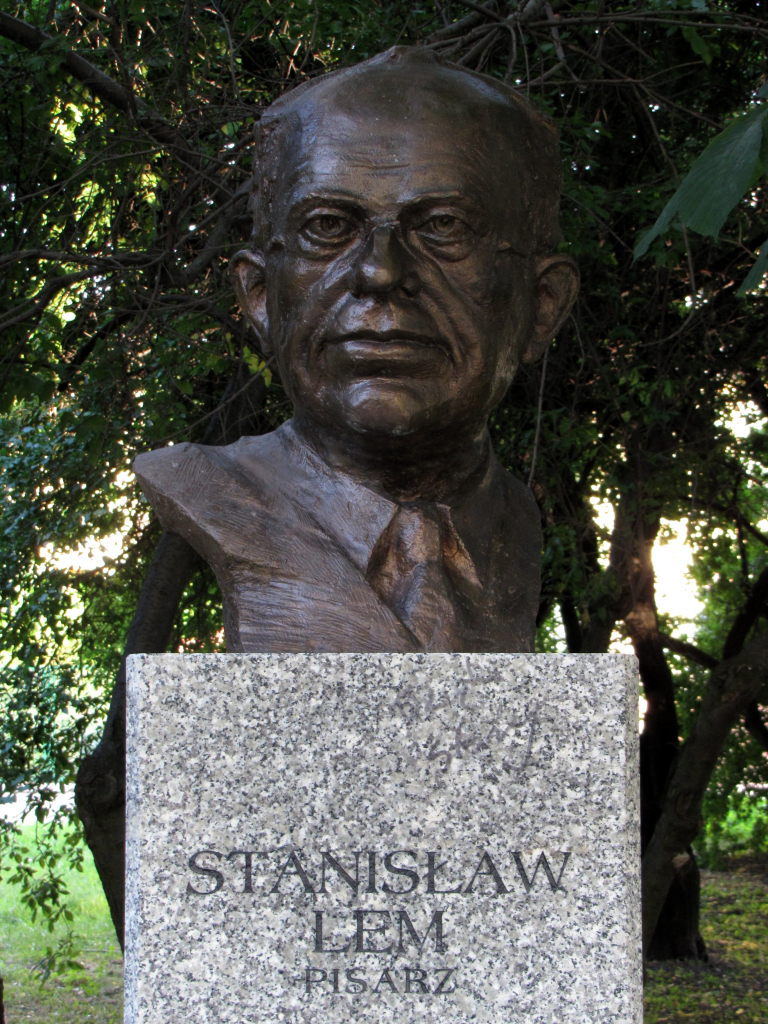
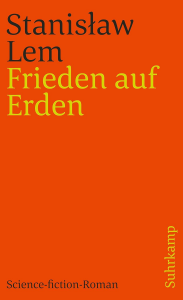
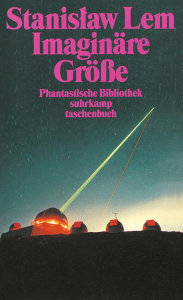
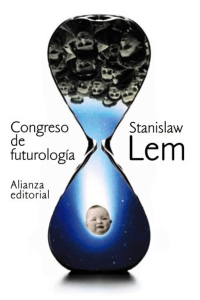
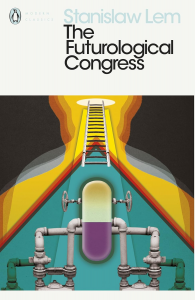
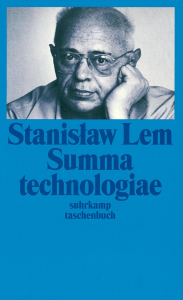
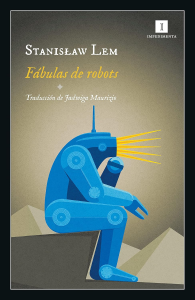
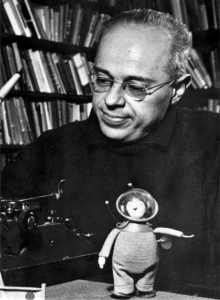
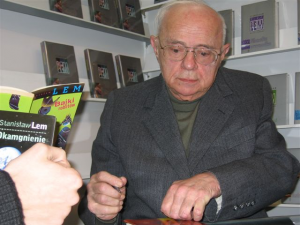
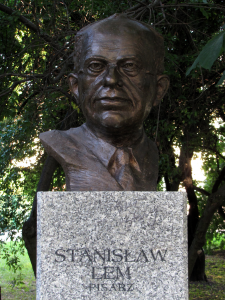
Stanisław Herman Lem (also known as Stanislaw Lem, pronunciation: [staˈɲiswaf lɛm]; September 12, 1921 in Lwów, Poland – March 27, 2006 in Kraków) was a Polish writer, best known as a science fiction author, philosopher, and essayist. Lem’s works have been translated into 57 languages and sold more than 45 million copies. He is one of the most widely read science fiction authors, although he did not like to call himself that because of the complexity of his work. Due to the numerous puns and neologisms, his works are considered difficult to translate.
Lem is considered a brilliant visionary and utopian who conceived numerous complex technologies decades before their actual development. As early as the 1960s and 1970s, he wrote on topics such as nanotechnology, neural networks, and virtual reality. A recurring theme is the philosophical and ethical aspects and problems of technological developments, such as artificial intelligence, human-like robots, and genetic engineering. In many of his works, he employed satire and humor, often subtly exposing the hubris of the belief in human superiority based on faith in technology and science. Some of his works also contain gloomy and pessimistic aspects regarding the long-term survival of humanity. He frequently addressed attempts by humans to communicate with extraterrestrial intelligences, which he addressed as a major failure in one of his best-known novels, Solaris.
In the 2000s, the multifaceted Lem became a critic of the internet and the information society—something he had predicted, in part—because they turned users into “information nomads” who merely “hop incoherently from stimulus to stimulus.” “It is proving increasingly difficult to bring together different sources and perspectives to obtain a well-rounded, complete picture of a subject.”
Stanisław Lem was born into a Polish-Jewish family of doctors. His father, Samuel Lem, was an ENT doctor; the satirist Marian Hemar was his cousin.[2]
Lem had a sheltered childhood. He studied medicine at the University of Lviv from 1940 until the German occupation of Lviv in 1941. His studies were interrupted by World War II. Lem was able to conceal his Jewish origins with forged papers; most of his family perished in the Holocaust.
“It took Hitler to help me realize I was Jewish.”
During the war, he worked as an assistant mechanic and welder for a German company that recycled scrap metal. He helped the resistance against Nazism. When Poland was liberated from the Nazis by the Red Army towards the end of the war and the country came under the Soviet Union’s sphere of influence, he continued his studies in Lviv. In 1945, after his hometown fell to the Soviet Union, he was forced to move to Kraków.
He resumed his medical studies for the third time at the Jagiellonian University in Kraków. Between 1948 and 1950, he worked at the Konservatorium Naukoznawcze as a research assistant to Mieczysław Choynowski on problems of applied psychology. At the same time, he met the editor of the Tygodnik Powszechny, Jerzy Turowicz, who, along with Choynowski, became a formative figure. Wisława Szymborska was also among his friends at the time. His first literary attempts also occurred during this period, and he began writing stories in his free time, including the plays Yacht “Paradise” (with his friend Roman Husarski) and Korzenie. Drrama wieloaktowe, an anti-Stalinist satire, which was only rediscovered after Lem’s death and published in 2009. In 1948, he wrote his first novel, Szpital Przemienienia (The Wanderings of Dr. Stefan T.), which could not be published until eight years later due to censorship.[4] It was also during this time that he met his future wife, Barbara Leśniak, a radiologist, whom he married in 1953.[5]
Lem received a certificate confirming that he had fully completed his studies. However, in his final exam, he refused to give answers in the spirit of Lysenkoism, because he rejected it. This refusal allowed him to avoid a career as a military doctor, as the examiners failed him for it.
Since he was also unable to practice medicine, he worked in research and increasingly focused on writing.
Lem was a polyglot: he mastered Polish, Latin (from medical school), German, French, English, Russian, and Ukrainian.[6] Lem claimed that his IQ was tested at 180 in school.[7]
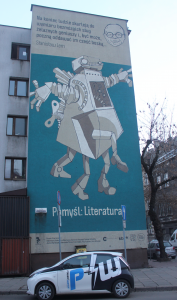
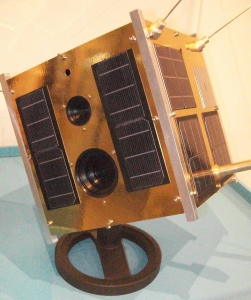
In 2013, the Polish research satellite Lem, named after him, was launched into Earth orbit by a Russian-Ukrainian Dnepr launch vehicle as part of the international BRITE project. In German-speaking countries, the Stanisław Lem Way in Halle-Neustadt is dedicated to him.
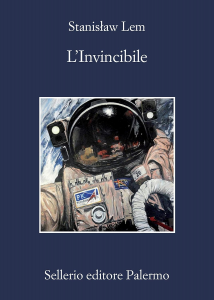
The Polish Sejm declared 2021 the Year of Stanisław Lem.[23] The dedication is divided between Lem, Stefan Wyszyński, Cyprian Norwid, Krzysztof Kamil Baczyński, Tadeusz Różewicz, and the Constitution of May 3. The first Lem video game, The Invincible, was released in the same year.[24]
The Komet Lem Festival took place in Darmstadt from October 2016 to March 2017.[25] The festival, organized by the Philosophical Institute of the Technical University of Darmstadt, the German Polish Institute, and the State Theater, was dedicated to Stanisław Lem with various events such as readings, plays, and film screenings, as well as musical interpretations of Lem’s works. The exhibition Lem’s Animal Life after Mróz consisted of drawings by illustrator Daniel Mróz based on Lem’s worlds.[26]
J. Doyne Farmer called Lem the “Poet Laureate of Artificial Life” for his achievements.
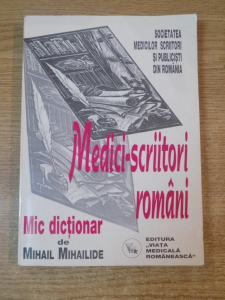
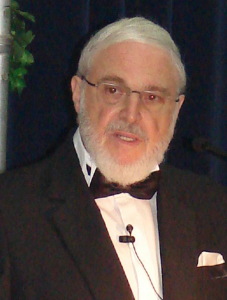
Mihail Mihailide (born May 6, 1938 in Vienna, Austria) is a Romanian physician, journalist, and writer. He is the general director and founder of the weekly newspaper Viața Medicală and the publishing house Viața Medicală Românească. He has been awarded the Order of Medical Merit and the Order of Cultural Merit.
Mihail Mihailide graduated from the Faculty of General Medicine in Bucharest (1960).
Two decades ago, this physician completed his training and specialized in gynecology and obstetrics, municipal medicine, public health, and medicine. He specializes in general medicine/family medicine and public health and health management.
A series of reports, commentaries, interviews, articles, and other topics related to medicine, social affairs, and culture. A published article in the journal “Reviste Medicale Românești,” published periodically by the Uniunii Societăților de Științe Medicale (“Igiena,” “Viața Medicală,” “Pediatria,” “Munca Sanitară,” etc.).
In 1980, he was a state-certified physician (public prosecutor) and head of the Faculty of Medicine of the Public Administration “Muncitorul Sanitar.”
In 1990, he became editor and director of “Viața Medicală” for the first time.
He was an important editor, coordinator, and editor of various medical and literary volumes, favorite authors and studies on one author, and medical-critical authors.
It is a member and deputy chairman of the Societății Medicilor Scriitori and Publiciști in România (S.M.S.P.R.) and the Asociației Medicilor Artiști Fotografi (ARFOMED), which participates in the fair.
It is a member of the Uniunii Ziariștilor Profesioniști in România, the Club Român de Presă, the Consiliului de Onoare al Acestuia, the Uniunii Scriitorilor in România and the Uniunii Mondiale a Scriitorilor Medici (UMEM).
In 2008 he received the award “Ordinul Meritul sanitar în grad de Cavaler” (No. Brevet: 1321/10/17/2008).
In 2010, the Academiei Române, DL Acad. Ionel Haiduc, acordat Diploma Distinctia Culturala.
In 2011 he was awarded the Ordinul Meritul Cultural in the Degree Cavaler (No. Brevet: 292/23 March 2011).
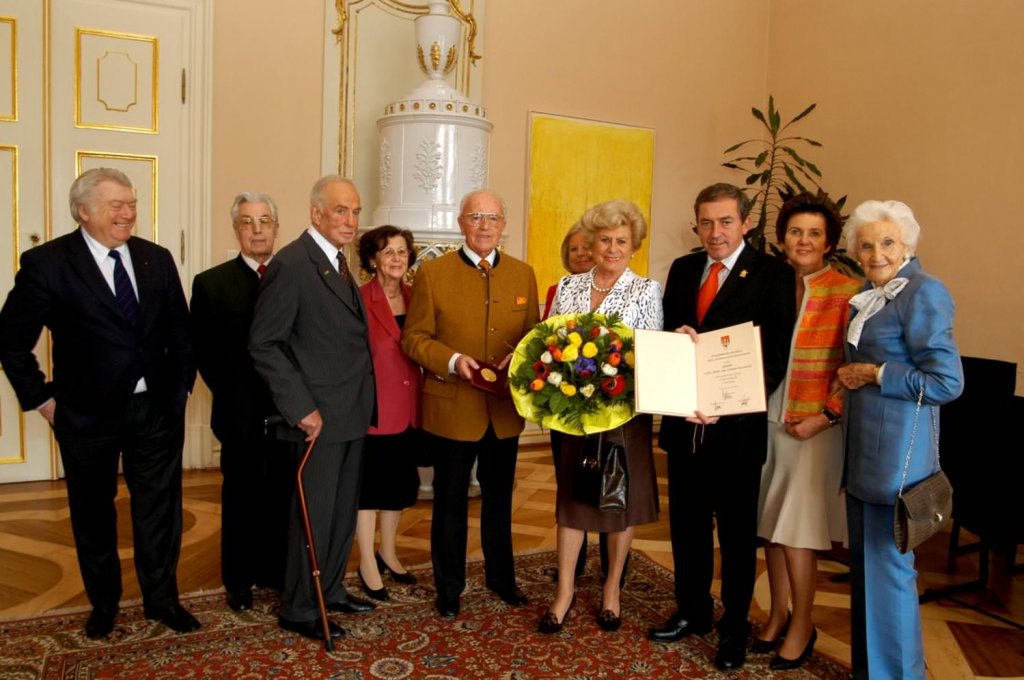
Hofrat University Professor Dr. Anton Neumayr Junior (* December 6, 1920 in Hallein; † March 18, 2017 in Vienna) was a specialist in internal medicine, chamber musician, and researcher.
As a historian, he studied the medical histories of famous musicians. He also hosted the television program “Diagnosis” from 1987 to 1994 and published numerous specialist publications.
Born in 1920 as the son of Mayor Anton Neumayer, he was distinguished from his early youth by his high intelligence and musical talent. His life was shaped by his love of music and his fascination with medicine. After graduating from high school in 1938, he abandoned his first career choice of pianist and began studying medicine, which he completed while stationed as a marine in Berlin in 1944. During his studies, he succeeded in freeing his father, who had been interned in Dachau.
His successful medical career led Neumayer to the Rudolfsstiftung Hospital in Vienna, where he headed the First Medical Clinic from 1975 to 1991. From 1963, Neumayer worked as a university professor specializing in gastroenterology in Vienna. From 1985 to 2000, he headed the Ludwig Boltzmann Research Center for Clinical Geriatrics. His reputation as an internist extended far beyond the borders of Austria.
Anton Neumayer also cultivated his musical talent and became a pianist, trained at the Mozarteum Salzburg, a chamber musician, and a music historian.
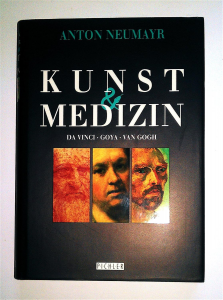
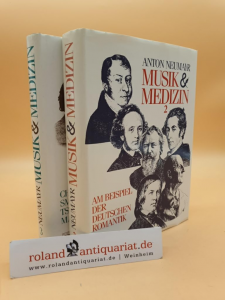
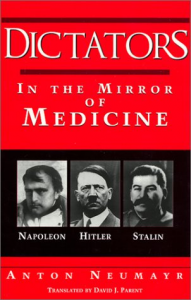
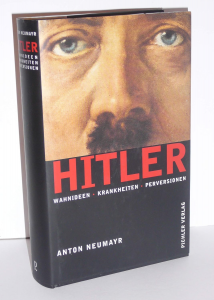
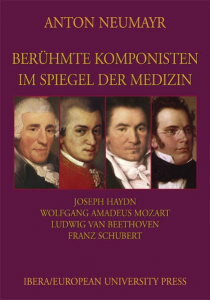
Since the 1990s, Prof. Neumayer has also published numerous books linking the worlds of art and medicine. Examples include his three-volume magnum opus “Music and Medicine” and “Literature and Medicine.” In “Dictators in the Mirror of Medicine,” he explored Hitler, Stalin, and Napoleon, among others. In “Hitler – Delusions, Illnesses, Perversions,” he created a biography from the perspective of a physician.
Neumayer always maintained close ties to Salzburg – for example, as president of the “Association of Salzburgers in Vienna.”
His personal biography: It was advantageous for my life that I was involved with music from my earliest youth. As we only now know, music develops additional neural pathways in the brain even in pre-pubescent years, and such children also fare much better in school. I learned to play music from the age of four and received pianist training at the Mozarteum from the age of seven to seventeen. I still play with the Philharmonic Orchestra today, and this led to many useful social contacts that also helped me in my medical career (among other things, I played for Brezhnev in the Kremlin and at the Music Academy in Albania. This is how many of my contacts were networked). Due to the political circumstances, I was unable to pursue a musical career, so I began studying medicine, which I completed with a doctorate in 1944 at the Charité Hospital in Berlin. I then became a military doctor and in the autumn of 1945 I joined the 2nd Medical University Clinic, where I worked (as a lecturer and professor) until 1964.
In the context of scientific activity, it was important not only at home but also abroad to become known through lectures and scientific publications, which required the ability to present complex issues clearly and understandably. This meant that it was essential to acquire rhetorical skills. As early as the 1950s, I was a founding member of the European Society for Liver Research (EASL), and in 1963, I was the first European to deliver the SEARL Lecture (an event for hepatologists) in Chicago. This distinction immediately made me a household name worldwide. The numerous lectures I gave abroad meant that I was almost better known in Germany than in Vienna. In 1964, I became head of the internal medicine department at the Elisabeth Hospital. In 1965, I also became head of the internal medicine department at the Sophien Hospital. In 1975, I took over the First Medical Clinic in the newly built Rudolfs Hospital, where I remained head of the clinic until 1988.
Since 1980, I have been the director of the Ludwig Boltzmann Institute (Research Center for Clinical Geriatrics). However, success doesn’t just depend on being a respected physician among one’s (international) colleagues. Much more important is being well-received by patients. This requires behaving appropriately and in a friendly manner toward patients. Word gets around among the patients, and eventually, prominent patients come, and the income automatically follows. I was Kreisky’s personal physician for four and a half years and cared for a number of famous figures from politics (which, as a doctor, you have to stay out of—I cared for bishops as well as the leader of the Communist Party of Austria), business, culture, etc. My most famous patients included Franz Jonas, Curd Jürgens, Hans Albers, Oskar Werner, and Helene Thimig. This reputation also spread abroad, and in addition to Ibn Saud and his family, numerous Arab sheikhs and super-rich Greek clans consulted me.
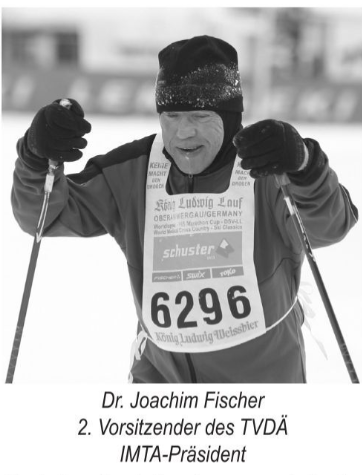
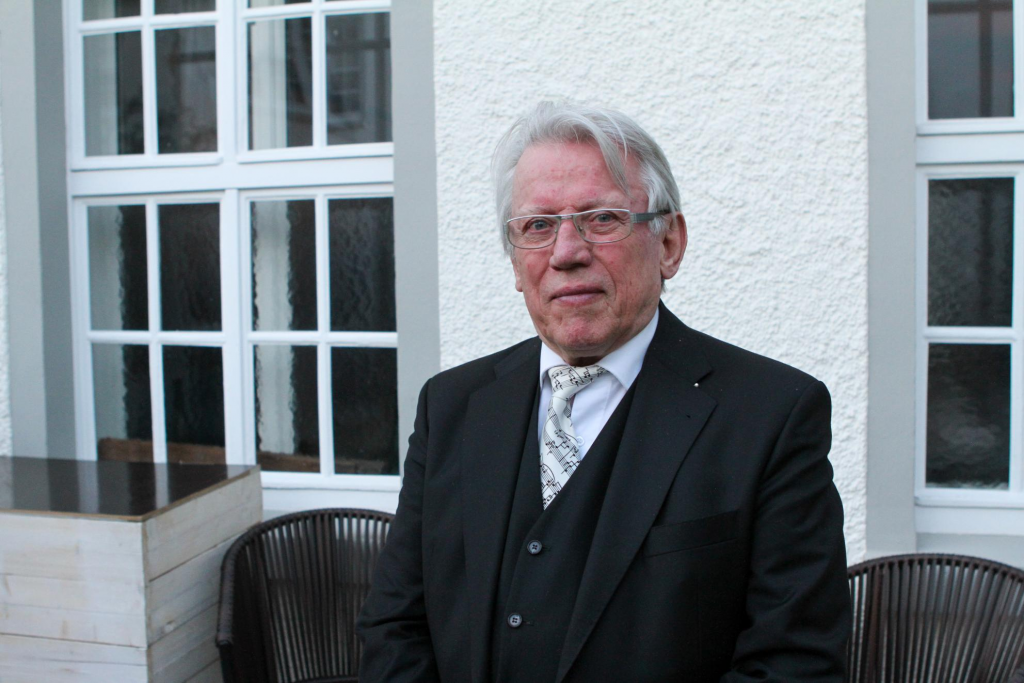
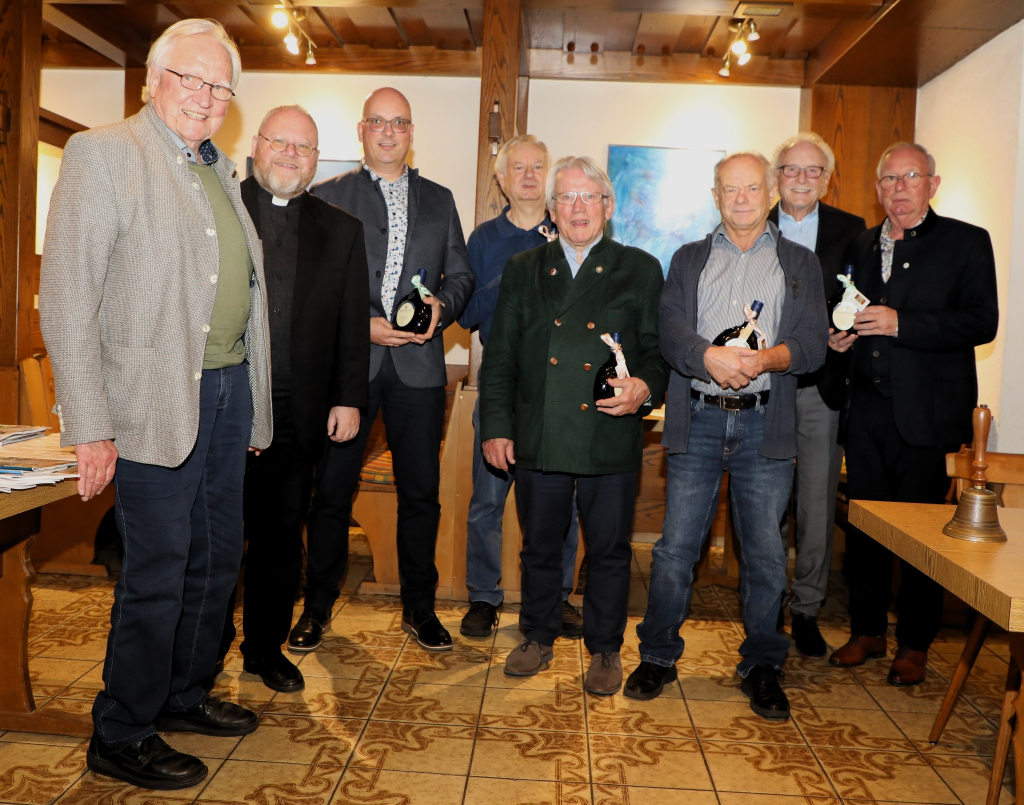
Joachim Fischer was president of the DTU German Triathlon Union, is involved in his local Heinatverein and in the Sterkel Society.
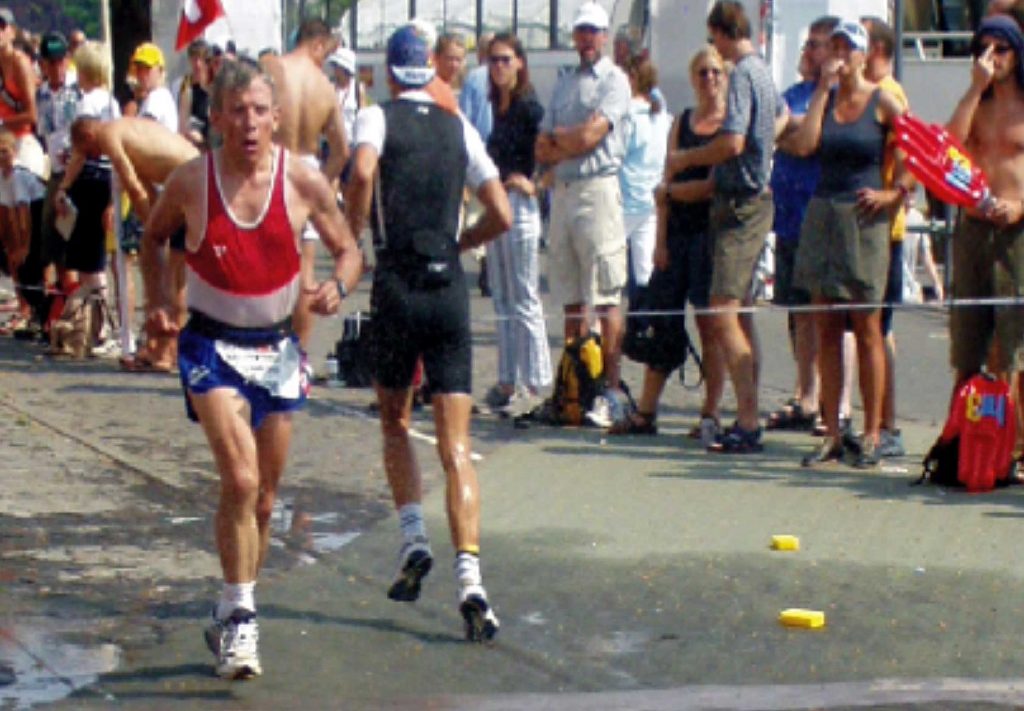
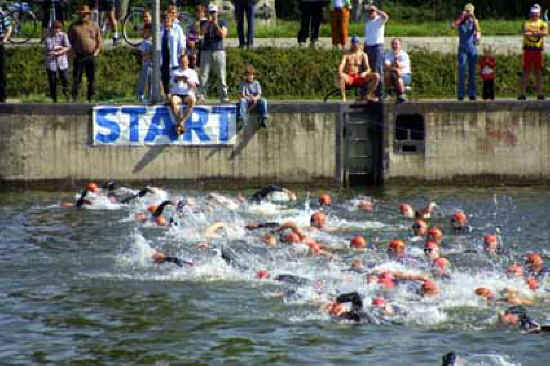
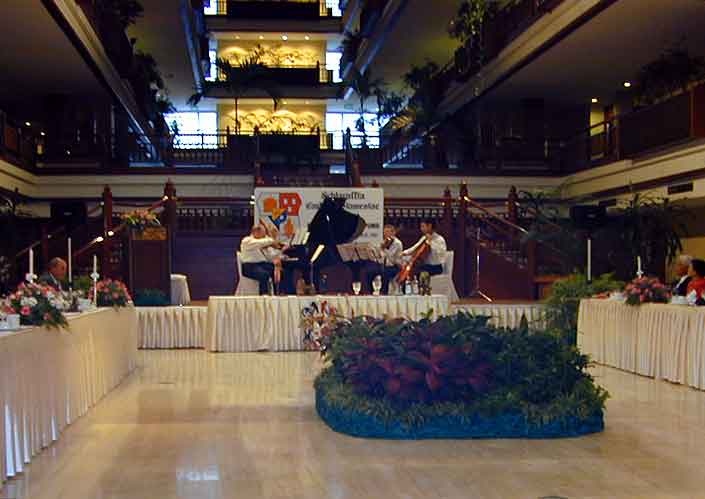
Dr. Fischer at the IronMan in Frankfurt! photo: Prof. Neumann from LeipzigTriathlon start in Regensburg august 12, 2001In Bangkog Dr. Fischer played in a Mendelssohn Piano Quartet with his colleagues during a nice festivity!https://hug-heigenbruecken.de/#ueber-uns
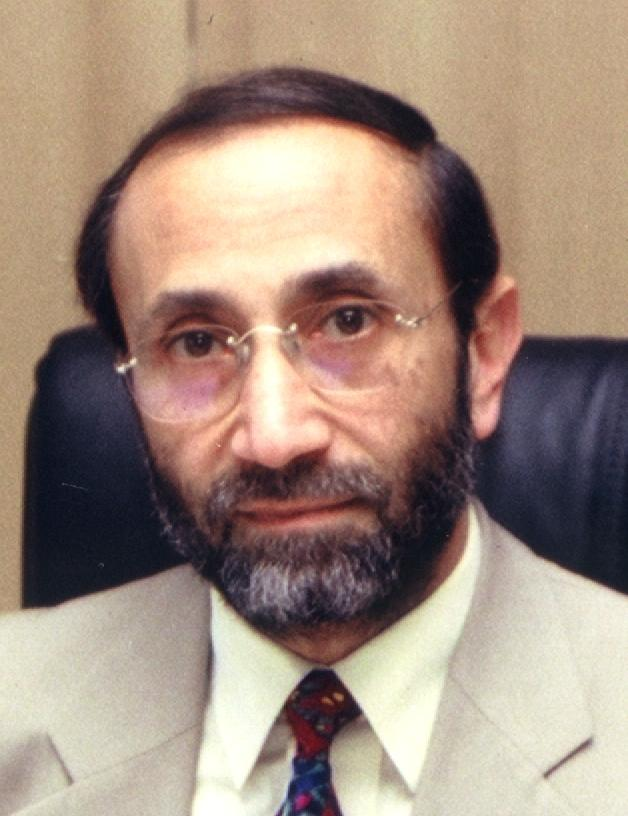
Nadeem Elyas (Arabic: Nadīm Ilyās; born September 1, 1945 in Mecca) is a Saudi Arabian Islamic scholar and physician. He served as chairman of the Central Council of Muslims in Germany from 1994 to 2006.
Elyas is a Sunni Muslim of Hanafi persuasion. Elyas left Saudi Arabia in 1964, studied medicine and Islamic studies in Germany, and practiced as a gynecologist. He lives in Eschweiler (North Rhine-Westphalia), is married, and has four children, including the comedian Ususmango, who became known as part of the comedy ensemble RebellComedy.
He was Secretary General of the Union of Muslim Student Organizations in Europe and spokesman for the Islamic Center Aachen, which is under surveillance by the Federal Office for the Protection of the Constitution.[2][3] He is a founding member and board member of the Islamic Cooperation Council in Europe and a partner in working groups and advisory boards such as the Islamic-Christian Working Group, the Intercultural Council and the Round Table of Religions. Between 1993 and 1996, he trained his later successor, Aiman Mazyek, in his Islamic studies program.[4] The “Islamic Charter”[5] – a declaration of principles by the Central Council of Muslims in Germany (ZMD) on the relationship between Muslims and the state and society – was presented to the public under his chairmanship. In the 2005 kidnapping of the German archaeologist Susanne Osthoff, Elyas offered to exchange her for the hostage.
Born in 1945 in Mecca, Saudi Arabia, living in Germany since 1964. Medical studies in Frankfurt, specialist training in gynecology, obstetrics, and cytology in Bad Soden, Krefeld, and Aachen. Parallel studies in Islamic studies.
Functions: Former Chairman of the Central Council of Muslims in Germany (ZMD) since 1995 and long-time spokesperson for the preliminary committee of the Islamic Working Group in Germany. Former Secretary General of the Union of Muslim Student Organizations in Europe (UMSO). Council member of the Islamic Center Aachen (IZA). Founding and board member of the Islamic Cooperation Council in Europe. Initiator of the nationwide Open Mosque Day. General Commissioner of the Islamampavillon at EXPO 2000 in Hanover.
Member of the Intercultural Council in Germany. Member of the Supporters’ Circle of the Alliance for Democracy and Tolerance. Member of the Alliance for Tolerance and Civil Courage Member of the Forum Against Racism and the Network Against Racism
Member of the Advisory Board for Overcoming Xenophobia, Racism, and Violence – Working Group of Christian Churches in Germany (ACK) Member of the Ecumenical Preparatory Committee for the Week of Foreign Citizens Co-initiator and member of the Mainz Round Table of Religions Member of the Christians and Muslims Discussion Group at the Central Committee of German Catholics Co-founder of the Abrahamic Forums in Germany
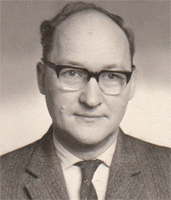
Klaus Thomas (* 31 January 1915 in Berlin; † 10 July 1992 in Malsburg-Marzell) was a German Protestant pastor, physician, and psychotherapist.
Klaus Thomas studied Protestant theology, philosophy, modern languages, psychology, psychotherapy, and medicine. During his studies, he was a member of the Arndt Berlin fraternity (in the Sonderhäuser Verband).[1] In 1940, he received his doctorate in philosophy from the Faculty of Philosophy at the Friedrich Wilhelm University of Berlin.[2] In 1947, he received his doctorate in medicine from the Faculty of Medicine at the Philipps University of Marburg under Ernst Kretschmer.[3] In 1964, he received his Doctor of Divinity (DD) in the USA, an honorary award for special theological services.
He worked as a student chaplain in Berlin and as a hospital chaplain in Marburg, later as a physician and psychotherapist in Berlin, as a senior teacher at the Schadow Gymnasium in Berlin, and as a lecturer at the Lessing University, at the Academy for Continuing Medical Education[4], and from 1956 until the construction of the Berlin Wall on August 13, 1961, at the Paulinum. Study and lecture tours have taken Klaus Thomas to over 100 countries.
He was also the regional chaplain of the Order of St. Luke for Germany, an international ecumenical working group of chaplains, physicians, psychologists, and lay people. The goal of the order is pastoral care for the sick through word and deed.[5] In the Berlin Association Register, this order has been operating since 1956 as the St. Luke Community (care for those weary of life) and, after the split of the Berlin Telephone Counseling Service, since 1961 as the St. Luke Order for Pastoral Care for the Sick and Care for Those Weary of Life – Circle of Friends
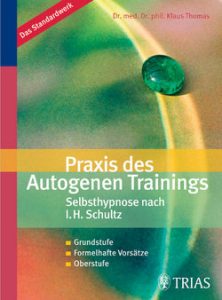
Klaus Thomas was the main disseminator of autogenic training according to Johannes Heinrich Schultz[10] and is considered his most important student.[11] Since 1972, he has directed the I. H. Schultz Institute for Psychotherapy, Autogenic Training and Hypnosis in Berlin, which he founded but which no longer exists today.