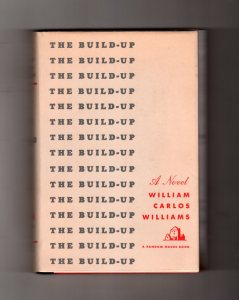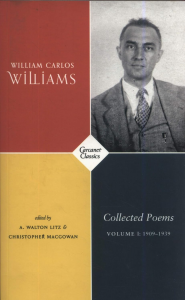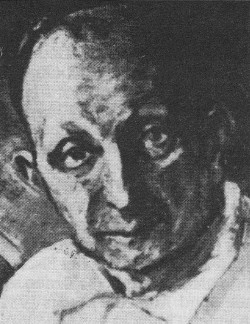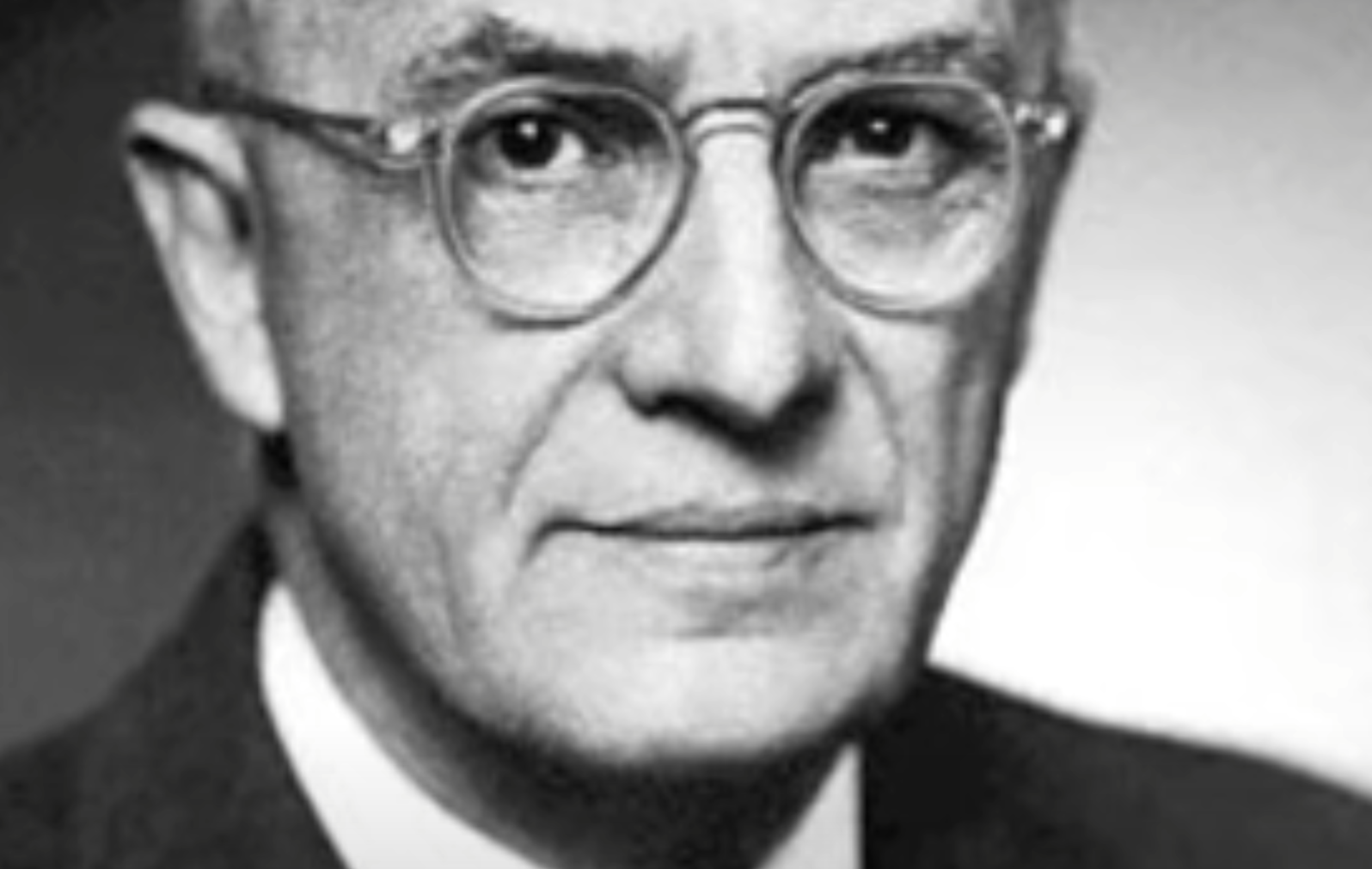
William Carlos Williams

  • -

William Carlos Williams

Category : WriterDocs
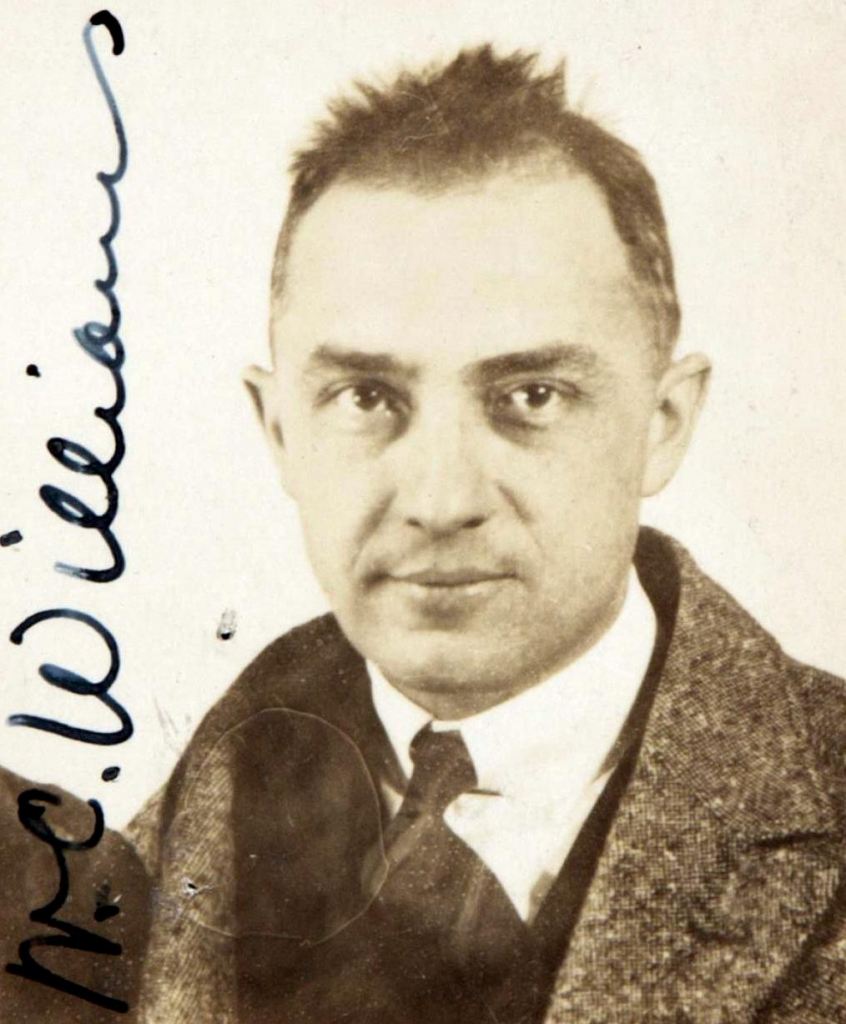
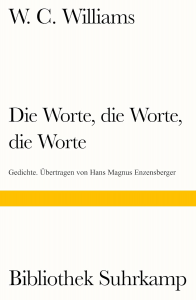
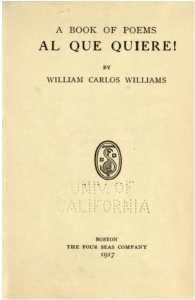
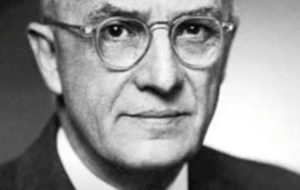
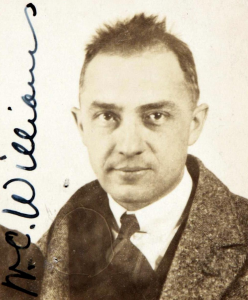
William Carlos Williams (September 17, 1883, Rutherford, New Jersey – March 4, 1963, ibid.), often abbreviated to WCW, was an American physician and poet.

Williams’ life quickly became entirely centered – apart from his travels in Europe – in his hometown of Rutherford, New Jersey, where he practiced medicine (M.D.) since 1910.

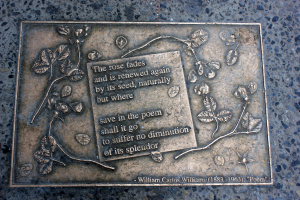
In addition to his writing, Williams was a long-time physician, practicing both pediatrics and general medicine. He was affiliated with Passaic General Hospital, where he began serving as chief of pediatrics from 1924 until his death. The hospital, now called St. Mary’s General Hospital, honored Williams with a plaque bearing the inscription, “We walk the paths Williams walked.”

In contrast to Pound, who was inspired by European models, William Williams, in his collection of essays “In the American Grain” (1925), called for a simple yet avant-garde poetry that should be oriented towards spoken language and everyday American life.

Williams writes in his autobiography, published in 1951[5]: “Ezra has always been very careful to bridge the gap between my educational deficiencies and his sovereign scholarship. Since he treats me in no way patronizingly in this regard, I allow it. It genuinely grieves me that my literary knowledge is so far inferior to his. I respect his discomfort and try my best to accommodate his well-intentioned efforts.”[6] If Williams was less well-versed in European literature than Pound, he endeavored to remedy this deficiency on his European tour, as he met with well-known European writers, intellectuals and painters, especially in Paris.
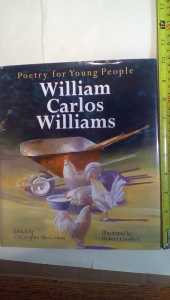
His early poems were still strongly influenced by European Dadaism and Surrealism. In 1923 he wrote his most famous poem to date, “This is Just to Say.”[10] Together with Pound and Eliot, he joined the Imagists, an Anglo-American literary movement, around 1912. His friendship with Pound later broke down due to artistic differences of opinion and Pound’s support for Italian fascism, but this did not prevent him from visiting Pound, who was interned in the USA (see autobiography).
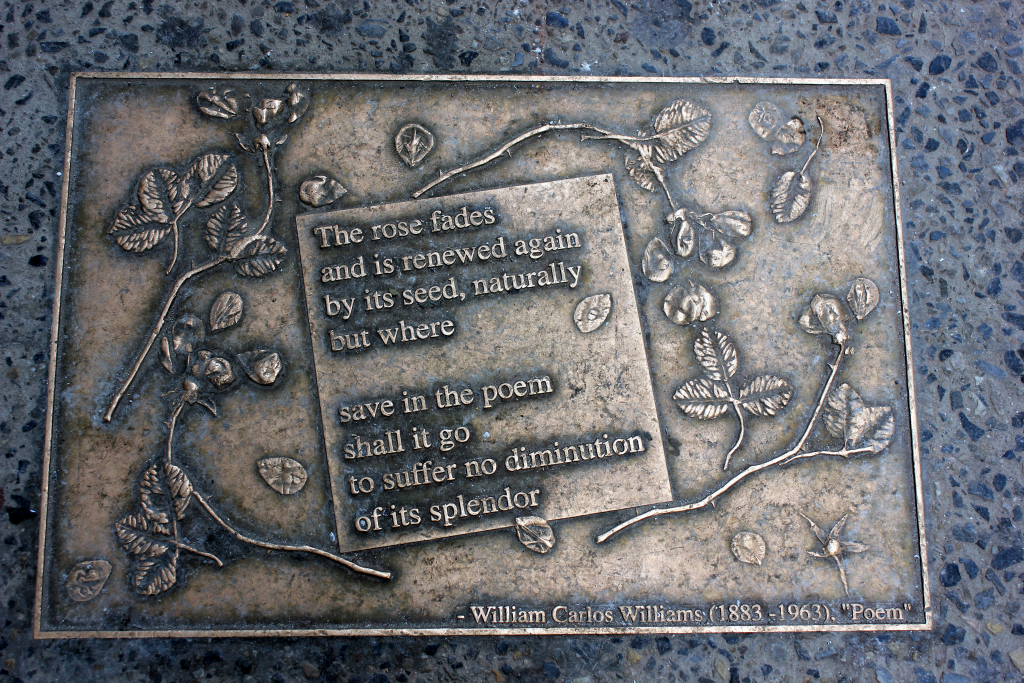
As a result of his third stroke (the first was in 1951) in October 1955, he suffered paralysis, which slowed his work pace. Nevertheless, he taught himself to type on an electric typewriter with his non-paralyzed hand.

At the age of 79, poet-physician William Carlos Williams died in March 1963 in Rutherford, New Jersey, after another series of severe strokes.

Audio William Carlos Williams https://writing.upenn.edu/pennsound/x/Williams-WC.php
https://de.wikipedia.org/wiki/William_Carlos_Williams

https://en.wikipedia.org/wiki/William_Carlos_Williams


  • -

Peter robert Berry

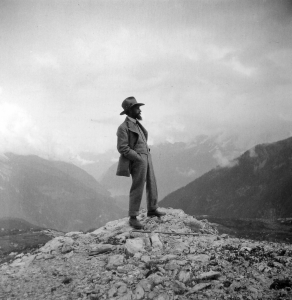
Peter Robert Berry (* September 11, 1864 in St. Moritz; † November 14, 1942 in St. Moritz) was a physician and painter from St. Moritz in the canton of Graubünden.

Peter Robert Berry was born the eldest son of the Chur physician Peter Berry I and his wife Cecilia Berry-Stoppani. Peter Berry came to St. Moritz on the advice of his brother-in-law, the hotelier Johannes Badrutt, and was one of the first spa physicians to work in the “New Kurhaus,” which opened in 1864.

Berry attended the cantonal school in Chur—together with Andrea Robbi. He then studied medicine at the universities of Zurich, Bern, Heidelberg, and Leipzig. After completing his dissertation, he worked for a short time at a London hospital; In 1892, he became chief physician of the “Heilquellen-Gesellschaft” (Healing Springs Society) in St. Moritz-Bad.

In 1895, he became engaged to the American Kitty Spalding, gave up his position as a spa doctor, and continued his education in Paris and Berlin. The engagement was broken off after a year, and Berry returned to the Engadine.
In November 1898, Berry vehemently opposed plans to develop the town into a health resort for tuberculosis sufferers in a detailed document addressed to the municipality of St. Moritz. He feared that the sophisticated, sports-loving public and other summer visitors would fear infection and stay away. Instead, he called for the “wellness offerings” such as spa treatments, which flourished in the summer, to be extended to the winter as well. The reputation of a sanatorium would ruin the upscale resort of St. Moritz: “Either sports or germs.”

In 1898, Berry met the painter Giovanni Segantini, whose project for an Engadin panorama for the 1900 Paris World’s Fair he strongly supported. At that time, Berry developed the desire to paint himself. Unsatisfied with his own experiments with colored pencils and pastels, he turned to his friend Giovanni Giacometti in 1898 and asked him to introduce him to the art of oil painting. Giacometti, however, was unavailable and put Berry off until winter. He supported his friend’s desire to paint, which strengthened Berry’s resolve to become a painter.

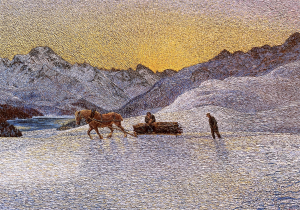
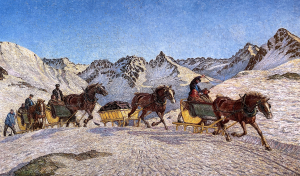
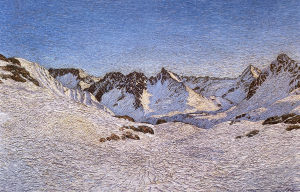
Between the winter of 1899 and 1901, one of Berry’s first large oil paintings was created. It is entitled “Christmas Eve” and, like other early works by Berry, is strongly influenced by Giovanni Segantini’s choice of motifs and divisionist painting technique.

In 1900, Berry began studying painting at the Académie Julian in Paris, presumably on the advice of his friends Giacometti and Andrea Robbi, who had previously attended the school. In 1901/1902, he learned precise drawing at Heinrich Knirr’s school in Munich and simultaneously took courses at the veterinary faculty, where he studied equine anatomy. In the following years, he continued his education in Paris at the Académie Julian and the Académie de Montparnasse.

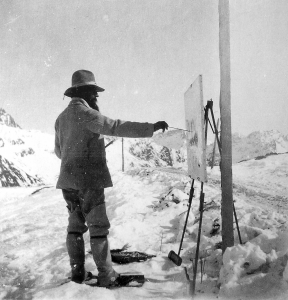
Between 1905 and 1914, Berry spent many winters on the Julier and Bernina Passes, painting in the open air and, in the evenings, playing the piano he had brought with him or reading in his hospice accommodations. He enjoyed works by Friedrich Nietzsche, whom he had met in St. Moritz. His brother often helped him carry his paintbox, paintings, and easel.

In 1907, Berry met Ferdinand Hodler, who was staying in the Engadine at the time. He, too, is said to have encouraged him to continue painting. In 1918, during the outbreak of the Spanish flu, Berry once again worked as a doctor, but otherwise devoted himself exclusively to painting.

Peter Robert Berry died on November 14, 1942, in St. Moritz. His works were not shown until after his death in 1945 as part of a memorial exhibition at the Graubünden Art Museum in Chur.

Berry had been married to Maria Rocco since 1908. One of his sons also worked as a doctor and painter in St. Moritz, and his granddaughter, Marietta Gianella-Berry, also became a painter.

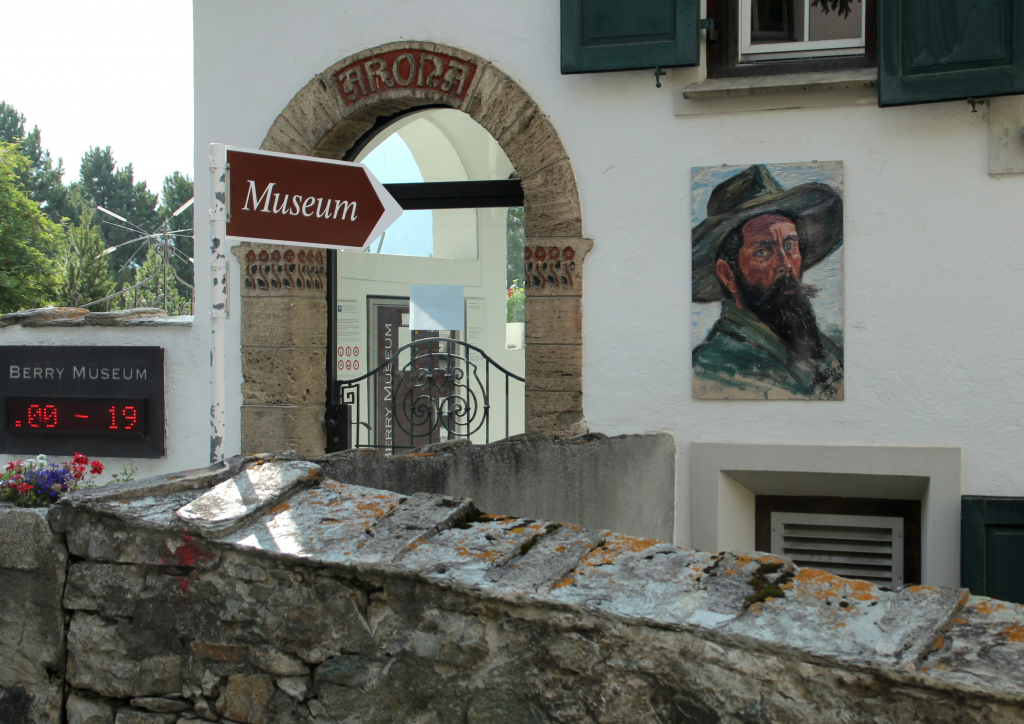
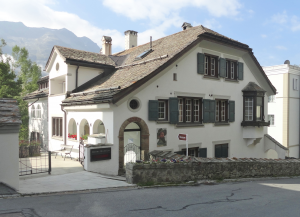
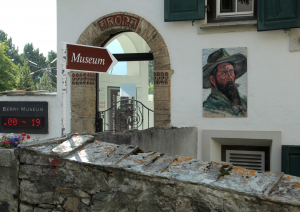
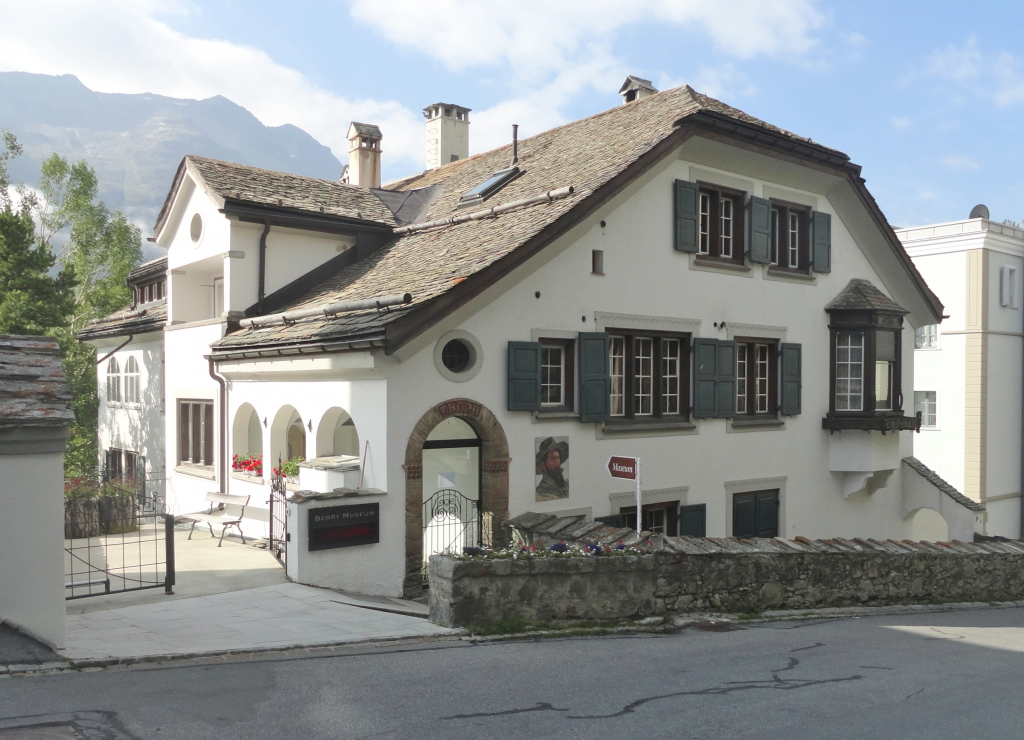
The “Villa Arona” in the center of St. Moritz was built around 1904[3] according to plans by Nicolaus Hartmann (1880–1956) by Berry’s brother Johannes, a dentist who lived there with his family.

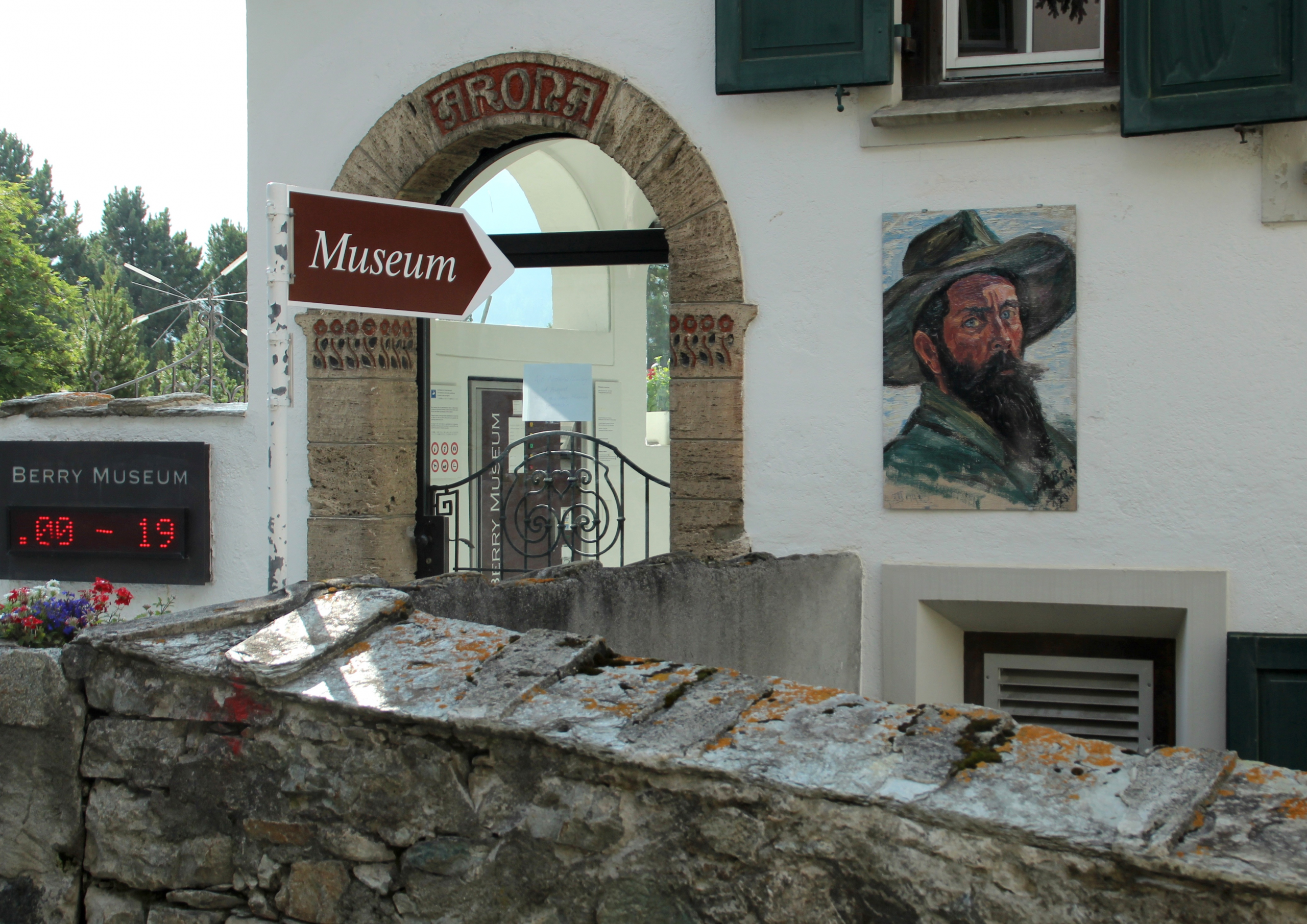
The Berry Museum, which opened there in 2004, exhibits numerous works by Berry, most of them family-owned. In addition to the paintings, the museum also houses Berry’s extensive estate. This consists of books, letters, notes, diaries, musical scores, and numerous documents relating to the founding and development of the spa town of St. Moritz.

https://de.wikipedia.org/wiki/Peter_Robert_Berry

https://berrymuseum.com


  • -

Theodore Howard Somervell

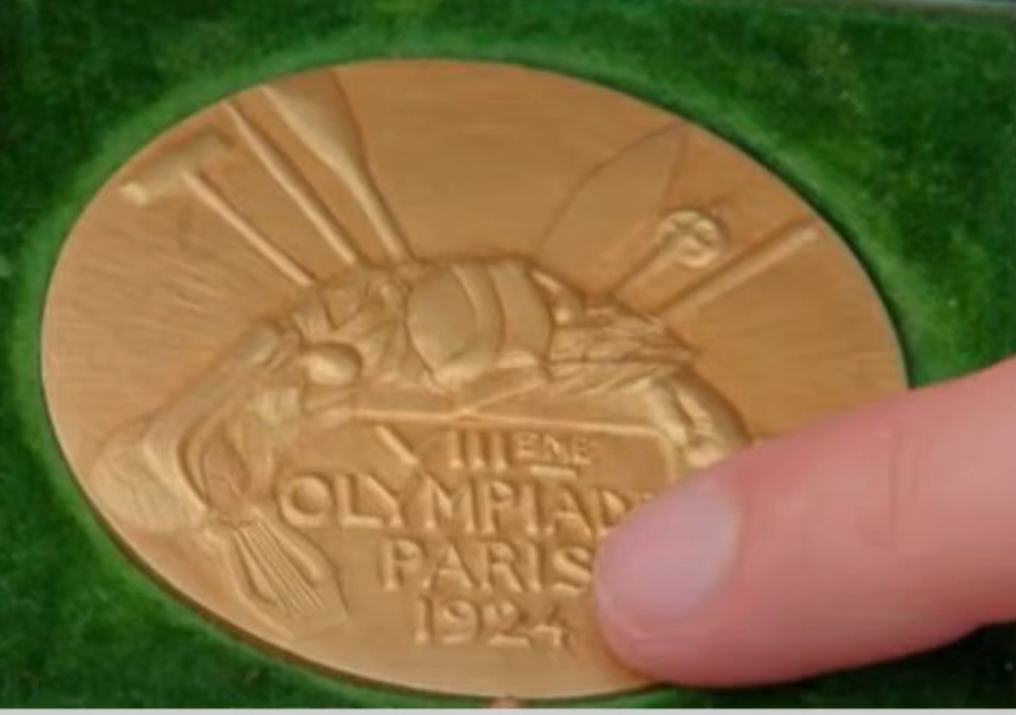
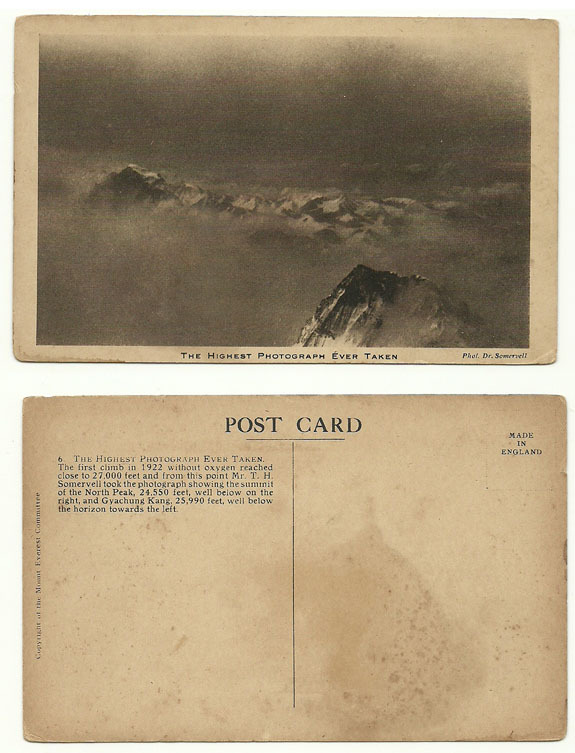
Theodore Howard Somervell OBEFRCS (16 April 1890 – 23 January 1975) was an English surgeon, mountaineer, painter and missionary who was a member of two expeditions to Mount Everest in the 1920s, and then spent nearly 40 years working as a doctor in India. In 1924 he was awarded an Olympic Gold Medal by Pierre de Coubertin for his achievements in mountaineering (Alpinism).

Somervell was born in KendalWestmorland, England, to a well-off family which owned the shoe-manufacturing business founded by two Somervell brothers in Kendal in 1845, that became K Shoes.[1] His father William Somervell (1860 – 1934) was a businessman, philanthropist and Liberal politician. He attended Rugby School, and at the age of eighteen joined the Fell and Rock Climbing Club, beginning an interest in climbing, art and mountaineering which would last a lifetime. He studied at Gonville and Caius College, Cambridge where he developed his strong Christian faith and gained First Class Honours in the Natural Sciences Tripos. He then began training as a surgeon at University College Hospital; eventually graduating in 1921 after his training had been interrupted by the First World War.

He married Margaret Hope Simpson (1899–1993), daughter of Sir James Hope Simpson, the general manager of the Bank of Liverpool. With Margaret he had three sons: James, David, and Hugh.

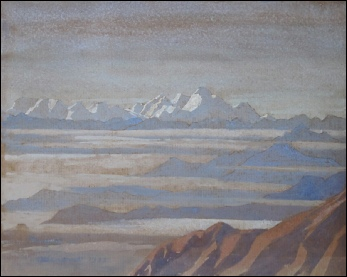
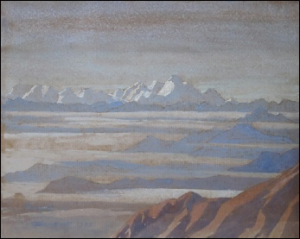
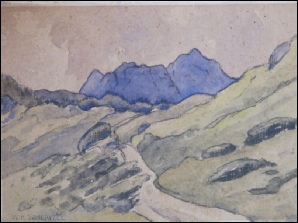
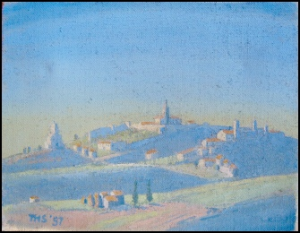
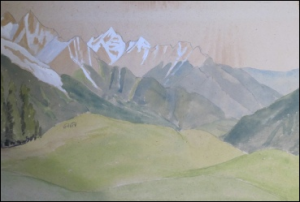
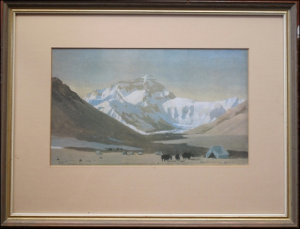
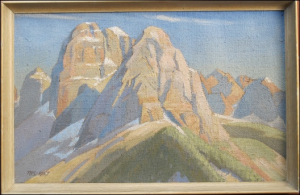
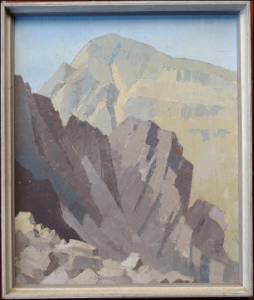
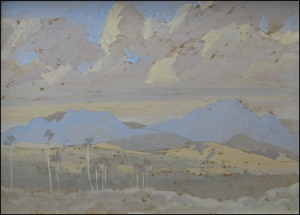
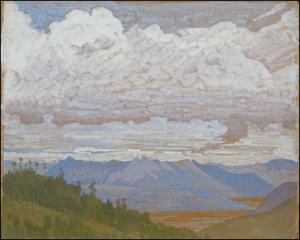
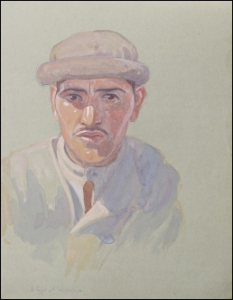
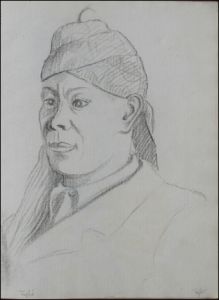
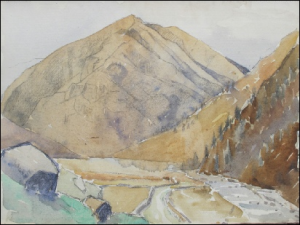
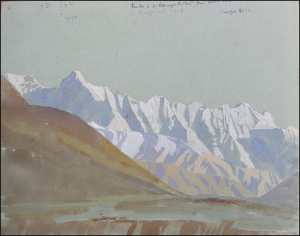
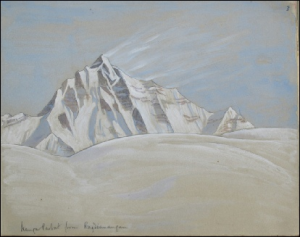
Somervell painted many hundreds if not thousands of paintings and has been described as a compulsive sketcher and painter.[23] The Himalayan Club identified some 600 titles, with at least 200 of them being representations of the Himalayas or Tibet. 126 of these relate to the 1922 and 1924 expeditions, many of which were exhibited at the Royal Geographical Society in April 1925 and at the Redfern Gallery, London, in 1926. He exhibited almost annually at the Lake Artists Society exhibitions in the Lake District after his return to England.

Many of his watercolours are painted on what has been described as no more than ‘cheap’ brown or off-white wrapping paper.[23] However, given that Somervell was a sometime commercial artist, this oft-repeated tale is largely apocryphal. He used this style of paper as early as 1913 and was still using it in the 1970s. It particularly lends itself to the dun colours of the Tibetan landscape. Other artists such as John Sell Cotman and Edith Collingwood[who?] used similar paper. He often used watercolour and body colour in preference to watercolour alone. He also used pastel, either alone or with watercolour. Watercolour seems to have been his favoured medium in Tibet, Himalaya and India.[citation needed]

The Alpine Club in London possesses thirty paintings by Somervell. The Abbot Hall Art Gallery in Kendal has thirteen Somervell watercolours and one oil painting while the Royal Geographical Society holds a large watercolour, Gaurisankar from the North West, dated 1924, although this may in fact be a painting of Menlungtse.[21] Somervell’s paintings of the Himalayas and of Westmorland were exhibited at the Abbot Hall Art Gallery in April 1979.

Somervell died in Ambleside in 1975. The Dr. Somervell Memorial Mission Hospital, established in 1975 at Karakonam, south of Trivandrum and the Dr. Somervell Memorial CSI Medical College, established in 2002, are named in his honour.

With the expedition over, Somervell set out to see India, travelling from the far north to Cape Comorin. He was shocked by the poverty he saw, and in particular the poor medical facilities. At the main hospital of the south Travancore medical mission in Neyyoor he found a single surgeon struggling to cope with a long queue of waiting patients, and immediately offered to assist. On his return to Britain, he abandoned his promising medical career, and announced his intention to work in India permanently after his next attempt on Everest. Most of his paintings sold today are from his travels in various parts of India. Even though most of his time was in Kerala where many landmarks to his name still remain.

A collection of his mountaineering equipment and other effects, including his 1924 Winter Olympics gold medal, and his sketchbooks and paintings, now in the possession of his grandson, was shown on an episode of the BBC Television programme Antiques Roadshow in April 2022.

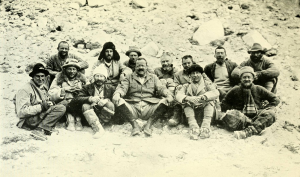
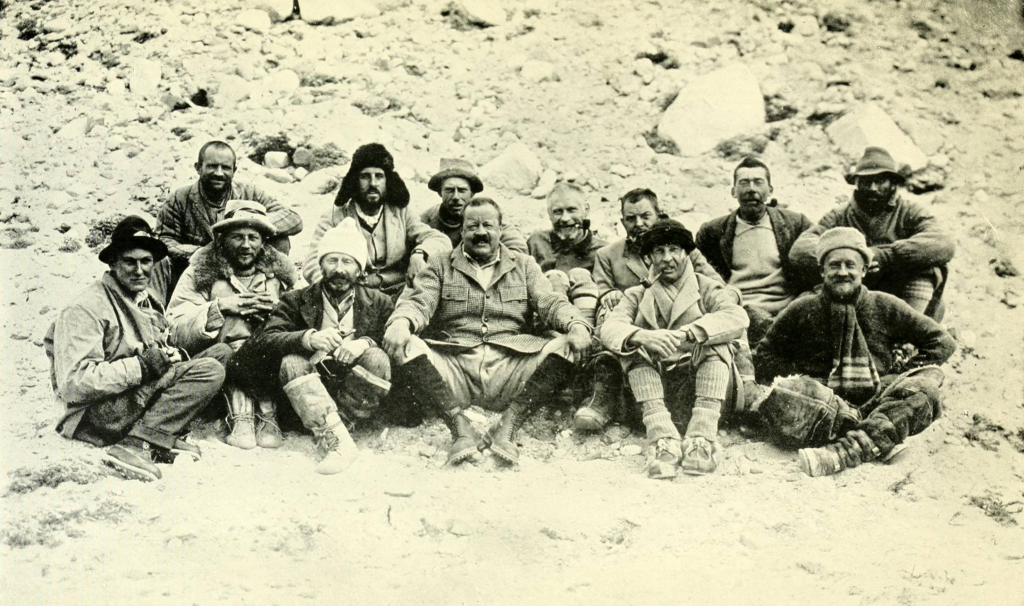
Expedition at Base Camp.
Back row: Morshead, G Bruce, Noel, Wakefield, Somervell, Morris, Norton
Front row: Mallory, Finch, Longstaff, General C  Bruce, Strutt, Crawford

https://en.wikipedia.org/wiki/1922_British_Mount_Everest_expedition

https://en.wikipedia.org/wiki/Howard_Somervell

https://www.mountainpaintings.org/T.H.Somervell.html


  • -

Gottfried Benn

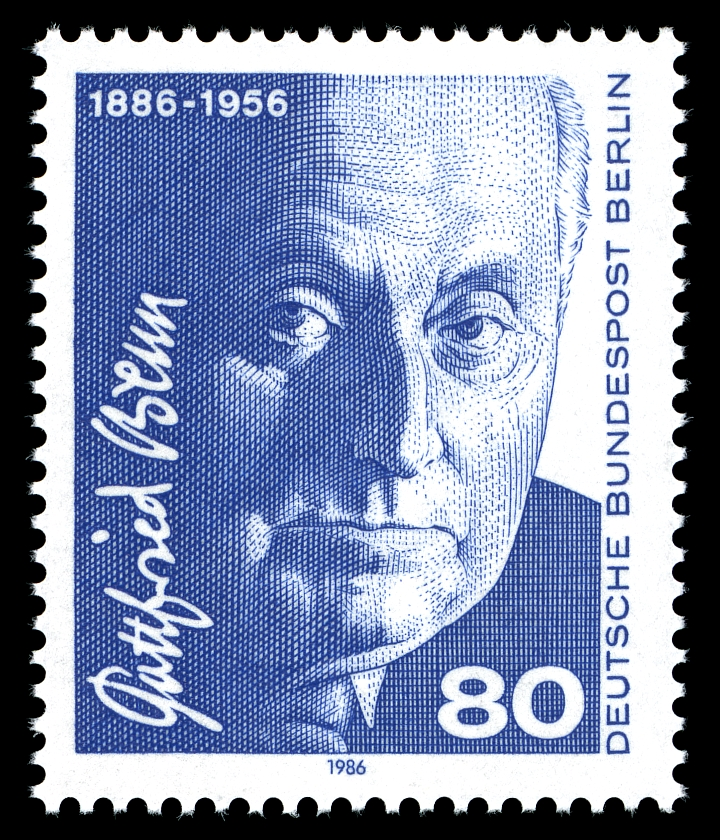
Gottfried Benn (May 2, 1886 in Mansfeld near Putlitz, Prignitz; July 7, 1956 in Berlin) was a German poet, essayist, and physician. He grew up as the son of a theologian in a rectory. After abandoning his theology studies, he successfully completed his medical studies. In 1912, his first volume of poetry, Morgue and Other Poems, was published. It caused a scandal due to its drastic choice of themes and casual expression and immediately made the author known as a representative of the newly emerging Expressionist poetry.

With the novella volume Brains, published in 1916, he made a significant contribution to Expressionist short prose. From then on, he pursued the civilizational critique of the Morgue poems in his essayistic work. In The Modern Self, he devoted himself to the question of the position of the individual in society.

Gottfried Benn is considered one of the most important German poets of modern literature. He first entered the literary scene as an Expressionist with his Morgue poems, which radically broke with conventional poetic traditions and strongly reflected impressions from his work as a doctor. Dissections and cancer and maternity wards are described with seemingly dispassionate nuance, and romantic titles like “Little Aster” arouse expectations that are then blatantly disappointed.

The rights to the work are now held by Klett-Cotta Verlag.

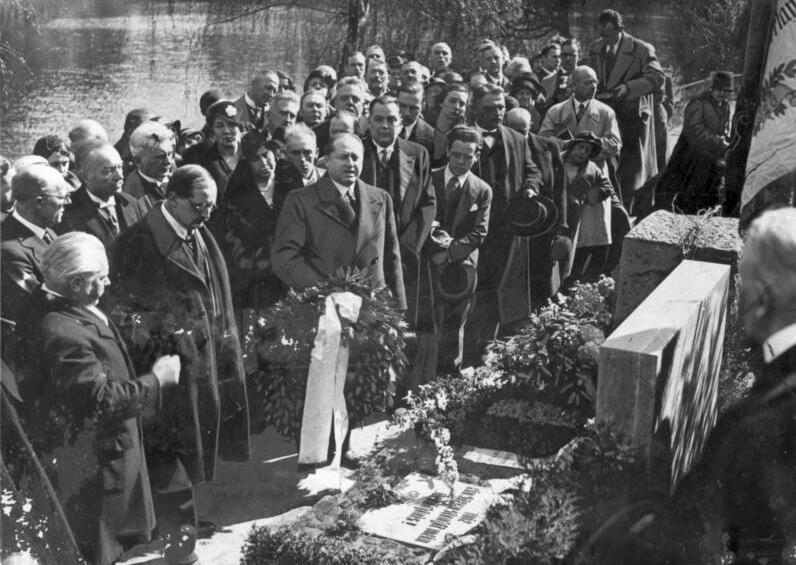
Gottfried Benn lays a wreath on the grave of Arno Holz on behalf of the Poets’ Academy (1933), photo from the Federal Archives

From the beginning, Benn wrote essayistic, poetically avant-garde, and autobiographical prose works. After 1945, he surprised the public with the novel Phenotype, on which he had been working since at least 1944.

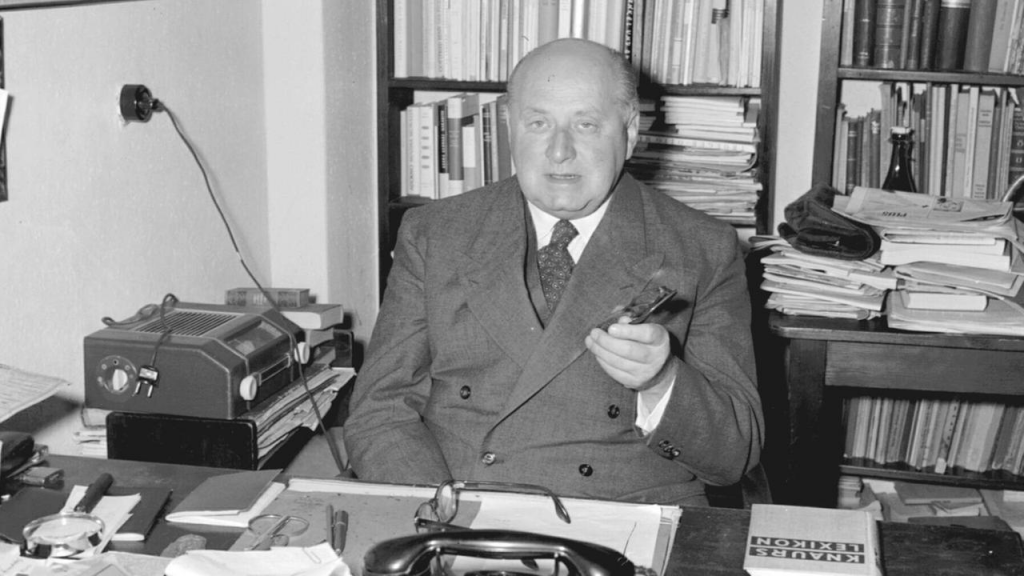
Dr. Gottfried Benn in his Berlin office on August 18, 1953. (imago / United Archives International)

https://de.wikipedia.org/wiki/Gottfried_Benn

https://www.deutschlandfunk.de/der-gottesleugner-gottfried-benn-das-gezeichnete-ich-102.html


  • -

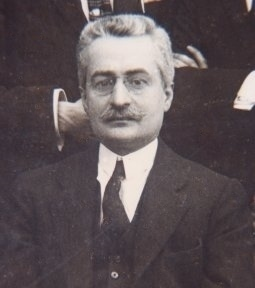
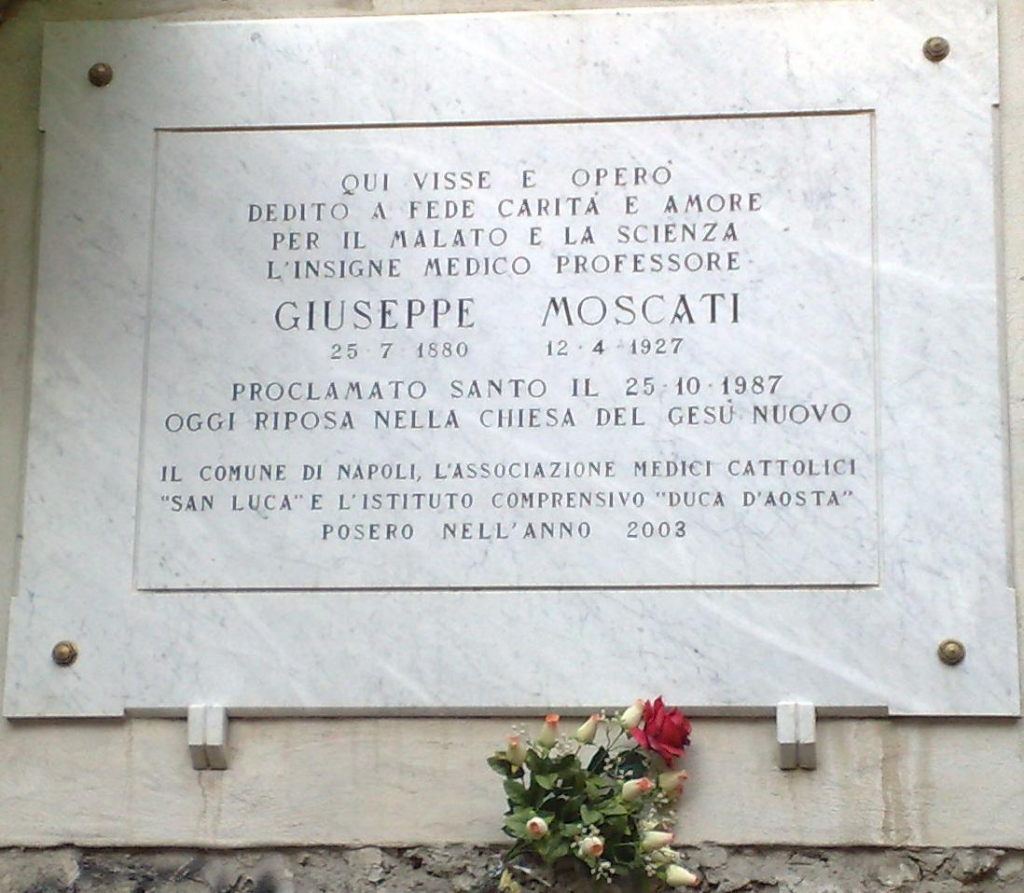
Giuseppe Moscati

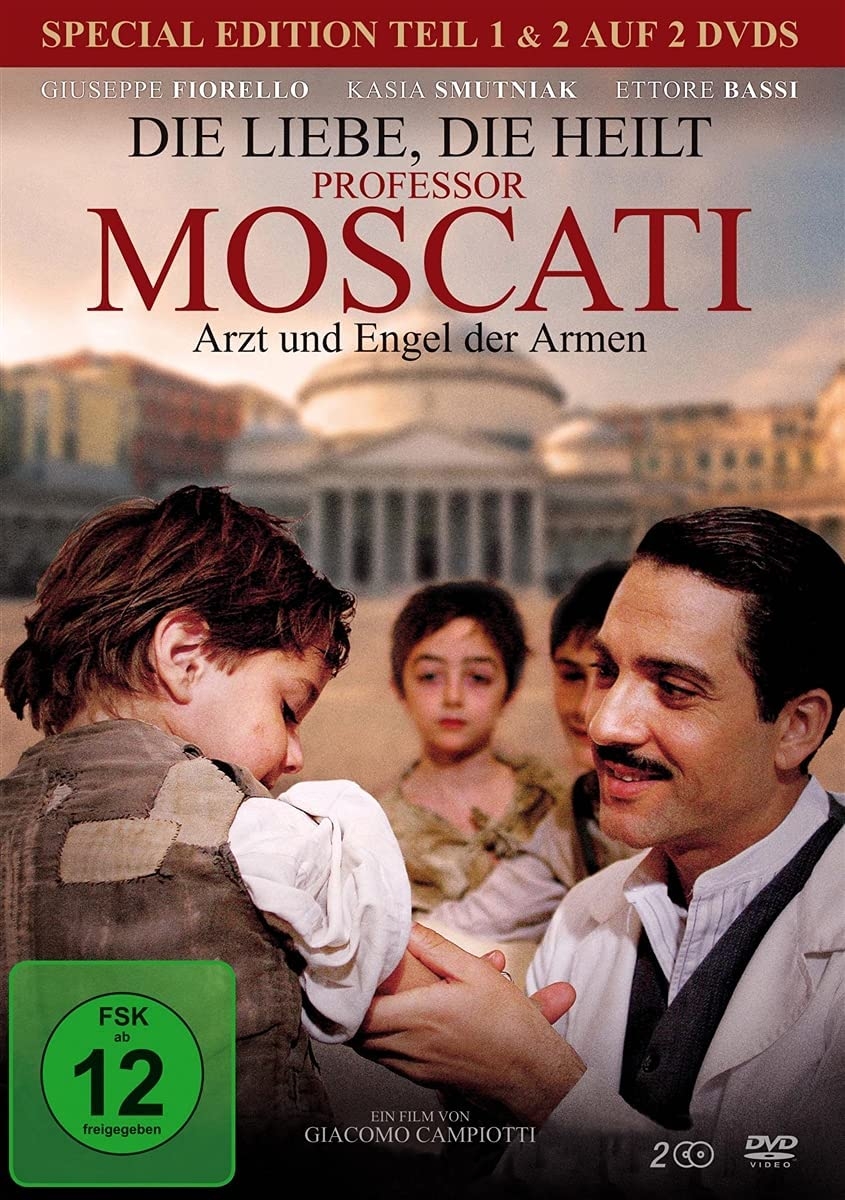
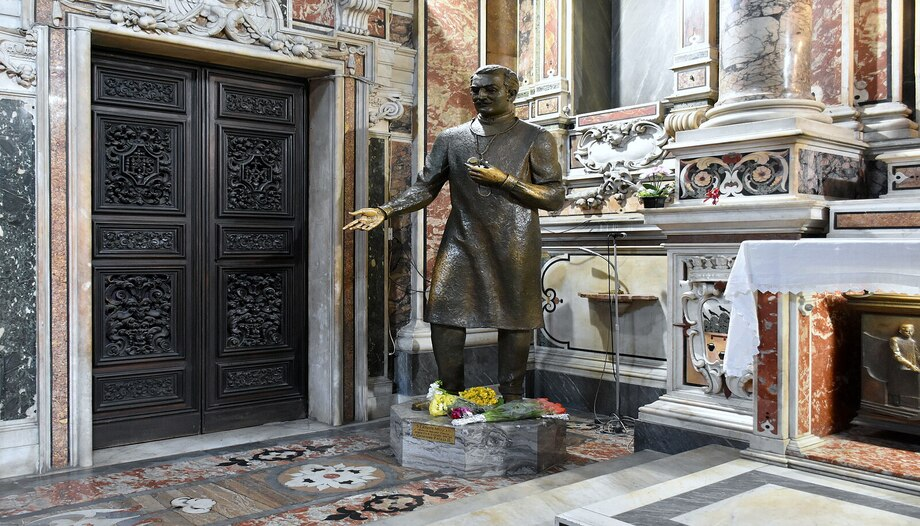
Saint Giuseppe Moscati, also known as Joseph Moscati (July 25, 1880 in Benevento near Avellino; April 12, 1927 in Naples) was an Italian physician, scientist, and university professor. He was beatified by Pope Paul VI in 1975 and canonized by Pope John Paul II in 1987. The Catholic Church celebrates his feast day on April 12, while the Archdioceses of Naples and Amalfi-Cava de’ Tirreni celebrate it separately on November 16. Moscati was one of the first physicians to use insulin to treat diabetes.

Joseph Moscati (1880-1927) came from an Italian aristocratic family and was a renowned physician – that sounds like a life worthy of a serial, full of luxury, money, and beautiful women. But this saint chose a very different path early on and pledged eternal chastity before even beginning his medical studies in Naples. Joseph completed his doctorate in 1903 and was soon forced to prove his humanitarian commitment: in 1906, Mount Vesuvius erupted. The young doctor organized the evacuation of a hospital and provided emergency aid. Just five years later, Naples was struck by a cholera epidemic, and Joseph worked around the clock caring for the sick. In 1914, the First World War broke out, during which Joseph treated approximately 3,000 soldiers. Beyond the great catastrophes of world events, he took special care of the poor. Not only did he accept little or no remuneration from them, but he often paid for medication out of his own pocket. The popular physician died after a short illness on April 12, 1927, in Naples. Pope John Paul II canonized Joseph Moscati in 1987.


  • -

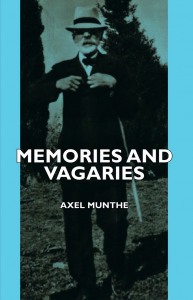
Axel Munthe

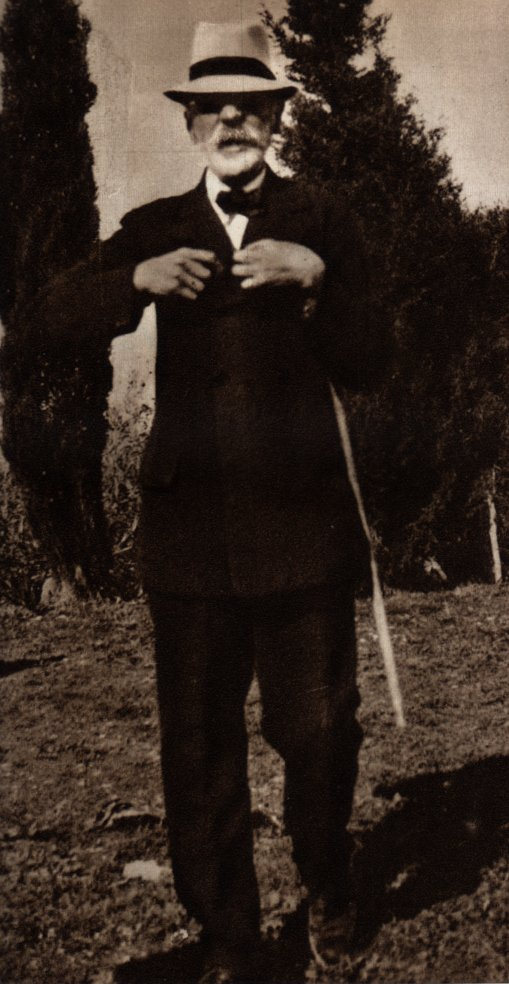
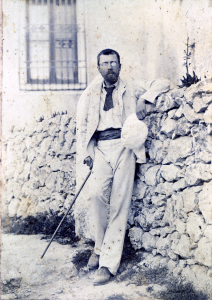
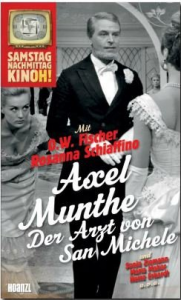
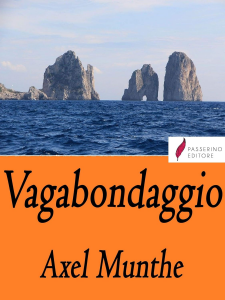
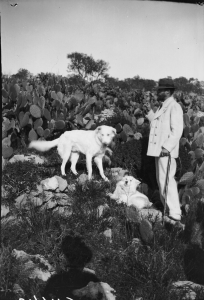
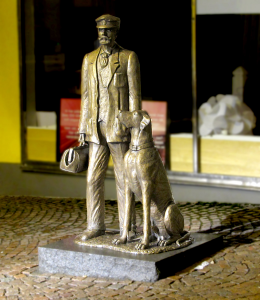
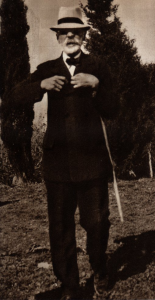
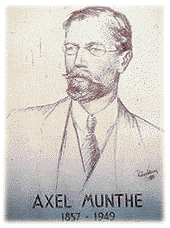
Axel Martin Fredrik “Puck” Munthe [ˌakːsəl ˈmɵnːtə] (October 31, 1857 in Oskarshamn – February 11, 1949 in Stockholm) was a Swedish physician and author.

Beruf und Leben

Axel Munthe was born in 1857, the son of a pharmacist. He studied medicine in Uppsala, Montpellier, and Paris.

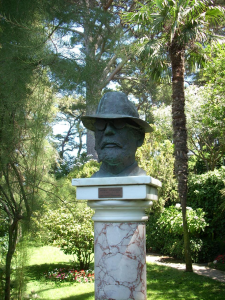
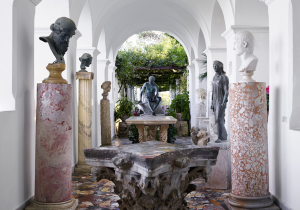
In 1880 he began practicing medicine in Paris and Rome. Over the years he worked in Naples, London and Stockholm. During his student years in Paris he was particularly impressed by the work of Jean-Martin Charcot. Even in later years his special interest lay in psychiatry. His professional career shows several outward breaks. For example, he worked as a doctor for the lower classes of society while simultaneously or shortly thereafter running a fashionable medical practice. In Rome, for example, he set up his practice in the Keats-Shelley House on the Spanish Steps, which had previously been inhabited by the poet John Keats and others. From 1908 Munthe was personal physician to the Swedish Queen Victoria, a Princess of Baden by birth, who regularly stayed in Munthe’s neighborhood on Capri until her death. At his Villa San Michele in Anacapri, he was visited by Henry James, Oscar Wilde, Rainer Maria Rilke, and Curzio Malaparte. The house, with its magnificent garden and sweeping views over the sea, has served as a museum since the 1950s.

At the age of 22 (the youngest in France), he received his doctorate in medicine from the Sorbonne and soon became one of the most successful physicians of his time. He was considered a miracle worker. His patients included members of the upper classes and nobility of Europe and America, but he also worked among the poor in Paris, Rome, and Naples.

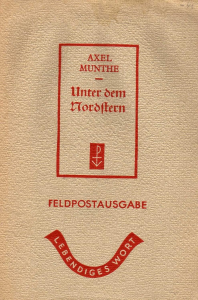
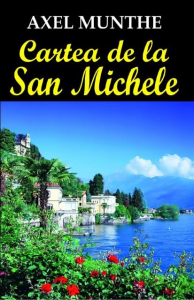
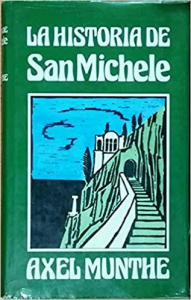
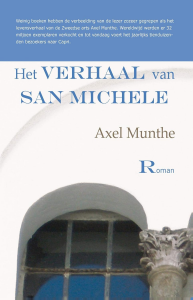
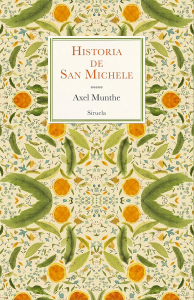
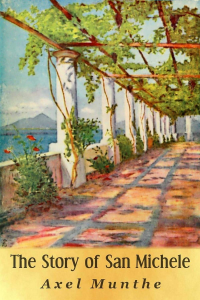
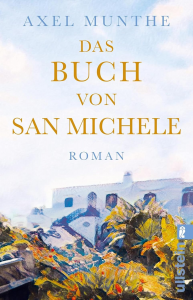
The newspaper report on his work in cholera-stricken Naples in the autumn of 1884 made him instantly famous. However, he was not a professional writer, and his real success did not come until 45 years later. “The Story of San Michele” was published in 1929 and became one of the most successful books of the 20th century. It was written in English, translated into numerous other languages, and is still being reprinted today.

Axel Munthe became internationally known through his memoirs, The Book of San Michele, published in 1929 and translated into numerous languages. However, biographical elements are mixed with fantasy to the point of inseparability; for example, Bengt Jangfeldt and Thomas Steinfeld demonstrated numerous differences between the author’s real and “autobiographical” life in their Munthe biographies, published in 2003 and 2007, respectively.

Although Munthe was not an architect, he had one of Europe’s most famous villas built on Capri: the Villa San Michele, which experts describe as a masterpiece of architecture.
He was a passionate Anglophile, but his favorite philosopher was Schopenhauer, his favorite poet was Heine, and his favorite composers were Schubert, Wagner, Schumann, and Hugo Wolf. And despite his republican outlook on life, his most important patient was not only of royal descent and German origin, but also strongly German-oriented.

Munthe died in 1949 in his last residence, located in a side wing of the Royal Palace in Stockholm.

https://www.villasanmichele.eu/munthe

https://en.wikipedia.org/wiki/Axel_Munthe


  • -

Hans Prinzhorn

Hans Prinzhorn (6 June 1886 – 14 June 1933) was a German psychiatrist and art historian.

Hans Prinzhorn als Abiturient (1904)

Born in HemerWestphalia, he studied art history and philosophy at the universities of Tübingen, Leipzig and Munich, then receiving his doctorate under Theodor Lipps with the dissertation “Gottfried Semper’s basic aesthetic views” in 1908. He then went to the Leipzig Conservatory in 1909 and received lessons in music theory and piano. Afterwards he went to London to pursue his desire of becoming a singer, however his voice was ultimately not good enough for an artistic career. During the First World War, he assisted a military surgeon and in 1913 he finally started studying medicine, receiving his training at the universities of Freiburg and Strasbourg. He completed his second doctorate (in medicine) in 1919 at the University of Heidelberg after an invitation from Karl Wilmanns, with the dissertation “The artistic capabilities of the mentally ill”.

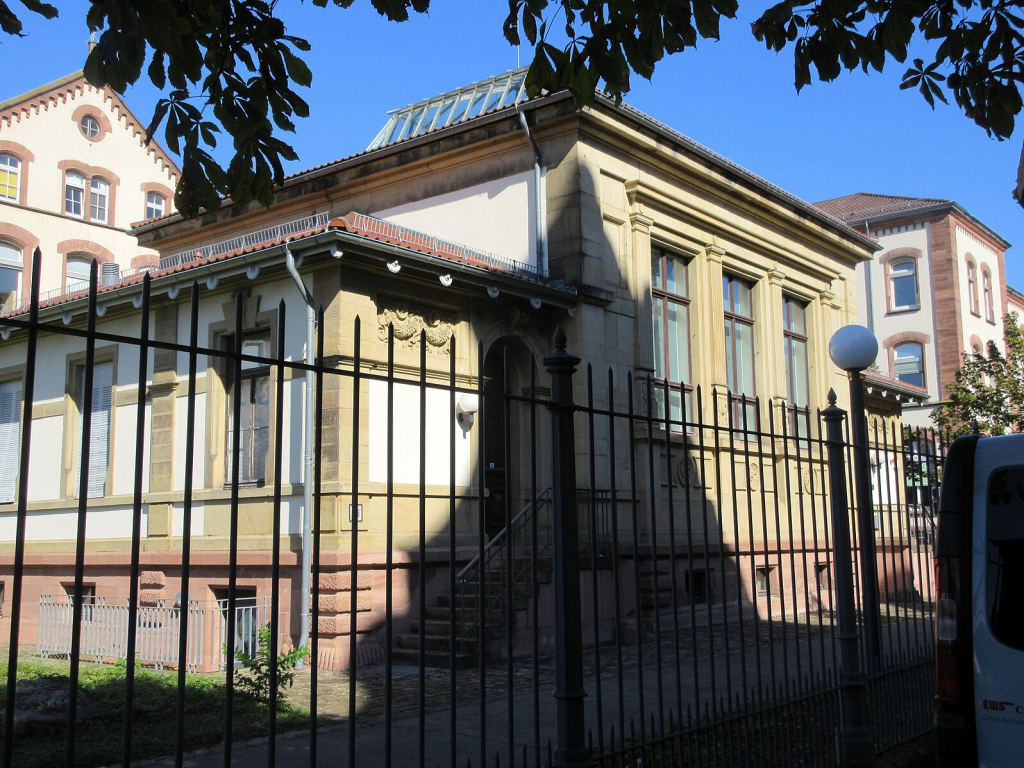
Geburtshaus von de:Hans Prinzhorn in Hemer.

In 1919 he became assistant to Karl Wilmanns at the psychiatric hospital of the University of Heidelberg. His task was to expand an earlier collection of art created by the mentally ill and started by Emil Kraepelin. When he left in 1921 the collection was extended to more than 5,000 works by about 450 “cases”.

In 1922 he published his first and most influential book, Bildnerei der Geisteskranken. Ein Beitrag zur Psychologie und Psychopatologie der Gestaltung (Artistry of the mentally ill: A Contribution to the Psychology and Psychopathology of Configuration), richly illustrated with examples from the collection. While his colleagues were reserved in their reaction, the art scene was enthusiastic. Jean Dubuffet was highly inspired by the works, and the term Art Brut was coined.

The book is mainly concerned with the borderline between psychiatry and art, illness and self-expression. It represents one of the first attempts to analyse the work of the mentally ill.

Das ehemalige Hörsaalgebäude des Altklinikums Bergheim ist heute der Forschungssammlung Prinzhorn als Museum gewidmet

After short stays at sanatoriums in ZürichDresden and Wiesbaden, he began a psychotherapy practice in Frankfurt in 1925, but without much success. He published a follow up project to his first book, titled “Bildnerei der Gefangenen” (Artistry of Prisoners) in 1926, however it was met with little success. He also wrote poems, which were published by a private publisher after his death. He continued to write numerous other books which were mainly on the field of psychotherapy. He approached psychology with an original method where he combined philosophy, anthropology and psychoanalysis. He went on to give lectures over radio, and he was a sought-after speaker home and abroad. He went to an invitation-based lecture tour of US universities in 1929. His original approach was well respected within the German community, however it was largely forgotten due to the dominant force of experimental psychology. His hopes to find a permanent position at a university were never fulfilled. Disillusioned by professional failures, and after three failed marriages, he moved in with an aunt in Munich and retreated from public life, making a living from giving lectures and writing essays. He died in 1933 in Munich after contracting typhus on a trip to Italy.

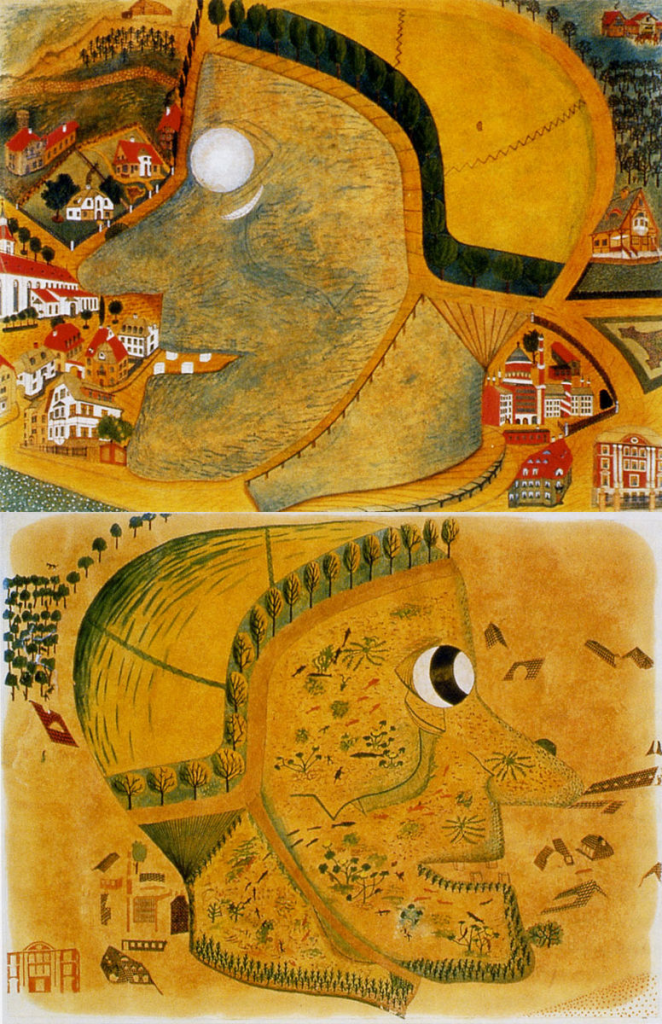
Aus der Sammlung Prinzhorn: August Natterer (Neter): „Hexenkopf“ (Vorder- u. Rückseite), ca. 1915

Shortly after his death the Prinzhorn Collection was stowed away in the attics of the university. In 1938 a few items were displayed in the Nazi propaganda exhibition Entartete Kunst (“Degenerate Art”). Since 2001 the collection has been on display in a former oratory of the University of Heidelberg.

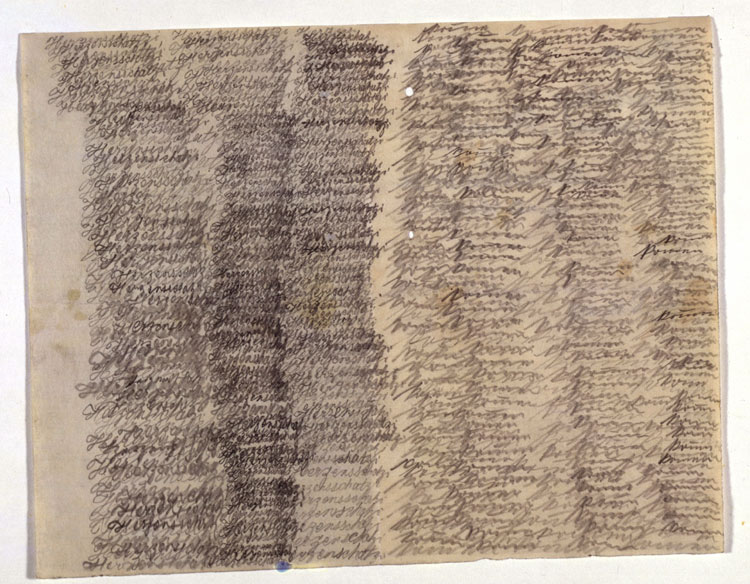
Brief der Psychiatriepatientin Emma Hauck 1909, von Prinzhorn als Beispiel für „Kritzeleien“ angeführt, Sammlung Prinzhorn

In Hans Prinzhorn’s hometown of Hemer, the municipal secondary school and the local specialized clinic for psychiatry and psychotherapy are named after him. A clinic for differentiated treatment options in compulsory and full-service settings, the clinic is sponsored by the Regional Association of Westphalia-Lippe. The clinic also serves as a training and continuing education institution. The Felsenmeer Museum, run by the Citizens’ and Local History Association, houses a Prinzhorn archive, largely filled with copies. The literary scholar Yukio Kotani, influenced by Ludwig Klages, campaigned to raise awareness of Prinzhorn’s work in Japan.

https://de.wikipedia.org/wiki/Hans_Prinzhorn

https://en.wikipedia.org/wiki/Hans_Prinzhorn


  • -

Carl Wickland

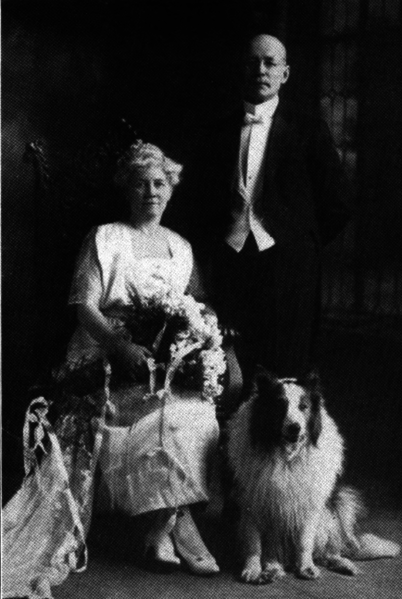
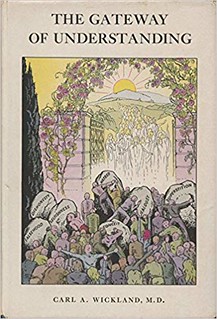
Carl August Wickland (born Carl August Wicklund, 14 February 1861 – 13 November 1945)[1] was a 20th-century Swedish-American psychiatrist and psychical researcher.

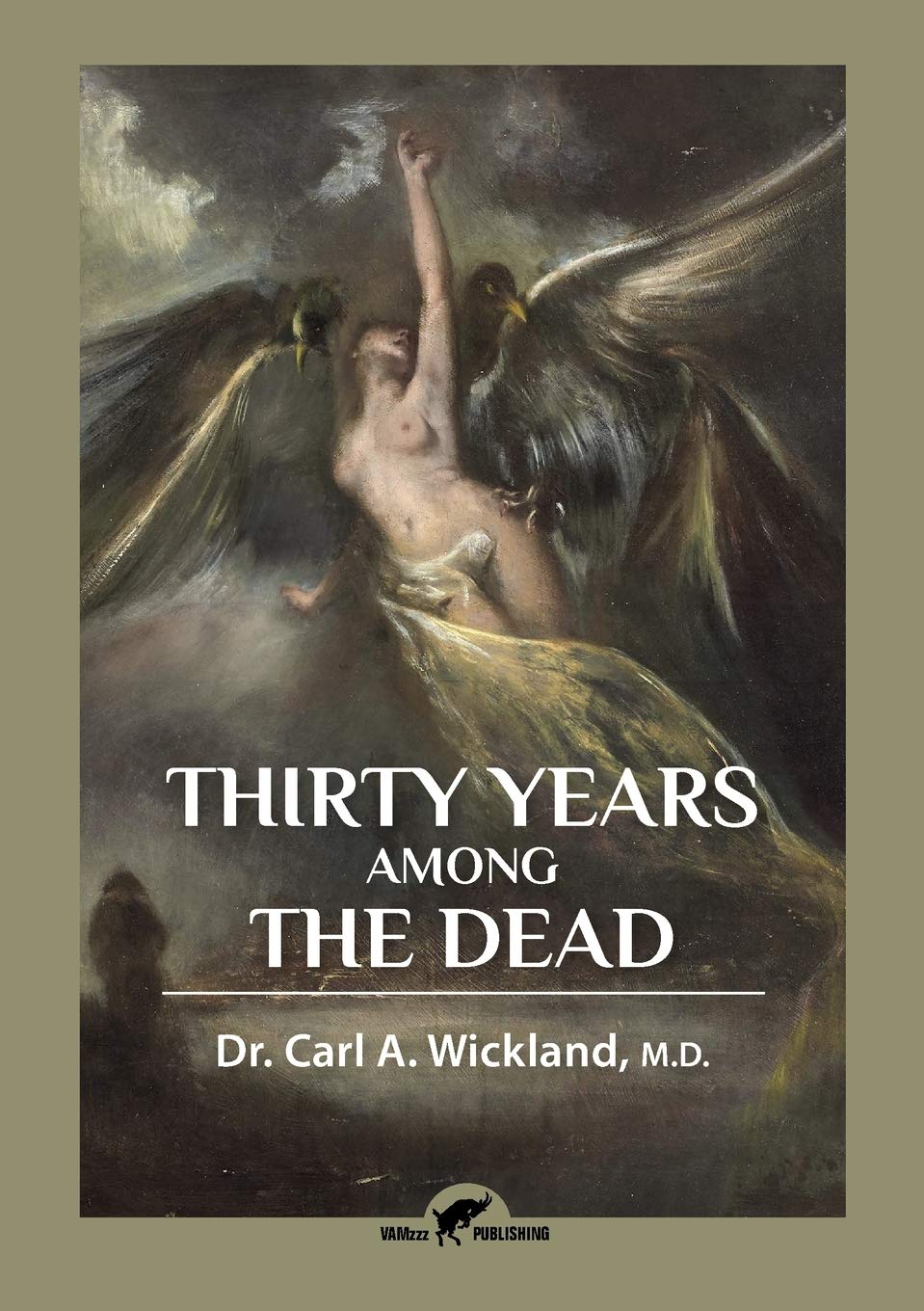
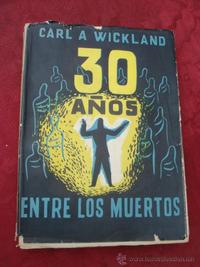
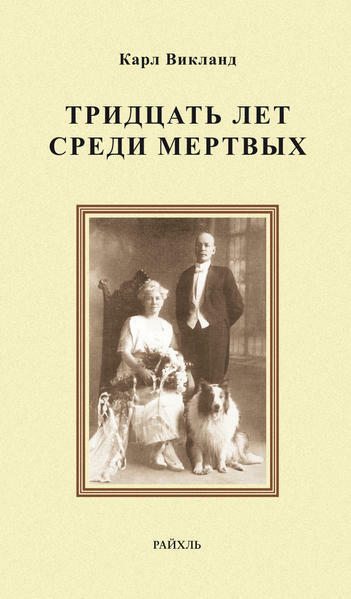
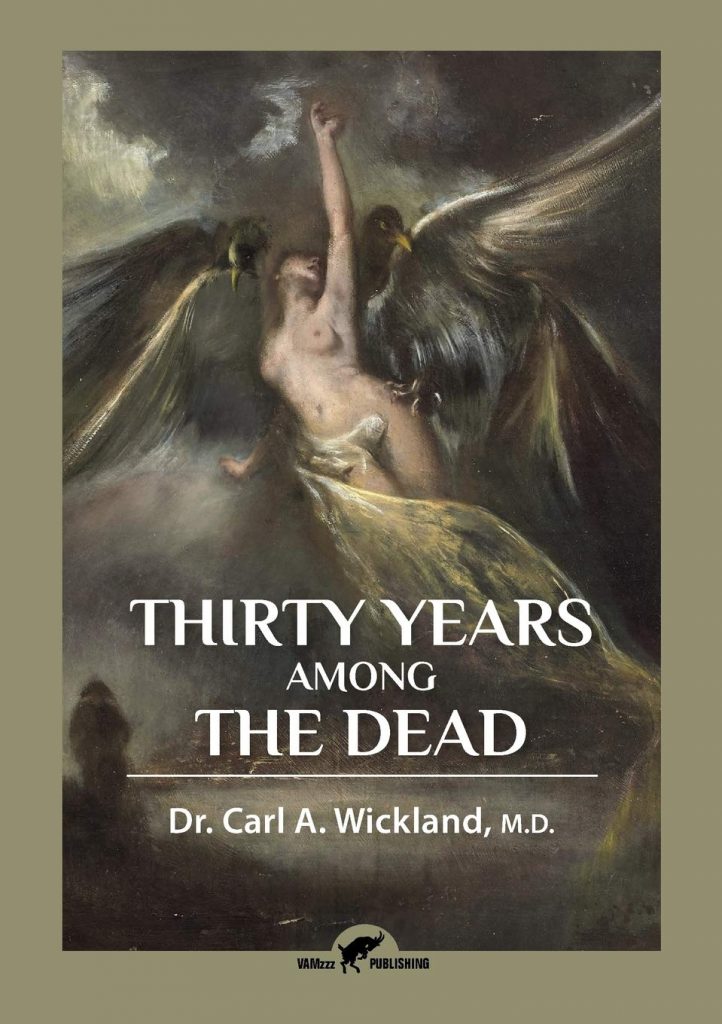
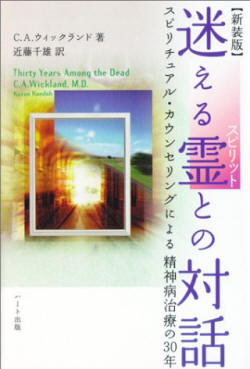
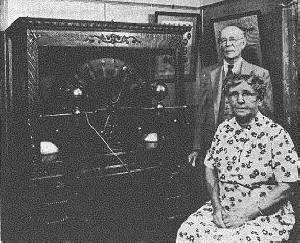
Wickland turned away from conventional medical psychology and toward the belief that psychiatric illnesses were the result of influence by spirits of the dead. Wickland came to believe that a large number of his patients had become possessed by what he called “obsessing spirits”, and that low-voltage electric shocks could dislodge them, while his wife Anna acted as a medium to guide them to “progress in the spirit world”. Spiritualists considered him an authority on “destructive spirits” and he wrote a book in 1924, Thirty Years Among the Dead, detailing his experiences as a psychical researcher.[3]

In his book “30 years among the dead” (DOWNLOAD below!) he protocols the dialogues with the deceased souls who entered in a medium (Wickland´s wife!). His work should be standard literature for medical students! Especially the electro convulsive therapy would be useless treating te patients as Wickland did.

Wickland was convinced that he was in contact with a group of spirits known as the “Mercy Band” who would remove the possessors, and help them in the spirit world. Psychologist Robert A. Baker listed Wickland and Arthur Guirdham as early psychiatrists who preferred to “ignore the science and embrace the supernatural”.[4]

Wickland founded the National Psychological Institute in Los Angeles, California to study psychic phenomena.[3] A letter published in a 1918 issue of the journal Science criticized the institute’s promotion of psychic research “under the name of psychology” as an example of “pseudo-psychology”, adding that “the use of such a name involves bad taste and delusion.”[5]

wikipedia DE
wikipedia EN

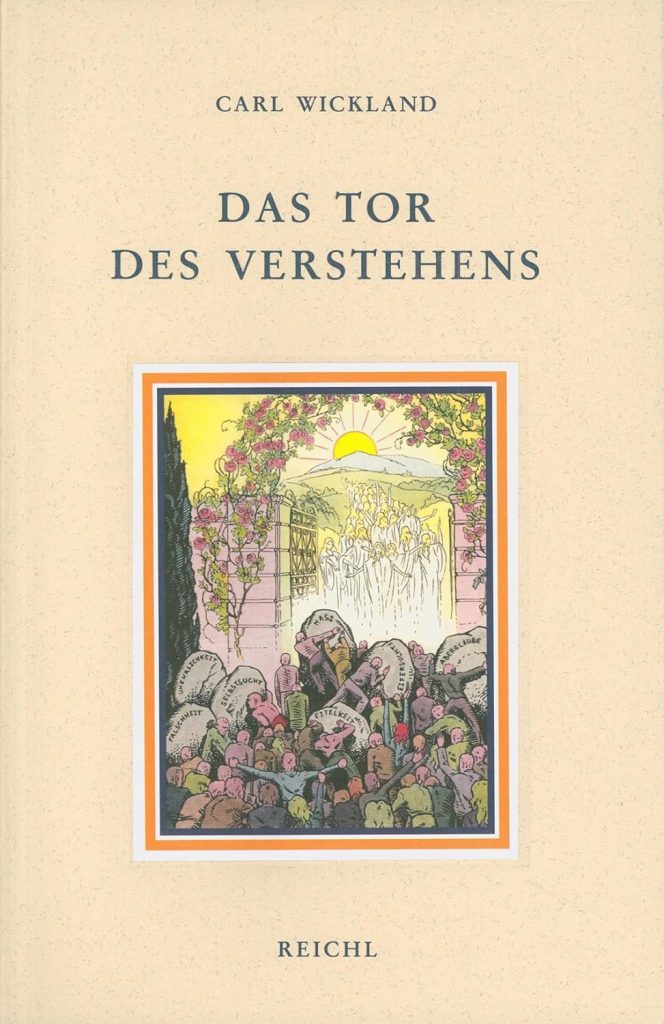
DOWNLOAD 30 Jahre unter den Toten DE!
DOWNLOAD 30 years among the dead EN!


  • -

Anton Pawlowitsch Tschechow

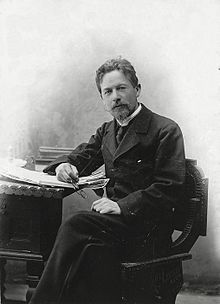
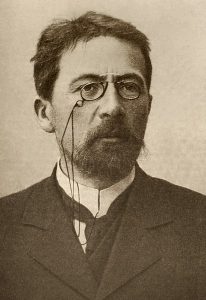
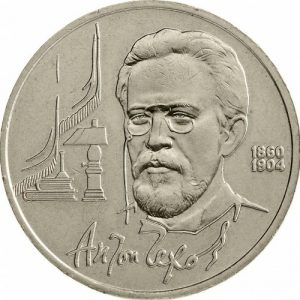
Anton Pavlovich Chekhov (Russian: Антон Павлович Чехов[note 1], IPA: [ɐnˈton ˈpavləvʲɪtɕ ˈtɕexəf]; 29 January 1860[note 2] – 15 July 1904[note 3]) was a Russian playwright and short-story writer who is considered to be one of the greatest writers of all time. His career as a playwright produced four classics, and his best short stories are held in high esteem by writers and critics.[4][5] Along with Henrik Ibsen and August Strindberg, Chekhov is often referred to as one of the three seminal figures in the birth of early modernism in the theatre.[6] Chekhov was a physician by profession. “Medicine is my lawful wife”, he once said, “and literature is my mistress.”

Anton Pavlovich Chekhov (Russian: Антон Павлович Чехов[note 1], IPA: [ɐnˈton ˈpavləvʲɪtɕ ˈtɕexəf]; 29 January 1860[note 2] – 15 July 1904[note 3]) was a Russian playwright and short-story writer who is considered to be one of the greatest writers of all time. His career as a playwright produced four classics, and his best short stories are held in high esteem by writers and critics.[4][5] Along with Henrik Ibsen and August Strindberg, Chekhov is often referred to as one of the three seminal figures in the birth of early modernism in the theatre.[6] Chekhov was a physician by profession. “Medicine is my lawful wife”, he once said, “and literature is my mistress.”[7]

Anton (links) und Nikolai Tschechow, 1882

Anton Pavlovich Chekhov (Russian: Антон Павлович Чехов[note 1], IPA: [ɐnˈton ˈpavləvʲɪtɕ ˈtɕexəf]; 29 January 1860[note 2] – 15 July 1904[note 3]) was a Russian playwright and short-story writer who is considered to be one of the greatest writers of all time. His career as a playwright produced four classics, and his best short stories are held in high esteem by writers and critics.[4][5] Along with Henrik Ibsen and August Strindberg, Chekhov is often referred to as one of the three seminal figures in the birth of early modernism in the theatre.[6] Chekhov was a physician by profession. “Medicine is my lawful wife”, he once said, “and literature is my mistress.”[7]

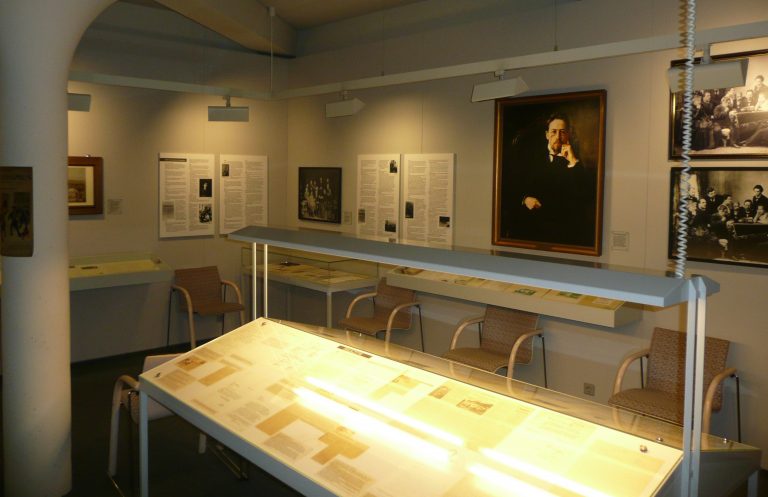
Tschechow-Museum Badenweiler

wikipedia DE

wikipedia EN


  • -

Julius Levin

Julius Levin (* 21. Januar 1862 in Elbing; † 29. Januar 1935 in Brüssel) was a German MD, author and violin maker. He also wrote many books as author.

Moderne Modemaler, Berlin 1887

Die Hygiene und Diätetik des Wochenbettes, Berlin 1892

Was tut der deutschen Kunst not?, Berlin 1912

Das Lächeln des Herrn von Golubice-Golubicki, Berlin 1915

Zweie und der Liebe Gott, Berlin 1919

Wehrmann Ismer, Berlin 1920

Die singende Dame, Berlin 1921

Die Großfürstin, Berlin 1922

Der Panzer, Trier 1922

Johann Sebastian Bach, Berlin 1930

Gedichte, Berlin 1936

web

wikipedia DE
wikipedia EN

youtube – vimeo

facebook – twitter – instagram

work