van Leeuwen

  • -

van Leeuwen

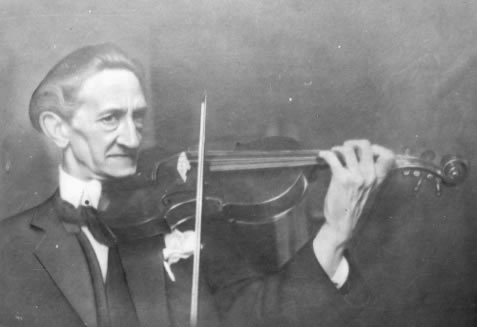
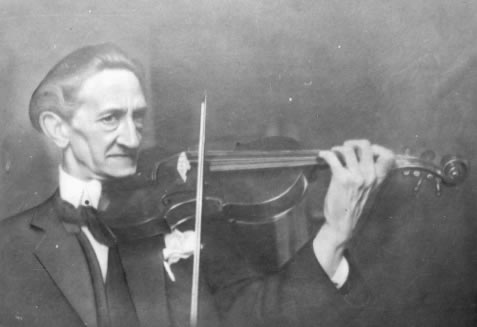
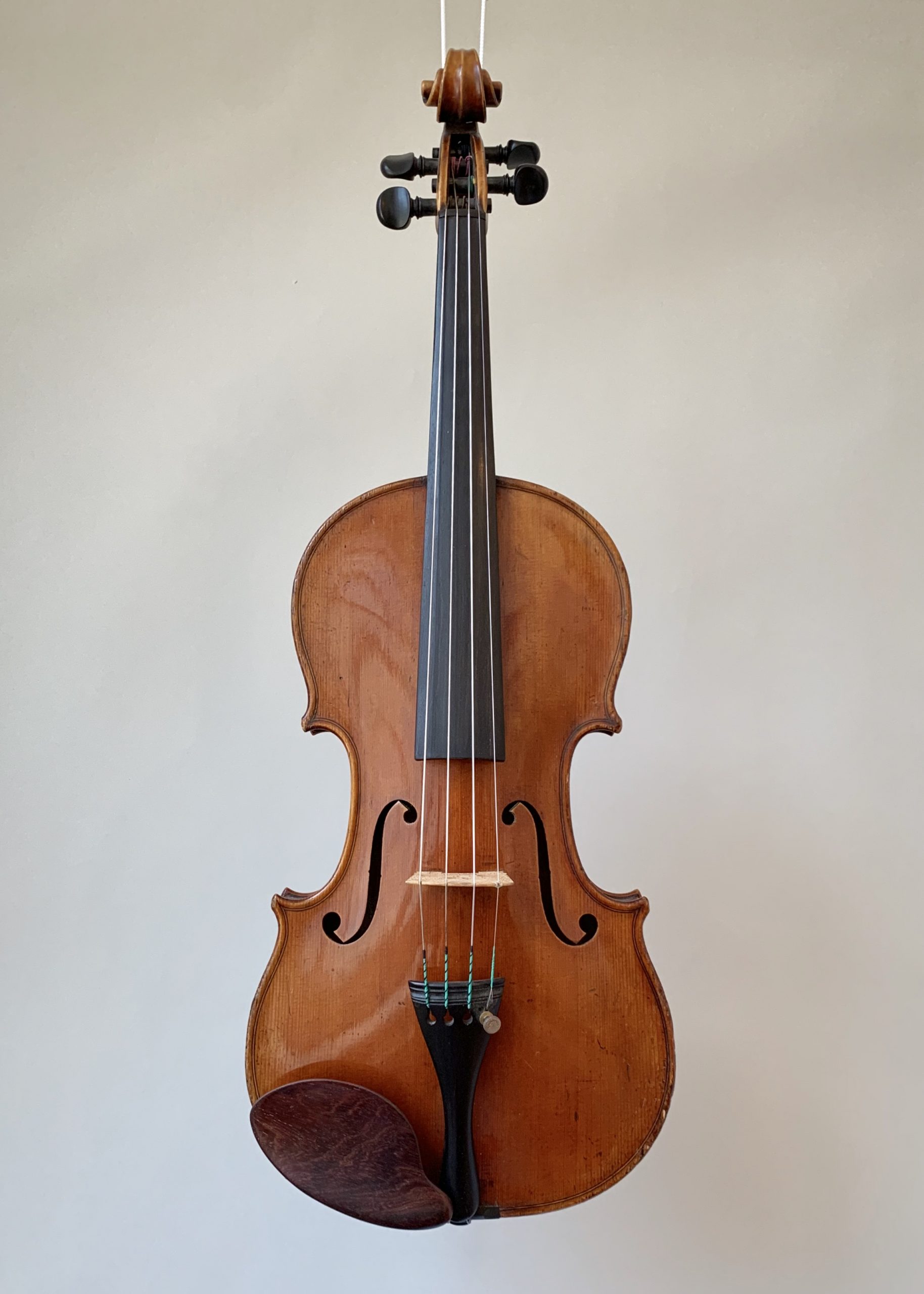
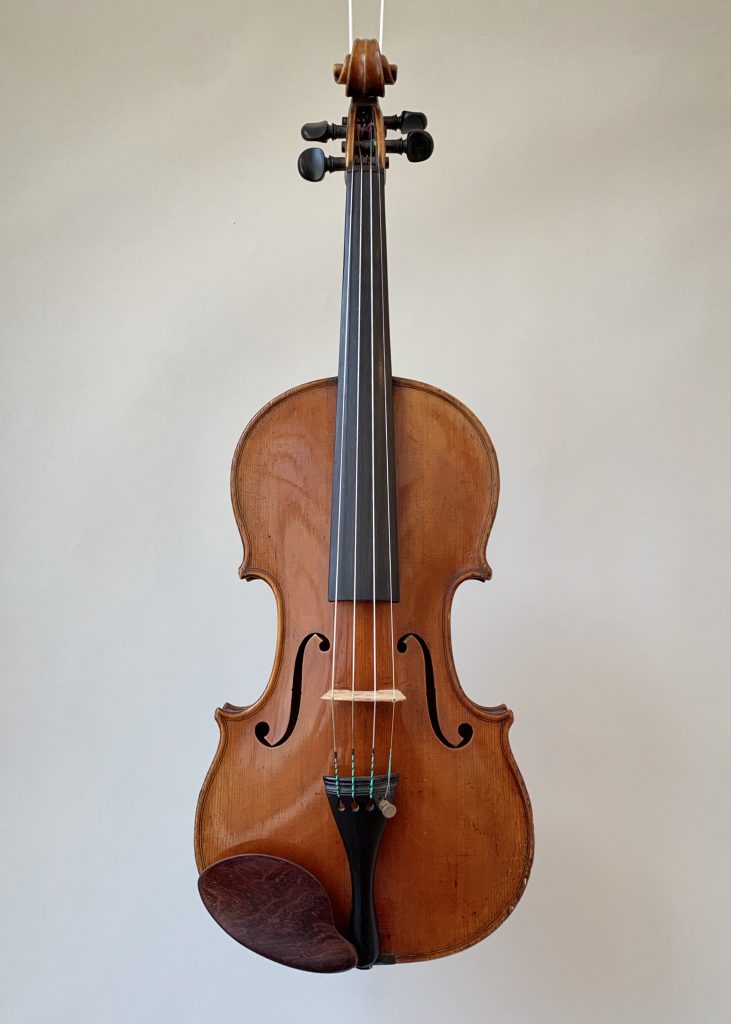
Born in 1872 Dr. van Leeuwen became MD in 1897. Besides he studied music and began working scientifically about building violins. After 5 years of learning he fully built violins, creating his own system and was well-known because of their sonority. In Brussels he got the silver medal in 1910.

web

wikipedia DE
wikipedia EN

youtube – vimeo

facebook – twitter – instagram

work


  • -

Franjo Kresnik

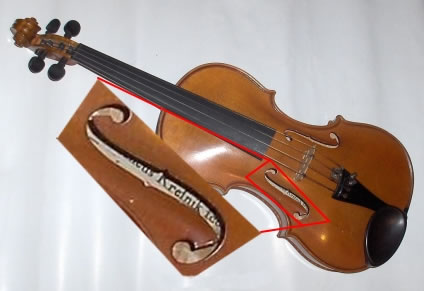
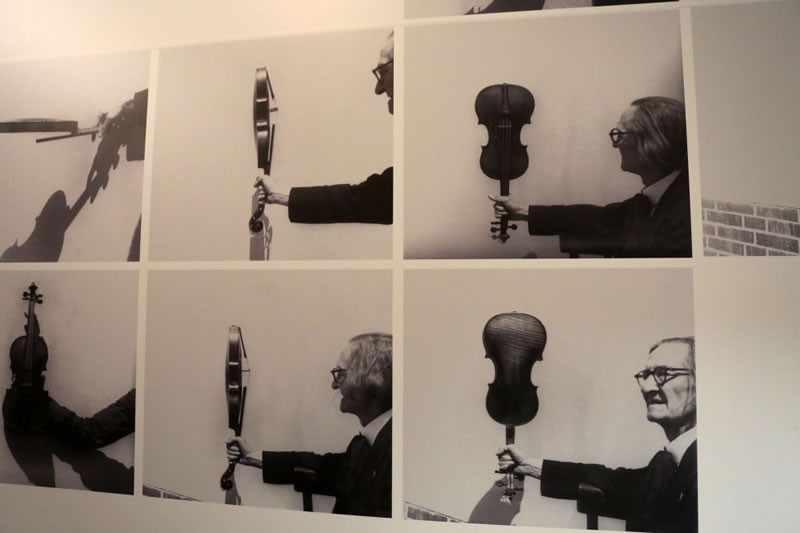
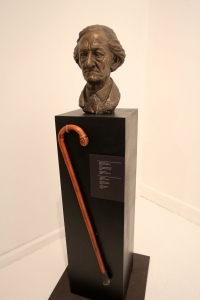
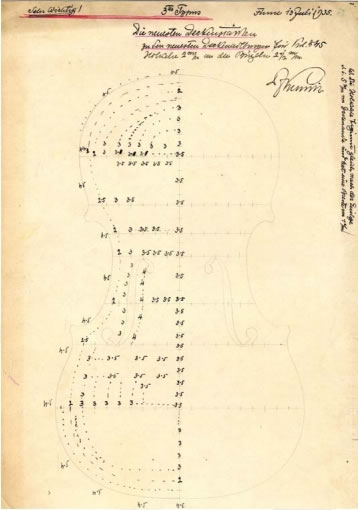
Dr. Franjo (Franz) Kresnik (born Wien 1869 – died Rijeka 1943) was an excellent physician and a Central European intellectual, a bohemian mind whose two loves in life made him very special. His passions were medicine and violin making. Most of his life was spent in Sušak (now a part of Rijeka, Croatia), where he worked, played music and studied the art of making stringed instruments. He visited Cremona on several occasions and studied a number of violins, drawings and tools made and used by old masters. For his profound knowledge of Cremonese violin making the Italians dubbed him “Uomo che legge violini” (The Man Who Can Read Violins). In his workshop he made fifty-two violins, two violas, two cellos and a string quartet. Some of these instruments are still played in Europe and America. The remaining violins and possessions (tools, manuscripts, drawings, literature and countless diplomas and certificates) have been kept in a memorial room at the Maritime and History Museum of the Croatian Littoral in Rijeka. In addition, a street near the Faculty of Medicine in Rijeka is named after Franjo Kresnik.
web

wikipedia DE
wikipedia EN

youtube – vimeo

facebook – twitter – instagram

work


  • -

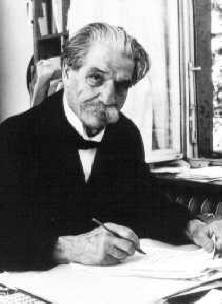
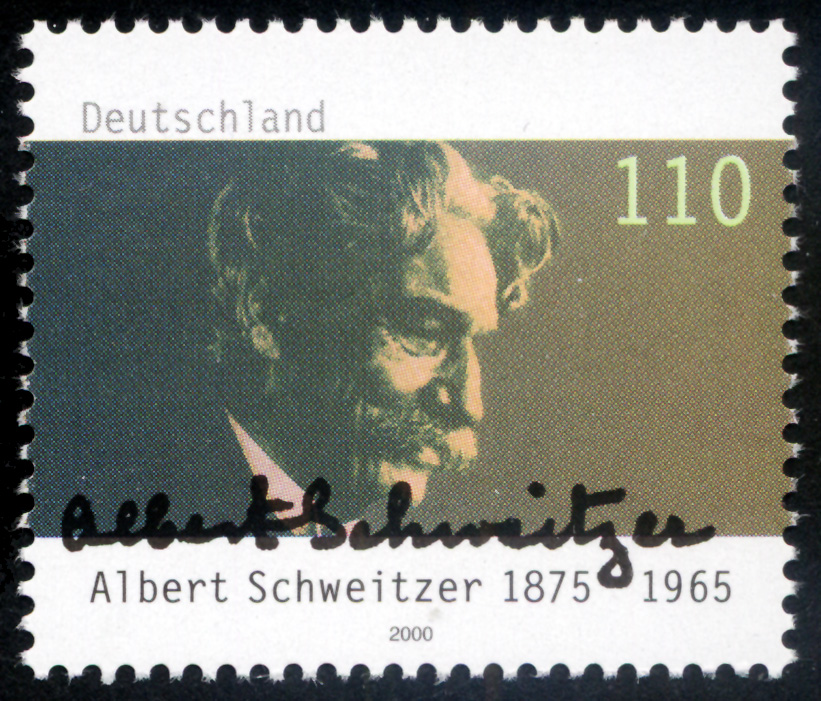
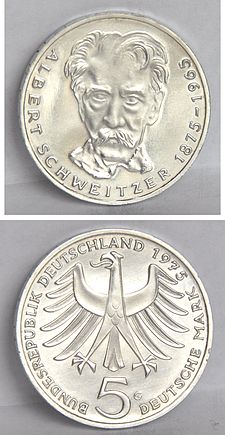
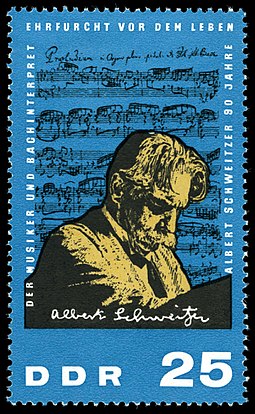
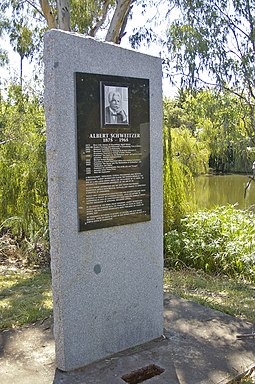
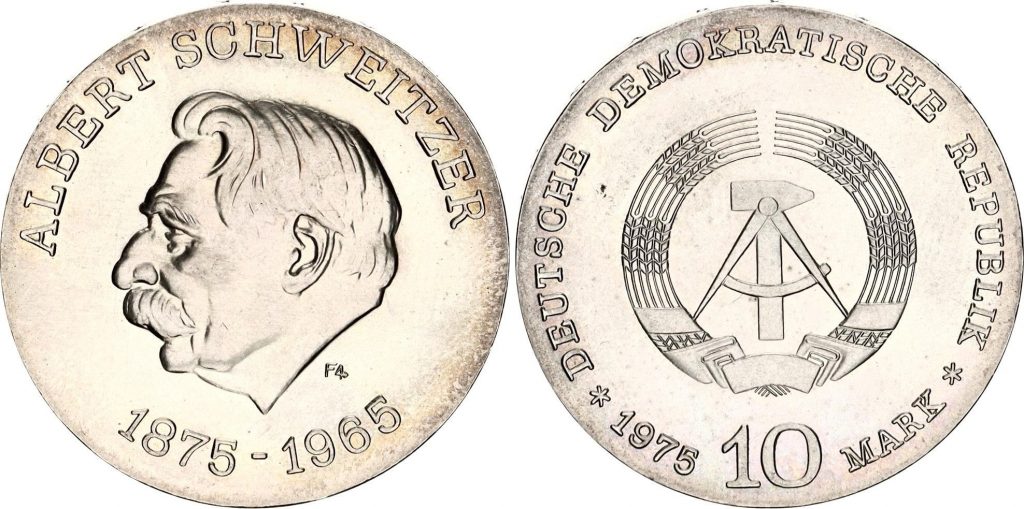
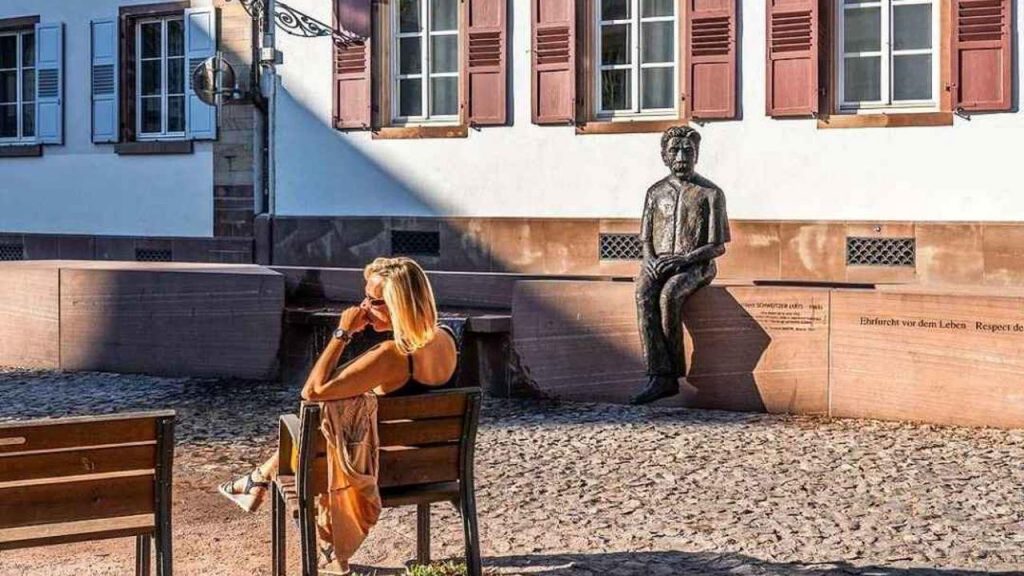
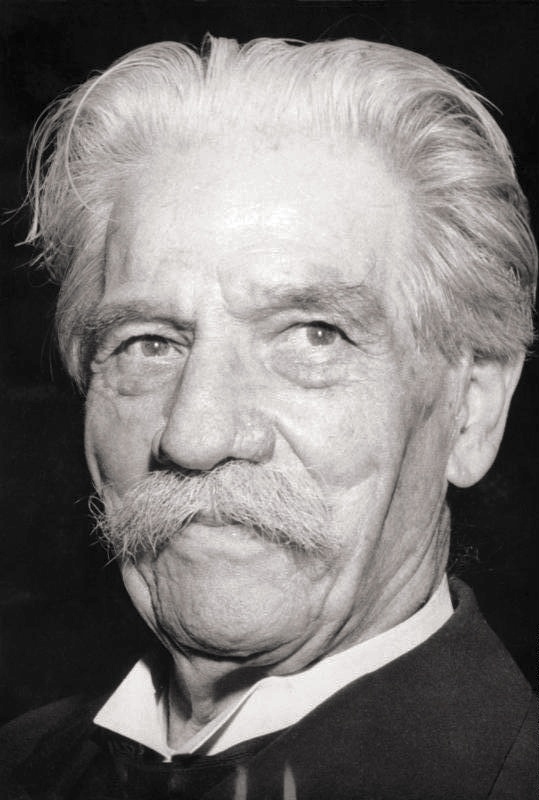
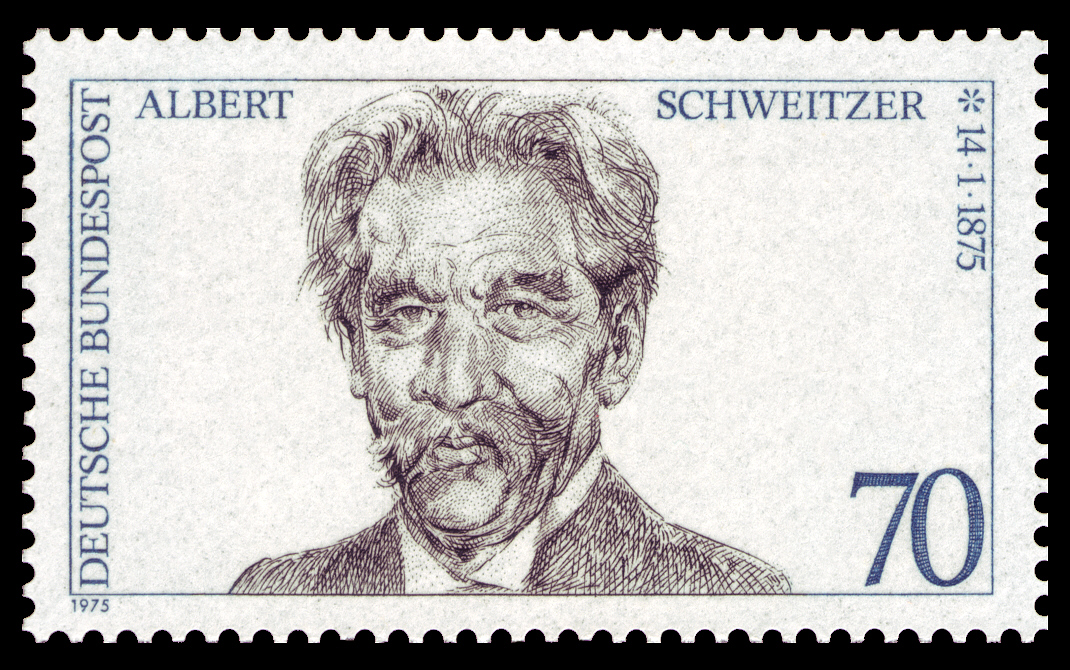
Albert Schweitzer

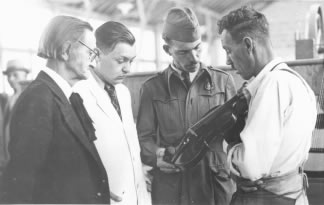
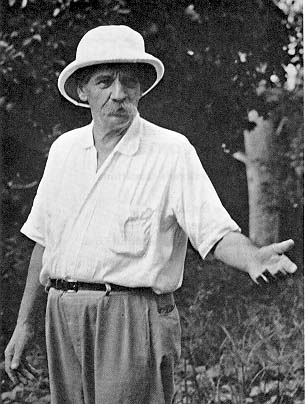
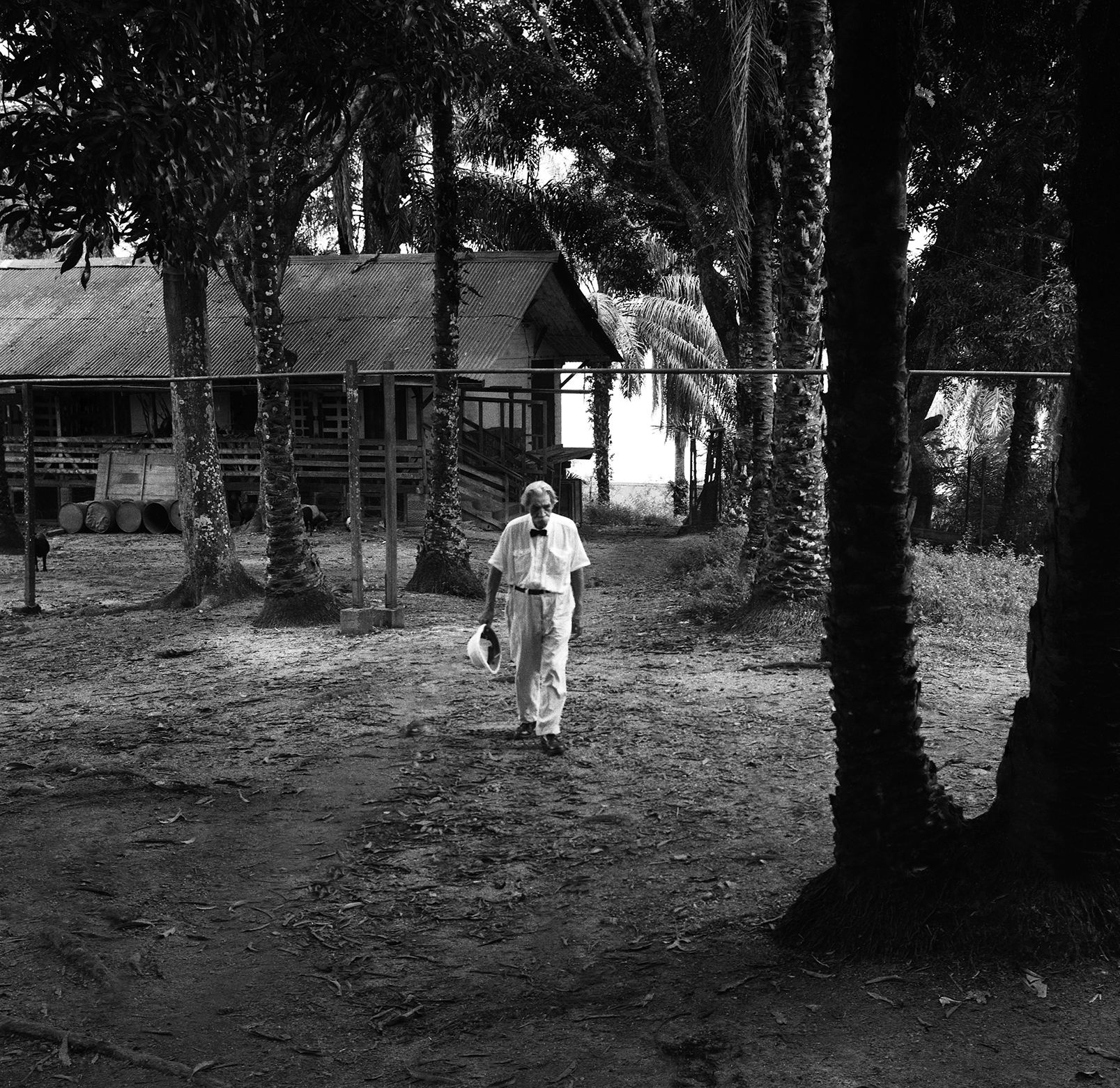
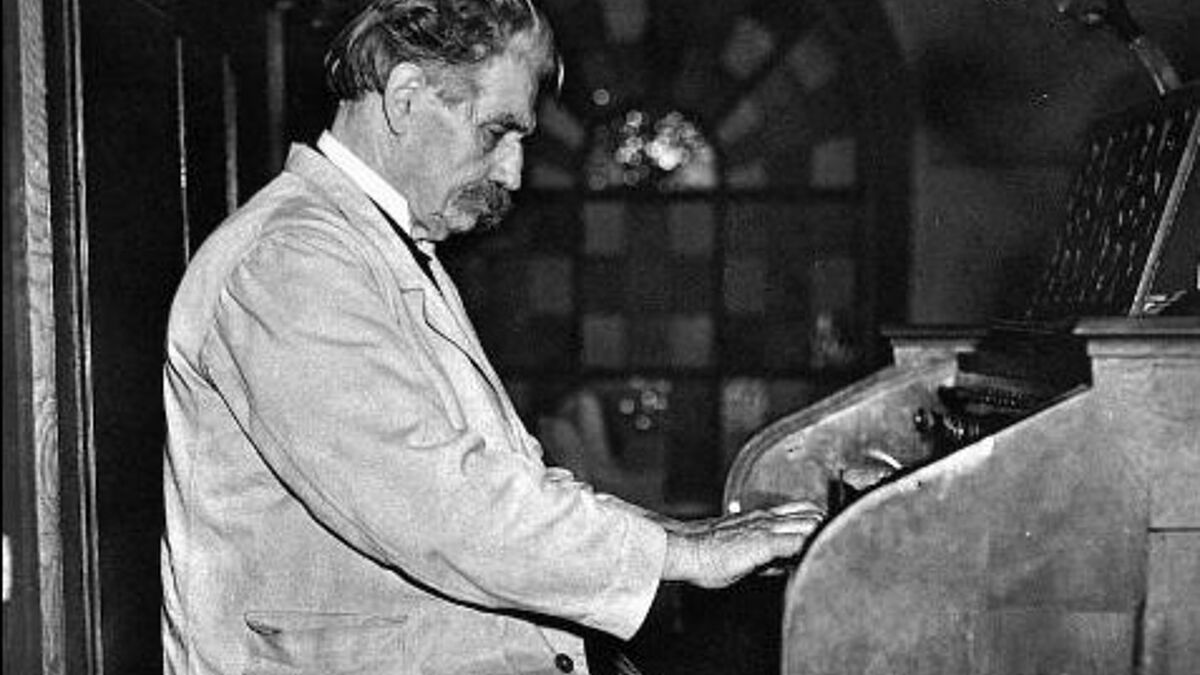
Ludwig Philipp Albert Schweitzer OM (German: [ˈalbɛʁt ˈʃvaɪ̯t͡sɐ] (listen); 14 January 1875 – 4 September 1965) was an Alsatian-German[3] polymath. He was a theologian, organist, musicologist, writer, humanitarian, philosopher, and physician. A Lutheran minister, Schweitzer challenged both the secular view of Jesus as depicted by the historical-critical method current at this time, as well as the traditional Christian view. His contributions to the interpretation of Pauline Christianity concern the role of Paul‘s mysticism of “being in Christ” as primary and the doctrine of Justification by Faith as secondary.

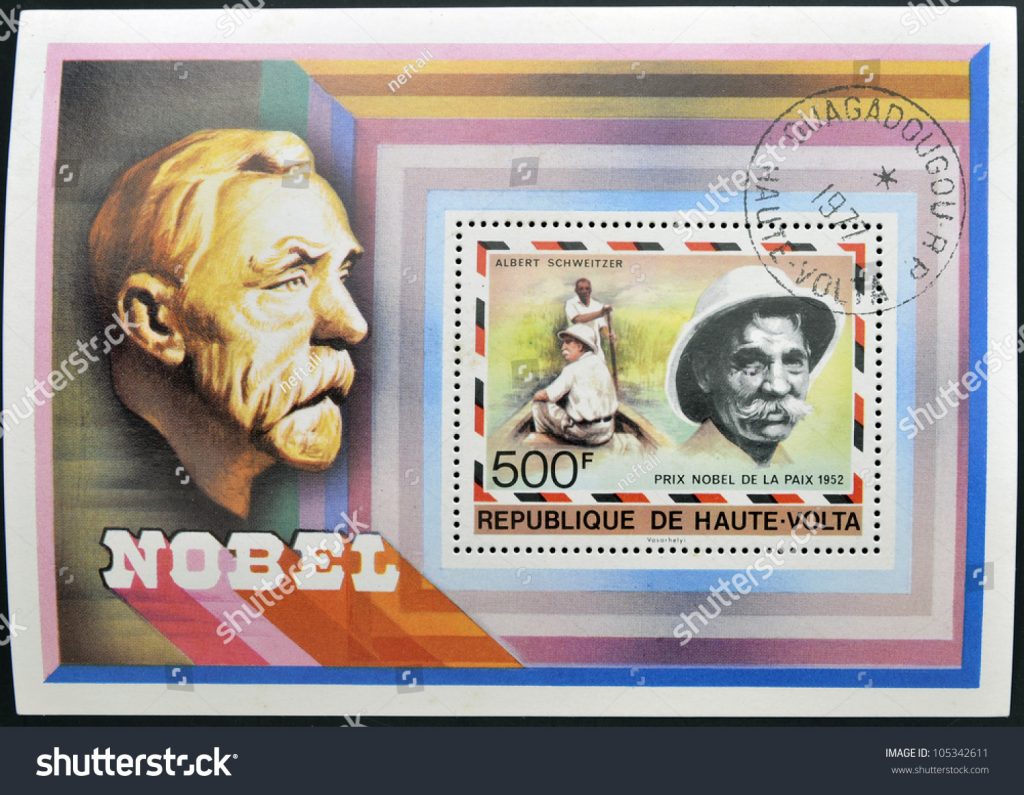
He received the 1952 Nobel Peace Prize for his philosophy of “Reverence for Life“,[4] becoming the eighth Frenchman to be awarded that prize. His philosophy was expressed in many ways, but most famously in founding and sustaining the Albert Schweitzer Hospital in Lambaréné, which up to 1958 was situated in French Equatorial Africa, and after this in Gabon. As a music scholar and organist, he studied the music of German composer Johann Sebastian Bach and influenced the Organ Reform Movement (Orgelbewegung).

web Albert-Schweitzer-Museum Günsbach

wikipedia DE

wikipedia EN

youtube – vimeo

facebook – twitter – instagram

work