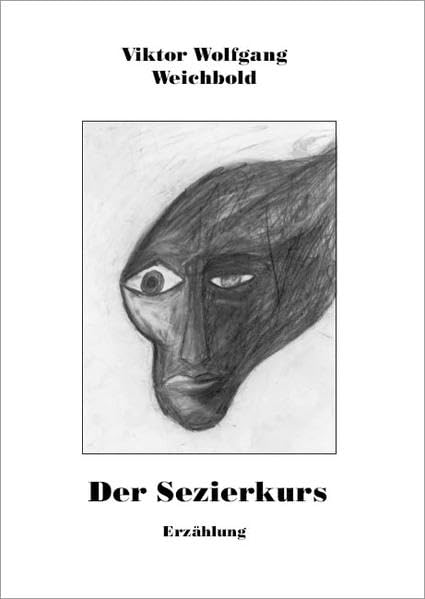
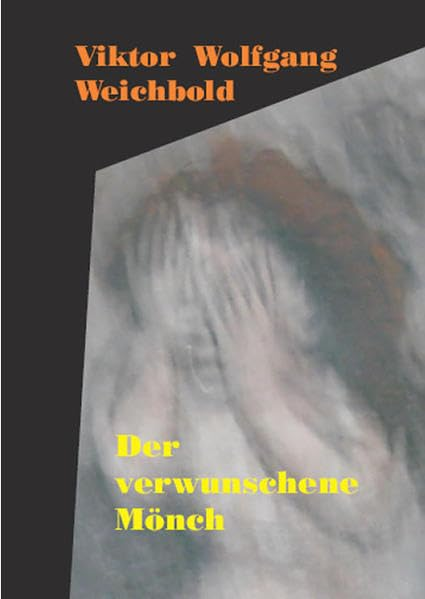
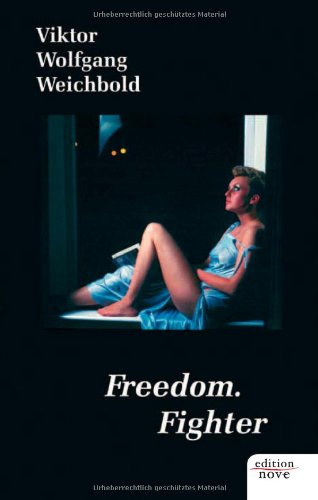
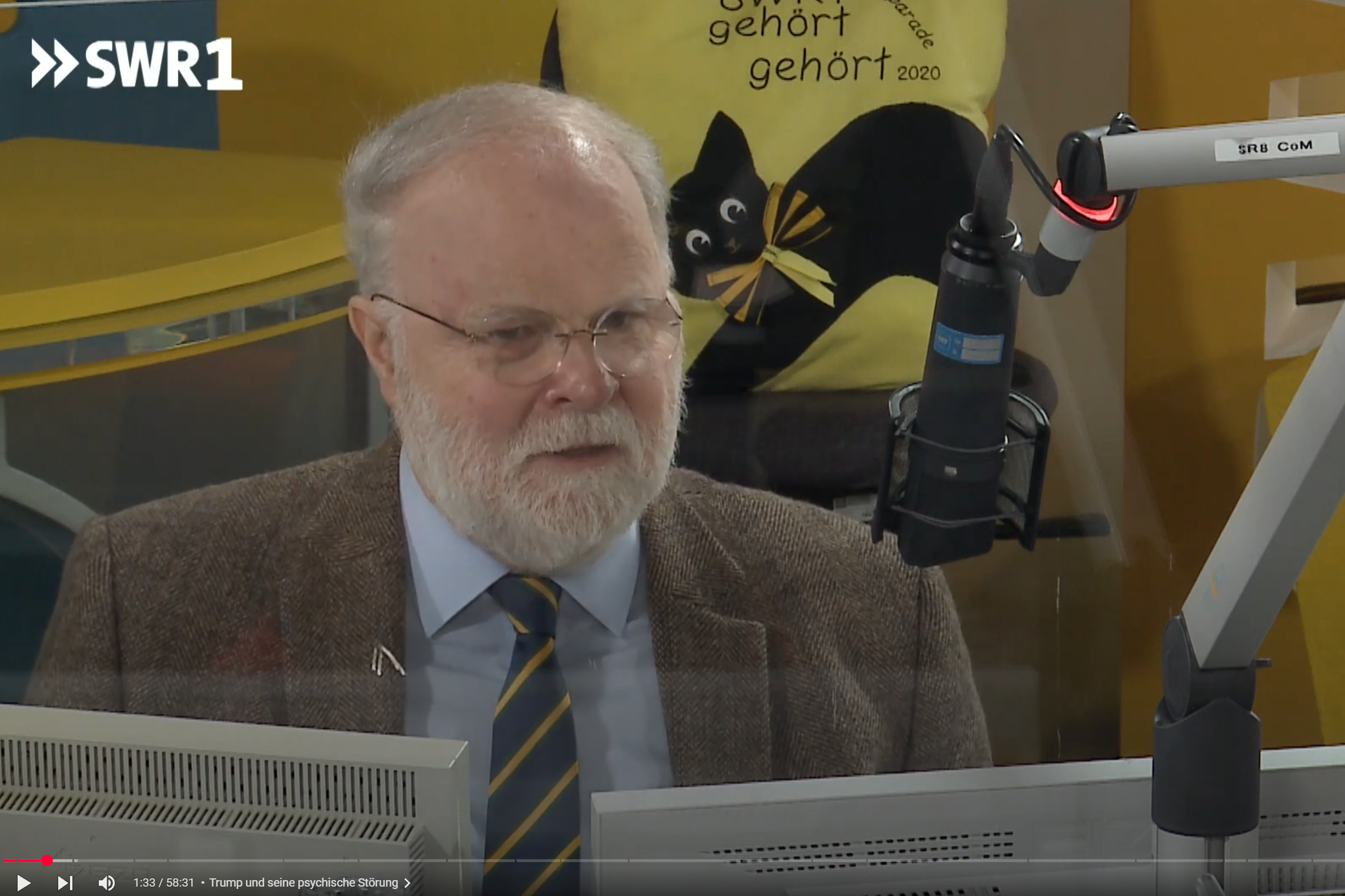
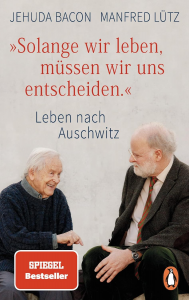
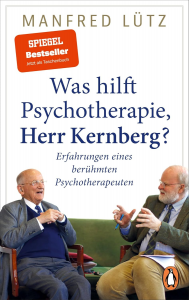
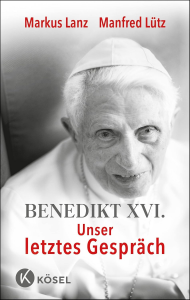
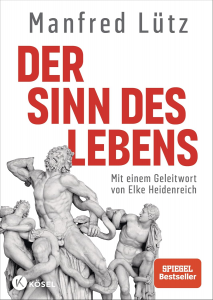
Funny that there are so many docs writing novels or poems… I too! As for me: I’m MD (specialized in hearing disorders), psychologist, statistician and theologist (you surely don’t believe it, but it’s true). – I wrote several novels, however, all of them in German. Among those published there is one dealing with a specifically medical subject: “The Dissection Course” – a kind of thriller.
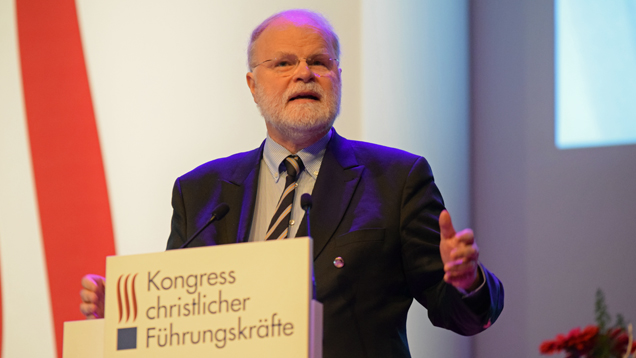
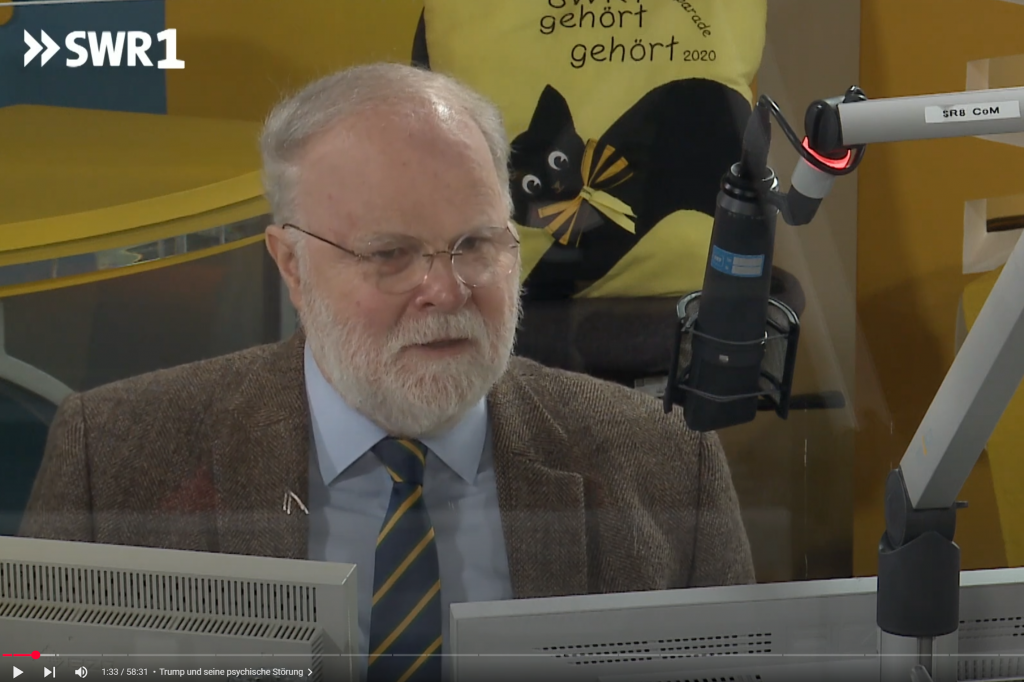
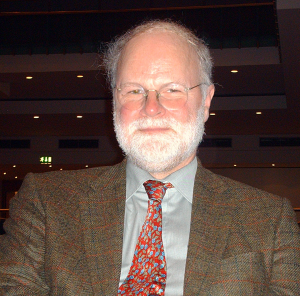
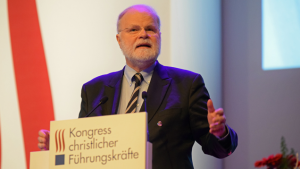
Manfred Lütz (born March 18, 1954 in Bonn) is a German psychiatrist, psychotherapist, Roman Catholic theologian, Vatican advisor, and author. He headed the Alexianer Hospital in Cologne from 1997 to 2019.[1]
Lütz studied medicine, philosophy, and Catholic theology in Bonn and Rome. He obtained his medical license in 1979 and his diploma in Catholic theology in 1982. During his studies, he became a member of the KDStV Bavaria Bonn in the CV.
Social Commitment
Manfred Lütz founded the inclusive youth group “Brücke-Krücke” in Bonn in 1981, in which disabled and non-disabled young people and young adults from Bonn and the surrounding area work together without professional supervision.[3][5] Since then, Lütz has volunteered for the initiative,[6] which is affiliated with the Catholic Youth Agency in Bonn. He organizes annual trips and participates in events. The group includes approximately 200 disabled and non-disabled people.
Church and Vatican Advisor
Pope John Paul II appointed Lütz a consultant to the Congregation for the Clergy in 2003.[7] In the same year, he organized a congress in the Vatican on the topic of “Abuse of Children and Young People by Catholic Priests and Religious.”[3] From 2006, he was part of the Pastoral Office’s working group in the Archdiocese of Cologne, responsible for processing and investigating cases of sexual abuse of minors by clergy and lay people in pastoral ministry.[8] Lütz himself served under three popes until 2016 as a member of the Pontifical Council for the Laity.[9] He contributed as an advisor to the creation of the Youth Catechism, Youcat.[10] He was a corresponding member of the Pontifical Academy for Life from the beginning of the 2000s, and a full member from 2004, to whose board he was appointed in March 2005 for a term until 2010.[12] After the restructuring of the Academy as part of the Curia reform, he was reappointed as a full member by Pope Francis in 2017 and is considered a supporter of the opening and renewal of the body implemented by the Pope.[13]
Pope Francis appointed him a member of the Dicastery for Laity, Family and Life on October 6, 2018.
Author and Media Presence
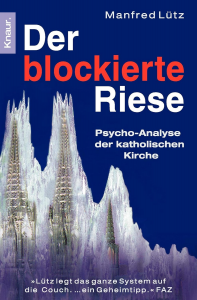
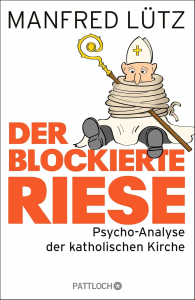
After his essay “The Blocked Giant: Psycho-Analysis of the Catholic Church” (1999), which received primarily internal attention, Manfred Lütz has been active as an author for a wider audience since 2002 and has gained greater recognition through several bestsellers.[2][3][9][16] In his books, he addresses general topics of lifestyle and modern culture, religion, and the conditions in the Catholic Church and psychiatry from the perspective of a psychotherapist, sometimes with humor and satirical slant. Manfred Lütz has also been active and in demand for many years as a lecturer, speaker, and interviewee. Lütz has also occasionally performed as a cabaret artist since 2006.[17] He has frequently participated in television programs as a discussion partner on psychiatric and psychotherapeutic topics and took part in prominent talk shows as a church expert in the run-up to the conclaves of 2005 and 2013.[18][19][20] In March 2013, he accompanied the live broadcasts of the papal election at the 2013 conclave and the subsequent events of the inauguration of the new pope in Rome as a commentator for ZDF and Phoenix.
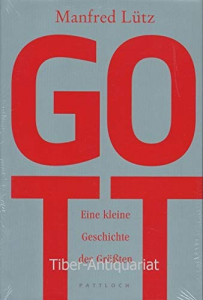
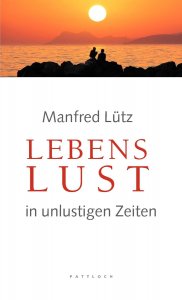
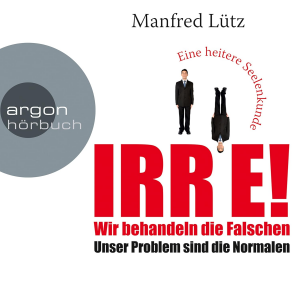
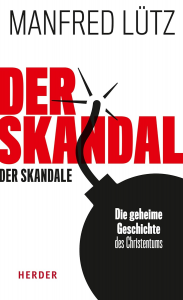
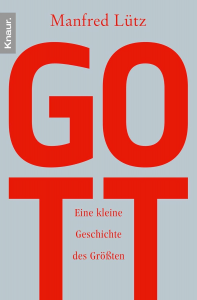
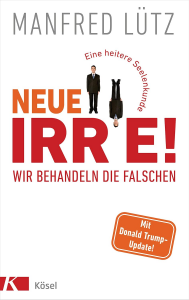
Manfred Lütz’s best-known book is entitled “Crazy! We Treat the Wrong People. Our Problem Are the Normal People” (2009), the paperback edition of which spent 106 weeks on the Spiegel bestseller list.[22] In 2013, it resulted in a television show with the Cologne cabaret artist Jürgen Becker.[23] His book “Bluff: The Falsification of the World” (2012) was also at the top of the Spiegel bestseller list.[16] Other frequently cited books are “Lust for Life: Against Diet Sadists, Health Craze, and the Fitness Cult” (2002), “God: A Short History of the Greatest” (2007), and “How You Will Inevitably Become Happy: A Psychology of Success” (2015). In 2016, he published a volume of conversations with the Auschwitz survivor Jehuda Bacon. His 2018 book The Scandal of Scandals was one of Herder Verlag’s two best-selling titles in 2018.
In various articles, for example in the Frankfurter Allgemeine Zeitung (FAZ), Lütz emphasized in 2010 that abuse by Catholic priests was worse than any other abuse, but at the same time rejected the idea of scapegoating the church and ignoring the social context of the 1970s. He sees the left-wing scene as the cause of the abuse. On the contrary, he argues that the “structures of the church are even helpful” when it comes to solving cases of abuse.[25] Society as a whole bears responsibility here.[26] In 2018, he commented on the so-called “MHG study”[27][28] published by the German Bishops’ Conference, calling it “spectacularly unsuccessful.”
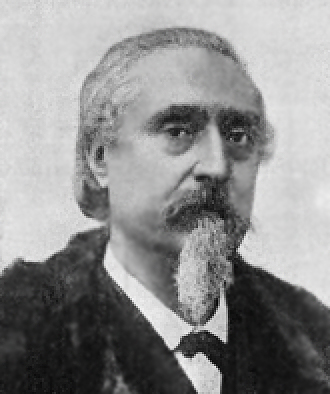
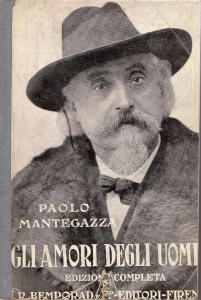
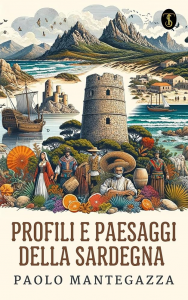
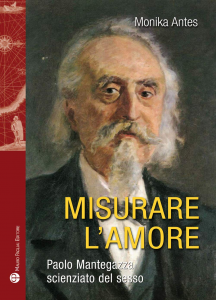
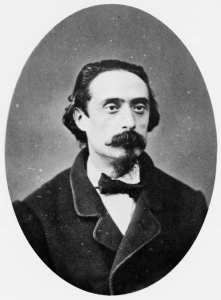
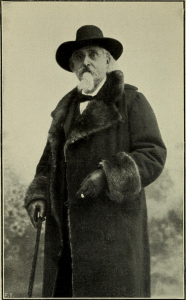
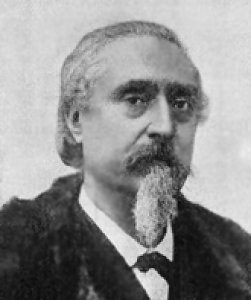
Paolo Mantegazza (October 31, 1831 in Monza, Austrian Empire – August 28, 1910 in San Terenzo) was an Italian neurologist, physiologist, and anthropologist, as well as a prominent physician and consciousness researcher. Mantegazza published several works on the effects of psychotropic plants on human consciousness, numerous other scientific writings, and several novels that were bestsellers in their time but have since been largely forgotten.
Mantegazza first studied medicine in Pisa and Milan, graduating in Pavia in 1854. He then traveled to India and South America, where he practiced medicine in Argentina and Paraguay. In 1858, he returned to Italy and worked as a surgeon in Milan. In 1860, he was appointed professor of pathology at the University of Pavia, where he founded the first Institute of General Pathology in Europe.
In 1870, Mantegazza became a professor of anthropology at the Istituto di Studi Superiori in Florence. There he founded the Museo Antropologico-Etnografico di Firenze (Anthropological and Ethnographic Museum) and, in 1871, the journal Archivio per l’Antropologia e l’Etnologia, which is still published today, with Felice Finzi. At that time, culture and science in Italy were far more influenced by the Catholic Church than they are today. Mantegazza was repeatedly attacked by ecclesiastical circles, particularly because he was an advocate of Darwinism and an atheist.[2] From 1868 to 1875, he had a lively correspondence with Charles Darwin.
Pioneer of psychedelic Drug research
During his several years working as a doctor in South America, Mantegazza observed the habit of local coca farmers chewing the leaves of the coca bush. In the “service of science” he began to imitate them, taking three daily doses of three grams of coca leaves. In 1859 he published the work Sulle virtù igieniche e medicinali della coca e sugli alimenti nervosi in generale (On the Hygienic and Medicinal Benefits of Coca and Nerve Food in General), for which he received an award and which caused a sensation both in Italy and abroad. Due to the fact that Mantegazza distinguishes between coca and cocaina in his writings, it is assumed that he had already extracted the alkaloid cocaine from the coca leaves and taken it himself in 1859. Mantegazza is therefore often associated with cocaine in literature, but his interest in the effects of psychotropic substances went much further, and he published numerous works with treatises on the intoxicating effects of various drugs such as alcohol, mate, guarana, opium, hashish, kava and ayahuasca (agahuasca), and classified them according to their effects in 1859, more than sixty years before Louis Lewin made his classification in his 1924 work Phantastica.
Sexual science
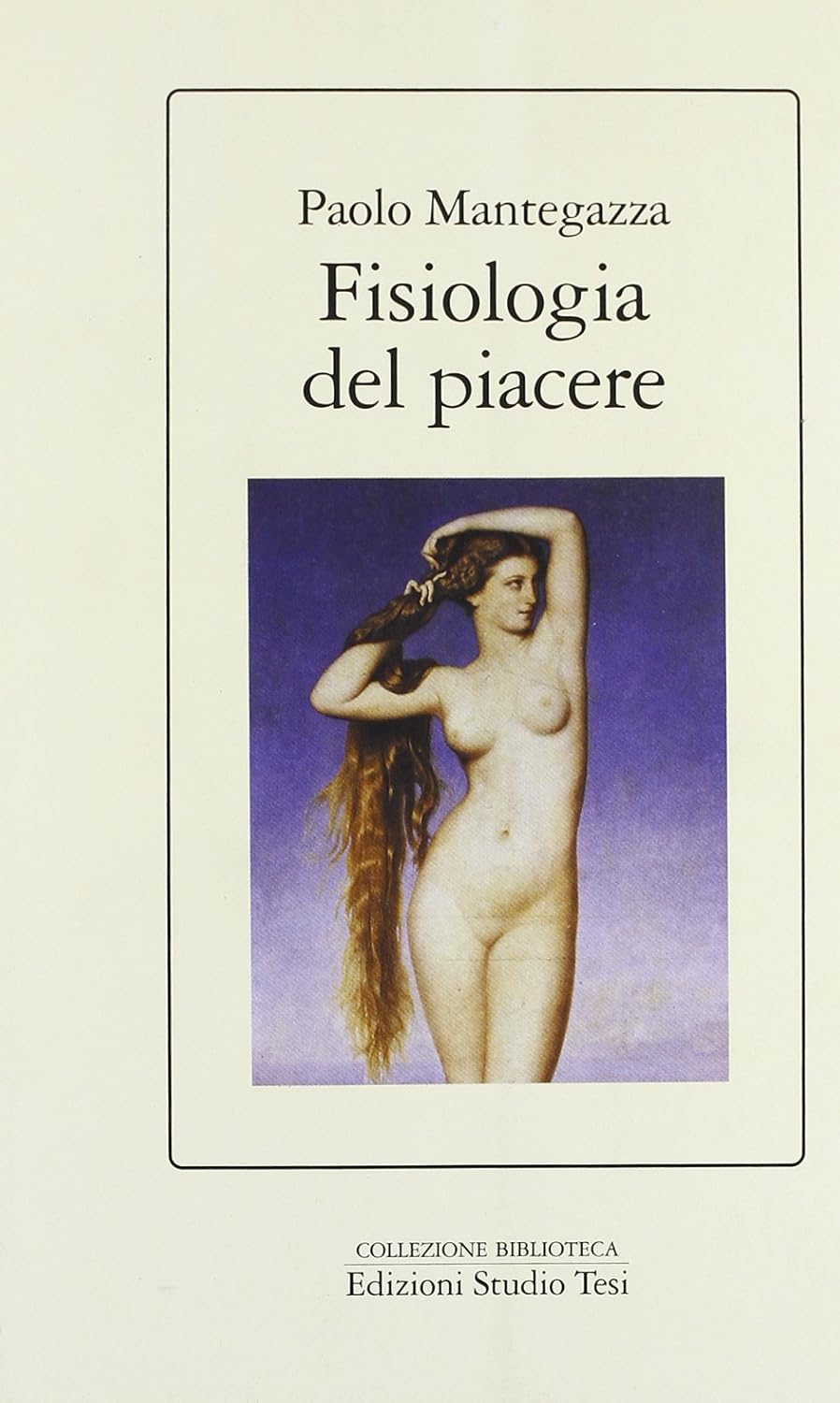
Almost forgotten, but outstanding in his time, were his numerous publications in the field of sexology, which only emerged later: Fisiologia del piacere (1854); Fisiologia dell’amore (1873); Igiene dell’amore (1886); Gli amori degli uomini – Saggio di una etnologia dell’amore (1886) and Fisiologia della donna (1893) – in which he summarized observations, his own experiments and anthropological-ethnological results of extensive collections, research and travels in the sense of a “phenomenology of heterosexual love… which is unparalleled in the history of sexology.” At just 22 years old, he wrote “Fundamentals of Edonology or the Science of Pleasure” (today understood as hedonism) and spoke out against “false puritans” and the “murky, stinking fog of hypocrisy” (Volkmar Sigusch in: Deutsches Ärzteblatt 7/2007 – see web link).
“Wherever a beautiful woman appears, all human energies bubble from their battle-tested sources: Everything best and worst in man springs forth to pay homage to her or to insult her with envy.” (Paolo Mantegazza, The Concept of Woman Through the Ages, Nuova Antologia, January 15, 1893)
Politics
From 1865 to 1876, Mantegazza was a deputy from Monza in the Italian Chamber of Deputies and, from 1876, a senator in the Kingdom of Italy.
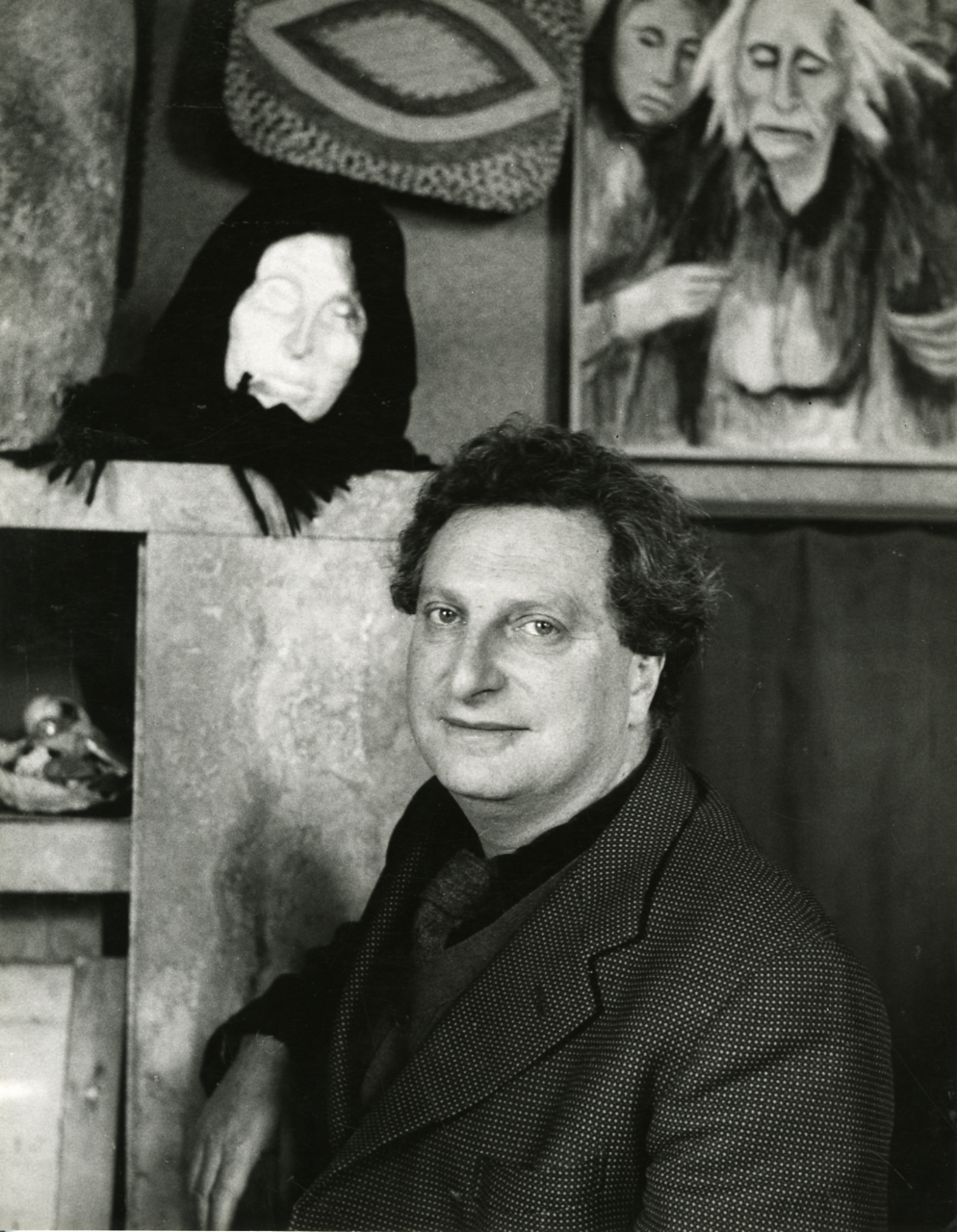
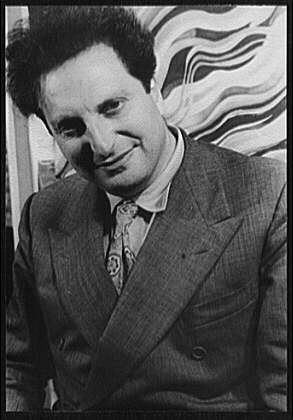
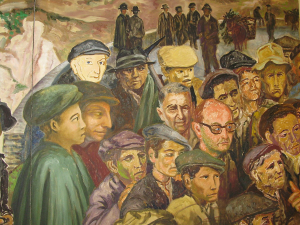
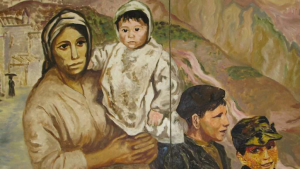
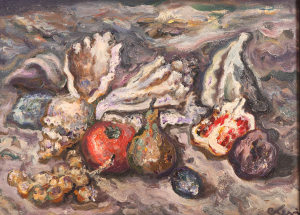
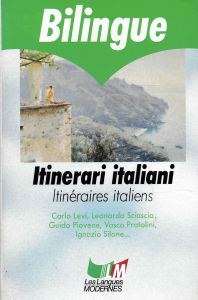
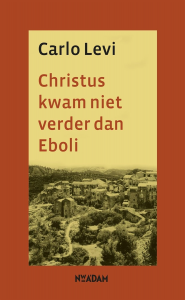
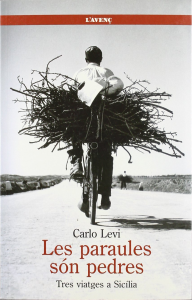
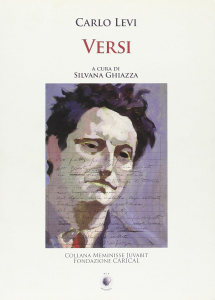
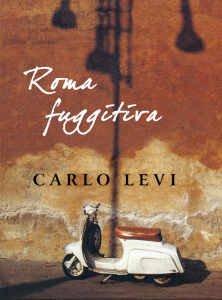
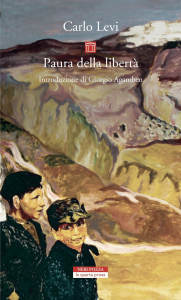
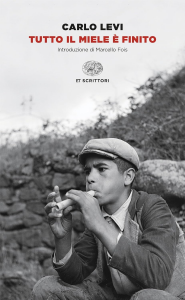
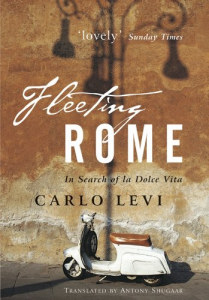
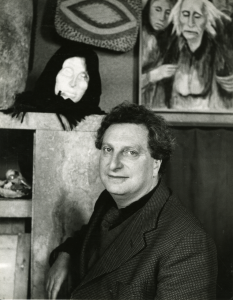
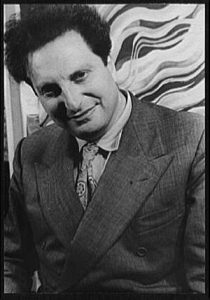
Graziadio Carlo Levi or Carlo Lèvi (born November 29, 1902 in Turin; died January 4, 1975 in Rome) was an Italian writer, painter, doctor and politician.
Carlo Levi came from an upper-class, assimilated Jewish family; his parents were Ercole Levi and Annetta Treves. In 1917 or 1918, he enrolled to study medicine at the University of Turin, graduating in 1924.[1] Although he worked as an assistant doctor at a Turin clinic from 1924 to 1928, he never practiced as a regular doctor, as he was more interested in politics and painting, to which he devoted himself intensively from 1923 onwards.[2] He became a member of the Rivoluzione liberale (“Liberal Revolution”) group led by Piero Gobetti, spent some time in Paris, and took part in the 1929 exhibition Sei pittori di Torino (“Six Turin Painters”).
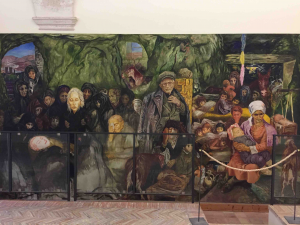
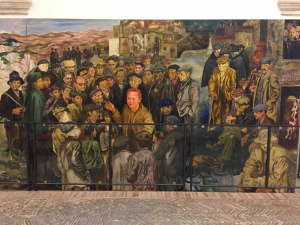
Because he had founded the anti-fascist group Giustizia e Libertà (“Justice and Freedom”) together with Carlo and Nello Roselli in 1929 and led it together with Leone Ginzburg, Levi was imprisoned in Rome for two months in the spring of 1934 and exiled to the southern Italian region of Lucania (now Basilicata) in May 1935. There, after some time in the small town of Grassano, he spent the period from September 1935 to May 1936 in the village of Aliano, where, due to the poverty of the inhabitants, he practiced as a doctor without pay and with limited resources. Until the provincial administration forbade this too and treatments could only be carried out in secret. On the side, he painted people and landscapes and explored the customs of the inhabitants, especially magic and superstition.
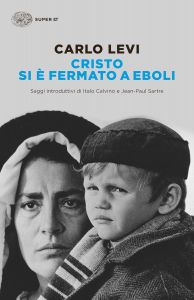
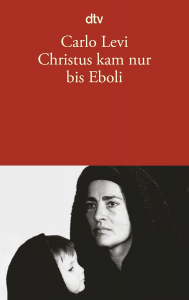
After his early release in 1936 through a general amnesty proclaimed by the fascist state to celebrate the annexation of Abyssinia during the Abyssinian War, Levi went into exile and took over the leadership of the Justice and Liberation group from Paris. In 1941, he returned to Italy, was arrested and imprisoned in Florence. After the fall of Mussolini, he was released, sought refuge in the Palazzo Pitti, and there, in 1943/1944, wrote his book Cristo si è fermato a Eboli (published in 1945, see below), in which he recorded his memories of his time in Aliano, choosing the slightly coded name Gagliano for Aliano.
After the end of the Second World War, Levi moved to Rome, where he lived and worked from then on in the Villa Strohl-Fern[3] and for some time as editor of the magazine Italia libera, which belonged to the Partito d’Azione (“Party of Action”). He continued to paint (his paintings were exhibited in various European countries and in the USA) and wrote more books (see below). In 1963, he was elected to the Senate as an independent on the Communist Party list, where he remained until 1972.
Carlo Levi died of pneumonia in a Roman hospital in 1975. In accordance with his express testamentary wish, he was buried in the cemetery of Aliano, which was one of his favorite places to stay during his exile there.
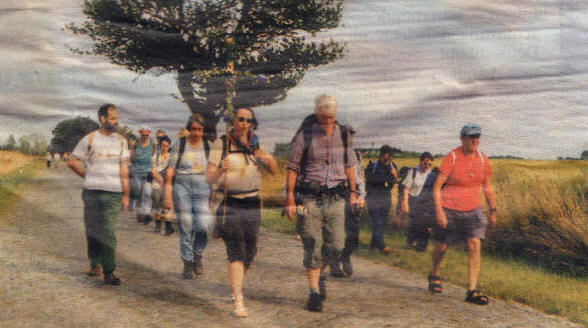
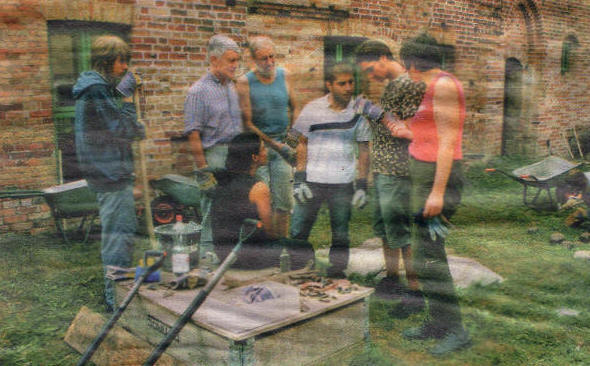
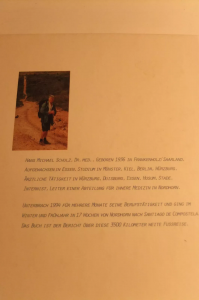
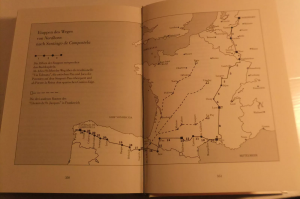
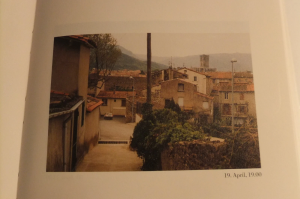
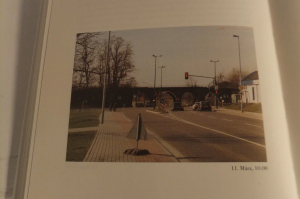
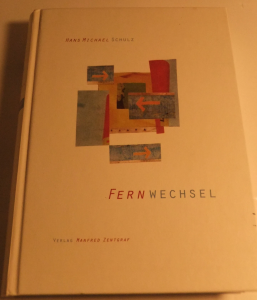
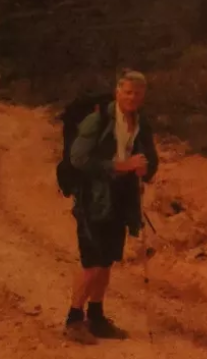
When Hans Michael Schulz packs his backpack, the journey is the destination: pilgrimages run like a common thread through the life of the former chief physician of Nordhorn. With 30 people between the ages of 17 and 77, he hiked the path of the “Swedish Birgitta” through the Mecklenburg countryside, praying, remaining silent, singing, and also working on projects. They covered distances of 20 to 25 kilometers each day. It all began in the spring of 1994, when he left his hospital for six months to walk to Santiago de Compostela – almost 3,500 kilometers. He recorded his impressions in his book “Fernwechsel,” which is now out of print. He enjoys it: times of walking, observing, reflecting, and praying – interspersed with interesting conversations with his fellow hikers.
At the beginning is farewell, and at the end is arrival. The author, a physician and head of a department of internal medicine, bids farewell to his wife in familiar surroundings. This is reminiscent of farewell scenes in world literature, such as Hector, who embraces Andromache for the last time before the battle with Achilles, or Siegfried, who bids farewell to the ominous Kriemhild “with loving kisses.” But unlike in the epics, in which the heroes face certain death, a new life is revealed to the author on a seventeen-week march from Nordhorn to Santiago de Compostela.
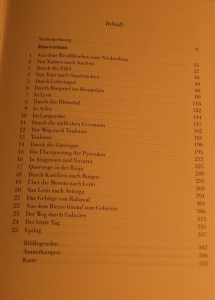
The book is an account of this 3,500-kilometer pilgrimage, which leads via Aachen, Trier, Cluny, Lyon, Arles, Toulouse, across the Pyrenees to Logroño, Burgos, and Leon, finally ending in the city of Santiago. The Christian conviction that the Church can still be a guide for all who are searching and willing to discover sets the tone for the daily notes. The pilgrim is less interested in the beauty of the churches and monasteries along the Way of St. James described in the usual guidebooks; he visits them all, but only to seek in them “a stage in the ascent of human consciousness” and strength to cope with the present. And on his arduous pilgrimage, the author succeeds in experiencing the path itself, the diverse nature, and the art in the churches as “Christ’s message of redemption.” The reader who embarks on such a search for clues will be able to exclaim at the end with Hans Michael Schulz: “Each time I was gripped anew. And this and everything else on the way here was far more than I had expected. – Basta!”
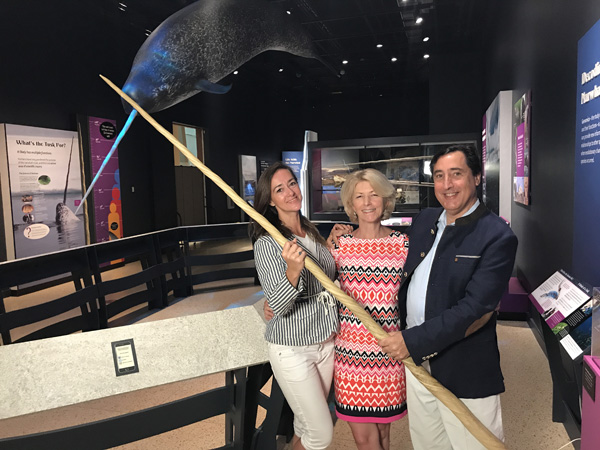
Jane O’Brien, an anchor of BBC World News, joins Martin Nweeia, D.D.S., ’77, right, and Nweeia’s wife, Pamela Peeters, at the Smithsonian. Photo by Ryan Lavery
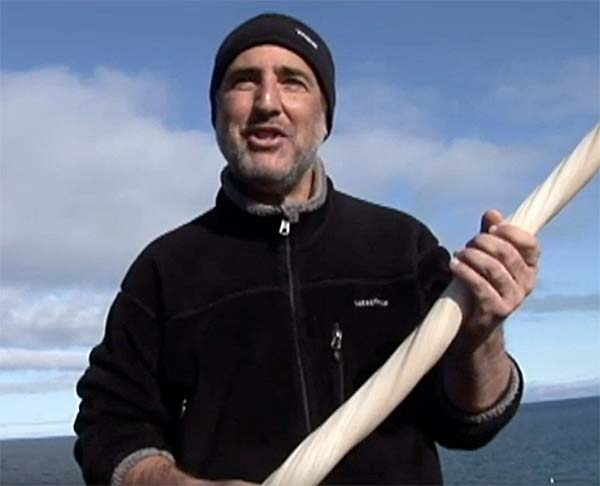
Dr. Martin Nweeia is the world’s leading expert on the narwhal’s tusk and tooth system. He is a National Foundation Scientist and has led over 20 High Arctic expeditions and carried 15 expedition flags to study the elusive narwhal. He holds doctorates in dentistry and surgery and is a member of the dental faculties of Harvard University and Case Western Reserve University. He also conducts research at the Canadian Museum of Nature and the Smithsonian Institution. The Smithsonian Institution has awarded him two fellowships: one in physical anthropology and one in vertebrate zoology.
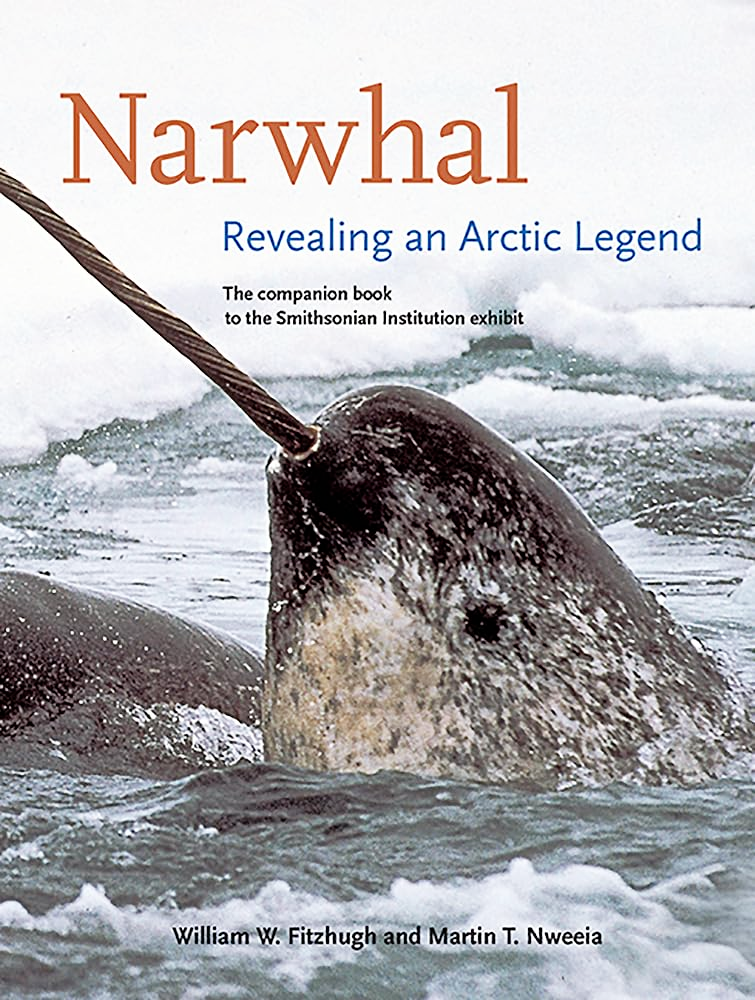
His work has been featured in The New York Times, NPR’s “Pulse of the Planet,” “A Beautiful World,” “Morning Edition,” “Earth Wise,” and documentaries by National Geographic, “Découverte” (French Discovery), and the BBC, including “Natural Curiosities” with Sir David Attenborough. Dr. Nweeia has received a CINE Golden Eagle for the NGS Wild Chronicles narwhal story, the William Mills Prize for his book “Narwhal: Revealing An Arctic Legend,” and the Lowell Thomas Award for Arctic Research. His 2020 scientific publications have been published in Nature, PNAS, and two Smithsonian books.
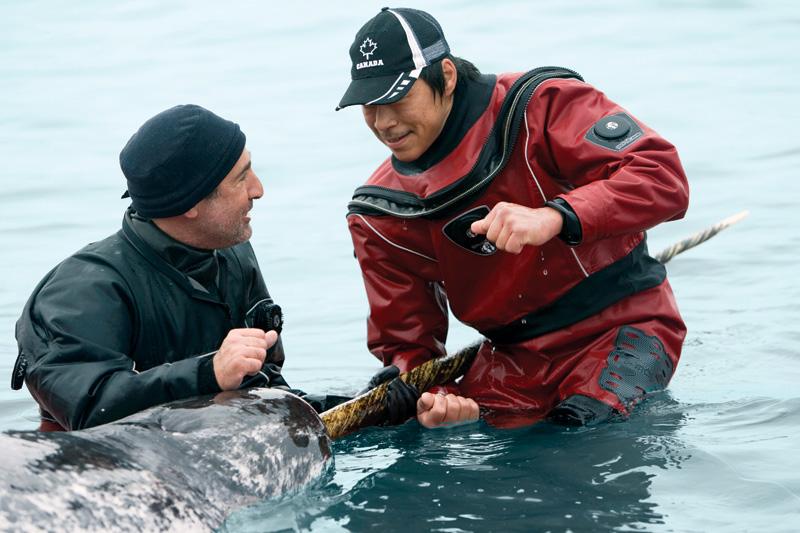
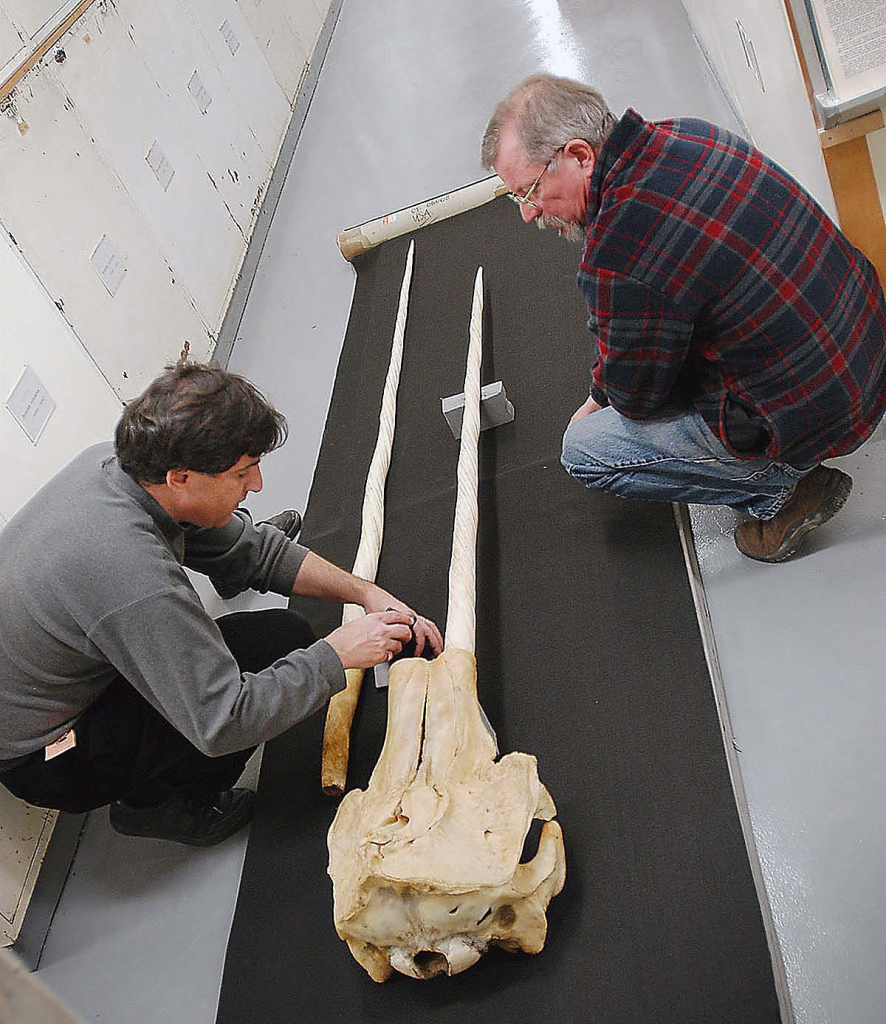
Martin Nweeia ’77 and research colleague Adrian Arnauyumayuq complete experiments on a live narwhal in Arctic Bay, Nunavut, Canada, in 2007. Photo by Gretchen Freund
Ein ziemlich ausgefallenes Hobby hat der amerikanische Zahnarzt Martin Nweeia: Er studiert den Stoßzahn des Narwals. Nweeia, niedergelassen in Sharon im US-Staat Connecticut und Lehrbeauftragter an der School of Dental Medicine der Harvard University, fährt seit Jahren im Frühjahr nach Kanada in die Arktis und untersucht die rätselhaften Wale mit dem einen großen Zahn, berichtet “New Scientist” online.
The narwhal’s tusk—the model for the unicorn’s horn—is unique in nature, says Nweeia. “It’s the only known straight tusk and the only spirally twisted one.” In stress tests, narwhal tusks have proven to be extremely flexible and tough—a combination that’s unusual for teeth.
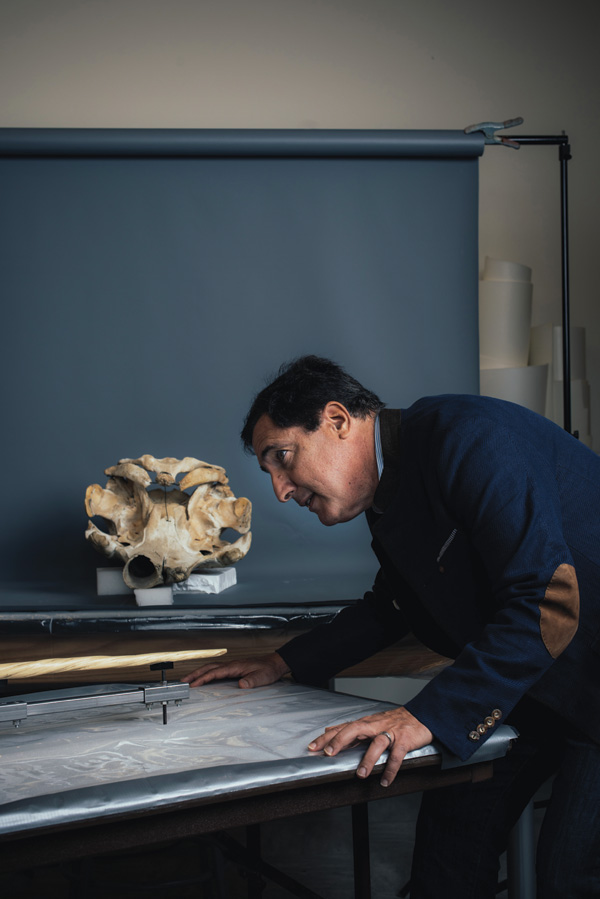
Nweeia examines a narwhal tusk and skull at the Smithsonian’s National Museum of Natural History before it is placed in a new exhibit, which opened in August. Photo by Stephen Voss
In male narwhals, one tusk grows to almost two and a half meters, while the other remains embedded in the jaw. Most females lack a tusk. The purpose of the tooth is still unclear. Weeia’s theory: “I think the tooth is a kind of sensor. It probably has something to do with detecting prey.” To test this, he is currently equipping whales with a sensor in their teeth.
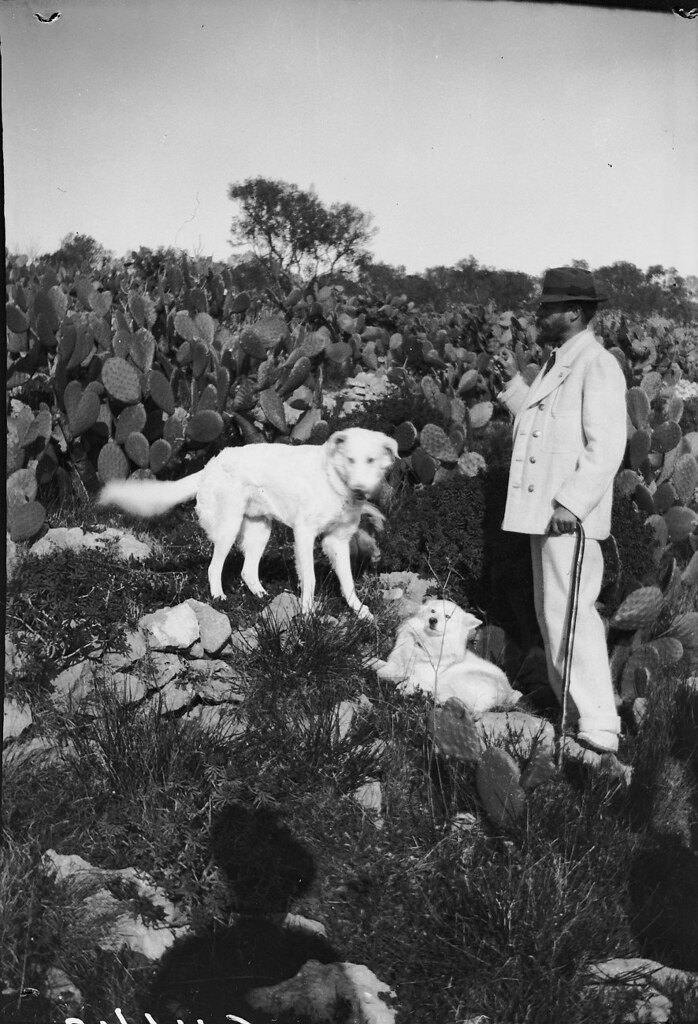
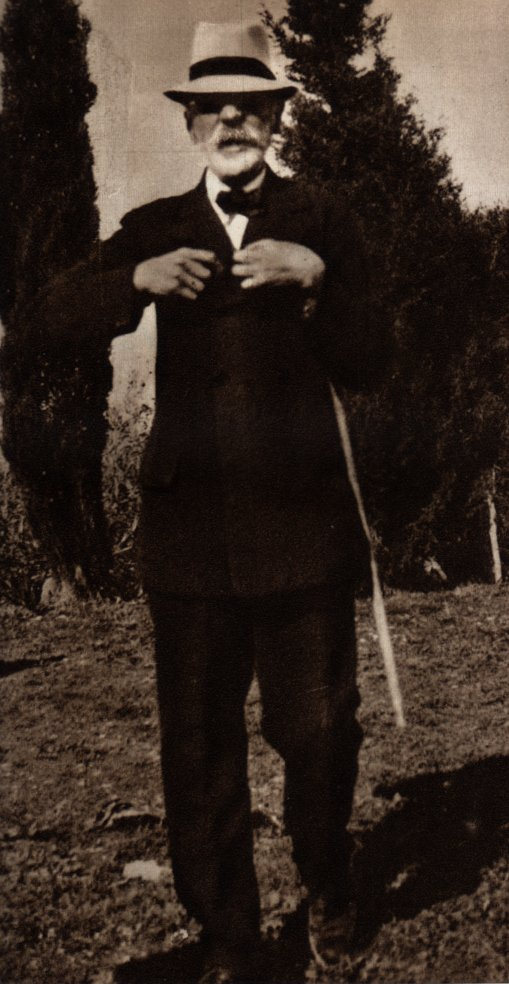
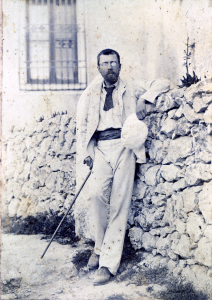
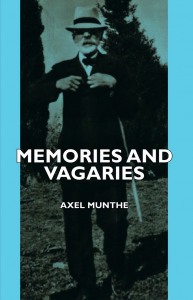
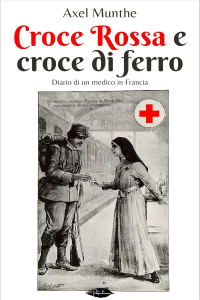
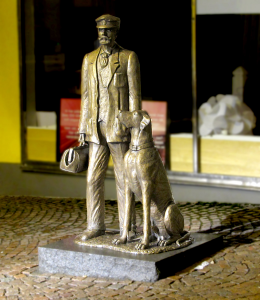
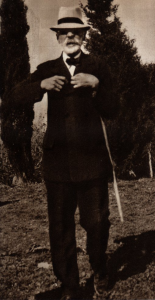
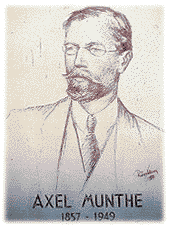
Axel Martin Fredrik “Puck” Munthe [ˌakːsəl ˈmɵnːtə] (October 31, 1857 in Oskarshamn – February 11, 1949 in Stockholm) was a Swedish physician and author.
Beruf und Leben
Axel Munthe was born in 1857, the son of a pharmacist. He studied medicine in Uppsala, Montpellier, and Paris.
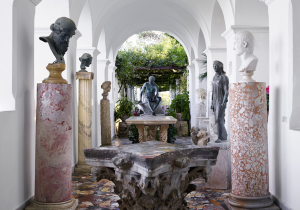
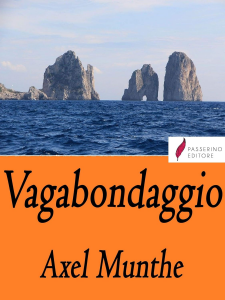
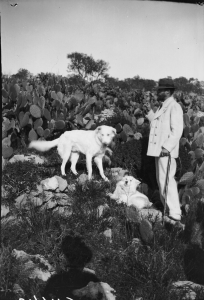
In 1880 he began practicing medicine in Paris and Rome. Over the years he worked in Naples, London and Stockholm. During his student years in Paris he was particularly impressed by the work of Jean-Martin Charcot. Even in later years his special interest lay in psychiatry. His professional career shows several outward breaks. For example, he worked as a doctor for the lower classes of society while simultaneously or shortly thereafter running a fashionable medical practice. In Rome, for example, he set up his practice in the Keats-Shelley House on the Spanish Steps, which had previously been inhabited by the poet John Keats and others. From 1908 Munthe was personal physician to the Swedish Queen Victoria, a Princess of Baden by birth, who regularly stayed in Munthe’s neighborhood on Capri until her death. At his Villa San Michele in Anacapri, he was visited by Henry James, Oscar Wilde, Rainer Maria Rilke, and Curzio Malaparte. The house, with its magnificent garden and sweeping views over the sea, has served as a museum since the 1950s.
At the age of 22 (the youngest in France), he received his doctorate in medicine from the Sorbonne and soon became one of the most successful physicians of his time. He was considered a miracle worker. His patients included members of the upper classes and nobility of Europe and America, but he also worked among the poor in Paris, Rome, and Naples.
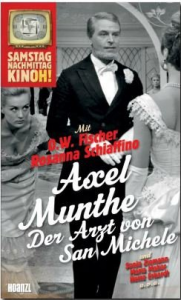
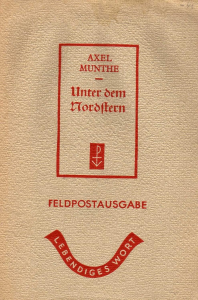
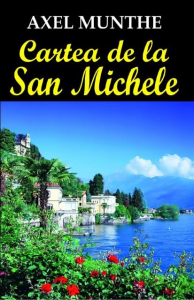
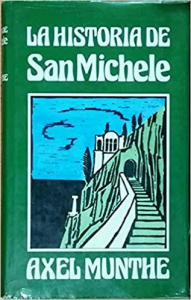
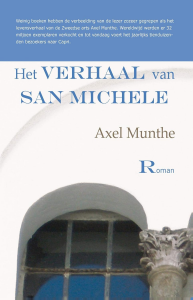
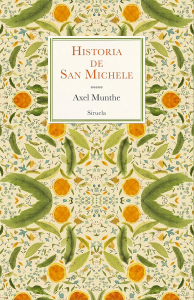
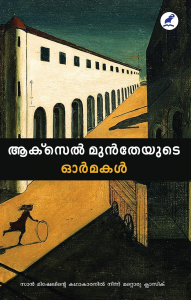
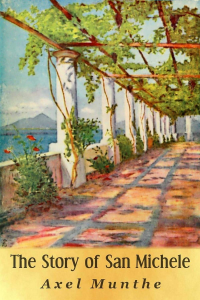
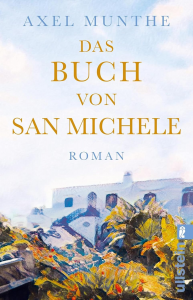
The newspaper report on his work in cholera-stricken Naples in the autumn of 1884 made him instantly famous. However, he was not a professional writer, and his real success did not come until 45 years later. “The Story of San Michele” was published in 1929 and became one of the most successful books of the 20th century. It was written in English, translated into numerous other languages, and is still being reprinted today.
Axel Munthe became internationally known through his memoirs, The Book of San Michele, published in 1929 and translated into numerous languages. However, biographical elements are mixed with fantasy to the point of inseparability; for example, Bengt Jangfeldt and Thomas Steinfeld demonstrated numerous differences between the author’s real and “autobiographical” life in their Munthe biographies, published in 2003 and 2007, respectively.
Although Munthe was not an architect, he had one of Europe’s most famous villas built on Capri: the Villa San Michele, which experts describe as a masterpiece of architecture. He was a passionate Anglophile, but his favorite philosopher was Schopenhauer, his favorite poet was Heine, and his favorite composers were Schubert, Wagner, Schumann, and Hugo Wolf. And despite his republican outlook on life, his most important patient was not only of royal descent and German origin, but also strongly German-oriented.
Munthe died in 1949 in his last residence, located in a side wing of the Royal Palace in Stockholm.
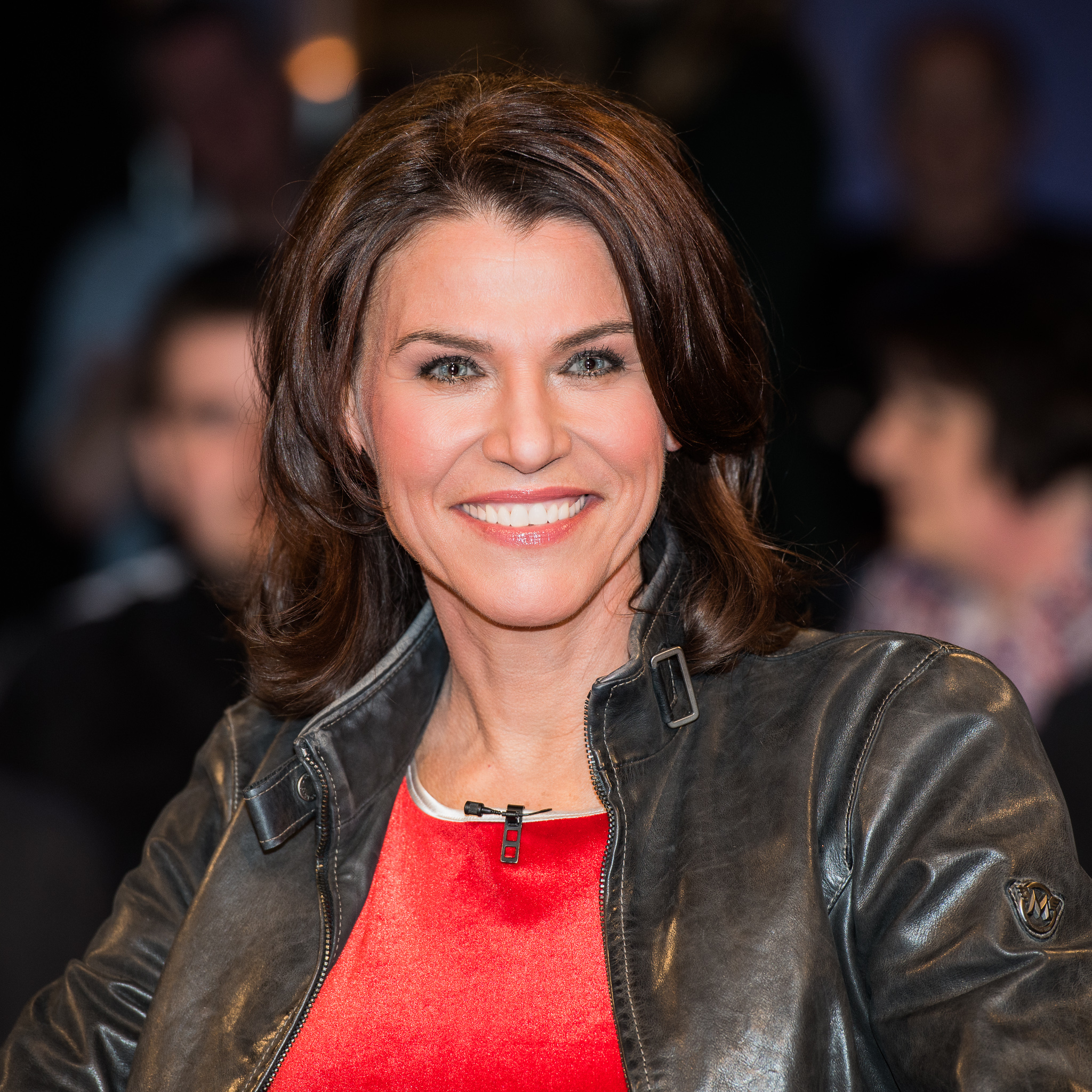
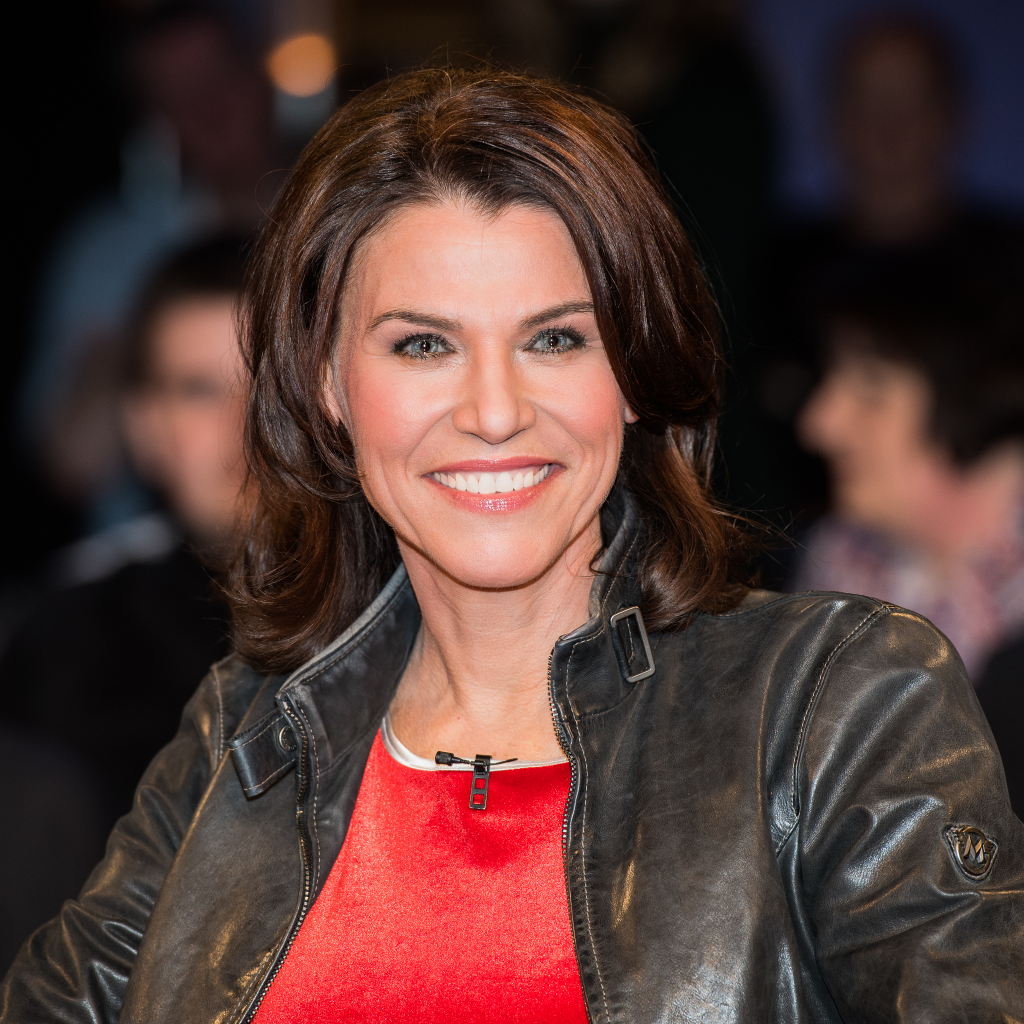
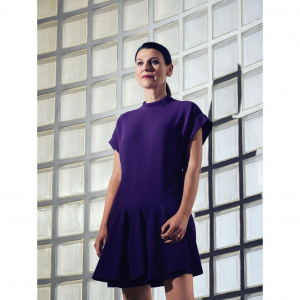
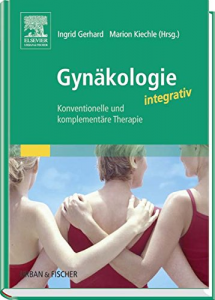
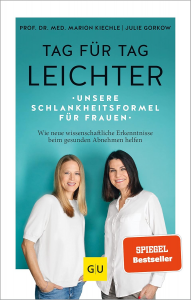
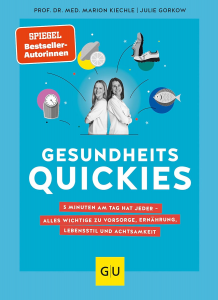
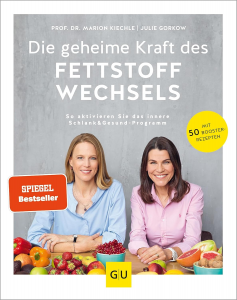
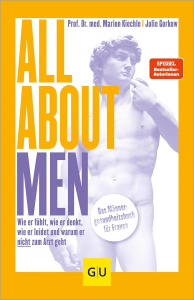
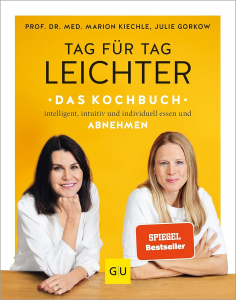
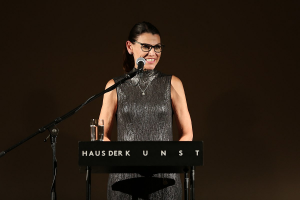
Marion Brigitta Kiechle (formerly Kiechle-Schwarz; born April 4, 1960 in Oberkirch) is a German physician, scientist, author, and former politician (CSU). Since October 2000, she has been Director of the Gynaecology Clinic at the Klinikum rechts der Isar of the Technical University of Munich and holds the Chair of Gynecology and Obstetrics.
On March 21, 2018, Markus Söder appointed her to his cabinet as Bavarian Minister of Science. Kiechle is chair of the Bavarian Bioethics Commission and deputy chair of the Central Ethics Committee for Stem Cell Research. Initially independent, she joined the CSU in April 2018 and, on the 21st of that month, was placed in the hopeless fifth place on the Upper Bavaria district list for the 2018 Bavarian state election. After the end of the legislative period in November 2018, she left the government and returned to TUM.
Engagement
Since 2021, Marion Kiechle has been chairwoman of the board of trustees for the Hospice House of Life project in Munich. Since February 2023, she has been a member of the administrative advisory board of FC Bayern Munich.
Privates
Since April 2010, she has been married to television journalist and sports commentator Marcel Reif, her fourth wife. Before that, she was married to a special education teacher and two doctors.
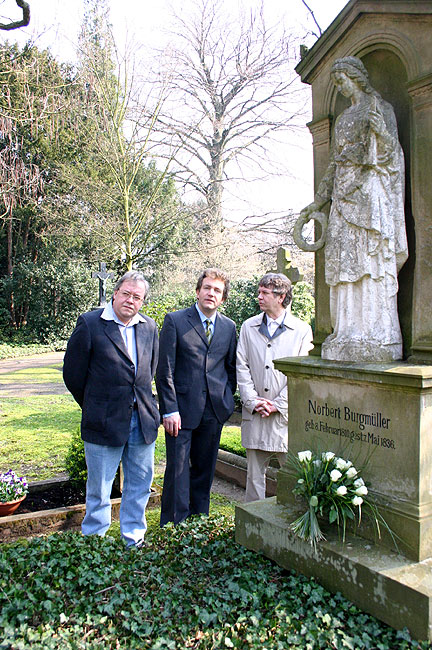
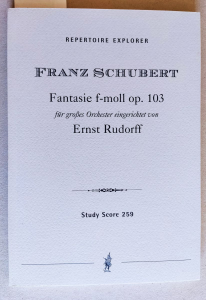
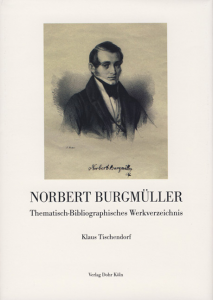
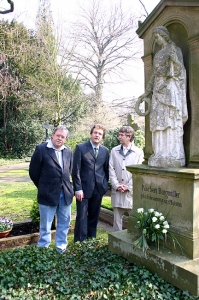
On this day, Klaus Zehnder-Tischendorf (*22. Januar 1957 in Cologne, died 14. November 2014 in Cologne) and others founded the “Norbert Burgmüller Society e.V. Düsseldorf” was founded in the Düsseldorf City Museum. The driving force behind the project is the pianist Tobias Koch, Düsseldorf, and the Burgmüller researchers Dr. Klaus Martin Kopitz, Berlin, and Dr. Klaus Zehnder-Tischendorf, Cologne. The management is taken over by the Dirk Franke Concert Agency, Düsseldorf. Also present at the founding meeting were: Elisabeth von Leliwa, dramaturge of the Tonhalle Düsseldorf; Hannelore Köhler, sculptor; Jutta Scholl, director of the music libraries of the city of Düsseldorf; Peter Haseley, director of the Clara Schumann Music School Düsseldorf; Prof. Oskar Gottlieb Blarr, composer; Alexander Nitzberg, poet; Alfred Lessing, musician and musicologist; Prof. Peter-Christoph Runge, chamber singer and honorary member of the Deutsche Oper am Rhein; Dr. Ernst Sell, physician and collector of musical first editions and keyboard instruments; Regine Müller, arts editor of the Rheinische Post; Natascha Plankermann, journalist; and Manfred Hill. Chairman of the Municipal Music Association of Düsseldorf, founded in 1818.
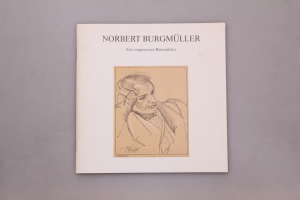
The society’s goal is to promote and disseminate the work of Norbert Burgmüller through publications, concerts, and exhibitions. With 2010 (the composer’s 200th birthday) in mind, the society intends to prepare for the commemorative year and document the composer’s work through the publication of editions and recordings. The society will provide ongoing information about its work on a website currently under development.
Norbert Burgmüller was the son of the first music director of the city of Düsseldorf, Johann August Franz Burgmüller, and a member of the Musikverein.
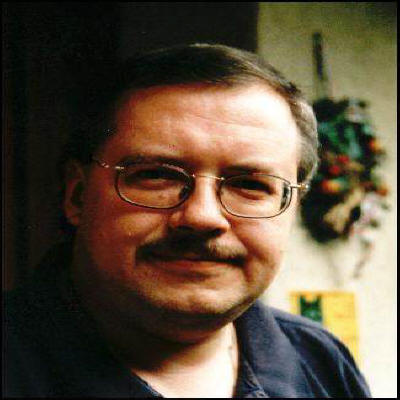
Klaus Zehnder-Tischendorf, born in Cologne in 1957, graduated from high school and studied library science. He spent three years at the Cologne University Library Center (DFG research project). Studied human medicine in Essen. Since 1989, he has practiced medicine in Switzerland and completed his doctorate in forensic medicine in Basel. He has practiced as a general practitioner in Zofingen, Aargau, since 1998. He has lived in Cologne again since 2005.
Interests
Lesser-known music from Joseph Martin Kraus to Theodor Kirchner and Julius Röntgen to Leo Ornstein; musicians’ autographs; fantasy literature; chess; painting; cultural history; computer-assisted conversion of music into moving images; flora and fauna.
Bibliography by Klaus Zehnder-Tischendorf on Norbert Burgmüller and his circle:
Norbert Burgmüller. Leben und Werk. Köln 1980.
Norbert Burgmüller (1810-1836). Ein vergessener Romantiker, aus Anlass seines 150. Todestages am 7. Mai 1986. Düsseldorf 1986.
Norbert Burgmüller. (in: Correspondenz. Mitteilungen der Robert-Schumann-Gesellschaft e.V. Düsseldorf, V.) Düsseldorf 1986, S. 8-11.
Norbert Burgmüller. Zur Eröffnung der Gedenkausstellung. Vortrag in der Raiffeisenbank Düsseldorf am 6.5.1986. Mskr.
Einführung zu ausgewählten Liedern und Klavierwerken. AULOS Preciosa 68539. Viersen 1986.
Fast verklungene Romantik: Norbert Burgmüller (1810-1836). (in: Schweizerische Ärztezeitung, LXXX, Nr.31.) Basel 1999, S. 1914-1917.
„Welch meisterliches Gebilde…“. Die Rhapsodie in h-moll op.13 (1834) von Norbert Burgmüller (1810-1836). Eine Werkmonographie. Zofingen 2000.
“Was in der Dinge Lauf jetzt missklingt tönt einst in ewigen Harmonien.” Der Düsseldorfer Städtische Musikdirektor August Burgmüller als Begleiter der Sängerin Angelica Catalani. (in: Düsseldorfer Jahrbuch 2000, Beiträge zur Geschichte des Niederrheins, Bd. LXXI.) Düsseldorf 2001, S. 243-257.
Vorwort zum Erstdruck des Allegretto (Ständchen) o. op. Genf 2001.
Norbert Burgmüller (1810-1836) – Der Rheinische Schubert. (Der Kleine Lauschangriff.) (in: Klassik Heute, Jg. 4, Heft 8.) München 2001, S. 42f.
Vorwort zur Neuedition der Klaviersonate f-moll op.8 Düsseldorf 2001.
Vorwort zur Neuedition Sämtlicher Lieder. Düsseldorf 2001.
Grabbes Oper “Der Cid”. Neue Erkenntnisse zur Vertonung von Norbert Burgmüller. (in: Ich aber wanderte und wanderte – Es blieb die Sonne hinter mir zurück. Grabbe- Jahrbuch 2000/2001. 19./20. Jg.) Detmold 2002, S. 140-146.
Vorwort zur Neuedition ausgewählter Klavierwerke von Friedrich und Norbert Burgmüller. Düsseldorf 2002.
Vorwort zum Reprint der Sinfonie Nr.1 c-moll op.2. München 2002.
Vorwort zum Reprint des Trauermarsches a-moll op.103 von Felix Mendelssohn-Bartholdy. München 2002.
Vorwort zum Reprint der Ouvertüre f-moll op.5. München 2003.
Vorwort zum Reprint der 4 Entr’Actes op.17. München 2003.
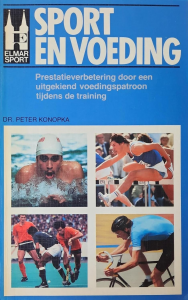
Dr. Peter Konopka is an internist, sports physician, and director of his own yoga school in Augsburg. In addition to his professional work as a senior physician in internal medicine at Augsburg Hospital, he was an active racing cyclist and, for twelve years, served as a sports physician for the German national road and cyclo-cross teams at training camps and stage races, as well as at a total of 16 World Championships and Olympic Games. In 1991, his Indian yoga teacher, Jonas Remedios, appointed him as his successor as director of his yoga school in Augsburg.
In addition to his professional activities, he was an active racing cyclist. With cycling world champion Rudi Altig as national coach, he served for twelve years as a sports physician for the German national road cycling teams, providing support at training camps and stage races, as well as at world championships and the Olympic Games. He was also trained as a yoga teacher by his Indian yoga teacher, Jonas Remedios, and in 1991, he was appointed his successor as director of his yoga school in Augsburg.
watch the video with youtube automatic translation to your language…
Dr. Peter Konopka was a senior physician in internal medicine at Augsburg Hospital until 2003. Always active in sports, he opened his own yoga school in Augsburg in 1991. Konopka began using these Far Eastern exercises, proven over 5,000 years, as early as 1972, when he first discovered yoga as an effective treatment for spinal problems in cyclists. His lectures, publications, and columns in professional media are countless. He also regularly contributes articles and provides valuable tips in our magazine “Health on a Grand Scale.”