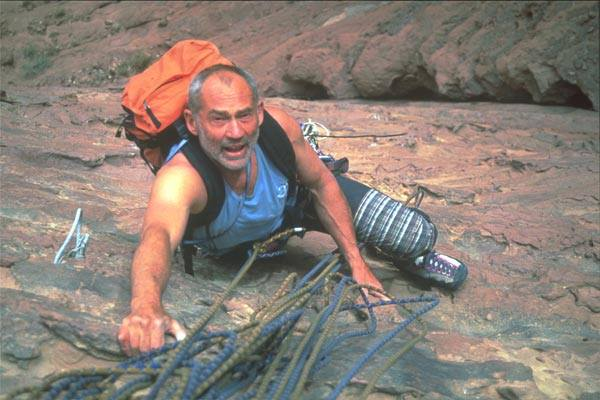
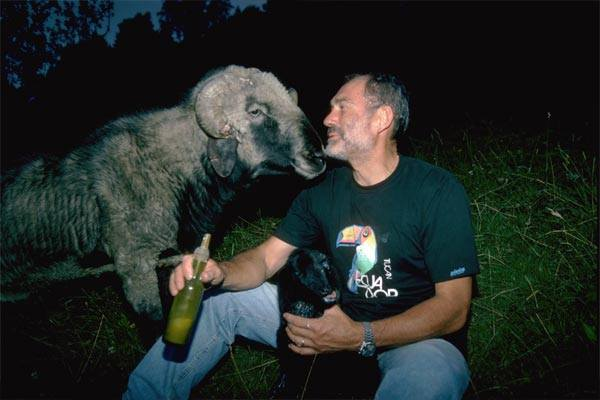
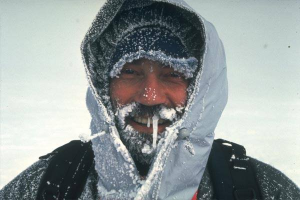
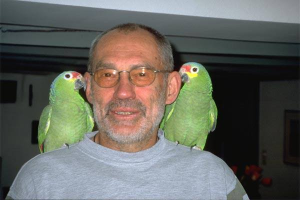
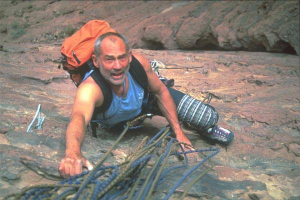
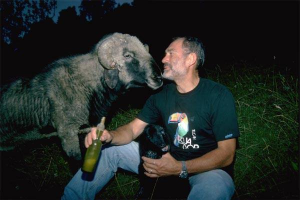
Oswald “Bulle” Oelz (born February 6, 1943 in Rankweil, Vorarlberg) is an Austrian-Swiss physician and mountaineer. From 1991 to 2006, he was chief physician at the Triemli City Hospital in Zurich. In addition to his medical work, the internist and high-altitude physician practiced extreme mountaineering, participated in numerous expeditions in the Himalayas, and gave slide presentations about his climbing tours. He breeds sheep.
As an expedition doctor, Oswald Oelz accompanied numerous expeditions in the Himalayas, including mountaineers such as Reinhold Messner, Peter Habeler, and Hans Kammerlander. In 1972, Oelz traveled to the Himalayas to climb Manaslu (8,163 m), but was unsuccessful.
In 1978, he was one of two doctors on the controversial expedition to Mount Everest (8,848 m), during which Messner and Habeler climbed the mountain for the first time without supplemental oxygen. Oelz and six other expedition members successfully completed the ascent using oxygen cylinders. He was thus the first Vorarlberg native to successfully climb Mount Everest.
During an expedition in 1979, he attempted to climb the Ama Dablam Northeast Ridge (6,856 m). He was unable to reach the summit due to a rescue operation. In 1981, he accompanied an expedition to Shishapangma (8,027 m), but in 1982, he failed to climb Cho Oyu (8,188 m) due to cerebral edema. In 1983, he survived an avalanche on Glacier Dome (7,193 m) in the Annapurna massif. In 1985, Oelz climbed Shishapangma, his second eight-thousander. A further attempt to climb Makalu (8,485 m) failed in 1986.
In 1990, Oswald Oelz became the third person to reach all of the Seven Summits according to the Carstensz version: Aconcagua (6,961 m, 1974 & 1986), Mount McKinley (6,190 m, 1976), Mount Everest (1978), Mount Vinson (4,892 m, 1986), Kibo (5,895 m, 1987), Mount Kosciuszko (2,228 m, 1989), Elbrus (5,642 m, 1989), and the Carstensz Pyramid (4,884 m, 1990).[3]
He reached the summit of Ama Dablam in 1995. In the Alps he climbed the three great north faces of the Alps: the Matterhorn North Face, the Eiger North Face (1995) and the Walker Pillar of the Grandes Jorasses.
In the documentary Höhenrausch: Die Entwicklung der Höhenmedizin (2022), Oelz states that he “lost a total of 29 friends with whom he climbed high peaks.” In 1978, in a personal experiment on Mount Everest, he reduced his hematocrit from 58 to 52% to reduce viscosity, but subsequently became seriously ill. After a week, he recovered and climbed the summit with oxygen. In 1986, he suffered high-altitude pulmonary edema on Aconcagua and was treated with nifedipine, with rapid improvement after 10 minutes.
She has worked as a coach and trainer for many years and has studied communication psychology, clarification support, and coaching. She performs as a speaker and comedian and provides supervision.
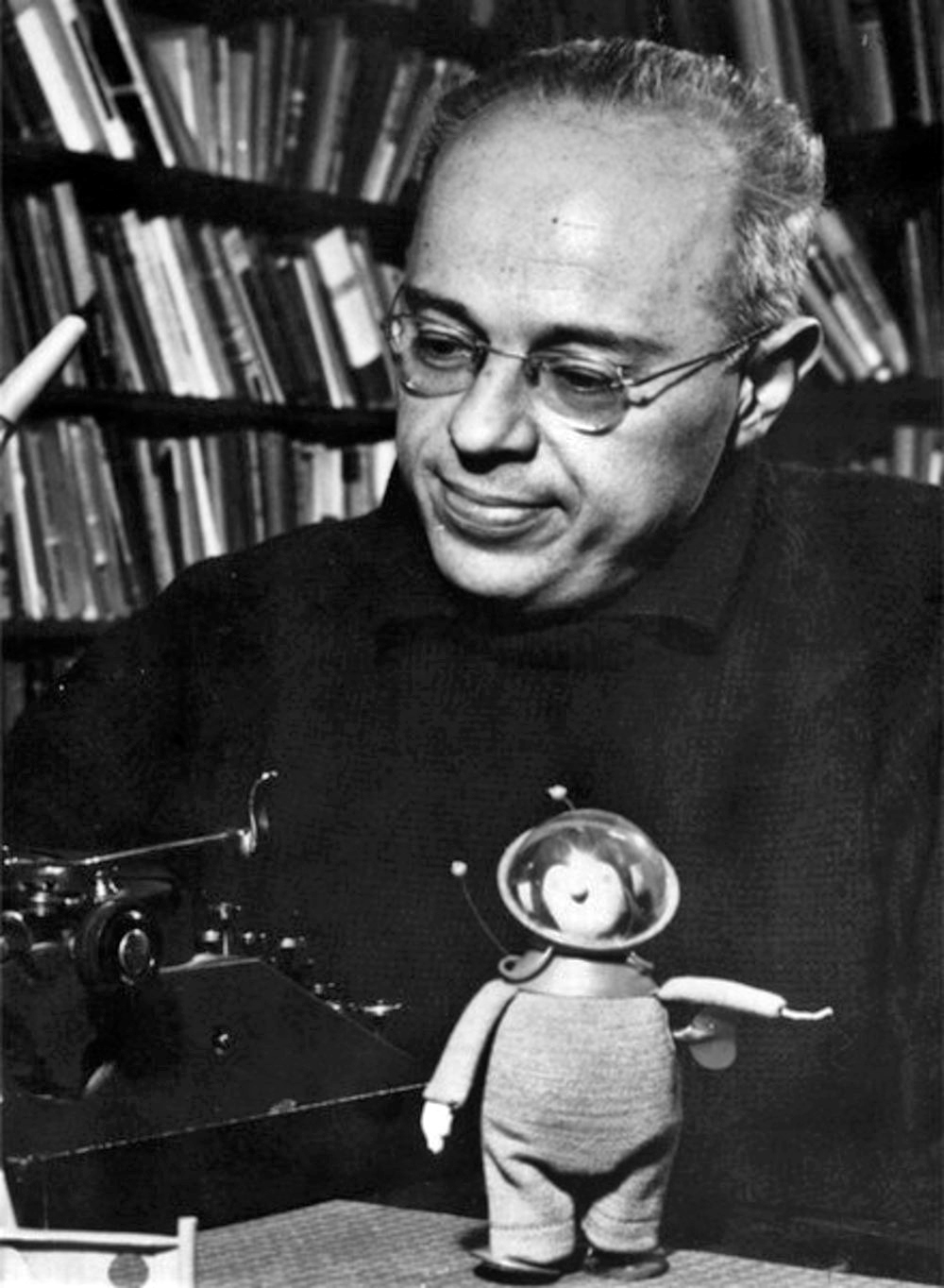
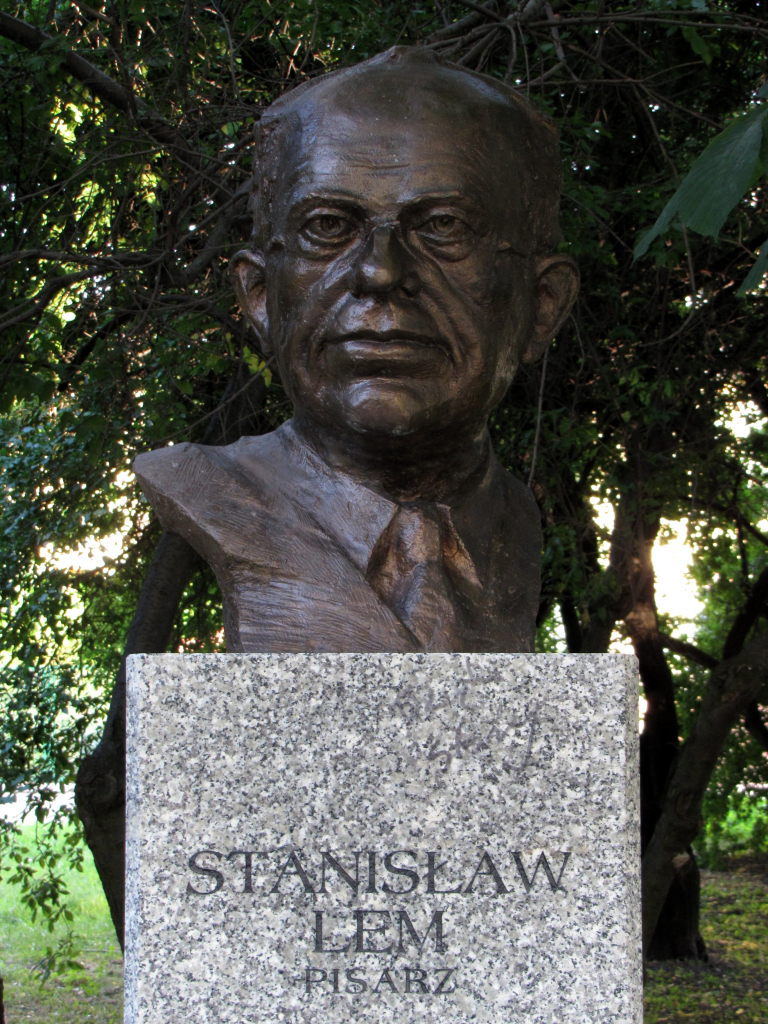
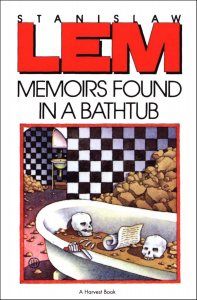
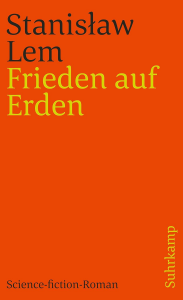
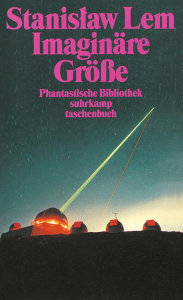
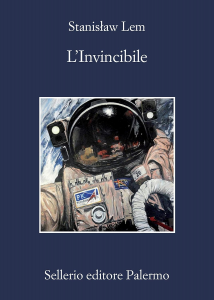
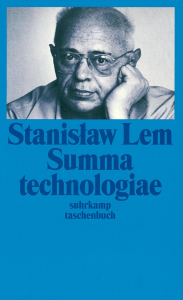
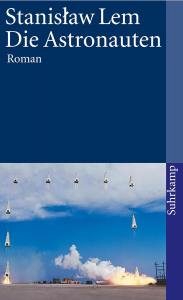
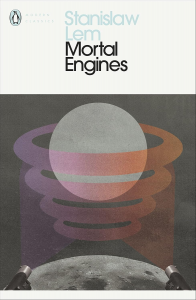
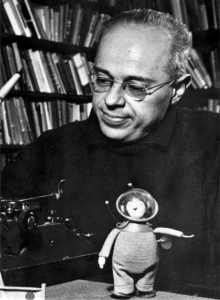
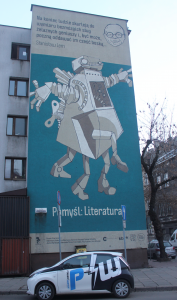
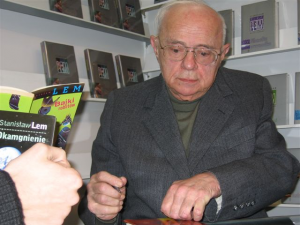
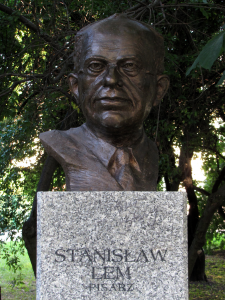
Stanisław Herman Lem (also known as Stanislaw Lem, pronunciation: [staˈɲiswaf lɛm]; September 12, 1921 in Lwów, Poland – March 27, 2006 in Kraków) was a Polish writer, best known as a science fiction author, philosopher, and essayist. Lem’s works have been translated into 57 languages and sold more than 45 million copies. He is one of the most widely read science fiction authors, although he did not like to call himself that because of the complexity of his work. Due to the numerous puns and neologisms, his works are considered difficult to translate.
Lem is considered a brilliant visionary and utopian who conceived numerous complex technologies decades before their actual development. As early as the 1960s and 1970s, he wrote on topics such as nanotechnology, neural networks, and virtual reality. A recurring theme is the philosophical and ethical aspects and problems of technological developments, such as artificial intelligence, human-like robots, and genetic engineering. In many of his works, he employed satire and humor, often subtly exposing the hubris of the belief in human superiority based on faith in technology and science. Some of his works also contain gloomy and pessimistic aspects regarding the long-term survival of humanity. He frequently addressed attempts by humans to communicate with extraterrestrial intelligences, which he addressed as a major failure in one of his best-known novels, Solaris.
In the 2000s, the multifaceted Lem became a critic of the internet and the information society—something he had predicted, in part—because they turned users into “information nomads” who merely “hop incoherently from stimulus to stimulus.” “It is proving increasingly difficult to bring together different sources and perspectives to obtain a well-rounded, complete picture of a subject.”
Stanisław Lem was born into a Polish-Jewish family of doctors. His father, Samuel Lem, was an ENT doctor; the satirist Marian Hemar was his cousin.[2]
Lem had a sheltered childhood. He studied medicine at the University of Lviv from 1940 until the German occupation of Lviv in 1941. His studies were interrupted by World War II. Lem was able to conceal his Jewish origins with forged papers; most of his family perished in the Holocaust.
“It took Hitler to help me realize I was Jewish.”
During the war, he worked as an assistant mechanic and welder for a German company that recycled scrap metal. He helped the resistance against Nazism. When Poland was liberated from the Nazis by the Red Army towards the end of the war and the country came under the Soviet Union’s sphere of influence, he continued his studies in Lviv. In 1945, after his hometown fell to the Soviet Union, he was forced to move to Kraków.
He resumed his medical studies for the third time at the Jagiellonian University in Kraków. Between 1948 and 1950, he worked at the Konservatorium Naukoznawcze as a research assistant to Mieczysław Choynowski on problems of applied psychology. At the same time, he met the editor of the Tygodnik Powszechny, Jerzy Turowicz, who, along with Choynowski, became a formative figure. Wisława Szymborska was also among his friends at the time. His first literary attempts also occurred during this period, and he began writing stories in his free time, including the plays Yacht “Paradise” (with his friend Roman Husarski) and Korzenie. Drrama wieloaktowe, an anti-Stalinist satire, which was only rediscovered after Lem’s death and published in 2009. In 1948, he wrote his first novel, Szpital Przemienienia (The Wanderings of Dr. Stefan T.), which could not be published until eight years later due to censorship.[4] It was also during this time that he met his future wife, Barbara Leśniak, a radiologist, whom he married in 1953.[5]
Lem received a certificate confirming that he had fully completed his studies. However, in his final exam, he refused to give answers in the spirit of Lysenkoism, because he rejected it. This refusal allowed him to avoid a career as a military doctor, as the examiners failed him for it.
Since he was also unable to practice medicine, he worked in research and increasingly focused on writing.
Lem was a polyglot: he mastered Polish, Latin (from medical school), German, French, English, Russian, and Ukrainian.[6] Lem claimed that his IQ was tested at 180 in school.[7]
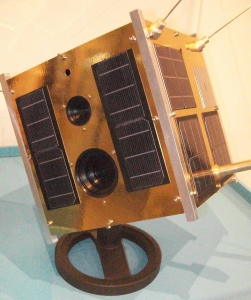
In 2013, the Polish research satellite Lem, named after him, was launched into Earth orbit by a Russian-Ukrainian Dnepr launch vehicle as part of the international BRITE project. In German-speaking countries, the Stanisław Lem Way in Halle-Neustadt is dedicated to him.
The Polish Sejm declared 2021 the Year of Stanisław Lem.[23] The dedication is divided between Lem, Stefan Wyszyński, Cyprian Norwid, Krzysztof Kamil Baczyński, Tadeusz Różewicz, and the Constitution of May 3. The first Lem video game, The Invincible, was released in the same year.[24]
The Komet Lem Festival took place in Darmstadt from October 2016 to March 2017.[25] The festival, organized by the Philosophical Institute of the Technical University of Darmstadt, the German Polish Institute, and the State Theater, was dedicated to Stanisław Lem with various events such as readings, plays, and film screenings, as well as musical interpretations of Lem’s works. The exhibition Lem’s Animal Life after Mróz consisted of drawings by illustrator Daniel Mróz based on Lem’s worlds.[26]
J. Doyne Farmer called Lem the “Poet Laureate of Artificial Life” for his achievements.
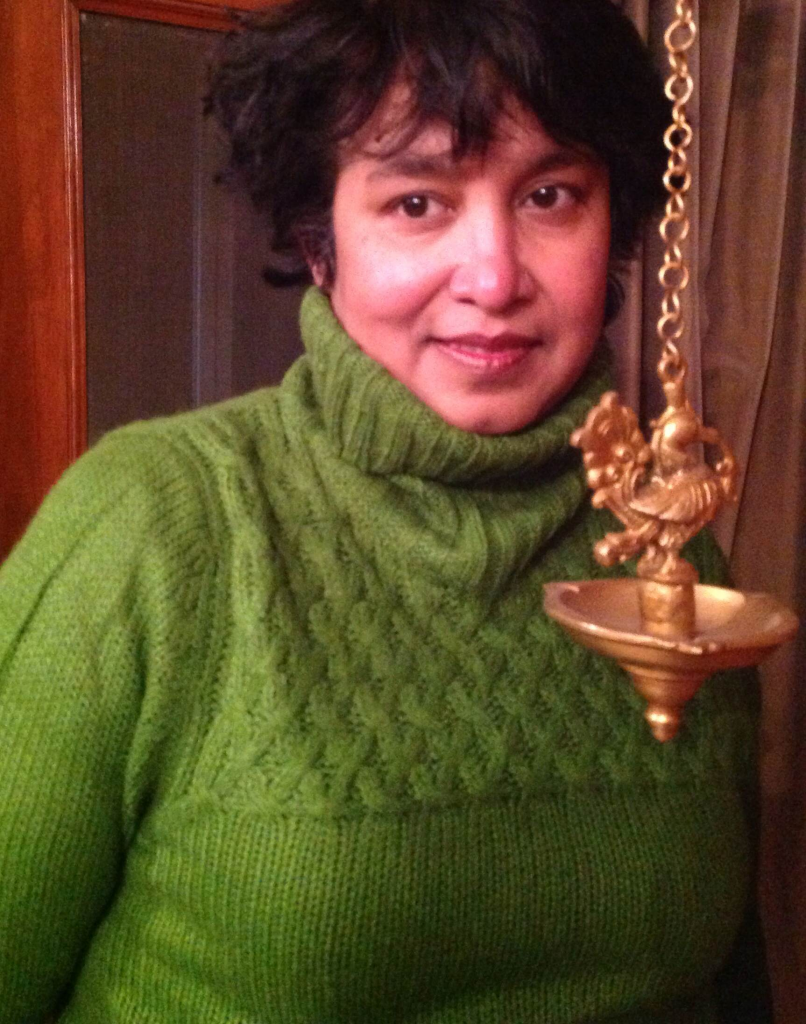
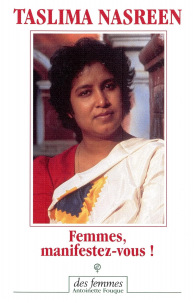
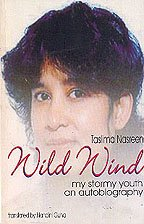
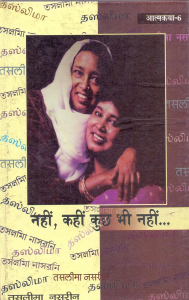
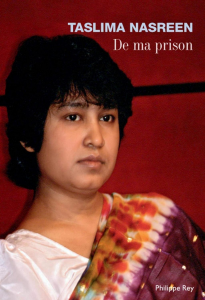
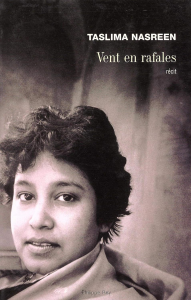
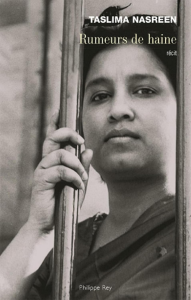
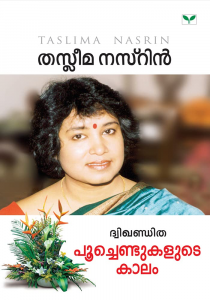
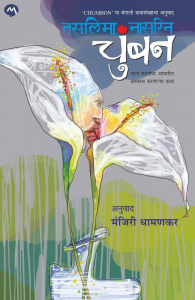
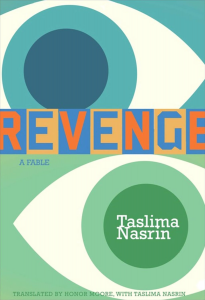
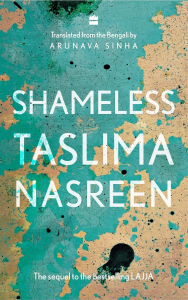
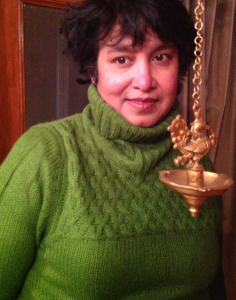
Taslima Nasrin (Bengali: তসলিমা নাসরিন IAST Tasalimā Nāsarin, anglicized: Taslima Nasreen; born August 25, 1962 in Maimansingh) is a Bangladeshi physician and writer.
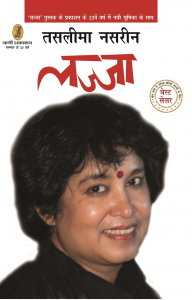
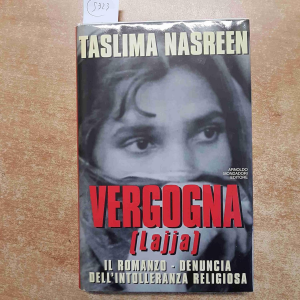
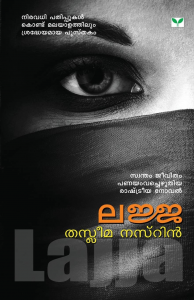
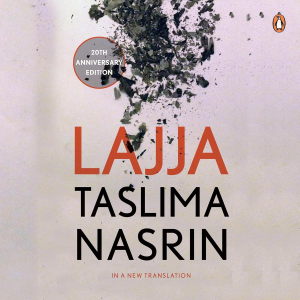
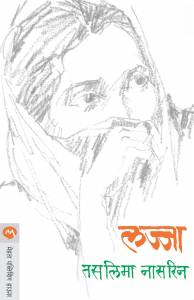
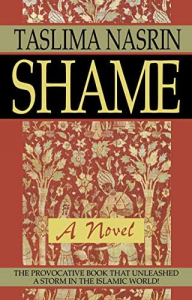
Taslima Nasrin advocates for women’s equality and opposes the oppression of religious minorities in predominantly Islamic societies, such as her native Bangladesh. She has been threatened with death by Islamic fundamentalists, primarily because of her 1993 Bengali documentary novel Lajja (Bengali: Shame), about the persecution of a Hindu minority family in Bangladesh.[1] The book was immediately banned in Bangladesh. In 1994, she was forced to flee her country.[2] She initially sought refuge in Sweden. Nasrin has lived in exile on and off since then. In 1995, she first lived in Berlin.
Taslima Nasrin’s literary work has been translated into thirty languages.[3] Sixty thousand copies of her book Lajja (Sham) were sold within five months, but then the book was banned and her passport confiscated.[4] Other works were also banned in Bangladesh and West Bengal.
She is one of the signatories of the Manifesto of the 12 against Islamism as a new totalitarian threat.
In 2004, an Indian Islamic cleric offered a reward of 20,000 rupees to anyone who would “blacken her face,” an act considered a grave insult. In March 2007, the All India Ibtehad Council offered 500,000 rupees for her beheading. The group’s president, Taqi Raza Khan, said the bounty would be withdrawn only if she apologized, burned her books, and left India.
Nasrin has been the victim of violence because of her beliefs. In August 2007, she was attacked by radical Muslims during a reading in the southern Indian state of Andhra Pradesh.[7] Nasrin intended to settle in exile in West Bengal. After violent protests by Bengali Muslims in Calcutta (Kolkata) in November 2007, which led to the deployment of the army and the imposition of a night-time curfew in the city, Nasrin first moved to Jaipur and from there to Delhi. The Indian central government warned her that her safety could only be guaranteed in Delhi and that her visa might not be renewed if she insisted on moving to Calcutta.[8] After further death threats, she left for Europe in mid-March 2008. In early 2009, it was announced that she would find refuge in France. The city of Paris will provide its honorary citizen with an apartment on February 1.
Critics accuse Taslima Nasrin of advocating for changes to the Quran to achieve more rights for women. She denies this, however.[10] In 1994, she responded to such accusations by saying that she had called for changes to the Sharia, not the Quran, to benefit women.
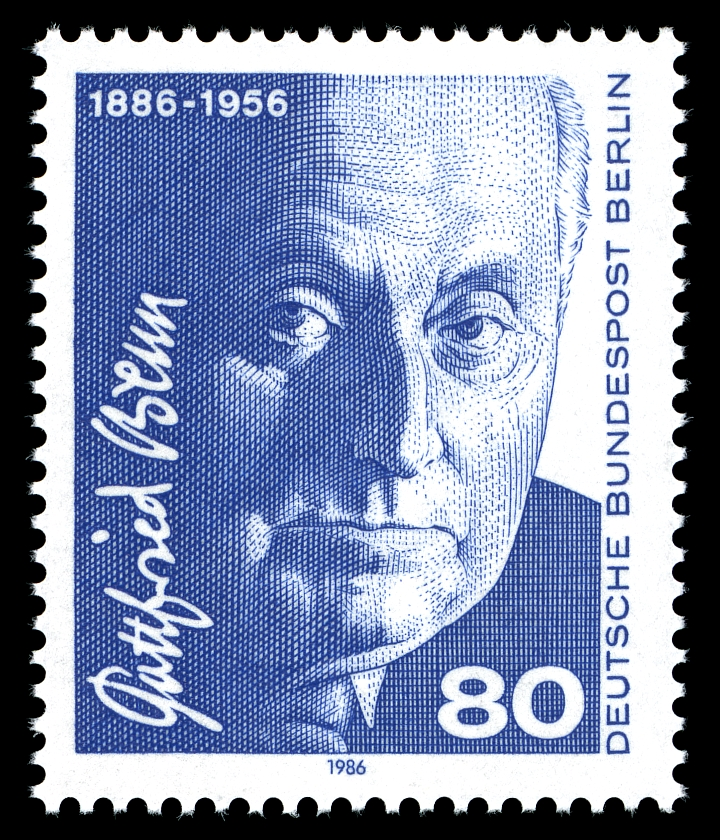
Gottfried Benn (May 2, 1886 in Mansfeld near Putlitz, Prignitz; July 7, 1956 in Berlin) was a German poet, essayist, and physician. He grew up as the son of a theologian in a rectory. After abandoning his theology studies, he successfully completed his medical studies. In 1912, his first volume of poetry, Morgue and Other Poems, was published. It caused a scandal due to its drastic choice of themes and casual expression and immediately made the author known as a representative of the newly emerging Expressionist poetry.
With the novella volume Brains, published in 1916, he made a significant contribution to Expressionist short prose. From then on, he pursued the civilizational critique of the Morgue poems in his essayistic work. In The Modern Self, he devoted himself to the question of the position of the individual in society.
Gottfried Benn is considered one of the most important German poets of modern literature. He first entered the literary scene as an Expressionist with his Morgue poems, which radically broke with conventional poetic traditions and strongly reflected impressions from his work as a doctor. Dissections and cancer and maternity wards are described with seemingly dispassionate nuance, and romantic titles like “Little Aster” arouse expectations that are then blatantly disappointed.
The rights to the work are now held by Klett-Cotta Verlag.
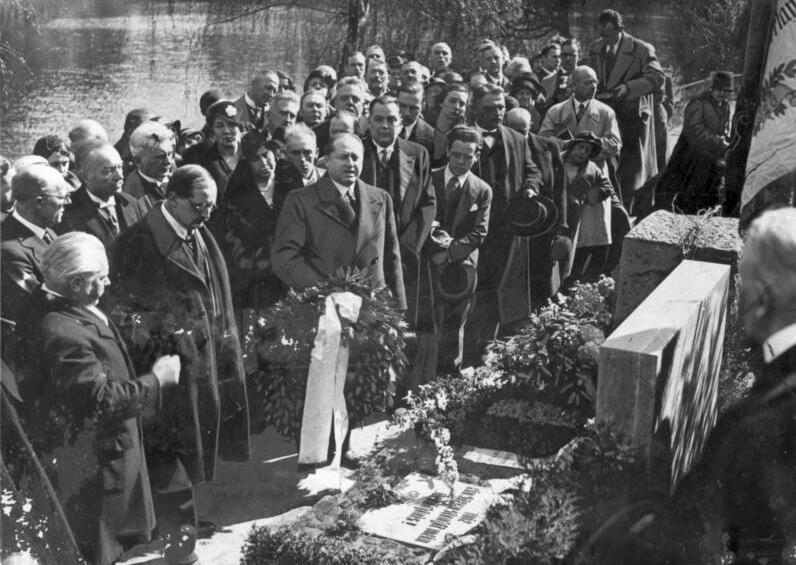
Gottfried Benn lays a wreath on the grave of Arno Holz on behalf of the Poets’ Academy (1933), photo from the Federal Archives
From the beginning, Benn wrote essayistic, poetically avant-garde, and autobiographical prose works. After 1945, he surprised the public with the novel Phenotype, on which he had been working since at least 1944.
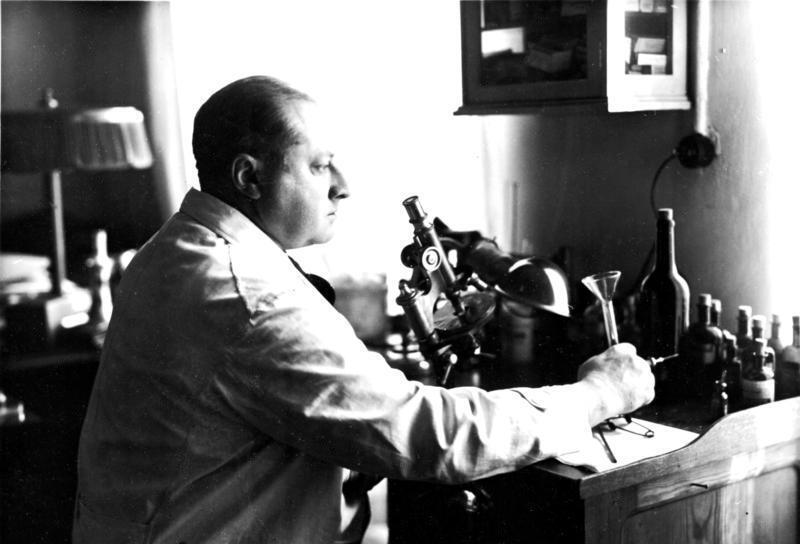
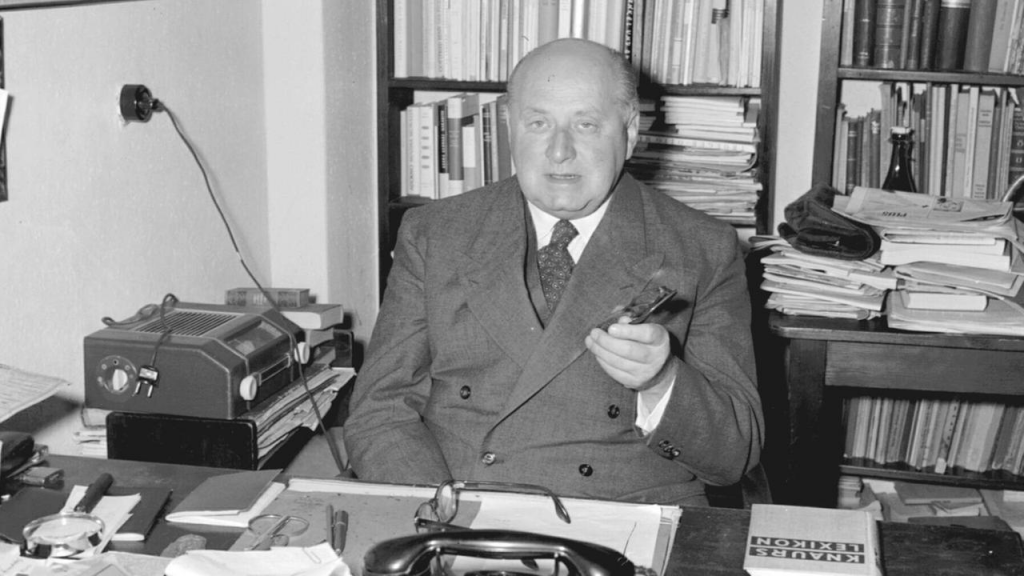
Dr. Gottfried Benn in his Berlin office on August 18, 1953. (imago / United Archives International)
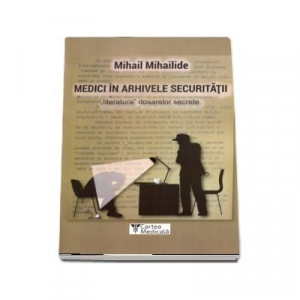
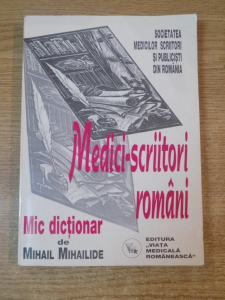
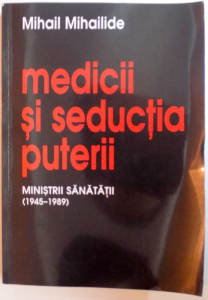
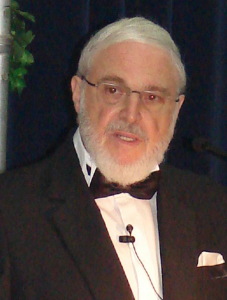
Mihail Mihailide (born May 6, 1938 in Vienna, Austria) is a Romanian physician, journalist, and writer. He is the general director and founder of the weekly newspaper Viața Medicală and the publishing house Viața Medicală Românească. He has been awarded the Order of Medical Merit and the Order of Cultural Merit.
Mihail Mihailide graduated from the Faculty of General Medicine in Bucharest (1960).
Two decades ago, this physician completed his training and specialized in gynecology and obstetrics, municipal medicine, public health, and medicine. He specializes in general medicine/family medicine and public health and health management.
A series of reports, commentaries, interviews, articles, and other topics related to medicine, social affairs, and culture. A published article in the journal “Reviste Medicale Românești,” published periodically by the Uniunii Societăților de Științe Medicale (“Igiena,” “Viața Medicală,” “Pediatria,” “Munca Sanitară,” etc.).
In 1980, he was a state-certified physician (public prosecutor) and head of the Faculty of Medicine of the Public Administration “Muncitorul Sanitar.”
In 1990, he became editor and director of “Viața Medicală” for the first time.
He was an important editor, coordinator, and editor of various medical and literary volumes, favorite authors and studies on one author, and medical-critical authors.
It is a member and deputy chairman of the Societății Medicilor Scriitori and Publiciști in România (S.M.S.P.R.) and the Asociației Medicilor Artiști Fotografi (ARFOMED), which participates in the fair.
It is a member of the Uniunii Ziariștilor Profesioniști in România, the Club Român de Presă, the Consiliului de Onoare al Acestuia, the Uniunii Scriitorilor in România and the Uniunii Mondiale a Scriitorilor Medici (UMEM).
In 2008 he received the award “Ordinul Meritul sanitar în grad de Cavaler” (No. Brevet: 1321/10/17/2008).
In 2010, the Academiei Române, DL Acad. Ionel Haiduc, acordat Diploma Distinctia Culturala.
In 2011 he was awarded the Ordinul Meritul Cultural in the Degree Cavaler (No. Brevet: 292/23 March 2011).
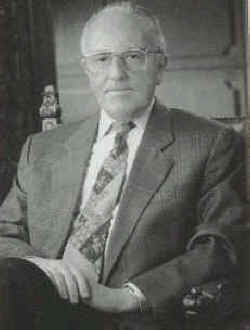
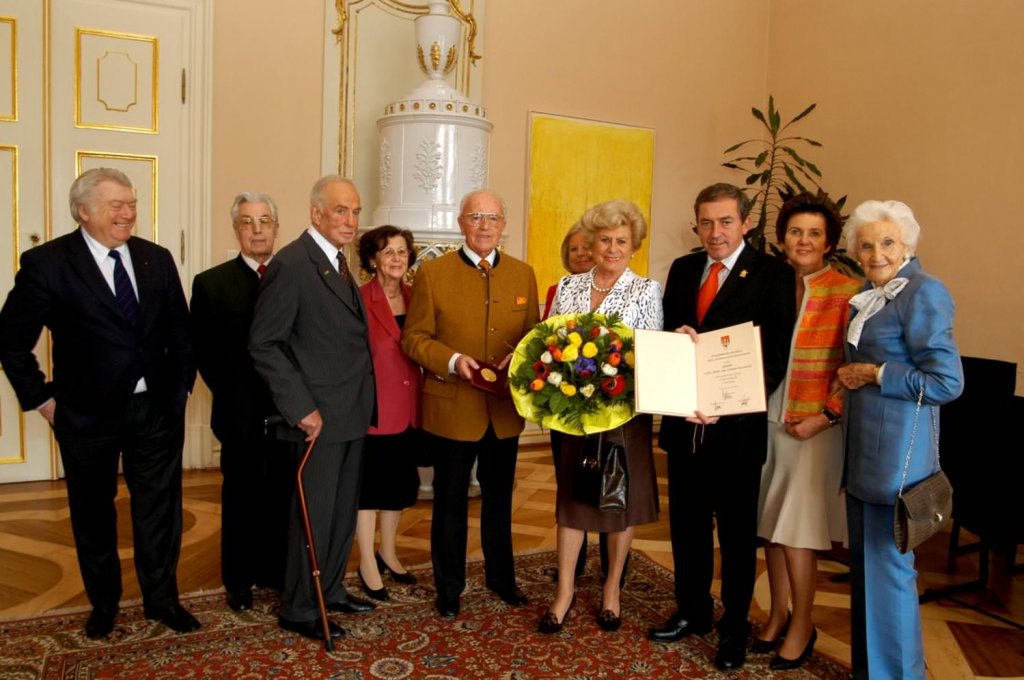
Hofrat University Professor Dr. Anton Neumayr Junior (* December 6, 1920 in Hallein; † March 18, 2017 in Vienna) was a specialist in internal medicine, chamber musician, and researcher.
As a historian, he studied the medical histories of famous musicians. He also hosted the television program “Diagnosis” from 1987 to 1994 and published numerous specialist publications.
Born in 1920 as the son of Mayor Anton Neumayer, he was distinguished from his early youth by his high intelligence and musical talent. His life was shaped by his love of music and his fascination with medicine. After graduating from high school in 1938, he abandoned his first career choice of pianist and began studying medicine, which he completed while stationed as a marine in Berlin in 1944. During his studies, he succeeded in freeing his father, who had been interned in Dachau.
His successful medical career led Neumayer to the Rudolfsstiftung Hospital in Vienna, where he headed the First Medical Clinic from 1975 to 1991. From 1963, Neumayer worked as a university professor specializing in gastroenterology in Vienna. From 1985 to 2000, he headed the Ludwig Boltzmann Research Center for Clinical Geriatrics. His reputation as an internist extended far beyond the borders of Austria.
Anton Neumayer also cultivated his musical talent and became a pianist, trained at the Mozarteum Salzburg, a chamber musician, and a music historian.
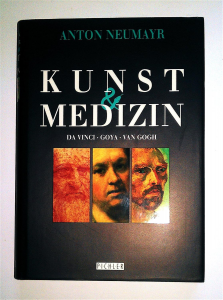
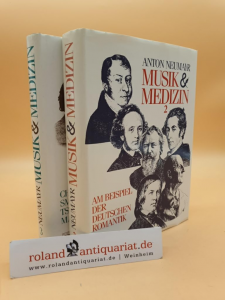
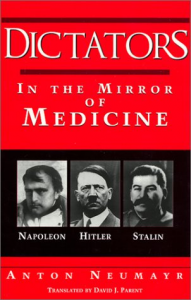
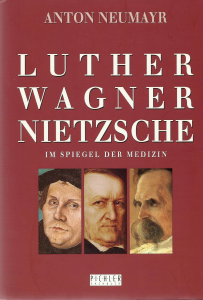
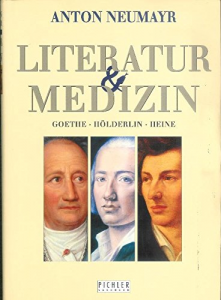
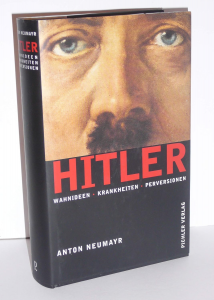
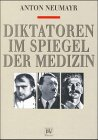
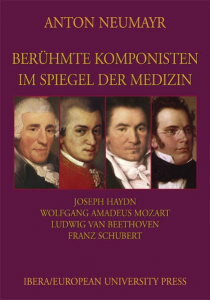
Since the 1990s, Prof. Neumayer has also published numerous books linking the worlds of art and medicine. Examples include his three-volume magnum opus “Music and Medicine” and “Literature and Medicine.” In “Dictators in the Mirror of Medicine,” he explored Hitler, Stalin, and Napoleon, among others. In “Hitler – Delusions, Illnesses, Perversions,” he created a biography from the perspective of a physician.
Neumayer always maintained close ties to Salzburg – for example, as president of the “Association of Salzburgers in Vienna.”
His personal biography: It was advantageous for my life that I was involved with music from my earliest youth. As we only now know, music develops additional neural pathways in the brain even in pre-pubescent years, and such children also fare much better in school. I learned to play music from the age of four and received pianist training at the Mozarteum from the age of seven to seventeen. I still play with the Philharmonic Orchestra today, and this led to many useful social contacts that also helped me in my medical career (among other things, I played for Brezhnev in the Kremlin and at the Music Academy in Albania. This is how many of my contacts were networked). Due to the political circumstances, I was unable to pursue a musical career, so I began studying medicine, which I completed with a doctorate in 1944 at the Charité Hospital in Berlin. I then became a military doctor and in the autumn of 1945 I joined the 2nd Medical University Clinic, where I worked (as a lecturer and professor) until 1964.
In the context of scientific activity, it was important not only at home but also abroad to become known through lectures and scientific publications, which required the ability to present complex issues clearly and understandably. This meant that it was essential to acquire rhetorical skills. As early as the 1950s, I was a founding member of the European Society for Liver Research (EASL), and in 1963, I was the first European to deliver the SEARL Lecture (an event for hepatologists) in Chicago. This distinction immediately made me a household name worldwide. The numerous lectures I gave abroad meant that I was almost better known in Germany than in Vienna. In 1964, I became head of the internal medicine department at the Elisabeth Hospital. In 1965, I also became head of the internal medicine department at the Sophien Hospital. In 1975, I took over the First Medical Clinic in the newly built Rudolfs Hospital, where I remained head of the clinic until 1988.
Since 1980, I have been the director of the Ludwig Boltzmann Institute (Research Center for Clinical Geriatrics). However, success doesn’t just depend on being a respected physician among one’s (international) colleagues. Much more important is being well-received by patients. This requires behaving appropriately and in a friendly manner toward patients. Word gets around among the patients, and eventually, prominent patients come, and the income automatically follows. I was Kreisky’s personal physician for four and a half years and cared for a number of famous figures from politics (which, as a doctor, you have to stay out of—I cared for bishops as well as the leader of the Communist Party of Austria), business, culture, etc. My most famous patients included Franz Jonas, Curd Jürgens, Hans Albers, Oskar Werner, and Helene Thimig. This reputation also spread abroad, and in addition to Ibn Saud and his family, numerous Arab sheikhs and super-rich Greek clans consulted me.
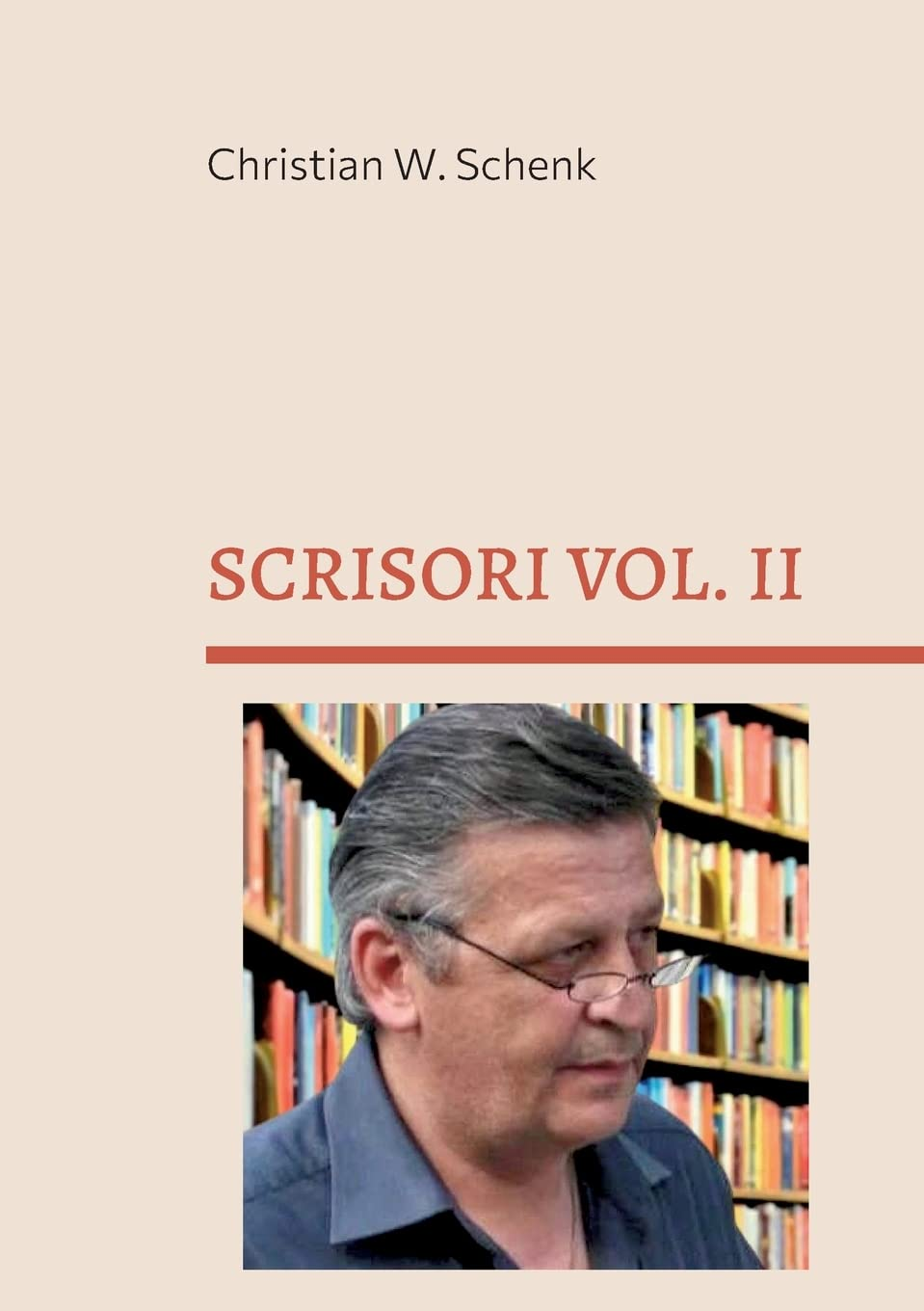
Christian Wilhelm Schenk (born November 11, 1951 in Brașov, People’s Republic of Romania) is a German physician, poet, essayist, translator, and publisher from the Transylvanian Saxon community.
Christian W. Schenk grew up in a small mining settlement near Brașov and was raised trilingually (German, Hungarian, and Romanian). His father is German, his mother Hungarian.
At the end of the 1950s, he made his first attempts at poetry, which led to his first publication in 1961: a poem in the children’s magazine Luminita (Bucharest) under the guidance of the Romanian poet Tudor Arghezi, who was his mentor from 1959 to 1965. His second mentor from 1964 to 1969 was the Transylvanian poet Vasile Copilu-Cheatră.
He attended elementary school in his hometown from 1958 to 1962 and in Wolkendorf from 1962 to 1966. Schenk attended high school in Zeiden, with interruptions, from 1971 to 1973. In between, he supported himself with odd jobs as a projectionist, weaver, or wage laborer. In 1974, he obtained his Abitur (university entrance qualification).
In 1976, Schenk left Romania and emigrated to Germany. Here, he had to retake the Abitur (university entrance qualification) in Wiehl in the Oberbergisches Land region in order to obtain university entrance qualifications in Germany. From 1977 to 1980, he first completed an apprenticeship as a dental technician in Koblenz and then studied medicine/dentistry at the Johannes Gutenberg University in Mainz from 1980 to 1986. In 1985, he received his doctorate in medicine from the same university with a thesis on “The Situation of Severely Disabled People in Working Life.” From 1986 to 1988, Schenk completed the mandatory years of training for health insurance accreditation in Lünen. Starting in 1988, he opened his own practice in Kastellaun. Today, Schenk lives in Boppard.
In 1986, as editor-in-chief of the quadrilingual magazine “Romanian Convergences,” of which he was editor-in-chief from 1984 to 1986, Schenk protested against the demolition of entire cities and cultural sites under dictator Nicolae Ceaușescu, which he described as “urbanization plans.” As a result, he was declared “persona non grata” in Romania, with a lifetime ban from entering the country. He continued to write and translate, but his work was recognized only in the West and among the diaspora. After 1989, he was rehabilitated. He received various awards from the government of the time, including the Presidential Certificate.
Through his memberships in the Association of German Writers, the Romanian Writers’ Association, the Union Mondiale des Écrivains Médecins, the American Romanian Academy of Arts and Sciences (ARA), the Romanian Writers’ Association of Physicians, the Academy of Sciences, Literature, and Culture in Bihor, the Hesperus Society, the Balkan Romance Studies Association, and the South-East European Society, Schenk has been striving for decades to deepen East-West cultural relations. The Dionysos Literature and Theater Publishing House (Kastellaun), which he founded, is also dedicated to this task.
For his outstanding contributions to East-West cultural relations and his own work, Schenk was nominated as an honorary citizen of the university city of Cluj-Napoca in 2000, and in 2006 as a “Knight of the Danubian Order” in Galați on the Danube.
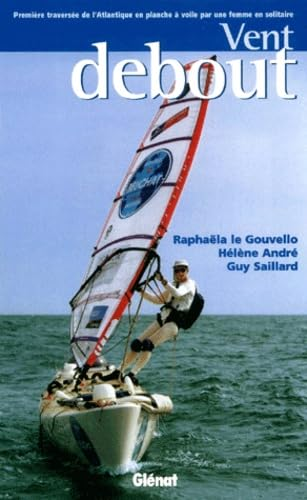
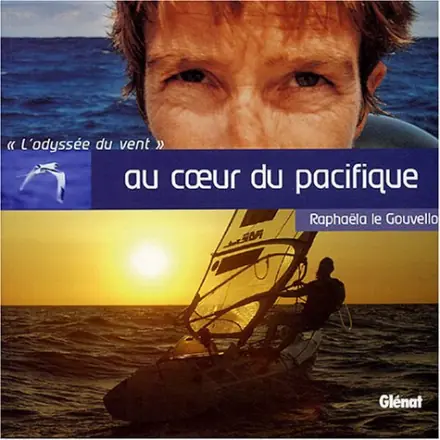
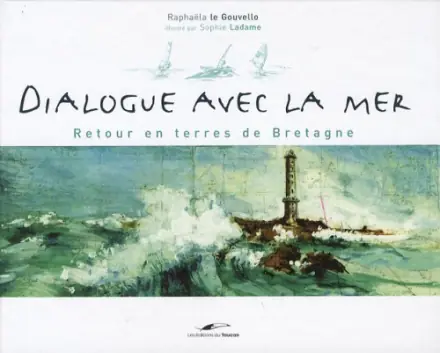
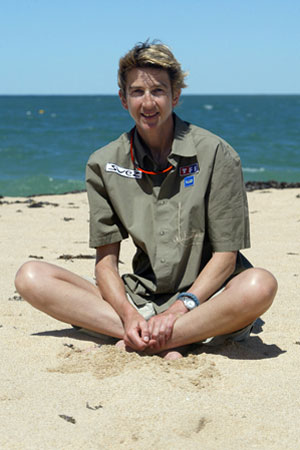
Raphaëla le Gouvello (born May 4, 1960 in Paris[1]) is a French windsurfer who has crossed the Atlantic, Pacific (Peru-Tahiti), and Indian Oceans, among others, on ocean-going surfboards measuring 7.50 to 7.80 meters long and approximately 75 cm wide. She has documented her experiences on the crossings in three books to date.
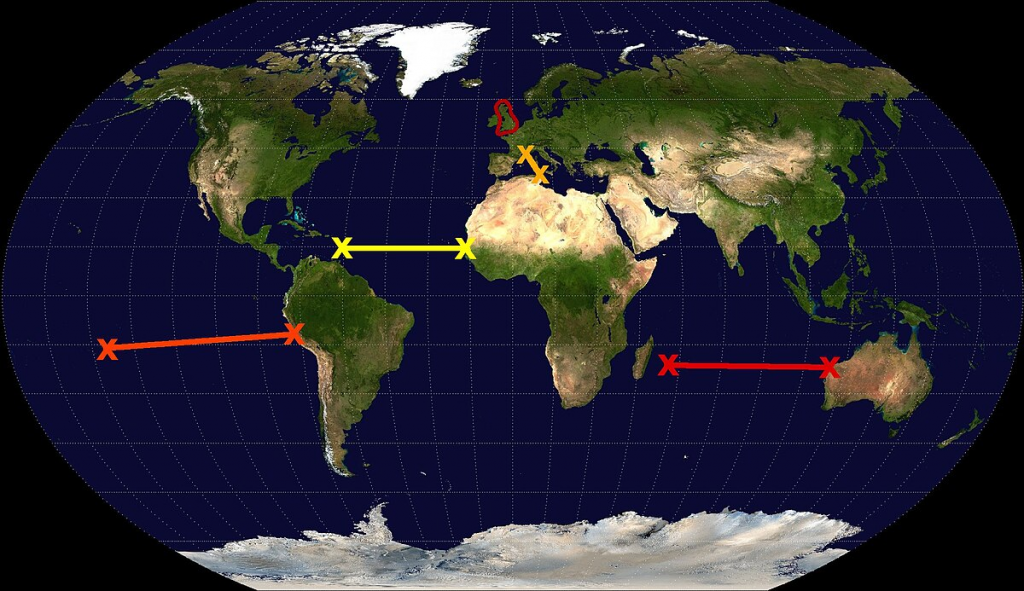
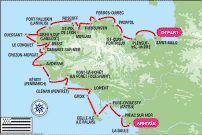
Ports of departure and arrival of windsurfer Rafaëla le Gouvello, in her trans-atlantic (2000), trans-Mediterranean (2002), trans-pacific (2003), trans-Indian Ocean (2006), and round-Great Britain (2007) tours. The connecting routes for the trans-oceanic trips are only drawn for better visibility and do not indicate the exact routes taken.
The veterinarian, who specializes in aquaculture (fish farms and the breeding of other aquatic animals), is committed to environmental protection and sustainable development, including through her windsurfing trips.
Le Gouvello began windsurfing in 1976, competed in competitions from 1977, and has been teaching as a windsurfing instructor since 1978. From 1980 to 1982, she improved her performance in open competitions, reaching seventh place among French female windsurfers.[2] Since 1984, le Gouvello has also regularly participated in funboarding.
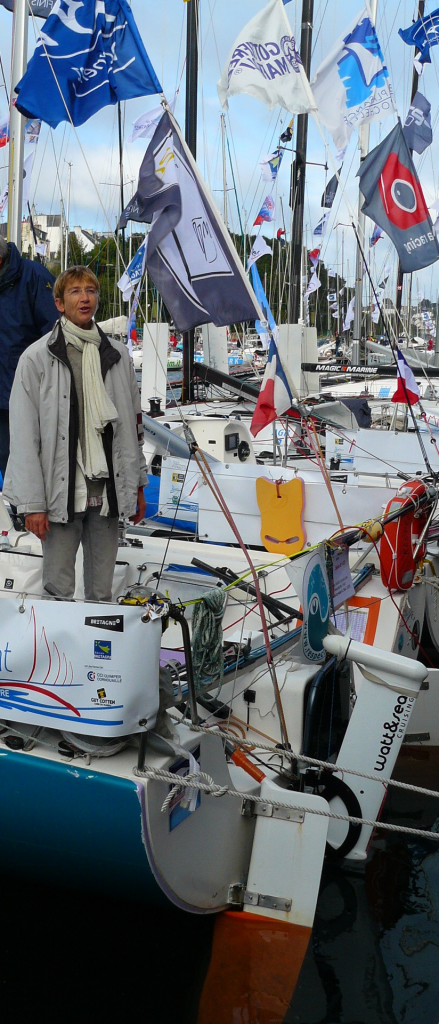
Rafaëla le Gouvello in Douarnenez, a few days before the start of her first transoceanic boat race, the 2013 Transat 6.50.
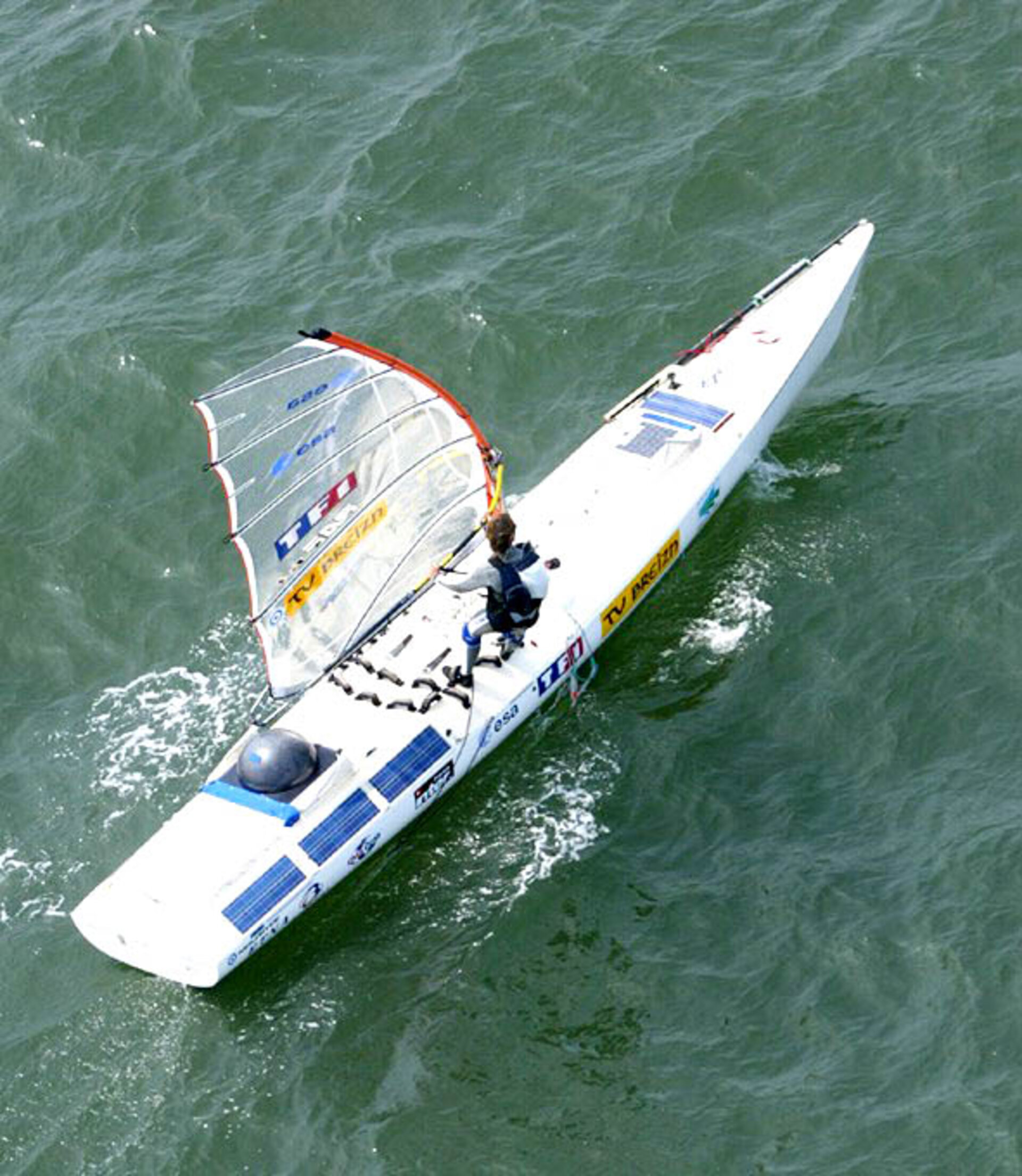
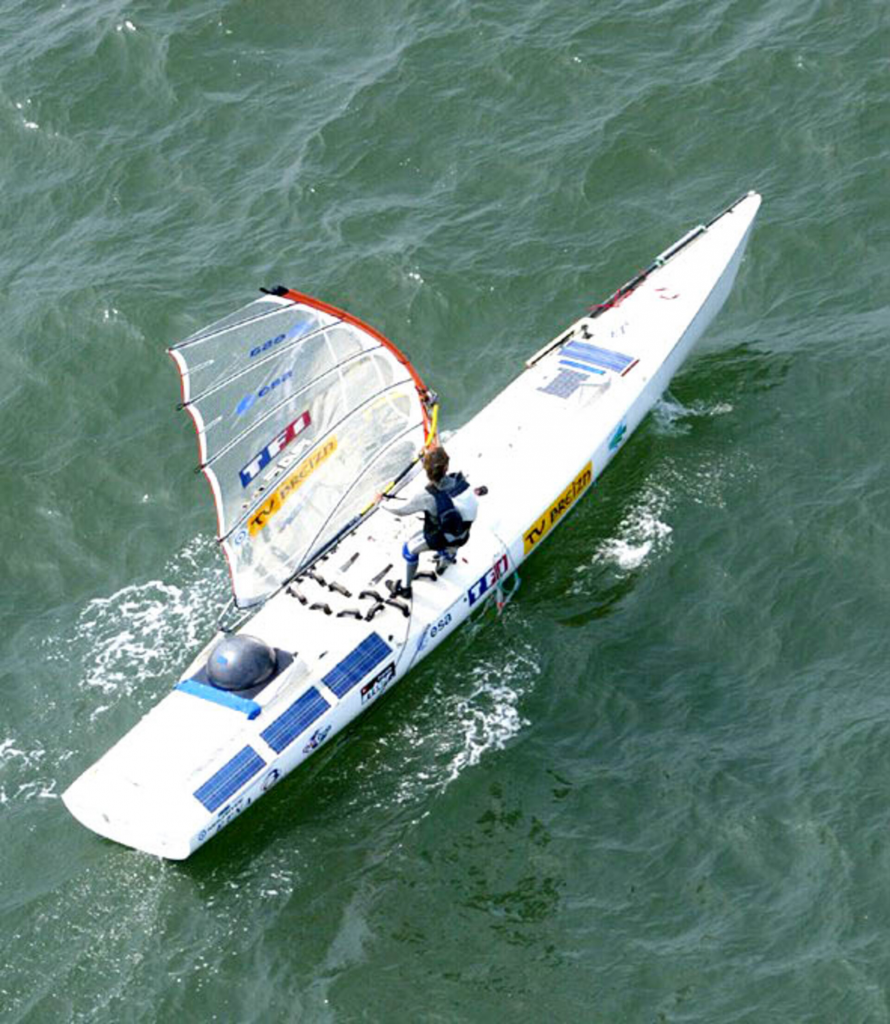
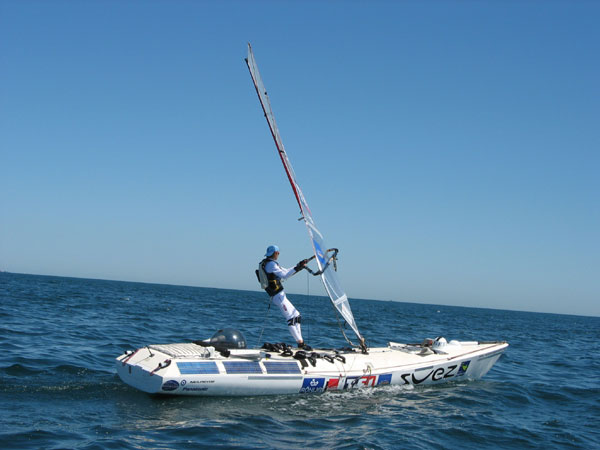
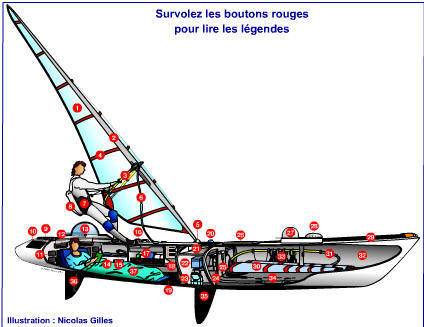
From February 25 to April 24, 2000, she became the first woman (and the third windsurfer ever) to cross the Atlantic alone, without an escort, on a surfboard. The 7.5 m long and 1.3 m wide surfboard was designed by Guy Saillard for Stéphane Peyron, who had used it in 1987 to become the first windsurfer to cross the Atlantic alone[3] and who advised le Gouvello on her crossing. The flat hull, used instead of a conventional surfboard, contained, among other things, a sleeping accommodation and provisions, five spare sails, and the lowered sail and rig for use at night and in bad weather (see web links for photos). She needed 58 days, 10 hours and 11 minutes to cover the 2,750 nautical miles (just over 5,000 km) from Saly Portudal in Senegal, south of Dakar, to Le Diamant on the Caribbean island of Martinique; Peyron had needed only 49 days for the roughly 3,500 nautical miles from New York to the French town of La Baule. The unexpectedly long duration of le Gouvello’s crossing was due to unusually weak winds over two and a half weeks at the start of the voyage, forcing the Frenchwoman to ration her supplies in the last third of the journey; nevertheless, she had to have food supplies brought to her by a French naval ship from Guyana. There was also excitement on April 17, when le Gouvello fell from her surfboard; however, the safety line she was wearing kept her connected to the board and she was able to get back on easily.
The Frenchwoman’s next goal was to cross the Pacific. For this, she had a new windsurfing device built from 2001 to 2002, again designed by Saillard. The 7.80 m long, 1.30 m wide, and up to 75 cm thick hull offers space for a second sail, sleeping accommodation, a desalination plant, sufficient provisions, and various navigation devices; the maximum sail area is 7.4 m².
To test the device and prepare for the Pacific, le Gouvello first attempted a Mediterranean crossing – becoming the first windsurfer ever to do so. However, on her first attempt, which began on July 25, the Frenchwoman capsized and had trouble righting the device. On her second attempt, from August 25 to September 7, 2002, she succeeded in completing the first crossing of the Mediterranean on a surfboard, completing the 550 nautical miles (just over 1,000 km) from Marseille to Sidi Bou Saïd in Tunisia in 10 days, 1 hour, and 38 minutes. The new surfboard was faster than the previous one and also more reliable.
In 2003, she became the first windsurfer to cross the Pacific Ocean alone. The 4,455 nautical miles (approximately 8,250 km) journey from Lima, Peru, to Papeete, Tahiti is the longest distance the Frenchwoman has ever completed, taking 89 days and 7 hours from August 5 to November 2.
From April 10, 2006, to June 8, 2006, le Gouvello became the first and, as of 2008, only windsurfer to cross the Indian Ocean. The Frenchwoman needed 60 days, 2 hours, and 1 minute to complete the 3,541 nautical miles (over 6,500 km; direct route 3,262 nautical miles) from Exmouth, Australia, to Le Port, on the French island of Réunion, off Madagascar. During the voyage, le Gouvello repeatedly struggled with seasickness, gastritis, injuries and changing weather conditions.
In the spring of 2007, le Gouvello circumnavigated Great Britain while windsurfing. She visited 26 ports during her trip, where she promoted environmental protection in general and the protection of the British coast in particular through educational work. She also allowed windsurfers with basic experience (confirmed windsurfers) to try out her windsurfing gear.
Le Gouvello still uses the windsurfing gear, which was completed in May 2002 (as of 2008). In 2003, she had an “airbag” developed by Saillard in collaboration with ESA installed, which further simplifies righting the gear after a capsize. Since then, a large airbag at the rear of the windsurfing gear can be triggered from both inside and outside the hull. In 2005, the gear’s electrical system, electronics, and paintwork were overhauled.
Le Gouvello has nine brothers and sisters.
As a veterinarian, the Frenchwoman specialized in aquaculture (fish farming and breeding other aquatic animals). After graduating from high school in 1978, le Gouvello studied veterinary medicine and received her doctorate in 1985, writing her thesis on aquaculture in Taiwan in 1984. In 1986, she earned a Master of Science in Natural Resources from Humboldt State University in California. In 1987, she devoted herself to the reproduction of Chinese and Indian carp and the management of lakes in Bangladesh. A year later, she conducted a project on ichtyopathology (fish pathology) and aquatic techniques in France.
From 1987 to 1990, le Gouvello worked for an aquaculture food producer, then in the aquaculture program of a veterinary laboratory until 1993. In 1994, the Frenchwoman founded Stermor, a company that provides advice on nutrition, health, and hygiene for aquaculture. Le Gouvello operates the company from her hometown of Pénestin in the French Morbihan (Brittany).
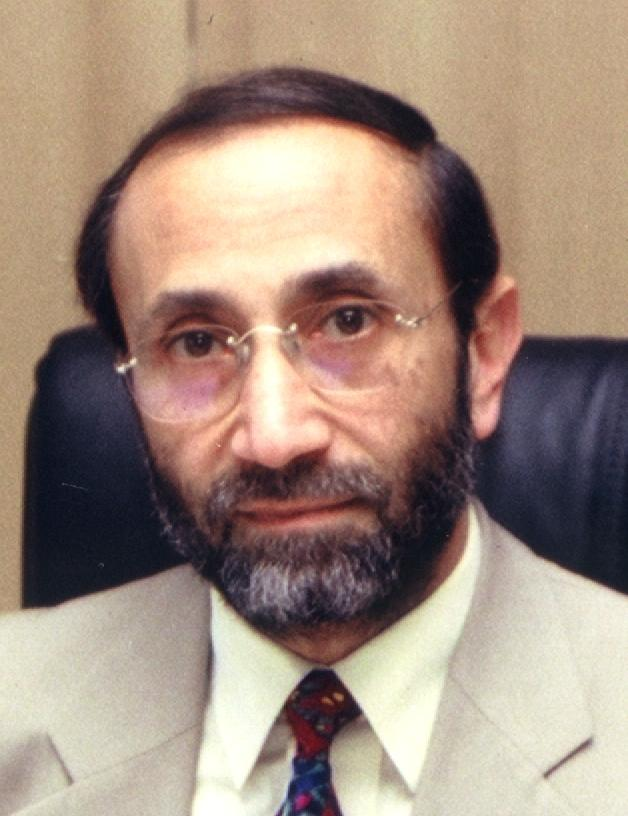
Nadeem Elyas (Arabic: Nadīm Ilyās; born September 1, 1945 in Mecca) is a Saudi Arabian Islamic scholar and physician. He served as chairman of the Central Council of Muslims in Germany from 1994 to 2006.
Elyas is a Sunni Muslim of Hanafi persuasion. Elyas left Saudi Arabia in 1964, studied medicine and Islamic studies in Germany, and practiced as a gynecologist. He lives in Eschweiler (North Rhine-Westphalia), is married, and has four children, including the comedian Ususmango, who became known as part of the comedy ensemble RebellComedy.
He was Secretary General of the Union of Muslim Student Organizations in Europe and spokesman for the Islamic Center Aachen, which is under surveillance by the Federal Office for the Protection of the Constitution.[2][3] He is a founding member and board member of the Islamic Cooperation Council in Europe and a partner in working groups and advisory boards such as the Islamic-Christian Working Group, the Intercultural Council and the Round Table of Religions. Between 1993 and 1996, he trained his later successor, Aiman Mazyek, in his Islamic studies program.[4] The “Islamic Charter”[5] – a declaration of principles by the Central Council of Muslims in Germany (ZMD) on the relationship between Muslims and the state and society – was presented to the public under his chairmanship. In the 2005 kidnapping of the German archaeologist Susanne Osthoff, Elyas offered to exchange her for the hostage.
Born in 1945 in Mecca, Saudi Arabia, living in Germany since 1964. Medical studies in Frankfurt, specialist training in gynecology, obstetrics, and cytology in Bad Soden, Krefeld, and Aachen. Parallel studies in Islamic studies.
Functions: Former Chairman of the Central Council of Muslims in Germany (ZMD) since 1995 and long-time spokesperson for the preliminary committee of the Islamic Working Group in Germany. Former Secretary General of the Union of Muslim Student Organizations in Europe (UMSO). Council member of the Islamic Center Aachen (IZA). Founding and board member of the Islamic Cooperation Council in Europe. Initiator of the nationwide Open Mosque Day. General Commissioner of the Islamampavillon at EXPO 2000 in Hanover.
Member of the Intercultural Council in Germany. Member of the Supporters’ Circle of the Alliance for Democracy and Tolerance. Member of the Alliance for Tolerance and Civil Courage Member of the Forum Against Racism and the Network Against Racism
Member of the Advisory Board for Overcoming Xenophobia, Racism, and Violence – Working Group of Christian Churches in Germany (ACK) Member of the Ecumenical Preparatory Committee for the Week of Foreign Citizens Co-initiator and member of the Mainz Round Table of Religions Member of the Christians and Muslims Discussion Group at the Central Committee of German Catholics Co-founder of the Abrahamic Forums in Germany