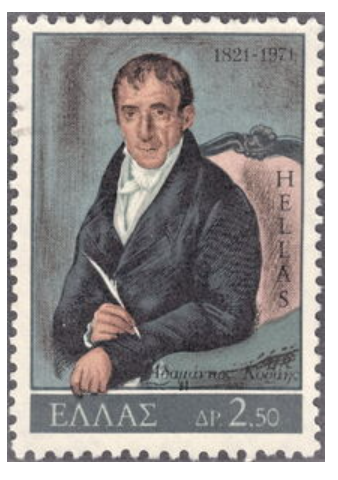
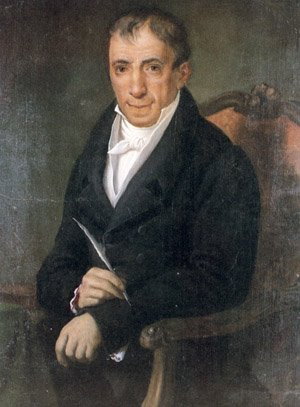
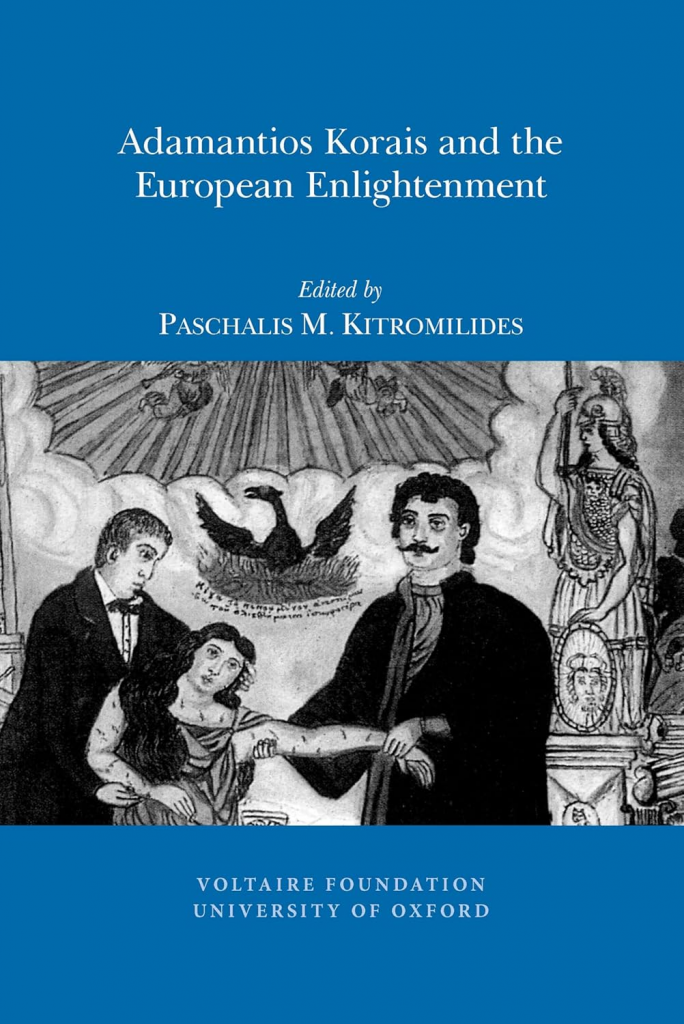
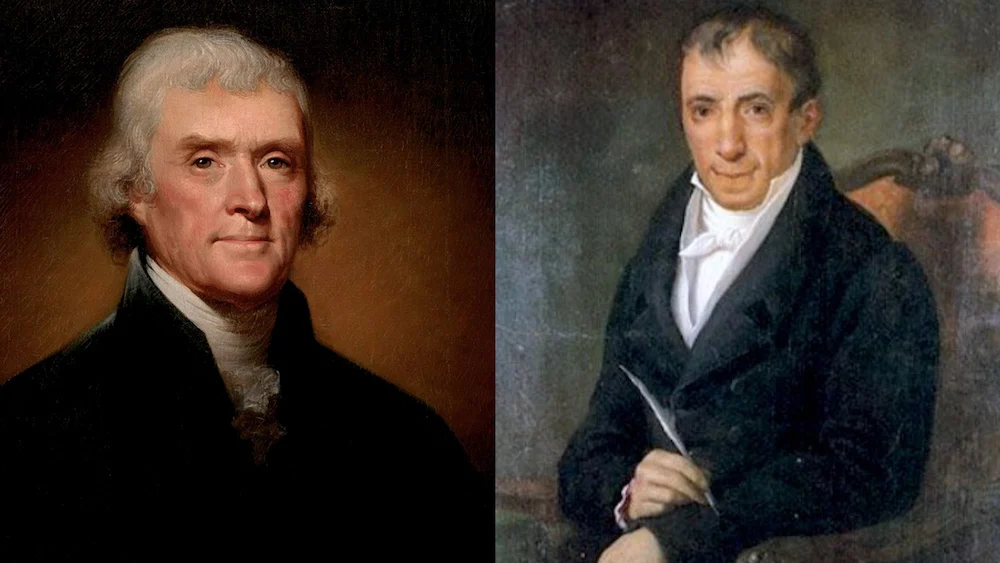
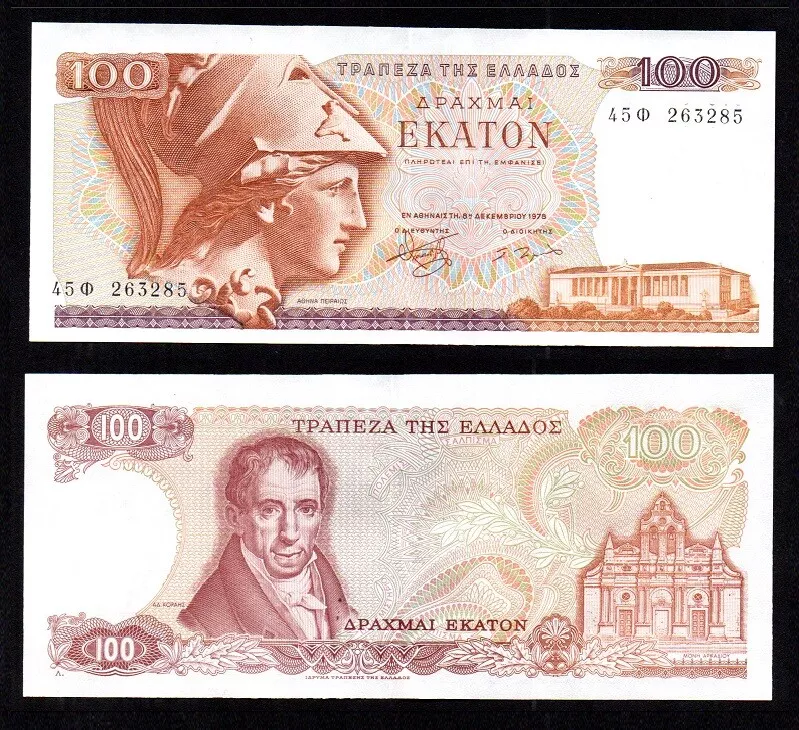
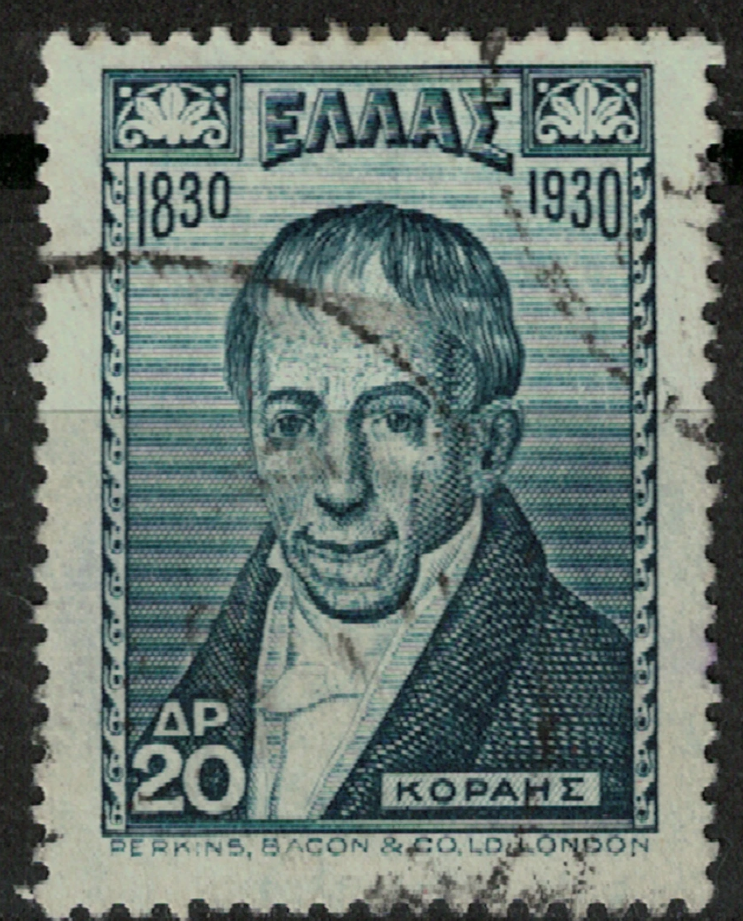
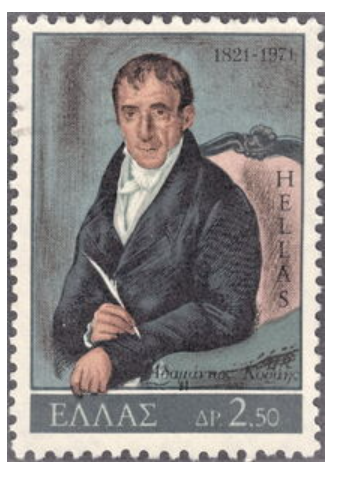
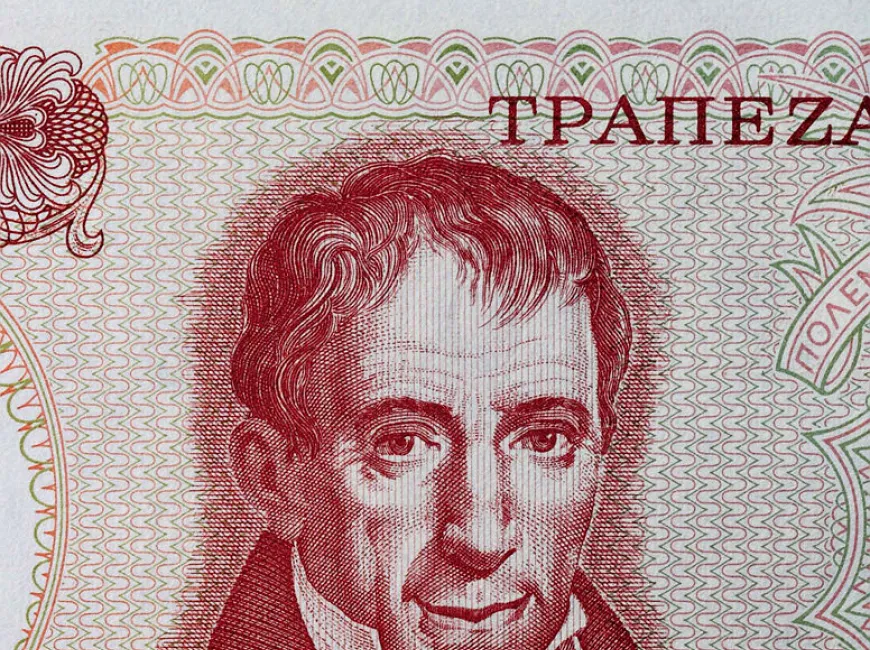
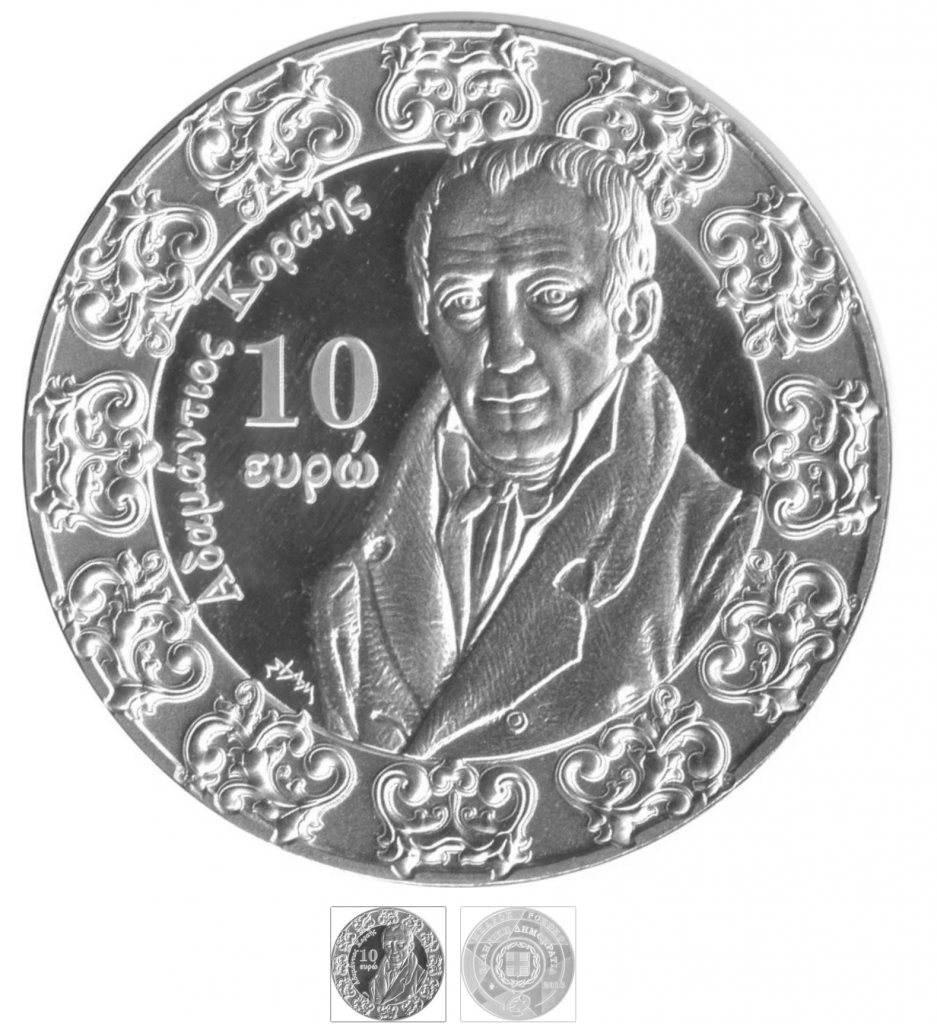
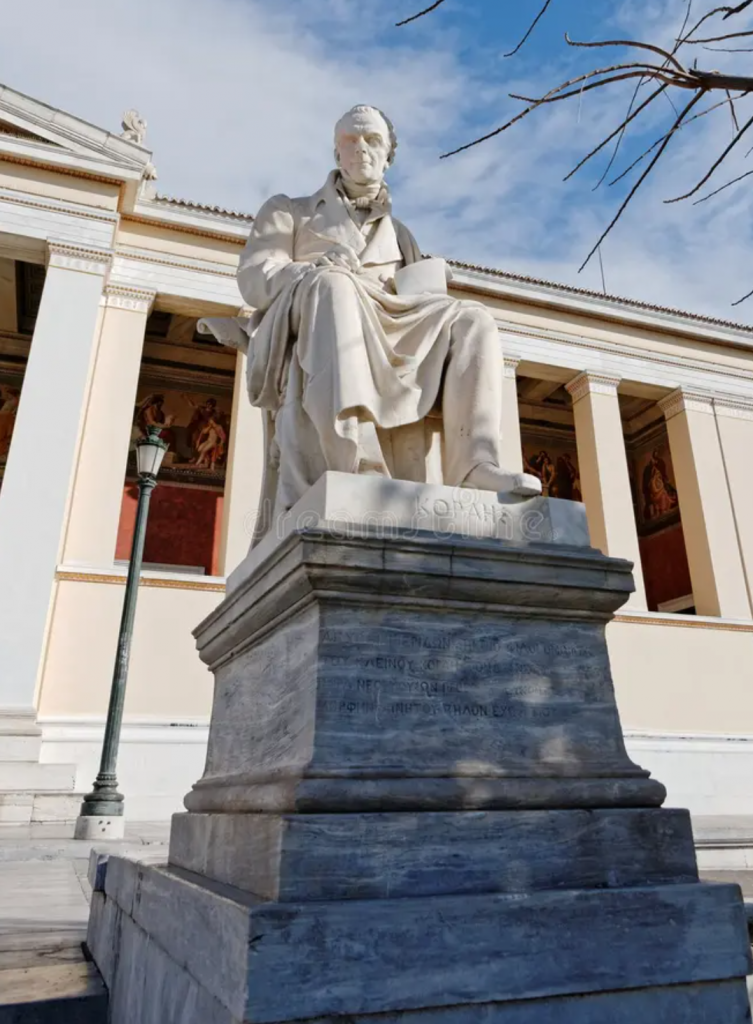
Adamantios Korais (Greek: Αδαμάντιος Κοραής – Adamántios Koraís, also Koraés; April 27, 1748 in Smyrna, Asia Minor, Ottoman Empire – April 6, 1833 in Paris) was a Greek scholar and writer. Korais is considered a reformer of Greek literature.
Korais was born in Smyrna, but his father came from the island of Chios, and Korais felt a strong connection to the island. Korais graduated from the Evangelical School of Smyrna and spent most of his life not in Greece, but in Western Europe. He devoted himself early on to the study of ancient and modern languages, and then, at his father’s wish, learned the trade of merchant in Amsterdam. From 1782 onwards, he studied medicine and natural history in Montpellier. In 1788, Korais settled in Paris to devote himself entirely to literature. Although he became a French citizen, he remained true to his Greek origins. Korais was interested in the church, schools, science, and politics. From Paris, he fought verbally and in writing for the spiritual rebirth of Greece.
Adamantios Korais – Zante Ferries
His main goal was the development of a national, universal Greek language into a written language; the standards he established for this are still largely the authoritative ones today. Korais tried to raise Greek awareness of their historical heritage, their Hellenistic origins. He stated that general education was the key to an independent Greece. Above all, however, Korais is known for his decisive role in the Greek language question: He attempted to strike a balance between the antiquarian standard language and the popular language, and went down in Greek linguistic history as the inventor of the Katharevousa (= the pure; the purified popular language).
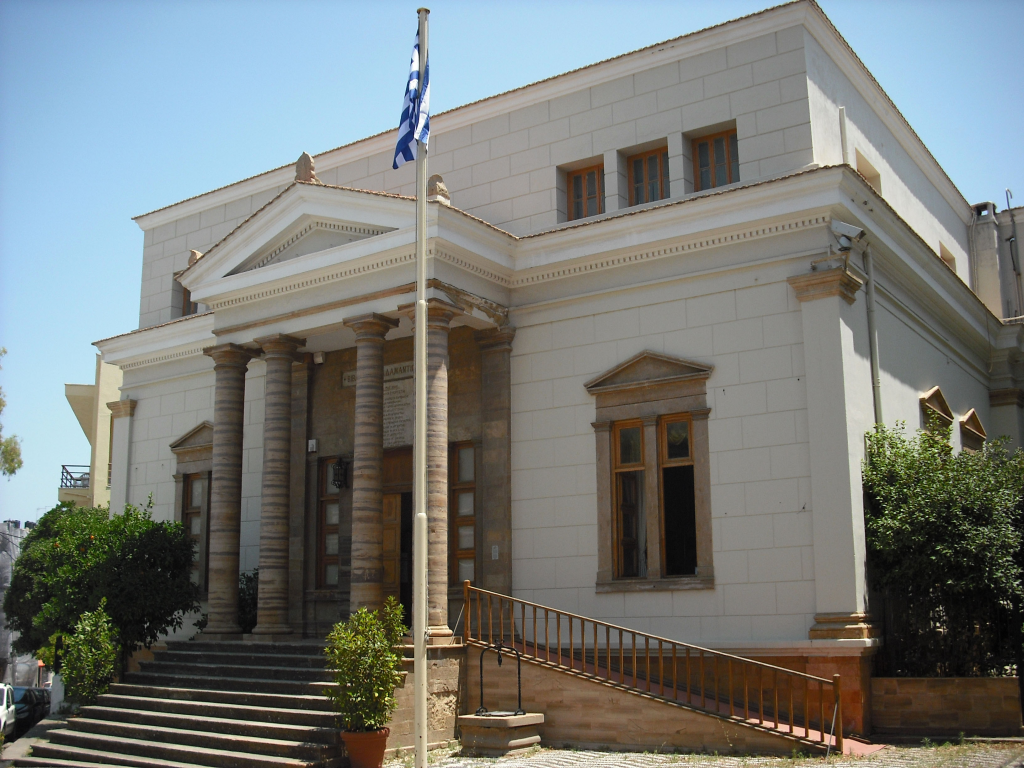
In his letters and publications, Korais criticized the Greek Orthodox Church, which dominated the lives of his countrymen in the Ottoman Empire. The church strictly opposed an independent Greece. Korais’s expertise in classical antiquity developed from his study of the works of ancient Greek writers. His marble bust adorns the Lyceum on the Greek island of Chios, to which Korais bequeathed his valuable library, the present Korais Library (Δημόσια Κεντρική Ιστορική Bιβλιοθήκη Χίου Κοραή), which bears his name.
Adamantios Korais died on April 6, 1833, in Paris and was buried in the Montparnasse Cemetery (Division 2). In 1877, at the request of King George I of Greece, he was reburied and now has an honorary grave in the First Cemetery of Athens. In 1895, a cenotaph was erected in his honor at the site of his grave in the Montparnasse Cemetery.
The chair of Byzantine and Modern Greek Studies at King’s College London, the Koraes Professor of Modern Greek and Byzantine History, Language and Literature, is named after him.
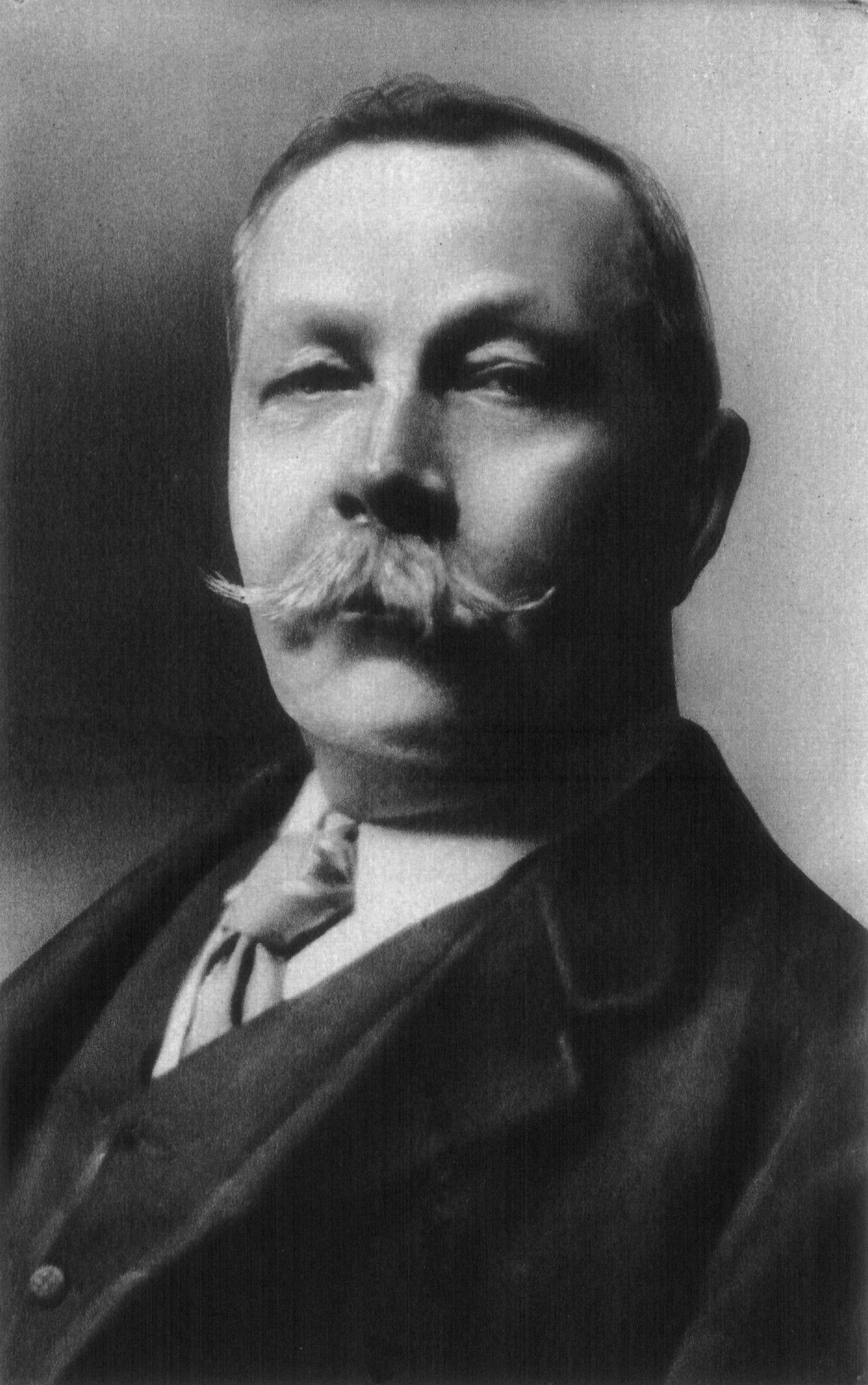
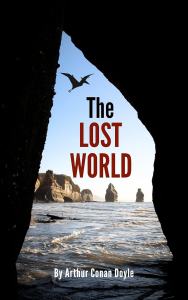
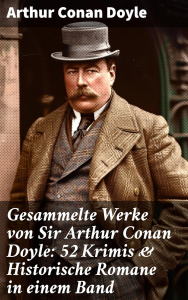
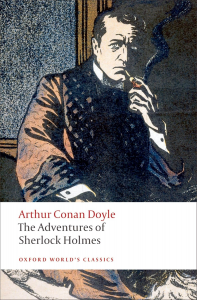
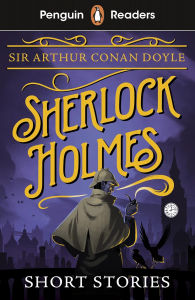
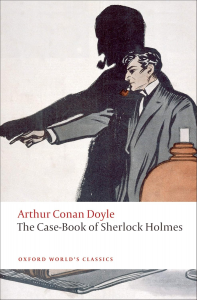
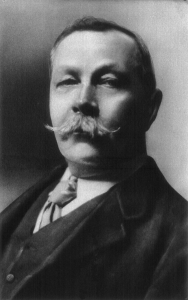
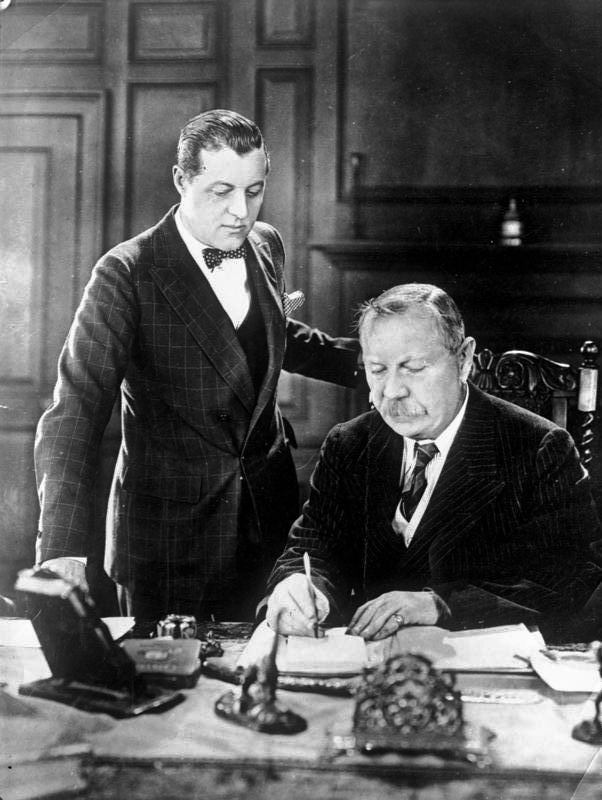
Sir Arthur Ignatius Conan Doyle (May 22, 1859 in Edinburgh, Scotland – July 7, 1930 in Crowborough, Sussex, England) was a British physician and author. He wrote about the adventures of Sherlock Holmes and his friend Dr. Watson. He is also known for the character Challenger from his novel The Lost World, which served as the basis for numerous films and a television series.
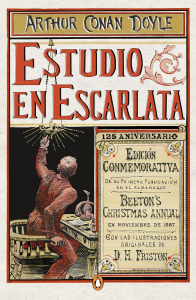
In 1880, Doyle traveled to the Arctic as a ship’s doctor on the whaler Hope, and a year later to West Africa on the Mayumba. From 1882 to 1890, he ran a medical practice in Southsea near Portsmouth. In his free time, he also wrote his first literary works. In 1883, while in Portsmouth, he wrote his first novel, The Narrative of John Smith (see below), which, however, remained unfinished and unpublished and was not published until 2011. In 1887, he published the first story about the detective Sherlock Holmes and his friend Dr. Watson: A Study in Scarlet.
In the following period, Conan Doyle created his second very popular character, Professor Challenger. The Lost World, in which she first appears, was published in 1912 and is considered his best-known novel alongside the Sherlock Holmes series. Doyle’s texts published during the First World War sometimes take a critical look at Germany at the time. In October 1918, a few months before the official end of the war, his son Kingsley died of the Spanish flu. Doyle then began to devote himself increasingly to science fiction novels in the tradition of Jules Verne, as well as to spiritualism and mysticism, and also undertook lecture tours (including to the USA and South Africa).
Among other things, he made the so-called Cottingley Fairies famous – fake photos of fairies in whose authenticity he firmly believed, made into a film in 1997 in The Fairy Garden. His public controversy with the magician Harry Houdini made headlines.[6] The friendship between Doyle and Houdini broke down due to differing ideas about spiritualism – Doyle accepted various mediums as genuine and believed that Houdini himself had supernatural abilities, while Houdini himself said that he never experienced a séance in his life whose effects he could not have imitated with magic tricks.
The deductive and criminal analysis method is characteristic of Doyle’s characters. He, himself a physician, created the role of Dr. Watson. He endowed Sherlock Holmes with characteristics of his teacher at the University of Edinburgh, Joseph Bell. The criminalistic methods described by Doyle in his novels, such as fingerprinting, were ahead of the police methods of their time. This is especially true of the fundamentally scientifically oriented methodology of crime investigation.
In 1890, his novel The Firm of Girdlestone (1890) was published, painting a picture of his hometown of Edinburgh in the age of imperialism. Father and son Girdlestone & Co. operate a lucrative African trade with poorly maintained sailing ships.
That same year, Doyle moved to London. From 1891 onward, he was able to earn a living through writing, following the publication of his first detective story, A Scandal in Bohemia, in The Strand Magazine that same year.
In 1893, Conan Doyle decided to end the life of his protagonist Holmes, as the regular writing of new Holmes stories took up too much of his time and he wanted to concentrate his literary work on other works. This led to protests from his audience.[1] The author’s mother, an avid reader of the stories, tried in vain to dissuade him from the plan. In the story “The Final Problem,” Sherlock falls from the Reichenbach Falls near Meiringen in Switzerland during a fight with his adversary, Professor Moriarty, and is pronounced dead by Watson.
In the same year, Doyle became Master of the Phoenix No. 257 Masonic Lodge in Portsmouth.
In March 1893, Doyle became the first Briton to complete a day’s cross-country skiing. In commemoration of this achievement, the UK Antarctic Place-Names Committee named the Doyle Glacier in Antarctica after him in 1959.
On March 23, 1894, in a daring attempt, he crossed the Maienfelder Furgga from Davos to Arosa on skis, accompanied by two locals, brothers Tobias and Johann Branger. The event helped popularize skiing in England. It was recreated a good century later by the Austrian Broadcasting Corporation (ORF) in a television film based on Conan Doyle’s article “An Alpine Pass on ‘Skiing’,” published in Strand Magazine in December 1894.
Doyle played football as a goalkeeper for the amateur Portsmouth Association Football Club. He used the pseudonym A.C. Smith. He was also a keen cricketer and was capped ten times by the famous Marylebone Cricket Club (MCC) in the first team between 1899 and 1907. As a golfer, he was captain of Crowborough Beacon Golf Club, East Sussex, in 1910. He also initiated the construction of the golf course at Davos during his stays there from 1893 to 1895.
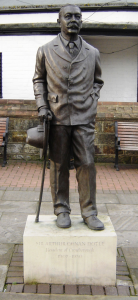
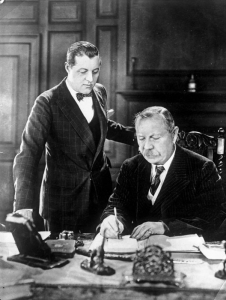
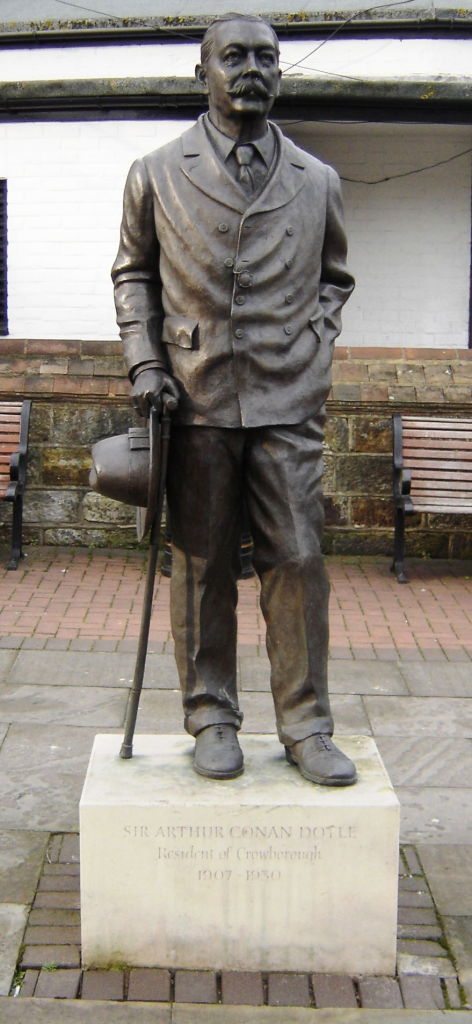
At the 1908 London Olympic Games, Arthur Conan Doyle reported on the marathon for the Daily Mail newspaper. Dorando Pietri was the first to cross the finish line, but because judges and doctors helped him across the finish line, the runner was disqualified. Doyle’s detailed and emotional report in the Daily Mail of July 25, 1908, about the weakened Italian’s finish, and a letter to the editor published at the same time as his article, in which Doyle appealed for donations for Pietri, are the basis of one of the most well-known myths of the modern Olympic Games. Doyle’s great commitment led to the widespread, but untrue, legend that Doyle himself helped Pietri across the finish line. Dr. Michael Bulger, who can be seen in one photograph as an assistant, was often mistaken for Doyle. A memorial to Sir Conan Doyle has stood at Cloke’s Corner in Crowborough since April 14, 2001. The bronze statue was created by sculptor David Cornell and funded by the Conan Doyle Statue Trust with grants from Crowborough Town Council and private donations. To finance the bronze casting, Cornell commissioned a limited edition of a scaled-down model.
In 2023, the Venezuelan frog Caligophryne doylei was named after Conan Doyle.
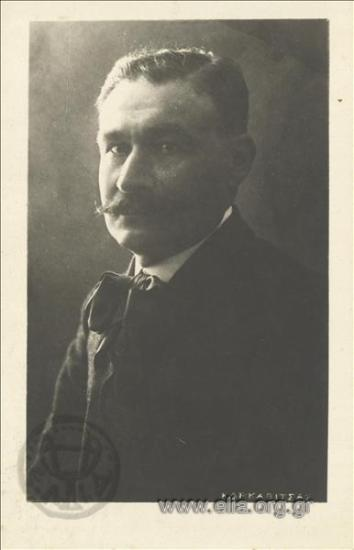
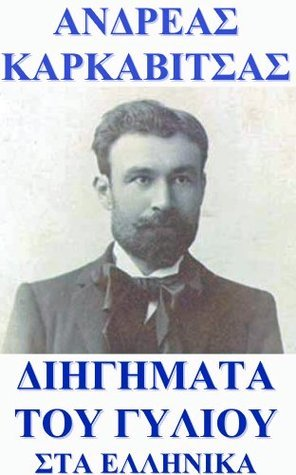
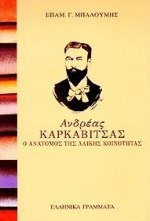
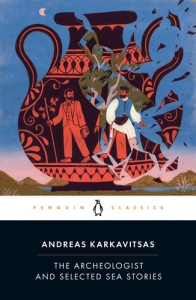
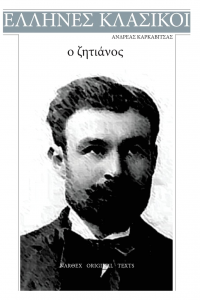
He was born in 1866 in the north-west Peloponnese, in the town of Lechaina in Elis. He studied medicine. As an army doctor, he travelled across a great range of villages and settlements, from which he recorded traditions and legends. He died on October 10, 1922, of laryngeal cancer. Several streets in Greece have been named after him, for instance in Pyrgos.
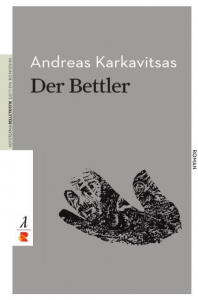
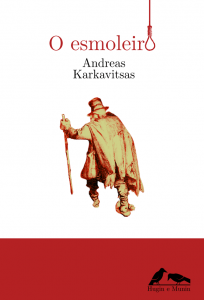
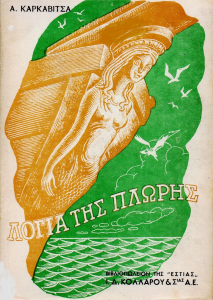
Karkavitsas wrote in the European tradition of naturalism (exemplified by Émile Zola), which does not shrink from portraying the seamier parts of life among humble people, rather than romanticising or embellishing reality. He was a folklorist with a gift for spinning tales full of authentic details of simple people’s lives, local customs, dialects and folktales, as well as psychological insights about them. He was more successful as a short-story and novella writer. “The Beggar” is a novella about con-men, violence and the grotesque practices of professional beggars (including purposely maiming children to turn them into profitable objects of pity). “Words from the prow” is about the lives of seafarers, fishermen and sponge-divers, full of arcane details of their craft as well as folk-tale-inflected plots of tragedy, shipwreck, hands lost at sea, murder, superstition and the supernatural, as well as the joys of making a living off the sea.
Year
Title
English meaning
Published in
1892
Διηγήματα (Diiyimata)
Stories
Athens
1896
Η Λυγερή (I Liyeri)
The willowy girl
Athens
1897
Θεσσαλικές εικόνες. Ο ζητιάνος (Thessalikes eikones. O zitianos)
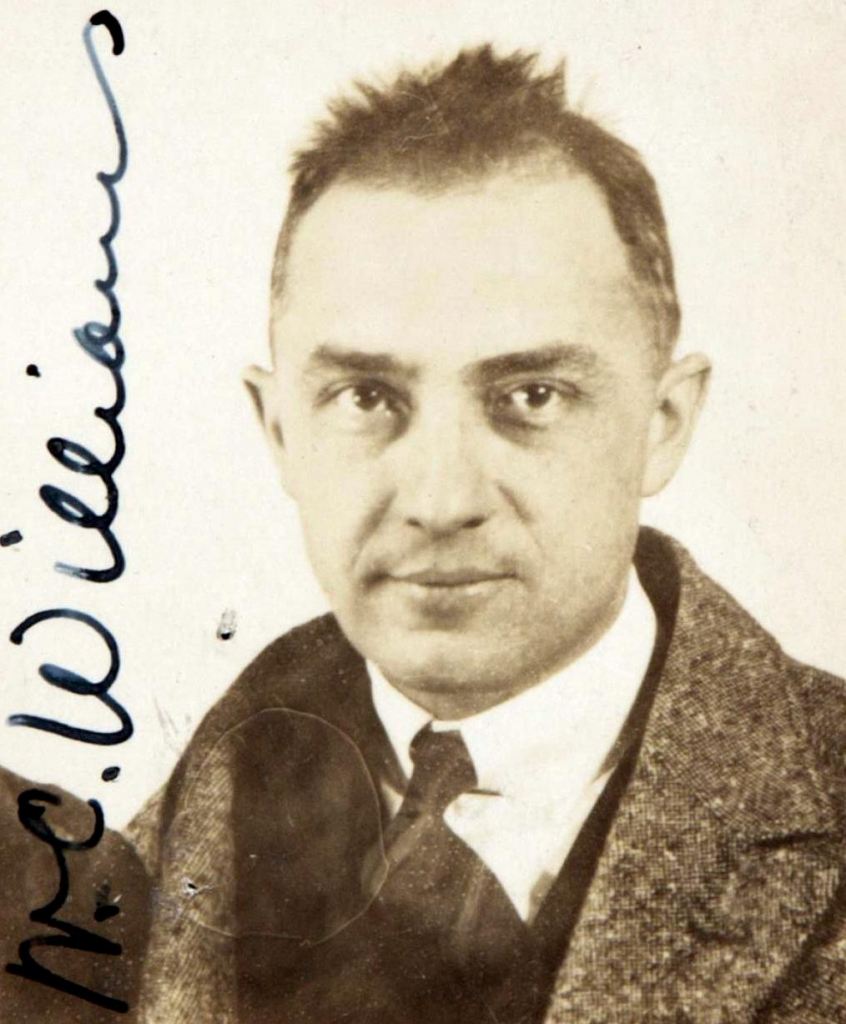
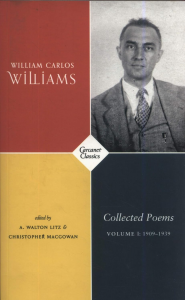
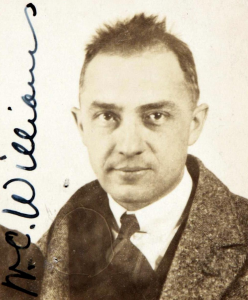
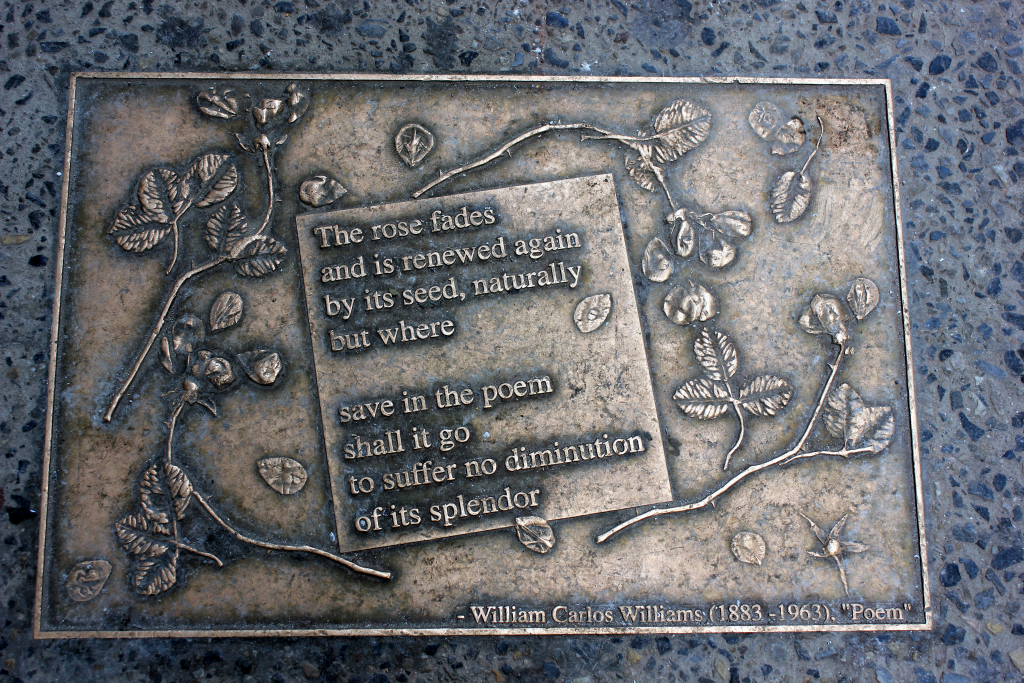
William Carlos Williams (September 17, 1883, Rutherford, New Jersey – March 4, 1963, ibid.), often abbreviated to WCW, was an American physician and poet.
Williams’ life quickly became entirely centered – apart from his travels in Europe – in his hometown of Rutherford, New Jersey, where he practiced medicine (M.D.) since 1910.
In addition to his writing, Williams was a long-time physician, practicing both pediatrics and general medicine. He was affiliated with Passaic General Hospital, where he began serving as chief of pediatrics from 1924 until his death. The hospital, now called St. Mary’s General Hospital, honored Williams with a plaque bearing the inscription, “We walk the paths Williams walked.”
In contrast to Pound, who was inspired by European models, William Williams, in his collection of essays “In the American Grain” (1925), called for a simple yet avant-garde poetry that should be oriented towards spoken language and everyday American life.
Williams writes in his autobiography, published in 1951[5]: “Ezra has always been very careful to bridge the gap between my educational deficiencies and his sovereign scholarship. Since he treats me in no way patronizingly in this regard, I allow it. It genuinely grieves me that my literary knowledge is so far inferior to his. I respect his discomfort and try my best to accommodate his well-intentioned efforts.”[6] If Williams was less well-versed in European literature than Pound, he endeavored to remedy this deficiency on his European tour, as he met with well-known European writers, intellectuals and painters, especially in Paris.
His early poems were still strongly influenced by European Dadaism and Surrealism. In 1923 he wrote his most famous poem to date, “This is Just to Say.”[10] Together with Pound and Eliot, he joined the Imagists, an Anglo-American literary movement, around 1912. His friendship with Pound later broke down due to artistic differences of opinion and Pound’s support for Italian fascism, but this did not prevent him from visiting Pound, who was interned in the USA (see autobiography).
As a result of his third stroke (the first was in 1951) in October 1955, he suffered paralysis, which slowed his work pace. Nevertheless, he taught himself to type on an electric typewriter with his non-paralyzed hand.
At the age of 79, poet-physician William Carlos Williams died in March 1963 in Rutherford, New Jersey, after another series of severe strokes.
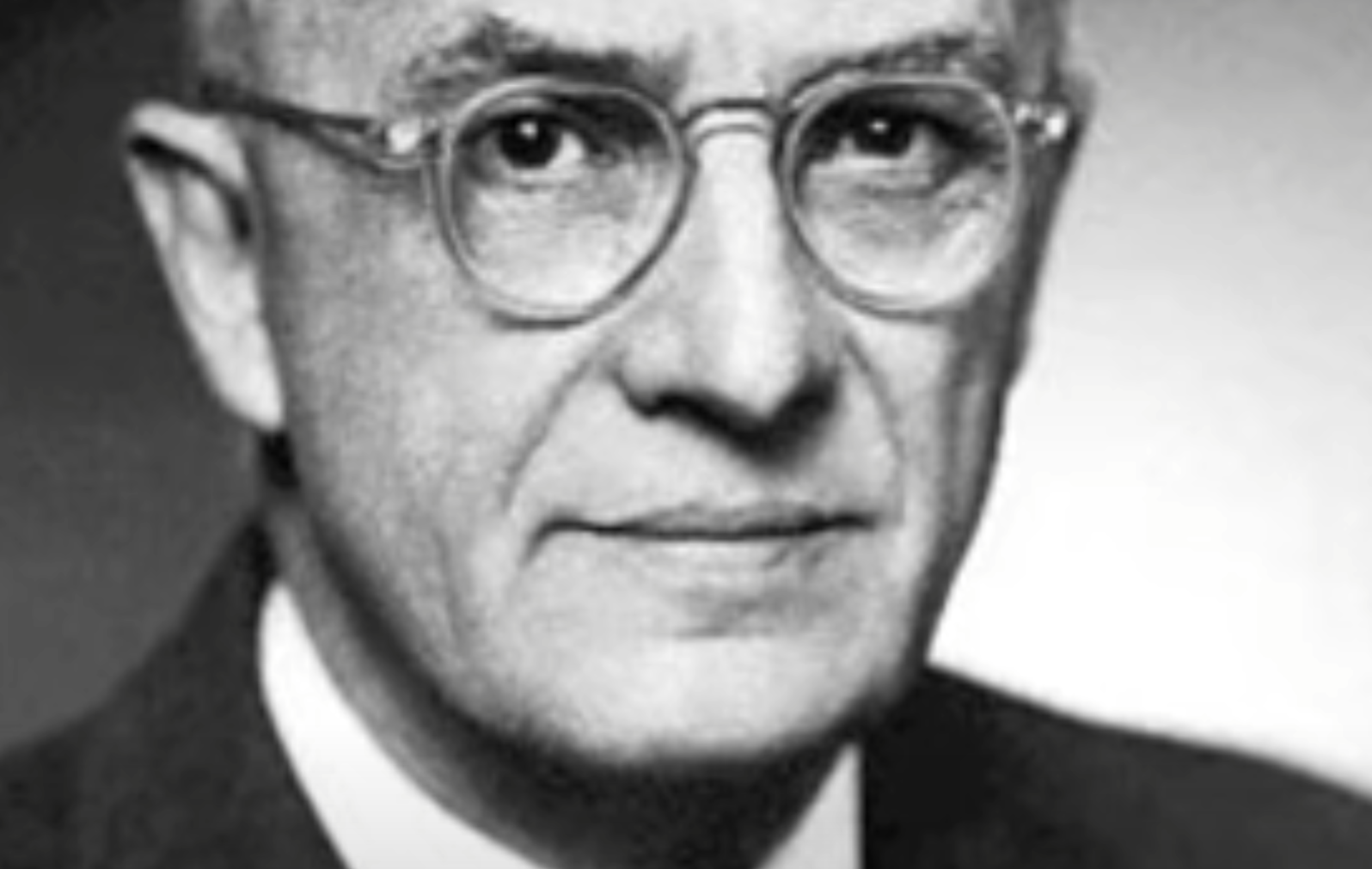
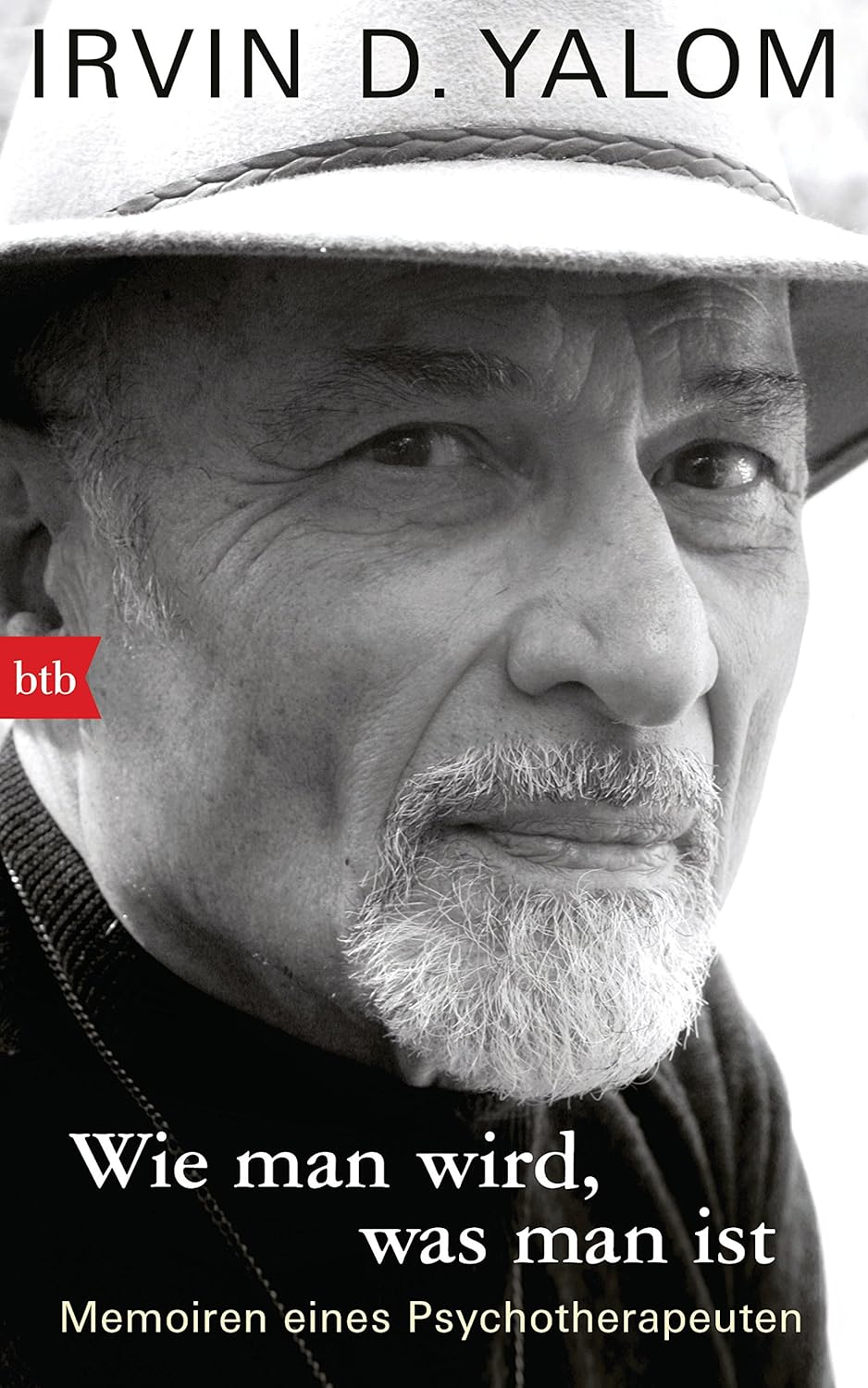
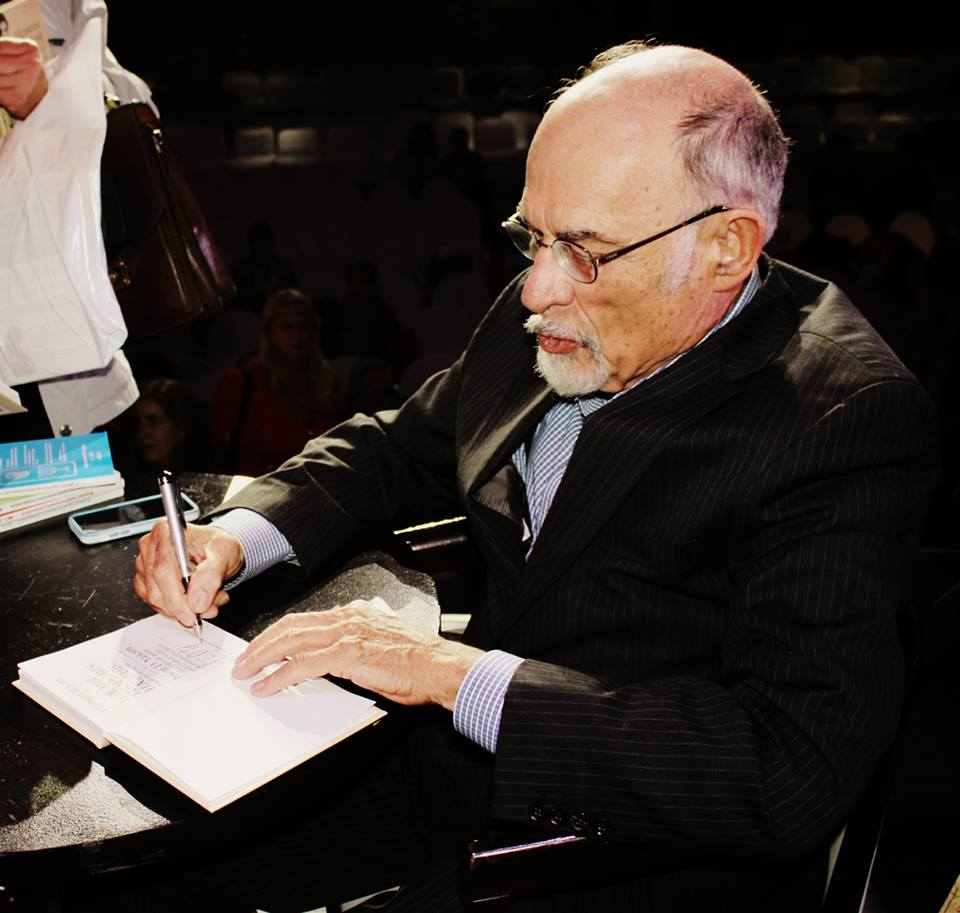
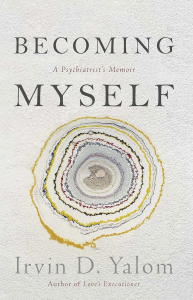
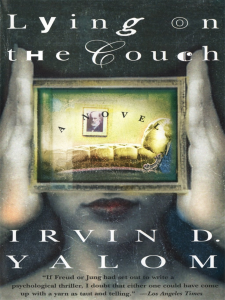
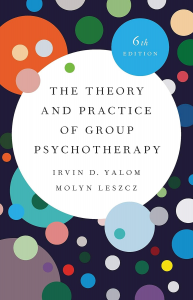
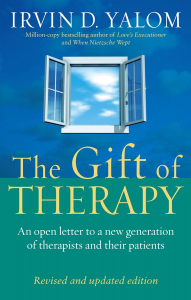
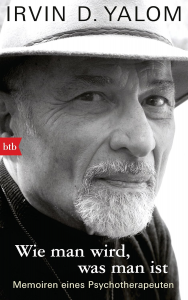
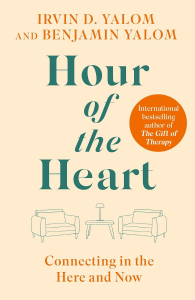
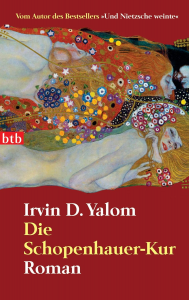
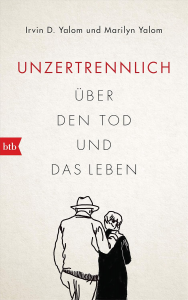
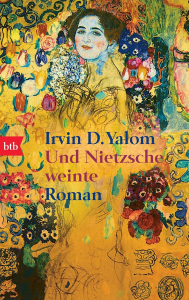
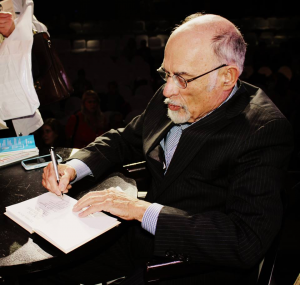
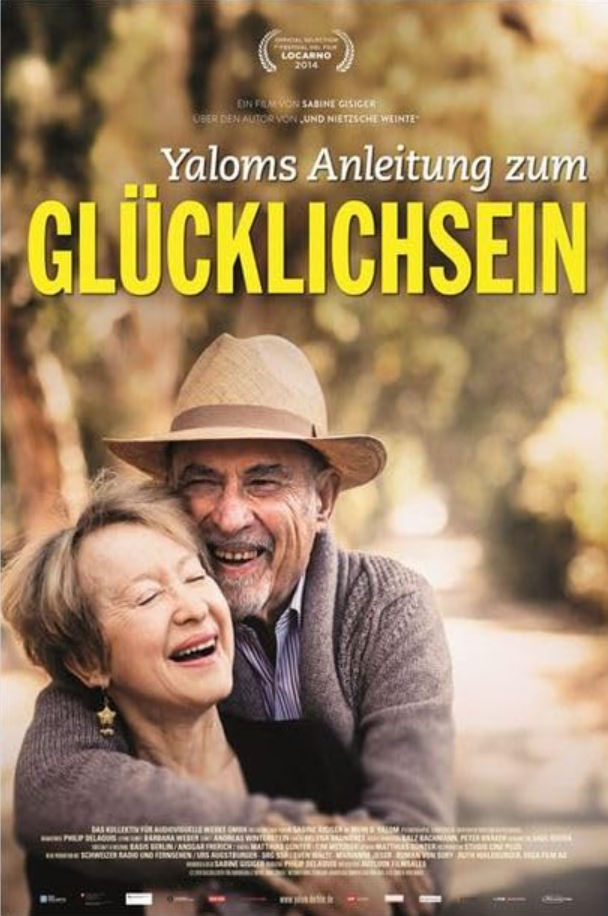
Irvin David Yalom (born June 13, 1931 in Washington, D.C.) is an American psychoanalyst, psychotherapist, psychiatrist, and writer. He is Professor Emeritus of Psychiatry at Stanford University and the author of numerous academic books and novels. Yalom is considered the most important living representative of existential psychotherapy. He is the recipient of the 2009 International Sigmund Freud Prize for Psychotherapy.
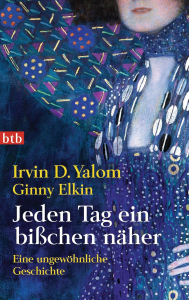
The book Every Day a Little Closer, which he published in 1974 in the form of an epistolary novel with Ginny Elkins [the pseudonym of his former client], is based on an unusual experiment. The client was a writer and her year-long participation in one of his therapy groups had been relatively unsuccessful. He therefore suggested individual therapy on the condition that, instead of paying him, she write a free-flowing, uncensored summary of each therapy session, in which she expressed all the feelings and thoughts she had not verbalized during the session. He did exactly the same. Exchanging notes every few months revealed the great discrepancies between sensations and memories regarding the same sessions. At first he used the notes in therapeutic teaching, then they were published as a book. The advice in his book The Panama Hat is based on notes from 45 years of clinical practice.
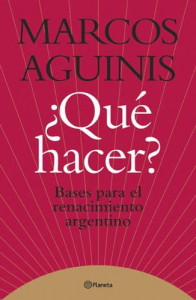
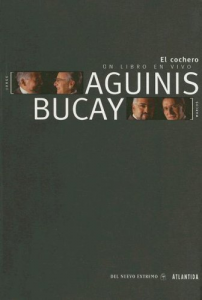
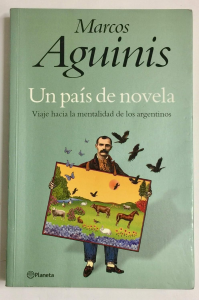
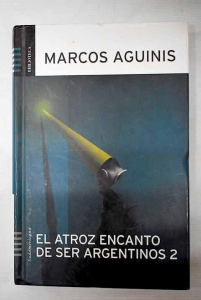
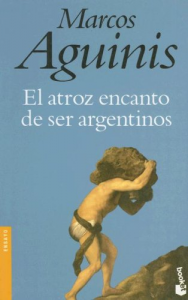
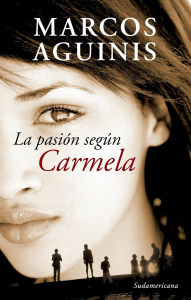
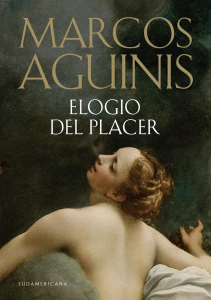
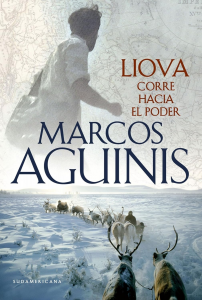
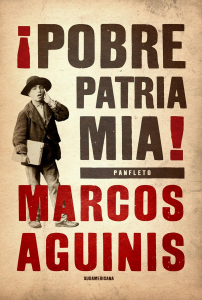
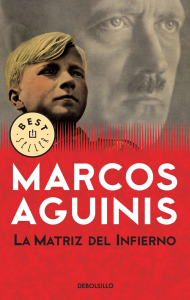
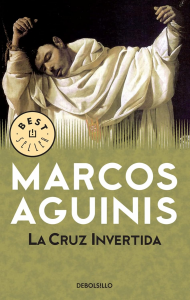
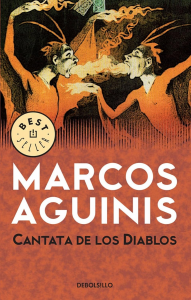
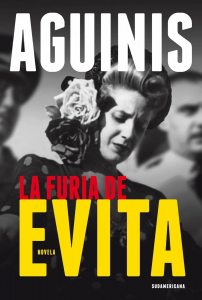
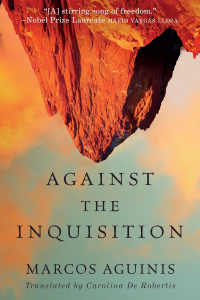
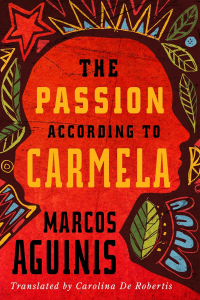
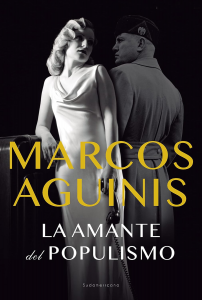
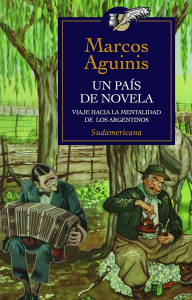
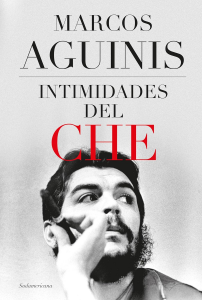
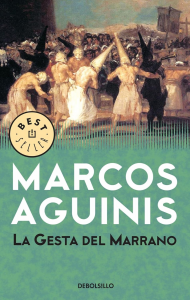
Marcos Aguinis (born January 15, 1935 in Córdoba, Argentina) is an Argentine neurosurgeon and writer.
Aguinis’ father immigrated to Buenos Aires from Bessarabia in 1928 and soon moved in with relatives living in Cruz del Eje in the province of Córdoba. As a schoolchild, Marcos Aguinis suffered discrimination from classmates and some teachers because of his Jewish heritage. During the persecution of Jews in Germany, all of his remaining family members in Europe were killed. After his bar mitzvah, he began to study literature and religion intensively. He borrowed books about the Bible and Israel from the public library. Among other works, he read Stefan Zweig, Julio Nin y Silva’s “History of the Religion of Israel,” Emil Ludwig’s “The Son of Man,” “Muhammad and the Koran” by the Spaniard Rafael Cansinos Assens, and Ernest Renan’s “The Life of Jesus.” Reading Renan’s book marked the beginning of his doubts about his faith. Today, Aguini is an agnostic.
He began writing short stories while still at school. After finishing school, he studied psychiatry, neurology, and psychoanalysis. At the age of 23, he received a scholarship to study neurosurgery in Buenos Aires. He continued his medical and psychiatric studies at the Hôpital de la Salpêtrière in France, as well as in Freiburg im Breisgau and Cologne with the help of a scholarship from the Alexander von Humboldt Foundation. After returning from Europe, he earned his doctorate at the University of Córdoba and initially worked as a neurosurgeon at the Southern Regional Clinic. During this time, he published his first short stories.
Aguinis published his first book in 1963. Since then, he has published numerous novels, essay collections, short story collections, and two biographies. His articles in newspapers and magazines in Latin America, the United States, and Europe cover a wide range of diverse topics. He has given numerous lectures and offered courses in Germany, Spain, the United States, France, Israel, Russia, Italy, and almost all Latin American countries.
During the dictatorship in Argentina, the distribution of Aguinis’s works was subject to restrictions. Some of his works could only be published abroad and were brought into the country illegally.
When Argentina returned to democracy in December 1983, Aguinis was appointed Secretary of State and then Secretary of Culture. He organized PRONDEC, a national program for the democratization of culture, supported by UNESCO and the UN. He launched intensive activities to raise public awareness of their rights, responsibilities, and opportunities for developing a genuine democracy. For his work, he was nominated by UNESCO for the Peace Education Prize.
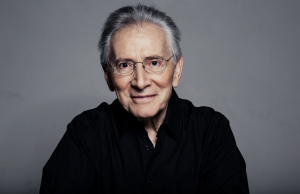
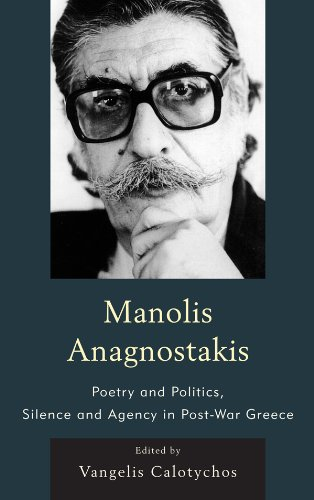
Manolis Anagnostakis (Greek: Μανώλης Αναγνωστάκης; * 10 March 1925 in Thessaloniki – 22 June 2005 in Athens) was a Greek existentialist poet.
Leben
Anagnostakis initially studied medicine at the Aristotle University of Thessaloniki and later practiced as a radiologist. During World War II and the subsequent civil wars, he was an active member of the resistance movement. After a military court sentenced him to death, he spent many years in prison and exile.
He began his writing career in 1944 with articles in the magazine Xekinima. His first volume of poetry, titled Epoch I, was published in 1945. Further volumes in this cycle followed in 1948 and 1951. He published a second series of poems between 1956 and 1962.
His works have been set to music by composers such as Mikis Theodorakis, Thanos Mikroutsikos, Angeliki Ionatou, and Michalis Grigoriou.
In 2002, he received the Greek Special Prize for Literature
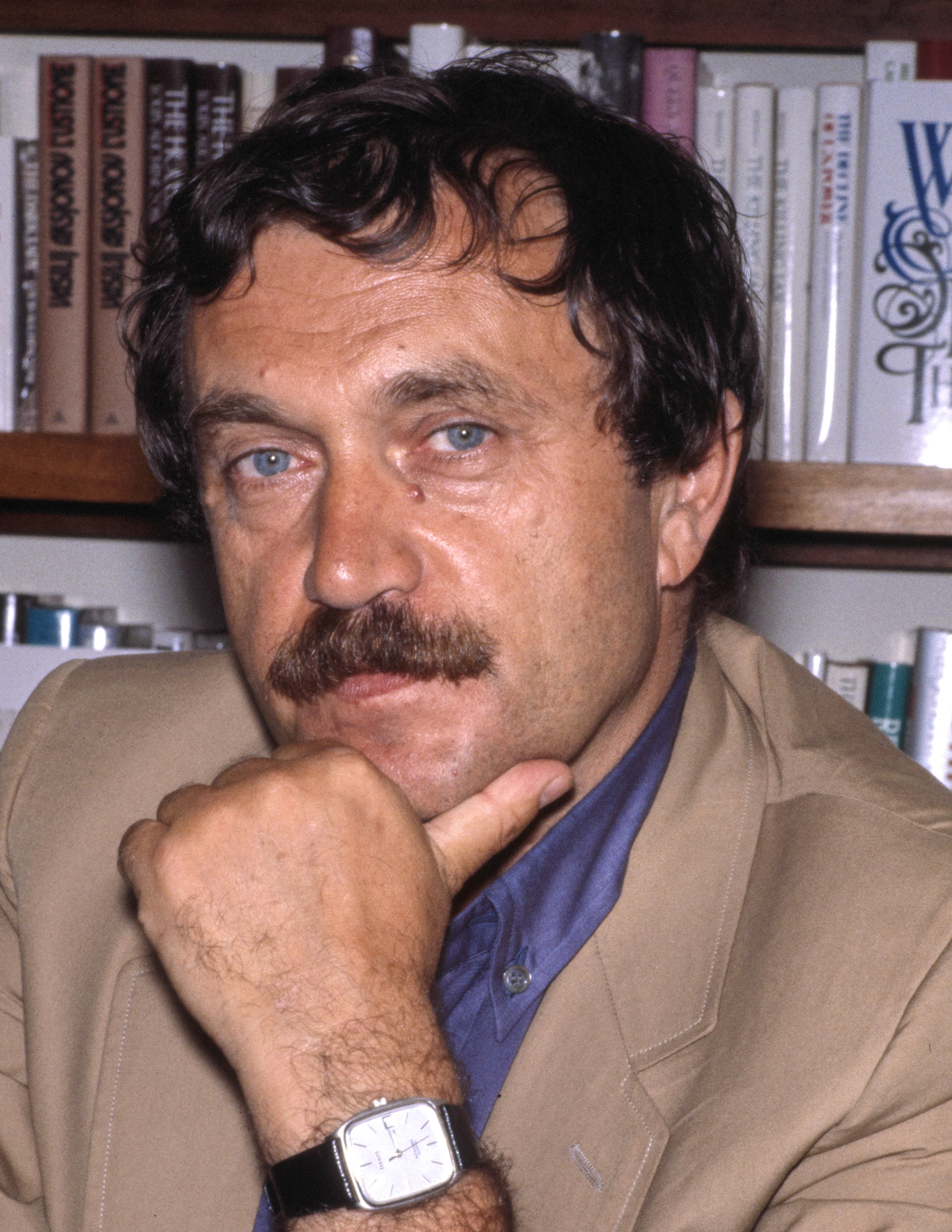
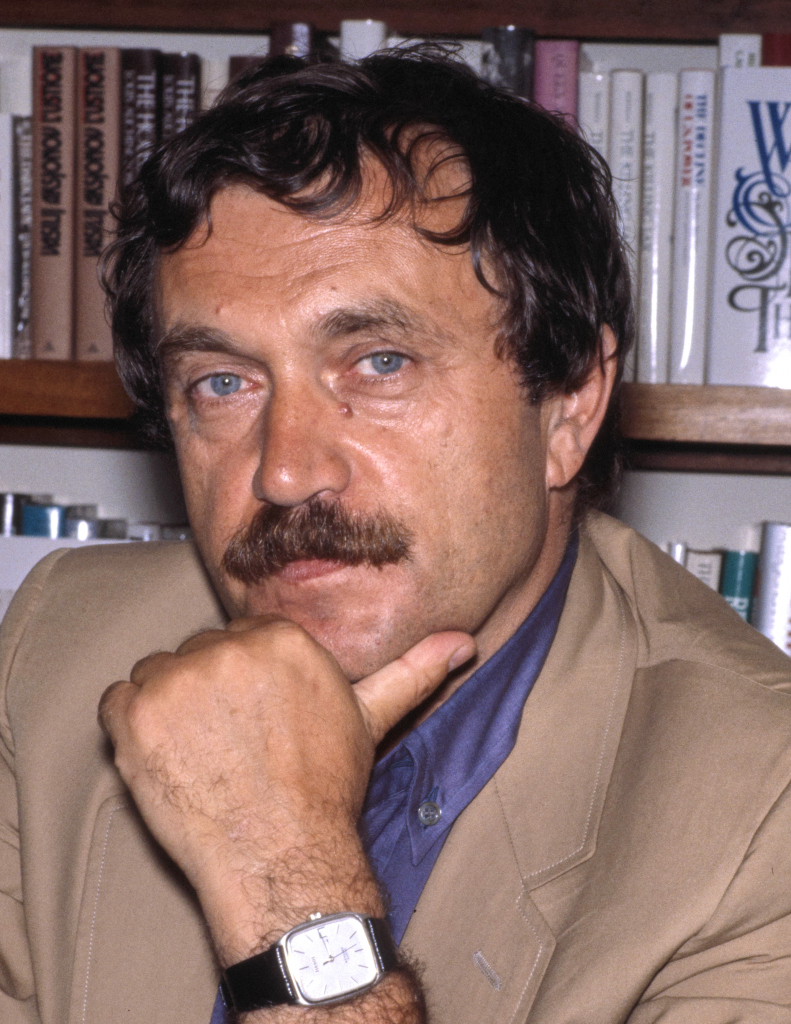
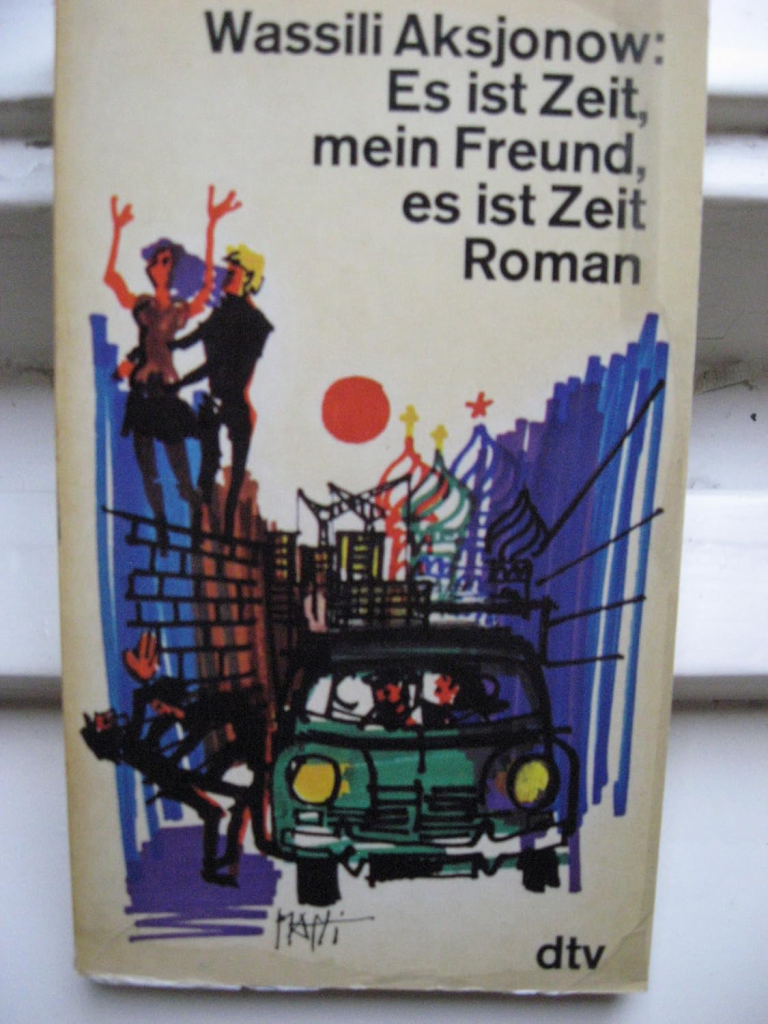
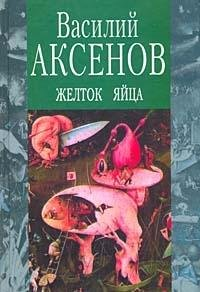
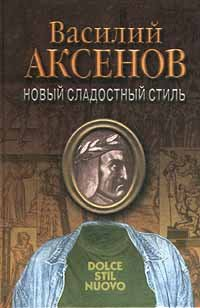
Vasily Pavlovich Aksyonov (Russian: Василий Павлович Аксёнов, scientific transliteration: Vasilij Pavlovič Aksënov, born August 20, 1932 in Kazan; died July 6, 2009 in Moscow) was a Russian writer. He began his career in the Soviet Union and later had to emigrate to the United States.
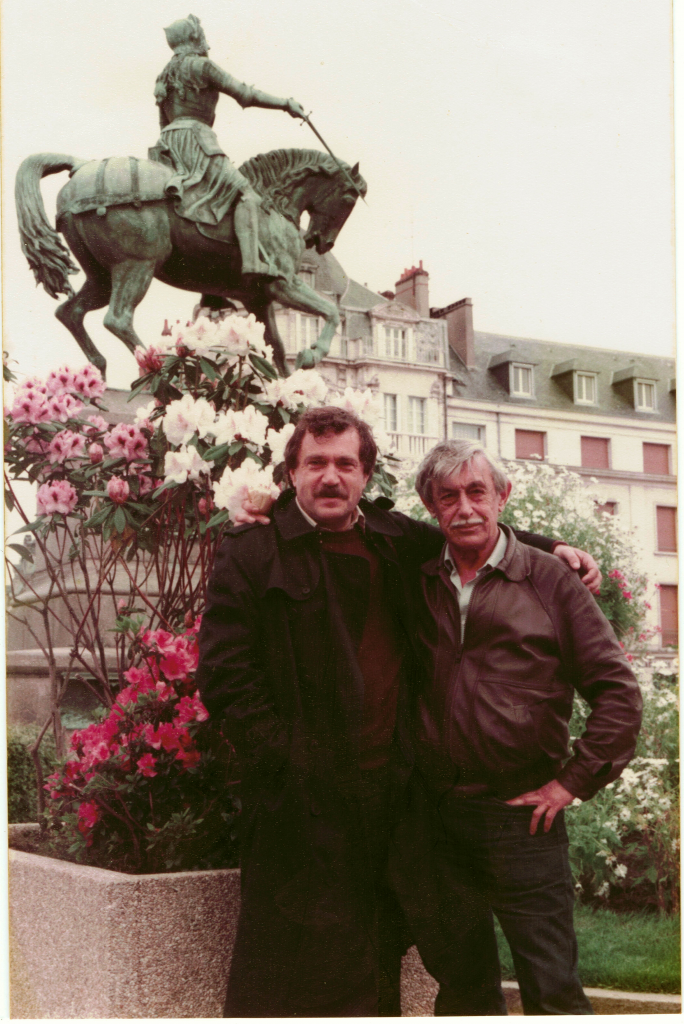
Wassili Aksjonow (left) with Viktor Nekrasov (in front of the equestrian statue of Joan of Arc, Place du Martroi, Orléans, 1983)
From 1956 to 1960, he worked as a doctor, but had already begun writing sketches and short stories while still a student. He published his first stories in the 1960s, which soon became very popular, especially among young readers. In 1979, he came under pressure for his collaboration on the underground literary almanac Metropol, along with Andrei Bitov, Fazil Iskander, Viktor Yerofeyev, and Yevgeny Popov.
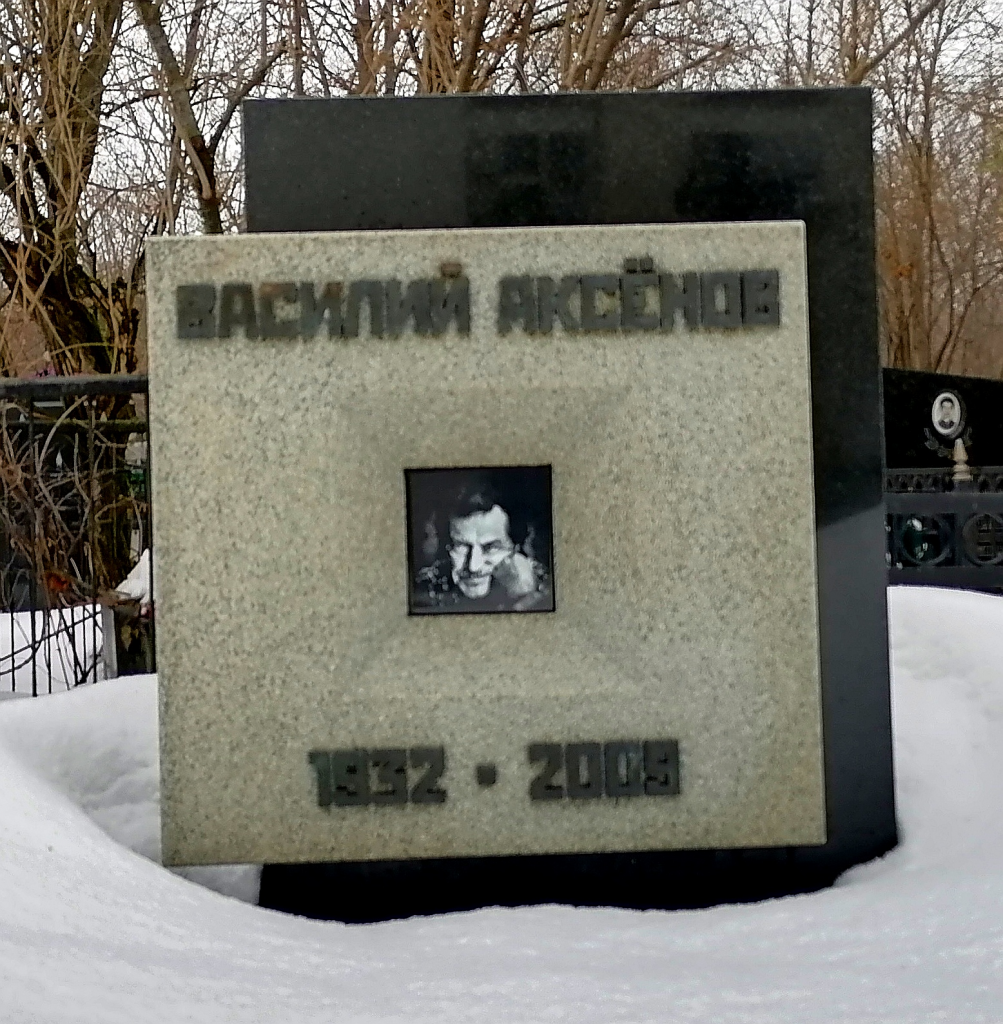
In 1980, Aksyonov accepted an invitation from an American university and took up permanent residence in the United States, where he continued his writing career. Until 2003, he taught as a professor of Russian at George Mason University in Fairfax, Virginia. In 2004, he moved to Biarritz. He spent the following years alternating between France and Moscow, where he died in July 2009.[2] His grave is in the Vagankovo Cemetery in Moscow.
In 1980, Aksyonov accepted an invitation from an American university and took up permanent residence in the United States, where he continued his writing career. Until 2003, he taught as a professor of Russian at George Mason University in Fairfax, Virginia. In 2004, he moved to Biarritz. He spent the following years alternately in France and Moscow, where he died in July 2009.[2] His grave is in the Vagankovo Cemetery in Moscow.
Aksyonov’s first stories appeared in the magazine Yunost, on whose editorial board he was a member.
In his works, Aksyonov processed his family’s experiences during the Stalin era. The thaw that began in the political and intellectual life of the USSR in the 1960s allowed him to address this topic.
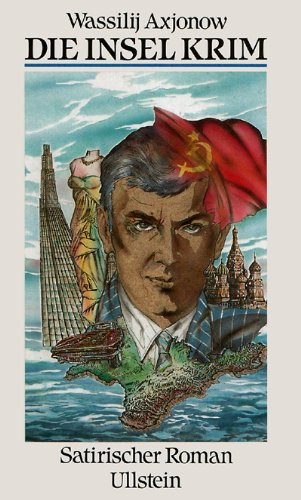
In 1981, while he was in exile, the novel The Island of Crimea (Остров Крым), written in 1979, was first published in English translation. It tells, among other things, how Crimea was “liberated” from the Moscow government through an invasion. In the English-speaking West, Aksyonov became known for his novel “The Burn” (Russian: “Ozhog,” 1975; German: “Gebrannt,” 1986) and the trilogy “Generations of Winter” (Russian: Московская сага, 1989–1993), works in which he explored the taboo subject of Stalinist persecution. “Generations of Winter” tells the story of the Gradov family of doctors from 1925 to 1953. The novel was adapted into a lavish television series in Russia in 2004.
For his 2004 novel “Voltarians and Voltarian Women,” Aksyonov received the $15,000 Booker Prize for Literature – Open Russia. Aksyonov’s books have been translated into several languages. Film adaptations of his books have been made in Russia and France. He has also written plays.
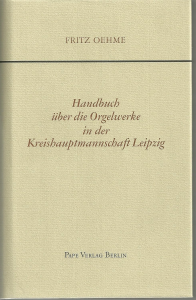
Wolfram Hackel studied medicine. In 1967, he received his doctorate from the Medical Academy in Dresden. He then ran a urology practice in Dresden-Plauen as a specialist.
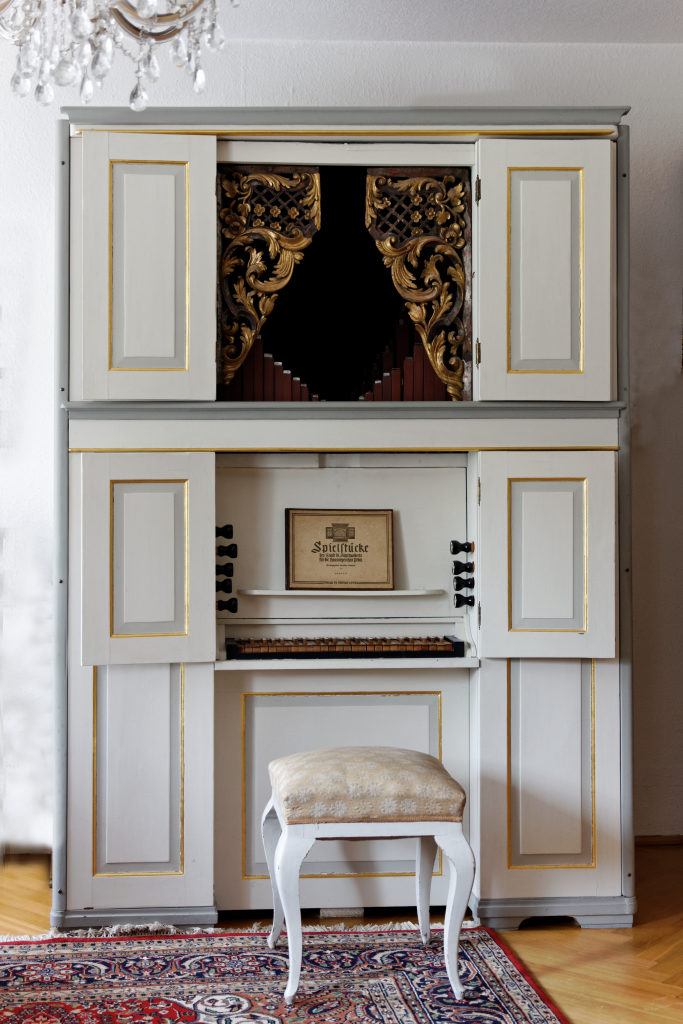
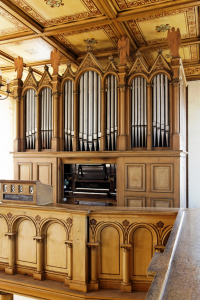
Wolfram Hackel has published works on organs and churches since the 1970s. He soon became one of Saxony’s most important organ researchers. Wolfram Hackel is a long-standing member of the Society of Organ Friends.[1] He was a member of its Advisory Committee (1995–1998), Secretary (1998–2003), and a member of its Main Committee (2011–2021).
Wolfram Hackel was co-editor of the four-volume Lexicon of North German Organ Builders and published numerous texts on organs and organ builders, especially in Saxony.Wolfram Hackel was co-editor of the four-volume Lexicon of North German Organ Builders and published numerous texts on organs and organ builders, especially in Saxony.
Wolfgang Adelung (1 October 1920 in Berlin; 15 November 1994 in Singen, Baden-Württemberg) was a German physician and organ researcher.
Wolfgang Adelung studied medicine. He received his doctorate in Freiburg in 1948. Later, he ran a dermatology practice in Singen (Hohentwiel).
Adelung also became an organist and was one of the most important members of the Society of Organ Friends during his time. In 1952, he co-founded its organ journal, Ars Organi. He subsequently became editor (1957–1972), chairman (1973–1983), head of the office (1983–1987), and a member of the Advisory Committee of the Society of Organ Friends (1987–1994).
Wolfgang Adelung authored the standard work “Introduction to Organ Building,” which has been published in several revised editions. He also published other books and articles on organs. Monographs
Complete list
The Normal Blood Count of Freiburg, dissertation, Freiburg 1948 Introduction to Organ Building, Breitkopf & Härtel Leipzig 1955; subsequently six new editions, several of which have been expanded, most recently Introduction to Organ Building, Breitkopf & Härtel Wiesbaden 1991 Electron Instrument and Pipe Organ, Merseburger, Berlin 1956 The Elektrium, Merseburger, Berlin 1964 Organs of the Present, Bärenreiter, Kassel et al., 1972 The Organ, Orgelbau-Fachverlag, 1977