Category Archives: WriterDocs

  • -

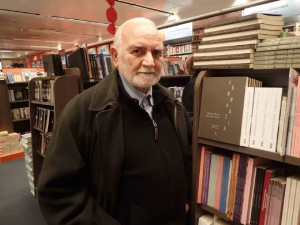
Vasos Ilias Vogiatzoglou

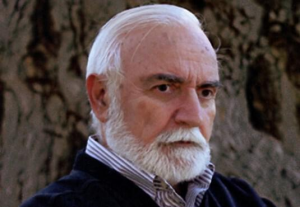
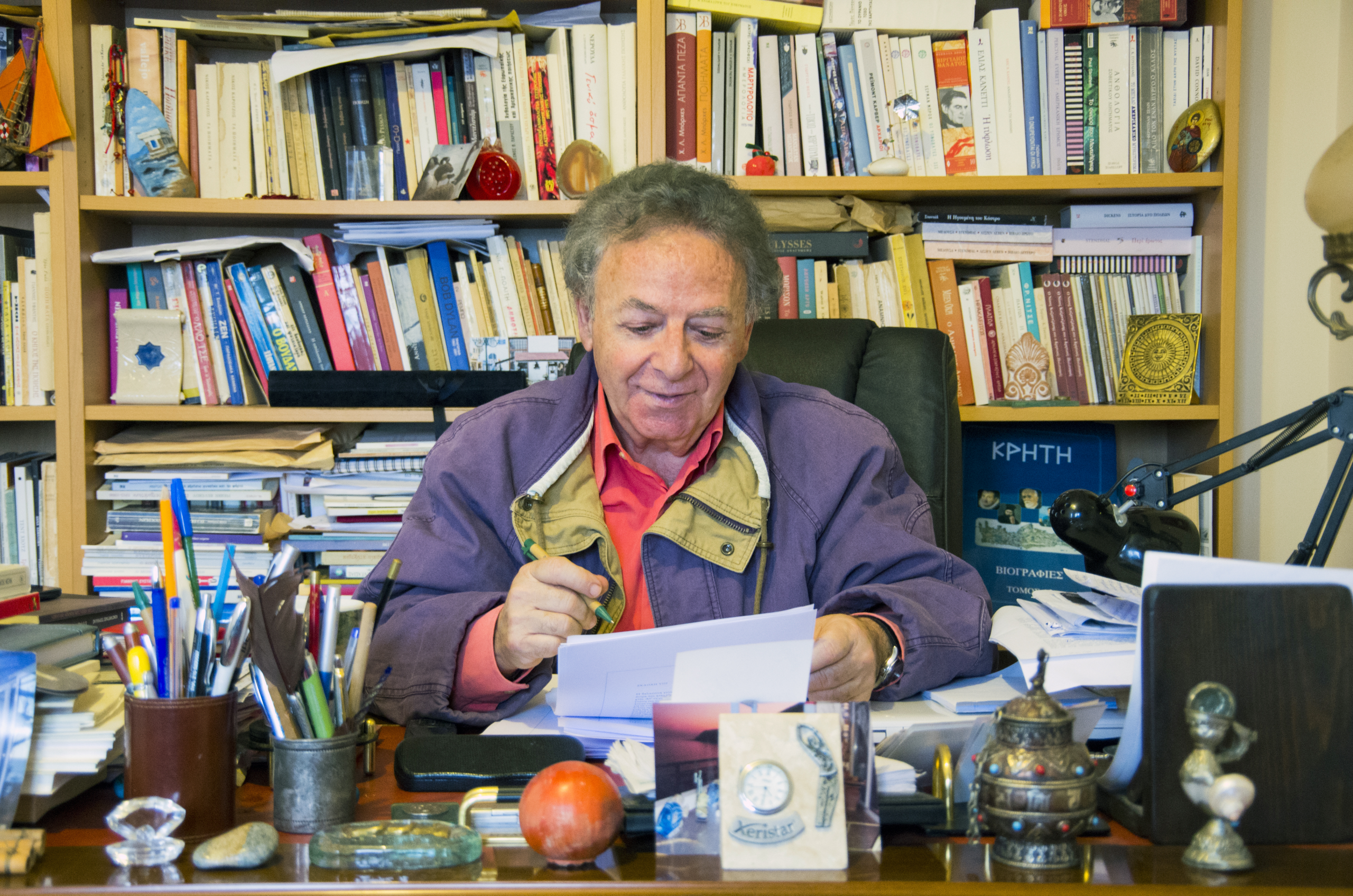
Vasos Vogiatzoglou, son of Elias, was born in 1935 in Nea Ionia, Attica. He is a pediatrician and member of the Doctors of the World organization, a researcher of the history and folk culture of the Greeks of Asia Minor, a poet, onomasticologist, and essayist.

His parents were refugees from Sparta (Isparta) in Pisidia. He studied medicine at the University of Athens and specialized in pediatrics. She provides voluntary pediatric care for children in the women’s prisons of Korydallos and Thebes.

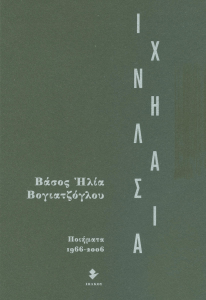
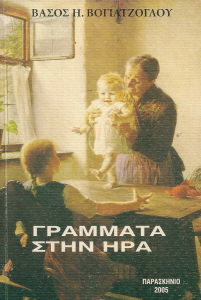
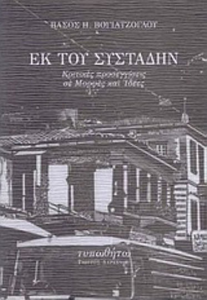
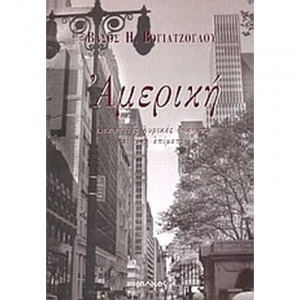
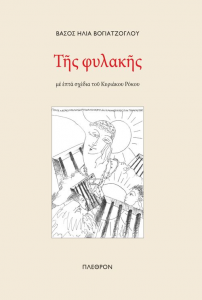
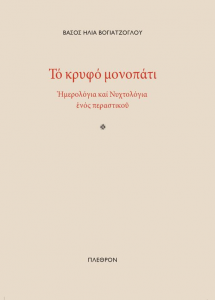
Vasos Ilias Vogiatzoglou was born in 1935 in Nea Ionia, Attica. He is from Sparta, Greece, Asia. He is a pediatrician and an active member of the humanitarian organization “Doctors of the World.” They provide voluntary pediatric care for children in the women’s prisons of Korydallos and Thebes. As a researcher of the history and popular culture of the Greeks of Asia Minor, a poet, onomasticologist, and essayist, he has a particular interest in the philosophical essay. He has published 37 books and collaborated with numerous newspapers and magazines in Greece and Cyprus.

Since 2006, he has been director of the Kyklos School of Philosophical and Social Science Research in his hometown. He has received numerous honors and awards for his literary and humanitarian work, including one from the Academy of Athens in 1986 for his contribution to the study of Hellenism in Asia Minor. He is a full member of the National Society of Greek Writers, the Greek Onomatological Society, the Society of Medical Writers, and the Greek Society of Christian Letters.
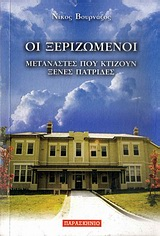
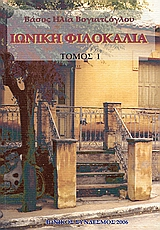
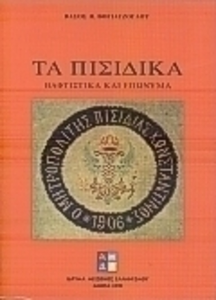
In addition to poetry, he studied the history and folklore of Hellenism in Asia Minor and published the studies Pisidia in Asia Minor (1978), Presences (1979), Neighborhoods of the Infidels (1981), Sparta in Asia Minor (1986), Surnames in Asia Minor: Turkish and Turkish Surnames in Greece (1992), Giannis and Giorgis (1994), Alaya in Asia Minor (1995) and Pisidian Baptismal and Surnames (1998).

Weitere Projekte

He has also published the aesthetic study The Faces of Janus (1991), the translation of the Psalms of David The Book of Psalms (1992), the travelogue about Mount Athos The Bells of Pantocrator (1992) and The Book of Job (2007); his short stories, chronicles, studies and essays have been published in magazines in Athens and Nicosia and his poems have been translated into Romanian and Polish.
https://www.vogiatzogloucollection.gr

https://el.wikipedia.org/wiki/%CE%92%CE%AC%CF%83%CE%BF%CF%82_%CE%97._%CE%92%CE%BF%CE%B3%CE%B9%CE%B1%CF%84%CE%B6%CF%8C%CE%B3%CE%BB%CE%BF%CF%85

https://www.liberal.gr/politismos/i-poreia-pros-fos


  • -

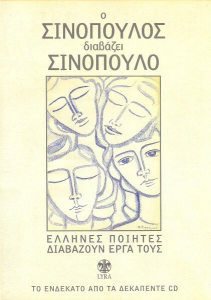
Takis Sinopoulos

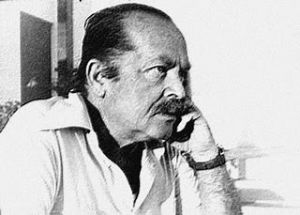
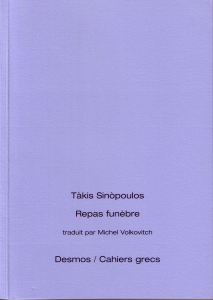
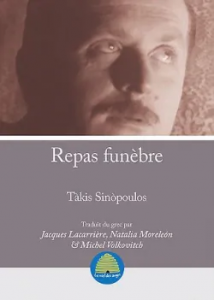
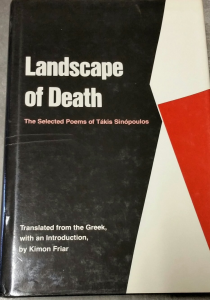
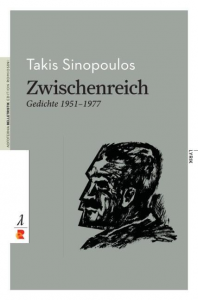
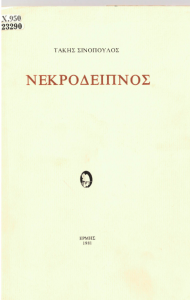
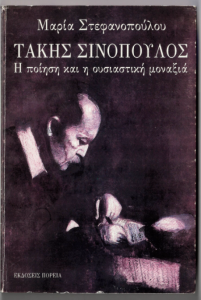
Takis Sinopoulos was born in 1917 in the Peloponnese. He served as a military doctor in the Greek Civil War from 1946 to 1949; his experiences of fratricide and excessive violence had a lasting impact on him and his work. He died in 1981 in Pyrgos in the Peloponnese.

He was born in Agolinitsa, the first-born son of philologist Giorgos Sinopoulos and Roussa-Veneta Argyropoulou. He studied medicine at the University of Athens, graduating in 1944. In 1934, under the pseudonym Argyros Roubanis, he published the poem “Betrayal” and the short story “The Revenge of a Modest Man” in the Pyrgio newspaper “Nea Imara”. In 1941, he was drafted as a medical sergeant in Loutraki. [3] During the occupation, he published translations of French poets and some essays on poetry. In 1942, he was briefly imprisoned by the Italians as a resistance fighter. During the civil war, he was a doctor in an infantry battalion. After the end of the civil war, he began working as a doctor in the capital. In 1951 he published his first collection of poems, entitled Metaihmio. He was a member of the editorial staff of Eighteen Texts, New Texts 1-2, Deposition ’73, and the journal The Continuation. He also collaborated with numerous journals (Nea Estia, Filologika Chronika, Odysseas (Pyrgou), Kochlias, Piraika Grammata, Anglohelleniki Epitheoresis, Kainouria Epochi, Zygos, Epochen, Tram, O Tachydromos, etc.). He belonged to the first post-war generation. He was particularly influenced by T.S. Eliot, Seferis, and Ezra Pound. In general, his poetry is lyrical, epigrammatic, and characterized by tragic self-awareness and pessimism. In his final years, a shift in the use of linguistic material toward an anti-poetic, aggressive, and often ironic discourse was observable. He donated a large part of his library to the University of Thessaloniki.

Sinopoulos spent his student years in Pyrgos and went to Athens to study medicine in 1934. He made his first appearance in the literary world in 1934 with the publication of the poem “Betrayal” and the short story “The Revenge of a Modest Man” in the Pyrgos newspaper “Nea Imera” under the pseudonym Argyros Roubanis. His first book of poetry, titled “Metaihmio,” was published in 1951. The first poem in this volume, “Elpinor,” was written in 1944.

A pioneering figure of the “Generation of the 1950s,” Sinopoulos authored a number of poetry collections, essays, and book reviews throughout his creative career, which shaped the country’s intellectual life in the post-war years. He is a tragedian par excellence. The emphasis on the tragic “stigmatizes” his entire poetry, the drama, the decay, the death, the suffering and the alienation, and embodies the tragic historical events he experienced (the dictatorship of Metaxas, the war occupation, the civil war, the 1967 dictatorship, the coup and the invasion of Cyprus).

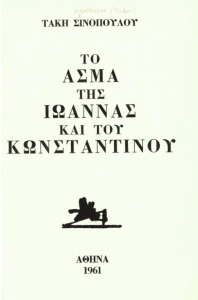
He also wrote the poetry collections “The Song of Joanna and Constantine,” which won the 1961 State Prize for Poetry, “Acquaintance with Max,” and “Night and Counterpoint,” as well as various studies and essays on the work of Seferis, such as “Strofi.” He was awarded the 2nd State Poetry Prize in 1962 for “The Song of Joanna and Constantine.”

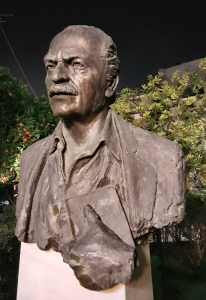
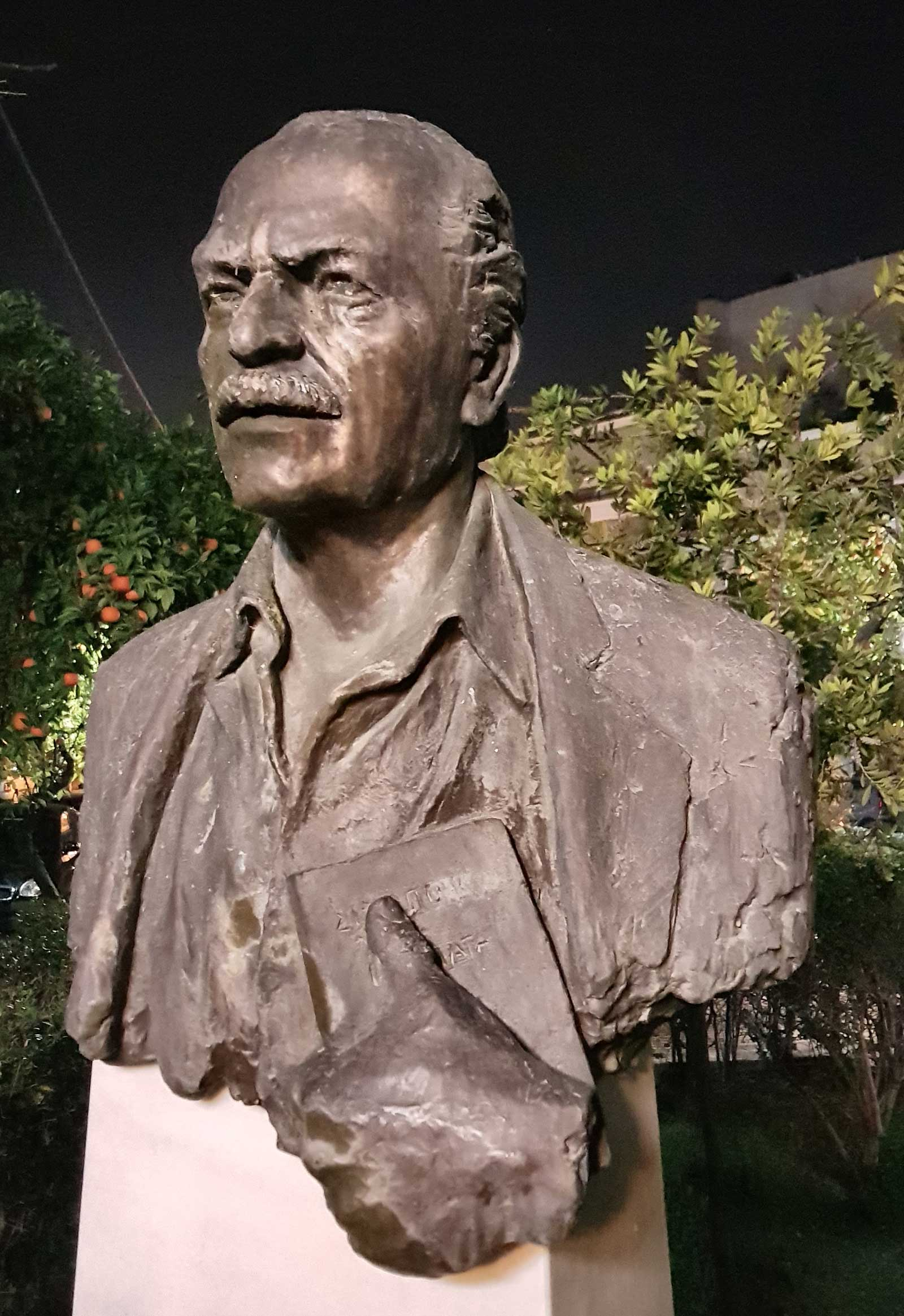
He died on April 25, 1981 (Easter Eve 1981) in Pyrgos. He was married to Maria Dotta, who in 1995 donated the house she lived in in the municipality of Nea Ionia to the Takis Sinopoulos Foundation as accommodation. A bust of the poet stands in the square in front of his house on Takis Sinopoulos Street in Perissos.

https://el.wikipedia.org/wiki/%CE%A4%CE%AC%CE%BA%CE%B7%CF%82_%CE%A3%CE%B9%CE%BD%CF%8C%CF%80%CE%BF%CF%85%CE%BB%CE%BF%CF%82

https://blogs.bl.uk/european/2017/03/poet-of-a-pitiable-time-takis-sinopoulos.html


  • -

François Rabelais

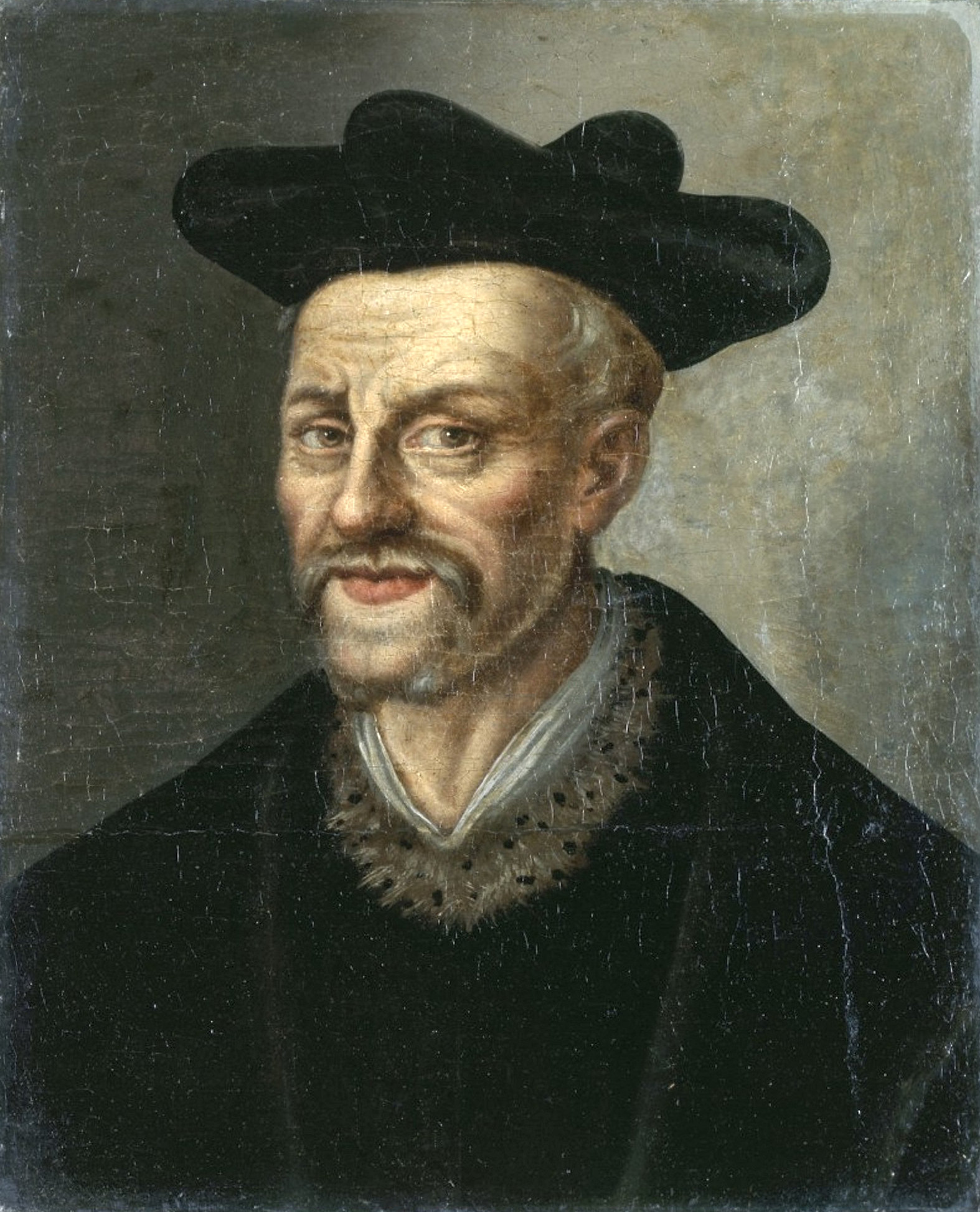
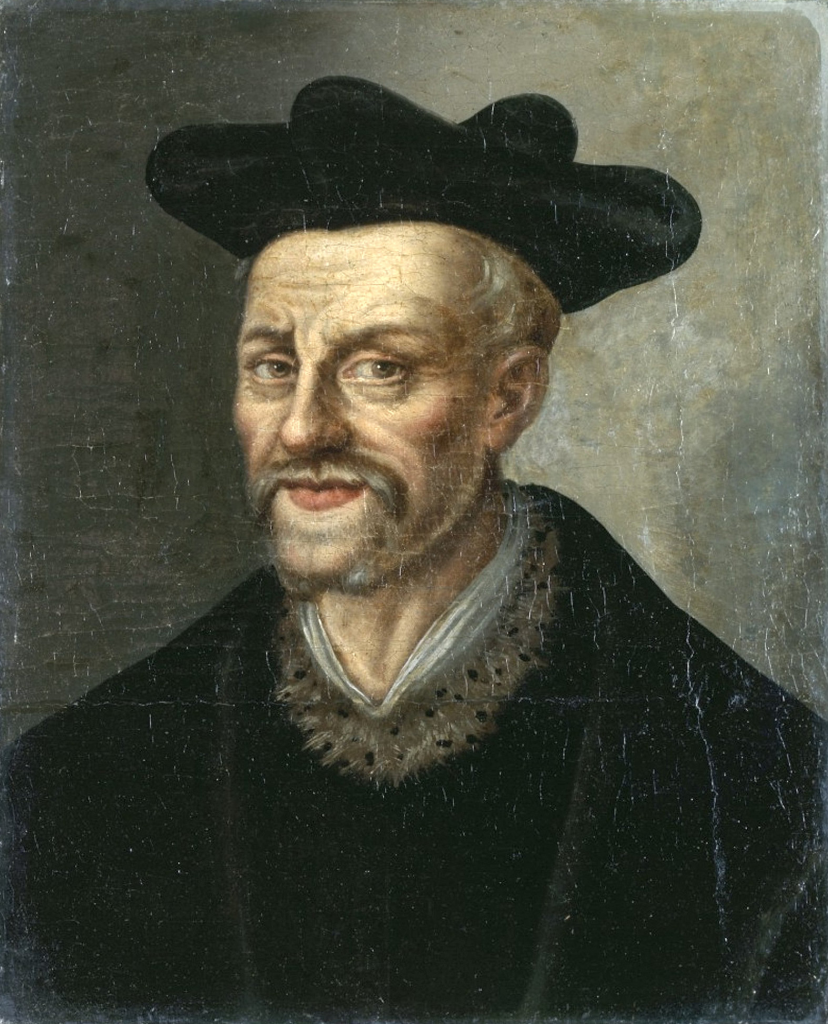
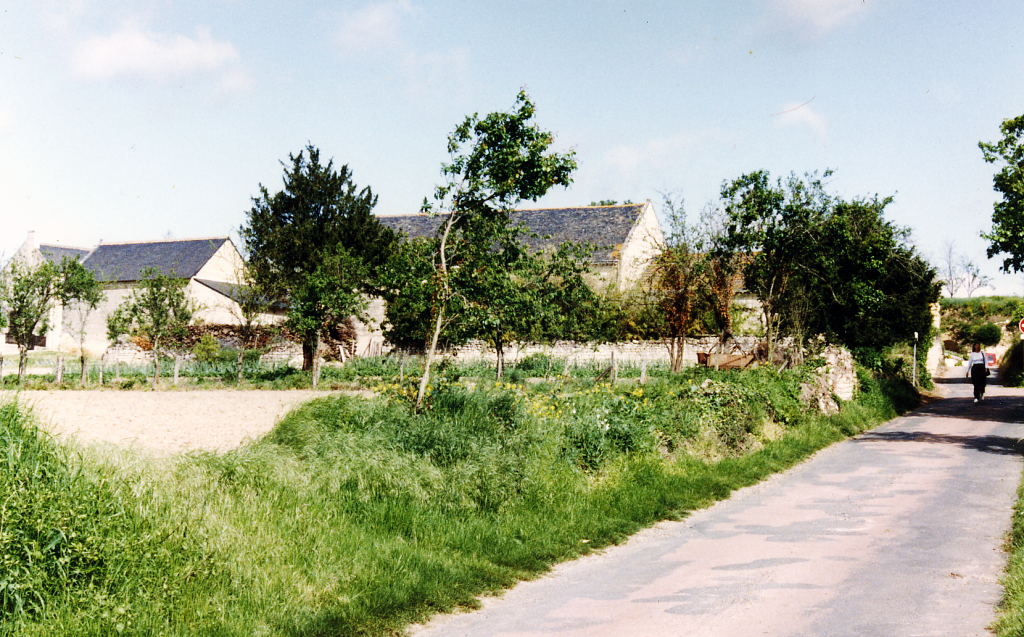
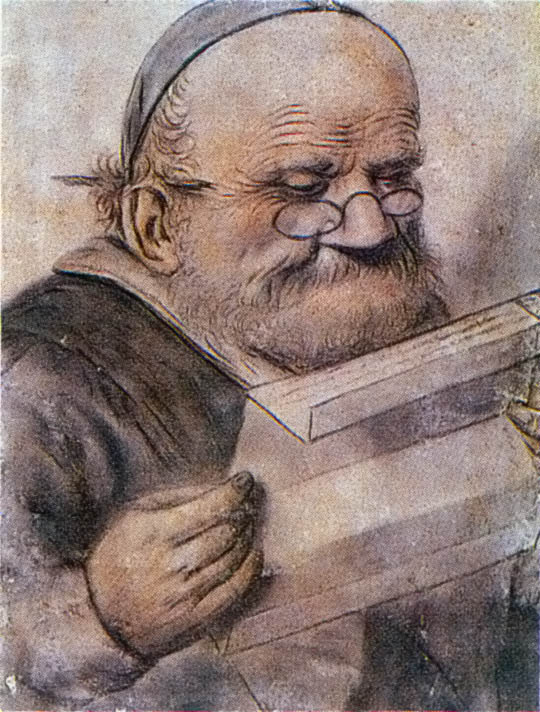
François Rabelais [fʁɑ̃.swa ʁa.blɛ] (c. 1494, perhaps 1483, in La Devinière near Chinon, Touraine; † April 9, 1553, in Paris) was a French Renaissance writer, humanist, Roman Catholic friar and secular priest, practicing physician, and lecturer. He is one of the most important prose writers in French literature; of his works, the novel cycle Gargantua and Pantagruel is most well-known.

Rabelais-Museum

Rabelais began his novitiate as a religious priest in the Franciscan monastery of La Baumette, Couvent des Cordeliers de la Baumette, near Angers. He received his sacraments of ordination around 1511. In 1520, he is documented as a religious priest in the Couvent des Puy-Saint-Martin in Fontenay-le-Comte (Vendée department).[5] Here, through an older confrere, he came into contact with the humanism radiating from Italy and began to learn ancient Greek.

From 1528 onwards, he was in Paris, presumably after stops at the universities of Bordeaux, Toulouse, and Orléans. He appears to have assumed the status of diocesan priest, which gave him greater freedom to continue his medical studies and cultivate scholarly contacts. His marriage to a widow produced two illegitimate children, François and Junine. This did not keep him in Paris; rather, in September 1530, he enrolled at the famous medical school in Montpellier, where Rabelais earned a baccalaureate degree on November 1.

In the summer of 1532, Rabelais lived in Lyon, where he practiced medicine and published various scholarly works with the printer and publisher Sebastian Gryphius. He also wrote a novel, which was also published in Lyon at the end of 1532: The Horrible and Poisonous Things Made and Proud of the Very Renowned Pantagruel, King of Dipsodes, Son of the Great Gargantua. Composed Newly by Master Alcofrybas Nasier. The title alone made the work recognizable as a parody, especially of the chivalric romance genre.

The Very Excellent and Entertaining History of François Rabelais – Part 1 https://www.youtube.com/watch?v=pGbh2q1lohE

When the Quart livre was published in its entirety in early 1552, now in Paris, the attitude of the rulers changed. The king and the pope had come to an agreement; criticism of the latter was no longer welcome. Accordingly, the Sorbonne did not hesitate to condemn the book. Subsequently, the Paris Parliament also banned the work. It did not help that Cardinal Odet de Châtillon had previously accepted Rabelais’s dedication. The ban did not diminish the book’s success. However, at the beginning of 1553, Rabelais himself had to give up a benefice in Meudon near Paris and another in the diocese of Le Mans, which he had received through Jean du Bellay. Nothing more is known of him after this. However, he was apparently still working on a further volume until shortly before his death in April 1553. This volume was completed by an unknown hand, presumably at the instigation of his printer. It was published in 1563 under the title “Le cinquième livre” and was included in the complete editions of the cycle, which began publication shortly after the author’s death and continued to appear with great regularity.

The very excellent and entertaining story of François Rabelais – Part 2 https://www.youtube.com/watch?v=L-7nRjqe-dQ

The François Rabelais University of Tours[14] (French: Université François Rabelais de Tours or simply Université de Tours) is a public university in the French city of Tours and was named after François Rabelais after its founding on March 27, 1969. A plant genus, Rabelaisia ​​Planch, in the rue family (Rutaceae), is also named after Rabelais.

Museum Rabelais


  • -

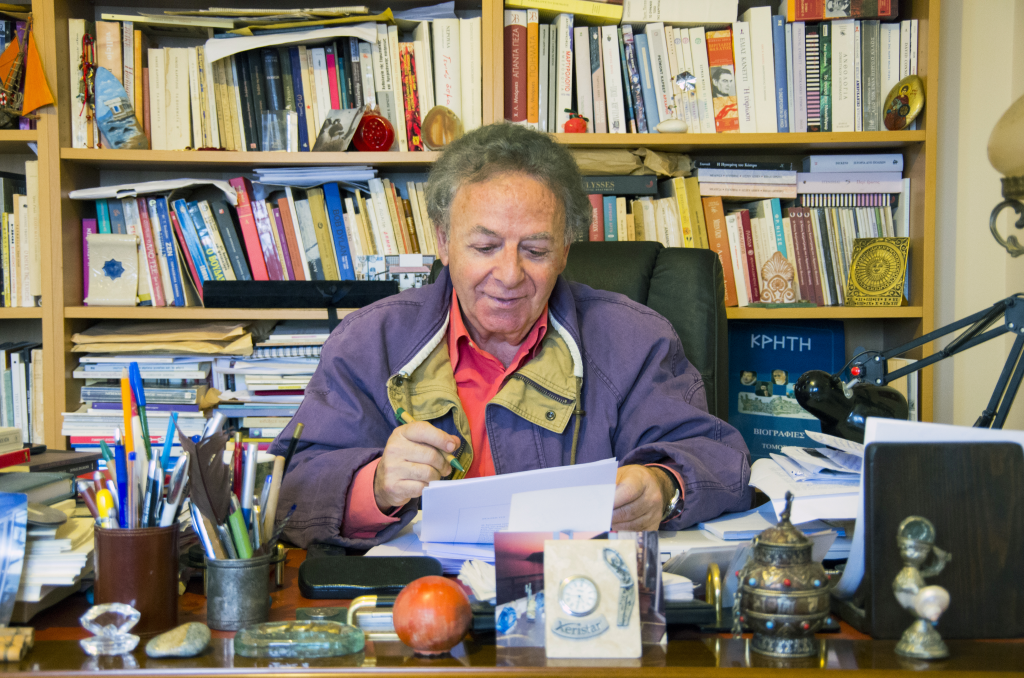
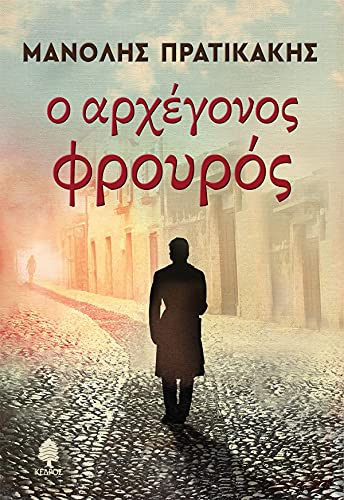
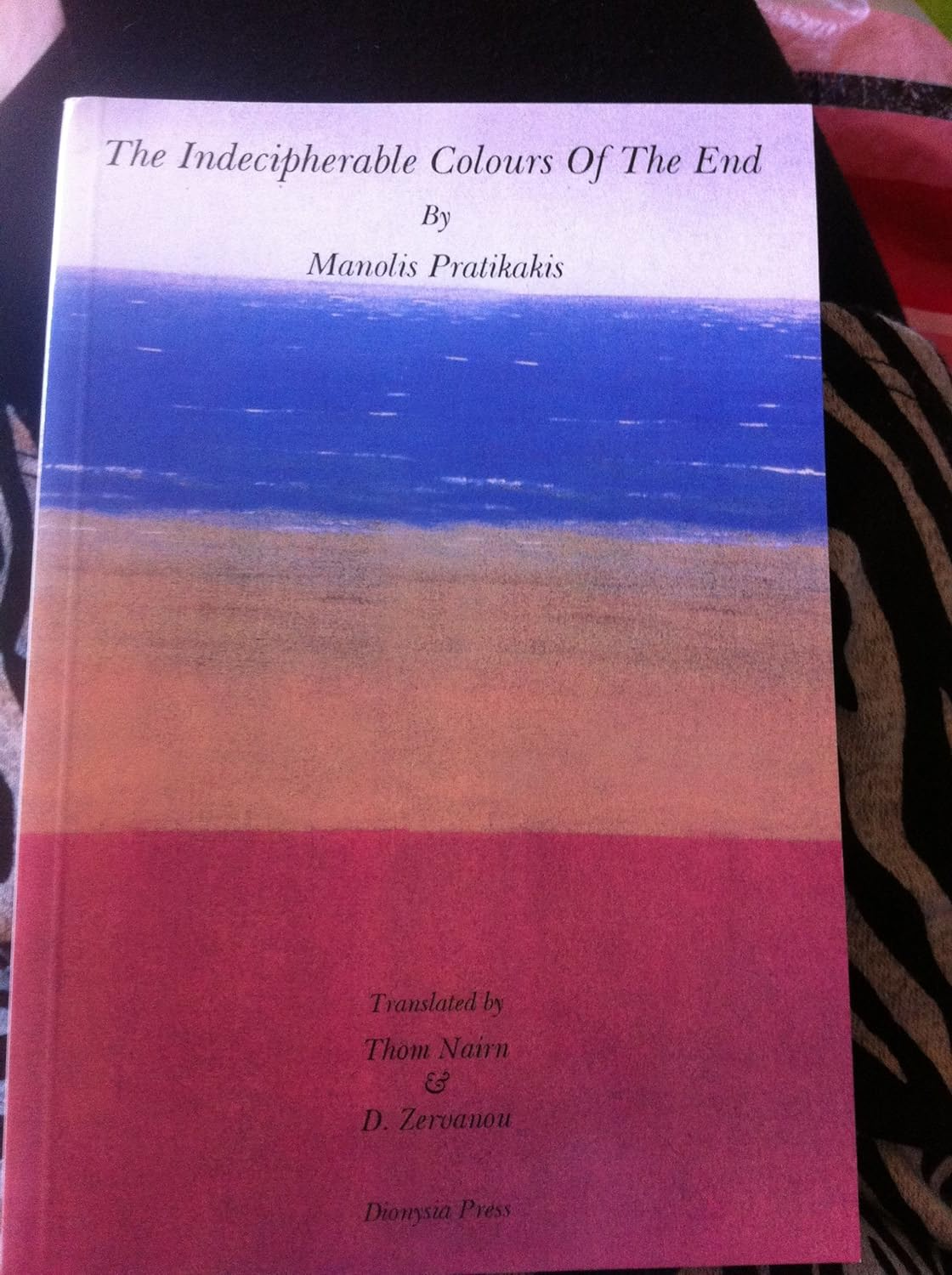
Manolis Pratikakis

Manolis Pratikakis (Greek: Μανόλης Πρατικάκης; born 1943) is a Greek poet. He studied medicine at the University of Athens and is a practicing neurologist and psychiatrist. His first volume of poetry was published in 1974; he is one of the so-called “Genia tou 70,” a literary term for Greek authors who began publishing their works in the 1970s, particularly towards the end of the Greek military junta of 1967-1974 and during the early years of the “Metapolitefsi.” He received the Greek National Book Prize in 2003 for his collection of poems “To νερό.”

Selected poetry

  • Ποίηση 1971-1974 (Poetry 1971-1974), 1974
  • Οι παραχαράκτες (The Counterfeiters), 1976
  • Λιβιδώ (Libido), 1978
  • Η παραλοϊσμένη (The Demented), 1980
  • Γενεαλογία (Genealogy), 1984
  • Το νερό (The Water), 2002
  • Ποιήματα 1984-2000 (Poems 1984-2000), 2003

He is considered an important modern Greek poet. His writings first appeared in journals around 1970. He has written numerous collections of poems, critical texts, short stories, and articles. His poems have been translated into many languages. He has contributed to Greek and foreign anthologies and journals and participated in numerous conferences. In 1999, he was nominated for the European Prize for Literature for his work “The Assumption and Resurrection of the Bodies of Dominic.” Poems from his collection “Libido” were set to music by composer Yannis Markopoulos and released on a CD titled “Unseen Pulse.” Recently, the same composer wrote a symphonic work entitled “The Symphony of Healing,” based on the poetry collections “Genealogy,” “The Lekythos,” and “Left Quietly in the Grass,” which had its world premiere at the Concert Hall. In 2003, he received the State Poetry Award [3] for his collection of poems “The Water.” In 2012, he received an award from the Athens Academy for his body of work.

https://en.wikipedia.org/wiki/Manolis_Pratikakis

https://el.wikipedia.org/wiki/%CE%9C%CE%B1%CE%BD%CF%8C%CE%BB%CE%B7%CF%82_%CE%A0%CF%81%CE%B1%CF%84%CE%B9%CE%BA%CE%AC%CE%BA%CE%B7%CF%82


  • -

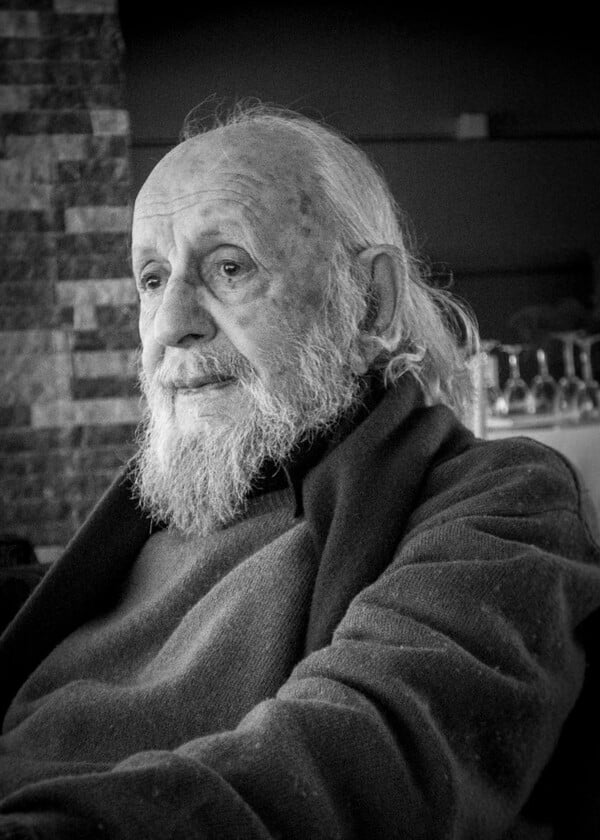
Elias H. Papadimitrakopoulos

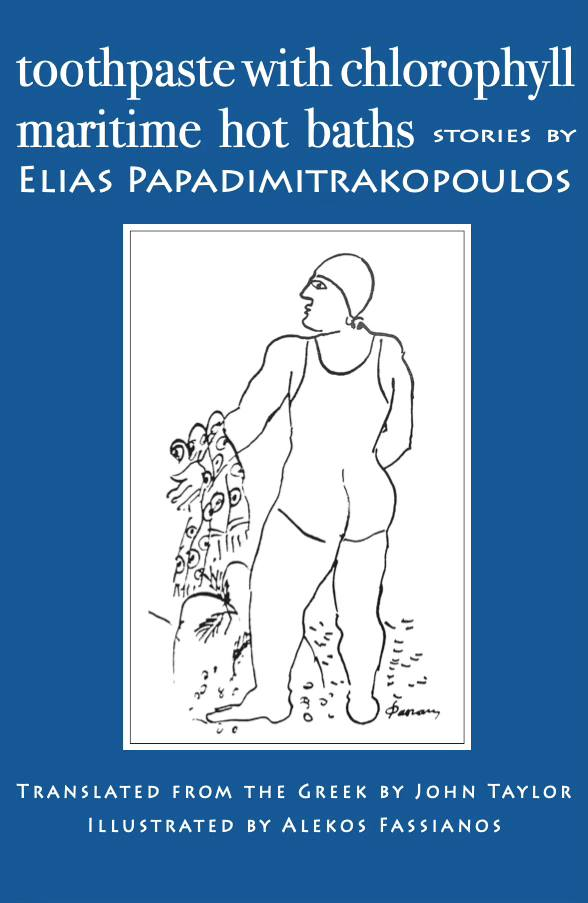
Elias H. Papadimitrakopoulos (Pyrgos, Ilia, August 23, 1930 – Athens, November 29, 2024) was a Greek novelist, prose writer, and military doctor.

He was born in Pyrgos, Elis, where he spent his childhood and youth. After the death of his father, a lawyer, in 1943, his family faced difficult times. As he later wrote, he studied at the Military Medical Faculty of the University of Thessaloniki from 1949 to 1955 out of necessity.
From 1959 to 1968 he served in Kavala. There he first appeared in mail advertising with the short story “O frakasanes”, which he published under a pseudonym in the Kavala magazine Argo in 1962. He also collaborated with the magazines Skapti Yli (Kavala), Tachydromos (Kavala), Dialogos (Thessaloniki), Dialogos (Lechenia), Anti, Harti, Chroniko and To Tetarto. In addition, he served for many years as editor-in-chief of the journal Medical Review of the Armed Forces. He retired from the army in 1983 with the rank of senior chief surgeon.

His work, considered part of Greek post-war literature, is characterized by linguistic simplicity, subtle irony, and tender nostalgia for the difficult years of youth. He was recognized in 1995 with the short story award from the magazine Diavázo.

He occasionally wrote articles for the newspapers Kathimerini and Eleftherotypia and also edited books by lesser-known authors such as Homer Pellas (1921–1962). [5] He is also responsible for the first critical presentation of the work of Nikos Kachtitsis in Greece, which appeared in a private publication in 1974. His most recent works are the short story collection The Treasure of the Nightingales (2009) and the story Symtopia of a Plane Tree (2010).

In 2007, the documentary film “House by the Sea” was made about him, directed by Lefteris Xanthopoulos.

His short stories have also been translated into French.

He died on November 29, 2024, at the age of 94. His body was buried in the 1st Cemetery of Pyrgos.

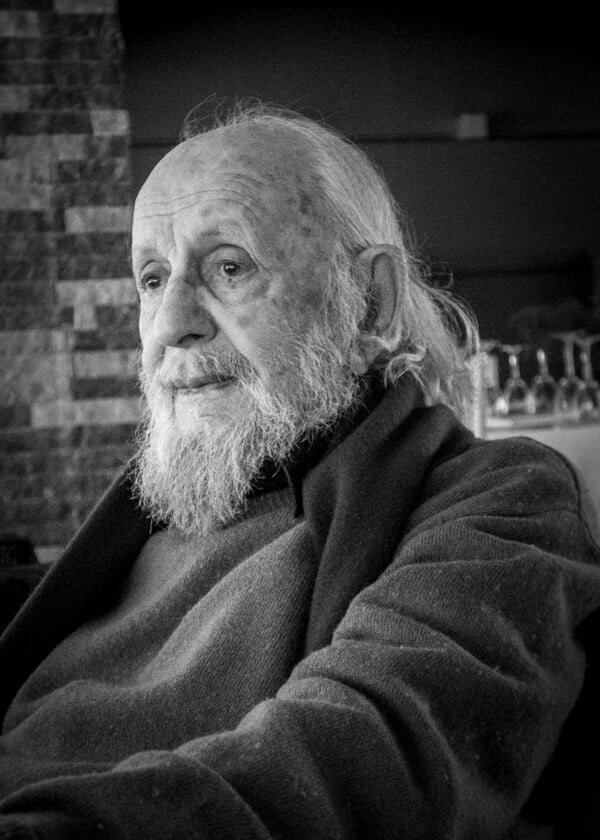
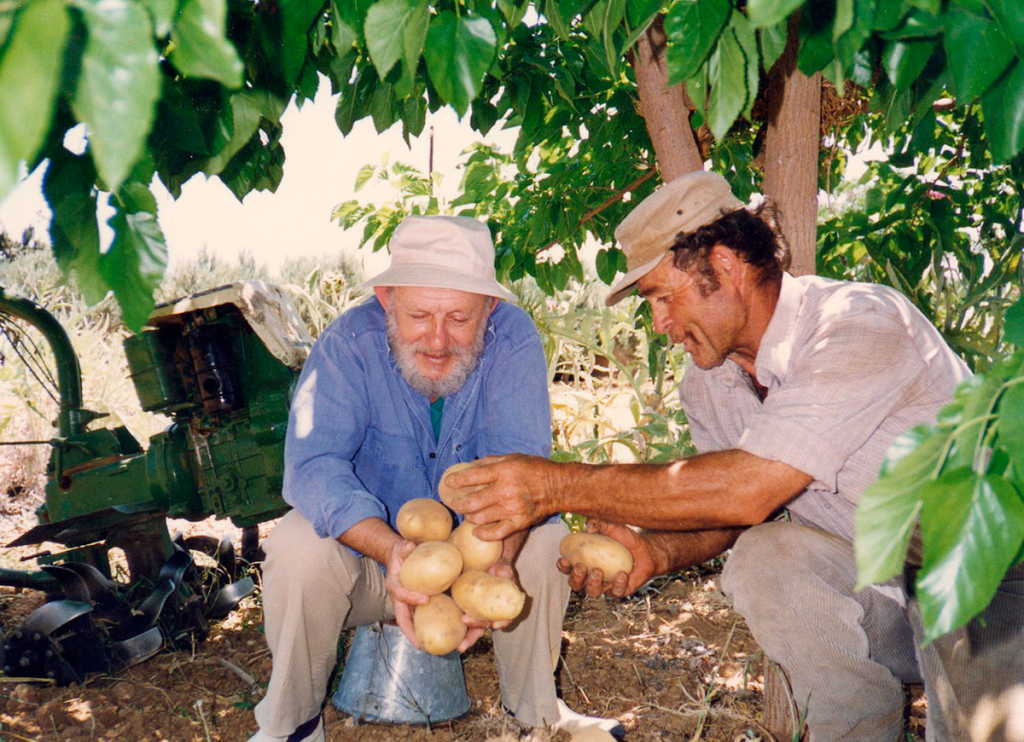
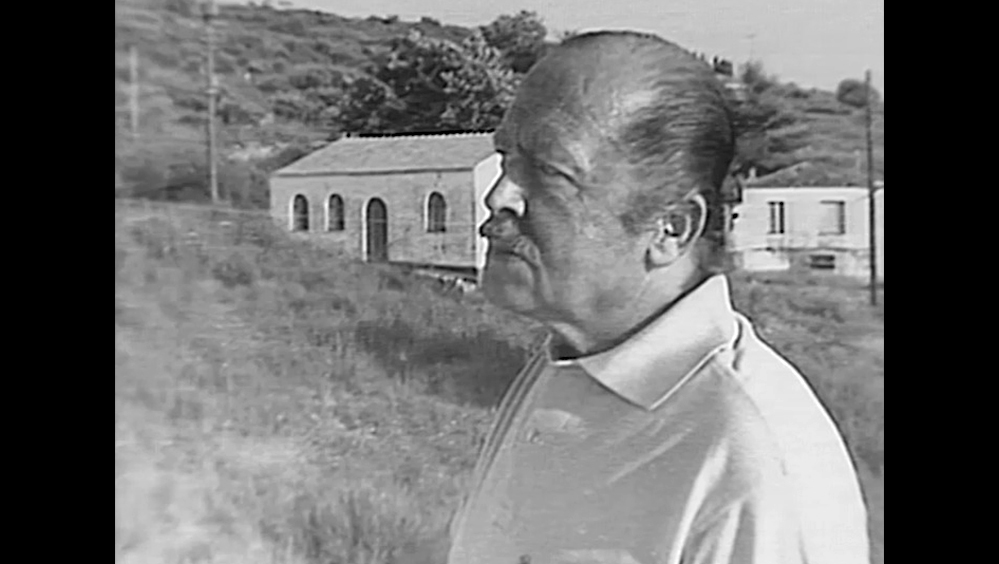
Elias Papadimitrakopoulos in his farm.

https://el.wikipedia.org/wiki/%CE%97%CE%BB%CE%AF%CE%B1%CF%82_%CE%A7._%CE%A0%CE%B1%CF%80%CE%B1%CE%B4%CE%B7%CE%BC%CE%B7%CF%84%CF%81%CE%B1%CE%BA%CF%8C%CF%80%CE%BF%CF%85%CE%BB%CE%BF%CF%82

https://m.imdb.com/de/title/tt1565416/?ref_=ttch_ov_i

Interview in English https://parola-paros-freepress.gr/en/elias-papadimitrakopoulos/


  • -

Pavlos Nirvanas

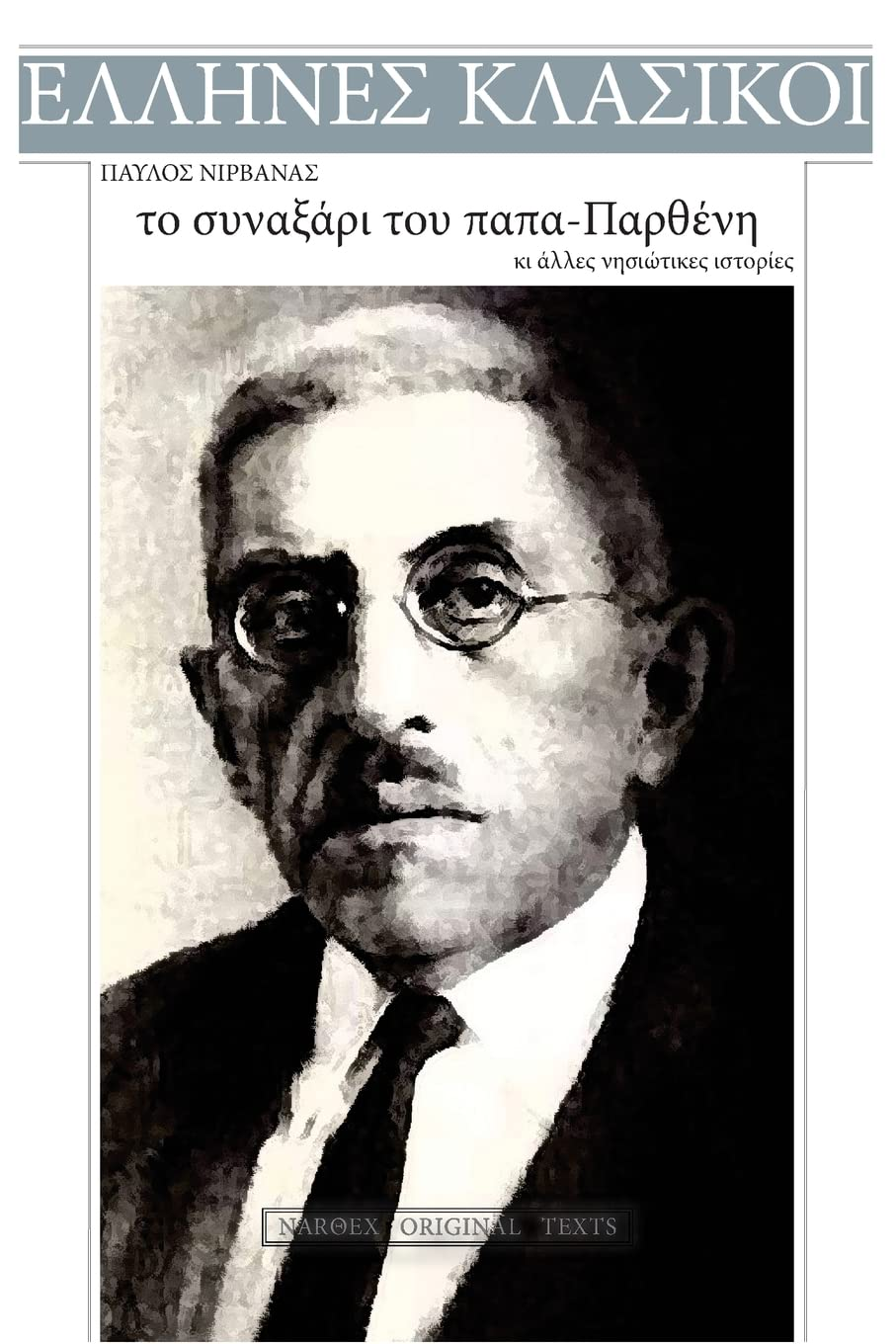
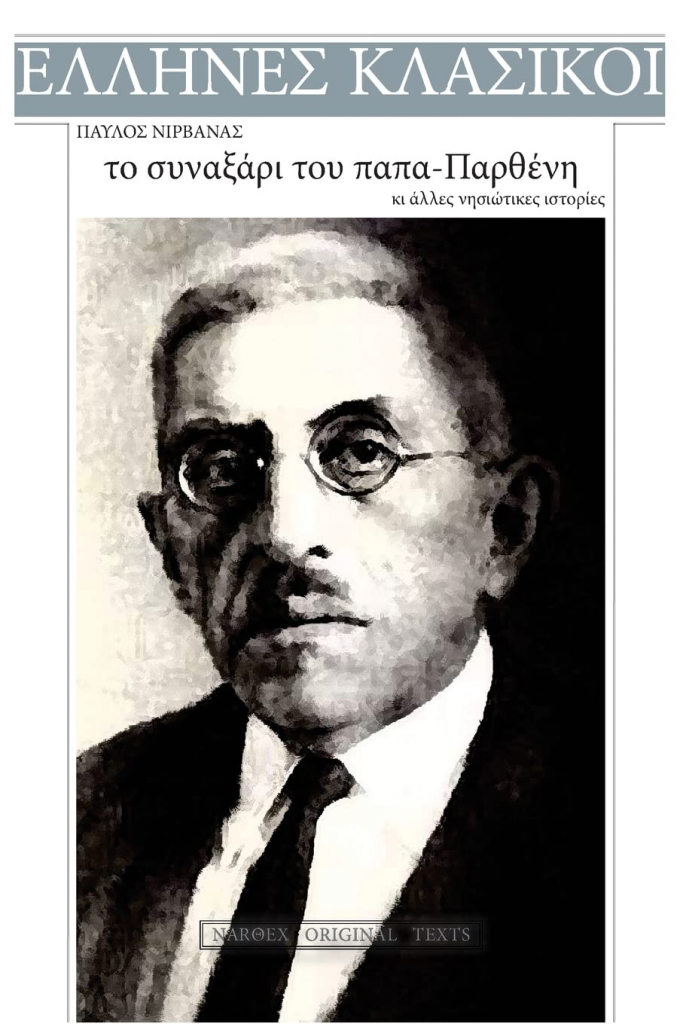
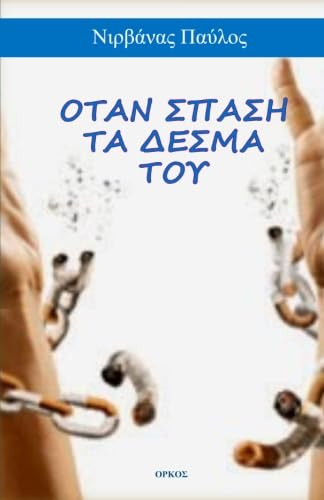
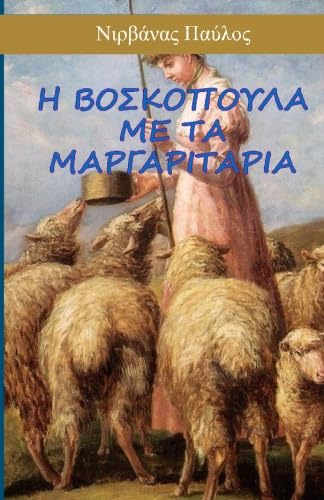
Pavlos Nirvanas (Greek: Parasloός Niρβάνας, * 1866 in Mariupol, Russian Empire; † 28 November 1937 in Athens, Greece) was a Greek writer whose real name was Petros K. Apostolidis.

Nirvanas’ father came from Skopelos, his mother from Chios. As a child, Pavlos Nirvanas moved from his then Russian hometown to Greece and lived in Piraeus. He studied medicine at the University of Athens and graduated in 1890. He joined the Navy and rose to the rank of senior physician (γενικός αρχίατρος). He left the service in 1922. He also worked as a journalist and was a member of the Academy of Athens from 1928. Although not born on Skopelos himself, he considered the Aegean island his home throughout his life.

https://www.youtube.com/watch?v=oCW4O7uO0BI
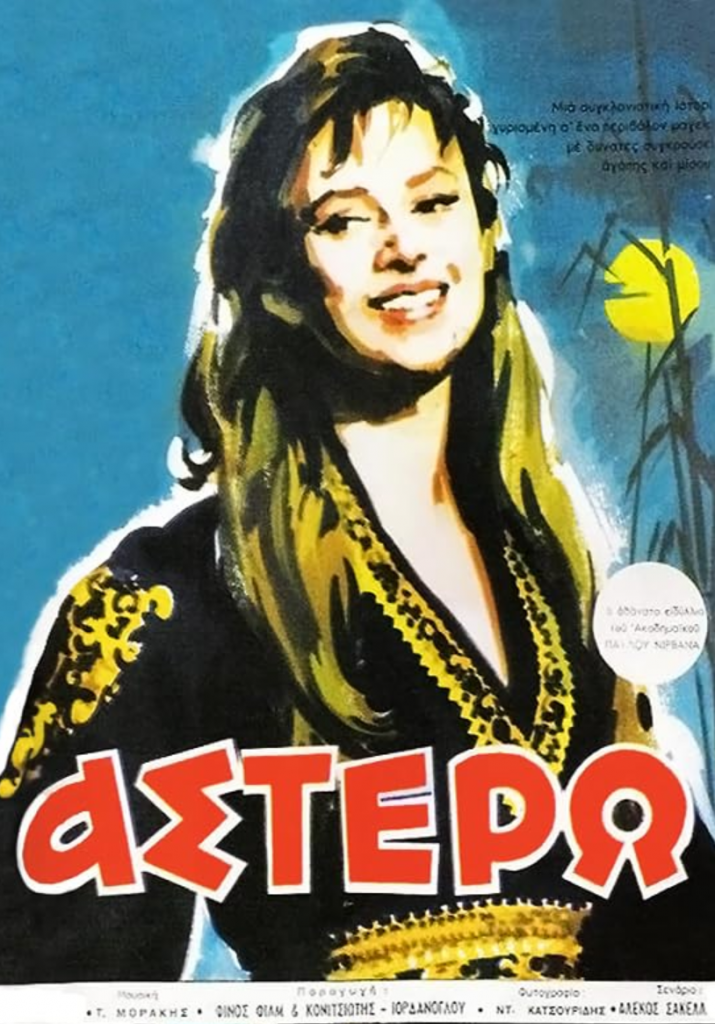
In a village in the Peloponnese, on the slopes of Mount Helmos, lives Astero, the beloved daughter of Lord Mitros, who falls in love with his son Thymios. However, Grandfather Mitros decides to marry his son to the rich Tselingo girl Maro, and Astero to the wealthy landowner Thanos. His wife Stamatina also contributes to this with her machinations. On their wedding day, however, Astero loses his mind and runs away, while Thymios goes off to search for her. Thymios’ father is filled with remorse, especially when the village elders remind him that he owes everything he has created to the Asteros estate, which he has exploited…

Pavlos Nirvanas explored almost all genres of literature: he wrote short stories, dramas, poems, essays, critiques, novels, satires, and contemporary historical texts; he also worked as a translator. He published his first volume of poetry in 1884. Of literary-historical significance, however, are less the poems in Nirvanas’s oeuvre than the richness of the work itself and certain individual works, such as the Linguistic Autobiography (Γλωσσική Αυτοβιογραφία) from 1905, in which Nirvanas takes a position on the Greek linguistic dispute.

In a first-person narrative, he describes the career of a young man who increasingly succumbs to the fascination of the standard language and rises to become an extremely atticized scholar. Even though his learned speeches are understood by few, he is admired for his expressive abilities. Only the encounter with some beautiful girls from the people makes him doubt his linguistic world view, because instead of ῥῖ�ες (rínes), ὄμματα (ómmata), ὦτα (óta) and χεῖρες (chíres) – in German something like: heads, faces, facial bays… –[1] he suddenly only sees in his mind their delicate μύτες (mýtes), μάτια (mátja), αυτιά (aftjá) and χέρια (chérja) – completely “natural” noses, eyes, ears and hands – and as a result he turns away from the madness of the standard language.

Pavlos Nirvanas was awarded for his literary work in 1923.

https://de.wikipedia.org/wiki/Pavlos_Nirvanas


  • -

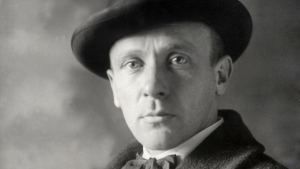
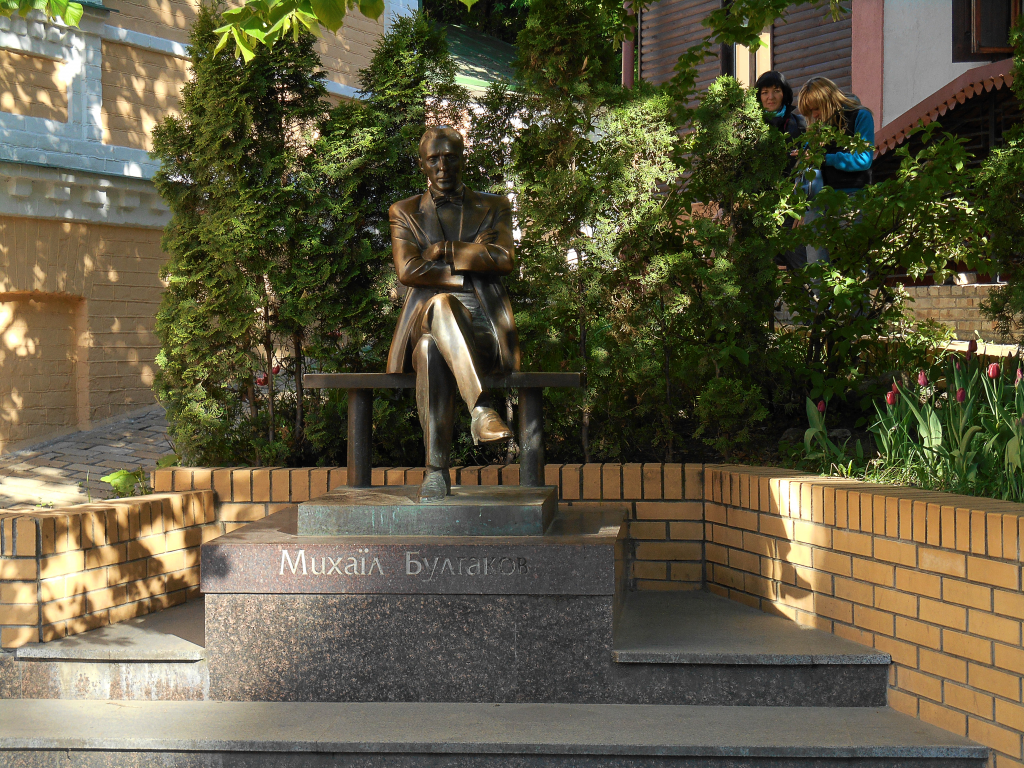
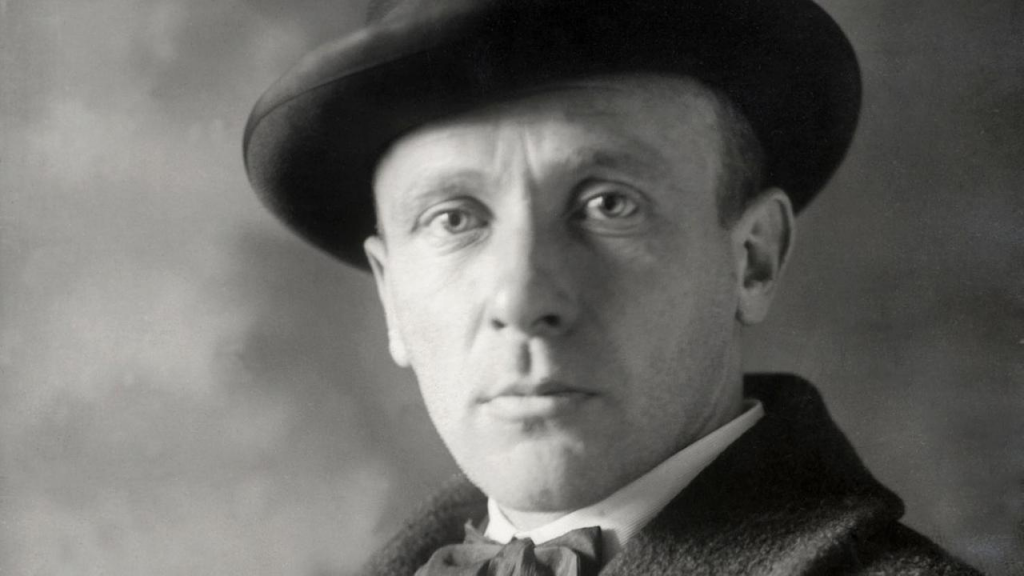
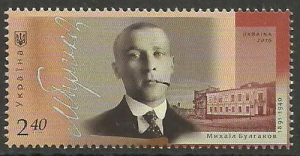
Michail Afanassjewitsch Bulgakow

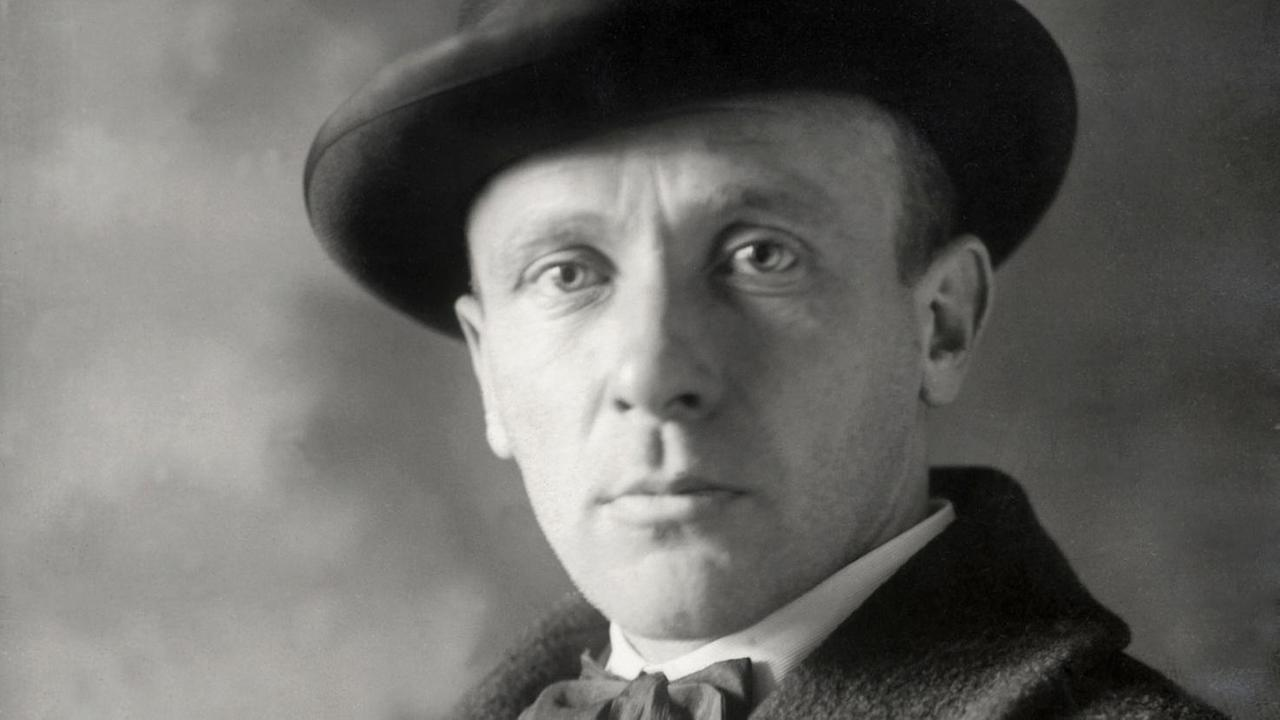
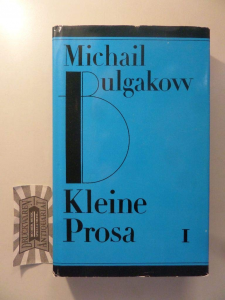
Mikhail Afanasyevich Bulgakov (Russian: Михаи́л Афана́сьевич Булга́ков, scientific transliteration: Mikhail Afanas’evič Bulgakov; May 3, 1891 in Kiev, Russian Empire – March 10, 1940 in Moscow, Soviet Union) was a Russian and Soviet writer. He is considered one of the great satirists of Russian literature. One of his major works is the novel The Master and Margarita, which was published posthumously in 1966 after heavy censorship. The excerpts were distributed as samizdat and thus contributed to his popularity.

Mikhail Bulgakov was born in 1891 to Afanasy Ivanovich Bulgakov, a lecturer at the Kyiv Theological Academy, and his wife Varvara Mikhailovna (née Pokrovskaya), and was baptized in the Podil Church of the Exaltation of the Holy Cross that same year. After graduating from the Kyiv First Gymnasium in 1909, he enrolled at the Medical Faculty of Kyiv University. In 1916, he received his medical degree and took up a rural position in the Smolensk Region before practicing medicine in the town of Vyazma. In 1913, he married Tatyana Nikolaevna Lappa (Russian: Татьяна Николаевна Лаппа).

At the end of October 1921, Bulgakov moved to Moscow and began working for several newspapers (Siren, Worker) and magazines (The Medical Worker, Russia, Rebirth). During this time, he published occasional prose pieces in the Berlin-based exile newspaper Am Vortag. Between 1922 and 1926, Siren printed more than 120 of his reports, essays, and columns. Bulgakov joined the All-Russian Writers’ Union in 1923.

In 1924, he met Lyubov Yevgenyevna Belozerskaya (Russian: Любовь Евгеньевна Белозёрская), whom he married the following year. In 1928, the couple toured the Caucasus, visiting the cities of Tbilisi, Batumi, Vladikavkaz, and Gudermes. The premiere of Bagrovsky Island (Blood-Red Island) took place in Moscow that same year. During this time, the author developed the first ideas for The Master and Margarita and began work on a play about Molière entitled Cabal Svyatosh (Slavery of the Bigots). In 1929, he met Yelena Sergeyevna Shilovskaya, who became his third wife in 1932.

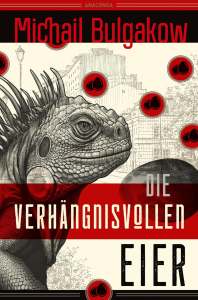
In the partly autobiographical novel The White Guard from 1924, Bulgakov uses the example of the Turbin family from Kyiv to describe the chaotic period of upheaval that followed the October Revolution and the collapse of the Russian Empire. Bulgakov’s play The Days of the Turbins, which premiered in Moscow on October 5, 1926, is also based on the novel. However, Bulgakov is better known for his grotesque depictions of everyday life in the young Soviet Union, often with fantastical or absurd elements—a typical form of social criticism in Russian-language literature since Gogol. The story “Heart of a Dog” was written in 1925 but was not published in the Soviet Union until 1987.

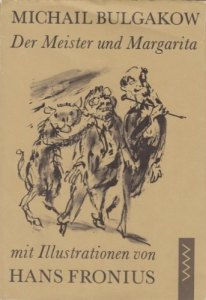
The Master and Margarita

Bulgakov’s best-known work is The Master and Margarita, a satirical and grotesque take on the Faust motif, a journey through time. The work first appeared in print in 1966/67 in serialized form in the literary magazine Moskva, almost 30 years after the author’s death, in an abridged version. The unabridged version first appeared in book form in 1973. Shortly after its initial Soviet publication, the novel was published in 1968 in the German translation by Thomas Reschke in the GDR. In protest against Stalinism, during which the novel was written, he criticizes the dialectical materialism and militant atheism expressed in the Soviet Union.[3]

Some critics consider the book the best Russian novel of the 20th century. It was number 1 on the Spiegel bestseller list from April 29 to May 5, 1968.

https://www.deutschlandfunk.de/vor-125-jahren-geboren-der-sowjetische-schriftsteller-100.html

https://de.wikipedia.org/wiki/Michail_Afanassjewitsch_Bulgakow

https://en.wikipedia.org/wiki/Mikhail_Bulgakov


  • -

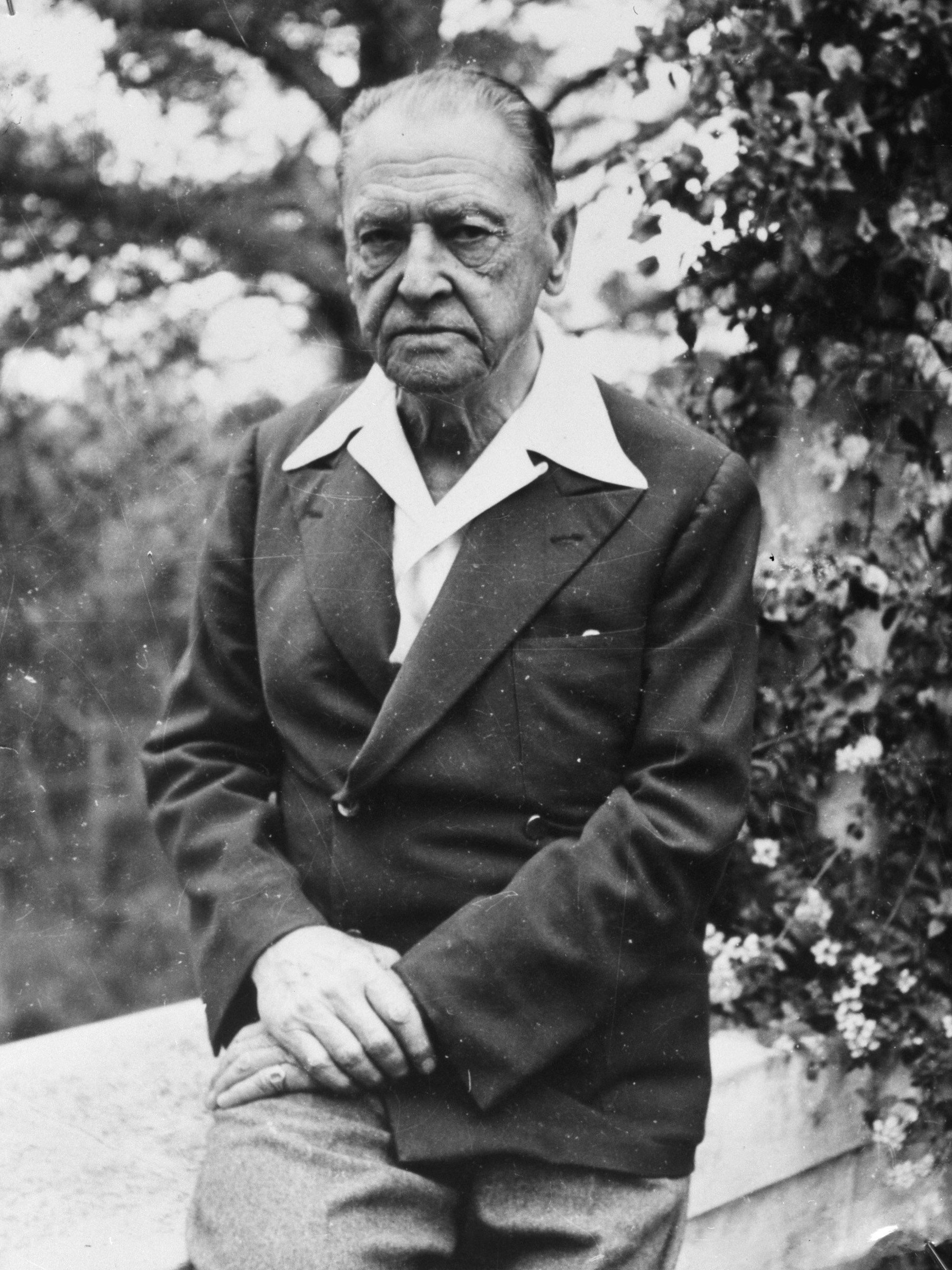
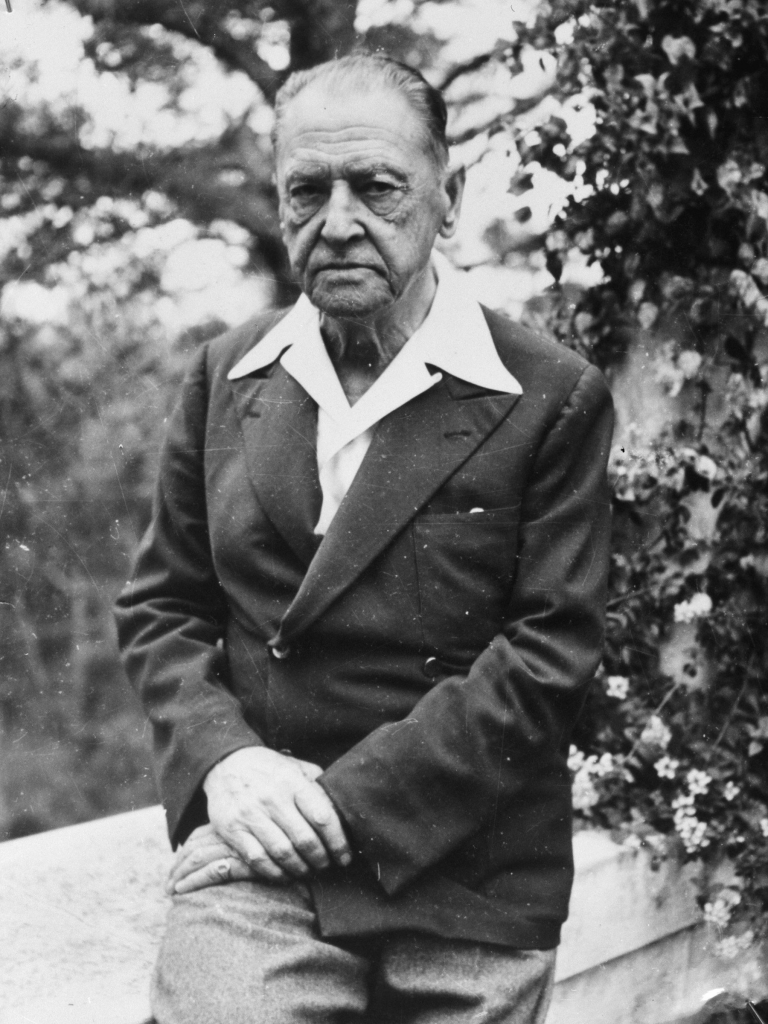
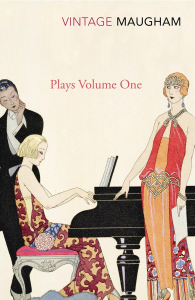
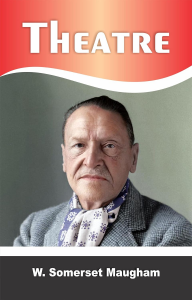
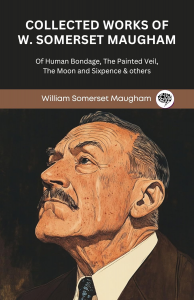
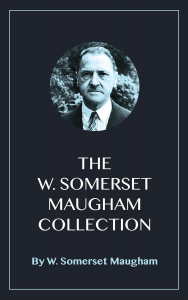
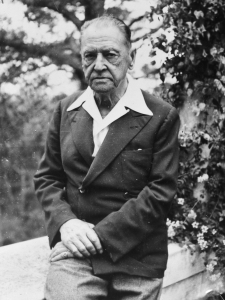
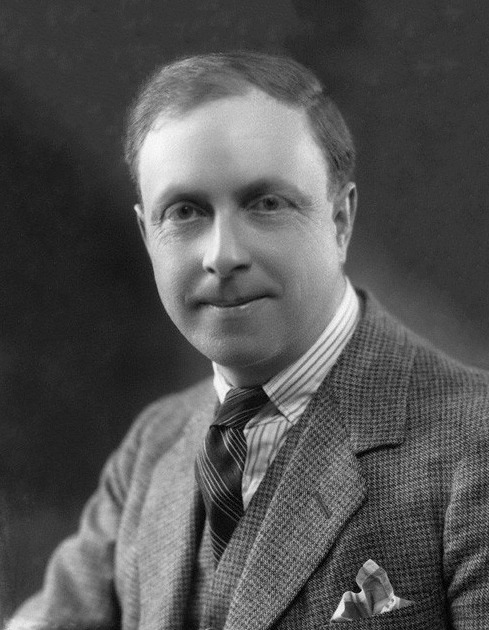
William Somerset Maugham

William Somerset Maugham [ˈsʌməsɪt mɔːm] (January 25, 1874 in Paris – December 16, 1965 in Saint-Jean-Cap-Ferrat near Nice), also known as W. Somerset Maugham, was an English novelist and playwright. He is one of the most widely read English-language authors of the 20th century.

William Somerset Maugham was the son of an English lawyer who worked for British clients in Paris. His older brother was the jurist Frederic Maugham. His parents died when he was still a child. As an orphan, he spent his youth under the supervision of a sanctimonious uncle and in boarding schools. He suffered from a stutter. He studied German, literature, and philosophy at the University of Heidelberg, and later medicine at King’s College London. Despite his passion for literature, Maugham successfully completed his medical studies in 1898—largely under pressure from his uncle.

William Somerset Maugham achieved early literary success with his first novel, Liza of Lambeth, published in 1897, and simultaneously caused a scandal. In the novel, Maugham processed experiences he had as a trainee doctor in the slums of London. The middle class considered it inappropriate to portray the world of the working class in such a naturalistic way.

The book was followed by years of self-determination as an author. At first, he worked as a playwright, writing plays such as The Circle, Our Betters, and The Constant Wife. In the early 20th century, four of his plays were performed simultaneously in London. His productivity was astonishing: he usually needed only a week to write each act and another week to edit the play. Later, he devoted himself to prose and wrote numerous novels and short stories.

Maugham’s most important work is generally considered to be the novel Of Human Bondage, an autobiographical story whose hero, Philip Carey, like Maugham, grows up as an orphan with his sanctimonious uncle and is handicapped by a clubfoot. Maugham himself stuttered.

In the English-speaking world, Maugham’s work is considered middle-brow literature, which, while easy to read and highly entertaining, nevertheless achieves a remarkable artistic and formal level.[2] A theme that repeatedly occupied Maugham in his dramatic and narrative work is adultery.

https://de.wikipedia.org/wiki/W._Somerset_Maugham

https://en.wikipedia.org/wiki/W._Somerset_Maugham


  • -

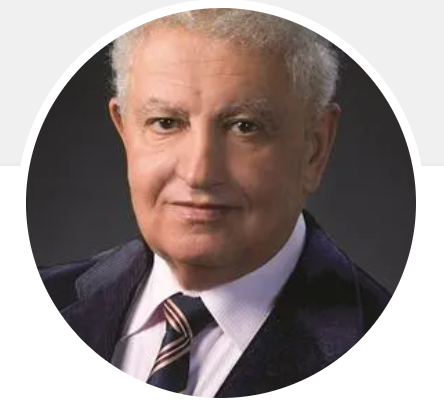
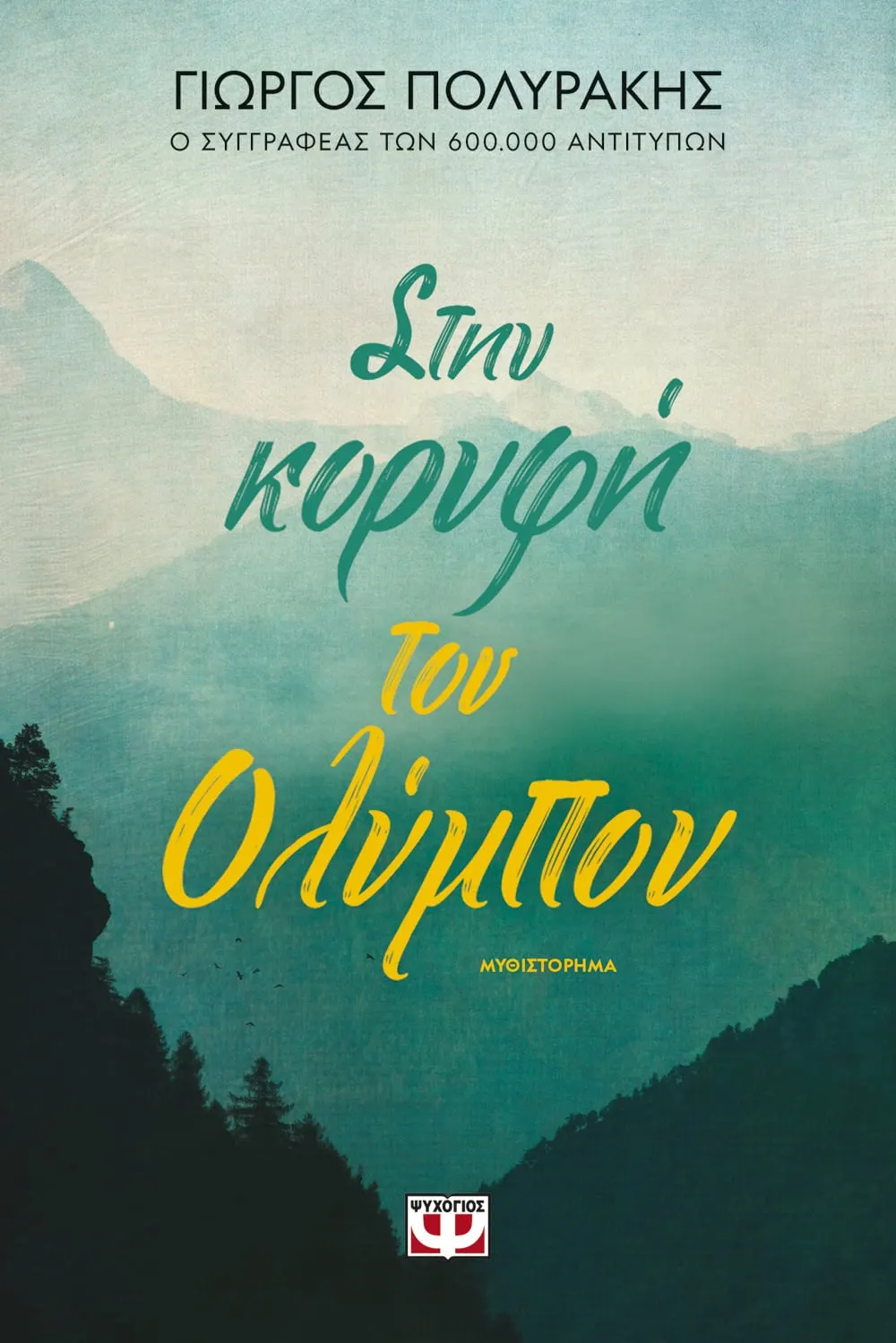
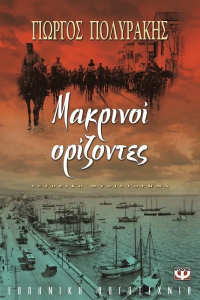
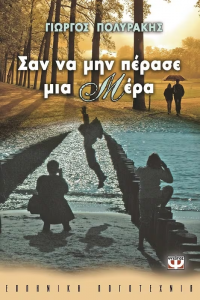
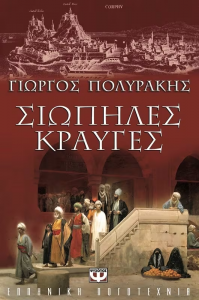
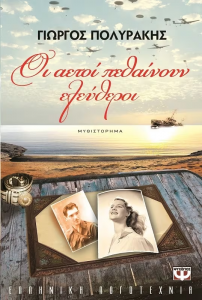
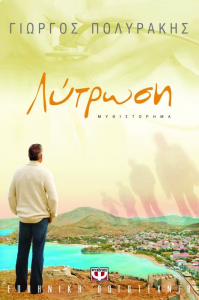
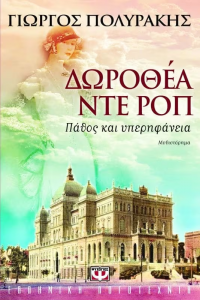
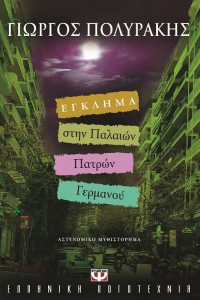
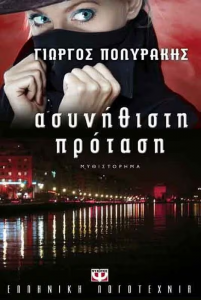
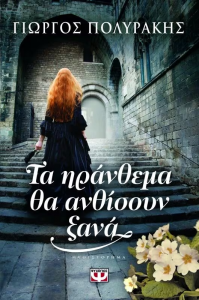
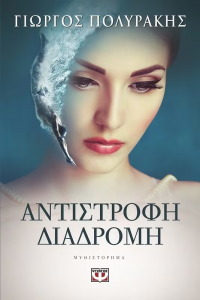
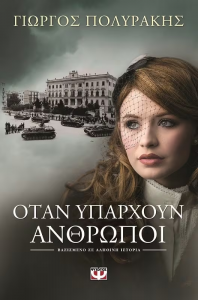
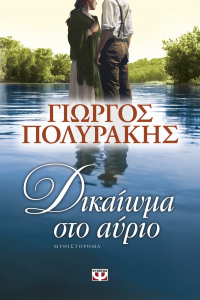
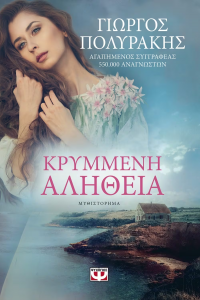
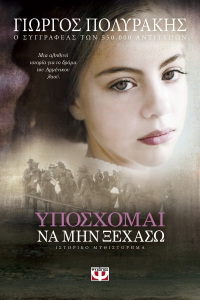
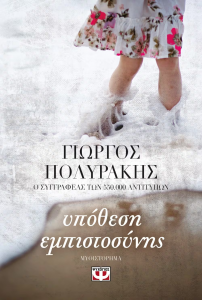
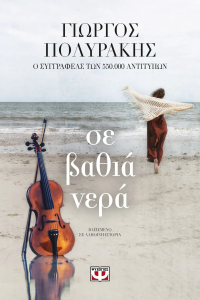
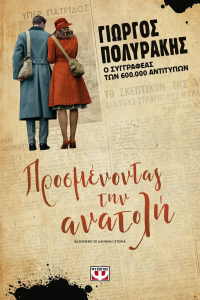
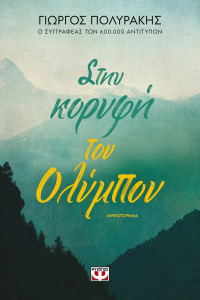
GEORGE POLYRAKIS

George Polyrakis was born in Sfakia, Crete. He studied military medicine and received his doctorate from the Aristotle University of Thessaloniki. He trained as a surgeon and subsequently specialized in vascular surgery at Hammersmith Hospital in London. He currently works as a surgeon in Thessaloniki, where he lives.

He has published 83 scientific articles in Greek and foreign medical journals, given dozens of presentations at medical conferences, and participated in the organization of numerous conferences. He is a member of the Hellenic Surgical Society, the Surgical Society of Northern Greece, the Medical Society of Thessaloniki, the Society of Physician Writers, and the Society of Writers of Northern Greece, and was a member of the International College of Surgeons.

During his studies, he worked as an amateur journalist in Chania and wrote two plays that were performed at student performances. During his studies, he wrote another play that was performed by students during Student Week.

https://www.psichogios.gr/el/giwrgos-polyrakhs


  • -

Archibald Joseph Cronin

Category : WriterDocs

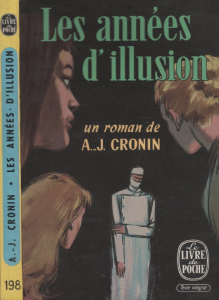
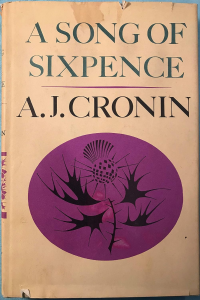
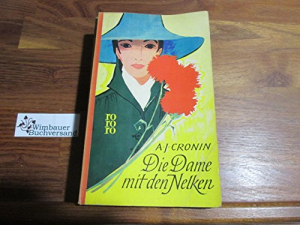
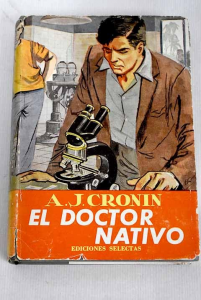
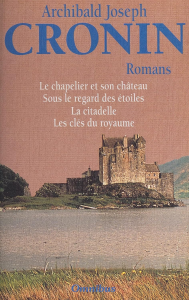
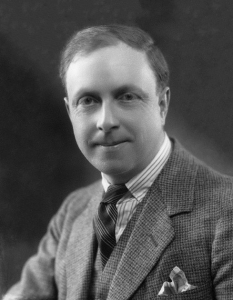
Archibald Joseph Cronin (July 19, 1896 in Cardross, Scotland; January 6, 1981 in Glion, Switzerland) was a Scottish physician and writer. Some of his novels became international successes. His narrative is characterized by exciting plots, realistic characters, and pronounced social criticism. In his autobiography, Adventures in Two Worlds, he also unequivocally professes his Christian faith. Cronin follows the tradition of the Bildungsroman and uses the techniques of Victorian novel realism.

Archibald Joseph Cronin was born the only child of Patrick Cronin and his wife, Jessie Montgomerie. He later attended Dumbarton Academy and won several writing competitions. For his outstanding achievements, he was awarded a medical scholarship to the University of Glasgow. There he met his future wife, Agnes Mary Gibson, who, like him, was studying medicine.

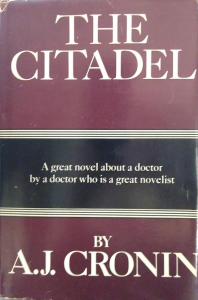
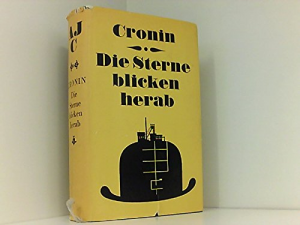
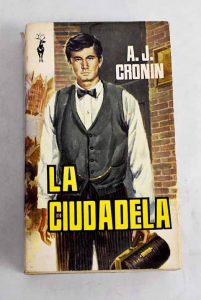
Cronin initially worked in various hospitals, as a ship’s doctor, and during the First World War as a surgeon in the service of the British Army. After the war, he practiced in a mining district in South Wales. Experiences from this work later flowed into his novels The Stars Look Down (1935) and The Citadel (1937). He later moved to London and ran a successful practice on Harley Street. However, Cronin struggled with his mundane desires for profit and self-interest, as he explains in his autobiography. While on vacation in the Scottish Highlands, he wrote his first novel, Hatter’s Castle (1930), which was an immediate success. In the 1930s, Cronin moved to the United States with his wife and three sons, settling in New Canaan, Connecticut. He later returned to Europe and has lived in Switzerland for the past 25 years.

A.J. Cronin died at the age of 84 and was buried in La Tour-de-Peilz, where his grave still stands.

https://de.wikipedia.org/wiki/Archibald_Joseph_Cronin

https://en.wikipedia.org/wiki/A._J._Cronin