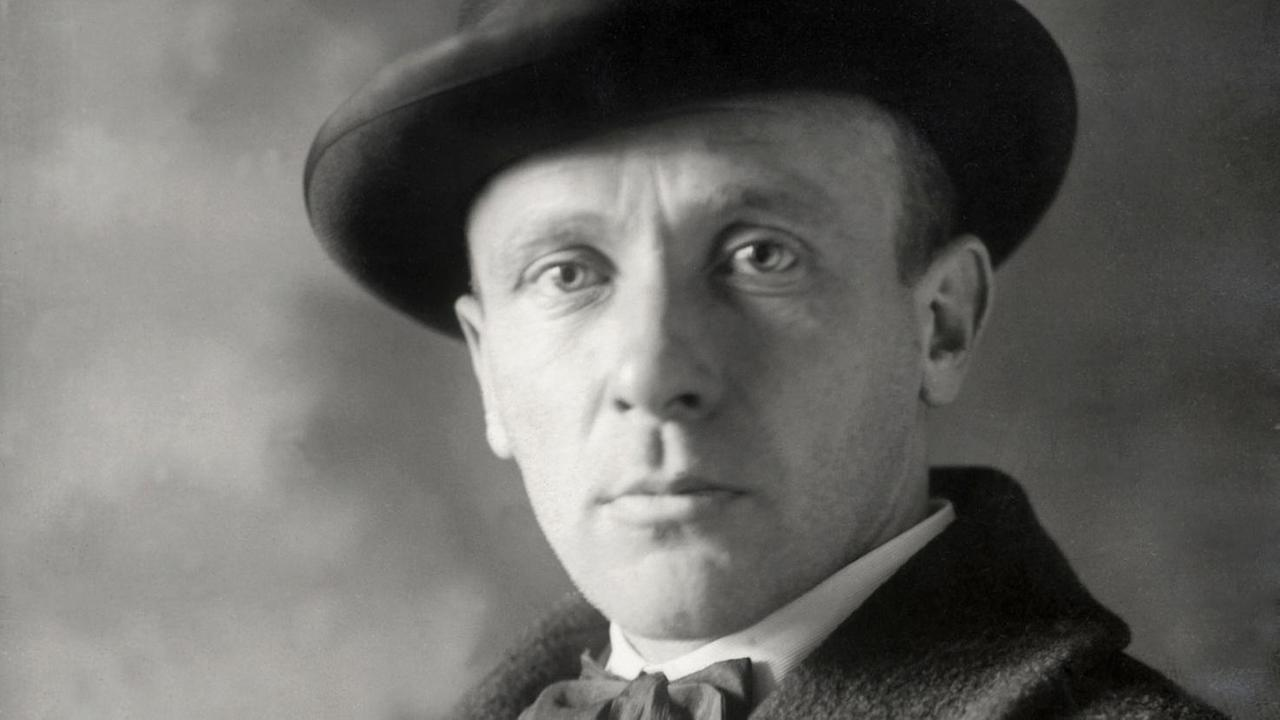
Michail Afanassjewitsch Bulgakow
Category : JournalistDocs , monumentDocs , StampDocs , WriterDocs
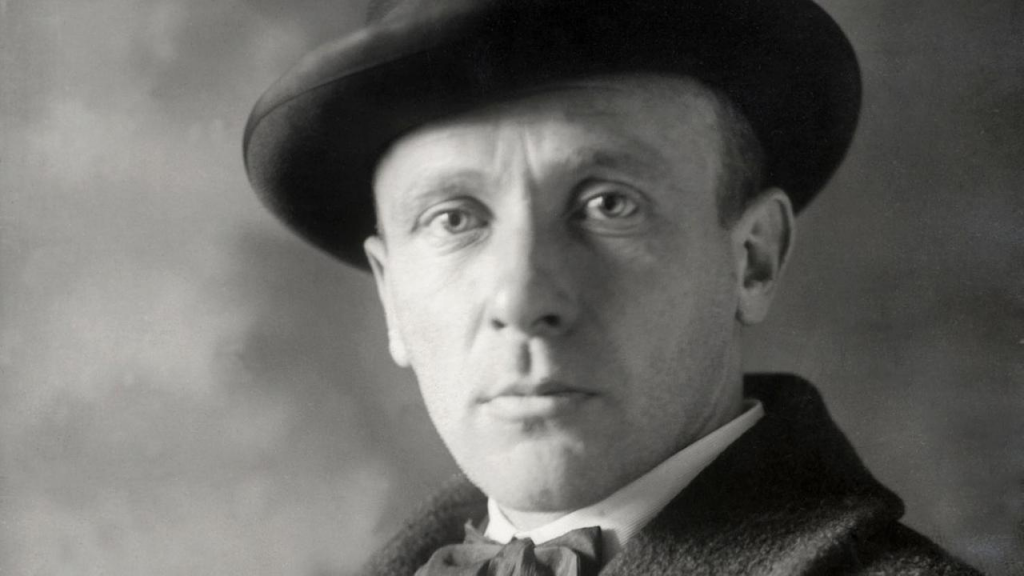
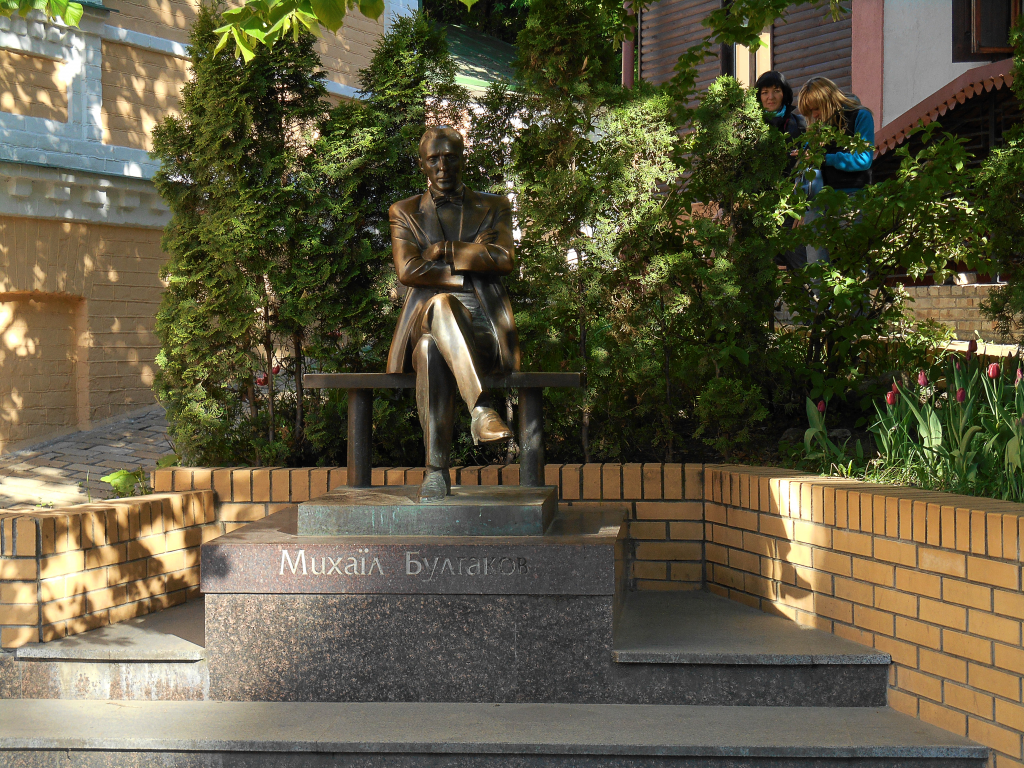
Mikhail Afanasyevich Bulgakov (Russian: Михаи́л Афана́сьевич Булга́ков, scientific transliteration: Mikhail Afanas’evič Bulgakov; May 3, 1891 in Kiev, Russian Empire – March 10, 1940 in Moscow, Soviet Union) was a Russian and Soviet writer. He is considered one of the great satirists of Russian literature. One of his major works is the novel The Master and Margarita, which was published posthumously in 1966 after heavy censorship. The excerpts were distributed as samizdat and thus contributed to his popularity.
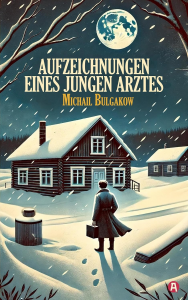
Mikhail Bulgakov was born in 1891 to Afanasy Ivanovich Bulgakov, a lecturer at the Kyiv Theological Academy, and his wife Varvara Mikhailovna (née Pokrovskaya), and was baptized in the Podil Church of the Exaltation of the Holy Cross that same year. After graduating from the Kyiv First Gymnasium in 1909, he enrolled at the Medical Faculty of Kyiv University. In 1916, he received his medical degree and took up a rural position in the Smolensk Region before practicing medicine in the town of Vyazma. In 1913, he married Tatyana Nikolaevna Lappa (Russian: Татьяна Николаевна Лаппа).
At the end of October 1921, Bulgakov moved to Moscow and began working for several newspapers (Siren, Worker) and magazines (The Medical Worker, Russia, Rebirth). During this time, he published occasional prose pieces in the Berlin-based exile newspaper Am Vortag. Between 1922 and 1926, Siren printed more than 120 of his reports, essays, and columns. Bulgakov joined the All-Russian Writers’ Union in 1923.
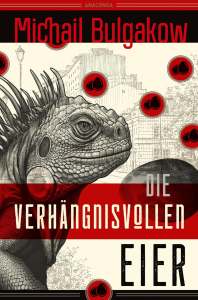
In 1924, he met Lyubov Yevgenyevna Belozerskaya (Russian: Любовь Евгеньевна Белозёрская), whom he married the following year. In 1928, the couple toured the Caucasus, visiting the cities of Tbilisi, Batumi, Vladikavkaz, and Gudermes. The premiere of Bagrovsky Island (Blood-Red Island) took place in Moscow that same year. During this time, the author developed the first ideas for The Master and Margarita and began work on a play about Molière entitled Cabal Svyatosh (Slavery of the Bigots). In 1929, he met Yelena Sergeyevna Shilovskaya, who became his third wife in 1932.
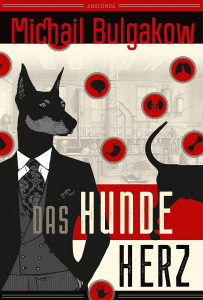
In the partly autobiographical novel The White Guard from 1924, Bulgakov uses the example of the Turbin family from Kyiv to describe the chaotic period of upheaval that followed the October Revolution and the collapse of the Russian Empire. Bulgakov’s play The Days of the Turbins, which premiered in Moscow on October 5, 1926, is also based on the novel. However, Bulgakov is better known for his grotesque depictions of everyday life in the young Soviet Union, often with fantastical or absurd elements—a typical form of social criticism in Russian-language literature since Gogol. The story “Heart of a Dog” was written in 1925 but was not published in the Soviet Union until 1987.
The Master and Margarita
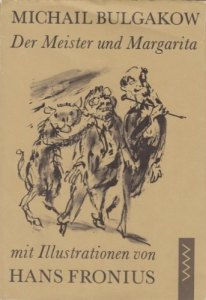
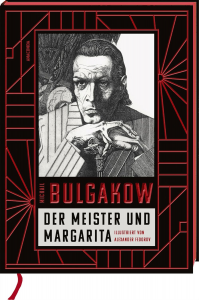
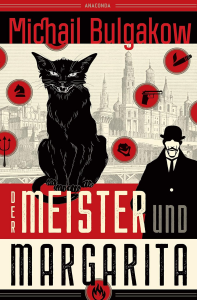
Bulgakov’s best-known work is The Master and Margarita, a satirical and grotesque take on the Faust motif, a journey through time. The work first appeared in print in 1966/67 in serialized form in the literary magazine Moskva, almost 30 years after the author’s death, in an abridged version. The unabridged version first appeared in book form in 1973. Shortly after its initial Soviet publication, the novel was published in 1968 in the German translation by Thomas Reschke in the GDR. In protest against Stalinism, during which the novel was written, he criticizes the dialectical materialism and militant atheism expressed in the Soviet Union.[3]
Some critics consider the book the best Russian novel of the 20th century. It was number 1 on the Spiegel bestseller list from April 29 to May 5, 1968.
https://www.deutschlandfunk.de/vor-125-jahren-geboren-der-sowjetische-schriftsteller-100.html
https://de.wikipedia.org/wiki/Michail_Afanassjewitsch_Bulgakow

