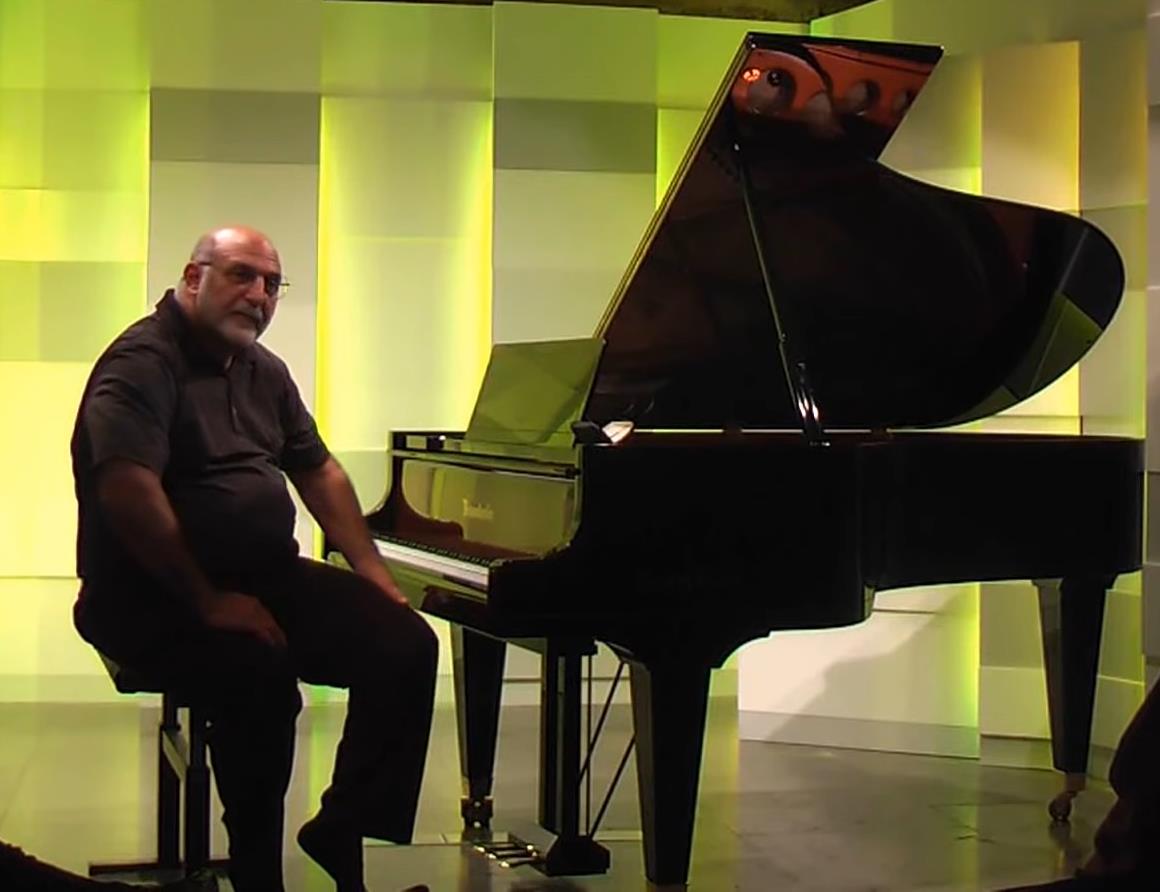
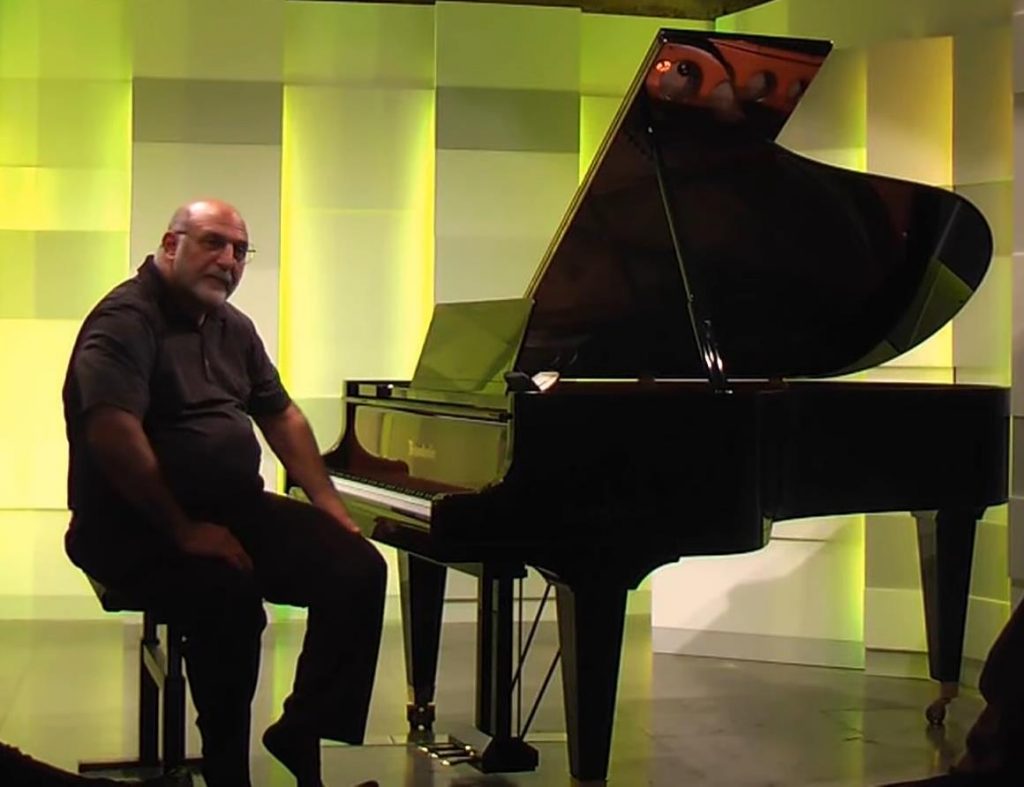
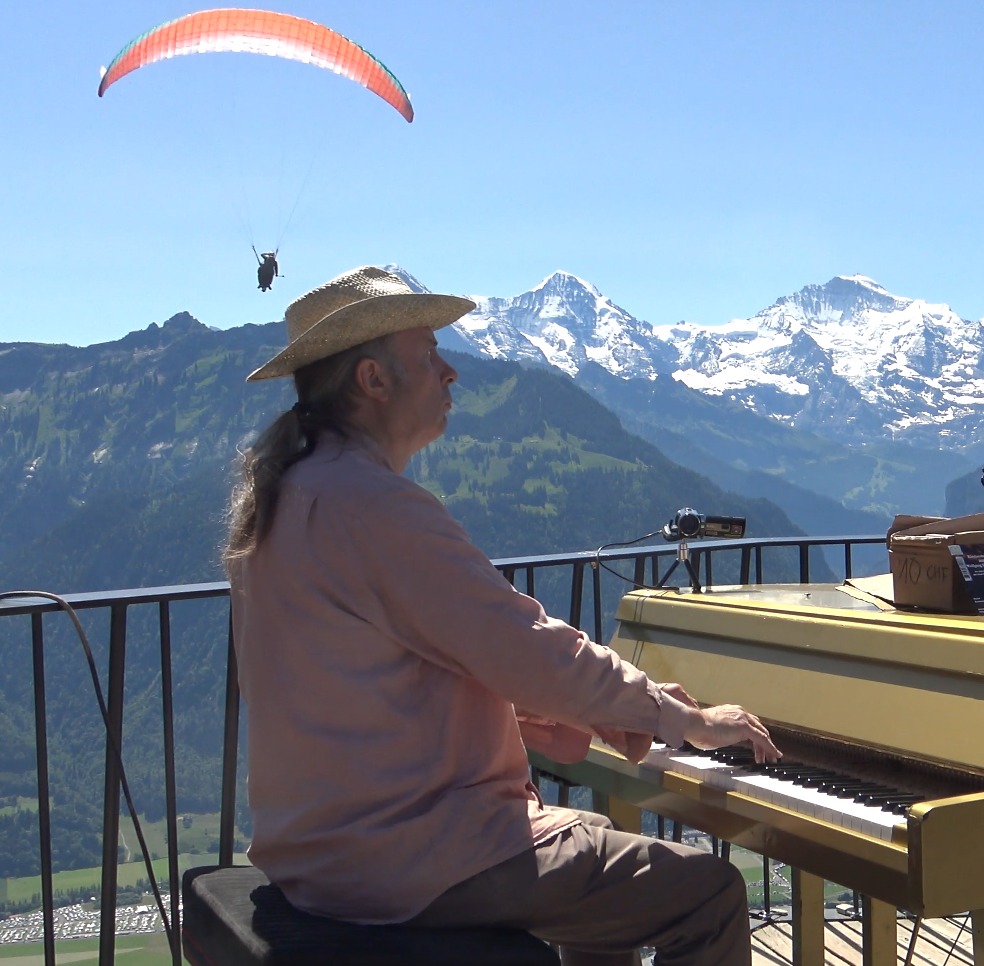
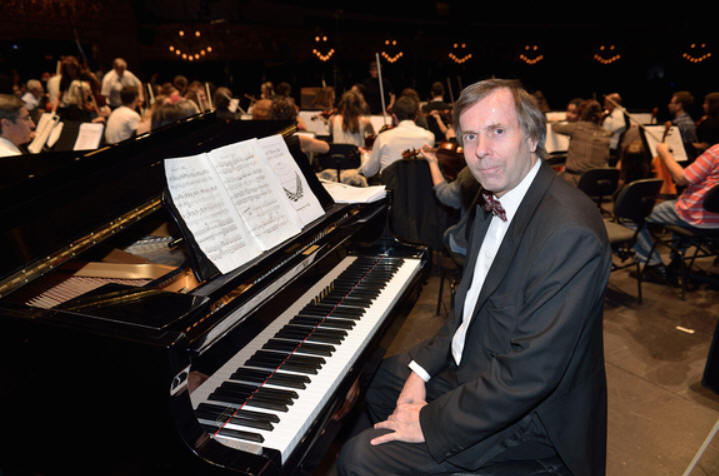
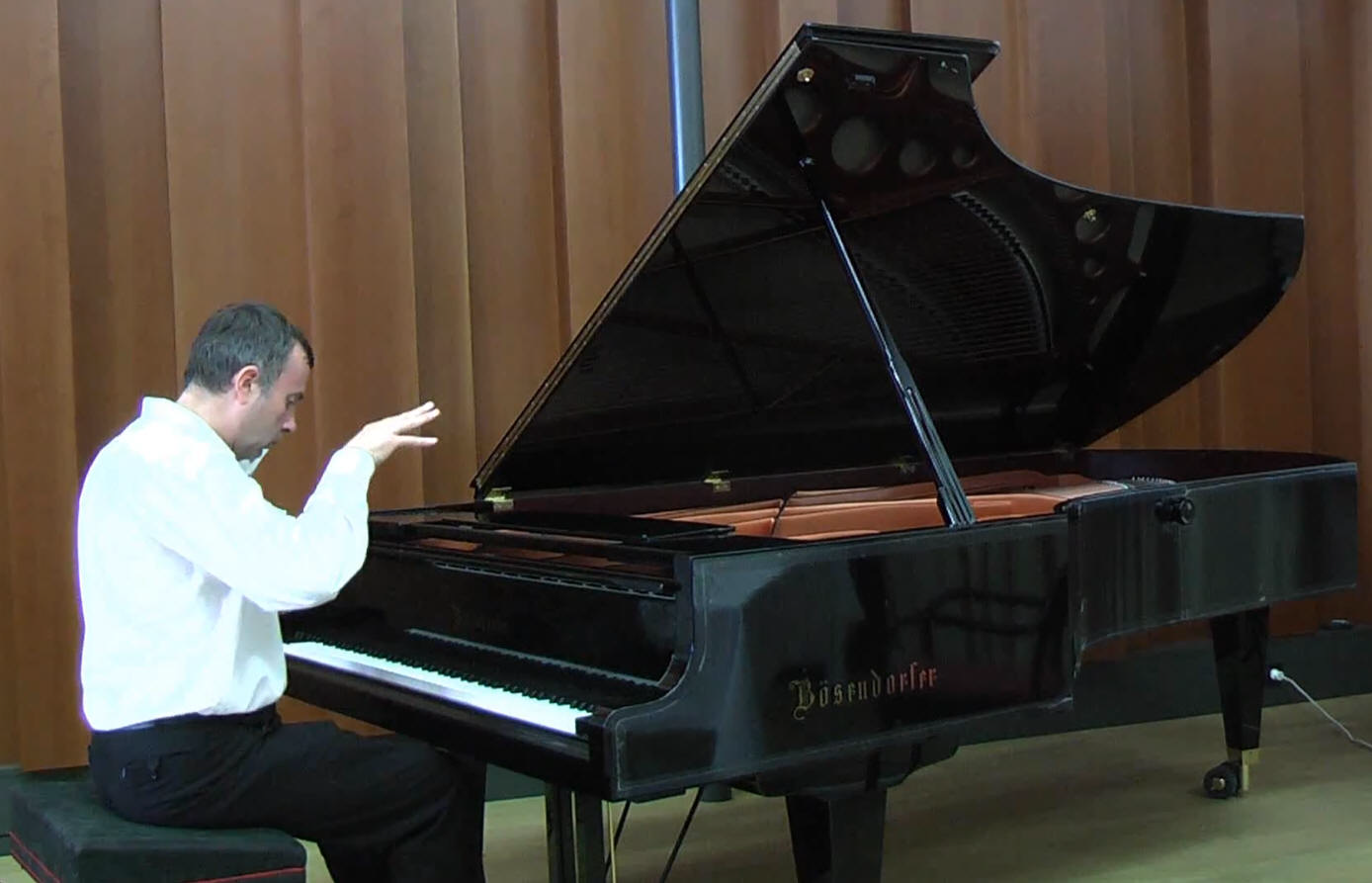
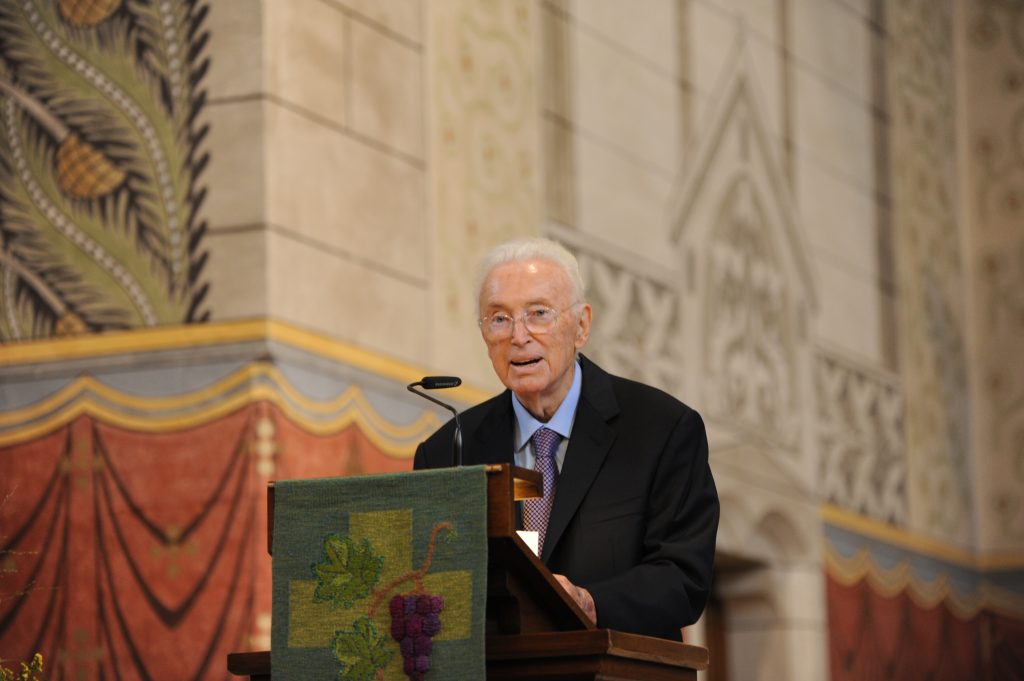
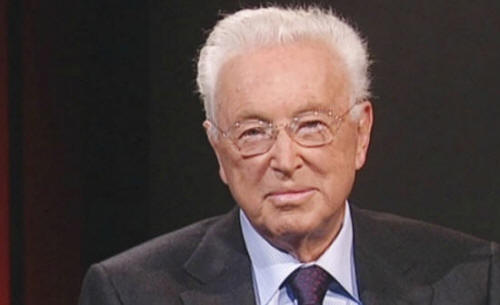
Tony Cicoria after being struck by a lightning had an out-of-body-experience and in this status was inspired with a lightning piano sonata. Later he took up piano lessons, wrote down the piece, played and recorded it and last-not-least played it in the Vienna Mozart House at the recital of a PianoMusicDocs master-class. ( www.pianoforte.best ) This is a very special overcoming of an essential trauma!
If you click on the youtube link below you see lots of TV-shows and interviews with him. He became president of a “near-death-experience-association”.
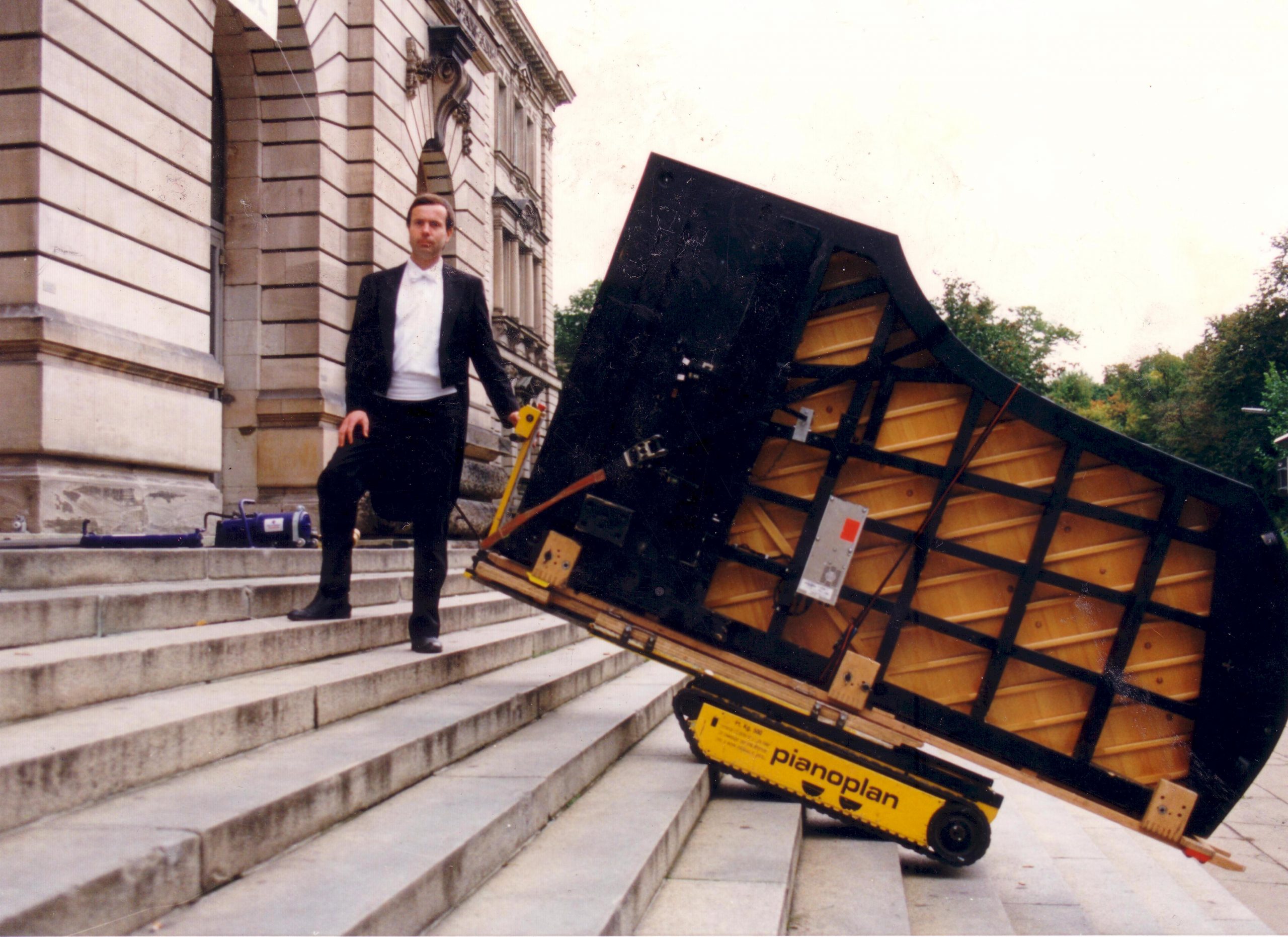
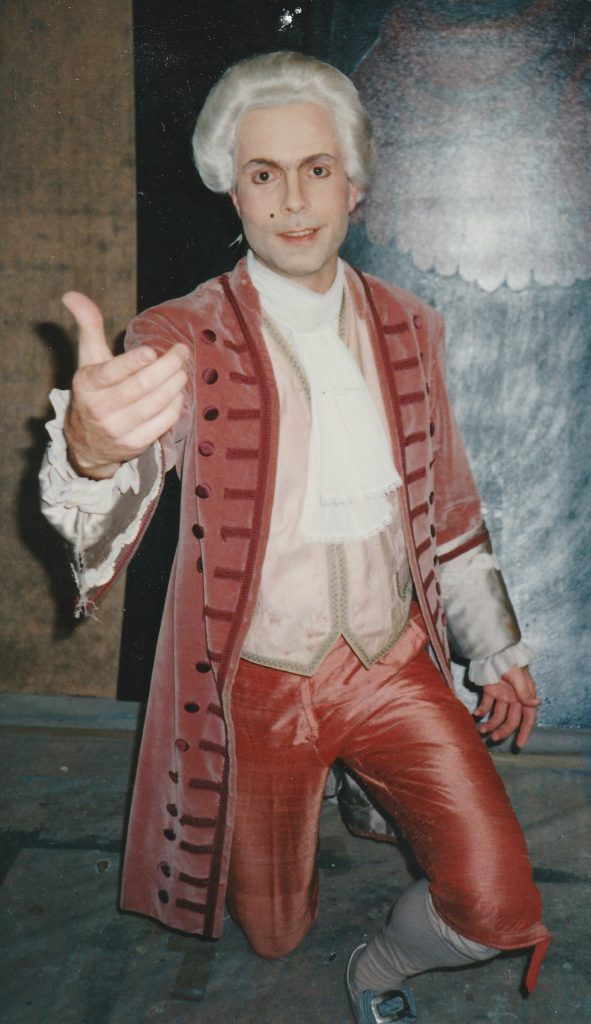
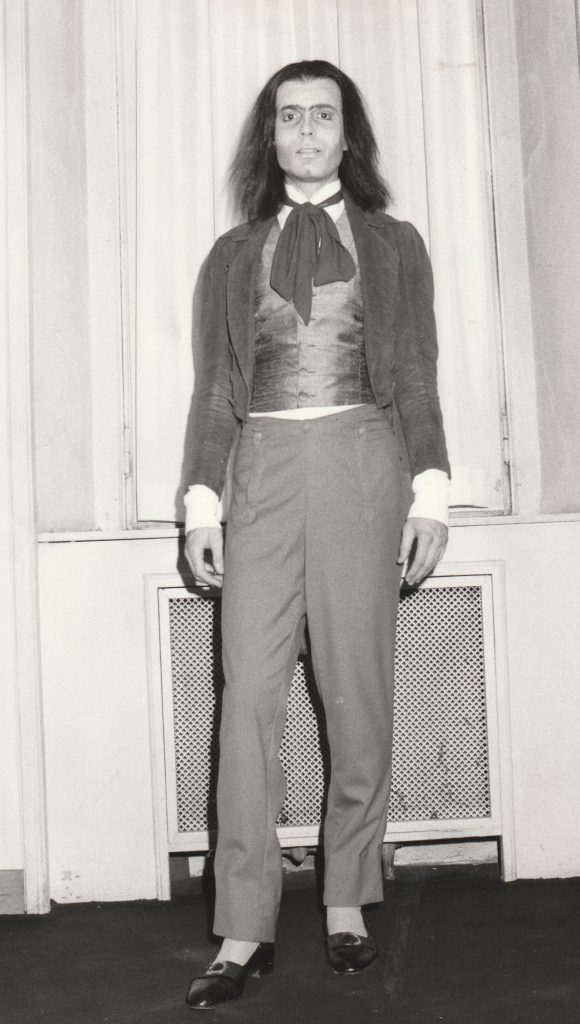
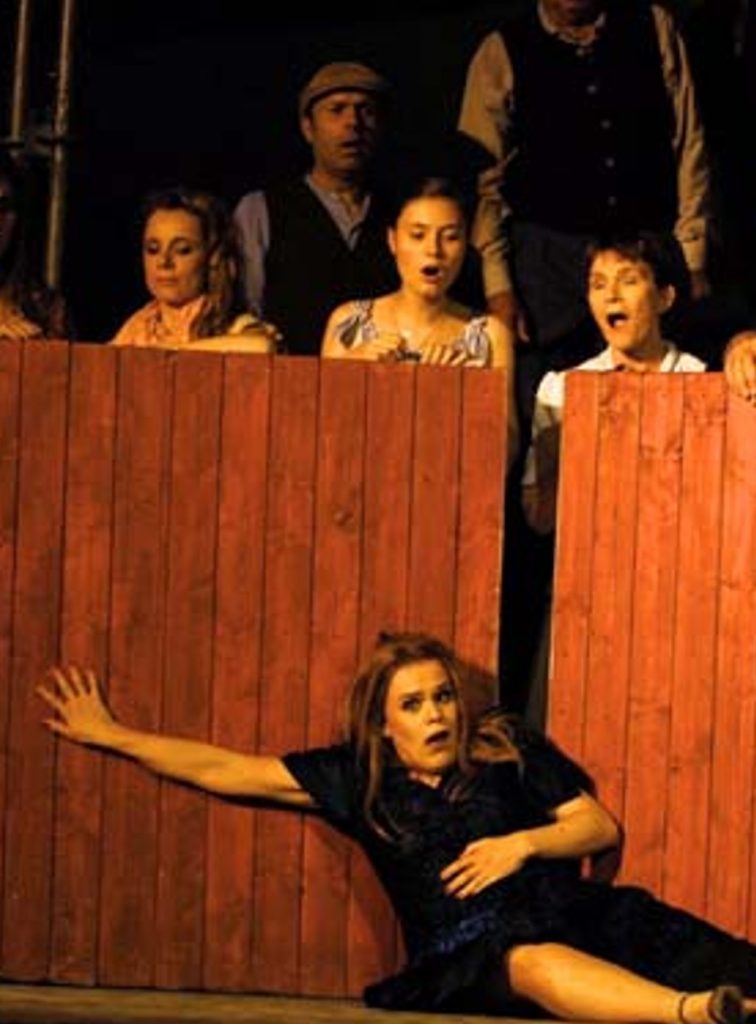
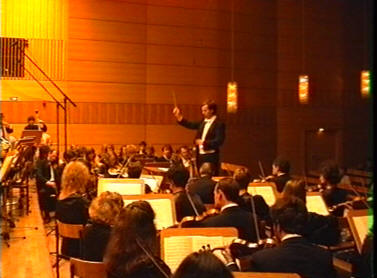
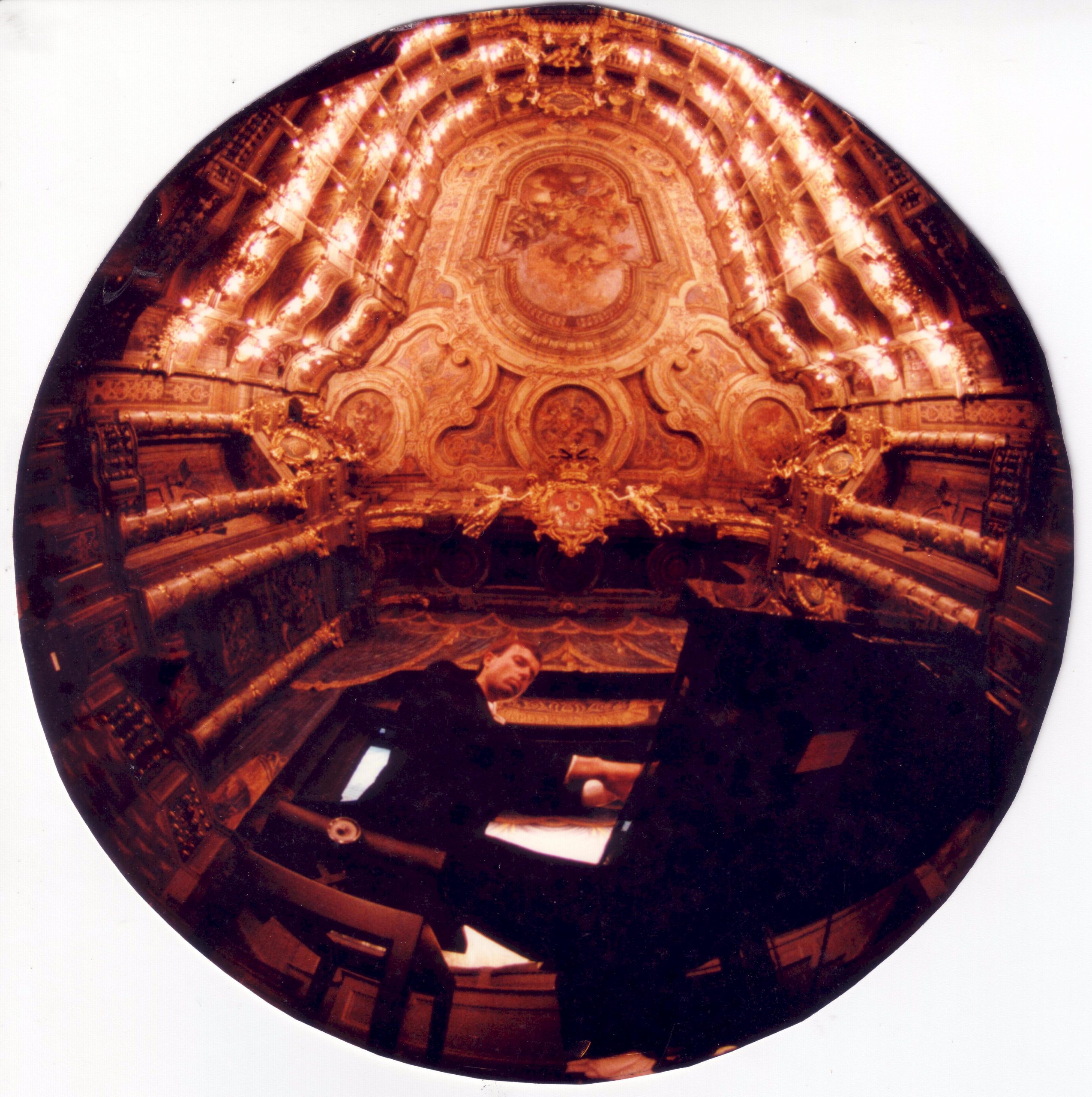
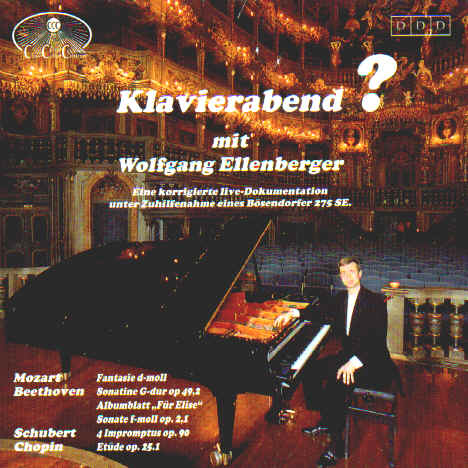
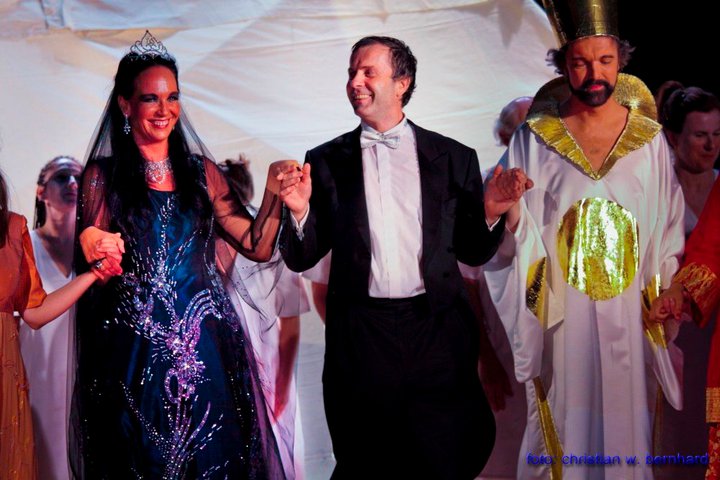
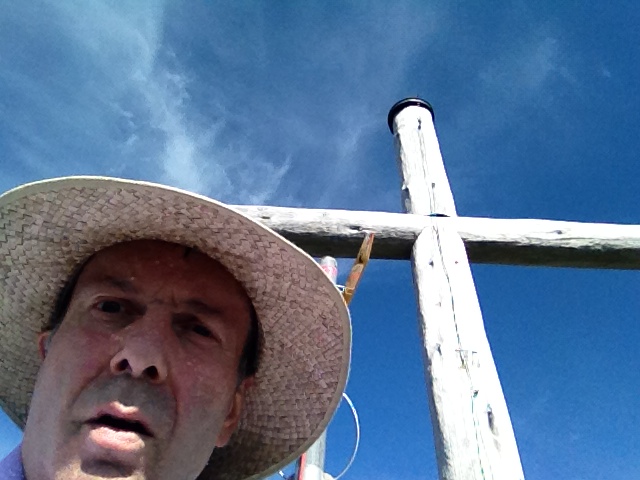
Wolfgang Ellenberger, the author of this web site has studied also piano diploma and concert exam besides music therapy. 1987-1989 he worked at the ballet of the Scala of Milano as pianist. 1994 debut as conductor with the Sibirian State orchestra Kemerovo. In the nineties he conducted three choirs and in the opera project Magic Flute. He has lived three years of his life in a camper on camping sites. He invented several things: piano-lift-hydraulics, piano fingering system and he introduced cinema therapy to a psychosomatic hospital. Since 1982 he manages an event service (see clients list). In his youth he played a pneumatic organ in a church in Hamburg Altona for 12 years. Since his workshop with Elisabeth Kübler-Ross he studied spirituality intensively and finally wrote a film script about the communication with the spiritual world according to the book of Johannes Greber. He produced many hundreds of films for his youtube account and other places. In 2011 he moved to Switzerland (with two interruptions in Germany) where he likes to hike in the mountains.
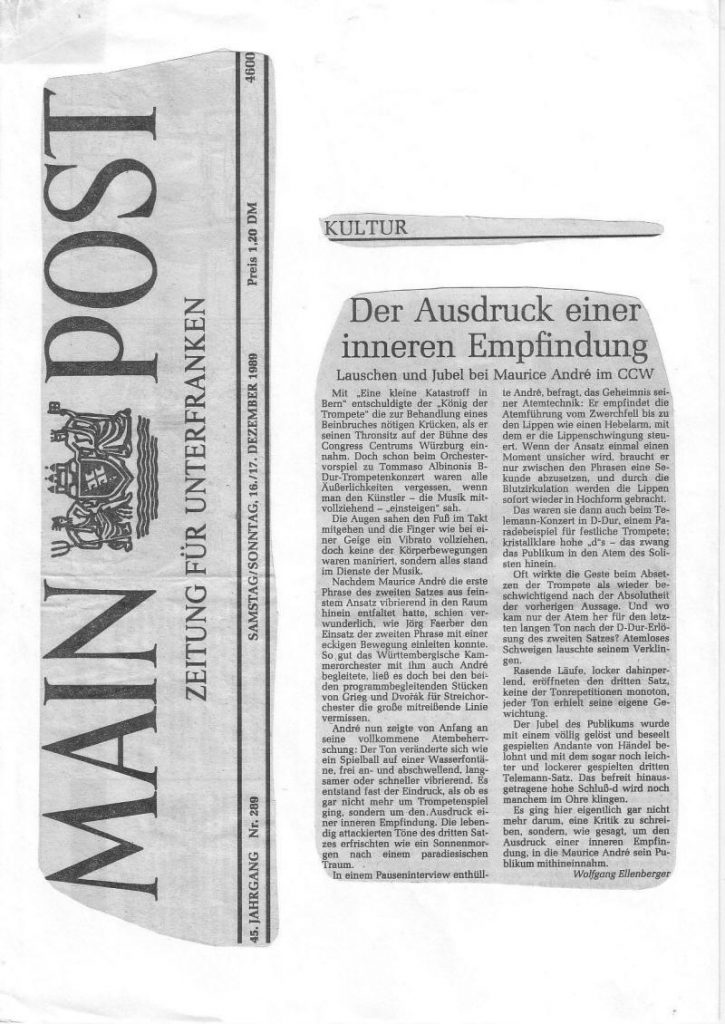
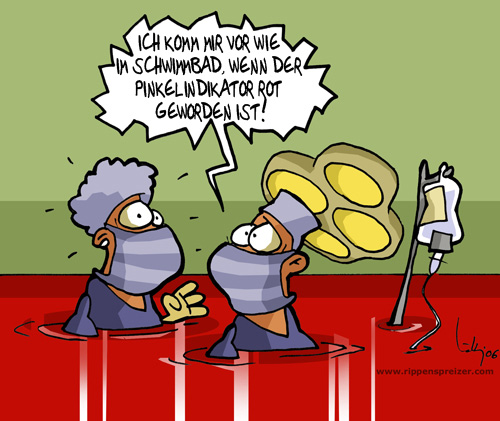
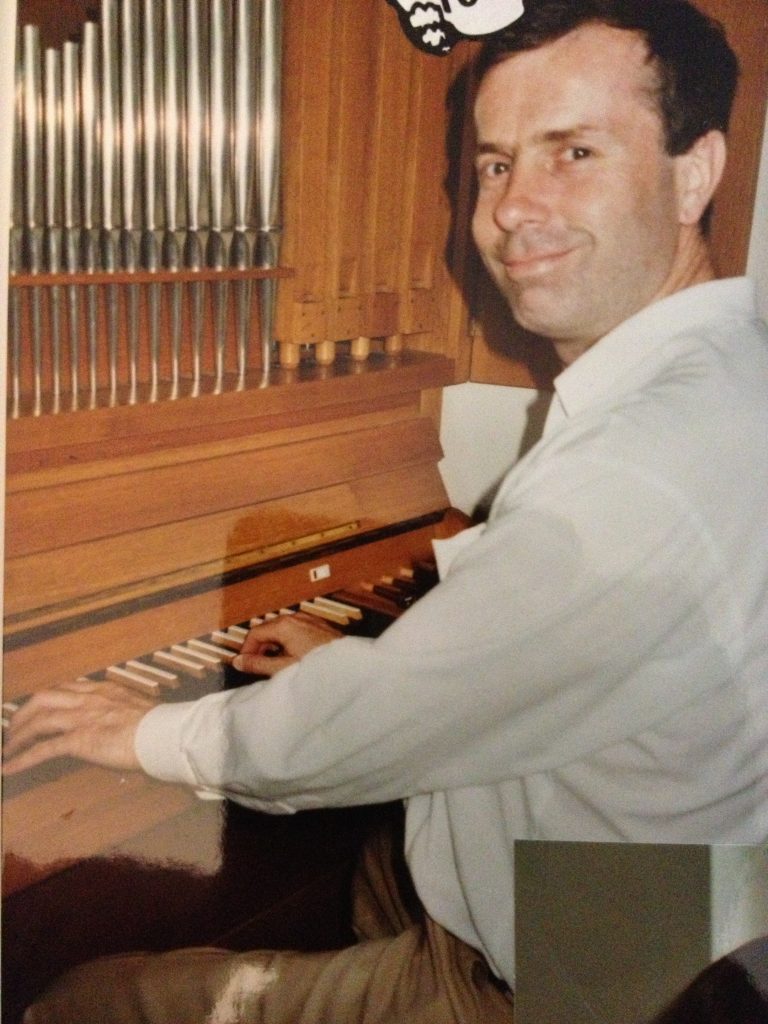
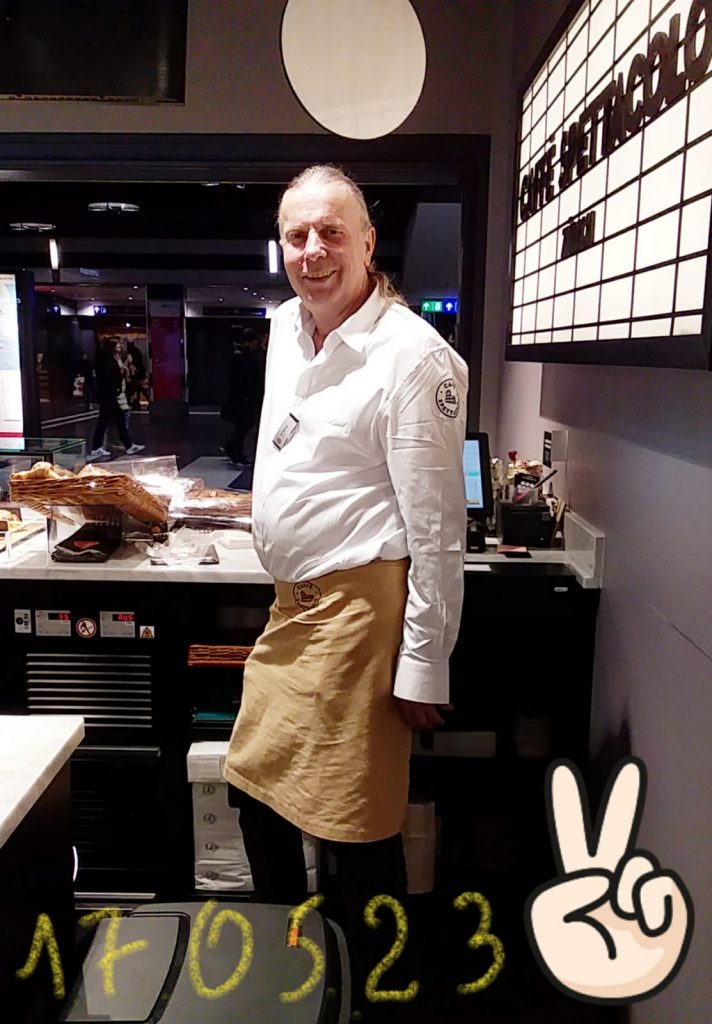
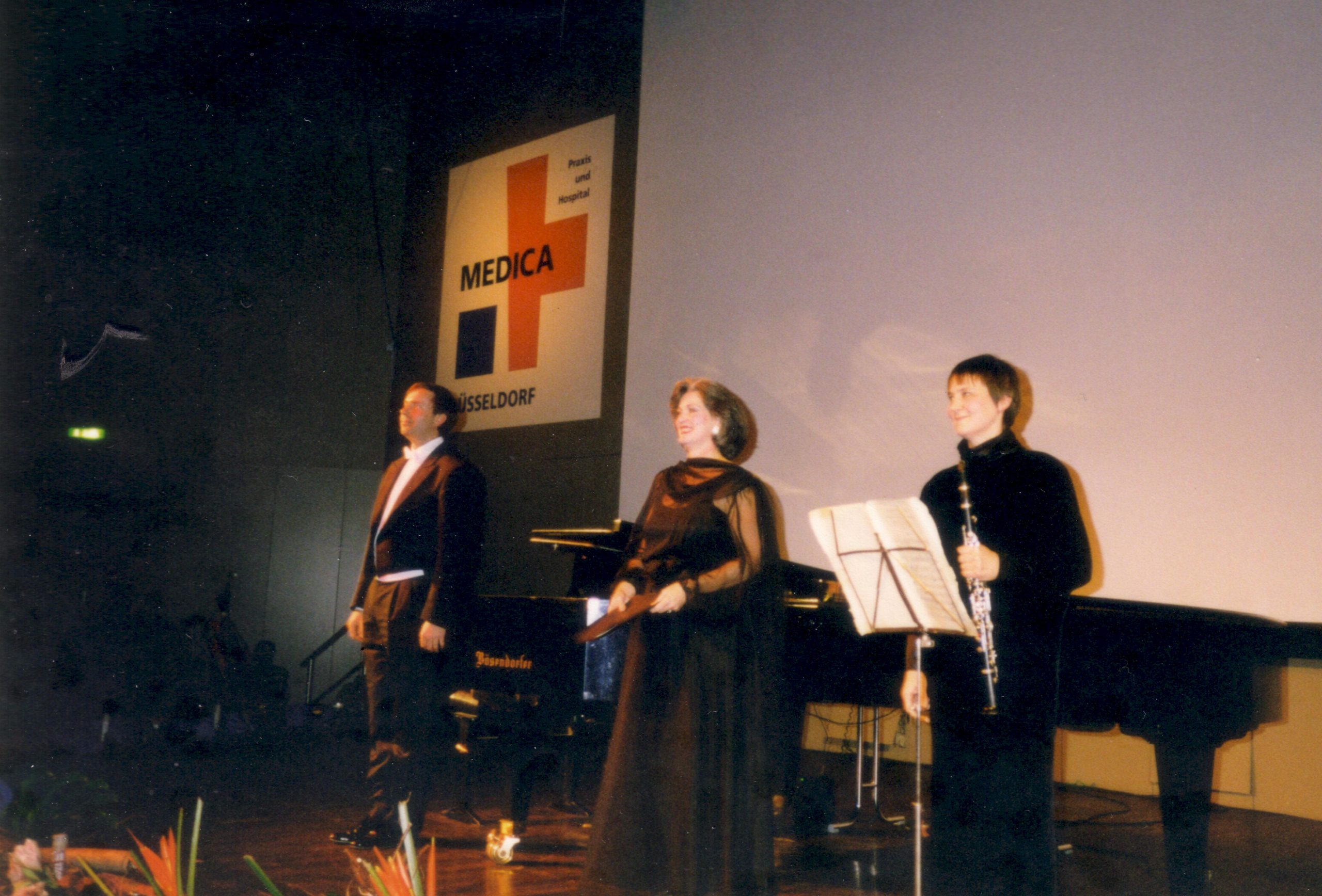
in baroque dance-groupEugen Onegin Teatro alla Scala 1986 Solo-StatistSinger in Opera-Choir (top)Journalist for Main-Post music criticsTexter for cartoons of Rippenspreizer12 years organ @Mennonitengemeinde HH-AltonaJob in storage companyJob as barista
Ellenberger worked as a waiter fully employed @ maritim hotel Würzburg for some months.
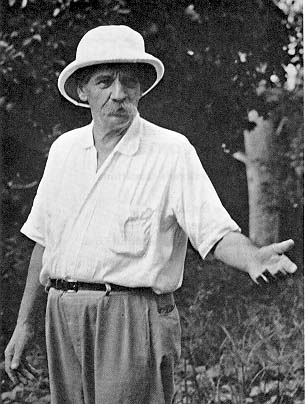
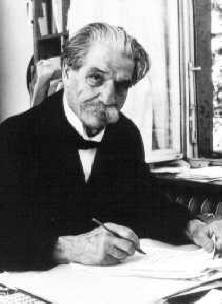
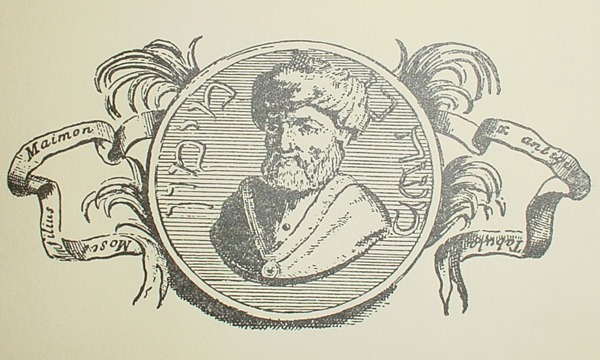
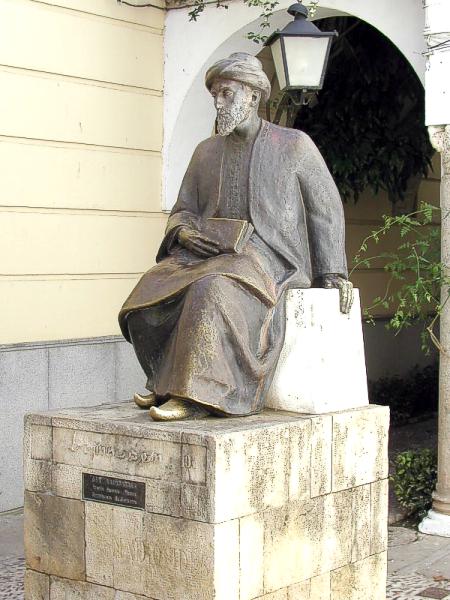
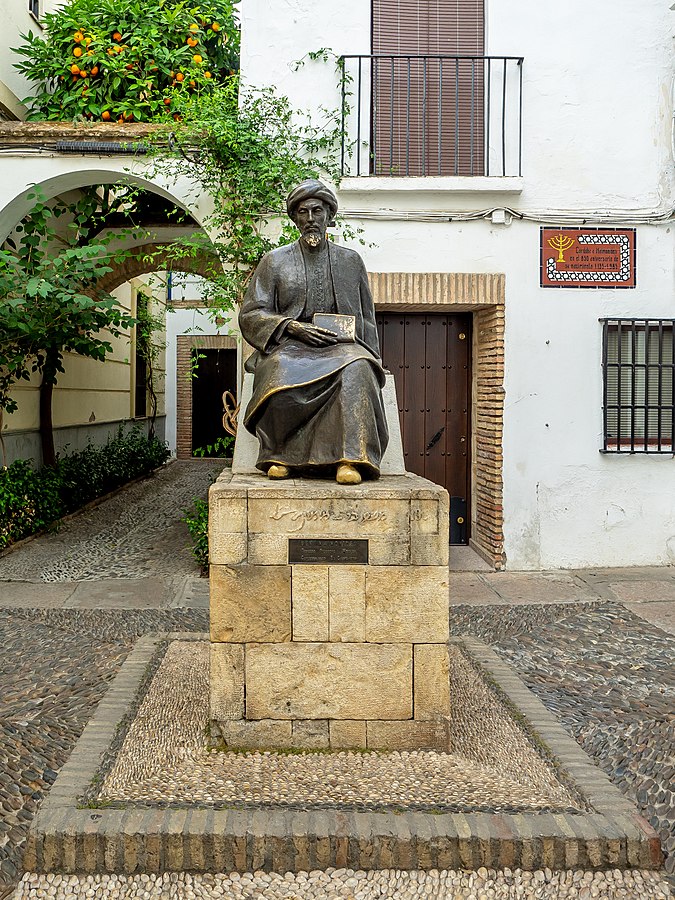
Moses ben Maimon[a] (1138–1204), commonly known as Maimonides (/maɪˈmɒnɪdiːz/)[b] and also referred to by the acronym Rambam (Hebrew: רמב״ם),[c] was a medieval Sephardic Jewishphilosopher who became one of the most prolific and influential Torah scholars of the Middle Ages. In his time, he was also a preeminent astronomer and physician, serving as the personal physician of Saladin. Born in Córdoba, Almoravid Empire (present-day Spain), on Passover eve, 1138 (or 1135),[d][8][9][10] he worked as a rabbi, physician and philosopher in Morocco and Egypt. He died in Egypt on 12 December 1204, whence his body was taken to the lower Galilee and buried in Tiberias.[11][12]
During his lifetime, most Jews greeted Maimonides’ writings on Jewish law and ethics with acclaim and gratitude, even as far away as Iraq and Yemen. Yet, while Maimonides rose to become the revered head of the Jewish community in Egypt, his writings also had vociferous critics, particularly in Spain. Nonetheless, he was posthumously acknowledged as one of the foremost rabbinic decisors and philosophers in Jewish history, and his copious work comprises a cornerstone of Jewish scholarship. His fourteen-volume Mishneh Torah still carries significant canonical authority as a codification of Halacha. He is sometimes known as “ha’Nesher ha’Gadol” (The Great Eagle)[13] in recognition of his outstanding status as a bona fide exponent of the Oral Torah.
Aside from being revered by Jewish historians, Maimonides also figures very prominently in the history of Islamic and Arab sciences and he is mentioned extensively in studies. Influenced by Aristotle, Al-Farabi, Ibn Sina, and his contemporary Ibn Rushd, he became a prominent philosopher and polymath in both the Jewish and Islamic worlds. On his tomb is inscribed “From Moses to Moses there was none like Moses”.[14]
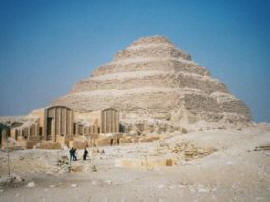
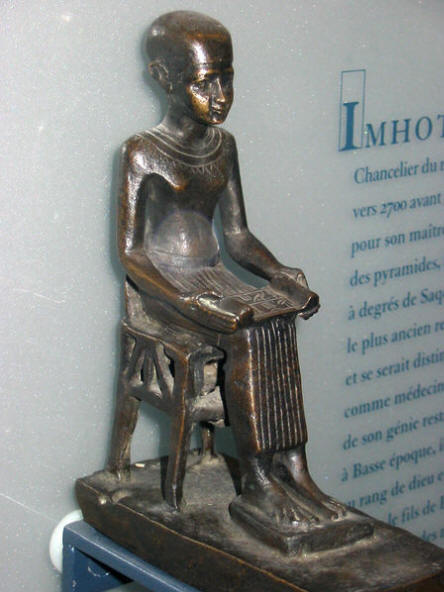
Imhotep (/ɪmˈhoʊtɛp/;[1]Ancient Egyptian: ỉỉ-m-ḥtp “the one who comes in peace”;[2] fl. late 27th century BCE) was an Egyptian chancellor to the Pharaoh Djoser, possible architect of Djoser‘s step pyramid, and high priest of the sun god Ra at Heliopolis. Very little is known of Imhotep as a historical figure, but in the 3,000 years following his death, he was gradually glorified and deified.
Traditions from long after Imhotep’s death treated him as a great author of wisdom texts[3] and especially as a physician.[4][5][6][7][8] No text from his lifetime mentions these capacities and no text mentions his name in the first 1,200 years following his death.[9][10] Apart from the three short contemporary inscriptions that establish him as chancellor to the Pharaoh, the first text to reference Imhotep dates to the time of Amenhotep III (c. 1391–1353 BCE). It is addressed to the owner of a tomb, and reads:
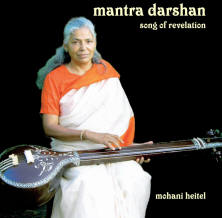
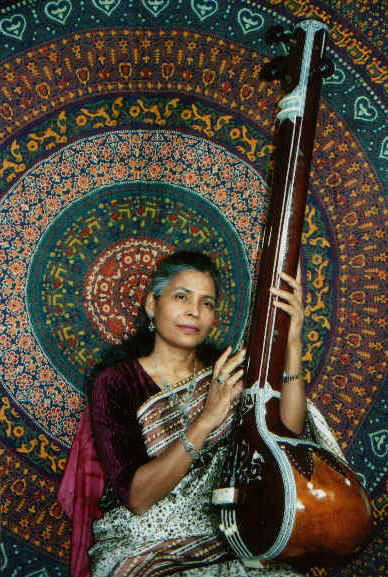
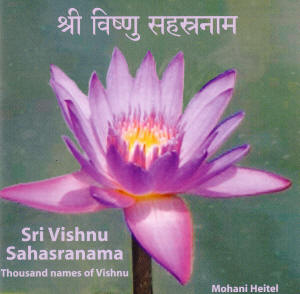
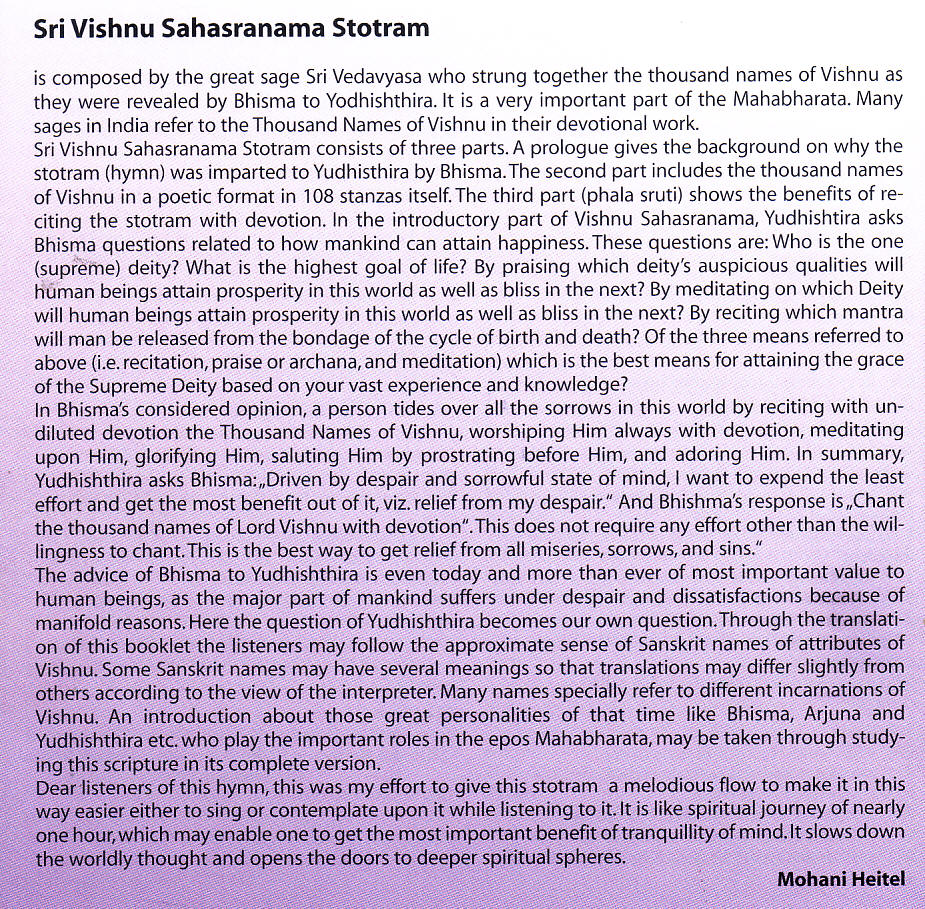
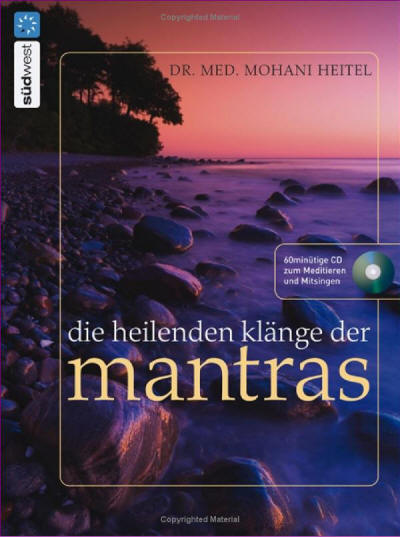
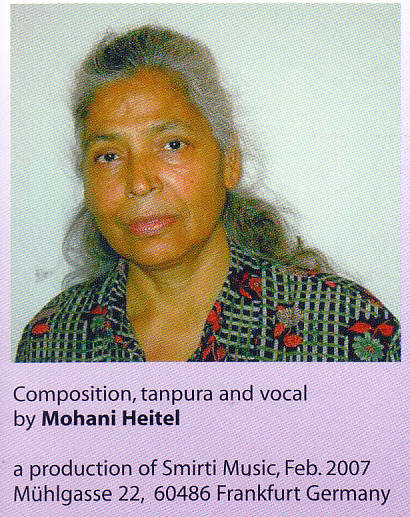
Mohani Heitel is probably the unique mantra-singing SpiritualDoctress
Get her CDs and books directly over her homepage: www.smirti.de
What is a mantra? Mantras are syllables, words or short sentences which have besides their literal meaning a special inherent power. Mantras have effects of sound and resonance as well as metaphysic or mystic meaning. In every culture and language since ancient times such words of magic existed. The word “mantra” is derived from sanscrit language and consists of the roots “manas” and “tra”. “Manas” is the totality of thoughts and emotions with all their desires and fears. “Tra” means saving, holding or protecting. Mantras are words which excecute a collecting effect on the mind. They work in a way as a key. With their help we can make certain energies and resonancefields of body and soul accessible.
How come you started singing mantras? From my childhood on in India the use of mantras was wellknown to me. To sing mantras already my father taught me as a little girl. For instance he used to recite mantra prayers during cooking. I was sitting near by and was listening with devotion. I felt very attracted by this and was calmed and transferred into another world. In this way I started already at that time singing one or another sanscrit mantra and felt happy with it. Until the development of my todays songs of mantras many years have passed. To tell it straight forward, I love to sing songs with spiritual background. The singing for the veneration of God is delighting and it stands on the first place. In so far it is artistic expression of a devotional feeling. All other aspects like scientific explanations, different ways and models of explaining the effects of mantras etc. follow afterwards. For me it was important to come in daily life for a certain time to peace and selfreflection. In this context I remembered the mantras and have sung some spontaneously. In the following time I dealt with my experiences in singing and hearing mantras in greater detail. In doing so I developped a certain style of singing by which the atmosphere and vibration of the respective mantras was transferred. In the time when I suffered from a long and heavy desease, I came to know about the healing and strengthening power of mantras. Since then mantra-singing belongs to my daily life.
Where is the origin of mantras? Most of the tradition of mantras is in sanscrit language. Sanscrit is one of the oldest languages of the world. The scripts of the vedic time report that rishis the wise men of that time captured and received the mantric wisdom by intuition. Also today these experiences can be brought back by proper application of mantras. Wellknown are also the mantras which consist in single or compounded letters, the so called “bija-mantras” or germ-mantras. The letters which form such mantras are called “bija aksaras”. In hindu religion each deity is represented by a “bija aksara” which in human language is the most near equivalent form to the “nada”, the sound vibration which arises at the moment of manifestation of the deity. These “aksaras” or mantras are all used as words of invocation of this deity. The most wellknown of these germ mantras is “pranava”, “Om” for Brahman. In Yoga the teachings of the chakras – the energy centres – contains also the teaching of the germ mantras belonging to each chakra. There are directions of yoga which have registered and discribed systematically meaning and applications of mantras.
Already in the spripture of Bhagavat Gita the use of mantra is mentioned. Sri Krishna says in the Bhagavat Gita (10-25):
Among all rishis I am Bhrigu Among all word I am the syllable Om Among of all forms of prayers I am the repetition of mantras Among all mountains I am the Himalaya
In which way mantras do effect us? Mantras have wonderful effects, if they are repeated in a proper way. The holy scriptures of India are full of stories about persons who have reached superhuman and supernatural powers by chanting mantras. The Vedas, especially the Rig-Veda contains thousands of mantras. These mantras are considered highly effective although their meaning is not known. Actually the literal meaning has little to do with the power which mantras give. Our mind, our actions and things of our surrounding can be purified by mantras and charged with spiritual energy. The special vibrations of holy places and centres of pilgrimages arouse from the fact that someone at sometimes has chanted holy mantras at these places. After that these places exercised great spiritual attraction for many years. The vibrations which are set to work by singing mantras make our subtle sensations receptive for spiritual knowledge. Brahman, the highest and unperishable being is not only described as light but also as sound. The sound which is emitted by every being and moves into the atmosphere creates uncounted waves in the ocean of sound. This total atmosphere of sound effects cosmic interactions. Mantras have effects on this atmosphere of sounds.
Which role plays the sound and the breath with mantras? Each letter, each word and each syllable has beside their meaning in the general use of language in addition a soundinformation which is a sprecial pattern of sound. Carrier of this sound pattern is on one hand our body which consists of different chemical element and on the other hand it consist of the air stream which is directed by the breath. Diaphragm, larynx, mouth, lips, tongue and the differently directed air stream are involved in the articulation of sound. Every sound pattern is based on a certain pattern of breath and direction of the air stream. The breath is charged with life energy. In the language of Yoga it is called power of Prana. Great significance was drawn to the Prana-Yama, the equalization and inherent regulation of breath. Because of this reason mantras have a breath activating and regulating effect. On a different level each pattern of breath is based on an energy pattern. Breathing and articulation of voice creates subtle frictions by the air stream which vibrates the body cells and the tissues. This further leads to chemical and electrophysical reactions on for instance the brain waves, microelectric current of skin and muscular tone. Thus the application of mantras is a sublte energetic work.
In which way mantras should be applied? The body should rest relaxed and the mind should concentrate on the content of the mantra. Chanting mantras can unfold a strong effect. The song of mantra with its subtle, recurring melody helps to reach vegetative equalization, mental and somatic relaxation. The application of mantras however varies individually. Some who like to meditate in perfect silence and are able to concentrate accordingly, they will use mantras by silent mental repetition. Others who enjoy the voice and like to work with voice and sound will prefer the own singing or to sing along with someone, a cassette or CD. Again others can concentrate and meditate best by listening to a mantra. Normally it will take a certain time until the mind has adapted adequately and the mantra can unfold its effects. It is recommended to apply mantras or mantra songs in undisturbed and devotional attitude so that the effects of mantras may be preserved.
Which significance has the repetition in th application of mantras? Throug repitition the travelling mind is tight up to the mantra. Through the repetition of a mantra the mind gets a simple and effective task. By this a spontane meditative effect is reached. From the repetition results a perfect awareness of the mantra in consciousness. By concentrating the consciousness the inner microcosm is connected to the outer macrocosm. A subtle flow of energy is generated. The process of becoming perfectly aware of the contents of the mantra is very import by the use of mantras. It signifies to bring a state of consciousness into the presence, to build a bridge over time and space into the here and now. Becoming aware means to be aware of the perfect presence and unite the past and the future in the present experience of being. Accordingly the meanings of mantras like Tat tvamasi – this is You – or So Hang – this I am – are based on such direct experience of being in meditation.
Which significance has the language of mantras? One should not try to translate mantras in another language because this would change their original charakter. The effects of sound and vibration are not generated in the same way. sanscrit is a special language for mantras. Besides many european languages have their roots in the sanscrit language so that this is not a completely foreign language. Old prayers in their original form of language had quite another mantric effect of sound and resonance. In former times for instance the prayer “our father in heaven” from the christian tradition in the greece form was sung. The “Gatas” too, the holy sayings of Zoroaster, were sung. The effects of sanscrit mantras are object of todays scientific research. By experiments and selfexperiments it was observed that people experienced a deep inner peace and selfintegration. The affinity to a certain cultural or language group here in was of minor significance.
Is the use of mantras a special form of meditation? To my opinion meditation should be an act of devotion to the devine. All the forms of meditation that fulfill this are to be recommended. Spiritual matters are not mere subjects of intellect or practical abilities, not to be possessed etc. Genuine spiritual experience crosses the borders of the own personality. One cannot bring forward a state of meditation allone by will and selfcontrol. The meditative state can only happen by itself. Silent meditation does not available at once and is quite difficult to achieve in times when everybody is engaged in the working process. The mantra song accompanies the spirit. By this it is a little bit easier to concentrate and meditate on the contents. According to my experience mantras are – described by a picture -like a boat which you may enter to row into the sea of your soul. By this it is a little bit easier.
How one can use mantras for healing? There is quite a considerable potential of healing powers within man which could be used for prevention or support of treatments of deseases. Many people would like to use their inner powers more consciously and targeting. Mantras hereby are quite helpful. The introduced meditative deep relaxation of body, mind and soul hereby plays an important role. Mantras have different levels of healing effects. On the body level the vibrations of mantras work as a subtle massage. On the emotional level positive healing feelings are produced. Silence, equimindedness, joy, love and reconciliation are experienced inside which you may call healing of the heart. Subconscious emotional blockades are dissolved. We gain access to our inner psychic world again. Another dimension of healing effect lies on the level of transpersonal and transcendental experiences which are beyond discription.
Does the mantra song effects the quality of sleep? One sentence of the old indian scripture “Upanischad” runs as follows: “In sleep man is near to himself, the Atma”. Sleep itself is a mystery and left many questions to the scientific research open. To remove sleep disturbances by natural means is an important matter. Already in ancient times sleep was applied for healing purposes and called as healing sleep. Healing sleep was initiated by the recitation of words and music. The initiation of sleep by mantra songs fulfills a similar purpose using the soothing effect of the repetition for carrying over to sleep. Mantras then continue to effect us unconsciously by their pleasing vibrations for a while.
What the is the musical concept of the mantra songs? These mantra songs are in a way contemporal sacral music which is based on meditative experience inspired by mantras. Important in this process is the development of the voice guided by the mantra from a undifferenciated stream of sound. The immature sound is a cosmic sound equivalent of endless unformed energy and by this is the source of all shaping processes in creation. The stream of music as symbol of the primal sound in traditional indian music is allways present in the background by the sounds of the strings of the Tanpura which accompanies solo melody intruments or singing. The characteristic voice of the tanpura creates a pulsing cosmic sound energy in which the listener means to hear endles melodies and rhythms. They are already there but still unmanifested and they are so to say felt as potential music. Based on the fundamental tone rises the song of mantra which consists in secret syllables of sanscrit. The chant of mantra lives by the msytic union with the fundamental tone which is experience as precreative primal force. Singing mantras is living practise in which the mystic of music tries to leave the surface of nature and dive into the depth of sound and further to the spiritual origin of the self. Mantra are sung with breads of silence in between. In these breaks the resonance on the human mind and heart is attentively felt inside.
Can You explain one mantra to us, for example one which You have received yourself? I will explain the mantra “Shisha Prashanam”. In complete original terms the mantra goes: “Shisha Prashanam, Chit Anandam, Sukh Prad Vachanam, Smirti Maya Monam, Dehi Me Jagdeesham, Dehi Me Jagdeesham”. This mantra contributes to being aware of human goals, it removes inhibitions, sorrows and entanglements by consciously bringing happiness to the heart (shisha prashanam is happiness of mind). This creates healing words respectively words leading to happiness (sukh prad vachanam). Because words from a joyful heart have healing effects. Likewise this mantra was created from a joyful heart. The silent rememberance in God comes next (smirti maya monam). Happiness of mind also means to be free from the burdon of sorrows. This is possible by setting free and not to be too much entangled in wordly affairs. Simultaneously a confidance in the eternal being is created. It is a fundamental inner detachement. Words coming from the heart have healing power and they lead to higher knowledge. This effects a silence in real sense. In daily life, when one is allone and in seeming silence one still is occupied with different thoughts. This is not really being silent because the there is no inner silence in mind. Here also is meant the silence (Monam) in rememberance of God. The mantra prayer helps to set one free from the entanglements of the world of thougt. Dehi me Jagedishan asks God that this should happen. It confirms the will for spiritual development and to become aware of the spiritual goal.
Holistic psychologist and psycho-therapist since 1987. Her professional activity is complemented by her teaching kundalini yoga and meditation for a better life quality.