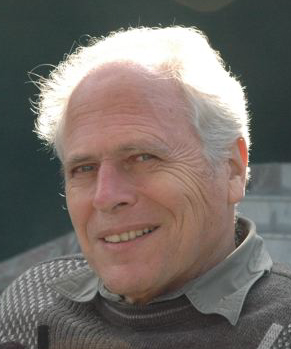
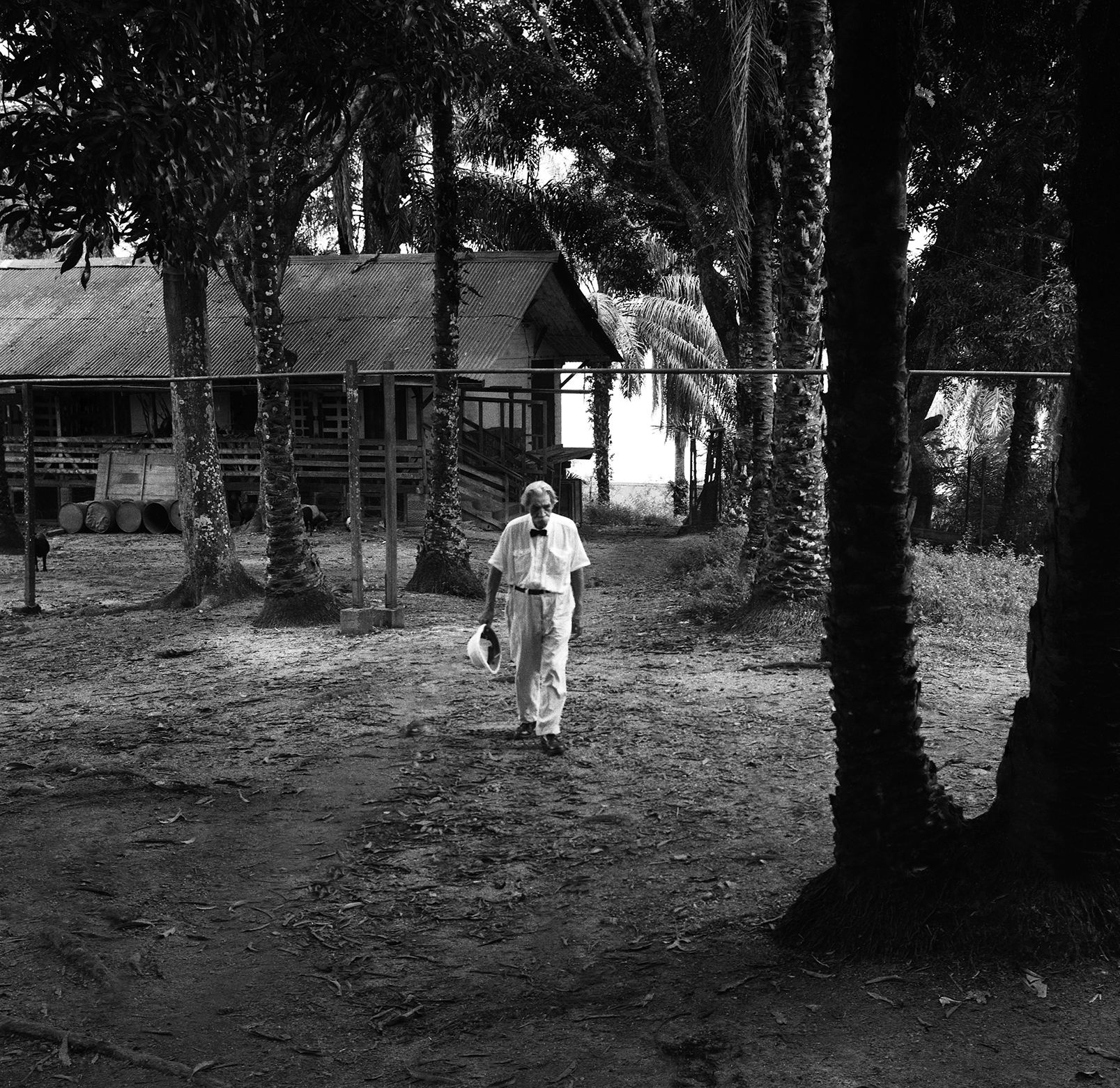
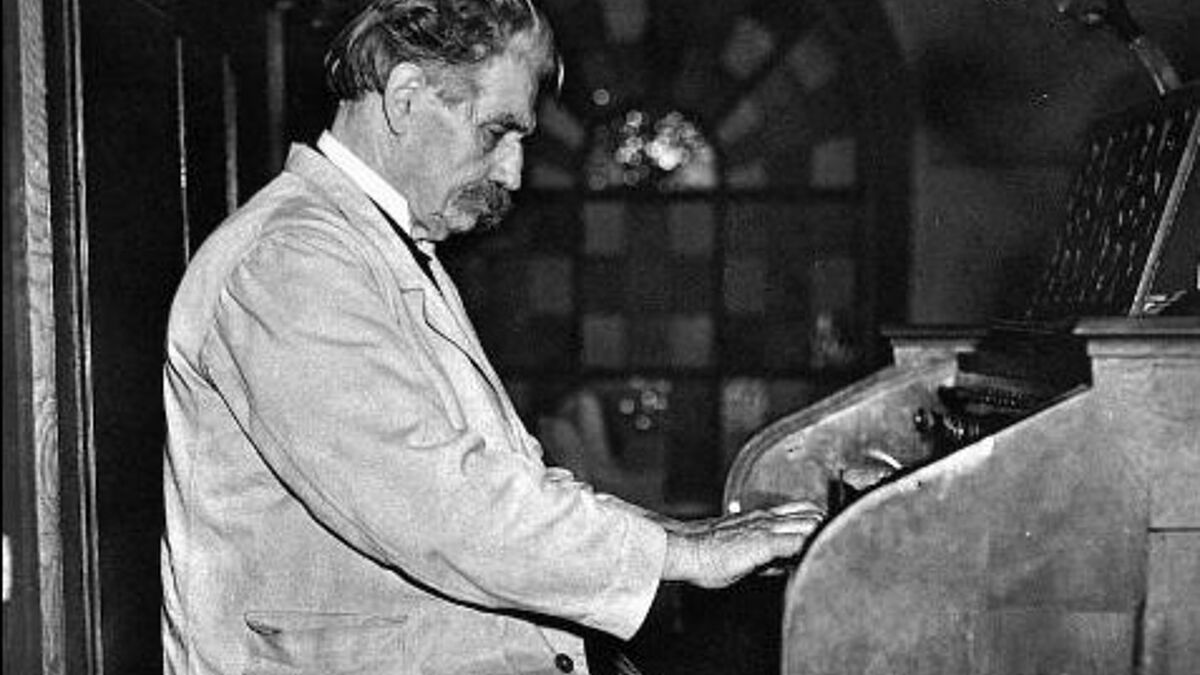
Bernhard Ehlen SJ (born March 5, 1939 in Berlin) is a German Jesuit and founder of Doctors for Developing Countries (now German Doctors).
Ehlen entered the Jesuit order in 1958. After graduating from Canisius College in Berlin, he studied philosophy, theology, and education. After his ordination in 1968, he taught religion at Canisius College from 1970 to 1971. He then worked as a youth pastor in Hanover until 1975, as well as a religion teacher at the Bismarck School and Tellkampf School high schools[2], and as a teacher and youth worker in Berlin until 1981. From 1982 to 1983, he was a teacher and youth pastor at the Sankt Ansgar School in Hamburg.
In 1981, he also joined the Cap Anamur Committee and worked as a project coordinator in refugee camps in Somalia. These experiences gave rise to the idea for the aid organization “Doctors for Developing Countries,” which he founded in 1983. He served on its management board until 2006. His order released him for this role in the spirit of the option for the poor. From 1986 to 2010 (he resigned), he was a member of the four-member board of “Doctors for Developing Countries.”
From 1984 to 2010, he lived in the Ignatiushaus in Frankfurt am Main[3] and now lives in the Jesuit Caritas retirement home in Cologne-Mülheim, and since 2022 in the Rupert Mayer Community in Munich.
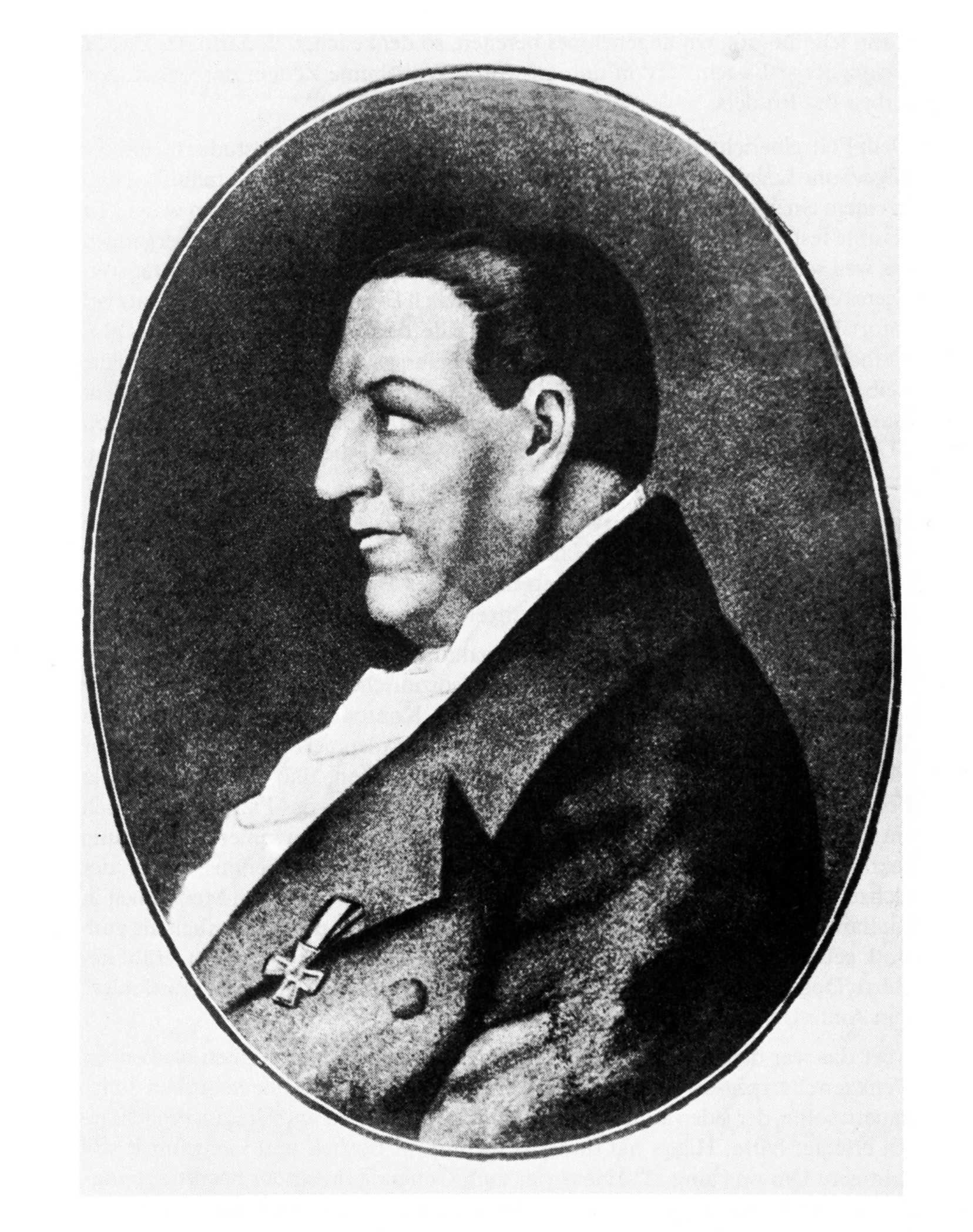
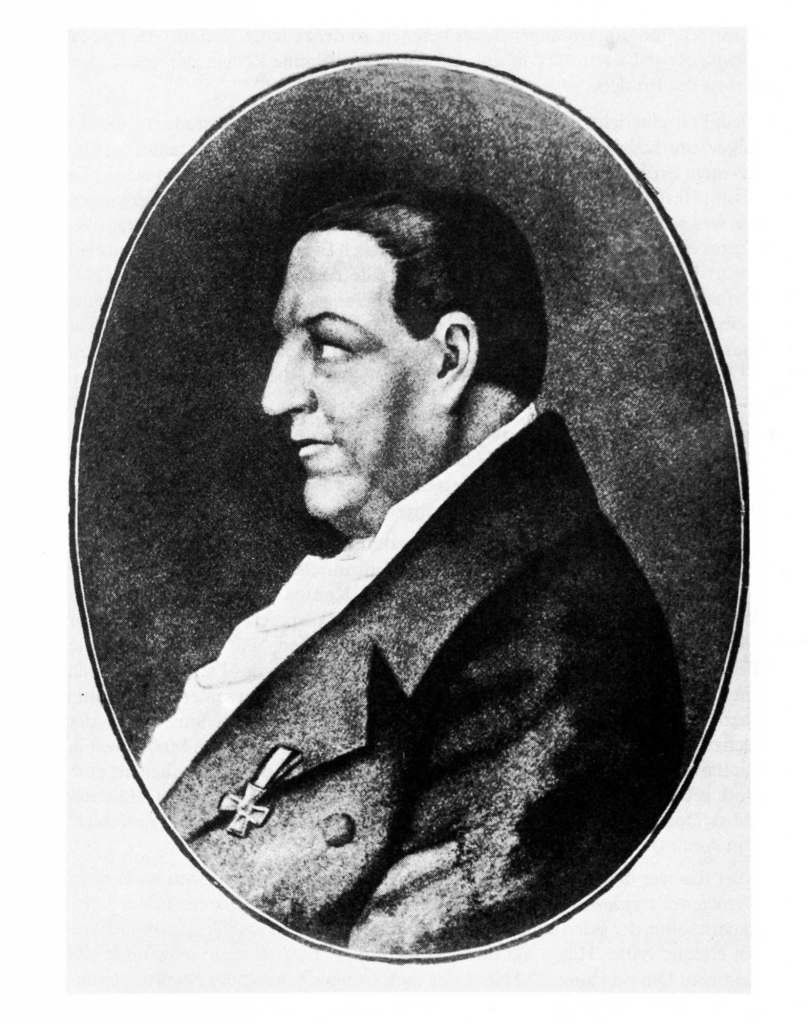
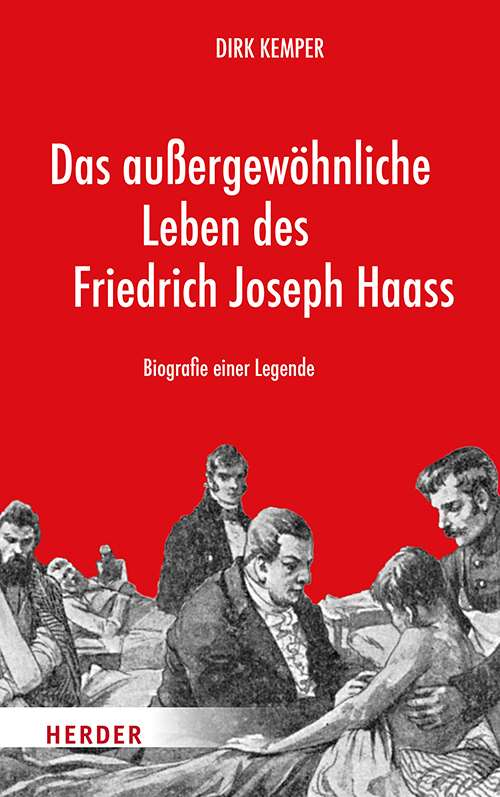
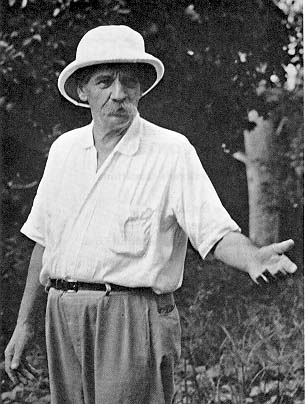
Dr. Friedrich Joseph Haass (Russian: Фёдор Петрович Гааз, Fyodor Petrovich Gaaz; 10 August 1780 – 28 August [O.S. 16 August] 1853) was the “holy doctor of Moscow”.[1][2] Born in Bad Münstereifel, as a member of Moscow’s governmental prison committee, he spent 25 years until the end of his life to humanize the penal system.[1] During the last nine years before his death, he spent all of his assets to run a hospital for homeless people. He died in Moscow. Twenty thousand people attended his funeral at the Vvedenskoye Cemetery, which was paid for by the state as he had no more money.
Haass, son of the pharmacist Peter Haass and grandson of the “surgeon on the Thurnmarkt” in Cologne, Wilhelm Anton Haass, studied German, philosophy and medicine after finishing school at the Ecole Centrale in Cologne, founded under Napoleon, and at the universities in Jena and Göttingen. In Göttingen he received his doctorate in medicine and surgery. In Vienna he trained as an ophthalmologist. One of his first patients as family doctor to the Russian Princess Varvara Alekseevna Repnin was her father, who suffered from a serious eye disease.[1] The latter recognized Haass’ talent and invited the young doctor to Russia. In 1806 he appeared in Moscow as Fyodor Petrovich Gaas. As early as 1807 he was appointed chief physician of the renowned Pavlovskaya Clinic (Paul’s Hospital).
From 1828, as a member of the Moscow Prison Protection Committee, he devoted himself for 25 years to caring for prisoners exiled to Siberia.[3] He was firmly convinced that man is good by nature because God created him in his own image. Therefore, a person who has strayed from the right path is nothing more than an unhappy, sick person who can only be healed through humanity. He learned this positive view of humanity primarily through Francis of Assisi and Francis de Sales, whose writings he counted among his favorite books, especially his main theological work, “Treatise on the Love of God.” In a letter to the philosopher Friedrich Wilhelm Joseph von Schelling dated December 31, 1843, he urgently recommended that he read the works of Saint Francis de Sales. In it, he calls Schelling “my beloved German teacher” and Francis de Sales “my beloved mentor and educator.” His will states that Haass was in possession of relics of Saint Francis de Sales, which he bequeathed to a Catholic church in Irkutsk.
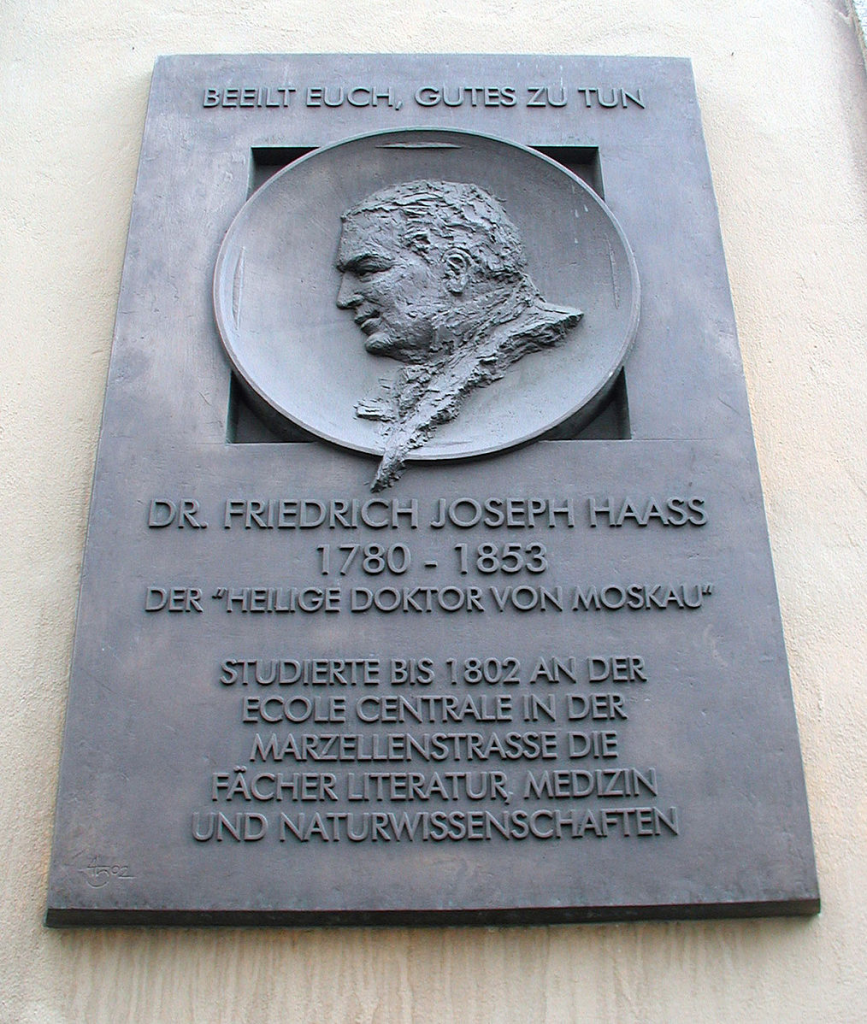
Gedenktafel für Friedrich-Joseph-Haass Memorial plaque for Friedrich-Joseph-Haass at the Archbishop’s General Vicariate building at Marzellenstrasse 32 in Cologne. Design: Herbert Halfmann, Düren. Height 140 cm. Erected in 2002.
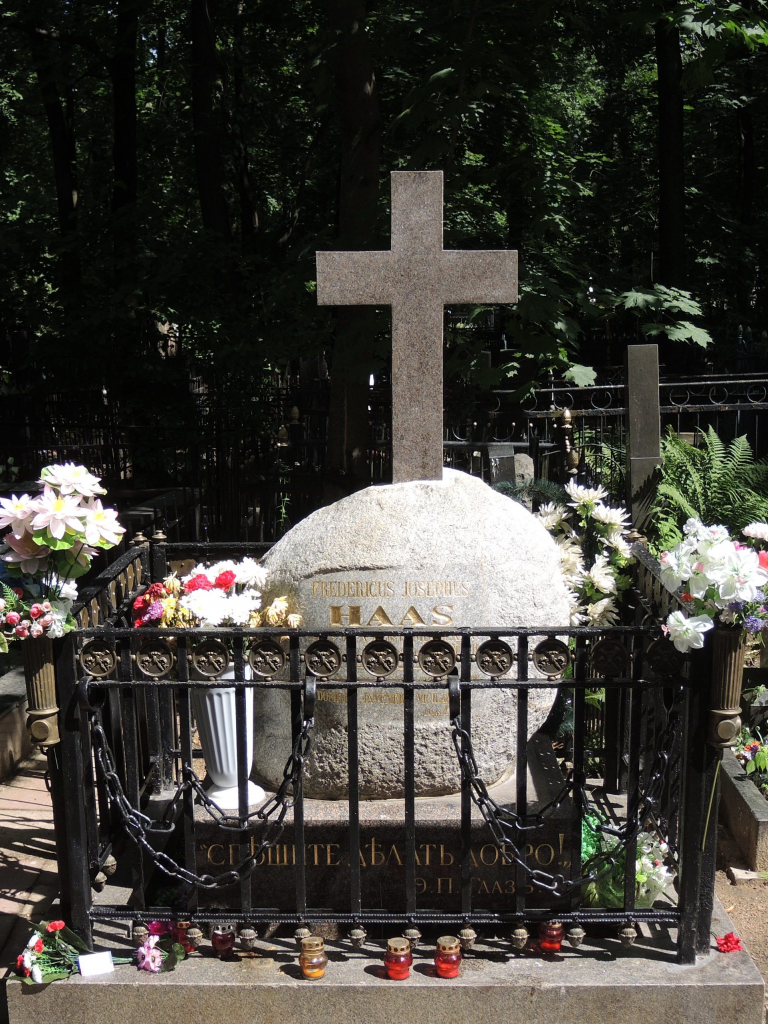
In 1836, he implemented a decree replacing prisoners’ heavy iron shackles with lighter, leather-lined ones that no longer rubbed their feet dry. These shackles are called Haass’s shackles. The oversized metal shackles on his grave are a reminder of this. In 1841, he wrote an ABC of Christian Decency […], which he had printed and distributed to deported criminals. In 1843, a police prisoner hospital for the homeless, later called the “Alexander Hospital,” was opened. It was financed entirely from Haass’s personal fortune and private donations. During the 1848 cholera epidemic in Moscow, he and the philanthropist Sofia Stepanovna Shcherbatova organized the Nikolskoye Community to provide assistance to the needy. Sisters of this community continued their work during the Crimean War.[4] Haass lived and worked in this hospital, popularly known as the “Haass Hospital” or “Haassovka,” until the end of his life.[5] At the end of July 1853, Haass fell ill and wrote a detailed will. He died on August 16, 1853, and was buried on August 19.[6] 20,000 people attended his funeral at Moscow’s Vvedenskoye Cemetery. The gravestone is inscribed in Latin and bears Haass’s quote in Russian: “Haste to do good.”
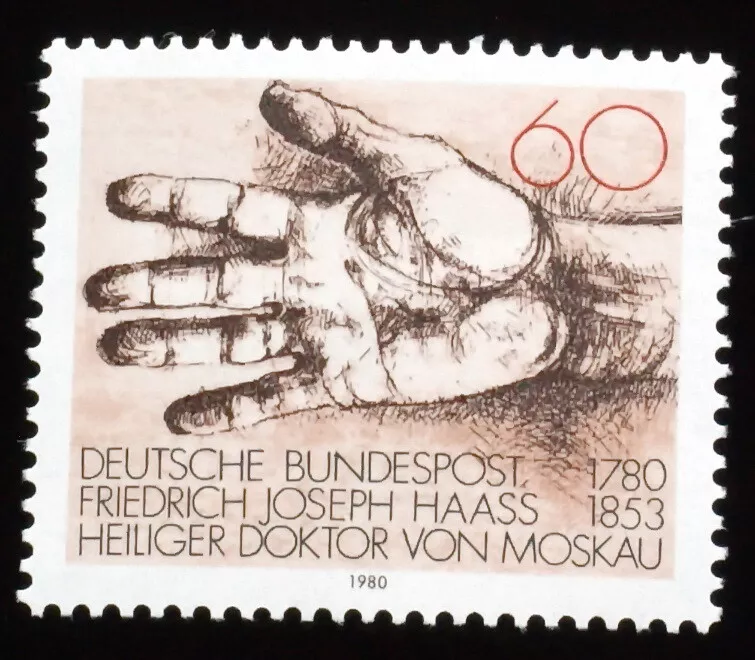
To mark the physician’s 200th birthday, the German Federal Post Office issued a commemorative stamp worth 60 pfennigs.
The German School Moscow has been named “German School Moscow – Friedrich Joseph Haass” since May 27, 1989.
The German-Russian Forum has awarded the Dr. Friedrich Joseph Haass Prize annually since 1995 to individuals who have made outstanding contributions to German-Russian relations. Award winners include Mikhail Sergeyevich Gorbachev and Egon Bahr.
The Russian Lev Zinovyevich Kopelev, a promoter of German-Russian reconciliation and himself a Gulag prisoner from 1947 to 1954, who lived in Cologne after his expatriation and until his death, wrote a book about Haass in 1984.
On April 16, 2016, an opera collage entitled Doctor Haas, consisting of 11 episodes, premiered at Moscow’s Helikon Opera. The composer was 27-year-old Alexei Sergumin, and the libretto was written by the writer Lyudmila Ulitskaya.
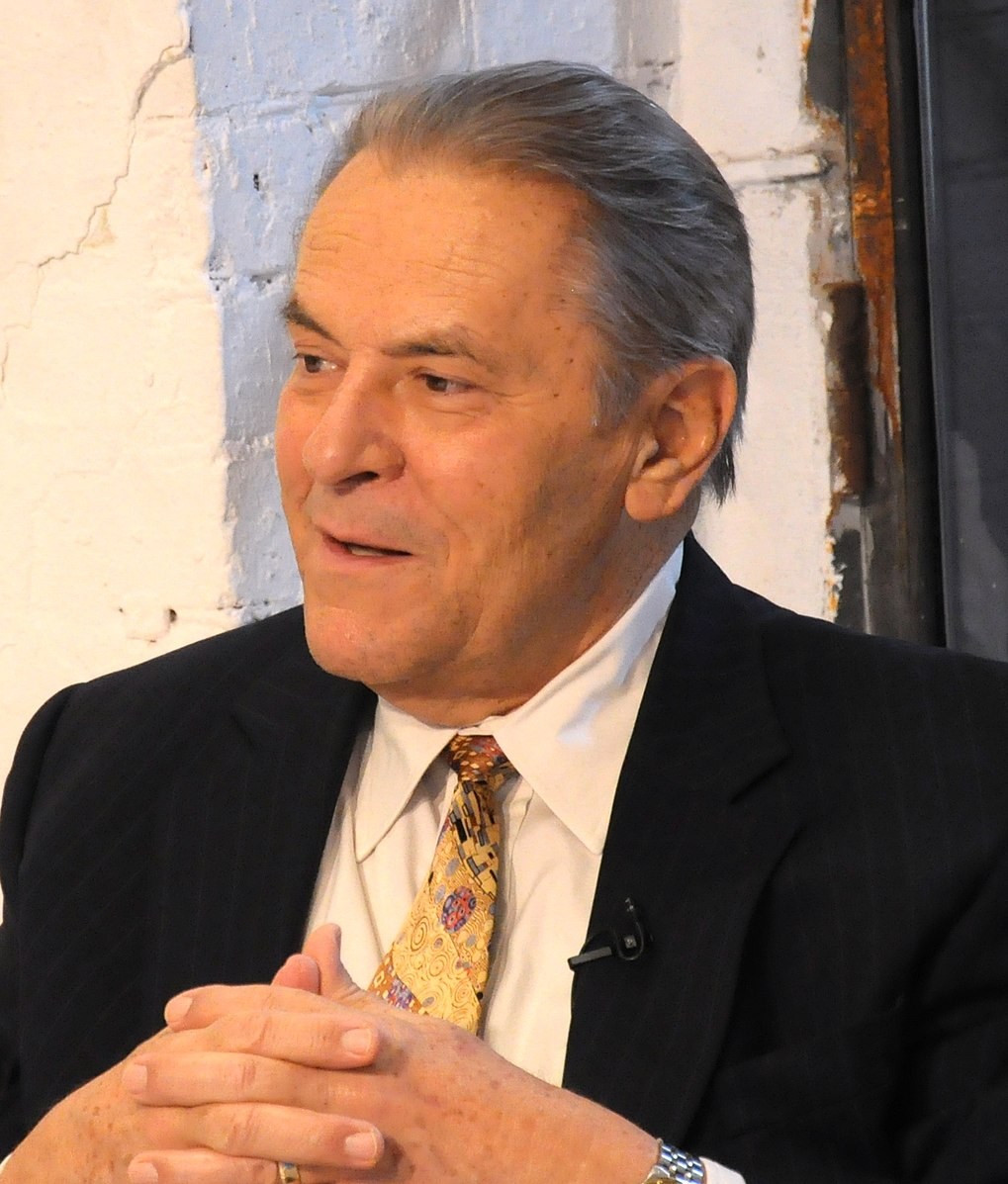
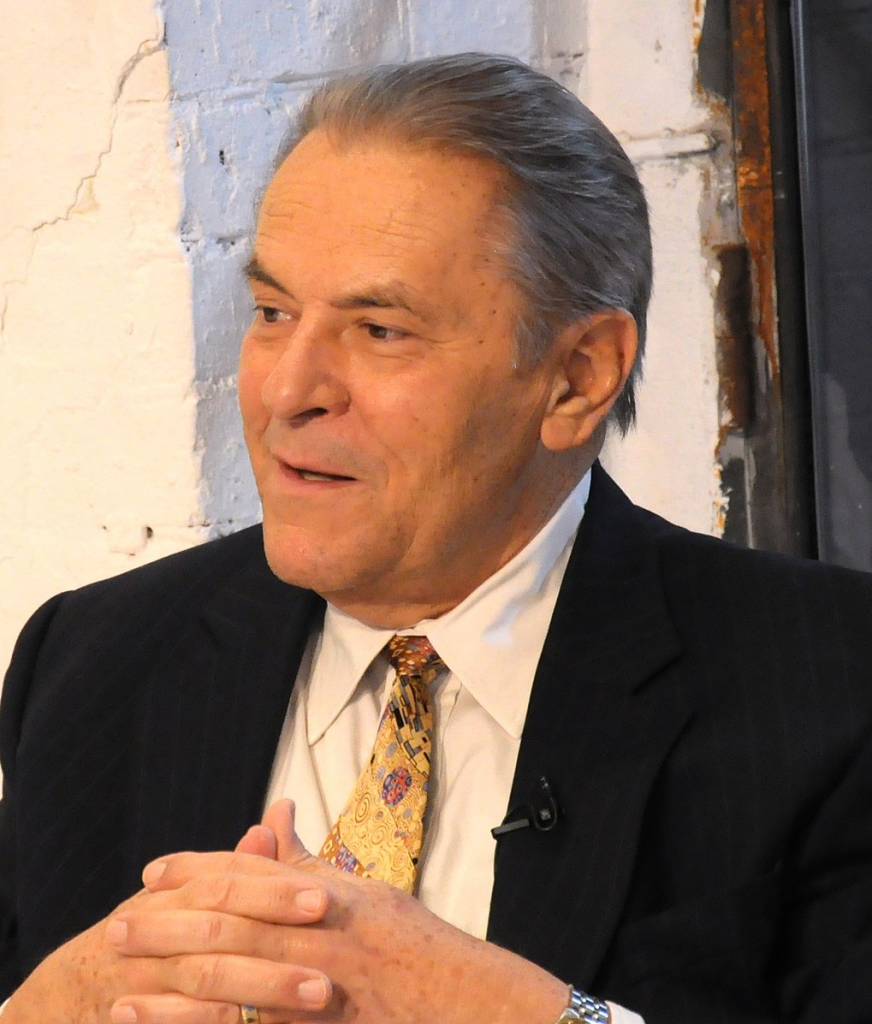
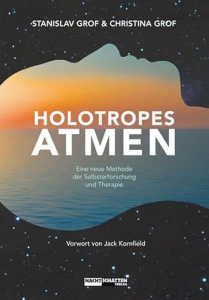
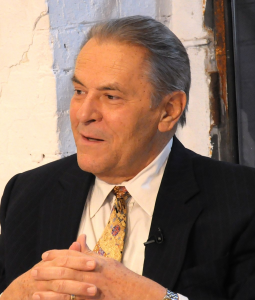
Stanislav Grof (born July 1, 1931) is a Czech-born American psychiatrist. Grof is one of the principal developers of transpersonal psychology and research into the use of non-ordinary states of consciousness for purposes of psychological healing, deep self-exploration, and obtaining growth and insights into the human psyche.
Czechoslovakia was the centre of psychedelic research behind the Iron Curtain during the 1950s and 1960s. Grof’s early research in the clinical uses of psychedelic substances was conducted at the Psychiatric Research Institute in Prague, where he was principal investigator of a program that systematically explored the heuristic and therapeutic potential of LSD and other psychedelic substances.[
In 1973 he was invited to the Esalen Institute in Big Sur, California, and lived there until 1987 as a Scholar-in-Residence, developing his ideas and conducting month-long workshops.[citation needed] In 1977, Grof was the founding president of the International Transpersonal Association, serving as president for several subsequent decades. He went on to become distinguished adjunct faculty member of the Department of Philosophy, Cosmology, and Consciousness at the California Institute of Integral Studies, a position he remained in until 2018.
In May 2020, he launched, with his wife Brigitte Grof, a new training in working with holotropic states of consciousness, the international Grof Legacy Training
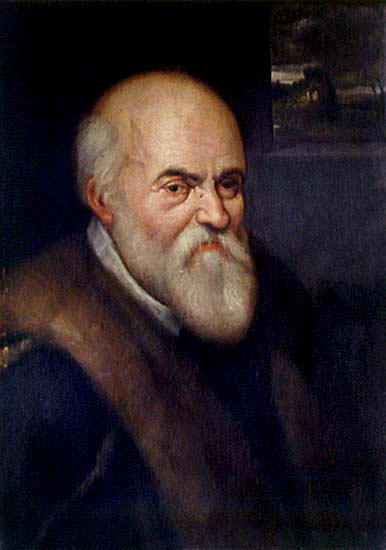
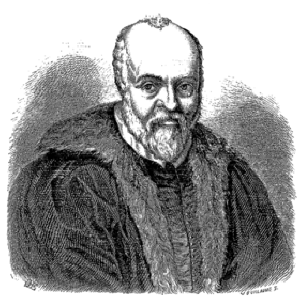
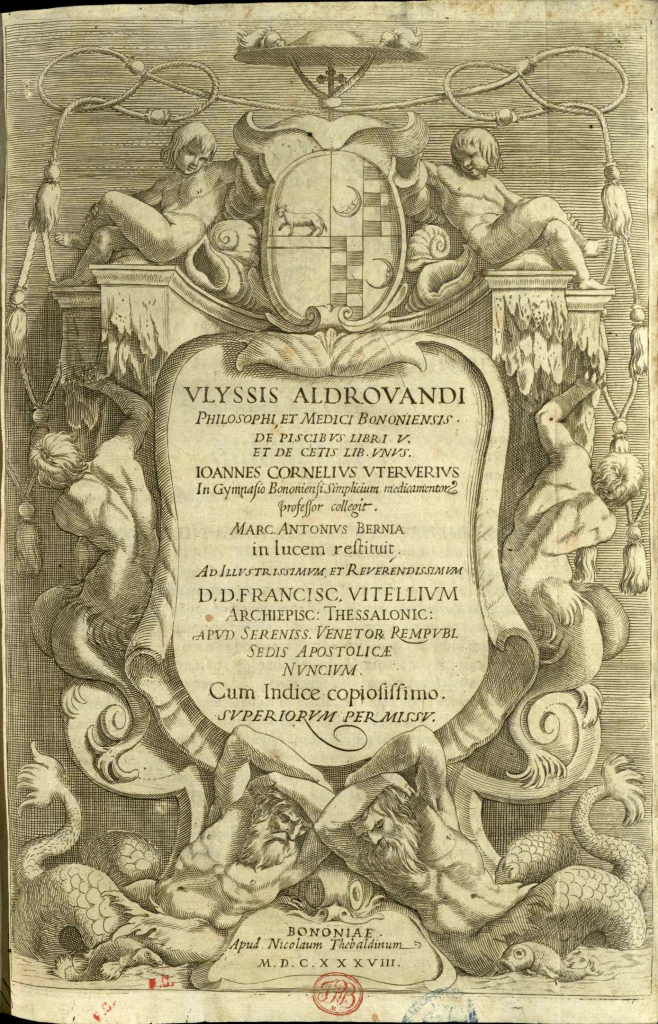
Ulisse Aldrovandi (11 September 1522 – 4 May 1605) was an Italian naturalist, the moving force behind Bologna’s botanical garden, one of the first in Europe. Carl Linnaeus and the comte de Buffon reckoned him the father of natural history studies. He is usually referred to, especially in older scientific literature in Latin, as Aldrovandus; his name in Italian is equally given as Aldroandi.
Aldrovandi was born in Bologna to Teseo Aldrovandi and his wife, a noble but poor family. His father was a lawyer, and Secretary to the Senate of Bologna, but died when Ulisse was seven years old. His widowed mother wanted him to become a jurist. Initially he was sent to apprentice with merchants as a scribe for a short time when he was 14 years old, but after studying mathematics, Latin, law, and philosophy, initially at the University of Bologna, and then at the University of Padua in 1545, he became a notary. His interests successively extended to philosophy and logic, which he combined with the study of medicine.[1]
In June 1549, Aldrovandi was accused and arrested for heresy on account of his espousing of the anti-trinitarian beliefs of the AnabaptistCamillo Renato. By September, he publicly abjured, but was nevertheless transferred to Rome, and remained in custody or house arrest until absolved in April, 1550. During this time, he befriended many local scholars. While in light captivity there, he became more and more interested in botany, zoology, and geology (he is credited for the invention/first written record of this word[2]). From 1551 onward, he organized a variety of expeditions to the Italian mountains, countryside, islands, and coasts to collect and catalogue plants.
He obtained a degree in medicine and philosophy in 1553 and started teaching logic and philosophy in 1554 at the University of Bologna. In 1559, he became professor of philosophy and in 1561 he became the first professor of natural sciences at Bologna (lectura philosophiae naturalis ordinaria de fossilibus, plantis et animalibus).[1] Aldrovandi was a friend of Francesco de’ Medici, Grand Duke of Tuscany (1574 – 1587), visiting his garden at Pratolino and travelling with him, compiling a list of the most valuable plants at Pratolino.[b] He also formed fruitful associations with botanical artists such as Jacopo Ligozzi, to further develop illustrated texts.[3] He died in Bologna on 4 May 1605, at the age of 82.
Aldrovandi’s wife Francesca Fontana was invaluable to his research. He utilized her dowry to build their massive country estate that ultimately included his natural history collection. She was a research partner who located texts for him to cite and use in his books, edited his books, and wrote sections of them as well. She wrote the preface for his posthumous book On the Remains of Bloodless Animals, which Suzanne Le-May Sheffield described as “their shared work”.[4]
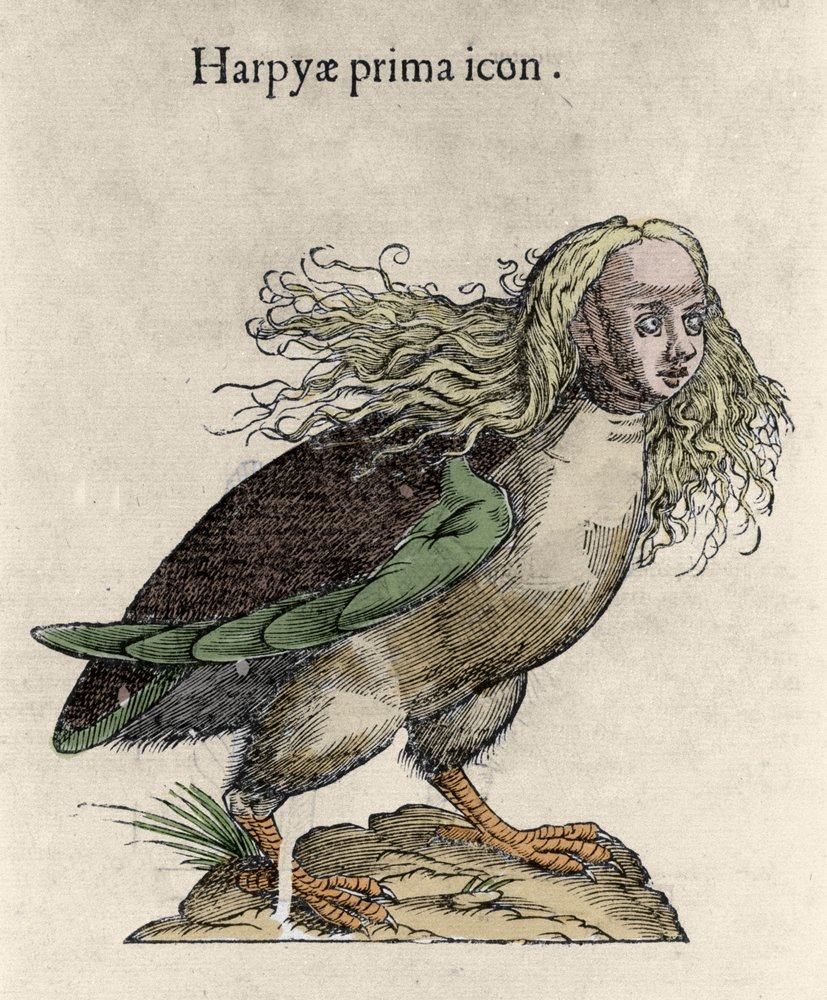
Over the course of his life, he would assemble one of the most spectacular cabinets of curiosities: his “theatre” illuminating natural history comprising some 7000 specimens of the diversitàdi cose naturali, of which he wrote a description in 1595. Between 1551 and 1554, he organized several expeditions to collect plants for a herbarium, among the first botanizing expeditions. Eventually, his herbarium contained about 4760 dried specimens on 4117 sheets in sixteen volumes, preserved at the University of Bologna. He also had various artists including Jacopo Ligozzi, Giovanni Neri, and Cornelio Schwindt, compose illustrations of specimens.
At his demand and under his direction, a public botanic garden was created in Bologna in 1568, now the Orto Botanico dell’Università di Bologna.[5] Due to a dispute on the composition of a popular medicine with the pharmacists and doctors of Bologna in 1575, he was suspended from all public positions for five years. In 1577, he sought the aid of PopeGregory XIII (a cousin of his mother), who wrote to the authorities of Bologna to reinstate Aldrovandi in his public offices and request financial aid to help him publish his books.
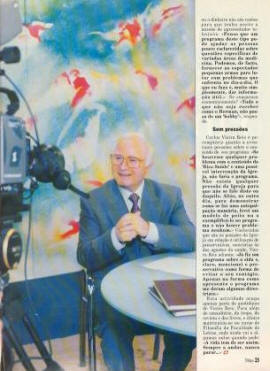
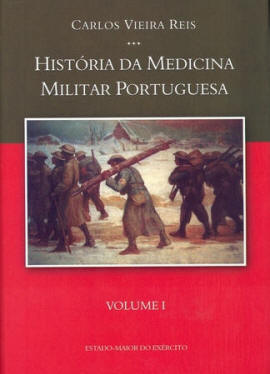
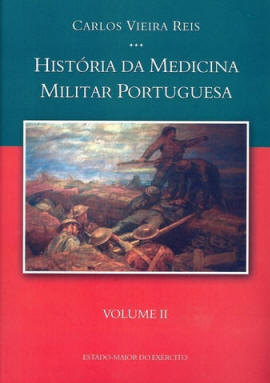
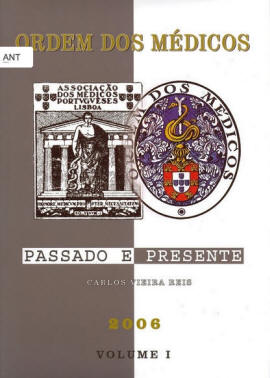
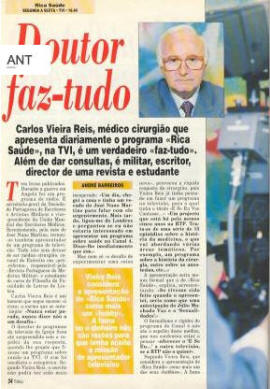
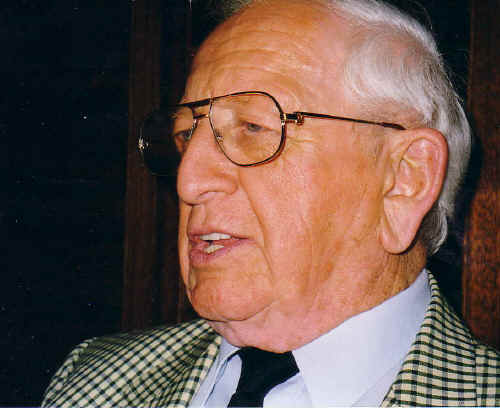
Carlos Manuel Vieira Reis (*19. Januar 1935 in Chaves, Portugal) has been married to Maria de Lurdes Frimer, a teacher.
He studied medicine in Coimbra and Lisboa and specialized in Surgery. In addition he studied also Tropical Diseases, Sportive Medicine, Psicology and Philosophy.
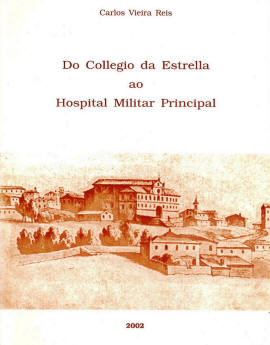
Carlos Vieira Reis is a multi-interested personality, with several intellectual activities, like historical research, literature, art collector, radio and television activities.
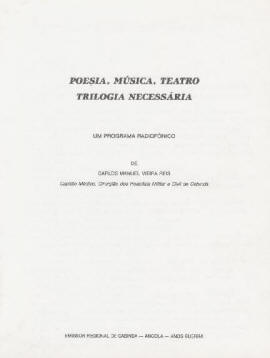
He had a weekly radio program, named «Poesia, Música e Teatro – Trilogia necessária»
He had a diary program on Television Independent (TVI) named «Rica Saúde» during 1993
And recently he had a weekly program on Television by cable (TV Saúde), named «E, se eu vos contasse?» – 35 distincts programs.
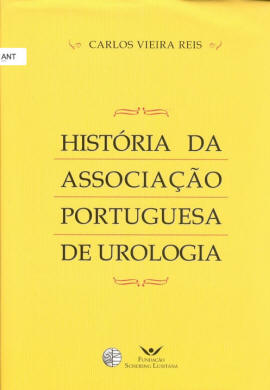
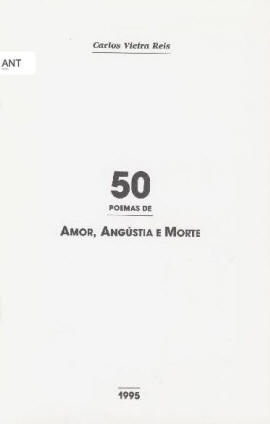
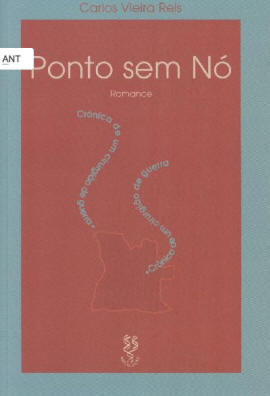
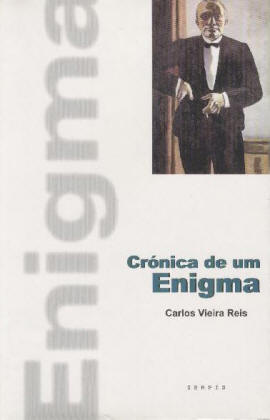
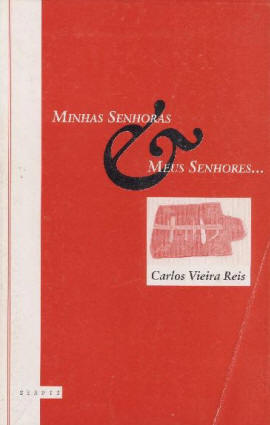
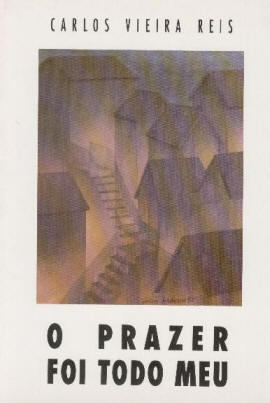
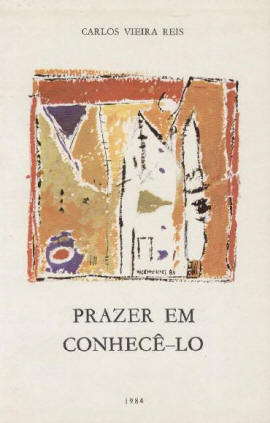
Carlos Vieira Reis is also a writer and had published several books , novels, poetry, history of medicine, essay and romance. «Prazer em conhecê-lo» – novel «O prazer foi todo meu» – novel «50 poemas de amor, angústia e morte» – poetry «História da Medicina Militar Portuguesa» – 2 volumes – 1350 pages – 2004 – history «Minhas senhoras e meus senhores» – 480 pages – 1998 – history «História da Associação Portuguesa de Urologia» – 586 pages – 2003 – history «A influência da medicina militar nos séculos XVIII e XIX» – 430 pages – Award Abel Salazar 1997 – essay «Um rio de vinho, um rio de sangue» – translated for spanish, french, english, italian, german and japonese language – Award Cesare Pavese – Italy 1989 – essay «Crónica de um enigma» – Award Fialho de Almeida – 1997 – romance «Ponto sem nó» – 2000 – romance «História da Ordem dos Médicos – passado e presente» – 845 pages – 2004 – history
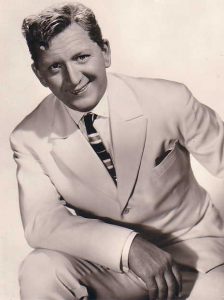
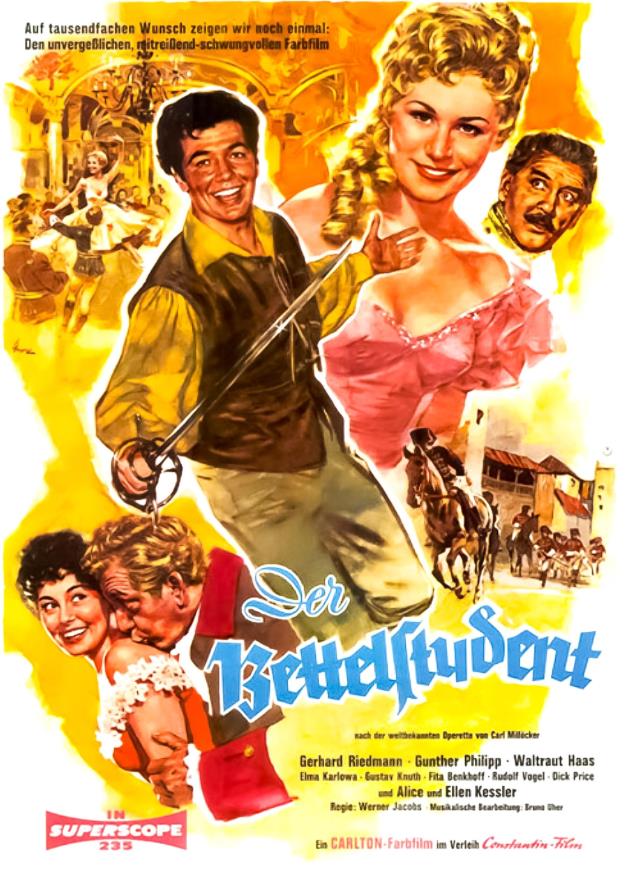
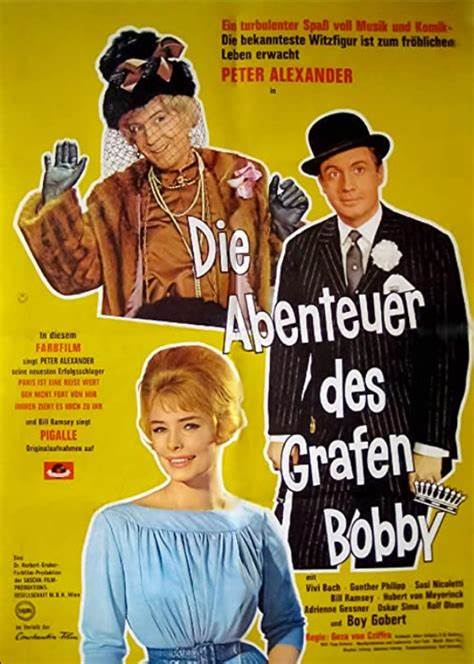
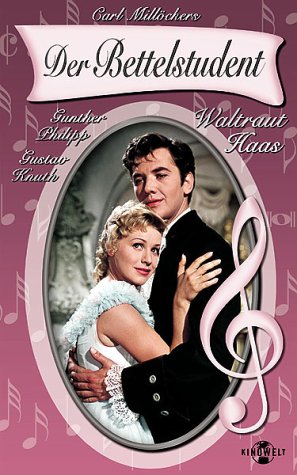
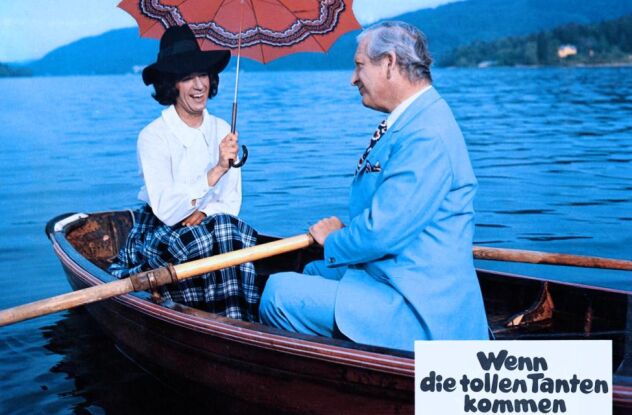
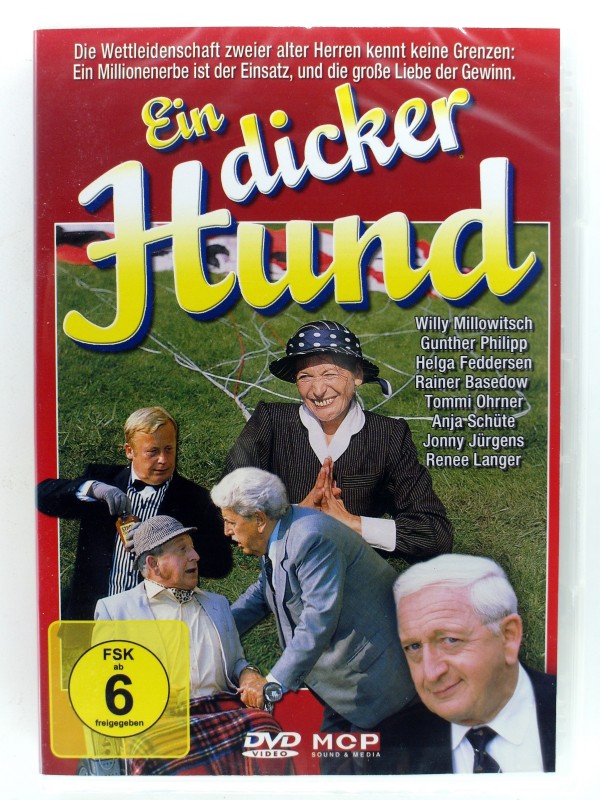
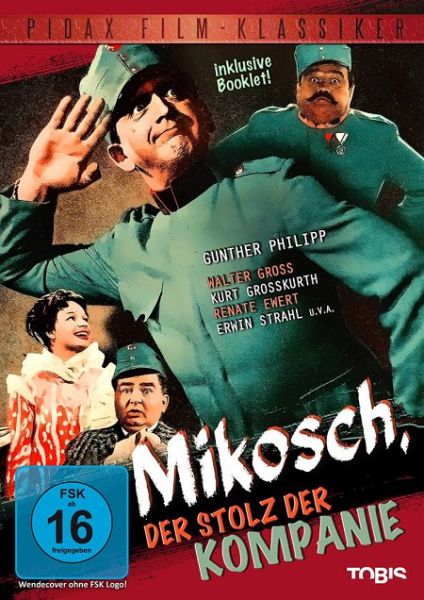
Gunther Philipp (8 June 1918 – 2 October 2003) was an Austrianfilm actor, physician and swimmer.[2]
From 1949 to 2002 he appeared as an actor in 147 movies for cinema and television, mainly in comic roles. As an author, Philipp wrote 21 film scripts.
https://www.youtube.com/watch?v=37YfeJ6MoBY
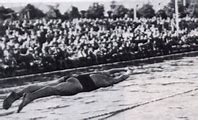
During World War II, Philipp studied acting at the Max Reinhardt Seminar and at the University of Vienna philosophy, majoring in psychology and then medicine. In 1943 he received his doctorate in medicine (Dr. med. univ.) He held the Austrian record in the 100-meter breaststroke for 14 years. He was also in the squad of the Austrian Olympic team in Berlin in 1936, but was not nominated for political reasons because he did not want to join the National Socialist-dominated “First Vienna Amateur Sports Club”. After the war, he ran a practice in Eberstalzell in Upper Austria and was active until in the 1990s at the Vienna University Clinic for Neurology and Psychiatry.
1939 the Austrian record in the 100 m breaststroke (at the same time European year best performance: 1:11,3)
1939 academic world record at the German University Championships in Schrießheim Mannheim / year highs 100 m breaststroke (second in the world rankings)
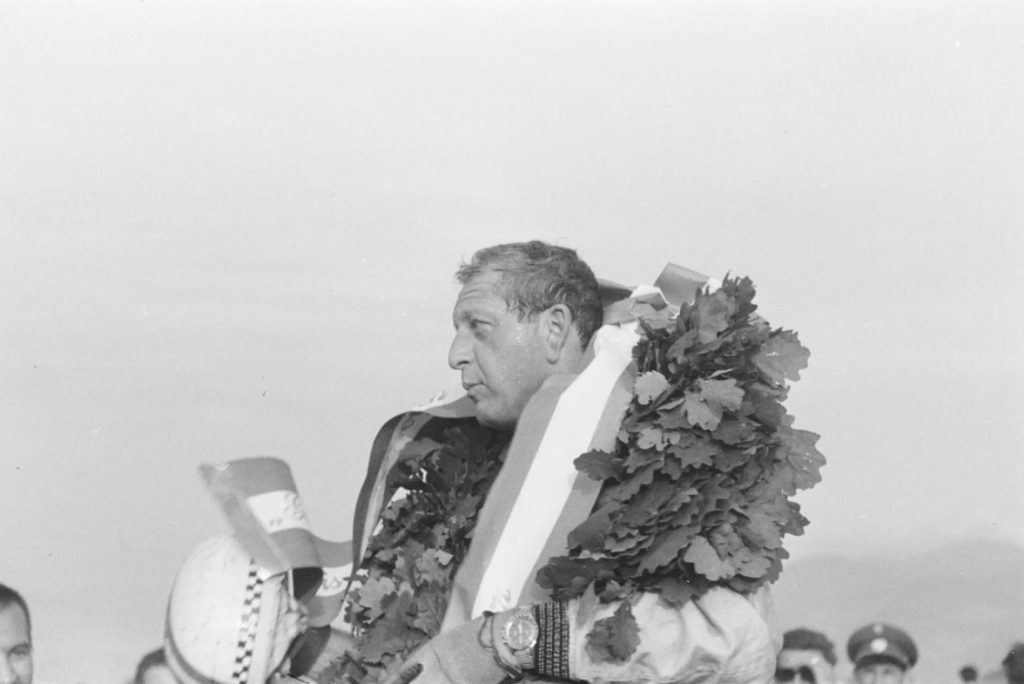
1962 Austrian State Championship on Ferrari 250 GT
1963 Austrian State Championship on Ferrari GTO
1963 four times first in the Grand Prix of Austria (Zeltweg)
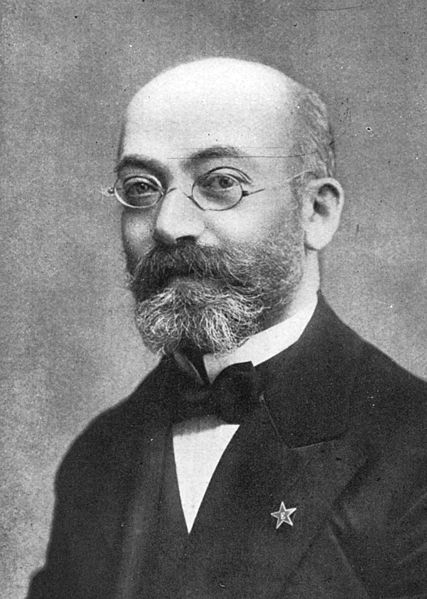
Zamenhof first developed the Esperanto language in 1873 while still in school. He grew up fascinated by the idea of a world without war and believed that this could happen with the help of a new international auxiliary language.[3] The language would be a tool to gather people together through neutral, fair, equitable communication.[4] He successfully formed a community that continues today despite the World Wars of the 20th century,[5] attempts to reform the language, and more modern IALs (the only other language like it at the time was Volapük). Additionally, Esperanto has developed like other languages: through the interaction and creativity of its users.[6]
In light of his achievements, and his support of intercultural dialogue, UNESCO selected Zamenhof as one of its eminent personalities of 2017, on the 100th anniversary of his death.[7][8] As of 2019, there are a minimum of 2 million people speaking Esperanto, including an estimated 1,000 native speakers.[9][10]
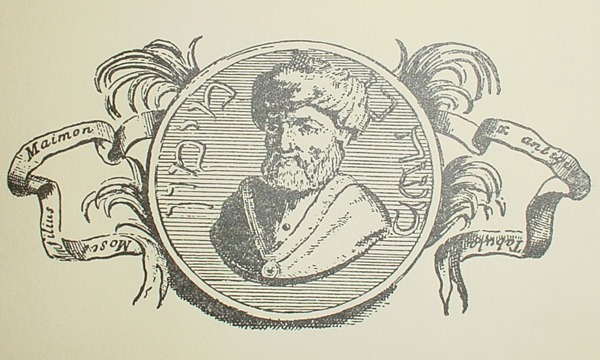
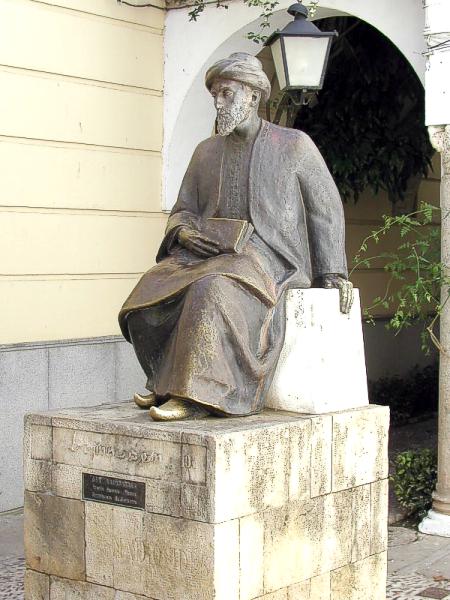
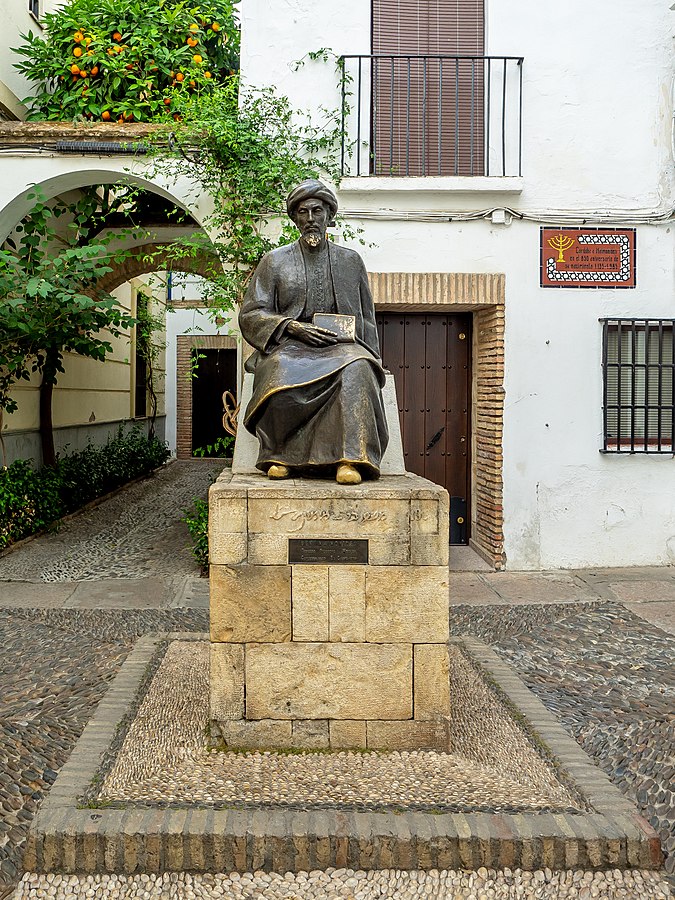
Moses ben Maimon[a] (1138–1204), commonly known as Maimonides (/maɪˈmɒnɪdiːz/)[b] and also referred to by the acronym Rambam (Hebrew: רמב״ם),[c] was a medieval Sephardic Jewishphilosopher who became one of the most prolific and influential Torah scholars of the Middle Ages. In his time, he was also a preeminent astronomer and physician, serving as the personal physician of Saladin. Born in Córdoba, Almoravid Empire (present-day Spain), on Passover eve, 1138 (or 1135),[d][8][9][10] he worked as a rabbi, physician and philosopher in Morocco and Egypt. He died in Egypt on 12 December 1204, whence his body was taken to the lower Galilee and buried in Tiberias.[11][12]
During his lifetime, most Jews greeted Maimonides’ writings on Jewish law and ethics with acclaim and gratitude, even as far away as Iraq and Yemen. Yet, while Maimonides rose to become the revered head of the Jewish community in Egypt, his writings also had vociferous critics, particularly in Spain. Nonetheless, he was posthumously acknowledged as one of the foremost rabbinic decisors and philosophers in Jewish history, and his copious work comprises a cornerstone of Jewish scholarship. His fourteen-volume Mishneh Torah still carries significant canonical authority as a codification of Halacha. He is sometimes known as “ha’Nesher ha’Gadol” (The Great Eagle)[13] in recognition of his outstanding status as a bona fide exponent of the Oral Torah.
Aside from being revered by Jewish historians, Maimonides also figures very prominently in the history of Islamic and Arab sciences and he is mentioned extensively in studies. Influenced by Aristotle, Al-Farabi, Ibn Sina, and his contemporary Ibn Rushd, he became a prominent philosopher and polymath in both the Jewish and Islamic worlds. On his tomb is inscribed “From Moses to Moses there was none like Moses”.[14]
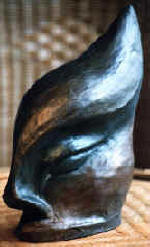
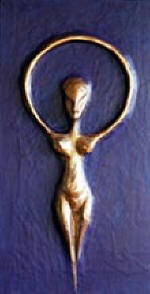
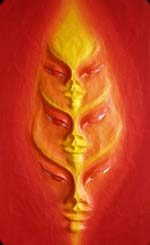
Michelle has studied Philosophy, Psychology and Theater sciences. At the Vienna Art School she studied painting, sculpturing and ceramics (2nd prize for ceramics at the 10-year-jubilee-festival of the school) Further she went to the actors school of Prof. Krauss studying acting and direction. Last not least she did medicine at Vienna University with doctorate degree in 1984.
Now she is working as coach and channelling high spiritual power for the benefit of her patients. You MUST visit her web site where she has photos of her art objects which mirror perfectly her high degree of inspiration