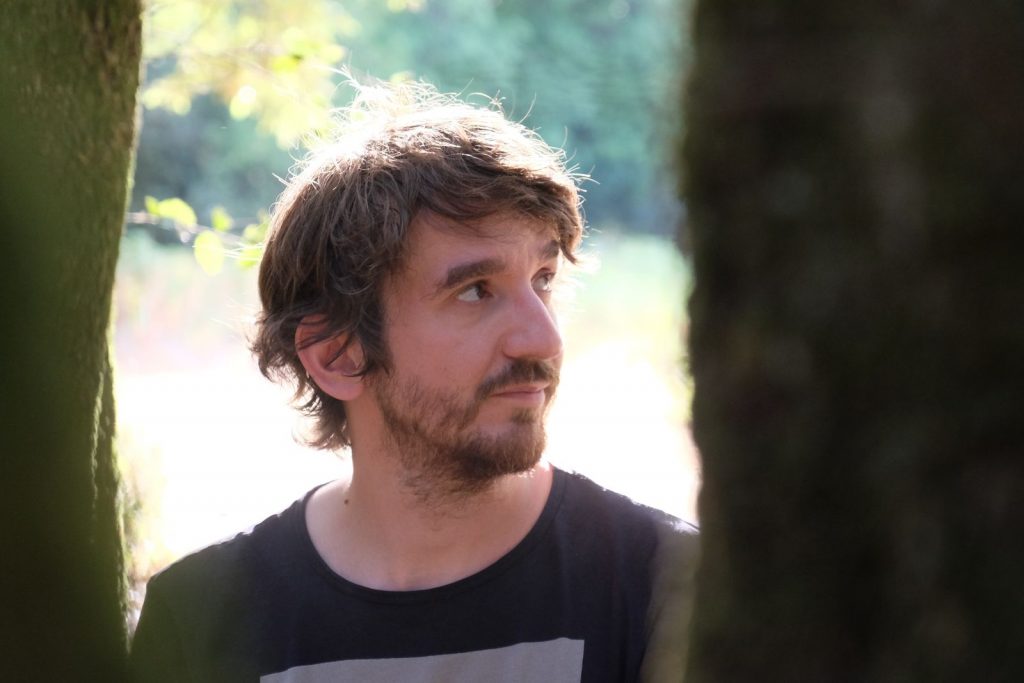
Klaus-Gregor Eichhorn is Anesthesist in Chemnitz and film director. He has produced several films which are nicely presented on his web site.
Born in Karl-Marx-Stadt. Grown up in Chemnitz. Practikum @ Michael Roth, MdB. Direction assistant @ Städtisches Theater Chemnitz. Studies of direction @ Filmakademie Baden-Württemberg. Stopped this study to become MD. Lives in Chemnitz and Leipzig.
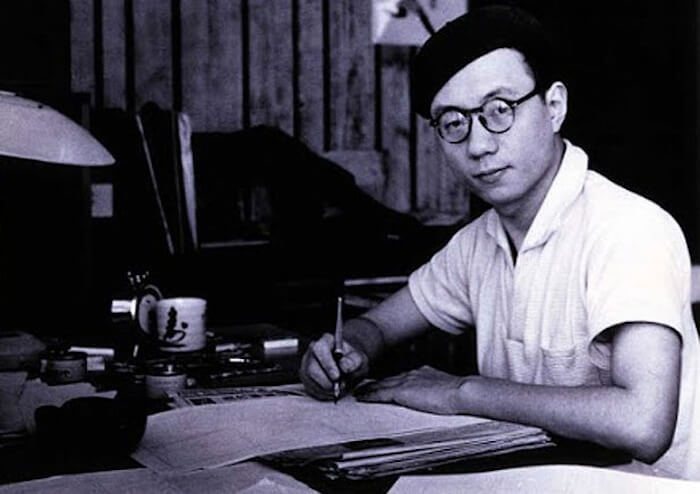
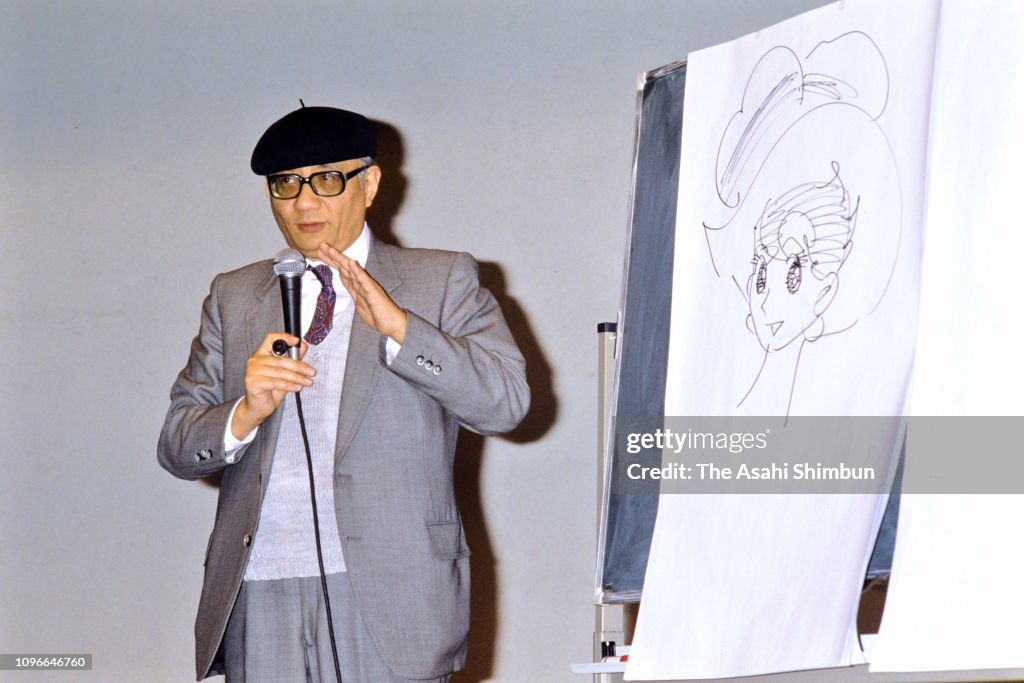
Tezuka MuseumTOKYO, JAPAN – NOVEMBER 01: Manga artist Osamu Tezuka speaks during a symposium of the National Cultural Festival circa November 1986 in Tokyo, Japan. (Photo by The Asahi Shimbun via Getty Images)
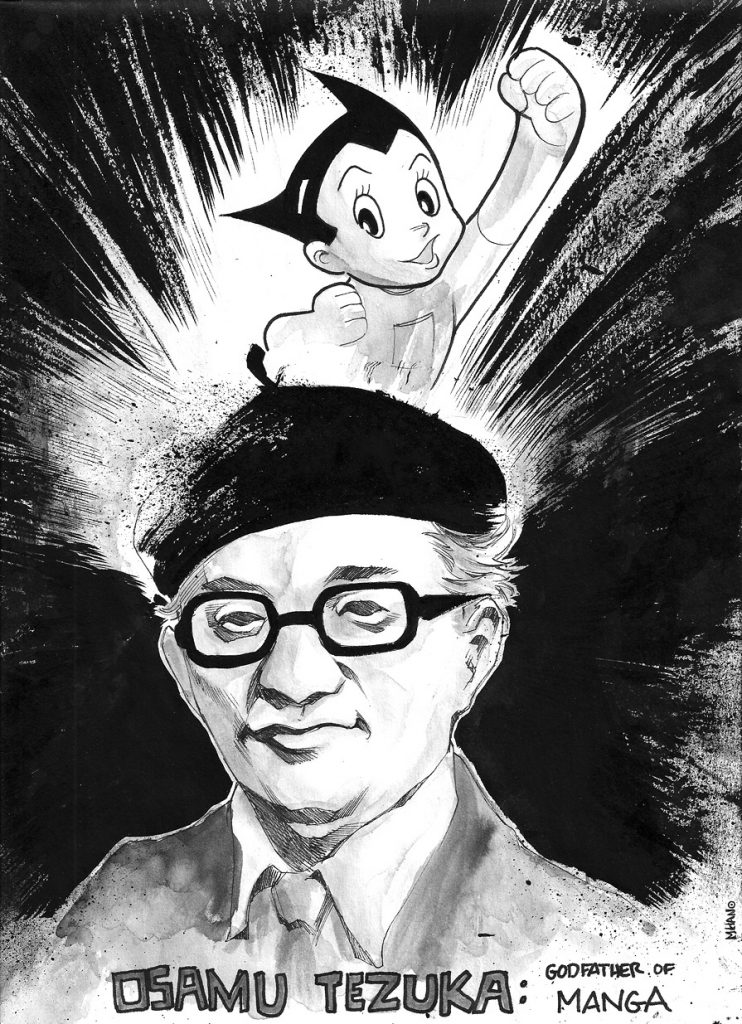
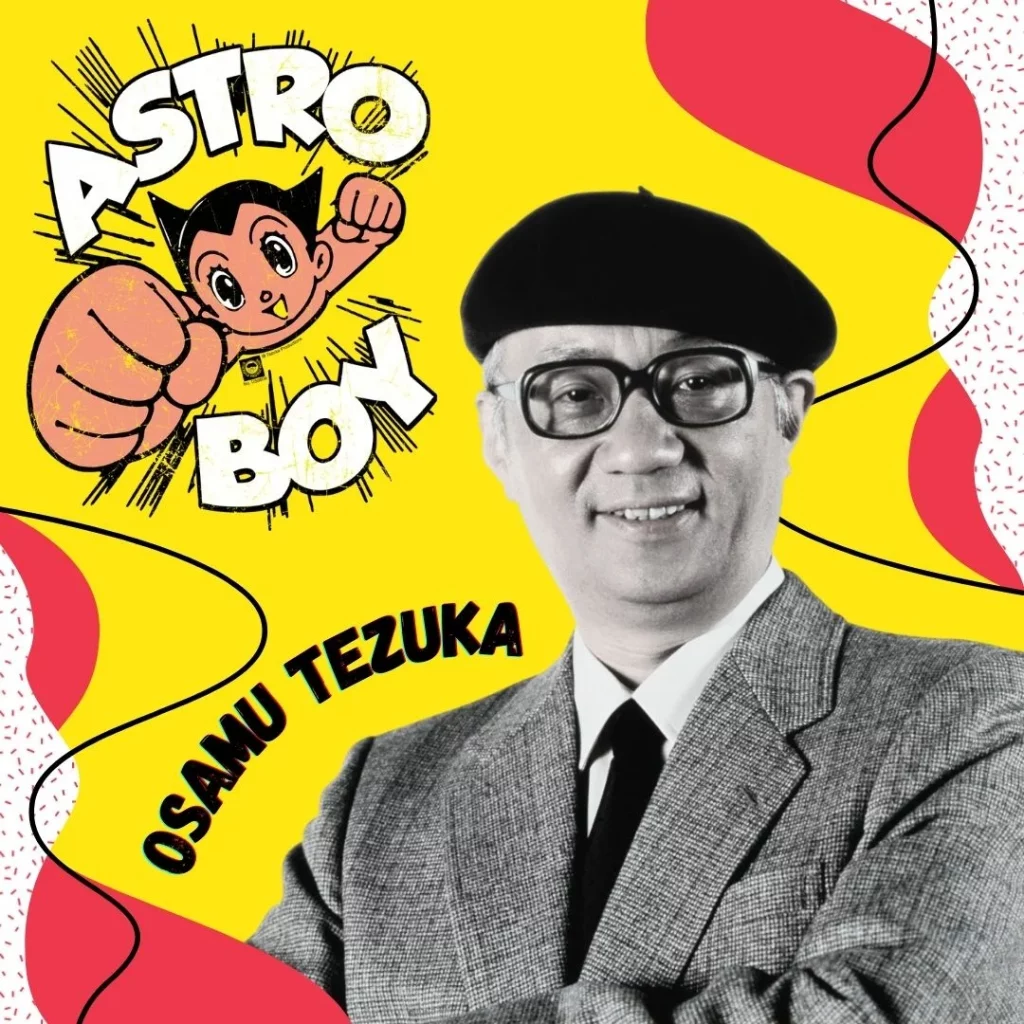
Osamu Tezuka (手塚 治虫, born 手塚 治, Tezuka Osamu; 3 November 1928 – 9 February 1989) was a Japanese manga artist, cartoonist, and animator. Born in Osaka Prefecture, his prolific output, pioneering techniques, and innovative redefinitions of genres earned him such titles as “the Father of Manga” (マンガの父, Manga no Chichi), “the Godfather of Manga” (マンガの教父, Manga no Kyōfu) and “the God of Manga” (マンガの神様, Manga no Kami-sama). Additionally, he is often considered the Japanese equivalent to Walt Disney, who served as a major inspiration during Tezuka’s formative years.[2] Though this phrase praises the quality of his early manga works for children and animations, it also blurs the significant influence of his later, more literary, gekiga works.
Tezuka began what was known as the manga revolution in Japan with his New Treasure Island published in 1947. His output would spawn some of the most influential, successful, and well-received manga series including the children mangas Astro Boy, Princess Knight and Kimba the White Lion, and the adult-oriented series Black Jack, Phoenix, and Buddha, all of which won several awards.
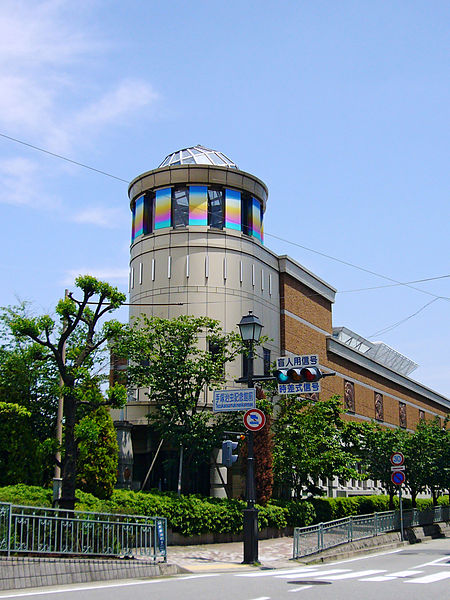
Tezuka died of stomach cancer in 1989. His death had an immediate impact on the Japanese public and other cartoonists. A museum was constructed in Takarazuka dedicated to his memory and life works, and Tezuka received many posthumous awards. Several animations were in production at the time of his death along with the final chapters of Phoenix, which were never released.
Osamu Tezuka (手塚 治虫, born 手塚 治, Tezuka Osamu; 3 November 1928 – 9 February 1989) was a Japanese manga artist, cartoonist, and animator. Born in Osaka Prefecture, his prolific output, pioneering techniques, and innovative redefinitions of genres earned him such titles as “the Father of Manga” (マンガの父, Manga no Chichi), “the Godfather of Manga” (マンガの教父, Manga no Kyōfu) and “the God of Manga” (マンガの神様, Manga no Kami-sama). Additionally, he is often considered the Japanese equivalent to Walt Disney, who served as a major inspiration during Tezuka’s formative years.[2] Though this phrase praises the quality of his early manga works for children and animations, it also blurs the significant influence of his later, more literary, gekiga works.
Tezuka began what was known as the manga revolution in Japan with his New Treasure Island published in 1947. His output would spawn some of the most influential, successful, and well-received manga series including the children mangas Astro Boy, Princess Knight and Kimba the White Lion, and the adult-oriented series Black Jack, Phoenix, and Buddha, all of which won several awards.
Tezuka died of stomach cancer in 1989. His death had an immediate impact on the Japanese public and other cartoonists. A museum was constructed in Takarazuka dedicated to his memory and life works, and Tezuka received many posthumous awards. Several animations were in production at the time of his death along with the final chapters of Phoenix, which were never released.
Tezuka’s childhood nickname was gashagasha-atama: “messy head” (gashagasha is slang for messy, atama means head).[citation needed] As a child, Tezuka’s arms swelled up and he became ill. He was treated and cured by a doctor, which made him also want to be a doctor. At a crossing point, he asked his mother whether he should look into doing manga full-time or whether he should become a doctor. At the time, being a manga author was not a particularly rewarding job. The answer his mother gave was: “You should work doing the thing you like most of all.” Tezuka decided to devote himself to manga creation on a full-time basis. He graduated from Osaka University and obtained his medical degree, but he would later use his medical and scientific knowledge to enrich his sci-fi manga, such as Black Jack.[50][70]
Tezuka met Walt Disney in person at the 1964 New York World’s Fair. In a 1986 entry in his personal diary, Tezuka stated that Disney wanted to hire him for a potential science fiction project.[citation needed]
In January 1965, Tezuka received a letter from American film director Stanley Kubrick, who had watched Astro Boy and wanted to invite Tezuka to be the art director of his next movie, 2001: A Space Odyssey (which was eventually released in 1968). Although flattered by Kubrick’s invitation, Tezuka could not afford to leave his studio for a year to live in England, so he had to turn down the offer. Although he was not able to work on 2001, he loved the film, and would play its soundtrack at maximum volume in his studio to keep him awake during long nights of work.[74][75]
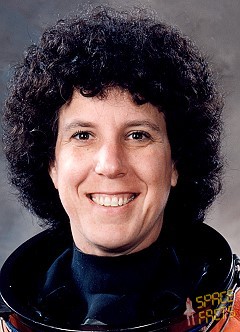
Bachelor of arts in geology from State University of New York at Buffalo, 1970; doctorate of medicine from Cornell University, 1978; masters in public health from University of Texas School of Public Health, 1994; prior to her selection she served as a physician in the Flight Medicine Clinic at the JSC; recreational interrests include swimming, skiing, running, softball, movies, music, and reading; was Lead Astronaut for Medical Issues, Johnson Space Center.
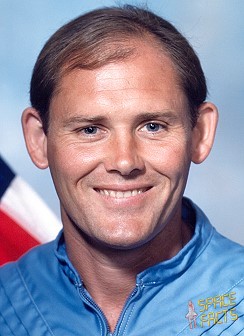
Bachelor of arts in chemistry from Emory University, 1969; doctorate of medicine from Emory University, 1973; hobbies: Golf, tennis, wrestling, old movies, soccer (he was a professional soccer player from 1970 – 1973, for the Atlanta Chiefs of the NASL); he died in the crash of an Atlantic SE Airlines Flight in Brunswick, Georgia while traveling on NASA business.