Category Archives: ArtDocs

  • -

Hannes Lindemann

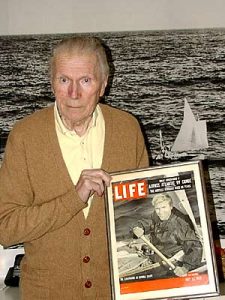
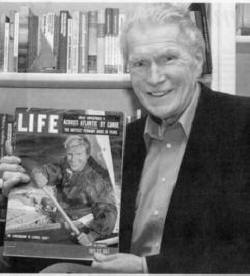
Hans-Günther[1] “Hannes” Lindemann (* 28 December 1922 – † 17 April 2015[2]) was a German physician, sailing pioneer, canoeist and author who became known for his Atlantic crossings in very small boats.

Interview with WDR5 on his 90th birthday in 2012 and report.

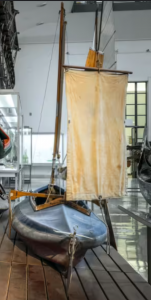
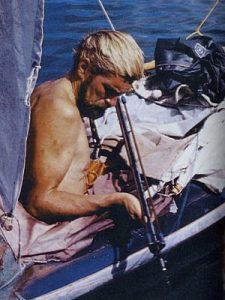
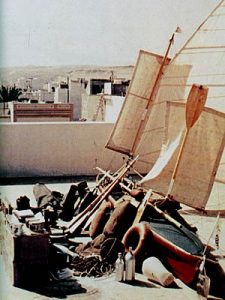
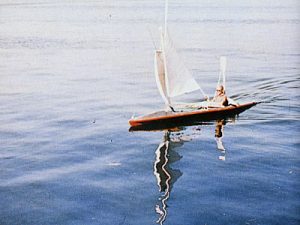
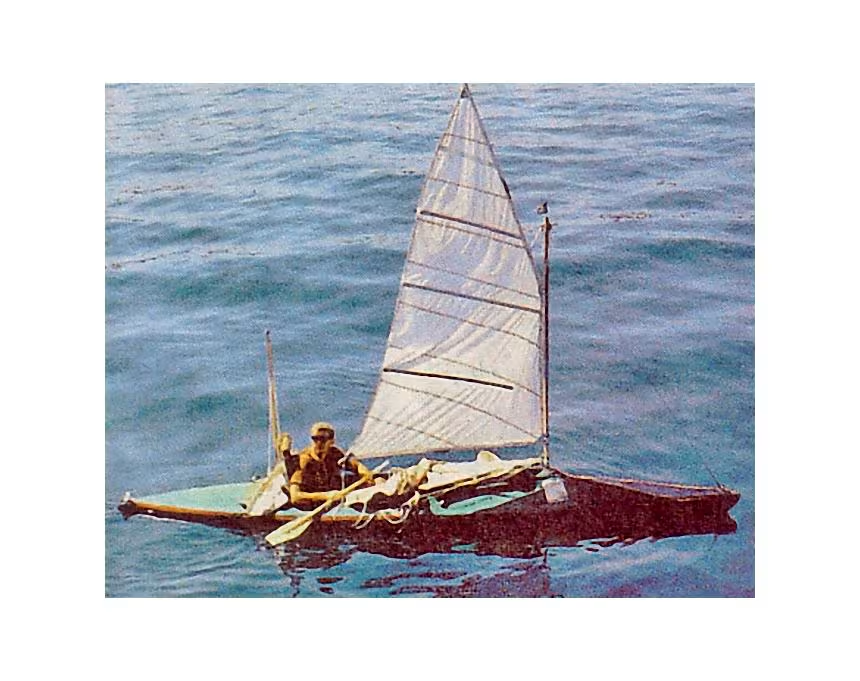
From 1955 onwards, he conducted several self-experiments to test the ability of a shipwrecked sailor to survive on the high seas under extreme psychological and physical stress. In 1955, he sailed the Atlantic in a dugout canoe, the Liberia, measuring 7.70 m x 0.70 m and weighing approximately 600 kg, specially built in Liberia. The following year, he sailed in an even smaller folding canoe (5.20 m x 0.87 m, 27 kg), the Liberia III.

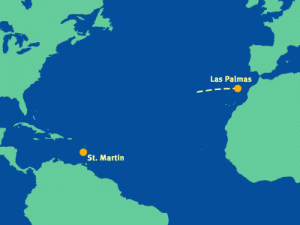
Lindemann equipped a standard two-seater Klepper folding boat of the Aerius II type with 60 cans of food, 96 cans of milk and 72 cans of beer, and 3 liters of water and crossed the Atlantic from the Canary Islands to St. Martin in the Netherlands Antilles. Although he carried a sextant for navigation, a floating anchor for rest breaks, and fishing tackle, he did not use a stove and ate the fish he caught raw. Lindemann cast doubt on Alain Bombard’s theory, which was discussed at the time, that shipwrecked sailors could meet their drinking water needs solely from salt water or the flesh of caught fish: he survived only by supplementing his supplies with collected rainwater. During the 72 days of the Atlantic crossing, he lost 25 kilograms of body weight and survived several hurricanes and two capsizes. He attributed his success to careful mental preparation for his journey through autogenic training and autosuggestion.

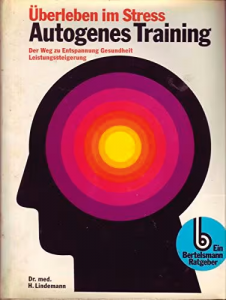
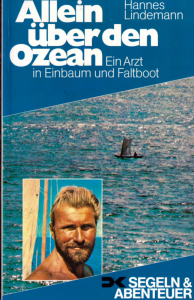
Lindemann subsequently enjoyed success as an author: “Alone Across the Ocean” is a logbook-like account of his first voyages. “One Man, One Boat, Two Continents” describes the experiences of a third Atlantic crossing in 1960 and summarizes conversations with African statesmen and with Albert Schweitzer, with whom he worked for a time as a doctor in Lambaréné (Gabon). He wrote several works on the subject of autogenic training, worked as a health educator for the German Red Cross, and taught at the University of Bonn on the topics of autogenic training and mental hygiene. His guidebooks have appeared in numerous editions.
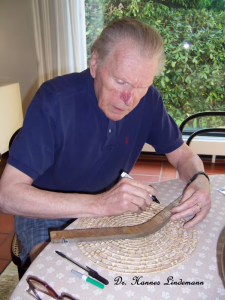
Hannes Lindemann last lived in Bonn-Bad Godesberg. Wolfgang Ellenberger once had a telephone conversation with him.

https://de.wikipedia.org/wiki/Hannes_Lindemann

https://www.yacht.de/yachten/klassiker/hannes-lindemann-mit-dem-faltboot-ueber-den-atlantik

  • -

Uwe H. Krieger

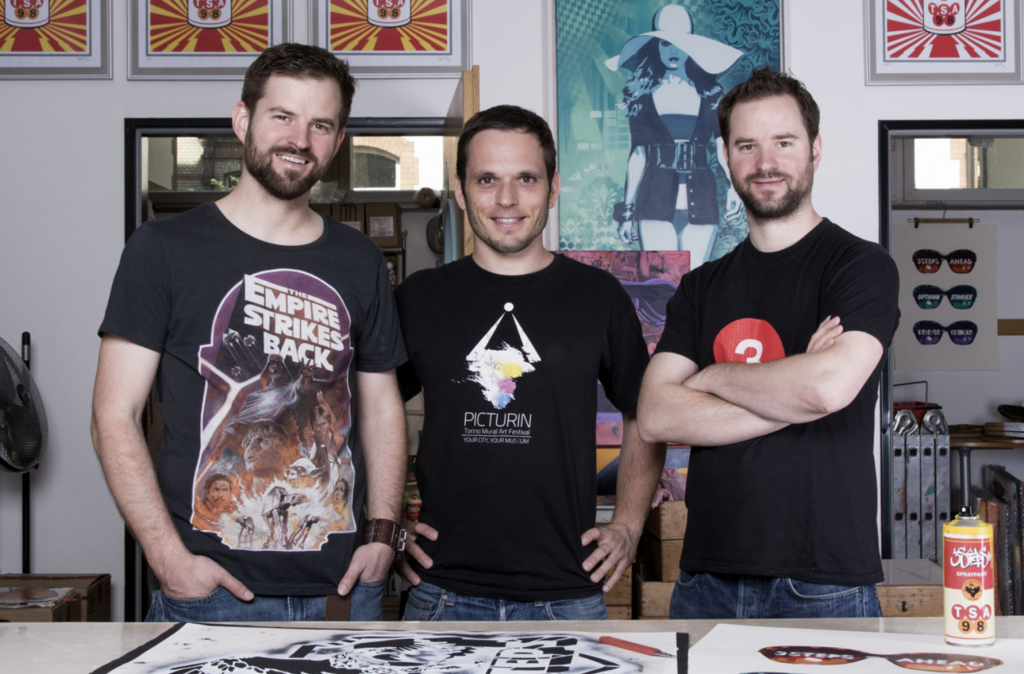
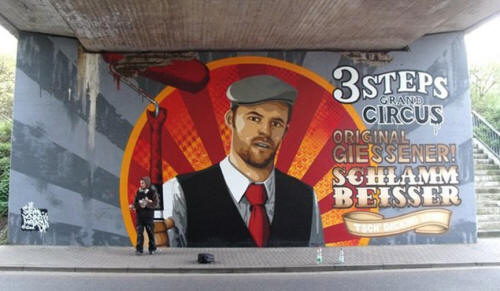
3Steps (Kai H. Krieger, Joachim Pitt and Uwe H. Krieger) in their Giessen studio (2014)
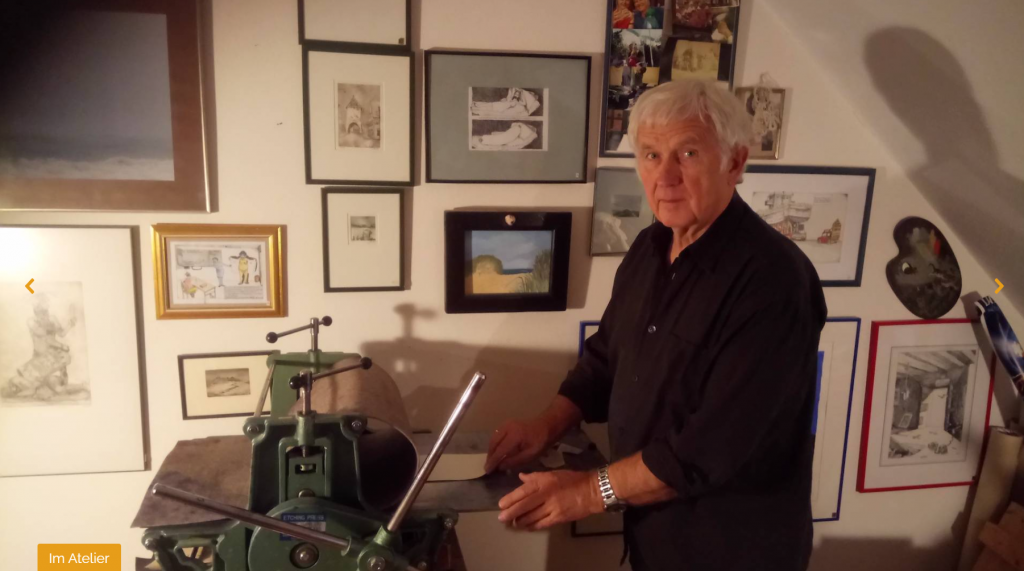
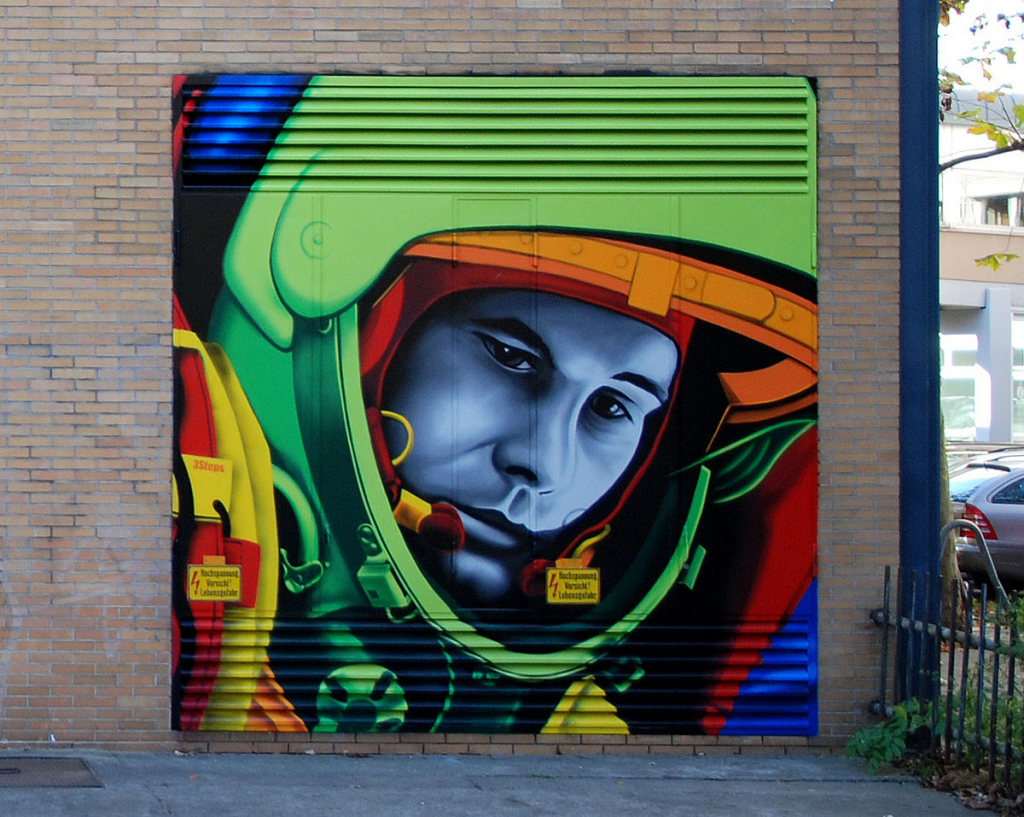
Uwe H. Krieger (right), alias Doc Nova, discovered his interest in graffiti and street art in 1997. In the mid-2000s, he established an agency for graffiti and mural art. He studied human medicine at the Justus Liebig University in Giessen and in Zurich from 2001 to 2008. From 2008 to 2011, he earned his doctorate in human medicine (Dr. med.) in 2012 from the Justus Liebig University in Giessen.[16] Uwe H. Krieger is a freelance artist, physician, co-founder of a creative agency, and co-curator of the cultural project River Tales.

3Steps [θriː stɛps] is an artist collective of the twins Kai Harald and Uwe Harald Krieger (born March 15, 1980 in Giessen) and Joachim Pitt (born December 8, 1980 in Giessen).

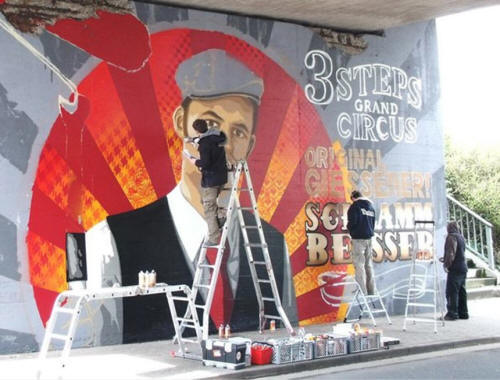
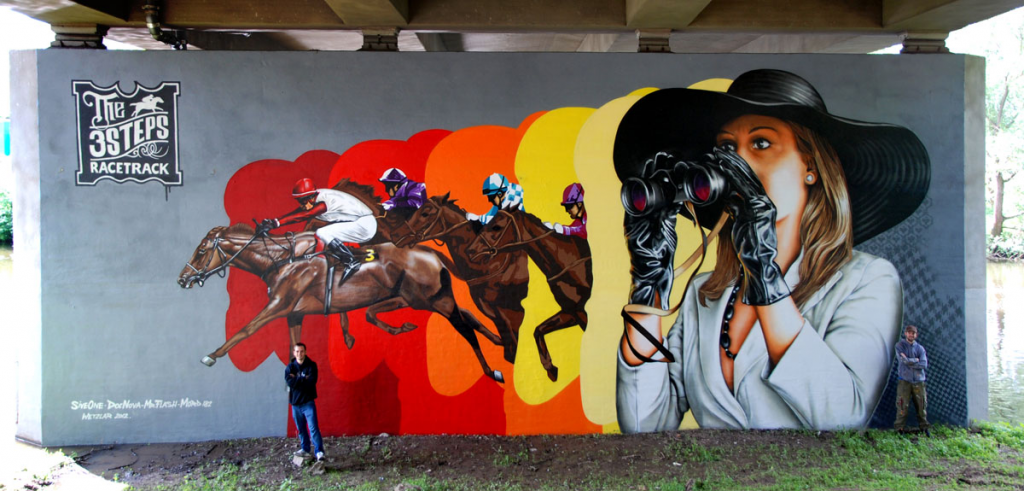
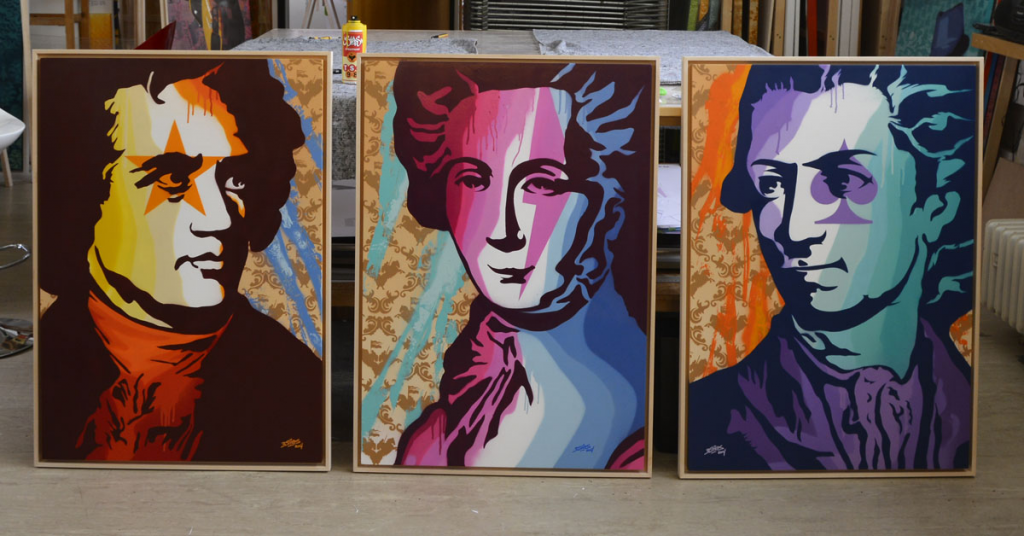
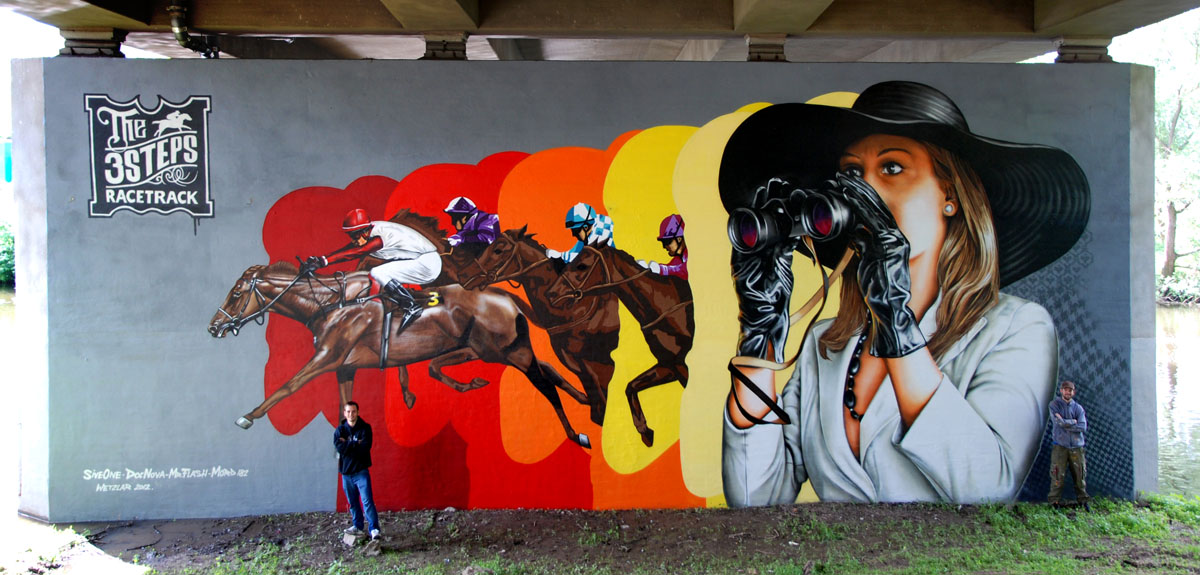
The works of 3Steps can largely be classified as mural art and street art.[1][2] Their works are characterized by bright colors and a contemporary reflection of modern society.

3Steps Telephone Gemälde, 2014.

In November 2014, 3Steps was awarded the prize and title of Culture and Creative Pilot Germany by the German Federal Government.[4][5] The 3Steps collective lives and works in Giessen (Hesse).

https://de.wikipedia.org/wiki/3Steps

https://en.wikipedia.org/wiki/3Steps


  • -

Charles Bell

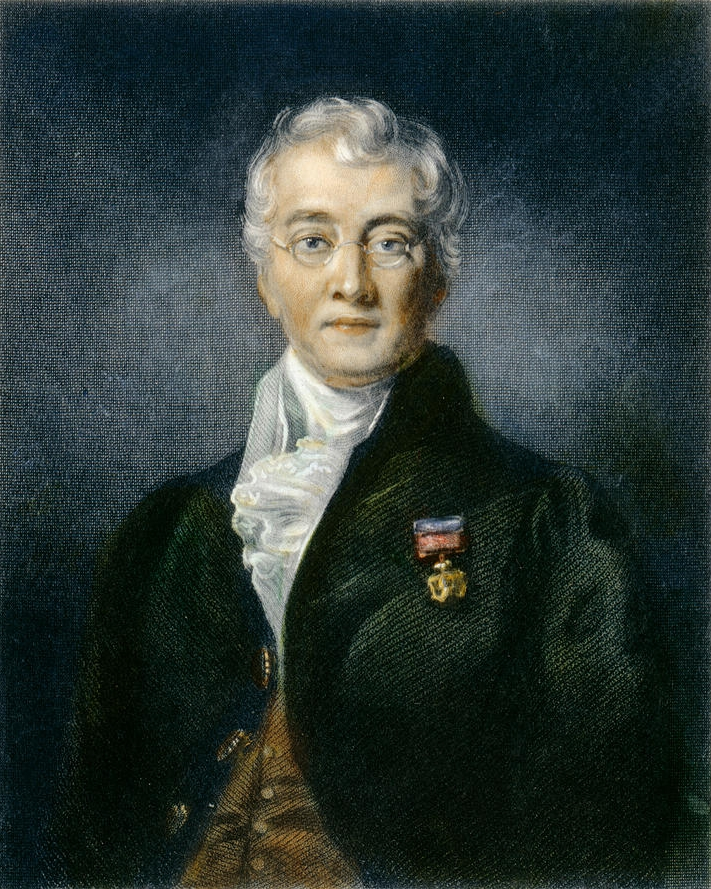
Sir Charles Bell KH FRS FRSE FRCSE MWS (12 November 1774 – 28 April 1842) was a Scottish surgeon, anatomistphysiologistneurologist, artist, and philosophical theologian. He is noted for discovering the difference between sensory nerves and motor nerves in the spinal cord. He is also noted for describing Bell’s palsy.

Charles Bell was born in Edinburgh on 12 November 1774,[2] as the fourth son of the Reverend William Bell, a clergyman of the Episcopal Church of Scotland. Charles’s father died in 1779 when he was five years old, and so his mother had a unique influence on his early life, teaching him how to read and write.[1] In addition to this, his mother also helped Charles’s natural artistic ability by paying for his regular drawing and painting lessons from David Allan, a well-known Scottish painter.

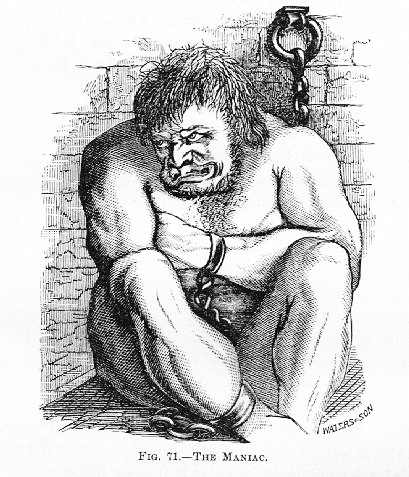
The Maniac – Charles Bell

While at the university, Bell attended the lectures of Dugald Stewart on the subject of spiritual philosophy. These lectures had considerable impact on Bell, for some of Stewart’s teachings can be traced in Bell’s later works in a passage on his Treatise on the Hand.[1] In addition to classes on anatomy, Bell took a course on the art of drawing in order to refine his artistic skill.

While developing his talents as a surgeon, Bell’s interests forayed into a field combining anatomy and art. His inherent talent as an artist came to the fore when he helped his brother complete a four-volume work called The Anatomy of the Human Body. Charles Bell completely wrote and illustrated volumes 3 and 4 in 1803, as well as publishing his own set of illustrations in a System of Dissections in 1798 and 1799.[6] Furthermore, Bell used his clinical experience and artistic eye to develop the hobby of modelling interesting medical cases in wax. He proceeded to accumulate an extensive collection that he dubbed his Museum of Anatomy, some items of which can still be seen today at Surgeon’s Hall.

A number of discoveries received his name:

Charles Bell House, part of University College London, is used for teaching and research in surgery


  • -

Hans Greuel

Birthplace: Düsseldorf
Art studies at the Académie Royale des Beaux-Arts in Liège
Annual Exhibition of Düsseldorf Artists
Visual Artists and Authors of Düsseldorf
Artists’ Association Malkasten (Düsseldorf)
Artists’ Card of the State Capital of Düsseldorf
1981 Annual Exhibition of Düsseldorf Artists

http://www.hansgreuel.com

After studying art at the Royal Academy in Liège, Belgium, Hans Greuel studied medicine, and both professions continue to fascinate him.

Today (2007), the 53-year-old general practitioner has his practice in Düsseldorf and enjoys a strong reputation as an artist.

His pivotal experience was a visit to the Native Americans in Arizona – he was able to support the chamanes in both their artistic and medical work and recognized that sculptures, talismans, and rituals are equally valuable elements of treatment alongside non-pharmaceutical therapy.

On this basis, Greuel also reclaimed medicine and art as healing methods and promoted a culture of quiet contemplation and internalization to encourage a return to one’s inner roots as an appropriate path to the demands of modern life.

https://www.youtube.com/@37sheriff/videos


  • -

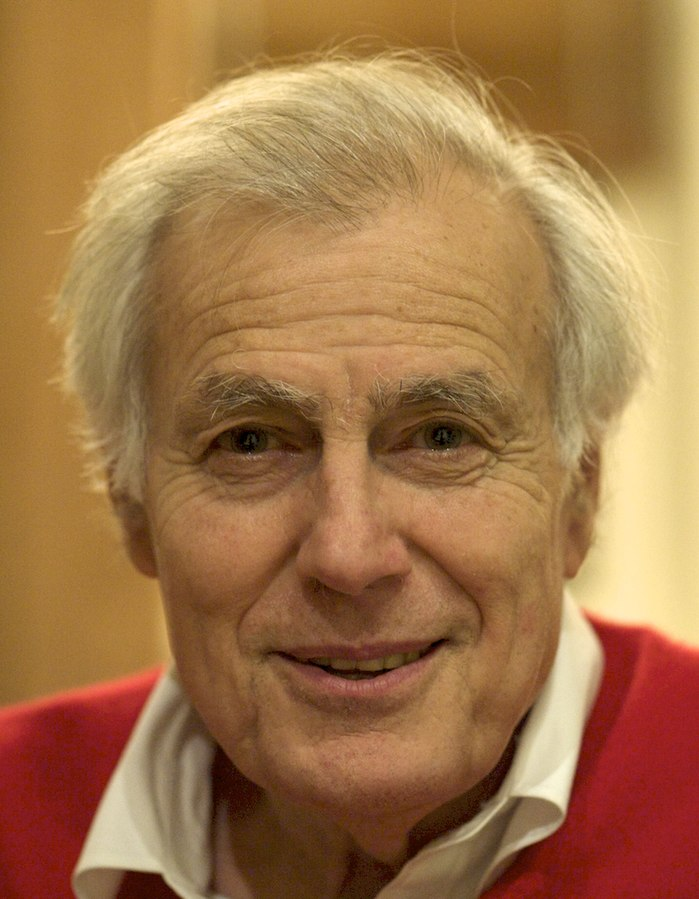
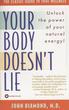
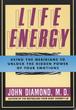
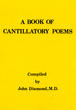
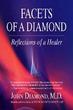
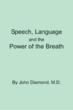
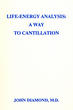
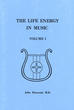
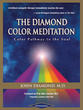
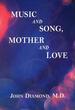
John Diamond

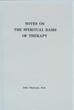
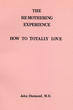
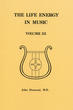
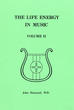
John Diamond (9 August 1934 – 25 April 2021) was a physician and author on holistic health and creativity

Diamond married three times. His first wife was Suzanne Gurvich, with whom he had three children, Ian, Kathie, and Peter. In the 1970s he married Betty Peele, and in 1994 the opera singer Susan Burghardt.[2] For many years, Diamond played drums in a jazz band which he founded, named the Diamond Jubilators. The band performed in hospitals and nursing homes.[2][1] He enjoyed photography and painting in the final years of his life.

ohne John Diamond, aber sicher ähnlich hat es MIT ihm geklungen!
without John Diamond, but it surely sounded similarly WITH him!

Website

https://www.youtube.com/@JohnDiamondMD

LifeEnergyArts

https://en.wikipedia.org/wiki/John_Diamond_(doctor)


  • -

Diethelm Kause

Vita

Born in 1944 in Wreschen near Posen
Graduated from high school in Lüneburg in 1965
Study of medicine from 1965 to 2010, specialist training (surgery), and rural doctor in Abenberg in 2011
Retired in 2011

Artistic Career

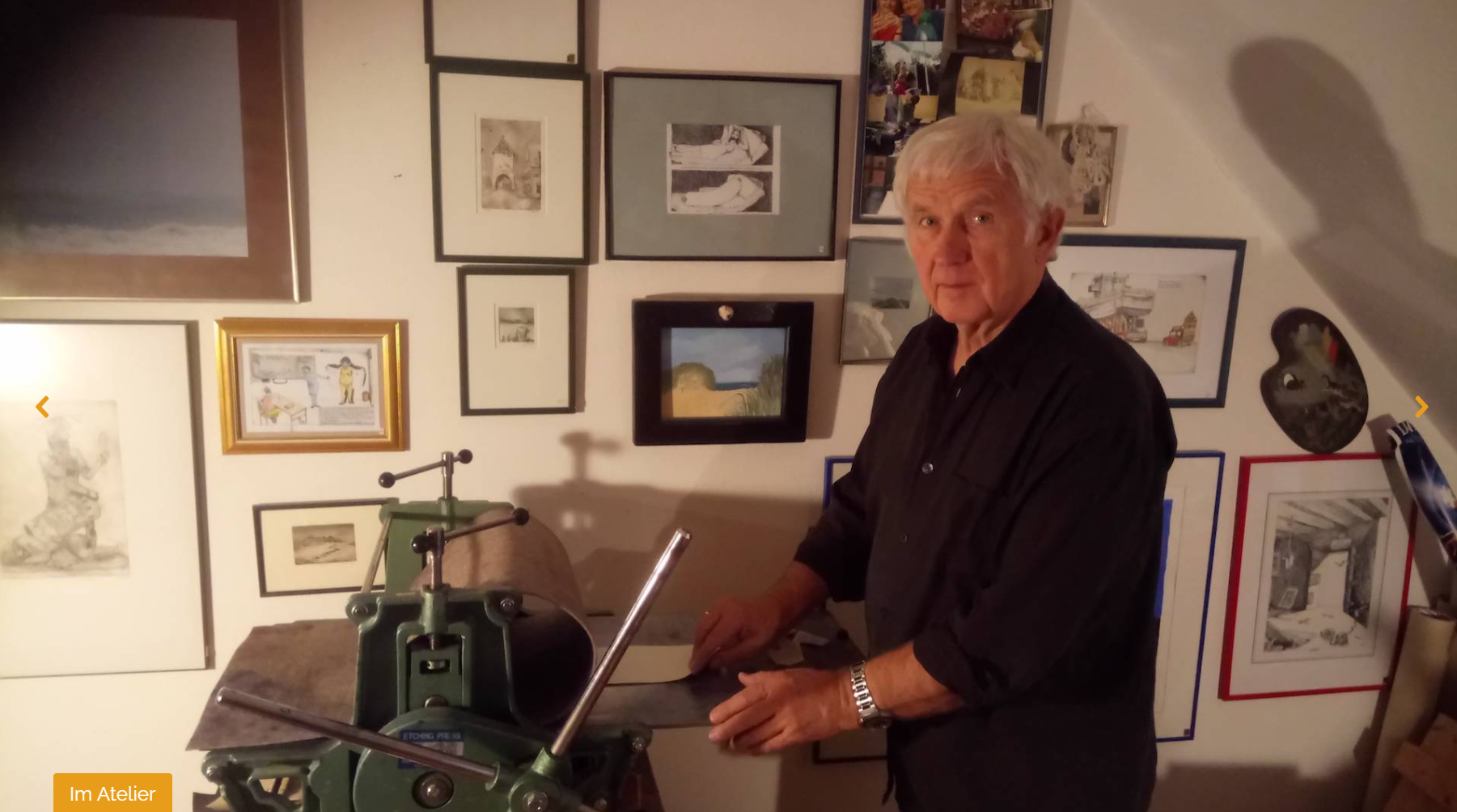
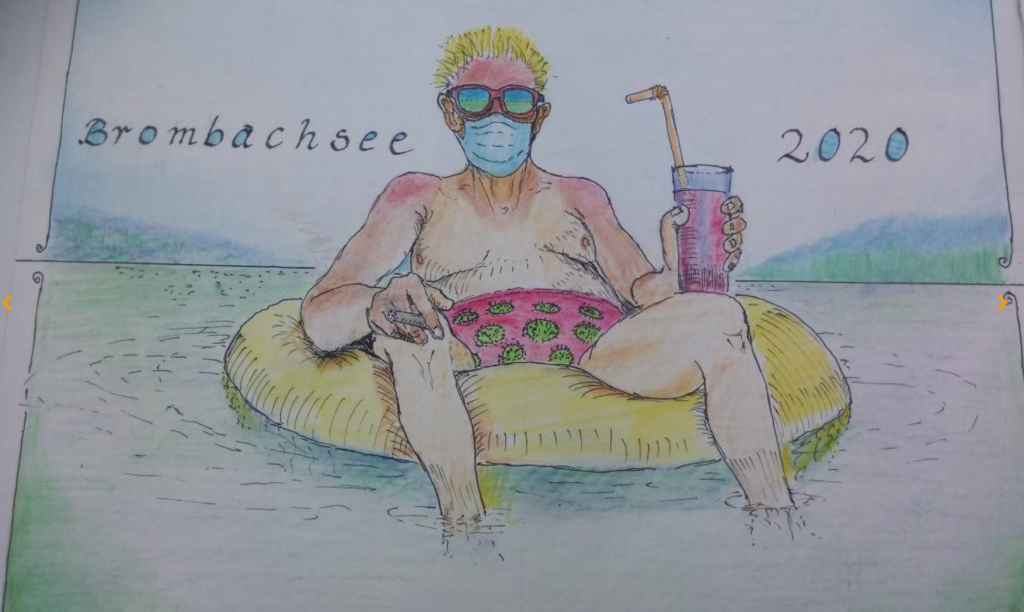
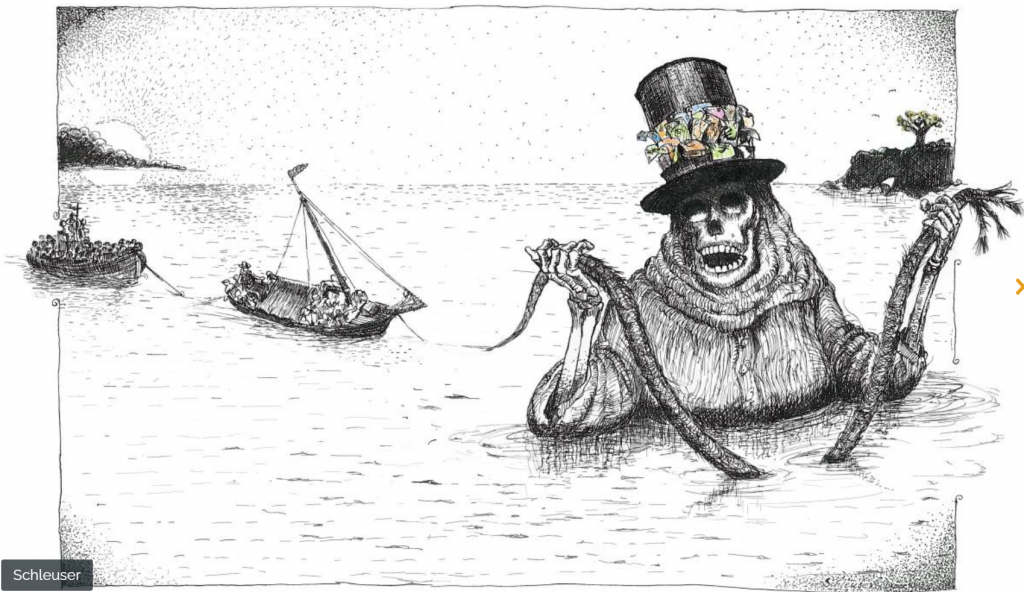
Drawing since childhood. Watercolor course on Sylt, head and figure drawing during his studies in Marburg, and life drawing course at the adult education center in Nuremberg. Experimented with oil painting 30 years ago, and for about 25 years, he has been making drypoint engravings, primarily pen and ink drawings (some colored).

Exhibitions

From the mid-1980s to the mid-1990s, he participated in the annual POHL BOSKAMP painting competition at therapy congresses, first in Karlsruhe and then, after reunification, in Berlin.
2008 Solo exhibition at the Heimathaus Abenberg; VIEW-INSIGHT-PERSPECTIVE-RETROSPECTIVE
2018 Solo exhibition at the Heimathaus Abenberg: THINKING IMAGES-WORD FORMATIONS
2020 Schwabach Artists’ Association, PRESENT, participation with two pen drawings

Awards

1992 First prize (with two other colleagues) at the AESKULAP MALT exhibition organized by POHL BOSKAMP
2001 Audience award at the AESKULAP MALT exhibition

thanks to Künstlerbund Schwabach!


  • -

Hans Prinzhorn

Hans Prinzhorn (6 June 1886 – 14 June 1933) was a German psychiatrist and art historian.

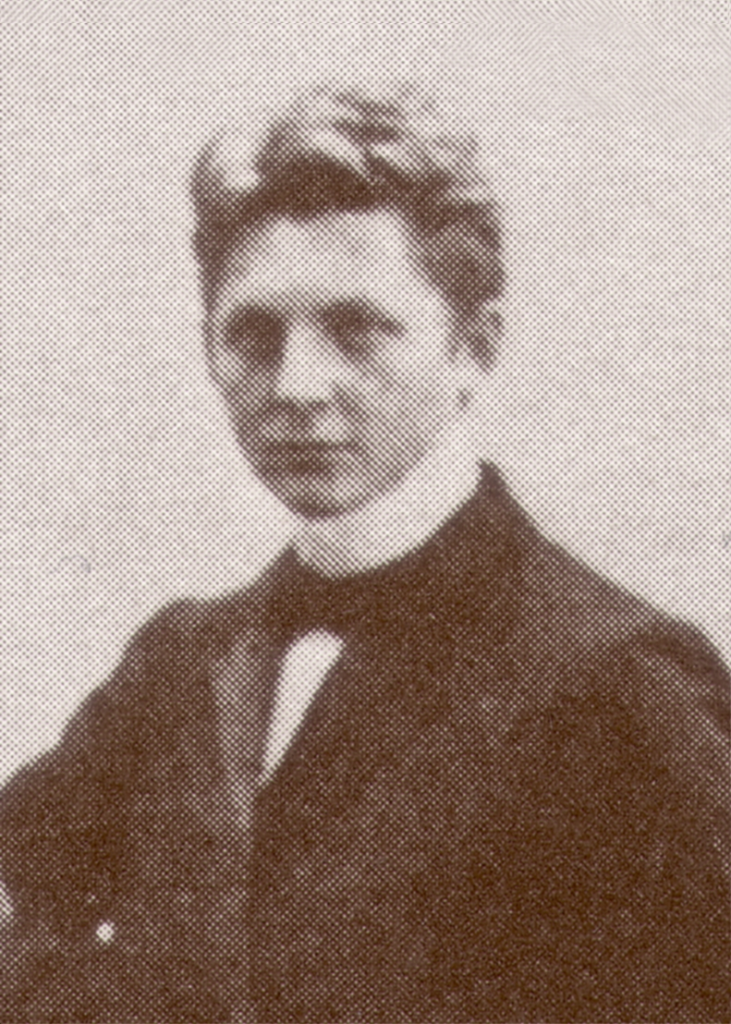
Hans Prinzhorn als Abiturient (1904)

Born in HemerWestphalia, he studied art history and philosophy at the universities of Tübingen, Leipzig and Munich, then receiving his doctorate under Theodor Lipps with the dissertation “Gottfried Semper’s basic aesthetic views” in 1908. He then went to the Leipzig Conservatory in 1909 and received lessons in music theory and piano. Afterwards he went to London to pursue his desire of becoming a singer, however his voice was ultimately not good enough for an artistic career. During the First World War, he assisted a military surgeon and in 1913 he finally started studying medicine, receiving his training at the universities of Freiburg and Strasbourg. He completed his second doctorate (in medicine) in 1919 at the University of Heidelberg after an invitation from Karl Wilmanns, with the dissertation “The artistic capabilities of the mentally ill”.

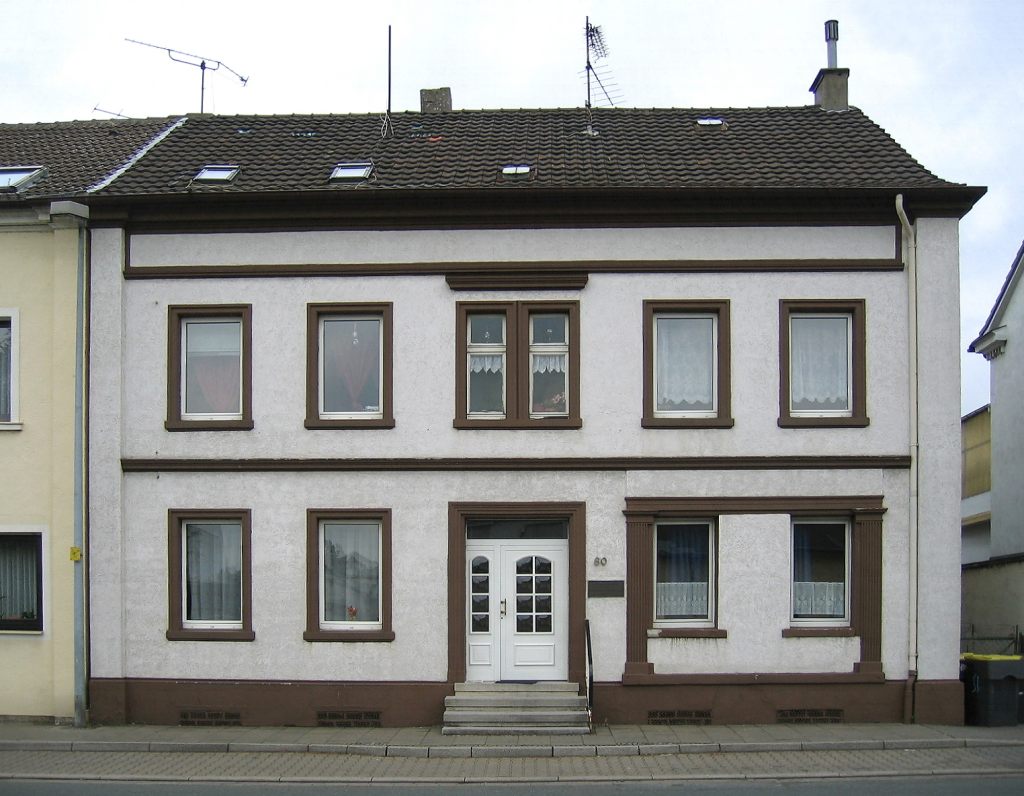
Geburtshaus von de:Hans Prinzhorn in Hemer.

In 1919 he became assistant to Karl Wilmanns at the psychiatric hospital of the University of Heidelberg. His task was to expand an earlier collection of art created by the mentally ill and started by Emil Kraepelin. When he left in 1921 the collection was extended to more than 5,000 works by about 450 “cases”.

In 1922 he published his first and most influential book, Bildnerei der Geisteskranken. Ein Beitrag zur Psychologie und Psychopatologie der Gestaltung (Artistry of the mentally ill: A Contribution to the Psychology and Psychopathology of Configuration), richly illustrated with examples from the collection. While his colleagues were reserved in their reaction, the art scene was enthusiastic. Jean Dubuffet was highly inspired by the works, and the term Art Brut was coined.

The book is mainly concerned with the borderline between psychiatry and art, illness and self-expression. It represents one of the first attempts to analyse the work of the mentally ill.

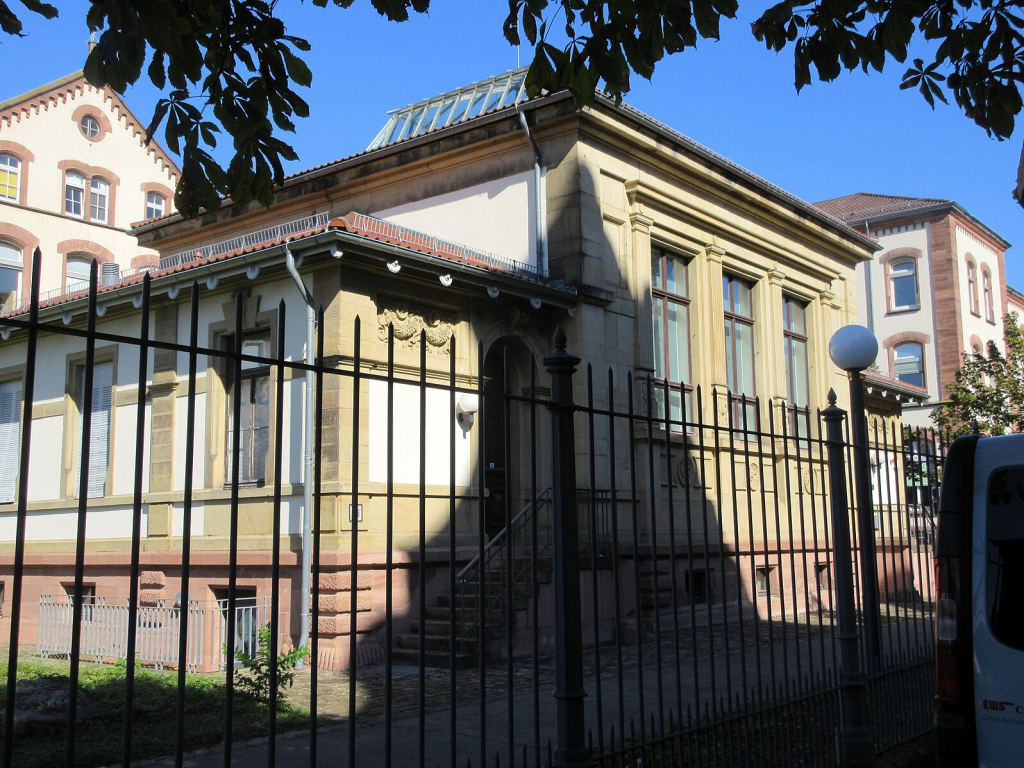
Das ehemalige Hörsaalgebäude des Altklinikums Bergheim ist heute der Forschungssammlung Prinzhorn als Museum gewidmet

After short stays at sanatoriums in ZürichDresden and Wiesbaden, he began a psychotherapy practice in Frankfurt in 1925, but without much success. He published a follow up project to his first book, titled “Bildnerei der Gefangenen” (Artistry of Prisoners) in 1926, however it was met with little success. He also wrote poems, which were published by a private publisher after his death. He continued to write numerous other books which were mainly on the field of psychotherapy. He approached psychology with an original method where he combined philosophy, anthropology and psychoanalysis. He went on to give lectures over radio, and he was a sought-after speaker home and abroad. He went to an invitation-based lecture tour of US universities in 1929. His original approach was well respected within the German community, however it was largely forgotten due to the dominant force of experimental psychology. His hopes to find a permanent position at a university were never fulfilled. Disillusioned by professional failures, and after three failed marriages, he moved in with an aunt in Munich and retreated from public life, making a living from giving lectures and writing essays. He died in 1933 in Munich after contracting typhus on a trip to Italy.

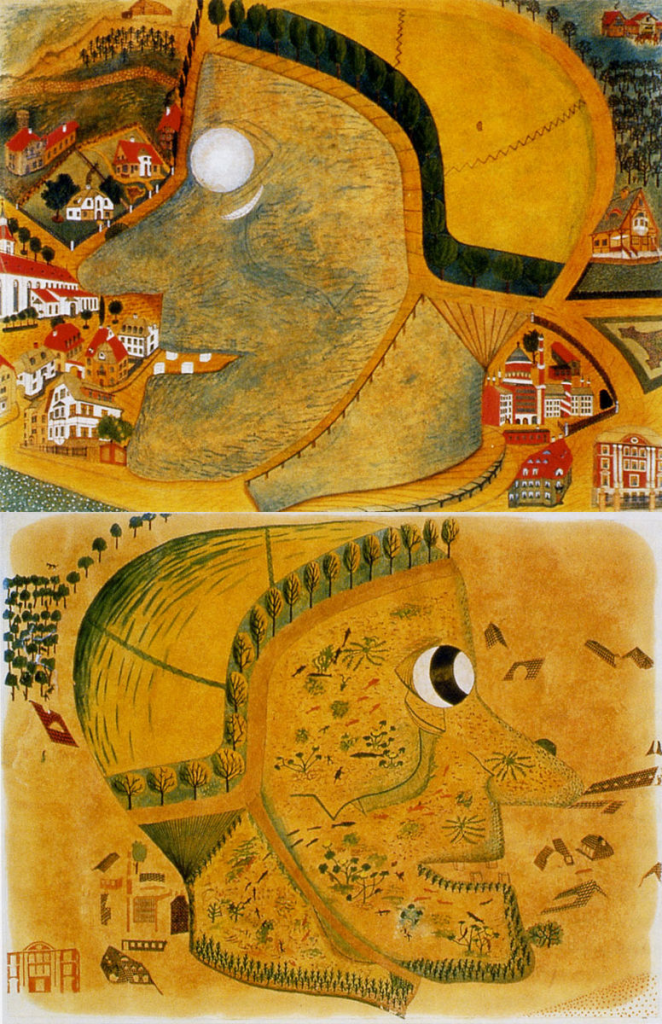
Aus der Sammlung Prinzhorn: August Natterer (Neter): „Hexenkopf“ (Vorder- u. Rückseite), ca. 1915

Shortly after his death the Prinzhorn Collection was stowed away in the attics of the university. In 1938 a few items were displayed in the Nazi propaganda exhibition Entartete Kunst (“Degenerate Art”). Since 2001 the collection has been on display in a former oratory of the University of Heidelberg.

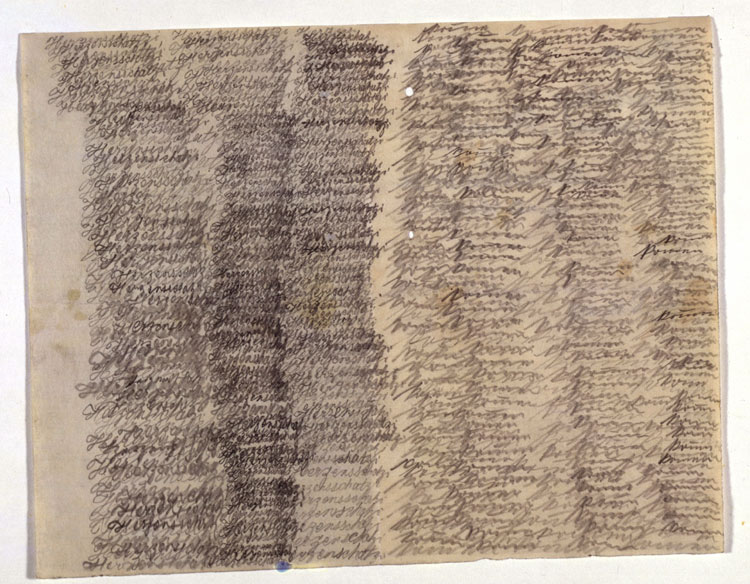
Brief der Psychiatriepatientin Emma Hauck 1909, von Prinzhorn als Beispiel für „Kritzeleien“ angeführt, Sammlung Prinzhorn

In Hans Prinzhorn’s hometown of Hemer, the municipal secondary school and the local specialized clinic for psychiatry and psychotherapy are named after him. A clinic for differentiated treatment options in compulsory and full-service settings, the clinic is sponsored by the Regional Association of Westphalia-Lippe. The clinic also serves as a training and continuing education institution. The Felsenmeer Museum, run by the Citizens’ and Local History Association, houses a Prinzhorn archive, largely filled with copies. The literary scholar Yukio Kotani, influenced by Ludwig Klages, campaigned to raise awareness of Prinzhorn’s work in Japan.

https://de.wikipedia.org/wiki/Hans_Prinzhorn

https://en.wikipedia.org/wiki/Hans_Prinzhorn


  • -

ISFAM

Category : ArtDocs

International Society for Arts and Medicine

The International Society for Arts and Medicine (ISfAM) was established in 2023 with the primary aim to highlight the important connection of arts and medicine.

Our mission is to create a forum and hub for scientists, medical doctors, artists, therapists, as well as any individuals, organizations, and supporters working or interested in the field of arts and medicine. Our shared interest is improving and sustaining health through the arts including visual arts, music, dance, other performing arts, literature, and architecture.

The International Society for Arts and Medicine (ISfAM) will foster growth, cooperation, education, policy advice, and visibility of the field.

https://isfam.de


  • -

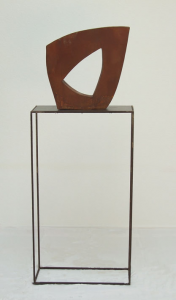
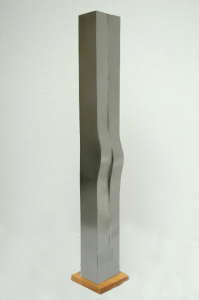
Michael Haisermann

Born in 1949 in Heilbronn

On numerous trips through America, he explored pre-Columbian art, as well as the art of the Aztecs, Incas, and Mayans in Mexico, Peru, and Guatemala.
During his travels through the United States and Europe, he studied modern sculpture and sculpture at venues such as the Getty Museum in Los Angeles, the Museum of Modern Art in New York, the Guggenheim Museum in Bilbao, and the Tate Gallery of Modern Art in London.

Took a welding course in 1990.
First outdoor sculpture in 1993.
2006 Exhibition “Szene Bühl 2006” at Volksbank Bühl.
2008 Exhibition at CUBUS Gallery in Bühl.
2009 Exhibition of Art and Culture at the Baden-Baden Regional Court.

Since 2005, he has shared a studio with Christine Faust in Hasengarten (Bühl).

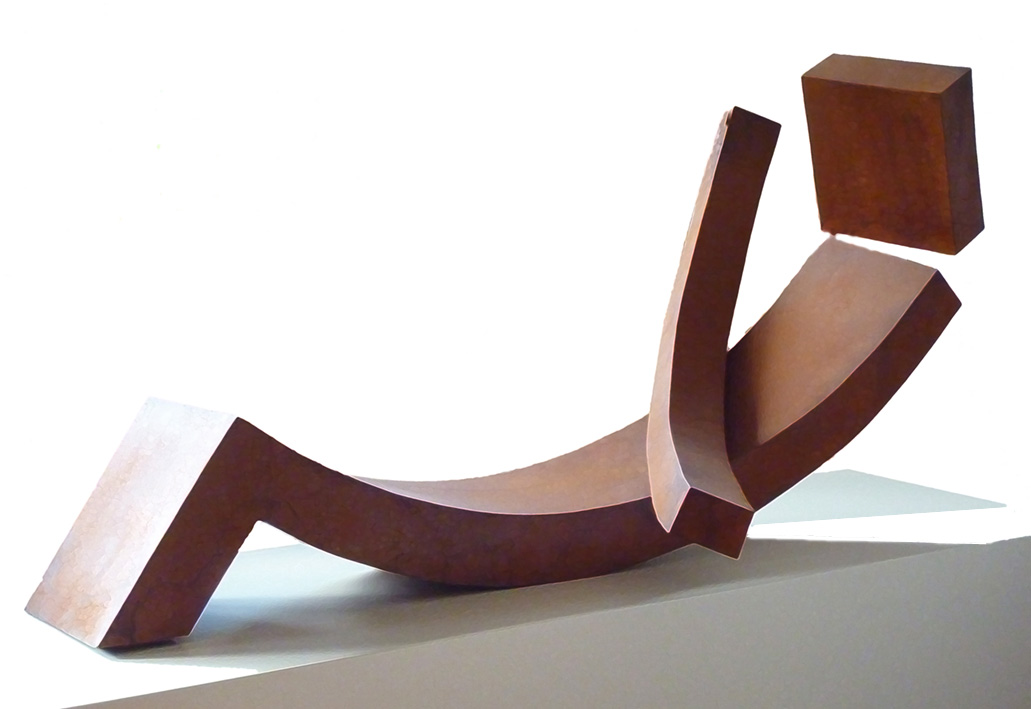
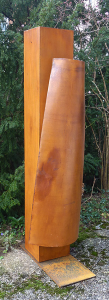
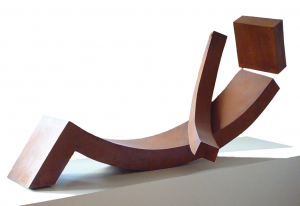
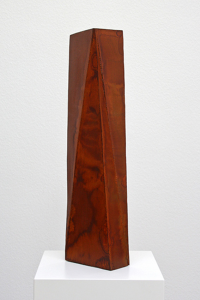
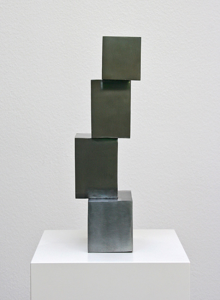
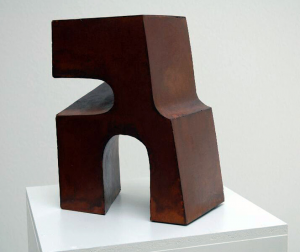
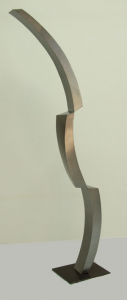
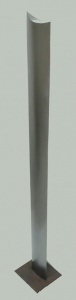
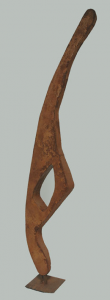
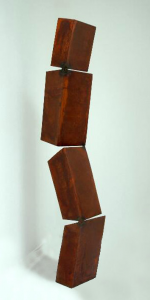
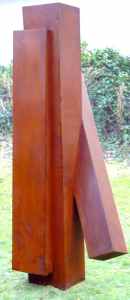
The artist’s iron works are distinguished by their clear formal language, reduction to essential elements, and emphasis on the organic material iron and its interaction between mass and space.

Eisenholz-Art

Praxis | work


  • -

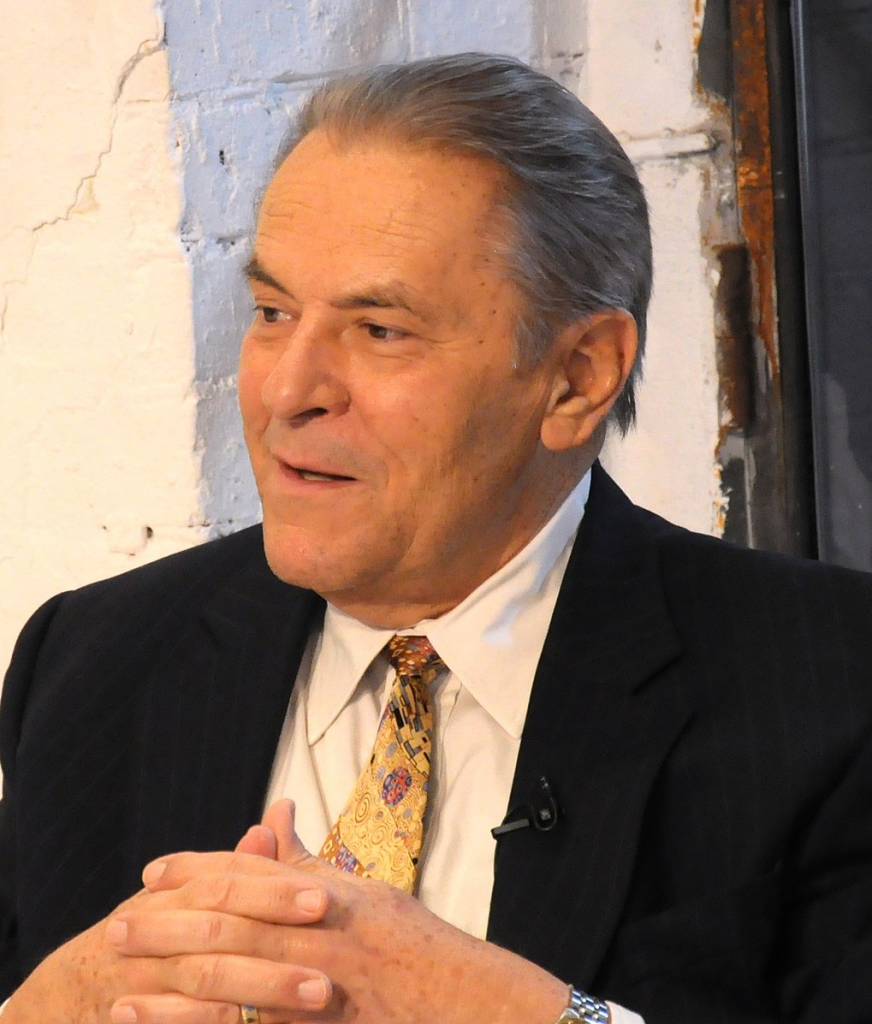
Stanislav Grof

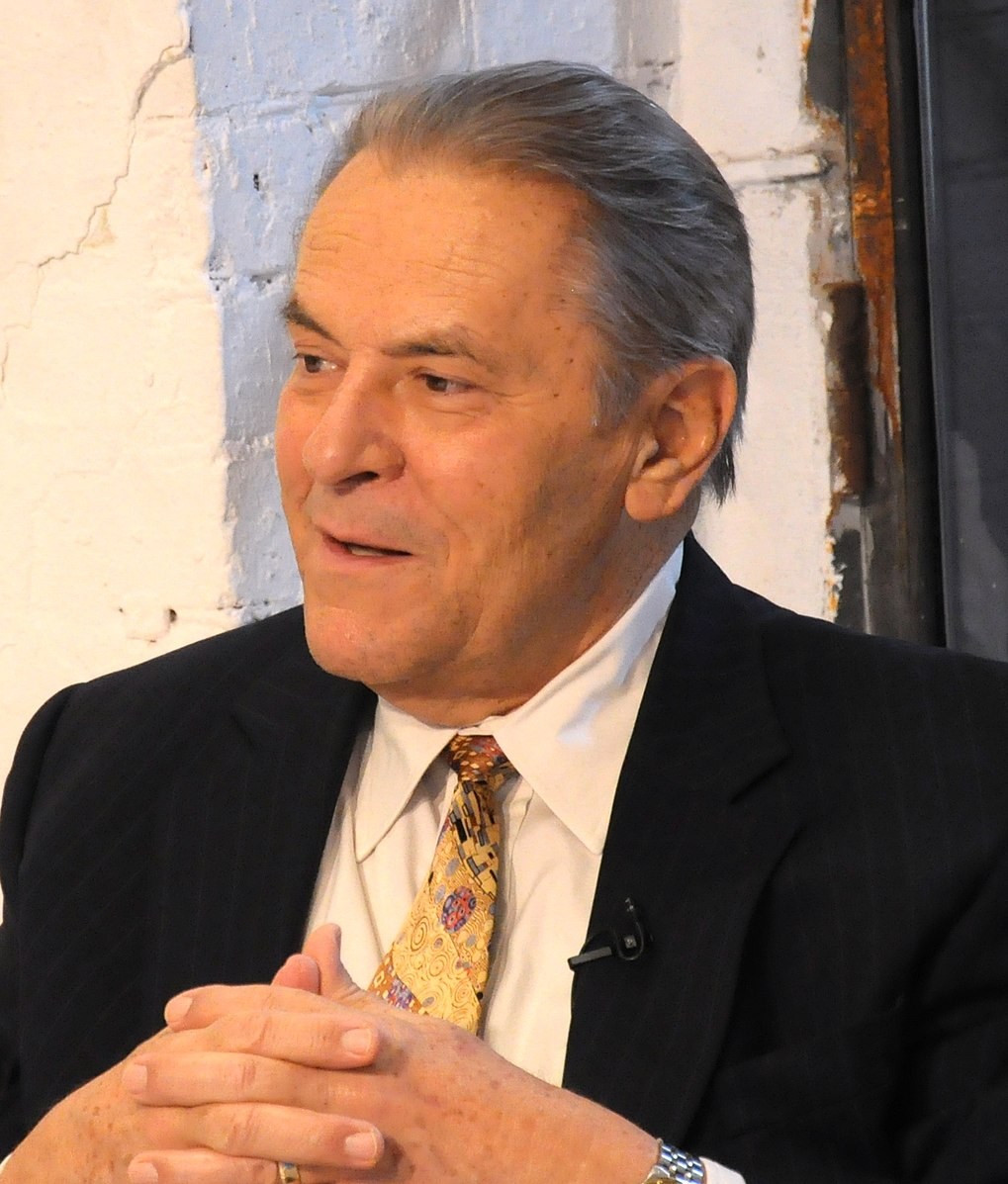
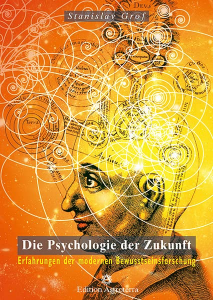
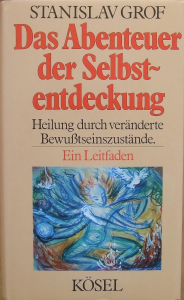
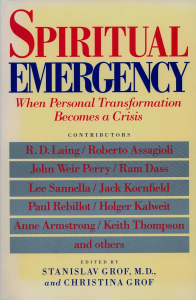
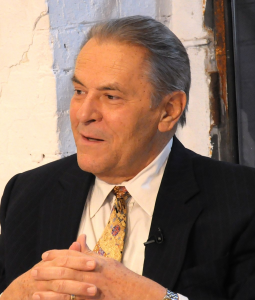
Stanislav Grof (born July 1, 1931) is a Czech-born American psychiatrist. Grof is one of the principal developers of transpersonal psychology and research into the use of non-ordinary states of consciousness for purposes of psychological healing, deep self-exploration, and obtaining growth and insights into the human psyche.

Stanislav Grof was born July 1, 1931 in PragueCzechoslovak Republic.[1] Grof received his M.D. from Charles University in Prague in 1957 and then completed his Ph.D. in medicine at the Czechoslovak Academy of Sciences in 1965, training as a Freudian psychoanalyst at this time.

Czechoslovakia was the centre of psychedelic research behind the Iron Curtain during the 1950s and 1960s. Grof’s early research in the clinical uses of psychedelic substances was conducted at the Psychiatric Research Institute in Prague, where he was principal investigator of a program that systematically explored the heuristic and therapeutic potential of LSD and other psychedelic substances.[

In 1967, he received a scholarship from the Foundations Fund for Research in Psychiatry in New Haven, Connecticut, and was invited by Joel Elkes[3] to be a Clinical and Research Fellow at Henry Phipps Clinic, a part of Johns Hopkins University School of Medicine in Baltimore, United States. In 1969, he went on to become Chief of Psychiatric Research for the Spring Grove Experiment at the Research Unit of Spring Grove State Hospital (later part of the Maryland Psychiatric Research Center where he worked with Walter Pahnke. In 1969, Grof also became Assistant Professor of Psychiatry at the Johns Hopkins University.

In 1973 he was invited to the Esalen Institute in Big SurCalifornia, and lived there until 1987 as a Scholar-in-Residence, developing his ideas and conducting month-long workshops.[citation needed] In 1977, Grof was the founding president of the International Transpersonal Association, serving as president for several subsequent decades. He went on to become distinguished adjunct faculty member of the Department of Philosophy, Cosmology, and Consciousness at the California Institute of Integral Studies, a position he remained in until 2018.

In May 2020, he launched, with his wife Brigitte Grof, a new training in working with holotropic states of consciousness, the international Grof Legacy Training

Bilder | Pictures Stanislav Grof

web

https://www.youtube.com/channel/UC8Z3Or4JY_K1Qort8uct4jA

https://de.wikipedia.org/wiki/Stanislav_Grof

https://en.wikipedia.org/wiki/Stanislav_Grof