Viola
- 2025-04-27
-
-
Christian Buck
Category : SailingDocs
Aug. 24-27th 2022 | Rostock-Warnemunde
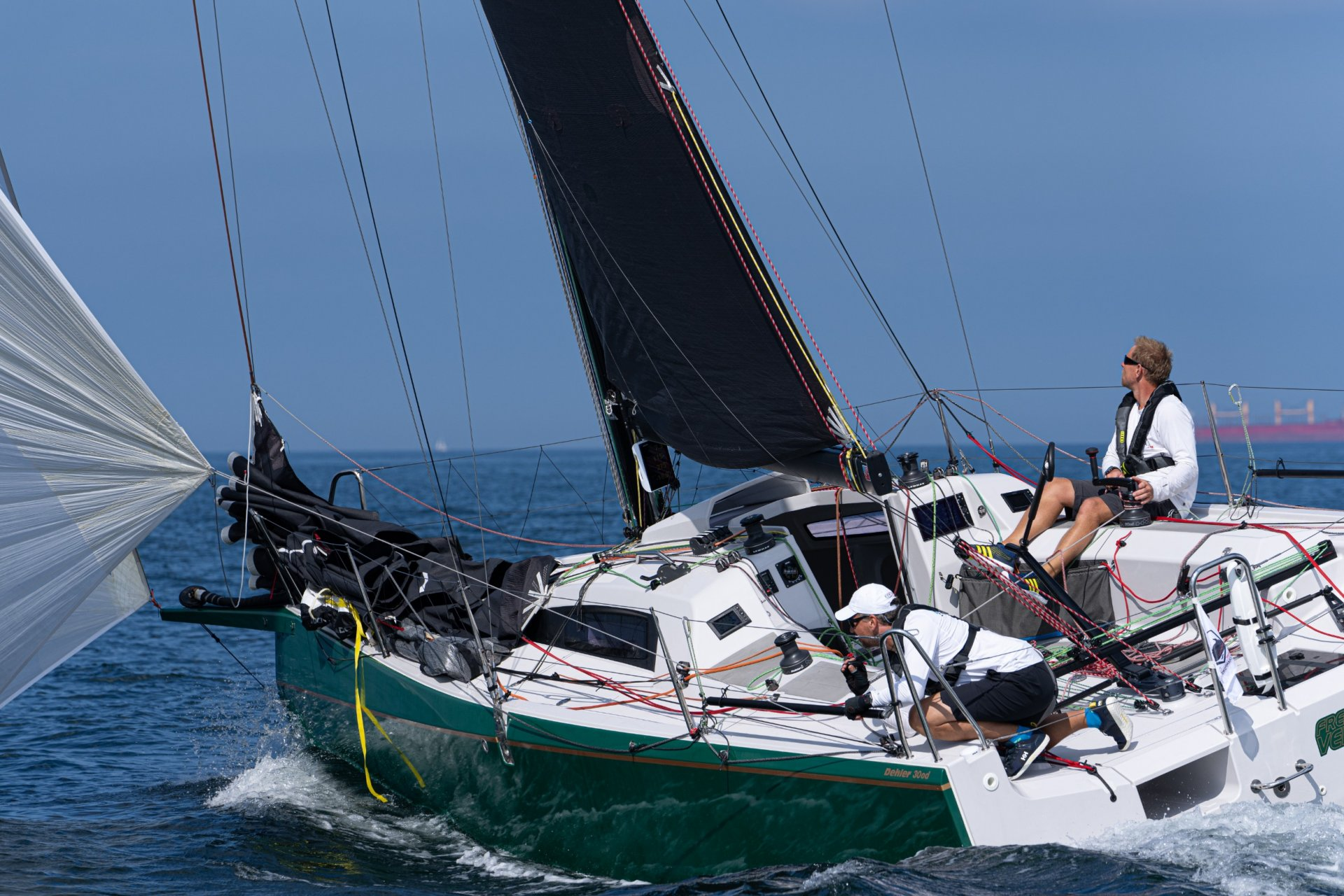
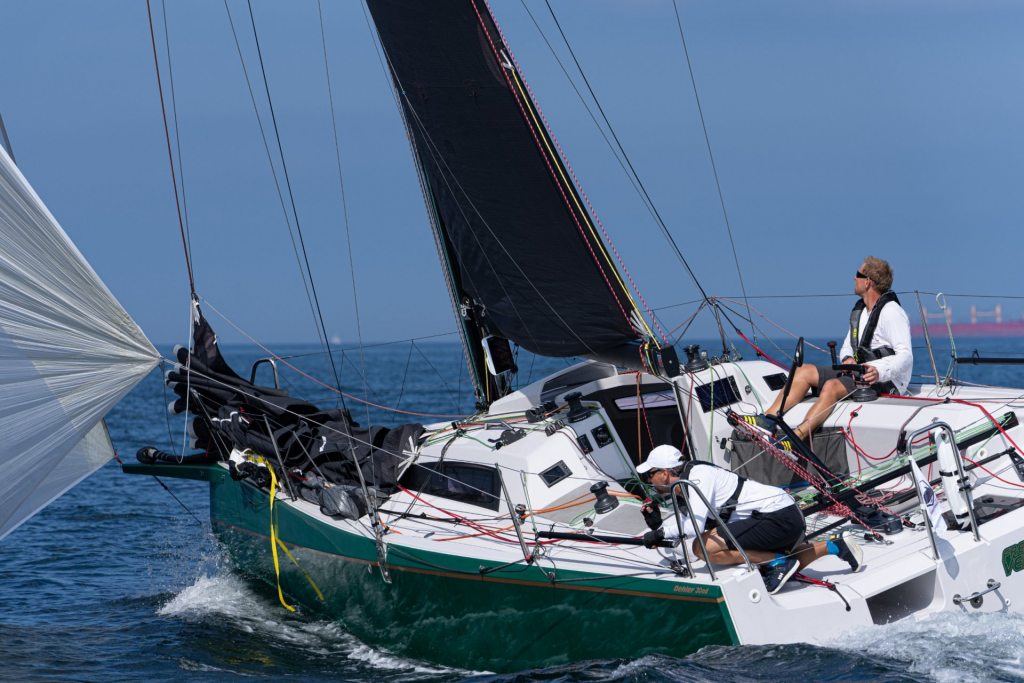
After the “United Internet Team Germany” won its first match race against the “China Team” in the Louis Vuitton Act 6 for the 32nd America’s Cup in Malmö, Sweden, an accident occurred aboard the “GER-72.” Crew member Christian Buck was at the masthead hoisting the mainsail. While lowering the sail, the 27-year-old lost control due to the strong waves and was thrown into the diver.
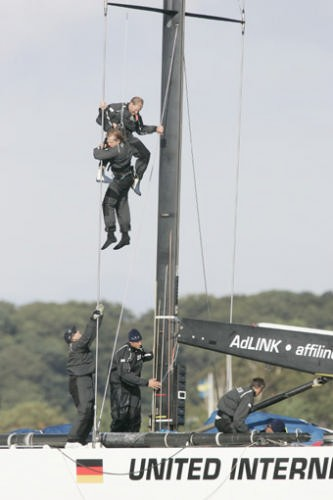
Immediately after the accident, Christian Buck received medical treatment on board from a doctor on the team and was then taken by tender and ambulance to the University Hospital in Lund.
Fortunately, after initial medical examinations, his injuries appear to be less severe than expected. The extent to which further medical treatment is required is currently unclear. Christian Buck is conscious and his condition is stable.
The sailor from Rostock is not in critical condition, but will remain in the intensive care unit overnight for further medical observation.
Skipper Jesper Bank and syndicate chairman Uwe Sasse were accompanied to the hospital by two crew members after the accident.
His family was also informed immediately after the accident. His brother, who is currently in Malmö, is also in the hospital.
https://www.spiegel.de/sport/sonst/america-s-cup-deutscher-segler-schwer-verletzt-a-371639.html
https://de.wikipedia.org/wiki/United_Internet_Team_Germany
https://www.yacht.de/regatta/americas-cup/america-s-cup-buck-is-back
-
Helmut Fleischer
Category : RefereeDoc
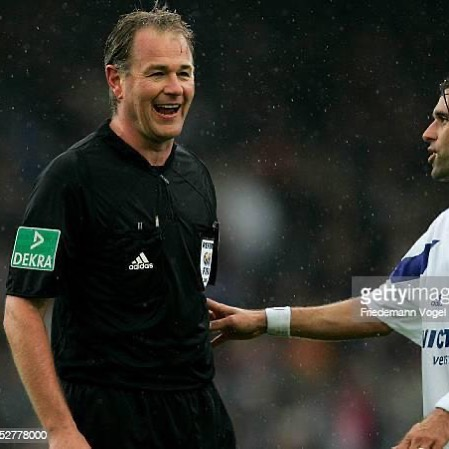
Helmut Fleischer (born 22 March 1964) is a former German football referee.
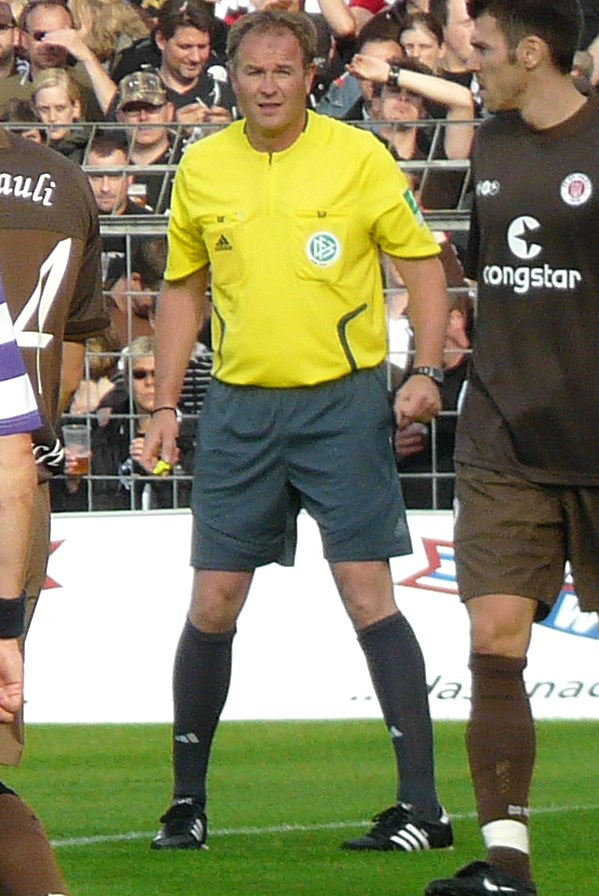
Fleischer lives in Dresden. He holds a doctorate in medicine and worked for the Bundeswehr as an orthopedic surgeon with the rank of senior medical officer.
Fleischer has been a DFB referee for SV Hallstadt since 1990. He has officiated matches in the 2nd Bundesliga since 1991, and in the Bundesliga since 1995. Fleischer was a FIFA referee from 2000 to 2006 and participated as a referee in the 2001 European Under-18 Football Championship in Finland and the 2000 European Under-16 Football Championship in Israel.
On May 30, 2009, he refereed the DFB Cup final between Bayer 04 Leverkusen and Werder Bremen. On April 3, 2010, he officiated his final Bundesliga match, between VfB Stuttgart and Borussia Mönchengladbach. In April 2010, he accepted a position as a doctor in the United States and has not been available as a referee since then.
https://www.weltfussball.de/schiedsrichter_profil/dr-helmut-fleischer/1/1
https://de.wikipedia.org/wiki/Helmut_Fleischer_(Schiedsrichter)
-
Carlos Albert Schumacher
Category : EditorDocs , managerDocs , PublisherDocs
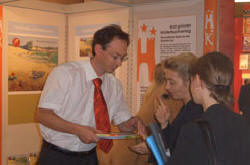
“The child’s soul is the greatest asset,” says Hamburg physician Dr. Carlos Schumacher. To help it develop and at the same time provide children with unforgettable moments, he relies less on the world of medicine than on the magic of imagination. He wants to enchant children with stories and has therefore founded his own publishing house. He presented the Hamburger Kinderbuch publishing house to the public for the first time at the Frankfurt Book Fair (2006).
The new venture, however, reflected an old dream of the 43-year-old. Since his studies, the Hamburg physician had thought about publishing books suitable for promoting child development. Last year, he fulfilled this dream and founded the Hamburger Kinderbuch publishing house.
In it, he focuses primarily on medical, psychological, and developmental topics. But he definitely doesn’t want to publish “boring textbooks with a wagging finger.” He wants to package the content in exciting and funny stories. He wants children to not just have the books read to them, but to discover the joy of browsing for themselves.
One of his first books is “The Story of the Little Kitten.” This classic by Christen Kold, the founder of the Danish adult education centers, is an encouraging book that Schumacher’s wife Katrin translated from Danish into German for the first time. The first publishing program also includes the interactive picture book “Alexandra, where are you going?” (Alexandra, where are you going?). In it, young readers can decide for themselves which path the protagonist should take – thereby influencing the further course of the story.
The doctor is also passionate about a project he developed with five colleagues. “The Drop Gang” – a book scheduled to be published in October 2007 – is a story about five children suffering from long-term illnesses: atopic dermatitis, asthma, epilepsy, cancer, and poor vision.
After completing his medical studies, Schumacher worked, among other things, as a research assistant in a pharmacology laboratory at the University Hospital of Aachen. The Hamburg-based children’s book publisher is not yet breaking even, so he currently works as a real estate entrepreneur.
https://www.aerztezeitung.de/Panorama/Arzt-verzaubert-Kinder-mit-Geschichten-388380.html
-
Arnd Felten
Category : ComputerDocs , PoliticianDocs , travelDocs
| 1988 — 1992 | Grundschule Zornheim |
| 1992 — 1998 | Rabanus-Maurus-Gymnasium, Mainz |
| 1998 — 1999 | Highland High School, Pocatello, ID (USA) |
| 1999 — 2001 | Rabanus-Maurus-Gymnasium, Mainz |
| 2001 — 2002 | Civil Service for the Rotes Kreuz Rettungsdienst Rhein-Nahe GmbH, Mainz |
| 2002 — 2004 | Study of Computational Engineering, Friedrich-Alexander-Universität Erlangen-Nürnberg (no degree) |
| 2004 — 2006 | Study of Medicine, Friedrich-Alexander-Universität Erlangen-Nürnberg |
| 2006 — | Study of Medicine, Johannes-Gutenberg-Universität Mainz |
https://www.xing.com/profile/Arnd_FeltenMHBA/web_profiles
https://www.linkedin.com/in/arnd-felten
https://www.spital-emmental.ch/Aerztliche_Fachpersonen/?docId=1473
-
Hans Michael Schulz
Category : HikingDocs , SpiritualDocs , WriterDocs
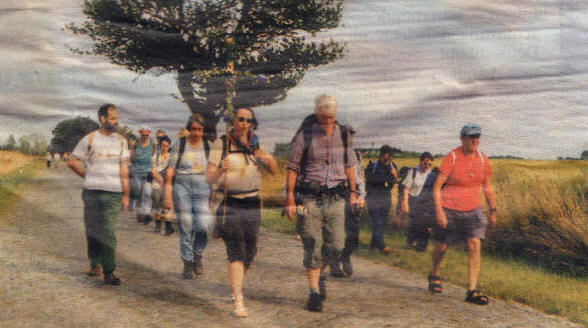
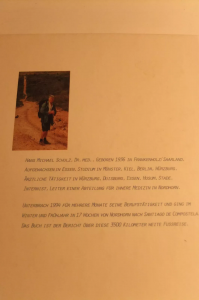
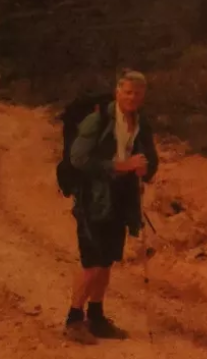
When Hans Michael Schulz packs his backpack, the journey is the destination: pilgrimages run like a common thread through the life of the former chief physician of Nordhorn. With 30 people between the ages of 17 and 77, he hiked the path of the “Swedish Birgitta” through the Mecklenburg countryside, praying, remaining silent, singing, and also working on projects. They covered distances of 20 to 25 kilometers each day. It all began in the spring of 1994, when he left his hospital for six months to walk to Santiago de Compostela – almost 3,500 kilometers. He recorded his impressions in his book “Fernwechsel,” which is now out of print. He enjoys it: times of walking, observing, reflecting, and praying – interspersed with interesting conversations with his fellow hikers.
At the beginning is farewell, and at the end is arrival. The author, a physician and head of a department of internal medicine, bids farewell to his wife in familiar surroundings. This is reminiscent of farewell scenes in world literature, such as Hector, who embraces Andromache for the last time before the battle with Achilles, or Siegfried, who bids farewell to the ominous Kriemhild “with loving kisses.” But unlike in the epics, in which the heroes face certain death, a new life is revealed to the author on a seventeen-week march from Nordhorn to Santiago de Compostela.
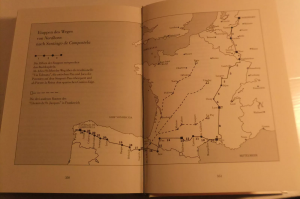
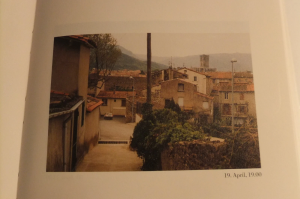
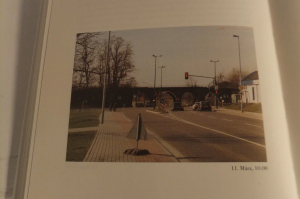
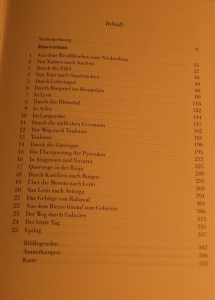
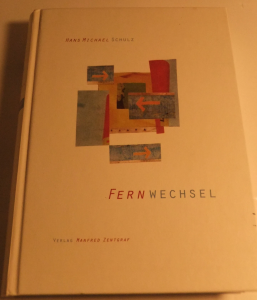
The book is an account of this 3,500-kilometer pilgrimage, which leads via Aachen, Trier, Cluny, Lyon, Arles, Toulouse, across the Pyrenees to Logroño, Burgos, and Leon, finally ending in the city of Santiago. The Christian conviction that the Church can still be a guide for all who are searching and willing to discover sets the tone for the daily notes. The pilgrim is less interested in the beauty of the churches and monasteries along the Way of St. James described in the usual guidebooks; he visits them all, but only to seek in them “a stage in the ascent of human consciousness” and strength to cope with the present. And on his arduous pilgrimage, the author succeeds in experiencing the path itself, the diverse nature, and the art in the churches as “Christ’s message of redemption.” The reader who embarks on such a search for clues will be able to exclaim at the end with Hans Michael Schulz: “Each time I was gripped anew. And this and everything else on the way here was far more than I had expected. – Basta!”
https://www.faz.net/aktuell/feuilleton/reise/rezension-sachbuch-europa-11295147.html
-
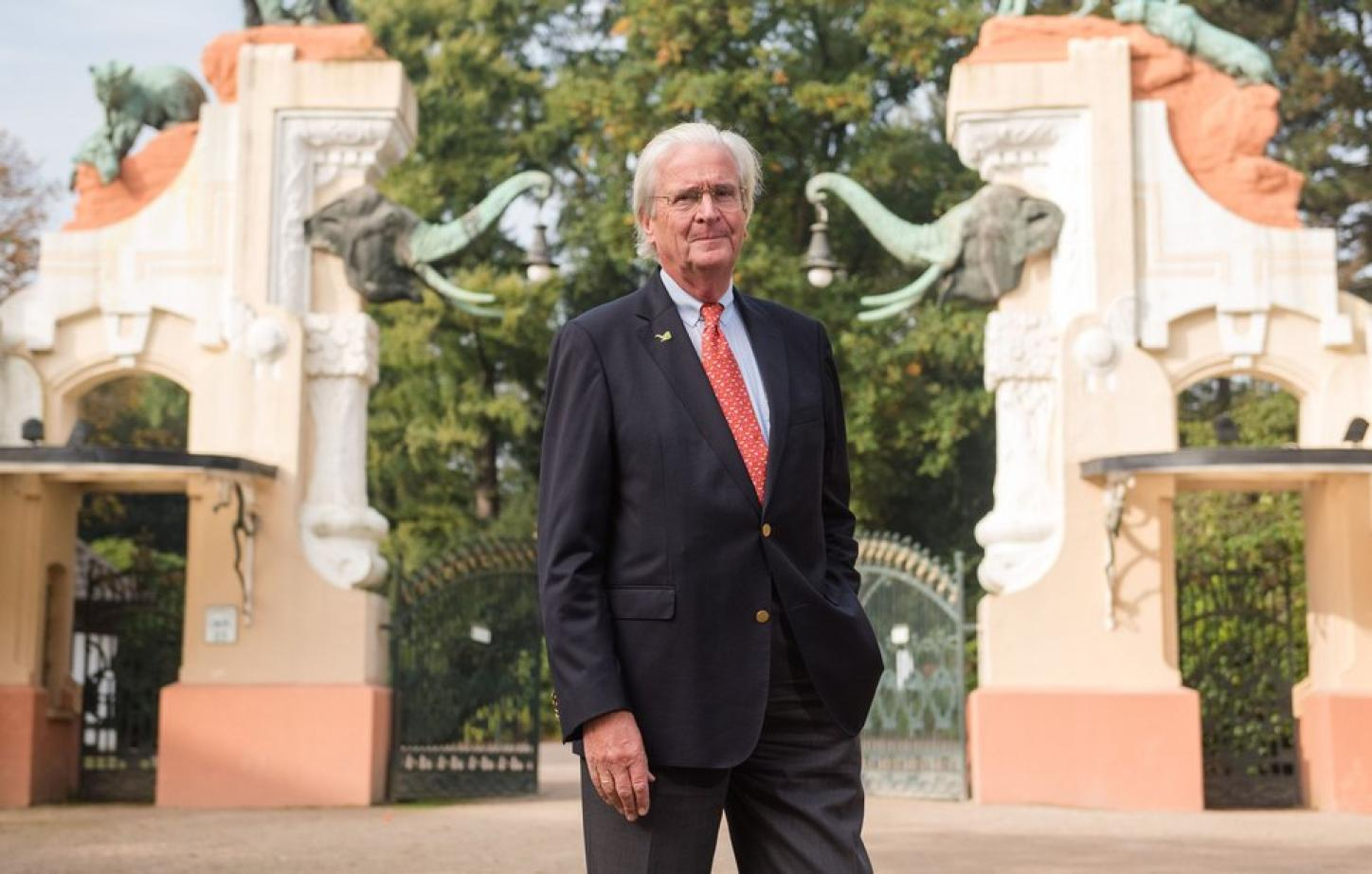
Carl Claus Hagenbeck
Category : AnimalDocs , managerDocs
Carl Claus Hagenbeck (born 1 November 1941 in Hamburg) is a German veterinarian and former zoo director.
From 1962 to 1967 he studied veterinary medicine at the Hannover Veterinary School and received his doctorate in veterinary medicine. Hagenbeck is married and has two daughters. From 1977 to 1982 he was junior director of the Hagenbeck Zoo in Hamburg,[1] which he then directed from 1982 to 2004. Between 1982[2] and 1989 he directed the zoo together with his third cousin from the Lorenz Hagenbeck family, Caroline Hagenbeck (1959–2005),[3] and from 1989 onwards with her husband Joachim Weinlig-Hagenbeck (* 1956).
Carl Claus Hagenbeck was born as the son of Carl-Heinrich Hagenbeck (1911–1977); his grandfather was the Hamburg Zoo director Heinrich Hagenbeck (1875–1945), and his great-grandfather was the zoo founder Carl Hagenbeck.
In 1998, Carl Claus Hagenbeck founded the Hagenbeck Zoo Foundation together with Caroline Hagenbeck.[1] He handed over the position of zoo director to his son-in-law Stephan Hering-Hagenbeck (* 1967) in 2004.[4] From 2012[5] until the beginning of April 2015, he was once again managing director of the zoo together with Joachim Weinlig-Hagenbeck.[6] A falling out developed between the two.[4] Stephan Hering-Hagenbeck and Friederike Hagenbeck initially succeeded him, but in June 2015, Carl Claus Hagenbeck’s daughter Bettina[4] joined the management instead of Hering-Hagenbeck.
| 1962 | Abitur |
| 1962-1967 | Studium der Veterinärmedizin an der Tierärztlichen Hochschule Hannover mit Promotion zum Dr. med. vet. |
| 1970 | Prokurist und Tierarzt der Firma Carl Hagenbeck |
| 1971 | Einrichtung und Leitung des Delfinariums |
| 1972-1979 | Modernisierung der Infrastruktur des Tierparks |
| 1977-1982 | Juniorchef des Tierparks Hagenbeck in Hamburg-Stellingen |
| 1982-2004 | Chef des Tierparks Hagenbeck |
| 1997 | Hamburger Denkmalschutzamt erklärt die Gesamtanlage des Tierparks als schützenswert |
| 1998 | 150-jähriges Jubiläum des Tierparks |
| 1998 | Gründung der Stiftung Tierpark Hagenbeck (zus. mit Caroline Hagenbeck) |
| 2004 | Ablösung als Chef des Tierparks durch Joachim Weinlig-Hagenbeck und Stephan Hering-Hagenbeck |
| 2012 | Rückkehr in die Geschäftsführung nach Differenzen innerhalb der Eigentümerfamilie |
-
Joachim Bremme
Category : HarpsichordDocs , OrganDocs
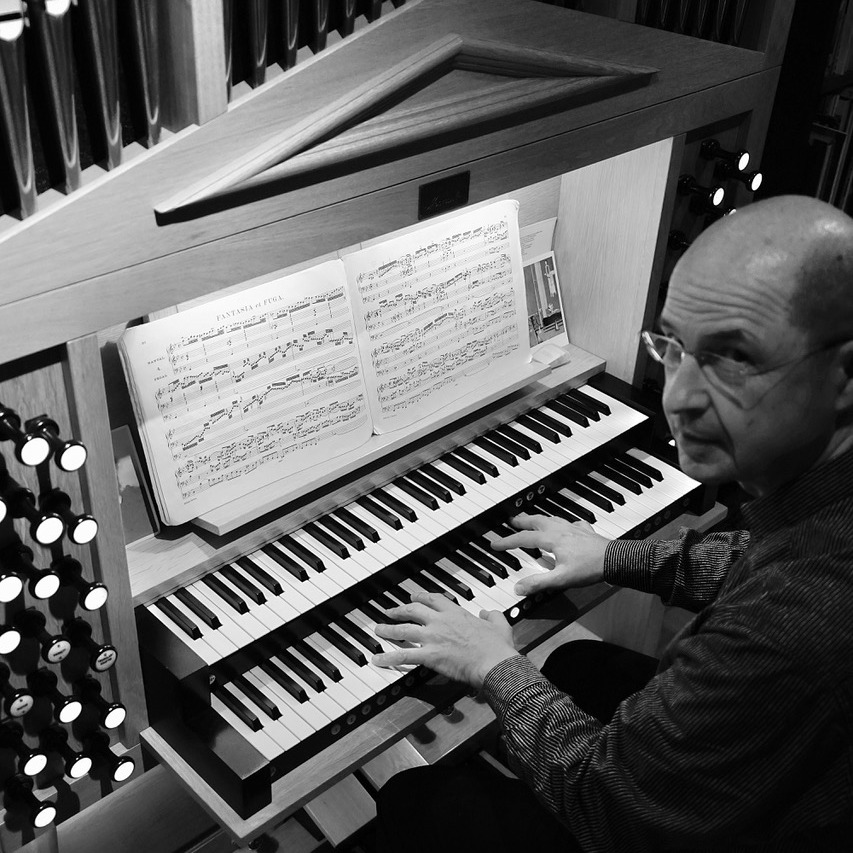
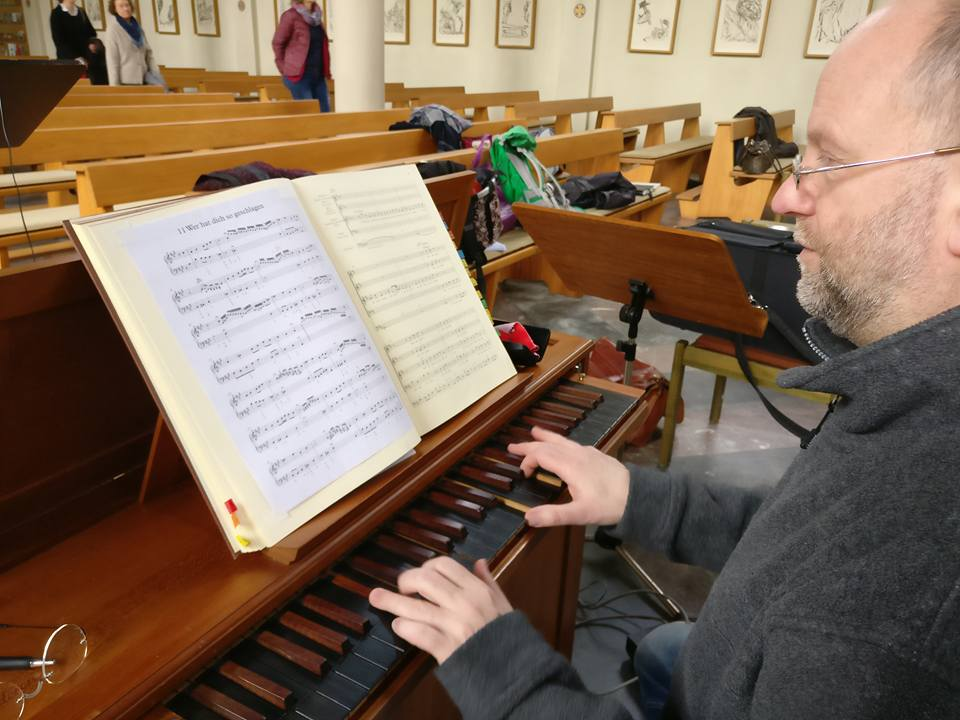
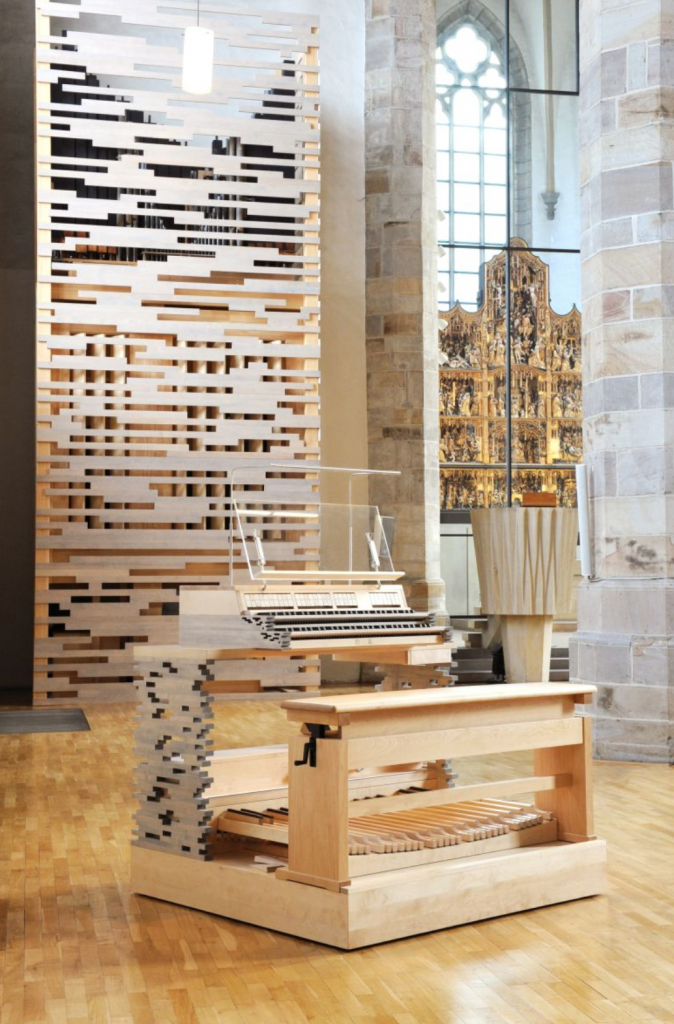
As a student, he had to decide whether to pursue his hobby of music or his passion for medicine as a career, reported Dortmund anesthesiologist Dr. Johannes Bremme. He ultimately chose a career as a doctor, but has always remained loyal to music. Bremme admitted to the German Medical Journal that he wasn’t particularly interested in practicing the piano. However, he immediately fell in love with the organ. After just a few years of lessons, he was able to work as an organist in churches.
Now he wants to fulfill a special wish for himself and his congregation: a new organ for St. Peter’s Church. It is expected to cost 450,000 DM, of which 300,000 DM must be raised through donations. The current small organ – initially intended only as a temporary solution – was purchased a good 30 years ago. However, Bremme stated that this organ is sonically and technically unsuitable for long-term service to the congregation. For years, there have been efforts to build a larger organ, but the funds have been lacking. The new instrument, for which designs from Saxon workshops already exist, is intended “not to be a showpiece, but rather a compromise between musical needs and financial responsibility,” according to the Dortmund anesthesiologist, who is asking music-loving colleagues for financial support for the project. Further information: Dr. Johannes Bremme, Hoher Wall 21, 44137 Dortmund, phone +49 231/16 47 21.
- 2025-04-26
-
MusiciMedici Orchestra Berlin
Category : OrchestraDocs
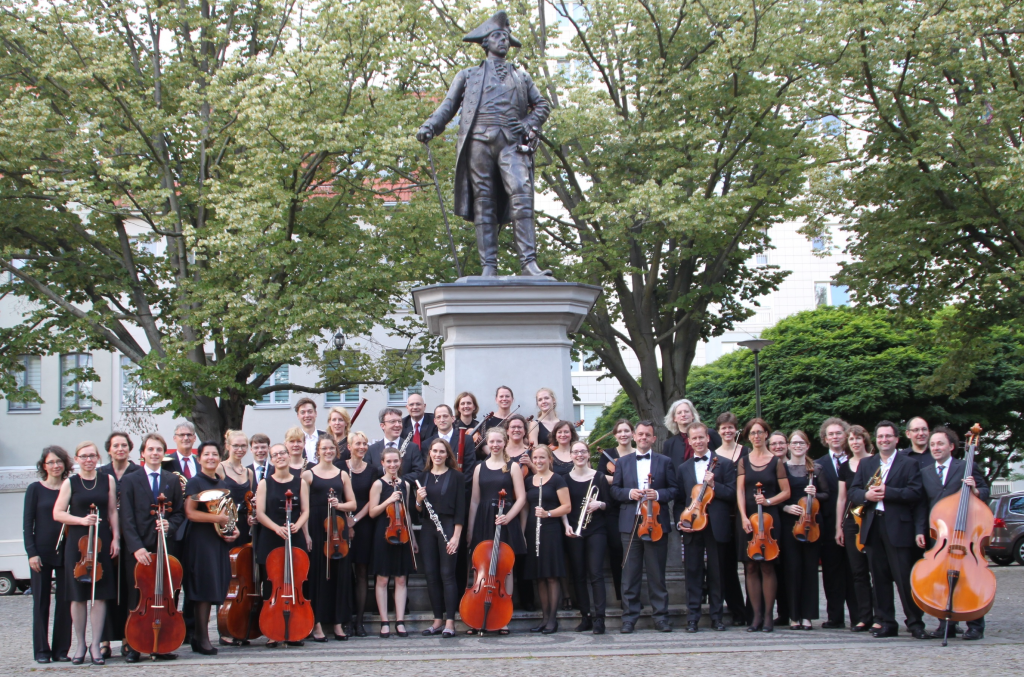
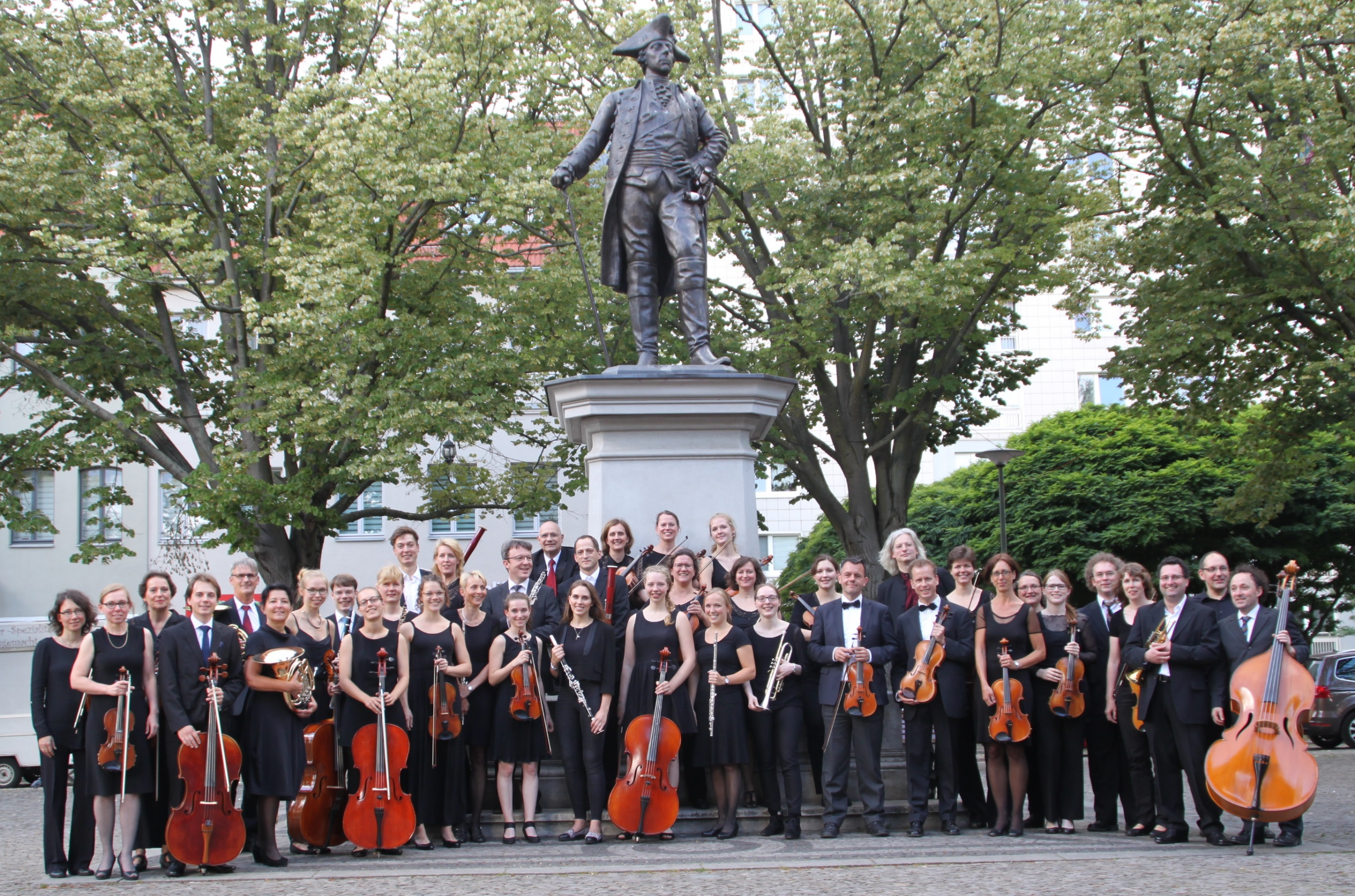
The MUSICI MEDICI was founded in 1981 from a chamber music group at the Biochemical Institute of the Humboldt University of Berlin and for many years consisted almost exclusively of medical students. Today, the orchestra has 35 members, about half of whom are physicians, along with other natural scientists and representatives of other disciplines. The proportion of medical students currently stands at about 15 percent.
Details + Dates: http://musicimedici.de
-
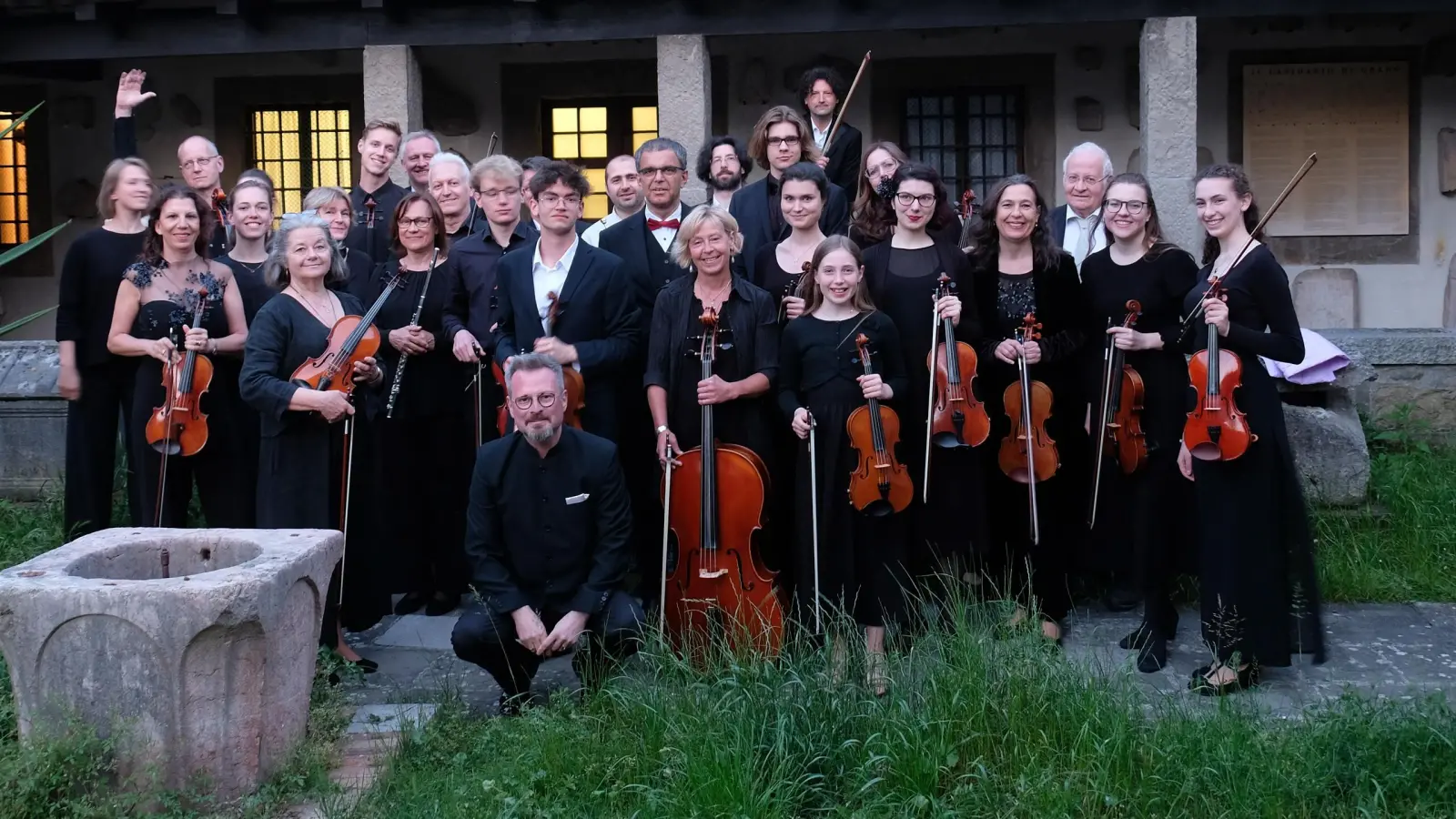
MusicaMedica Orchester Marktheidenfeld
Category : OrchestraDocs
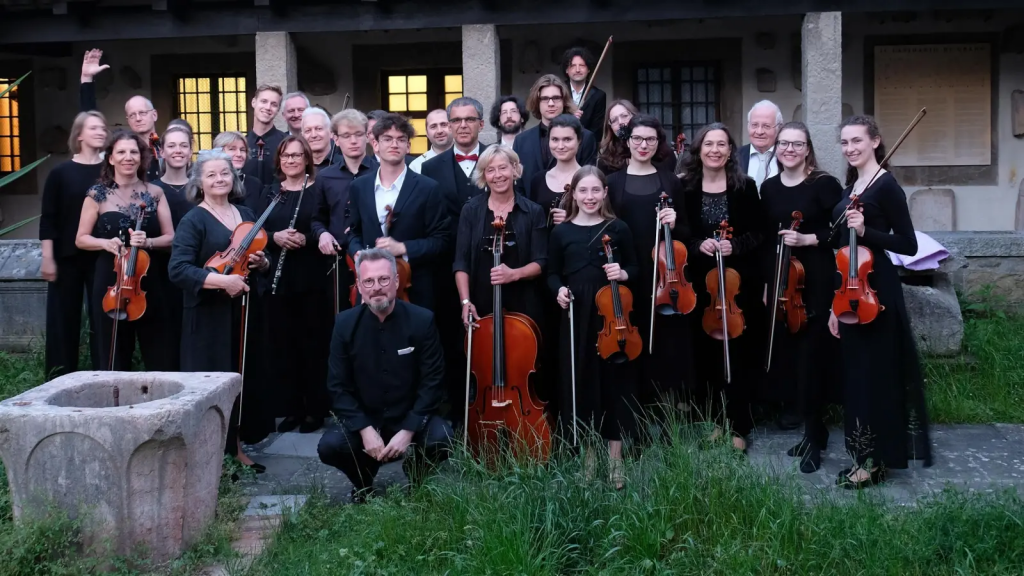
In 1987, Dr. Georg Kaiser, former chief physician at the Marktheidenfeld Hospital and a trained musician, founded the “Musica Medica” doctors’ orchestra. Even after his death in 2016, the musicians, together with family members and friends, travel to Italy every year for a week of concerts.
In an interview, his daughter Katharina Kaiser talks about, among other things, the fascination of making music together and how the doctors’ orchestra continued after the founder’s death.
36 Years of the Musica Medica Doctors’ Orchestra: How did your father, Dr. Georg Kaiser, come to found the ensemble?
Kaiser: My father studied music alongside medicine, discovering another passion there. At just 14, he was an organist and choir director in his Silesian homeland. The impetus for founding Musica Medica was an annual congress for German doctors in Grado, Italy. My father gave organ concerts there in the 1980s. Gradually, other musicians joined in. This led to the founding of an association in 1987.
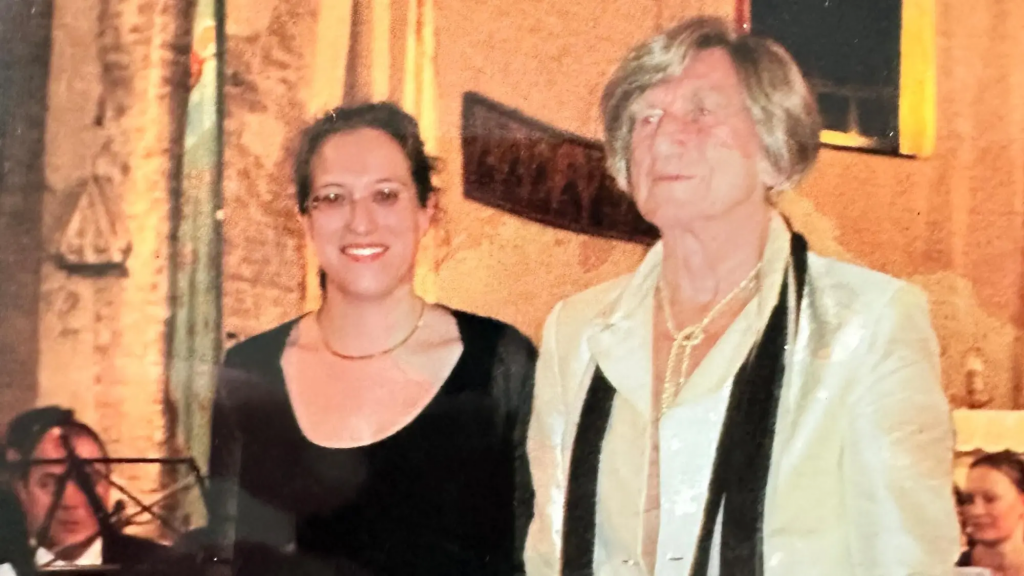
Article Georg Kaiser:
https://www.mainpost.de/regional/main-spessart/arzt-aus-berufung-musiker-aus-leidenschaft-art-454879
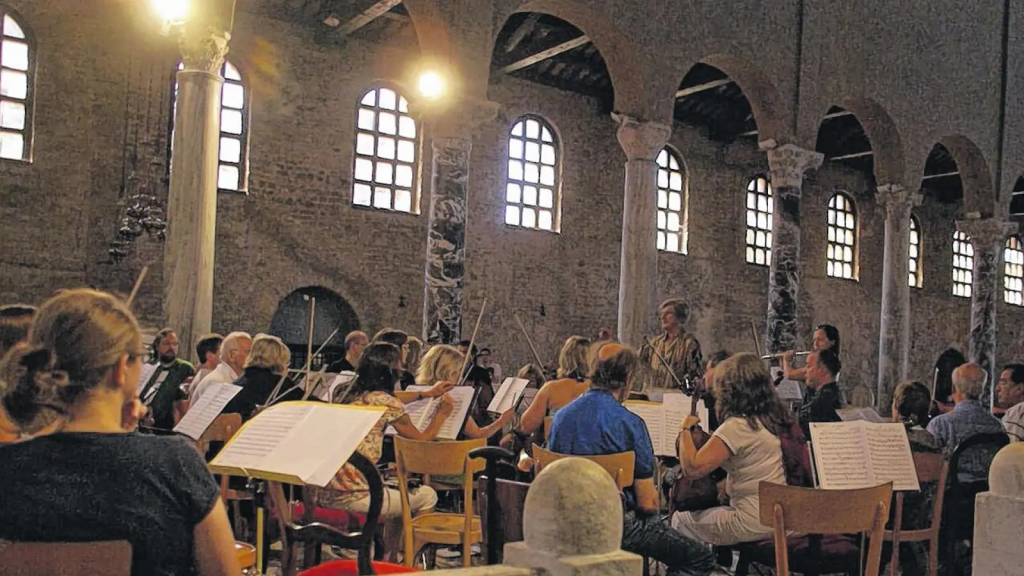
https://www.mainpost.de/regional/main-spessart/mediziner-und-musiker-aus-leidenschaft-art-6853720

