Carl Clauberg

  • -

Carl Clauberg

Category : HorrorDocs
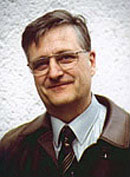
Carl Clauberg (September 28, 1898 in Witzhelden-Wupperhof; August 9, 1957 in Kiel) was a German gynecologist who, as an SS doctor, performed forced sterilizations on hundreds of female concentration camp prisoners. Due to his research into hormone-based contraceptive methods, which he also conducted in the Auschwitz extermination camp using brutal human experiments, Clauberg is considered one of the fathers of the birth control pill.

Political Activity

Clauberg joined the Nazi Party (NSDAP) (membership number 2,733,970)[10] and the SA on May 1, 1933.[1][2] In the SA, Clauberg held the rank of Sanitätsobersturmführer.[9] He was also a member of the NS Lecturers’ Association and the NS Doctors’ Association.[2] In 1940, Clauberg became an honorary SS-Gruppenführer of the Reserve.
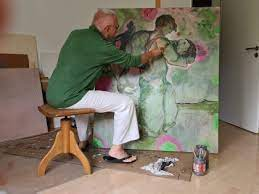
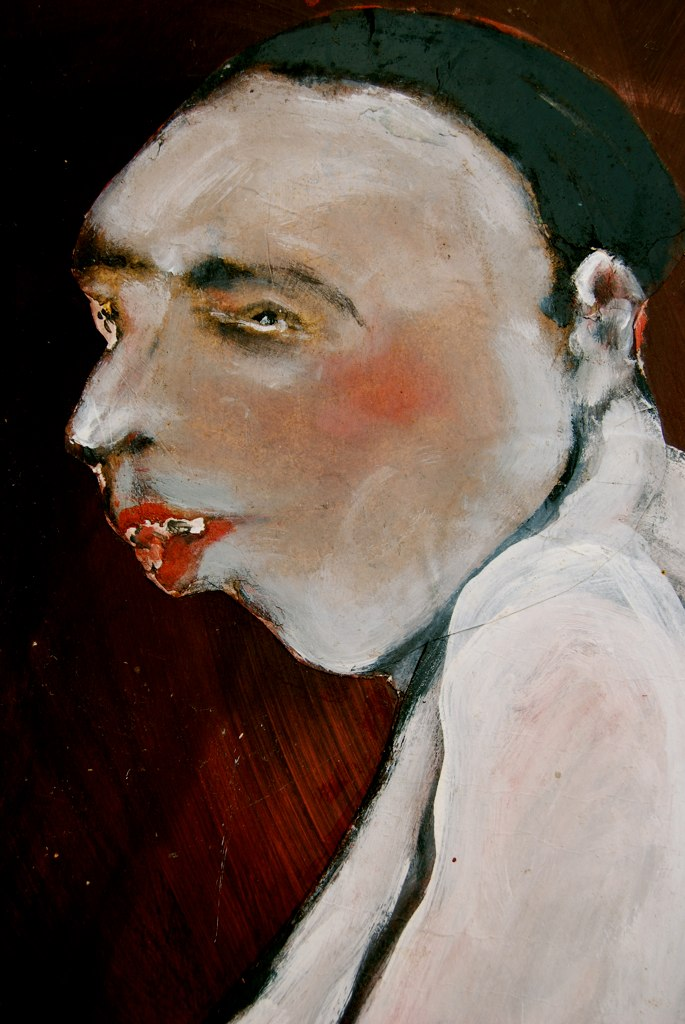
Dr. Carl Clauberg „The beast“, Gemälde des expressionistischen Künstlers Stefan Krikl aus dessen Serie Doctors of Death, 1985 (dt. Dr. Carl Clauberg „Die Bestie“ aus Ärzte des Todes)

“Clauberg’s brutal actions soon became known throughout the camp – at one point, female SS guards arrived because they wanted to see what he was actually doing with the women whose screams echoed through the camp.”[4] Due to the advance of the Red Army, he continued his experiments on at least 35 other women in the Ravensbrück concentration camp.[4] In total, Clauberg carried out between 550 and 700 forced sterilizations. Among his victims was Ilse Arndt.

Am 8. Juni 1945 wurde Clauberg in Eckernförde (Schleswig-Holstein) festgenommen. Er wurde nach Anerkennung seiner Schuld im Juli 1948 in der Sowjetunion wegen der Ermordung sowjetischer Staatsbürger im KL Auschwitz zu 25 Jahren Haft verurteilt. Am 11. Oktober 1955 wurde er aus der Kriegsgefangenschaft im Rahmen der „Heimkehr der Zehntausend“ als „Nichtamnestierter“ entlassen.[9] Initially, he returned to work as a gynecologist[19] at his old university hospital. He was celebrated there as a “late returnee” and martyr.[20] The Central Council of Jews in Germany filed a criminal complaint for continued grievous bodily harm. On November 21, 1955, an arrest warrant was issued in Kiel, shortly after he had been admitted to the psychiatric clinic in Neustadt in Holstein at the request of his wife for threats of murder and manslaughter. At the beginning of February 1956, the experts determined his sanity, but certified that he had an “abnormal” personality. He was imprisoned in Neumünster prison, and charges were not brought until December 1956 – “no leading gynecologist (such as Martius, Philipp, etc.) could be found who would have wanted to act as an expert witness in court.”[21] Ralph Giordano wrote of the indictment:[22]

“Although I have attended many Nazi trials before West German jury courts, the indictment against Clauberg is among the most unbearable reading I have ever undergone in the study of Nazi crimes.”

Due to the charges against him, Clauberg was denied membership in the German Society of Gynecology in 1956 and banned from practicing his profession in March 1957.[23] Before the trial could begin – the defense had thwarted the opening[24] and the Kiel Regional Court, staffed with many former Nazi lawyers, had dismissed the joint plaintiff, Henry Ormond – Clauberg died of a stroke in custody in August 1957. At only 155 cm tall, he was severely obese and considered an alcoholic. Because there were doubts about natural death, an autopsy was performed by the Kiel Institute for Forensic Medicine. It revealed early stages of brain softening (encephalomalacia).
https://de.wikipedia.org/wiki/Carl_Clauberg


  • -

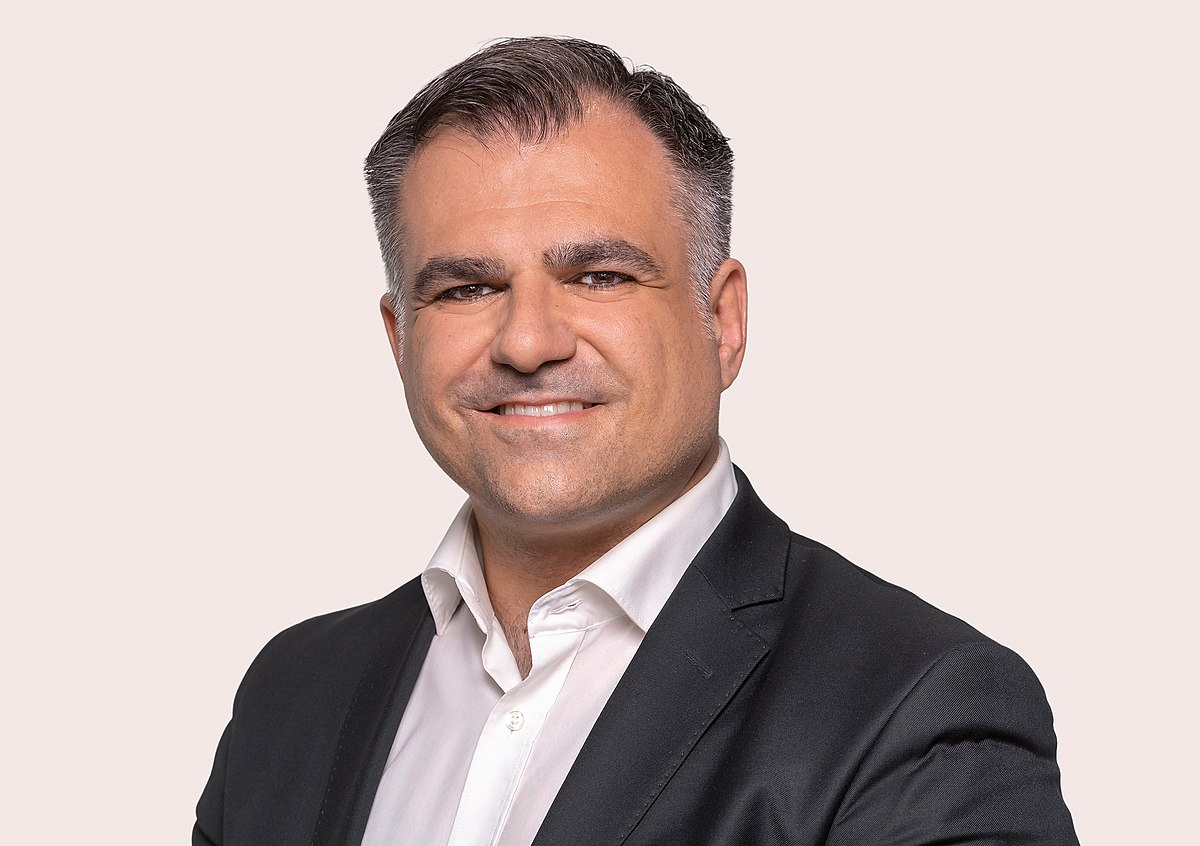
Christos Pantazis

Christos Pantazis (born October 9, 1975 in Hanover)[1] is a German physician and politician (SPD). He has been a member of the German Bundestag since October 26, 2021. Previously, he was a member of the Lower Saxony State Parliament from February 2013 to November 2021 and deputy chairman of the SPD parliamentary group there from November 2017.
1998 Joined the SPD
2001 – 04 Elected to the Seelze local council (where he was parliamentary group leader)
2003 – 05 Spokesperson for the Jusos in the SPD district of Hanover
2003 – 04 Deputy Chairman of the Jusos Lower Saxony
2009 Member of the Executive Board of the SPD Braunschweig
2011 – 15 Deputy Chairman of the SPD Braunschweig
2011 Member of the Executive Board of the SPD parliamentary group in the city council
2012 – 13 Chairman of the SPD Bebelhof – Viewegsgarten
2013 – 21 Member of the Lower Saxony State Parliament for constituency 1 | Braunschweig-Nord
2015 Chairman of the SPD Braunschweig | Member of the Executive Board of the SPD district Braunschweig
2016 – 21 Member of the Association Assembly in the Greater Braunschweig Regional Association
2017 – 21 Deputy Chairman of the SPD parliamentary group in Lower Saxony State Parliament

2017 – 21   Spokesperson for the Braunschweig Group at the state level
2019            Deputy Chairman of the SPD Braunschweig District
2021            Member of the German Bundestag for the constituency | Braunschweig
2022            Deputy Health Policy Spokesperson for the SPD parliamentary group
2022            Spokesperson for the Braunschweig Group at the federal level
2023            Member of the Executive Board of the SPD Braunschweig District
2023            Deputy Chairman of the Lower Saxony/Hanover State Group in the SPD parliamentary group

https://christos-pantazis.spd.de

https://www.abgeordnetenwatch.de/profile/christos-pantazis


  • -

Matthias Schrenk

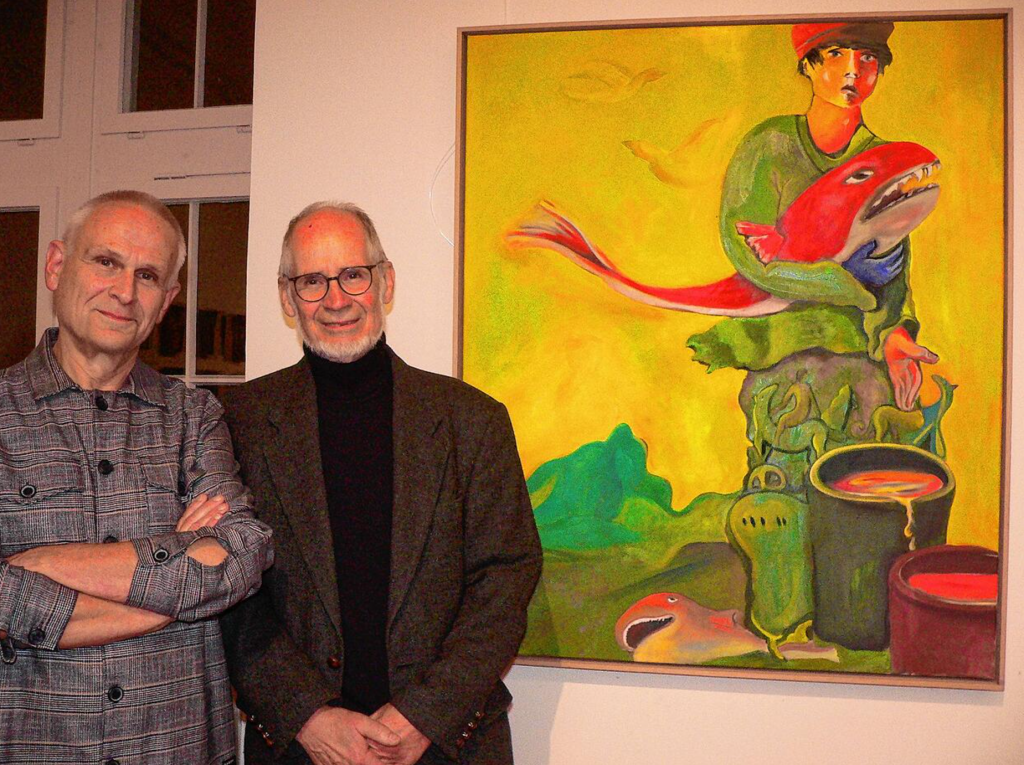
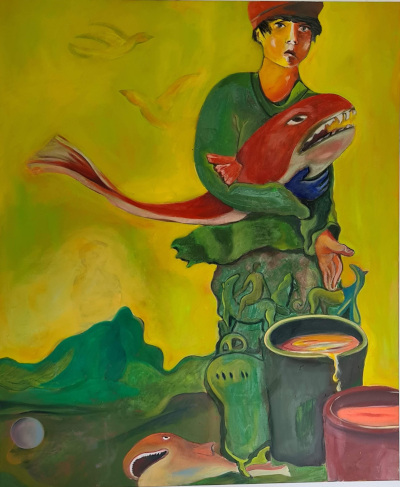
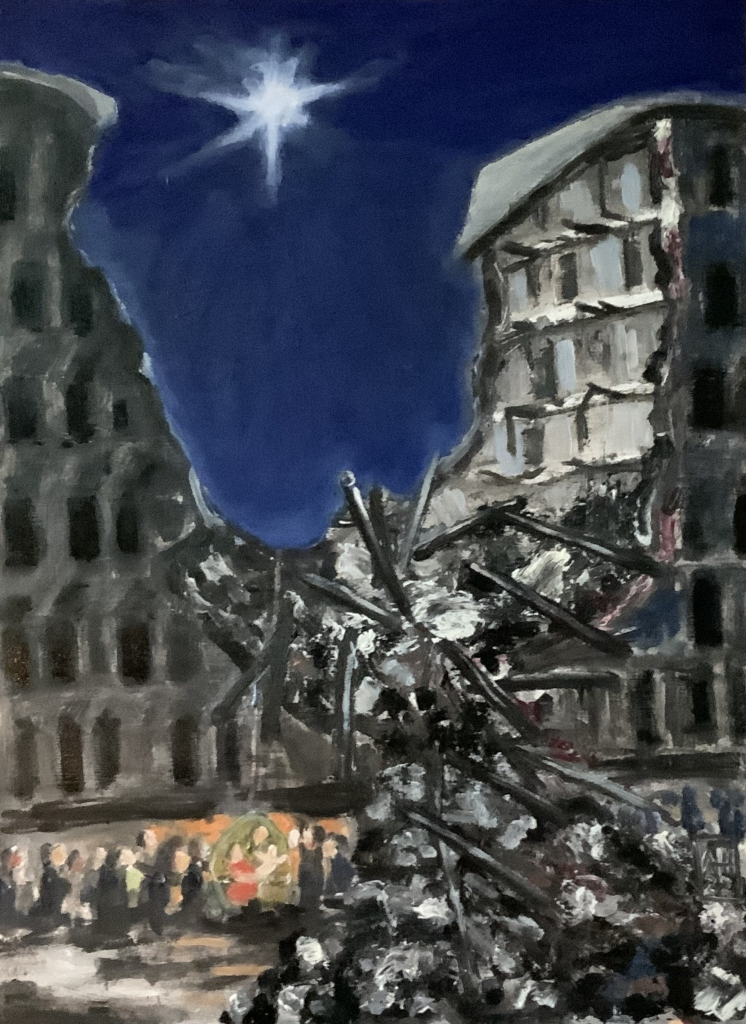
The artist Matthias Schrenk (left) and Bernd Salfner in front of the oil painting “Young Man with Fish.” Photos: Rosemarie Tillessen | Image: Rosemarie Tillessen

After graduating from Klettgau Gymnasium in Tiengen, he received a scholarship from Norway and began his artistic studies at the Ringsaker Folkehögsskole. While on a scholarship in Norway, he decided to perform civilian service at the Reichenau State Psychiatric Hospital instead of completing his military service. Following this, he studied art education for three semesters at the Freiburg University of Education, then transferred to the independent art school in Stuttgart. After passing the entrance exam at the Karlsruhe Art Academy, he was given the opportunity to continue his artistic studies in Gerd van Dülmen’s painting class.

He has been an ophthalmologist in Rheinfelden since 1996. All of the approximately 50 works on display in an exhibition in 2023 – except for one – were created in the past two years: “Thanks to the coronavirus, I had more time for the first time, not just at night or on weekends.” In conversation with Salfner, he explains how his paintings are created – without a fixed plan, from the subconscious: “I just start.” Then he often paints over them, changes them. Viewers frequently discover traces of overpainted work. “I always stick to the representational: here a head, a face, a figure. I’m not that interested in landscapes.” When asked whether his paintings are melancholic, he affirms: “There is always melancholy in art.”

https://www.suedkurier.de/region/hochrhein/waldshut-tiengen/wanderer-zwischen-zwei-welten;art372623,11803113

Praxis | office


  • -

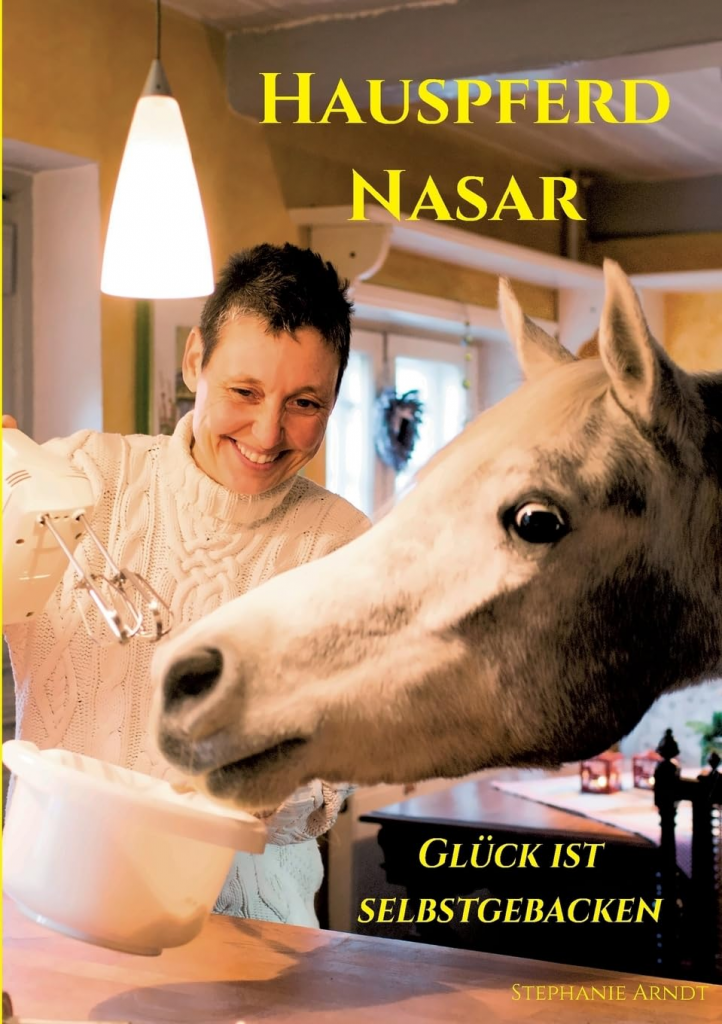
Stephanie Arndt

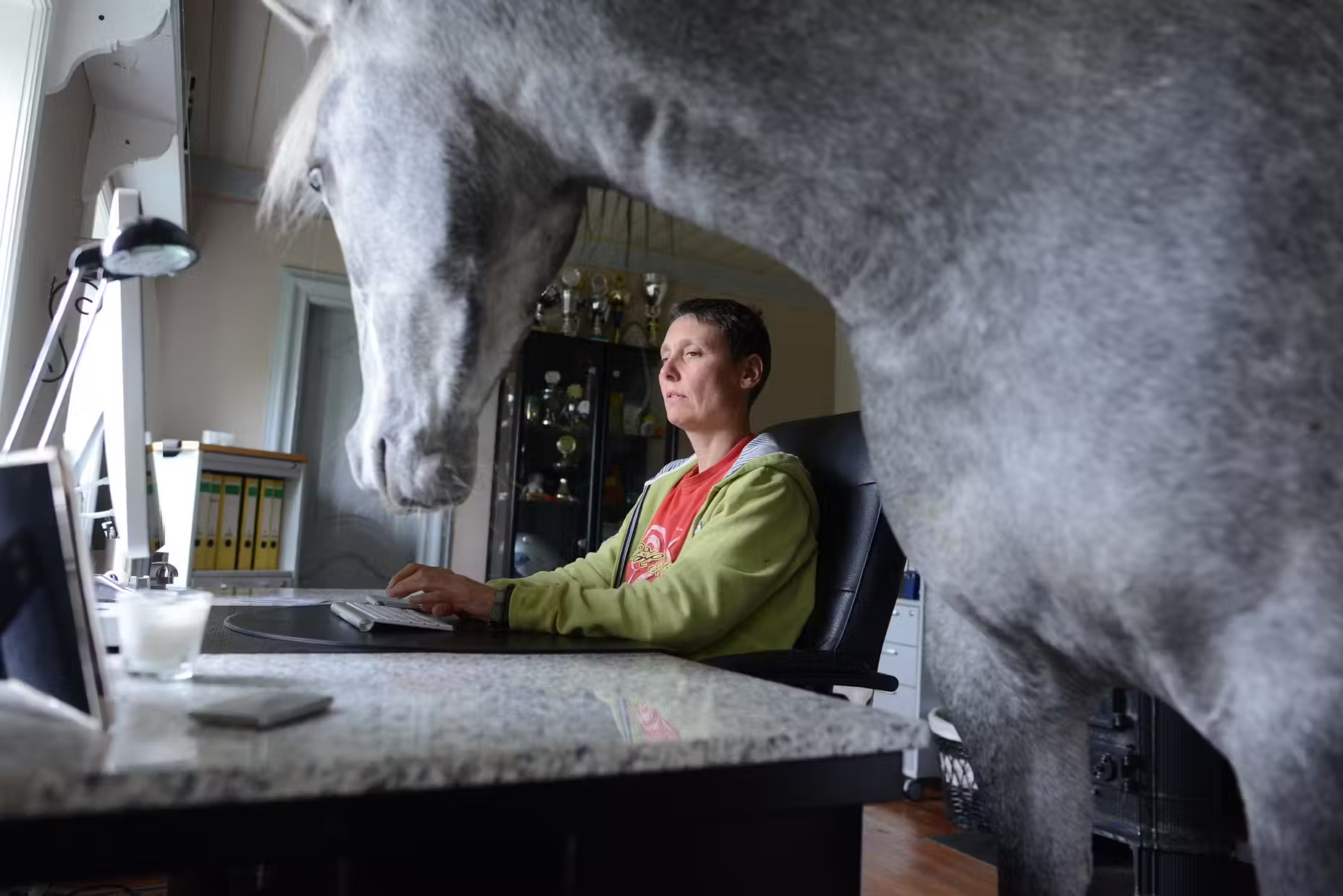
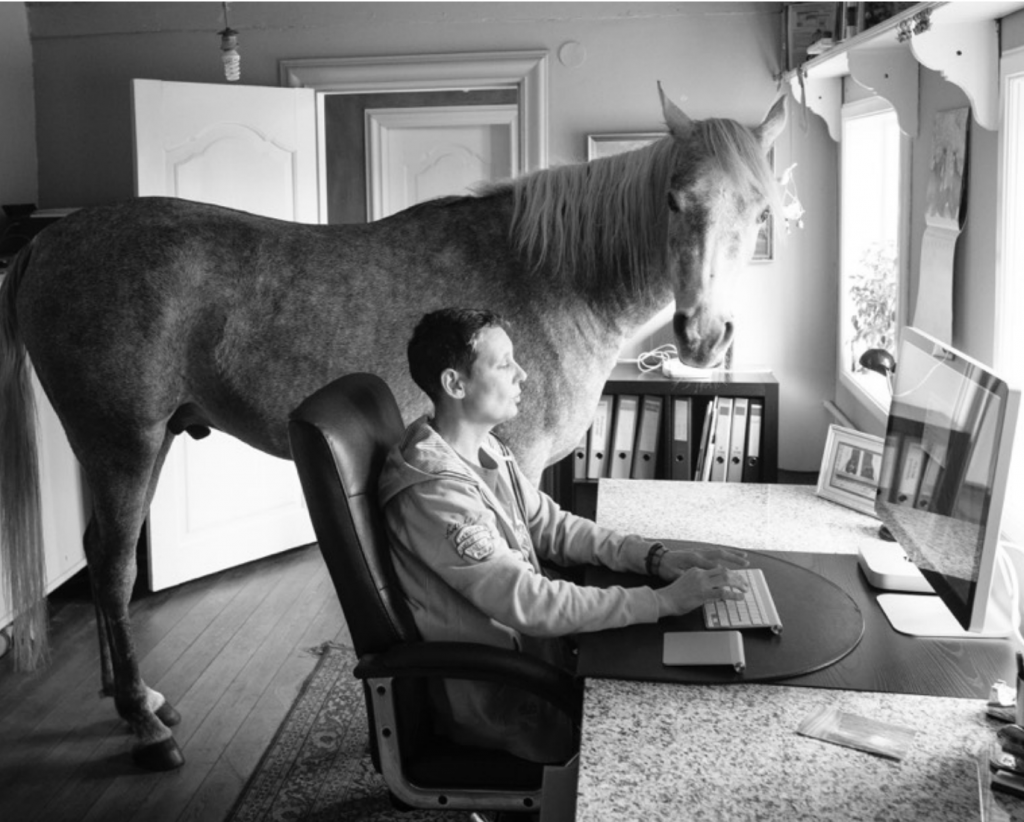
Stephanie Arndt studied human medicine, economics, and criminology. She was an officer in the German Armed Forces, a top athlete who participated in six world championships, and has lived in a shared house with her horse, Nasar, since Hurricane Xaver in December 2013. As the Pippi Longstocking of the 21st century – nonconformist, unconventional, self-sufficient – ​​Stephanie Arndt embodies the dream of an independent life, opens hearts, and enables fantasies and dreams. For young and old.

https://www.youtube.com/@HauspferdNasarNASARLAND/videos

https://nasar.land

https://shop.tredition.com/booktitle/Hauspferd_Nasar_-_Gl%3fck_ist_selbstgebacken/W-1_81964


  • -

Olaf Zenner

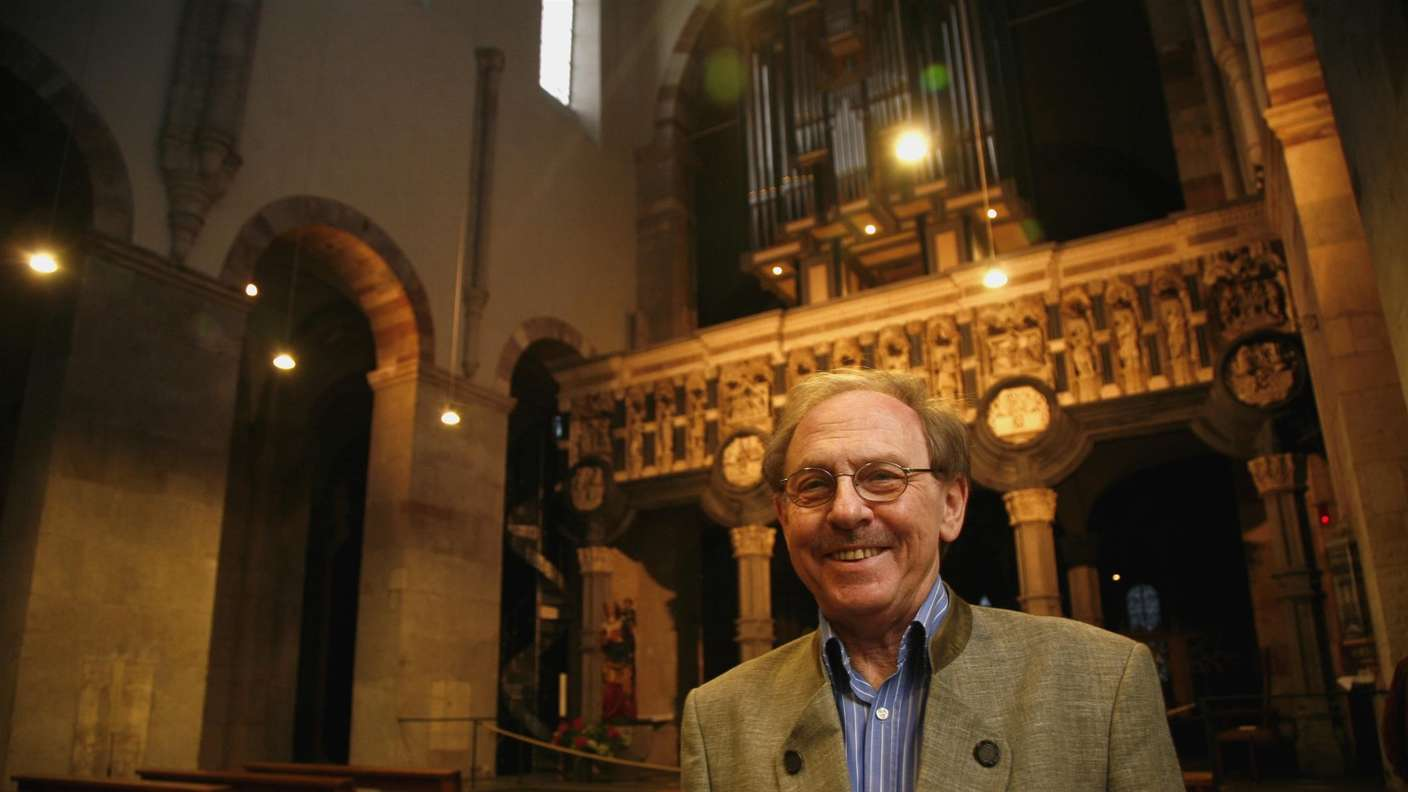
From the beginning of my medical studies, I had the desire to dedicate myself to both medicine and music. However, during my medical studies, I lacked the time for regular organ lessons. Therefore, I had no choice but to continue my education self-taught. After passing my medical state examination and receiving my doctorate, I began studying music in Cologne and completed my studies with a concert diploma in organ playing.

Artikel über sein Orgelspiel und seine Kurse.

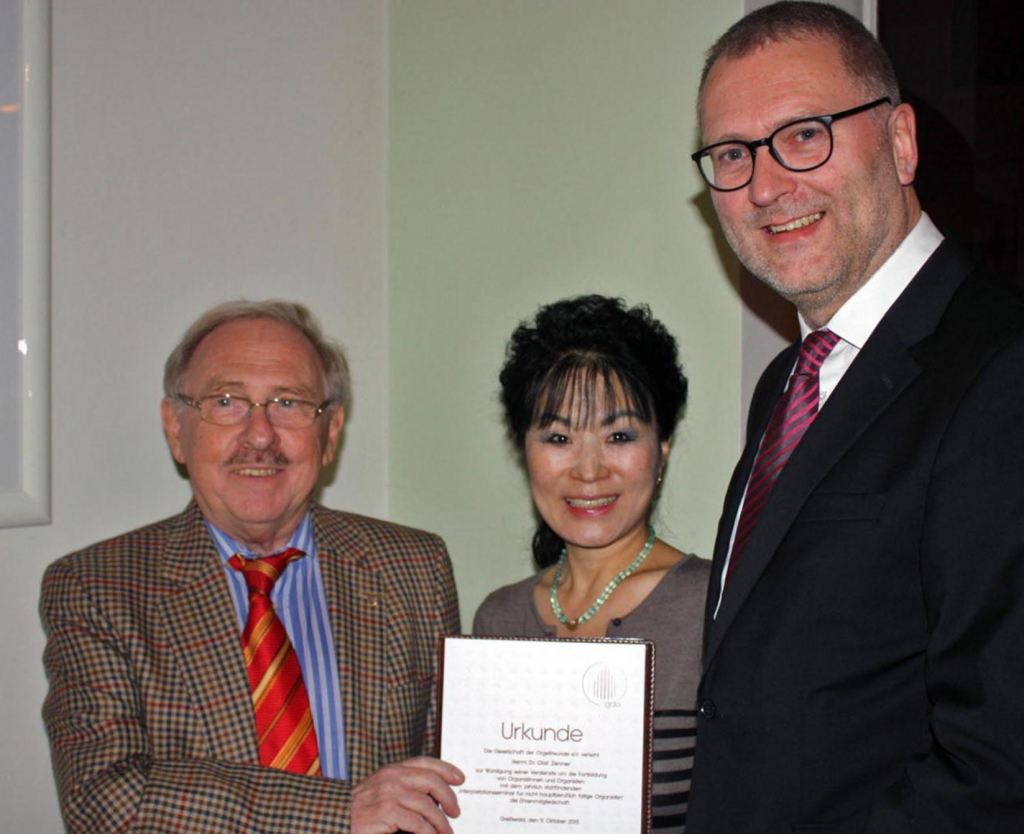
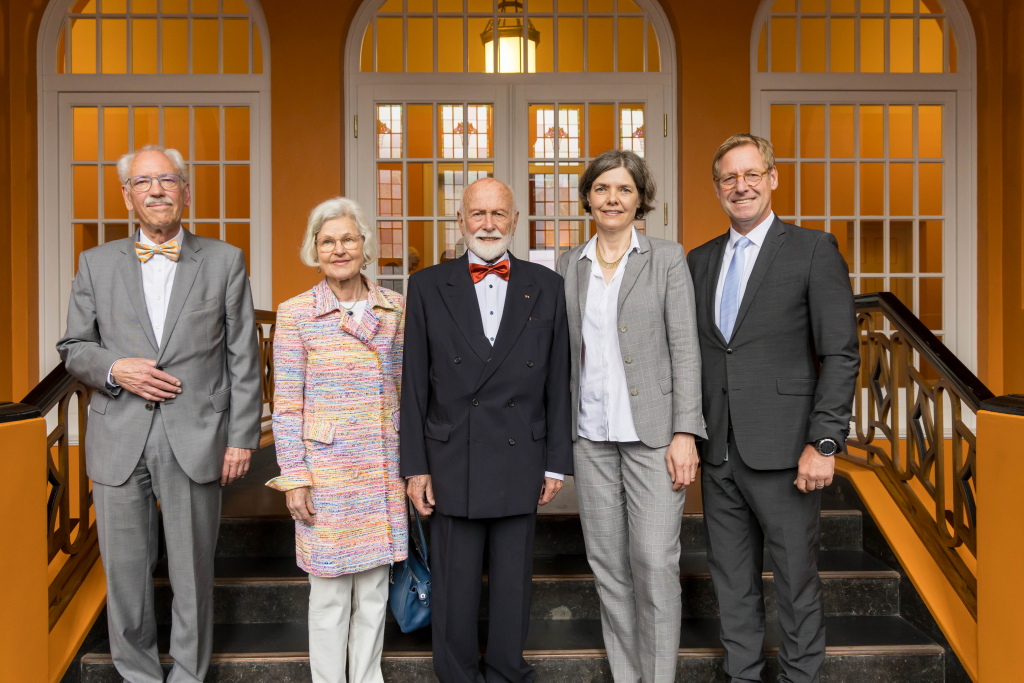
Dr. Olaf Zenner and his wife with the President of the GdO, Prof. Dr. Matthias Schneider, on the occasion of the award of honorary membership of the GdO. (Photo: Roland Behrens)

https://www.gdo.de/aktuelles/aktuelles-detail/dr-olaf-zenner-zum-ehrenmitglied-der-gdo-ernannt

https://www.wp.de/staedte/sundern/article12310006/dr-olaf-zenner-zeigt-umwerfende-spielfreude.html

https://www.wp.de/staedte/sundern/article12290763/bach-werke-erklingen-auf-sauer-orgel.html

http://www.operapoint.com/?page_id=5949


  • -

  • -

Wolfram Hackel

Wolfram Hackel (born April 25, 1942) is a German physician and organ researcher.

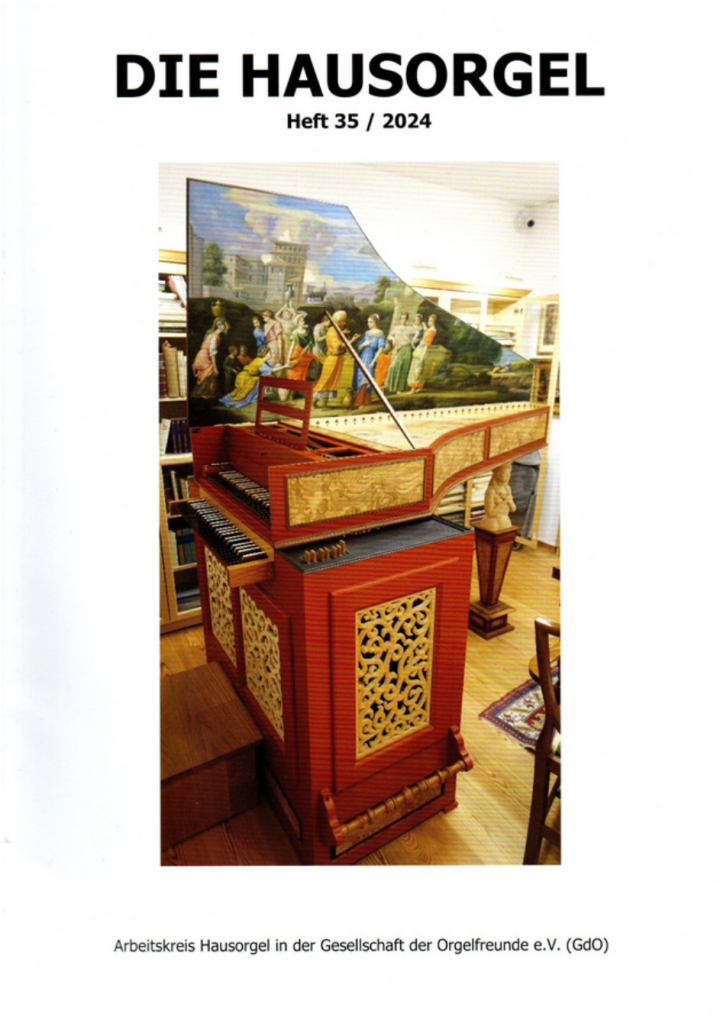
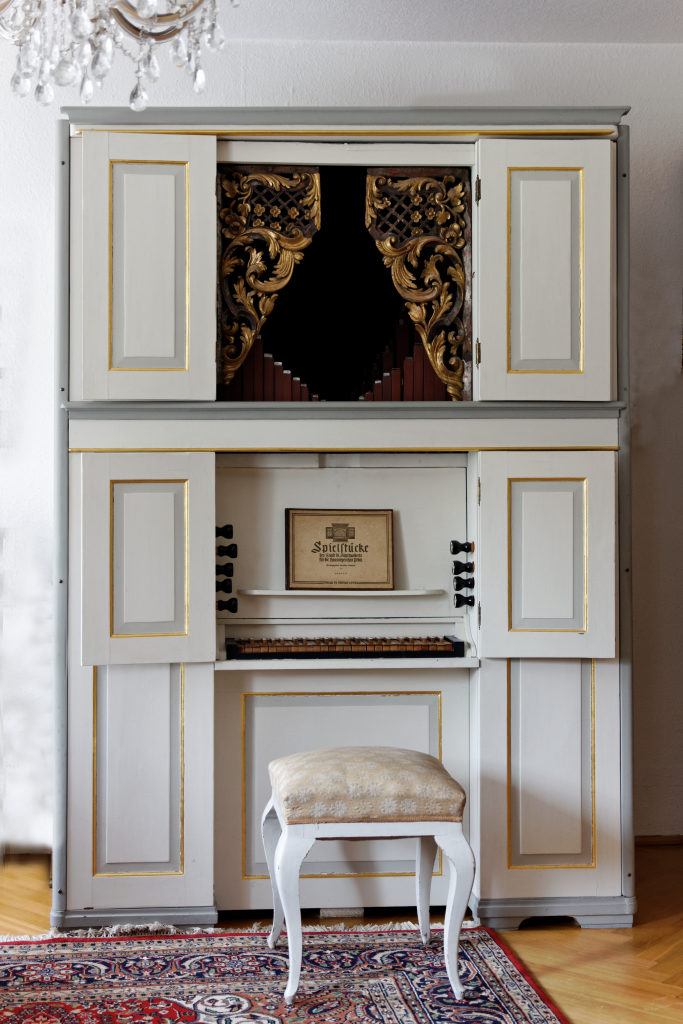
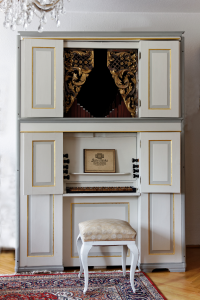
Hausorgel von Dr. Wolfram Hackel in Dresden/Plauen

Wolfram Hackel studied medicine. In 1967, he received his doctorate from the Medical Academy in Dresden. He then ran a urology practice in Dresden-Plauen as a specialist.

Wolfram Hackel has published works on organs and churches since the 1970s. He soon became one of Saxony’s most important organ researchers. Wolfram Hackel is a long-standing member of the Society of Organ Friends.[1] He was a member of its Advisory Committee (1995–1998), Secretary (1998–2003), and a member of its Main Committee (2011–2021).

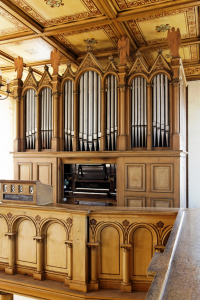
Artikel über Orgeln in Neuengönna

Artikel über eine Silbermann-Orgel

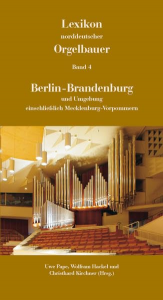
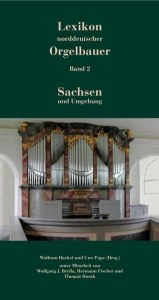
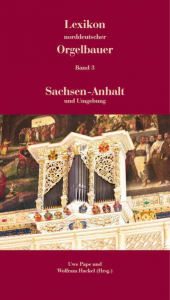
Wolfram Hackel was co-editor of the four-volume Lexicon of North German Organ Builders and published numerous texts on organs and organ builders, especially in Saxony.Wolfram Hackel was co-editor of the four-volume Lexicon of North German Organ Builders and published numerous texts on organs and organ builders, especially in Saxony.

https://de.wikipedia.org/wiki/Wolfram_Hackel

Bücher-Verzeichnis Wolfram Hackel

Funktionsträger bei der GdO Gesellschaft der Orgelfreunde

https://www.maenneraerzte.de/wolframhackel

http://www.pape-verlag.de/autoren.htm

https://persondata.toolforge.org/p/Wolfram_Hackel


  • -

Gerhard Aumüller

2nd from bottom: Gerhard Aumüller

Gerhard Aumüller (born November 19, 1942 in Arolsen) is a German physician and was a professor of anatomy and cell biology at the Philipps University of Marburg. He has also distinguished himself as an organ historian.

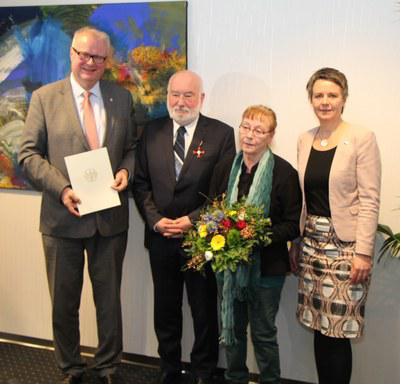
Aumüller has also researched historical organ building and published primarily on classical organ building in Hesse and Westphalia. He has been a member of the Historical Commission for Hesse since 2000 and was elected to the advisory board of the International Heinrich Schütz Society (ISG) in 2012. For his research in medical and music history, Gerhard Aumüller was awarded the Order of Merit of the Federal Republic of Germany (Federal Cross of Merit) in 2017.

Gerhard Aumüller, born in 1942, studied medicine and anthropology in Mainz, Würzburg, and Marburg. He then earned his doctorate and habilitation in the field of anatomy. After a research stay in the USA, the honoree took over the Chair of Experimental Morphology at Philipps University in Marburg. He later assumed the Chair of Anatomy II there, a position he held until his retirement in 2007. In addition to medical history, Professor Aumüller is actively involved in the Waldeck Historical Society. He has been a volunteer there since 2012. Since 2013, he has edited the extensive review section of the academic journal “Geschichtsblätter für Waldeck.” Professor Aumüller is also passionate about music history. This is expressed, among other things, in his commitment to preserving listed church organs. He has supported numerous organ restorations within the Evangelical Church of Kurhessen-Waldeck. In addition, he regularly serves as organist in parishes in the Marburg region.

The honoree was admitted to the Historical Commission for Hesse in 2000. In 2002, he was elected to its main committee, where he served until 2012. As a board member of the Historical Commission for Hesse and the Association for Hessian History and Regional Studies, he serves as co-editor of the Journal for Hessian History and Regional Studies.

Article about court organ builders by Gerhard Aumüller (32 pages)

Aumüller lives in Münchhausen (on the Christenberg). The translator Uli Aumüller is his sister.

Honorary member of the Heinrich Schütz Society

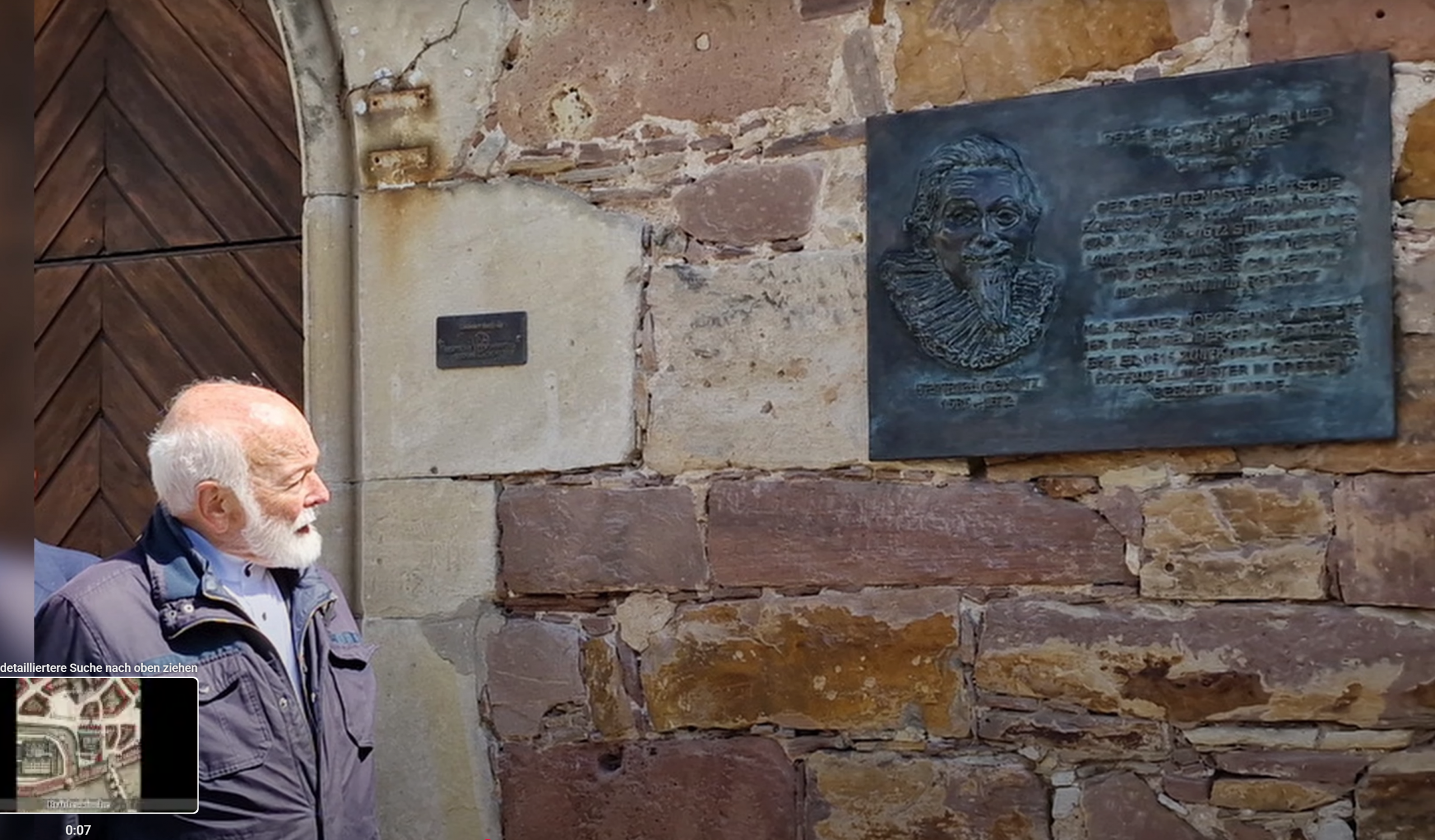
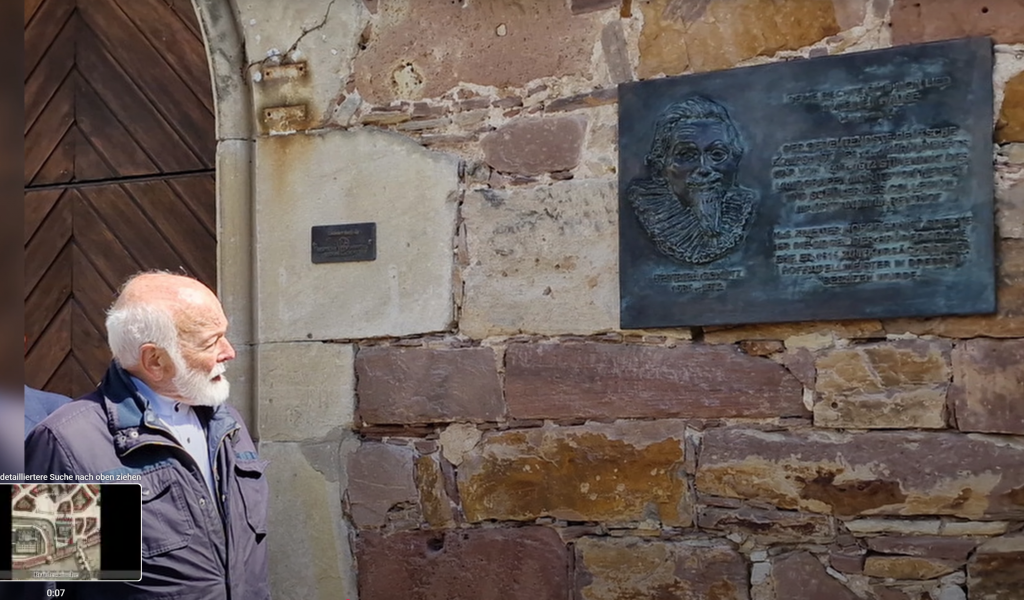
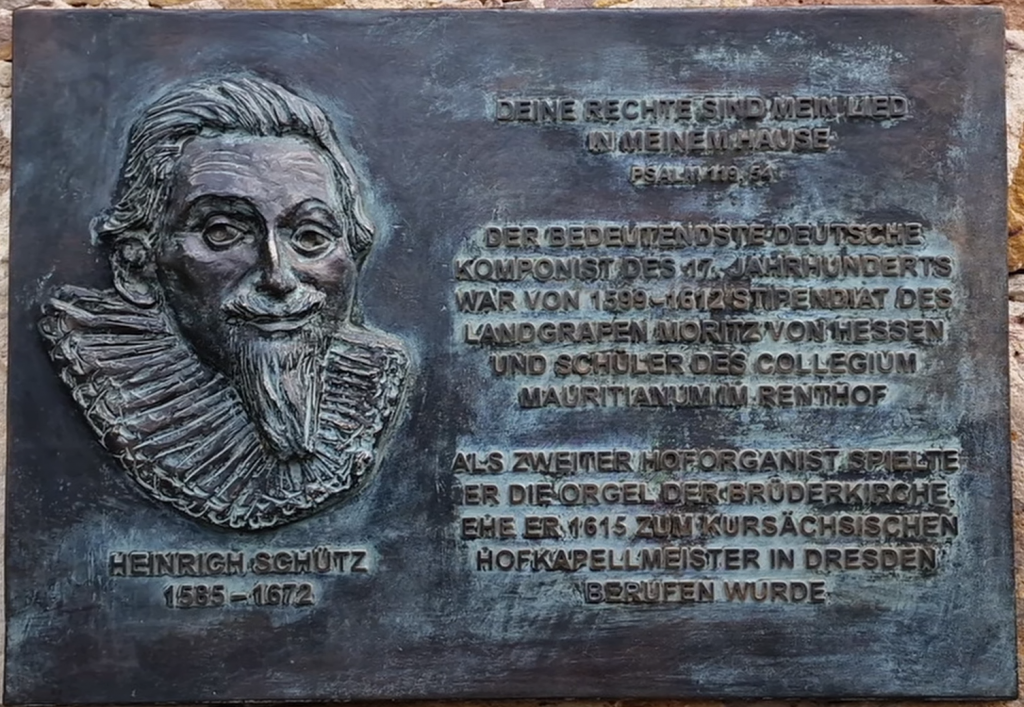
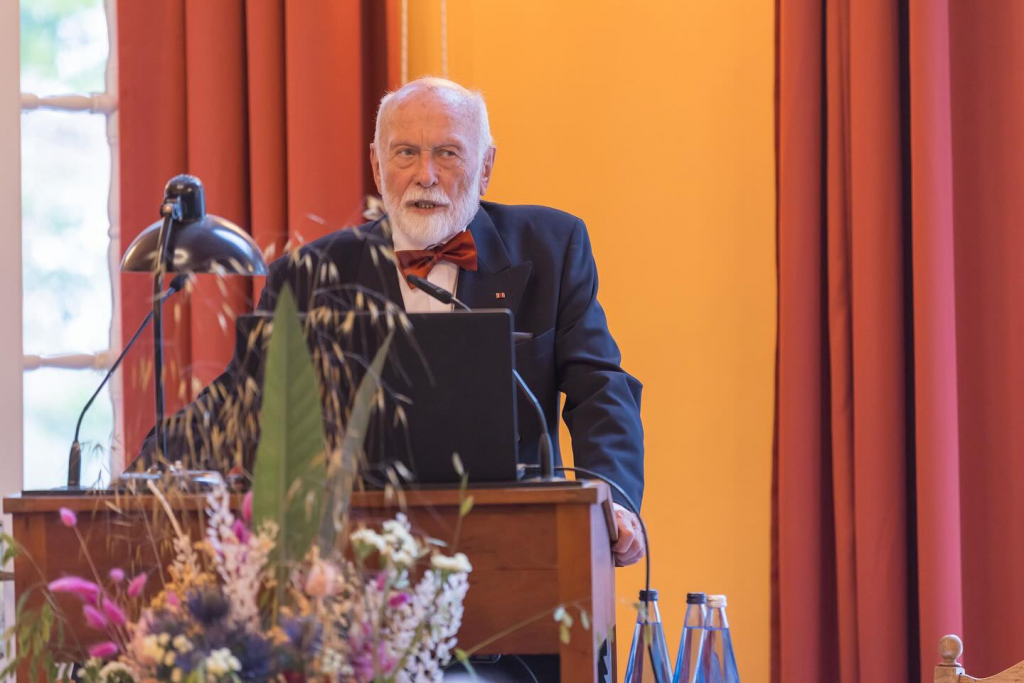
Aumüller and his anatomy colleague Adolf Friedrich Holstein (speaking voice) ensured the installation of this Heinrich Schütz relief sculpture

Auszeichnung


  • -

Adolf-Friedrich Holstein

Statements spoken by Adolf Friedrich Holstein

Wolfgang Ellenberger was one of Prof. Holstein’s anatomy students and was able to provide the musical accompaniment for his 80th birthday.

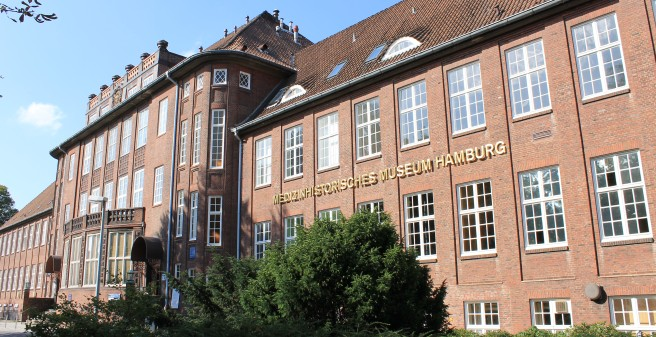
The history of the Hamburg Museum of Medical History began in 2007. The UKE board of directors asked the UKE’s Friends and Supporters Association to restore what is now the Fritz Schumacher House after the Institute of Pathology had moved out and to find a new use for it. The idea of ​​establishing a medical history museum in the restored building was welcomed by all involved. Prof. Holstein, the then chairman of the Friends and Supporters Association, took on the task and initially sought funding for the upcoming work and the museum’s establishment.
In close cooperation with the monument preservation authority, the individual construction phases were completed and presented to the public step by step. In 2010, the restored dissection room was unveiled, accompanied by an exhibition that provided an initial insight into the diversity of the exhibits. In October 2013, the first part of the permanent exhibition “The Emergence of Modern Medicine” opened. In December 2014, the museum opened the recently completed small dissection room and the rooms on the first floor.

https://www.uke.de/kliniken-institute/institute/geschichte-und-ethik-der-medizin/medizinhistorisches-museum/index.html

90. Geburtstag im UKE Erikahaus mit Feier. 2024
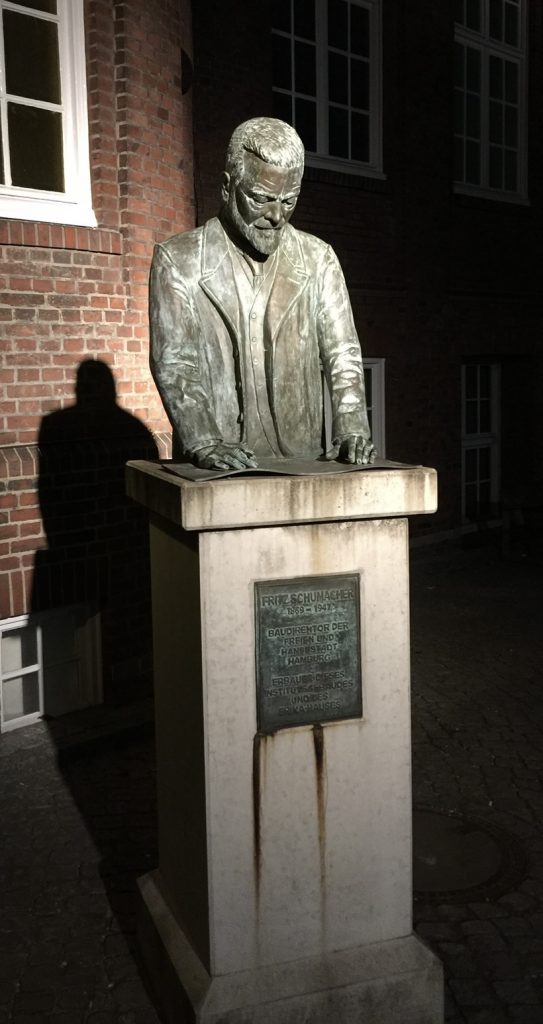
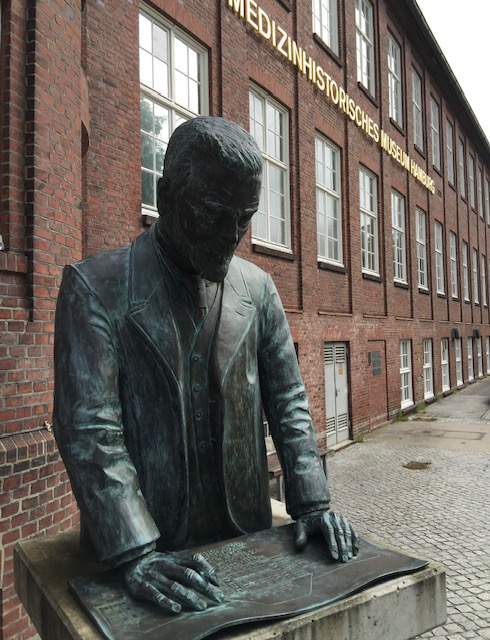
Sculpture of Fritz Schumacher, the builder of the building that now houses the Hamburg Museum of Medical History. Created by Adolf-Friedrich Holstein.

Dear Mr. Ellenberger,

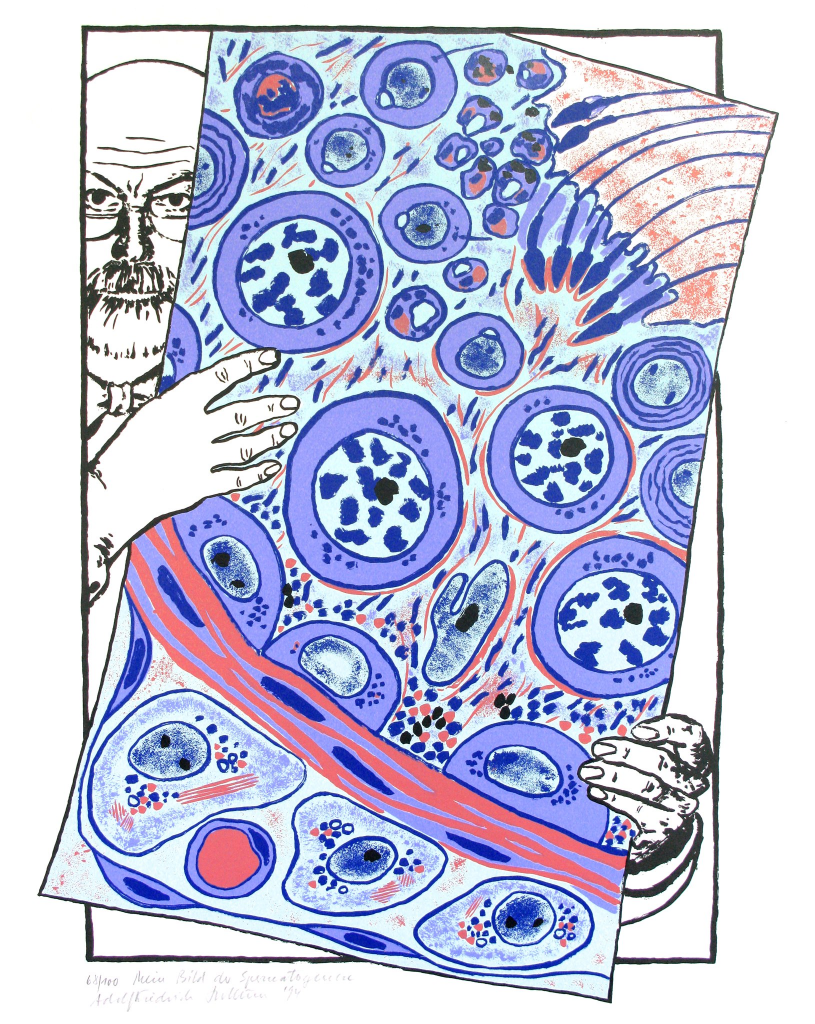
Thank you very much for your kind email. I am touched by everything you want to share about me. Of course, I agree. During my professional career, I was highly committed to medical teaching and research on spermatogenesis, and after my retirement, I devoted myself to monument preservation, painting, and sculpture. After restoring the rooms in the Erika House, I founded a center for communication and culture there. I then took over the task of restoring the pathology institute building from the medical director, Prof. Jörg Debatin. I created a new use for it as the Hamburg Museum of Medical History. At my request, the building was named Fritz Schumacher House after its builder, to house a new cultural institute. To illustrate this, I created a sculpture of the famous building director, which stands in front of the museum.

If you give me your address, I will be happy to send you a small booklet published by the Friends and Supporters Association for my 90th birthday.

But now I’d also like to know how you’re doing? How do music and medicine fit into your life?

Best regards

Adolf-Friedrich Holstein

Prof. Dr. Adolf-Friedrich Holstein
Medizinhistorisches Museum Hamburg
Martinistr.52
20246 Hamburg


  • -

Wolfgang Adelung

Wolfgang Adelung (1 October 1920 in Berlin; 15 November 1994 in Singen, Baden-Württemberg) was a German physician and organ researcher.

Wolfgang Adelung studied medicine. He received his doctorate in Freiburg in 1948. Later, he ran a dermatology practice in Singen (Hohentwiel).

Adelung also became an organist and was one of the most important members of the Society of Organ Friends during his time. In 1952, he co-founded its organ journal, Ars Organi. He subsequently became editor (1957–1972), chairman (1973–1983), head of the office (1983–1987), and a member of the Advisory Committee of the Society of Organ Friends (1987–1994).

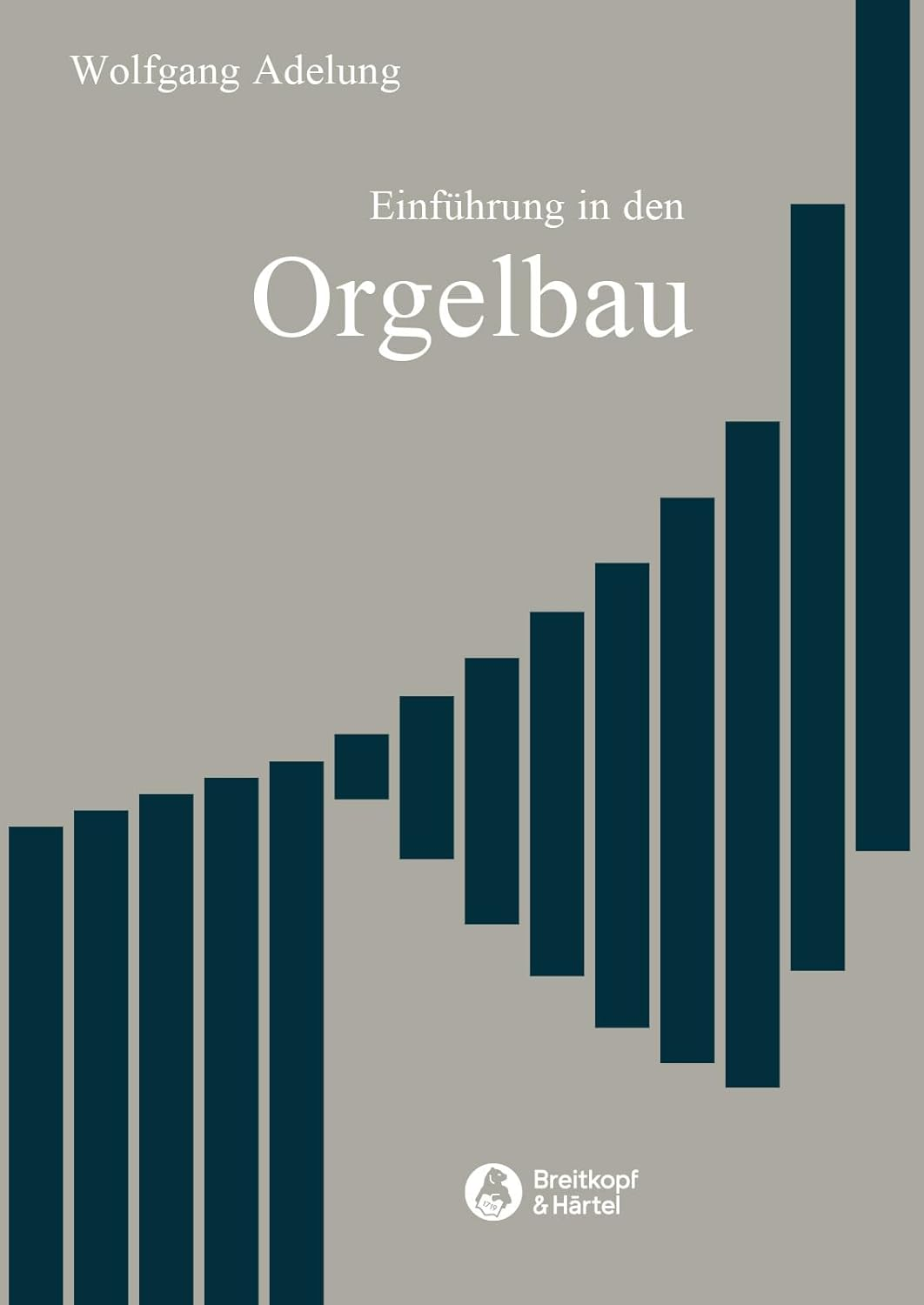
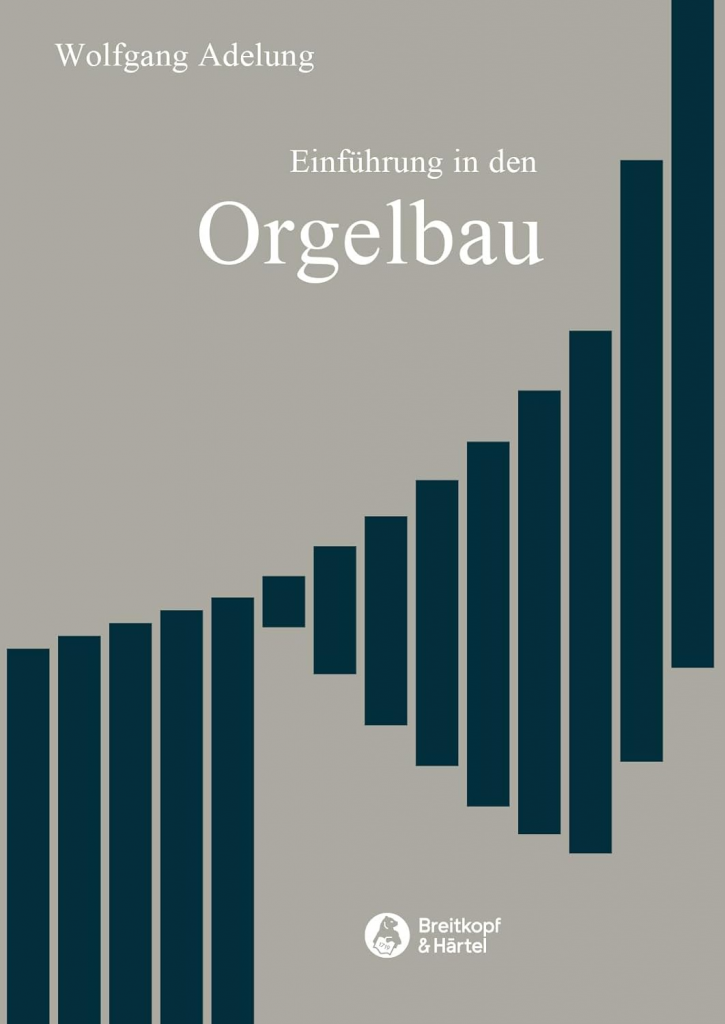
Wolfgang Adelung authored the standard work “Introduction to Organ Building,” which has been published in several revised editions. He also published other books and articles on organs. Monographs

Complete list

The Normal Blood Count of Freiburg, dissertation, Freiburg 1948
Introduction to Organ Building, Breitkopf & Härtel Leipzig 1955; subsequently six new editions, several of which have been expanded, most recently
Introduction to Organ Building, Breitkopf & Härtel Wiesbaden 1991
Electron Instrument and Pipe Organ, Merseburger, Berlin 1956
The Elektrium, Merseburger, Berlin 1964
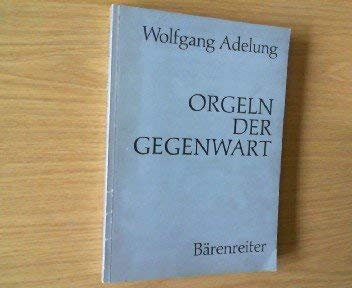
Organs of the Present, Bärenreiter, Kassel et al., 1972
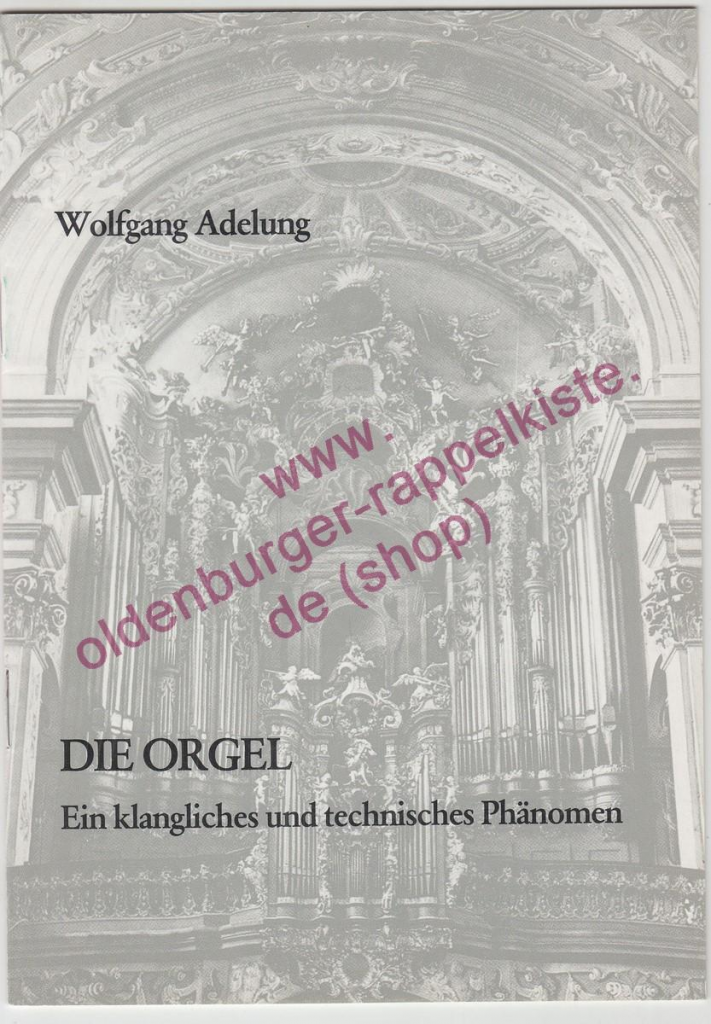
The Organ, Orgelbau-Fachverlag, 1977

https://de.wikipedia.org/wiki/Wolfgang_Adelung

https://www.gdo.de/ueber-uns/geschichte/personen