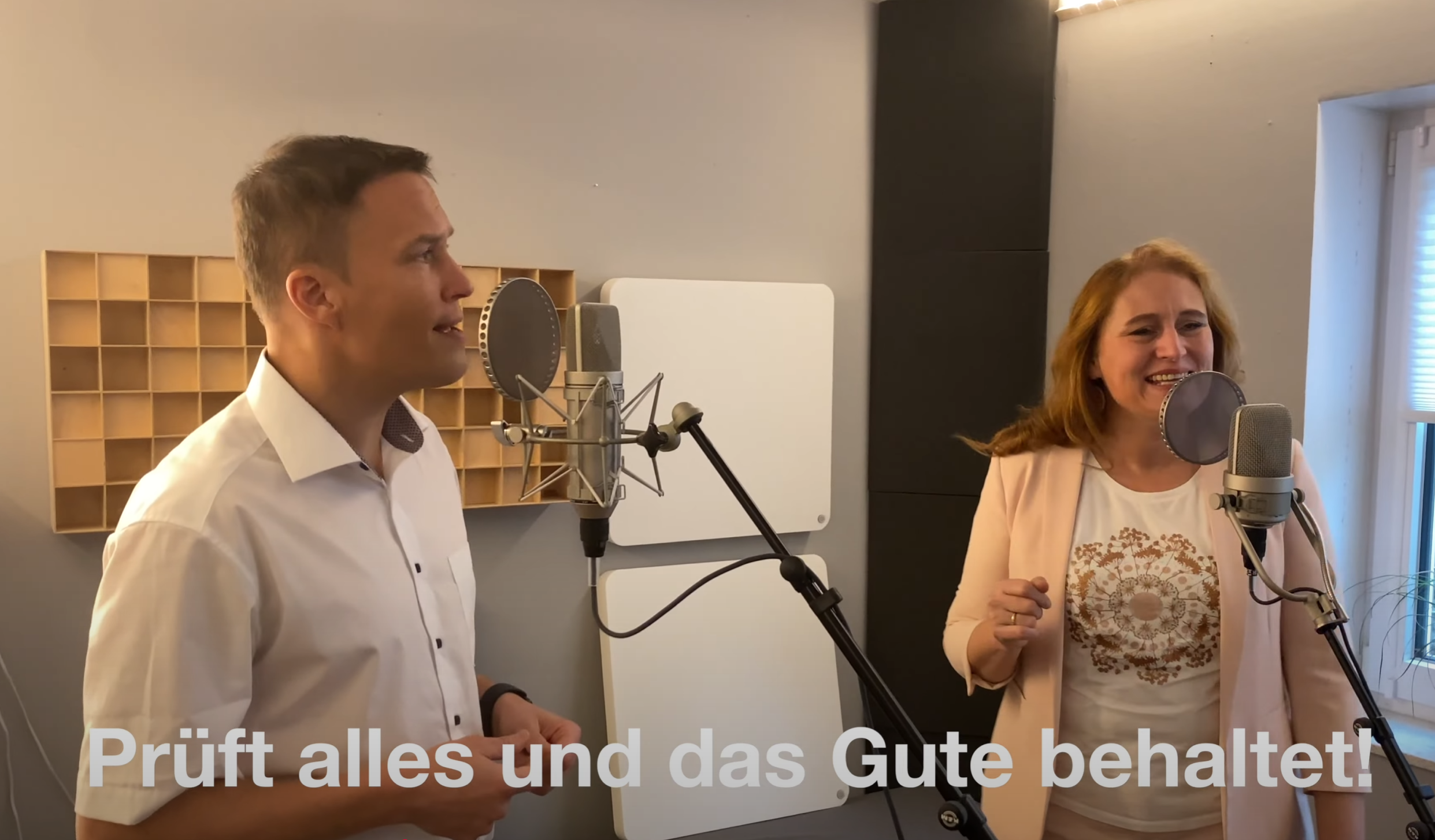
We are Deborah and Peter Menger, and we met in a choir in 1995. It’s only fitting that we’ve been making music together for many years. We perform in choirs, bands, other vocal ensembles, and as a duo in Germany and internationally. For the past 12 years, we’ve enjoyed making music together, especially with our four children.
Since 2016, we have been leading the Hüttenberg Children’s Choir together with a great team and a fantastic manager. Around 120 children meet there weekly to sing our children’s songs together and prepare for upcoming musicals and concerts. (Choir rehearsals are on Mondays at 5:30 p.m. at the Evangelical Free Congregation in Hüttenberg-Hochelheim. During the coronavirus pandemic, we meet at a safe distance on the sports field behind the parish hall. Due to limited space, we ask that you register for events on the EFG website.)
In addition, we are involved in church services and events in the surrounding communities and in the work of the association sdg (soli deo gloria) e.V.
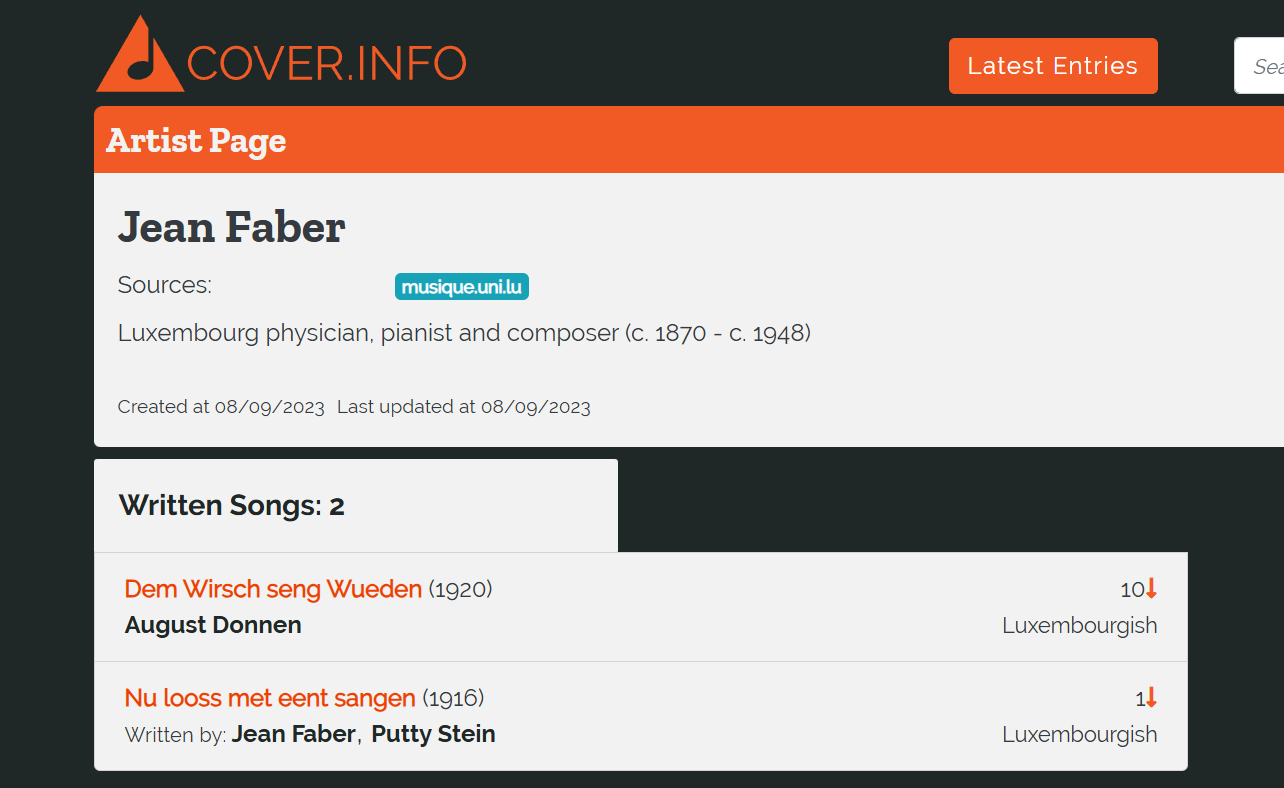
Berlin: Köllnisches Gymnasium (Abitur), medical studies, piano lessons with a student of Theodor Kullak, Stern Conservatory (1908-1910? in the Kapellmeister class of Arno Kleffel), Stern Conservatory (1905-1907 participation in the special music theory courses of Wilhelm Klatte and 1908/1909 to 1909/1910 studies in the Kapellmeister class of Arno Kleffel)
jobs:
Opera Houses/Theatres Weimar: Grand Ducal Court Theatre (1911/1912 Solo Repetiteur-Volunteer) Erfurt: City Theatre (1912-1914 Kapellmeister, Repetiteur), Shanghai: Russian Opera, Russian Ballet (1941-1945 Conductor) Instrumental Ensembles Shanghai: Dr. Arthur Wolff Chapel Choirs Shanghai: Chinese Choir (Choirmaster) Churches Shanghai: China Hungchao College Church (Organist), Union Church (Organist) Organizations/Associations Berlin: Jewish Cultural Association
memberships:
Reichsmusikkammer (1937 Ausschluss), Shanghai Musicians Association
He has been playing the violin since he was 6 years old and has studied with Prof. Michael Goldstein (Hamburg University of Music, First Concertmaster of the Hamburg Philharmonic State Orchestra), Prof. Wilfried Laatz (Lübeck University of Music), and Prof. Ingolf Turban (Munich University of Music), among others, and continues to be active in various orchestras and chamber music. Since November 2020, he has returned to the IMMM as a tenure-track junior professor.
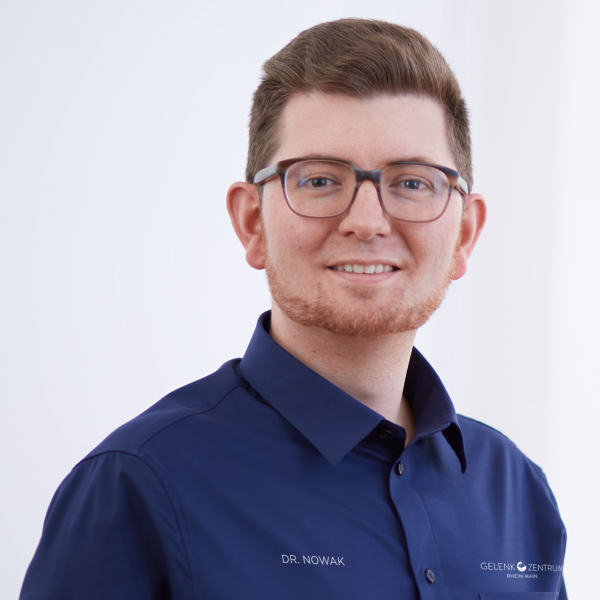
Lukas Nowak began playing the piano at the age of 6. At 14, he switched to the organ and received church music training from Helmut Kickton. He also learned the piccolo and guitar and acquired basic proficiency in horn and percussion. As a student, he wrote, among other works, choral and poem settings, a four-movement symphony, and a tone poem for organ and large orchestra (“The Prophecy of the Messiah,” premiered in 2004). He also worked as a choir director until he began his career. Since moving to the branch, he has been performing regularly again.
In addition to the general teaching program in Music Physiology and Musician Medicine, Dr. Nowak offers a special consultation hour for musicians by appointment, which is open to all students and faculty at the University of Music and Performing Arts.
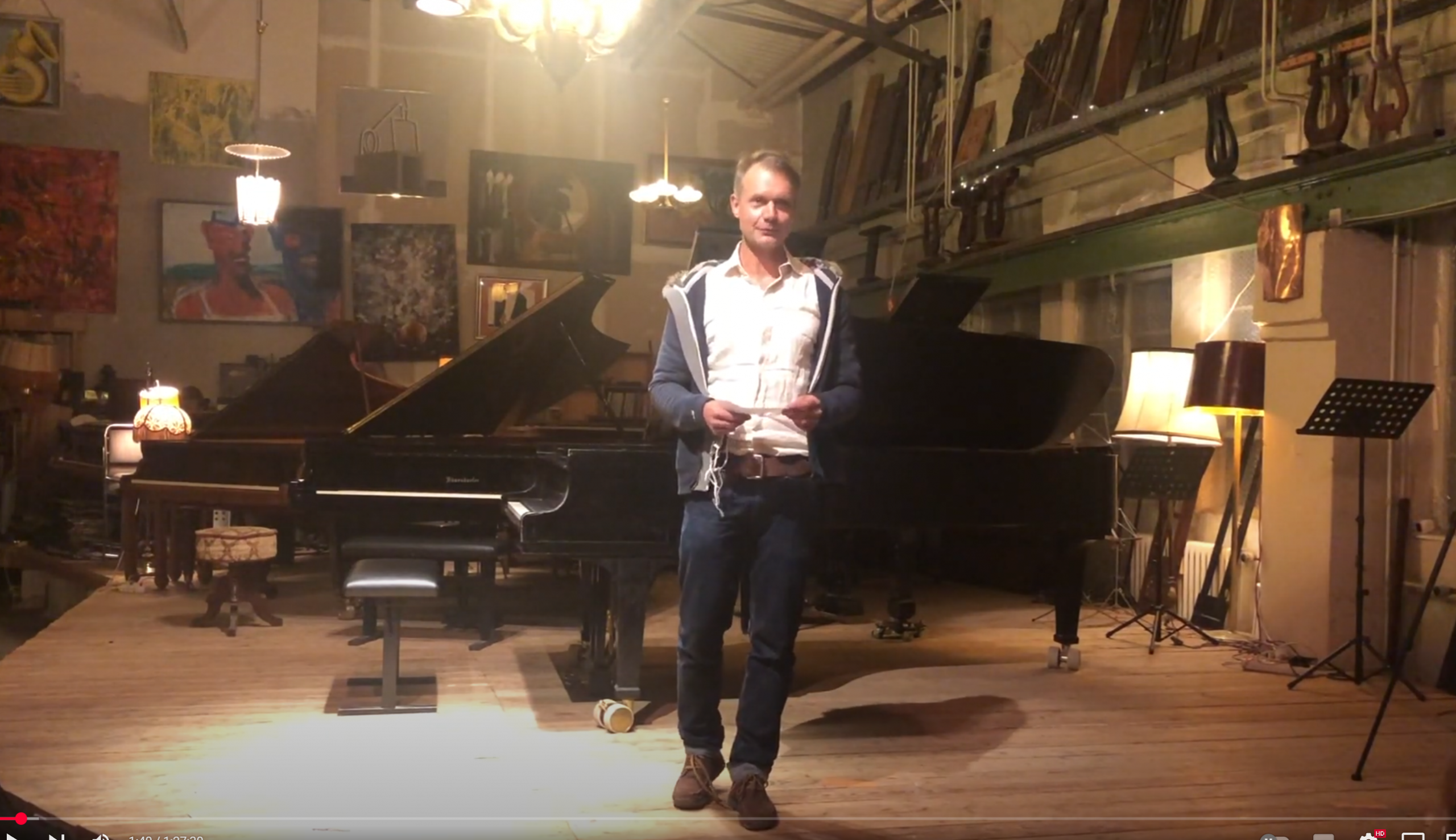
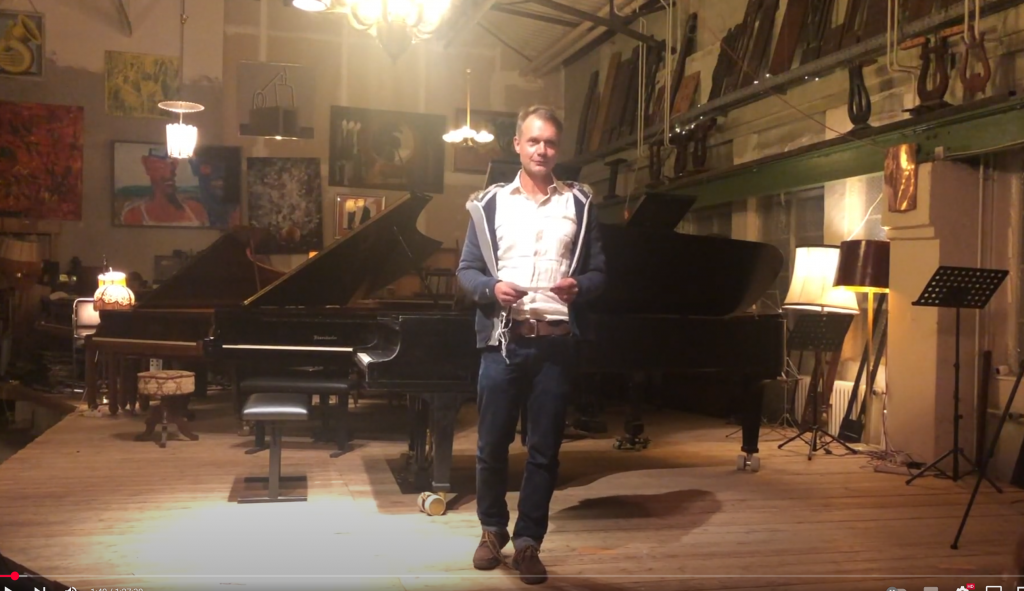
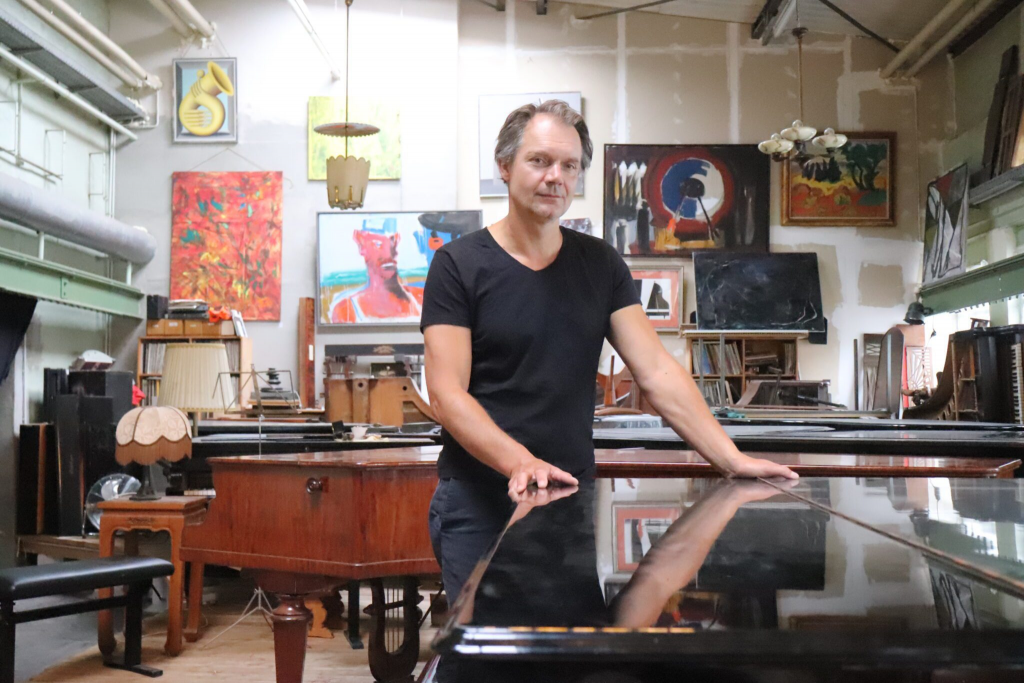
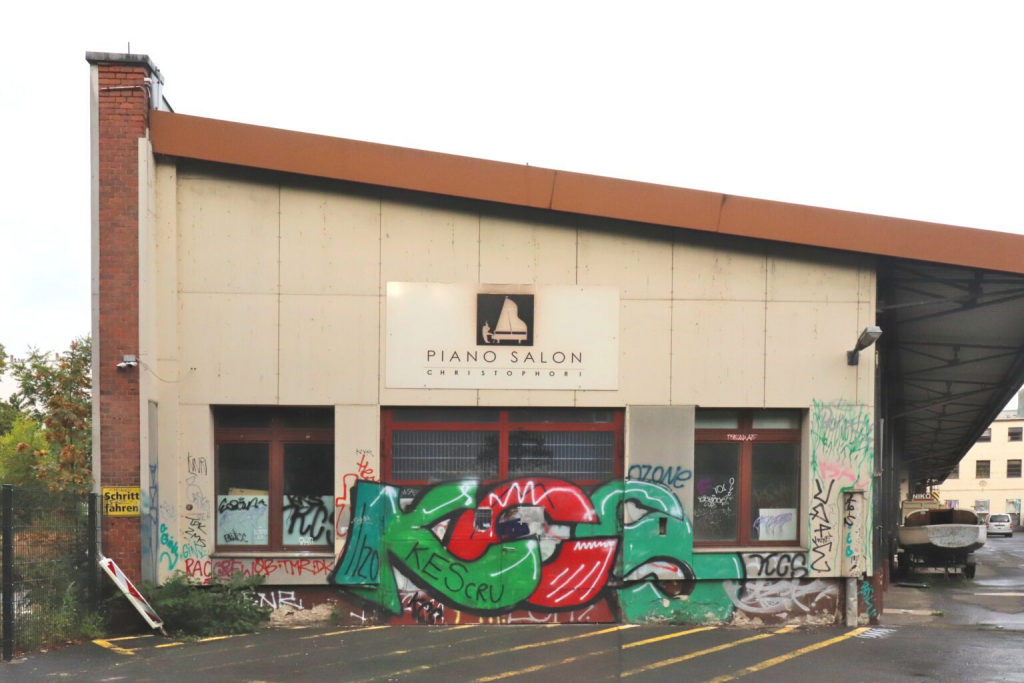
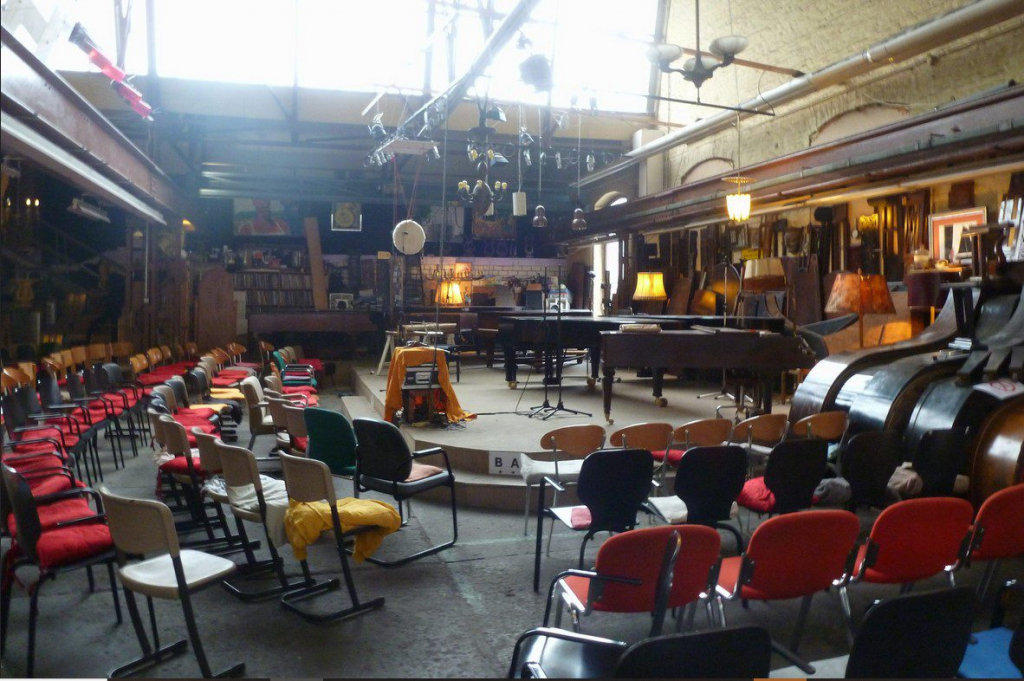
Founded in 1998, the Piano Salon Christophori in the listed Uferhallen in Berlin’s Gesundbrunnen district is a gem for piano lovers and those who aspire to become one. Solo, chamber, and jazz concerts with exquisite programs take place almost daily in the former tram depot, which salon founder Christoph Schreiber also uses as a workshop for the restoration of historic grand pianos. Numerous individual parts from the instruments adorn the walls of the 600-square-meter hall, which seats 199 spectators. Schreiber’s collection includes around 120 examples from two centuries of piano making, and just under a dozen are available to the artists in a playable state. The venue and workshop are named after Bartolomeo Cristofori, who developed the first fortepiano at the beginning of the 18th century.
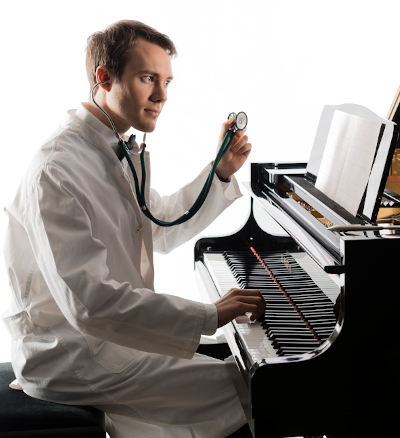
Christoph Schreiber no longer works as a doctor. He speaks about this profession in a tone that makes it clear he would be extremely reluctant to put on the white coat again. Now he has time for his passion. But that also means having to make time for his passion. Being a music promoter is a 24/7 job. He’s on the phone an incredible amount, has music and musicians to manage. And, of course, the family is still there, says the father of three.
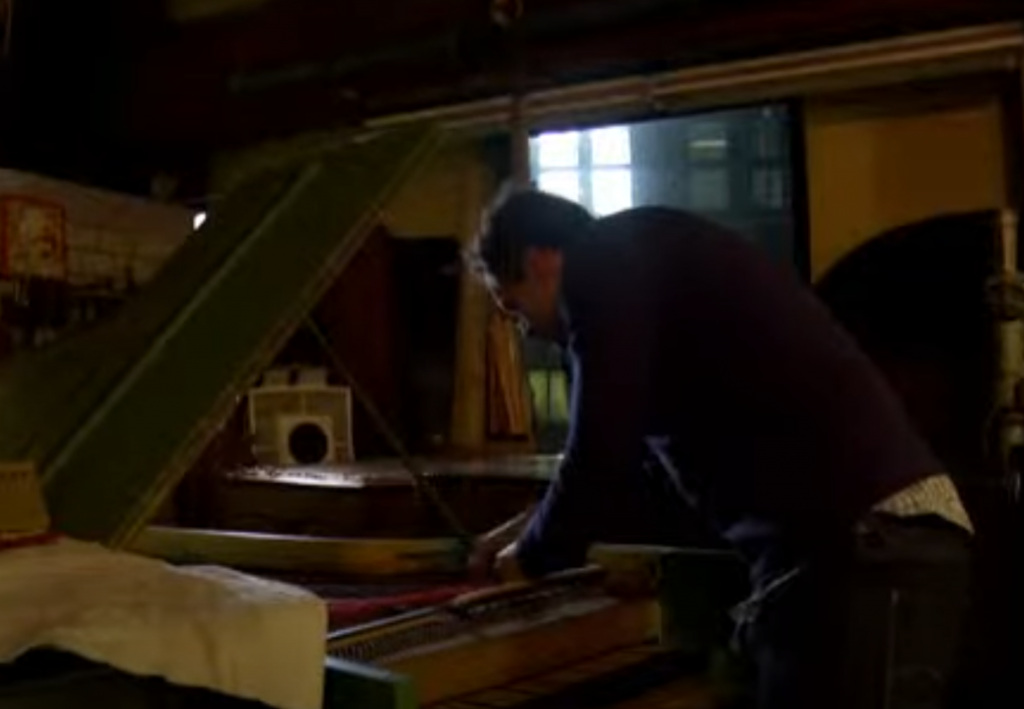
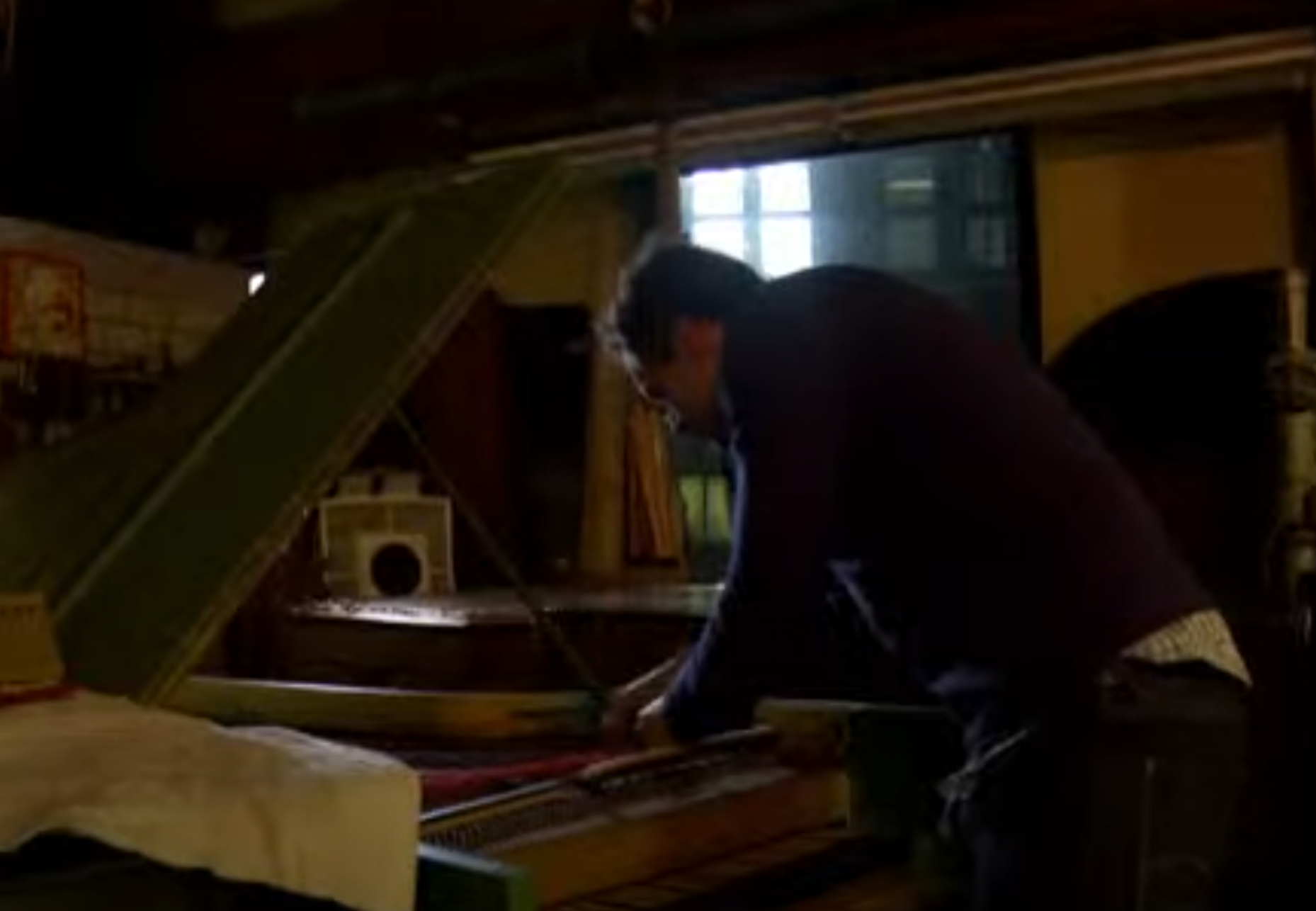
Christoph Schreiber’s true passion isn’t organizing concerts. His enthusiasm is for historical instruments. He’s gone from being a doctor for people to being a full-time doctor for pianos. In other words: Christoph Schreiber restores old grand pianos, upright pianos, and upright pianos. “I’d like to do more hands-on work,” he says. He sounds a bit regretful. But he doesn’t seem dissatisfied either. Apparently, life has now put him in the right place. Somewhere in a salon with over 100 historical pianos. Where he can afford to turn down commissioned restorations. Because it’s “too much effort to do it properly.”
So he restores historic grand pianos for his own purposes—for concerts, for performances. He calls this part of his daily work “keeping it in concert condition.” He considers which instrument is right for a guest musician’s performance in his salon and repairs it. But he relies on the audience. And that has changed his habits during the lockdown years. In the piano salon, he says, he’s fortunate to attract a diverse audience, “even if the mix is less than before Corona.”
It’s noticeable that this sentence isn’t meant to sound plaintive, just descriptive. That’s why Christoph Schreiber speaks in the next sentence about responsibility and the task facing music promoters. As if to say, you have to bring people back. Convince them again. Re-engage them. His contribution: At the Piano Salon, students pay 15 euros for admission (the regular price is usually 25 euros). A drink is always included. And he encourages them to bring children. In his experience, most of them listen attentively.
The music facilitator has set up 160 chairs in the warehouse. Previously, there were 199. People today don’t want to sit as tightly as they normally would a few years ago. And he organizes concerts on a donation basis less frequently, now generally setting fixed prices. Has the coronavirus pandemic also eroded the willingness to financially reward good performance, even without being asked? It’s a question everyone has to ask themselves to answer. Christoph Schreiber has to raise a good 5,000 euros a month for rent. Covid hasn’t changed the system of space for rent.
In addition to regular benefit concerts with piano solo programs, I am dedicated to musicians’ medicine. Since 2019, I have been a board member of the German Society for Music Physiology and Musicians’ Medicine.
Alexander Schmidt (born January 15, 1977 in Kiel) is a German neurologist and musician. He has been Professor of Musician Medicine at the Hanns Eisler Academy of Music in Berlin since 2014, where he directs the Kurt Singer Institute for Music Physiology and Musician Medicine (KSI), and since 2015, Director of the Berlin Center for Musician Medicine (BCMM) at the Charité. He has been a board member of the German Society for Music Physiology and Musician Medicine (DGfMM) since 2017 and its president since November 2019.
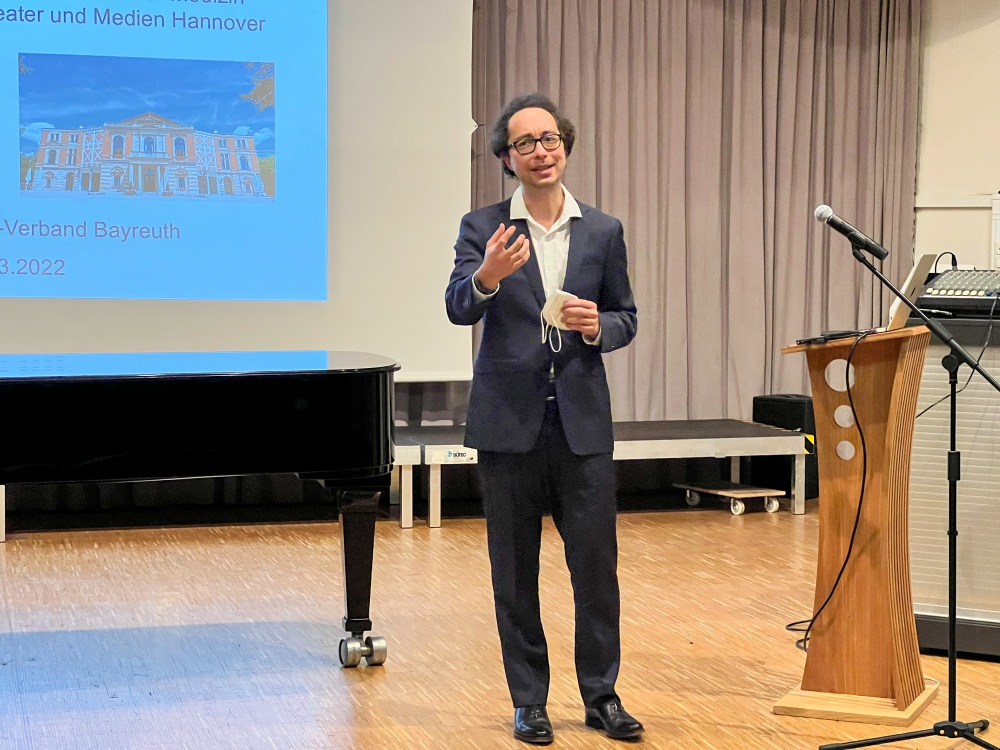
Alexander Schmidt completed his piano studies with Vladimir Krainew at the Hanover University of Music, Drama and Media, graduating with a diploma in music education, and subsequently studied medicine at the Hanover Medical School. He wrote his dissertation on the pathophysiology of musician’s dystonia: neuroplasticity and clinical genetics at the Institute for Music Physiology and Musician’s Medicine in Hanover under Eckart Altenmüller. After receiving his doctorate in 2009, he completed a neurological residency at the Department of Neurology at the University of Lübeck and the Ameos Clinic for Psychiatry and Psychotherapy in Lübeck. At the same time, as a research associate at the Institute of Neurogenetics, he headed the research group on endophenotypes of movement disorders. In 2016, he completed his habilitation in “Experimental Neurology” at the University of Lübeck on the topic of genetic and environmental causes of musician’s dystonia and other dystonia syndromes.
Schmidt conducts research in the field of musicians’ neurophysiology and neurological movement disorders, with a focus on focal dystonia in musicians. He is married to the pianist Saskia M. Schmidt-Enders and has six children.
The son of an architect and a teacher, he began playing the piano at the age of five and considered pursuing a career as a pianist as a young man. But ultimately, he found that too uncertain. Music remains a favorite hobby to this day.
In addition to his music, which he enjoys pursuing with his children, he and his wife are often out in nature and, whenever possible, take outdoor trips in their vintage VW bus. They camp in the wilderness, cook soup and other delicacies on a gas stove, and canoe on lakes and rivers. This is why Sweden is one of his favorite countries, which he has often explored with his family. Sometimes, the Elbe River – or another body of water in Lower Saxony – is enough for a few days. Dr. Tom Steinmetz is connected to the region.
Rüdiger Penthin, a member of the Music Working Group and the board, introduces himself below:
Born in 1959. Born in Cologne. Father of three children. He received his first piano lessons at the age of 6. At 17, he received a scholarship as a junior student at the Cologne University of Music, specializing in piano. At 18, however, he decided to study medicine from 1980 to 1986 at the University of Cologne. He received his doctorate in 1989.
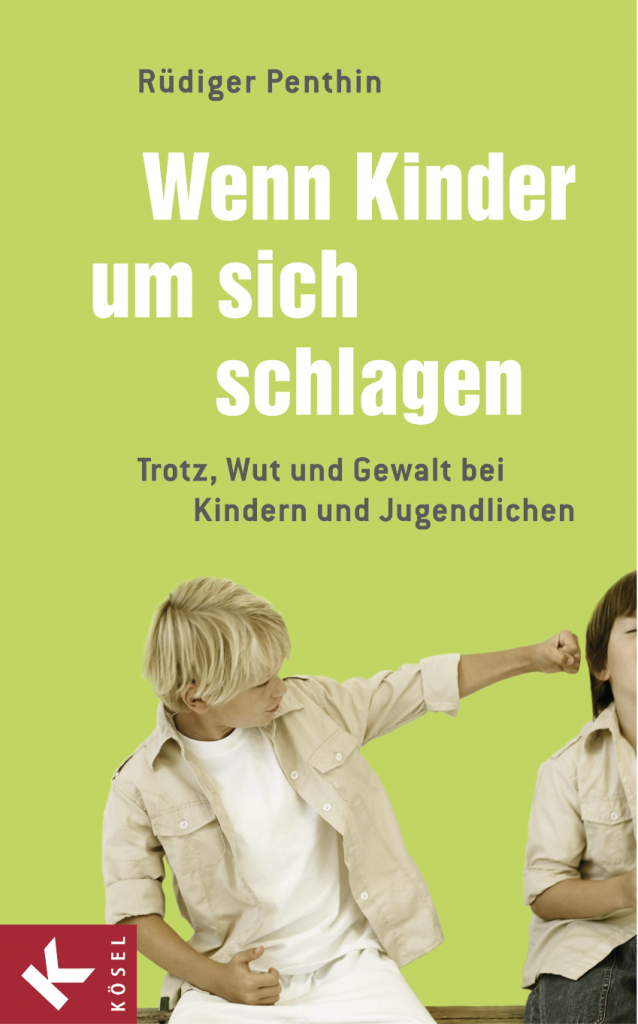
After completing his specialist training (University Children’s Hospital Aachen) and working as a senior physician at the Satteldüne Children’s Pulmonology and Allergology Clinic (Amrum), he established his own pediatrician practice in Schönberg, Holstein, in 1993, specializing in behavioral problems in childhood and adolescence. He completed additional training in psychotherapy from 1992 to 1996. He is the author of several books on children and parents. He is the co-founder of the Probstei Parents’ Workshop, a parent education center.
In 2000, after a long break from performing as a soloist, he made his solo debut with a piano recital at “Schönberg Kulturell” featuring works by Bach, Mozart, Beethoven, Schubert, Chopin, and Brahms. In the following years, he presented a variety of chamber music programs, including the Mozart Piano Concerto in F major with the Kiel Chamber Orchestra in 2004, and song recitals with Matthias Klein since 2006. He has performed the major Schubert and Schumann song cycles jointly. In 2006, he founded the fusion jazz band “Delicious Date,” which was awarded the Bechstein Prize in 2008. Since 2018, he has been a member of the board of the Probstei Cultural Association.