Thomas Scherb

  • -

Thomas Scherb

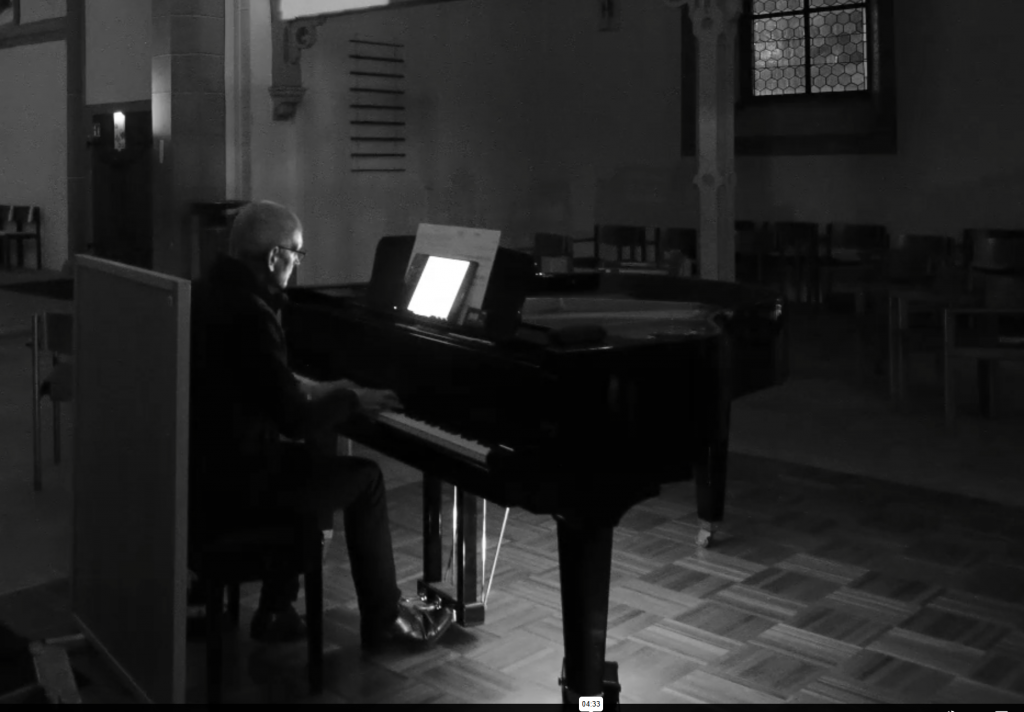
Friday, April 18, 2025, 3 p.m.
Xenia Preiseberger, Thomas Scherb, Wolfgang Heilmann (piano)
Kurt-Laurenz Theinert (light installation)
Angela Fabian, Dietmar Zoller (liturgy)

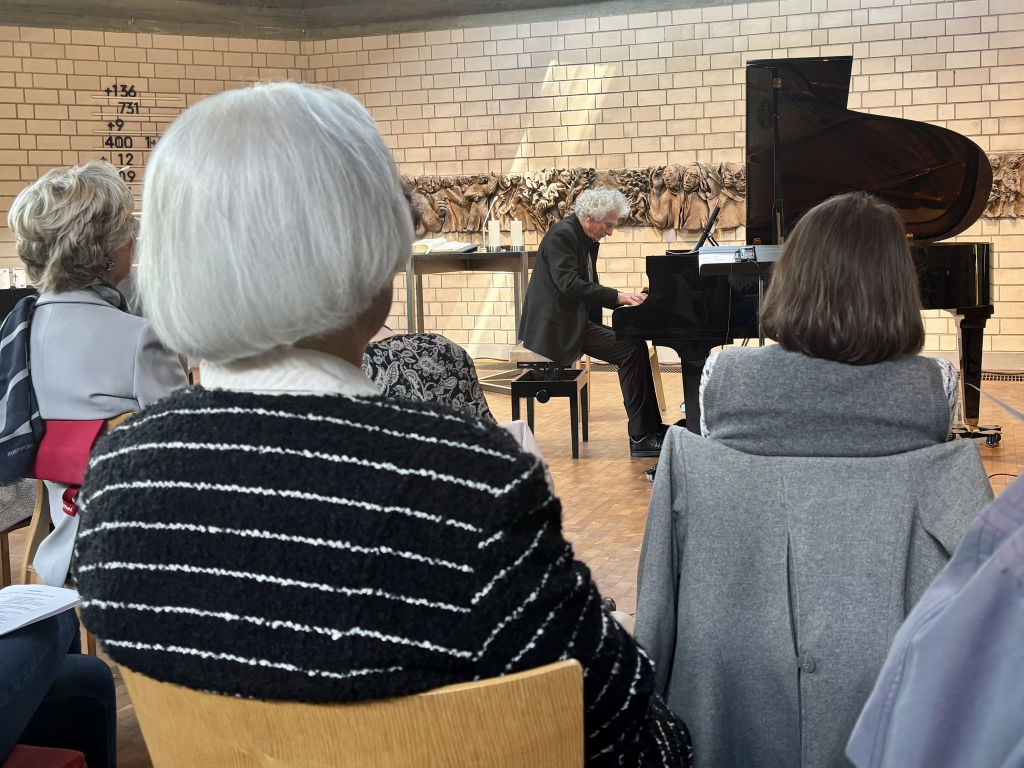
Erik Satie’s “Vexations” is a very short work. However, the composer demands that the piece be repeated 840 times. The three pianists alternate every two hours, and the church will be open all night. It is possible to enter and leave the church at any time. In addition to the music and the two services, a slowly changing light installation bathes the Marktkirche in a new glow and illustrates the events. At the hour of death (Good Friday, 3 p.m.), the music fades into silence.

District Cantor Wolfgang Heilmann invites you to this musical-liturgical experiment on Maundy Thursday and Good Friday. Good Friday, a new imposition every year. This man on the cross. The world’s suffering is concentrated on him. Again and again the question of “why.” Endurance and compassion, vigil and prayer. That is the task.

Precisely this liminal experience is also intended to be conveyed by the liturgical format. The two services with Holy Communion in the Marktkirche Bad Bergzabern on Maundy Thursday (April 17, 7 p.m.) and Good Friday (April 18, 10 a.m.) will be unusual, disconcerting, reduced, and set to music by Erik Satie (1866-1925).

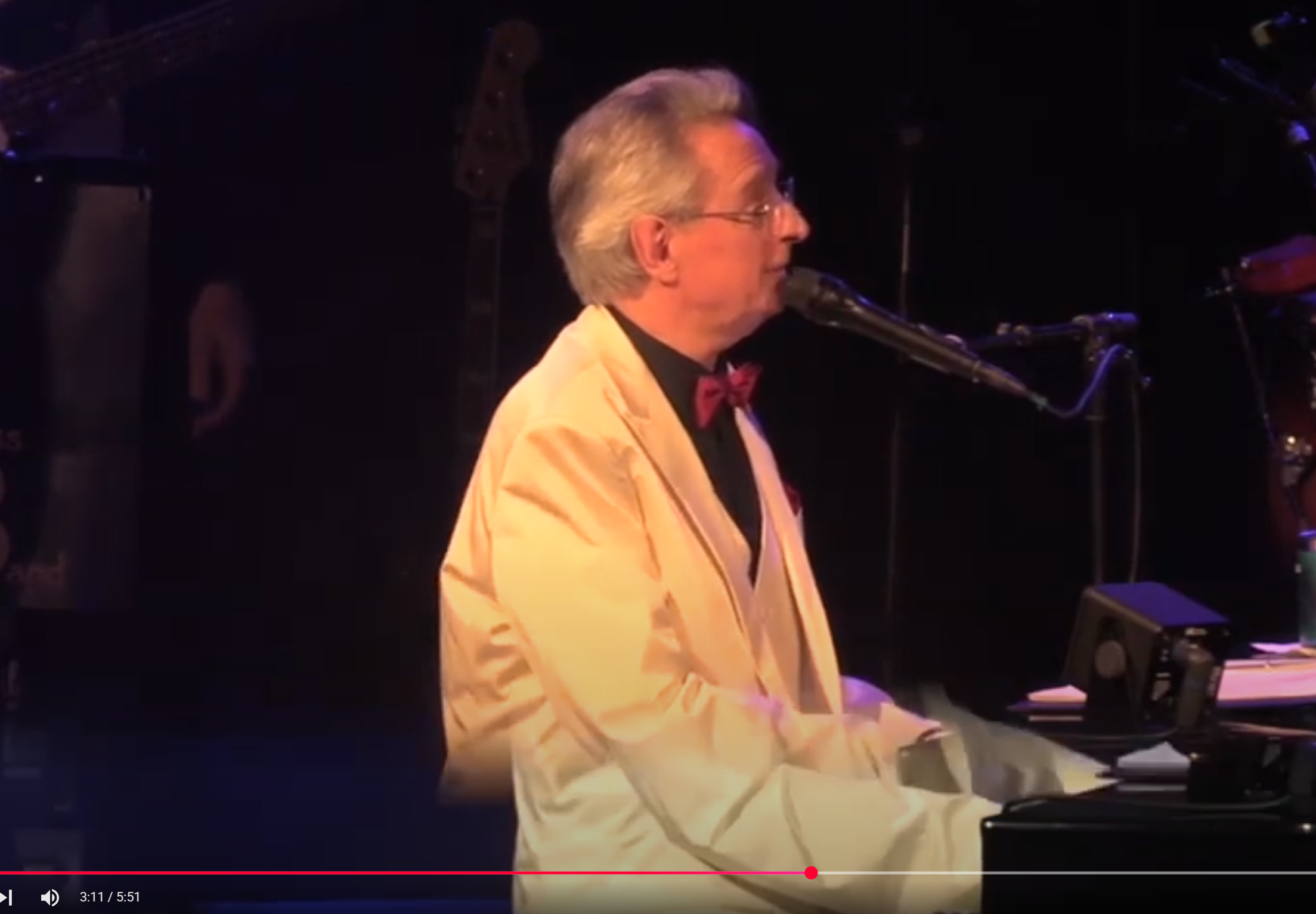
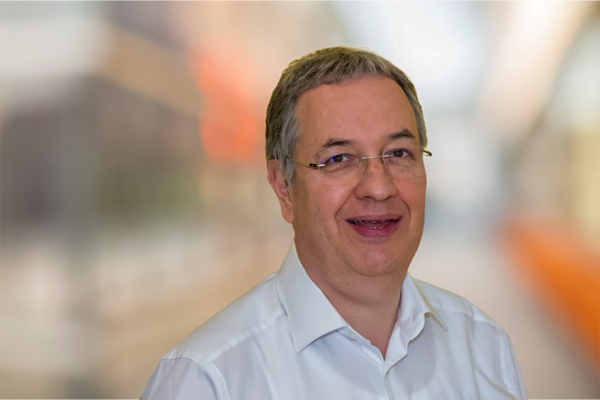
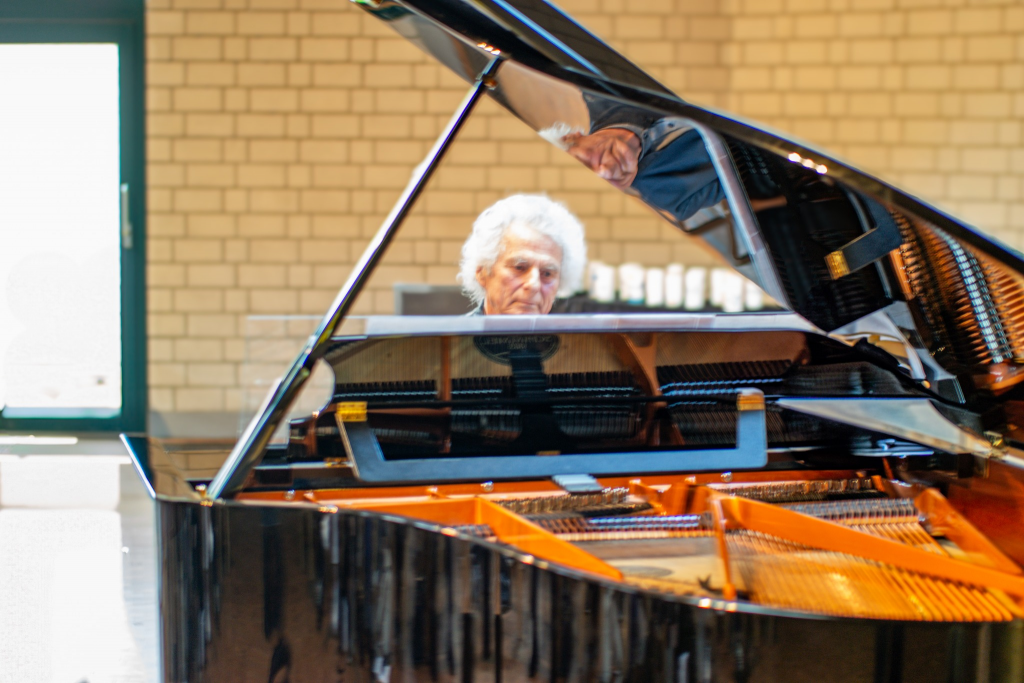
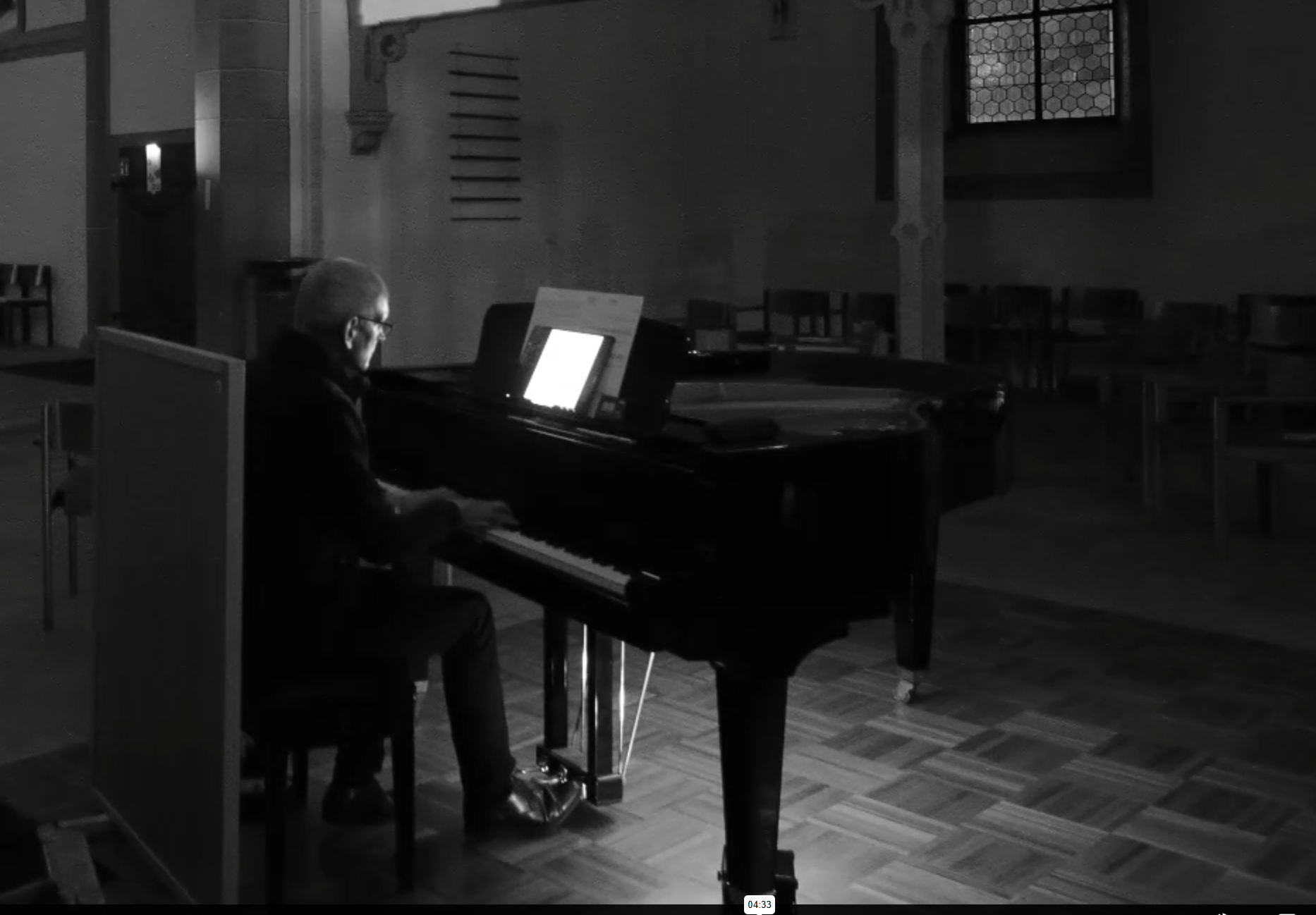
The doctor and medical journalist Thomas Scherb returned late but very successfully to his youthful profession as a pianist.
https://www.rheinpfalz.de/startseite_artikel,-thomas-scherb-mit-dem-ehrenamt-zur%C3%BCck-im-eigentlichen-leben-_arid,5503878.html

Programm 2024 mit vielen Beiträgen von Thomas Scherb


  • -

Kwame Boaten

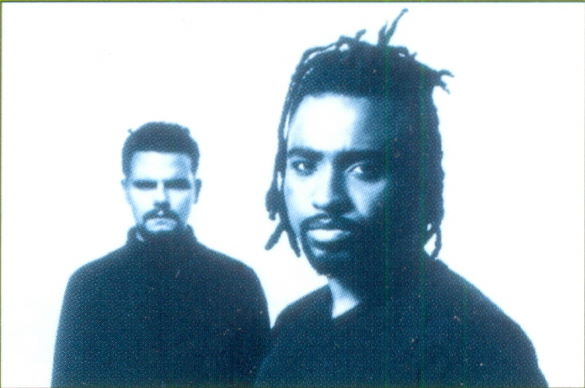
Kwame is something quite unusual, a collaboration between an African trumpeter and metal musician (Kwame Boaten) and a Swedish guitarist who has previously devoted himself primarily to classical music (Carl Ljungström). They met a few years ago in a music student dormitory in London. This would be the beginning of “Volatile.”

On the album cover, I see a blurry image of a dark-haired guy with dreadlocks. Yes, I think it’s another Swedish hip-hop artist hanging out with Ken and the guys. Oh, what a mistake I made. Ghanaian-born Kwame Boaten has brought new light into the pop fog with his calm, captivating music. After a few years, he found Calle Ljungström, a former metal musician, at music school in London. The two began a slow and cautious collaboration, and now we hear the final result. It quickly becomes clear: when you bring two musicians with such different backgrounds into a studio, it works really well.

The album Volatile is difficult to describe precisely, as it differs so markedly from other productions in this genre. Calle Ljungström is responsible for the beautiful strings and guitars, and Kwame for his wonderfully beautiful, bright voice. Also in the studio are names like Magnus Frykberg, Pontus Olsson, and Lars Halapi, who have also never performed in similar contexts before. An exciting collaboration that I’d like to learn more about. If it’s long enough for another album.

The danger of rehashing unbearable, sleazy music is in the air when a classical guitarist of Ljungström’s caliber is about to release an album. But to be blunt, that’s not a good way to get off. The sound is a bit too clean and suitable for a living room at times, but it also avoids unnecessary gimmicks.

Furthermore, this could probably be described as music for adults, and some songs have an almost baroque touch at times, but it never becomes intrusive. Ljungström, on the other hand, provides striking tones with his six nylon strings, which, together with Boaten’s tasteful voice, create cool, slightly melancholic songs of the quiet variety. One danger of this restrained music is that certain elements tend to become repetitive. This is partly the case here, as the same mood runs through almost the entire album. And it’s nice, isn’t it, but a little more variety wouldn’t have hurt.

The vocals are at times Jeff Buckley-esque and at least as intense and captivating. The fact that the strings also play a fairly large role makes the whole thing even more exquisite, and it’s impossible not to curl up and enjoy it—as is usually the case.

1993 he has worked at the theatre of Kiel / Germany.

https://www.smp.se/artikel/kwame-volatile

https://www.hungama.com/song/volatile/35229063

https://www.puls.no/937.html

https://ng.se/recensioner/musik/volatile


  • -

Richard Bauer

Seine erste Liebe, sagt der heute (2025) 72-Jährige, war jedoch immer die Musik. Und das begann schon im Kindesalter. Wenn seine älteren Schwestern Klavierunterricht hatten, dann hörte er zu und spielte die Melodien später selbst nach – ohne Noten, nur nach Gehör. Aber auch an der Gitarre war Richard Bauer talentiert: Schon 1972 hatte er einen Auftritt in der Saarlandhalle in Saarbrücken, mit der damals in der Region bekannten Band „Studio 64“.

Hauptberuflich ging es dann zwar mit der medizinischen Karriere weiter, aber daneben blieb die Kultur für Richard Bauer immer eine „Parallelwelt“, in die er sich gerne zurückzog. Nicht nur musikalisch, auch kabarettistisch war er aktiv, mit Programmen wie „Strapsodie in Bluff“. Jetzt, nachdem er seine Laufbahn als Arzt beendet hat, kann er sich ganz der Musik widmen.

Für sein aktuelles Projekt hat Richard Bauer den Arztkittel gegen den Bademantel eingetauscht, das Markenzeichen von Udo Jürgens. Am 11. November 2014 besuchte er eines der letzten Konzerte des österreichischen Sängers.

„Sechs Wochen später die Todesnachricht von Udo, den ich zuvor noch zu präsent auf der Bühne erlebte. Der Wunsch, seine großen Lieder live mit meiner 2012 gegründeten BAUERS BRASS BAND in Szene zu setzen, wurde immer stärker gefühlvoll und authentisch interpretieren Udo, ich bin Deiner Meinung: „Die Welt braucht Lieder.“

Mit der im Jahr 2012 gegründeten Bauers Brass Band machte er sich daran, den Titel für sein neunköpfiges Ensemble zu bearbeiten. 2019 war es dann so weit: Zum fünften Todestag von Udo Jürgens erblickte das Programm „Hallo Udo“ in der Saarburger Stadthalle das Licht der Welt. „Der Saal war zum Brechen voll“, erinnert sich Richard Bauer. Alle Konzerte ausverkauft. „Wir hätten doppelt so viele Karten verkaufen können.“ In Richard Bauers Band spielt an der Querflöte auch seine Tochter Katharina. Mit ihr singt er natürlich auch das Duett „Liebe ohne Leiden“, das schon Udo Jürgens mit seiner Tochter sang.

https://www.halloudo.de/ueber-uns

https://www.volksfreund.de/die-woch/bademantel-statt-arztkittel-von-dr-bauer-zu-hallo-udo_aid-125740523

https://www.volksfreund.de/region/konz-saarburg-hochwald/saarburger-arzt-dr-richard-bauer-geht-in-ruhestand_aid-81820633


  • -

Matthias Weikert

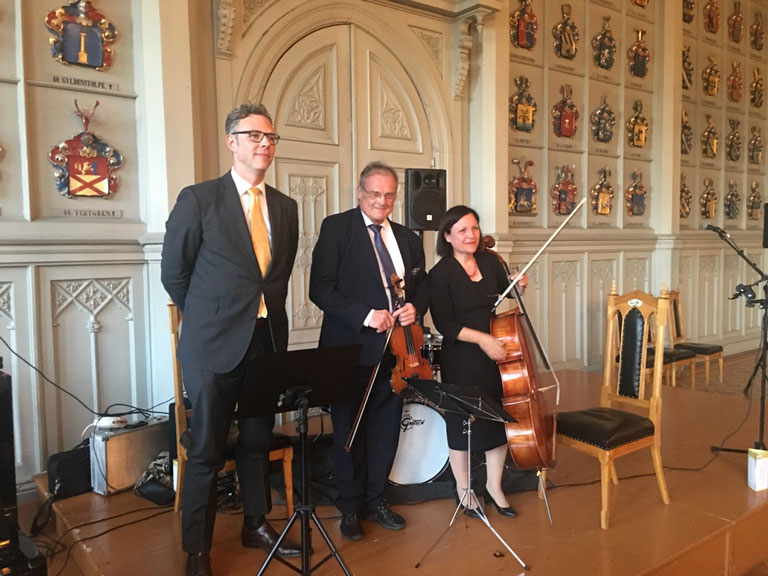
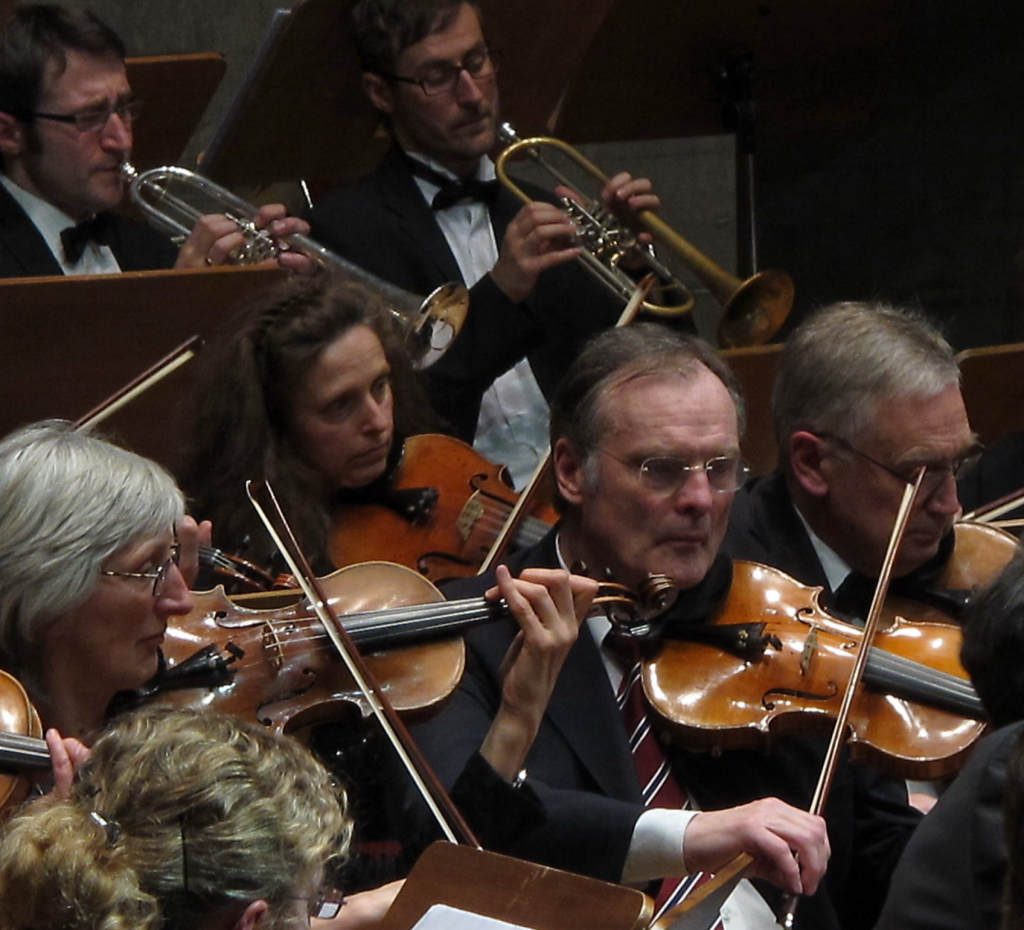
Dr. Weikert ist im Amateurbereich als Geiger- und Kammermusiker engagiert und in dieser instrumentalen Ausübung u.a. Mitglied des Bayerischen Ärzteorchesters (ehem. unter der Leitung von Prof. Dr. R. Steinberg; jetzt Projektorchester mit wechselnden Dirigenten) und des Orchesters am Singrün Regensburg (Dirigent Michael Falk).

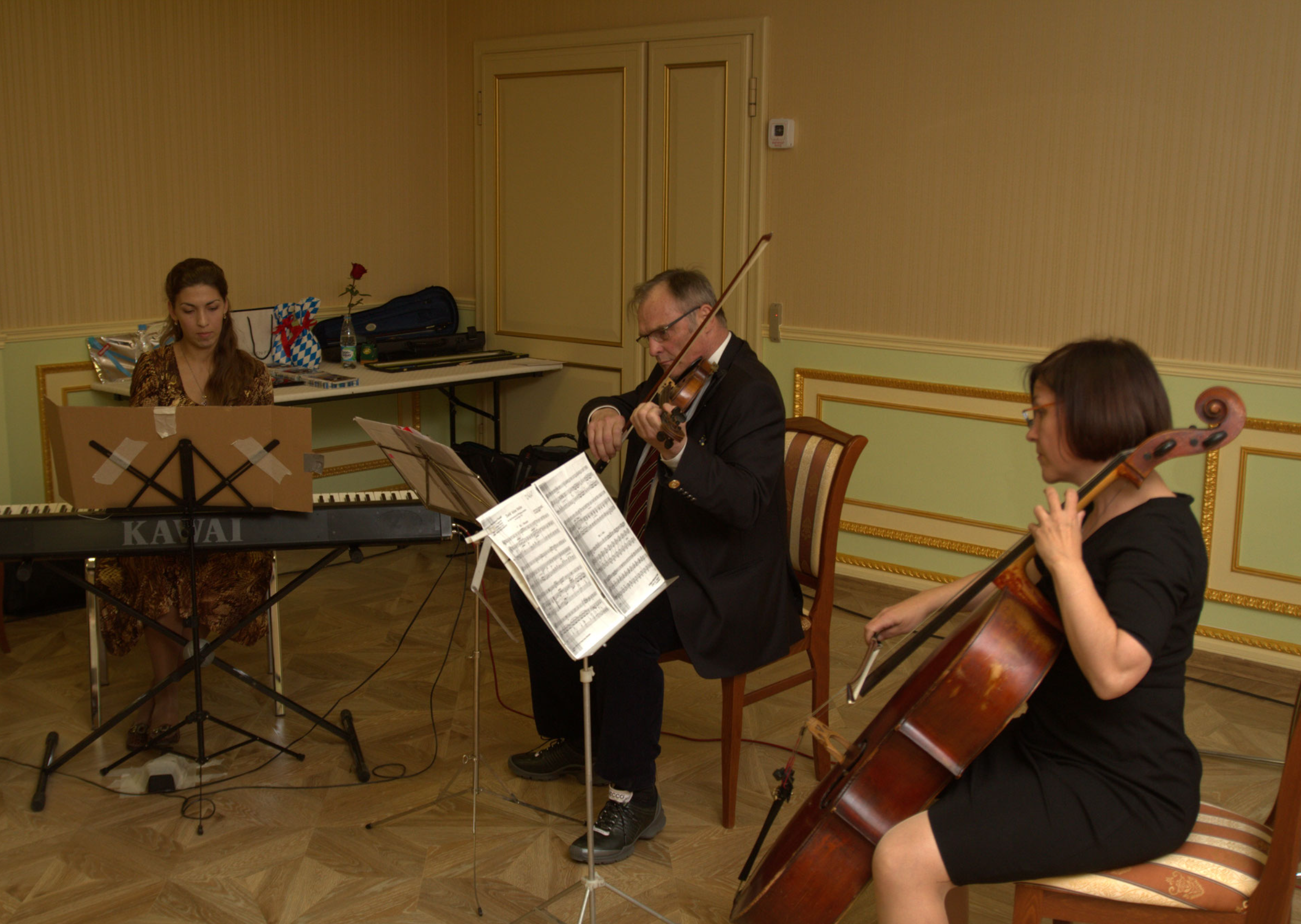
Klaviertrio der UEP (Union Europäischer Phoniater), 2019 im Galakonzert Helsinki, House of Gentlemen.
Prof. Dr. Dirk Deuster, Münster (Klavier), Dr. Matthias Weikert, Regensburg (Violine) und Frau Kathrin Neumann, Münster (Violoncello).

https://der-stimmarzt.jimdofree.com

https://www.youtube.com/@matthiasweikert2362


  • -

Claudia Spahn

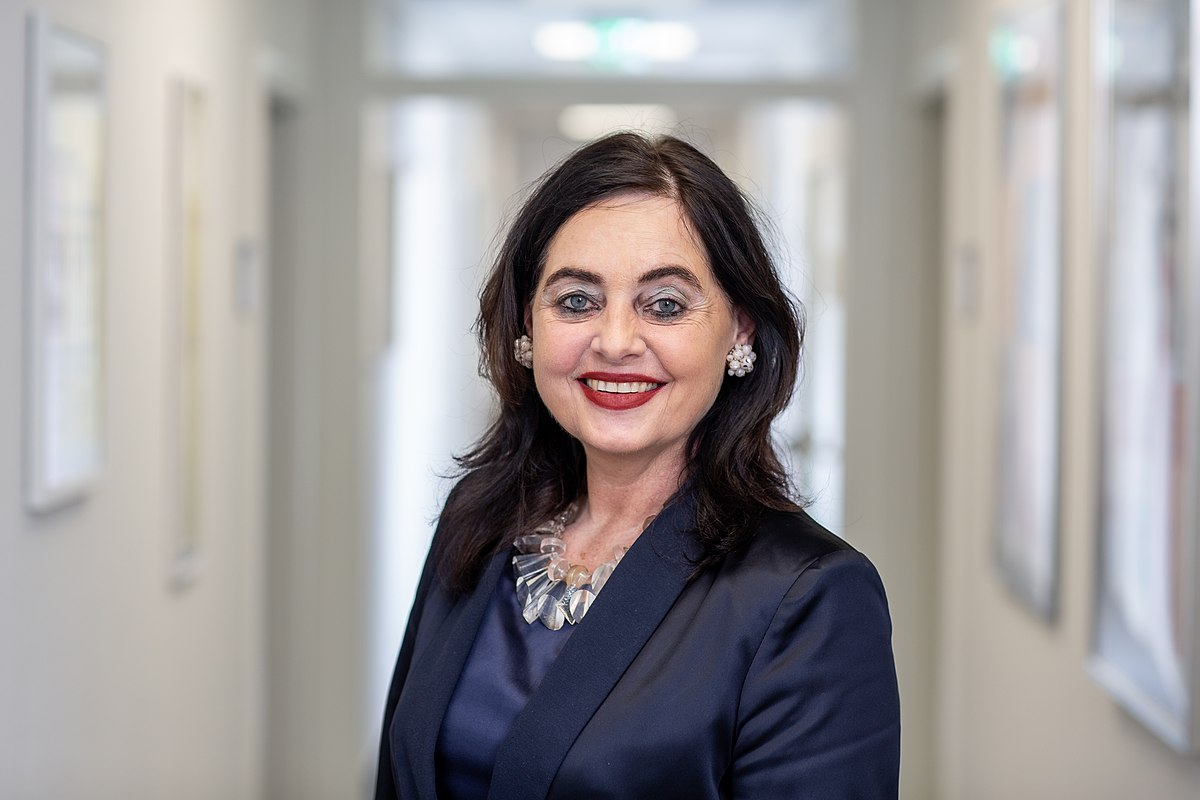
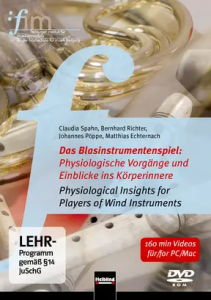
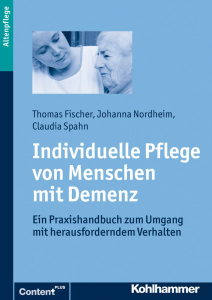
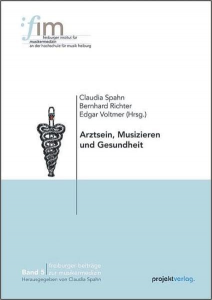
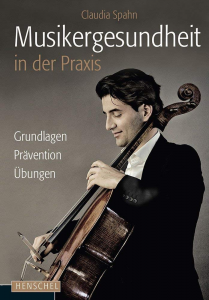
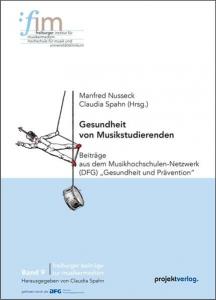
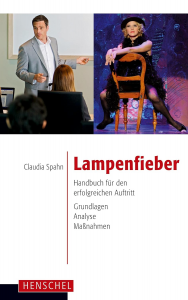
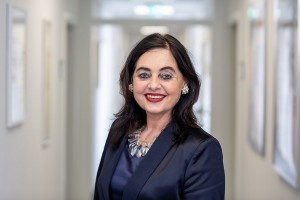
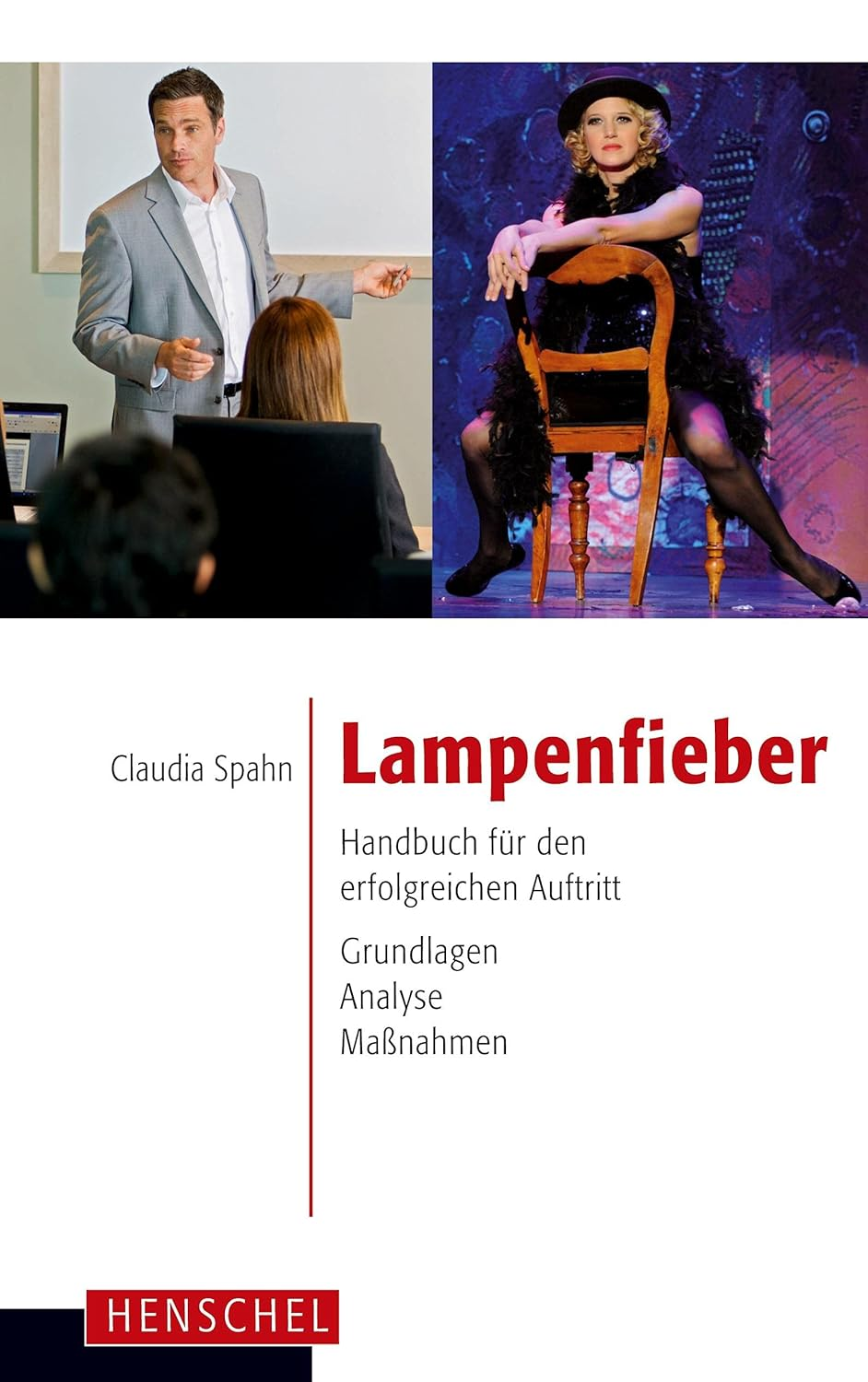
Claudia Spahn (*1963) is a German musician’s medicine specialist and director of the Freiburg Institute for Musicians’ Medicine. She is a leading researcher in the development of music physiology and musicians’ medicine, particularly in the field of stage fright and performance anxiety.

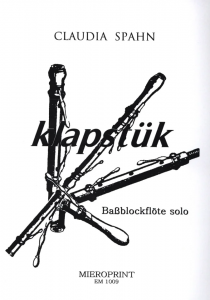
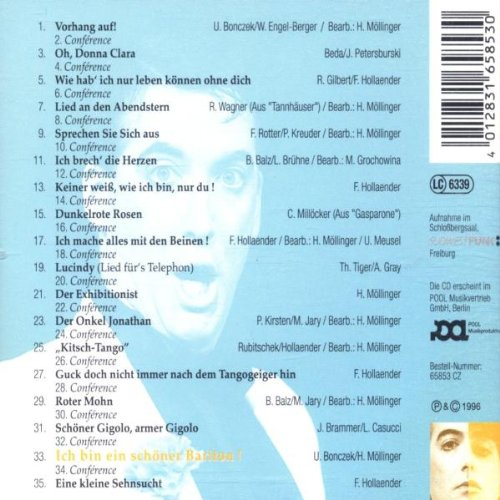
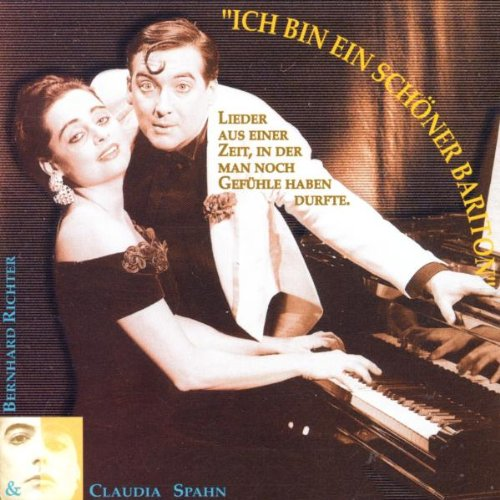
Claudia Spahn has received artistic training in recorder as a solo instrument, piano and violin since childhood. With the recorder and piano, she has won several prizes at the state competition Jugend musiziert. She has also trained in classical ballet, modern dance and tap dancing. Spahn studied medicine at the Albert Ludwig University in Freiburg, as well as in Paris and Switzerland. From 1986 onwards, she has also studied music teaching at the Freiburg University of Music, majoring in recorder, graduating in 1991 with a diploma in music teaching. Since 1992, Claudia Spahn has made numerous appearances as a pianist in the music cabaret duo Die schönen Baritons – together with baritone Bernhard Richter. From 1994 to 2004, she performed as a pianist and recorder player in musical theaters in France.

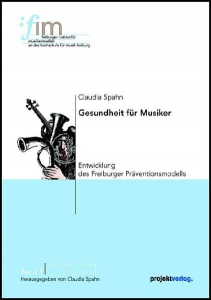
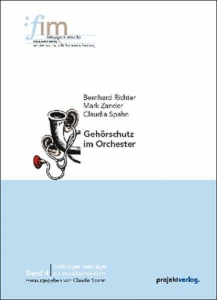
In 1992, Spahn began her medical training in the fields of psychosomatic medicine, internal medicine, and psychiatry. In 1993, she received her doctorate in medicine, and in 1999 she became a specialist in psychotherapeutic medicine. In 2004, she completed her habilitation at the Medical Faculty of the University of Freiburg on the topic of prevention in higher education for musicians. In the winter semester of 2005/2006, Claudia Spahn was appointed professor of musicians’ medicine at the Freiburg University of Music. Since then, she has headed the Freiburg Institute for Musicians’ Medicine (FIM) – an institution of the University of Music and the Medical Faculty of the Albert Ludwigs University of Freiburg – together with Bernhard Richter. In 2017, Claudia Spahn became Vice Rector for Research and International Relations at the Freiburg University of Music. In 2020, she received her doctorate in systematic musicology.

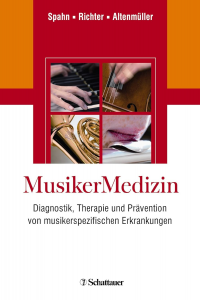
Claudia Spahn has significantly advanced the field of music physiology and musicians’ medicine, both structurally and in terms of content. She has written and edited several standard textbooks. She teaches music students the physical and psychological foundations of music-making, preventative body-oriented approaches, and how to deal with stage fright. Music physiology can be studied as a standalone minor at the Freiburg Research and Teaching Center for Music. She also teaches medical students in the preclinical and clinical study phases at the Freiburg Medical Faculty.

In the outpatient clinic of the Freiburg Institute for Musicians’ Medicine at Freiburg University Hospital, Spahn treats musicians with the full range of musicians’ medical conditions, particularly pain and strain syndromes. She offers a special consultation for patients with psychological problems, particularly performance anxiety.

https://www.mh-freiburg.de/personen/details/prof-dr-med-dr-phil-claudia-spahn

https://www.uniklinik-freiburg.de/musikermedizin/mitarbeiter/prof-dr-claudia-spahn.html

https://de.wikipedia.org/wiki/Claudia_Spahn

https://www.aerzteblatt.de/archiv/interview-mit-prof-dr-med-claudia-spahn-musikermedizinerin-lampenfieber-ist-ein-positives-phaenomen-ad161952-9c89-4068-91f4-536cb689f027


  • -

Bernhard Richter

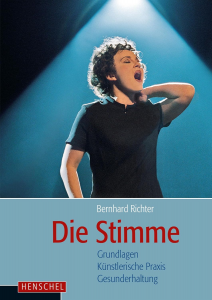
Bernhard Richter (* 1962) is a German physician-musician and director of the Freiburg Institute for Musicians’ Medicine.

Richter received his musical training as a singer with the Stuttgart Hymnus Boys’ Choir and through violin lessons with Hedwig Pahl. He studied medicine at the universities of Freiburg im Breisgau, Basel, and Dublin. Parallel to his studies, Richter studied singing with Beata Heuer-Christen at the Freiburg University of Music from 1986 to 1991, culminating in a concert exam. Since 1992, Bernhard Richter has performed numerous times as a singer, including with pianist Claudia Spahn in the musical cabaret duo Die schönen Baritons.

After receiving his doctorate in medicine and completing two specialist training courses as an ENT specialist and a phoniatrist, Bernhard Richter qualified as a professor in 2002. In 2005, he was appointed professor of musician’s medicine with a focus on artistic voice training at the Faculty of Medicine at the Albert Ludwig University of Freiburg. He teaches voice physiology and hearing physiology at the University of Music and the Faculty of Medicine at the Albert Ludwig University.

Since its founding in 2005, Bernhard Richter has directed the Freiburg Institute for Musicians’ Medicine together with Claudia Spahn. He is responsible for the medical care of singers and musicians. He also cares for voice patients in speaking professions, such as actors and teachers.

The qualified psychosomaticist with a full range of recorder skills and the singing speech therapist with the greasy curls love performing late at night and in small groups. Their late-night performances in front of a maximum of 150 guests feature irony, chansons, and also Lieder and Schubert evenings with classical music.

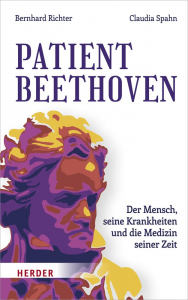
Although neither Spahn nor Richter come from families of musicians or doctors, they pursued a dual career from an early age.

Recorder, piano, and violin, and before graduating from high school, they also received a scholarship to the Würzburg Conservatory of Music with her, joined the boys’ choir (Hymnus Chorknaben Stuttgart) from eight until his high school graduation, and simultaneously took singing lessons for him as a community service paramedic.

https://de.wikipedia.org/wiki/Bernhard_Richter_(Mediziner)

https://www.uniklinik-freiburg.de/musikermedizin/mitarbeiter/prof-dr-bernhard-richter.html

https://www.aerztezeitung.de/Panorama/Die-schoenen-Baritons-angehende-Professoren-mit-Hang-zur-leichten-Muse-379039.html

http://swisscharts.com/album/Burkhard-Richter-&-Claudia-Spahn/Ich-bin-ein-schoener-Bariton-37988

https://www.sack.de/spahn-richter-musik-mit-leib-und-seele/9783867391146

Auftritt bei Psychotherapietagen https://www.facebook.com/watch/?v=3167883983283721


  • -

Uwe Ochs

1982 Passed the C-level examination in church music (choir conducting, organ, piano, vocals)

1984–2000 Organist and pianist of the Daimler-Benz Choir Stuttgart, the Esslingen Police Department Choir, and the Swabian Singers’ Selected Choir.

1976–2000 Temporary organist and choir director (St. Ulrich, Maria Königin, Kreuz- und Thomaskirche Kirchheim-Teck)

Singing, organ and piano playing, classical music, swimming, water polo, cycling, badminton, collecting model trains and old tin toys, model making (remote-controlled airplanes, trains)


  • -

Reinhold Merten

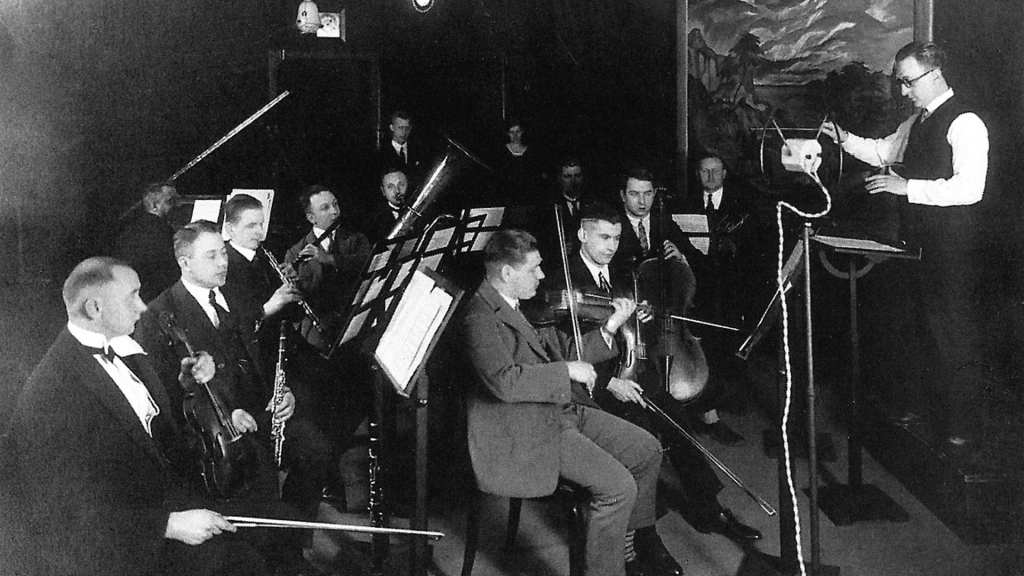
Reinhold Merten dirigiert 1926 bei einer Radio-Liveübetragung Bild © hr-Archiv

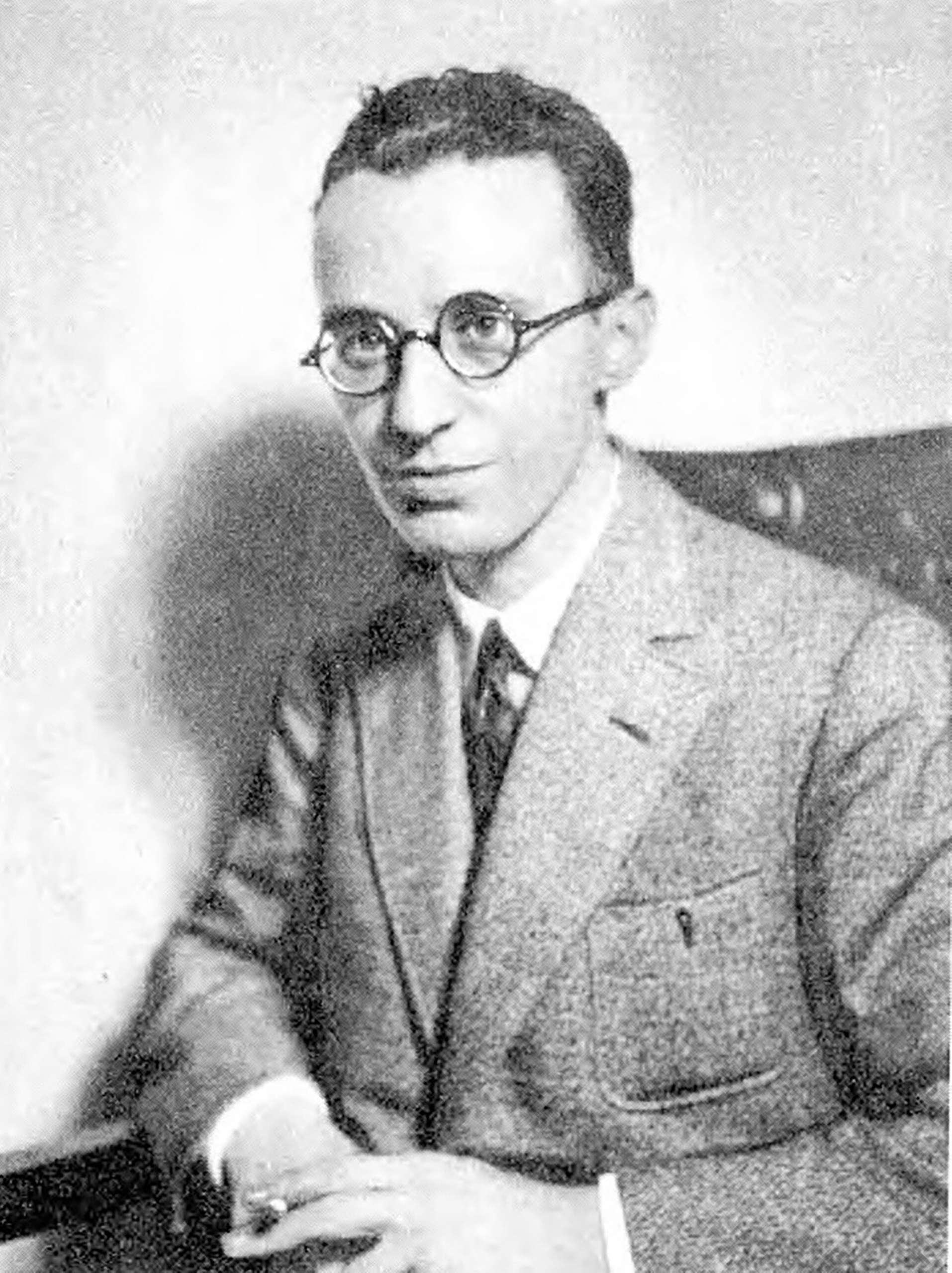
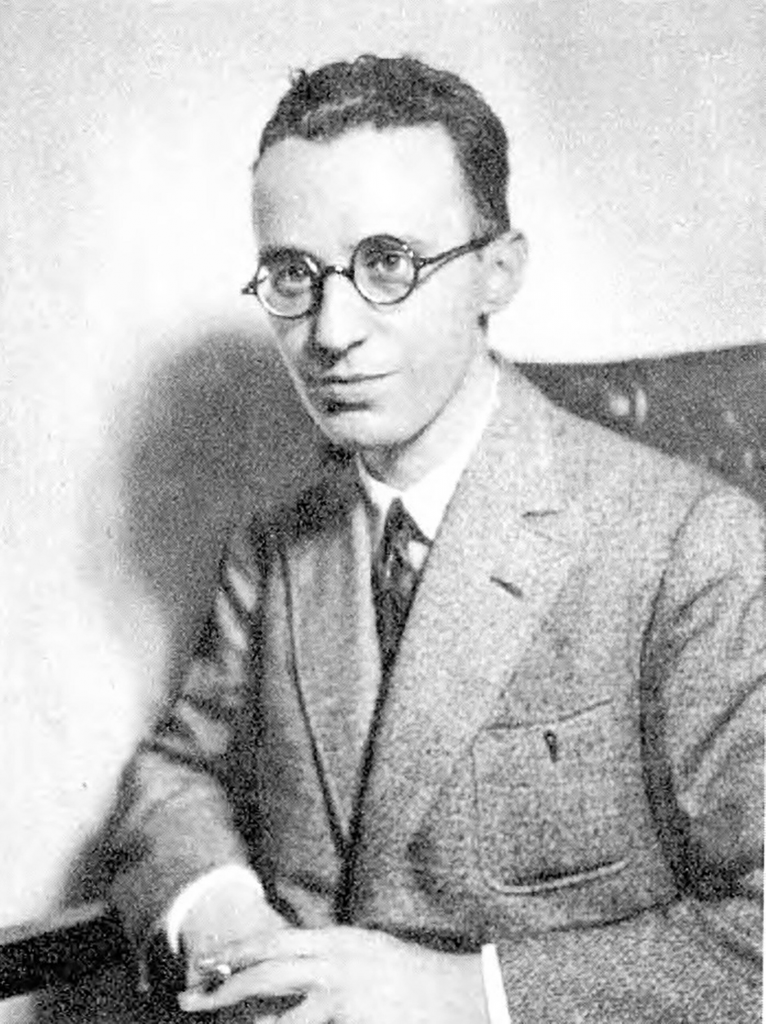
Reinhold Adolf Merten (June 6, 1894 in Wiesbaden; August 19, 1943 in Munich[1][2]) was a German conductor and physician.

Coming from a family of musicians, Merten initially attended the conservatory in Wiesbaden, but then studied medicine at the Philipps University of Marburg and the Johann Wolfgang Goethe University of Frankfurt am Main, and served as a medical officer in World War I. After the war, he received his doctorate from the University of Frankfurt with a dissertation on acid-fast, tubercle-like bacilli in wind instruments (1933).

Merten did not work as a doctor, however, but became a solo répétiteur at the Frankfurt Opera in 1920. Together with Paul Hindemith, he founded the Frankfurter Gemeinschaft für Musik in 1922. After the Südwestdeutsche Rundfunkdienst AG (Radio Frankfurt) began operations in Frankfurt am Main in April 1924, several musicians gathered under Merten’s direction in the station’s studio in the old postal savings bank on Stephanstrasse and played ensemble music. From 1926, he worked in Frankfurt as an organist and pianist. In 1927, he joined the SPD, a party he remained a member of until 1931. On October 1, 1929, the Frankfurt Radio Symphony Orchestra was founded, with Hans Rosbaud as first and Reinhold Merten as second conductor.

In addition to his musical activities, he was a “music official” at the radio station. On April 1, 1933, he joined the Nazi Party (membership number 1,795,051). In 1934, he was tasked with establishing a sound engineering school in Berlin. In 1938, he became head of the acoustic-musical border areas department of the Central Technical Directorate within the Reich Broadcasting Company in Dresden. In 1939, he moved to the Great Orchestra of the Reichssender Leipzig as chief conductor. He remained there until the station was shut down in 1940 due to the war. He also taught applied musicology at the University of Freiburg.

In 1941, he went to the Reichssender Munich as first Kapellmeister. After a serious illness, he died in Munich in 1943.

https://de.wikipedia.org/wiki/Reinhold_Merten

https://www.hr-sinfonieorchester.de/orchester/historie/90-jahre-special/die-anfaenge-19261929-reinhold-merten,chefdirigent-anfaenge-102.html


  • -

Elisa Kafritsas

My name is Elisa, named after Beethoven’s “Für Elise,” a piece my mother loved. I started piano lessons at the age of 6, supported by my Korean mother and Sicilian father, and music has always been a big part of my life. After studying dentistry 🦷 and working as a dentist, I returned to the piano in 2020 after a 21-year hiatus.🎹🎵

Elisa Kafritsas played her debut piano concerto at the age of 7, won prizes at the “Jugend musiziert” competition, and performed with orchestras such as the Junge Süddeutsche Philharmonie Esslingen. While pursuing a career as a dentist, the pianist with Korean and Sicilian roots took a 21-year break, but then reactivated her dormant talent and received personal instruction from Professor Friedemann Rieger, Dean of Piano at the Stuttgart University of Music. This was followed by her viral Instagram channel “Pianotaste,” on which she participates in international piano competitions and presents her own neoclassical compositions. The premiere of her first composition, “Starlight,” took place in 2023 as a benefit for the Stelp e.V. Gala.

Sprecherin | Speaker

In 2023, I began composing to process the emotions I felt during a family member’s illness. 💉Music has always been my way of expressing my soul. As a child, I recorded my favorite songs on cassettes, played them by ear, and modified them by adding new piano runs.

You can listen to my music under Elisa Kafritsas on all music platforms, and find sheet music for my compositions on my website.

Chopin

As a piano influencer, she has not only infected people around the world, but also her family: her little daughter now practices voluntarily, and her husband is also hitting the keys more often again. “We’re really totally into the piano, and it’s doing us all a lot of good.

https://www.pianotaste.de

https://www.instagram.com/pianotaste/?hl=de

https://www.klassikradio.de/aktuelles/zahnaerztin-wird-piano-influencerin-instagramerfolge-mit-mehr-als-40-000-followern


  • -

Jürgen Jage

Category : PianoDocs

Jürgen Jage comes from a musical family in Berlin; his father was a pianist. Most recently, he worked as a professor of anesthesiology at the University Medical Center Mainz. Since his retirement, he has devoted himself intensively to piano music. He continues his studies at the Peter Cornelius Conservatory in Mainz and enjoys giving concerts, often in social institutions such as retirement homes.
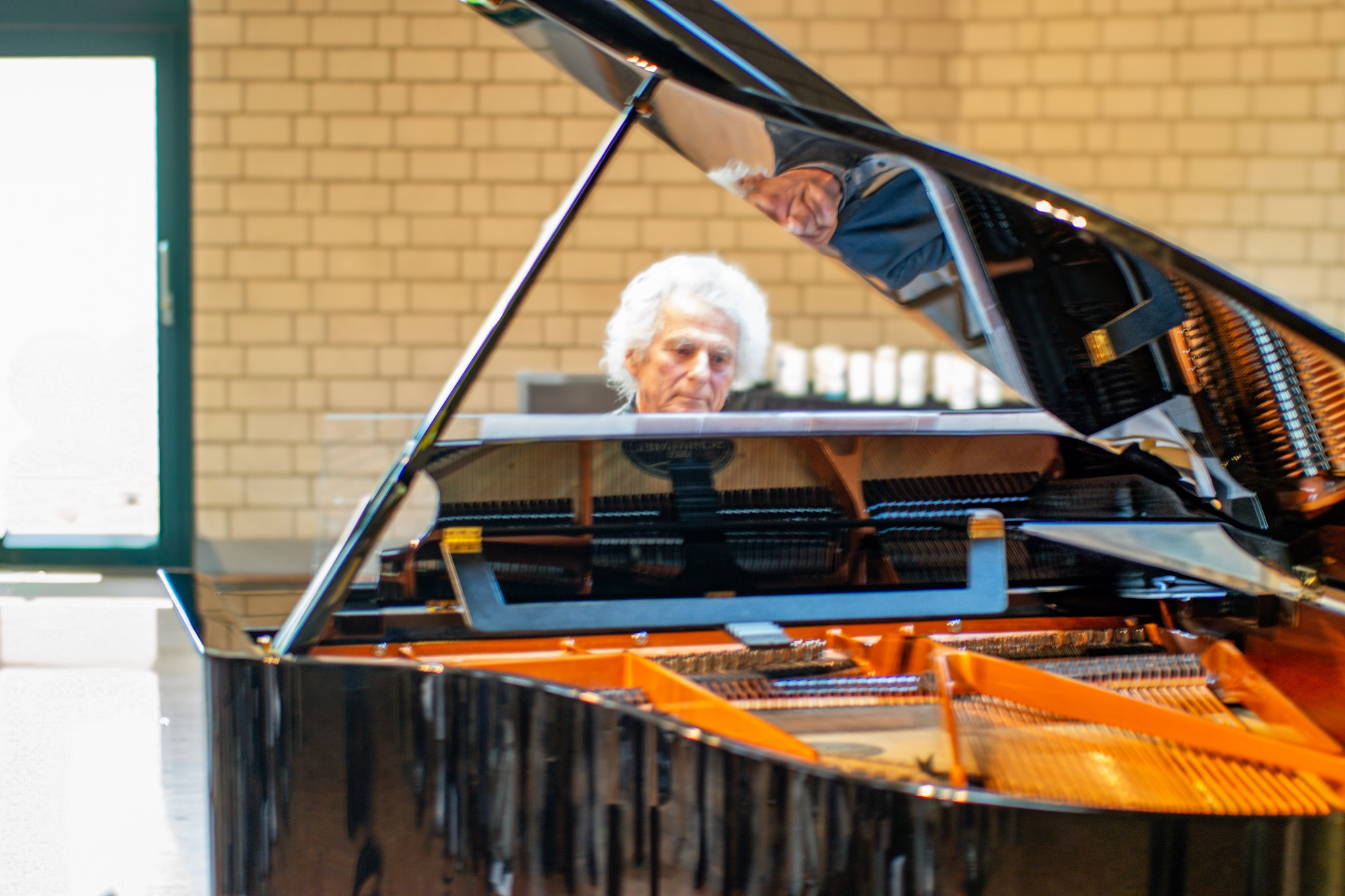
Jürgen Jage plays works by Johann Sebastian Bach and Johannes Brahms, whose compositions reveal that both explored fundamental questions of human life and faith. The music heard in the concert invites reflection.

Since retiring from his career as a physician and professor at the University Medical Center Mainz, Jürgen Jage has devoted himself entirely to music. In his performances, he knows how to captivate his audience with his distinctive musical selection and moving interpretations.

https://www.youtube.com/@juergenjage2519/featured

https://schreibwolff.de/musik/konzert-juergen-jage-mainz-2023

https://www.kreuznacherdiakonie.de/aktuelles/meldung/bad-kreuznach-hospiztag-2019-musikalischer-ritt-durch-die-jahrhunderte-426