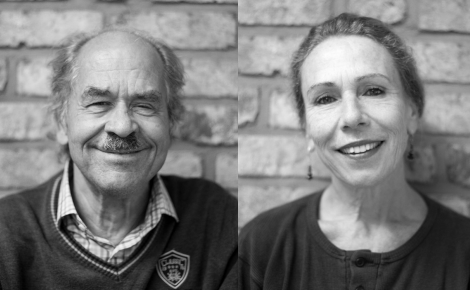
Hans Georg und Claudia Zechel
Category : CharityDocs
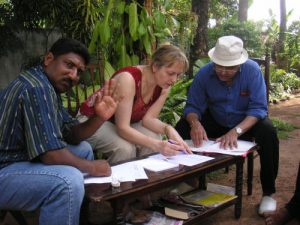
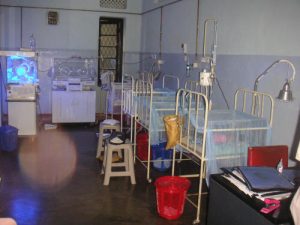
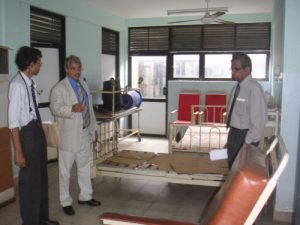
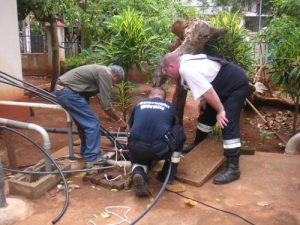
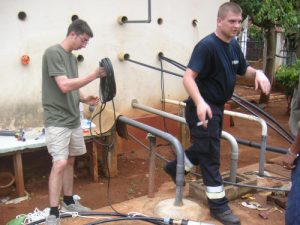
>25 years they have realised a hospital project in North India!
Category : CharityDocs
>25 years they have realised a hospital project in North India!
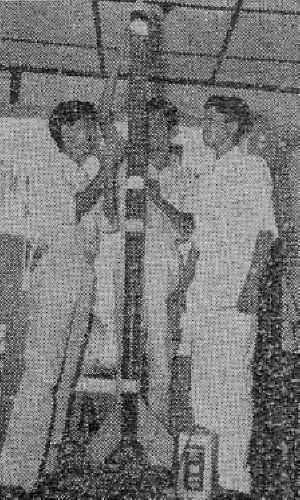
Category : CharityDocs , RocketDocs
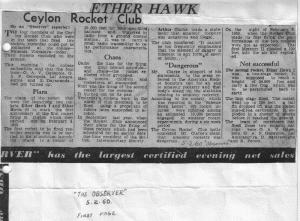
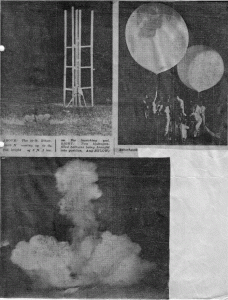
In his youth he built rockets with his brother!
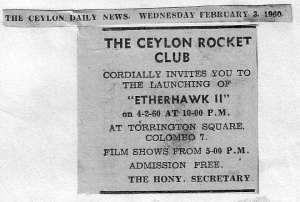
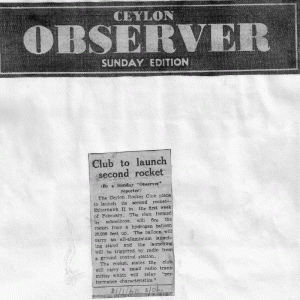
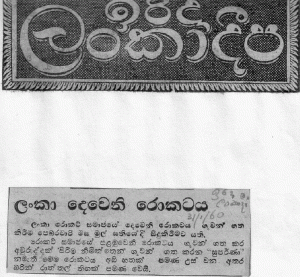
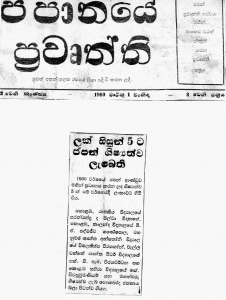
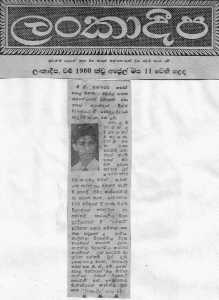
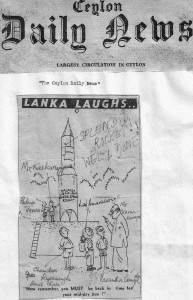
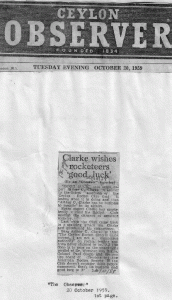
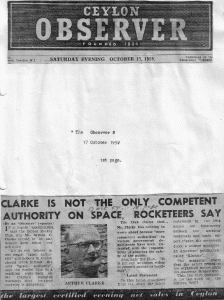
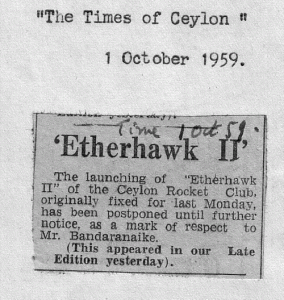
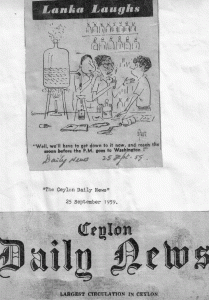
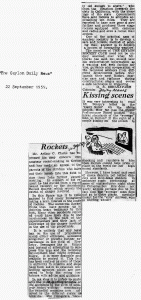
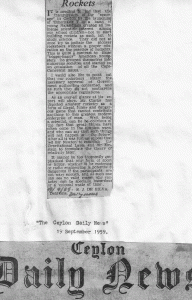
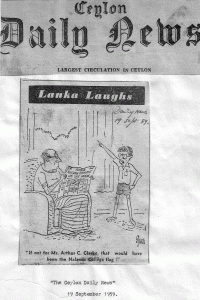
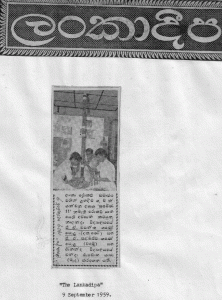
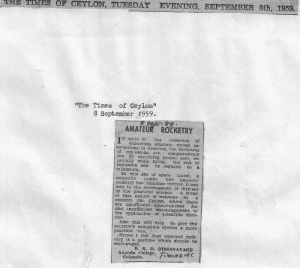
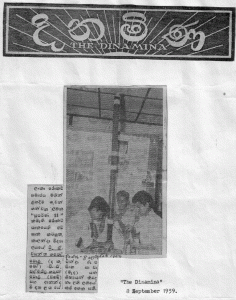
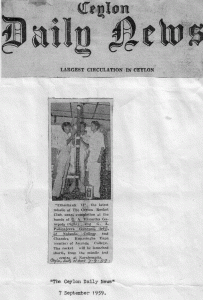
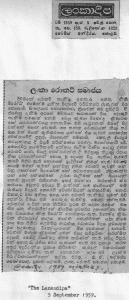
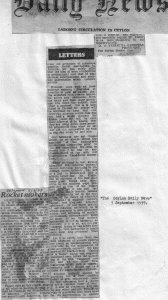
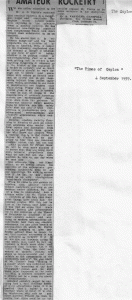
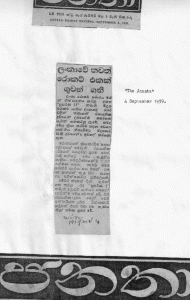
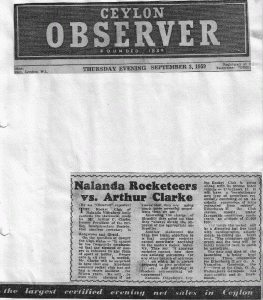
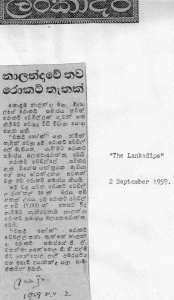
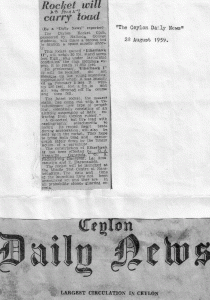
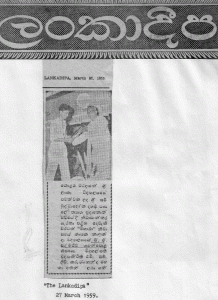
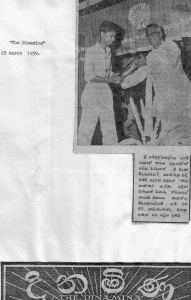
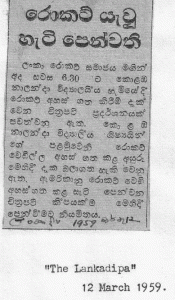
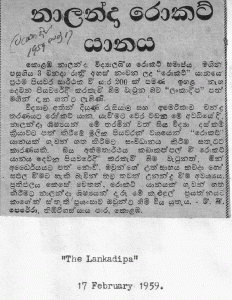
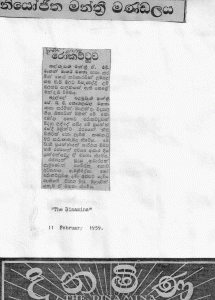
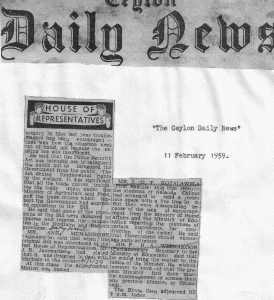
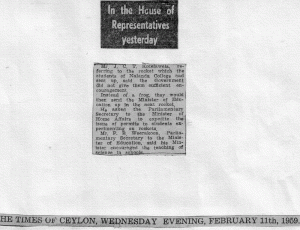
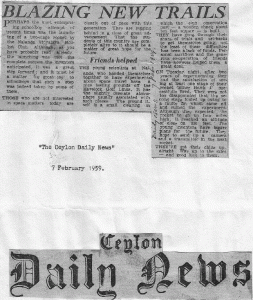
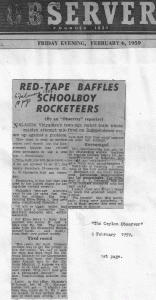
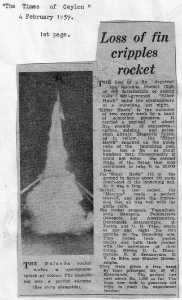
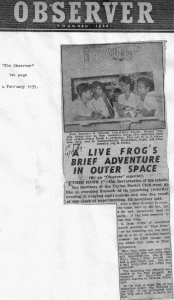
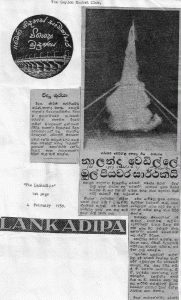
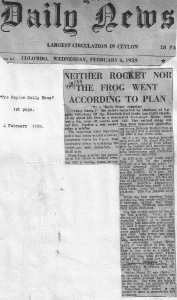
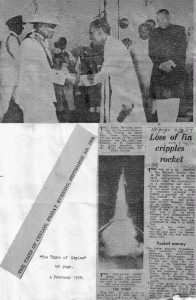
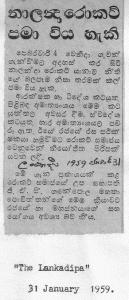
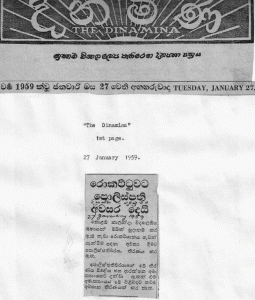
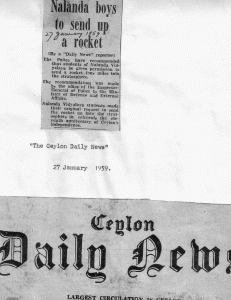
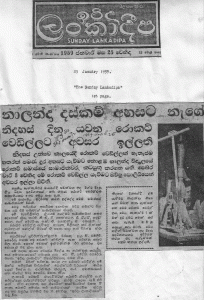
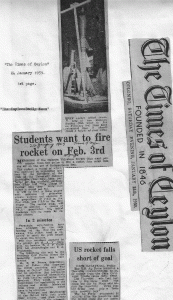
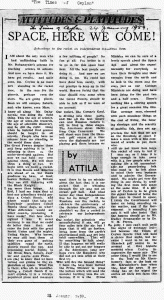
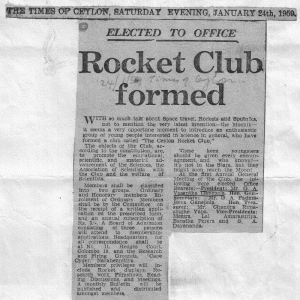
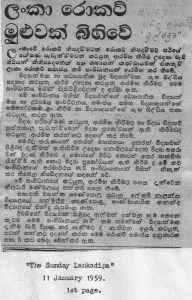
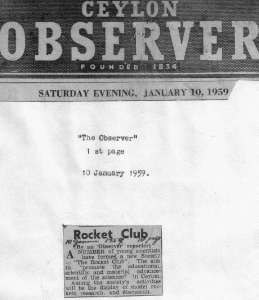
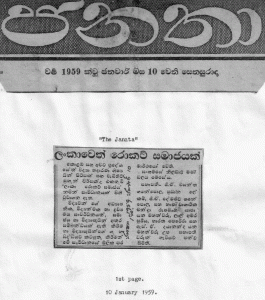
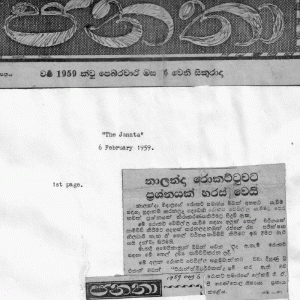
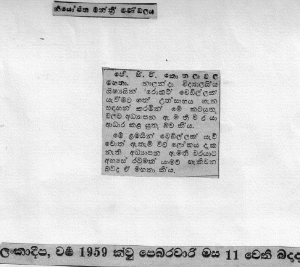
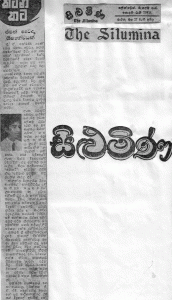
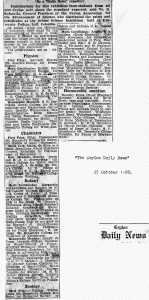
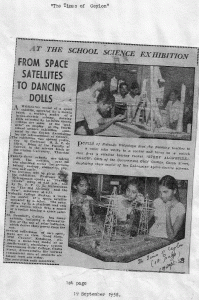
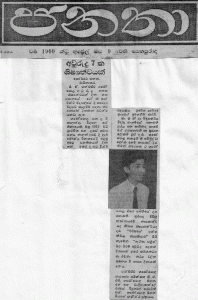
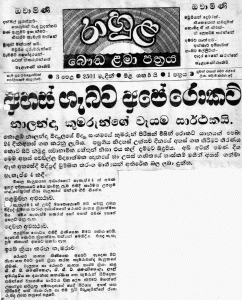
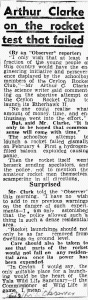

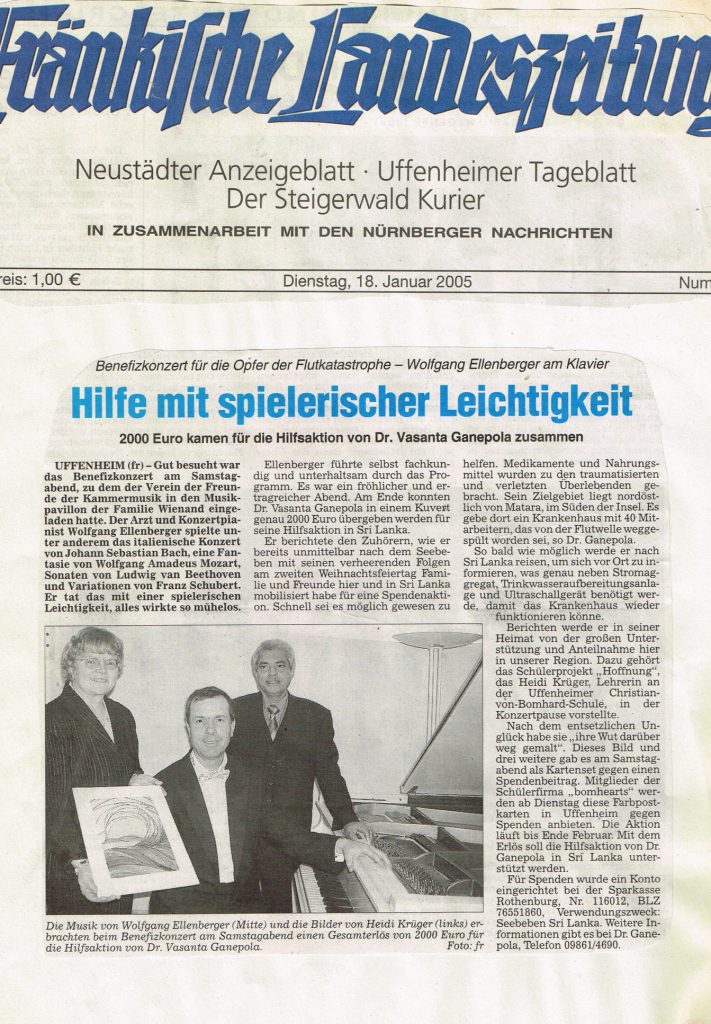
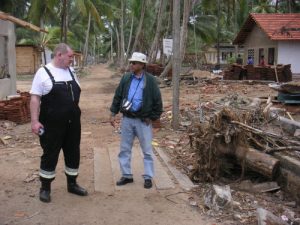
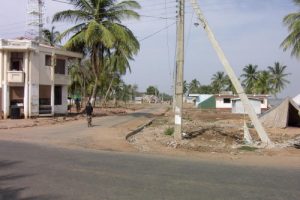
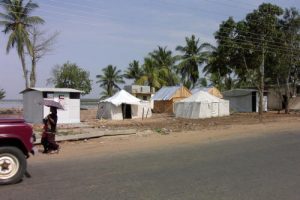
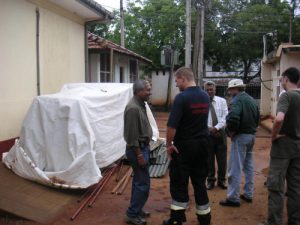
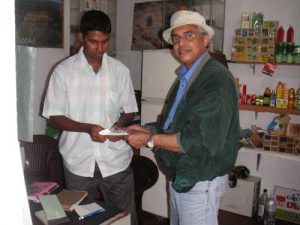
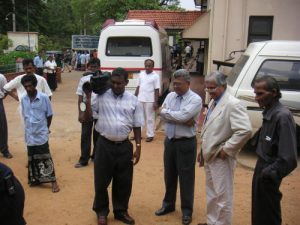
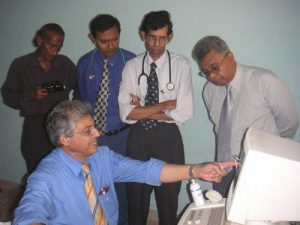
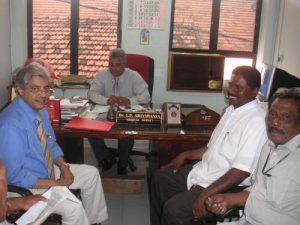
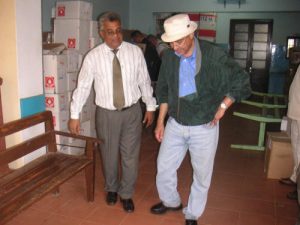
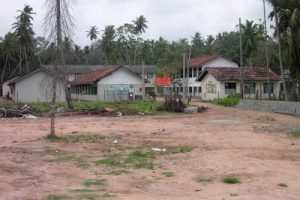
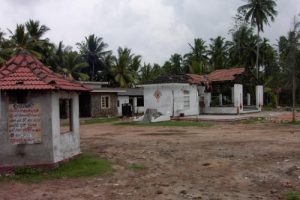
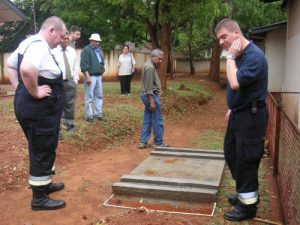
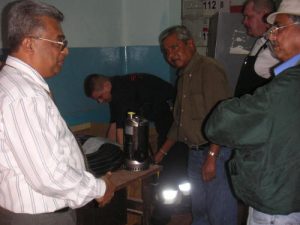
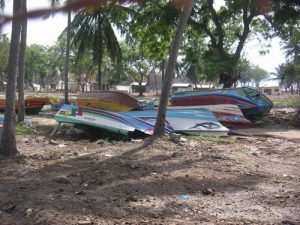
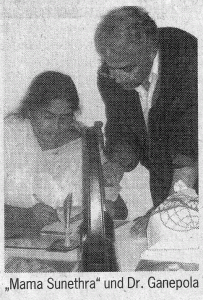
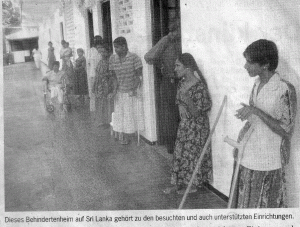
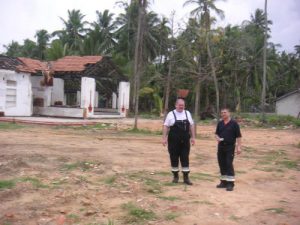
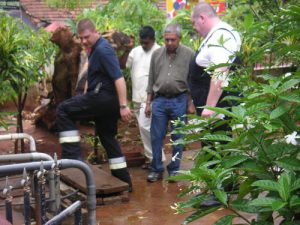
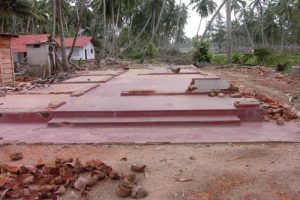
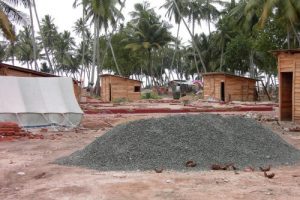
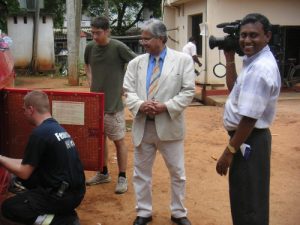
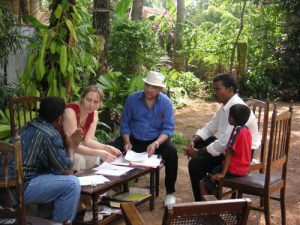
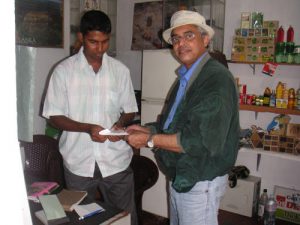
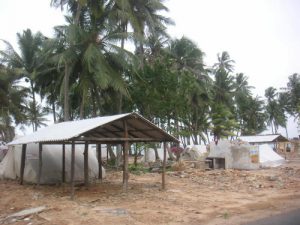
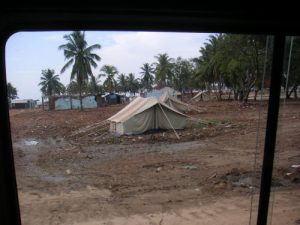
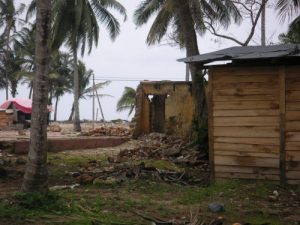
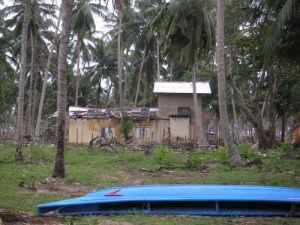
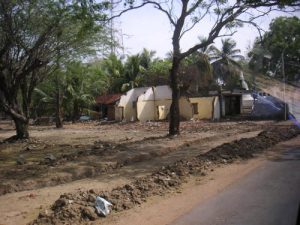
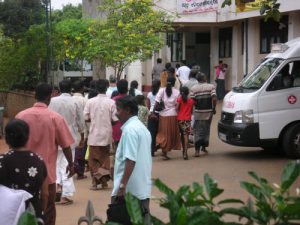
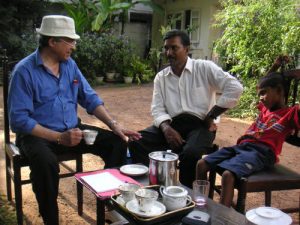
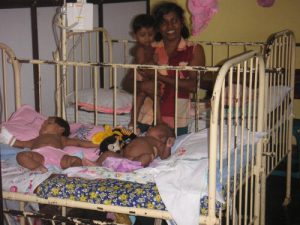
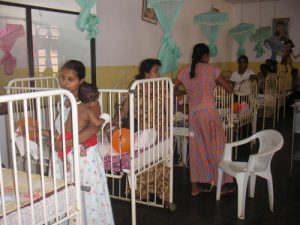
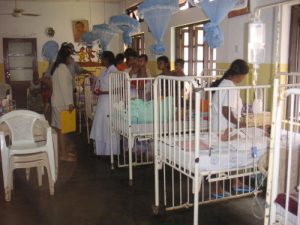
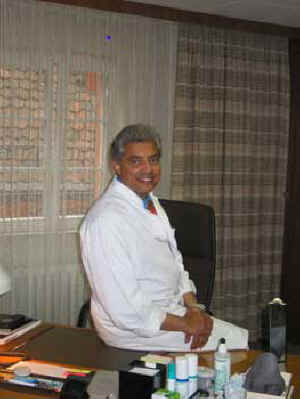
In 2005, a benefit concert for the tsunami victims in Sri Lanka took place at his practice in Uffenheim, and he personally donated 100% of the proceeds to this event:













Category : BicycleDocs , CharityDocs , CollectorDocs , DivingDocs , PoliticianDocs , StringDocs
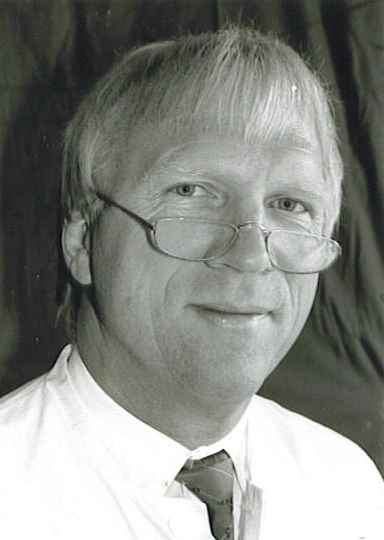
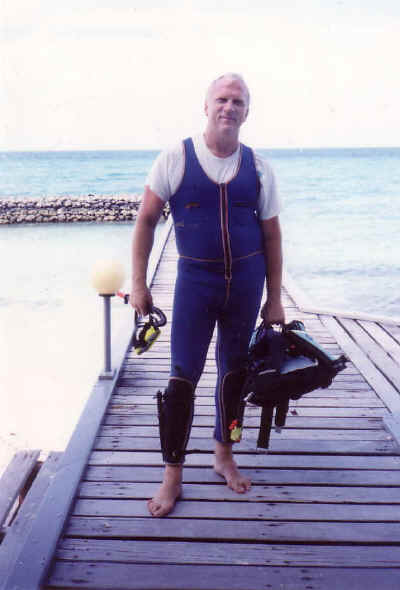
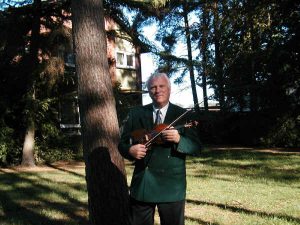
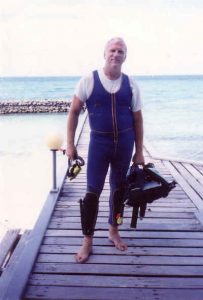
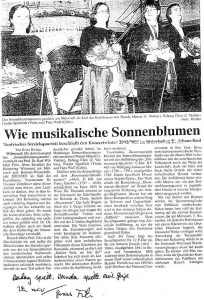
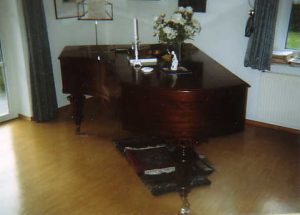
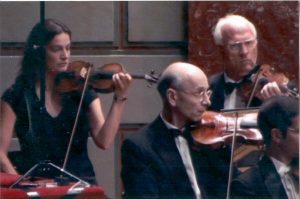
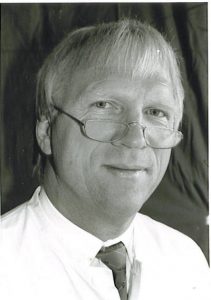
| He is DivingDoc, ViolinDoc, CollectorDoc, PoliticDoc, BenefizDoc | Hobbies: -classical literature -history -politics -classical music (viola and violine in several orchestras: –Gehrdener Chamber Orchestra until 1993-1-31 –New Wilhelmshaven symphony orchestra –Hamburg doctors orchestra –German doctors orchestra — participating at the EDO (European Doctors Orchestra) from Nov 2004 -Sports: surfing, diving (5 times as medical doctor on Maledives for TUI), bicycle |
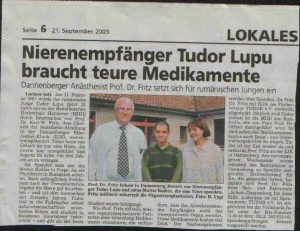
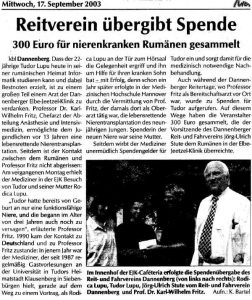
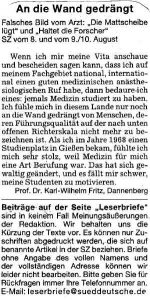
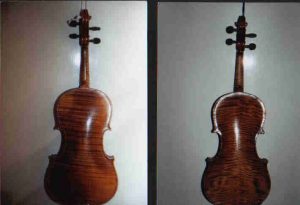
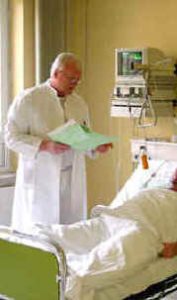


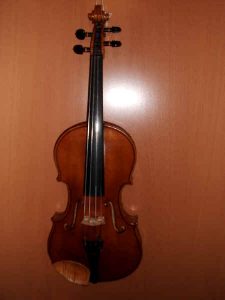
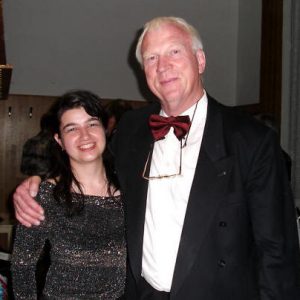
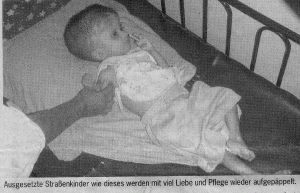
Newspaper Liver transplant story

Category : ArtDocs
International Society for Arts and Medicine
The International Society for Arts and Medicine (ISfAM) was established in 2023 with the primary aim to highlight the important connection of arts and medicine.
Our mission is to create a forum and hub for scientists, medical doctors, artists, therapists, as well as any individuals, organizations, and supporters working or interested in the field of arts and medicine. Our shared interest is improving and sustaining health through the arts including visual arts, music, dance, other performing arts, literature, and architecture.
The International Society for Arts and Medicine (ISfAM) will foster growth, cooperation, education, policy advice, and visibility of the field.
Category : PoliticianDocs , SpeakerDocs , TeacherDocs , TV-doc , WriterDocs
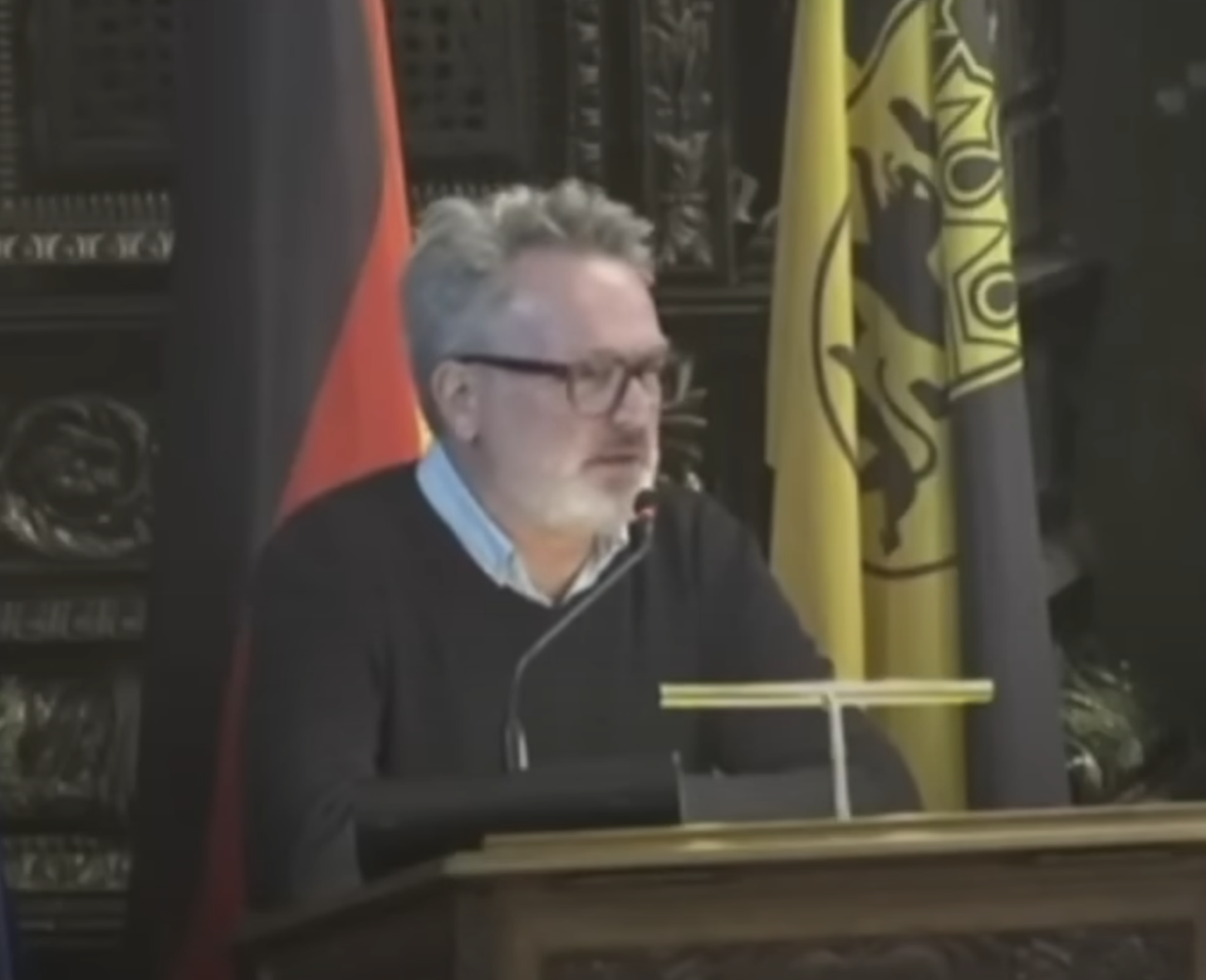
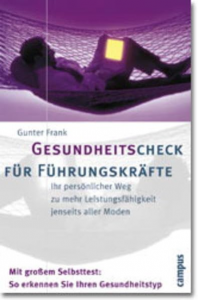
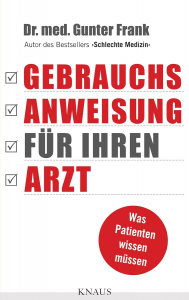
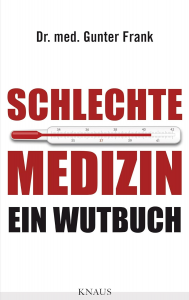
Gunter Frank (born 1963 in Buchen (Odenwald)) is a German physician and non-fiction author.
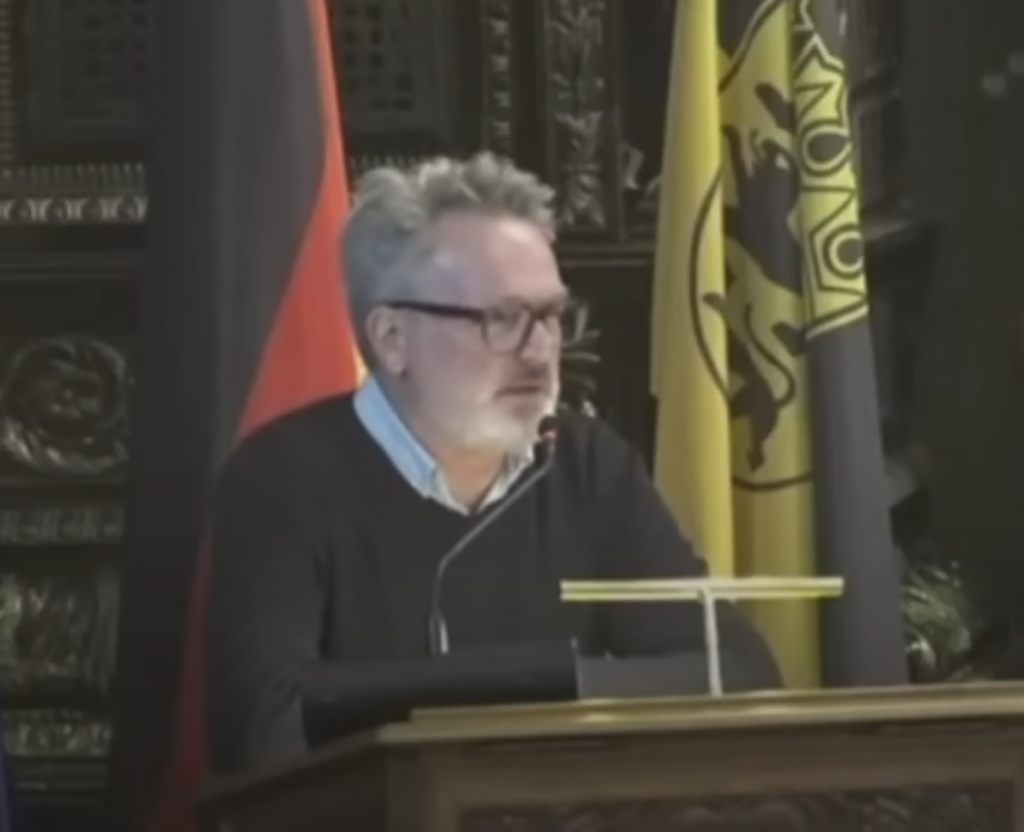
Frank studied medicine in Heidelberg and Chicago. He runs his own general practice in Heidelberg. He is a member of the Heidelberg City Council.
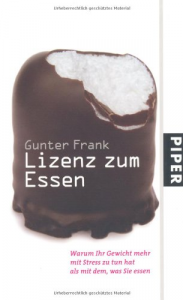
Frank is a lecturer at the Business School St. Gallen,[1] a private provider of executive education seminars, and the author of several books on health and nutrition. He is a public critic of the German healthcare system.[2]
He publishes his theses on the political blog “Achse des Guten” (Axis of Good).[3] At the invitation of the AfD parliamentary group, he said in committee hearings that the COVID vaccinations were a “thalidomide scandal by a factor of ten.”



Category : NameGivingDocs , NaturalistDocs
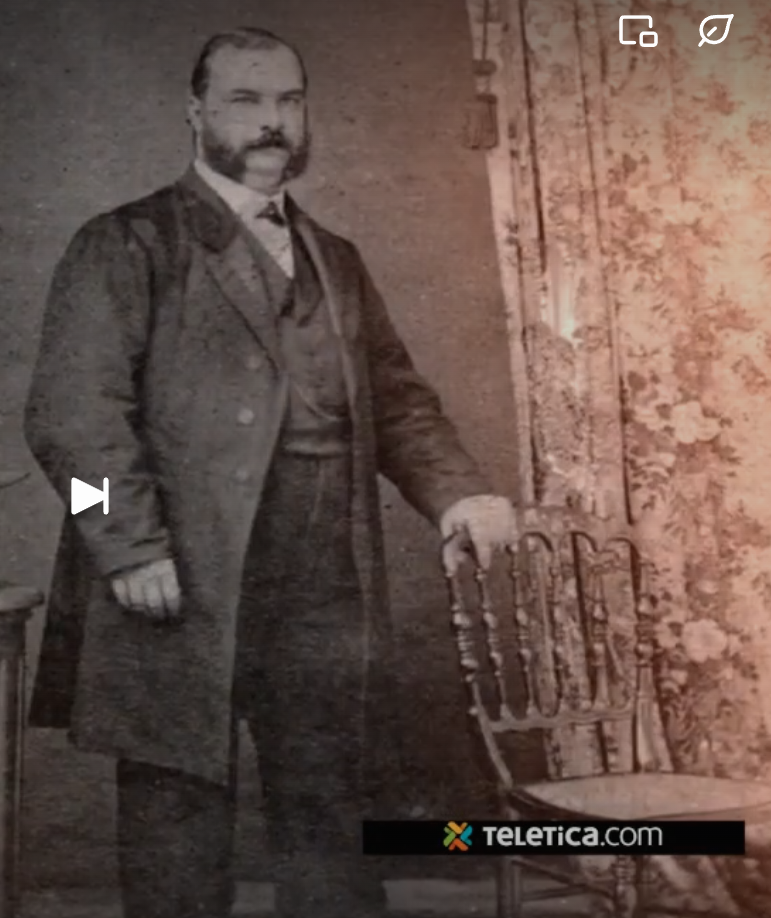
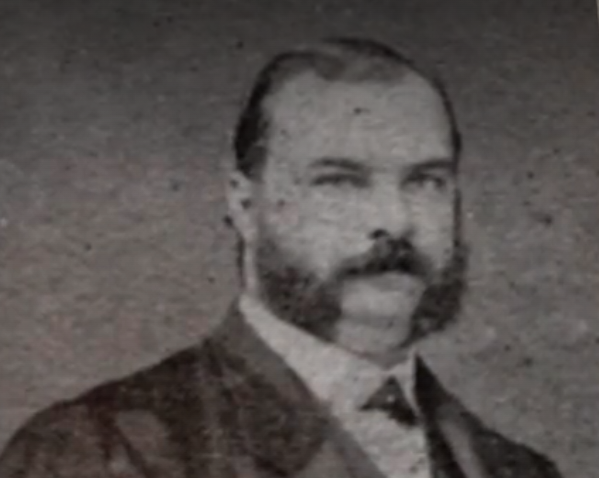
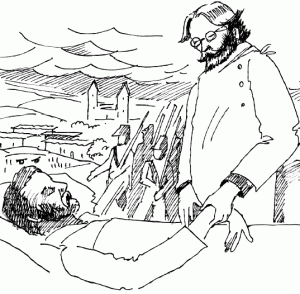
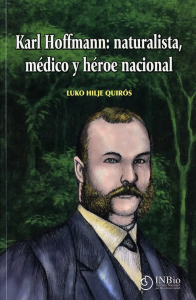
Karl Hoffmann (7 December 1823 – 11 May 1859) was a German physician and naturalist.
Hoffmann was born in Stettin, Kingdom of Prussia and studied at Berlin University. In 1853 he travelled to Costa Rica with Alexander von Frantzius to collect natural history specimens. With his wife, Emilia Hoffmann, he settled in San José, where he operated a consultation clinic and small pharmacy from his home. In order to supplement his income, he sold wine and liquor. He served as a doctor in the Costa Rican army during the invasion of William Walker in 1856.[1] He died of typhoid in Puntarenas.
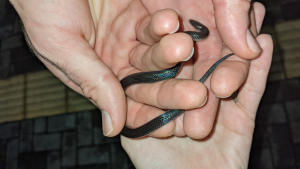
Hoffmann is commemorated in the names of a number of animals, including Hoffmann’s two-toed sloth (Choloepus hoffmanni), Hoffmann’s woodpecker (Melanerpes hoffmannii), the sulphur-winged parakeet (Pyrrhura hoffmanni), Hoffmann’s antthrush (Formicarius hoffmanni),[2][3] Hoffmann’s earth snake (Geophis hoffmanni),[4] and a millipede(Chondrodesmus hoffmanni (Peters, 1864)).




Category : ArtDocs , photographyDocs , sculptureDocs

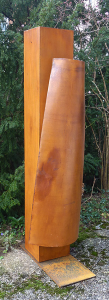
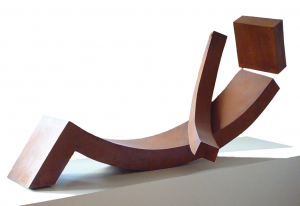
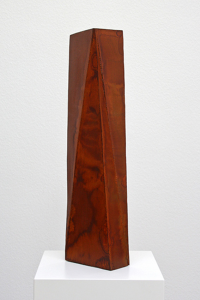

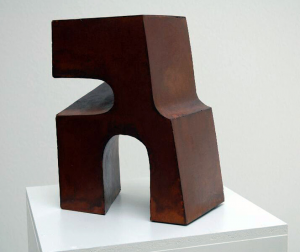




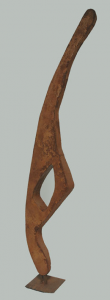
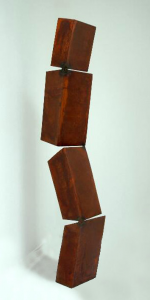
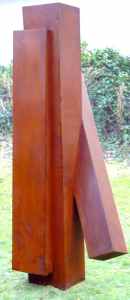
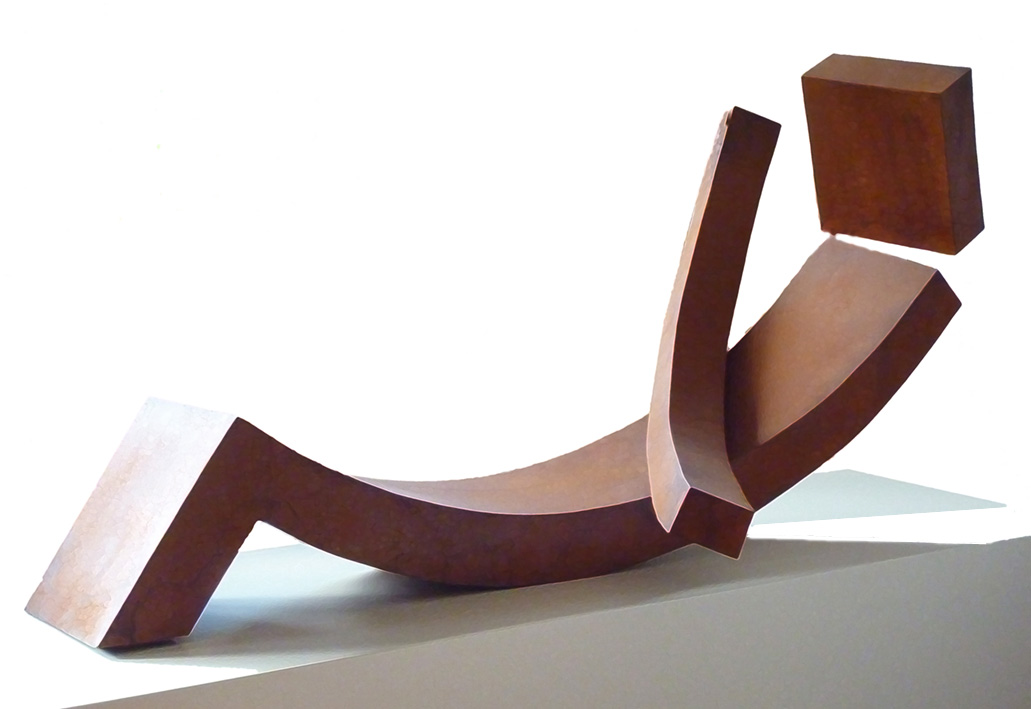
On numerous trips through America, he explored pre-Columbian art, as well as the art of the Aztecs, Incas, and Mayans in Mexico, Peru, and Guatemala.
During his travels through the United States and Europe, he studied modern sculpture and sculpture at venues such as the Getty Museum in Los Angeles, the Museum of Modern Art in New York, the Guggenheim Museum in Bilbao, and the Tate Gallery of Modern Art in London.
Took a welding course in 1990.
First outdoor sculpture in 1993.
2006 Exhibition “Szene Bühl 2006” at Volksbank Bühl.
2008 Exhibition at CUBUS Gallery in Bühl.
2009 Exhibition of Art and Culture at the Baden-Baden Regional Court.
Since 2005, he has shared a studio with Christine Faust in Hasengarten (Bühl).
Category : CharityDocs , philosophyDocs , StampDocs
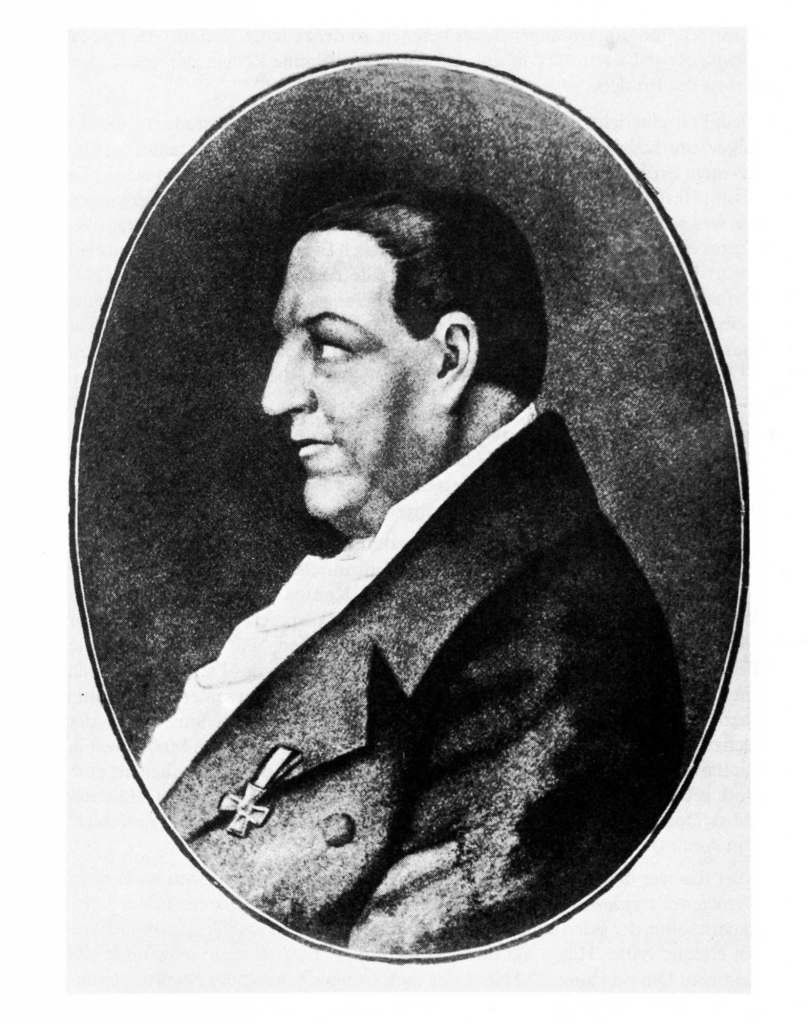
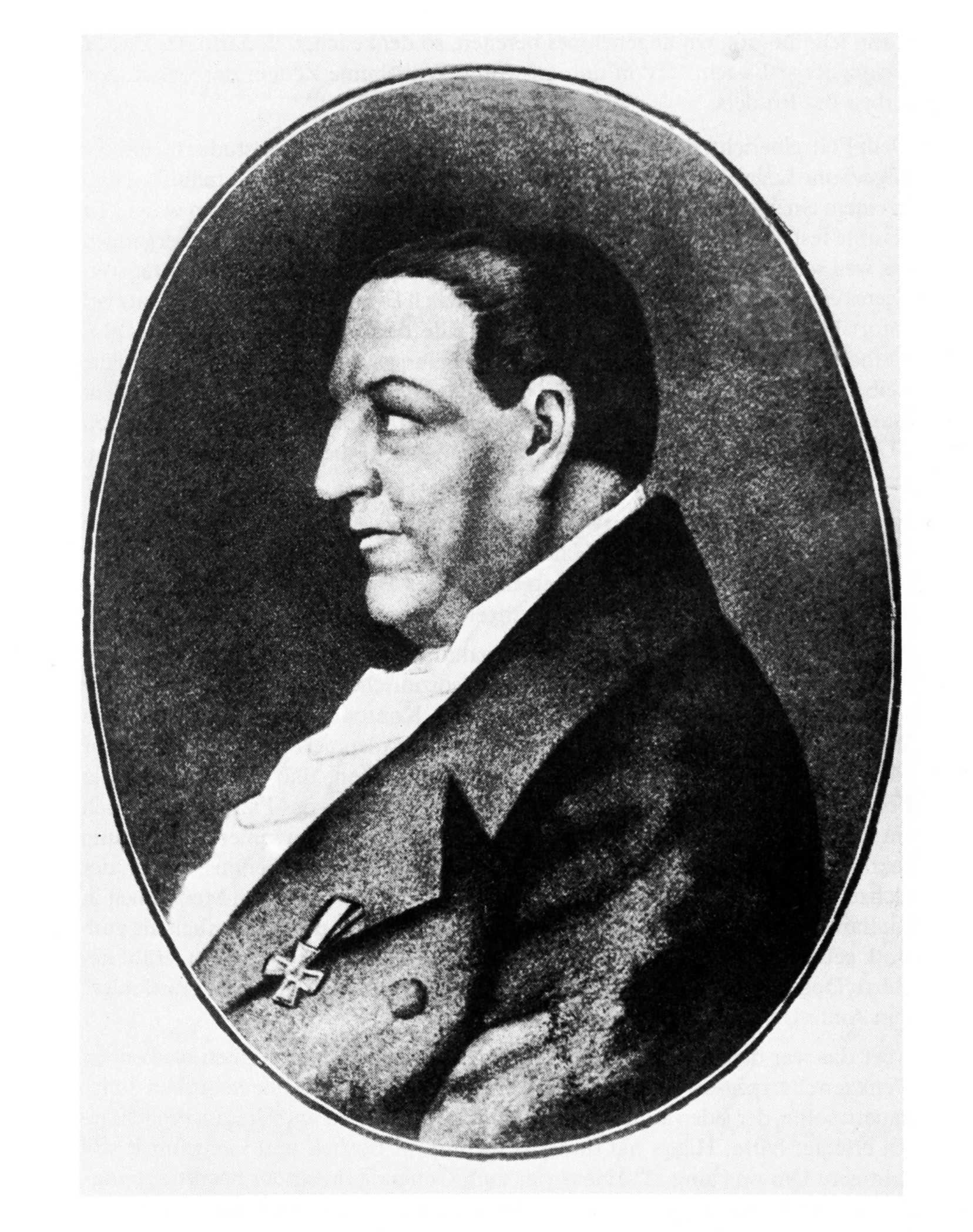
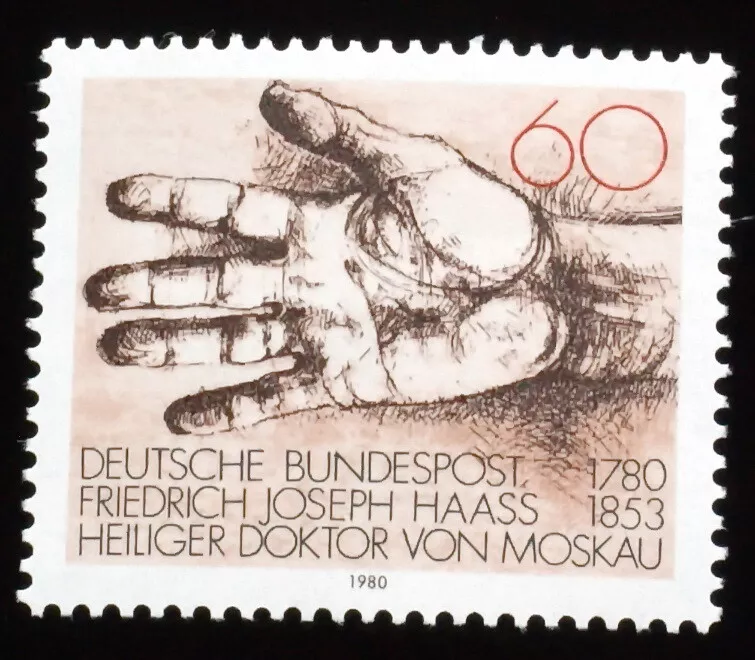
Dr. Friedrich Joseph Haass (Russian: Фёдор Петрович Гааз, Fyodor Petrovich Gaaz; 10 August 1780 – 28 August [O.S. 16 August] 1853) was the “holy doctor of Moscow”.[1][2] Born in Bad Münstereifel, as a member of Moscow’s governmental prison committee, he spent 25 years until the end of his life to humanize the penal system.[1] During the last nine years before his death, he spent all of his assets to run a hospital for homeless people. He died in Moscow. Twenty thousand people attended his funeral at the Vvedenskoye Cemetery, which was paid for by the state as he had no more money.
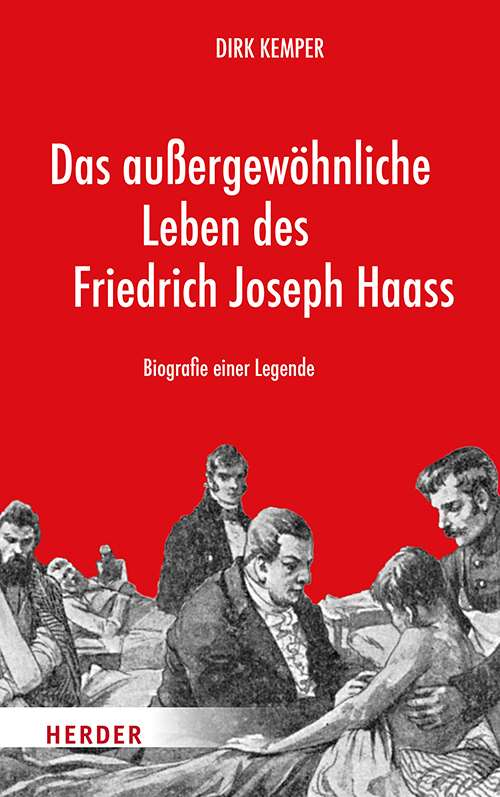
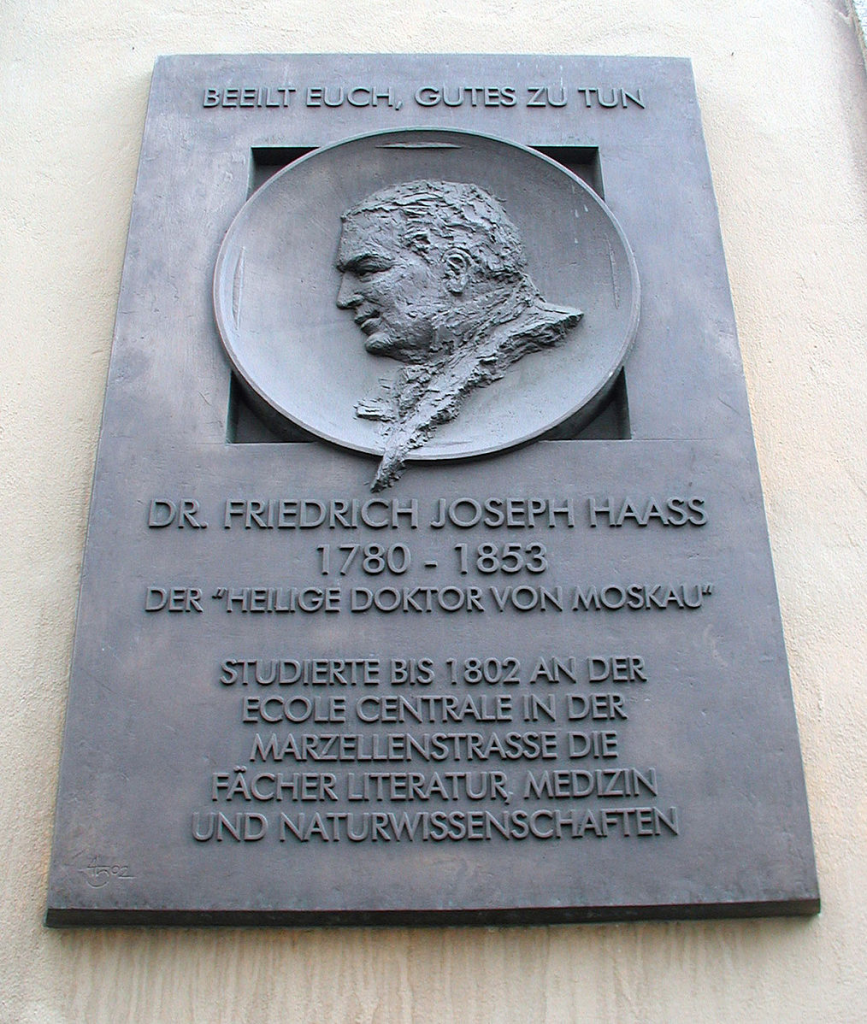
Haass, son of the pharmacist Peter Haass and grandson of the “surgeon on the Thurnmarkt” in Cologne, Wilhelm Anton Haass, studied German, philosophy and medicine after finishing school at the Ecole Centrale in Cologne, founded under Napoleon, and at the universities in Jena and Göttingen. In Göttingen he received his doctorate in medicine and surgery. In Vienna he trained as an ophthalmologist. One of his first patients as family doctor to the Russian Princess Varvara Alekseevna Repnin was her father, who suffered from a serious eye disease.[1] The latter recognized Haass’ talent and invited the young doctor to Russia. In 1806 he appeared in Moscow as Fyodor Petrovich Gaas. As early as 1807 he was appointed chief physician of the renowned Pavlovskaya Clinic (Paul’s Hospital).
From 1828, as a member of the Moscow Prison Protection Committee, he devoted himself for 25 years to caring for prisoners exiled to Siberia.[3] He was firmly convinced that man is good by nature because God created him in his own image. Therefore, a person who has strayed from the right path is nothing more than an unhappy, sick person who can only be healed through humanity. He learned this positive view of humanity primarily through Francis of Assisi and Francis de Sales, whose writings he counted among his favorite books, especially his main theological work, “Treatise on the Love of God.” In a letter to the philosopher Friedrich Wilhelm Joseph von Schelling dated December 31, 1843, he urgently recommended that he read the works of Saint Francis de Sales. In it, he calls Schelling “my beloved German teacher” and Francis de Sales “my beloved mentor and educator.” His will states that Haass was in possession of relics of Saint Francis de Sales, which he bequeathed to a Catholic church in Irkutsk.
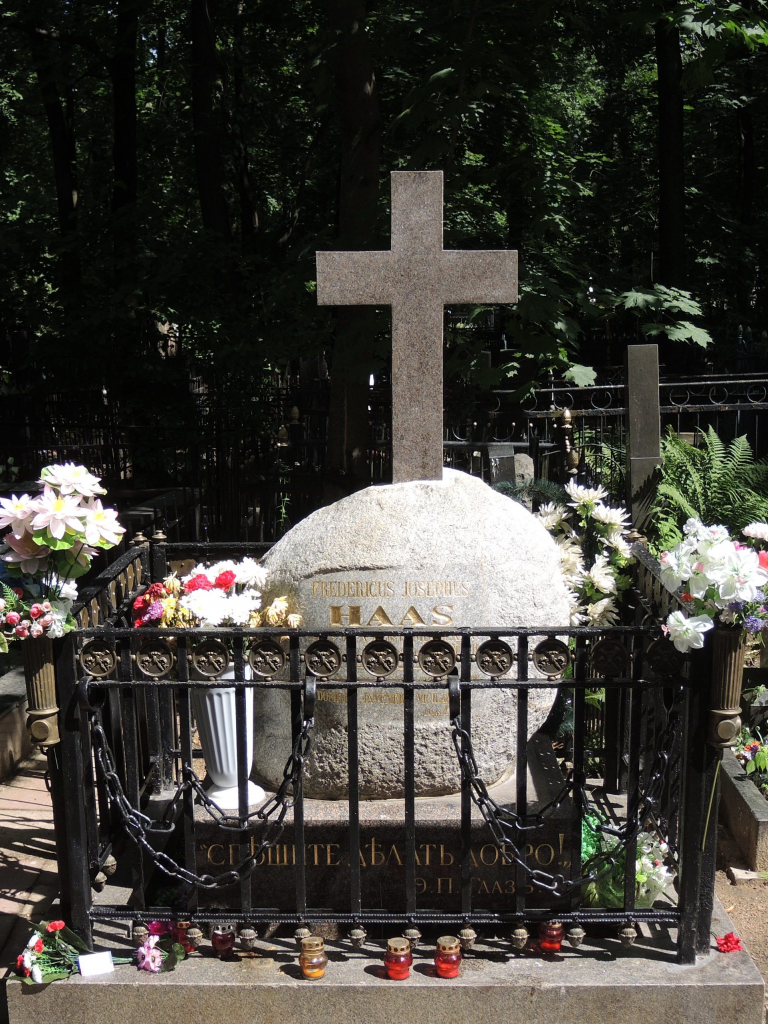
In 1836, he implemented a decree replacing prisoners’ heavy iron shackles with lighter, leather-lined ones that no longer rubbed their feet dry. These shackles are called Haass’s shackles. The oversized metal shackles on his grave are a reminder of this. In 1841, he wrote an ABC of Christian Decency […], which he had printed and distributed to deported criminals. In 1843, a police prisoner hospital for the homeless, later called the “Alexander Hospital,” was opened. It was financed entirely from Haass’s personal fortune and private donations. During the 1848 cholera epidemic in Moscow, he and the philanthropist Sofia Stepanovna Shcherbatova organized the Nikolskoye Community to provide assistance to the needy. Sisters of this community continued their work during the Crimean War.[4] Haass lived and worked in this hospital, popularly known as the “Haass Hospital” or “Haassovka,” until the end of his life.[5] At the end of July 1853, Haass fell ill and wrote a detailed will. He died on August 16, 1853, and was buried on August 19.[6] 20,000 people attended his funeral at Moscow’s Vvedenskoye Cemetery. The gravestone is inscribed in Latin and bears Haass’s quote in Russian: “Haste to do good.”
Category : ArtDocs , philosophyDocs , SpiritualDocs , WriterDocs
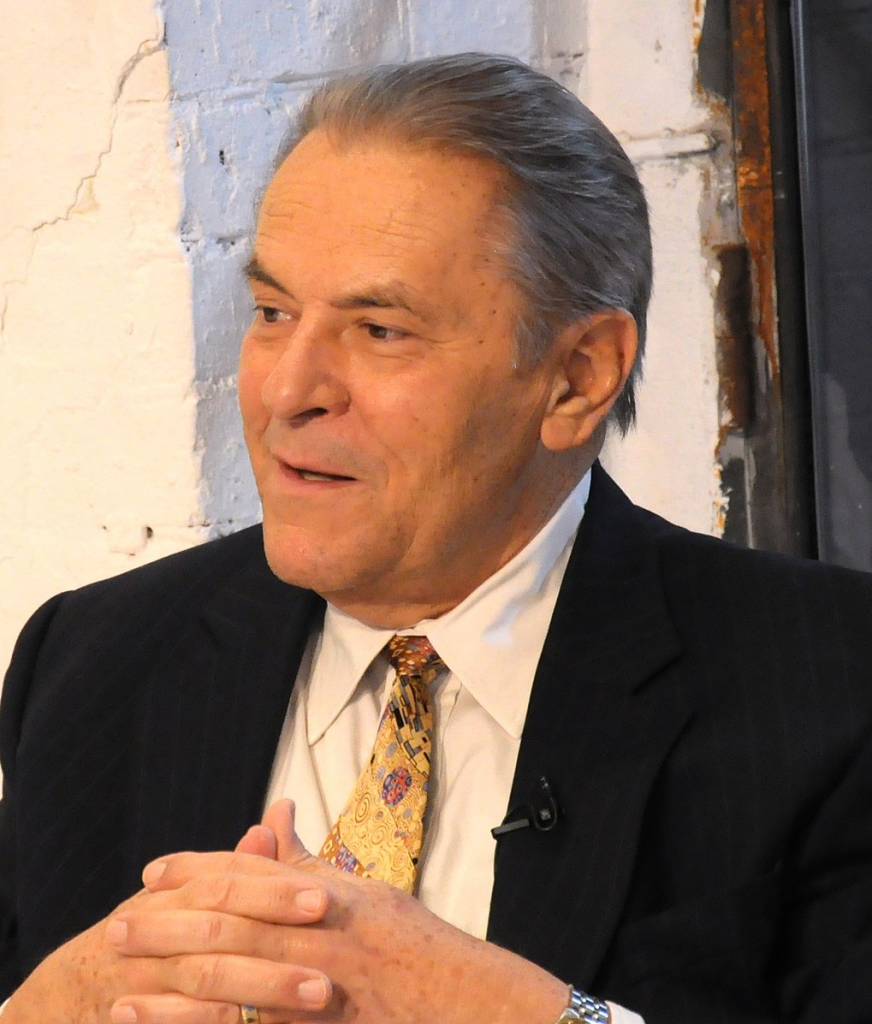
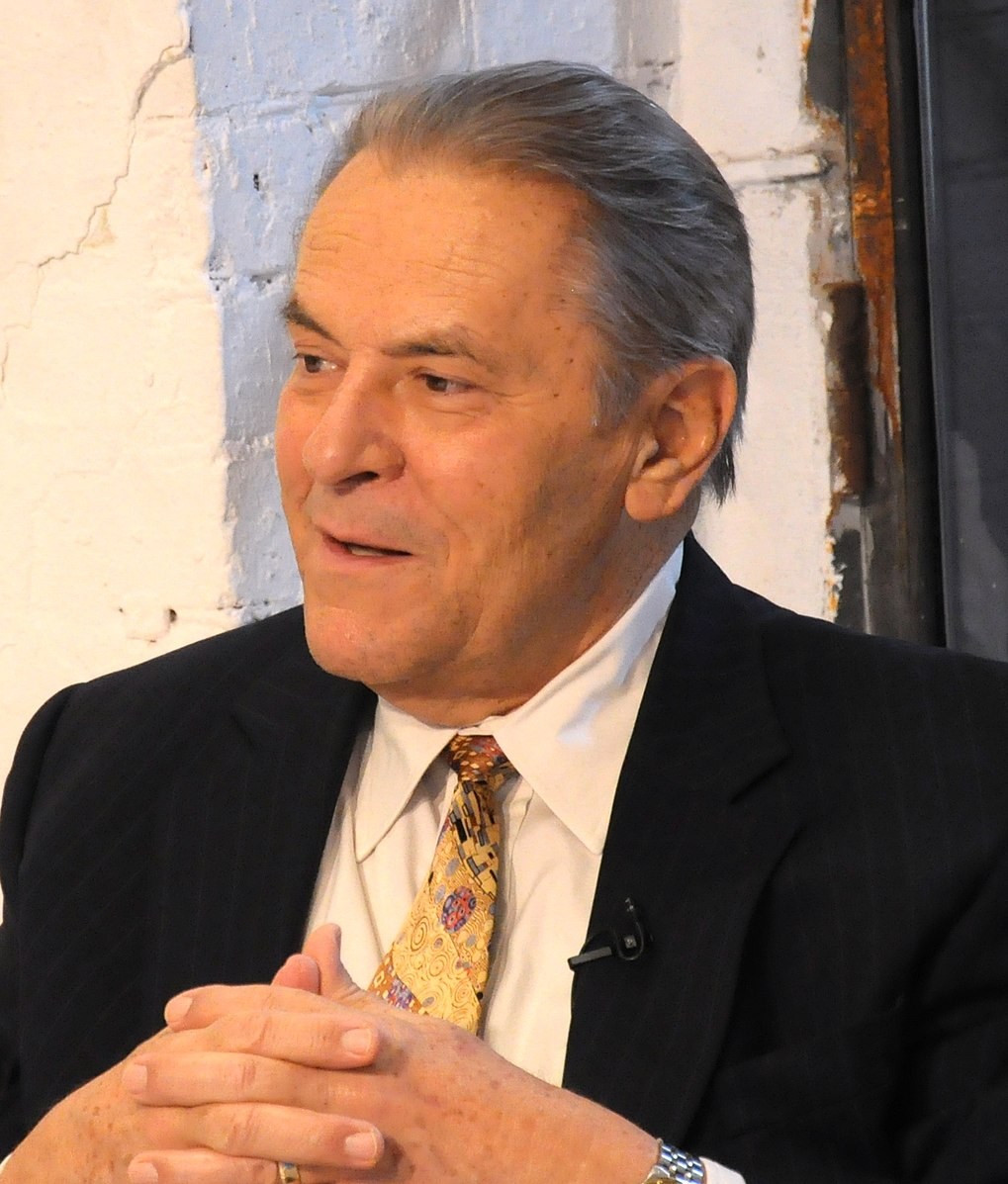
Stanislav Grof (born July 1, 1931) is a Czech-born American psychiatrist. Grof is one of the principal developers of transpersonal psychology and research into the use of non-ordinary states of consciousness for purposes of psychological healing, deep self-exploration, and obtaining growth and insights into the human psyche.
Stanislav Grof was born July 1, 1931 in Prague, Czechoslovak Republic.[1] Grof received his M.D. from Charles University in Prague in 1957 and then completed his Ph.D. in medicine at the Czechoslovak Academy of Sciences in 1965, training as a Freudian psychoanalyst at this time.
Czechoslovakia was the centre of psychedelic research behind the Iron Curtain during the 1950s and 1960s. Grof’s early research in the clinical uses of psychedelic substances was conducted at the Psychiatric Research Institute in Prague, where he was principal investigator of a program that systematically explored the heuristic and therapeutic potential of LSD and other psychedelic substances.[
In 1967, he received a scholarship from the Foundations Fund for Research in Psychiatry in New Haven, Connecticut, and was invited by Joel Elkes[3] to be a Clinical and Research Fellow at Henry Phipps Clinic, a part of Johns Hopkins University School of Medicine in Baltimore, United States. In 1969, he went on to become Chief of Psychiatric Research for the Spring Grove Experiment at the Research Unit of Spring Grove State Hospital (later part of the Maryland Psychiatric Research Center where he worked with Walter Pahnke. In 1969, Grof also became Assistant Professor of Psychiatry at the Johns Hopkins University.
In 1973 he was invited to the Esalen Institute in Big Sur, California, and lived there until 1987 as a Scholar-in-Residence, developing his ideas and conducting month-long workshops.[citation needed] In 1977, Grof was the founding president of the International Transpersonal Association, serving as president for several subsequent decades. He went on to become distinguished adjunct faculty member of the Department of Philosophy, Cosmology, and Consciousness at the California Institute of Integral Studies, a position he remained in until 2018.
In May 2020, he launched, with his wife Brigitte Grof, a new training in working with holotropic states of consciousness, the international Grof Legacy Training
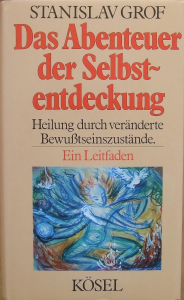
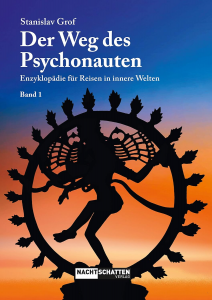
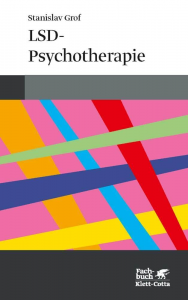

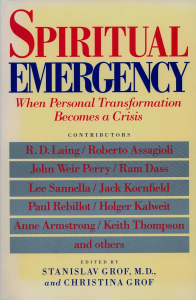



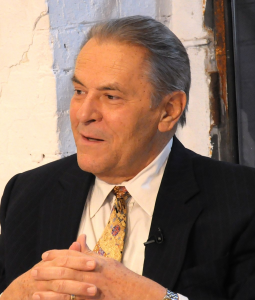
Bilder | Pictures Stanislav Grof
https://www.youtube.com/channel/UC8Z3Or4JY_K1Qort8uct4jA
Category : DanceDocs
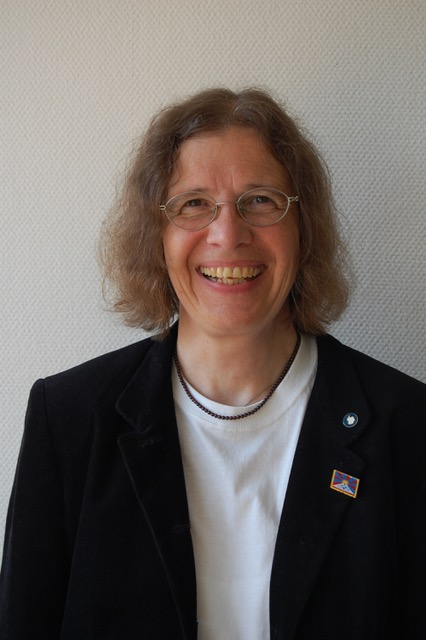
Margarethe Philipp, born in 1956, MD, is a specialist in neurology and psychiatry, a psychotherapist with a focus on depth psychology, and additional training in specialized psychotrauma therapy (DeGPT), PITT (Reddemann), and TRIMB. She is a founding member of the Working Group on Body-Oriented Methods in Psychotrauma Therapy (DeGPT).
During her continuing education in psychotherapy, she became acquainted with meditative dance and attended seminars with Ritu Bajracharya, Dimitris Barbaroussis, Ulli Bixa, Kyriakos Chamalidis, Drs. Hannelore and Ernst Eibach, Ulli Jobst-Brünsch, Krisana Kirchner, Bunu Shrestha, Eka Suschke, Prajwal Ratna Vajracharya, Dr. Maria-Gabriele Wosien, and other teachers and dancers.
By combining them with imagery, she adapted the dances for resource strengthening and therapeutic work.

