Helmut Hofmann

  • -

Helmut Hofmann

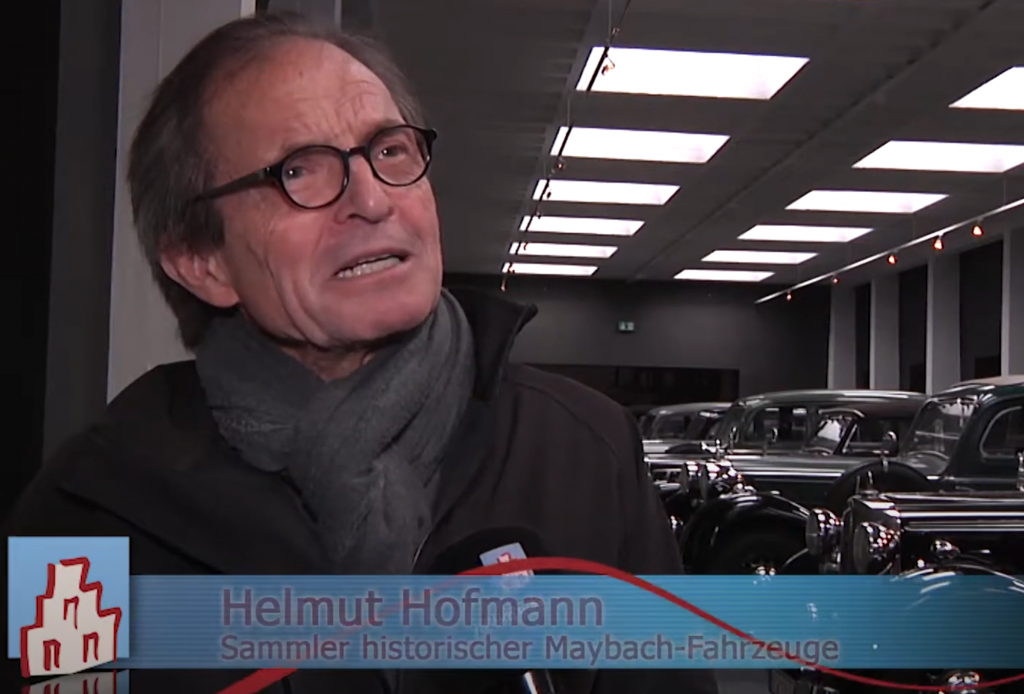
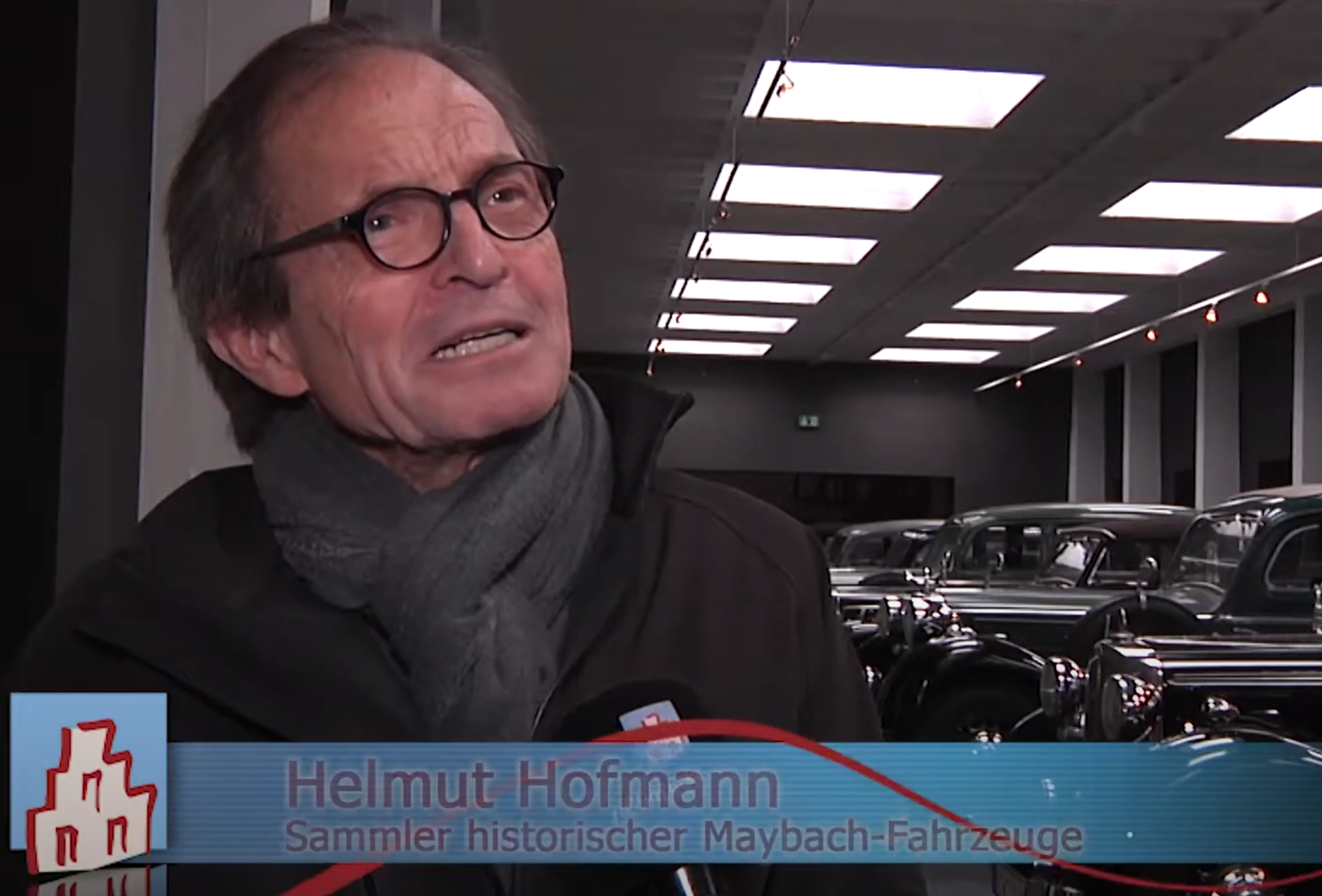
With the private Museum for Historic Maybach Vehicles, the Neumarkt-based collector couple Anna and Dr. Helmut Hofmann fulfilled a lifelong dream – and in 2009 opened a globally unique collection of these gleaming chrome luxury cars to the public. Around 20 historic Maybach vehicles – one-tenth of the world’s remaining stock – are housed in this attractive museum building. The museum tells the exciting story of the “Maybach myth” and the Maybach-Motorenbau GmbH owned by Wilhelm and Karl Maybach. Just 1,800 of these valuable vehicles were built to order between 1921 and 1941; around 160 remain around the globe – and almost 20 of them are located in Neumarkt. On approximately 2,500 square meters of exhibition space, the precious vehicles can be viewed in a chronologically structured display and in a wide variety of conditions – from sawn-up barn finds to concours classics. No less spectacular is the building complex, which grew out of the historic industrial buildings of a former bicycle and motorcycle factory from the Wilhelminian era, the famous Neumarkt Expresswerke. A small but impressive additional exhibition showcases several exhibits from the history of the Expresswerke.

https://www.automuseum-maybach.de

https://de.wikipedia.org/wiki/Museum_f%C3%BCr_historische_Maybach-Fahrzeuge

https://en.wikipedia.org/wiki/Museum_for_Historical_Maybach_Vehicles

https://www.kurier.de/inhalt.maybach-museum-10-jahre-mythos-maybach-in-der-oberpfalz.3e2a348b-96c1-44f5-9cca-f14a695470c5.html

https://www.fr.de/ratgeber/auto/einmaliges-maybach-museum-11495271.html

https://en.naturpark-altmuehltal.de/sehenswertes/museum_fuer_historische_maybac-4533
https://museen.de/maybach-museum-neumarkt.html


  • -

Hans Prinzhorn

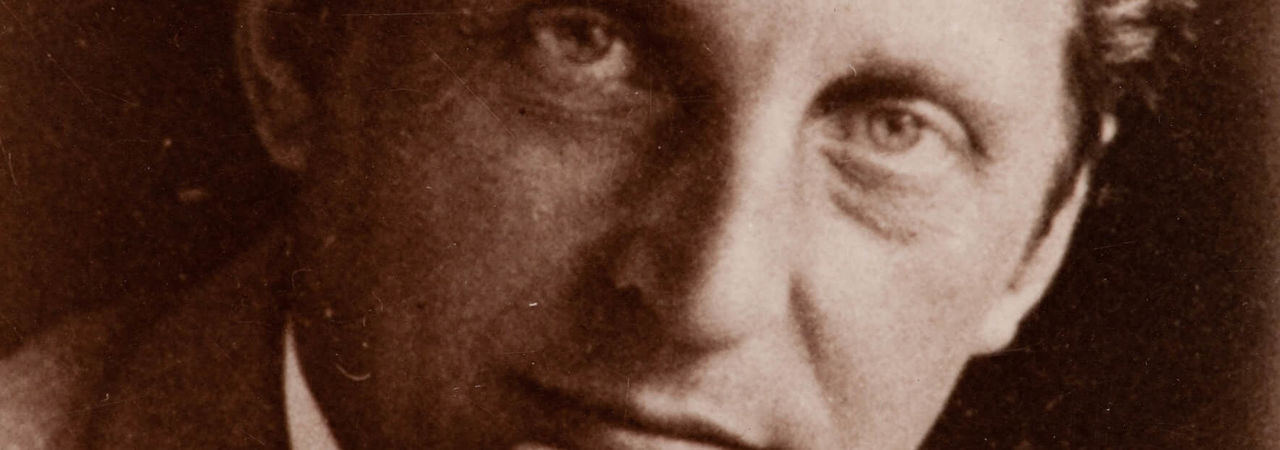
Hans Prinzhorn (6 June 1886 – 14 June 1933) was a German psychiatrist and art historian.

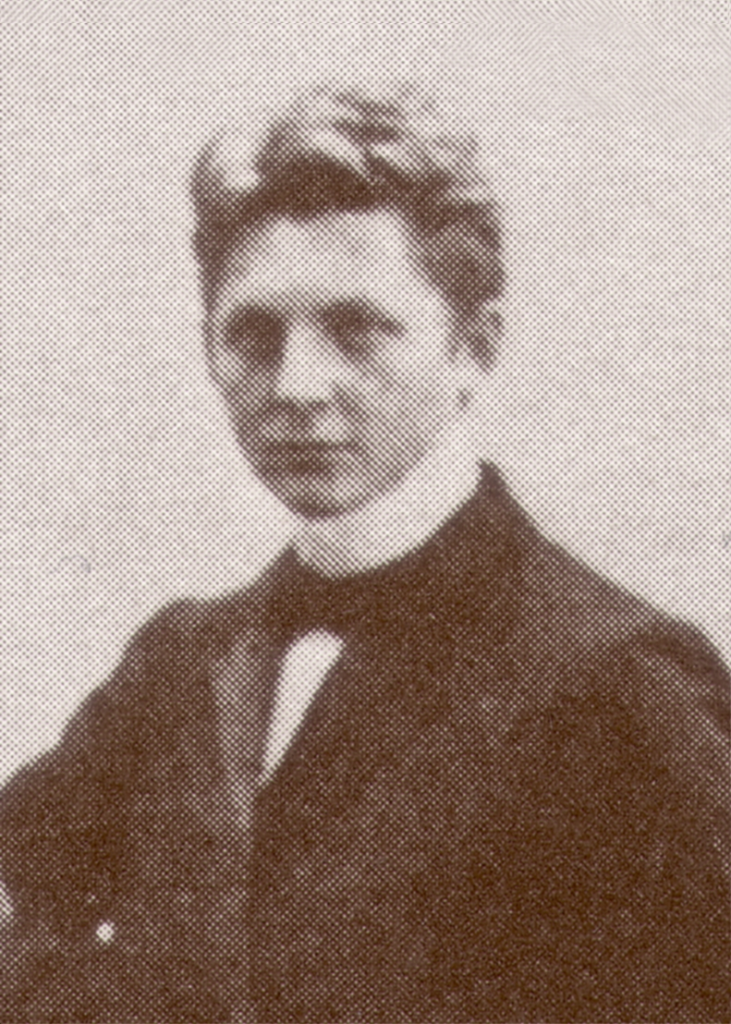
Hans Prinzhorn als Abiturient (1904)

Born in HemerWestphalia, he studied art history and philosophy at the universities of Tübingen, Leipzig and Munich, then receiving his doctorate under Theodor Lipps with the dissertation “Gottfried Semper’s basic aesthetic views” in 1908. He then went to the Leipzig Conservatory in 1909 and received lessons in music theory and piano. Afterwards he went to London to pursue his desire of becoming a singer, however his voice was ultimately not good enough for an artistic career. During the First World War, he assisted a military surgeon and in 1913 he finally started studying medicine, receiving his training at the universities of Freiburg and Strasbourg. He completed his second doctorate (in medicine) in 1919 at the University of Heidelberg after an invitation from Karl Wilmanns, with the dissertation “The artistic capabilities of the mentally ill”.

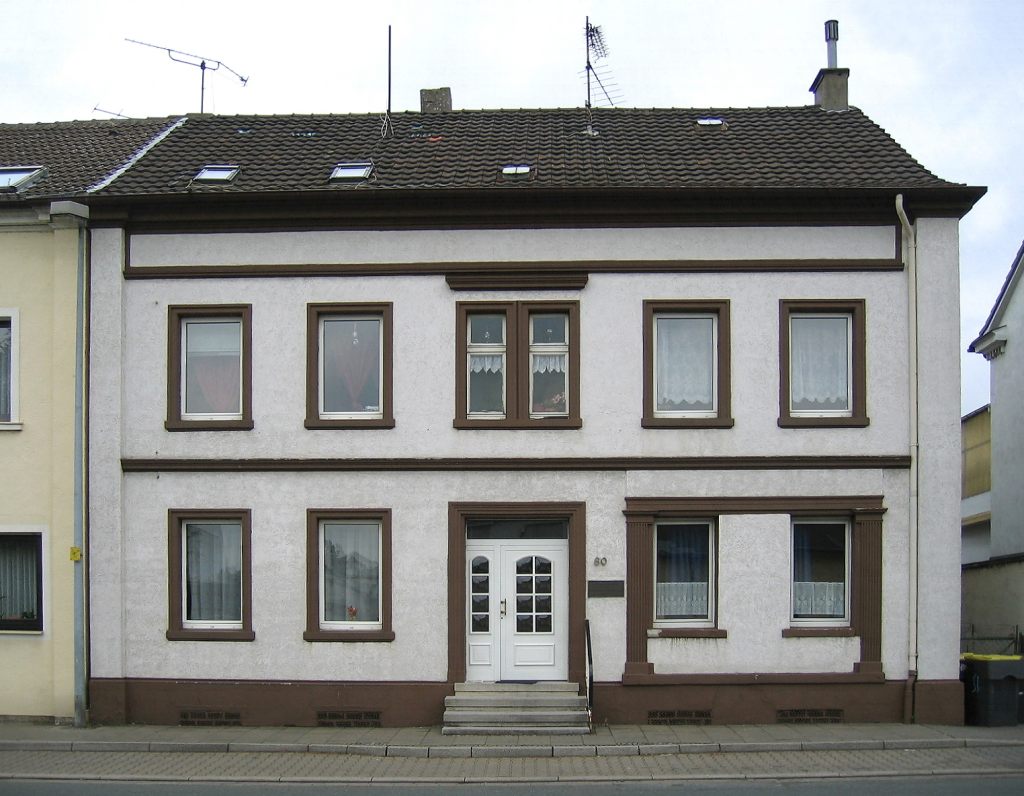
Geburtshaus von de:Hans Prinzhorn in Hemer.

In 1919 he became assistant to Karl Wilmanns at the psychiatric hospital of the University of Heidelberg. His task was to expand an earlier collection of art created by the mentally ill and started by Emil Kraepelin. When he left in 1921 the collection was extended to more than 5,000 works by about 450 “cases”.

In 1922 he published his first and most influential book, Bildnerei der Geisteskranken. Ein Beitrag zur Psychologie und Psychopatologie der Gestaltung (Artistry of the mentally ill: A Contribution to the Psychology and Psychopathology of Configuration), richly illustrated with examples from the collection. While his colleagues were reserved in their reaction, the art scene was enthusiastic. Jean Dubuffet was highly inspired by the works, and the term Art Brut was coined.

The book is mainly concerned with the borderline between psychiatry and art, illness and self-expression. It represents one of the first attempts to analyse the work of the mentally ill.

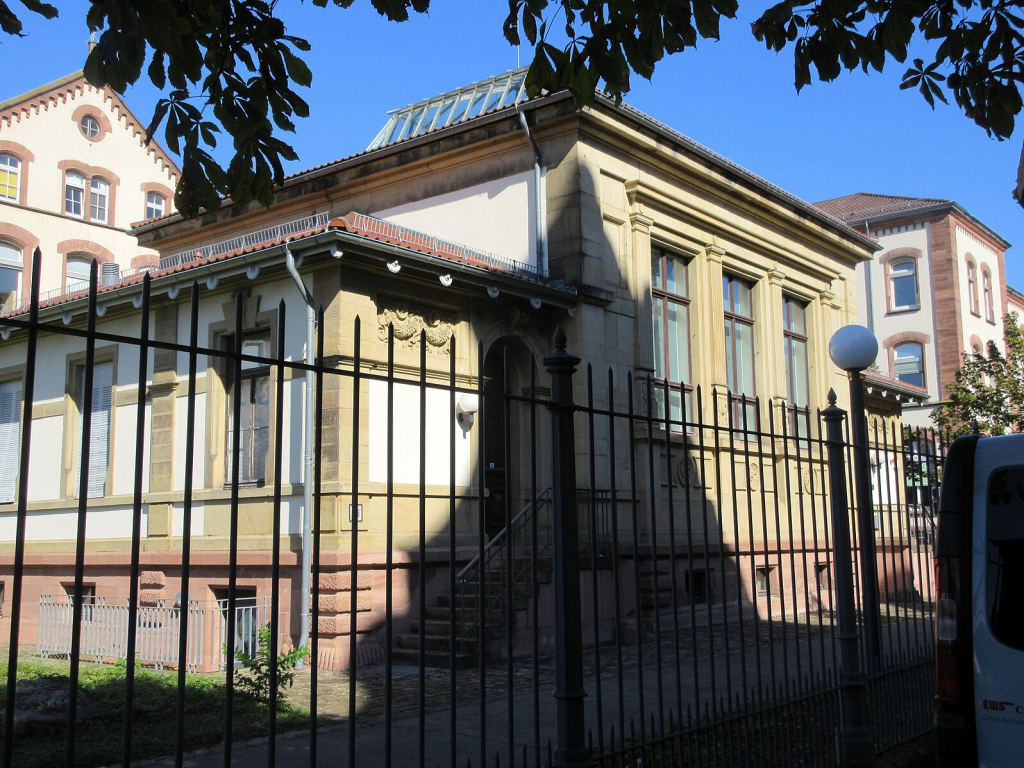
Das ehemalige Hörsaalgebäude des Altklinikums Bergheim ist heute der Forschungssammlung Prinzhorn als Museum gewidmet

After short stays at sanatoriums in ZürichDresden and Wiesbaden, he began a psychotherapy practice in Frankfurt in 1925, but without much success. He published a follow up project to his first book, titled “Bildnerei der Gefangenen” (Artistry of Prisoners) in 1926, however it was met with little success. He also wrote poems, which were published by a private publisher after his death. He continued to write numerous other books which were mainly on the field of psychotherapy. He approached psychology with an original method where he combined philosophy, anthropology and psychoanalysis. He went on to give lectures over radio, and he was a sought-after speaker home and abroad. He went to an invitation-based lecture tour of US universities in 1929. His original approach was well respected within the German community, however it was largely forgotten due to the dominant force of experimental psychology. His hopes to find a permanent position at a university were never fulfilled. Disillusioned by professional failures, and after three failed marriages, he moved in with an aunt in Munich and retreated from public life, making a living from giving lectures and writing essays. He died in 1933 in Munich after contracting typhus on a trip to Italy.
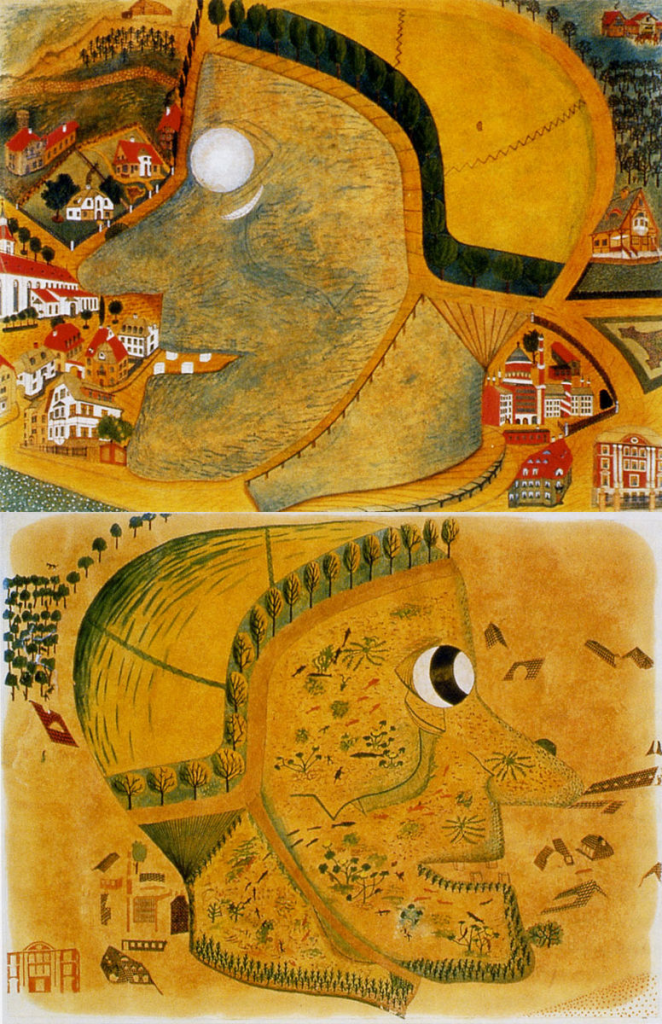
Aus der Sammlung Prinzhorn: August Natterer (Neter): „Hexenkopf“ (Vorder- u. Rückseite), ca. 1915

Shortly after his death the Prinzhorn Collection was stowed away in the attics of the university. In 1938 a few items were displayed in the Nazi propaganda exhibition Entartete Kunst (“Degenerate Art”). Since 2001 the collection has been on display in a former oratory of the University of Heidelberg.

Brief der Psychiatriepatientin Emma Hauck 1909, von Prinzhorn als Beispiel für „Kritzeleien“ angeführt, Sammlung Prinzhorn

In Hans Prinzhorn’s hometown of Hemer, the municipal secondary school and the local specialized clinic for psychiatry and psychotherapy are named after him. A clinic for differentiated treatment options in compulsory and full-service settings, the clinic is sponsored by the Regional Association of Westphalia-Lippe. The clinic also serves as a training and continuing education institution. The Felsenmeer Museum, run by the Citizens’ and Local History Association, houses a Prinzhorn archive, largely filled with copies. The literary scholar Yukio Kotani, influenced by Ludwig Klages, campaigned to raise awareness of Prinzhorn’s work in Japan.

https://de.wikipedia.org/wiki/Hans_Prinzhorn

https://en.wikipedia.org/wiki/Hans_Prinzhorn


  • -

Johannes Zeilinger

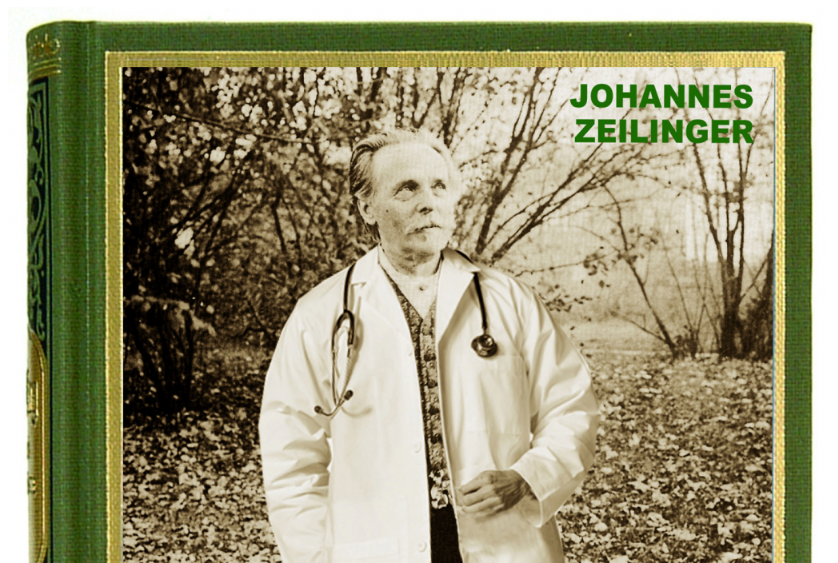
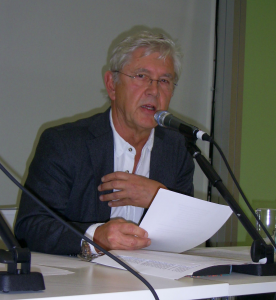
Johannes Zeilinger (* 1948 in Wolfratshausen) is a German sports medicine specialist and author. From 2007 to 2019, he was chairman of the Karl May Society, one of Germany’s largest literary societies.

Zeilinger studied medicine at the universities of Würzburg and Berlin until 1975. Since 1983, he has practiced in a sports medicine group practice in Berlin.

As an author, he publishes primarily on Karl May (1842–1912), still Germany’s best-selling author. In 1999, he caused a stir with his thesis that Karl May was not blind in his early youth.

Johannes Zeilinger, born in 1948, studied medicine in Würzburg and Berlin, where he has been a practicing physician since 1983. Doctorate on the psychopathology of Karl May, followed by numerous publications as author and editor on Karl May, but also on the cultural history of Cyprus, on Lya de Putti and on Frederick A. Cook.

https://de.wikipedia.org/wiki/Johannes_Zeilinger

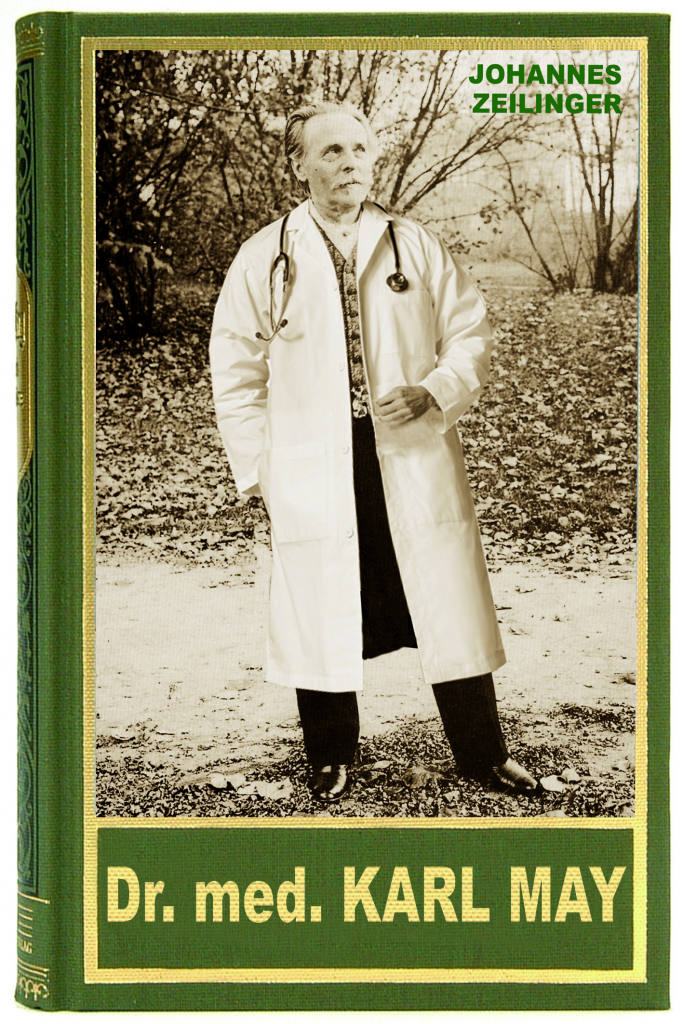
The young Karl May’s unfulfilled wish to become a doctor left numerous traces in his novels. Not only does Karl Sternau shine with his comprehensive medical skills, but Kara Ben Nemsi and Winnetou also astonish with their diverse medical knowledge and successes. Therefore, there are numerous healings, some meticulously researched and others imaginatively conceived. With its listing of all the medical episodes, the volume is ultimately a stroll through the history of medicine and, moreover, incorporates the complex personality of the creative writer into its analytical examination.

“I can’t chew anything out of a pencil.” This is how B. Traven described the authenticity of his novel characters in 1929. “Others might be able to do that, but I can’t. I have to know the people I’m talking about. They must have been my friends or companions or my adversaries or my neighbors or my fellow citizens if I want to portray them.” This postulate also held true when the author presented film agent Paul Kohner with a story in 1948 in which he described the story of a strange personality change. The case of the Mexican woman Mercedes Ortega Lozano, Traven assured him, had actually happened as described; only the name of the affected person was his invention. Johannes Zeilinger analyzes the medical disorders of this character, who has found its way into Mexican film history, and places them in the context of Traven’s biography.

This book is published in the film literature series “Filit,” edited by Rolf Aurich and Wolfgang Jacobsen.


  • -

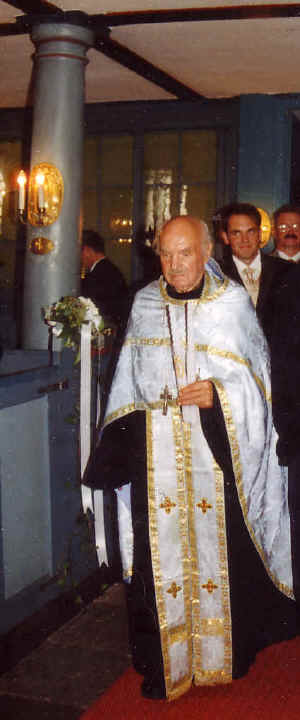
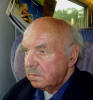
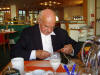
Arnold Backhaus

Hamburg’s port doctor!

Born on August 23, 1923, in Söcking above Starnberg on Lake Starnberg.
Enrolled in elementary school in 1929 in Krusemark in the Altmark region, later in Thielbeer (0-3552) near Arendsee.
Enrolled in high school in 1935 at the Walddörferschule in Hamburg-Volksdorf. Graduated from high school in the spring of 1942.
Drafted into the army in 1942 and, after four months, sent to the Russian front between Vitebsk and Smolensk.
Taken prisoner by the Russians in 1944.
Returned to Hamburg-Volksdorf on November 9, 1945.
Began studying philosophy in 1946 and medicine in 1948.
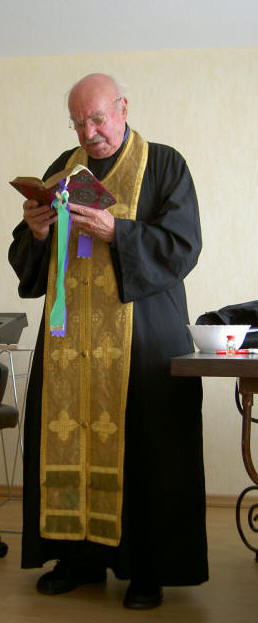
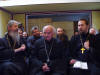
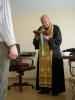
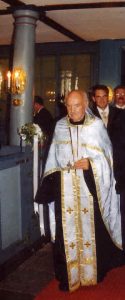
Ordained a priest of the Russian Orthodox Church in exile in 1950 (April 7; Annunciation, also Good Friday).
Married Ruth Domsch on February 12, 1950.
As a priest, I first served at St. Prokop’s Episcopal Church in Hamburg, later as a pastor at the Wentorf emigration camp. Since 1975, I have been a pastor in Lübeck at the small church of Blessed Prokop. In Hamburg, I hold services in German on the first weekend of every month. Baptisms, weddings, and funerals in Schleswig-Holstein and Hamburg.

State examination in 1952.
Over the next few years, he worked at the Ebenezer Hospital in Hamburg, later as a substitute, and in the surgical and psychiatric university clinics of Eppendorf Hospital.


From February 9, 1961, he worked part-time at the Port and Airport Medical Service in Hamburg, Seewartenstrasse 9a. His contract was extended on October 16, 1962, and again on February 1, 1963. From April 1, 1964, he worked full-time. His contract was extended again on January 1, 1966. He received his doctorate on April 30, 1968 (“Social Hygiene Surveys on the Problem of Seafarers’ Leisure Time”). He was promoted to civil servant on July 1, 1967.
In 1968, he visited the North Sea ports on behalf of the WHO: Amsterdam, Rotterdam, London, Liverpool, Oslo, Gothenburg, and Copenhagen.
On 1 November 1971, senior medical officer in the port and airport medical service.


December 19, 1978, Medical Director of the Port and Airport Medical Service and the Central Advisory Center for the Monitoring of Prostitution of Both Sexes in the Greater Hamburg Area.
Worked there from 1978 to August 31, 1988, simultaneously as Deputy Director of the Port and Airport Medical Service. From August 31, 1988 to August 31, 1990, Director of the Port and Airport Medical Service as a scientific employee.
From January 1, 1977, worked in the company medical service of the Hapag-Lloyd Group, partly as head of the company medical service, partly as a doctor in the company medical service, and also continued in the company medical service of Hapag-Lloyd AG beyond August 31, 1990 (until March 31, 1996).
To date:
As an Orthodox priest, he has held services in Lübeck, Schleswig-Holstein, and Hamburg; Lectures on the world of Orthodoxy in the Federal Republic of Germany and, after 1980, also in Mecklenburg-Western Pomerania.
As a doctor, he provided advanced training for ship officers and fumigation technicians on hygiene and current medical issues (organ transplantation, genetic engineering, AIDS).
Died 2005


  • -

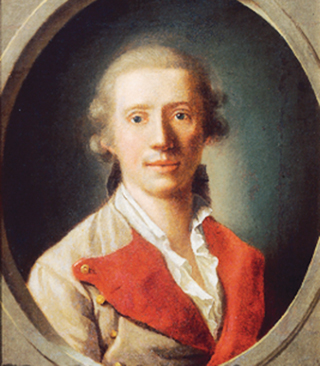
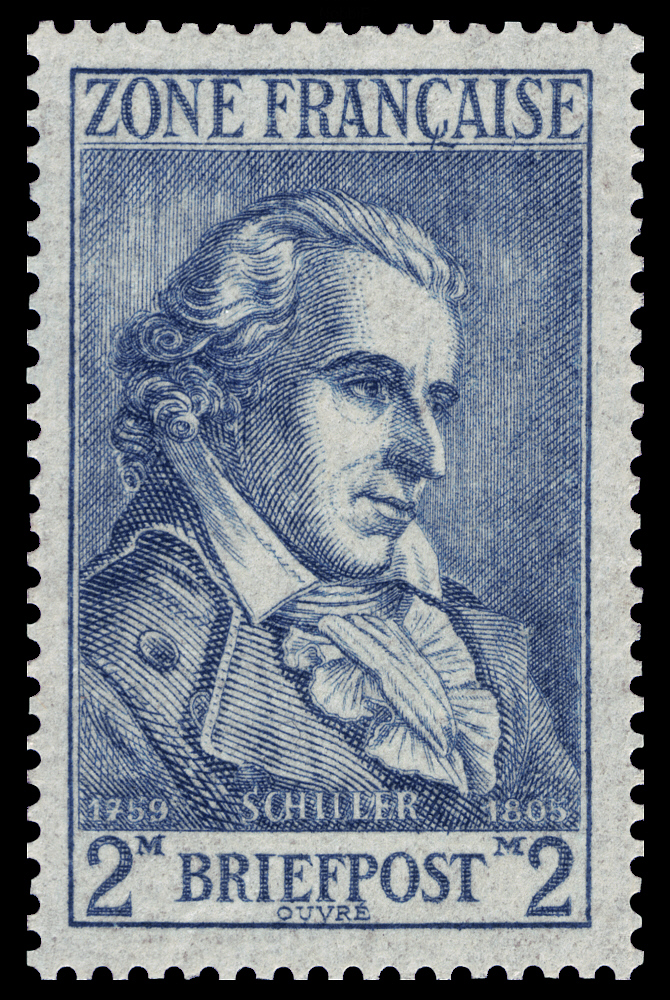
Friedrich Schiller

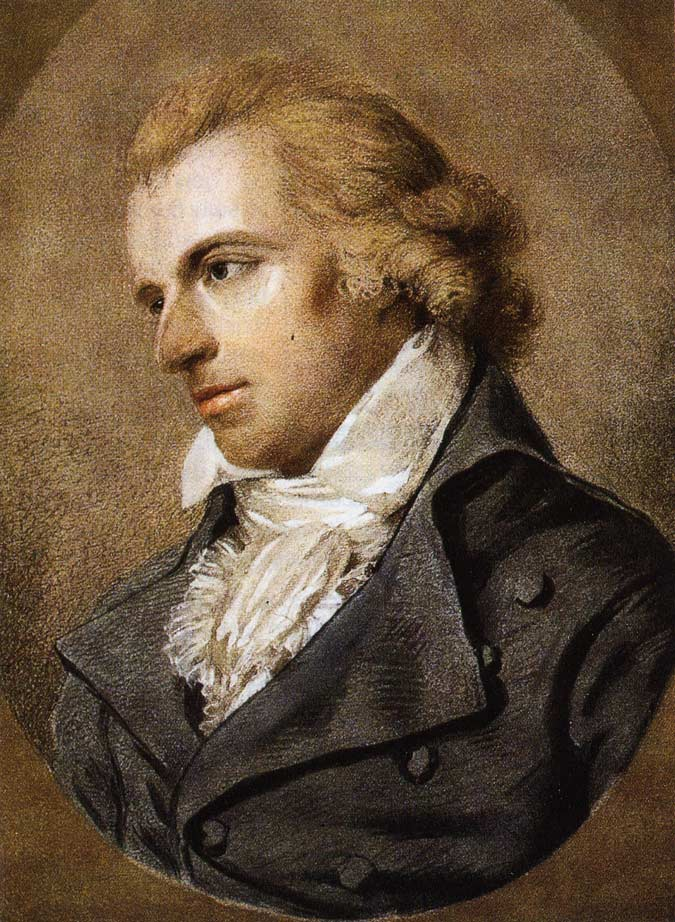
Friedrich Schiller, porträtiert von Ludovike Simanowiz im Jahr 1794

Johann Christoph Friedrich von Schiller (German: [ˈjoːhan ˈkʁɪstɔf ˈfʁiːdʁɪç fɔn ˈʃɪlɐ], short: [ˈfʁiːdʁɪç ˈʃɪlɐ] ; 10 November 1759 – 9 May 1805) was a German playwrightpoetphilosopher and historian. Schiller is considered by most Germans to be Germany’s most important classical playwright.

He was born in Marbach to a devoutly Protestant family. Initially intended for the priesthood, in 1773 he entered a military academy in Stuttgart and ended up studying medicine. His first play, The Robbers, was written at this time and proved very successful. After a brief stint as a regimental doctor, he left Stuttgart and eventually wound up in Weimar. In 1789, he became professor of History and Philosophy at Jena, where he wrote historical works.
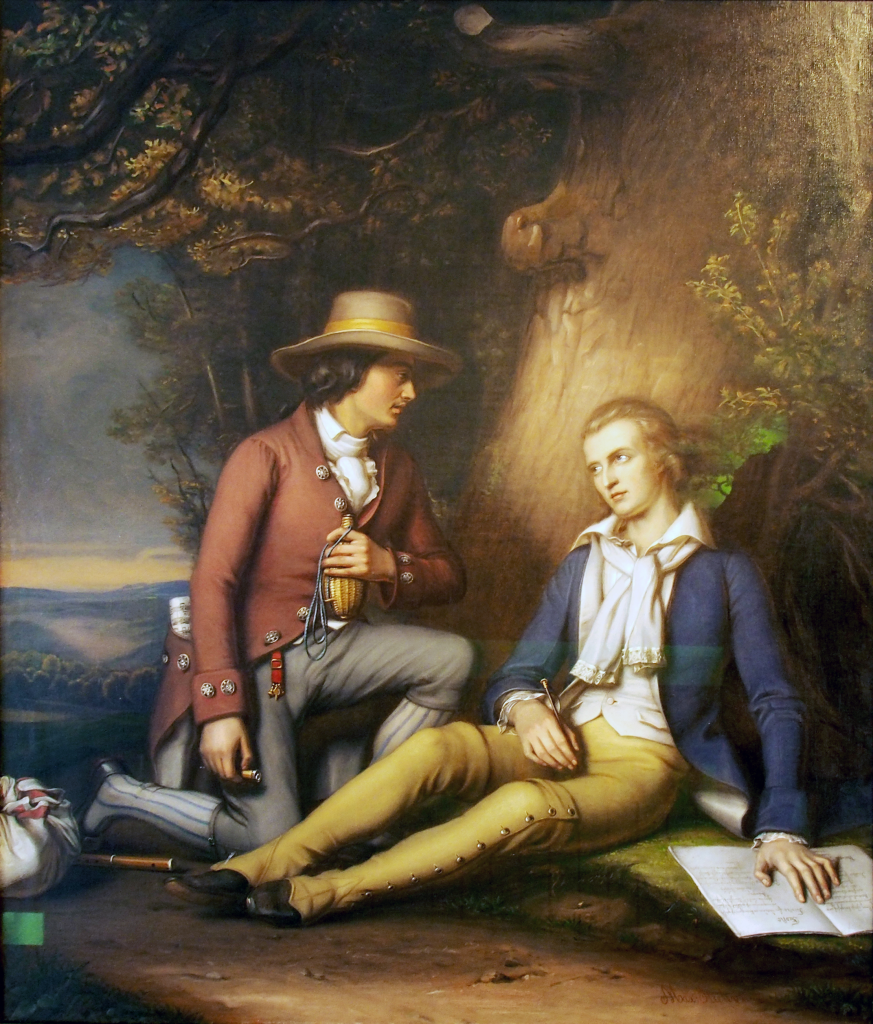
Schiller auf der Flucht mit seinem Freund Andreas Streicher

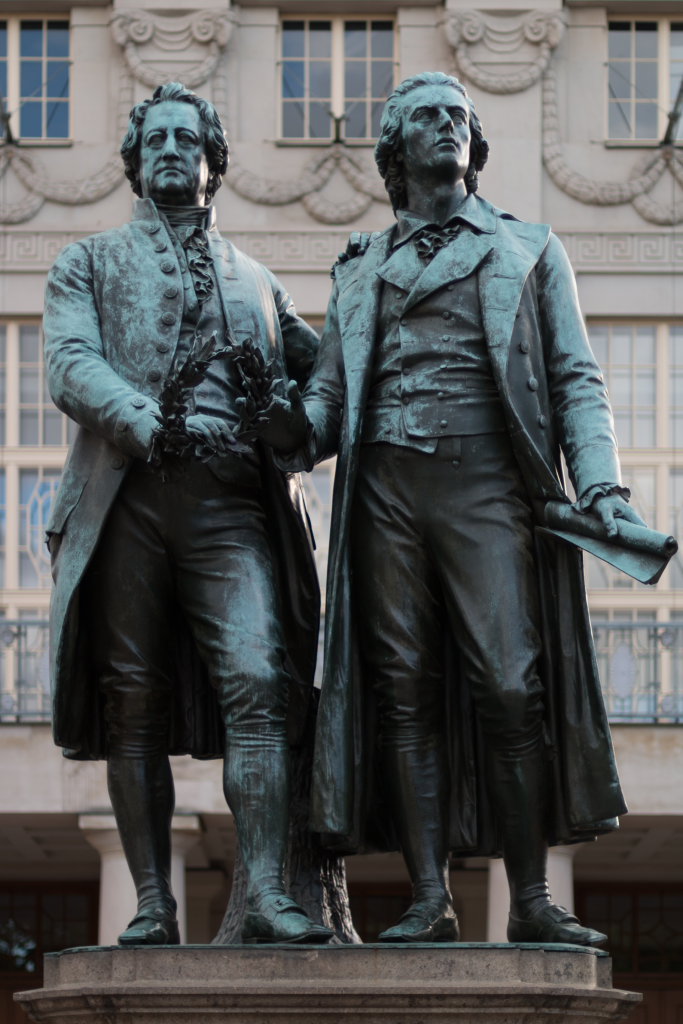
During the last seventeen years of his life (1788–1805), Schiller developed a productive, if complicated, friendship with the already famous and influential Johann Wolfgang von Goethe. They frequently discussed issues concerning aesthetics, and Schiller encouraged Goethe to finish works that he had left as sketches. This relationship and these discussions led to a period now referred to as Weimar Classicism. Together they founded the Weimar Theater.

They also worked together on Xenien, a collection of short satirical poems in which both Schiller and Goethe challenge opponents of their philosophical vision.

Schiller als Regimentsarzt 1781/1782, auf einem Gemälde von 
Philipp Friedrich Hetsch
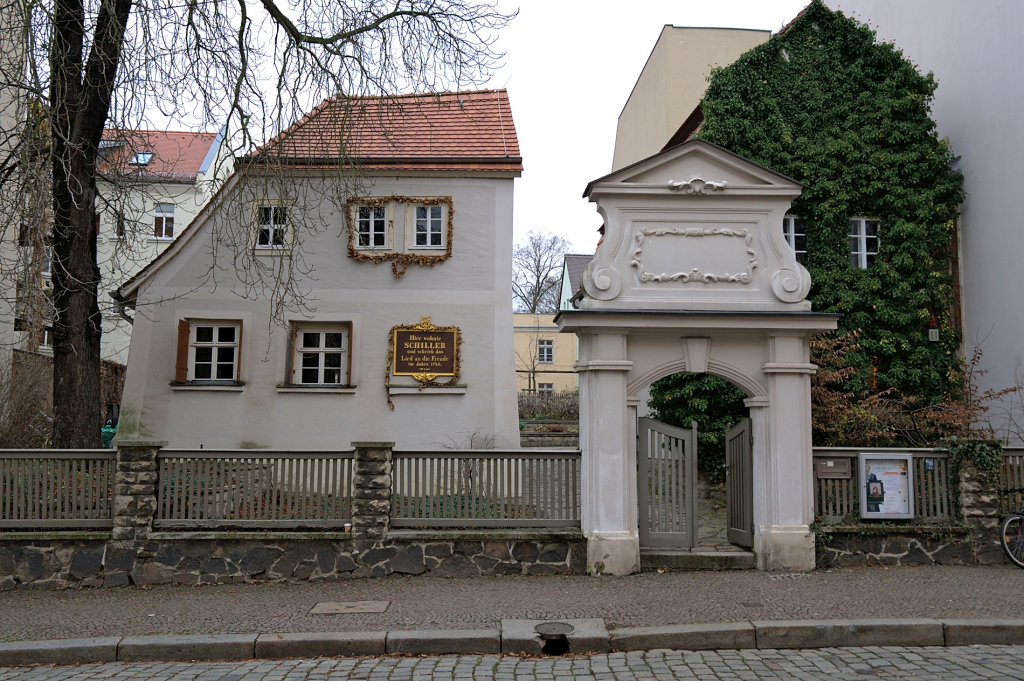
The Schillerhaus in 2009 | Leipzig

Schiller returned with his family to Weimar from Jena in 1799. Goethe convinced him to return to playwriting. He and Goethe founded the Weimar Theater, which became the leading theater in Germany. Their collaboration helped lead to a renaissance of drama in Germany.

For his achievements, Schiller was ennobled in 1802 by the Duke of Saxe-Weimar, adding the nobiliary particle “von” to his name.[12] He remained in Weimar, Saxe-Weimar until his death at 45 from tuberculosis in 1805.

https://de.wikipedia.org/wiki/Friedrich_Schiller

https://en.wikipedia.org/wiki/Friedrich_Schiller


  • -

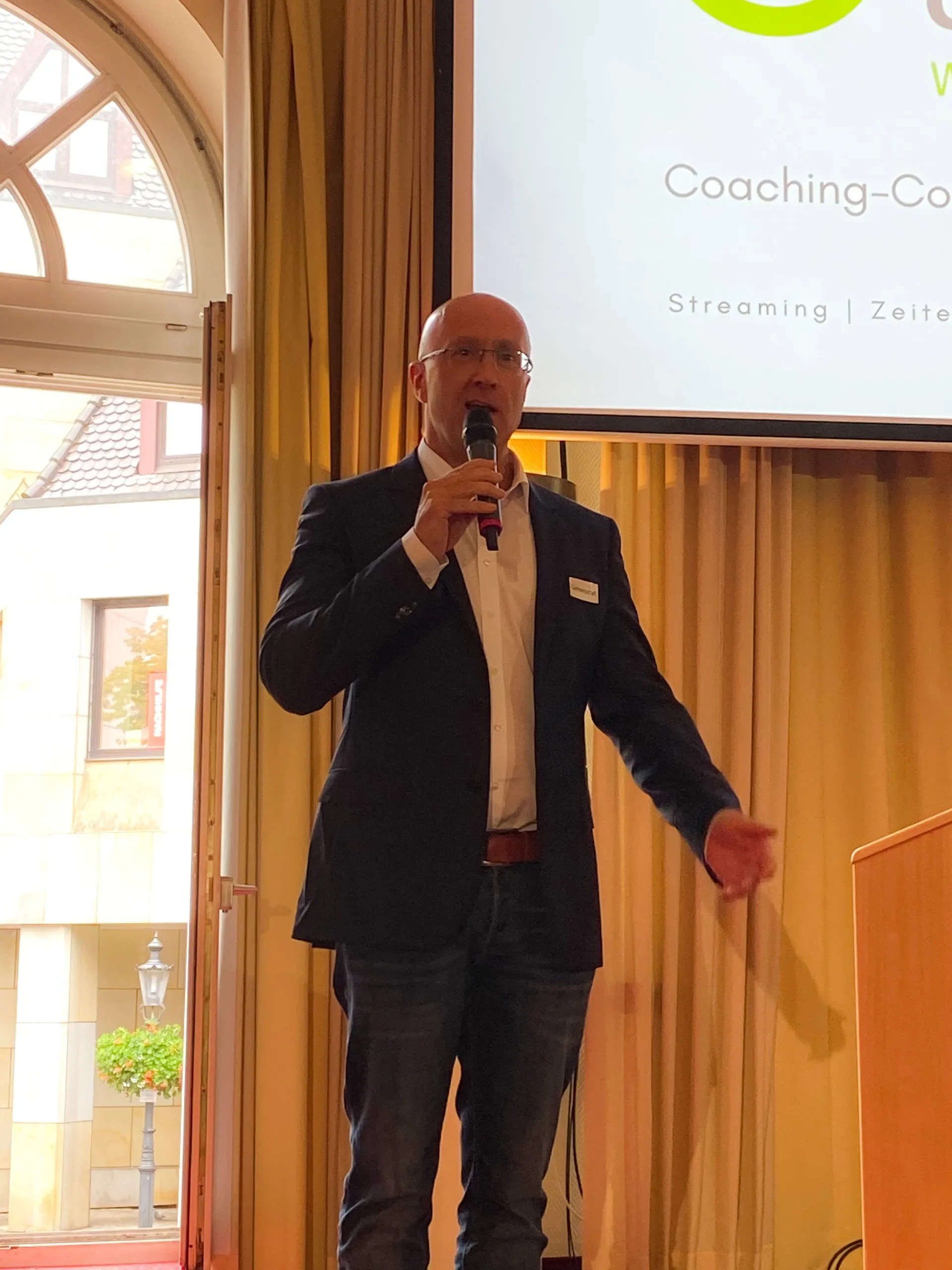
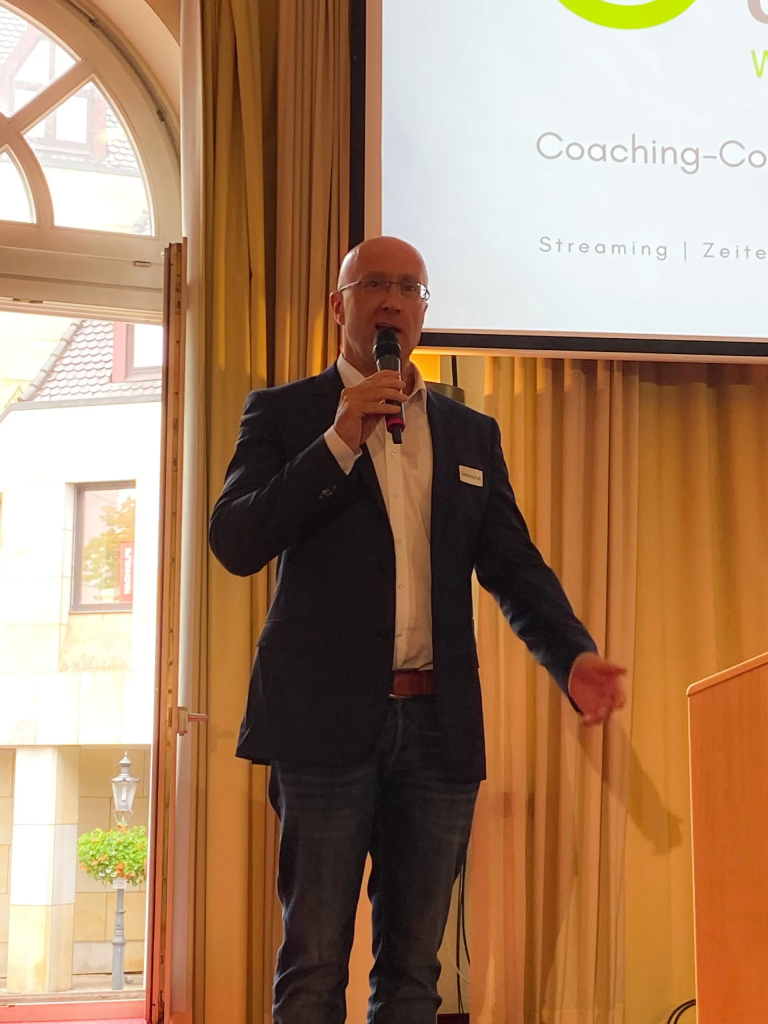
Björn Migge

Björn Migge (* 1963) is a German physician and author of specialist books on coaching.

Migge first studied astrophysics, then medicine at the Johannes Gutenberg University in Mainz, where he received his doctorate in 1995 with a study on otosclerosis.[1] Until the end of 2003, he worked as a physician and lecturer at the University Hospital of Zurich. Since 2003, he has specialized in coaching and psychotherapy and hypnotherapy. Migge teaches clinical hypnosis at the Ruhr University Bochum. Migge has published several specialist books on coaching.

https://www.drmigge.de

https://www.doktor-migge.de

https://www.youtube.com/@dr.bjornmigge9431

https://www.facebook.com/DocMigge

https://de.wikipedia.org/wiki/Bj%C3%B6rn_Migge


  • -

  • -

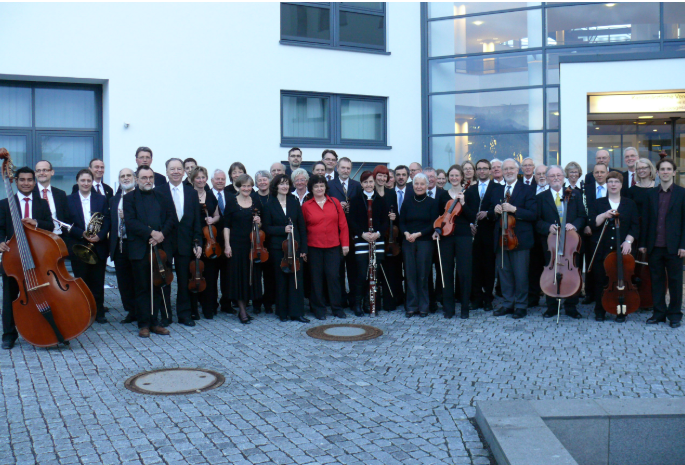
Thüringen Doctors Orchestra

The Thuringian Doctors’ Orchestra is comprised of music-loving doctors, nurses, and members of other medical professions. The orchestra was founded in 1997 and is currently conducted by Joan Pagès Valls, artistic director of the Belvedere Music High School in Weimar.

The orchestra will perform for the first time in Meiningen’s Stadtkirche (City Church). It will perform Franz Schubert’s Symphony in B minor (“Unfinished”), a Concertino for Trombone by Ferdinand David, and a work by the Meiningen composer Wolfgang Hocke.

Antonio Martinez Yeste – Posaune
Conductor: Joan Pagès Valls

https://meiningen.de/veranstaltungskalender/event/67-konzerte/5299-benefizkonzert-mit-dem-thueringer-aerzteorchester


  • -

Gunther Strothmann

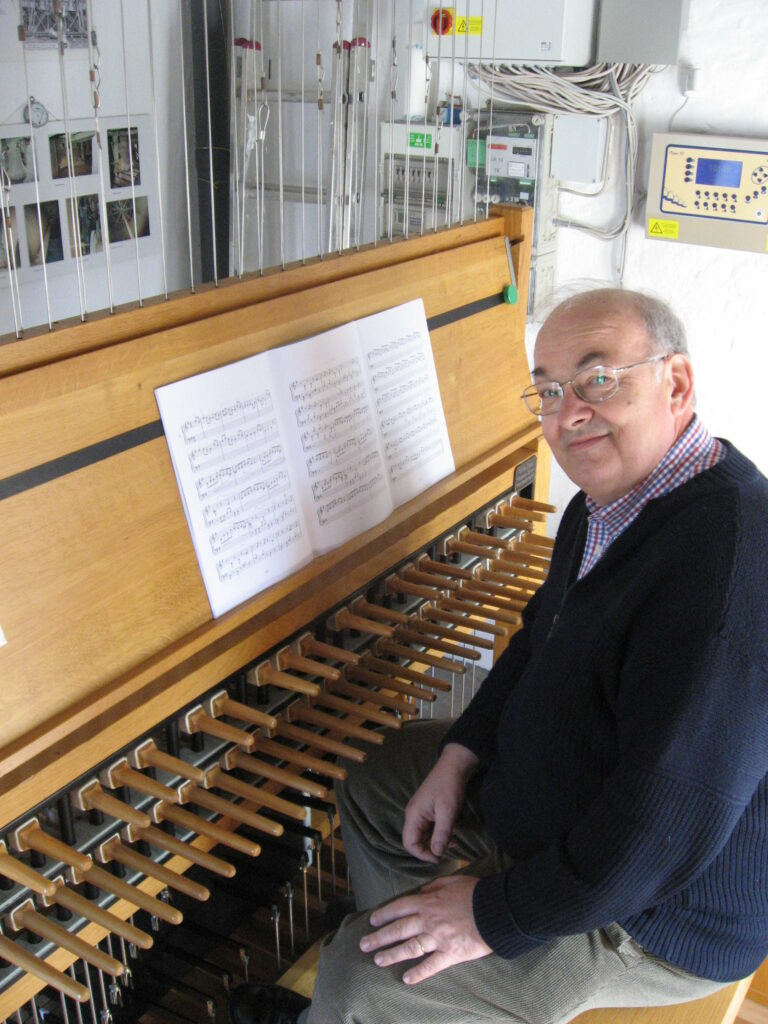
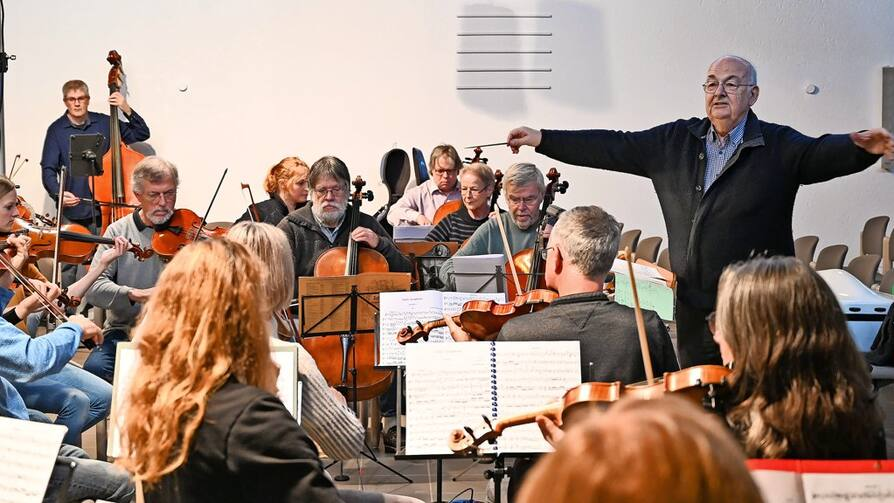
Dr. Gunther Strothmann worked as a doctor in Kiel until the end of 2006. After graduating from high school in Bremen, he took piano, organ, improvisation, and composition lessons from Ernst Hörbe (1921–2012), among others. After studying medicine in Kiel, he began his musical activities as a performing organist. In 1977, he founded the Melsdorf Symphony Orchestra, an amateur ensemble that has since grown to more than 80 players as a project orchestra. In 1999, Strothmann founded the Klassikensemble Kiel, a chamber orchestra, with Michael Stoll, which he directed until 2017. Gunther Strothmann also founded the Melsdorf Symphony Orchestra in 1977. Between 1980 and 2022, he directed the Rachmaninoff Choir Kiel. The Klassik-Ensemble Kiel is also his initiative.

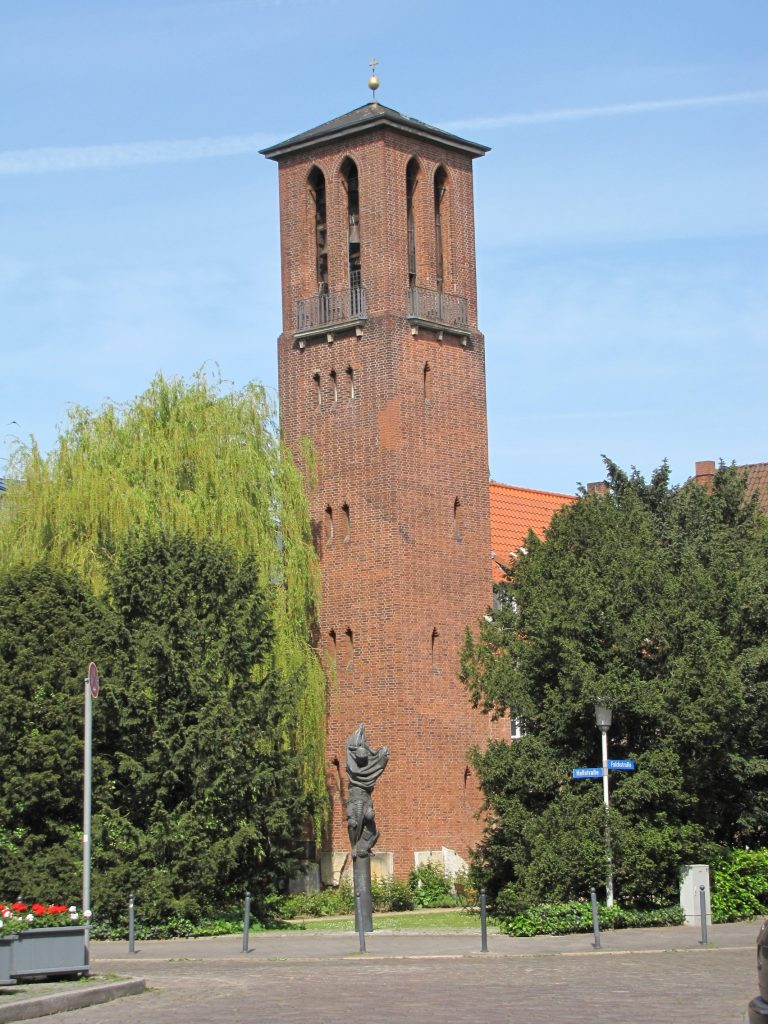
In 1999, the Kiel Carillon, located in the tower of the former Kiel Franciscan monastery, was inaugurated with a public concert. Strothmann was appointed carillonneur and custodian of the Kiel Glockenspiel by the North Elbian Church that same year. Gunther Strothmann has toured Denmark, Sweden, Norway, France, Belgium, the Netherlands, Spain, and the USA.

https://www.kn-online.de/kultur/regional/klassikszene-kiel-dirigent-und-carilloneur-gunther-strothmann-wird-80-ZX5BAUGGV5E7PMEJZCPANKGXRE.html

https://www.youtube.com/results?search_query=strothmann+carillon


  • -