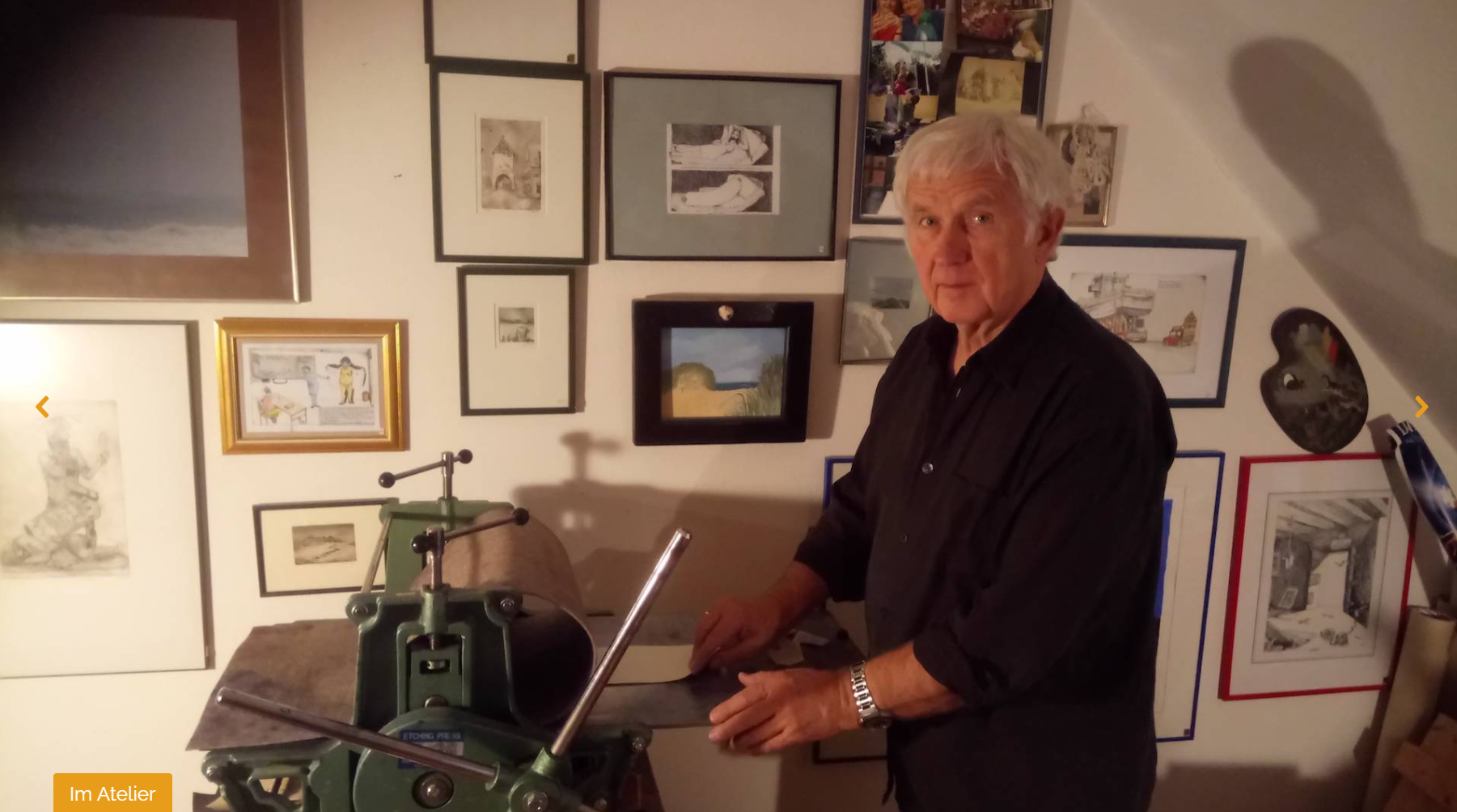
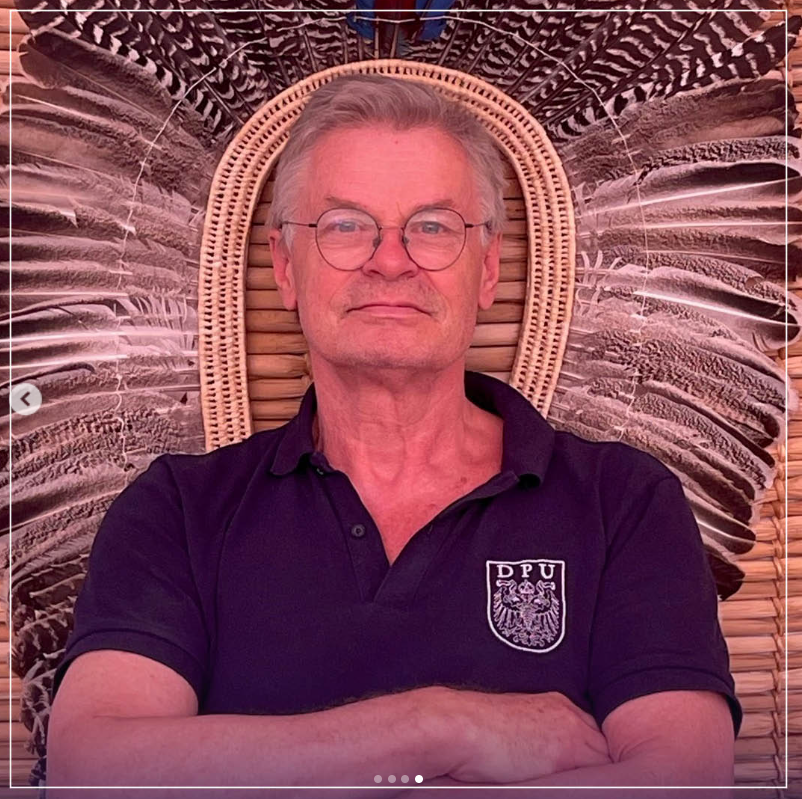
Born in 1944 in Wreschen near Posen Graduated from high school in Lüneburg in 1965 Study of medicine from 1965 to 2010, specialist training (surgery), and rural doctor in Abenberg in 2011 Retired in 2011
Artistic Career
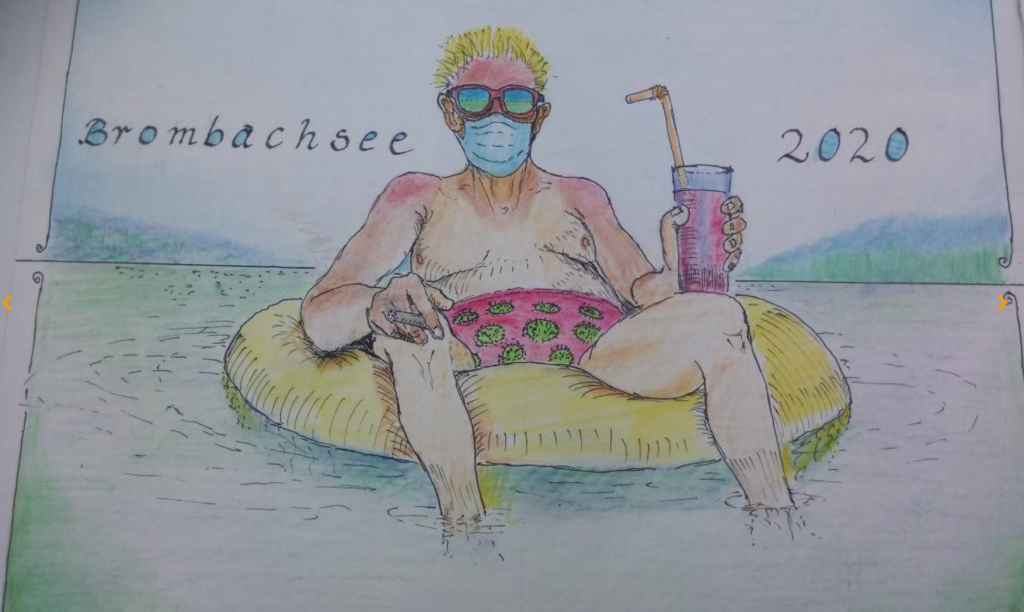
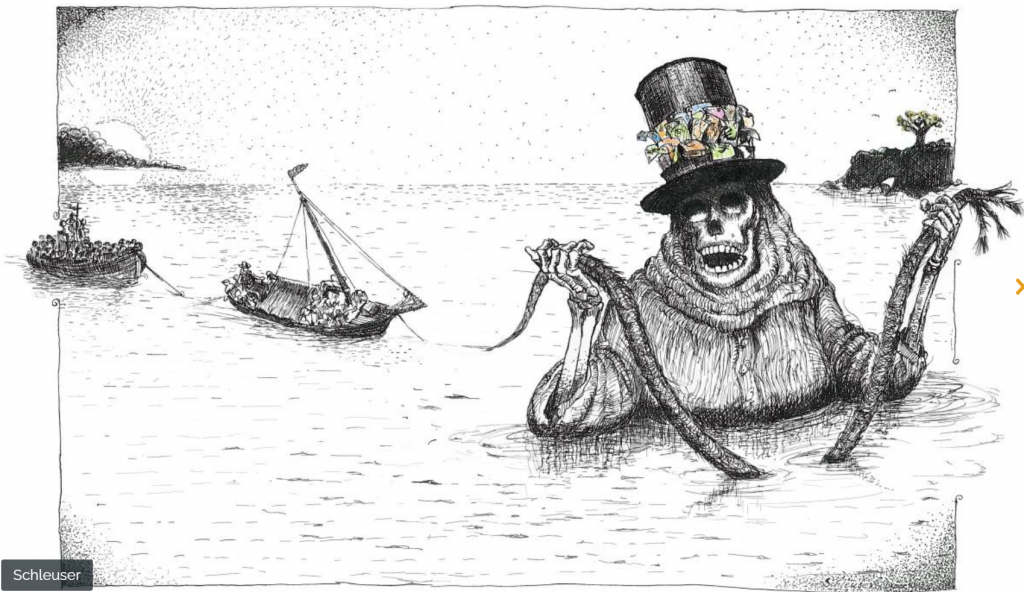
Drawing since childhood. Watercolor course on Sylt, head and figure drawing during his studies in Marburg, and life drawing course at the adult education center in Nuremberg. Experimented with oil painting 30 years ago, and for about 25 years, he has been making drypoint engravings, primarily pen and ink drawings (some colored).
Exhibitions
From the mid-1980s to the mid-1990s, he participated in the annual POHL BOSKAMP painting competition at therapy congresses, first in Karlsruhe and then, after reunification, in Berlin. 2008 Solo exhibition at the Heimathaus Abenberg; VIEW-INSIGHT-PERSPECTIVE-RETROSPECTIVE 2018 Solo exhibition at the Heimathaus Abenberg: THINKING IMAGES-WORD FORMATIONS 2020 Schwabach Artists’ Association, PRESENT, participation with two pen drawings
Awards
1992 First prize (with two other colleagues) at the AESKULAP MALT exhibition organized by POHL BOSKAMP 2001 Audience award at the AESKULAP MALT exhibition
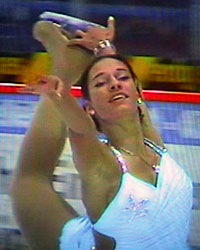
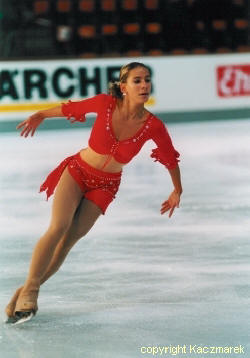
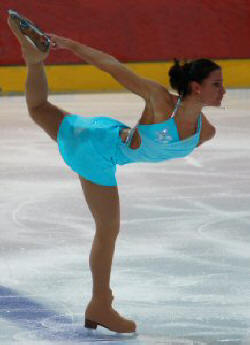
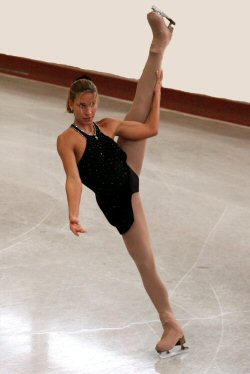
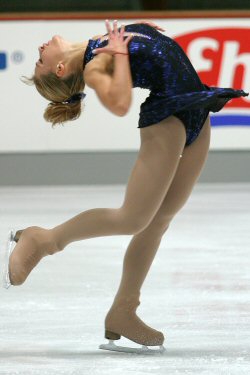
Mit dem Eiskunstlaufen begann Christiane Berger als Sechsjährige beim Mannheimer ERC. Bis 2004 trainierte sie bei Landestrainer Peter Sczypa, danach wechselte sie zu Karin Stephan. Ihre größten Erfolge waren der nationale Juniorentitel 2000, der 14. Platz bei den Juniorenweltmeisterschaften 2001 in Sofia sowie die Vizemeisterschaft in den Jahren 2006 und 2007 bei den nationalen Titelkämpfen. 2007 durfte sie als Vizemeisterin gemeinsam mit Kristin Wieczorek an den Europameisterschaften in Warschau teilnehmen und belegte den 20. Platz hinter ihrer Landsmännin (Kürmusik Forrest Gump). Seit Herbst 2006 studiert Berger Zahnmedizin in Frankfurt am Main. In der Vorbereitung auf die Saison 2007/08 zog sie sich einen Knöchelbruch zu und beendete ihre Karriere.
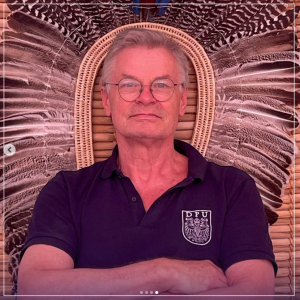
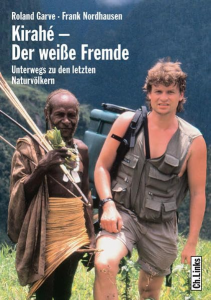
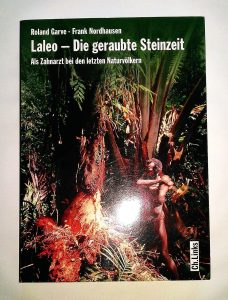
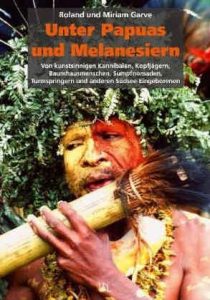
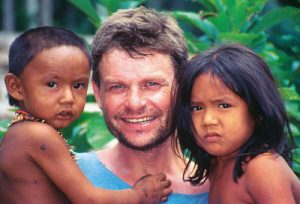
Roland Garve (born December 9, 1955 in Boizenburg/Elbe) is a German dentist and ethnomedical specialist.
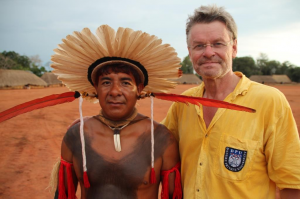
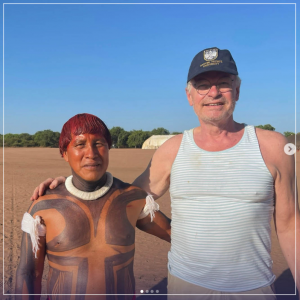
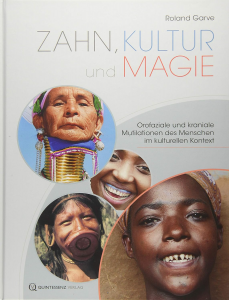
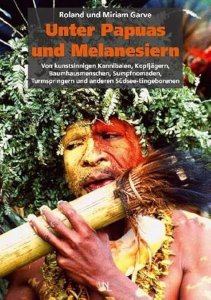
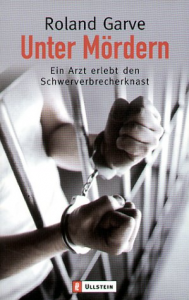
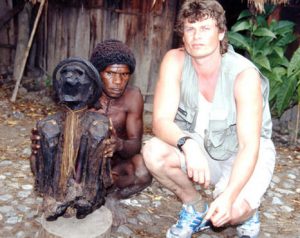
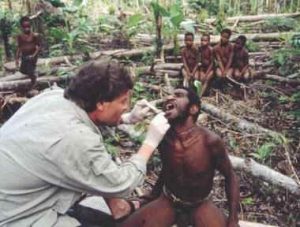
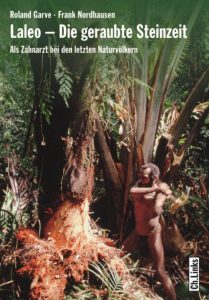
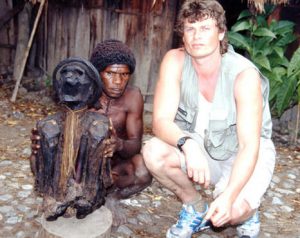
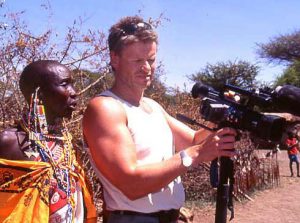
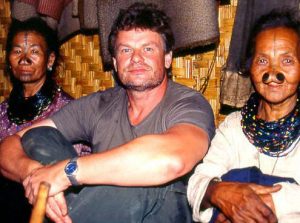
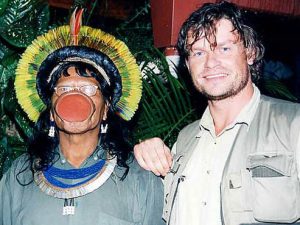
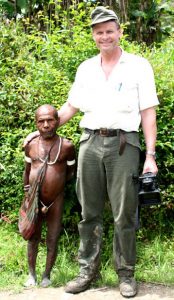
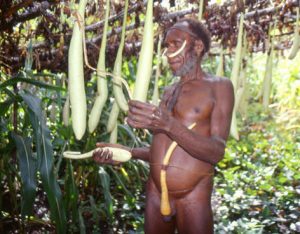
Garve, born and raised in Boizenburg/Elbe, attended the Polytechnic High School from 1962 to 1972 and then the extended High School Boizenburg, where he received his Abitur in 1974. After his military service, he studied dentistry at the University of Greifswald from 1976 and received his license to practice dentistry in 1981. From 1981 to 1983 he was imprisoned in Brandenburg-Görden for preparing an “illegal border crossing” from the GDR. During his imprisonment he treated fellow inmates as a trained dentist. Finally, after being expelled from the GDR in 1984, he left the GDR and received his doctorate from the University of Hamburg in 1986. After working as an assistant in a dentist’s office in Jesteburg, Garve ran a dental practice in Geesthacht in Schleswig-Holstein from 1985 to 2010. He subsequently retired from dental practice. He undertook numerous research trips (including Africa, Brazil, Thailand, Venezuela, and Papua New Guinea) to study indigenous peoples in collaboration with the Ethnological Museums in Dresden and Leipzig. Garve also gives lectures on ethnodentistry and ethnology. He has authored several books about his experiences. Garve also works part-time as a cameraman, photographer, and documentary film producer.
Since 2011, Roland Garve has been a lecturer at the Center for Human Cultural and Natural History, Faculty of Medicine/Dentistry, Krems (Austria), at the Danube Private University.[1]
In 2012, he received his diploma in Tropical Medicine from the Bernhard Nocht Institute for Tropical Medicine at the University of Hamburg.
In 2014, he was appointed Associate Professor and Head of the Department of Ethno-Dentistry at the Danube Private University Krems. Garve is considered the founder of the interdisciplinary research field of ethno-dentistry.
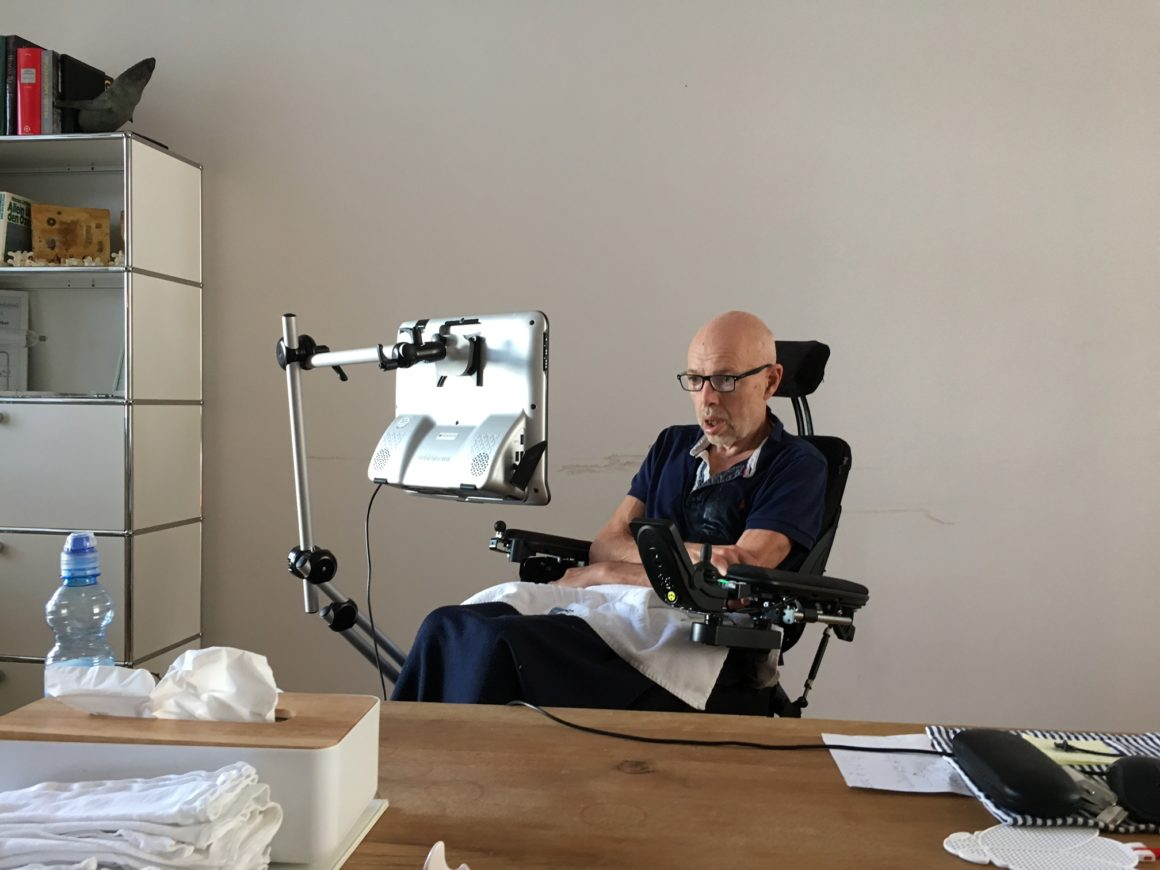
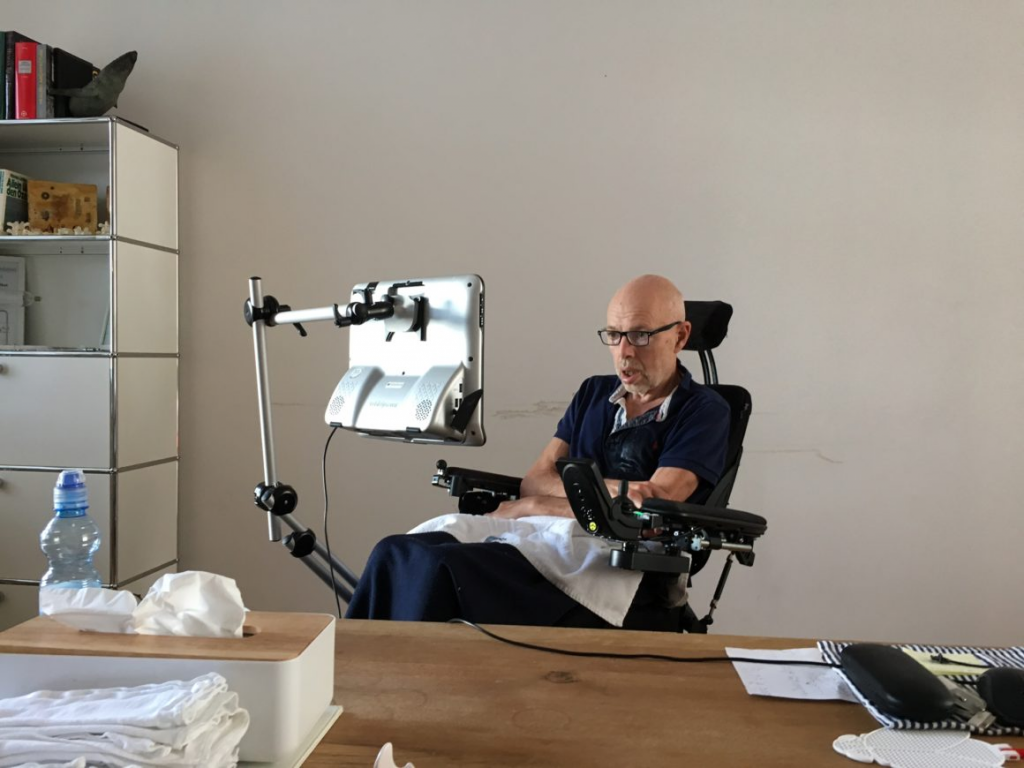
I’ve been ill since 2014, unfortunately with a rarer form of ALS with extreme spasticity and bulbar symptoms.
Unfortunately, I can no longer speak or swallow. I’m quadriplegic and anarthric, and can no longer move anything. Despite this, I still find quality of life.
I used to be an extreme athlete and did crazy things. I’m both a doctor and a patient myself. I made the diagnosis myself. I live in a normal family, and we have a young daughter. My wife is a nurse and takes care of her. We try to live and live as normally as possible. Unfortunately, I can no longer work and now I write books. Writing is tedious and exhausting. I have a good computer with infrared light control, and I write with my eyes. Not as fast anymore, but better than nothing. I founded a small publishing house for literature and art and support young artists and authors.
Das Leben ist anders als früher auch aber immer noch lebenswert.
Endurance sports for 10 years:
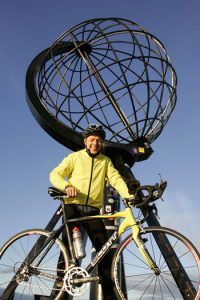
More than 30 marathons (personal best 3:09), 5x Ironman, Marathon des Sables (250-kilometer ultramarathon through the Sahara), Climbing Mount Kilimanjaro Race Across America (5,000-kilometer non-stop cycling race across the USA from west to east); Trans-Australia non-stop by bike, 4,200 km in 7 days
and various other events
Ironman Klagenfurt Trans-Europe Tour Dragon Run Siebengebirge/Germany Race Across Germany (by bike from Flensburg to Oberammergau in 48 hours)
Other sports:
Diving, tennis, paragliding, sailing, skiing (and recently motorcycling and taekwondo)
Jürgen Reul trained as a police officer and subsequently worked for the police.
Member of the Forum for Borderline Sciences and Crop Circles:
We meet twice a year for our weekend conferences.
The exchange in the areas of crop circles, geomancy, radiesthesia, photography, light phenomena, natural beings, ancient and modern history, archaeology, philosophy of science, UFOs, extraterrestrials, and borderline sciences, with exciting lectures outside the mainstream, is always a tremendous enrichment for all participants, as is the case with our FGK projects at home and abroad.
Forum for Borderline Sciences and Crop Circles fgk@ewe.net
www.nuoviso.tv
His comment on this older video: My talk about HAARP is no longer relevant, as the facility is no longer officially operated and supported by the military. The University of Alaska is now in charge.
Henning Dulk spent his childhood in Berlin and lived near Düsseldorf as a teenager. He decided early on to become a veterinarian. However, he was expelled from high school for slapping a teacher after being disciplined. After graduating from boarding school, he studied veterinary medicine in Hanover. He worked as an assistant at a veterinary clinic in Dortmund. During this time, he married. With the goal of opening his own practice, he subsequently took on vacation replacements – before opening his own practice. He was ahead of others in dental cleaning and blood testing. Health problems made his career more difficult. In 2006, he sold his practice and retired. He lives with his wife on a farm in Müllenbach, built around 1780, which he bought in 1994 as a “junk property” and then renovated.
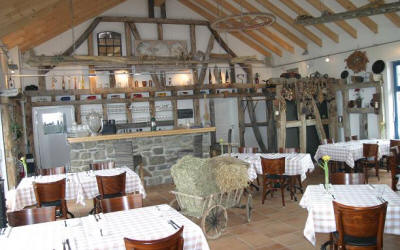
In the fourth episode of the current season, last Monday (September 22, 2008), Christian Rach stopped by the Dringshof restaurant in the Eifel village of Müllenbach. The owners are Marianne and Hans-Henning Dulk, who contacted the production company in November 2007. Their motivation was based on the expected marketing effect. The Dulk couple were not at all satisfied with the occupancy of their restaurant, which they opened in 2006. They had originally expected more from their concept of a somewhat more sophisticated restaurant. They know the area very well, although they previously ran a successful veterinary practice in Düsseldorf city center for thirty years. “We were simply fed up with the poshness,” says Hans-Henning Dulk about the decision to sell the practice and retire permanently to the Eifel, where the couple has owned a holiday home for many years.
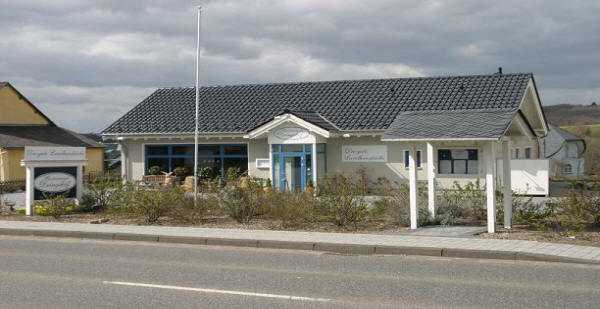
They invested half a million euros in the new building, which also incorporated a demolished half-timbered house from the region. Although the house is located in a village of 500 inhabitants, a busy federal highway runs right past it, and the Nürburgring is only one and a half kilometers away. These were actually quite good conditions for the two career changers, who had always had extensive contact with the industry. Moreover, the foundation was right: “We were hard-working service providers for thirty years. An entrepreneurial spirit is definitely there.” Based on a market analysis in the region, they wanted to offer more than the usual schnitzel and chips fare and hired an ambitious young chef. The ambiance was enhanced with high-quality textiles. However, success was elusive. Only on weekends did the footfall improve, when short-term vacationers from the Rhineland cities found their way to the remote area.
After preliminary discussions, Christian Rach and his four-person team arrived in March 2008. Over the next five days, based on the restaurant tester’s recommendation, the concept was changed to more down-to-earth cuisine. The decor was also refined to position the restaurant in the direction of “country cuisine.” In retrospect, the Dulks are already satisfied with the Hamburg professional’s advice. “The idea of enhancing the outdoor advertising with straw bales has already brought us new guests,” Dulk notes. The people from the Eifel region have not become regular visitors, and after the broadcast of the program, the Dulks fear the opposite effect. Because the actually realistic assessment of the tradition-loving locals came across on screen as more of a nasty resentment.
“Rach has done us a disservice, even though he had advised us to reach out more to these guests instead of focusing on the clientele at the nearby Nürburgring.” The local press in particular has been noticeably reserved so far. So the desired marketing effect has failed to materialize, at least locally. Perhaps, however, this or every fan of the show will one day be drawn to the Eifel region to visit the original location. However, the Hans-Henning Dulk are proud of one thing: “The cleaning operation that is usually required on the show was not necessary for us. As a veterinarian, no one needs to explain to me how important hygiene is.” They have since expanded the menu again, as the previously established regular audience was slightly disappointed after the changeover. They solved the problem with a rotating additional menu entitled “The Cook Recommends.”
Ultimately, the Dulks see both advantages and disadvantages in the whole operation. On the plus side, there are the partly good suggestions from Christian Rach and, of course, the filming itself, during which the star chef proved to be in control of the situation. During production, Rach really seems to be in charge, controlling every image and every scene and not allowing himself to be played with by an editor or production manager. The Dulks were not so impressed by the film crew’s constant efforts to stir up strong emotions. He himself bit his tongue several times during filming and also warned his colleague. At one point, however, she got worked up into a rage, which of course was promptly broadcast. The Dulks are really angry, however, about the anti-Eifel sentiment that was emphasized. Mr. Dulk announced that they would file a serious complaint again when the time came.
Marianne and Hans-Henning have fulfilled a dream: Instead of retiring, the veterinarian and his wife decided to open an upscale restaurant in a village in the Eifel region. “I worked in service during my studies,” Hans-Henning confidently explains when asked about any experience in the restaurant industry. Despite lacking basic knowledge, the Düsseldorf couple built a house near the Nürburgring and integrated their “Restaurant Dringshof” into it. The new building stands directly on a main road and appears plain and boring from the outside, but has been given an old-world, rustic feel inside.
The menu, however, is a bit more sophisticated: shrimp skewers with coconut rice or fried zander on crayfish ragout in Noilly Prat sauce. This is no easy task for the young, inexperienced Eifel chef Eva, especially since she has already failed at simpler dishes. It can happen that the rump steak ends up raw inside and out on the guest’s plate. In general, the Eifel residents are not so impressed by the fine dishes at the “Dringshof” and prefer to go to the competition. Thus, two years after opening, the restaurant is on the verge of closure. In their desperation, the unsuccessful Eifel innkeepers turned to Christian Rach.
The Hamburg-starred chef and gastronomy expert inspects everything on site and tests the food. His venison dish is also served raw and thus inedible. But the poorly prepared dishes aren’t the only reason for the “Dringshof’s miserable situation.” “As a Düsseldorf resident, you appreciate fine dining, but the rural Eifel population prefers hearty, home-style food,” explains Christian Rach, not only examining the menu but also thoroughly shaking up the chef, the owners, and the entire ambience. (Text: RTL) German TV premiere Mon. 22.09.2008 RTL
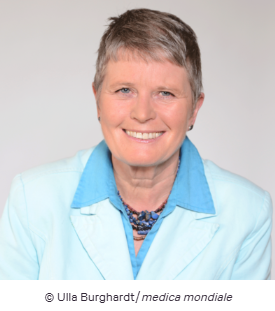
Claudia Czerwinski is a general practitioner who is committed to women-centered healthcare at various levels. She worked for many years as a doctor at pro familia and has published several books on women’s health. She was the managing director of the Medusana Foundation (Bünde), which held information and training events on health promotion, sexuality, and addiction prevention in the educational sector and with representatives of communities and municipalities. She now only provides support. Her focus is health promotion, particularly for children and adolescents, through interdisciplinary and gender-specific work. Claudia Czerwinski chaired the Federal Coordination of Women’s Health (BKF) project committee within the AKF. She was also on the board of www.medicamondiale.org