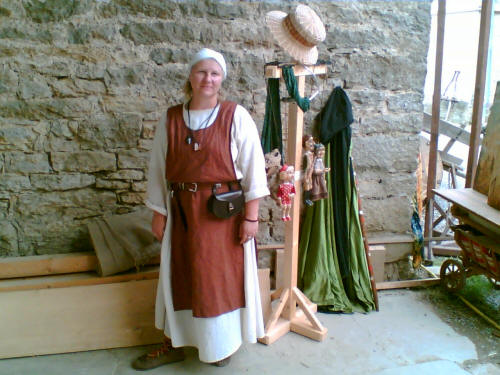
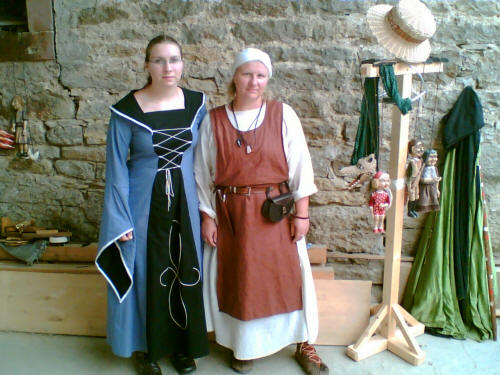
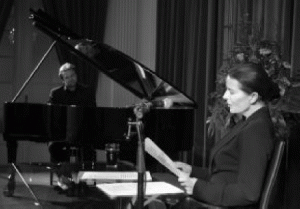
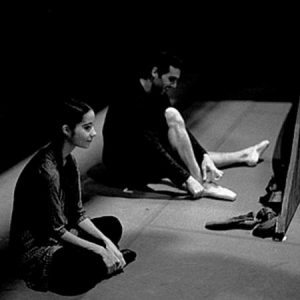
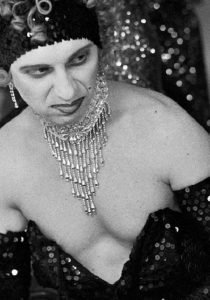
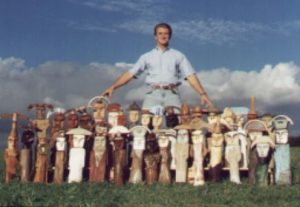
She participates as an emergency doctor at the “Histotainment” park www.Adventon.de in Osterburken, southern Germany, where thousands of visitors attend historical medieval events. Most visitors are dressed in medieval costumes and live on the park’s grounds, creating a unique atmosphere. The name Adventon means “the coming medieval city”: the plan is to build a complete medieval city with many houses, offering a perfect depiction of the period. More photos can be found on the Adventon website.
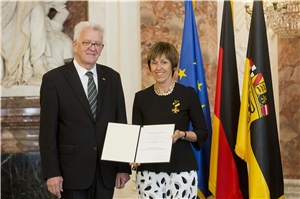
Barner studied medicine and mathematics and earned doctorates in both subjects. “As a researcher at the helm of a globally active company, he knows exactly how important science is for the economy,” said Andreas Schlüter, Secretary General of the Stifterverband, according to a statement.
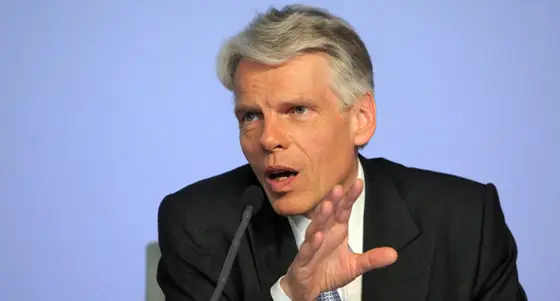
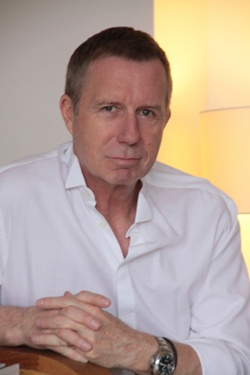
Andreas Barner (born February 10, 1953 in Freiburg im Breisgau) is a German physician and mathematician. From 2009 to 2016, he was Chairman of the Board of Directors of Boehringer Ingelheim.
Barner studied medicine at the University of Freiburg and mathematics at the Swiss Federal Institute of Technology in Zurich, completing both degrees with doctorates.
After a year as a medical intern, he moved to the pharmaceutical industry and initially held various positions in the research department of the then Ciba-Geigy AG in Basel, Switzerland.
In 1992, Barner joined Boehringer Ingelheim, Ingelheim am Rhein (Germany), where he took over the management of the Medical Division, which includes global clinical research, registration, information and biometrics, and drug safety. Since July 1, 1999, he has been a member of the Executive Board, responsible for the Pharmaceutical Research, Development, and Medical Division. In 2009, he also assumed the role of Spokesperson of the Executive Board.
On June 30, 2016, Barner stepped down as Chairman of the Executive Board and joined the Shareholders’ Committee of Boehringer Ingelheim.
Barner holds positions in several scientific and industrial associations. Since June 2013, he has been President of the Stifterverband für die Deutsche Wissenschaft (Donors’ Association for the Promotion of Sciences and Humanities in Germany).[2] Barner is also a member of the Senate of the Max Planck Society[3] and a member of the Executive Board of the German Research Foundation (DFG).
He was also Chairman of the Board of the German Association of Research-Based Pharmaceutical Companies (VFA) until 2007.[4][5] He was also a member of the Executive Board of the Federation of German Industries (BDI)[6] and the Association of the Chemical Industry (VCI).[7] In 2007, he was appointed to the German Council of Science and Humanities by the German Federal President.
Barner has been a member of the Presidium of the German Evangelical Church Congress since 2008.[9] He chaired the 35th German Evangelical Church Congress in Stuttgart in 2015 as President.[10] In November 2015, he was elected as a member of the Council of the EKD[11] and re-elected in 2021.
From 2016, Barner served as Chairman of the Board of Trustees and Managing Director of the Fazit Foundation, which, as majority shareholder, controls the Frankfurter Allgemeine Zeitung. In July 2019, he swapped roles with Karl Dietrich Seikel in the Fazit Foundation and the Supervisory Board. He is now Chairman of the Supervisory Board of the Frankfurter Allgemeine Zeitung.
Since 2017, Barner has been Chairman of the Board of the Gutenberg Foundation, which supports the Gutenberg Museum in Mainz.
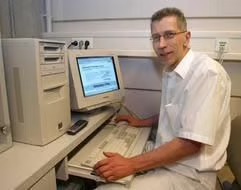
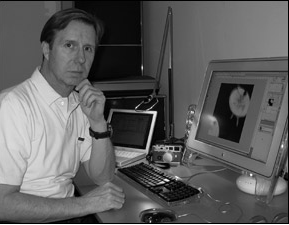
Incidentally, ophthalmologist Dr. Martin Nowak from Michelfeld near Schwäbisch Hall set a mathematical record on February 18, 2005: The 47-year-old doctor discovered the largest known prime number to date, with exactly 7,816,230 digits.
A standard computer completed the task. This computer is part of the worldwide Great Internet Mersenne Prime Search (GIMPS) network based in Orlando, Florida, in which tens of thousands of computers search for prime numbers.
The computer in the basement of Nowak’s eye center discovered the 42nd Mersenne prime number on February 18 after a computing time of 50 days – while Nowak was sleeping, treating patients, or cycling. The computer usually only controls an information display for patients, calculating prime numbers in the background. The idea behind the GIMPS project is to use free computing capacity to solve complex problems.
Nowak was enthusiastic about the idea, which he learned about in 1999. He first began calculating prime numbers with a computer; today, there are 24. At first, he was completely oblivious to his historic discovery. It wasn’t until an email from Orlando alerted him to his success. “At first, I didn’t even know which screen to look at,” Nowak recalls. After installing the small, free program, he barely paid any attention to it: “I didn’t really follow it.”
Nowak describes himself as an amateur mathematician. “I have a basic understanding of numbers, and I’m interested in their application in technical drawing.” Advanced mathematics, including calculus and mathematical proofs, however, aren’t his thing. He much prefers cycling across Europe or playing the piano.
No one knows whether there actually are other Mersenne numbers. Prime numbers go back to the French monk Marin Mersenne (1588-1648). They have the formula (2 to the power of n) – 1.
Nowak’s newly discovered Mersenne number has over half a million more digits than the previous prime number record. Written on graph paper, it forms a strip 39 kilometers long.
Martin also participated in the doctors’ piano courses.
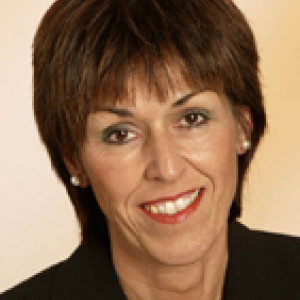
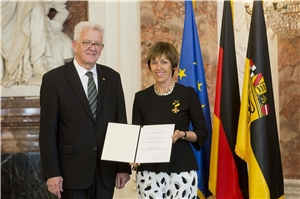
Monika Stolz (born March 24, 1951 in Worms) is a German politician of the Christian Democratic Union (CDU). She was a member of the Baden-Württemberg state parliament from 2001 to 2016 and Baden-Württemberg’s Minister of Labor and Social Affairs from 2006 to 2011.
After studying economics in Freiburg, Monika Stolz worked as a research associate at the Konrad Adenauer Foundation from 1974 to 1977. From 1976 to 1983, she studied human medicine in Giessen, Würzburg, and Bonn, received her doctorate in 1984, and worked as a physician.
Since retiring from politics in 2016, Stolz has been involved in a variety of volunteer activities. She is chair of the Abuse Commission (“Sexual Abuse Commission,” KsM) of the Diocese of Rottenburg-Stuttgart[1] and was also appointed by the Bishop of Rottenburg to chair the Diocesan Caritas Council, which acts as the ecclesiastical supervisory body of the German Caritas Council Association.[2] Stolz is also active on the board of trustees of the St. Elisabeth Foundation[3] (Bad Waldsee), the Central Committee of German Catholics, the Broadcasting Council of the Southwest Broadcasting Corporation, and other advisory boards.[4]
Monika Stolz is Roman Catholic, married, and the mother of four children.
From 1989, Stolz served as a city councilor in Ulm, chairing the CDU municipal council group from 1991 to 1999, and as a local councilor in the Ulm district of Unterweiler from 1989 to 2004.
In 2001, Stolz was elected to the Baden-Württemberg state parliament with a direct mandate for constituency 64 – Ulm, and served until 2016. She served as deputy chair of the CDU parliamentary group from July 2004 to October 2005. She did not run in the 2016 state election.
From October 2005 to January 2006, Stolz served as Political State Secretary in the State Ministry of Culture, Youth, and Sport. Following Andreas Renner’s resignation as Minister of Labor and Social Affairs, she was appointed as his successor by Prime Minister Günther Oettinger and held the ministerial post from 2006 until the Kretschmann government came to power in 2011.
In 2008, she refused to deliver a welcoming address at the Christopher Street Day in Stuttgart, citing, among other things, the event’s chosen motto: “I believe” in her written rejection to the organizers.
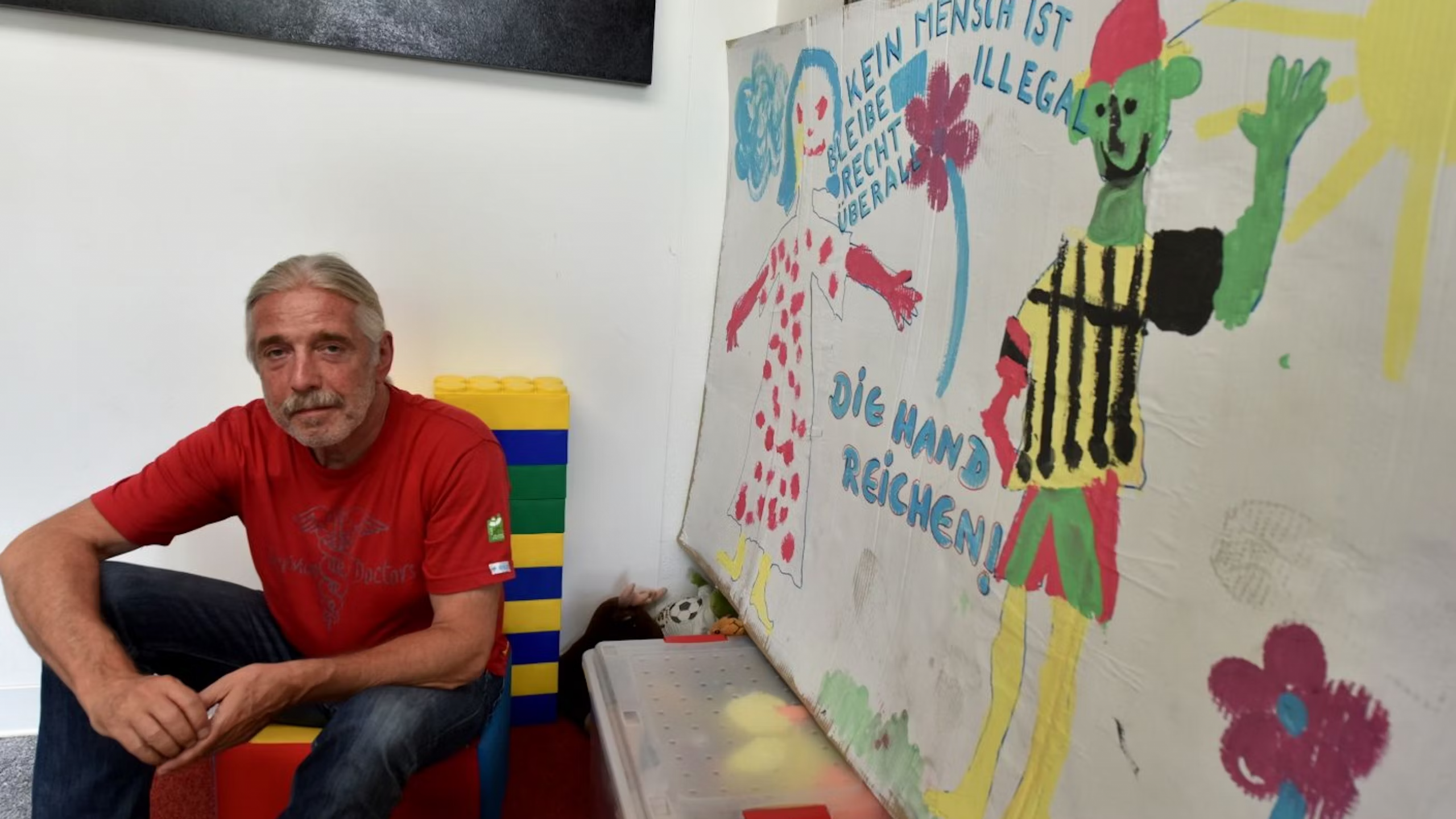
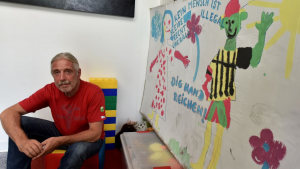
Andreas Sliwka is a gynecologist, psychotherapist, and yoga instructor in Unterföhring. He also holds consultations for refugees. Sliwka has traveled to crisis areas repeatedly.Foto: Catherina Hess
Multiple deployments as a doctor in various crisis areas in the Third World – in the Congo after the genocide in Rwanda, in the jungle clinic on Mindanao (Philippines), and most recently several deployments as a ship’s doctor in sea rescue operations off the coast of Libya – are expressions of my self-image as a physician.
My own search led me to the Eastern wisdom teachings. Training as a yoga teacher with my own yoga school for 10 years was an important step on this path. I currently practice Zen meditation according to the Soto school.
Wegmarken
My interest in philosophy and art arose in my youth. A milestone in this regard was Fritjof Capra’s book “Wendezeit” (The Turning Point) during my medical studies. He successfully established a connection between quantum physics and Eastern wisdom teachings, which has accompanied me throughout my life. About 20 years ago, Ken Wilber’s “Integral Theory” initiated a further development in my thinking. Integral Theory emerged from transpersonal psychology, a psychological development in the USA that integrated the spiritual aspects of human existence into psychotherapy. This form of therapy now also has a firm foothold in Germany (for example, at the Heiligenfeld Psychosomatic Clinic).
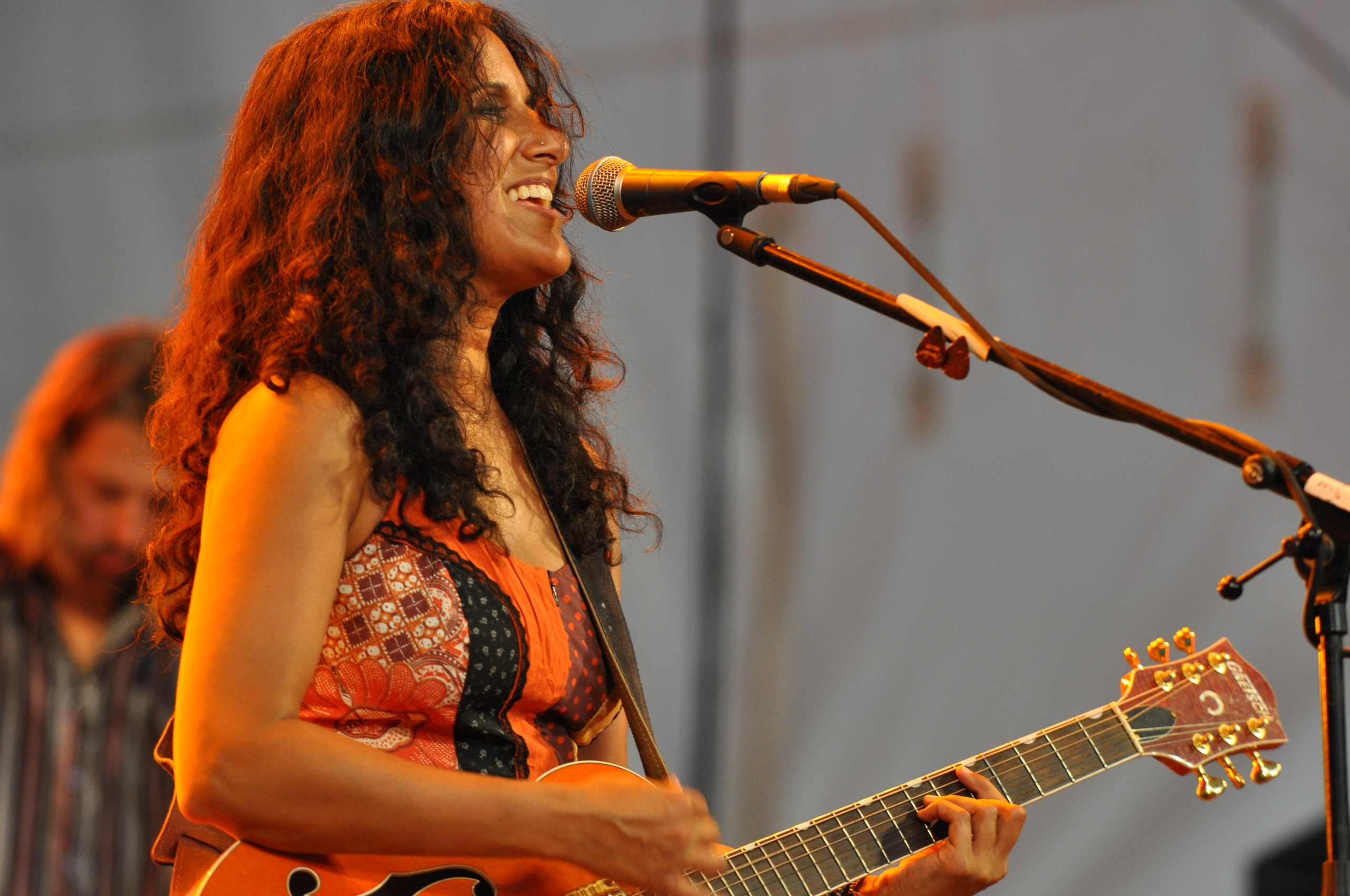
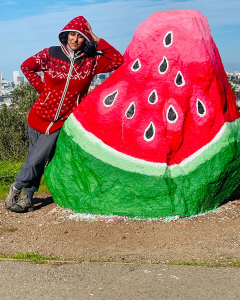
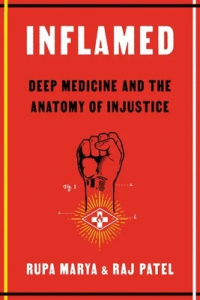
Rupa Marya is a doctor, activist, musician and writer based in San Francisco. She is a professor of medicine at the UCSF School of Medicine[1] and co-author of the book Inflamed: Deep Medicine and the Anatomy of Injustice (with Raj Patel).[2] She is currently suspended from teaching and banned from the UCSF campus after what the university described as the “targeting” of a first-year student from Israel in a social media post. The post cited speculation from the Israeli student’s classmates about potential service in the Israel Defence Forces and possible involvement in Israeli war crimes.
Marya was born in California to immigrant Indian parents. Her childhood was spent in the US, France, and India.[3] She attended the University of California San Diego, earning degrees in theater and molecular biology, before attending medical school at Georgetown University. It was during her residency at UCSF that she began writing and performing music.
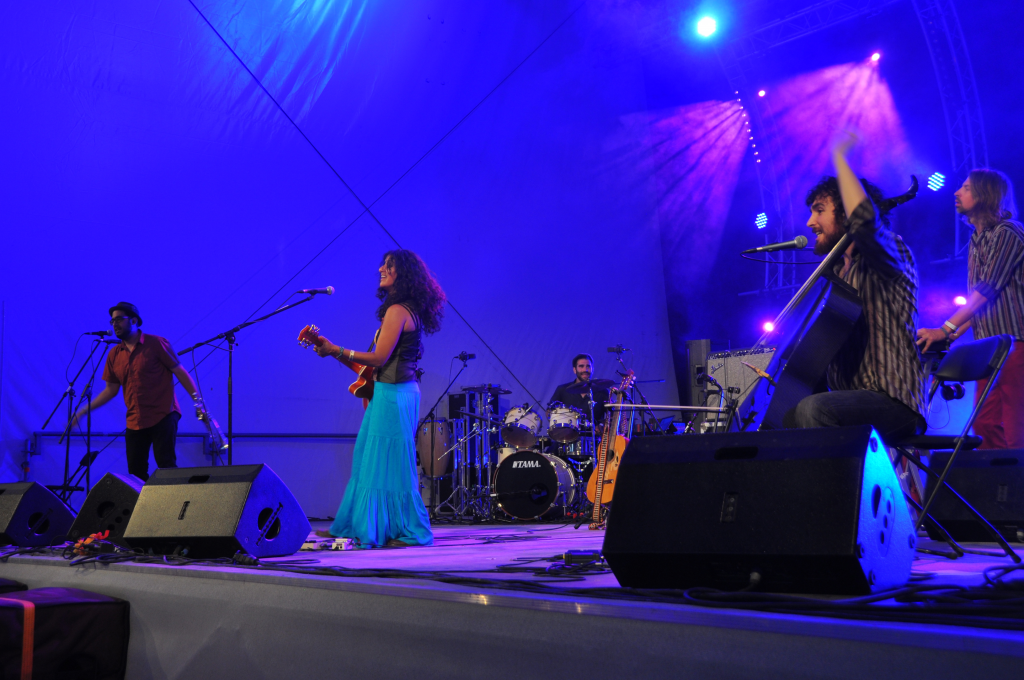
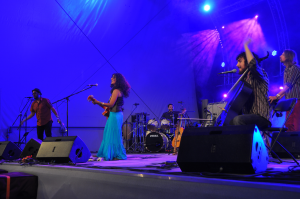
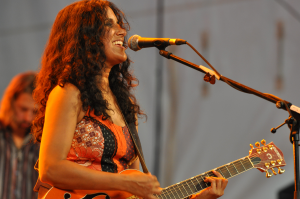
Rupa & the April Fishes’ debut album, “Extraordinary Rendition“, reflects on the societal impact of the September 11 attacks, while her subsequent album, “Este Mundo,” draws from her interactions with undocumented immigrants facing severe health challenges.[23] In “Este Mundo,” Rupa’s lyrics explore themes of longing, loss, and love, maintaining a thoughtful and intimate perspective.[24] Her music incorporates influences from jazz, tango, klezmer, Latin American, and Balkan music.[25]
Marya has said her sense of justice was awakened in childhood as she witnessed class differences in India, and learned about colonization and genocide perpetrated against Native Americans in the United States.[5] She is involved in numerous organizations working at the intersection of social justice and health, including the Do No Harm Coalition[6] and Deep Medicine Circle.[7] She was recognized in 2021 with the Women Leaders in Medicine Award by the American Medical Student Association. She was a reviewer of the American Medical Association’s Organizational Strategic Plan to Embed Racial Justice and Advance Health Equity. In 2019, Marya was among the physicians appointed by Governor Newsom to the Healthy California for All Commission.[8][9]
Marya has been vocal on social media as well as in her capacity as a medical professional regarding violations of Palestinian human rights.[10] After Dr. Avromi Kanal sent an email to hospital staff arguing against a cease-fire resolution, Marya publicly described this email as an “expression of anti-Arab hate” that prompted doctors of South Asian and North African descent “to say they do not feel safe in his presence.”
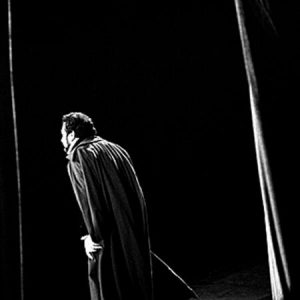
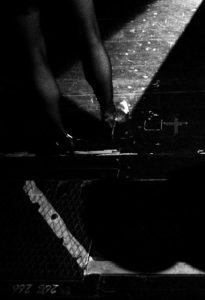
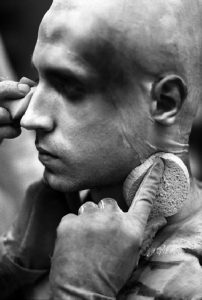
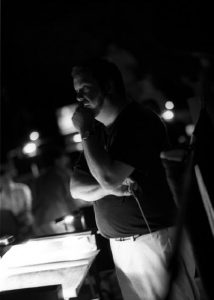
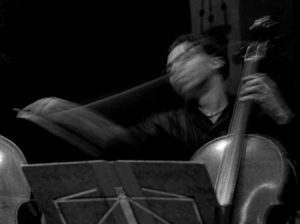
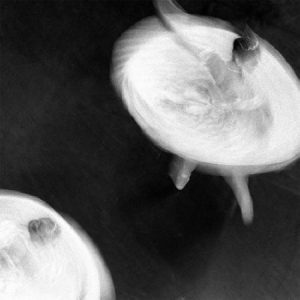
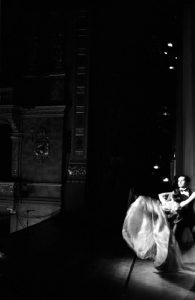
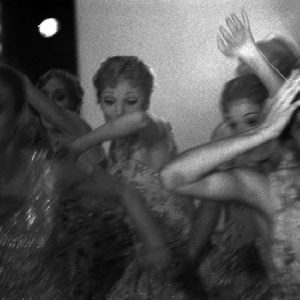
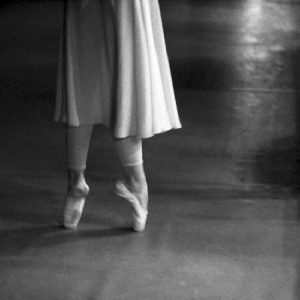
Karl Maria Udo Remmes (born 2 July 1954 in Tübingen, West Germany – 25 November 2014 in Köln[1]) was a German photographer and physician. He has become known especially for his work in backstage photography specializing in opera, ballet and musicals. The leading idea of Remmes’ photographic work is not the documentation – he wants to capture the moments when the hard work of acting transmutes into art.
Remmes’ first photo exhibition “Operaria” at the University of Düsseldorf[5] presents a portrait of backstage operations of the Deutsche Oper am Rhein. Remmes worked at various European opera and ballet theatres such as the Teatro Regio of Turin, the Graz Opera, the English National Opera in London, the Savonlinna Opera Festival in Finland and at the Chang’an Grand Theatre in Beijing, China.[6] In 2002, the Theatre Museum Düsseldorf established the “Remmes Collection”. Remmes was elected a Fellow of the Royal Photographic Society (FRPS), Fellow of the Royal Society of Arts (FRSA) and a Fellow of The Royal Society of Medicine. He represented the City of Düsseldorf at the World Exhibition EXPO 2010 in Shanghai, showing his work in an exhibition on the interface between theater work and theatrical stage art in Liu Haisu Art Museum Shanghai[7]
Remmes ‘ photographic style is based on pictorialism. His “Intrinsic Photography” (Remmes about his work) is contrary to the New Objectivity of the Düsseldorf School of Photography founded by Bernd and Hilla Becher. He captures multiple dimensions of theater reality by including diverse temporal, spatial, contextual and reality layers in one image. His pictures tell stories of the theatre machinery. He shows the backgrounds and unwritten laws, the union of scientific and superstitious components behind the scenes.[8] Remmes writes small notes and poems with light to show different realities: the world outside and the artificial world on stage, when actors and singers swap from one world to the other.[9] He represents modern theatre photography but he’s not interested in personality cult or in documentation of the action on stage.[10] He uses unusual prospects, i.e. bird’s eye view.[11] The photographs carry emotion in a different way, by blurred and strong contrasted sujets.[12] Remmes manages to bring the sensitive balance between theatrical work and art to perceptibility
2003 – Leica Gallery Tokyo, Japan – Theatrical Museum Dusseldorf – Foundation „Collection Remmes“ related to Dumont-Lindemann-Archive by the City of Dusseldorf – Photo-Art Setting new foyer of the Dusseldorf Theatrical Museum
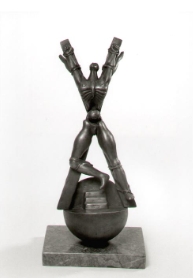
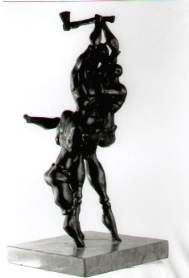
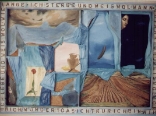
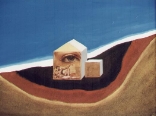
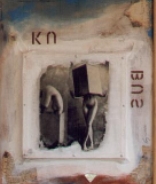
In his time as medical student ans assistant doctor Rehbach still had time for his artistic ambitions. Georg Brenninger and Emil Krieger were supporting him at the Munich Art Academy. He got further impulses from the Phantastic Realism of the Vienna School – Ernst Fuchs and Aric Brauer were protagonists here. But also surrealism – especially Salvador Dalí and Max Ernst wer influencing his visions of shape as well as Henry Moore.
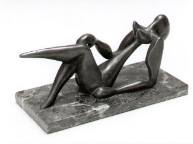
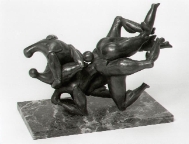
Based on this he mainly makes small sculptures of bronce in the magical-mystical world between erotics and sexuality – as a free style of the new era.
Though his main work for the last 1 5years (2007) is obstetrics and cytology in Neufahrn near Munich/Bavaria/Germany. He is member of an art circle in Echingen and participated in several exhibitions and got a great response about his work.
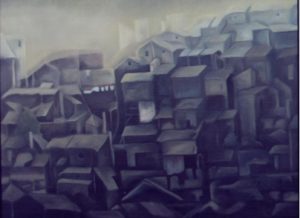
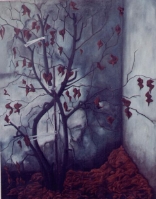
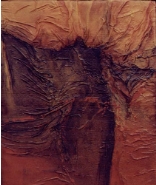
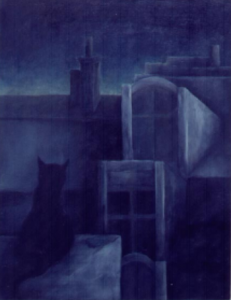
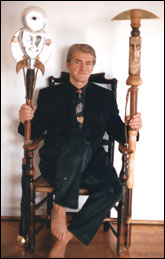
Frank Rawer, physician and artist, was born in Strasbourg. He grew up in Saarland and the Odenwald region; at the Odenwald School (near Heppenheim, Bergstrasse), he served as president of the school council, among other things. He received a travel scholarship from the Fondation des Bourses de Zellidja. He graduated with honors. He studied medicine in Frankfurt am Main, including an internship abroad in New York, USA. He passed the state examination (“very good”), received his doctorate (“magna cum laude”), and passed the ECFMG examination in 1971. He trained and continued his medical education (pediatric clinic, surgery, internal medicine, pathology, anesthesiology with helicopter rescue service, and radiology). He is a specialist in internal medicine and a specialist in radiology, specializing in nuclear medicine. He worked for many years as a senior radiologist.
For a long time (over 40 years), however, he has also worked as an artist, with a now extensive body of work, largely outside the art world for many years.
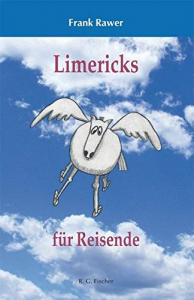
Frank Rawer has also won prizes in several photography competitions and participated in related exhibitions (including the International Book Fair Frankfurt 2000, Photokina Cologne 2004). Frank Rawer is also the author of the poetry collection “Limericks for Travelers” (R.G. Fischer Verlag).
On the occasion of an exhibition, journalist and art historian Ingrid Zehnder (St. Gallen) wrote: “… as a self-taught artist, he has not only achieved astonishing precision and perfection in his craftsmanship, but has also developed a distinctive, independent style in his invention and expressiveness.
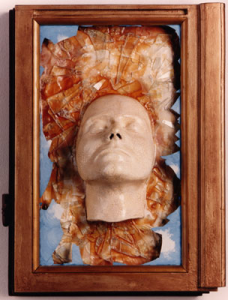
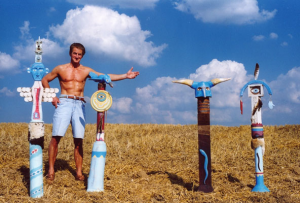
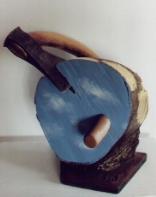
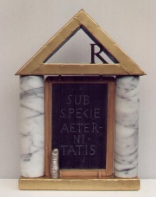
Frank Rawer works with a wide variety of materials: wood and plaster, Carrara marble and feathers, gold and sheet metal, precious woods and found objects from nature, canvas and paper. These are not random assemblages, however; the inherent quality of the material always plays a role.
Frank Rawer’s works are original and imaginative; they make allusions and set chains of ideas in motion. Sometimes they are cheerful and witty, ironic and playful, sometimes serious and critical, ambiguous and subtle.”