Carlos Albert Schumacher

  • -

Carlos Albert Schumacher

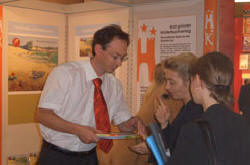
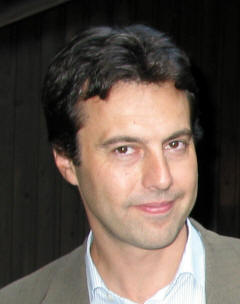
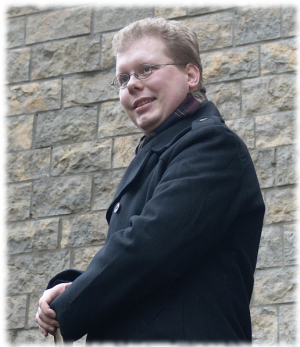
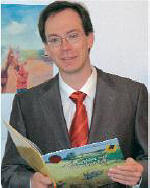
“The child’s soul is the greatest asset,” says Hamburg physician Dr. Carlos Schumacher. To help it develop and at the same time provide children with unforgettable moments, he relies less on the world of medicine than on the magic of imagination. He wants to enchant children with stories and has therefore founded his own publishing house. He presented the Hamburger Kinderbuch publishing house to the public for the first time at the Frankfurt Book Fair (2006).

The new venture, however, reflected an old dream of the 43-year-old. Since his studies, the Hamburg physician had thought about publishing books suitable for promoting child development. Last year, he fulfilled this dream and founded the Hamburger Kinderbuch publishing house.

In it, he focuses primarily on medical, psychological, and developmental topics. But he definitely doesn’t want to publish “boring textbooks with a wagging finger.” He wants to package the content in exciting and funny stories. He wants children to not just have the books read to them, but to discover the joy of browsing for themselves.

One of his first books is “The Story of the Little Kitten.” This classic by Christen Kold, the founder of the Danish adult education centers, is an encouraging book that Schumacher’s wife Katrin translated from Danish into German for the first time. The first publishing program also includes the interactive picture book “Alexandra, where are you going?” (Alexandra, where are you going?). In it, young readers can decide for themselves which path the protagonist should take – thereby influencing the further course of the story.

The doctor is also passionate about a project he developed with five colleagues. “The Drop Gang” – a book scheduled to be published in October 2007 – is a story about five children suffering from long-term illnesses: atopic dermatitis, asthma, epilepsy, cancer, and poor vision.

After completing his medical studies, Schumacher worked, among other things, as a research assistant in a pharmacology laboratory at the University Hospital of Aachen. The Hamburg-based children’s book publisher is not yet breaking even, so he currently works as a real estate entrepreneur.

https://www.aerztezeitung.de/Panorama/Arzt-verzaubert-Kinder-mit-Geschichten-388380.html
https://www.aerzteblatt.de/archiv/carlos-a-schumacher-vom-labor-zum-kinderbuchverlag-792b3025-b40c-4672-8736-1dd9a2cc0699


  • -

Gerhard Dammann

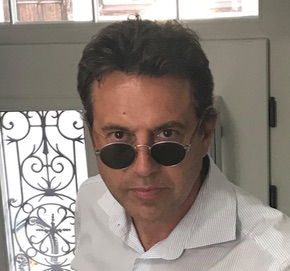
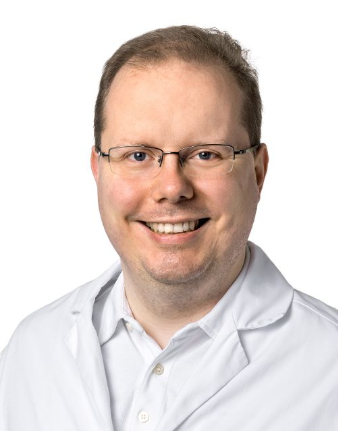
Gerhard Wolfgang Dammann (* 11 December 1963 in Oran, Algeria; † 20 June 2020 in Münsterlingen, Switzerland;[1] resident in Basel[2]) was a Swiss psychiatrist, psychologist and psychoanalyst.

Dammann studied medicine, psychology, and sociology in Tübingen, Frankfurt am Main, Basel, and Paris, graduating with the state examination in medicine (Germany, 1990), a diploma in psychology, and a diploma in sociology. From 1986, he was a member of the Catholic equestrian student association AV Guestfalia Tübingen.

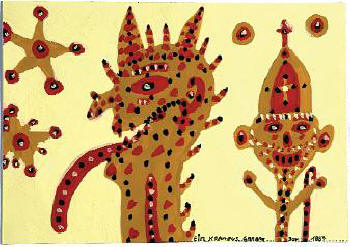
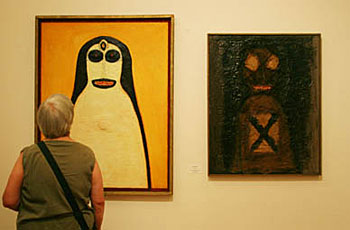
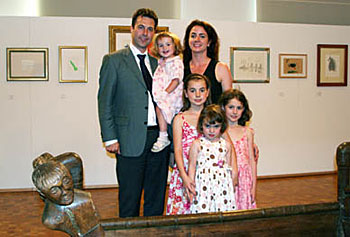
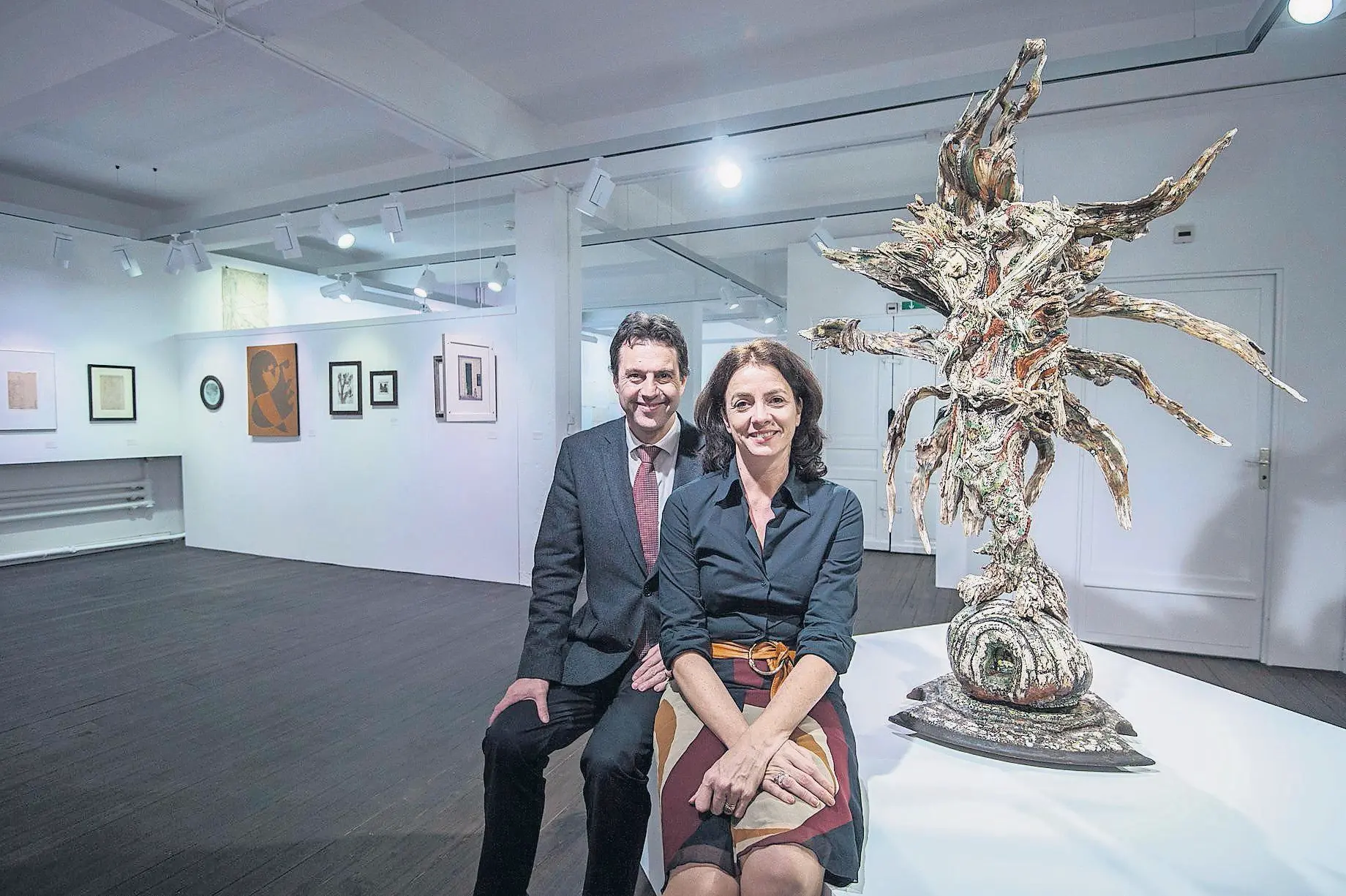
As a medical student, Gerhard Dammann explored the art of psychotics and those with psychiatric experience. During his clinical internship, he spent several months as an intern in the Prinzhorn Collection at Heidelberg University, acquiring his first works from the fields of “Outsider Art” and “Art Brut.” The collection began with a collage by Adolf Wölfli, a drawing by Louis Soutter, a painting by Johann Hauser, and a musical instrument by Gustav Mesmer. After his marriage, he and his wife Karin began collecting more and more systematically in the late 1990s.[1] From 1995 onwards, they placed the acquired works in their large Munich apartment. Initially, they acquired works by artists from the Art/Brut Center Gugging, including watercolors by Oswald Tschirtner and drawings by Franz Kamlander. From 2000 onwards, they supplemented the collection with further outsider art by Albert Louden, Sava Sekulić and Michel Nedjar. In 2003, they bought a large part of the works created in the “La Tinaia” studio, as well as historical Art Brut created in psychiatric hospitals.

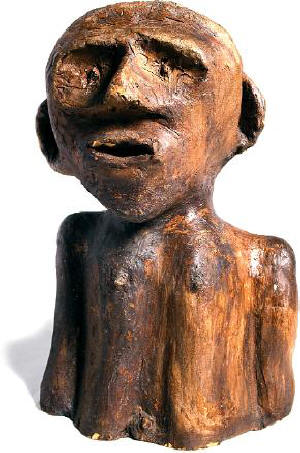
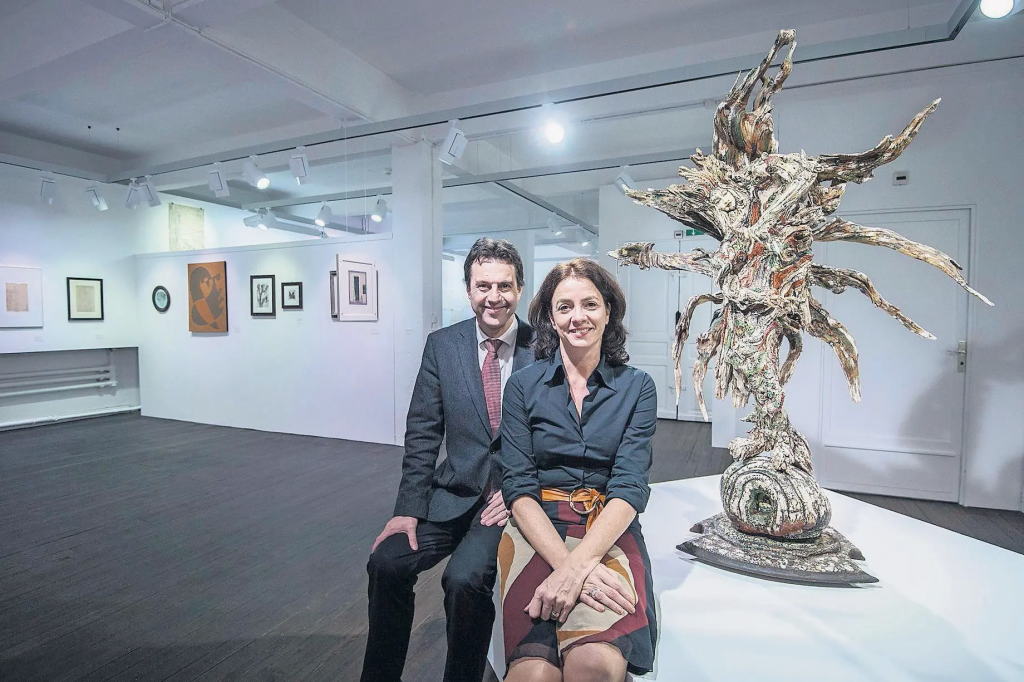
In 2006, the collection comprised around 100 artistic works by self-taught artists in the fields of Naive Art and Outsider Art, and by 2014 had grown to around 300 works of “select quality.” In 2023, the collection consisted of over 1,000 exhibits. The core of the collection is a selection of Art Brut classics. These include series of works by the Gugging artists Johann Hauser, August Walla, and Oswald Tschirtner from the early 1970s, as well as works from the open studios of the “La Tinaia” psychiatric hospital in Florence. In addition, the Dammann Collection includes five of fifteen works donated from the original Prinzhorn Collection, three works by Else Blankenhorn[5], and two sheets by August Klett. There are also some unusual works: a carved bed made of solid oak, created around 1880 in an institution near Chartres, or a sheet dated 1720, which is considered the oldest known work of outsider art.

https://de.wikipedia.org/wiki/Gerhard_Dammann_(Mediziner)

https://de.wikipedia.org/wiki/Sammlung_Dammann

https://www.news.uzh.ch/de/articles/2007/2598.html
https://www.tagblatt.ch/kultur/leuchtender-wahnsinn-ld.922360


  • -

Arnd Felten

1988 — 1992Grundschule Zornheim
1992 — 1998Rabanus-Maurus-Gymnasium, Mainz
1998 — 1999Highland High School, Pocatello, ID (USA)
1999 — 2001Rabanus-Maurus-Gymnasium, Mainz
2001 — 2002Civil Service for the Rotes Kreuz Rettungsdienst Rhein-Nahe GmbH, Mainz
2002 — 2004Study of Computational Engineering,
Friedrich-Alexander-Universität Erlangen-Nürnberg (no degree)
2004 — 2006Study of Medicine,
Friedrich-Alexander-Universität Erlangen-Nürnberg
2006 —Study of Medicine,
Johannes-Gutenberg-Universität Mainz

http://www.arnd.info

work

https://www.xing.com/profile/Arnd_FeltenMHBA/web_profiles

https://www.linkedin.com/in/arnd-felten

https://www.spital-emmental.ch/Aerztliche_Fachpersonen/?docId=1473

https://www.spiegel.de/lebenundlernen/uni/europas-superhirn-gipfel-invasion-der-intelligenzler-a-569413.html

  • -

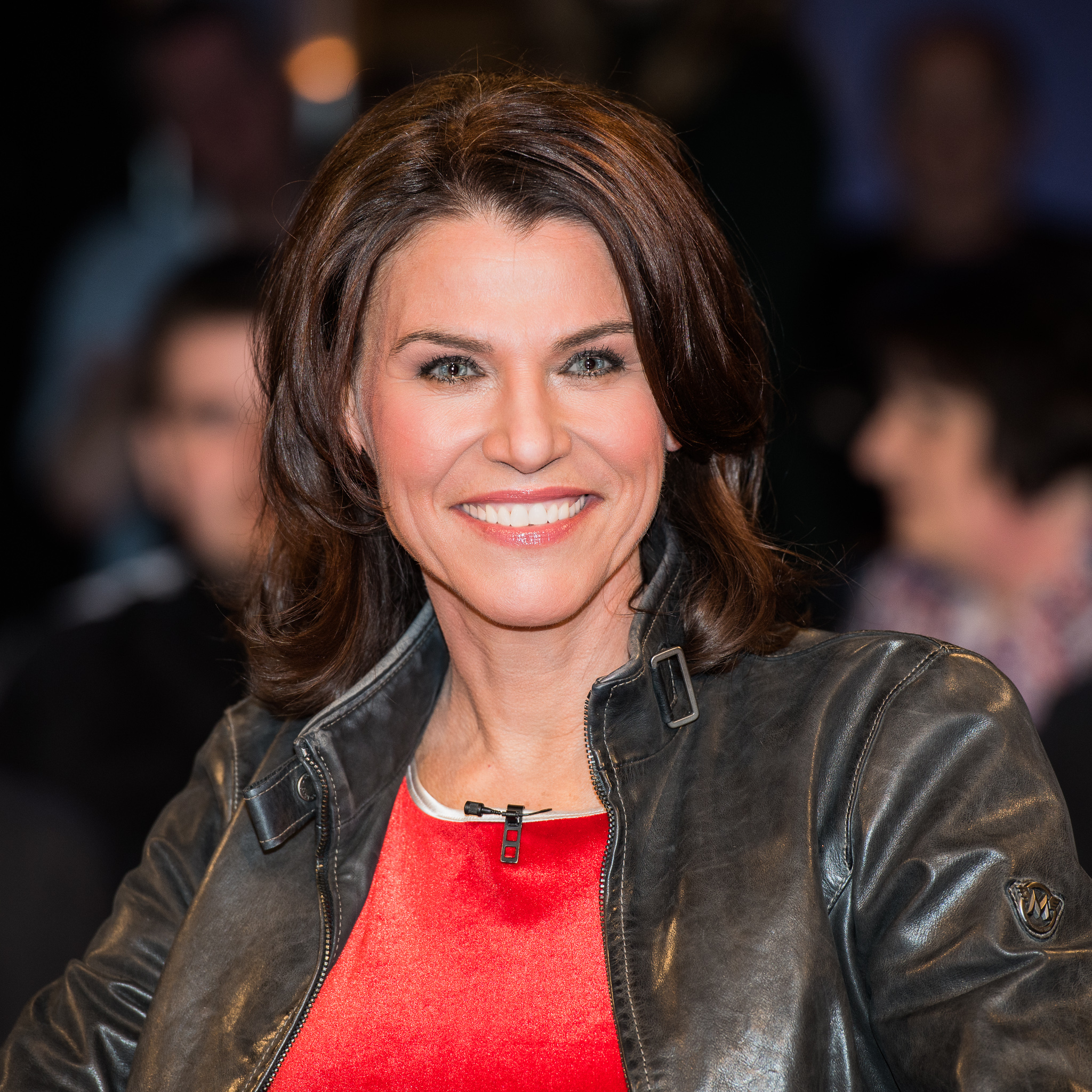
Michelle Bachelet

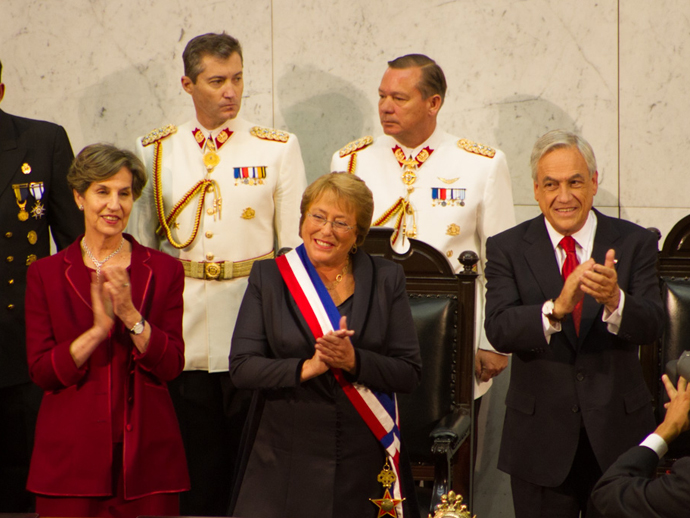
Verónica Michelle Bachelet Jeria [beˈɾonika miˈtʃel βaʃeˈlet ˈxeɾja] (born 29 September 1951 in Santiago de Chile) is a Chilean surgeon[1] and politician (PS). From 2006 to 2010 and from 2014 to 2018 she was President of Chile, making her the first woman to hold this office. From 1 September 2018 to 31 August 2022 she was United Nations High Commissioner for Human Rights. In the meantime she was Under-Secretary-General of the United Nations as Executive Director of the UN Women organization.

Michelle Bachelet was named after the French actress Michèle Morgan.[2] She is the daughter of Chilean Air Force General Alberto Bachelet, who remained loyal to President Salvador Allende during the 1973 coup in Chile and was captured and tortured by members of Augusto Pinochet’s regime. The following year, he suffered a fatal heart attack in prison. Michelle and her mother fled to East Germany via Australia. In 2013, shortly before the presidential election, Bachelet recounted her own experiences in the Villa Grimaldi torture prison in January 1975 before her escape: “My head was in a hood and I was insulted, threatened and sometimes beaten. But I was spared the parrilla, a torture device consisting of a bed frame for electric shocks, literally called a grill in Spanish.”[3] She learned German at the Herder Institute of the University of Leipzig.[4] She studied medicine at the Humboldt University of Berlin. On October 19, 2006, she was awarded an honorary doctorate from the Charité.[5] This was in recognition of her services to healthcare and the care of underprivileged people, which she achieved as a pediatrician and politician in Chile.

In 2019, she was awarded honorary citizenship of the city of Montreal.

https://de.wikipedia.org/wiki/Michelle_Bachelet

https://en.wikipedia.org/wiki/Michelle_Bachelet

https://www.youtube.com/results?search_query=michelle+bachelet


  • -

Martin Nweeia

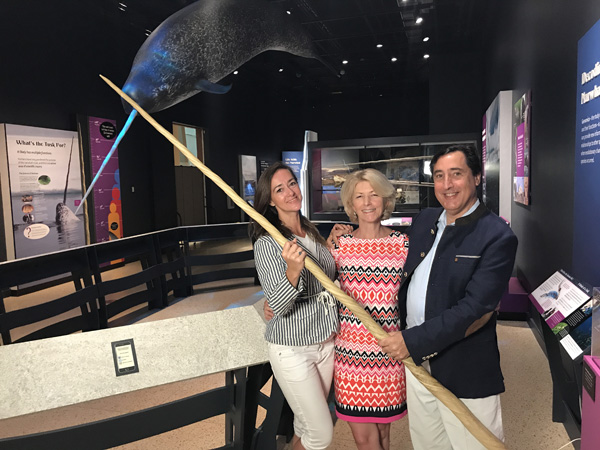
Jane O’Brien, an anchor of BBC World News, joins Martin Nweeia, D.D.S., ’77, right, and Nweeia’s wife, Pamela Peeters, at the Smithsonian. Photo by Ryan Lavery

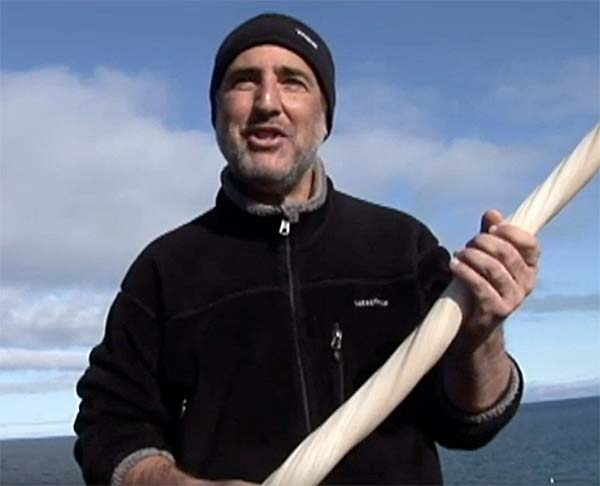
Dr. Martin Nweeia is the world’s leading expert on the narwhal’s tusk and tooth system. He is a National Foundation Scientist and has led over 20 High Arctic expeditions and carried 15 expedition flags to study the elusive narwhal. He holds doctorates in dentistry and surgery and is a member of the dental faculties of Harvard University and Case Western Reserve University. He also conducts research at the Canadian Museum of Nature and the Smithsonian Institution. The Smithsonian Institution has awarded him two fellowships: one in physical anthropology and one in vertebrate zoology.

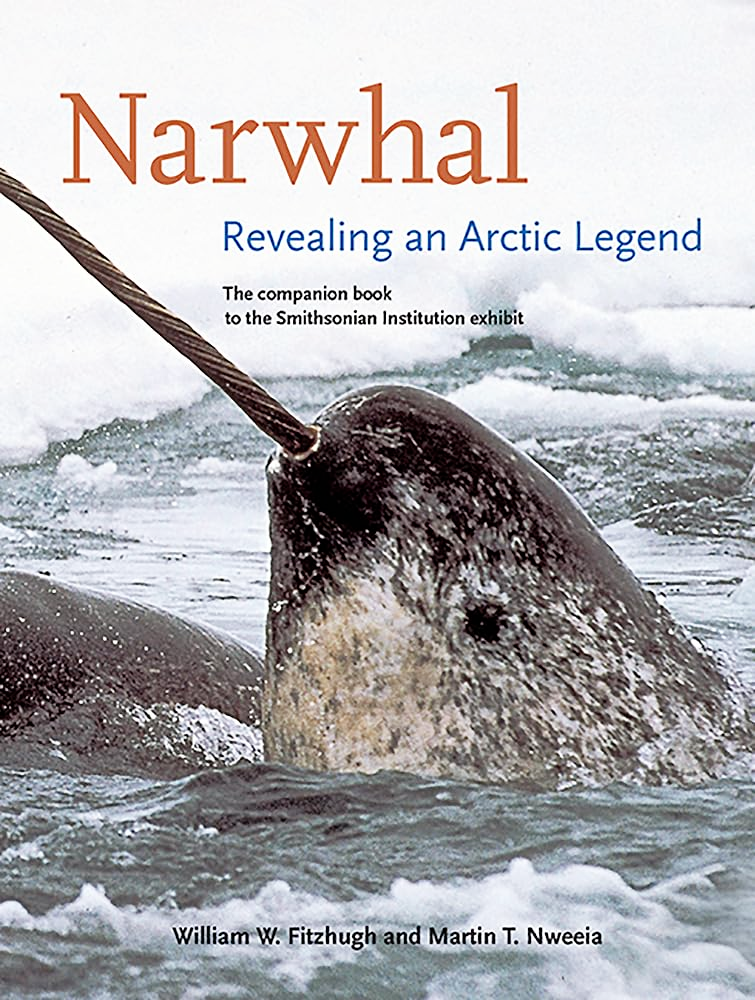
His work has been featured in The New York Times, NPR’s “Pulse of the Planet,” “A Beautiful World,” “Morning Edition,” “Earth Wise,” and documentaries by National Geographic, “Découverte” (French Discovery), and the BBC, including “Natural Curiosities” with Sir David Attenborough. Dr. Nweeia has received a CINE Golden Eagle for the NGS Wild Chronicles narwhal story, the William Mills Prize for his book “Narwhal: Revealing An Arctic Legend,” and the Lowell Thomas Award for Arctic Research. His 2020 scientific publications have been published in Nature, PNAS, and two Smithsonian books.

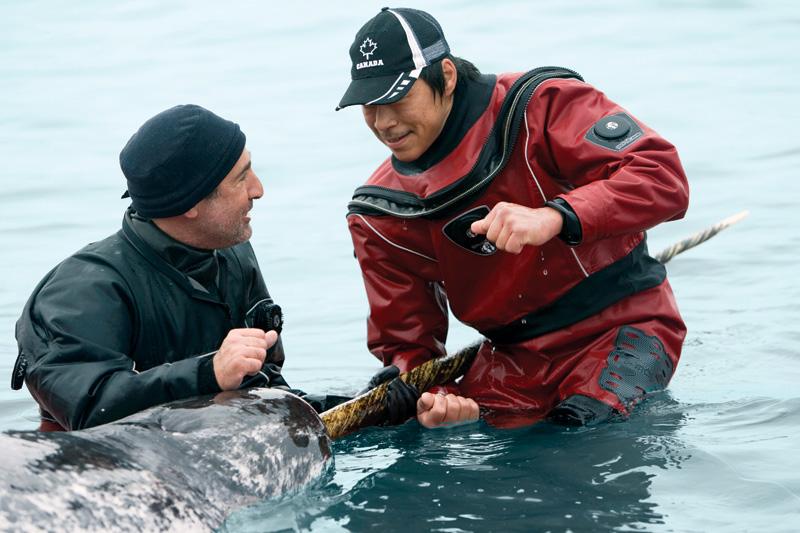
Martin Nweeia ’77 and research colleague Adrian Arnauyumayuq complete experiments on a live narwhal in Arctic Bay, Nunavut, Canada, in 2007. Photo by Gretchen Freund

Ein ziemlich ausgefallenes Hobby hat der amerikanische Zahnarzt Martin Nweeia: Er studiert den Stoßzahn des Narwals. Nweeia, niedergelassen in Sharon im US-Staat Connecticut und Lehrbeauftragter an der School of Dental Medicine der Harvard University, fährt seit Jahren im Frühjahr nach Kanada in die Arktis und untersucht die rätselhaften Wale mit dem einen großen Zahn, berichtet “New Scientist” online.

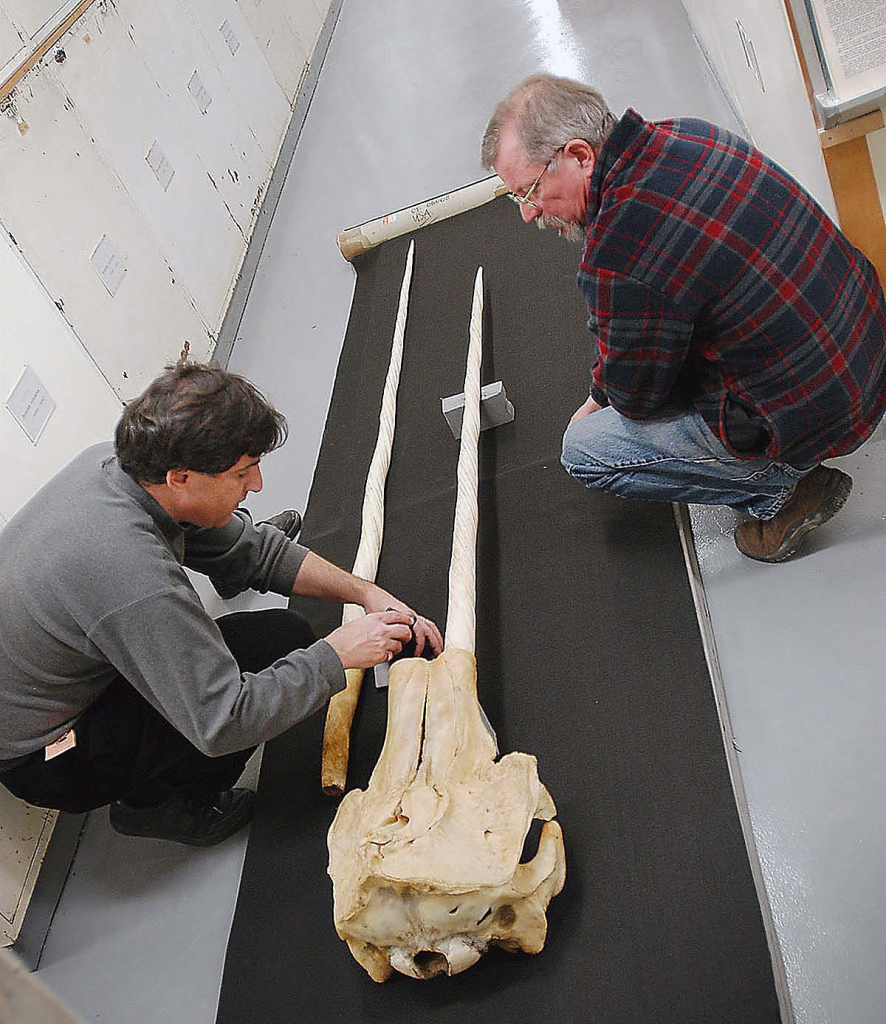
The narwhal’s tusk—the model for the unicorn’s horn—is unique in nature, says Nweeia. “It’s the only known straight tusk and the only spirally twisted one.” In stress tests, narwhal tusks have proven to be extremely flexible and tough—a combination that’s unusual for teeth.

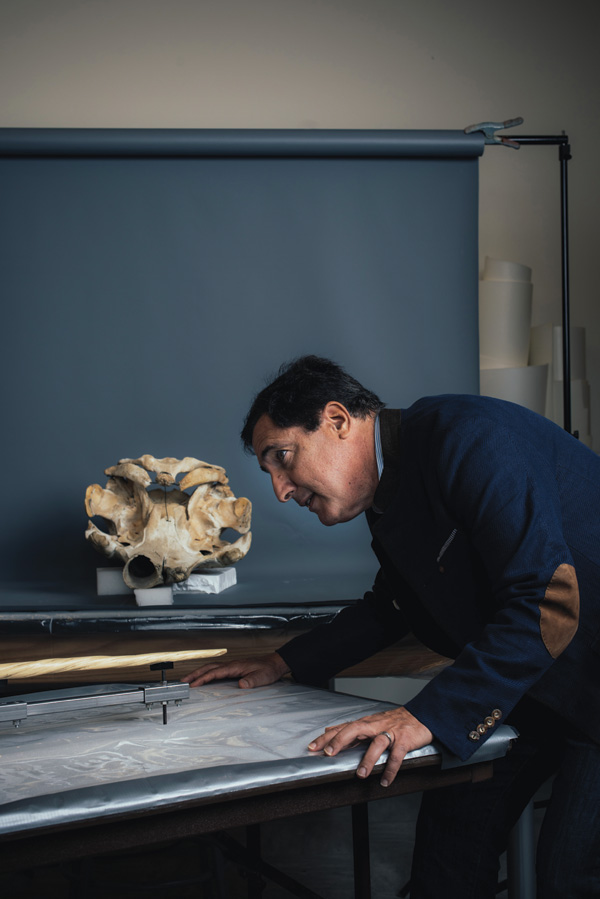
Nweeia examines a narwhal tusk and skull at the Smithsonian’s National Museum of Natural History before it is placed in a new exhibit, which opened in August. Photo by Stephen Voss

In male narwhals, one tusk grows to almost two and a half meters, while the other remains embedded in the jaw. Most females lack a tusk. The purpose of the tooth is still unclear. Weeia’s theory: “I think the tooth is a kind of sensor. It probably has something to do with detecting prey.” To test this, he is currently equipping whales with a sensor in their teeth.

https://narwhal.org/

https://www.aerztezeitung.de/Panorama/Dieser-Zahn-ist-ausserordentlich-und-einzigartig-in-der-Natur-331804.html
https://www.docseducation.com/blog/famed-dentist-studies-elusive-%27sea-unicorn%27-learn-more-about-human-teeth

https://www.si.edu/stories/understanding-narwhals-smile

https://www.glexsummit.com/explorers/martin-nweeia


  • -

Joachim Bremme

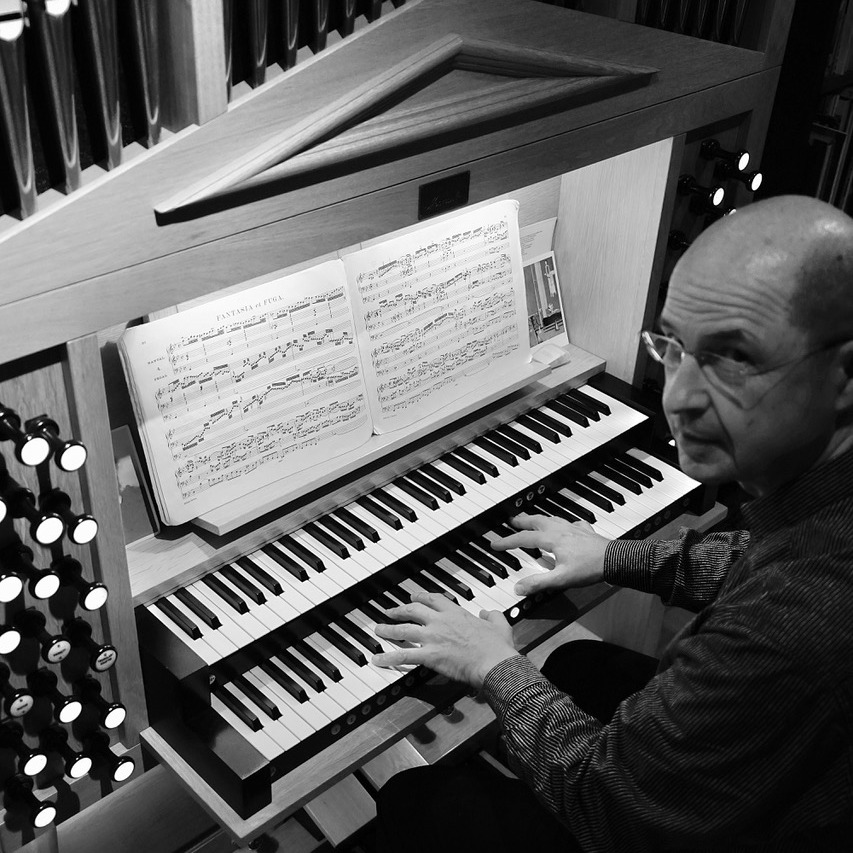
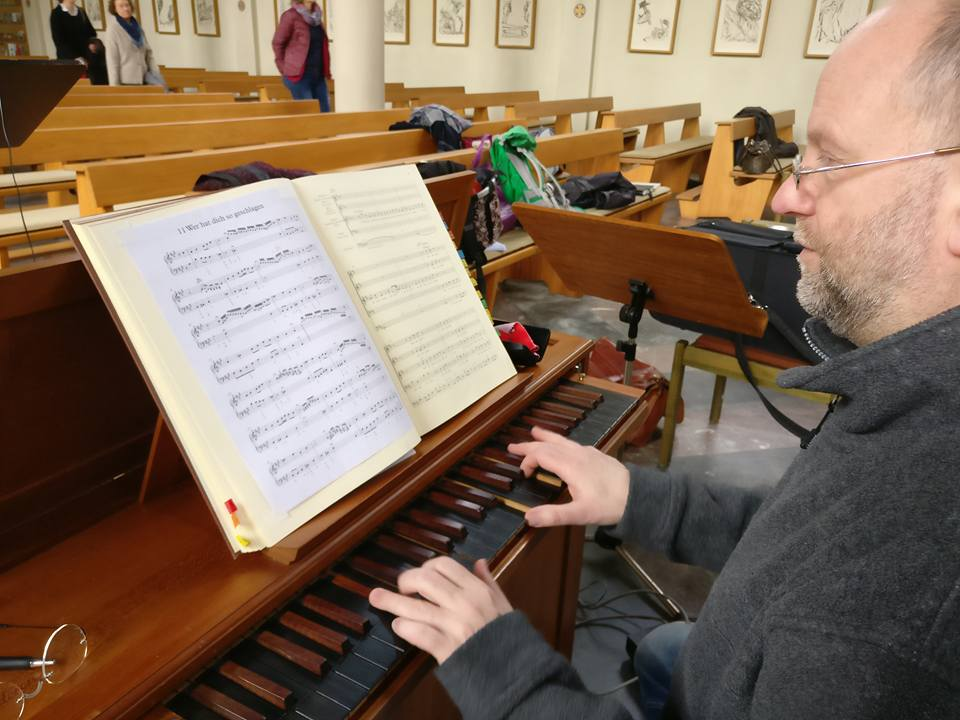
As a student, he had to decide whether to pursue his hobby of music or his passion for medicine as a career, reported Dortmund anesthesiologist Dr. Johannes Bremme. He ultimately chose a career as a doctor, but has always remained loyal to music. Bremme admitted to the German Medical Journal that he wasn’t particularly interested in practicing the piano. However, he immediately fell in love with the organ. After just a few years of lessons, he was able to work as an organist in churches.
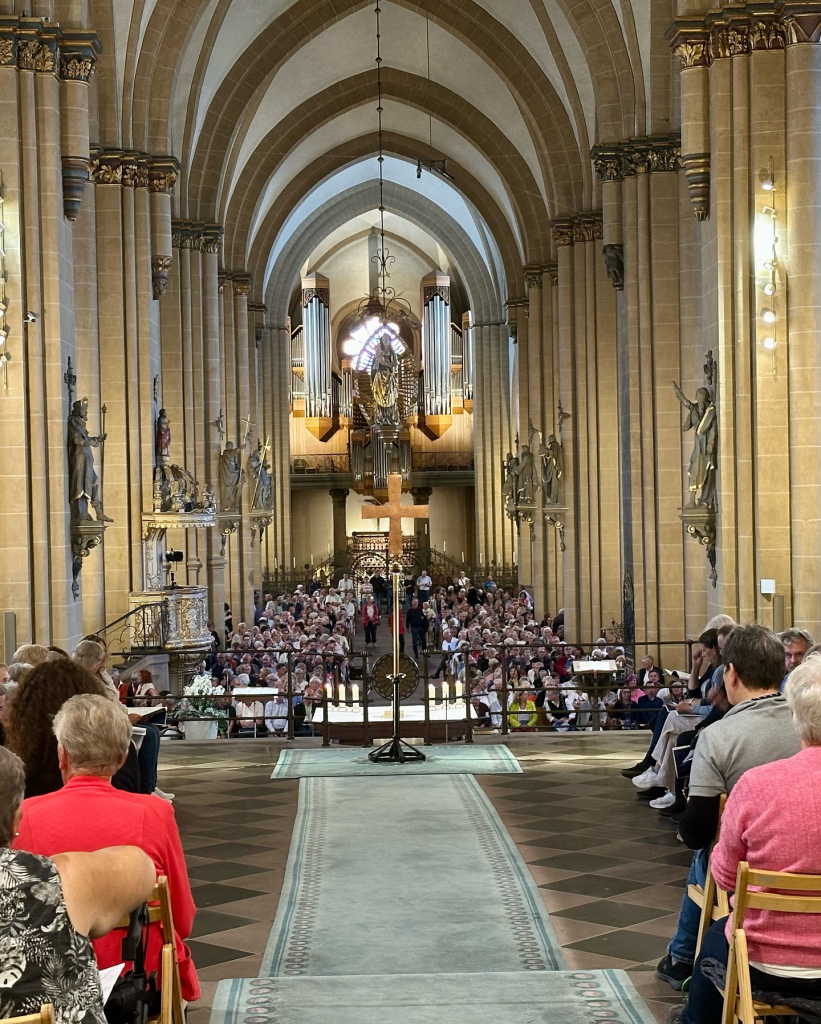
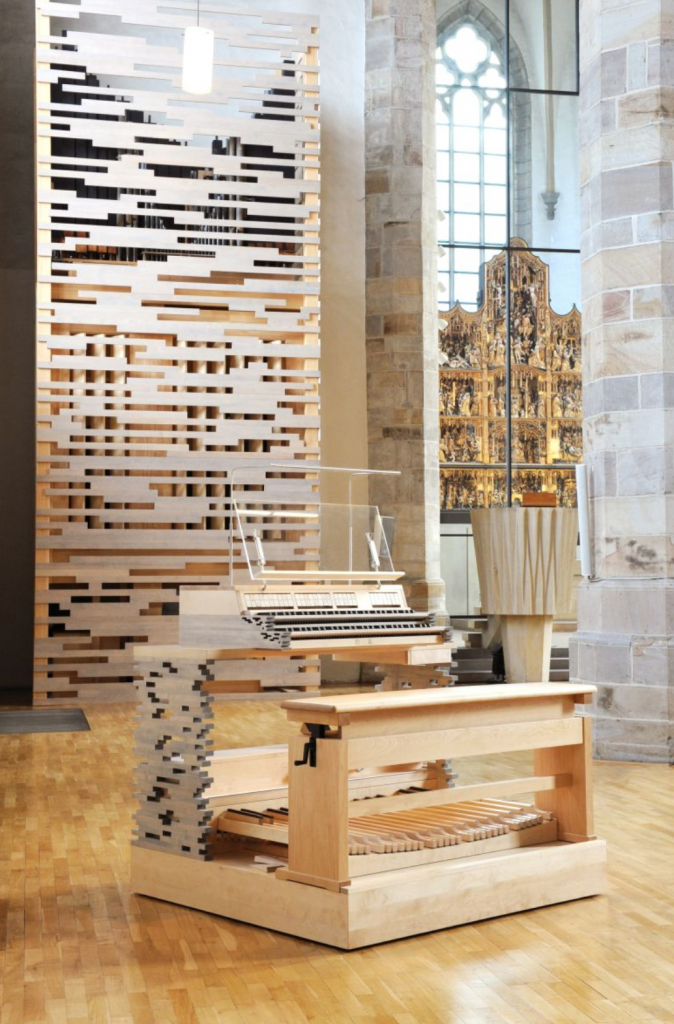
Now he wants to fulfill a special wish for himself and his congregation: a new organ for St. Peter’s Church. It is expected to cost 450,000 DM, of which 300,000 DM must be raised through donations. The current small organ – initially intended only as a temporary solution – was purchased a good 30 years ago. However, Bremme stated that this organ is sonically and technically unsuitable for long-term service to the congregation. For years, there have been efforts to build a larger organ, but the funds have been lacking. The new instrument, for which designs from Saxon workshops already exist, is intended “not to be a showpiece, but rather a compromise between musical needs and financial responsibility,” according to the Dortmund anesthesiologist, who is asking music-loving colleagues for financial support for the project. Further information: Dr. Johannes Bremme, Hoher Wall 21, 44137 Dortmund, phone +49 231/16 47 21.

https://www.aerzteblatt.de/archiv/arzt-sammelt-spenden-fuer-neue-orgel-keine-missklaenge-in-dortmund-ddd1f74a-2f43-404f-a198-3f23ff13a499

Hier spielt Johannes Bremme auf Gottesdiensten | Here he plays
Für diese Orgel galt der Spendenaufruf | The donations were for this organ

https://www.knappschaft-kliniken.de/recklinghausen/medizinische-fachabteilungen/zentrum-fuer-anaesthesiologie-intensivmedizin-und-schmerztherapie/unser-team/index.php

https://www.facebook.com/kirchenmusikliebfrauenhamm


  • -

MusiciMedici Orchestra Berlin

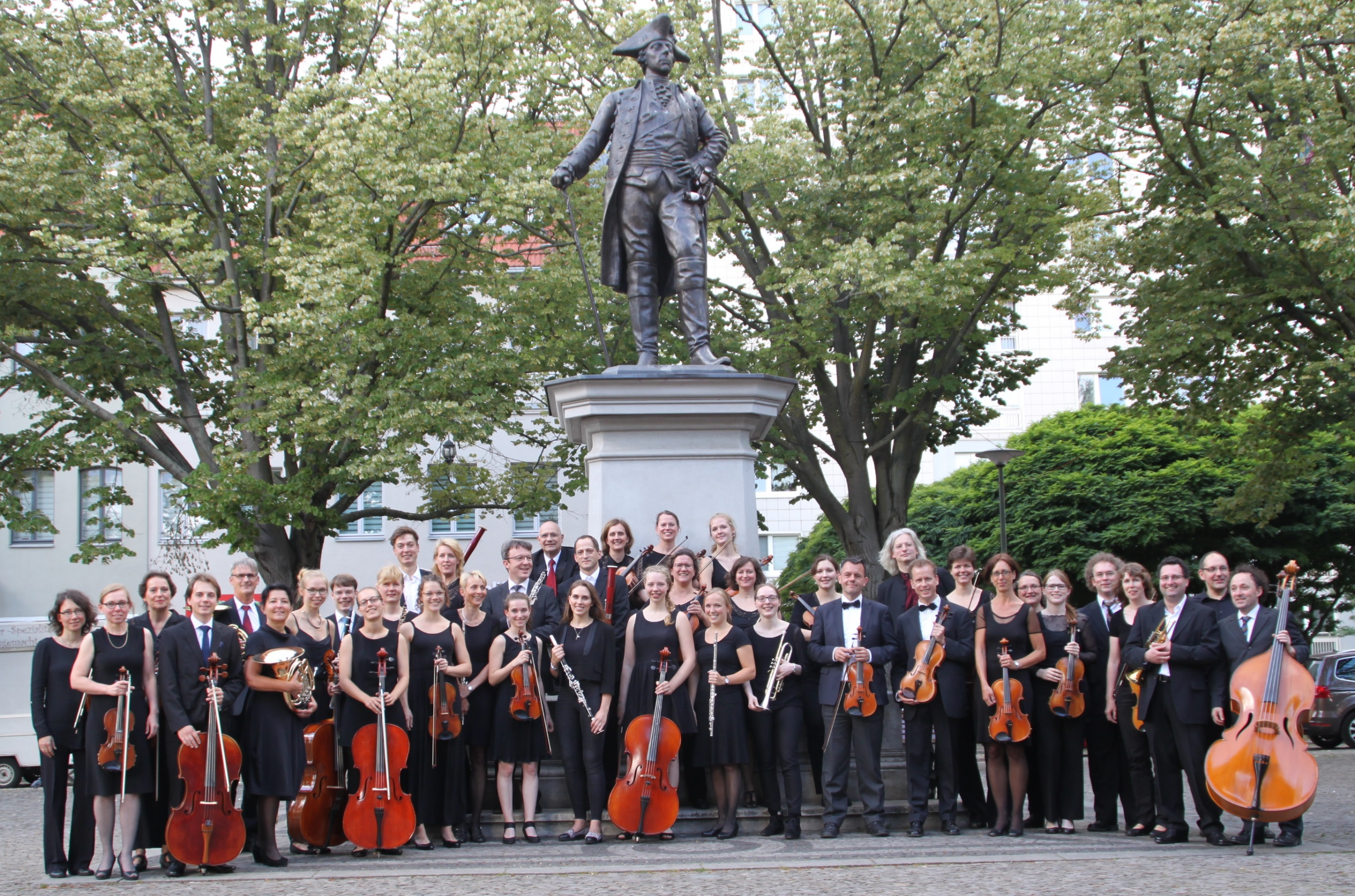
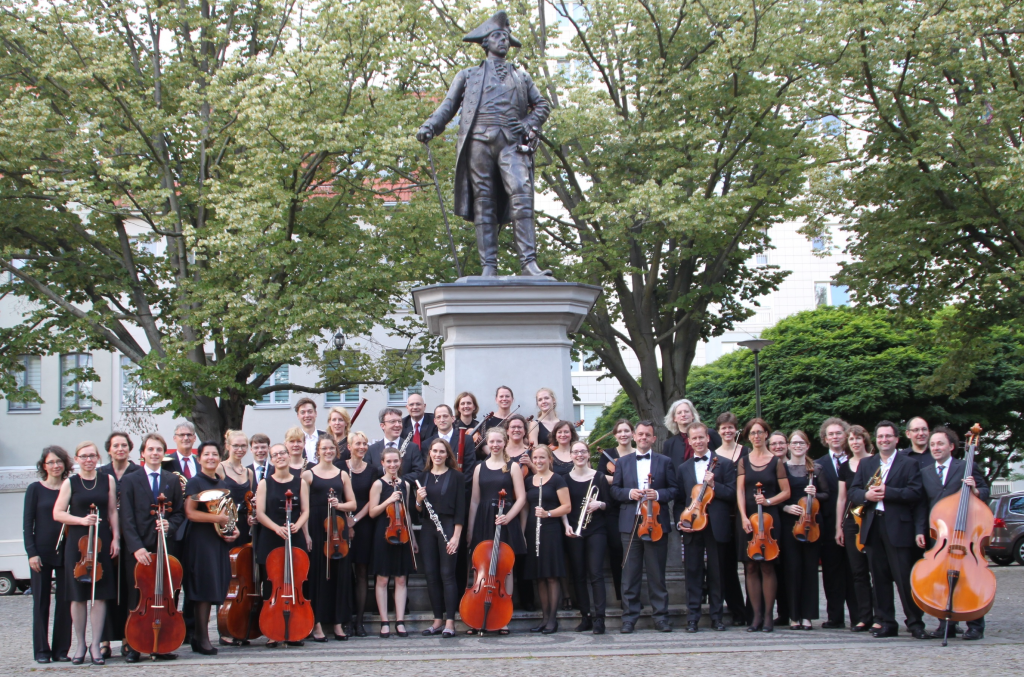
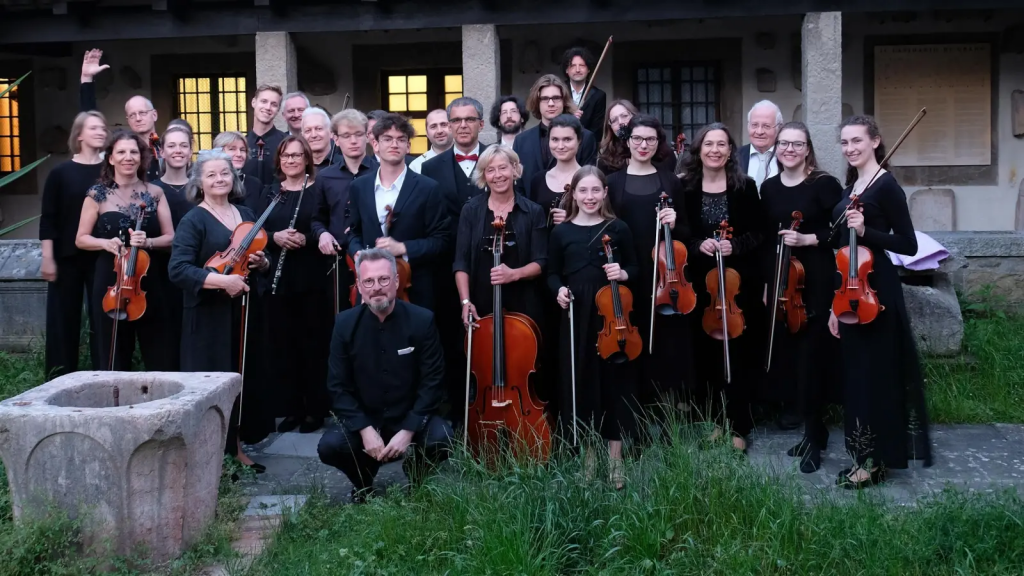
The MUSICI MEDICI was founded in 1981 from a chamber music group at the Biochemical Institute of the Humboldt University of Berlin and for many years consisted almost exclusively of medical students. Today, the orchestra has 35 members, about half of whom are physicians, along with other natural scientists and representatives of other disciplines. The proportion of medical students currently stands at about 15 percent.

Details + Dates: http://musicimedici.de


  • -

MusicaMedica Orchester Marktheidenfeld

Category : OrchestraDocs

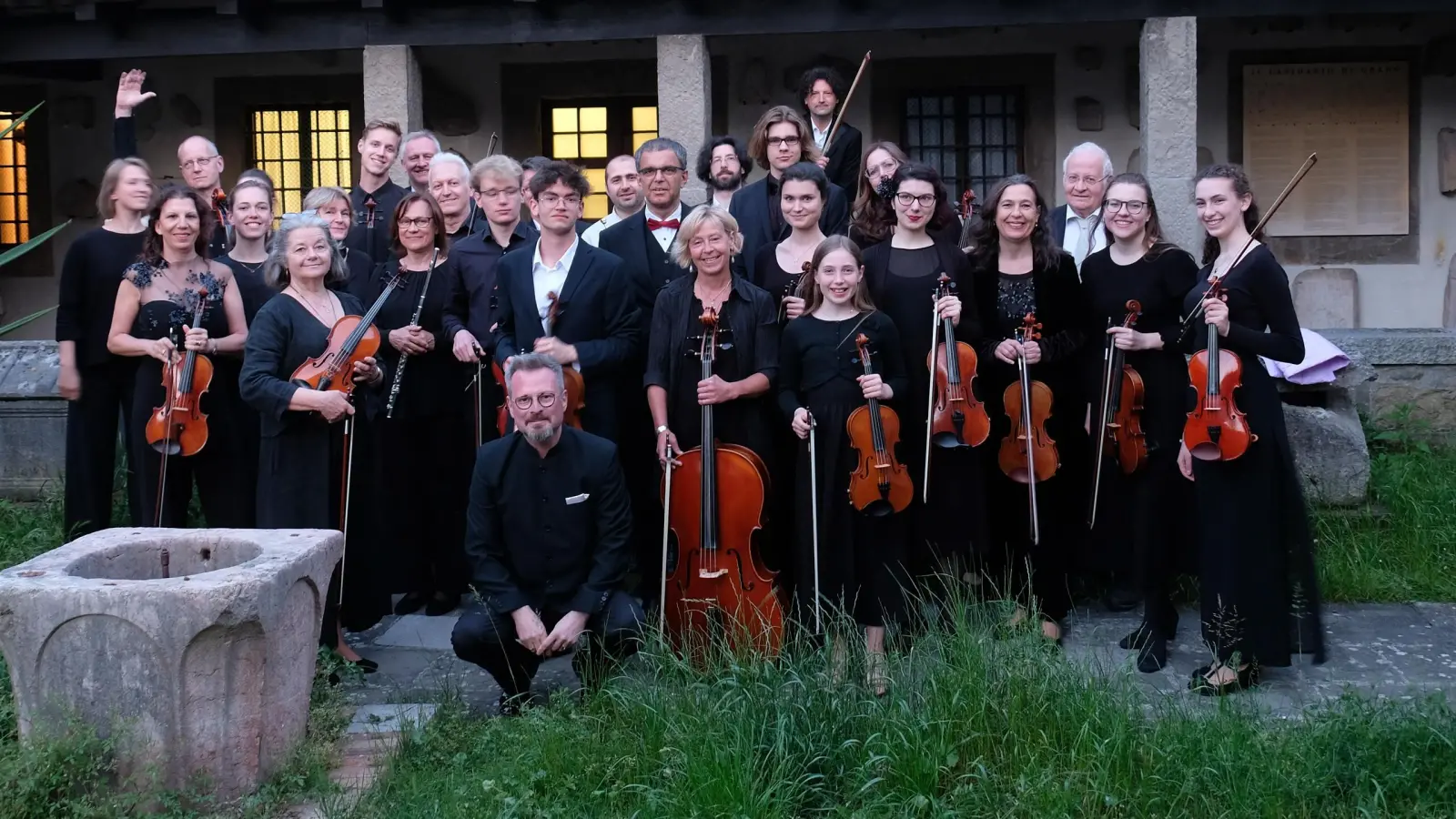
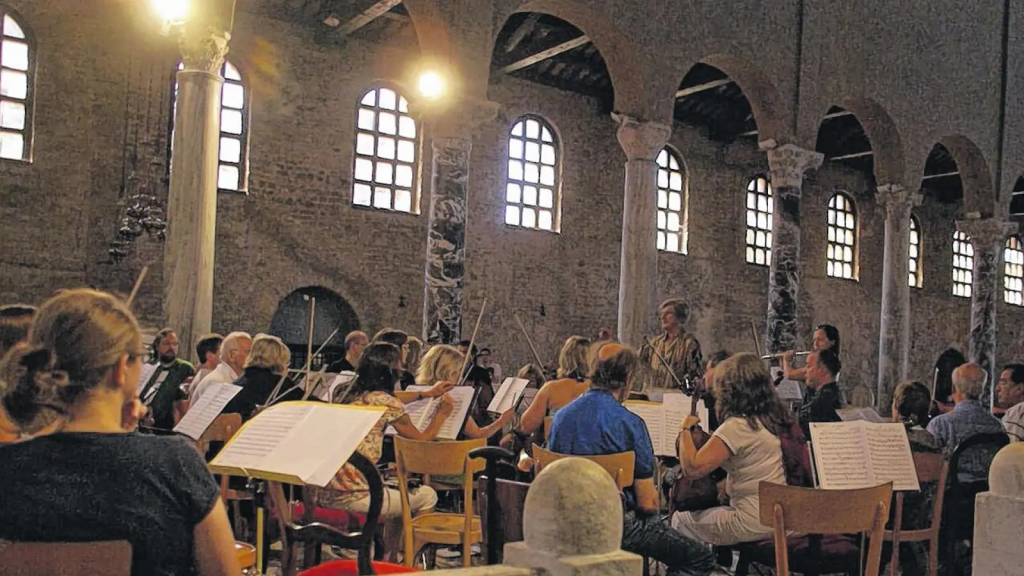
In 1987, Dr. Georg Kaiser, former chief physician at the Marktheidenfeld Hospital and a trained musician, founded the “Musica Medica” doctors’ orchestra. Even after his death in 2016, the musicians, together with family members and friends, travel to Italy every year for a week of concerts.

In an interview, his daughter Katharina Kaiser talks about, among other things, the fascination of making music together and how the doctors’ orchestra continued after the founder’s death.

https://www.mainpost.de/regional/main-spessart/musik-von-eltern-und-kindern-das-aerzteorchester-musica-medica-spielt-fuer-den-gemeinsamen-spass-und-den-guten-zweck-art-11171787

36 Years of the Musica Medica Doctors’ Orchestra: How did your father, Dr. Georg Kaiser, come to found the ensemble?

Kaiser: My father studied music alongside medicine, discovering another passion there. At just 14, he was an organist and choir director in his Silesian homeland. The impetus for founding Musica Medica was an annual congress for German doctors in Grado, Italy. My father gave organ concerts there in the 1980s. Gradually, other musicians joined in. This led to the founding of an association in 1987.

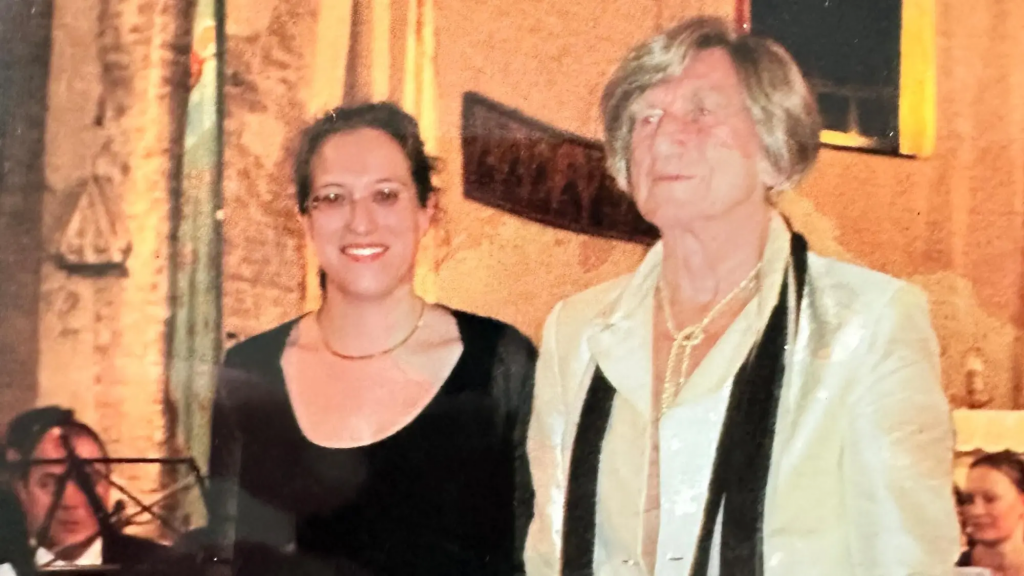
Katharina Kaiser and her father, Dr. Georg Kaiser, who founded the Doctors’ Orchestra and led it until his death in 2016, pose for a commemorative photo after the annual benefit concert at St. Michael’s Church in Neustadt in 2011 (archive photo). Photo: Barbara Kaiser-Pfaff

Article Georg Kaiser:
https://www.mainpost.de/regional/main-spessart/arzt-aus-berufung-musiker-aus-leidenschaft-art-454879

https://www.mainpost.de/regional/main-spessart/mediziner-und-musiker-aus-leidenschaft-art-6853720


  • -

Roland Matthes

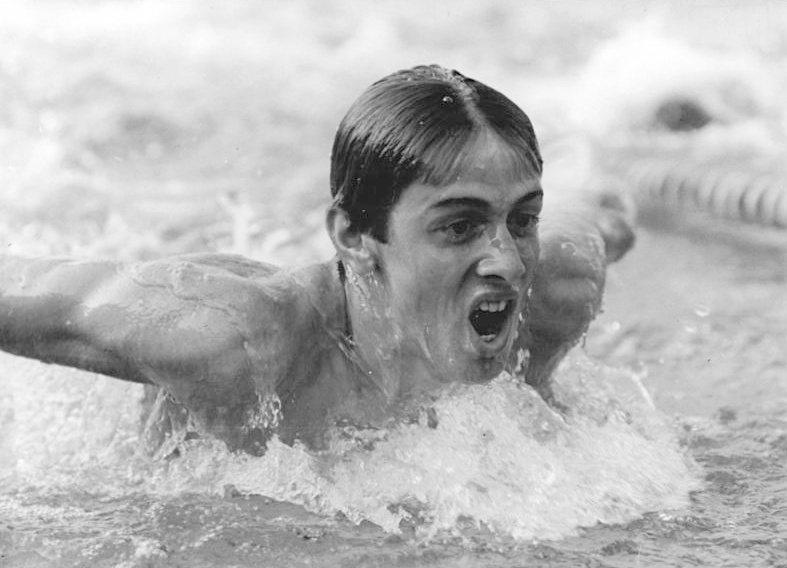
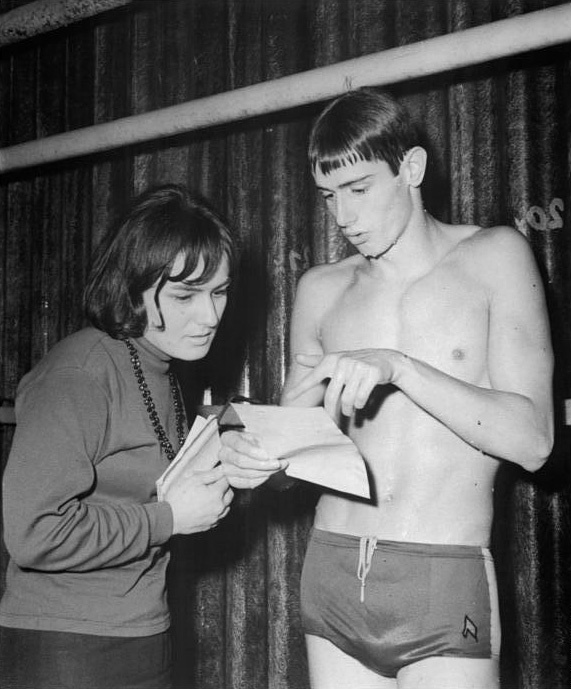
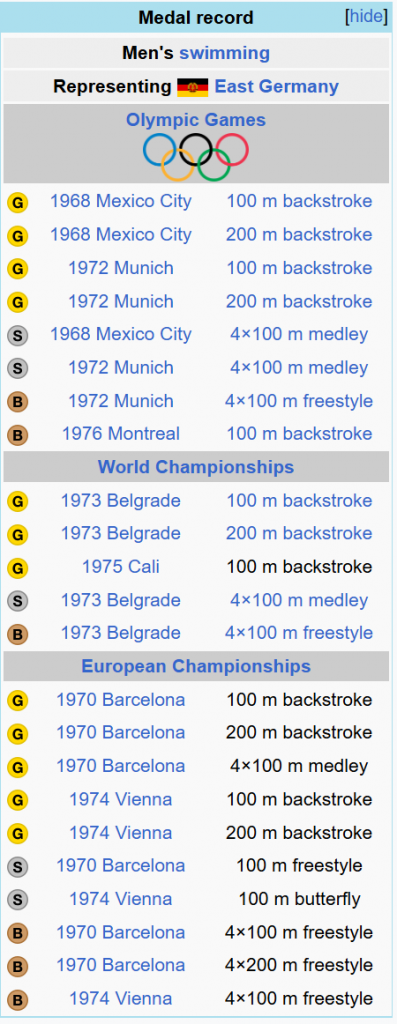
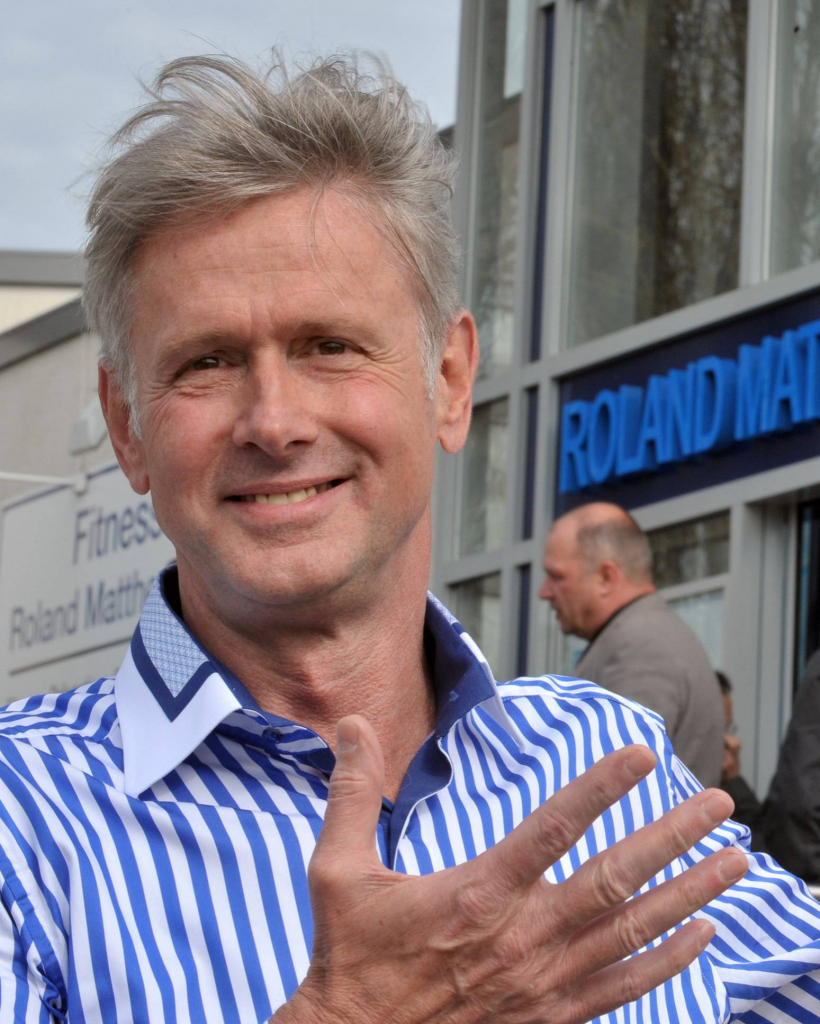
Roland Matthes (* 17 November 1950 in Pößneck; † 20 December 2019 in Wertheim[1]) was a German swimmer, world record holder and four-time Olympic champion and is considered one of the most successful and popular athletes in the GDR.

Matthes studied sports science from 1970 to 1977 and graduated with a degree in sports teaching. From 1978 to 1984, he studied medicine in Jena. Matthes worked as an orthopedic surgeon in Marktheidenfeld. From 1985 to 1989, he was a member of the IOC Medical Commission.

From 1978 to 1982, he was married to Olympic swimming champion Kornelia Ender.

On April 6, 2011, the Erfurt Südschwimmhalle (South Swimming Pool) was renamed “Roland Matthes Swimming Pool” in his presence.

Roland Matthes died in December 2019 at the age of 69 after a short, serious illness.

https://de.wikipedia.org/wiki/Roland_Matthes

https://en.wikipedia.org/wiki/Roland_Matthes

https://www.ovb-heimatzeitungen.de/sport/2019/12/22/abschied-vom-jahrhundert-schwimmer.ovb


  • -

Marion Kiechle

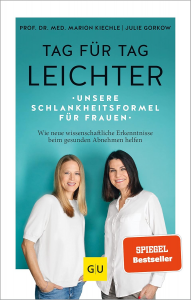
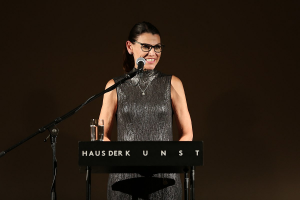
Marion Brigitta Kiechle (formerly Kiechle-Schwarz; born April 4, 1960 in Oberkirch) is a German physician, scientist, author, and former politician (CSU). Since October 2000, she has been Director of the Gynaecology Clinic at the Klinikum rechts der Isar of the Technical University of Munich and holds the Chair of Gynecology and Obstetrics.

On March 21, 2018, Markus Söder appointed her to his cabinet as Bavarian Minister of Science. Kiechle is chair of the Bavarian Bioethics Commission and deputy chair of the Central Ethics Committee for Stem Cell Research. Initially independent, she joined the CSU in April 2018 and, on the 21st of that month, was placed in the hopeless fifth place on the Upper Bavaria district list for the 2018 Bavarian state election. After the end of the legislative period in November 2018, she left the government and returned to TUM.

Engagement

Since 2021, Marion Kiechle has been chairwoman of the board of trustees for the Hospice House of Life project in Munich. Since February 2023, she has been a member of the administrative advisory board of FC Bayern Munich.

Privates

Since April 2010, she has been married to television journalist and sports commentator Marcel Reif, her fourth wife. Before that, she was married to a special education teacher and two doctors.

https://www.professoren.tum.de/kiechle-marion

https://de.wikipedia.org/wiki/Marion_Kiechle

https://www.facebook.com/prof.kiechle