Igame Casino At 2026 Review - Es gibt auch einen umfangreichen In-Play-Bereich, der den Spielern die Möglichkeit gibt, Spiele und Spiele zu sehen und zu sehen, wie sie sich verhalten, bevor sie sich zu einer Wette verpflichten.
Casino Roulette Maximaleinsatz: Sowohl Debit- als auch Kreditkarten, jeder American Express-Kunde im Online-Casino kann sich für die Blue Card, Everyday Credit Card, Green Card, Gold Card und die Platinum Card anmelden.
Dort wird selbstverständlich auch Deutsch gesprochen.
Aber es geht nicht nur um die Auswahl der Spiele oder die Auswahl der Werbeaktionen, sondern auch um die Auswahl der Einzahlungs- und Auszahlungsoptionen.
Casino baden baden jackpot
Online Casino Erlaubt
Andernfalls könnten sie dem Prinzen der Dunkelheit im Ozzy Osbourne Slot von NetEnt einen Besuch abstatten.
Online Casino Per Sms Bezahlen
Unabhängig davon, welche Betsoft-Spiele die Spieler bei Slots Villa spielen, werden sie zweifellos lieben, was sie auf den Walzen finden.
Alf Casino 50 Free Spins
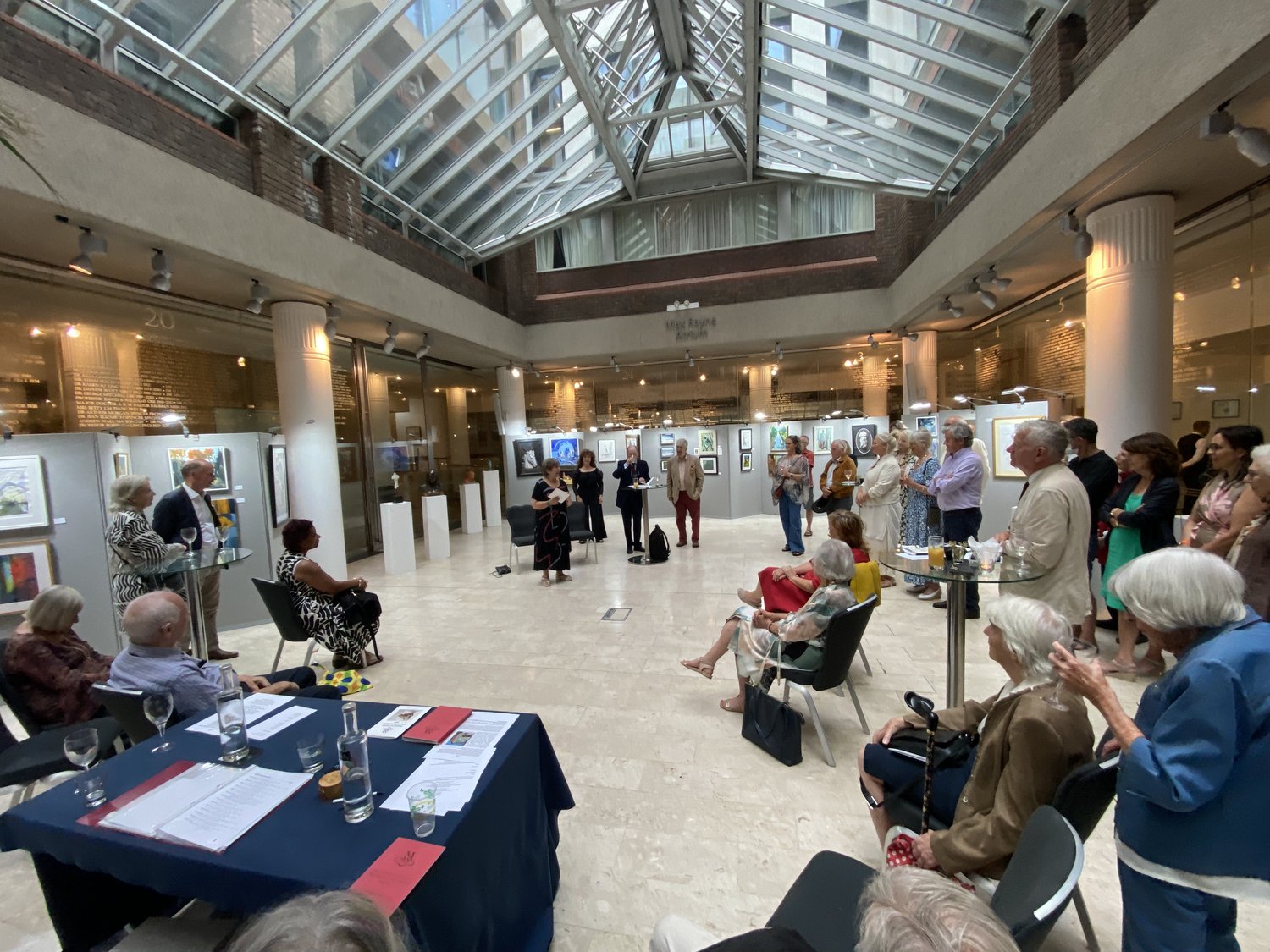
The Medical Art Society, founded in 1935, exists for doctors, dentists, veterinary surgeons, and recently all fully accredited healthcare professionals, whether working, retired or students, who enjoy drawing, painting and sculpture.
It is based in the UK, but welcomes medical artists living abroad as members and has links with similar medical art societies in other countries.
The Society’s programme includes lectures by well known artists, visits to studios and galleries, life drawing sessions, painting days and weekends, short breaks in UK and abroad, occasional conferences and always an Annual Exhibition .
The MAS is administered by its Officers and Committee. There is no joining fee and the annual MAS subscription is low.
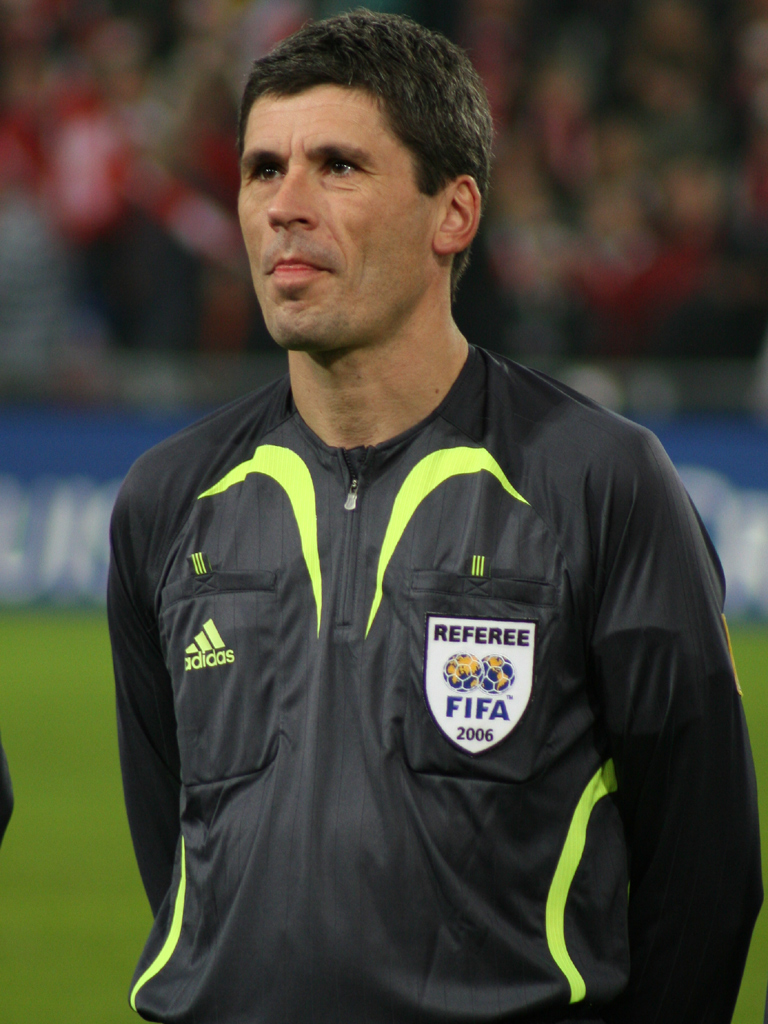
Markus Merk (born 15 March 1962) is a former top-level German football referee. He is a six-time winner of the German Referee of the Year Award and the record holder in games refereed in the Bundesliga. In 2005, Merk was awarded the German Bundesverdienstkreuz (Federal Cross of Merit) in recognition of his service to football and his charity work in India. He ended his career by refereeing the match between Bayern Munich and Hertha BSC Berlin on the last day of the 2007–08 Bundesliga season on 17 May 2008.
He is currently a pundit for Sky Deutschland and was the main referee commentator of the Turkish football channel Lig TV (which has the rights of the Turkish Super League) in 2010–2011 season
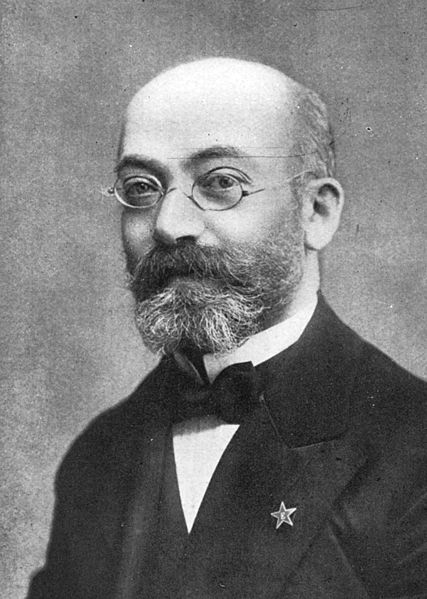
Zamenhof first developed the Esperanto language in 1873 while still in school. He grew up fascinated by the idea of a world without war and believed that this could happen with the help of a new international auxiliary language.[3] The language would be a tool to gather people together through neutral, fair, equitable communication.[4] He successfully formed a community that continues today despite the World Wars of the 20th century,[5] attempts to reform the language, and more modern IALs (the only other language like it at the time was Volapük). Additionally, Esperanto has developed like other languages: through the interaction and creativity of its users.[6]
In light of his achievements, and his support of intercultural dialogue, UNESCO selected Zamenhof as one of its eminent personalities of 2017, on the 100th anniversary of his death.[7][8] As of 2019, there are a minimum of 2 million people speaking Esperanto, including an estimated 1,000 native speakers.[9][10]
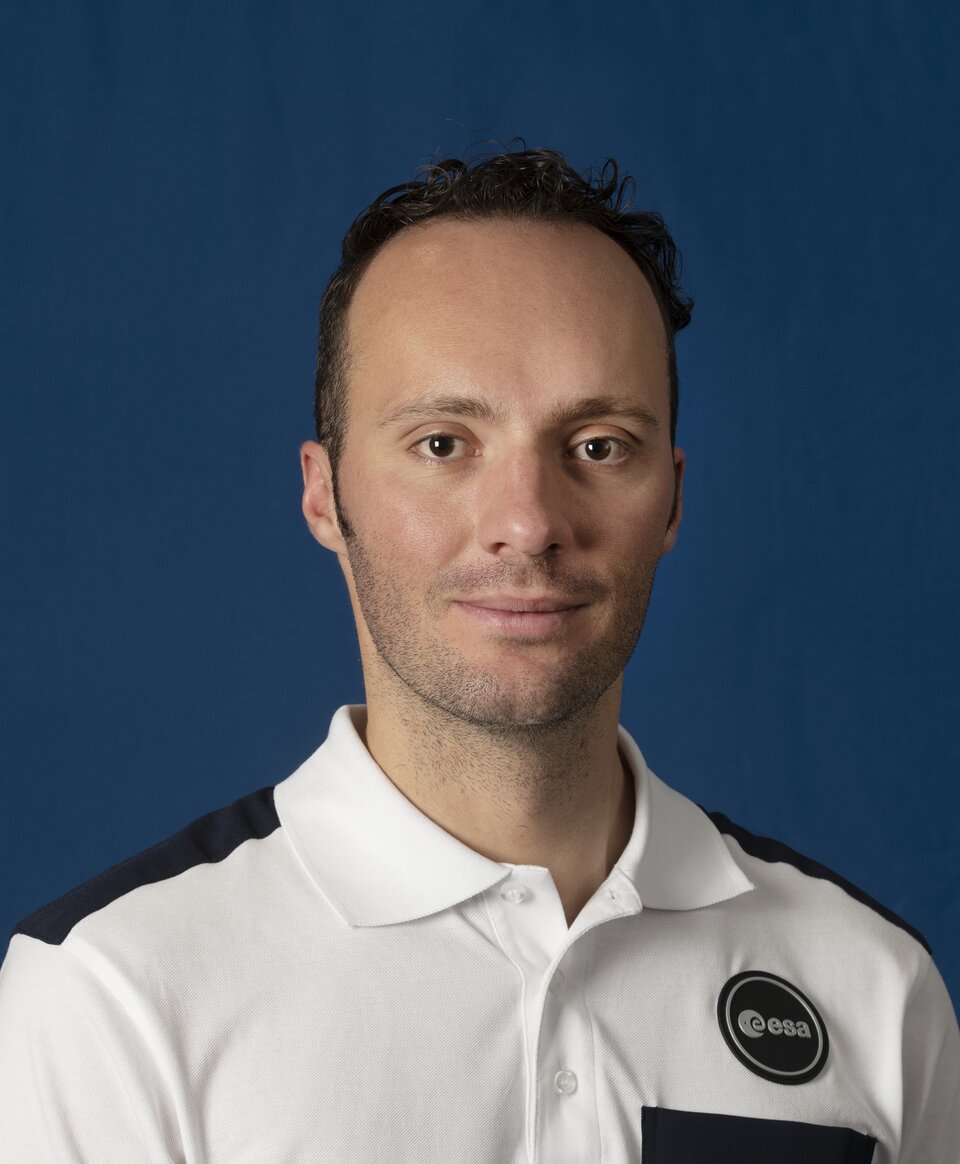
Marco was born in Switzerland in 1989 and graduated from the Gymnasium Burgdorf in Switzerland in 2007.
In 2009, Marco joined the paratrooper training with the Swiss Special Forces Commando at the Swiss Army, where he achieved the military rank of Sergeant.
In 2015, he received the degree of Doctor of Medicine from the University of Bern, Switzerland. His doctoral thesis was on robotic surgery and he was awarded best final exam for his physician diploma.
In 2021, he earned his specialist diploma in pre-clinical emergency and rescue medicine (SGNOR).
Next to his mother tongues German and Swiss German, Marco also speaks English and French.
Between 2009 and 2015, Marco was working as an assistant teacher for anatomy and physiology courses at the faculty of medicine at the University of Bern. At the same time, he was also a skydiving instructor for pre-military paratrooper courses.
Between 2015 to 2017, he was a general surgery/traumatology, as well as an intensive care unit resident in Interlaken, Switzerland.
After becoming chief medical officer with Swisscoy (Swiss Army) for KFOR (Kosovo) in 2018, Marco worked as an emergency medicine resident at the University Hospital of Bern, Switzerland, until 2019.
Between 2019 and 2021, he was an anaesthesiology resident in Interlaken, Switzerland.
Since 2020, Marco is working as a helicopter rescue emergency medical doctor and also joined the hospital in Biel, Switzerland as an urology resident one year later.
Marco holds a private pilot license. He enjoys outdoor and adventure sports such as skydiving, paragliding, scuba diving, skitouring and kitesurfing.
ESA experience
In November 2022, Marco was selected as an ESA career astronaut.
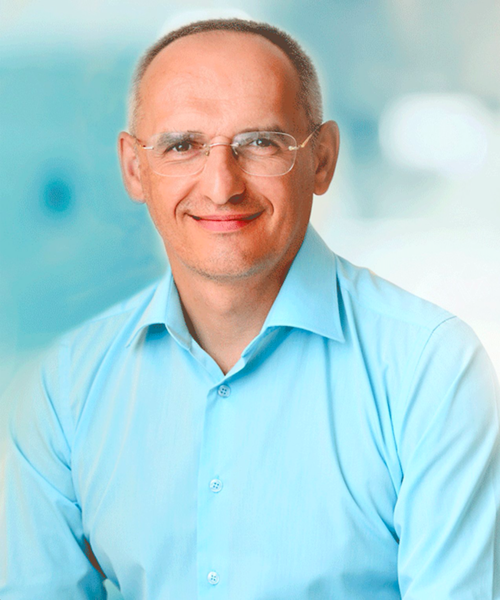
Oleg Gennadijewitsch Torsunow, russisch Олег Геннадьевич Торсунов (* 2. März1965 in Serow) is a russian MD and teacher for eatern health therapies, body culture and healing methods at the State University of body culture of the Ural area in Tscheljabinsk. His specialty are the Vedics.
He works as a spiritual teacher much more than only about healing.
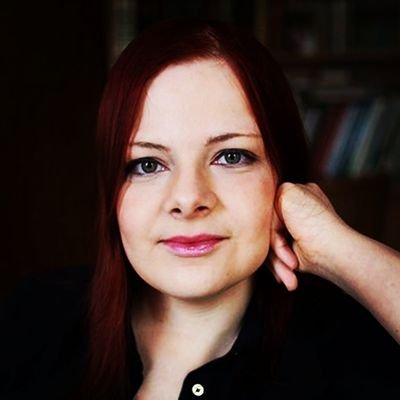
(Dr. med., *1992) reads and writes stories since her early childhood.
At school she skipped several classes and was the youngest ever “Abiturientin” in Germany at age 14.
Beginning her medical studies immediately she became Germany´s youngest MD at age 22, then the went into research in the USA before she returned to Heidelberg.
In November 2019 her first english short story was published in an anthology of the “Creative Writing Group” Heidelberg. With her second short story “Ameriga. A European Fairy Tale” she received the Gustav-Adolf-Bähr prize (2nd). Her debut with a novel “Revolution tomorrow 12 ‘o clock”was published on 19th July 2021 at the publisher Aufbau-Verlag/Blumenbar.
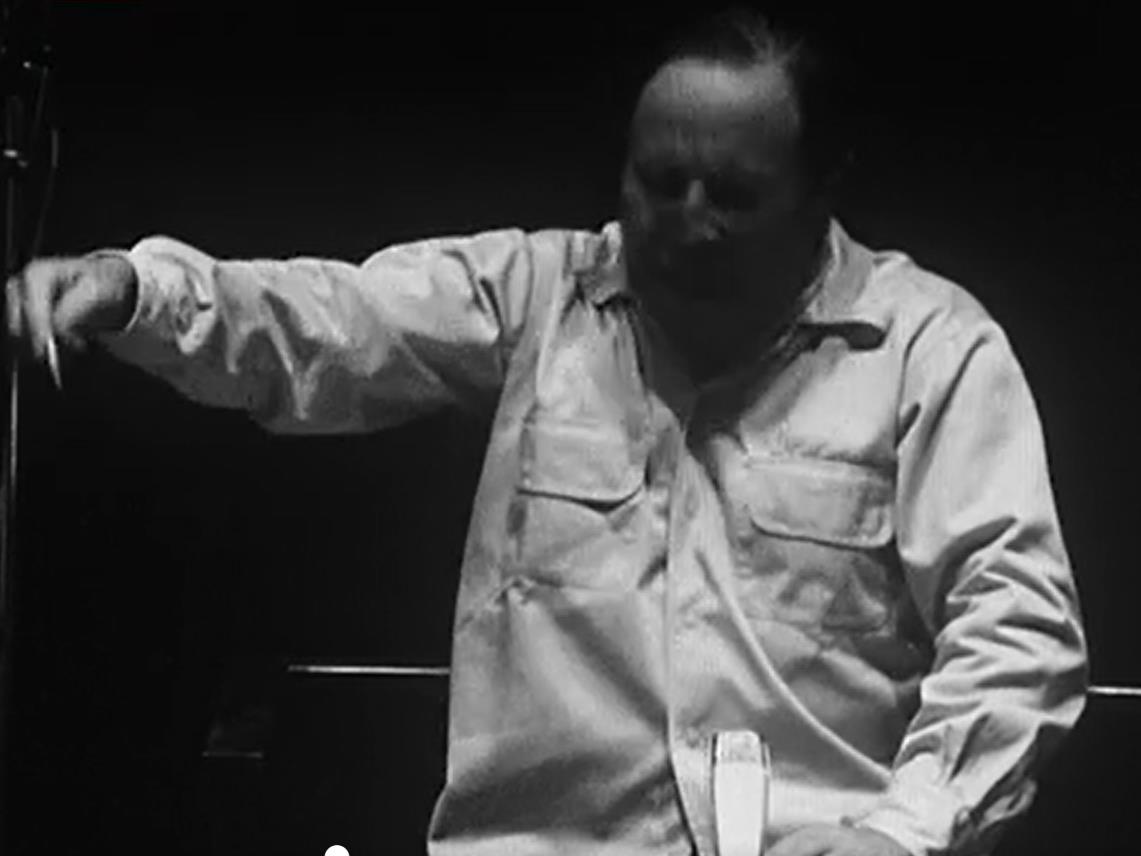
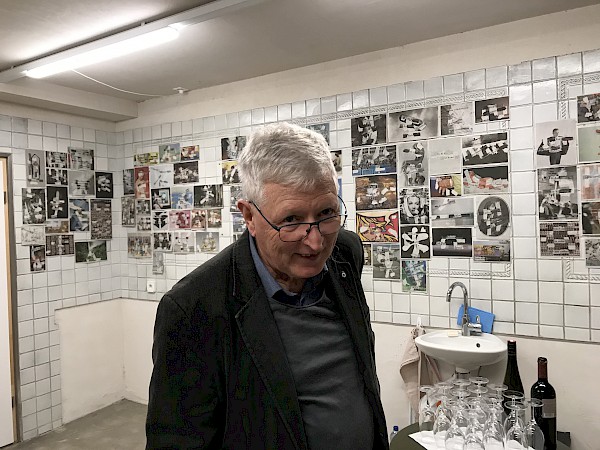
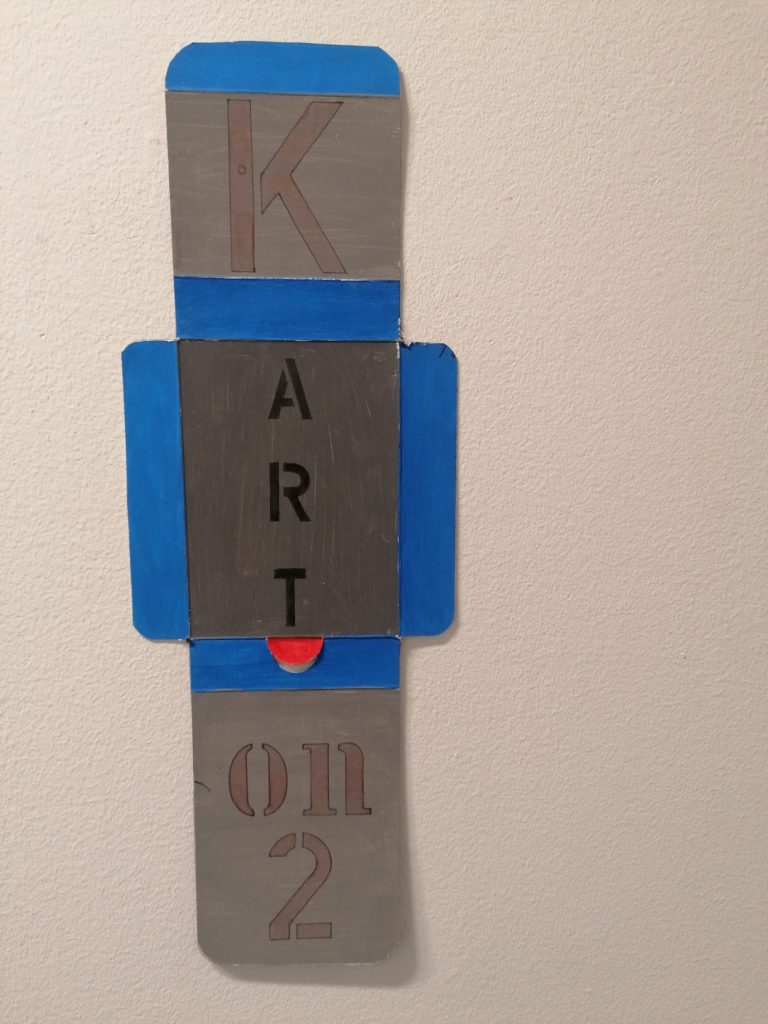
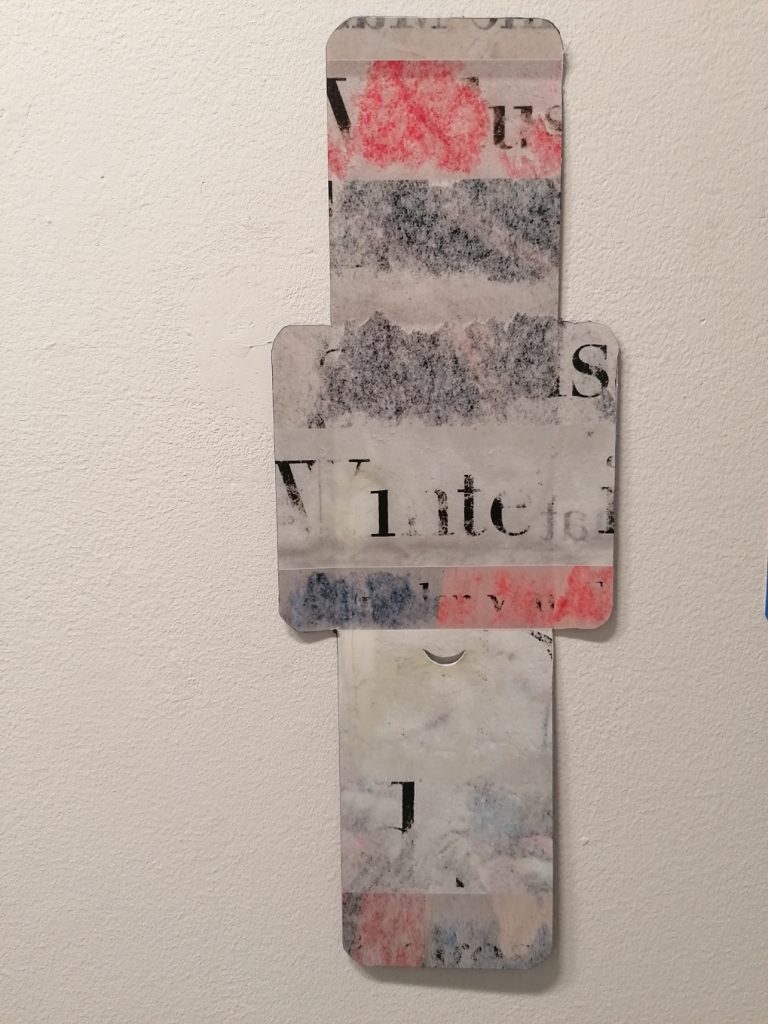
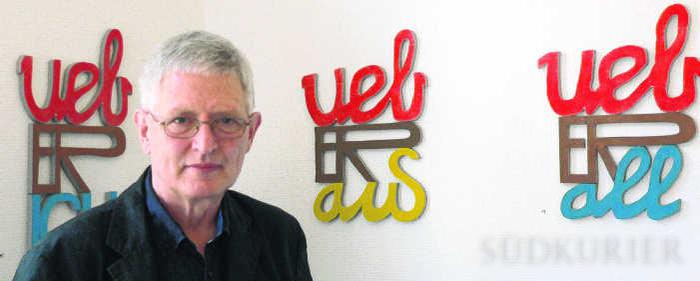
Boren 1947 in Menziken AG/Switzerland, grown up in Beinwil am See, GP in Möhlin until 2015 and member of visarte since 1996. For years he worked with language, pictures of words, material newspapers. Poetry, mounted pictures, sculptures, photography with SEHT-EXTEN and SEHT-AFELN, also S8 and 16 mm movies in the seventies. Several publications and group exhibitions since 1981 as Kunsthaus Aarau, Kunstahsu Zofingen, Kunstmuseum Olten, Trudelhaus Baden AG.
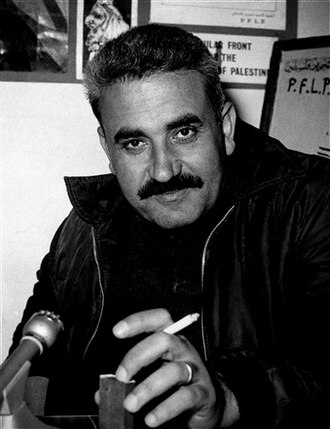
Habash was born in Lydda (today’s Lod) to an Eastern Orthodox Palestinian family in 1926.[4][5] As a child, he sang in the church choir.[6] Habash, a medical student at the American University of Beirut, was visiting his family during the 1948 Arab–Israeli war. In July 1948, the Israeli Defence Force captured Lydda from Jordanian and Arab Liberation Army forces, resulting in all of the town’s Arab residents leaving and the death of Habash’s sister. Habash and his remaining family became refugees and were not allowed to return home.
Political thinkers who were influences on Habash at this period included Constantin Zureiq, whose lectures at AUB on ‘Arab nationalism and the Zionist danger’ in the late 1940s and early 1950s Habash had attended, and Sati’ al-Husri an Arab Muslim intellectual who emphasized national cohesiveness, territorial patriotism, and loyalty to the state, and gave priority to Arab unity over Islamic unity.[7]
In 1951, after graduating first in his class from medical school, Habash worked in refugee camps in Jordan and ran a clinic with Wadie Haddad in Amman. He firmly believed that the state of Israel should be ended by all possible means, including political violence.[8] In an effort to recruit the Arab world to this cause, Habash founded the Arab Nationalist Movement (ANM) in 1951 and aligned the organization with Gamal Abdel Nasser‘s Arab nationalist ideology.
He was implicated in the 1957 coup attempt in Jordan, which had originated among Palestinian members of the National Guard. Habash was convicted in absentia, after having gone underground when Hussein of Jordan proclaimed martial law and banned all political parties. In 1958 he fled to Syria (then part of the United Arab Republic), but was forced to return to Beirut in 1961 by the tumultuous breakup of the UAR.
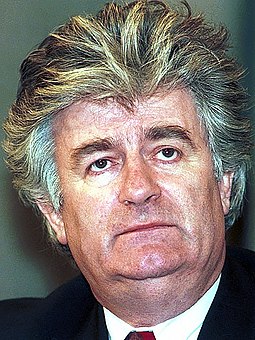
Trained as a psychiatrist, he co-founded the Serb Democratic Party in Bosnia and Herzegovina and served as the first president of Republika Srpska from 1992 to 1996. He was a fugitive from 1996 until July 2008, after having been indicted for war crimes by the ICTY.[3] The indictment concluded there were reasonable grounds for believing he committed war crimes, including genocide against Bosniak and Croat civilians during the Bosnian War (1992–1995).[3] While a fugitive, he worked at a private clinic in Belgrade, specializing in alternative medicine and psychology, under an alias.[4]