Roulette Rot Schwarz Strategie - Denken Sie bei Ihrer Entscheidung über den Einzahlungsbetrag daran, dass der Casino Club normalerweise das Limit für den Mindest- und Höchstbetrag der Einzahlung festlegt, den ein Spieler tätigen kann.
Sie bieten Ihnen Smartphones, Gutscheine für Signale, Händler des Monats oder Partnerbonus.
Casino baden glückspunkte einlösen
Casino Mit Google Pay
Wenn Sie vorhaben, ein wenig oder nur ein Anfänger zu spielen, sollten Sie Bonuscodes in Betracht ziehen, die einen niedrigeren Durchspiel- und sogar Bonusbetrag haben, wie den CCBITCOIN150-Bonuscode.
Excitewin Casino At 2026 Review
Alle Steuerungsoptionen sind für Desktop- und Mobilversionen gleich, sodass Sie keine Kompromisse eingehen müssen, wenn Sie das Deadmau5 Slots-Spiel auf einem beliebigen Gerät spielen.
Novoline Kostenlos Online Spielen
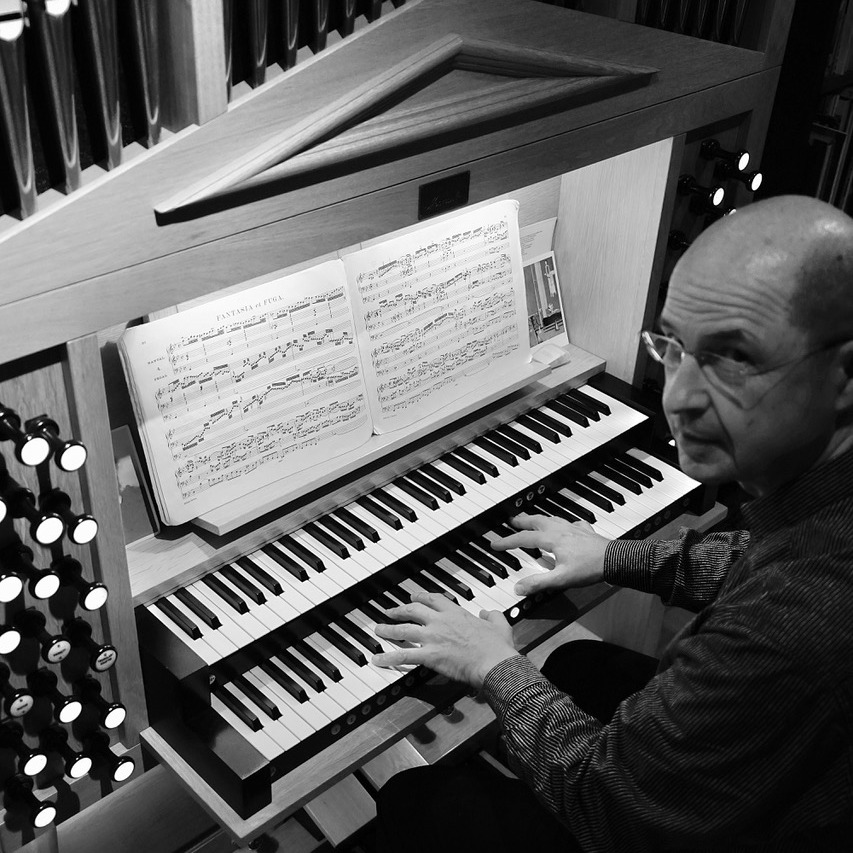
As a student, he had to decide whether to pursue his hobby of music or his passion for medicine as a career, reported Dortmund anesthesiologist Dr. Johannes Bremme. He ultimately chose a career as a doctor, but has always remained loyal to music. Bremme admitted to the German Medical Journal that he wasn’t particularly interested in practicing the piano. However, he immediately fell in love with the organ. After just a few years of lessons, he was able to work as an organist in churches.
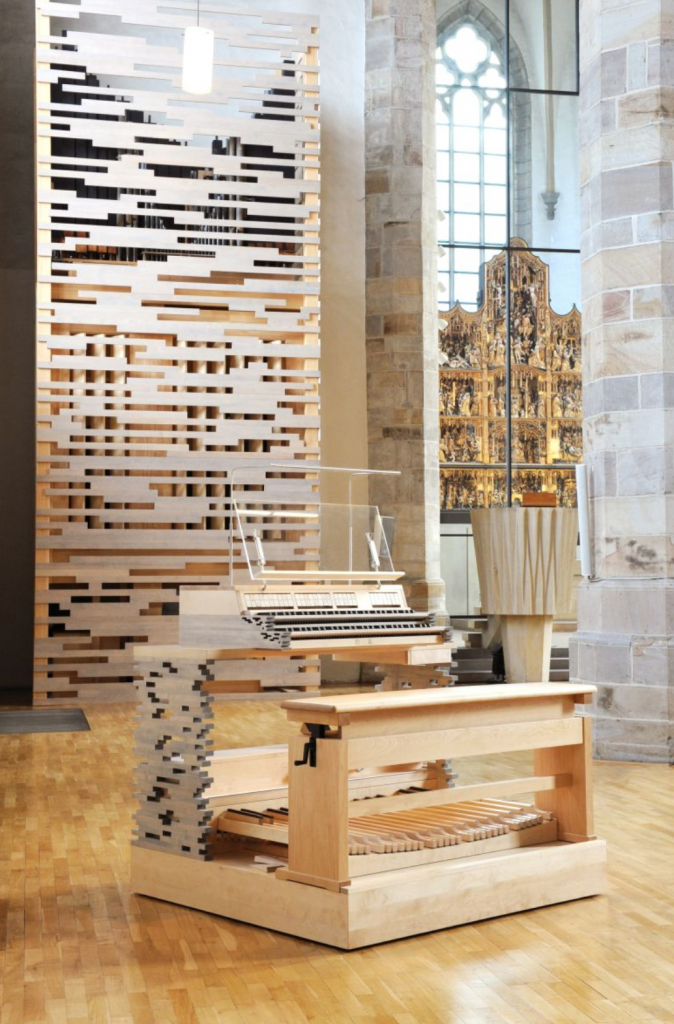
Now he wants to fulfill a special wish for himself and his congregation: a new organ for St. Peter’s Church. It is expected to cost 450,000 DM, of which 300,000 DM must be raised through donations. The current small organ – initially intended only as a temporary solution – was purchased a good 30 years ago. However, Bremme stated that this organ is sonically and technically unsuitable for long-term service to the congregation. For years, there have been efforts to build a larger organ, but the funds have been lacking. The new instrument, for which designs from Saxon workshops already exist, is intended “not to be a showpiece, but rather a compromise between musical needs and financial responsibility,” according to the Dortmund anesthesiologist, who is asking music-loving colleagues for financial support for the project. Further information: Dr. Johannes Bremme, Hoher Wall 21, 44137 Dortmund, phone +49 231/16 47 21.
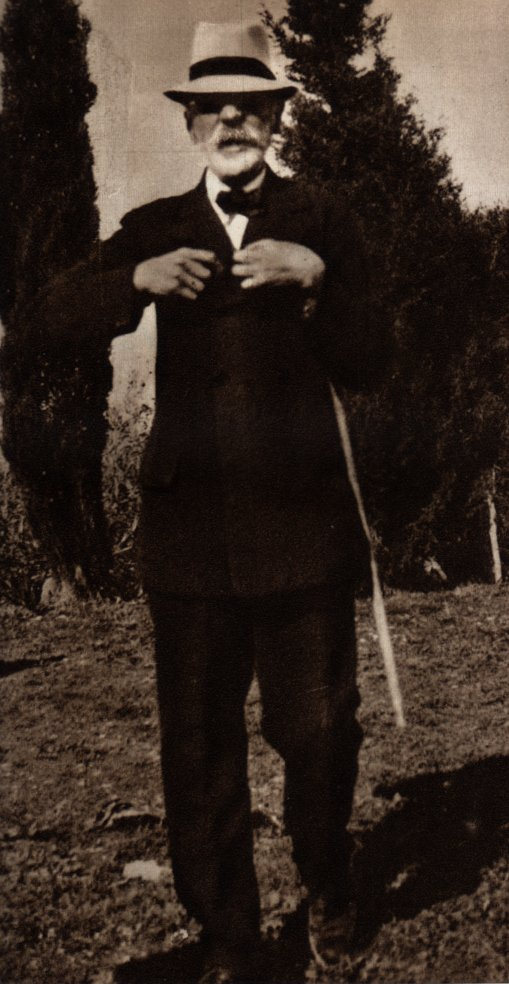
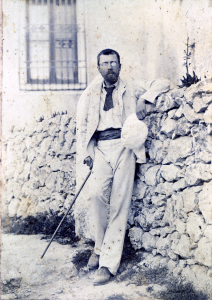
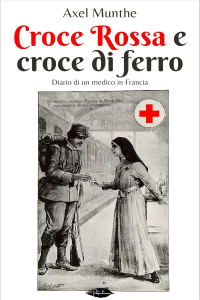
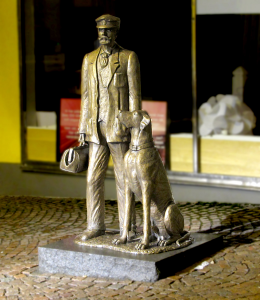
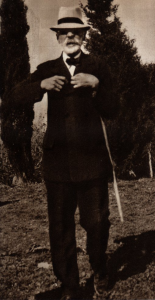
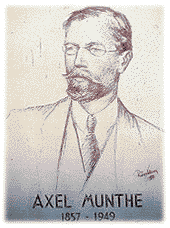
Axel Martin Fredrik “Puck” Munthe [ˌakːsəl ˈmɵnːtə] (October 31, 1857 in Oskarshamn – February 11, 1949 in Stockholm) was a Swedish physician and author.
Beruf und Leben
Axel Munthe was born in 1857, the son of a pharmacist. He studied medicine in Uppsala, Montpellier, and Paris.
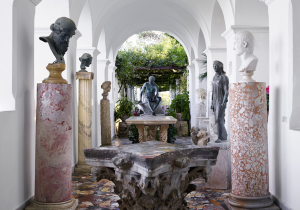
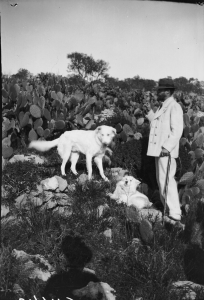
In 1880 he began practicing medicine in Paris and Rome. Over the years he worked in Naples, London and Stockholm. During his student years in Paris he was particularly impressed by the work of Jean-Martin Charcot. Even in later years his special interest lay in psychiatry. His professional career shows several outward breaks. For example, he worked as a doctor for the lower classes of society while simultaneously or shortly thereafter running a fashionable medical practice. In Rome, for example, he set up his practice in the Keats-Shelley House on the Spanish Steps, which had previously been inhabited by the poet John Keats and others. From 1908 Munthe was personal physician to the Swedish Queen Victoria, a Princess of Baden by birth, who regularly stayed in Munthe’s neighborhood on Capri until her death. At his Villa San Michele in Anacapri, he was visited by Henry James, Oscar Wilde, Rainer Maria Rilke, and Curzio Malaparte. The house, with its magnificent garden and sweeping views over the sea, has served as a museum since the 1950s.
At the age of 22 (the youngest in France), he received his doctorate in medicine from the Sorbonne and soon became one of the most successful physicians of his time. He was considered a miracle worker. His patients included members of the upper classes and nobility of Europe and America, but he also worked among the poor in Paris, Rome, and Naples.
The newspaper report on his work in cholera-stricken Naples in the autumn of 1884 made him instantly famous. However, he was not a professional writer, and his real success did not come until 45 years later. “The Story of San Michele” was published in 1929 and became one of the most successful books of the 20th century. It was written in English, translated into numerous other languages, and is still being reprinted today.
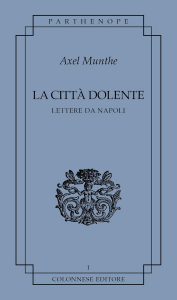
Axel Munthe became internationally known through his memoirs, The Book of San Michele, published in 1929 and translated into numerous languages. However, biographical elements are mixed with fantasy to the point of inseparability; for example, Bengt Jangfeldt and Thomas Steinfeld demonstrated numerous differences between the author’s real and “autobiographical” life in their Munthe biographies, published in 2003 and 2007, respectively.
Although Munthe was not an architect, he had one of Europe’s most famous villas built on Capri: the Villa San Michele, which experts describe as a masterpiece of architecture. He was a passionate Anglophile, but his favorite philosopher was Schopenhauer, his favorite poet was Heine, and his favorite composers were Schubert, Wagner, Schumann, and Hugo Wolf. And despite his republican outlook on life, his most important patient was not only of royal descent and German origin, but also strongly German-oriented.
Munthe died in 1949 in his last residence, located in a side wing of the Royal Palace in Stockholm.
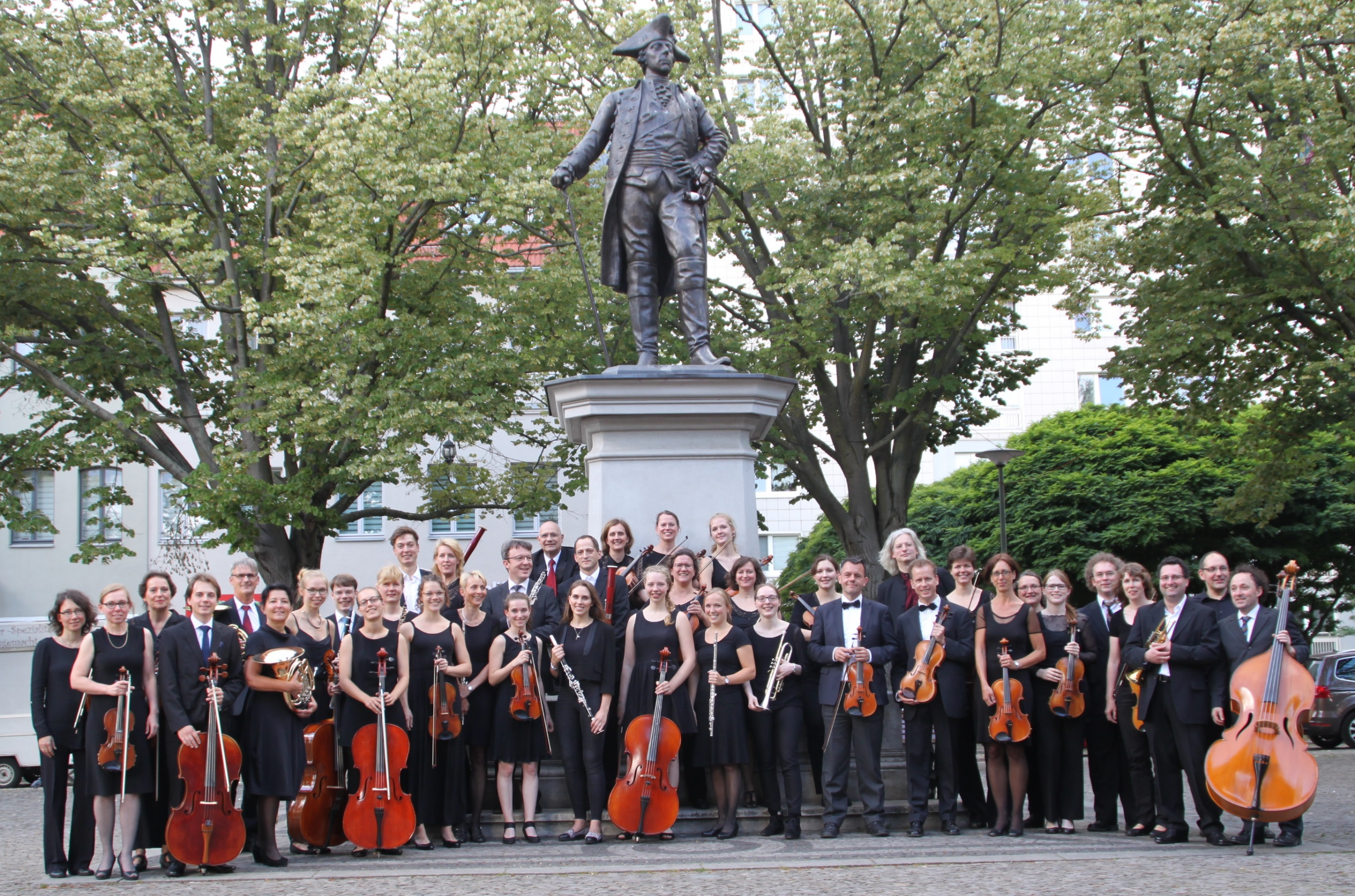
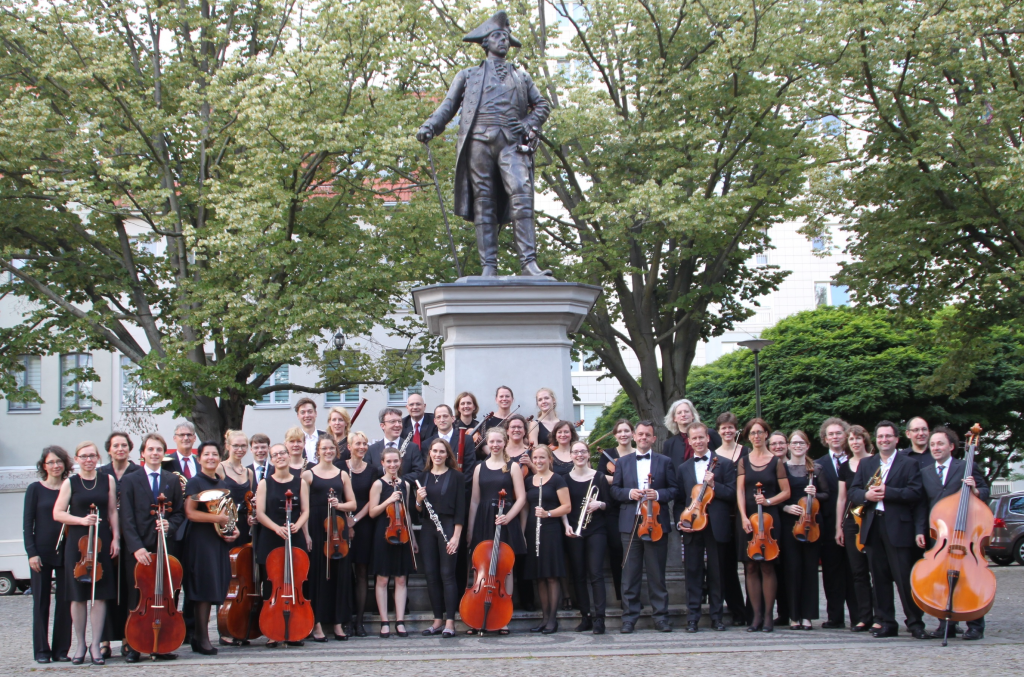
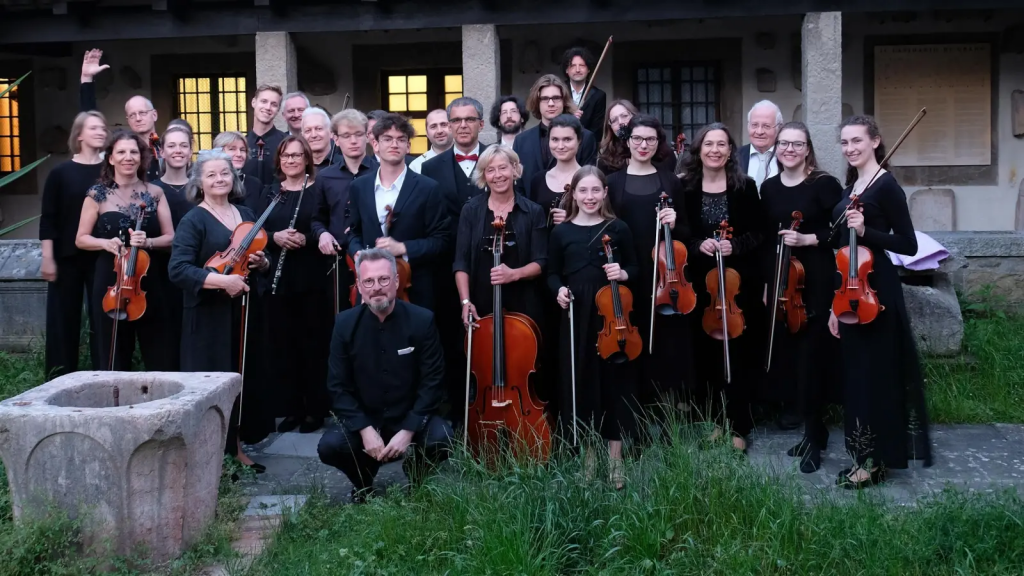
The MUSICI MEDICI was founded in 1981 from a chamber music group at the Biochemical Institute of the Humboldt University of Berlin and for many years consisted almost exclusively of medical students. Today, the orchestra has 35 members, about half of whom are physicians, along with other natural scientists and representatives of other disciplines. The proportion of medical students currently stands at about 15 percent.
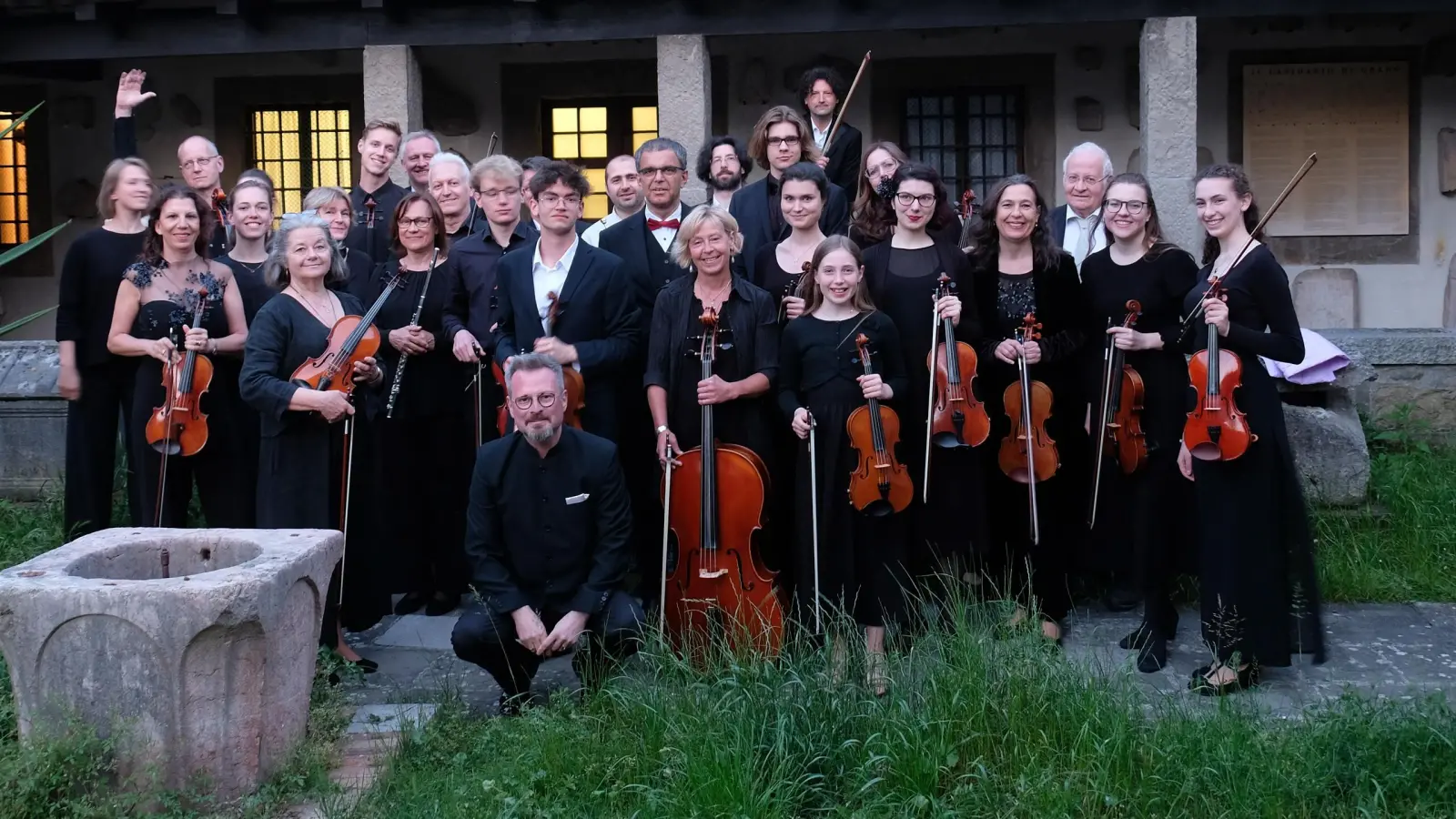
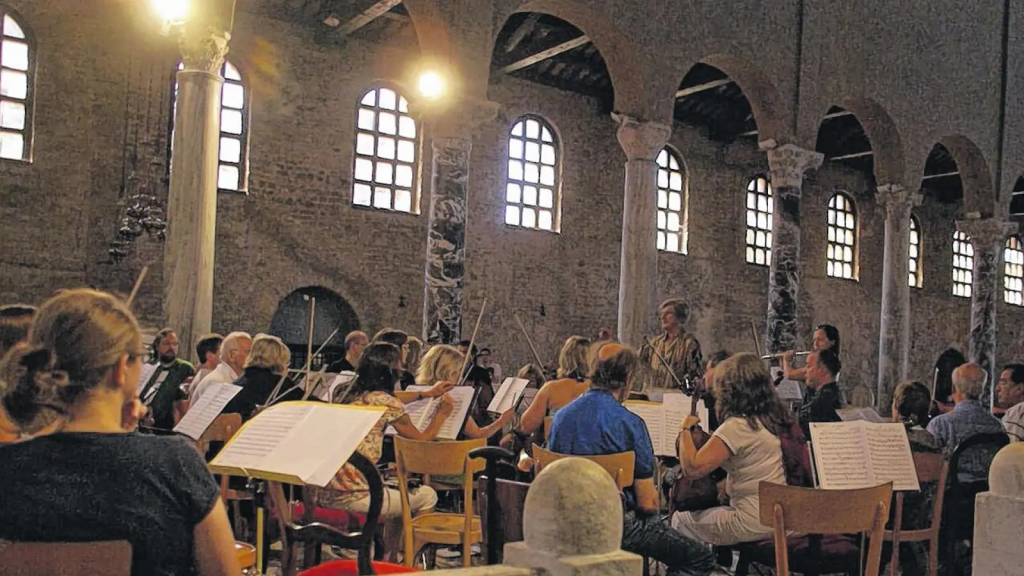
In 1987, Dr. Georg Kaiser, former chief physician at the Marktheidenfeld Hospital and a trained musician, founded the “Musica Medica” doctors’ orchestra. Even after his death in 2016, the musicians, together with family members and friends, travel to Italy every year for a week of concerts.
In an interview, his daughter Katharina Kaiser talks about, among other things, the fascination of making music together and how the doctors’ orchestra continued after the founder’s death.
36 Years of the Musica Medica Doctors’ Orchestra: How did your father, Dr. Georg Kaiser, come to found the ensemble?
Kaiser: My father studied music alongside medicine, discovering another passion there. At just 14, he was an organist and choir director in his Silesian homeland. The impetus for founding Musica Medica was an annual congress for German doctors in Grado, Italy. My father gave organ concerts there in the 1980s. Gradually, other musicians joined in. This led to the founding of an association in 1987.
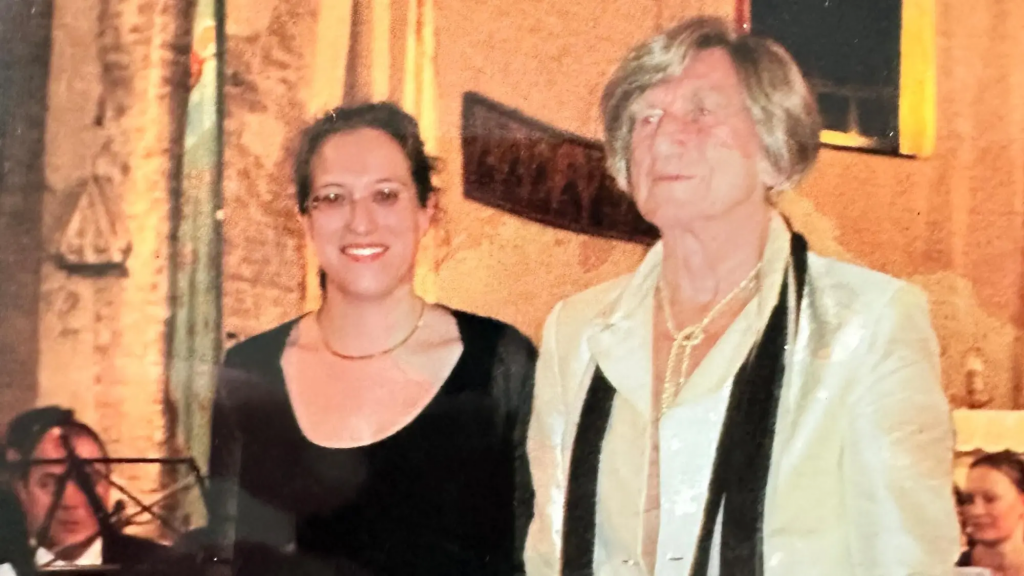
Katharina Kaiser and her father, Dr. Georg Kaiser, who founded the Doctors’ Orchestra and led it until his death in 2016, pose for a commemorative photo after the annual benefit concert at St. Michael’s Church in Neustadt in 2011 (archive photo). Photo: Barbara Kaiser-Pfaff
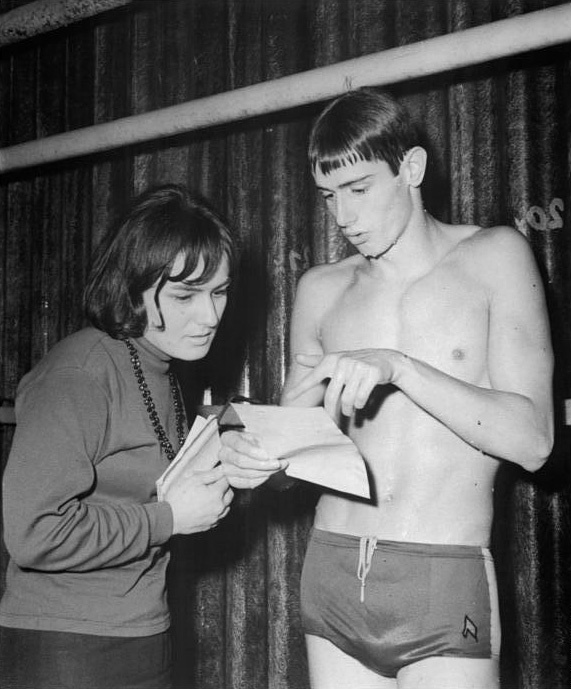
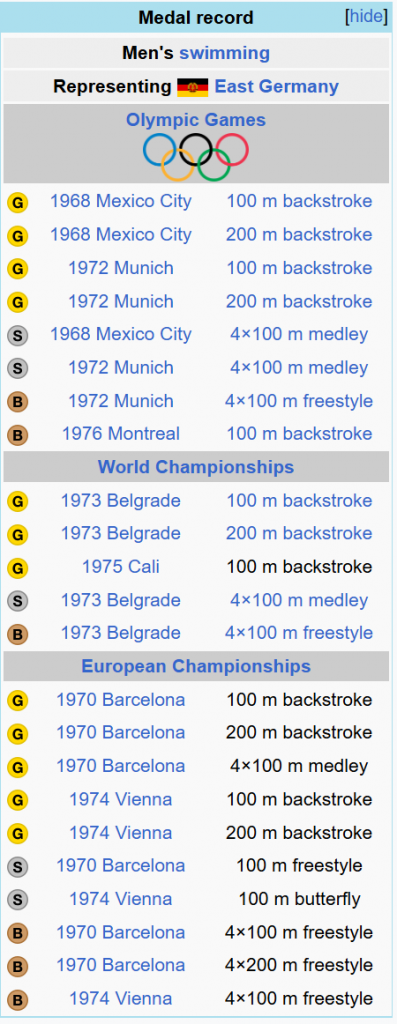
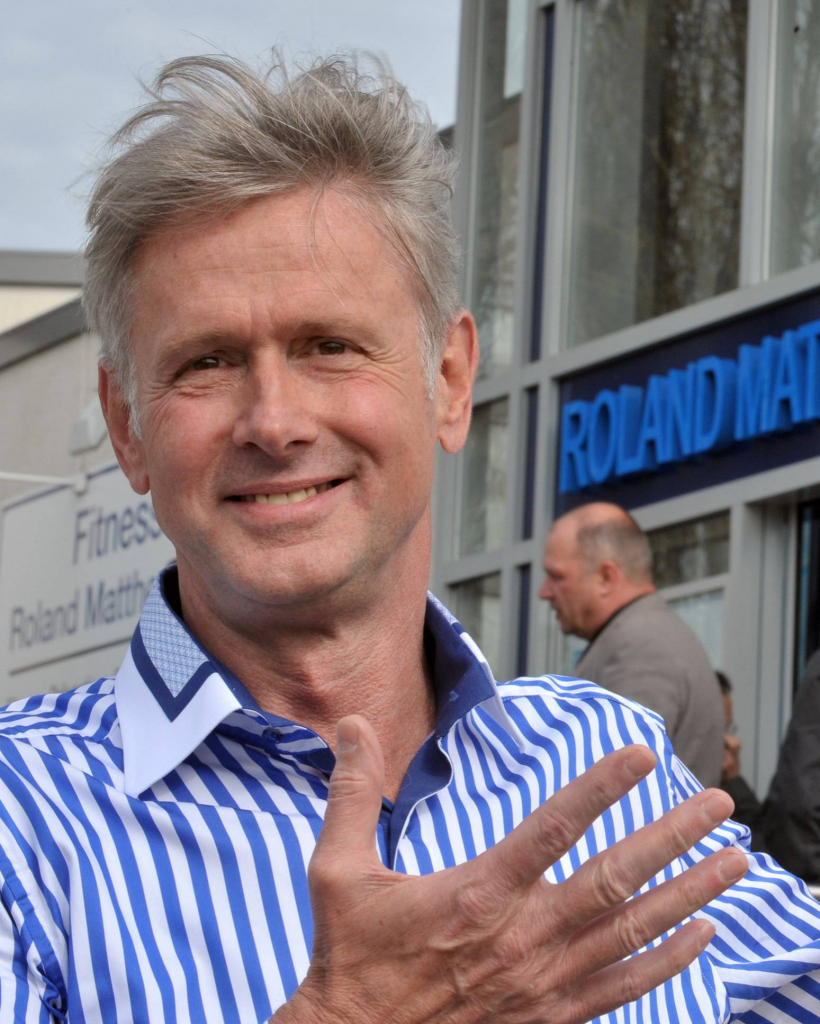
Roland Matthes (* 17 November 1950 in Pößneck; † 20 December 2019 in Wertheim[1]) was a German swimmer, world record holder and four-time Olympic champion and is considered one of the most successful and popular athletes in the GDR.
Matthes studied sports science from 1970 to 1977 and graduated with a degree in sports teaching. From 1978 to 1984, he studied medicine in Jena. Matthes worked as an orthopedic surgeon in Marktheidenfeld. From 1985 to 1989, he was a member of the IOC Medical Commission.
From 1978 to 1982, he was married to Olympic swimming champion Kornelia Ender.
On April 6, 2011, the Erfurt Südschwimmhalle (South Swimming Pool) was renamed “Roland Matthes Swimming Pool” in his presence.
Roland Matthes died in December 2019 at the age of 69 after a short, serious illness.
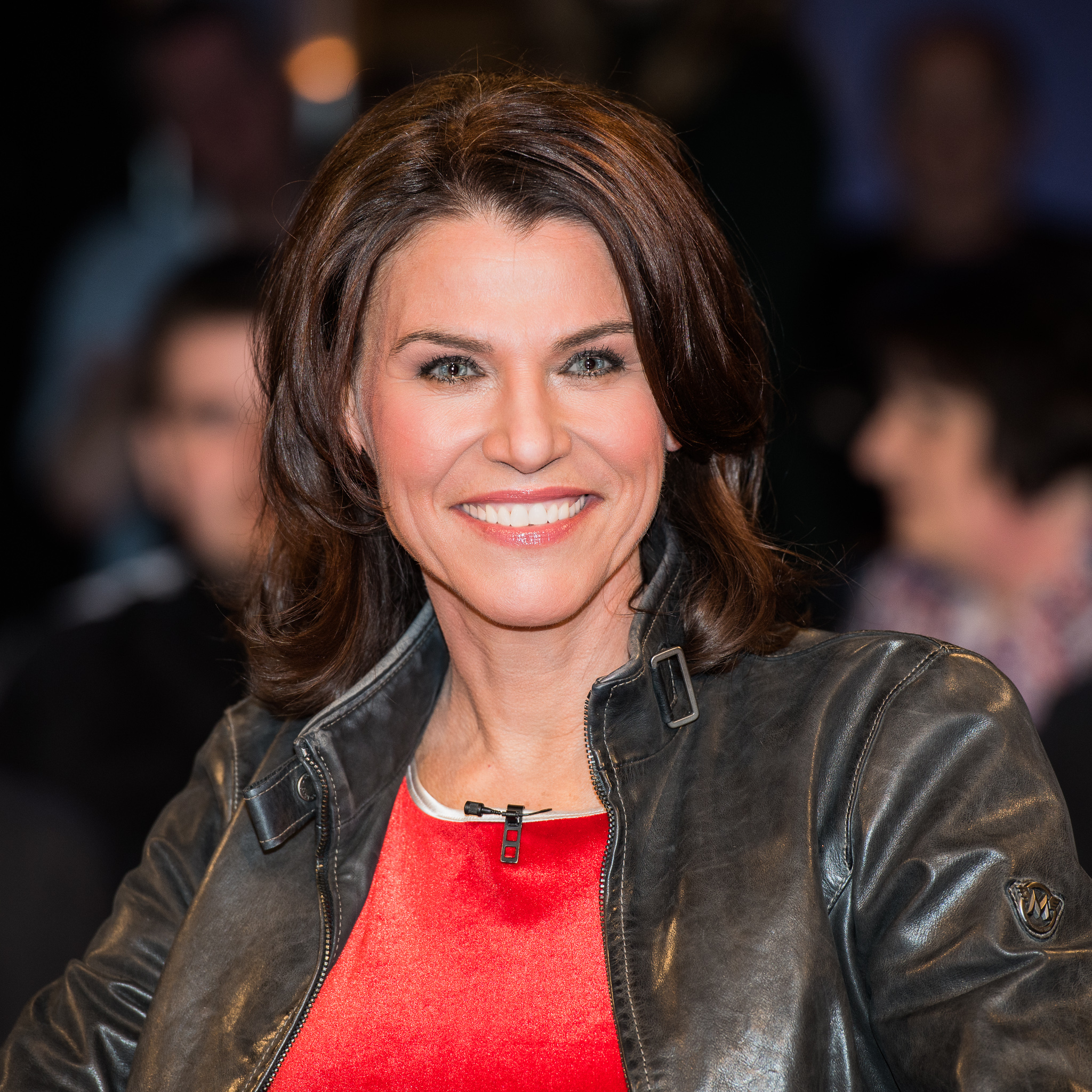
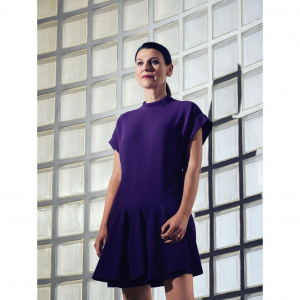
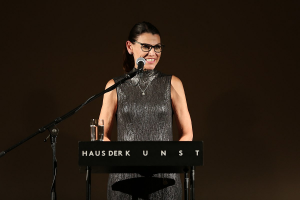
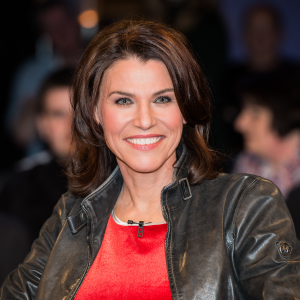
Marion Brigitta Kiechle (formerly Kiechle-Schwarz; born April 4, 1960 in Oberkirch) is a German physician, scientist, author, and former politician (CSU). Since October 2000, she has been Director of the Gynaecology Clinic at the Klinikum rechts der Isar of the Technical University of Munich and holds the Chair of Gynecology and Obstetrics.
On March 21, 2018, Markus Söder appointed her to his cabinet as Bavarian Minister of Science. Kiechle is chair of the Bavarian Bioethics Commission and deputy chair of the Central Ethics Committee for Stem Cell Research. Initially independent, she joined the CSU in April 2018 and, on the 21st of that month, was placed in the hopeless fifth place on the Upper Bavaria district list for the 2018 Bavarian state election. After the end of the legislative period in November 2018, she left the government and returned to TUM.
Engagement
Since 2021, Marion Kiechle has been chairwoman of the board of trustees for the Hospice House of Life project in Munich. Since February 2023, she has been a member of the administrative advisory board of FC Bayern Munich.
Privates
Since April 2010, she has been married to television journalist and sports commentator Marcel Reif, her fourth wife. Before that, she was married to a special education teacher and two doctors.
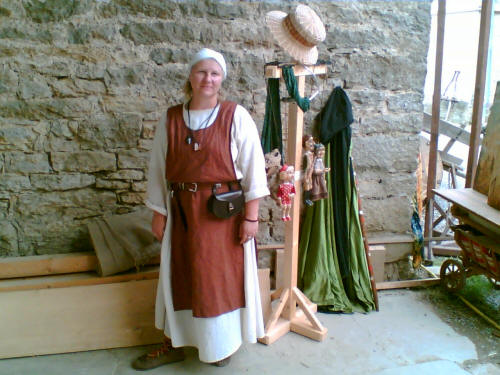
She participates as an emergency doctor at the “Histotainment” park www.Adventon.de in Osterburken, southern Germany, where thousands of visitors attend historical medieval events. Most visitors are dressed in medieval costumes and live on the park’s grounds, creating a unique atmosphere. The name Adventon means “the coming medieval city”: the plan is to build a complete medieval city with many houses, offering a perfect depiction of the period. More photos can be found on the Adventon website.
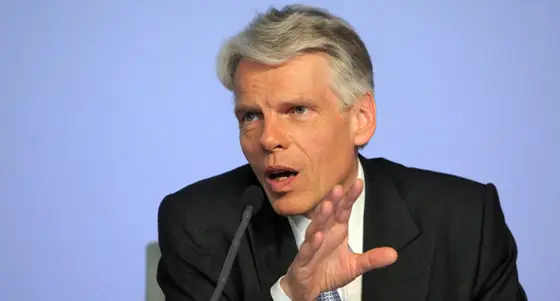
Barner studied medicine and mathematics and earned doctorates in both subjects. “As a researcher at the helm of a globally active company, he knows exactly how important science is for the economy,” said Andreas Schlüter, Secretary General of the Stifterverband, according to a statement.
Andreas Barner (born February 10, 1953 in Freiburg im Breisgau) is a German physician and mathematician. From 2009 to 2016, he was Chairman of the Board of Directors of Boehringer Ingelheim.
Barner studied medicine at the University of Freiburg and mathematics at the Swiss Federal Institute of Technology in Zurich, completing both degrees with doctorates.
After a year as a medical intern, he moved to the pharmaceutical industry and initially held various positions in the research department of the then Ciba-Geigy AG in Basel, Switzerland.
In 1992, Barner joined Boehringer Ingelheim, Ingelheim am Rhein (Germany), where he took over the management of the Medical Division, which includes global clinical research, registration, information and biometrics, and drug safety. Since July 1, 1999, he has been a member of the Executive Board, responsible for the Pharmaceutical Research, Development, and Medical Division. In 2009, he also assumed the role of Spokesperson of the Executive Board.
On June 30, 2016, Barner stepped down as Chairman of the Executive Board and joined the Shareholders’ Committee of Boehringer Ingelheim.
Barner holds positions in several scientific and industrial associations. Since June 2013, he has been President of the Stifterverband für die Deutsche Wissenschaft (Donors’ Association for the Promotion of Sciences and Humanities in Germany).[2] Barner is also a member of the Senate of the Max Planck Society[3] and a member of the Executive Board of the German Research Foundation (DFG).
He was also Chairman of the Board of the German Association of Research-Based Pharmaceutical Companies (VFA) until 2007.[4][5] He was also a member of the Executive Board of the Federation of German Industries (BDI)[6] and the Association of the Chemical Industry (VCI).[7] In 2007, he was appointed to the German Council of Science and Humanities by the German Federal President.
Barner has been a member of the Presidium of the German Evangelical Church Congress since 2008.[9] He chaired the 35th German Evangelical Church Congress in Stuttgart in 2015 as President.[10] In November 2015, he was elected as a member of the Council of the EKD[11] and re-elected in 2021.
From 2016, Barner served as Chairman of the Board of Trustees and Managing Director of the Fazit Foundation, which, as majority shareholder, controls the Frankfurter Allgemeine Zeitung. In July 2019, he swapped roles with Karl Dietrich Seikel in the Fazit Foundation and the Supervisory Board. He is now Chairman of the Supervisory Board of the Frankfurter Allgemeine Zeitung.
Since 2017, Barner has been Chairman of the Board of the Gutenberg Foundation, which supports the Gutenberg Museum in Mainz.
Incidentally, ophthalmologist Dr. Martin Nowak from Michelfeld near Schwäbisch Hall set a mathematical record on February 18, 2005: The 47-year-old doctor discovered the largest known prime number to date, with exactly 7,816,230 digits.
A standard computer completed the task. This computer is part of the worldwide Great Internet Mersenne Prime Search (GIMPS) network based in Orlando, Florida, in which tens of thousands of computers search for prime numbers.
The computer in the basement of Nowak’s eye center discovered the 42nd Mersenne prime number on February 18 after a computing time of 50 days – while Nowak was sleeping, treating patients, or cycling. The computer usually only controls an information display for patients, calculating prime numbers in the background. The idea behind the GIMPS project is to use free computing capacity to solve complex problems.
Nowak was enthusiastic about the idea, which he learned about in 1999. He first began calculating prime numbers with a computer; today, there are 24. At first, he was completely oblivious to his historic discovery. It wasn’t until an email from Orlando alerted him to his success. “At first, I didn’t even know which screen to look at,” Nowak recalls. After installing the small, free program, he barely paid any attention to it: “I didn’t really follow it.”
Nowak describes himself as an amateur mathematician. “I have a basic understanding of numbers, and I’m interested in their application in technical drawing.” Advanced mathematics, including calculus and mathematical proofs, however, aren’t his thing. He much prefers cycling across Europe or playing the piano.
No one knows whether there actually are other Mersenne numbers. Prime numbers go back to the French monk Marin Mersenne (1588-1648). They have the formula (2 to the power of n) – 1.
Nowak’s newly discovered Mersenne number has over half a million more digits than the previous prime number record. Written on graph paper, it forms a strip 39 kilometers long.
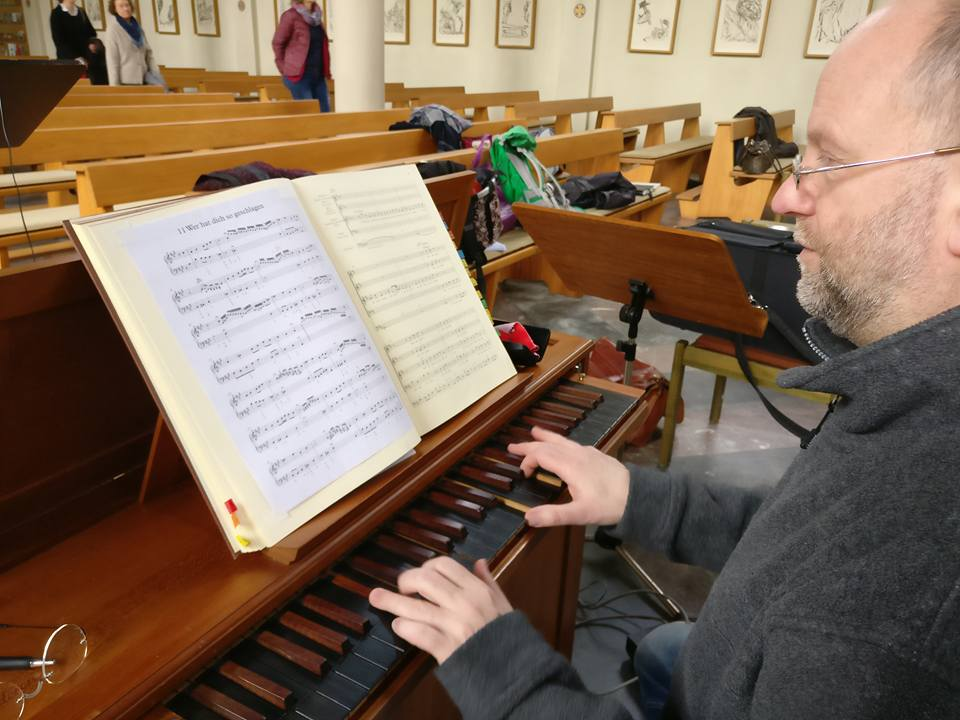
Martin also participated in the doctors’ piano courses.