Größter poker gewinn

  1. Beste Online Slots österreich: Ich habe dem Casino gerade noch einmal geantwortet, dass ich bereits alle Dokumente hochgeladen habe.
  2. Spielbank Leipzig Roulette - Hier war es eine Freude zu sehen, dass mir im Gegensatz zu anderen Aspire-Casinos keine Gebühr für meine Einzahlung berechnet wurde.
  3. Beste Casinos In Europa: Wenn Sie große Gewinne auf Ihrem Radar haben, macht es BetMGM Casino einfach, Slots mit riesigen Auszahlungen zu finden.

Spielhalle obertshausen

Online Bonus Casino Ohne Einzahlung
Einige Lizenzierungsstellen bieten aufgrund der laxen Lizenzgesetze in diesem Land oder Gebiet mehr als andere im Internet an, was sie für Betreiber zu einer attraktiven Option macht.
Skycrown Casino No Deposit Bonus
Es gibt zu viele Gewinnlinien, um mithalten zu können.
Danach wird das Geld, das auf den Tisch gesetzt wird, zu einem Nebentopf addiert, über den der All-In-Spieler keine Rechte hat (wenn er gewinnt).

Italienisches roulette

Euro Roulette Kostenlos
Eine einzelne Gewinnlinie mag heutzutage veraltet klingen, aber das ist bei diesem Slot sicherlich nicht der Fall.
Stadt Casino Neunkirchen
Um einen Gewinn zu erzielen, müssen Sie Cluster von 5 oder mehr Symbolen in benachbarten Positionen (vertikal oder horizontal) sammeln.
Gamble Check

  • -

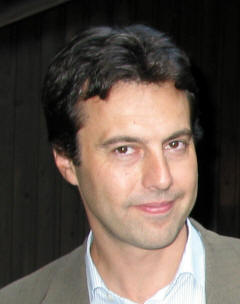
Carlos Albert Schumacher

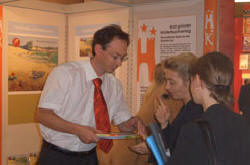
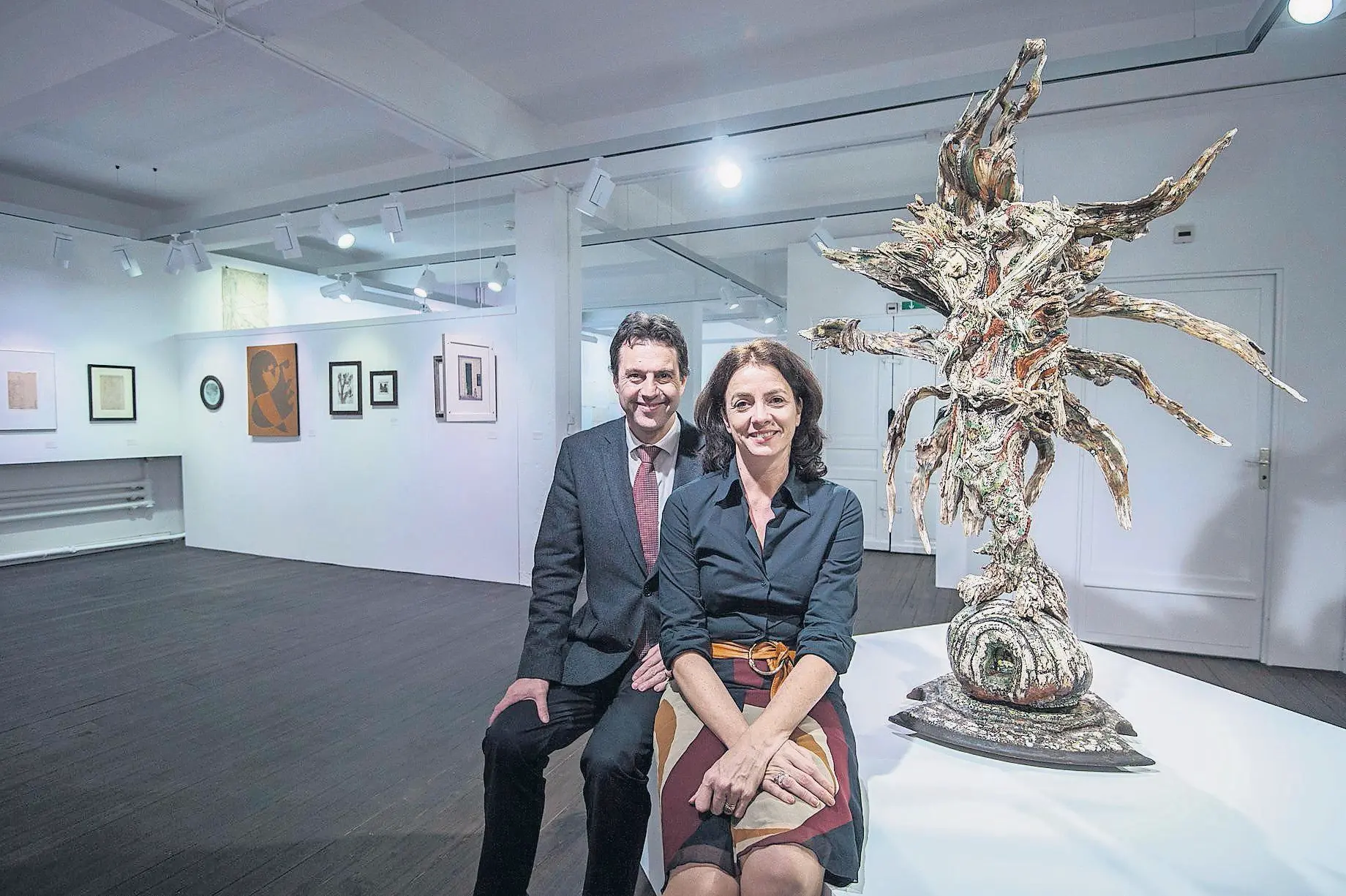
“The child’s soul is the greatest asset,” says Hamburg physician Dr. Carlos Schumacher. To help it develop and at the same time provide children with unforgettable moments, he relies less on the world of medicine than on the magic of imagination. He wants to enchant children with stories and has therefore founded his own publishing house. He presented the Hamburger Kinderbuch publishing house to the public for the first time at the Frankfurt Book Fair (2006).

The new venture, however, reflected an old dream of the 43-year-old. Since his studies, the Hamburg physician had thought about publishing books suitable for promoting child development. Last year, he fulfilled this dream and founded the Hamburger Kinderbuch publishing house.

In it, he focuses primarily on medical, psychological, and developmental topics. But he definitely doesn’t want to publish “boring textbooks with a wagging finger.” He wants to package the content in exciting and funny stories. He wants children to not just have the books read to them, but to discover the joy of browsing for themselves.

One of his first books is “The Story of the Little Kitten.” This classic by Christen Kold, the founder of the Danish adult education centers, is an encouraging book that Schumacher’s wife Katrin translated from Danish into German for the first time. The first publishing program also includes the interactive picture book “Alexandra, where are you going?” (Alexandra, where are you going?). In it, young readers can decide for themselves which path the protagonist should take – thereby influencing the further course of the story.

The doctor is also passionate about a project he developed with five colleagues. “The Drop Gang” – a book scheduled to be published in October 2007 – is a story about five children suffering from long-term illnesses: atopic dermatitis, asthma, epilepsy, cancer, and poor vision.

After completing his medical studies, Schumacher worked, among other things, as a research assistant in a pharmacology laboratory at the University Hospital of Aachen. The Hamburg-based children’s book publisher is not yet breaking even, so he currently works as a real estate entrepreneur.

https://www.aerztezeitung.de/Panorama/Arzt-verzaubert-Kinder-mit-Geschichten-388380.html
https://www.aerzteblatt.de/archiv/carlos-a-schumacher-vom-labor-zum-kinderbuchverlag-792b3025-b40c-4672-8736-1dd9a2cc0699


  • -

Gerhard Dammann

Gerhard Wolfgang Dammann (* 11 December 1963 in Oran, Algeria; † 20 June 2020 in Münsterlingen, Switzerland;[1] resident in Basel[2]) was a Swiss psychiatrist, psychologist and psychoanalyst.

Dammann studied medicine, psychology, and sociology in Tübingen, Frankfurt am Main, Basel, and Paris, graduating with the state examination in medicine (Germany, 1990), a diploma in psychology, and a diploma in sociology. From 1986, he was a member of the Catholic equestrian student association AV Guestfalia Tübingen.

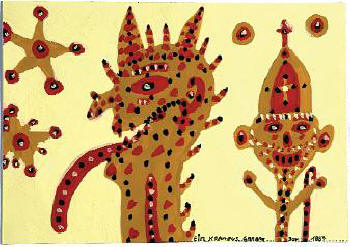
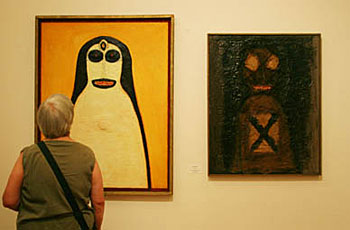
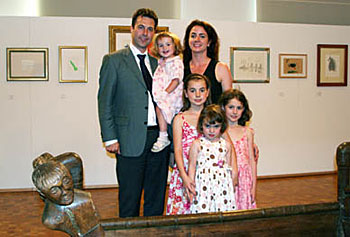
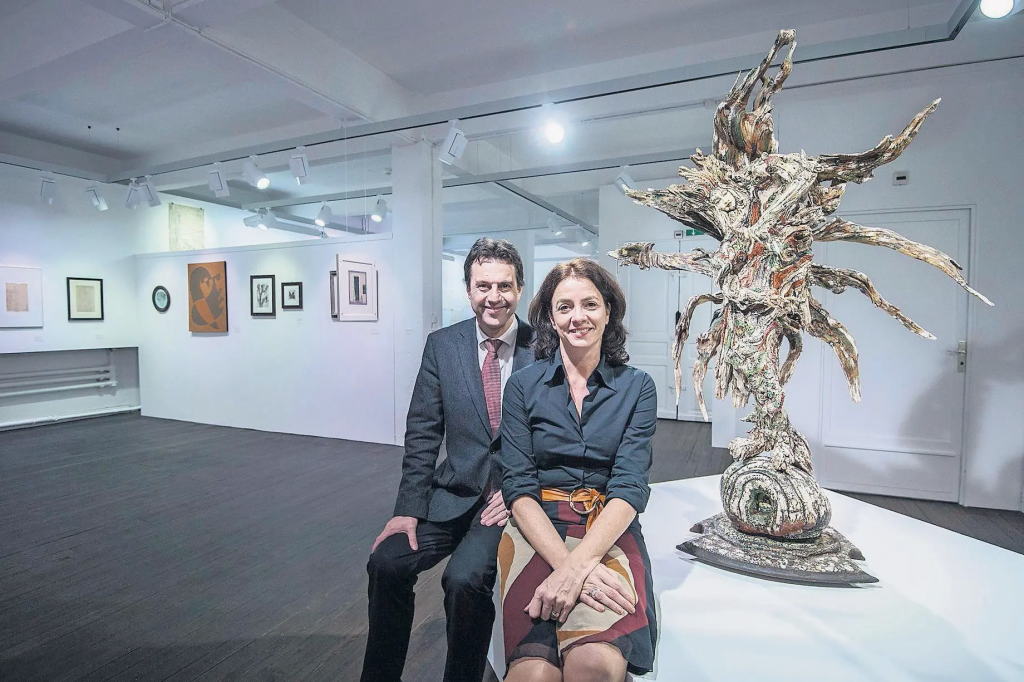
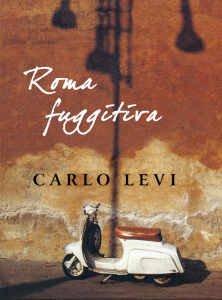
As a medical student, Gerhard Dammann explored the art of psychotics and those with psychiatric experience. During his clinical internship, he spent several months as an intern in the Prinzhorn Collection at Heidelberg University, acquiring his first works from the fields of “Outsider Art” and “Art Brut.” The collection began with a collage by Adolf Wölfli, a drawing by Louis Soutter, a painting by Johann Hauser, and a musical instrument by Gustav Mesmer. After his marriage, he and his wife Karin began collecting more and more systematically in the late 1990s.[1] From 1995 onwards, they placed the acquired works in their large Munich apartment. Initially, they acquired works by artists from the Art/Brut Center Gugging, including watercolors by Oswald Tschirtner and drawings by Franz Kamlander. From 2000 onwards, they supplemented the collection with further outsider art by Albert Louden, Sava Sekulić and Michel Nedjar. In 2003, they bought a large part of the works created in the “La Tinaia” studio, as well as historical Art Brut created in psychiatric hospitals.

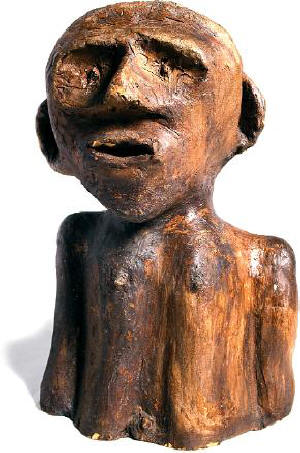
In 2006, the collection comprised around 100 artistic works by self-taught artists in the fields of Naive Art and Outsider Art, and by 2014 had grown to around 300 works of “select quality.” In 2023, the collection consisted of over 1,000 exhibits. The core of the collection is a selection of Art Brut classics. These include series of works by the Gugging artists Johann Hauser, August Walla, and Oswald Tschirtner from the early 1970s, as well as works from the open studios of the “La Tinaia” psychiatric hospital in Florence. In addition, the Dammann Collection includes five of fifteen works donated from the original Prinzhorn Collection, three works by Else Blankenhorn[5], and two sheets by August Klett. There are also some unusual works: a carved bed made of solid oak, created around 1880 in an institution near Chartres, or a sheet dated 1720, which is considered the oldest known work of outsider art.

https://de.wikipedia.org/wiki/Gerhard_Dammann_(Mediziner)

https://de.wikipedia.org/wiki/Sammlung_Dammann

https://www.news.uzh.ch/de/articles/2007/2598.html
https://www.tagblatt.ch/kultur/leuchtender-wahnsinn-ld.922360


  • -

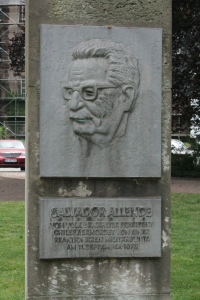
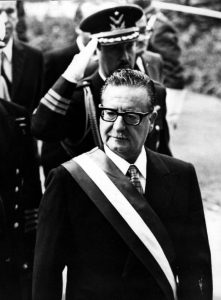
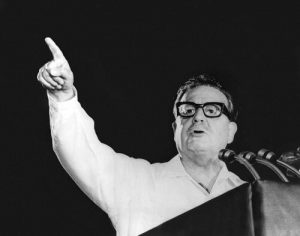
Salvador Allende

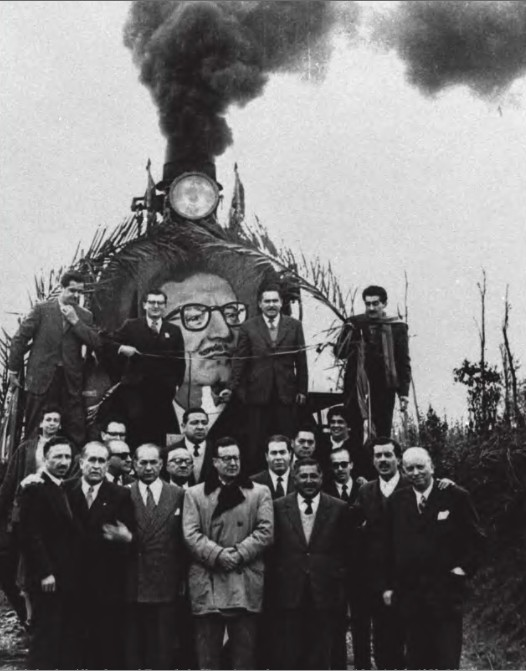
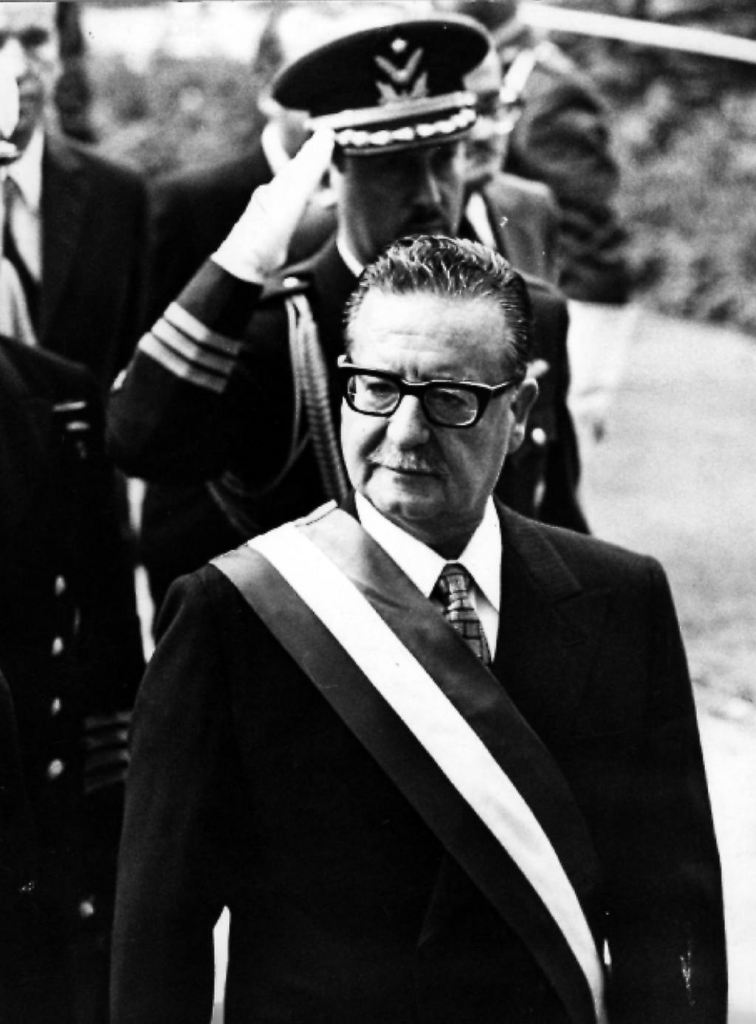
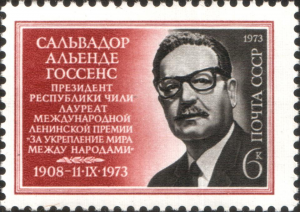
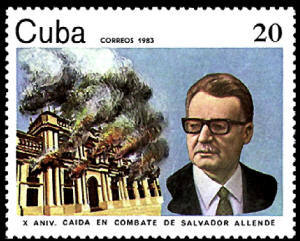
Salvador Guillermo Allende Gossens [salβaˈðoɾ ɣiˈjeɾmo aˈjende ˈɣosens] (June 26, 1908 in Valparaíso – September 11, 1973 in Santiago de Chile) was a Chilean physician and politician. He served as President of Chile from 1970 to 1973. His presidency was an attempt to establish a socialist society in Chile through democratic means. Allende was overthrown in a military coup in 1973, during which he committed suicide.

Allende became politically active in the late 1920s as a medical student at the University of Chile. He participated in protests against the dictatorship of Colonel Carlos Ibáñez del Campo and was elected vice president of the Federation of Chilean Students (FECH). In 1929, he joined both the Freemasons[5] and the group “Avance” (“Forward”).[6] In both organizations, he made important contacts for his later political career.

After the suppression of an uprising against the Ibáñez dictatorship led by Marmaduque Grove, Allende was arrested but later released. Shortly thereafter, he became secretary of the Socialist Party, founded in 1933, for the Valparaíso region.

In 1952, Allende ran for president for the first time, but only finished fourth. In 1954, he served as Deputy President of the Senate. In 1958, he was again the presidential candidate of the left-wing alliance Frente de Acción Popular (FRAP), but narrowly lost to the businessman Jorge Alessandri Rodríguez, who was supported by the right-wing parties. In 1964, he ran for president again, but was decisively defeated by the Christian Democrat Eduardo Frei. The reasons for this final electoral defeat were the last-minute support of the conservative parties for the more progressive Frei, as well as the massive support of the Christian Democrats by the CIA.[7]

In 1966, Allende was elected President of the Senate. In 1968, calls for his resignation followed his personal protection of the survivors of Che Guevara’s guerrilla force in Bolivia. In the same year he condemned the Soviet invasion of Prague.

Namegiving

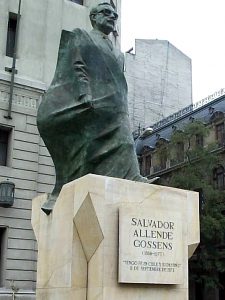
After the end of the military dictatorship in Chile, Allende’s body was transported from Valparaíso, where he had been buried behind closed doors after the coup, to Santiago de Chile and interred in the main cemetery. Several hundred thousand people attended the funeral. A statue of Allende stands next to the presidential palace, La Moneda.

After his death, Salvador Allende was honored primarily in the socialist countries of Europe. In the Berlin district of Köpenick, the Salvador Allende Quarter is named after him. There is also an Allende Quarter in Wittenberge (Brandenburg). In the university town of Greifswald, in the GDR, the vocational school of the VEB Kombinat Ingenieur-Tief- und Verkehrsbau Rostock (State Industrial Estate Combine) bore the name Dr. Salvador Allende. An “Allende Memorial Stone” stood in the schoolyard. This educational institution was closed after the fall of the Berlin Wall. Two of the former buildings were converted into student housing and prop storage for the theater, in front of which the memorial stone is located. In Jena, a square in the Lobeda-Ost district, and streets in Bautzen, Chemnitz, Ludwigsfelde, Magdeburg, Neubrandenburg, Rostock, Frankfurt (Oder), Waltershausen, Weimar, Wittenberge, and Zwickau are named after Allende.

In Bernburg (Saale) in Saxony-Anhalt, the then new residential area on Kirschberg was named Dr. Salvador Allende Settlement in 1973, and a memorial plaque was erected at the corner of Dr. John Rittmeister Street, which was “stored indefinitely” in 2007.[33] The secondary school in Klötze (Saxony-Anhalt) bears the name “Dr. Salvador Allende,”[34] as does a primary school in Chemnitz.[35] A primary school in Rheinsberg (Brandenburg)[36] bore his name until 2018.[37]

In the Federal Republic of Germany, the former Bornplatz in the Hanseatic City of Hamburg was renamed Allende-Platz in 1983. It is located next to the grounds of the University of Hamburg, in the immediate vicinity of the former Talmud Torah School. In Oer-Erkenschwick, the Socialist Youth of Germany – The Falcons – has called its educational facility the Salvador Allende House since it opened in the late 1970s. There is also a Salvador Allende Street in Berlin, Bremen, and Frankfurt am Main. In Berlin, there is also the Salvador Allende Quarter.

https://de.wikipedia.org/wiki/Salvador_Allende

https://en.wikipedia.org/wiki/Salvador_Allende


  • -

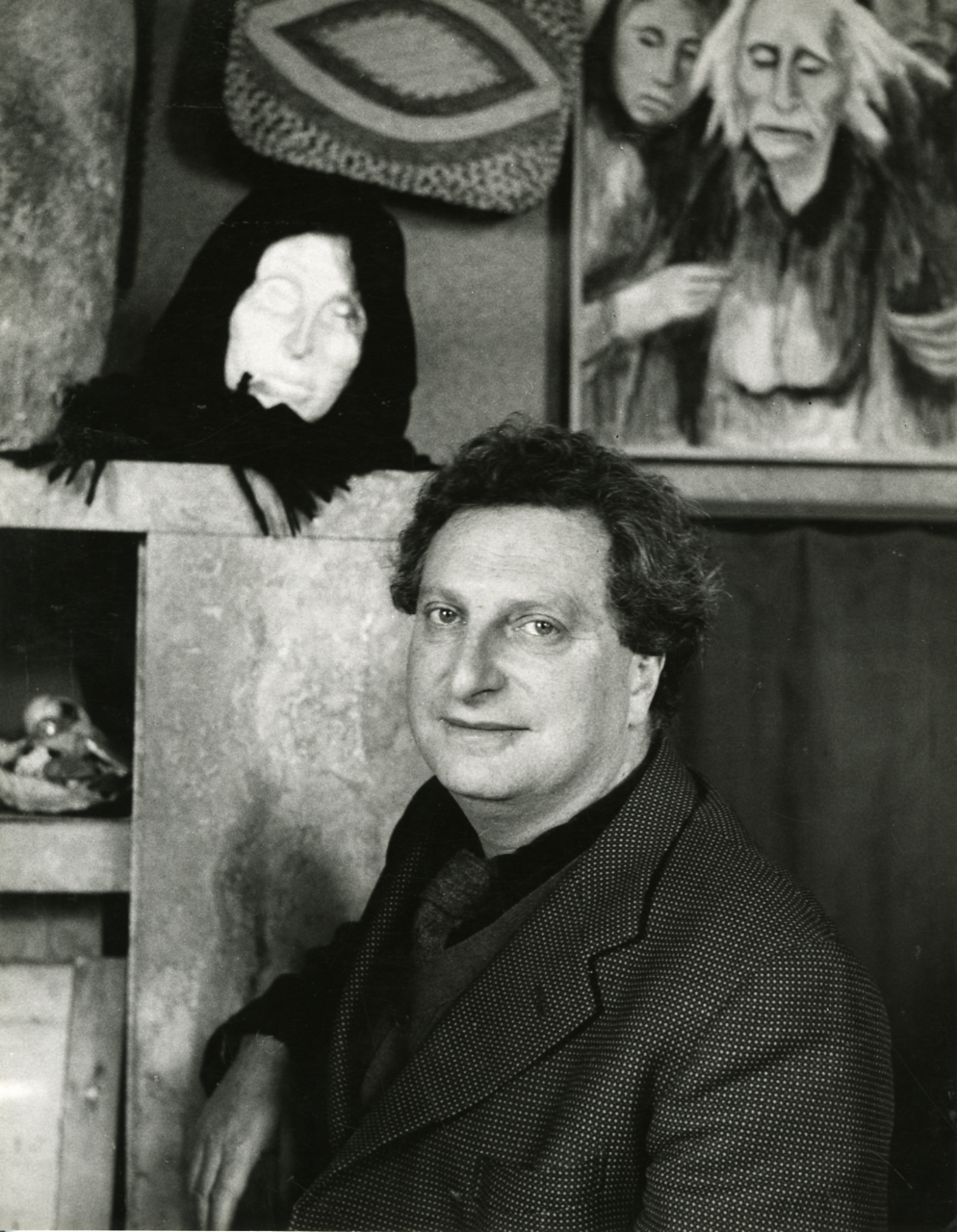
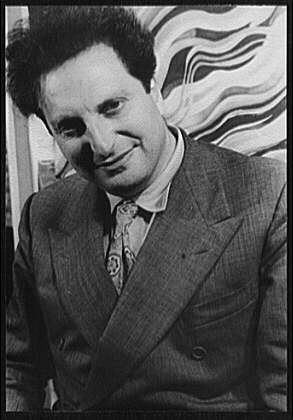
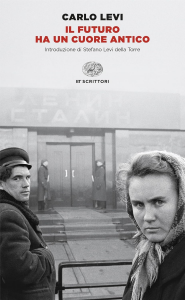
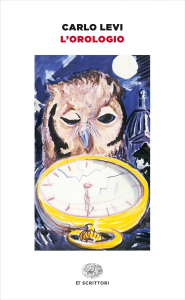
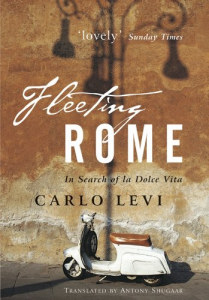
Carlo Levi

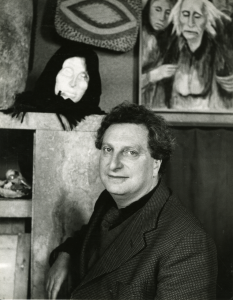
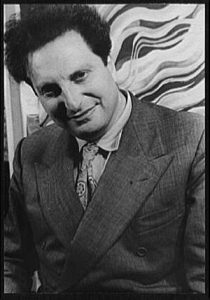
Graziadio Carlo Levi or Carlo Lèvi (born November 29, 1902 in Turin; died January 4, 1975 in Rome) was an Italian writer, painter, doctor and politician.

Carlo Levi came from an upper-class, assimilated Jewish family; his parents were Ercole Levi and Annetta Treves. In 1917 or 1918, he enrolled to study medicine at the University of Turin, graduating in 1924.[1] Although he worked as an assistant doctor at a Turin clinic from 1924 to 1928, he never practiced as a regular doctor, as he was more interested in politics and painting, to which he devoted himself intensively from 1923 onwards.[2] He became a member of the Rivoluzione liberale (“Liberal Revolution”) group led by Piero Gobetti, spent some time in Paris, and took part in the 1929 exhibition Sei pittori di Torino (“Six Turin Painters”).

Because he had founded the anti-fascist group Giustizia e Libertà (“Justice and Freedom”) together with Carlo and Nello Roselli in 1929 and led it together with Leone Ginzburg, Levi was imprisoned in Rome for two months in the spring of 1934 and exiled to the southern Italian region of Lucania (now Basilicata) in May 1935. There, after some time in the small town of Grassano, he spent the period from September 1935 to May 1936 in the village of Aliano, where, due to the poverty of the inhabitants, he practiced as a doctor without pay and with limited resources. Until the provincial administration forbade this too and treatments could only be carried out in secret. On the side, he painted people and landscapes and explored the customs of the inhabitants, especially magic and superstition.

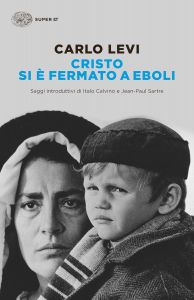
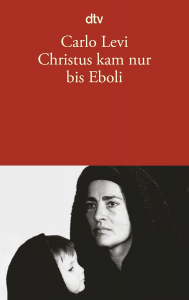
After his early release in 1936 through a general amnesty proclaimed by the fascist state to celebrate the annexation of Abyssinia during the Abyssinian War, Levi went into exile and took over the leadership of the Justice and Liberation group from Paris. In 1941, he returned to Italy, was arrested and imprisoned in Florence. After the fall of Mussolini, he was released, sought refuge in the Palazzo Pitti, and there, in 1943/1944, wrote his book Cristo si è fermato a Eboli (published in 1945, see below), in which he recorded his memories of his time in Aliano, choosing the slightly coded name Gagliano for Aliano.

After the end of the Second World War, Levi moved to Rome, where he lived and worked from then on in the Villa Strohl-Fern[3] and for some time as editor of the magazine Italia libera, which belonged to the Partito d’Azione (“Party of Action”). He continued to paint (his paintings were exhibited in various European countries and in the USA) and wrote more books (see below). In 1963, he was elected to the Senate as an independent on the Communist Party list, where he remained until 1972.

Carlo Levi died of pneumonia in a Roman hospital in 1975. In accordance with his express testamentary wish, he was buried in the cemetery of Aliano, which was one of his favorite places to stay during his exile there.

https://de.wikipedia.org/wiki/Carlo_Levi

https://en.wikipedia.org/wiki/Carlo_Levi


  • -

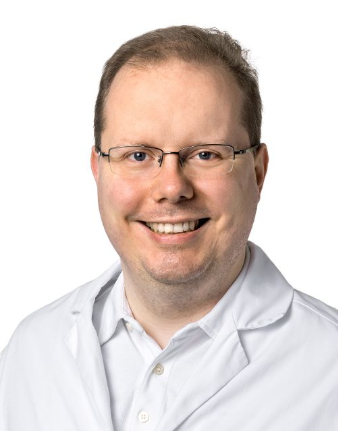
Arnd Felten

1988 — 1992Grundschule Zornheim
1992 — 1998Rabanus-Maurus-Gymnasium, Mainz
1998 — 1999Highland High School, Pocatello, ID (USA)
1999 — 2001Rabanus-Maurus-Gymnasium, Mainz
2001 — 2002Civil Service for the Rotes Kreuz Rettungsdienst Rhein-Nahe GmbH, Mainz
2002 — 2004Study of Computational Engineering,
Friedrich-Alexander-Universität Erlangen-Nürnberg (no degree)
2004 — 2006Study of Medicine,
Friedrich-Alexander-Universität Erlangen-Nürnberg
2006 —Study of Medicine,
Johannes-Gutenberg-Universität Mainz

http://www.arnd.info

work

https://www.xing.com/profile/Arnd_FeltenMHBA/web_profiles

https://www.linkedin.com/in/arnd-felten

https://www.spital-emmental.ch/Aerztliche_Fachpersonen/?docId=1473

https://www.spiegel.de/lebenundlernen/uni/europas-superhirn-gipfel-invasion-der-intelligenzler-a-569413.html

  • -

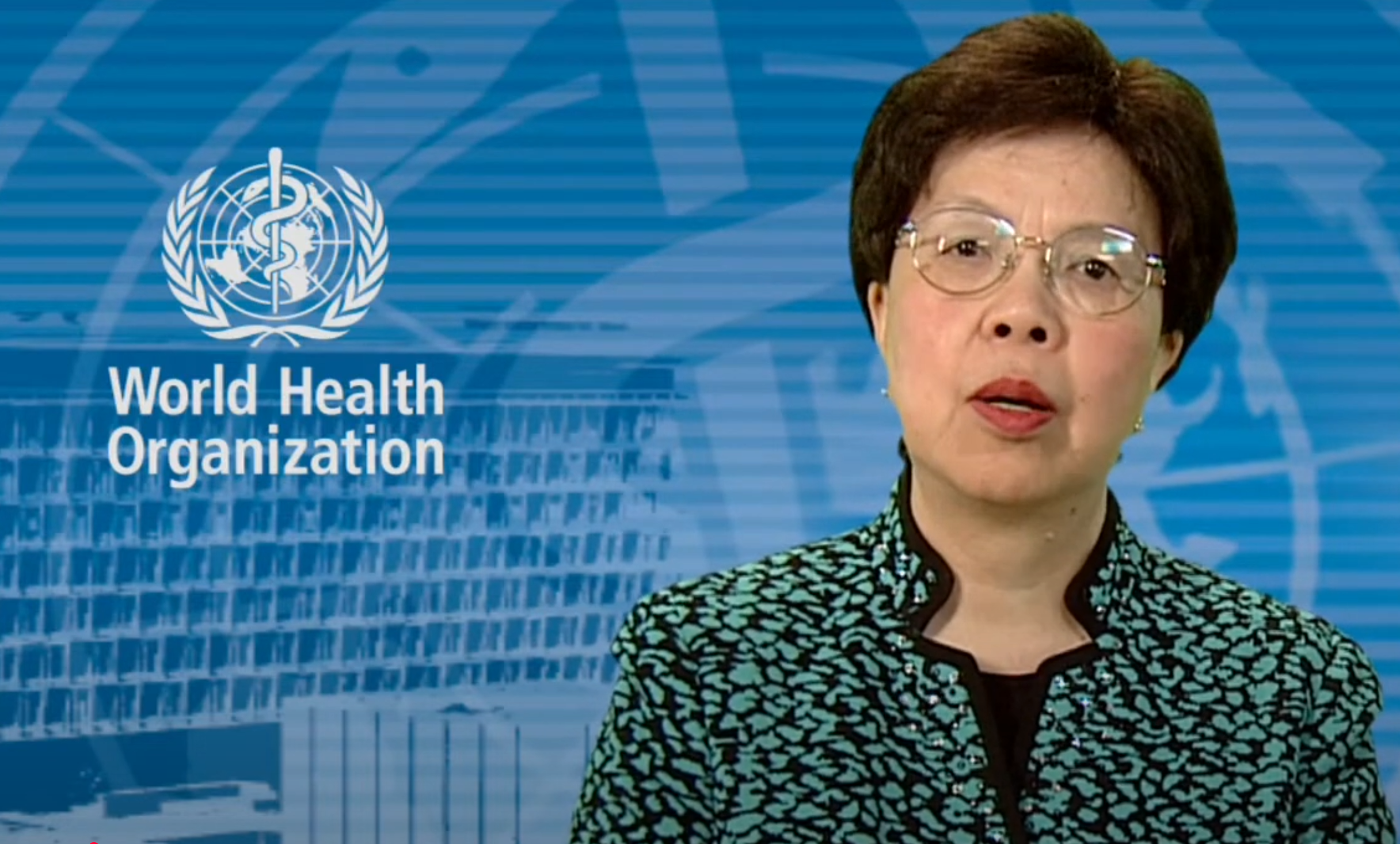
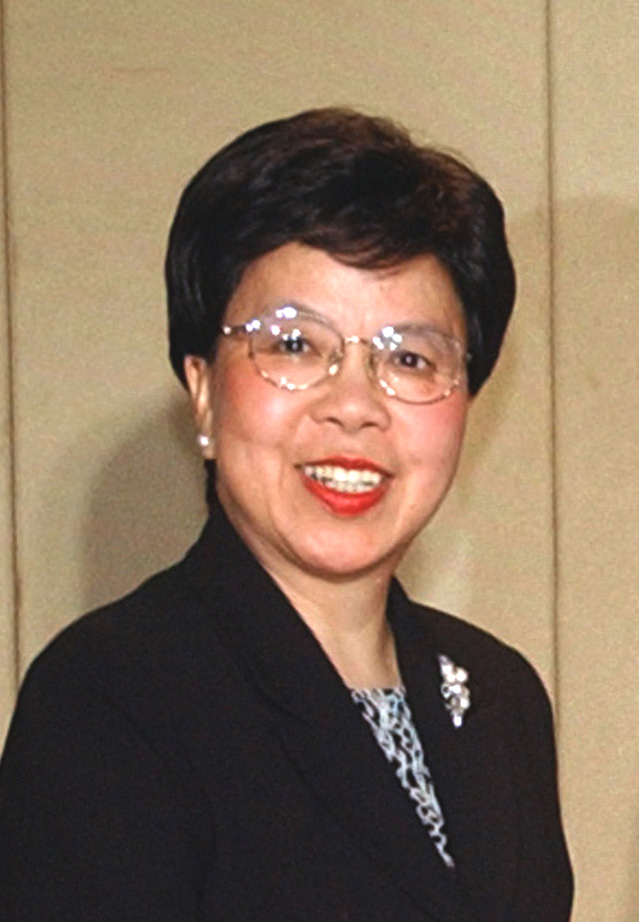
Margaret Chan

Margaret Chan Fung Fu-chun (Chinese: 陳馮富珍/陈冯富珍; born 1947 in Hong Kong) was Director-General of the World Health Organization from 2006 to 2017 (in May 2012 she was elected for a second term until June 30, 2017). She was the first Chinese woman to head a UN specialized agency.

Biografie

Margaret Chan completed her medical studies at the Canadian University of Western Ontario. After returning to Hong Kong, she joined the health department of the then British Crown Colony in 1978. From 1994 to 2003, she was Director of Health in the Hong Kong government. In this role, she was also responsible for combating the H5N1 avian flu (1997) and SARS in 2003, the outbreak of which claimed nearly 300 lives in Hong Kong. She was criticized by the public and parliament for her hesitant stance in combating SARS.[2] On the other hand, a commission of experts appointed by the government concluded that she could not be held responsible for the mismanagement.

That same year, she left her post to accept a position at the WHO as Director of the Department for the Protection of the Human Environment. In 2005, she became Director of the WHO Department of Communicable Disease Surveillance and Control and Deputy to the Director-General for Pandemic Influenza.

She was heavily criticized for her agreement to classify the 2009/10 swine flu, caused by the H1N1 influenza A virus, as a pandemic, as the criteria for a pandemic were lowered for that virus.[4] Members of the Council of Europe also criticized Chan, most notably the German physician and politician Wolfgang Wodarg (SPD), a member of the Parliamentary Assembly of the Council of Europe.[5] The WHO rejected the accusations of hasty action.

https://de.wikipedia.org/wiki/Margaret_Chan


  • -

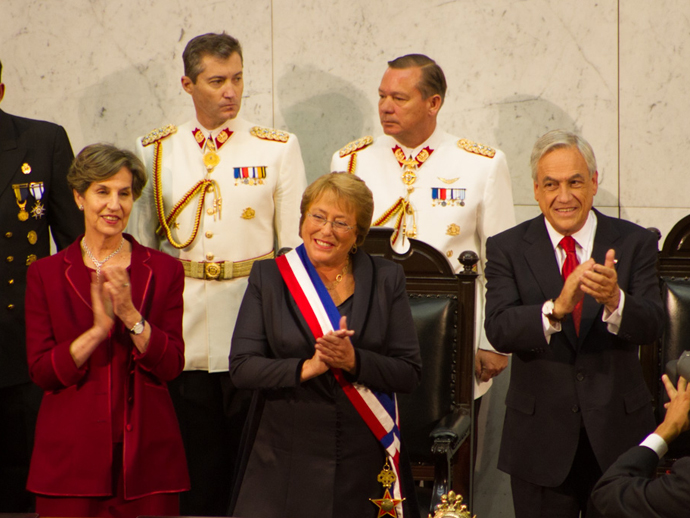
Michelle Bachelet

Verónica Michelle Bachelet Jeria [beˈɾonika miˈtʃel βaʃeˈlet ˈxeɾja] (born 29 September 1951 in Santiago de Chile) is a Chilean surgeon[1] and politician (PS). From 2006 to 2010 and from 2014 to 2018 she was President of Chile, making her the first woman to hold this office. From 1 September 2018 to 31 August 2022 she was United Nations High Commissioner for Human Rights. In the meantime she was Under-Secretary-General of the United Nations as Executive Director of the UN Women organization.

Michelle Bachelet was named after the French actress Michèle Morgan.[2] She is the daughter of Chilean Air Force General Alberto Bachelet, who remained loyal to President Salvador Allende during the 1973 coup in Chile and was captured and tortured by members of Augusto Pinochet’s regime. The following year, he suffered a fatal heart attack in prison. Michelle and her mother fled to East Germany via Australia. In 2013, shortly before the presidential election, Bachelet recounted her own experiences in the Villa Grimaldi torture prison in January 1975 before her escape: “My head was in a hood and I was insulted, threatened and sometimes beaten. But I was spared the parrilla, a torture device consisting of a bed frame for electric shocks, literally called a grill in Spanish.”[3] She learned German at the Herder Institute of the University of Leipzig.[4] She studied medicine at the Humboldt University of Berlin. On October 19, 2006, she was awarded an honorary doctorate from the Charité.[5] This was in recognition of her services to healthcare and the care of underprivileged people, which she achieved as a pediatrician and politician in Chile.

In 2019, she was awarded honorary citizenship of the city of Montreal.

https://de.wikipedia.org/wiki/Michelle_Bachelet

https://en.wikipedia.org/wiki/Michelle_Bachelet

https://www.youtube.com/results?search_query=michelle+bachelet


  • -

Hans Michael Schulz

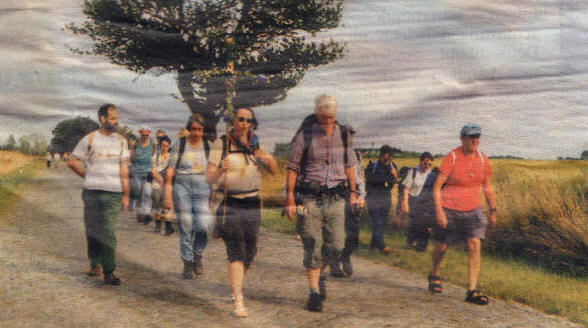
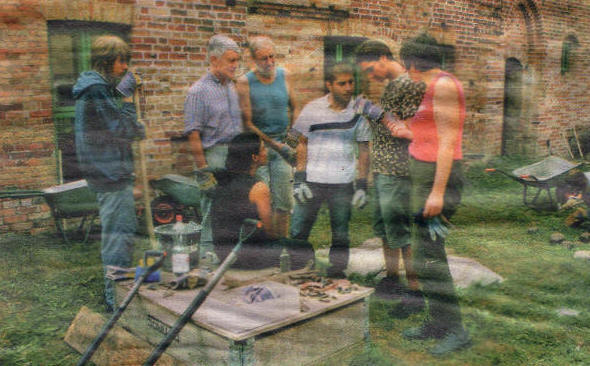
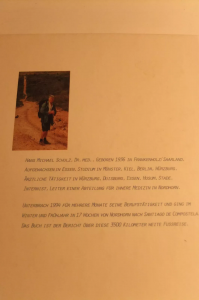
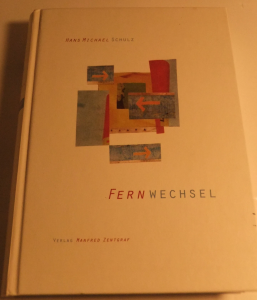
When Hans Michael Schulz packs his backpack, the journey is the destination: pilgrimages run like a common thread through the life of the former chief physician of Nordhorn. With 30 people between the ages of 17 and 77, he hiked the path of the “Swedish Birgitta” through the Mecklenburg countryside, praying, remaining silent, singing, and also working on projects. They covered distances of 20 to 25 kilometers each day. It all began in the spring of 1994, when he left his hospital for six months to walk to Santiago de Compostela – almost 3,500 kilometers. He recorded his impressions in his book “Fernwechsel,” which is now out of print. He enjoys it: times of walking, observing, reflecting, and praying – interspersed with interesting conversations with his fellow hikers.

At the beginning is farewell, and at the end is arrival. The author, a physician and head of a department of internal medicine, bids farewell to his wife in familiar surroundings. This is reminiscent of farewell scenes in world literature, such as Hector, who embraces Andromache for the last time before the battle with Achilles, or Siegfried, who bids farewell to the ominous Kriemhild “with loving kisses.” But unlike in the epics, in which the heroes face certain death, a new life is revealed to the author on a seventeen-week march from Nordhorn to Santiago de Compostela.

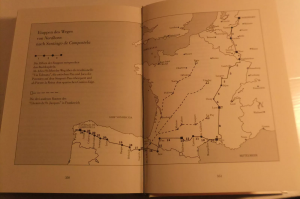
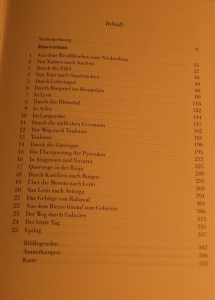
The book is an account of this 3,500-kilometer pilgrimage, which leads via Aachen, Trier, Cluny, Lyon, Arles, Toulouse, across the Pyrenees to Logroño, Burgos, and Leon, finally ending in the city of Santiago. The Christian conviction that the Church can still be a guide for all who are searching and willing to discover sets the tone for the daily notes. The pilgrim is less interested in the beauty of the churches and monasteries along the Way of St. James described in the usual guidebooks; he visits them all, but only to seek in them “a stage in the ascent of human consciousness” and strength to cope with the present. And on his arduous pilgrimage, the author succeeds in experiencing the path itself, the diverse nature, and the art in the churches as “Christ’s message of redemption.” The reader who embarks on such a search for clues will be able to exclaim at the end with Hans Michael Schulz: “Each time I was gripped anew. And this and everything else on the way here was far more than I had expected. – Basta!”

https://www.faz.net/aktuell/feuilleton/reise/rezension-sachbuch-europa-11295147.html

  • -

Carl Claus Hagenbeck

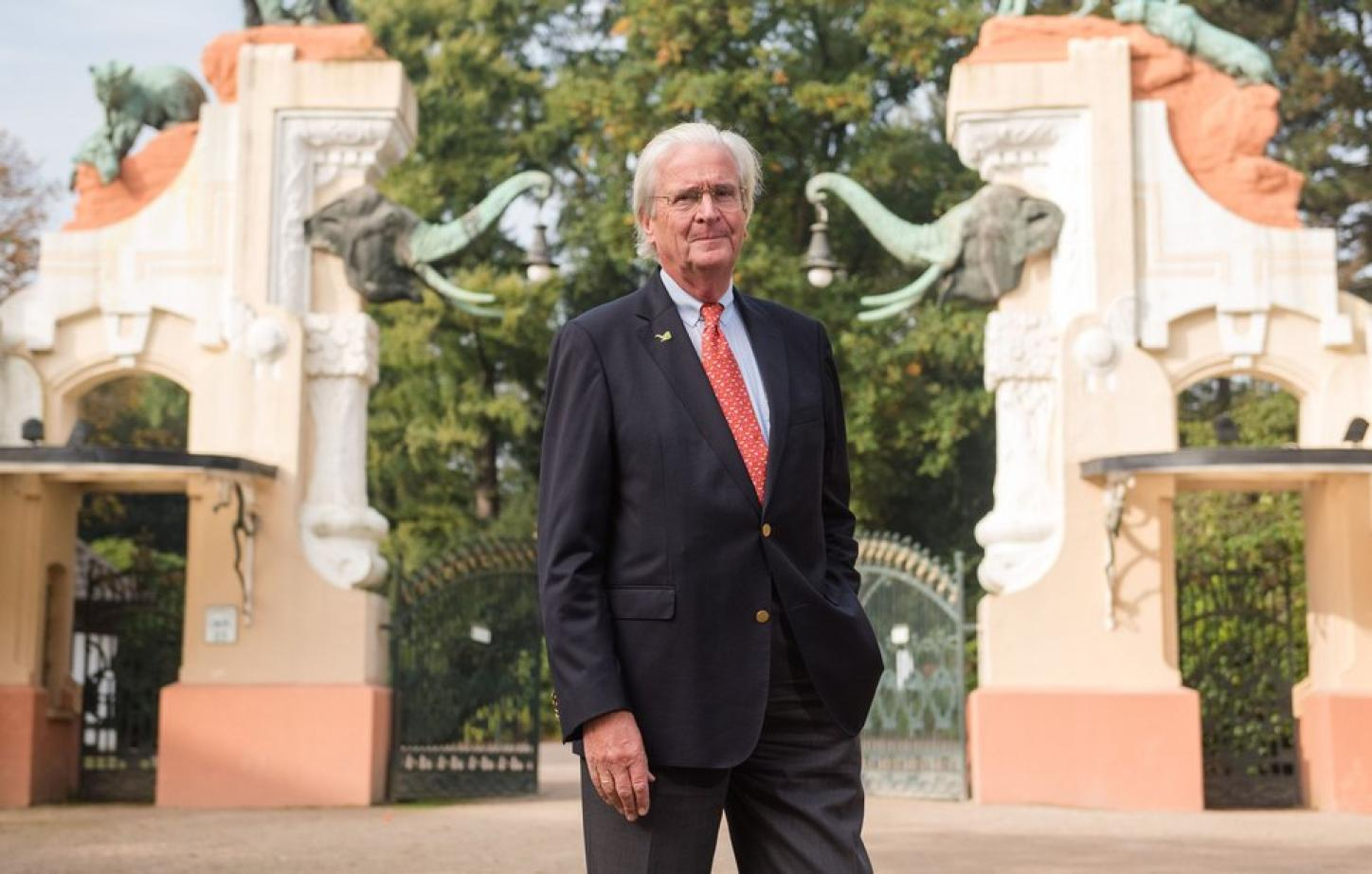
Carl Claus Hagenbeck (born 1 November 1941 in Hamburg) is a German veterinarian and former zoo director.

From 1962 to 1967 he studied veterinary medicine at the Hannover Veterinary School and received his doctorate in veterinary medicine. Hagenbeck is married and has two daughters. From 1977 to 1982 he was junior director of the Hagenbeck Zoo in Hamburg,[1] which he then directed from 1982 to 2004. Between 1982[2] and 1989 he directed the zoo together with his third cousin from the Lorenz Hagenbeck family, Caroline Hagenbeck (1959–2005),[3] and from 1989 onwards with her husband Joachim Weinlig-Hagenbeck (* 1956).

Carl Claus Hagenbeck was born as the son of Carl-Heinrich Hagenbeck (1911–1977); his grandfather was the Hamburg Zoo director Heinrich Hagenbeck (1875–1945), and his great-grandfather was the zoo founder Carl Hagenbeck.

In 1998, Carl Claus Hagenbeck founded the Hagenbeck Zoo Foundation together with Caroline Hagenbeck.[1] He handed over the position of zoo director to his son-in-law Stephan Hering-Hagenbeck (* 1967) in 2004.[4] From 2012[5] until the beginning of April 2015, he was once again managing director of the zoo together with Joachim Weinlig-Hagenbeck.[6] A falling out developed between the two.[4] Stephan Hering-Hagenbeck and Friederike Hagenbeck initially succeeded him, but in June 2015, Carl Claus Hagenbeck’s daughter Bettina[4] joined the management instead of Hering-Hagenbeck.

https://www.hagenbeck.de

1962Abitur
1962-1967Studium der Veterinärmedizin an der Tierärztlichen Hochschule Hannover mit Promotion zum Dr. med. vet.
1970Prokurist und Tierarzt der Firma Carl Hagenbeck
1971Einrichtung und Leitung des Delfinariums
1972-1979Modernisierung der Infrastruktur des Tierparks
1977-1982Juniorchef des Tierparks Hagenbeck in Hamburg-Stellingen
1982-2004Chef des Tierparks Hagenbeck
1997Hamburger Denkmalschutzamt erklärt die Gesamtanlage des Tierparks als schützenswert
1998150-jähriges Jubiläum des Tierparks
1998Gründung der Stiftung Tierpark Hagenbeck (zus. mit Caroline Hagenbeck)
2004Ablösung als Chef des Tierparks durch Joachim Weinlig-Hagenbeck und Stephan Hering-Hagenbeck
2012Rückkehr in die Geschäftsführung nach Differenzen innerhalb der Eigentümerfamilie

https://de.wikipedia.org/wiki/Carl_Claus_Hagenbeck

https://www.shz.de/deutschland-welt/kindernachrichten/artikel/carl-claus-hagenbeck-ein-leben-im-und-fuer-den-zoo-20988898


  • -

Martin Nweeia

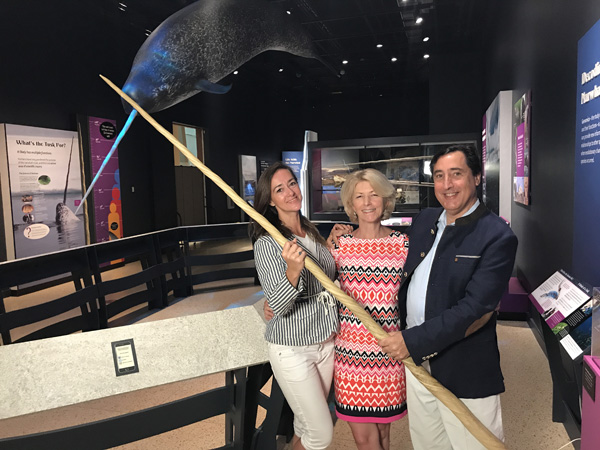
Jane O’Brien, an anchor of BBC World News, joins Martin Nweeia, D.D.S., ’77, right, and Nweeia’s wife, Pamela Peeters, at the Smithsonian. Photo by Ryan Lavery

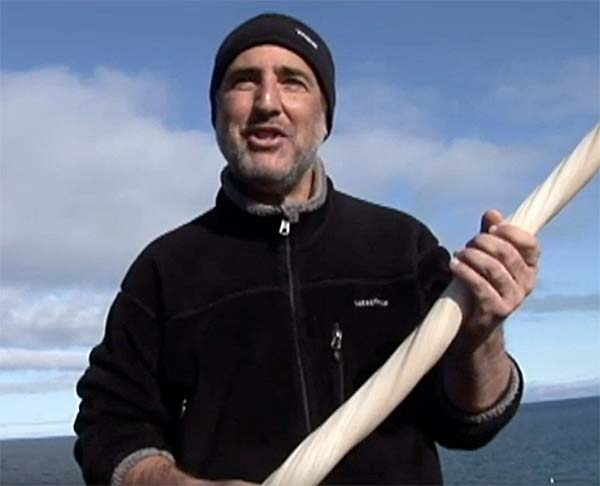
Dr. Martin Nweeia is the world’s leading expert on the narwhal’s tusk and tooth system. He is a National Foundation Scientist and has led over 20 High Arctic expeditions and carried 15 expedition flags to study the elusive narwhal. He holds doctorates in dentistry and surgery and is a member of the dental faculties of Harvard University and Case Western Reserve University. He also conducts research at the Canadian Museum of Nature and the Smithsonian Institution. The Smithsonian Institution has awarded him two fellowships: one in physical anthropology and one in vertebrate zoology.

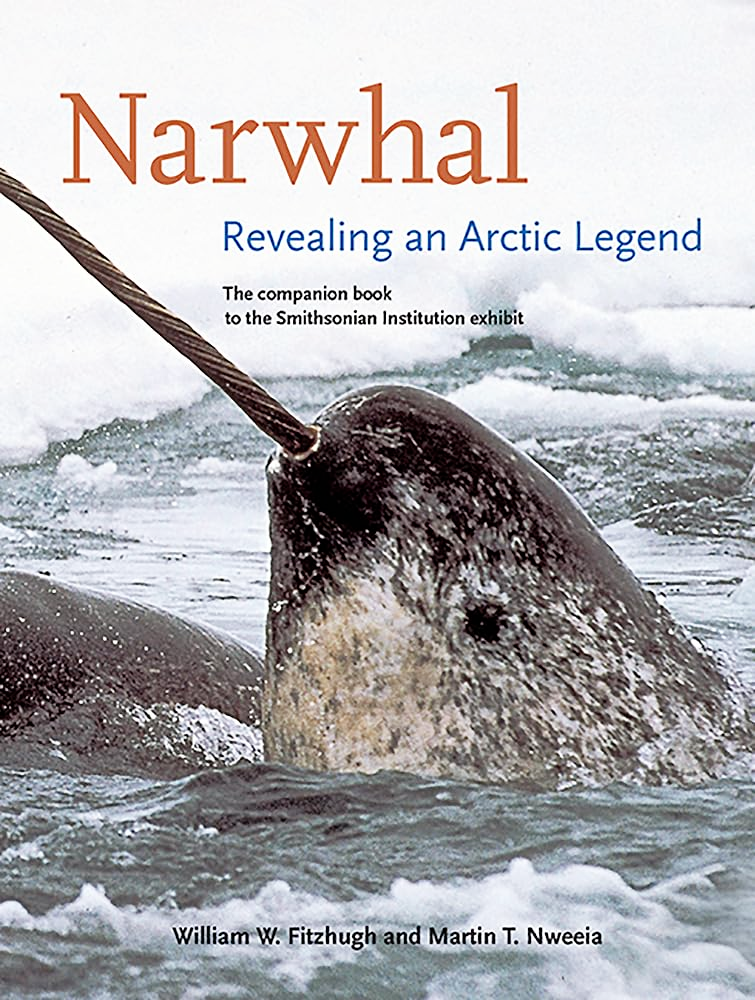
His work has been featured in The New York Times, NPR’s “Pulse of the Planet,” “A Beautiful World,” “Morning Edition,” “Earth Wise,” and documentaries by National Geographic, “Découverte” (French Discovery), and the BBC, including “Natural Curiosities” with Sir David Attenborough. Dr. Nweeia has received a CINE Golden Eagle for the NGS Wild Chronicles narwhal story, the William Mills Prize for his book “Narwhal: Revealing An Arctic Legend,” and the Lowell Thomas Award for Arctic Research. His 2020 scientific publications have been published in Nature, PNAS, and two Smithsonian books.

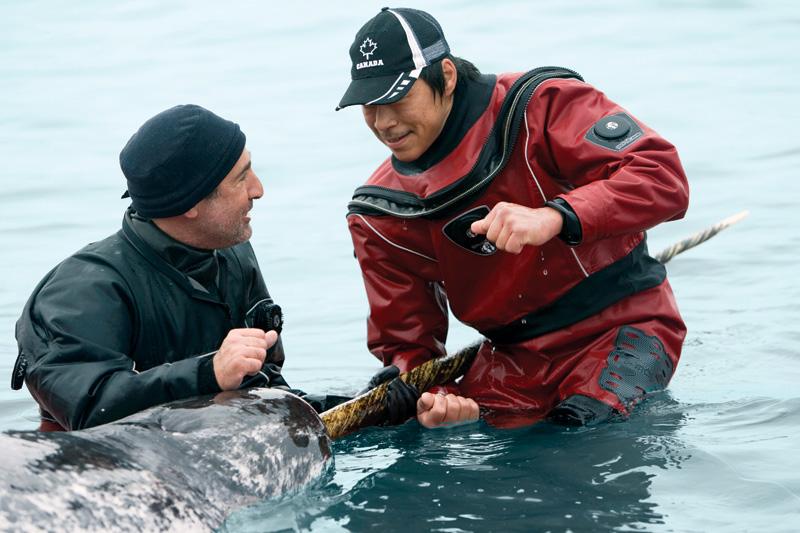
Martin Nweeia ’77 and research colleague Adrian Arnauyumayuq complete experiments on a live narwhal in Arctic Bay, Nunavut, Canada, in 2007. Photo by Gretchen Freund

Ein ziemlich ausgefallenes Hobby hat der amerikanische Zahnarzt Martin Nweeia: Er studiert den Stoßzahn des Narwals. Nweeia, niedergelassen in Sharon im US-Staat Connecticut und Lehrbeauftragter an der School of Dental Medicine der Harvard University, fährt seit Jahren im Frühjahr nach Kanada in die Arktis und untersucht die rätselhaften Wale mit dem einen großen Zahn, berichtet “New Scientist” online.

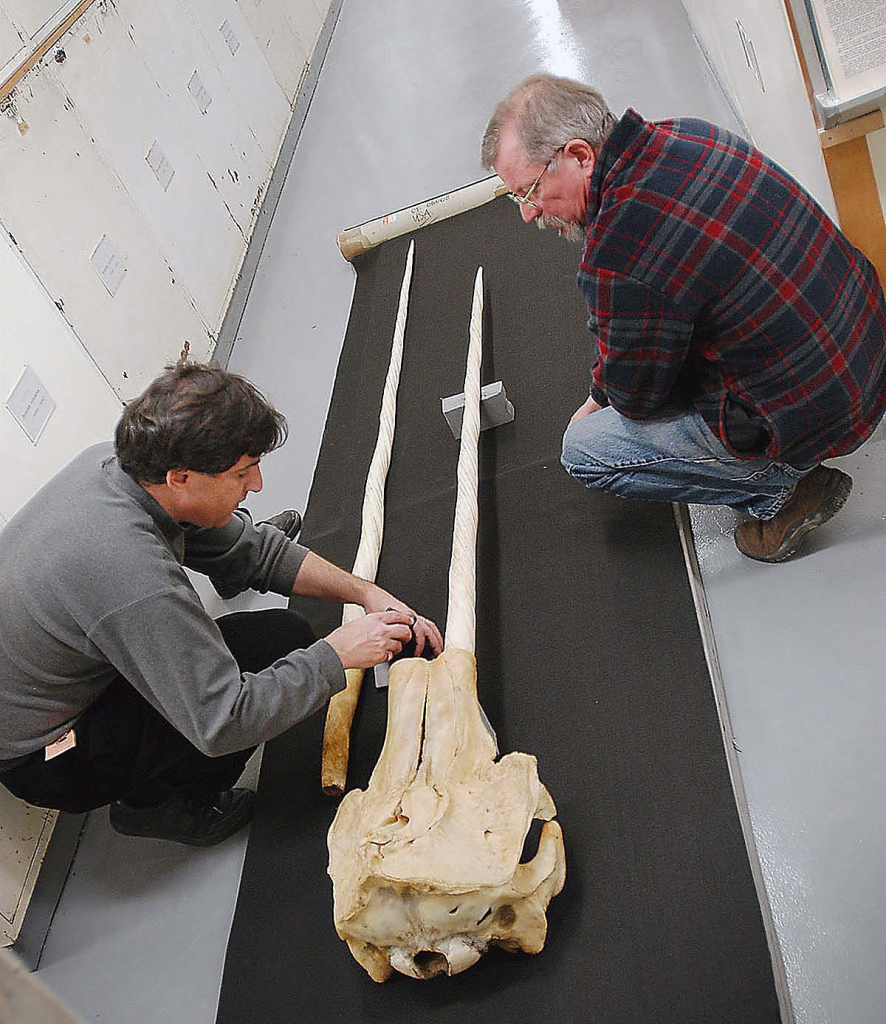
The narwhal’s tusk—the model for the unicorn’s horn—is unique in nature, says Nweeia. “It’s the only known straight tusk and the only spirally twisted one.” In stress tests, narwhal tusks have proven to be extremely flexible and tough—a combination that’s unusual for teeth.

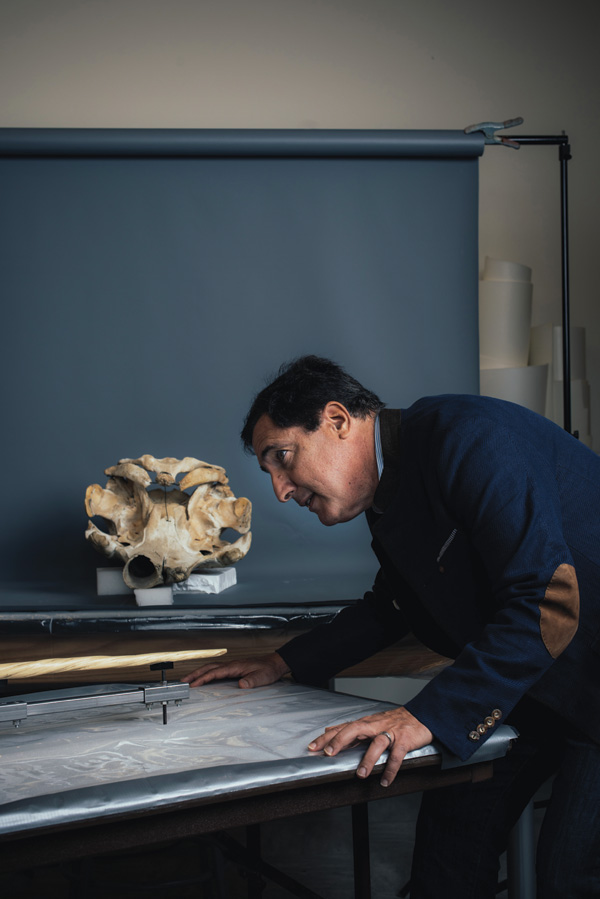
Nweeia examines a narwhal tusk and skull at the Smithsonian’s National Museum of Natural History before it is placed in a new exhibit, which opened in August. Photo by Stephen Voss

In male narwhals, one tusk grows to almost two and a half meters, while the other remains embedded in the jaw. Most females lack a tusk. The purpose of the tooth is still unclear. Weeia’s theory: “I think the tooth is a kind of sensor. It probably has something to do with detecting prey.” To test this, he is currently equipping whales with a sensor in their teeth.

https://narwhal.org/

https://www.aerztezeitung.de/Panorama/Dieser-Zahn-ist-ausserordentlich-und-einzigartig-in-der-Natur-331804.html
https://www.docseducation.com/blog/famed-dentist-studies-elusive-%27sea-unicorn%27-learn-more-about-human-teeth

https://www.si.edu/stories/understanding-narwhals-smile

https://www.glexsummit.com/explorers/martin-nweeia