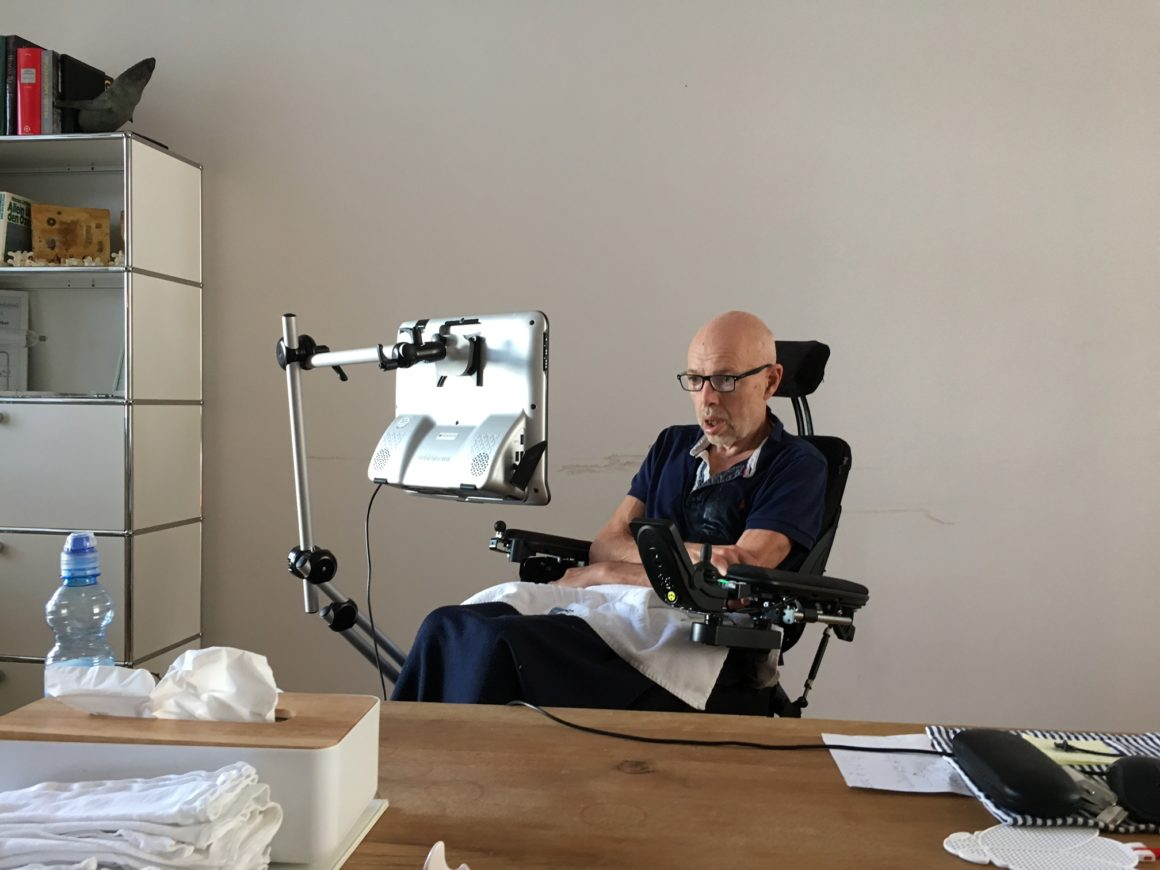
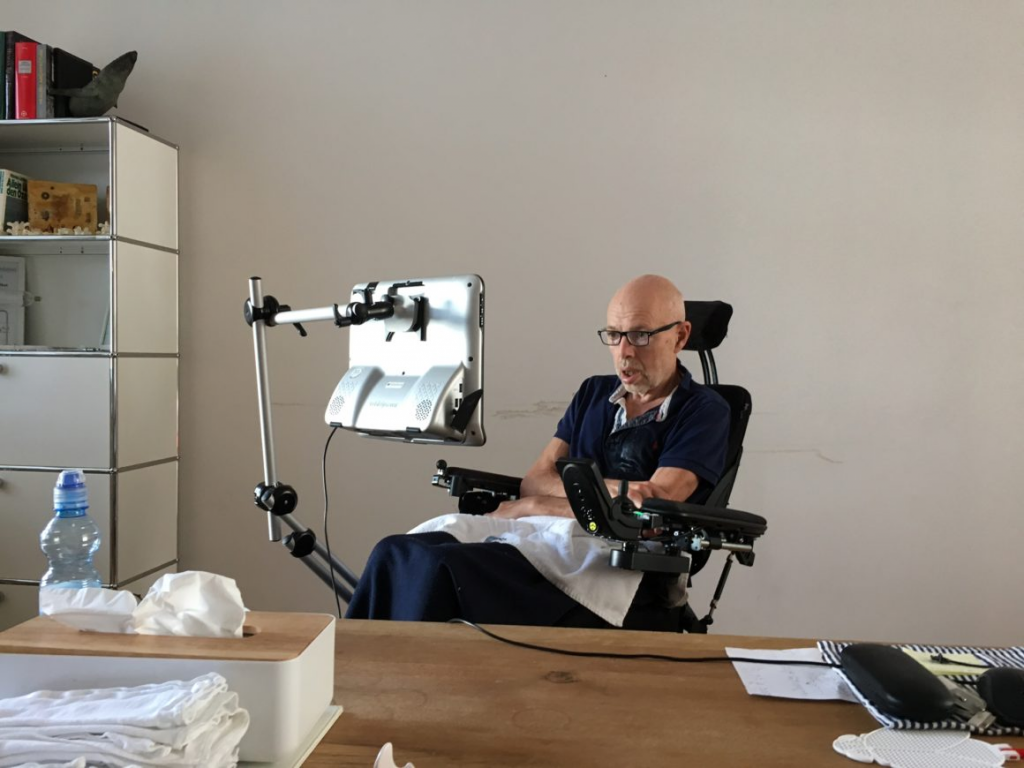
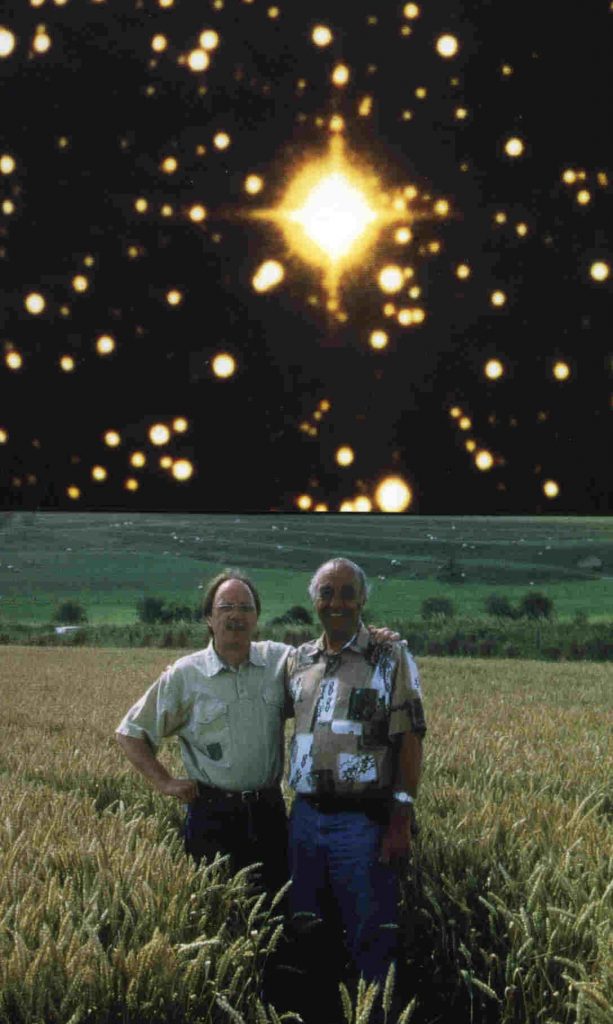
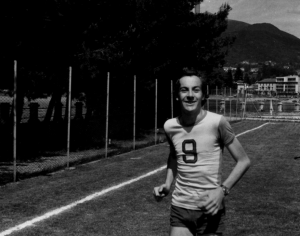
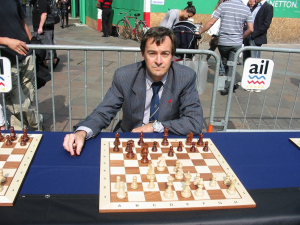
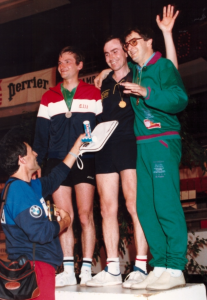
I’ve been ill since 2014, unfortunately with a rarer form of ALS with extreme spasticity and bulbar symptoms.
Unfortunately, I can no longer speak or swallow. I’m quadriplegic and anarthric, and can no longer move anything. Despite this, I still find quality of life.
I used to be an extreme athlete and did crazy things. I’m both a doctor and a patient myself. I made the diagnosis myself. I live in a normal family, and we have a young daughter. My wife is a nurse and takes care of her. We try to live and live as normally as possible. Unfortunately, I can no longer work and now I write books. Writing is tedious and exhausting. I have a good computer with infrared light control, and I write with my eyes. Not as fast anymore, but better than nothing. I founded a small publishing house for literature and art and support young artists and authors.
Das Leben ist anders als früher auch aber immer noch lebenswert.
Endurance sports for 10 years:
More than 30 marathons (personal best 3:09), 5x Ironman, Marathon des Sables (250-kilometer ultramarathon through the Sahara), Climbing Mount Kilimanjaro Race Across America (5,000-kilometer non-stop cycling race across the USA from west to east); Trans-Australia non-stop by bike, 4,200 km in 7 days
and various other events
Ironman Klagenfurt Trans-Europe Tour Dragon Run Siebengebirge/Germany Race Across Germany (by bike from Flensburg to Oberammergau in 48 hours)
Other sports:
Diving, tennis, paragliding, sailing, skiing (and recently motorcycling and taekwondo)
Jürgen Reul trained as a police officer and subsequently worked for the police.
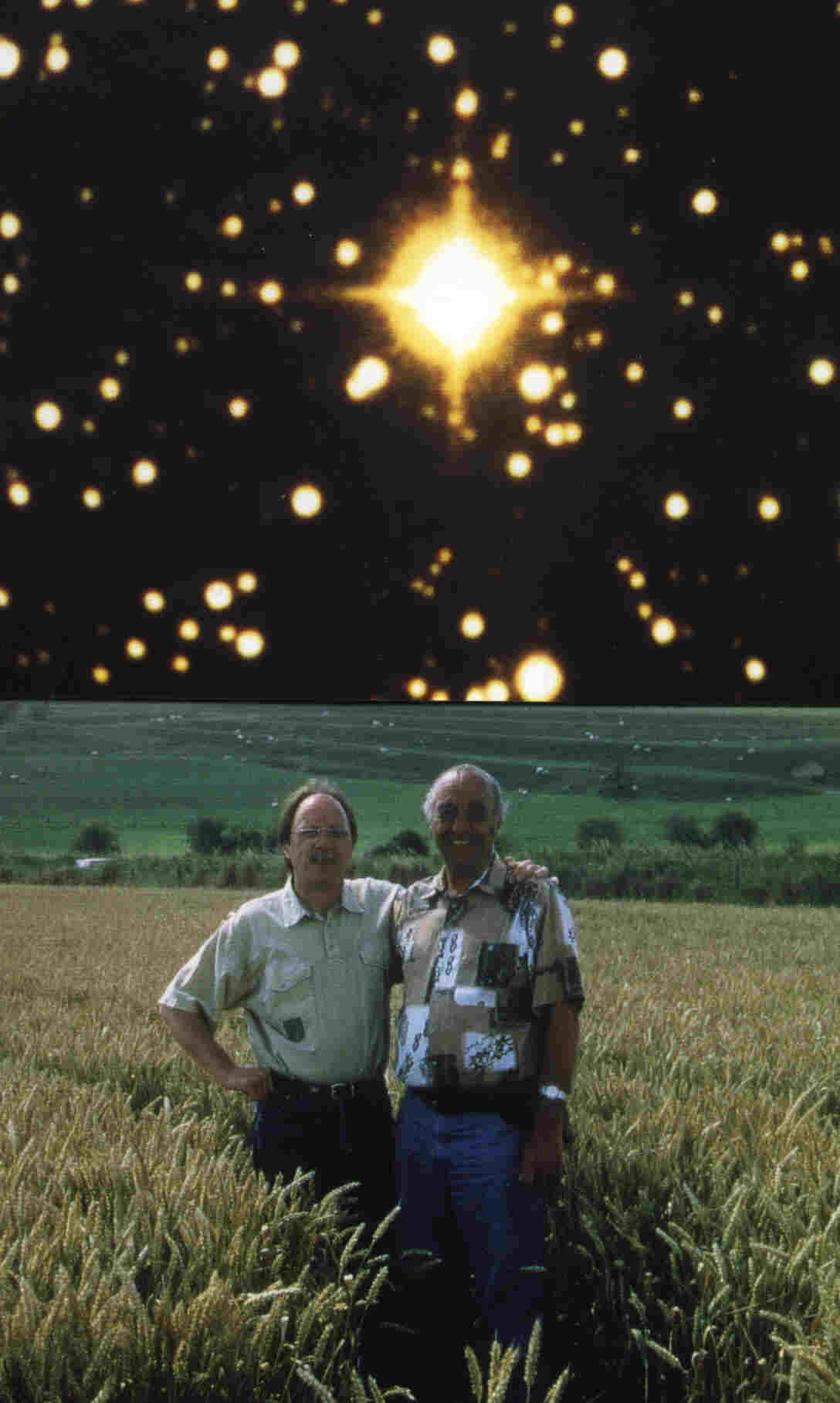
Member of the Forum for Borderline Sciences and Crop Circles:
We meet twice a year for our weekend conferences.
The exchange in the areas of crop circles, geomancy, radiesthesia, photography, light phenomena, natural beings, ancient and modern history, archaeology, philosophy of science, UFOs, extraterrestrials, and borderline sciences, with exciting lectures outside the mainstream, is always a tremendous enrichment for all participants, as is the case with our FGK projects at home and abroad.
Forum for Borderline Sciences and Crop Circles fgk@ewe.net
www.nuoviso.tv
His comment on this older video: My talk about HAARP is no longer relevant, as the facility is no longer officially operated and supported by the military. The University of Alaska is now in charge.
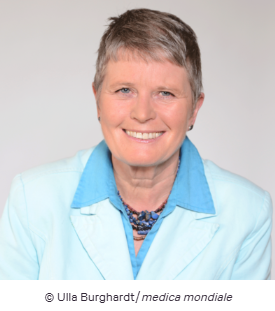
Claudia Czerwinski is a general practitioner who is committed to women-centered healthcare at various levels. She worked for many years as a doctor at pro familia and has published several books on women’s health. She was the managing director of the Medusana Foundation (Bünde), which held information and training events on health promotion, sexuality, and addiction prevention in the educational sector and with representatives of communities and municipalities. She now only provides support. Her focus is health promotion, particularly for children and adolescents, through interdisciplinary and gender-specific work. Claudia Czerwinski chaired the Federal Coordination of Women’s Health (BKF) project committee within the AKF. She was also on the board of www.medicamondiale.org
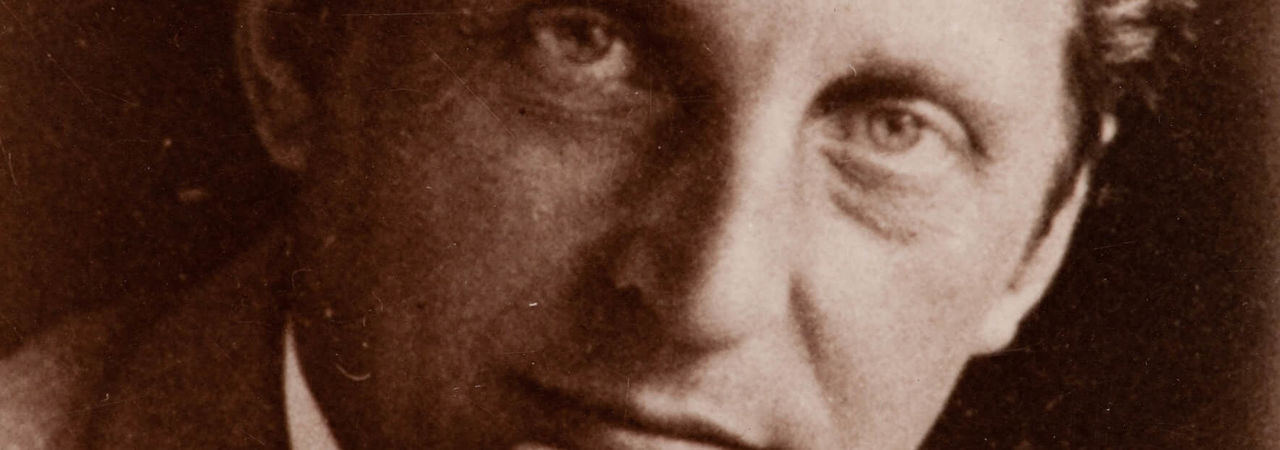
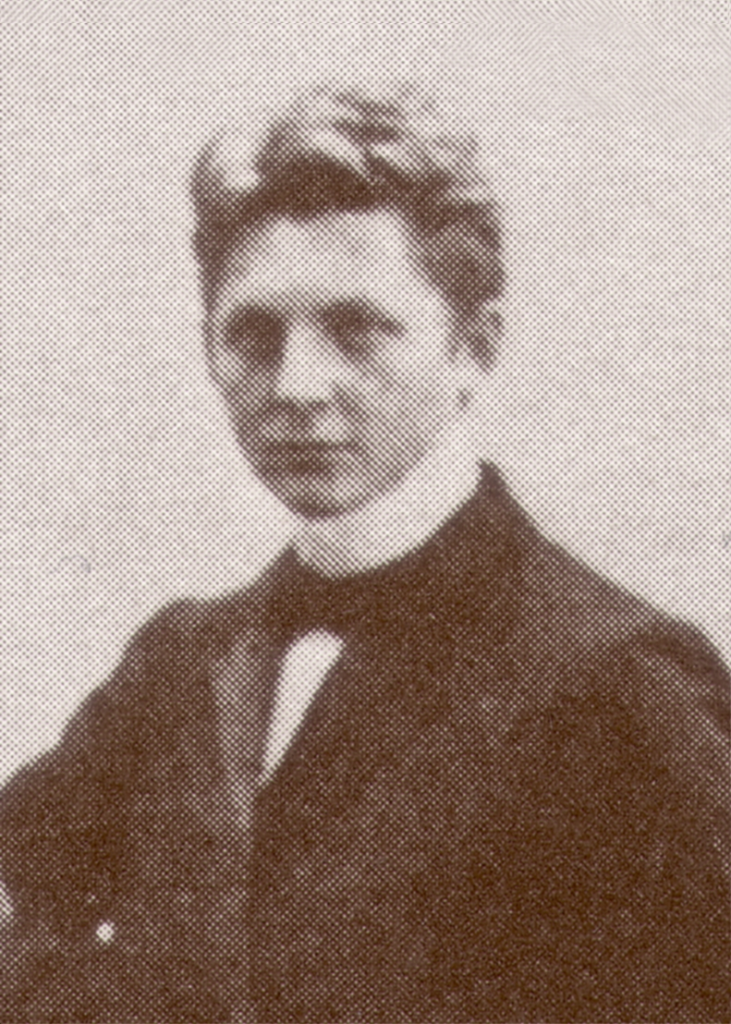
Born in Hemer, Westphalia, he studied art history and philosophy at the universities of Tübingen, Leipzig and Munich, then receiving his doctorate under Theodor Lipps with the dissertation “Gottfried Semper’s basic aesthetic views” in 1908. He then went to the Leipzig Conservatory in 1909 and received lessons in music theory and piano. Afterwards he went to London to pursue his desire of becoming a singer, however his voice was ultimately not good enough for an artistic career. During the First World War, he assisted a military surgeon and in 1913 he finally started studying medicine, receiving his training at the universities of Freiburg and Strasbourg. He completed his second doctorate (in medicine) in 1919 at the University of Heidelberg after an invitation from Karl Wilmanns, with the dissertation “The artistic capabilities of the mentally ill”.
In 1919 he became assistant to Karl Wilmanns at the psychiatric hospital of the University of Heidelberg. His task was to expand an earlier collection of art created by the mentally ill and started by Emil Kraepelin. When he left in 1921 the collection was extended to more than 5,000 works by about 450 “cases”.
The book is mainly concerned with the borderline between psychiatry and art, illness and self-expression. It represents one of the first attempts to analyse the work of the mentally ill.
After short stays at sanatoriums in Zürich, Dresden and Wiesbaden, he began a psychotherapy practice in Frankfurt in 1925, but without much success. He published a follow up project to his first book, titled “Bildnerei der Gefangenen” (Artistry of Prisoners) in 1926, however it was met with little success. He also wrote poems, which were published by a private publisher after his death. He continued to write numerous other books which were mainly on the field of psychotherapy. He approached psychology with an original method where he combined philosophy, anthropology and psychoanalysis. He went on to give lectures over radio, and he was a sought-after speaker home and abroad. He went to an invitation-based lecture tour of US universities in 1929. His original approach was well respected within the German community, however it was largely forgotten due to the dominant force of experimental psychology. His hopes to find a permanent position at a university were never fulfilled. Disillusioned by professional failures, and after three failed marriages, he moved in with an aunt in Munich and retreated from public life, making a living from giving lectures and writing essays. He died in 1933 in Munich after contracting typhus on a trip to Italy.
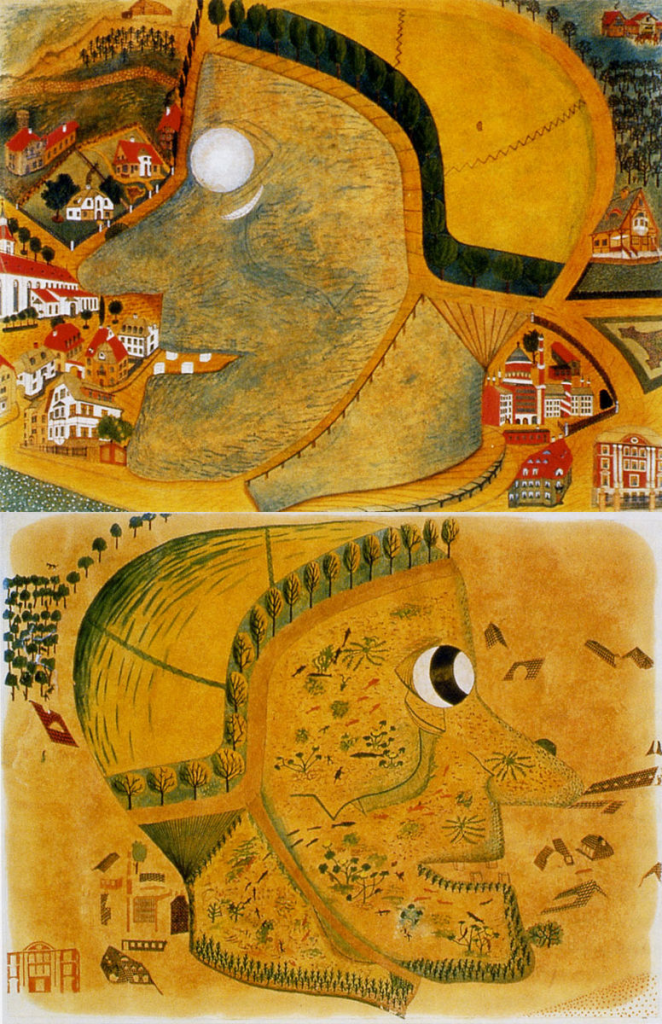
Aus der Sammlung Prinzhorn: August Natterer (Neter): „Hexenkopf“ (Vorder- u. Rückseite), ca. 1915
Shortly after his death the Prinzhorn Collection was stowed away in the attics of the university. In 1938 a few items were displayed in the Nazi propaganda exhibition Entartete Kunst (“Degenerate Art”). Since 2001 the collection has been on display in a former oratory of the University of Heidelberg.
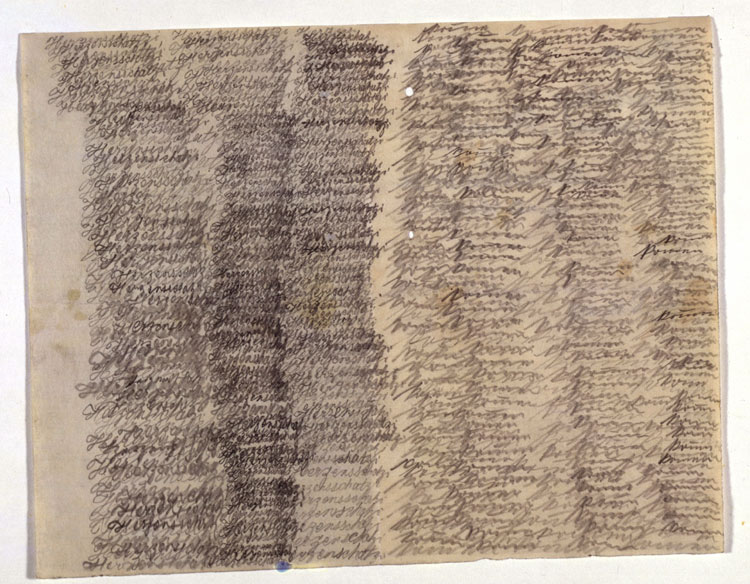
Brief der Psychiatriepatientin Emma Hauck 1909, von Prinzhorn als Beispiel für „Kritzeleien“ angeführt, Sammlung Prinzhorn
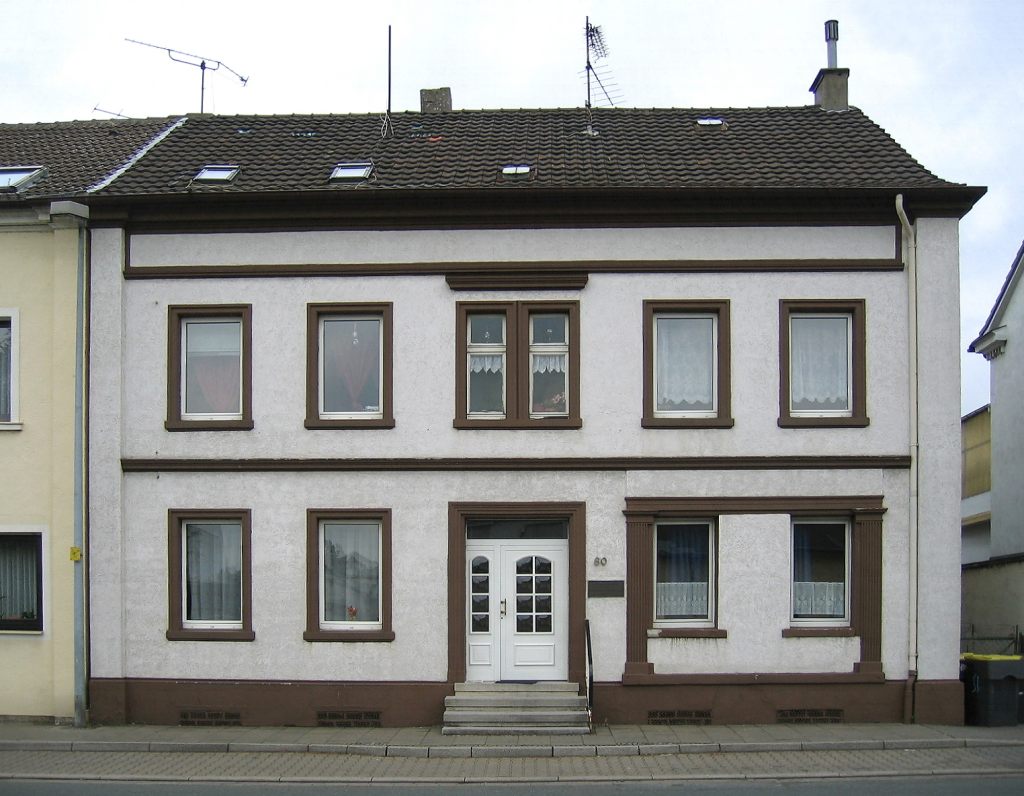
In Hans Prinzhorn’s hometown of Hemer, the municipal secondary school and the local specialized clinic for psychiatry and psychotherapy are named after him. A clinic for differentiated treatment options in compulsory and full-service settings, the clinic is sponsored by the Regional Association of Westphalia-Lippe. The clinic also serves as a training and continuing education institution. The Felsenmeer Museum, run by the Citizens’ and Local History Association, houses a Prinzhorn archive, largely filled with copies. The literary scholar Yukio Kotani, influenced by Ludwig Klages, campaigned to raise awareness of Prinzhorn’s work in Japan.
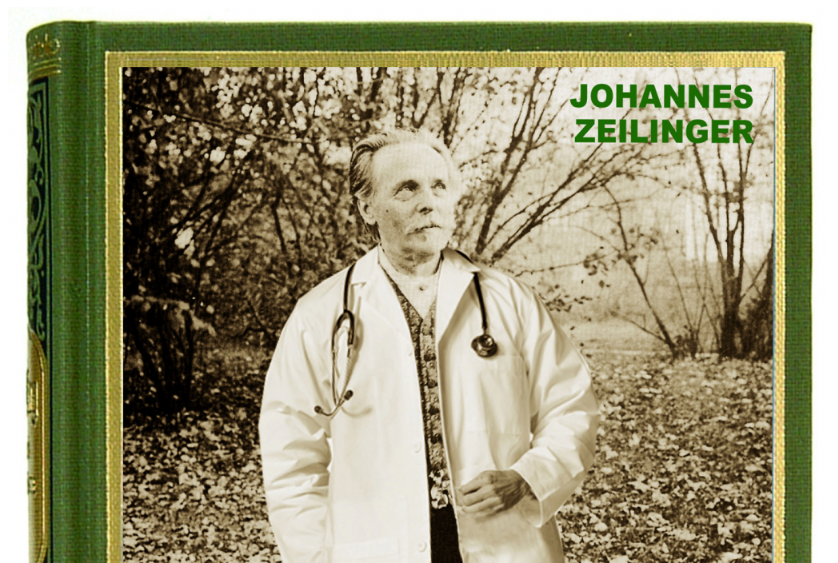
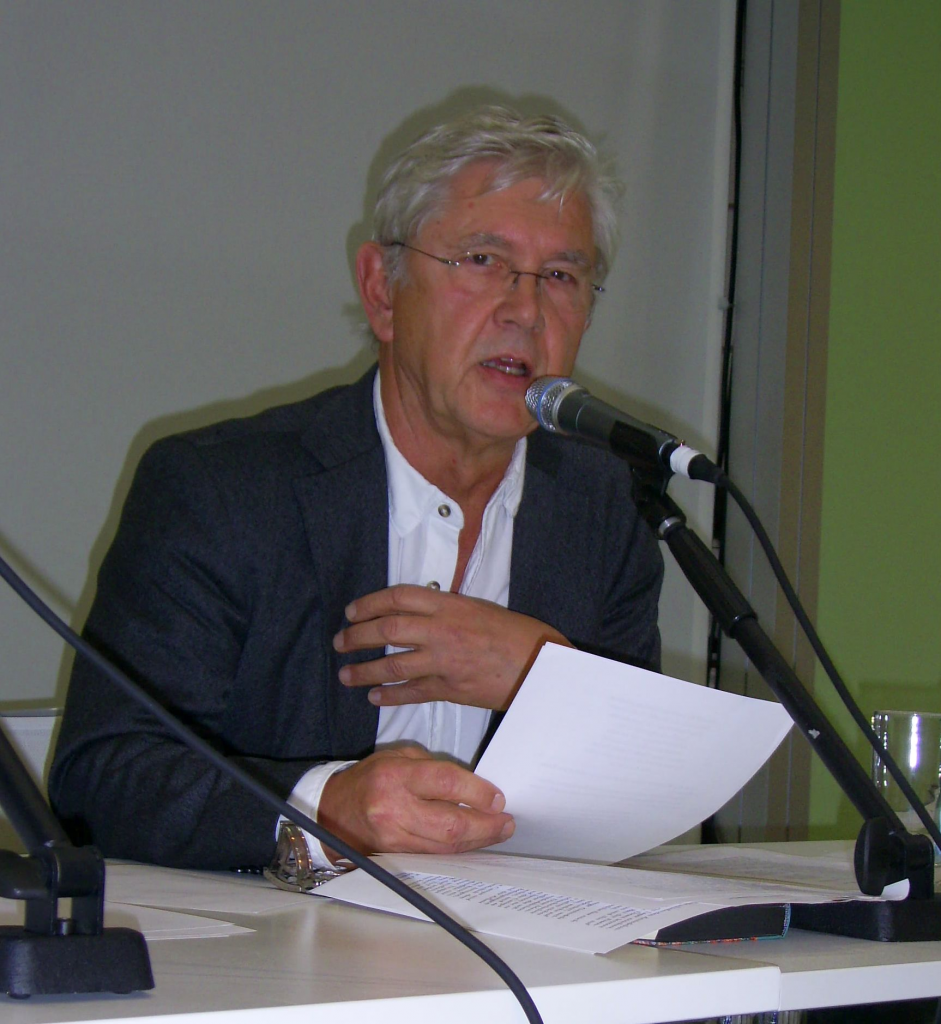
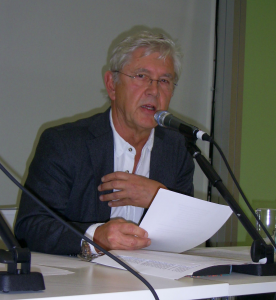
Johannes Zeilinger (* 1948 in Wolfratshausen) is a German sports medicine specialist and author. From 2007 to 2019, he was chairman of the Karl May Society, one of Germany’s largest literary societies.
Zeilinger studied medicine at the universities of Würzburg and Berlin until 1975. Since 1983, he has practiced in a sports medicine group practice in Berlin.
As an author, he publishes primarily on Karl May (1842–1912), still Germany’s best-selling author. In 1999, he caused a stir with his thesis that Karl May was not blind in his early youth.
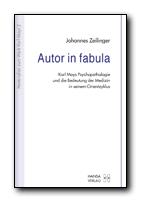
Johannes Zeilinger, born in 1948, studied medicine in Würzburg and Berlin, where he has been a practicing physician since 1983. Doctorate on the psychopathology of Karl May, followed by numerous publications as author and editor on Karl May, but also on the cultural history of Cyprus, on Lya de Putti and on Frederick A. Cook.
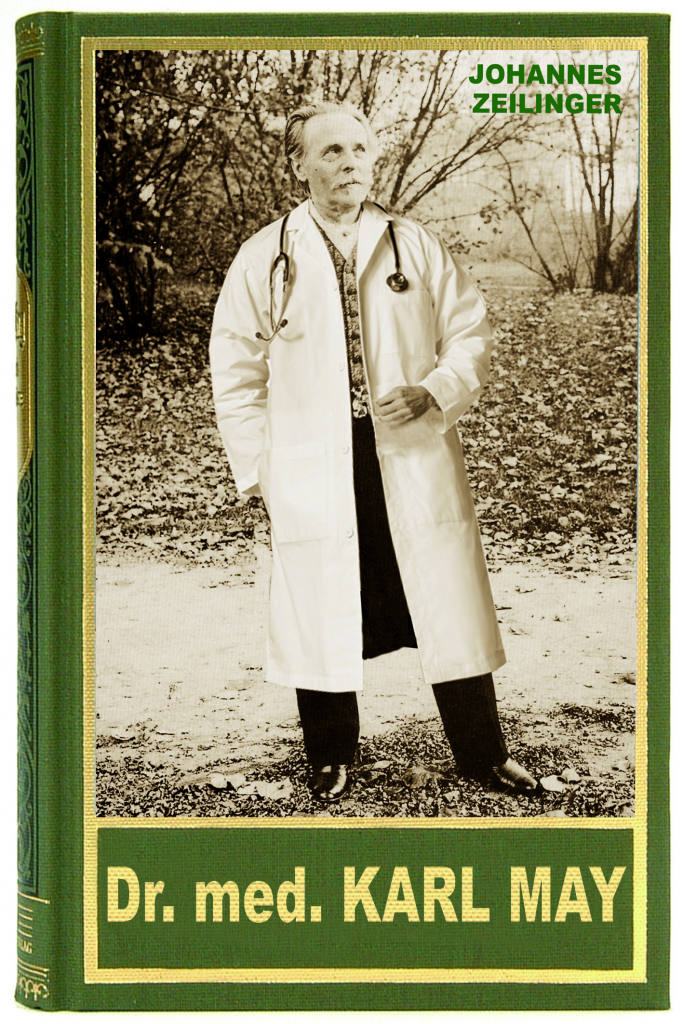
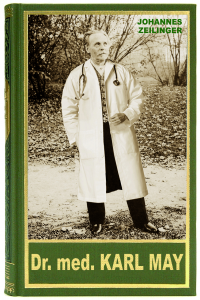
The young Karl May’s unfulfilled wish to become a doctor left numerous traces in his novels. Not only does Karl Sternau shine with his comprehensive medical skills, but Kara Ben Nemsi and Winnetou also astonish with their diverse medical knowledge and successes. Therefore, there are numerous healings, some meticulously researched and others imaginatively conceived. With its listing of all the medical episodes, the volume is ultimately a stroll through the history of medicine and, moreover, incorporates the complex personality of the creative writer into its analytical examination.
“I can’t chew anything out of a pencil.” This is how B. Traven described the authenticity of his novel characters in 1929. “Others might be able to do that, but I can’t. I have to know the people I’m talking about. They must have been my friends or companions or my adversaries or my neighbors or my fellow citizens if I want to portray them.” This postulate also held true when the author presented film agent Paul Kohner with a story in 1948 in which he described the story of a strange personality change. The case of the Mexican woman Mercedes Ortega Lozano, Traven assured him, had actually happened as described; only the name of the affected person was his invention. Johannes Zeilinger analyzes the medical disorders of this character, who has found its way into Mexican film history, and places them in the context of Traven’s biography.
This book is published in the film literature series “Filit,” edited by Rolf Aurich and Wolfgang Jacobsen.
The Maine physician, is delighted to have his work appear again in Sixfold. His stories have previously appeared in Nimrod, Bellevue Literary Review, Hospital Drive, Madison Review, and Crab Orchard Review, and the first chapter of his (so far unpublished) novel May We Waken One by One was published in Silk Road.
Poetry Literary magazines – The Café Review, Kennebec, Northern New England Review, Potato Eyes Medical journals – Annals of Internal Medicine, Archives of Internal Medicine, JAMA, Journal of General Internal Medicine, Journal of Medical Humanities, The Western Journal of Medicine
Essays “A roster of twentieth-century physicians writing in English,” Literature and Medicine 13, No. 2 (1994): 284-305 “Telling tales out of school – Portrayals of the medical student experience by physician-novelists,” Journal of Medical Humanities 17, No. 4 (1996): 237-254 “Hospitalists and officists: Preparing for the future of General Internal Medicine,” Journal of General Internal Medicine 14 (1999): 182-185
Crossword Puzzles Los Angeles Times, November 1, 2003 New York Times, April 22, 2004
The links in this table have been changed by the library obviously. Many of the physician writerDocs re already represented in THIS web (click the links), you find more here:
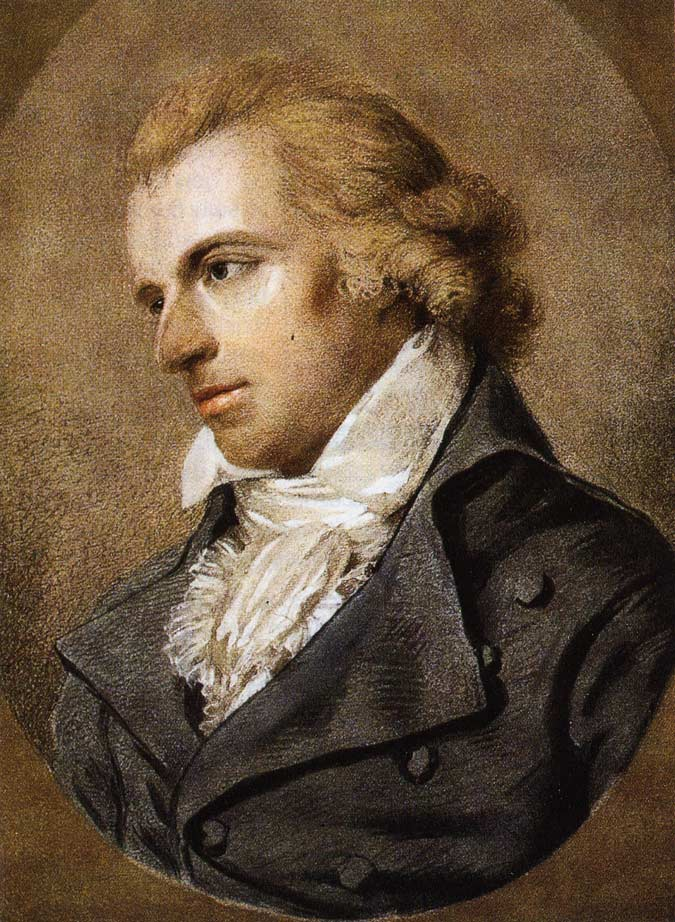
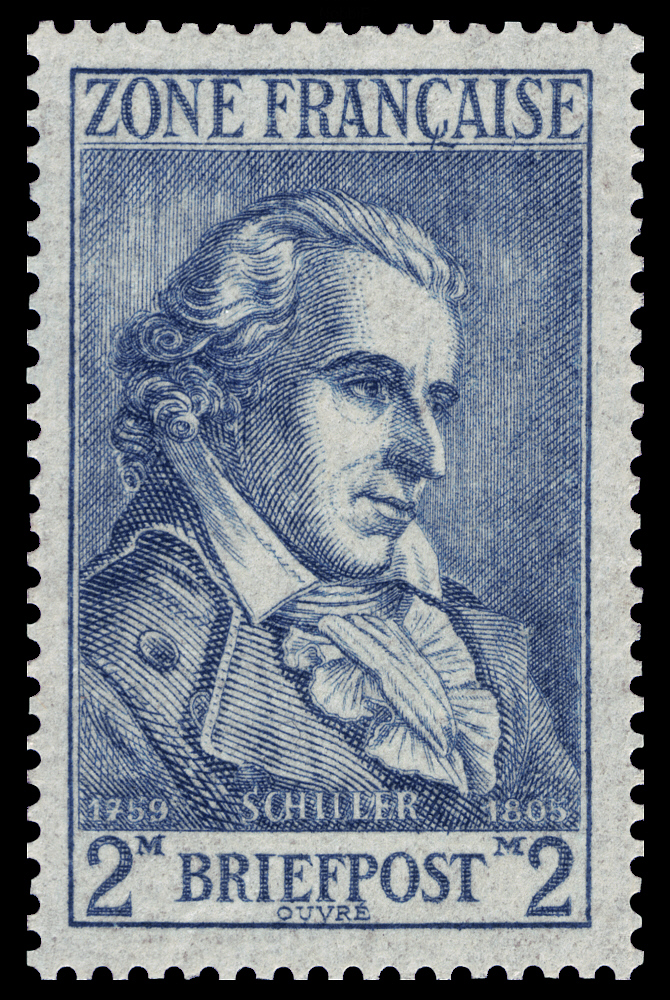
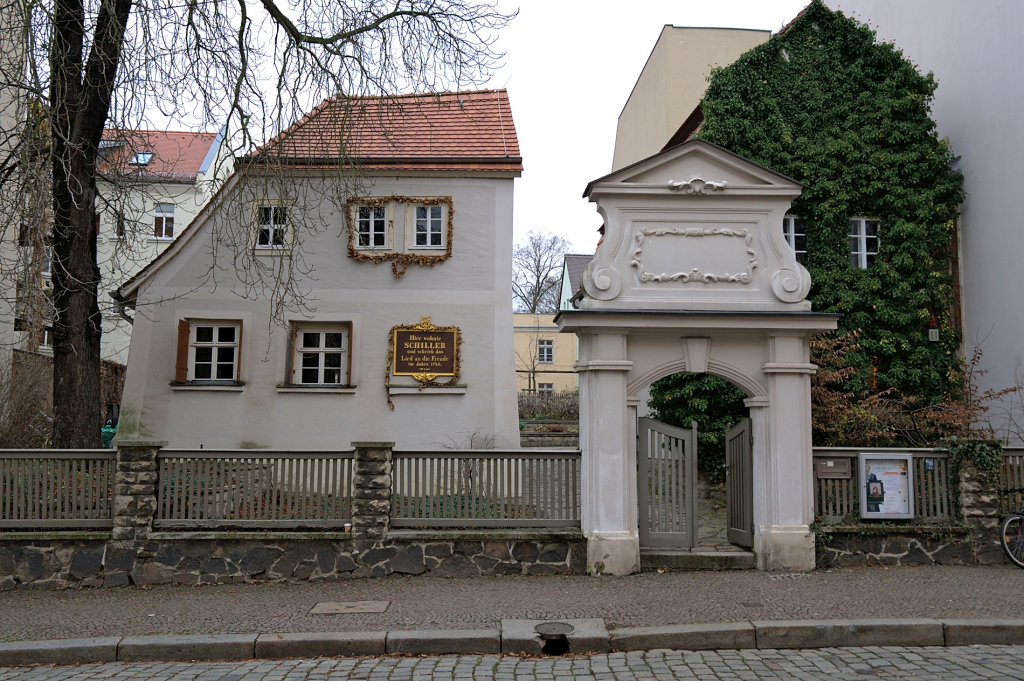
He was born in Marbach to a devoutly Protestant family. Initially intended for the priesthood, in 1773 he entered a military academy in Stuttgart and ended up studying medicine. His first play, The Robbers, was written at this time and proved very successful. After a brief stint as a regimental doctor, he left Stuttgart and eventually wound up in Weimar. In 1789, he became professor of History and Philosophy at Jena, where he wrote historical works.
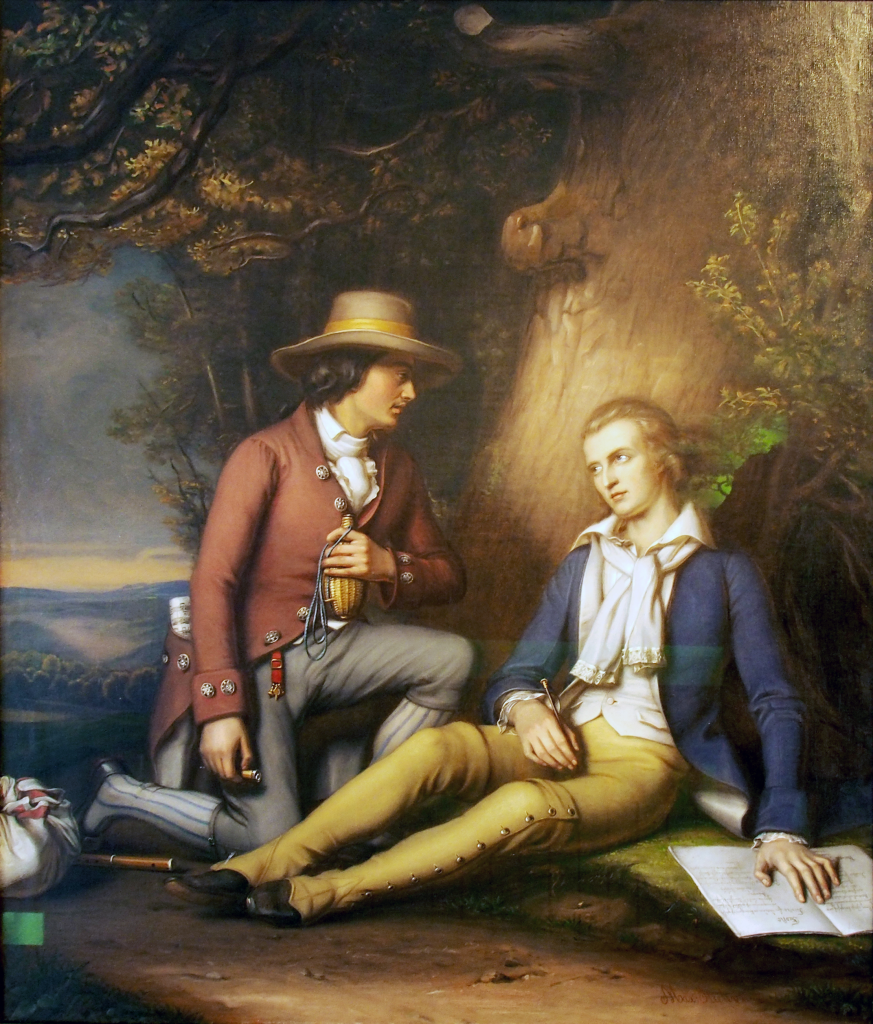
Schiller auf der Flucht mit seinem Freund Andreas Streicher
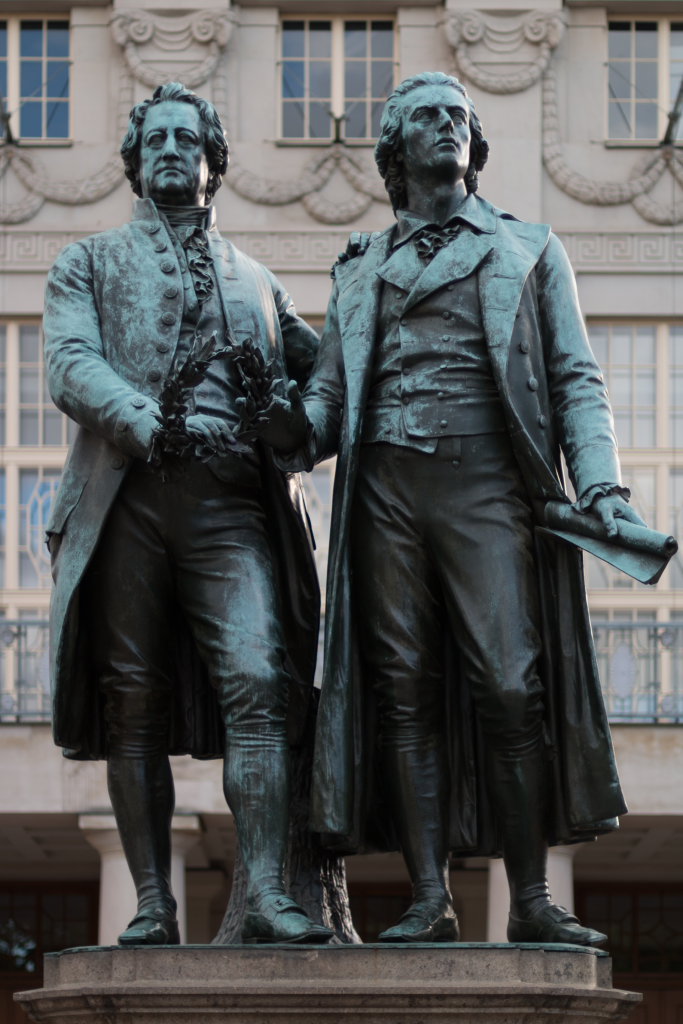
During the last seventeen years of his life (1788–1805), Schiller developed a productive, if complicated, friendship with the already famous and influential Johann Wolfgang von Goethe. They frequently discussed issues concerning aesthetics, and Schiller encouraged Goethe to finish works that he had left as sketches. This relationship and these discussions led to a period now referred to as Weimar Classicism. Together they founded the Weimar Theater.
They also worked together on Xenien, a collection of short satirical poems in which both Schiller and Goethe challenge opponents of their philosophical vision.
Schiller returned with his family to Weimar from Jena in 1799. Goethe convinced him to return to playwriting. He and Goethe founded the Weimar Theater, which became the leading theater in Germany. Their collaboration helped lead to a renaissance of drama in Germany.
For his achievements, Schiller was ennobled in 1802 by the Duke of Saxe-Weimar, adding the nobiliary particle “von” to his name.[12] He remained in Weimar, Saxe-Weimar until his death at 45 from tuberculosis in 1805.
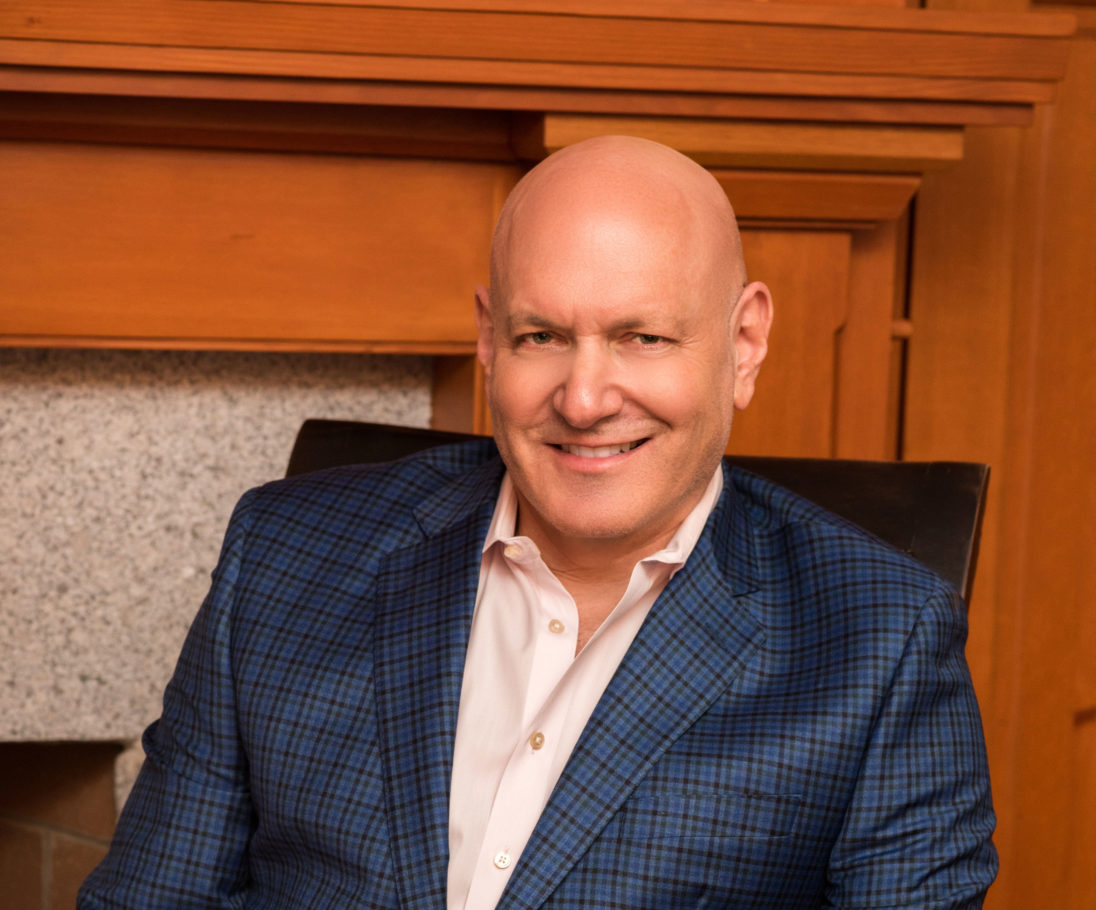
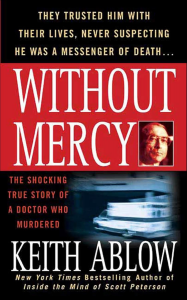
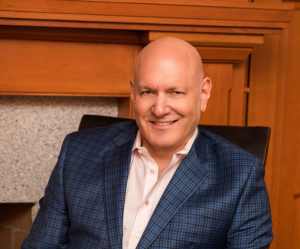
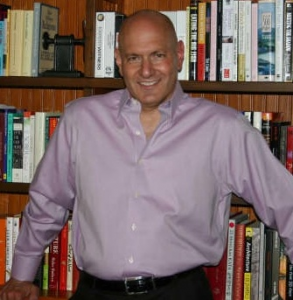
Keith Russell Ablow (born November 23, 1961) is an American author, life coach, former television personality, and former psychiatrist. He is a former contributor for Fox News Channel and TheBlaze.
Formerly an assistant clinical professor at Tufts University School of Medicine,[2] Ablow resigned as a member of the American Psychiatric Association in 2011, in protest to the APA’s tacit support of transgender surgeries, which he considered irresponsible.[3] Ablow’s medical license was suspended in May 2019 by the Massachusetts Board of Registration in Medicine. The board concluded he posed an “immediate and serious threat to the public health, safety and welfare”, stating that he had engaged in sexual and unethical misconduct towards patients.
While a medical student, he worked as a reporter for Newsweek and a freelancer for The Washington Post and Baltimore Sun and USA Today. After his residency, Ablow served as medical director of the Tri-City Mental Health Centers and then became medical director of Heritage Health Systems and Associate Medical Director of Boston Regional Medical Center.
From June 2006 through September 2007, Ablow was host and executive producer of his own national daily talk show, The Dr. Keith Ablow Show, syndicated by Warner Bros. Domestic Television Distribution. Since his show’s cancellation, Ablow has been a contributing editor for Good Housekeeping and a columnist for the New York Post. He contributed commentary and analysis for the Fox News Channel until 2017.
Al-Kindi was born in Kufa and educated in Baghdad.[7] He became a prominent figure in the House of Wisdom, and a number of Abbasid Caliphs appointed him to oversee the translation of Greek scientific and philosophical texts into the Arabic language. This contact with “the philosophy of the ancients” (as Hellenistic philosophy was often referred to by Muslim scholars) had a profound effect on him, as he synthesized, adapted and promoted Hellenistic and Peripatetic philosophy in the Muslim world.[8] He subsequently wrote hundreds of original treatises of his own on a range of subjects ranging from metaphysics, ethics, logic and psychology, to medicine, pharmacology,[9] mathematics, astronomy, astrology and optics, and further afield to more practical topics like perfumes, swords, jewels, glass, dyes, zoology, tides, mirrors, meteorology and earthquakes.
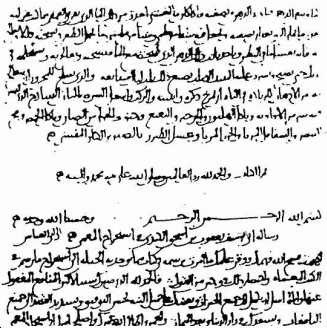
Die erste Seite al-Kindīs Manuskript über die Kryptanalyse
In the field of mathematics, al-Kindi played an important role in introducing Hindu numerals to the Islamic world, and their further development into Arabic numerals along with al-Khwarizmi which eventually was adopted by the rest of the world.[12] Al-Kindi was also one of the fathers of cryptography.[13][14] Building on the work of al-Khalil (717–786),[15] Al-Kindi’s book entitled Manuscript on Deciphering Cryptographic Messages gave rise to the birth of cryptanalysis, was the earliest known use of statistical inference,[16] and introduced several new methods of breaking ciphers, notably frequency analysis.[17][18] He was able to create a scale that would enable doctors to gauge the effectiveness of their medication by combining his knowledge of mathematics and medicine.
The central theme underpinning al-Kindi’s philosophical writings is the compatibility between philosophy and other “orthodox” Islamic sciences, particularly theology, and many of his works deal with subjects that theology had an immediate interest in. These include the nature of God, the soul and prophetic knowledge.[
Al-Kindi is credited with developing a method whereby variations in the frequency of the occurrence of letters could be analyzed and exploited to break ciphers (i.e. cryptanalysis by frequency analysis).[18] His book on this topic is Risāla fī Istikhrāj al-Kutub al-Mu’ammāh (رسالة في استخراج الكتب المعماة; literally: On Extracting Obscured Correspondence, more contemporarily: On Decrypting Encrypted Correspondence). In his treatise on cryptanalysis, he wrote:
One way to solve an encrypted message, if we know its language, is to find a different plaintext of the same language long enough to fill one sheet or so, and then we count the occurrences of each letter. We call the most frequently occurring letter the “first”, the next most occurring letter the “second”, the following most occurring letter the “third”, and so on, until we account for all the different letters in the plaintext sample. Then we look at the cipher text we want to solve and we also classify its symbols. We find the most occurring symbol and change it to the form of the “first” letter of the plaintext sample, the next most common symbol is changed to the form of the “second” letter, and the following most common symbol is changed to the form of the “third” letter, and so on, until we account for all symbols of the cryptogram we want to solve