Category Archives: WriterDocs

  • -

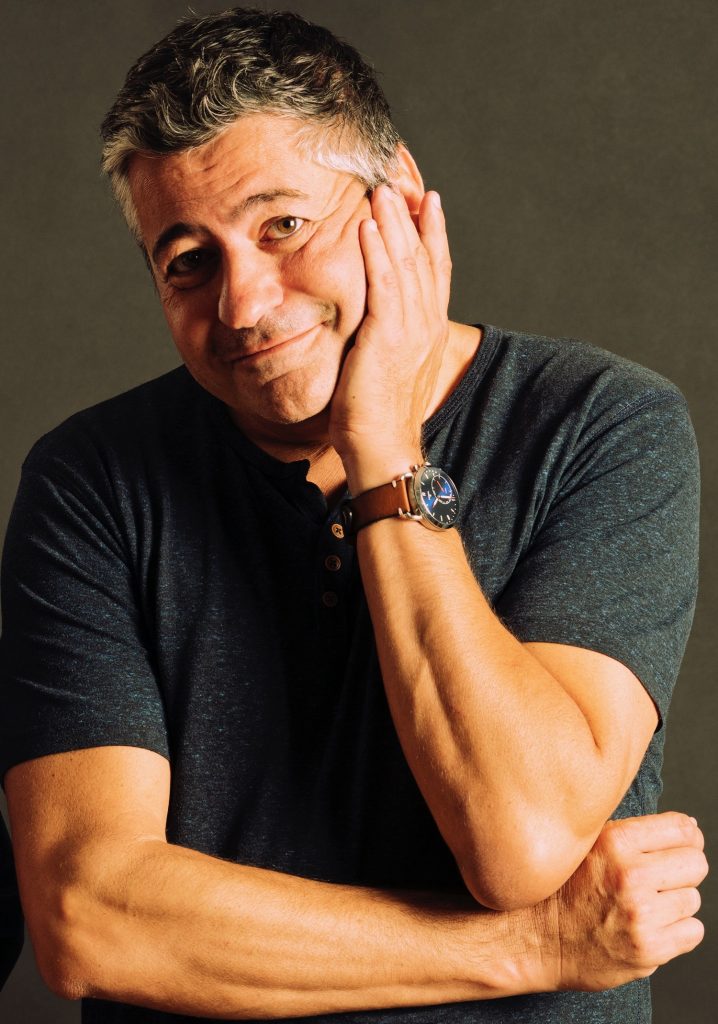
Ronny Tekal

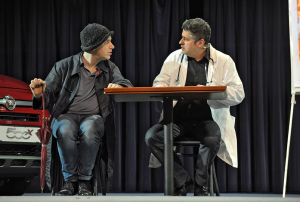
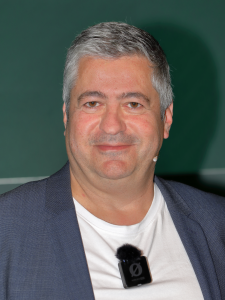
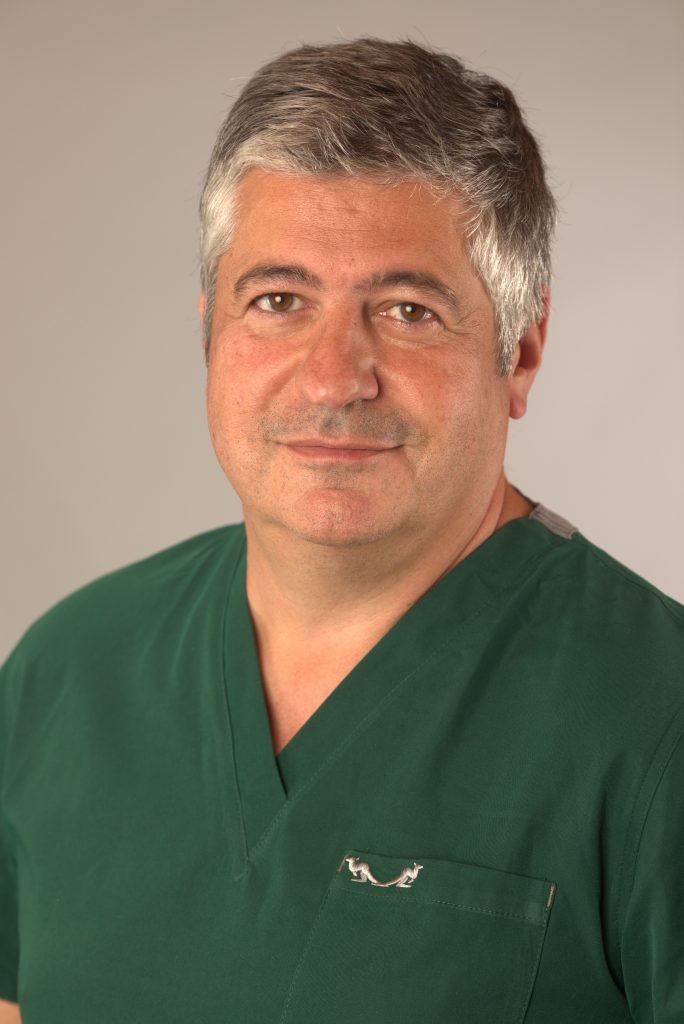
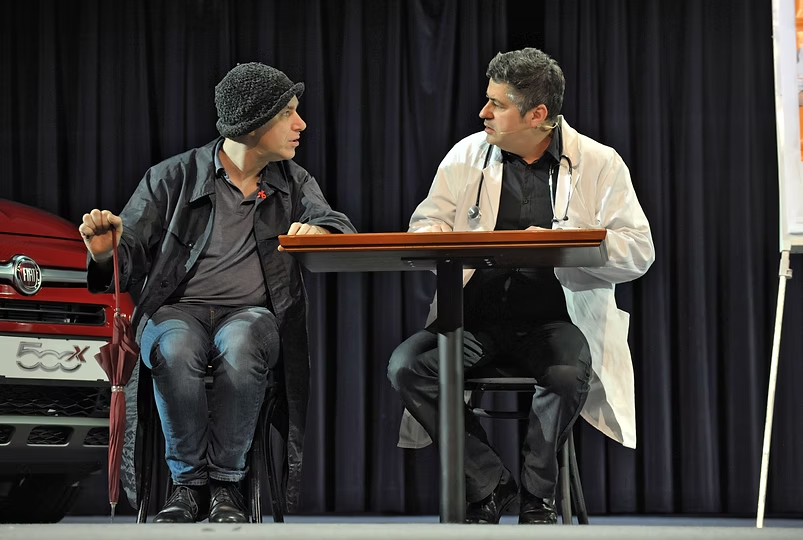
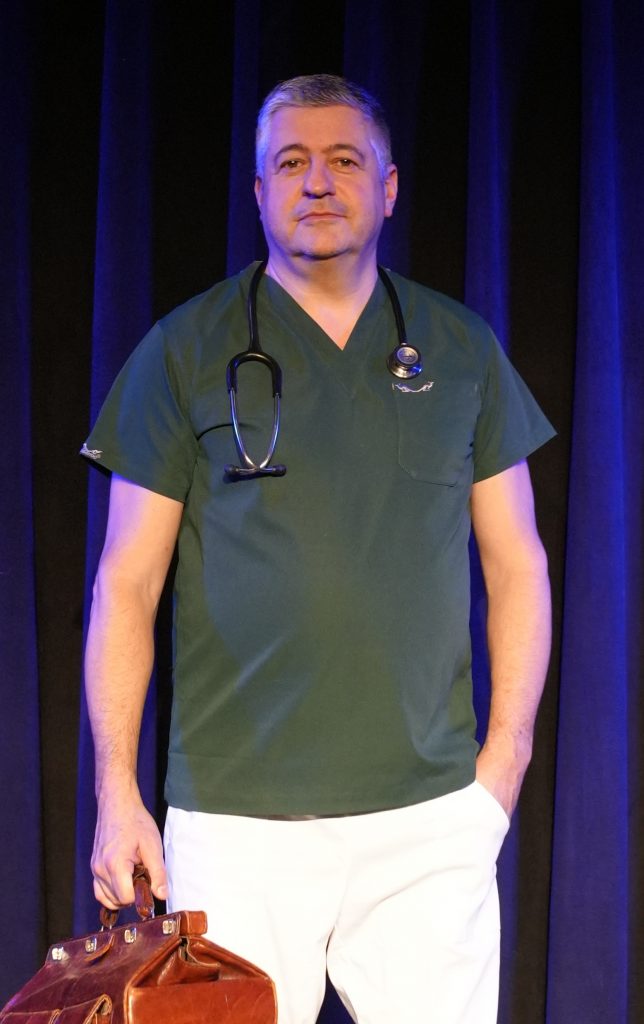
Ronny Tekal (born Ronny Teutscher on July 23, 1969 in Vienna) is an Austrian physician, cabaret artist, medical journalist, radio producer, author and co-founder of the medical cabaret Peter & Tekal.
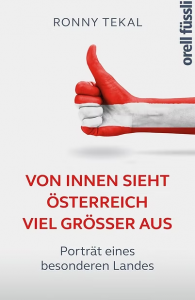
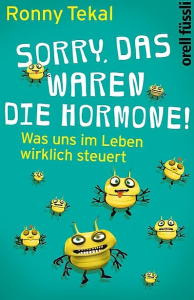
Dr. Ronny Tekal is a general practitioner, medical cabaret artist, radio producer, and author. His satirical columns appear in “Ärzte-Woche,” “Ärztemagazin,” the Swiss “Weltwoche,” and various health magazines.
He is the Ö1 radio doctor for Austrian Broadcasting. He is a frequently booked keynote speaker, communications trainer, and moderator at medical symposia and conferences.

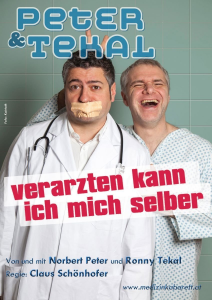
With the medical cabaret comedy duo Peter & Tekal, which he co-founded, he has brought laughter to around 500,000 patients (sorry, it’s a habit!) and audiences. He lives near Vienna.

Tekal studied medicine at the University of Vienna and received his doctorate in medicine in 1995. He has been a general practitioner since 2000. He lives in Mauerbach near Vienna.

Even during his studies, he composed sing-alongs for school classes, as well as the musical “Hospital,” which premiered in Vienna in 1992. This was followed by compositions for musicals by the children’s theater group “Die Stachelbären” at the Vienna Theater am Alsergrund, under the direction of Andreas Hutter, and for the play “Coccinella” by the Theater Impetus.

In 1995, he founded the cabaret duo Peter & Teutscher with communications scientist Norbert Peter. Since 2006, the group has focused exclusively on medical topics, choosing the name “Medical Cabaret.” Similar to the work of German physicians and cabaret artists Eckart von Hirschhausen, Lüder Wohlenberg, and Ludger Stratmann, their work focuses on satirical explorations of doctors, patients, and the medical system. Elements of the seminar cabaret created by Austrian psychologist Bernhard Ludwig also appear.

In 2000, they won the audience vote as the best Austrian participants at the Vienna Goldener Kleinkunstnagel (Golden Cabaret Nail) and twice received the Munich Kabarett Kaktus (Cabaret Kaktus). In 2013, the cabaret duo’s name was changed to Peter & Tekal.[2]

A portrait of the artists with excerpts from their programs was shown several times on ORF and 3sat in 2001, and the program Seitensprung (Side Jump) was also broadcast on Premiere Austria. In 2013, the program Patientenflüsterer (Patient Whisperer) was broadcast on ORF III as part of the Hyundai Cabaret Days. In 2016, he appeared on ORF with Echt krank! (Really Sick!) as part of Kabarett im Turm (Cabaret in the Tower).

Tekal is a member of the ORF radio science editorial team, an author, speaker, and creator of contributions for Ö1, primarily for Ö1 Radiodoktor.

His satirical column, “Side Effects,” has been published weekly in Ärzte-Woche (Springer-Verlag) since 2008.

As a founding member of PULS – Association for Combating Sudden Cardiac Death, Tekal headed the organization between 2008 and 2013. During this time, as part of this initiative, in addition to major first aid events in Vienna, the first publicly accessible defibrillators for laypersons (AEDs) were installed. The goal of making Vienna heart-safe was implemented jointly with the City of Vienna and the major emergency services. In 2013, there were over 300 defibrillators registered in the defibrillator network in Vienna at subway stations, shopping centers, the airport, public buildings, and police stations.[4] At the 4th German Interdisciplinary Emergency Medicine Congress in 2013, the presentation of the PULS campaign “Vienna Becomes HEART-Safe” was awarded first place.

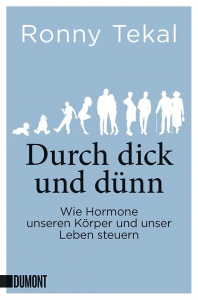
Tekal, together with the second PULS founder, emergency physician Roman Fleischhackl, received the Vienna Helper Prize 2013 from the Vienna city government.

https://www.ronnytekal.com

https://www.medizinkabarett.at/peter-tekal

https://www.youtube.com/@petertekal6051/featured

https://www.youtube.com/@peterundtekal

https://de.wikipedia.org/wiki/Ronny_Tekal

  • -

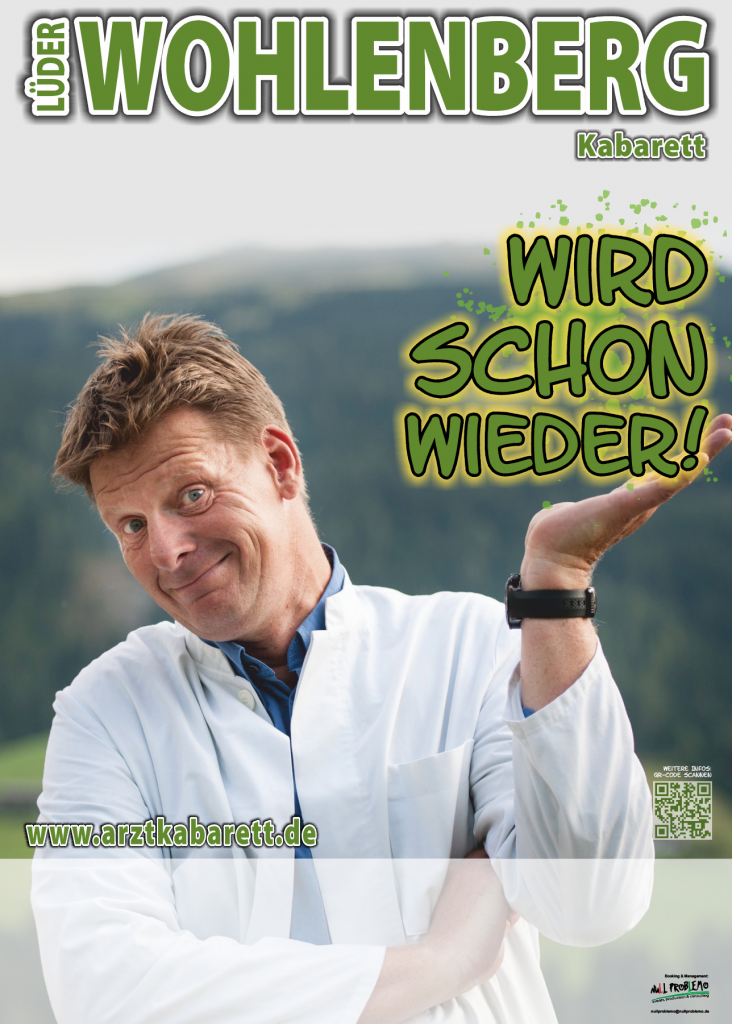
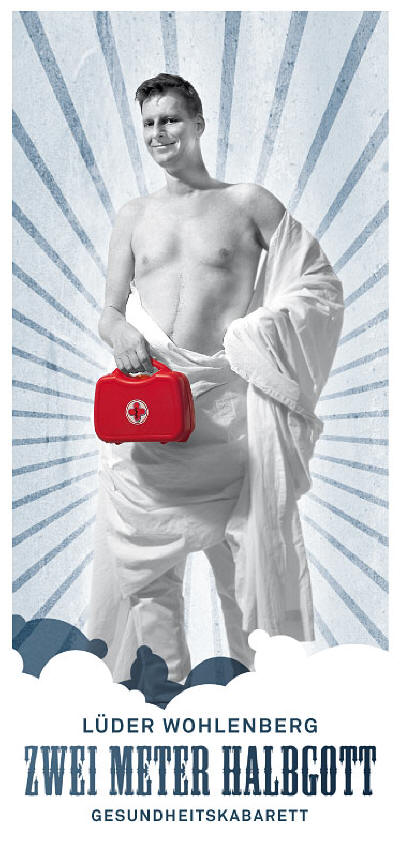
Lüder Wohlenberg

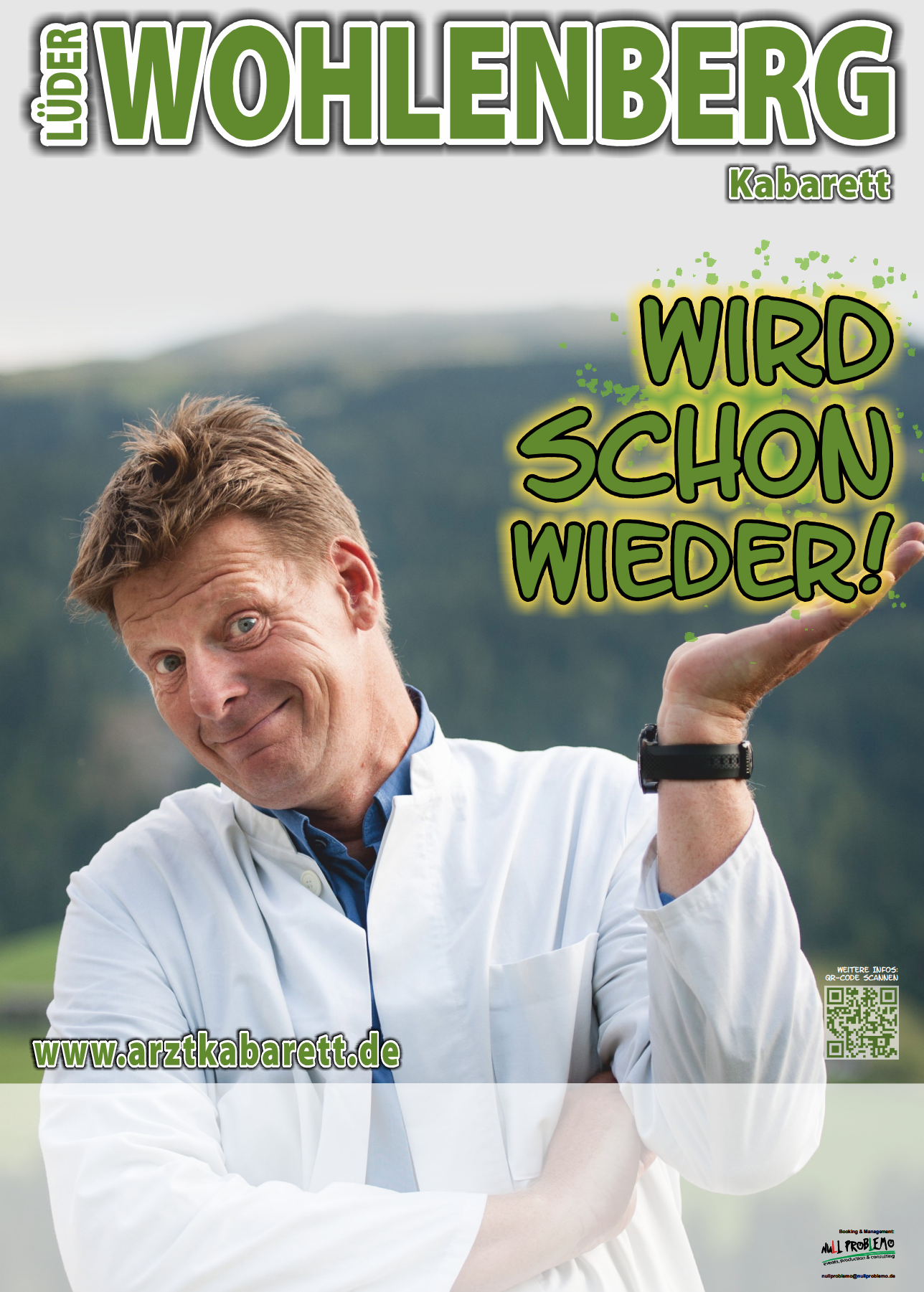
Lüder Wohlenberg has been a successful cabaret artist for many years. He currently has two full-length cabaret shows in his repertoire. A native of the Hanseatic City of Rhineland, Wohlenberg is a doctor by profession, specifically a radiologist.

Born in Hamburg, he attended school in Neuss and studied medicine in Cologne. He trained as a radiologist in Düren and Mönchengladbach. There, he also worked as a certified emergency physician until, not least due to the success of his alter ego “Mr. Raderscheid,” he decided to work primarily as a cabaret artist and presenter.

Wohlenberg and his portrayal of the professional patient, Mr. Raderscheid, are always welcome guests on radio and television. Among other things, he has gained many new fans over several years as Mr. Raderscheid in his weekly radio column on SWR radio.
Numerous health care reforms, two traffic accidents, and a shoulder joint dislocation have not diminished him, the over two-meter-tall stage giant. Wohlenberg knows the health care system from both sides of the needle and knows what medicine can do and where it’s better to keep the scalpel in the package.
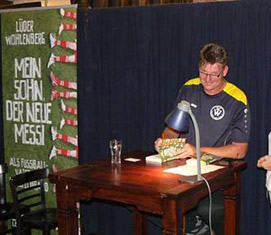
Today he lives in Cologne with his family doctor, his two children, and a few fish. Wohlenberg is also a proven football expert. As the coach of a youth football team, he has found another true passion. He enjoys analyzing, philosophizing, predicting, and commenting, even on these topics, entertainingly and with his usual competence and reliability.

You can find out more about him and his programs as well as his work as a cabaret artist, presenter and speaker here on his homepage.

www.luederwohlenberg.de

Video-Kolumne @MEDICAL Tribune https://www.medical-tribune.de/meinung-und-dialog/wohlenbergs-heile-welt

https://www.youtube.com/results?search_query=l%C3%BCder+wohlenberg

https://www.youtube.com/@profipatient2269


  • -

Werner Schunk

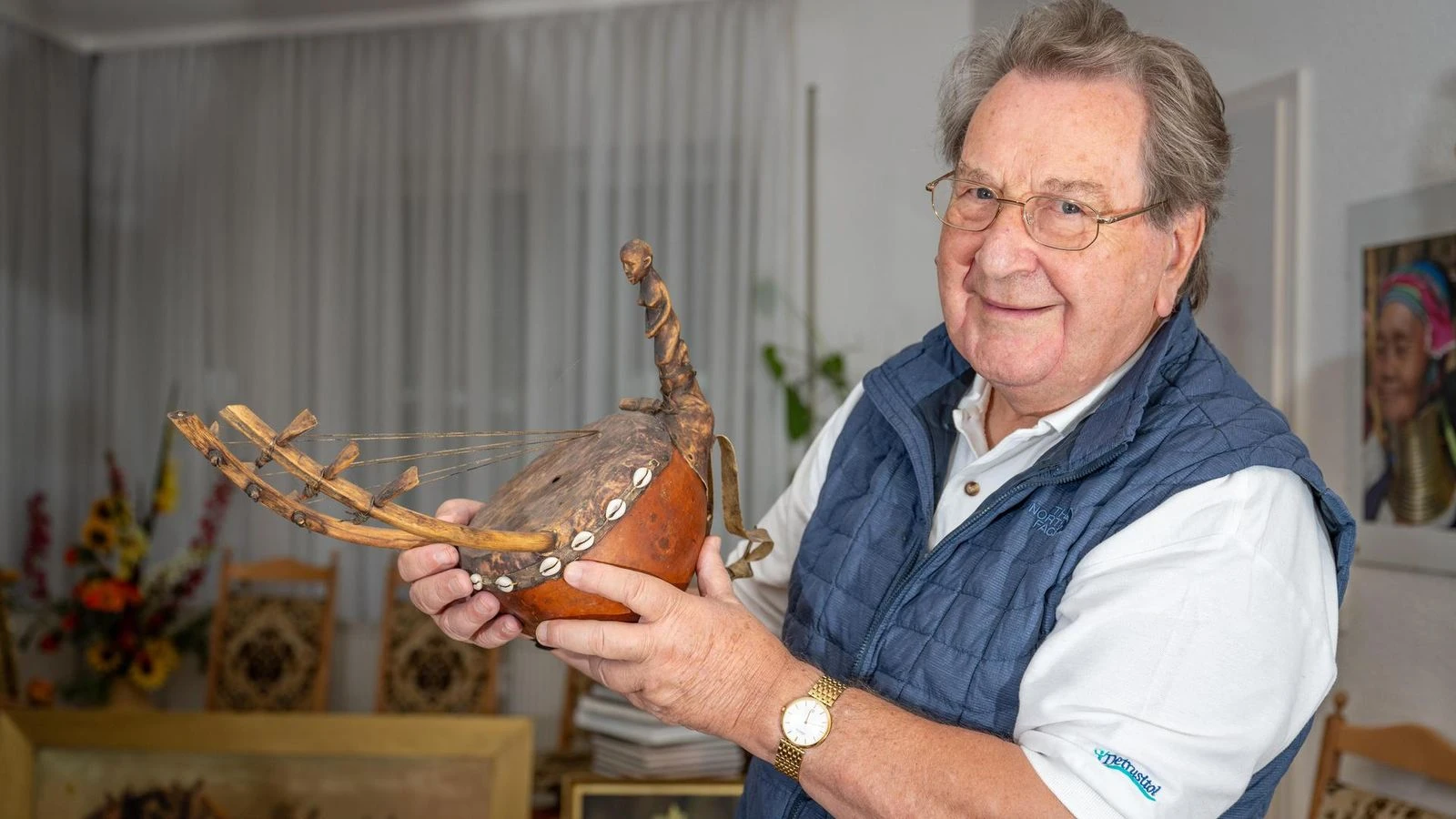
Prof. Dr. Werner Schunk has traveled to more than 100 countries in his lifetime. His curiosity about people in other cultures, their way of life, and their art has repeatedly led him to board trains, cars, buses, airplanes, rickety helicopters, and the suspiciously light boats of the locals. He wanted to see with his own eyes how the indigenous people of Papua New Guinea, the Amazon, or Madagascar live, and always stayed for a while. Rich in impressions, insights, and the gratitude of the people, he returned home, bringing back rare works of art as souvenirs. He will exhibit some of these extraordinary mementos at the KunstForum Gotha from October 2, 2020, to March 28, 2021, combining them with interesting anecdotes and tips from his work as a physician and brain researcher.

The astonishingly universal life’s work of Professor Werner Schunk is anchored in his hometown of Gotha. He was born in Sundhausen, trained as a metalworker in railroad car manufacturing, and just a few years after completing his medical studies, became a company doctor. When practice space became scarce, he treated people from Gotha East in his apartment. For the rubber combine, he systematized poisons, their effects, and their treatment. Schunk shared the findings of his work with other researchers from Sweden, Great Britain, and America. He later traveled to Japan and India to help people suffering from Parkinson’s disease with his “Way of Schunk” treatment method. Thanks to his extensive knowledge and experience, he became Director of the Institute for Occupational Medicine and Vice-Rector of the Medical Academy in Erfurt, while also serving on the Gotha City Council and for the Perthes Forum in Gotha.

The core of Professor Werner Schunk’s research is the miracle of the brain. He knows it with incredible precision, down to the most complex biochemical processes, yet has never lost his sense of wonder. He calls this mysterious organ a work of art capable of thinking, feeling, and moving. He explored it so extensively and persistently that he became one of the first people in the world to discover that the brain’s own metabolism can be severely disrupted by manganese. From then on, he could have only hung around at receptions and accepted numerous prizes and honors. But then he swapped his fine suit for a doctor’s coat and tropical clothing to be where true art is created: among people.

He has published 800 scientific publications and lectures, as well as ten scientific books. He holds 68 patents, including those for biomaterials.

Wandlung des Lächelns

Jetzt huscht es über dein Gesicht,
ein Lächeln, das die Starre bricht.
Zeigt an die innere Verspannung,
löst Körper, Geist aus der Verbannung.

Das Lächeln ist auf bestem Wege
zur wundersamen Körperpflege.
Verschenke es mit deinem Blick,
es kommt in andrer Form zurück.

Diese äußerliche Handlung
zeugt von innerer Verwandlung.

https://werner-schunk.de

https://www.kultourstadt.de/kunstforum/ausstellungen/werner-schunk


  • -

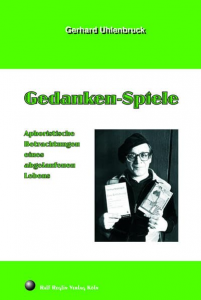
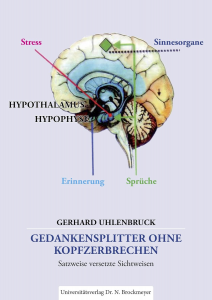
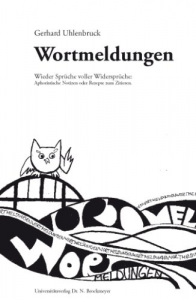
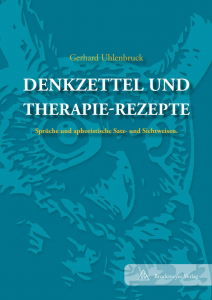
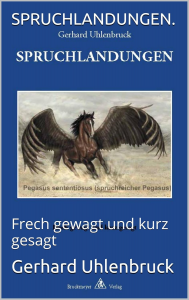
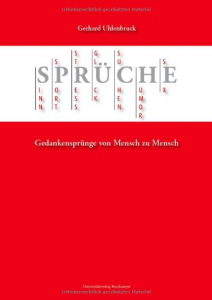
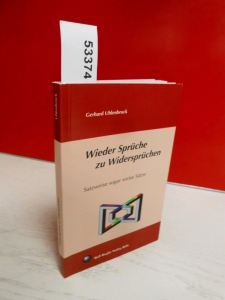
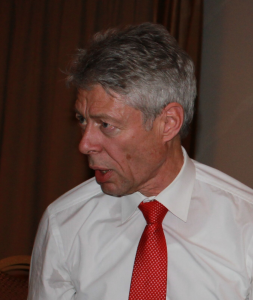
Gerhard Uhlenbruck

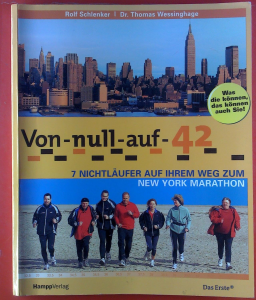
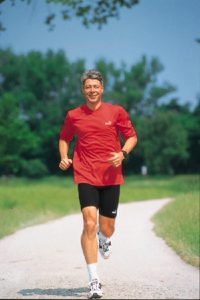
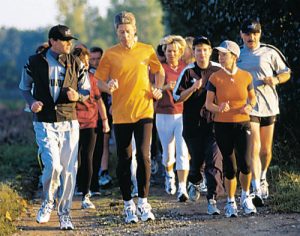
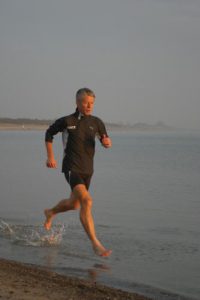
Uhlenbruck’s family wasn’t supposed to know that their Gerd was running, because to them he was ill (sarcoidosis). So he chose Urbach’s GSV Porz, a slightly out-of-town club, as his club. He has completed 36 marathons and a 100km race, which he ran on his birthday. Twice he finished the 42.195km in the age group 70. His personal best of 3:18 hours is astonishing considering his lung history. Once (1984), he even became German Marathon Champion for cross-country doctors and pharmacists. He demonstrated athletic versatility by taking runner-up titles for cycling doctors, both in the road and time trial categories.

From Reader to Writer

“The aphorism condenses the quintessence of an experience into the sentence of an insight.”

During his hospital stay, Gerhard Uhlenbruck wanted to set himself a task to combat giving up, not only physically; he sought a challenge for body and mind. While he gained physical fitness with his “therapy of small steps,” he kept himself mentally fit with a “therapy of small sentences.” He began writing poems, exploring “life, love, and the love of life.” They were published in 1975 under the pseudonym Gerhard Günther (“Not Forever”).

Subsequently, he presented himself entirely as an aphorist. The number of his “rich fragments of thought” has risen astronomically over the decades. Whether medical aphorisms or sports aphorisms, with which he launched a new genre, Uhlenbruck was not only the most prolific writer of this genre, but also impressed with his quality and originality. “An insightful understanding of human nature emerges everywhere, which, despite all social criticism, does not result in cynicism or pessimism, but rather expresses hope for a better order of this fragile world” (Prof. Dr. Wolfgang Mieder).

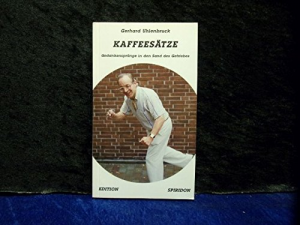
Dozens of volumes of his aphorisms have been published since 1977, including “An Educated Sick Person,” “Blows to One’s Neighbor,” and “The Smarter One Doesn’t Give Up.” His flashes of inspiration, thought-provoking ideas, and observations can be found in satirical and specialist magazines, on calendar pages, and in illustrated books. H.-H. alone contains 1,000 volumes of aphorisms. Skupys’ “The Complete Handbook of Quotations from A to Z” (2004) included over 300 of his witty remarks. In recognition, the Narrenakademie (Fools’ Academy) in Dülken awarded him the title of “Dr. humoris causa” in 2001. The German Aphorism Archive in Hattingen elected him its honorary chairman. Finally, in 2017, he was awarded the Lehrer-Welsch Language Prize for Literature in Cologne.

Uhlenbruck also addressed running in countless aphorisms. It’s difficult to choose just one. “In the end, a marathon just drags on and on,” might particularly appeal to marathon runners. Running therapists might appreciate the following statements: “Running as therapy: What moves you internally can be processed through external movement.” “Running is psychotherapy without psychotherapists – with the help of your legs.” Or: “Running is the only therapy that costs nothing, except time! A one-person company like the AOK: Everything free of charge!”

Like running, for Uhlenbruck, laughter was medicine, a stress reliever, and an immune fitness booster. And because his interest in humor knew no bounds, he participated, whenever his time permitted, in an amateur drama group at the adult education center (VHS) and in the book project “Humor as Cologne Philosophy” (Cologne 2003). He also spoke perfect Cologne dialect.

Athletic Awards

Uhlenbruck began his athletic career in high school, first as a boxer, then as a runner. He was:

  • German Physicians’ Marathon Champion
  • German Physicians’ Cycling Runner-up (road race & time trial).

Citations of his Aphorisms (naturally in German):

  • Manche halten einen ausgefüllten Terminkalender für ein ausgefülltes Leben.
  • Zeitungsenten bringen die Leser zum Schnattern.
  • Die ungeschminkte Wahrheit bringt immer Farbe ins Gesicht.
  • Wenn man Spaß an einer Sache hat, dann nimmt man sie auch ernst.
  • Frisch gesagt ist halb gewonnen.
  • Wir sind alles Nichtsnutze, das heißt, wir tun nichts, was uns nichts nützt.
  • Neidhammel = Ehrgeizige Schafe.
  • Man empfindet es oft als ungerecht, daß Menschen, die Stroh im Kopf haben, auch noch Geld wie Heu besitzen.
  • Inzwischen wissen wir, was uns noch blüht – nämlich immer weniger!
  • Das wirklich Rührende an der Liebe ist der Kochlöffel.
  • Karrieristen = Leute, welche andere vor ihren Karren spannen.
  • Auf dem Gipfel des Erfolgs steht auch ein Kreuz: für die Leichen, über die man gegangen ist. (Als Betriebsrat/Sozialpolitiker/Manager wissen Sie, wovon ich rede. Von der Rücksichtslosigkeit. Vom Egoismus. Als Christ sage ich: Wer sich so verhält, kann kein Christ sein. Denn das Christentum kreist im Kern um den einen Satz, der da lautet: “Liebe deinen Nächsten wie dich selbst!”)
  • An Karneval maskiert man sich, damit man die Maske fallen lassen kann.
  • Unsere Leistungsgesellschaft ist nicht eine Gesellschaft, in der nur Leistung gilt, sondern eine, welche bestimmt, was Leistung ist und wer sie leisten darf.
  • Manches wäre anders in der Welt, wenn man an manchen Dingen nichts verdienen würde.
  • Fanatiker lassen sich schon aus Überzeugung nicht überzeugen.
  • Ehrgeiz schafft viel, sogar einen selbst.
  • Sein Pferdefuß bestand darin, daß er nicht beschlagen war.
  • Wir sind ein Volk der Denker, denn wir denken immer daran, was andere wohl von uns denken.
  • Eine Änderung des Bewußtseins verändert unbewußt auch das Sein.
  • Guter Rat ist teuer, schlechter Rat kann teuer zu stehen kommen.
  • Man muß sich dauernd beherrschen, um die Beherrschung nicht zu verlieren.
  • Das Geheimnis des Autos: Man ist in seinen eigenen vier Wänden.
  • Erst haben die Menschen das Atom gespalten, jetzt spaltet das Atom die Menschen.
  • Aller Anfang ist leicht – wenn man ihn mit dem Ende vergleicht.
  • Zwischenmenschliche Beziehungen sind “mit Abstand” die besten.

Portrait https://www.laufreport.de/portraits/personen/uhlenbruck/uhlenbruck.htm
Portrait https://www.aphorismen.de/autoren/person/3833/Gerhard%20Uhlenbruck

https://de.wikipedia.org/wiki/Gerhard_Uhlenbruck

https://www.aphorismen.de/suche?f_autor=3833_Gerhard+Uhlenbruck

>1.000 Aphorisms https://www.aphorismen.de/suche?f_autor=3833_Gerhard+Uhlenbruck


  • -

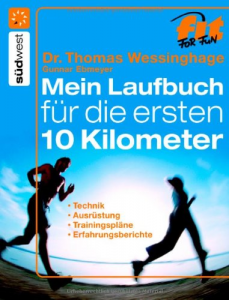
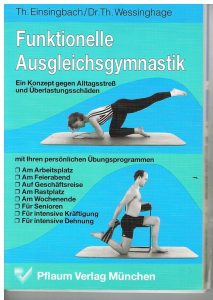
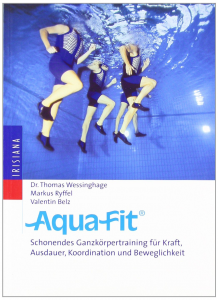
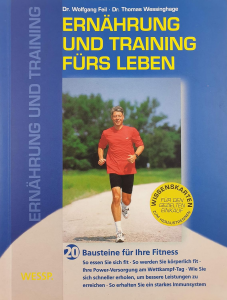
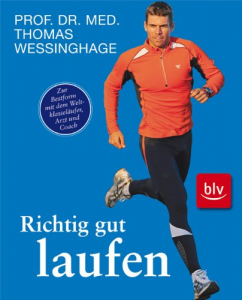
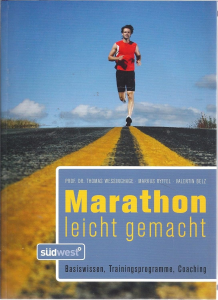
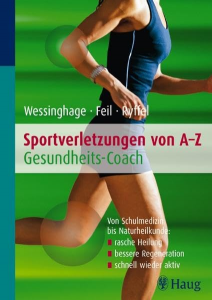
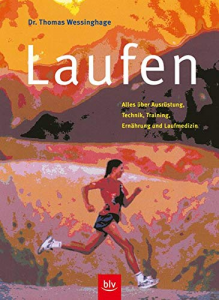
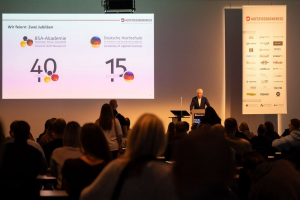
Thomas Wessinghage

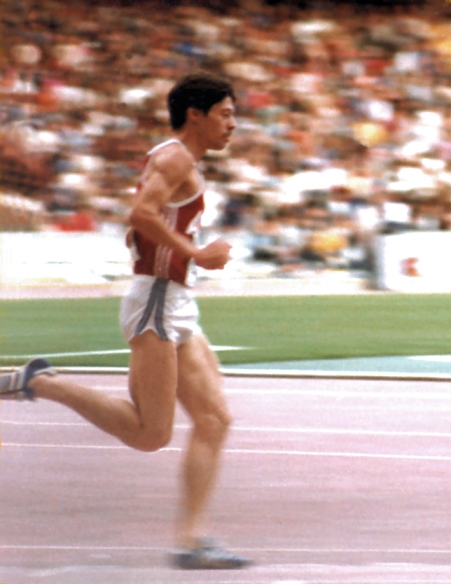
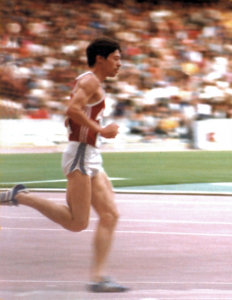
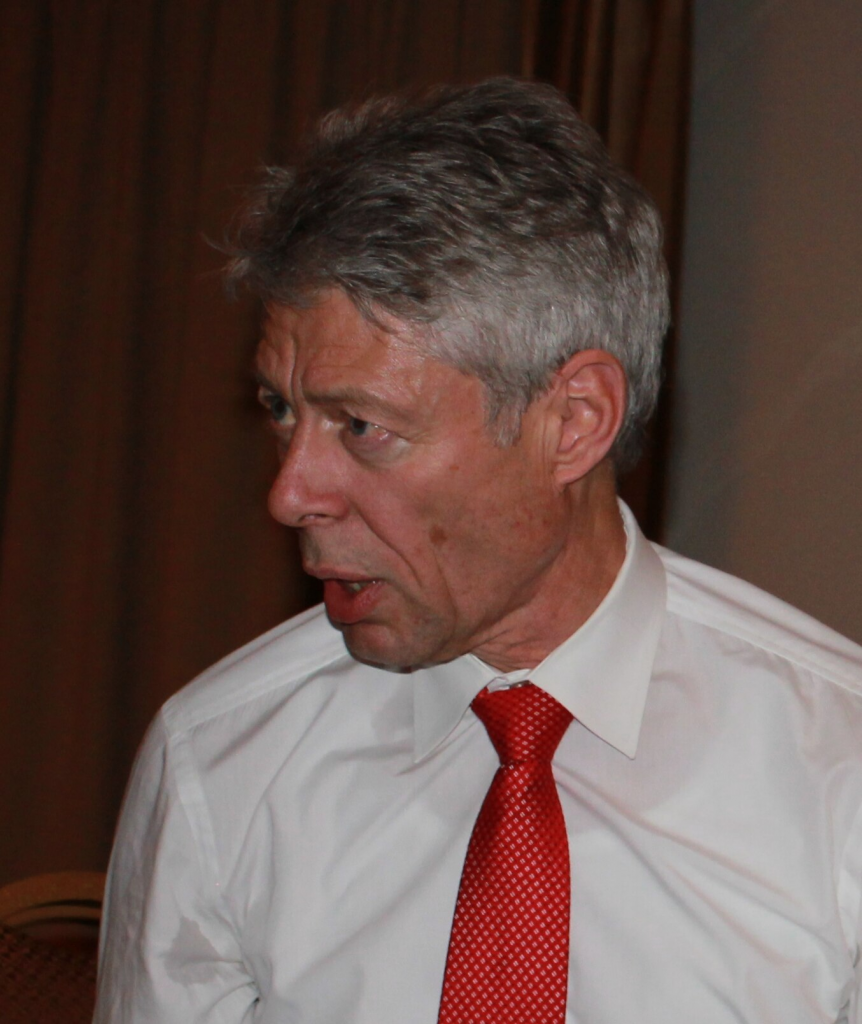
Thomas Wessinghage (born 22 February 1952 in HagenNorth Rhine-Westphalia) is a German former middle- and long-distance runner who won the 1982 European Championships‘ final over 5000 metres beating the British world-record holder David Moorcroft.

Because he was already thirty at the time, and had been an international-level runner for a decade, this victory was a long-awaited one for him. He admitted that he decided to run the 5,000 metres instead of the 1,500 metres, because he lost to Ovett and Coe so often in the shorter distance. The fairly slow pace of the 1982 European Athletics Championships 5,000-metre final favoured Wessinghage, because he was in top form – having set a European record at 2,000 metres shortly before the Championships – and because he was the fastest 1,500-metre runner in the final, having run that distance in 3 minutes 31.6 seconds in 1980.

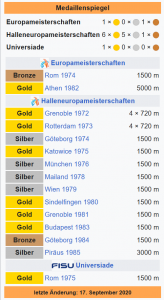
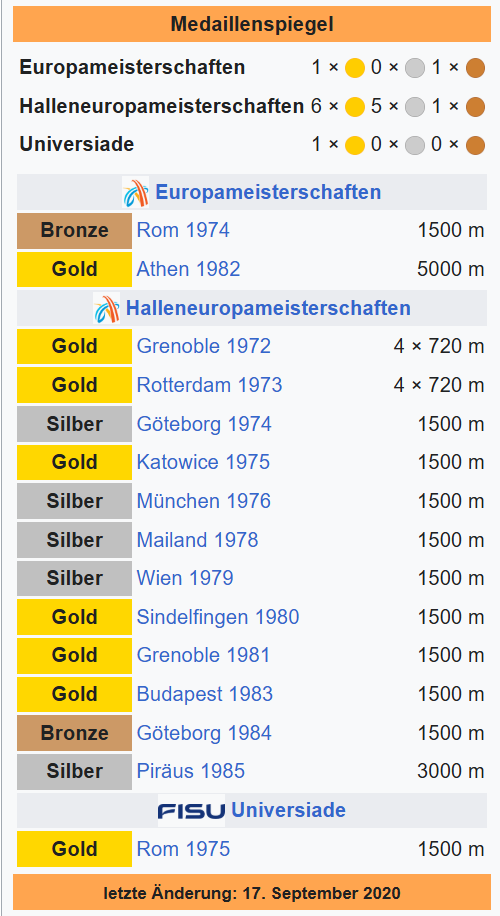
He won the German championship title 22 times. The European Championship over 5000 meters, which he won in 1982, was his greatest success. In 1979, he won the World Cup over 1500 meters in Montreal, in 1975 the European Cup over 1500 meters in Nice, and in 1983 the 5000 meters in London. He set German and European records, of which the German records over 1500 and 2000 meters (4:52.20 min) still stand.

In his marathon debut in Berlin in 1989, Wessinghage ran a time of 2:26 h.

Thomas Wessinghage was German champion 22 times, particularly in the 1500 meters. His greatest success, however, was in the 5000 meters. He won gold in this event at the 1982 European Championships in Athens. Wessinghage also competed at the 1972 Olympic Games in Munich and the 1976 Olympic Games in Montreal.

All achievements at a glance:

  • 22-time German Champion
  • 1972: Olympic Participant
  • 1975: European Indoor Champion (1500 m)
  • 1976: Olympic Participant
  • 1977: World Record with the German 4×1500-meter relay team (Wessinghage, Harald Hudak, Michael Lederer, and Karl Fleschen), valid until September 4, 2009
  • 1979: World Cup Champion (1500 m)
  • 1980: European Indoor Champion (1500 m)
  • 1981: European Indoor Champion (1500 m)
  • 1982: European Indoor Champion (1500 m)
  • 1982: European Champion (5000 m)

https://de.wikipedia.org/wiki/Thomas_Wessinghage

https://en.wikipedia.org/wiki/Thomas_Wessinghage

https://www.dhfpg.de/newsroom/aktuelles/details/thomas-wessinghage-rekordhalter-und-prorektor-der-dhfpg


  • -

Nicole Schuster

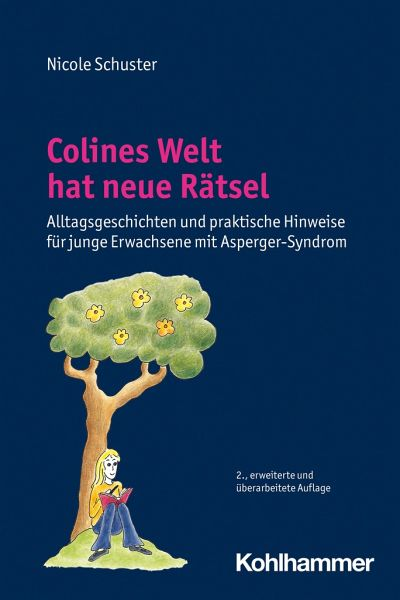
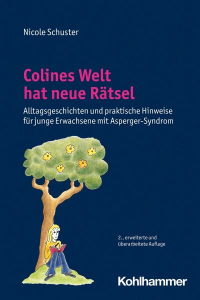
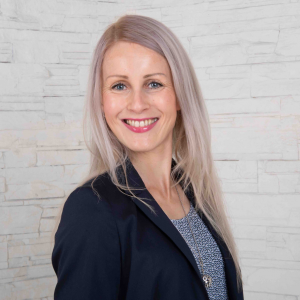
Nicole Schuster (born January 14, 1985 in Aachen[1][2]) is a German author and pharmacist. She was particularly active in the media in 2007 and 2008, raising awareness about Asperger syndrome.

She was diagnosed with Asperger syndrome in November 2005. From then on, she campaigned for awareness about this variant of autism.

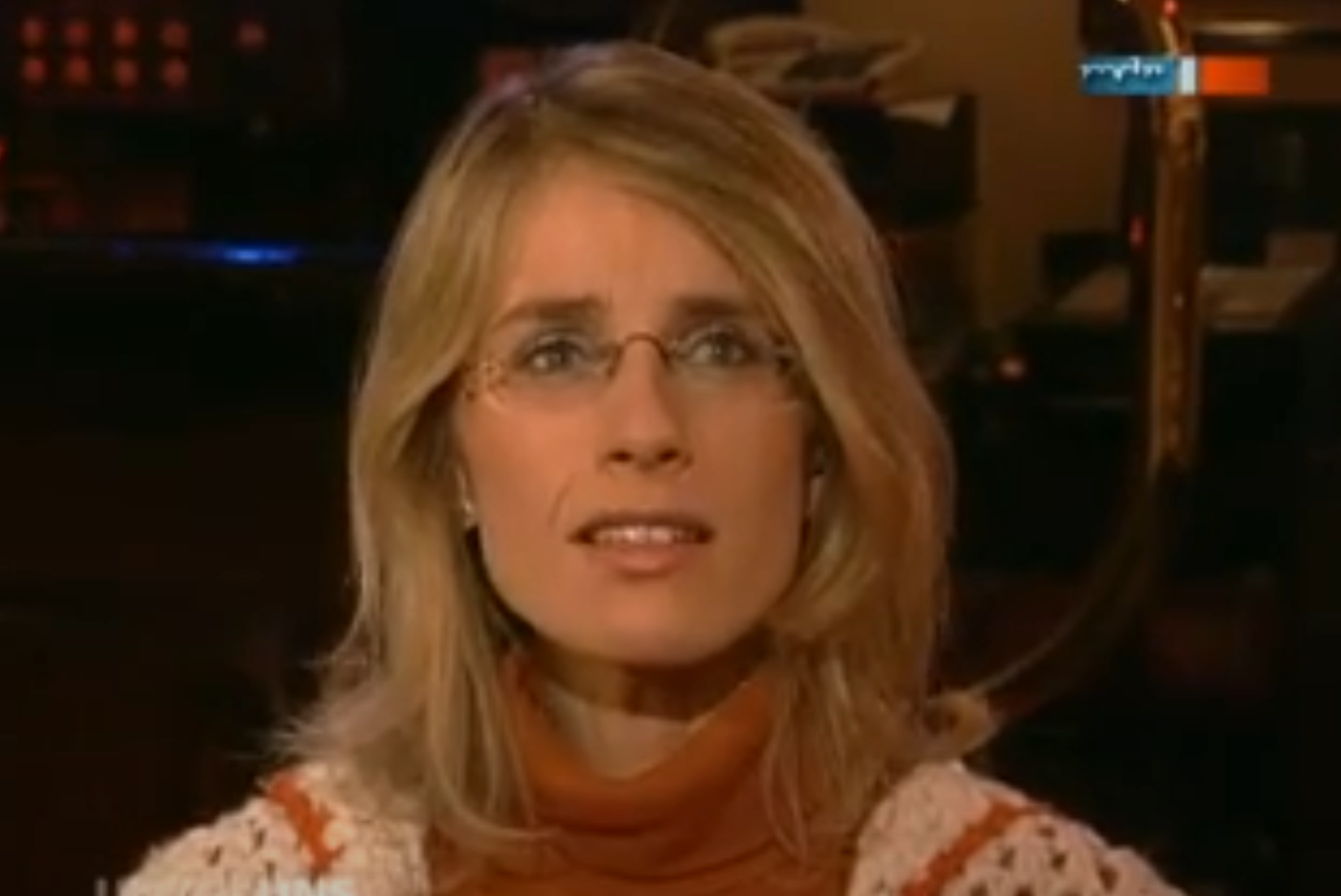
Nicole Schuster made her media debut on July 24, 2007, in the ZDF television program “37 Grad” (37 Degrees).[3] On August 13 of the same year, she made her second television appearance on the SWR program “Leute” (People). A month later, Schuster was interviewed in the RBB cultural radio series “Gott und die Welt” (God and the World). Shortly afterward, she was interviewed by Stern magazine, which was published under the title “Und jeden Mittag gibt es Savoy cabbage” (And every lunchtime there’s savoy cabbage) in issue 44 of 2007.

On November 30, 2007, she appeared on the MDR program Unter uns. She also appeared on the SWR program Nachtcafé on March 7, 2008. On August 17, 2008, she made her second radio appearance in an interview on the WDR5 radio program Dok 5 – Das Feature: Der blinde Spiegel: Vom autistischen Weg ein Ich zu sein.[4] Three months later, she appeared on the WDR program Quarks & Co.[5]

In August 2008, she was honored in Cologne with the “International Intellectual Benefits Award” from the Mensa Education and Research Foundation for her efforts to “give autistic people a voice.”

From May 2016 to the end of 2016, she served as chairwoman of the Mensa association in Germany. As a licensed pharmacist, she manages the production of clinical trial medicinal products at a medium-sized pharmaceutical company.

In 2016, she received her doctorate from the Philipps University of Marburg with her thesis “A Herb Has Grown Against Fever.”

https://www.tagesschau.de/inland/autismus-ts-112.html

A beautiful picture with savoy cabbage in the arms.

https://de.wikipedia.org/wiki/Nicole_Schuster

https://www.xing.com/profile/Nicole_Schuster17

https://www.spiegel.de/lebenundlernen/uni/europas-superhirn-gipfel-invasion-der-intelligenzler-a-569413.html citation from this article: Author Nicole Schuster learned this the hard way. “As an autistic and gifted person, I was desperate for a long time, felt rejected as a child and adolescent, and felt like an outsider everywhere.” Her predisposition wasn’t discovered until she was 18, and then she went full throttle: “I have a photographic memory for details and I love writing,” she says. “During my pharmacy studies, I began giving lectures nationwide on giftedness and how to properly deal with highly intelligent children—especially for teachers, because they had done a lot of mistakes with me in the past.”


  • -

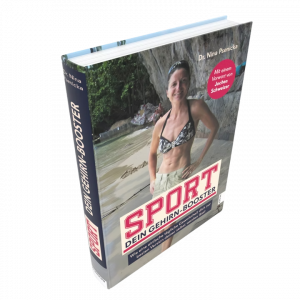
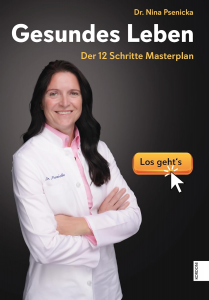
Nina Psenicka

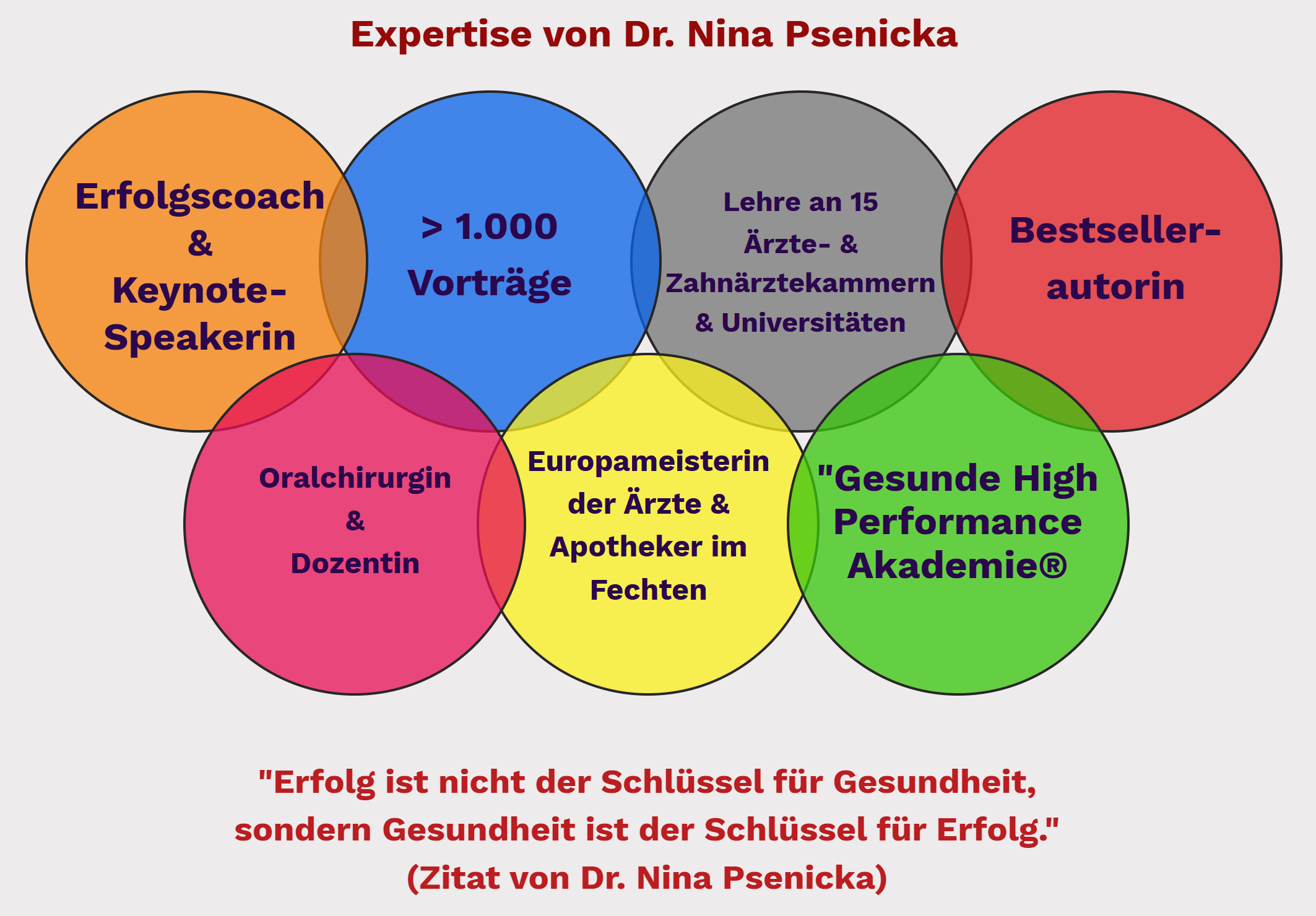
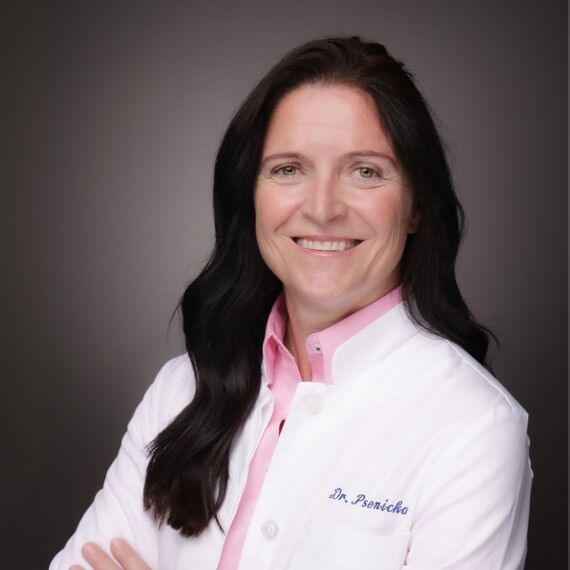
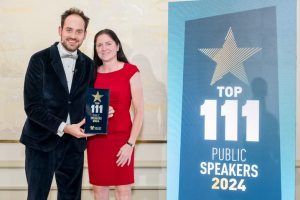
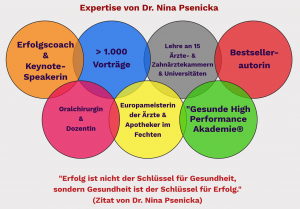
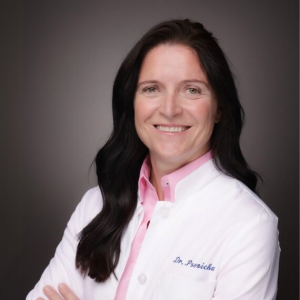
Dr. Nina Psenicka is a renowned oral surgeon, bestselling author, and success coach with an international teaching career. Known from business TV and as a cover story in Founder magazine, she uses her expertise to promote long-term success, mental strength, and healthy high performance.

As a lecturer at 15 European medical and dental associations and at universities, she shares her knowledge with professionals. In over 1,000 lectures, seminars, and courses, she has taught proven methods that help people overcome their fears, realize their potential, and achieve peak performance in a healthy way.

In addition to her medical and scientific careers, Dr. Psenicka is the European fencing champion for doctors and pharmacists and has worked as a university fencing coach.

https://www.dr-psenicka.com

https://www.youtube.com/@DocNina

Proof about MountainClimbing | Beweis für Bergsteigen

  • -

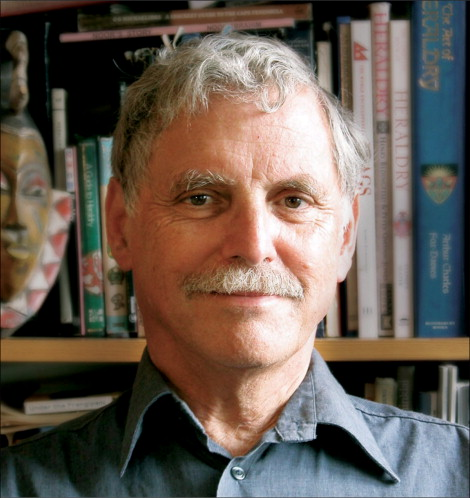
Cecil G. Helman

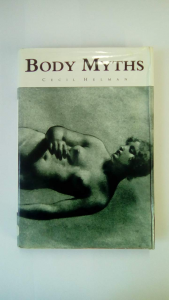
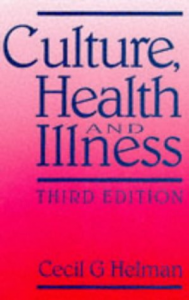
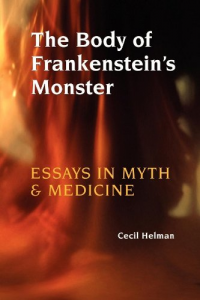
Cecil Helman (4 January 1944 – 15 June 2009) was a South African doctorauthor, and medical anthropologist.[1][2][3][4][5] He published poetryessays, and short stories, as well as academic books and papers.

Adam Kuper, a sometime professor of anthropology at Brunel University, was lecturing on the topic at UCL when he first got to know Helman. “It was very unusual then for a medical person to do a social science course”, he recalls. “But Cecil was always more than doctor. He wanted to develop a number of strands to his life.” These included painting and writing poetry and prose. It was Kuper who, in the late 1980s, hired Helman to work at Brunel on what was the first medical anthropology course in England. “As a teacher at Brunel he was very good. The course originally attracted mainly people with health backgrounds because health authorities had begun to struggle with the problems and ideas of immigrant groups with which they weren’t well equipped to deal. Cecil was particularly successful at Socratic teaching in small groups. He would get students to read things, talk about them, and then shape the discussion.”

https://en.wikipedia.org/wiki/Cecil_Helman

https://www.thelancet.com/journals/lancet/article/PIIS0140673609614033/fulltext

Dear Dr Ellenberger,
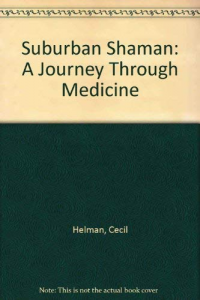
I am a doctor as well as a writer. You might be interested in my recent memoir: Suburban Shaman: Tales freom Medicine’s Frontline (see: www.hammersmithpress.co.uk/suburbanshaman ), which in March was selected for broadcast by the BBC as a ‘Book of the Week’.
Best wishes,
Cecil Helman


  • -

John Diamond

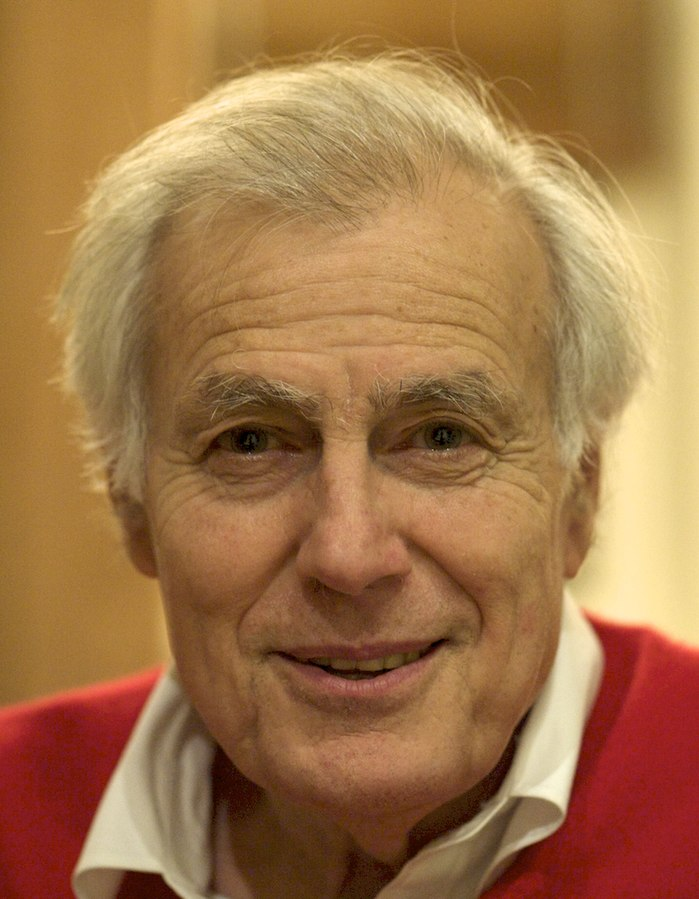
John Diamond (9 August 1934 – 25 April 2021) was a physician and author on holistic health and creativity

Diamond married three times. His first wife was Suzanne Gurvich, with whom he had three children, Ian, Kathie, and Peter. In the 1970s he married Betty Peele, and in 1994 the opera singer Susan Burghardt.[2] For many years, Diamond played drums in a jazz band which he founded, named the Diamond Jubilators. The band performed in hospitals and nursing homes.[2][1] He enjoyed photography and painting in the final years of his life.

ohne John Diamond, aber sicher ähnlich hat es MIT ihm geklungen!
without John Diamond, but it surely sounded similarly WITH him!

Website

https://www.youtube.com/@JohnDiamondMD

LifeEnergyArts

https://en.wikipedia.org/wiki/John_Diamond_(doctor)


  • -

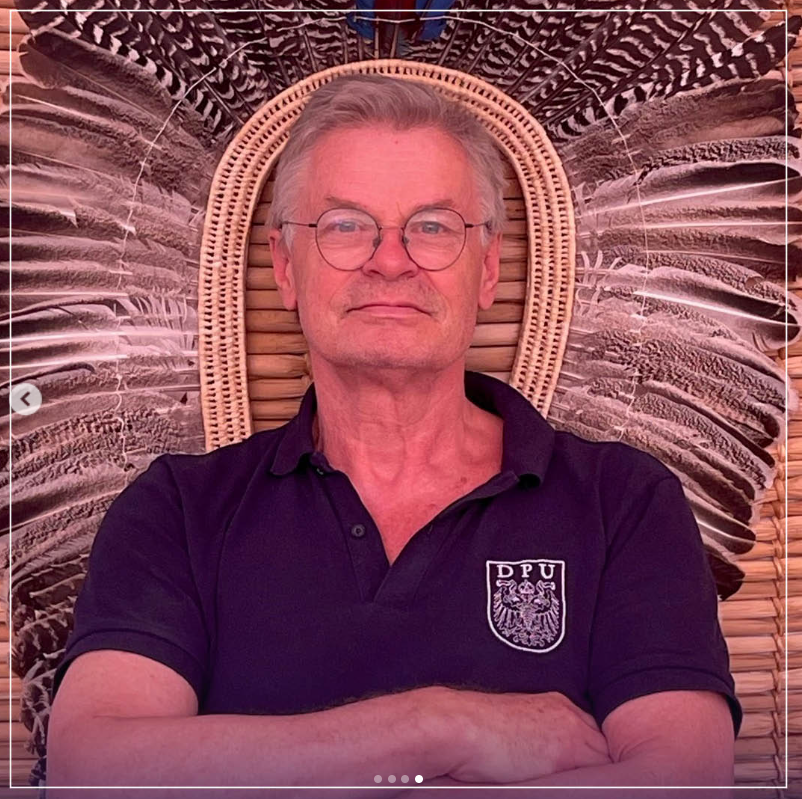
Roland Garve

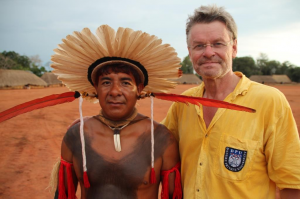
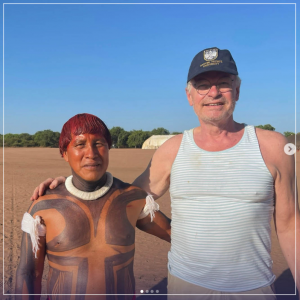
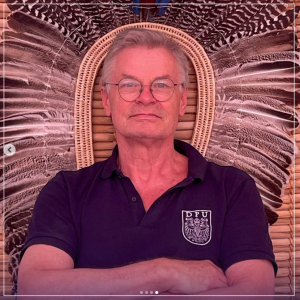
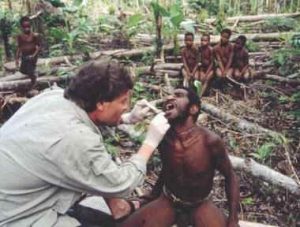
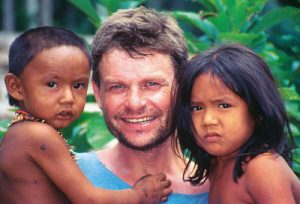
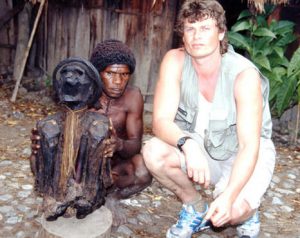
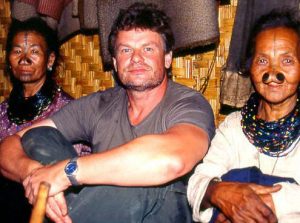
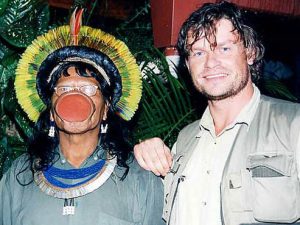
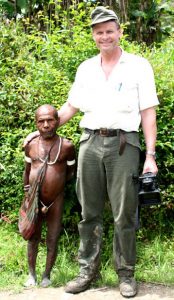
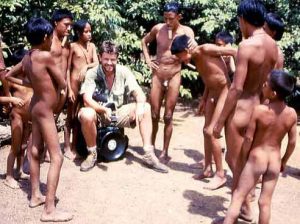
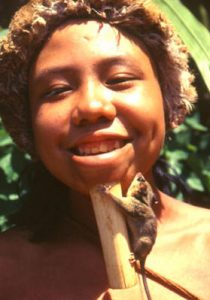
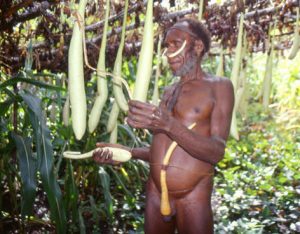
Roland Garve (born December 9, 1955 in Boizenburg/Elbe) is a German dentist and ethnomedical specialist.

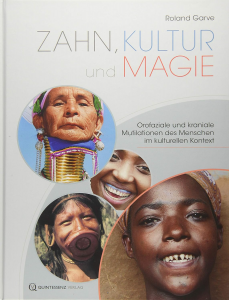
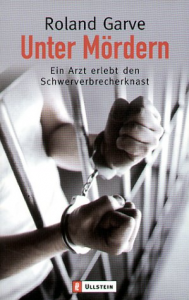
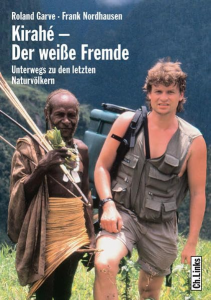
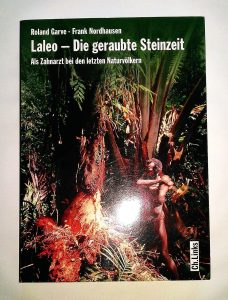
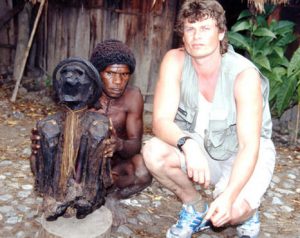
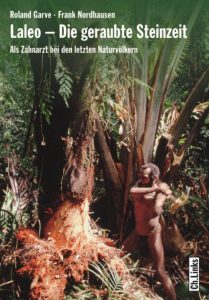
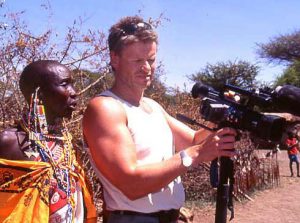
Garve, born and raised in Boizenburg/Elbe, attended the Polytechnic High School from 1962 to 1972 and then the extended High School Boizenburg, where he received his Abitur in 1974. After his military service, he studied dentistry at the University of Greifswald from 1976 and received his license to practice dentistry in 1981. From 1981 to 1983 he was imprisoned in Brandenburg-Görden for preparing an “illegal border crossing” from the GDR. During his imprisonment he treated fellow inmates as a trained dentist. Finally, after being expelled from the GDR in 1984, he left the GDR and received his doctorate from the University of Hamburg in 1986. After working as an assistant in a dentist’s office in Jesteburg, Garve ran a dental practice in Geesthacht in Schleswig-Holstein from 1985 to 2010. He subsequently retired from dental practice. He undertook numerous research trips (including Africa, Brazil, Thailand, Venezuela, and Papua New Guinea) to study indigenous peoples in collaboration with the Ethnological Museums in Dresden and Leipzig. Garve also gives lectures on ethnodentistry and ethnology. He has authored several books about his experiences. Garve also works part-time as a cameraman, photographer, and documentary film producer.

Since 2011, Roland Garve has been a lecturer at the Center for Human Cultural and Natural History, Faculty of Medicine/Dentistry, Krems (Austria), at the Danube Private University.[1]

In 2012, he received his diploma in Tropical Medicine from the Bernhard Nocht Institute for Tropical Medicine at the University of Hamburg.

In 2014, he was appointed Associate Professor and Head of the Department of Ethno-Dentistry at the Danube Private University Krems. Garve is considered the founder of the interdisciplinary research field of ethno-dentistry.

https://de.wikipedia.org/wiki/Roland_Garve

https://www.imdb.com/de/name/nm2672181

https://www.aufbau-verlage.de/autor-in/roland-garve

https://gutelehre.at/projekt/ethnozahnmedizin-ein-interdisziplinaeres-seminar-zur-bereicherung-der-zahnmedizinischen-forschung-und-lehre-um-ethnologische-und-kulturelle-aspekte