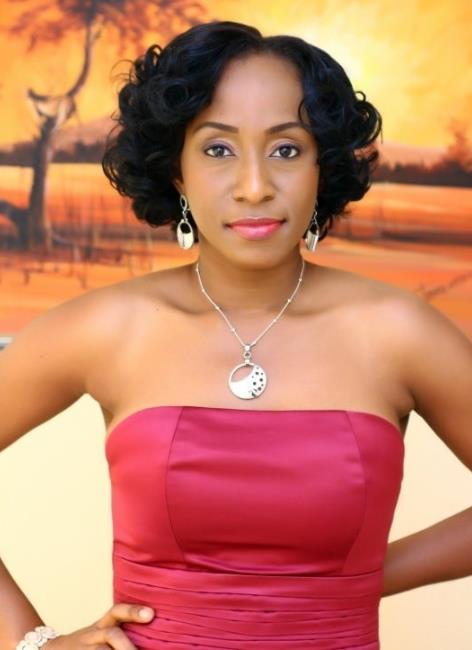
Matilda Kerry Osazuwa is a former beauty queen MBGN – Most Beautiful Girl in Nigeria 2000 and a medical doctor at the Lagos University Teaching Hospital (LUTH). A co-founder of George Kerry Foundation, she is an epitome of beauty and brain. She gives an insight on her job and life as a medical doctor.
https://www.youtube.com/watch?v=s0R9yxY_KrQ
Senior Registrar at the Community Health Department, Lagos University Teaching Hospital, LUTH, and Founder, George Kerry Life Foundation, Dr. Matilda Kerry-Osazuwa, has admonished women in the country to take their health more seriously.
I have received a few honorary awards, one on the fight against cancer from Pink Pearl Foundation and the Youth Role Model award from African Youth Society. Those were achievements but the fulfilling part is when you impact someone positively; like diagnosing a patient in the pre-cancer stage, providing treatment and knowing you have helped with preventing one woman from coming down with cervical cancer, which is a debilitating and horrible disease – that is really fulfilling.
One of her children suffers from autism spectrum which made her write books for similarly afflicted families.
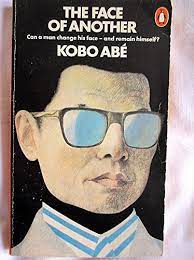
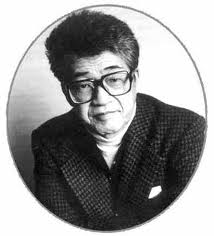
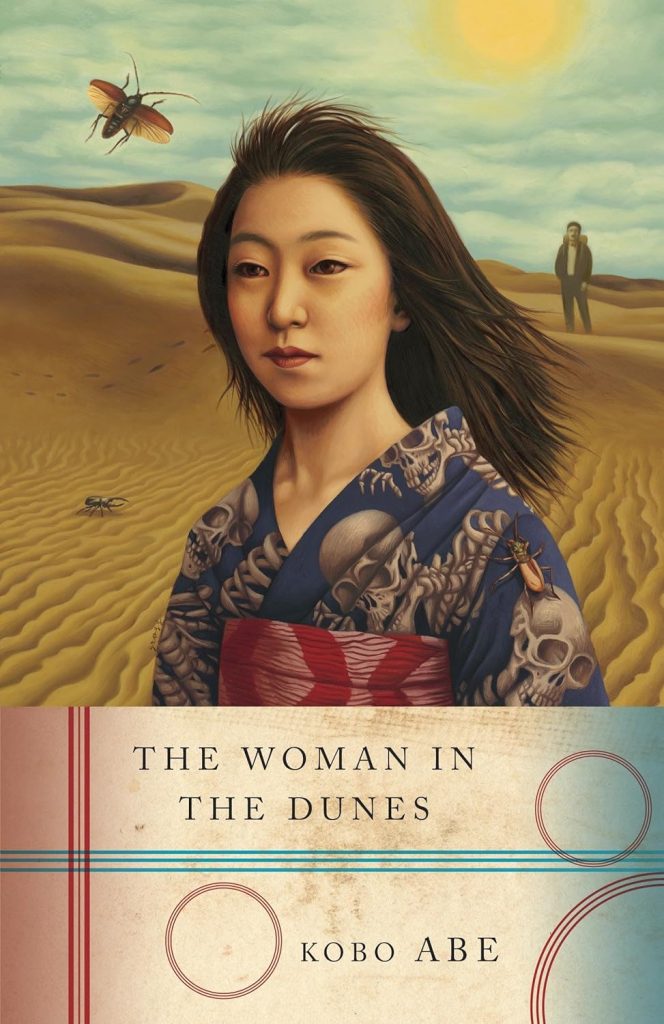
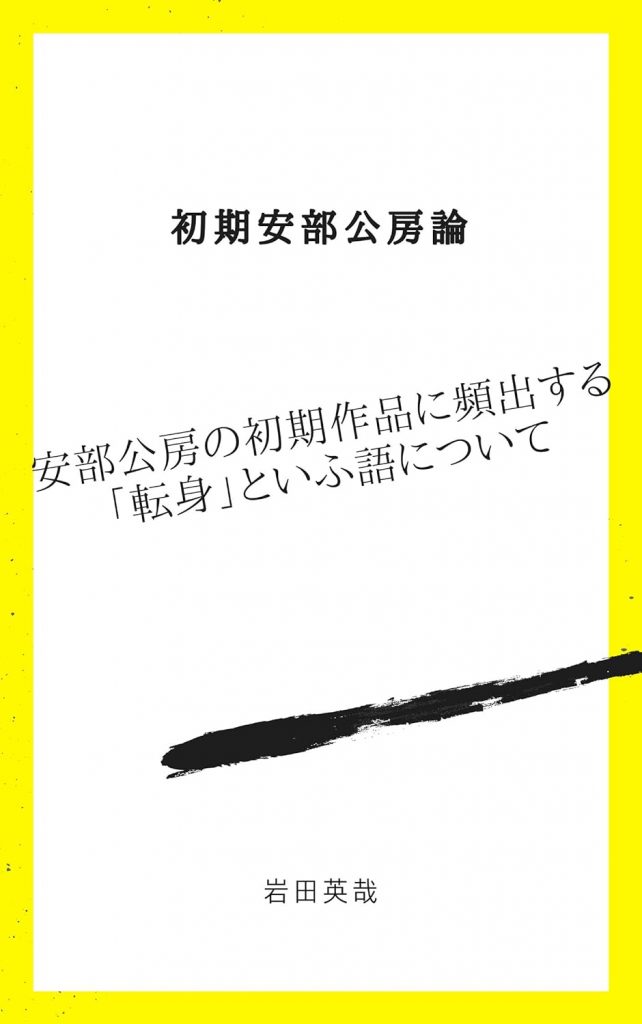
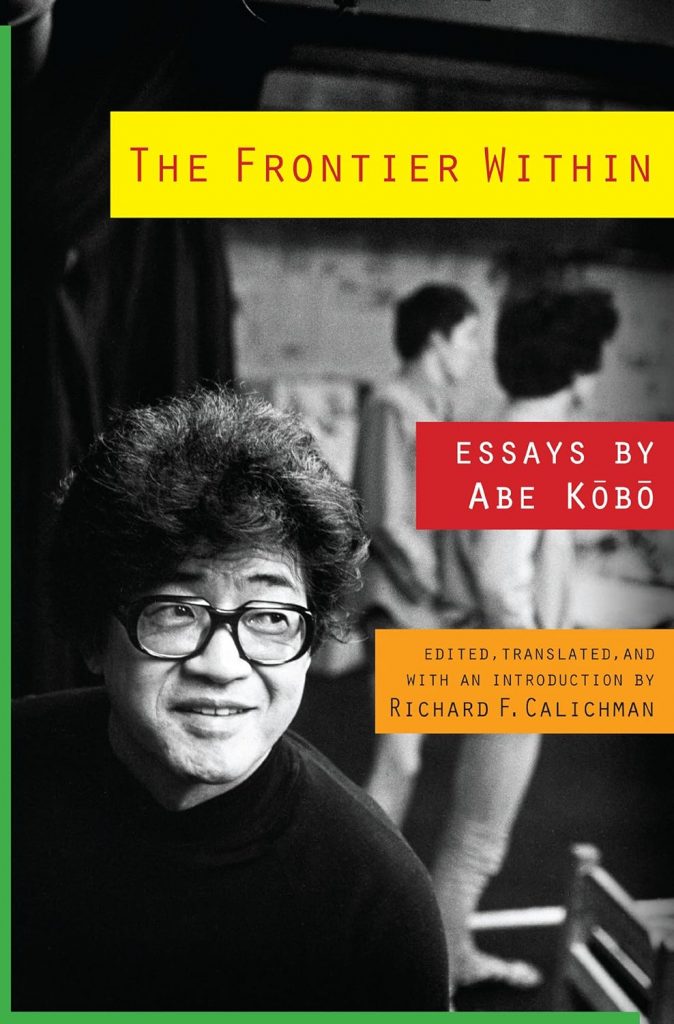
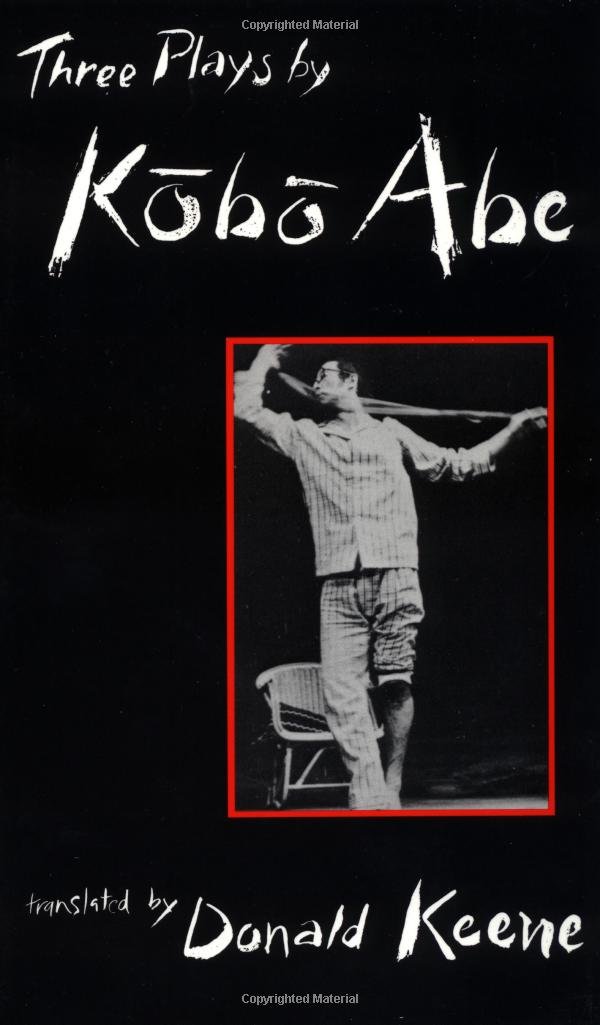
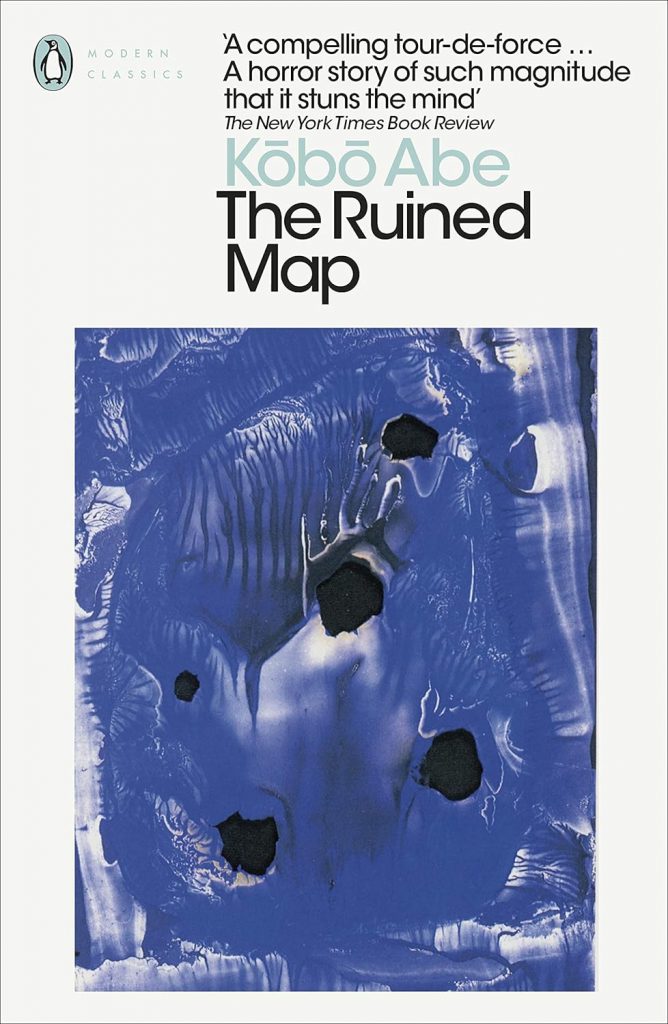
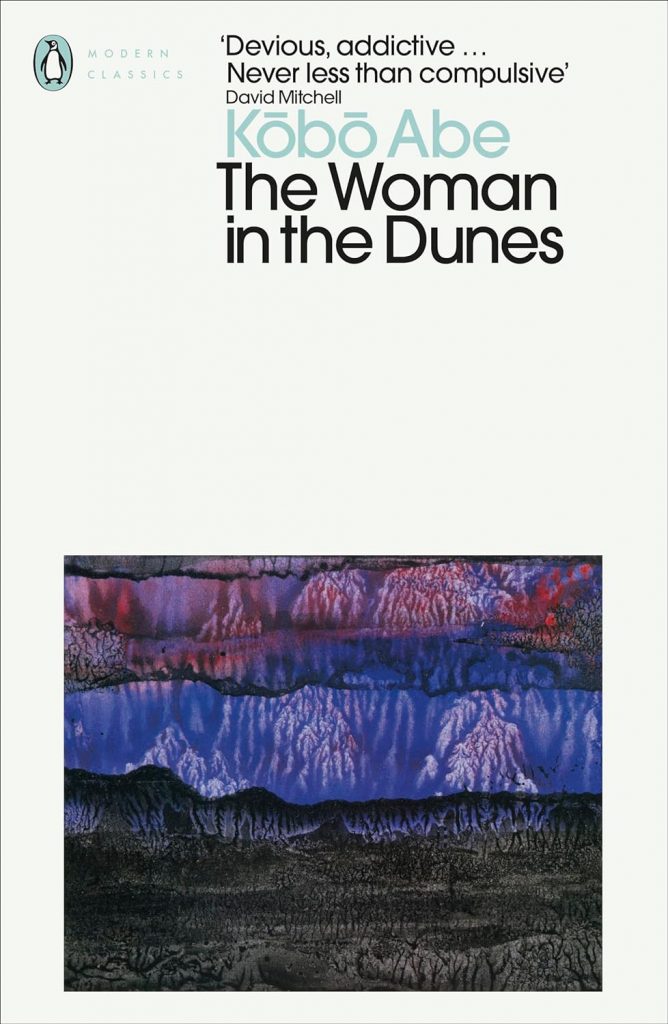
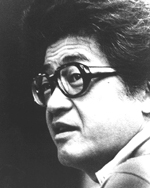
Kōbō Abe (安部 公房, Abe Kōbō), pen name of Kimifusa Abe (安部 公房, Abe Kimifusa, March 7, 1924 – January 22, 1993), was a Japanese writer, playwright, musician, photographer, and inventor. He is best known for his 1962 novel The Woman in the Dunes that was made into an award-winning film by Hiroshi Teshigahara in 1964.[2] Abe has often been compared to Franz Kafka for his modernist sensibilities and his surreal, often nightmarish explorations of individuals in contemporary society.
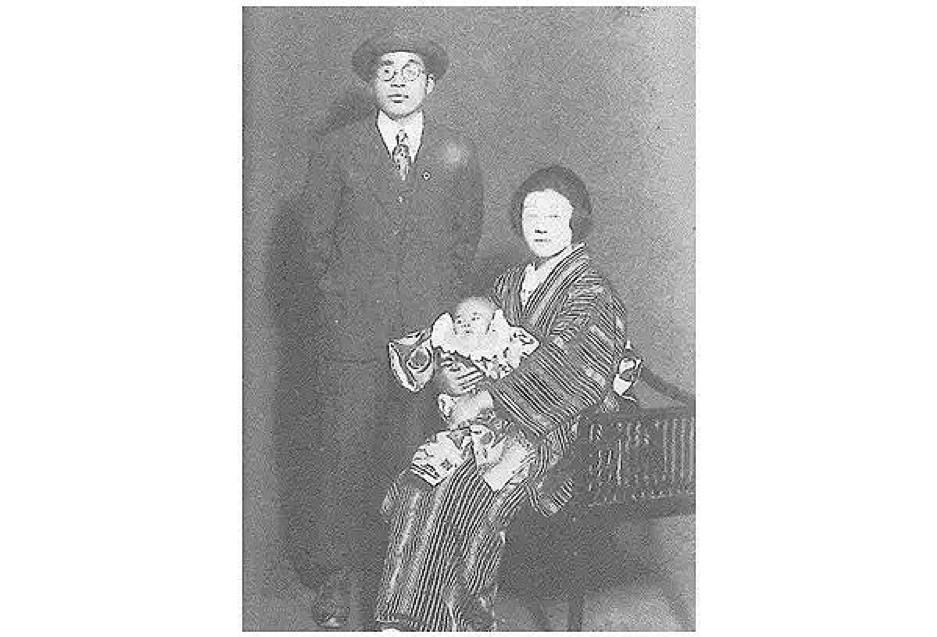
Abe was born on March 7, 1924[1][6] in Kita, Tokyo, Japan and grew up in Mukden (now Shenyang) in Manchuria.[2][1] Abe’s family was in Tokyo at the time due to his father’s year of medical research in Tokyo.[7] His mother had been raised in Hokkaido, while he experienced childhood in Manchuria. This triplicate assignment of origin was influential to Abe, who told Nancy Shields in a 1978 interview, “I am essentially a man without a hometown.[2] This may be what lies behind the ‘hometown phobia’ that runs in the depth of my feelings. All things that are valued for their stability offend me.”[7] As a child, Abe was interested in insect-collecting, mathematics, and reading. His favorite authors were Fyodor Dostoyevsky, Martin Heidegger, Karl Jaspers, Franz Kafka, Friedrich Nietzsche, and Edgar Allan Poe.
Abe returned to Tokyo briefly in April 1940 to study at Seijo High School, but a lung condition forced his return to Mukden, where he read Jaspers, Heidegger, Dostoyevsky, and Edmund Husserl. Abe began to study medicine at Tokyo Imperial University in 1943, partially out of respect for his father, but also because “[t]hose students who specialized in medicine were exempted from becoming soldiers. My friends who chose the humanities were killed in the war.”[7] He returned to Manchuria around the end of World War II.[1] Specifically, Abe left the Tokyo University Medical School in October 1944, returning to his father’s clinic in Mukden.[7] That winter, his father died of eruptive typhus. Returning to Tokyo with his father’s ashes, Abe reentered the medical school. Abe started writing novellas and short stories during his last year in university. He graduated in 1948 with a medical degree, joking once that he was allowed to graduate only on the condition that he would not practice.
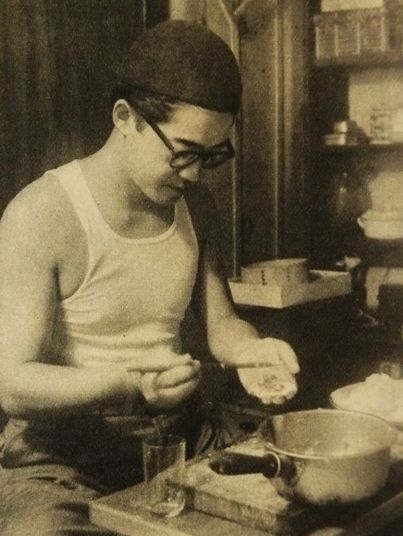
In 1945 Abe married Machi Yamada, an artist and stage director, and the couple saw successes within their fields in similar time frames.[7] Initially, they lived in an old barracks within a bombed-out area of the city center. Abe sold pickles and charcoal on the street to pay their bills. The couple joined a number of artistic study groups, such as Yoru no Kai (Group of the Night or The Night Society) and Nihon Bungaku Gakko (Japanese Literary School). Their daughter, Abe Neri, was born in 1954.[8]
https://www.youtube.com/watch?v=MXPDlRLTSpg
screenplay and adaptation: Kobo Abe
As the postwar period progressed, Abe’s stance as an intellectual pacifist led to his joining the Japanese Communist Party, with which he worked to organize laborers in poor parts of Tokyo. Soon after receiving the Akutagawa Prize in 1951, Abe began to feel the constraints of the Communist Party’s rules and regulations alongside doubts about what meaningful artistic works could be created in the genre of “socialist realism.”[7] By 1956, Abe began writing in solidarity with the Polish workers who were protesting against their Communist government, drawing the Communist Party’s ire. The criticism reaffirmed his stance: “The Communist Party put pressure on me to change the content of the article and apologize. But I refused. I said I would never change my opinion on the matter. This was my first break with the Party.”[7]: 35 [a] The next year, Abe traveled to Eastern Europe for the 20th Convention of the Soviet Communist Party. He saw little of interest there, but the arts gave him some solace. He visited Kafka’s house in Prague, read Rilke and Karel Čapek, reflected on his idol Lu Xun, and was moved by a Mayakovsky play in Brno.[7]
The Soviet invasion of Hungary in 1956 disgusted Abe. He attempted to leave the Communist Party, but resignations from the party were not accepted at the time. In 1960, he participated in the Anpo Protests against revision of the US-Japan Security Treaty as part of the pan-ideological Young Japan Society.[10] He later wrote a play about the protests, The Day the Stones Speak, which was staged several times in Japan and China in 1960 and 1961.[11] In the summer of 1961, Abe joined a group of other authors in criticizing the cultural policies of the Communist Party. He was forcibly expelled from the party the following year.[12] His political activity came to an end in 1967 in the form of a statement published by himself, Yukio Mishima, Yasunari Kawabata, and Jun Ishikawa, protesting the treatment of writers, artists, and intellectuals in Communist China.[7] According to translator John Nathan, this statement led to the falling-out between Abe and fellow writer Kenzaburō Ōe.[13]
His experiences in Manchuria were also deeply influential on his writing, imprinting terrors and fever dreams that became surrealist hallmarks of his works. In his recollections of Mukden, these markers are evident: “The fact is, it may not have been trash in the center of the marsh at all; it may have been crows. I do have a memory of thousands of crows flying up from the swamp at dusk, as if the surface of the swamp were being lifted up into the air.”[7] The trash of the marsh was a truth of life, as were the crows, yet Abe’s recollections of them tie them distinctively. Further experiences with the swamp centered around its use as a staking ground for condemned criminals with “[their] heads—now food for crows—appearing suddenly out of the darkness and disappearing again, terrified and attracted to us.” These ideas are present in much of Abe’s work.
Abe was first published as a poet in 1947 with Mumei-shishū (“Poems of an unknown poet”), which he paid for himself,[1] and as a novelist the following year with Owarishi michi no shirube ni (“The Road Sign at the End of the Street”), which established his reputation.[1] When he received the Akutagawa Prize in 1951, his ability to continue publishing was confirmed.[7] Though he did much work as an avant-garde novelist and playwright, it was not until the publication of The Woman in the Dunes in 1962 that Abe won widespread international acclaim.[14]
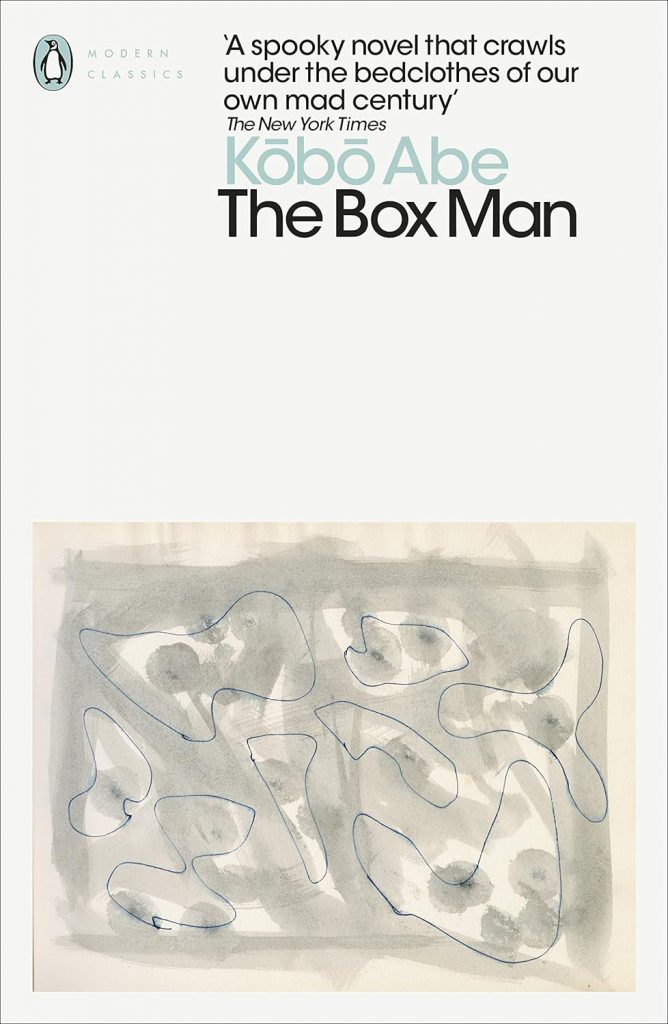
In 1971, he founded the Abe Studio, an acting studio in Tokyo.[7] Until the end of the decade, he trained performers and directed plays. The decision to found the studio came two years after he first directed his own work in 1969, a production of The Man Who Turned Into A Stick. The production’s sets were designed by Abe’s wife, and Hisashi Igawa starred. Abe had become dissatisfied with ability of the theatre to materialize the abstract, reducing it to a passive medium. Until 1979, he wrote, directed, and produced 14 plays at the Abe Studio. He also published two novels, Box Man (1973) and Secret Rendezvous (1977), alongside a series of essays, musical scores, and photographic exhibits.[7] The Seibu Theater, an avant-garde theater in the new department store Parco, was allegedly established in 1973 specifically for Abe, though many other artists were given the chance to use it. The Abe Studio production of The Glasses of Love Are Rose Colored (1973) opened there. Later, the entirety of the Seibu Museum was used to present one of Abe’s photographic works, An Exhibition of Images: I.[7]
The Abe Studio provided a foil for much of the contemporary scene in Japanese theater, contrasting with the Haiyuza‘s conventional productions, opting to focus on dramatic, as opposed to physical, expression. It was a safe space for young performers, whom Abe would often recruit from the Toho Gakuen College in Chofu City, on the outskirts of Tokyo, where he taught. The average age of the performers in the studio was about 27 throughout the decade, as members left and fresh faces were brought in. Abe “deftly” handled issues arising from difference in stage experience.
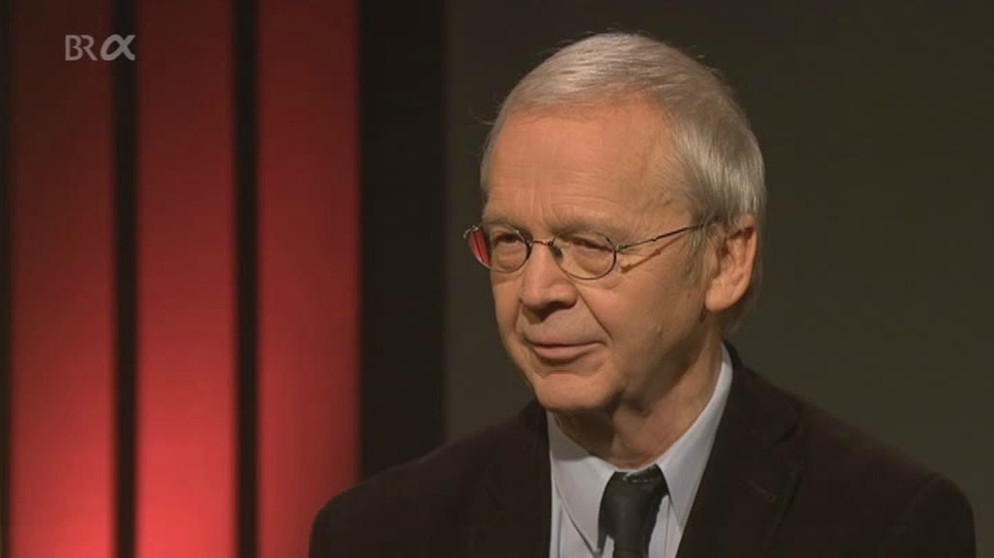
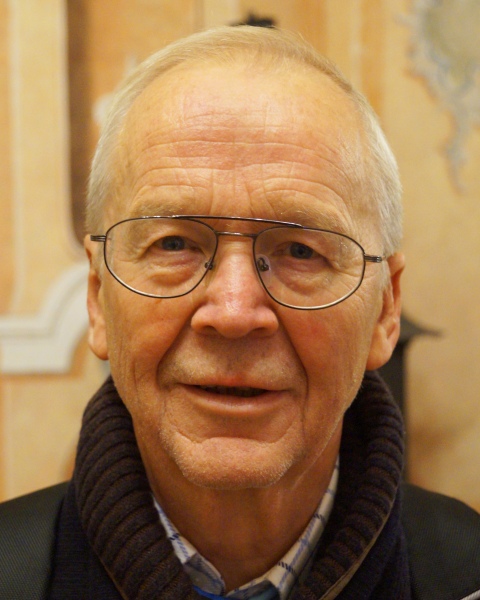
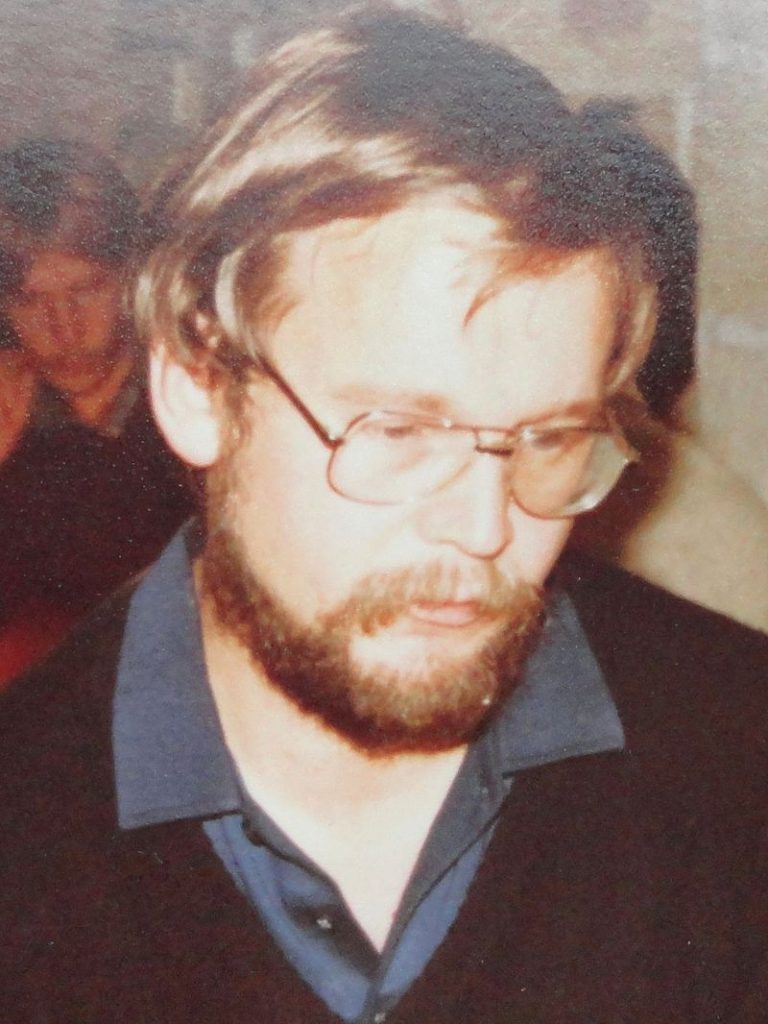
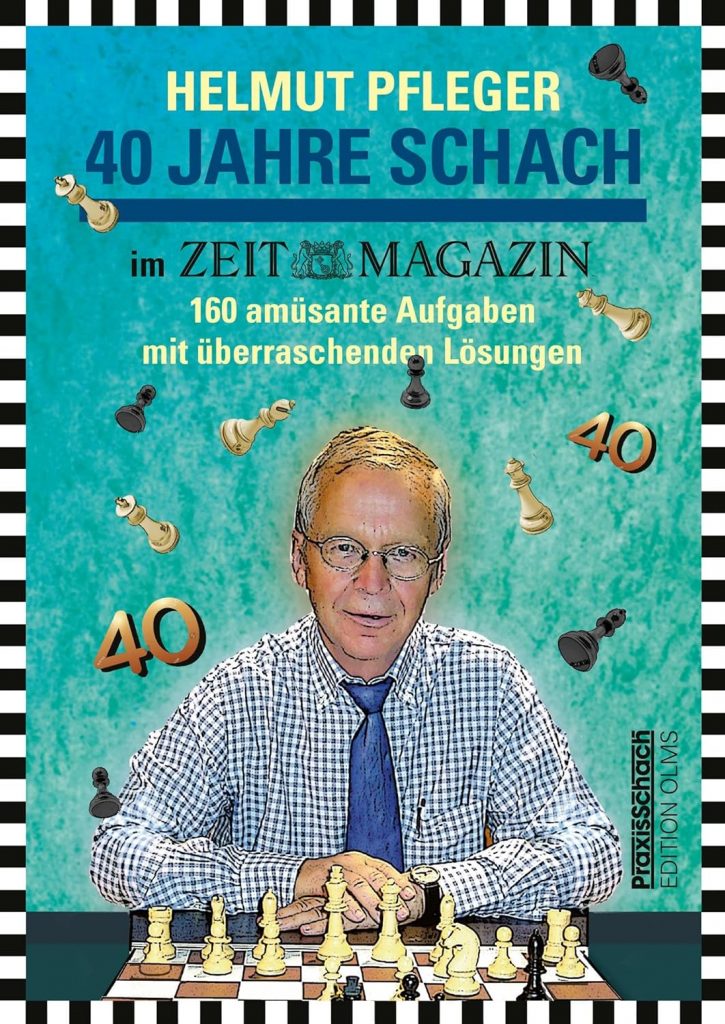
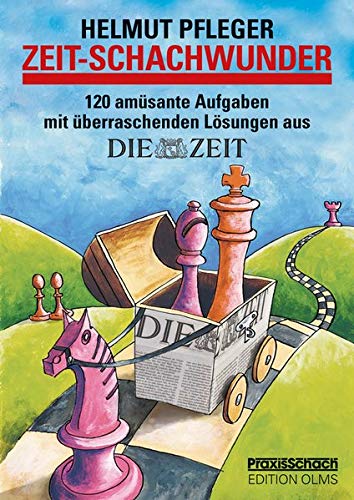
Helmut Pfleger (born August 6, 1943) is a German chessgrandmaster and author. He was one of the most promising chess players in the 1960s and 1970s. From 1977 until 2005, Pfleger hosted a series of chess programs on German public TV, including Chess of the Grandmasters, often together with grandmaster Vlastimil Hort. By profession, he is a doctor of medicine.
He took 1st at Maputo 1973, tied for 1st–2nd at Polanica-Zdrój 1971, tied for 1st–2nd at Montilla 1973, tied for 2nd–3rd at Montilla 1974, tied for 2nd–5th at Manila 1975, tied for 2nd–3rd at Havana 1982, was 4th at Royan 1988.
Pfleger played for Germany in the Chess Olympiads of 1964, 1968, 1972, 1974, 1978, 1980 and 1982. At the Tel Aviv Olympiad of 1964, he was awarded the gold medal for best performance on fourth board and a bronze medal for his contribution to the team’s overall performance.[1] He was awarded the Grandmaster title in 1975.
On the April 2009 FIDE list, he has an Elo rating of 2477, although he has been virtually inactive since 1990.
Pfleger, Helmut; Darga, Klaus (1983). Die Besten Partien Deutscher Schachgrossmeister: Klaus Darga, Hans-J. Hecht, Robert Hubner, Barbara Hund, Erik Lobron, Helmut Pfleger, Lothar Schmid, Wolfgang Unzicker (in German). Falken. ISBN3806841217.
Pfleger, Helmut; Metzing, Horst (1984). Schach: Spiel, Sport, Wissenschaft, Kunst (in German). Hoffmann und Campe. ISBN3455082289.
Pfleger, Helmut; Kishon, Ephraim; Weiner, Ossi (1986). Der Schachcomputer: Gegner Und Freund (in German). Nymphenburger. ISBN3485016969.
Pfleger is inactive at FIDE because he has not made games with Elosince 1999.
He participated in the chess olympics 1974 in Nizza as well as in European or world championships.
Pfleger organises Medical Chess Championships in Germany for >30 years now. That association is very radical denying to use their photos, more unfriendly than anybody in THIS web, but you can see lots of the photos in the Deutsches Ärzteblatt: https://www.aerzteblatt.de/search?q=schachmeisterschaft
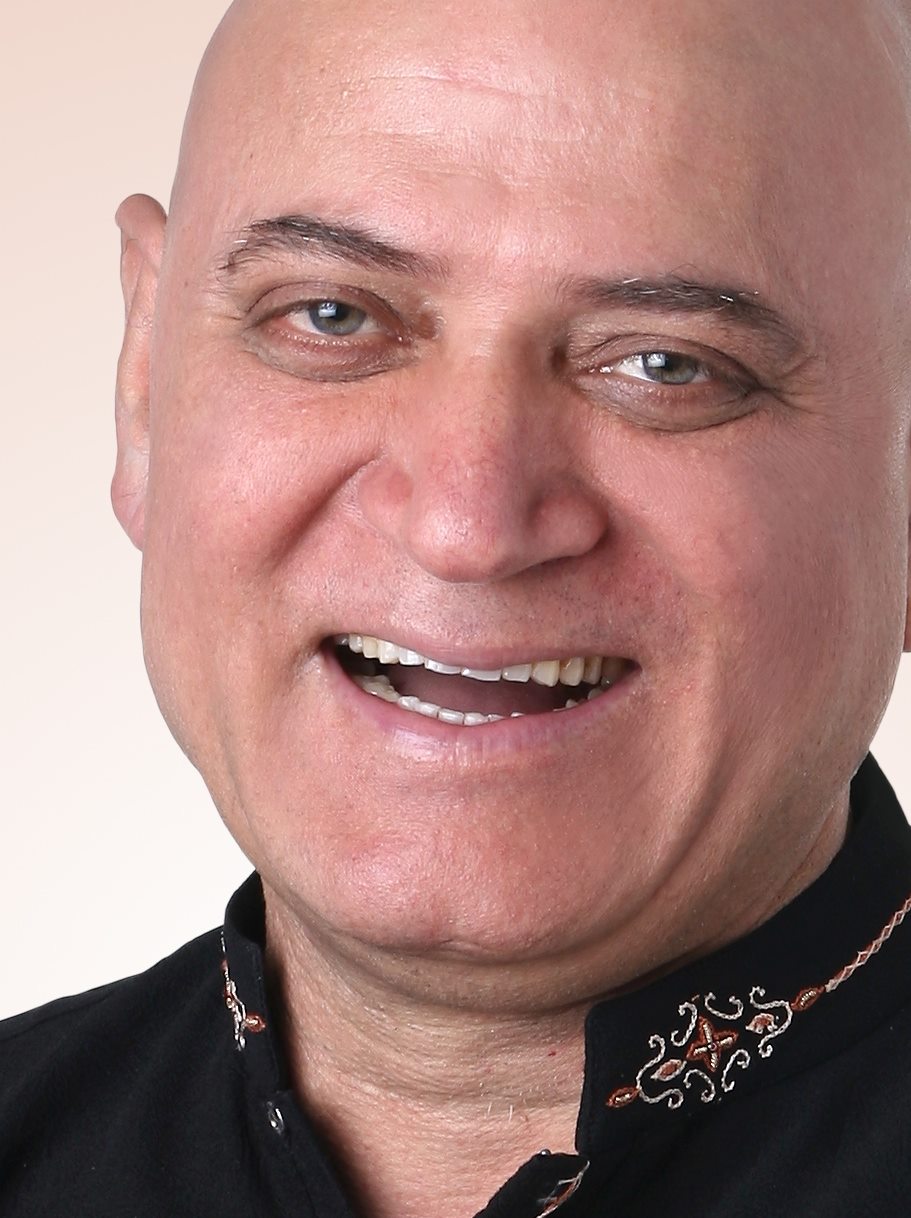
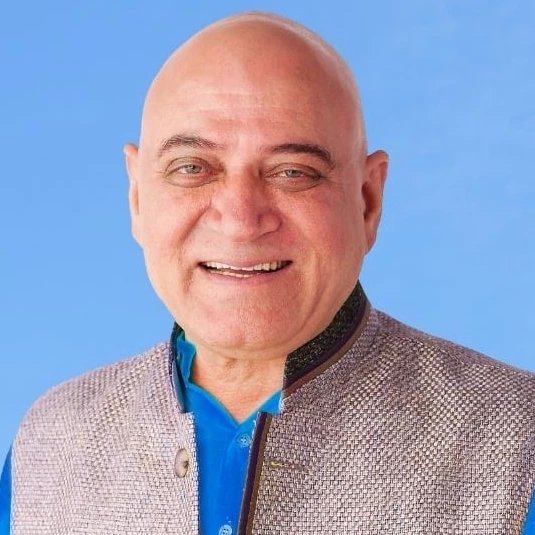
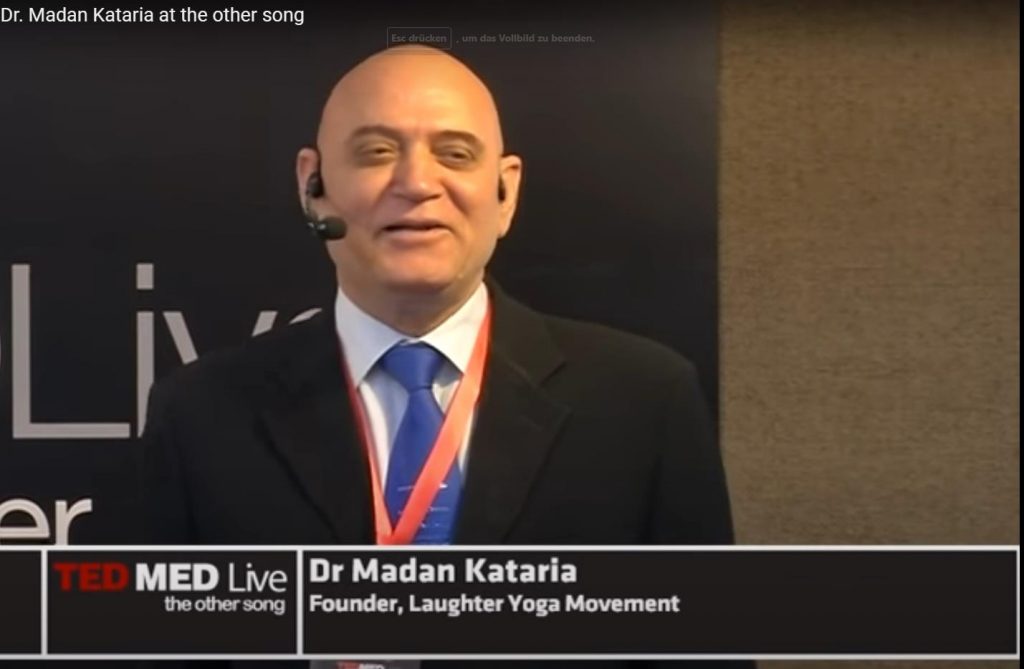
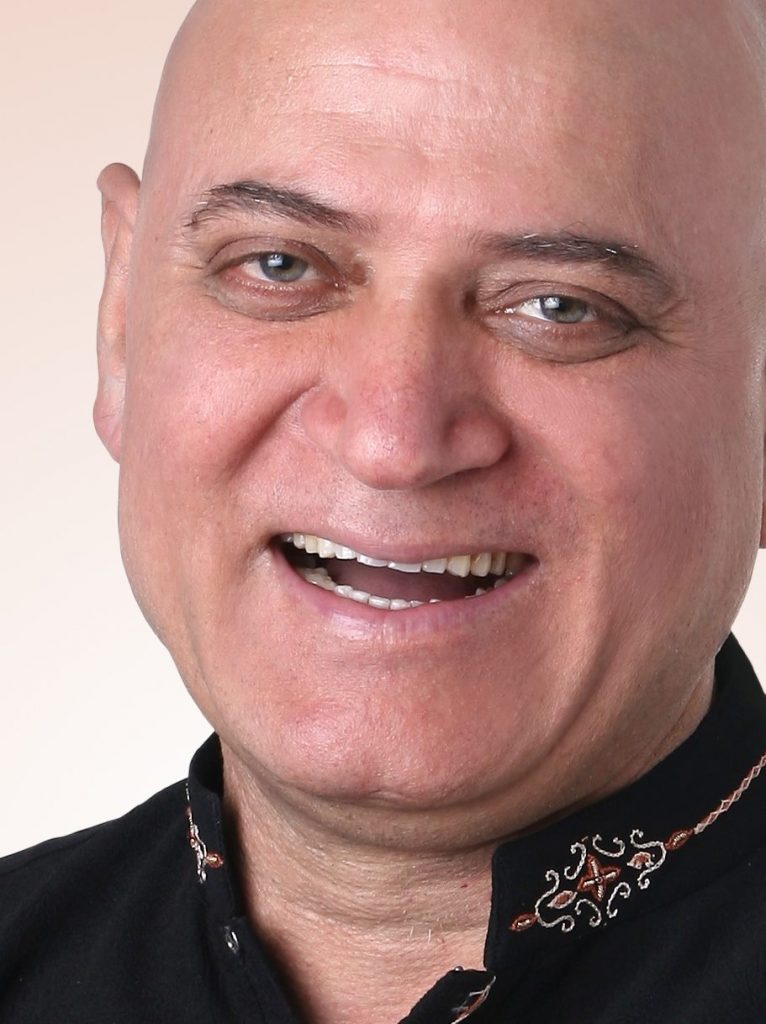
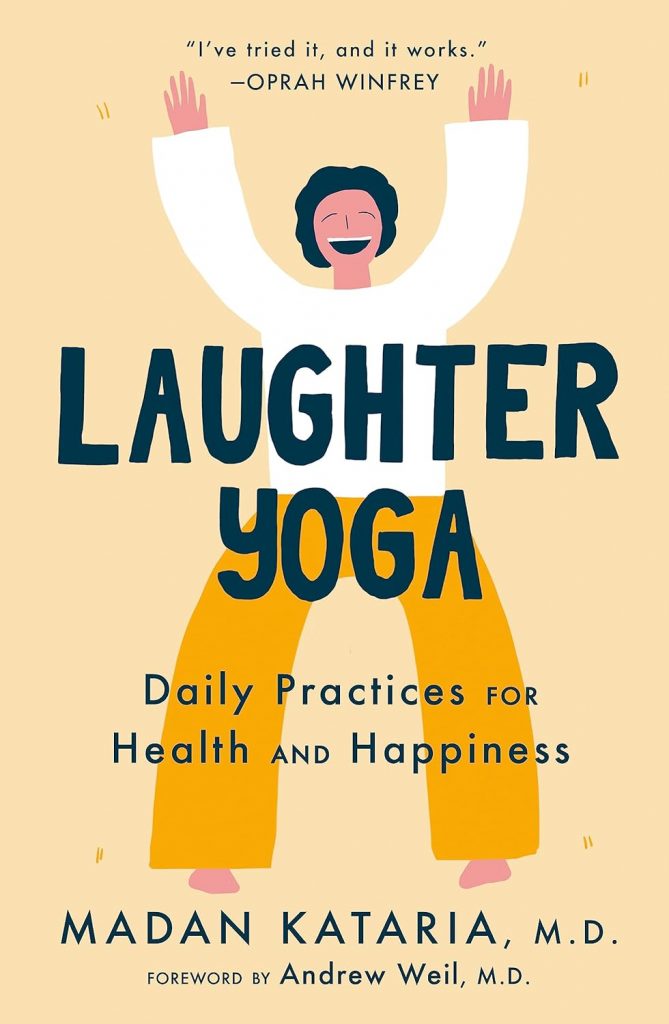
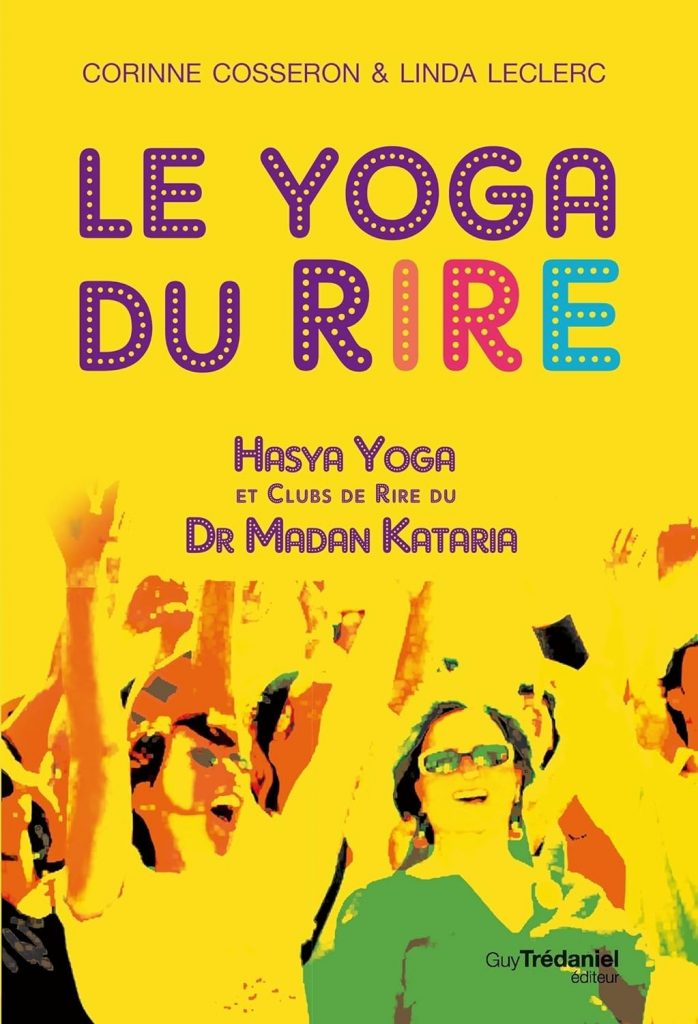
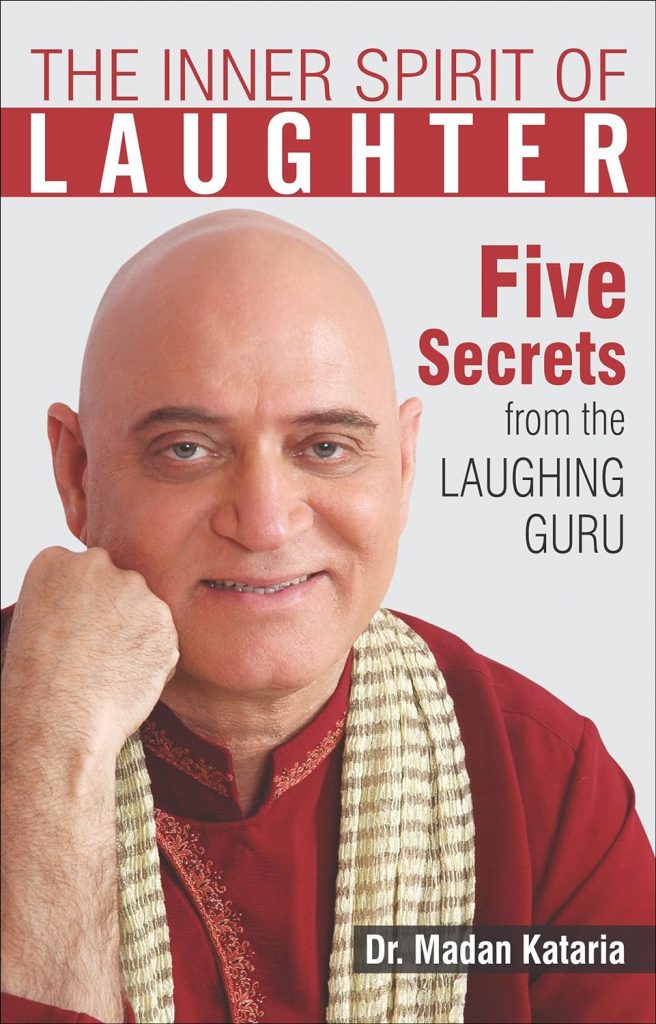
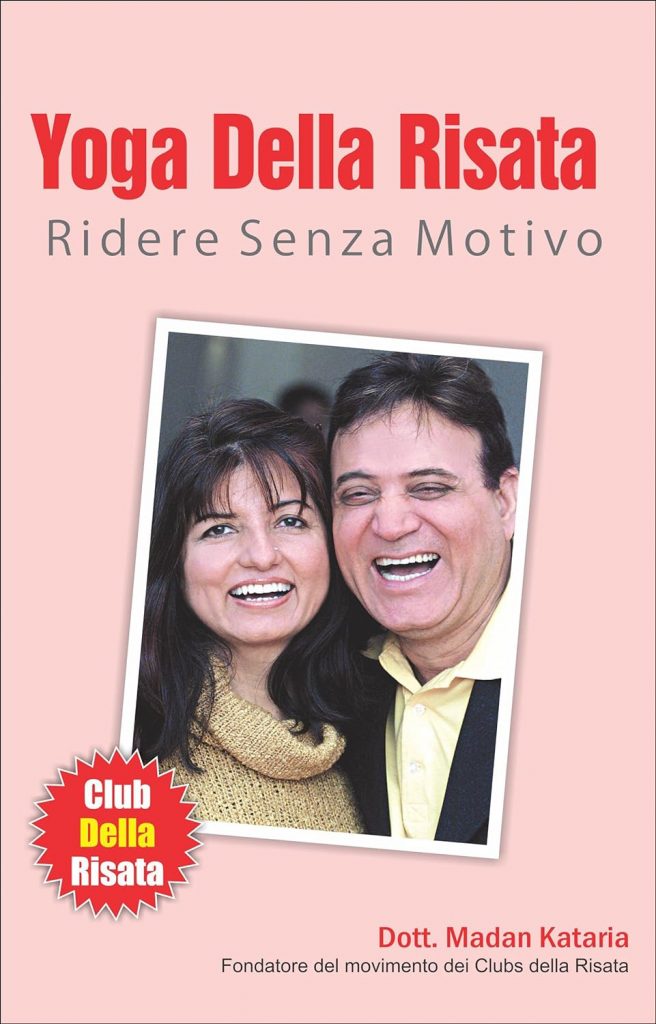
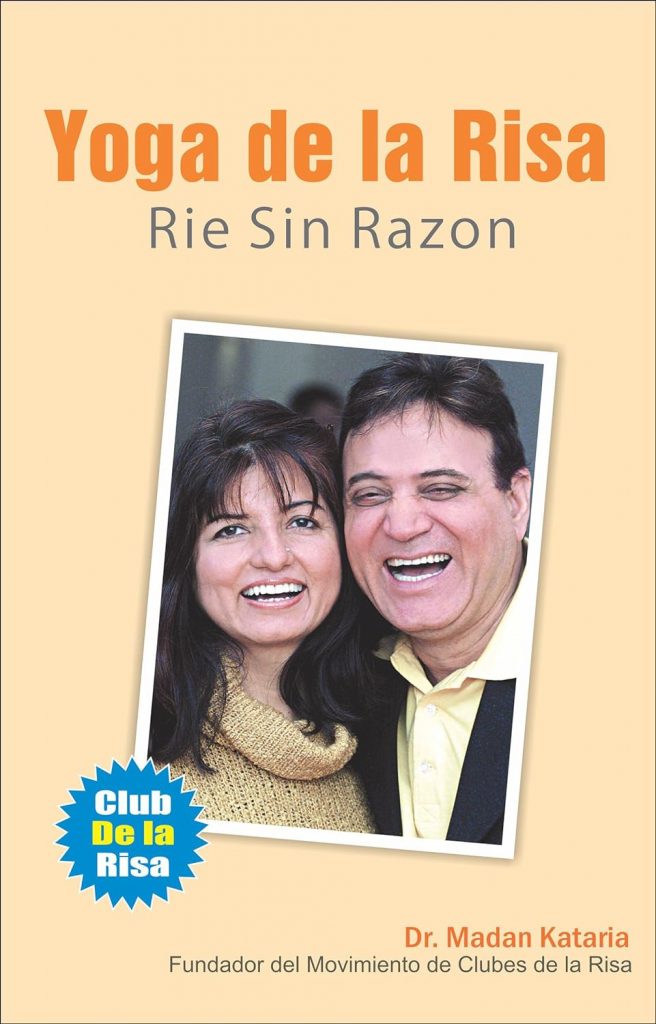
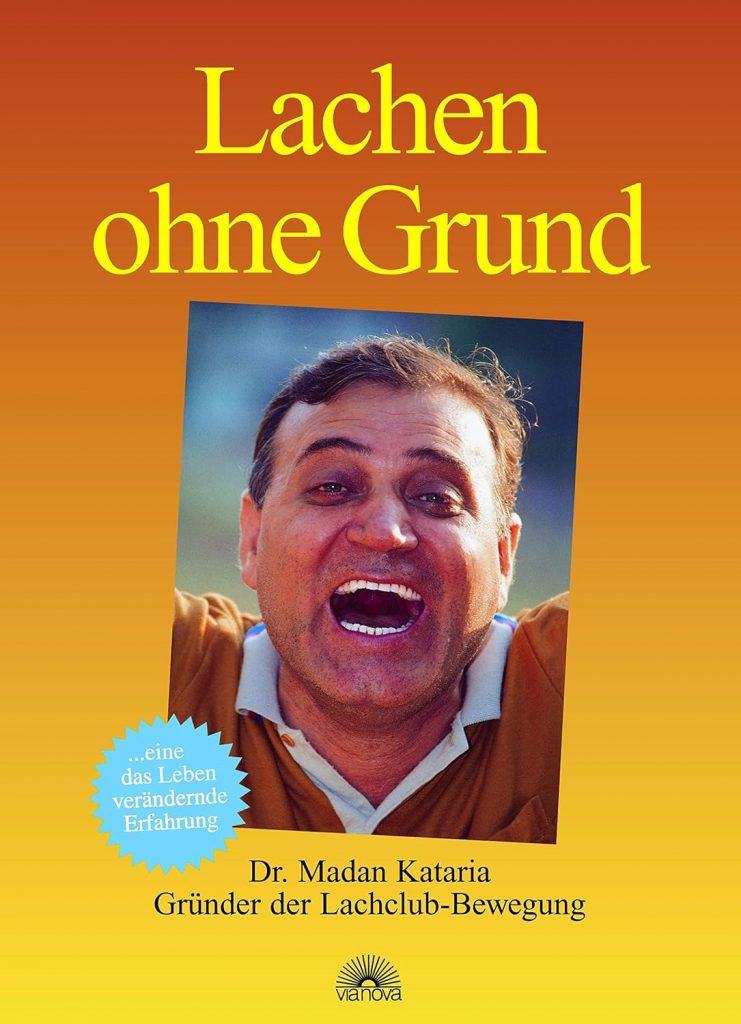
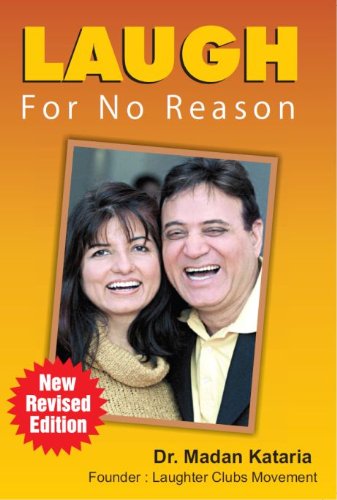
Dr. Madan Kataria is thefounder of the world-wide laughter-yoga movement, e is also called the laughter-guru or the guru of giggeling. He is MD from Mumbai (Bombay) in India and has initiated this movement in 1995 when he went to a public park to laugh. Now the movement has >6000 laughter-clubs in 65 countries.
Madan Katarias laughter is unique!
Madan Kataria travels the whole world to give lectures, seminars, congresses and instpire people to laughter-yoga. He speaks for companies, parliaments and performss in TV and readio stations.
Laughter-yoga is unconditional laughter without a cause. There are exercises to provoke laughter until it becomes a stream of energy.
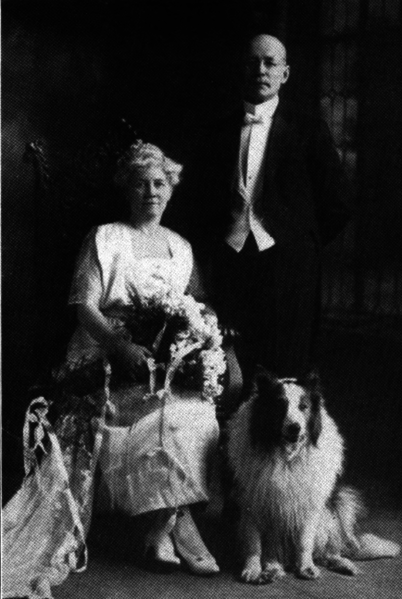
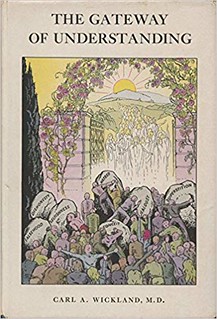
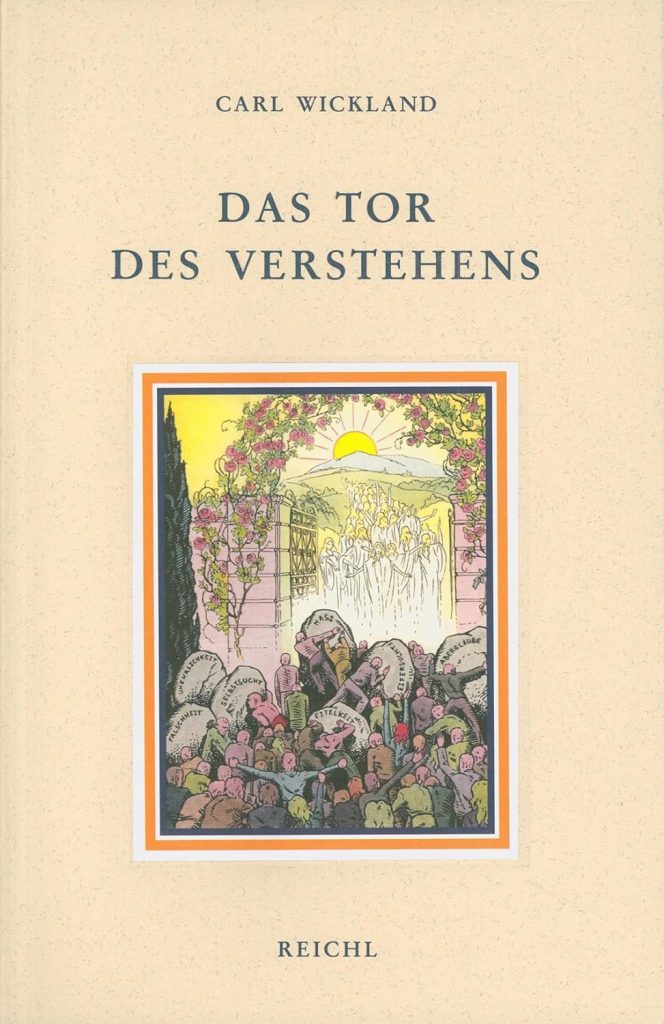
Carl August Wickland (born Carl August Wicklund, 14 February 1861 – 13 November 1945)[1] was a 20th-century Swedish-American psychiatrist and psychical researcher.
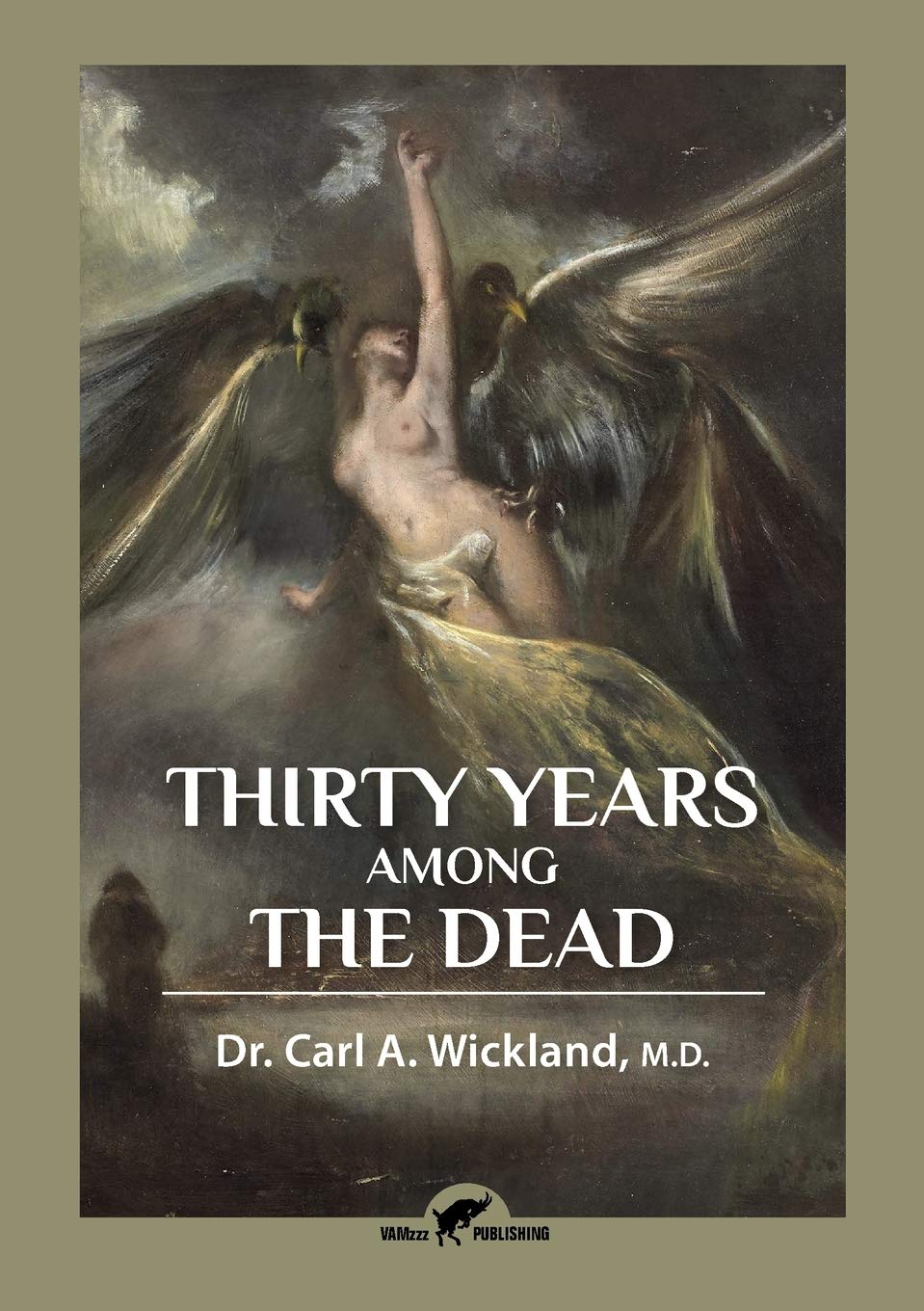
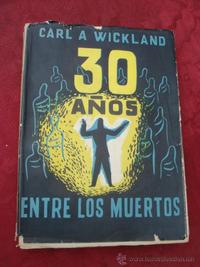
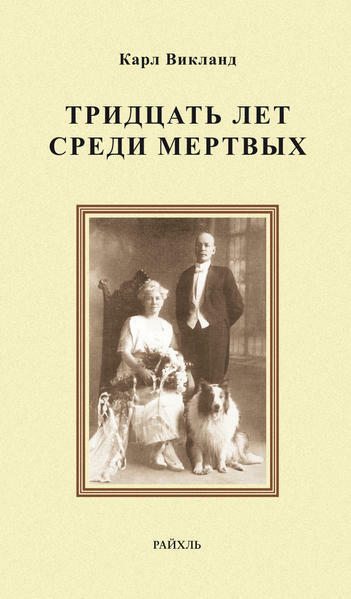
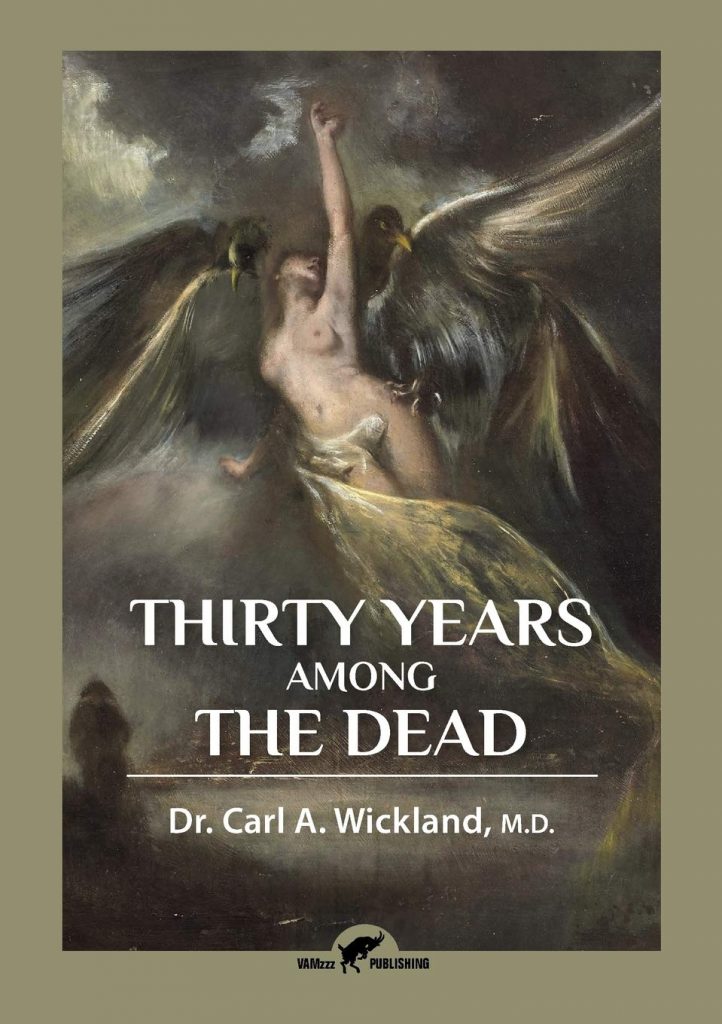
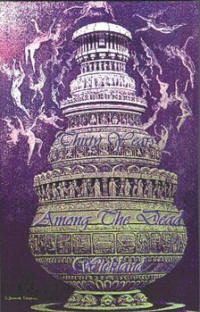
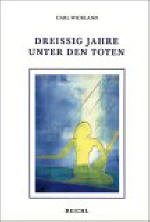
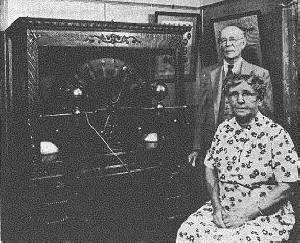
Wickland turned away from conventional medical psychology and toward the belief that psychiatric illnesses were the result of influence by spirits of the dead. Wickland came to believe that a large number of his patients had become possessed by what he called “obsessing spirits”, and that low-voltage electric shocks could dislodge them, while his wife Anna acted as a medium to guide them to “progress in the spirit world”. Spiritualists considered him an authority on “destructive spirits” and he wrote a book in 1924, Thirty Years Among the Dead, detailing his experiences as a psychical researcher.[3]
In his book “30 years among the dead” (DOWNLOAD below!) he protocols the dialogues with the deceased souls who entered in a medium (Wickland´s wife!). His work should be standard literature for medical students! Especially the electro convulsive therapy would be useless treating te patients as Wickland did.
Wickland was convinced that he was in contact with a group of spirits known as the “Mercy Band” who would remove the possessors, and help them in the spirit world. Psychologist Robert A. Baker listed Wickland and Arthur Guirdham as early psychiatrists who preferred to “ignore the science and embrace the supernatural”.[4]
Wickland founded the National Psychological Institute in Los Angeles, California to study psychic phenomena.[3] A letter published in a 1918 issue of the journal Science criticized the institute’s promotion of psychic research “under the name of psychology” as an example of “pseudo-psychology”, adding that “the use of such a name involves bad taste and delusion.”[5]
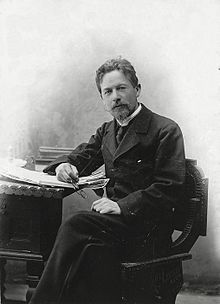
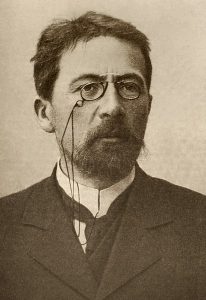
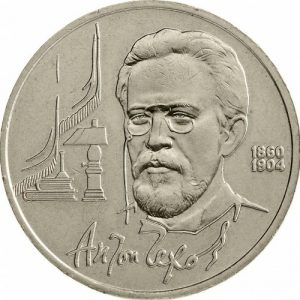
Anton Pavlovich Chekhov (Russian: Антон Павлович Чехов[note 1], IPA: [ɐnˈton ˈpavləvʲɪtɕ ˈtɕexəf]; 29 January 1860[note 2] – 15 July 1904[note 3]) was a Russian playwright and short-story writer who is considered to be one of the greatest writers of all time. His career as a playwright produced four classics, and his best short stories are held in high esteem by writers and critics.[4][5] Along with Henrik Ibsen and August Strindberg, Chekhov is often referred to as one of the three seminal figures in the birth of early modernism in the theatre.[6] Chekhov was a physician by profession. “Medicine is my lawful wife”, he once said, “and literature is my mistress.”
Anton Pavlovich Chekhov (Russian: Антон Павлович Чехов[note 1], IPA: [ɐnˈton ˈpavləvʲɪtɕ ˈtɕexəf]; 29 January 1860[note 2] – 15 July 1904[note 3]) was a Russian playwright and short-story writer who is considered to be one of the greatest writers of all time. His career as a playwright produced four classics, and his best short stories are held in high esteem by writers and critics.[4][5] Along with Henrik Ibsen and August Strindberg, Chekhov is often referred to as one of the three seminal figures in the birth of early modernism in the theatre.[6] Chekhov was a physician by profession. “Medicine is my lawful wife”, he once said, “and literature is my mistress.”[7]
Anton (links) und Nikolai Tschechow, 1882
Anton Pavlovich Chekhov (Russian: Антон Павлович Чехов[note 1], IPA: [ɐnˈton ˈpavləvʲɪtɕ ˈtɕexəf]; 29 January 1860[note 2] – 15 July 1904[note 3]) was a Russian playwright and short-story writer who is considered to be one of the greatest writers of all time. His career as a playwright produced four classics, and his best short stories are held in high esteem by writers and critics.[4][5] Along with Henrik Ibsen and August Strindberg, Chekhov is often referred to as one of the three seminal figures in the birth of early modernism in the theatre.[6] Chekhov was a physician by profession. “Medicine is my lawful wife”, he once said, “and literature is my mistress.”[7]
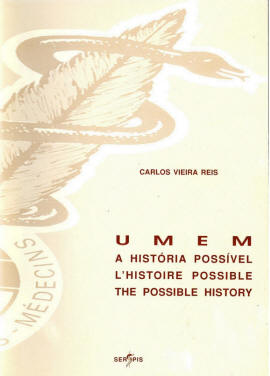
UNIÃO MUNDIAL DOS ESCRITORES MÉDICOS UNION MONDIALE DES ECRIVAINS MÉDECINS WELTUNION DER SCHRIFTSTELLERARZTE UNIONE MONDIALE DEGLI SCRITTORI MEDICI
The World Union of Writing Physicians (Union Mondiale des Écrivains Médecins) – „UMEM“ has been founded in 1968 in Lucerne/Switzerland. It is based in Switzerland.
As a world-wide union it is based on unpolitical friendship and collegiality between writing physicians, suprer-national, tolerant, exchanging experiences and culture in the spirit of humainty over races, confessions and political positions.
Yearly congresses should be held.
-2018 Dr. Harald Rauchfuss (Neustadt/Aisch | BRD) was president 2023 it is Dr. Simone Bandirali from Crema near Milano segreteriabandirali@hotmail.com
1956 – 1.ª Assembleia Geral – Bern (Suisse) – 24 de Novembro
1957 – 2.ª Assembleia Geral – Évian (France) – 18 de Junho
1958 – 3.ª Assembleia Geral – Bern (Suisse) – 9 de Novembro
1959 – 4.ª Assembleia Geral – Bienne (Suisse) – 20 de Setembro
1960 – 5.ª Assembleia Geral – Yverdon (France) – 8 de Outubro
1961 – 6.ª Assembleia Geral – Vevey (Suisse) – 1 de Outubro
1962 – 7.ª Assembleia Geral – Lausanne (Suisse) – 27 de Outubro
1963 – 8.ª Assembleia Geral – Bern (Suisse) – 24 de Novembro
1964 – 9.ª Assembleia Geral – Basel (Suisse) – 22 de Novembro
1965 – 10.ª Assembleia Geral – Lugano (Suisse) – 25 e 26 de Setembro – Foi feita nova redacção dos Estatutos
1966 – 11.ª Assembleia Geral – Lausanne (Suisse) – 22 e 23 d Outubro
1967 Chatel-Guyon, França
1968 – 12.ª Assembleia Geral – Bern (Suisse) – 4 de Fevereiro
1969 Nice, Françe
1970 – 13.ª Assembleia Geral – Lausanne (Suisse) – 4 de Fevereiro
1971 Atenas, Grécia
1972 – 14.ª Assembleia Geral – Lausanne (Suisse) – 22 de Janeiro
1973 18. Kongres UMEM, Warszawa (Polska), 3-6.10.1973, organizatorzy: Jerzy Lutowski. Jerzy Lutowski zostaje wiceprezesem UMEM, dr Adam Baron otrzymuje tytuł – honorowy prezes współzałożyciel UMEM. 112 lekarzy z 17 krajów – temat przewodni „Lekarz i pokój”
1974 19 Kongres UMEM Lugano (Szwajcaria) – październik 1974, Jerzy Lutowski i Jerzy Woy-Wojciechowski
1975 Amsterdam, Holanda
1976 Ile de Corfou, Grécia
1977 San Remo, Itália
1978 Cracóvia, Polónia
1979 22 Kongres UMEM San Remo (Włochy) – 22-25.09.1979, Barbara Szeffer- Marcinkowska, Jerzy Lutowski, Zbigniew Łapiński
1980 Igls, Áustria
1981 Niederbronn-les-bains, França
1982 Balatonfured, Hungria
1983 Ascona, Suiça
1984 Gerakini, Grécia
1985 Riccione, Itália
1986 Evian, França
1987 Barcelona, Espanha
1988 Vietri, Itália
1989 Spa, Bélgica
1990 Siofolk, Hungria
1991 Varna, Bulgária
1992 Curia, Portugal
1993 Fulda, Alemanha
1994 Tours, Bulgária
1995 Velingrad, Bulgária
1996 Rocamadour, França
1997 Lyon, França
1998 Bad Harzburg, Alemanha
1999 Bienne, Suiça
2000 44. Kongres UMEM, Łódź (Polska) – 11-15.10.2000 organizatorzy: Barbara Szeffer-Marcinkowska, Marek Pawlikowski, Zbigniew Kostrzewa temat przewodni „Słowa, słowa, słowa”
2001, à Athènes (Grèce), sur le thème « Mythologie & Médecin »
2002, à Bad-Säckingen (Allemagne), sur le thème de « L’Europe, rêve ou réalité », « Rencontre : hasard ou destin »
2003, à Bucarest (Roumanie), sur le thème de « Cultures et créativité, notre attitude »
2004, à Viana de Castelo (Portugal), sur le thème de « Vocation artistique du médecin »
2005, à Isernia (Italie), sur le thème de « Les paysages vus par les Écrivains-Médecins dans la poésie, la prose et la peinture »
2006, à Sierre (Suisse), sur le thème de « La Liberté » ou « thème libre »
2007, à Budapest (Hongrie), sur le thème de « La communication humaine »
2008, à Dresde (Allemagne), sur le thème des « Miracles »
2009, à Sofia (Bulgarie), sur le thème « Toutes les couleurs du monde »
2010, à Plock (Pologne), sur le thème « Éthique et morale »
2011, à Nice (France), sur le thème « Médecine, rites et religions »
2012, à Lisbonne (Portugal), sur le thème « La beauté de la parole en médecine »
2013, à Locarno (Suisse), sur le thème « Les rêves éveillés et les rêves qui meurent »
2014, à Nuremberg (Allemagne), sur le thème « L’humanité à l’ère de la technologie »
2015, à Bénodet (France), sur le thème « Le génie et la folie » ou « Immigration »
2016, à Lecco-Garlate (Italie), sur le thème « L’art, la littérature et la santé »
2017, à Plovdiv (Bulgarie), sur le thème « Médecine et paix »
2018, à Rheinfeld (Allemagne), sur le thème « La littérature : potion magique du médecin ? » ;
2019, à Vila Real (Portugal), sur le thème « Littérature, médecine et migrations » ;
du fait de la pandémie due au Covid-19, le congrès 2020 a été reporté en 2022 ;
2022, à Versailles (France), sur le thème « Littérature et médecine : source de bien-être ? »
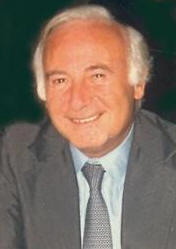
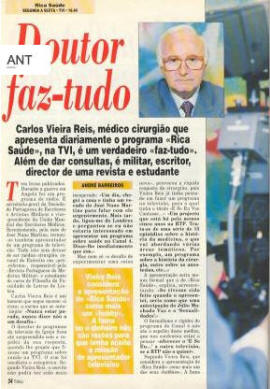
Carlos Manuel Vieira Reis (*19. Januar 1935 in Chaves, Portugal) has been married to Maria de Lurdes Frimer, a teacher.
He studied medicine in Coimbra and Lisboa and specialized in Surgery. In addition he studied also Tropical Diseases, Sportive Medicine, Psicology and Philosophy.
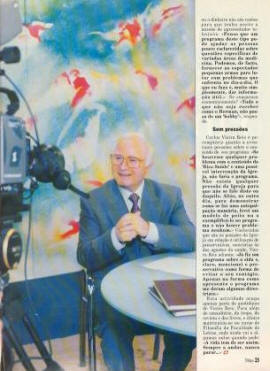
Carlos Vieira Reis is a multi-interested personality, with several intellectual activities, like historical research, literature, art collector, radio and television activities.
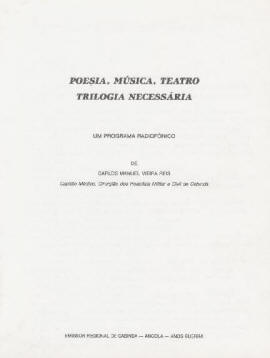
He had a weekly radio program, named «Poesia, Música e Teatro – Trilogia necessária»
He had a diary program on Television Independent (TVI) named «Rica Saúde» during 1993
And recently he had a weekly program on Television by cable (TV Saúde), named «E, se eu vos contasse?» – 35 distincts programs.
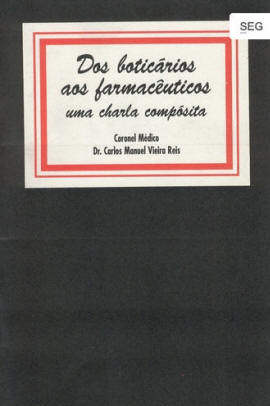
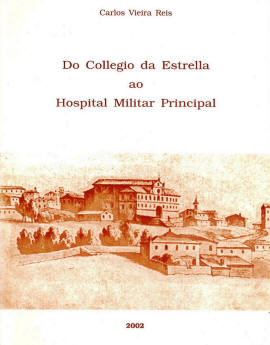
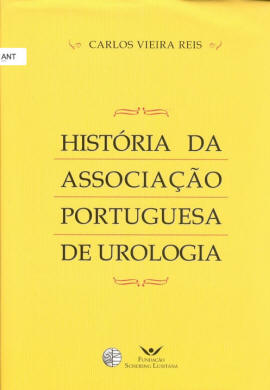
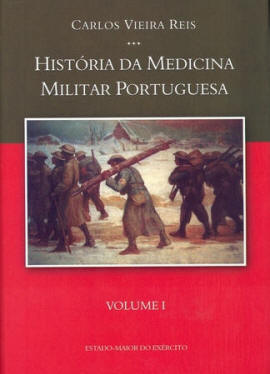
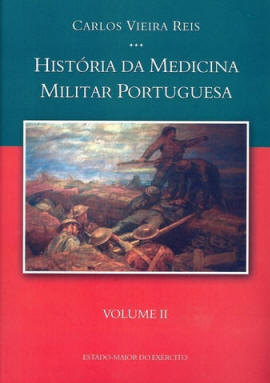
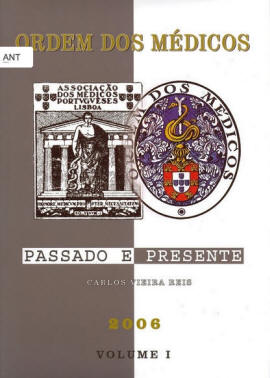
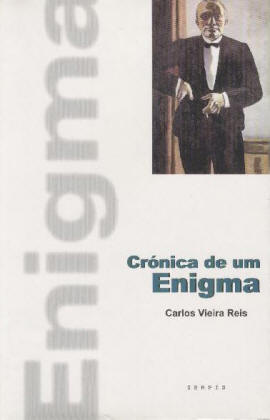
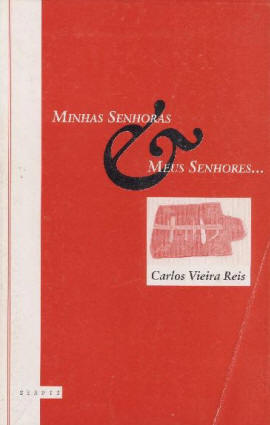
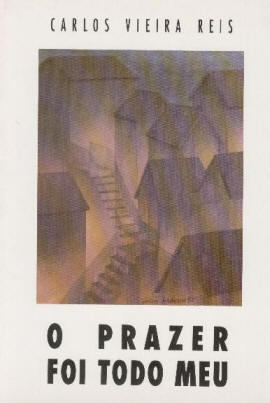
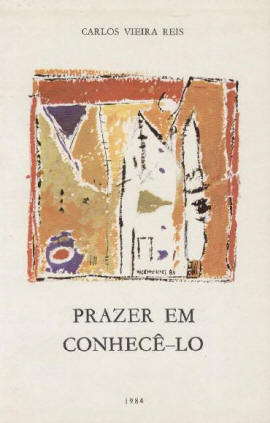
Carlos Vieira Reis is also a writer and had published several books , novels, poetry, history of medicine, essay and romance. «Prazer em conhecê-lo» – novel «O prazer foi todo meu» – novel «50 poemas de amor, angústia e morte» – poetry «História da Medicina Militar Portuguesa» – 2 volumes – 1350 pages – 2004 – history «Minhas senhoras e meus senhores» – 480 pages – 1998 – history «História da Associação Portuguesa de Urologia» – 586 pages – 2003 – history «A influência da medicina militar nos séculos XVIII e XIX» – 430 pages – Award Abel Salazar 1997 – essay «Um rio de vinho, um rio de sangue» – translated for spanish, french, english, italian, german and japonese language – Award Cesare Pavese – Italy 1989 – essay «Crónica de um enigma» – Award Fialho de Almeida – 1997 – romance «Ponto sem nó» – 2000 – romance «História da Ordem dos Médicos – passado e presente» – 845 pages – 2004 – history
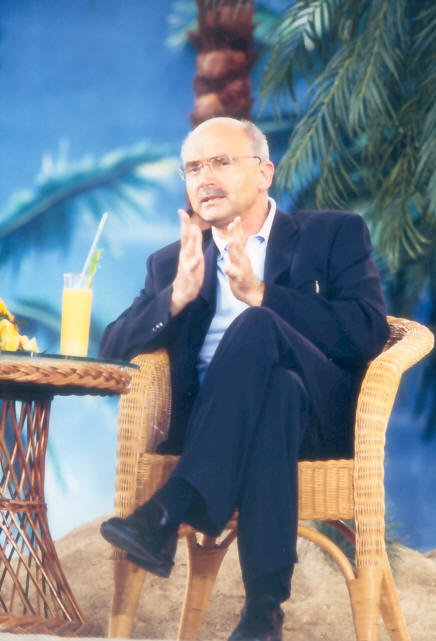
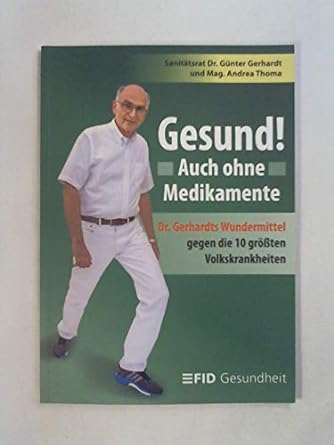
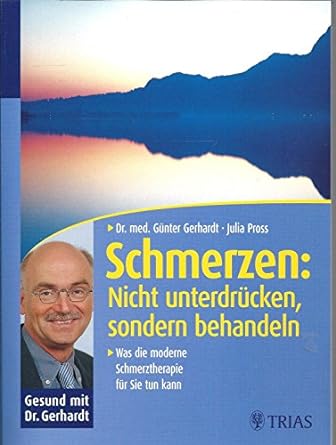
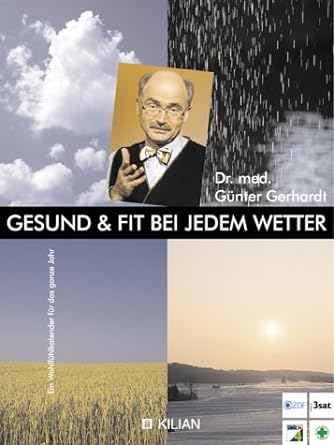
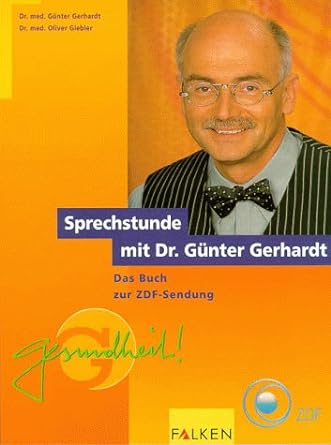
Günter Gerhardt (*1947) is a German TV-Doc and also was director of the German KV – Kassenärztlichen Bundesvereinigung. He runs a video portal for seniors in RLP – Rheinland-Pfalz.
During his TV career he performed in many stations as ZDF, 3sat, WDR and RTL and SWR4. Titles of his shows were „Gesundheitstipp“, in ZDF „PRAXIS täglich“ and in 3sat „Teletipps vom Hausarzt“.
He also has humour and sings with the Mainz carneval band…..
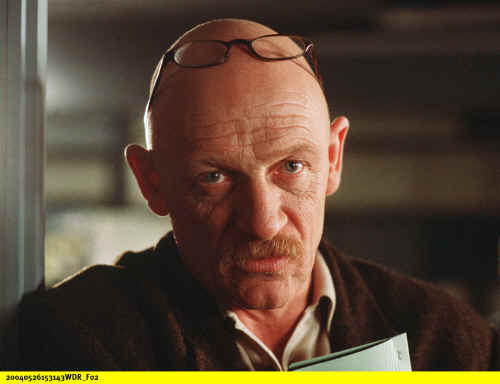
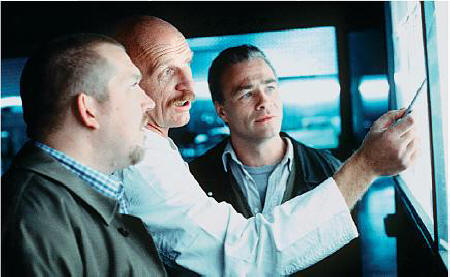
Tatort Köln: Freddy Schenk (Dietmar Bär), Joseph Roth (Josef Bausch-Hölterhoff) und Max Ballauf (Klaus J. Behrendt, von links) sind ein eingespieltes Team. Foto:WDR
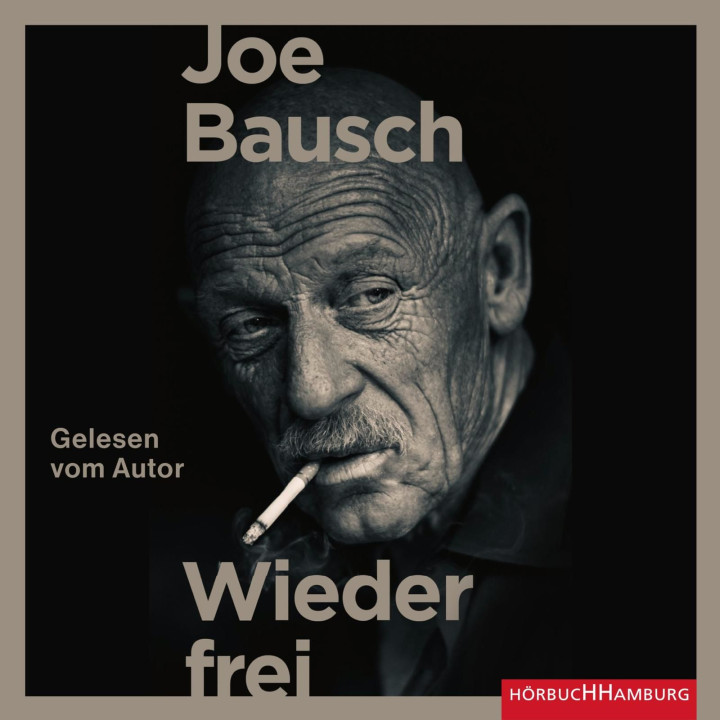
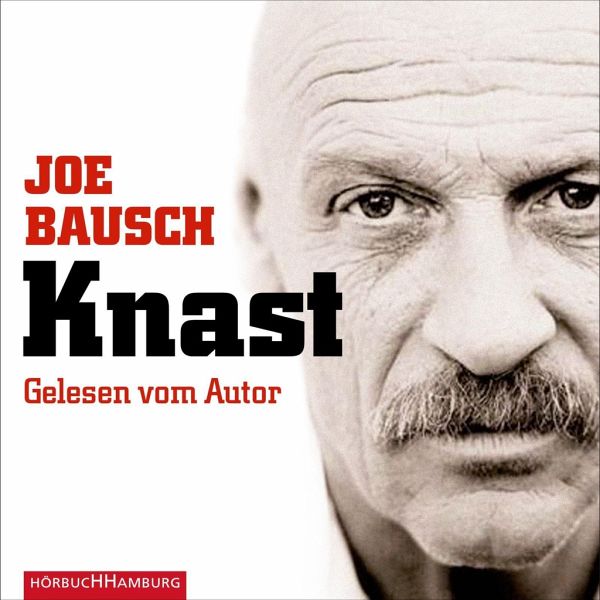
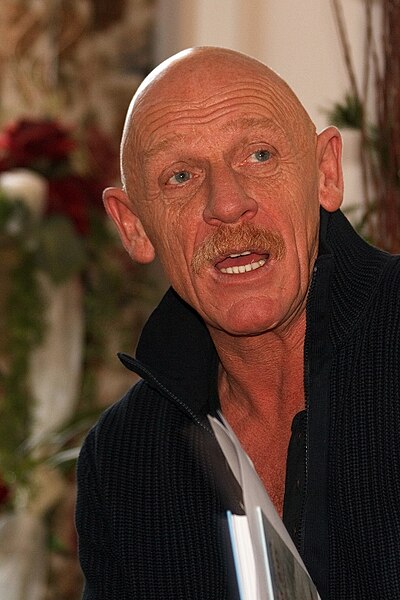
Joe Bausch (Hermann-Joseph Bernhard Anton Maria Bausch-Hölterhoff; * 19. April1953 in Ellar) is a German MD, author, actor and speaker of audio books.
Bausch-Hölterhoff was born in the Westerwald as son of a farmer, later studied theatre sciences, politicc, germanistics and law, in 1985 he got his medical degree.
During his studies he founded a theatre group “TPI – theatre pathologic institute” and wrote the librettos of Mister Buffo nach Dario Fo, Mein Traum …, Hotel der verlorenen Träume, Und sie legten den Blumen Handschellen an nach Fernando Arrabal.
He also acted in the Prinzregententheater Bochum.
Joes first appearance in the German criminal series “Tatort” in “Manila” underlined the problems of Philippinian children living in the streets. He and his colleagues founded the association “Tatort – Straßen der Welt” which is engaged for children´s rights world-wide.
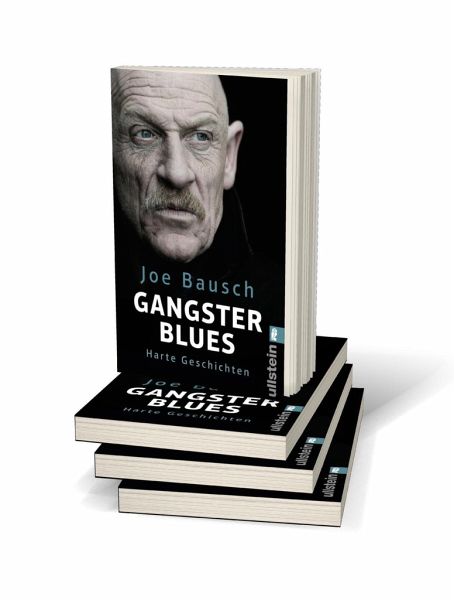
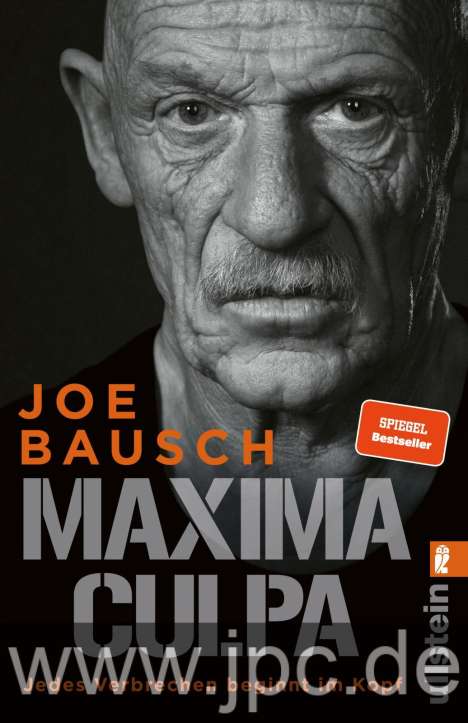
Having worked in the jail hospital of Werl he wrote som books about his experiences (see gallery).