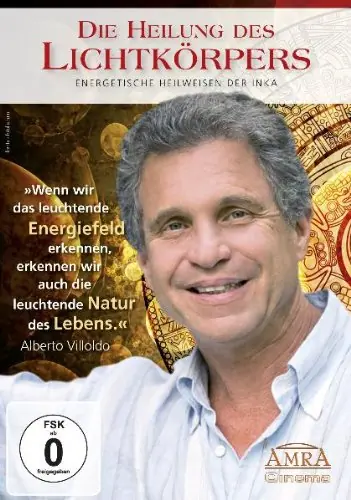
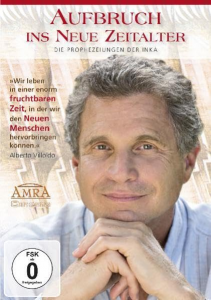
DVD The Healing of the Astral Body | Alberto Villoldo
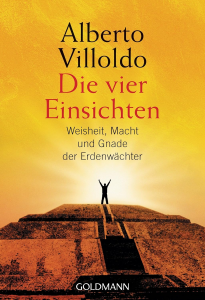
In his mid-20s, Alberto Villoldo was the youngest clinical professor at San Francisco State University. He headed the Laboratory for Biological Self-Regulation and investigated how energy medicine could alter brain chemistry. One day, Alberto realized in his work that his research needed to be bigger, not smaller—that he was looking through the wrong end of the microscope. He needed to find a system larger than the brain’s neural networks. Many others were already learning the hardware—Alberto wanted to learn how to program the mind to create psychosomatic health.
Anthropological histories indicate that there were people all over the world who claimed to know such things, including the few remaining “shamans” in today’s modern world.
Alberto traded his lab for a pair of hiking boots and a ticket to the Amazon, determined to learn from researchers whose gaze wasn’t limited to the lens of a microscope, from people whose knowledge encompassed more than the measurable, material world he’d learned was the ONLY reality. He wanted to meet the people who sense the spaces between things and perceive the luminous strands that animate all life. Throughout the Andes and the Amazon, there were a number of wise men, or “earth guardians,” who remembered the ancient customs. Alberto traveled through countless villages and hamlets, meeting with numerous medicine men and women. The lack of a written body of knowledge meant that each village brought its own flavor and style to the healing practices that still exist today.
For more than 10 years, Alberto trained with the medicine men of the jungle. In healing his own emotional wounds, Alberto followed the path of the wounded healer and learned to transform old pain, grief, anger and shame into sources of strength and compassion.
From the Amazon, Alberto hiked along the coast of Peru, from Nazca, the site of gigantic markings on the desert floor depicting spirit animals and geometric figures, to the fabled Shimbe Lagoons in the north, home to the country’s most famous shamans. Then, at Lake Titicaca—the sea on the roof of the world—Alberto collected the stories and healing practices of the people from whom, according to legend, the Incas originated.
Along the way, Alberto discovered a series of technologies that can transform the body, heal the soul, and change the way we live and die.
These ancient teachings explain that a Luminous Energy Field (LEF) surrounds us and acts as a matrix or blueprint that maintains the health and vitality of the physical body.
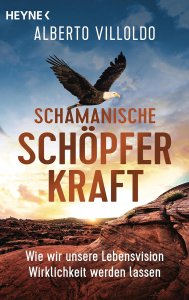
Alberto is the founder of the world-renowned Four Winds Society and the Light Body School. In his teachings and writings, he shares the experience of infinity and its ability to heal and transform us, freeing us from the temporal chains that bind us to sickness, old age, and infirmity.
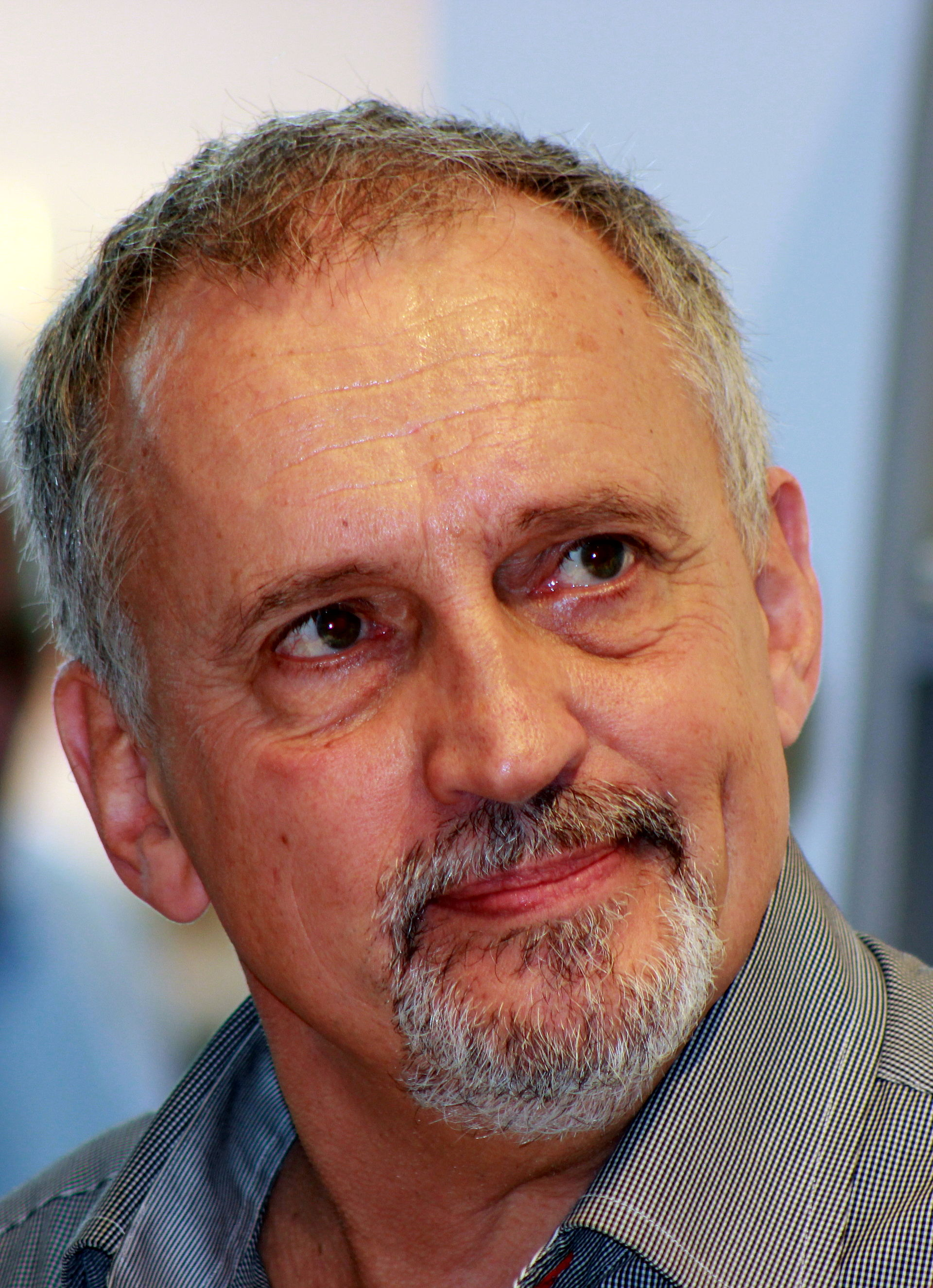
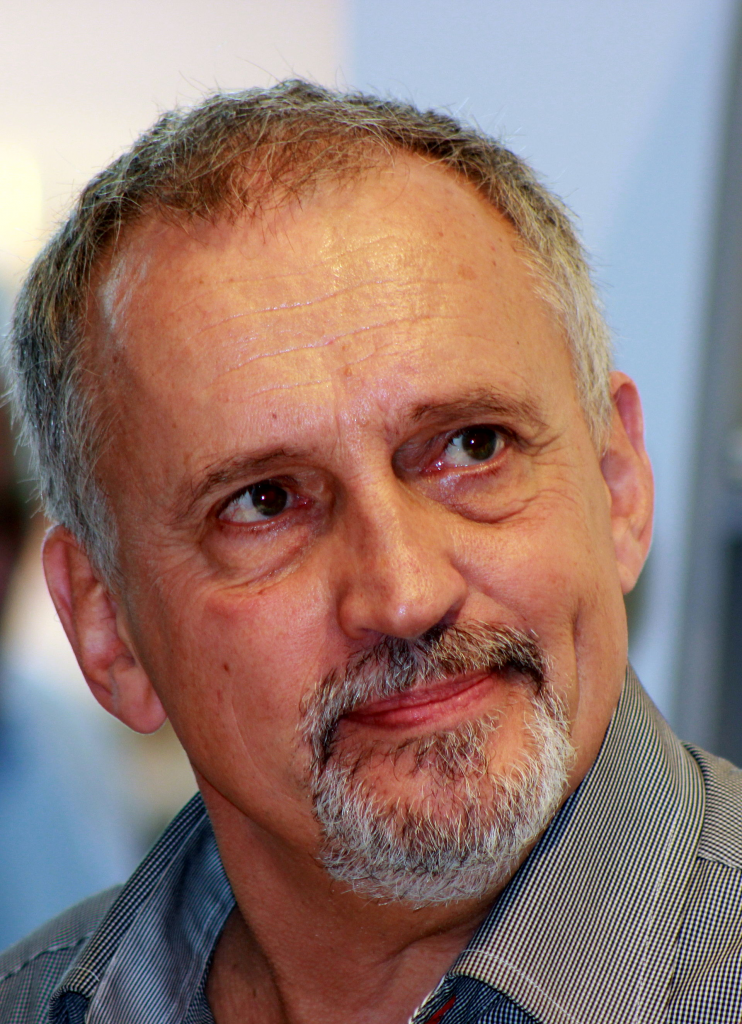
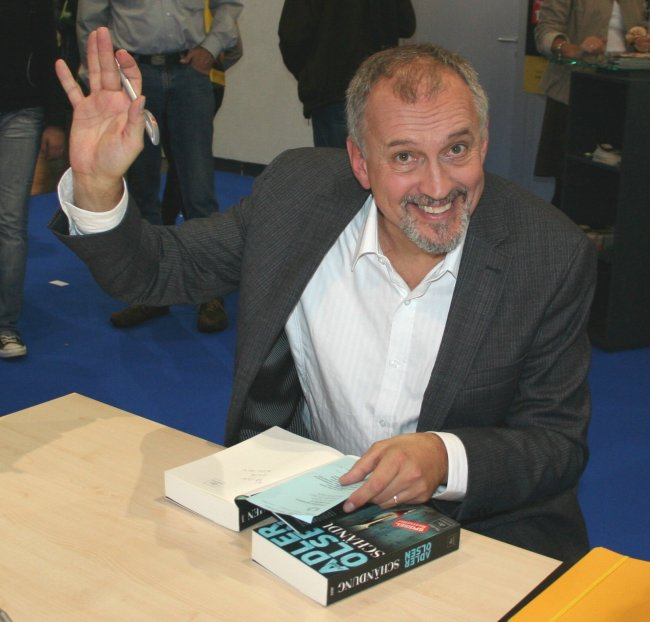
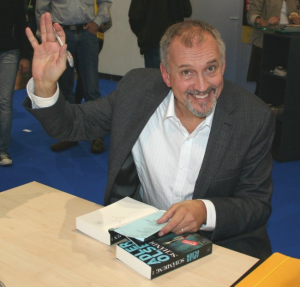
Carl Valdemar Jussi Henry Adler-Olsen (born 2 August 1950) is a Danish crime fiction writer, a publisher, editor, and entrepreneur, best known for his Department Q series. He made his debut as a nonfiction writer in 1984, and as a fiction writer in 1997.
Born in Copenhagen, he was the youngest of four children and the only boy. Son of the successful sexologist and psychiatrist Henry Olsen, he spent his childhood with his family in doctors’ official residences at several mental hospitals across Denmark. In his late teens, he played in a couple of pop groups as lead guitarist. He graduated from high school in Rødovre (1970), and studied medicine, sociology (passed History of Modern Politics), and film making (exam.art.) until 1978.
After a managerial career, he began to write full-time in 1995.
Adler-Olsen’s novels have been sold in more than 40 languages. Outside Denmark he has enjoyed particular success in Norway, Germany, and the Netherlands, being a frequent visitor on the top of the bestseller lists, e.g., on The New York Times Paperback bestseller list. Adler-Olsen’s books have been on the bestseller lists in numerous other countries including Austria, Iceland, France, Spain, Sweden, and Switzerland.
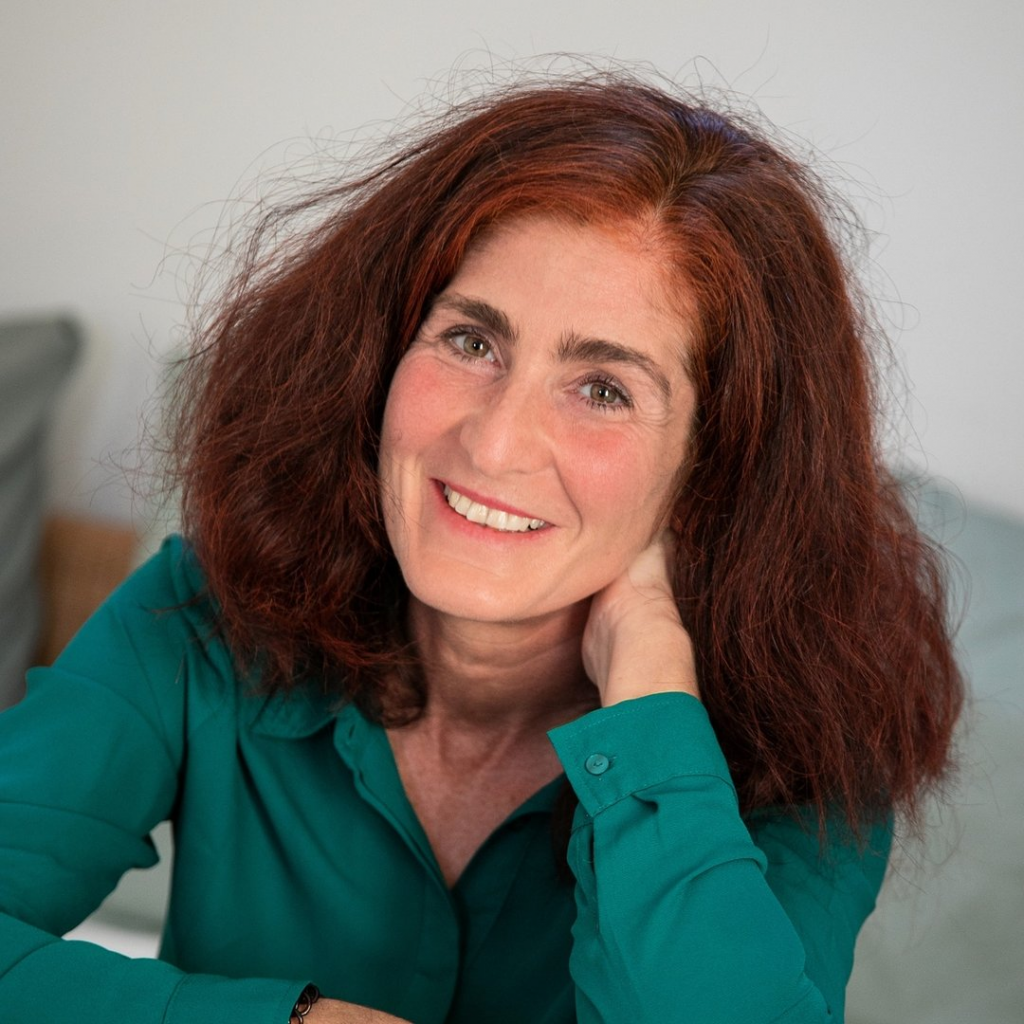
Öznur Acar, born in 1972, was born and raised in Munich. After nine years in Turkey, she returned to Munich as a young adult and studied pharmacy at the Ludwig Maximilian University of Munich. After many years of full-time work experience in a public pharmacy, she decided to train to become a naturopath part-time at the Center for Naturopathy in Munich. After passing the exam, she completed further training in Traditional European Medicine, also at the Center for Naturopathy in Munich. Since 2018, she has lived and worked in the Tölzer Land region and practices as a naturopath in her own practice.
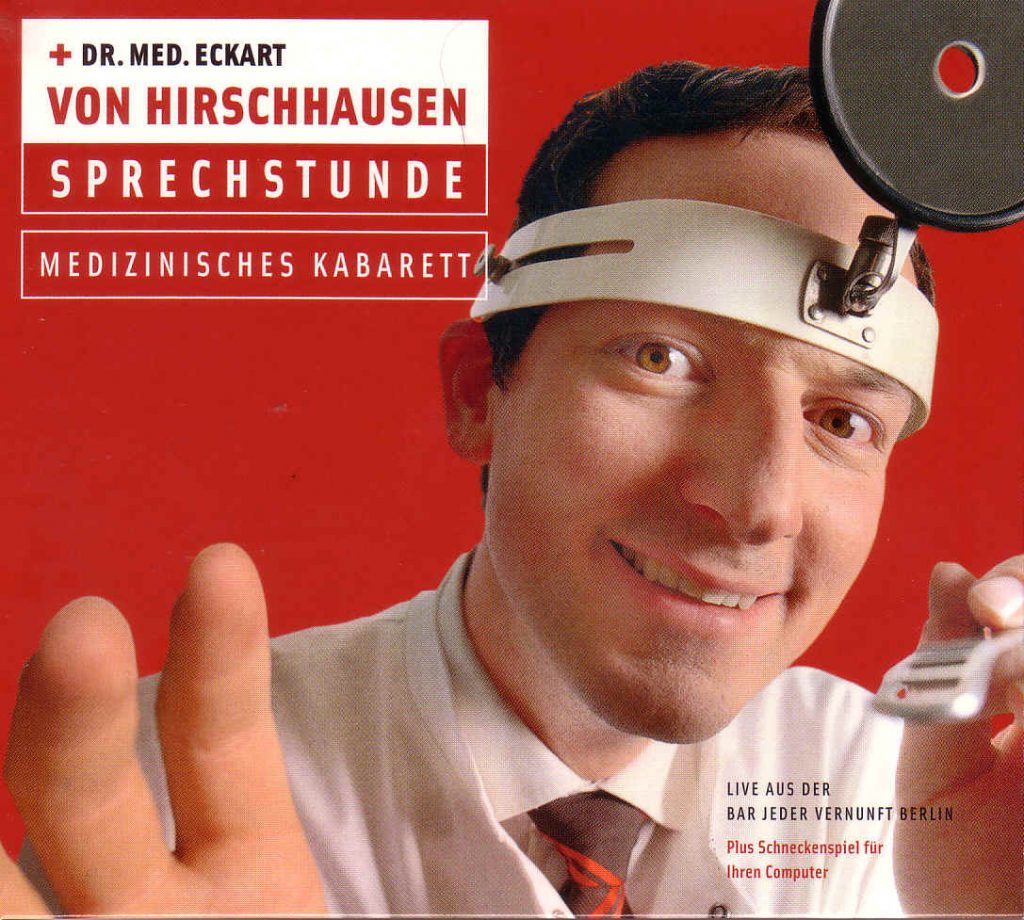
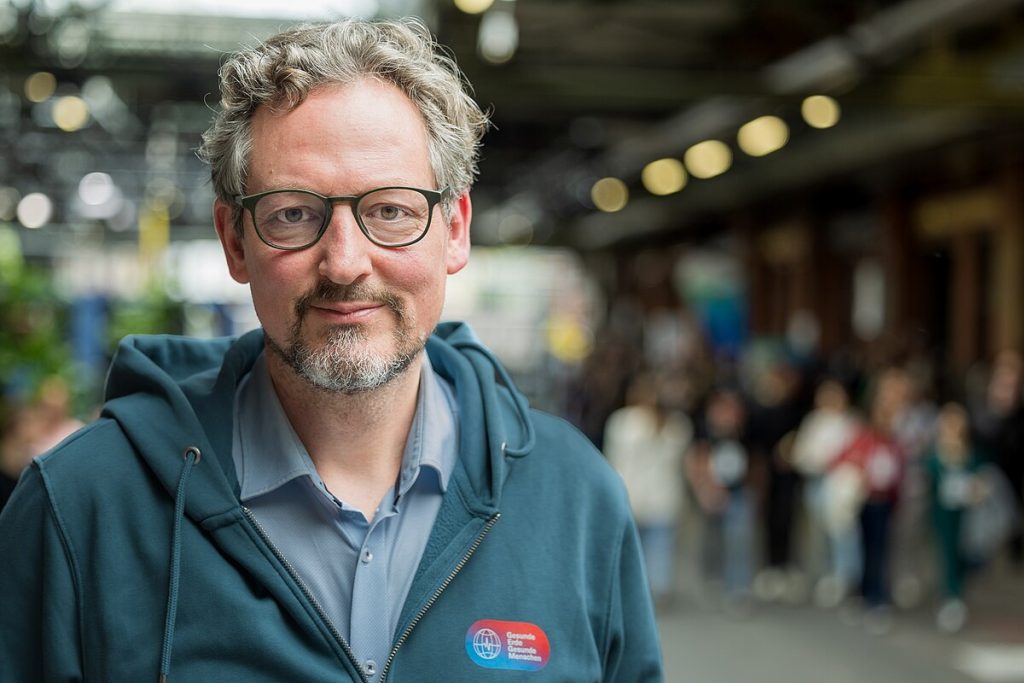
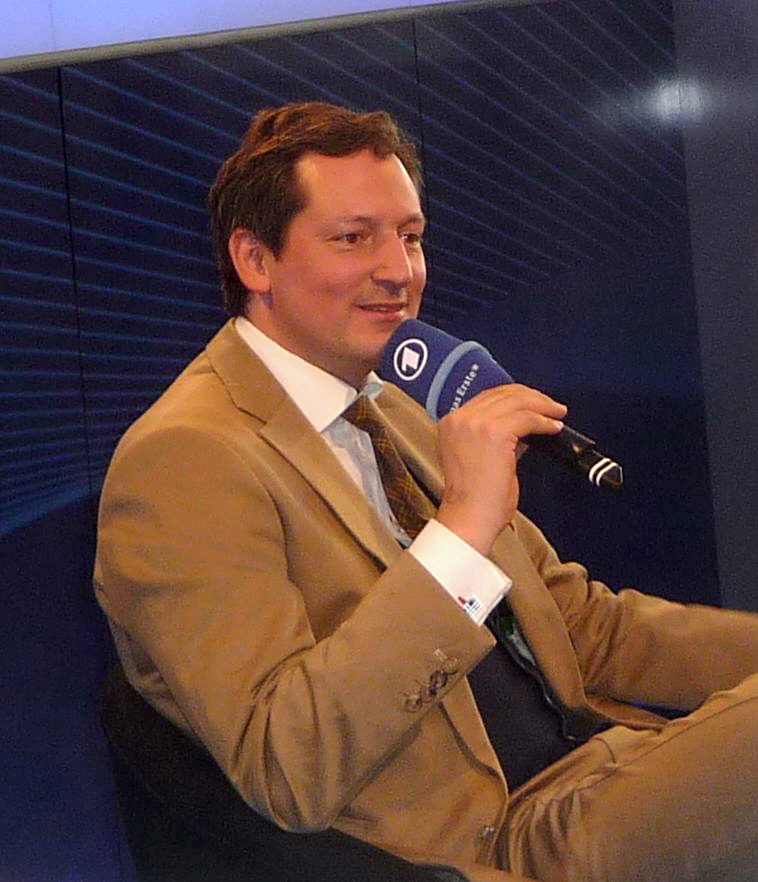
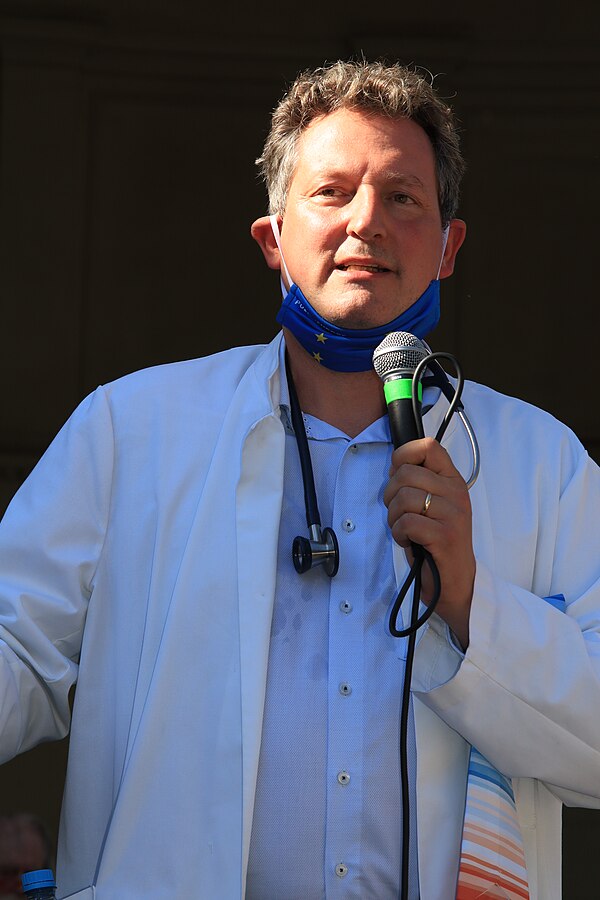
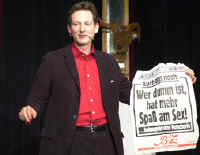
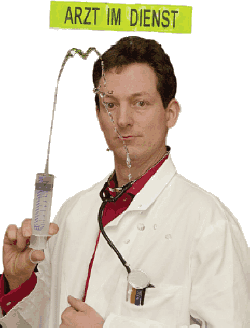
Eckart von Hirschhausen (born 25 August 1967) is a German doctor, talk show host and comedian.
Journalism and television
In 1996, von Hirschhausen started writing, mainly for Focus and Der Tagesspiegel. His first appearance on television is believed to have been as a guest contestant performing magic tricks in Jürgen von der Lippe‘s show Geld oder Liebe (‘Money or Love’).[2] From 1998 to 2003, he hosted the weekly health advisory show Service: Gesundheit (‘Service: Health’) on Hessischer Rundfunk Television. Since 2004 he has been a weekly contributor to Stern: Sprechstunde (“Stern: Consultation Hour”): his column is called Die Etwas Andere Medizinkolumne (“The Somewhat Different Medicine Column”).[3]
Since the mid-1990s, von Hirschhausen has performed as a stand-up comedian, show host and magician in variety. He is also a cabaret artist performing his own, and other, cabaret programmes. He was a guest artist in Berlin, in London and at the Cologne Comedy Festival 1997. Hirschhausen was also a member of the panels of contributors to the Knoff-Hoff-Show on ZDF and 7 Tage, 7 Köpfe (‘7 days, 7 heads’) on RTL. Since 21 January 2004, he has been answering viewers’ questions in his column Dr. von Hirschhausen wills wissen (‘Dr. von Hirschhausen wants to know’) in the scientific television show W wie Wissen (‘K for Knowledge’) on ARD. In Hirschhausens Wissensbisse (‘Hirschhausen’s knowledge-bites’) he also presents strange news and facts from the world of scientific research.[4] Hirschhausen is a regular on the cabaret show Ottis Schlachthof (‘Otti’s Slaughterhouse’) on Bayerisches Fernsehen and Quatsch Comedy Club on Pro Sieben.[5] In 2007, he was a frequent guest on the ARD show ‘Schmidt and Pocher’. He is also a speaker specialising in communication and motivational training. At the end of 2008, he founded a charity foundation ‘Humor hilft heilen – für mehr gesundes Lachen im Krankenhaus’ (‘Humour helps the healing process – for more healthy laughing in hospitals’). Since September 2009, he has co-hosted the successor show of ‘Die Tietjen und Dibaba’ on NDR with Bettina Tietjen.
Von Hirschhausen has developed a cabaret routine similar to that of Ludger Stratmann, also a PhD Medical Doctor and cabaret artist. They both focus on the doctor-patient relationship, while von Hirschhausen specifically points out the inability and unwillingness of professionals in his field to express themselves clearly. He also focuses on the typical routines and rituals which, when separated from the professional environment, appear comical and absurd.
Magician
Since 1995 Hirschhausen is member of Magischer Zirkel von Deutschland. in competitions he won 1st and 2nd prizes and founded a “Think Theatre” with a mixture of comedy and magic.
He ended his stage career in 2023 and is now working to improve the earth´s climate and other constructive things.
2013 moderierte von Hirschhausen drei Folgen von Ist das ein Witz? und die einmalige Comedyshow Hirschhausen hilft!. Gemeinsam mit Bettina Tietjen führte er von September 2009 bis November 2014 einmal im Monat durch die NDR-TalkshowTietjen und Hirschhausen.[26][27] Von 2010 bis 2023 moderierte er in der ARD die Wissensshows Frag doch mal die Maus[28][29] und seit Hirschhausens Quiz des Menschen (bis 2013: Das fantastische Quiz des Menschen).[23] 2017 moderierte er die Sendung Hirschhausens Check-up sowie deren Nachfolgesendung Hirschhausen im…. Seit 2020 moderiert er die Gesundheitsshow Hirschhausens Sprechstunde, zu der seit Herbst 2020 unter anderem der Podcast Hirschhausens Sprechstunde – Der Podcast im WDR 4 gehört. Seit 2021 moderiert Hirschhausen die Sendung Wissen vor acht. 2023 gab er die Wissensshow Frag doch mal die Maus an Esther Sedlaczek ab. Dafür erhielt er eine neue Show beim Ersten Deutschen Fernsehen: Was kann der Mensch? Die Hirschhausen-Show.
Daneben hatte er zahlreiche Gastauftritte in vielen bekannten Talkshows, Quizshows, Kabarett- und Comedy-Formaten bei ARD, ZDF, NDR, WDR etc.
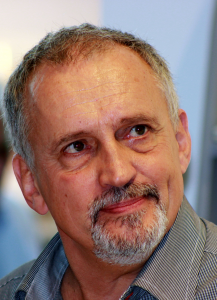
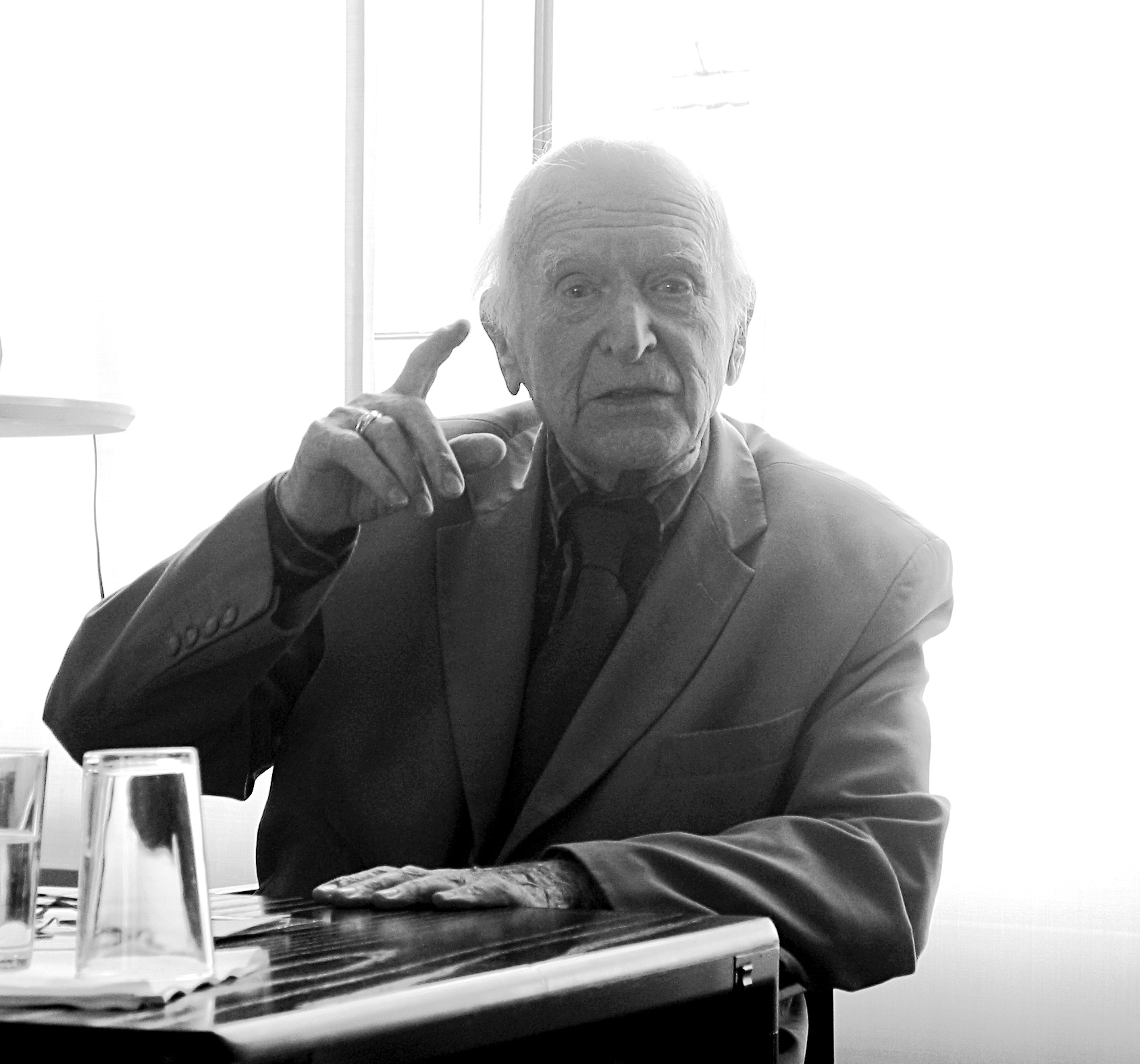
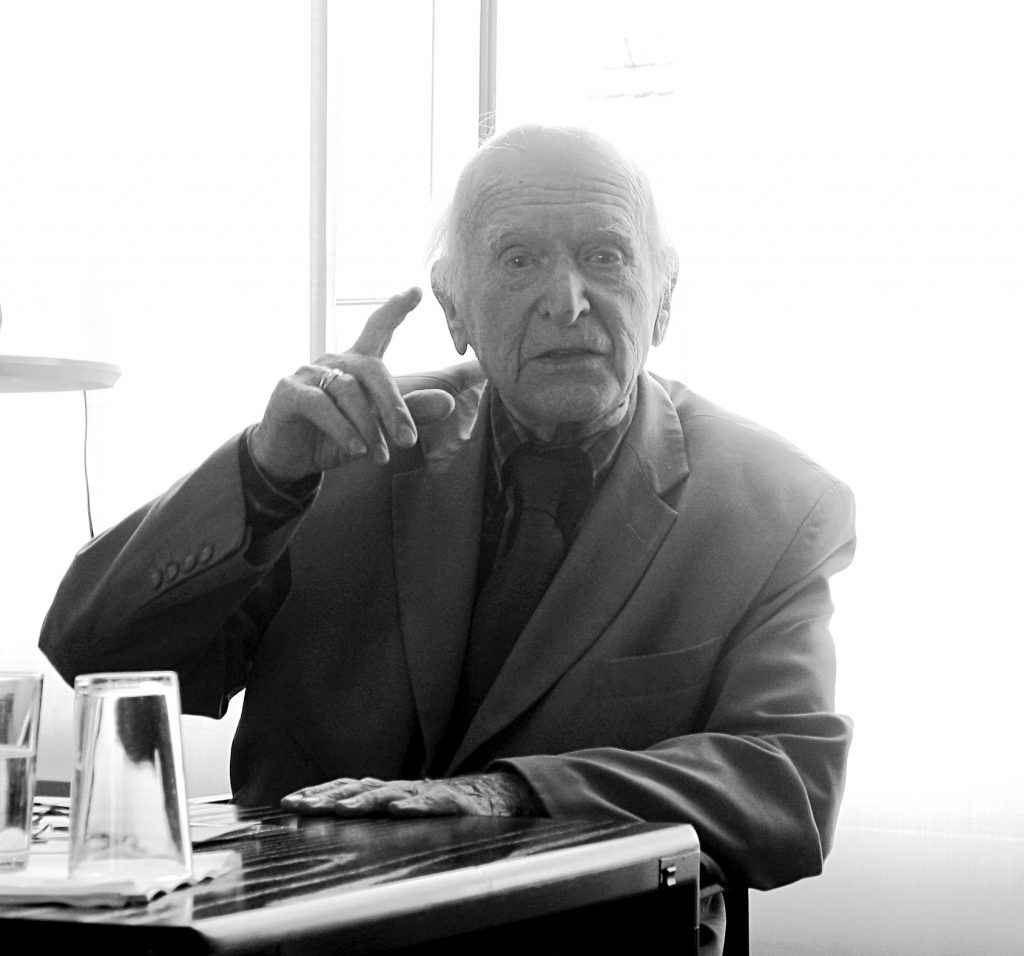
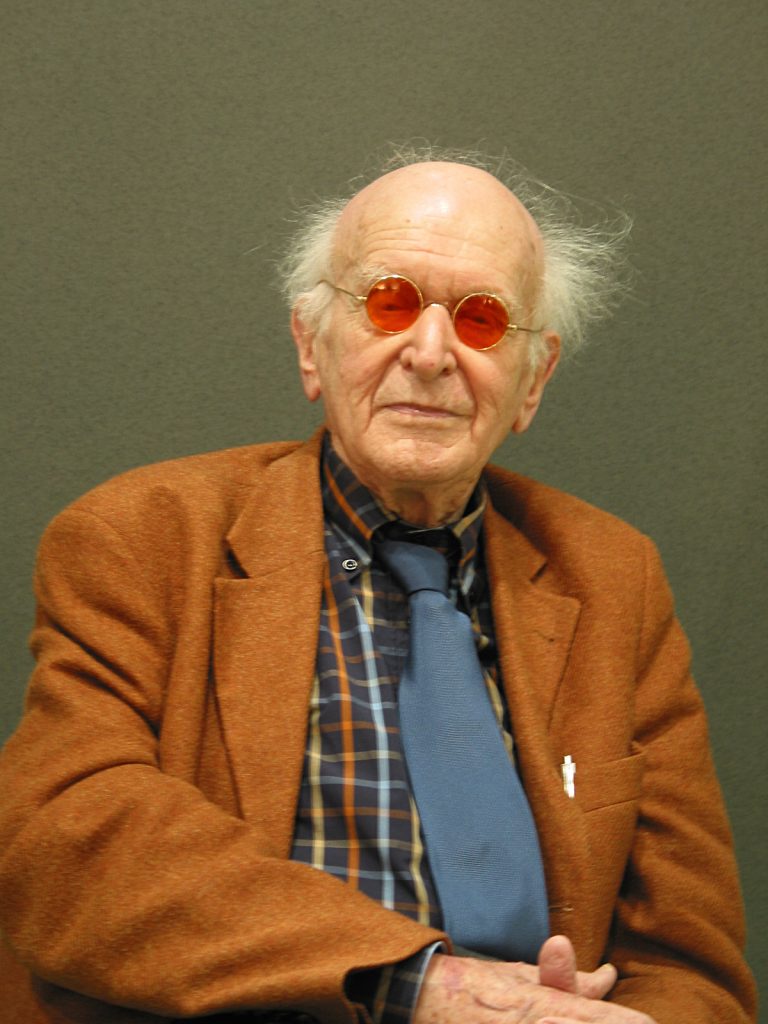
Hans Alex Keilson (Dutch pronunciation: [ɦɑns ˈkɛilsɔn]; 12 December 1909 – 31 May 2011)[1] was a German-Dutch novelist, poet, psychoanalyst and child psychologist. He was best known for his novels set during the Second World War, during which he was an active member of the Dutch resistance.
Keilson, having worked with traumatized orphans, mainly wrote about traumas induced by the war. His first novel was published in 1934, but most of his works were published after the war. In 2010, The New York Times ‘s Francine Prose described Keilson as “one of the world’s greatest writers”, notably honouring Keilson’s achievements in the year in which he turned 101 years old
Hans Keilson Besuch des S. Fischer Verlages (Lesung und Gespräch mit den Mitarbeitern) am 1.6.2005 Foto: Martin Spieles (c) S. Fischer Verlag GmbH
Born in Germany in 1909, he published his first novel Das Leben geht weiter (Life goes on) in 1933, shortly before his emigration to the Netherlands. In 1943 he went underground and worked as a doctor and courier for the resistance group Vrije Groepen Amsterdam. In 1948 he received his Dutch approbation as a doctor and subsequently specialised in psychiatry and psychoanalisis.
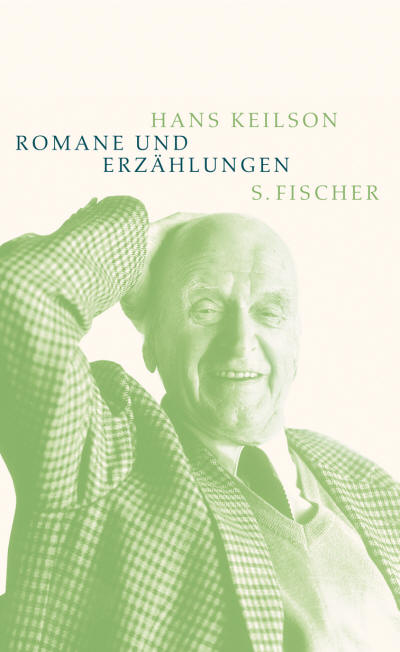
Hans Keilson’s thesis, published in 1979, Sequentielle Traumatisierung bei Kindern(Sequential Traumatisation in Children), has been translated into several languages and was based on the therapeutic work he carried out on behalf of Le Ezrat HaJeled until 1970. His most recent work Sieben Sterne. Reden, Gedichte und eine Geschichte. Mit einem Nachwort von Gerhard Kurz (Seven stars. Speeches, Poems and a Story. With a postsript by Gerhard Kurz) was published in 2003. An edition of his collected works is just published and available with the renowned publishing house S. Fischer. http://www.fischerverlage.de
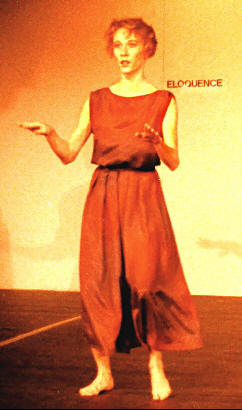
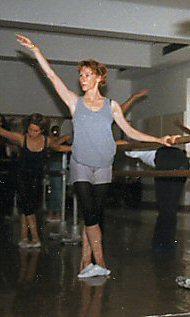
She was engaged as professional dancer @ Munich, Würzburg, Konstanz, Salzburg and Innsbruck. Being fascinated from the movement apparatus she studied medicine and opened a GP office in 2002. She is founder of the dance medicine association Germany.
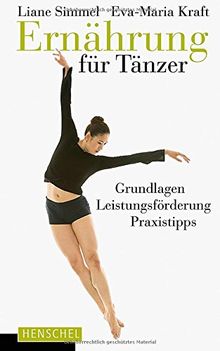
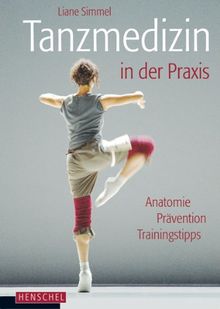
Liane is Comittee Member der International Association for Dance Medicine and Science (IADMS), Medical Advicer of Dance Medicine Organisation Monaco and more. Her books are standards now in dance medicine.
In 2003, after a career in scientific research and upper management, the former marathon runner decided – after 20 years of a sedentary lifestyle – to reconnect with a serious sport.[1]
In 2008, after having successfully competed in several long-distance cycling events,[1] he finished the Race Across America in 10 days, 22 hours and 56 minutes to cover a distance of 3.000 miles between Oceanside, California, and Annapolis, Maryland. Out of 27 solo-participants he finished in seventh position. Nehls devised a new regenerative strategy and rested for a total of over 90 hours, several times more than his competitors.[2][3] He wrote a book about his experience called “Herausforderung Race Across America” (“Challenge Race Across America”) and produced a DVD called ‘Du musst nicht siegen, um zu gewinnen. (English translation: “You need no victory to be a winner”) on his own.
Since 2011, Nehls has published several books on the necessary behavioral changes required for healthy aging from an evolutionary history point of view. First “The Methuselah-Strategy” then with Alzheimer-Lüge (English translation: “The Alzheimer’s Lie”) and Alzheimer ist heilbar (English translation: “Alzheimer’s can be cured”) two books about Alzheimer’s disease, in which he presents his theory about the development of this special form of dementia from evolutionary history of life and systems biology point of view.
Michael Nehls’s book, The Indoctrinated Brain, has sparked considerable controversy for its bold claims about the effects of mRNA COVID-19 vaccines on human cognition and autonomy. Nehls suggests that these vaccines, among other modern pressures, are part of a global assault manipulating the human mind, aiming to facilitate increased governmental control over individuals. His theories align with broader conspiratorial narratives, which have been disseminated through various platforms known for hosting such content.[8]
Nehls’s work was featured in a discussion with Tucker Carlson, where he outlined his views on the manipulation of human memory and cognition through fear, suggesting a deliberate effort to control the populace.[9] Furthermore, Nehls’s theories have been cited by conspiratorial outlets such as Infowars in an article called “Molecular Geneticist Explains How mRNA Vaccines Were Designed to Conquer the Human Mind”, further associating his work with fringe narratives.
Moreover, The Indoctrinated Brain was published by Skyhorse Publishing, a company that has a record of publishing works with conspiratorial angles. Skyhorse Publishing has built a reputation for taking on authors that other houses avoid, including figures who have propagated misinformation, including false theories about coronavirus vaccines.[10] This backdrop places Nehls’s work within a specific context of controversial literature.
While Nehls’s hypotheses have found support among certain circles, including endorsements in his book from figures like Naomi Wolf and Stephanie Seneff, they have not been widely accepted by the mainstream scientific community. Leading health organizations, including the World Health Organization (WHO) and the Centers for Disease Control and Prevention (CDC), continue to support the safety and efficacy of COVID-19 vaccines, countering claims that they are tools for government manipulation.
The discussion around The Indoctrinated Brain exemplifies the tension between fringe theories and established scientific consensus, highlighting the challenges in public health communication and the fight against misinformation in the age of COVID-19.
Michael Verhoeven stems from a theatre and film family, the son of the German film director Paul Verhoeven (1901-1975, not to be confused with the Dutch film director of the same name) and actress Doris Kiesow (1902-1973), brother of actress Lis Verhoeven (1931-2019) who had been married to (and divorced from) actor Mario Adorf – and therefore uncle to actress Stella Maria Adorf.
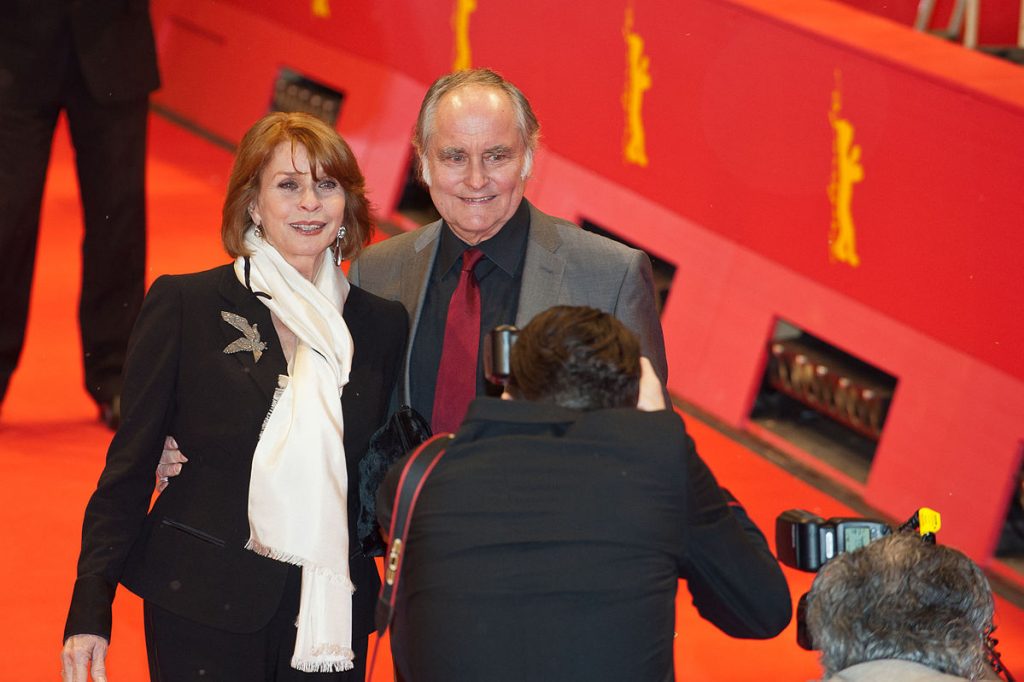
Michael Verhoeven married Austrian actress Senta Berger in 1966 and stayed with her until his death in 2024 – in what is considered one of the longest-running scandal-free marriages in show business. Their sons are screenwriter/director/actor Simon Verhoeven (born 1972) and producer/actor Luca Verhoeven (born 1979). Verhoeven and Berger met at the Berlinale in 1960 and played together in front of the camera in the 1963 film Jack and Jenny, where he was supposed to kiss her in one scene. The two fell in love during filming. The couple had two sons, Simon Vincent (born 1972) and Luca Paul (born 1979). The children followed in their parents’ footsteps: Simon Verhoeven is a director and screenwriter, whereas Luca Verhoeven is a producer. Both sons started out as actors and also work in the family business Sentana Filmproduktion.
Verhoeven died in the presence of his family at his Grünwald home on 22 April 2024 at the age of 85 after a short, serious illness.[2]
As a young adult, however, Verhoeven decided to study medicine against the wishes of his parents, who encouraged him to continue his acting career. He obtained his doctorate in 1969 with a thesis on psychiatric masking of brain tumors with special consideration of misleading findings and worked as a doctor for several years – including in the USA, where he had followed his wife Senta Berger, who was acting in Hollywood films in the 1960s alongside stars like Charlton Heston, Dean Martin, Frank Sinatra, Richard Widmark, John Wayne, Kirk Douglas, and Yul Brynner.
Verhoeven’s political and experimental 1970 anti-Vietnam War film o.k. was entered into the 20th Berlin International Film Festival, but led to a scandal[6] that forced the collapse of the festival without the awarding of any prizes:[7] The then jury president George Stevens felt offended and threatened to remove the experimental film from the program because of its supposed anti-American invective[8]. The Berlinale regulations were subsequently reformed. Later that year o.k. went on to win the German Film Award in Gold. For its 50th anniversary, MoMA conducted a special screening in 2021[9].
In the 1970s, Verhoeven worked increasingly for television, including directing one of the first episodes of Germany’s longest running crime procedural series Tatort (for which he would direct another episode 33 years later in 2005). After becoming a father for the first time in 1972, he wrote and directed the anarchic children’s series Krempoli in 1975, in which he played a smaller part and also cast his father Paul Verhoeven and his sister Lis Verhoeven alongside Senta Berger. In 1980, he made the television film Die Ursache with Otto Sander. In the same year his theatrical release Sunday Children (Sonntagskinder) got screened at the Cannes Film Festival in 1980.
In 1982, he wrote, directed and co-produced the story of the resistance fighters against the Nazi regime, the siblings Hans and Sophie Scholl, in Die weiße Rose (The White Rose). The German Foreign Office banned official screenings abroad when Verhoeven refused to remove a critical commentary from the credits. The film won Silver at the German Film Awards. Based on the true story essay book “A Case of Resistance and Persecution, Passau 1933-39,” by Anja Romus, he wrote and directed The Nasty Girl ( Das schreckliche Mädchen) in 1990, which won the Silver Bear for Best Director at the 40th Berlinale, the BAFTA for Best Foreign Language Film, Best Foreign Language Film at the 56th New York Film Critics Circle Award, and gained an Oscar nomination for Best Foreign Language Film at the 63rd Academy Awards. These two films cemented his international reputation as an important political voice in European film. Along with his adaptation of George Tabori‘s memoireMy Mother’s Courage [de] (with music by his son Simon Verhoeven who also played a supporting part), and the documentary Der unbekannte Soldat (The Unknown Soldier), Verhoeven was praised for his relentless examination of the Nazi regime in Germany and its aftermath.
Promoting The Nasty Girl in the US in 1990, Verhoeven explained his interest in rememberence culture or rather the lack thereof: “The danger is that we will really forget. But we are very rich right now, and it could happen that we become not quite so rich. Many social problems will show up with the so-called reunification, and with the social problems it could be that Germans again look for enemies. This is what I am scared of. We know so little about Eastern Germany, and the eastern people also don’t know too much about our history. What they were told in school is even more wrong than what we were told.”[10]
Verhoeven became a professor at the Filmakademie Baden-Württemberg in Ludwigsburg in the 1990s, passing on his knowledge to the next generation of filmmakers. For decades, Verhoeven also ran movie theaters in Berlin: the Toni at Antonplatz and the Olympia Filmtheater in Prenzlauer Berg until he sold the properties in the late 2010s.
Together with wife Senta Berger he was awarded the Federal Cross of Merit in 1999 as well as the Bavarian Order of Merit in 2002. In 2005, Verhoeven received the Marion Samuel Prize, which honors particularly effective ways of combating the forgetting, suppression and relativization of the crimes committed by Germans during the Nazi era[13]. In 2006 he got an Honorary Lifetime Award from the Bavarian Film Awards[14].
In 2000, Verhoeven made his first documentary: Der Fall Liebl– Ein Bayer in Togo, about a late repatriate who was unfamiliar with German bureaucracy and was threatened with deportation. In 2006, after seven years of work, his second documentary The Unknown Soldier about reactions to the Wehrmacht exhibition was released. In his 2008 documentary Human Failure (Menschliches Versagen), Verhoeven dealt with the question of the extent to which the German civil population profited from the confiscation of Jewish assets during the Nazi era. The film was screened at the Jerusalem Film Festival[15]. In his 2011 documentary The Second Execution of Romell Broom (Die zweite Hinrichtung – Amerika und die Todesstrafe), made in collaboration with Bayerischer Rundfunk, Verhoeven took on the subject of Capital punishment, following the death sentence for Romell Broom, found guilty for rape and murder, and his execution on September 15, 2009 in Lucasville, Ohio, which failed 18 times and was finally aborted[16].
However, Verhoeven was no stranger to light entertainment, most notably with his 1989 – 2002 television series Die schnelle Gerdi (Fast Gerdi) which starred Senta Berger as a smart and self-reliant Munich cab driver.
His last directorial and screenwriting work, Let’s go!, was adapted in 2014 from the autobiographical novel Von Zuhause wird nichts erzählt by Laura Waco about her Jewish family in post-war Munich.
In 2015, Verhoeven co-produced Welcome to Germany (Willkommen bei den Hartmanns) written, directed and co-producted by son Simon Verhoeven, in which Senta Berger played the leading role. This sharp-tongued comedy about the 2015 refugee crisis became the most successful German cinema film of the year (3.8 million viewers) and won the German Film Award, the Bavarian Film Award for Best Production as well as the Audience Award, the Peace Prize of German Film, the Goldene Leinwand, and the Bambi Award, among others.
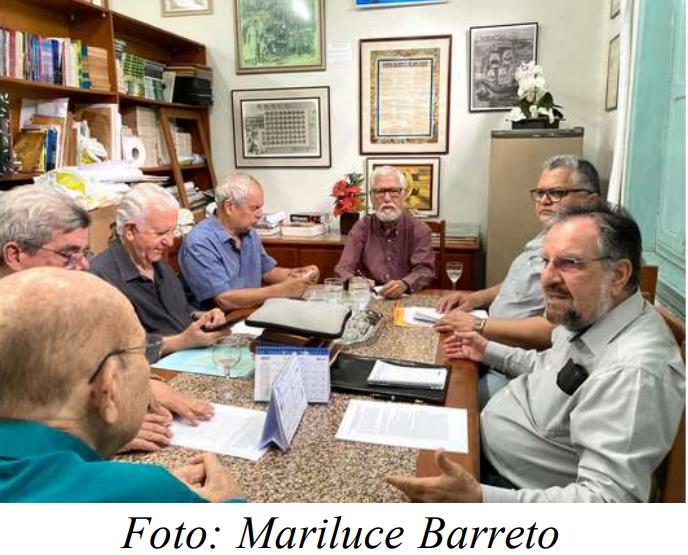
SOBRAMES-PE DIRETORIA Presidente: Divaldo de Almeida Sampaio Vice-presidente: Luiz de Gonzaga Braga Barreto Tesoureiro: José Fernando de Albuquerque Tavares Secretário: Paulo Camelo de Andrade Almeida Apoio administrativo: Mariluce Cunha Barreto Casaca de Couro CORPO REDATORIAL Paulo Camelo de Andrade Almeida Divaldo de Almeida Sampaio Melchiades Montenegro Filho EDITORAÇÃO ELETRÔNICA E IMPRESSÃO Paulo Camelo de Andrade Almeida
October 16th thru 19th in Recife, Brazil: XXIX Congresso Brasileiro de Médicos Escritores
Christine Anna Maria Theiss (néeHennig, born 22 February 1980) is a German former kickboxer. Since 2007, she is the world champion in professional full contact kickboxing in the World Kickboxing Association (WKA). On 7 December 2012, she became the super lightweight world champion in full contact kickboxing of the International Sport Karate Association (ISKA) and World Kickboxing and Karate Union (WKU).[1] She lost her WKU championship in a title fight to Olga Stavrova on 7 June 2013, but regained the title on 13 December 2013, by defeating Olga Stavrova in a closely contested 10-round decision in what was announced to be her last fight.
In 1984, Theiss moved with her parents from East Germany to Bayreuth, where she attended elementary school and high school. She then, worked as a medical assistant in the parental practice in Bayreuth. From 2001 to 2007, Theiss studied medicine at the Ludwig-Maximilians University in Munich. In November 2007, she completed the study with the state examination. In December 2008, she received her doctorate in medicine (Dr. med.).
Since March 2012, Theiss is a host for the German version of The Biggest Loser Germany on Sat.1. From 2005 to 2012, she was elected as “Munich’s Sportwoman of the Year” by the readers of the evening newspaper Abendzeitung.[2]
Since 2005, Theiss is married to cardiologist Hans Theiss and lives in the Munich district of Schwabing. In 2016, she gave birth to her first child a daughter.
From 1988 to 2000, Theiss learned semi-contact kickboxing in the Karate Dojo Aleksandar eV in Bayreuth. In 1998, she became the German Champion. In 2003, she switched to full-contact kickboxing at the Kampfsportzentrum Steko in Munich. She successively became German champion, European silver medalist, World runner-up and 2005 Amateur World Champion (WKA).
Since early 2006, Theiss fights as a professional kickboxer. She is trained by the former kickboxing world champions Mladen Steko and Pavlica Steko. Mladen Steko is also her manager. Having won 22 world championship fights, Theiss is considered to be one of the most successful professional kickboxers of all times and a celebrity in Germany.
Since January 2011, she has an exclusive contract for the television broadcasts of her bouts with Sat.1 (Steko’s Fight Night).[3] On 7 December 2012, she fought for the first time according to the rules of the ISKA and WKU, winning the world championship title winning the world championship title in the weight class of 62.5 kg.[1][4] On 22 February 2013, she defeated Cathy Le-Mée, the WKA and WKU world champion in the weight class of 65 kg per KO in the fifth round.
On 18 April 2013, she announced that she would end her career at the end of 2013.[5] She lost her fight against Russian kickboxer Olga Stavrova on 7 June 2013, in Munich after ten rounds by split decision. After the fight, she announced her desire to fight a revanche against Olga Stavrova. She won that rematch and regained the title on 13 December 2013, by defeating her in a closely contested 10-round decision. It was announced to be her last fight.
For the edition 2014 she made a shooting for the Playboy magazine.
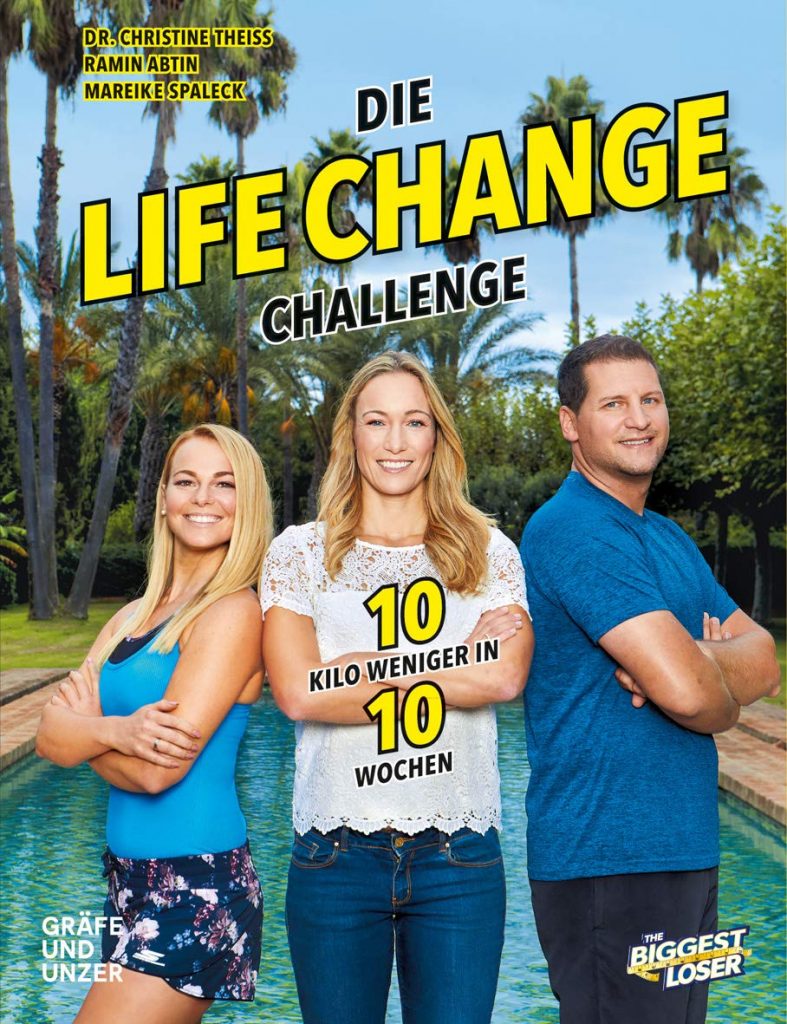
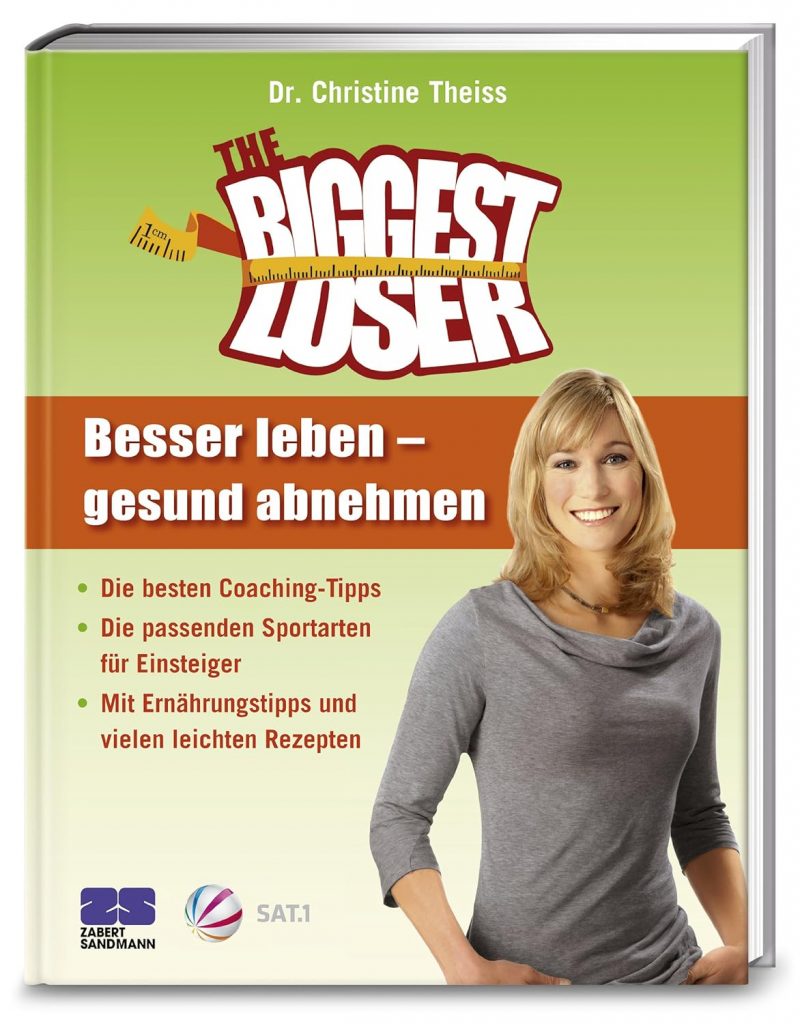
Theiss has published several books: The Biggest Loser, Besser leben – gesund abnehmen[11] über gesundes Abnehmen; Ich mach dich fit – ohne Geräte, nur mit deinem Körper[12] und „Pimp your running“ – Lauf dich stark mit meinem Power-Workout.
She is married and they have one daughter.
Her career as kickboxer lasted from 7th December 2012 through the end of 13th December 2013.
https://www.youtube.com/watch?v=hodyz84gOhE
her before-last fight she lost against Olga Stawrowa but she headed to get back to this and in 13th December 2013 she won against her and then stepped back from professional sports.