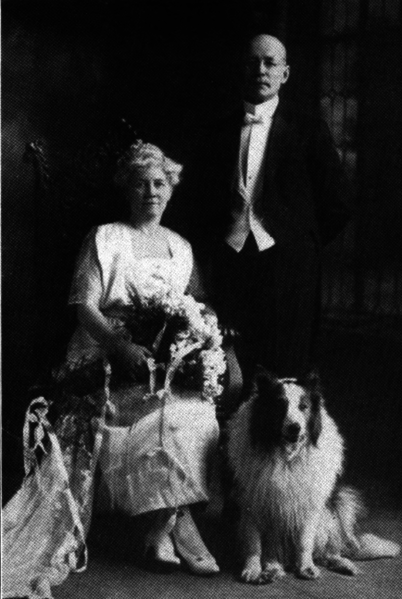
Carl August Wickland (born Carl August Wicklund, 14 February 1861 – 13 November 1945)[1] was a 20th-century Swedish-American psychiatrist and psychical researcher.
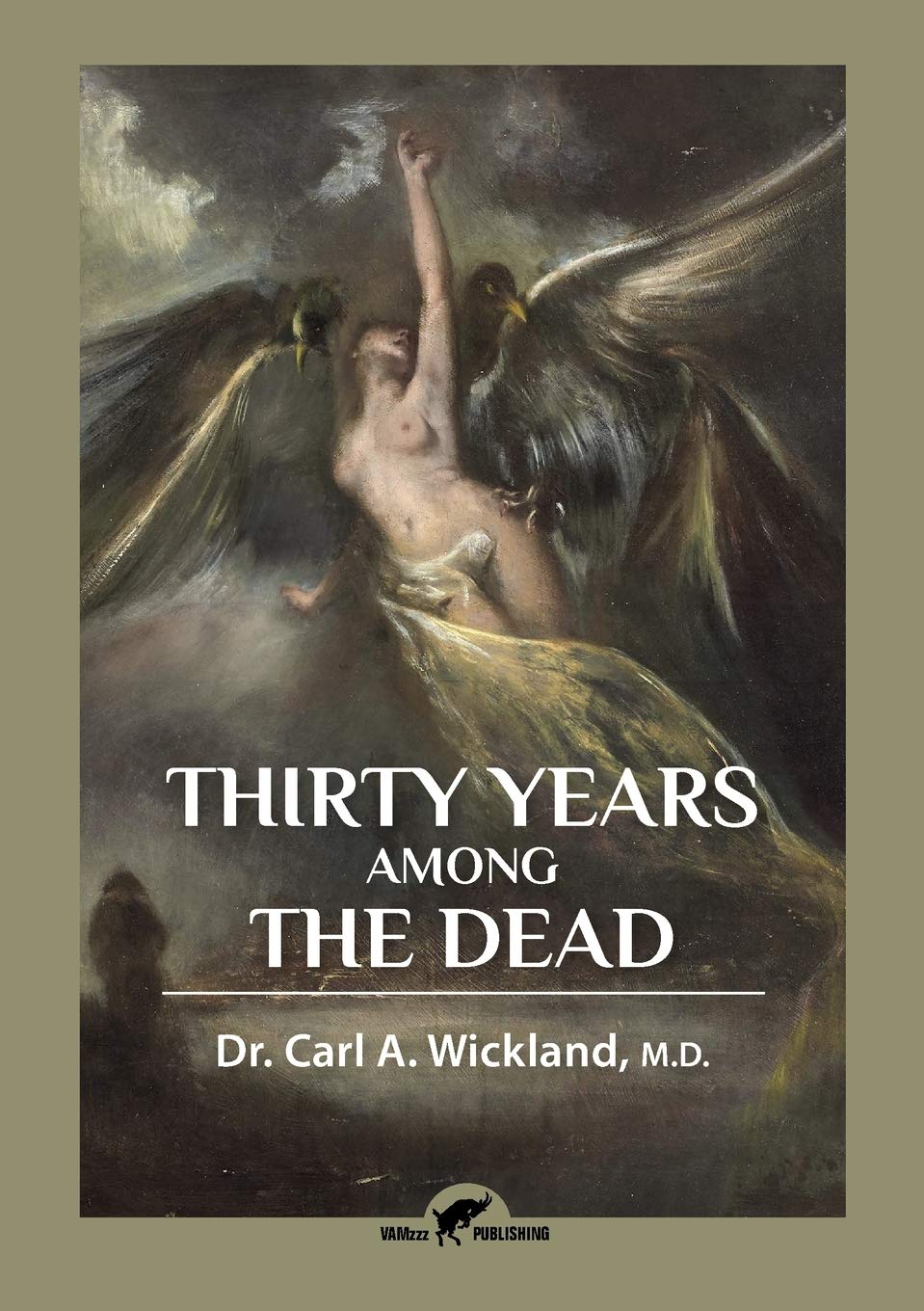
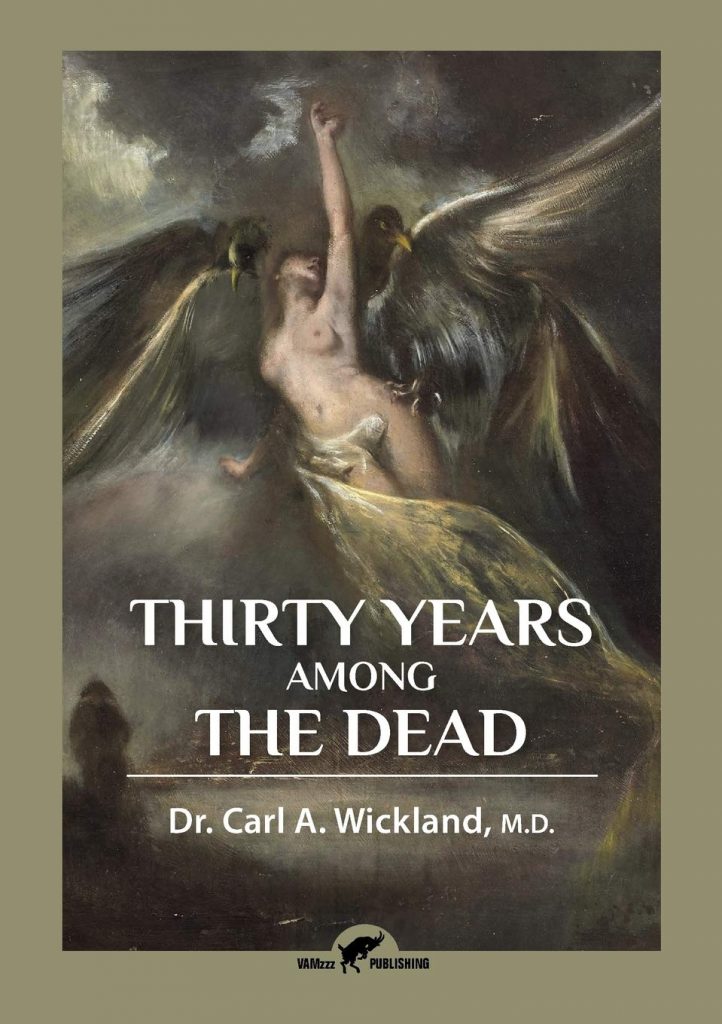
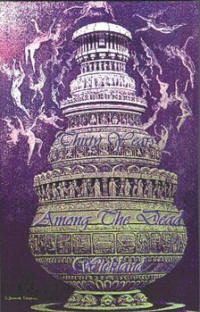
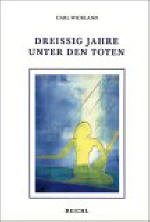
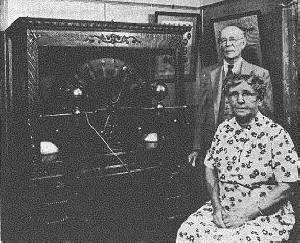
Wickland turned away from conventional medical psychology and toward the belief that psychiatric illnesses were the result of influence by spirits of the dead. Wickland came to believe that a large number of his patients had become possessed by what he called “obsessing spirits”, and that low-voltage electric shocks could dislodge them, while his wife Anna acted as a medium to guide them to “progress in the spirit world”. Spiritualists considered him an authority on “destructive spirits” and he wrote a book in 1924, Thirty Years Among the Dead, detailing his experiences as a psychical researcher.[3]
In his book “30 years among the dead” (DOWNLOAD below!) he protocols the dialogues with the deceased souls who entered in a medium (Wickland´s wife!). His work should be standard literature for medical students! Especially the electro convulsive therapy would be useless treating te patients as Wickland did.
Wickland was convinced that he was in contact with a group of spirits known as the “Mercy Band” who would remove the possessors, and help them in the spirit world. Psychologist Robert A. Baker listed Wickland and Arthur Guirdham as early psychiatrists who preferred to “ignore the science and embrace the supernatural”.[4]
Wickland founded the National Psychological Institute in Los Angeles, California to study psychic phenomena.[3] A letter published in a 1918 issue of the journal Science criticized the institute’s promotion of psychic research “under the name of psychology” as an example of “pseudo-psychology”, adding that “the use of such a name involves bad taste and delusion.”[5]
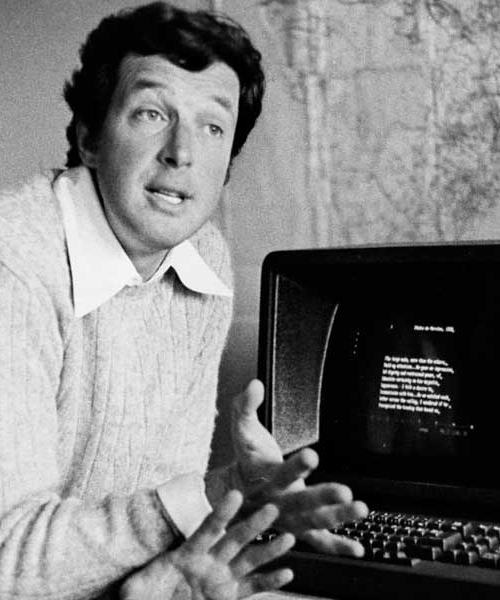
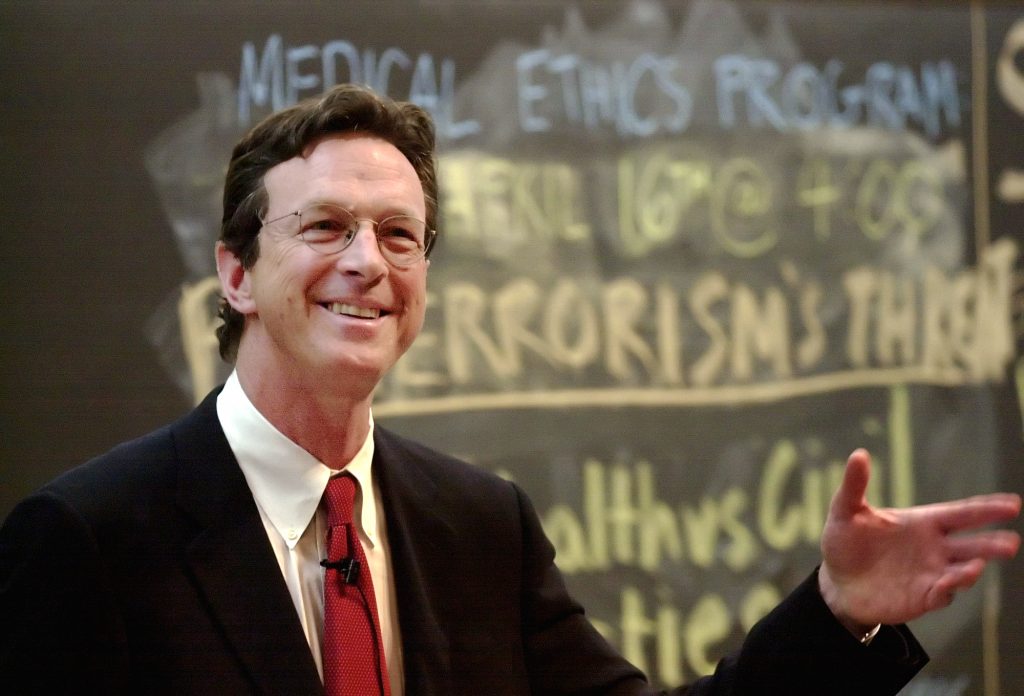
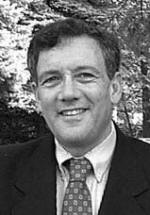
4/11/02 Michael Crichton ’64, HMS ’69 speaks on “The Media and Medicine” at Harvard Medical School in Boston, MA on Thursday, April 11, 2002. staff photo by Jon Chase/Harvard University News Office
John Michael Crichton (/ˈkraɪtən/; October 23, 1942 – November 4, 2008) was an American writer and filmmaker. His books have sold over 200 million copies worldwide, and over a dozen have been adapted into films. His literary works heavily feature technology and are usually within the science fiction, techno-thriller, and medical fiction genres.
John Michael Crichton[1] was born on October 23, 1942, in Chicago, Illinois,[2][3][4][5] to John Henderson Crichton, a journalist, and Zula Miller Crichton, a homemaker. He was raised on Long Island, in Roslyn, New York,[1] and he showed a keen interest in writing from a young age; at 16, he had an article about a trip he took to Sunset Crater published in The New York Times.[6][7]
Crichton later recalled, “Roslyn was another world. Looking back, it’s remarkable what wasn’t going on. There was no terror. No fear of children being abused. No fear of random murder. No drug use we knew about. I walked to school. I rode my bike for miles and miles, to the movie on Main Street and piano lessons and the like. Kids had freedom. It wasn’t such a dangerous world… We studied our butts off, and we got a tremendously good education there.”[8]
Crichton had always planned on becoming a writer and began his studies at Harvard College in 1960.[6] During his undergraduate study in literature, he conducted an experiment to expose a professor who he believed was giving him abnormally low marks and criticizing his literary style.[9]: 4 Informing another professor of his suspicions,[10] Crichton submitted an essay by George Orwell under his own name. The paper was returned by his unwitting professor with a mark of “B−”.[11] He later said, “Now Orwell was a wonderful writer, and if a B-minus was all he could get, I thought I’d better drop English as my major.”[8] His differences with the English department led Crichton to switch his undergraduate concentration. He obtained his bachelor’s degree in biological anthropologysumma cum laude in 1964[12] and was initiated into the Phi Beta Kappa Society.[12] He received a Henry Russell Shaw Traveling Fellowship from 1964 to 1965 and was a visiting lecturer in anthropology at the University of Cambridge in the United Kingdom in 1965.[12] Crichton later enrolled at Harvard Medical School.[9][page needed] Crichton later said “about two weeks into medical school I realized I hated it. This isn’t unusual since everyone hates medical school – even happy, practicing physicians.”[13]
According to Crichton’s brother Douglas, Crichton was diagnosed with lymphoma in early 2008.[118] In accordance with the private way in which Crichton lived, his cancer was not made public until his death. He was undergoing chemotherapy treatment at the time of his death, and Crichton’s physicians and relatives had been expecting him to recover. He died at age 66 on November 4, 2008.
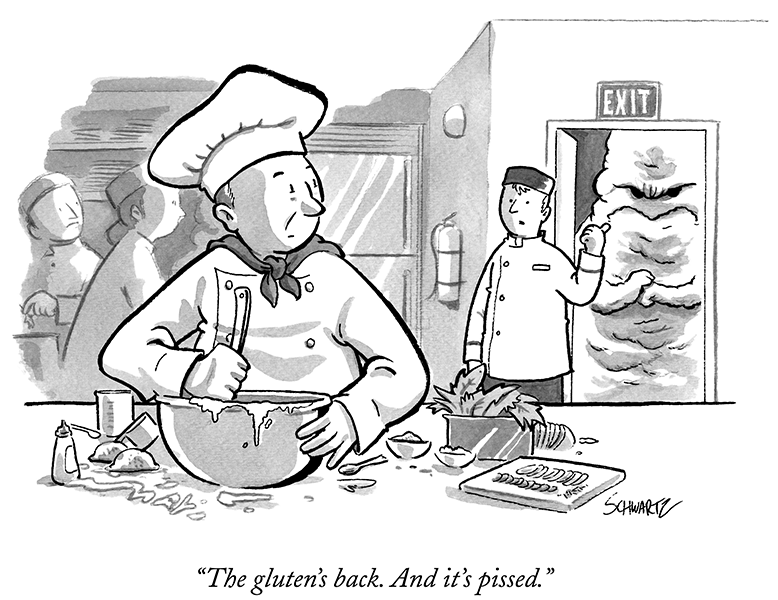
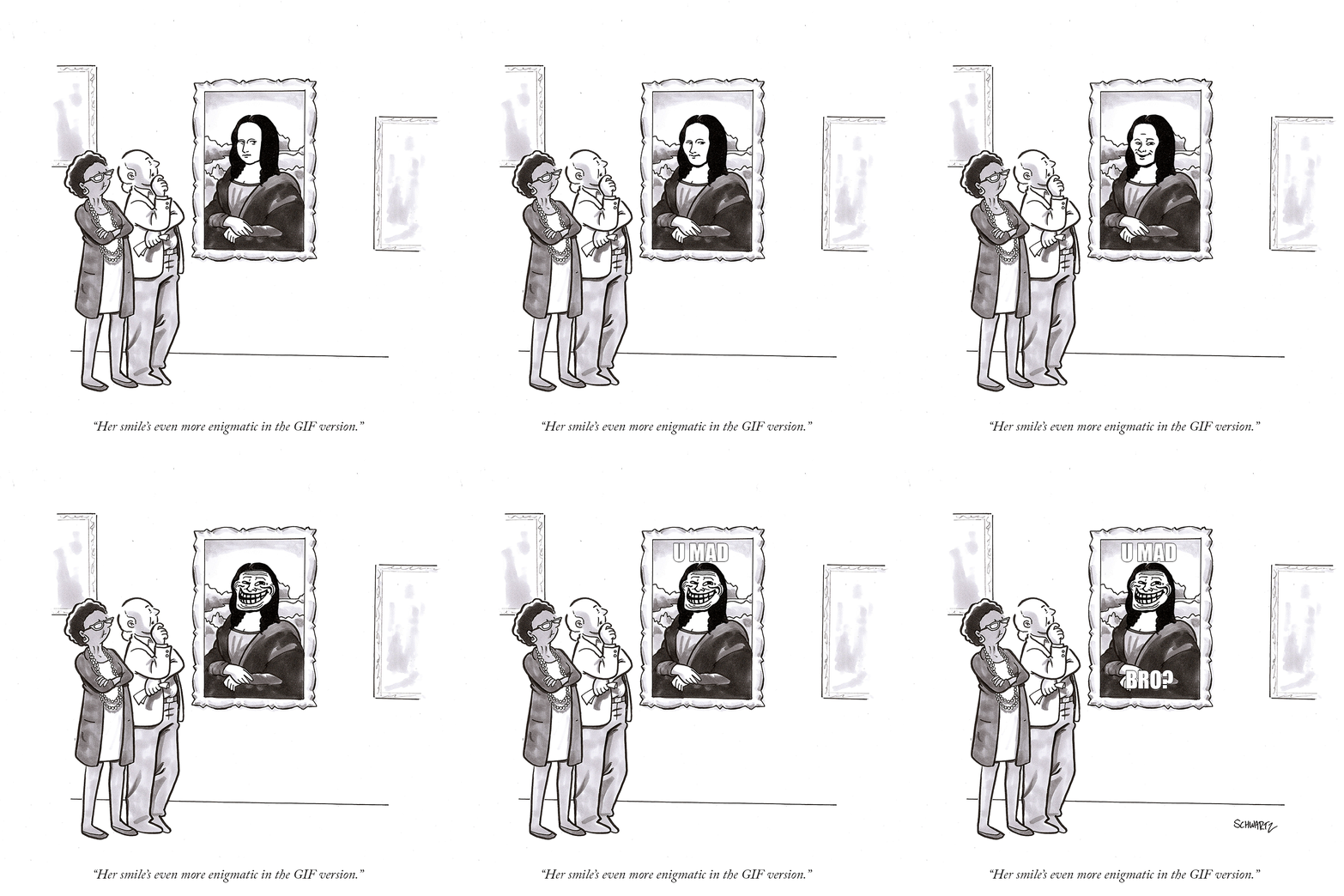
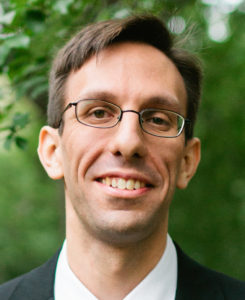
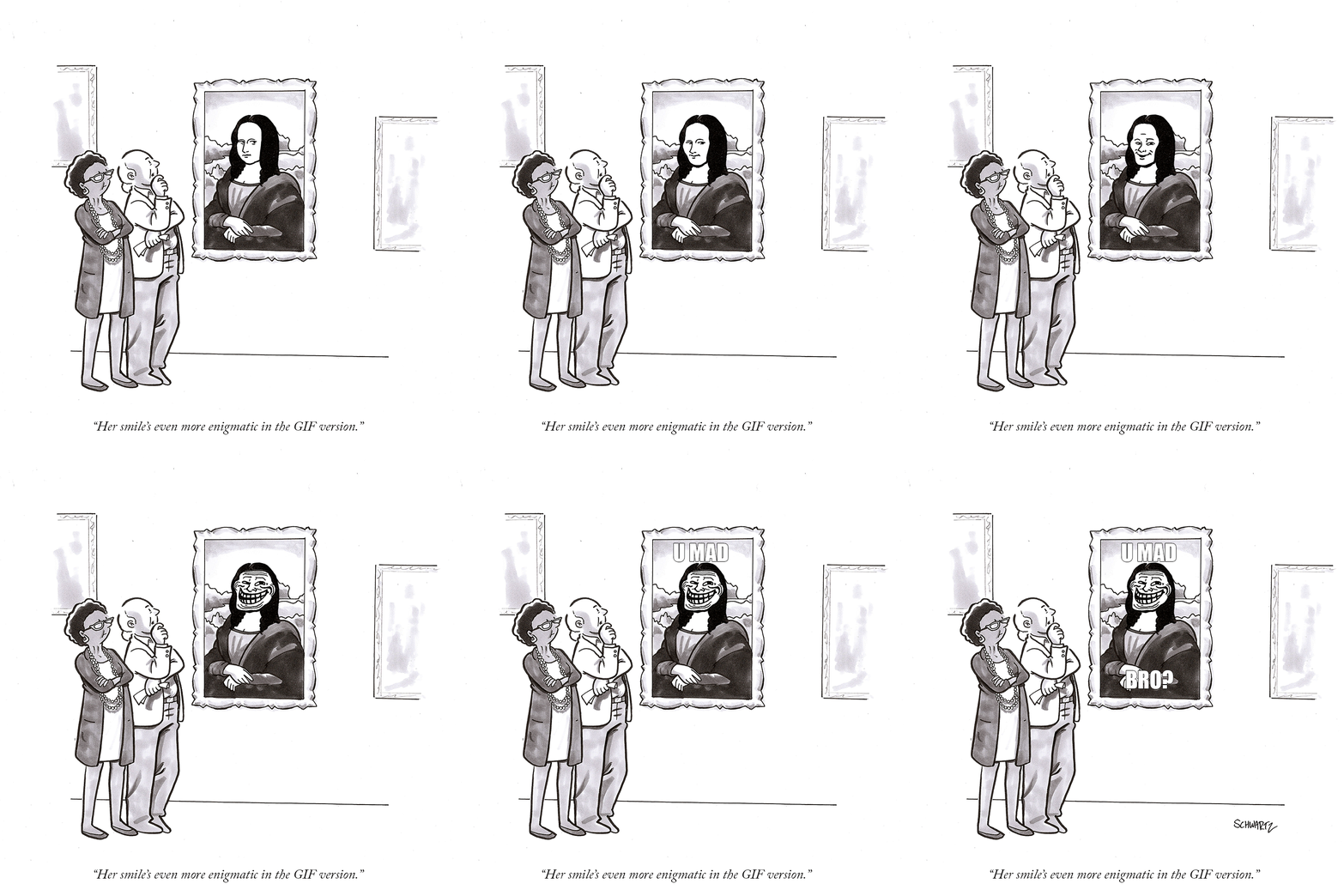
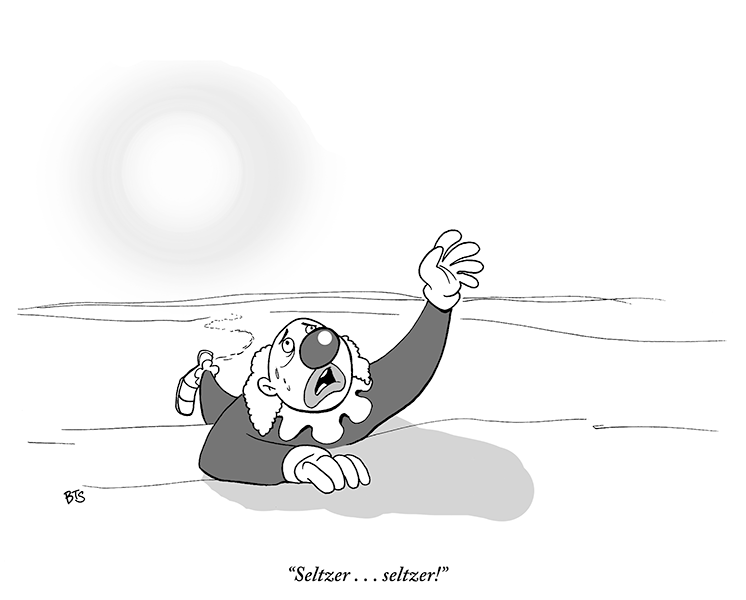
Ben Schwartz’s path to cartooning happened by way of a long flirtation with a medical career. He entered college planning to fulfil his premed requirements, dropped that after a year (opting for a psychology major), then returned to the sciences just in time to prepare for admission to Columbia’s College of Physicians and Surgeons. Through all of his studies, one thing stayed constant: He drew.
Schwartz made it all the way through his first year as a resident in internal medicine before drawing comics full time. His work regularly appears in The New Yorker and he illustrated the recently published A is for Artisanal: An Alphabet Book for the Hip, Modern Baby. His career has also brought him back to medicine in ways he didn’t expect.
In 2012, Columbia’s Department of Ophthalmology approached Schwartz about developing a comics-based curriculum for its students. He was later asked to teach in Columbia’s Narrative Medicine program, which helps doctors both understand and communicate the patient stories that might not appear on charts. In both areas, Schwartz shares the grown-up value of comics for doctors-in-training.
Q: Where do your ideas for New Yorker cartoons about doctors come from? A: A lot about medicine lends itself to humor. There’s a very strange power dynamic when you have one person who’s essentially in a costume, with the white coat and the equipment, and another person who’s nearly naked just sitting on a table.
Q: Not all of your work is humorous. You’re currently working on a comics-based curriculum for ophthalmologists. A: It’s an area where the medium suits the message really well. What we’re talking about in med school is not all abstract and conceptual. We’re talking about anatomy and pathophysiology, things where the visual information is a big part of what you need to know. You need to know where this organ is in relation to this other organ.
It’s natural to teach all of this through a visual medium. Comics have the added bonus of being told through panels. This helps break down complex content into more manageable chunks.
But beyond that, the associations people have with comics make this very complex material more approachable. As a cartoonist, I sometimes fight against the perception that comics are necessarily “kid stuff.” But as an educator, those playful associations are an advantage when you’re disseminating information to stressed-out med students.
Q: You went to medical school yourself. Did cartooning skills ever come in handy? A: I spent a month doing an elective in narrative medicine, a subject I now teach a class in. Narrative medicine basically teaches students how to better interpret—and tell—the stories of illness and recovery they will encounter as doctors. I spent that class working on a children’s book. The subject was actually a real downer, a child dealing with the death of a parent. That month, all I did was think about this sad story, and how I could bring it to life. Despite the subject matter, it was my favorite month of medical school. It convinced me that maybe there was a value to the space between medicine and art.
Q: What makes cartooning so well suited to teaching? A: First, I don’t think that cartooning is so special in that regard. All these creative exercises in our field—fiction, poetry—help students focus on this larger idea that doctors are storytellers. Cartooning is just one route to get to that.
That said, I happen to think it’s a pretty good starting point, with unique lessons.
Q: Can you give an example? A: I do a whole lesson that starts out teaching artistic perspective and how cartoonists use it to enhance narrative perspective. Students tell one story from the doctor’s point of view, then from the patient’s point of view. They explore the physical angle of the doctor standing above the patient, and what effect that has on the story emotionally. From the perspective of the doctor, the patients might seem fragile, or even pathetic. Then when students think about the patient’s perspective, the doctor could appear heroic, standing above, or judgmental, looking down.
It’s a way of understanding what happens in doctors’ offices. It changes when you think about it visually.
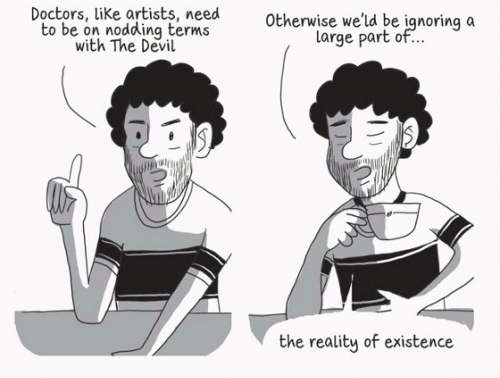
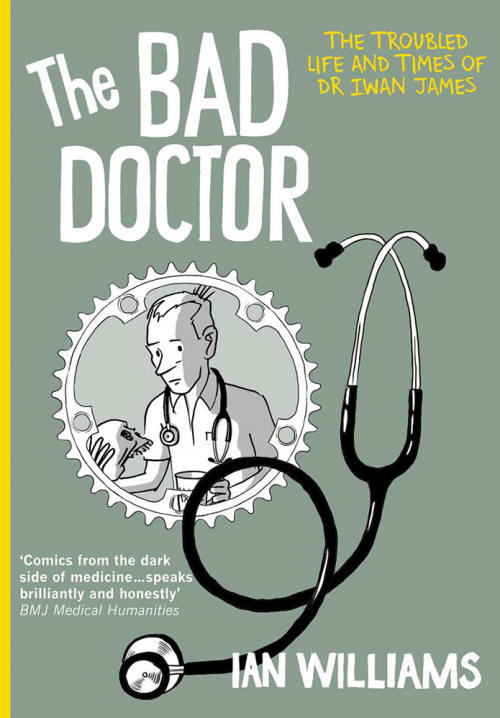
The phrase graphic medicine was coined by Dr. Ian Williams,[3][4] founder of GraphicMedicine.org, to denote “the intersection between the medium of comics and the discourse of healthcare”.[5] Comics offer an engaging, powerful, and accessible method of delivering illnessnarratives.[6] The academic appraisal of graphic fiction is in its infancy, but its examination by academics involved in healthcare-related studies is increasing, with work emerging in journals.[4]
It is notable that the medical humanities movement in many medical schools advocates the framework and use of literature in exploring illness, from practitioner and patient perspectives.[4]
A late-2010s entry to the scholarly study of graphic medicine is the PathoGraphics Research Group, an Einstein Foundation-funded project at the Free University of Berlin (2016–2019) under the direction of Irmela Marei Krüger-Fürhoff, and with the collaboration of Susan M. Squier of the Pennsylvania State University.[7] The group is concerned with the study of illness narratives, or “pathographies,” and works of graphic medicine.[8]
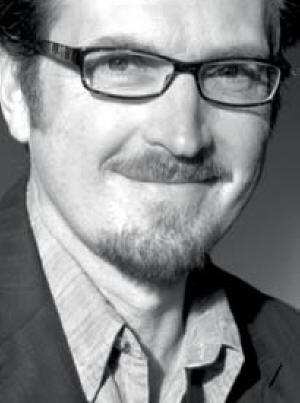
according to his c.v. he is a notable key-note speaker.
Sabeti, who grew up listening to Pearl Jam and Nine Inch Nails, fronts and writes songs for Thousand Days, which blends alt rock and what one critic calls “guitar-heavy pop music.” The band’s fourth album came out this year.
She had been working with deadly viruses in Nigeria, see portrait film:
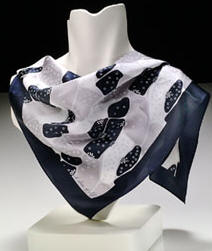
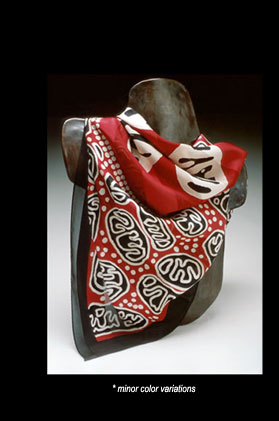
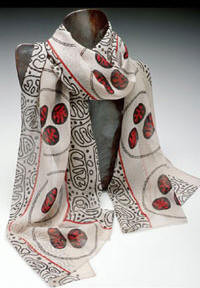
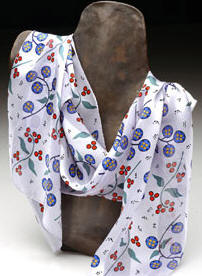
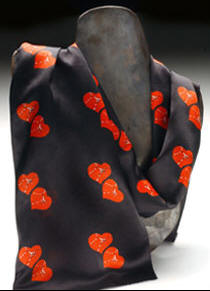
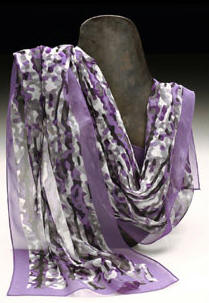
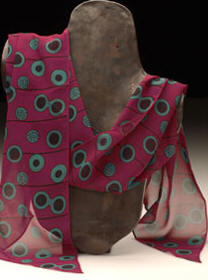
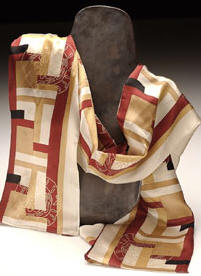
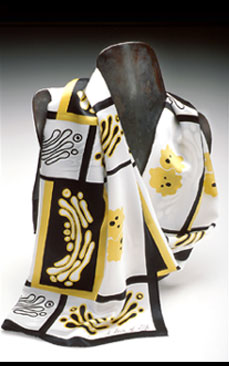
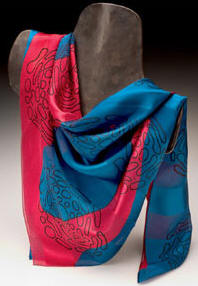
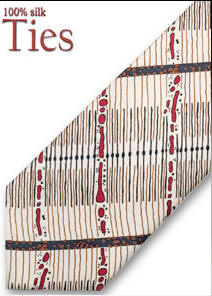
The scarves from this (ex-) company are designed by Eve Reaven who is a cell biologist in Palo Alto, California.
Dr. Reaven has used an electron microscope for much of her professional life and has continuously marveled at the intricacy and beauty of the natural patterns found inside cells. She shares what she has seen with others through designs for scarves and other textiles. In the current selection, she captures the essence of structures related to cell movement, cell traffic, energy and performance. The cell structures represented in these patterns are magnified 50,000 to 1,000,000 times their original size, allowing us to experience the amazing designs created by nature.
Dennis Novack is Rock musician and has performed @ Drexel University with many students in rock formations. As you can see in the video he is full of energy!
Wolfgang,
Thanks for your e-mail. It’s fun that you have put together this website! I have been in rock bands with medical students and residents for the past 20 years. At Drexel, we have just finished performing at our 14th annual pediatric AIDS benefit and this year raised almost $65,000.I’ve been traveling quite a bit recently and am heading off to France in the morning and am incredibly behind so probably won’t be able to get to your request for photos etc.I really appreciate what you are doing, though!All best wishes.Dennis
Dennis H. Novack, M.D. Professor of Medicine Associate Dean of Medical Education Drexel University College of Medicine 2900 Queen Lane Philadelphia, PA 19129 Phone: 215 991 8537 Fax: 215 843 5495 Sent on March 31, 2007
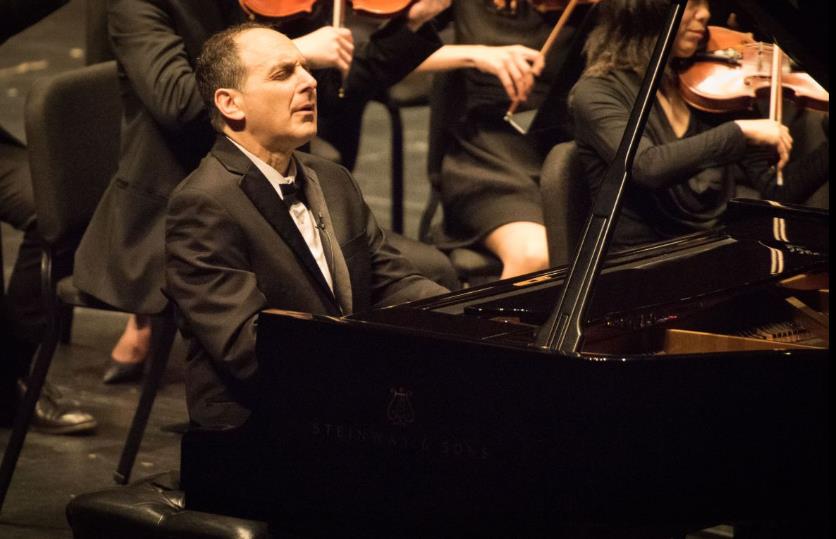
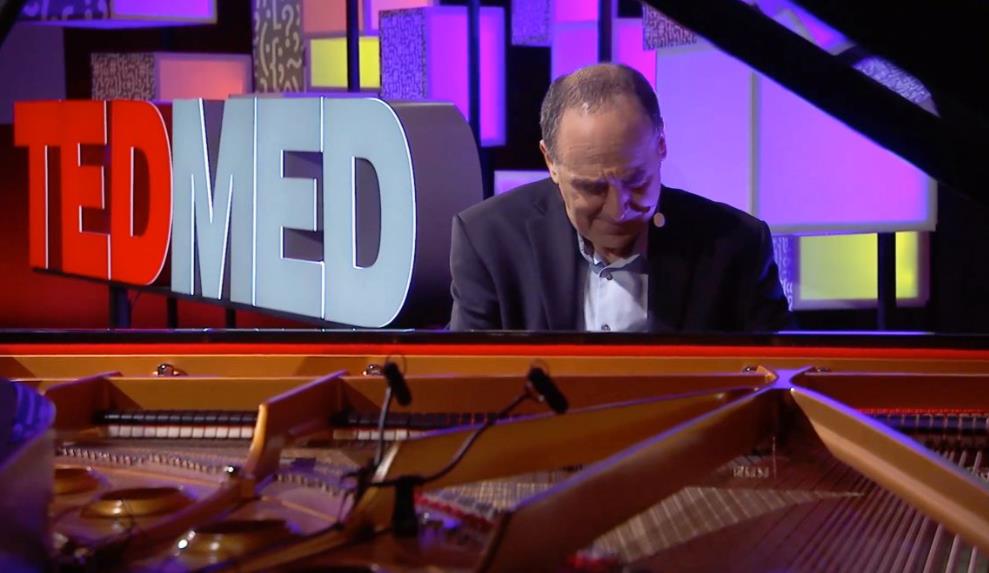
Richard Kogan has a distinguished career both as a psychiatrist and as a concert pianist. Clinical Professor of Psychiatry at Weill Cornell Medical College and Artistic Director of the Weill Cornell Music and Medicine Program, he has been praised for his “exquisite playing” by the New York Times, and the Boston Globe wrote that “Kogan has somehow managed to excel at the world’s two most demanding professions.”
Dr. Kogan has gained renown for his lecture/concerts that explore the role of music in healing and the influence of psychological forces and psychiatric illness on the creative output of the great composers. A master storyteller, he has captivated audiences at medical conferences, music festivals, universities and scholarly symposia throughout the world. He has been the recipient of numerous honors and awards in both psychiatry and the arts.
Dr. Kogan is a graduate of the Juilliard School of Music Pre-College, Harvard College, and Harvard Medical School. He has a private practice of psychiatry and lives in New York City.
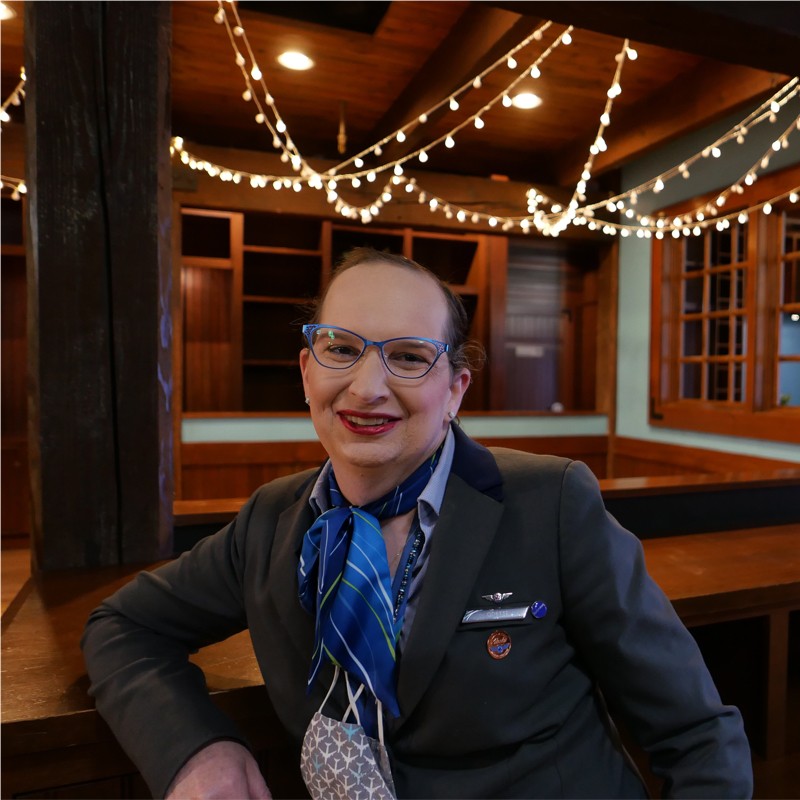
“With JetBlue Airways’ Inflight Buddy Program, I was able to work part-time as a flight attendant while simultaneously attend medical school. My experiences as a flight attendant have helped shape the physician who I am today, a better physician.”
Odette Bishop is Cabin Crew Member at Norse Atlantic Airways and has been working as paramedic and in the Illinois Medical Emergency Response Team in a leading function.