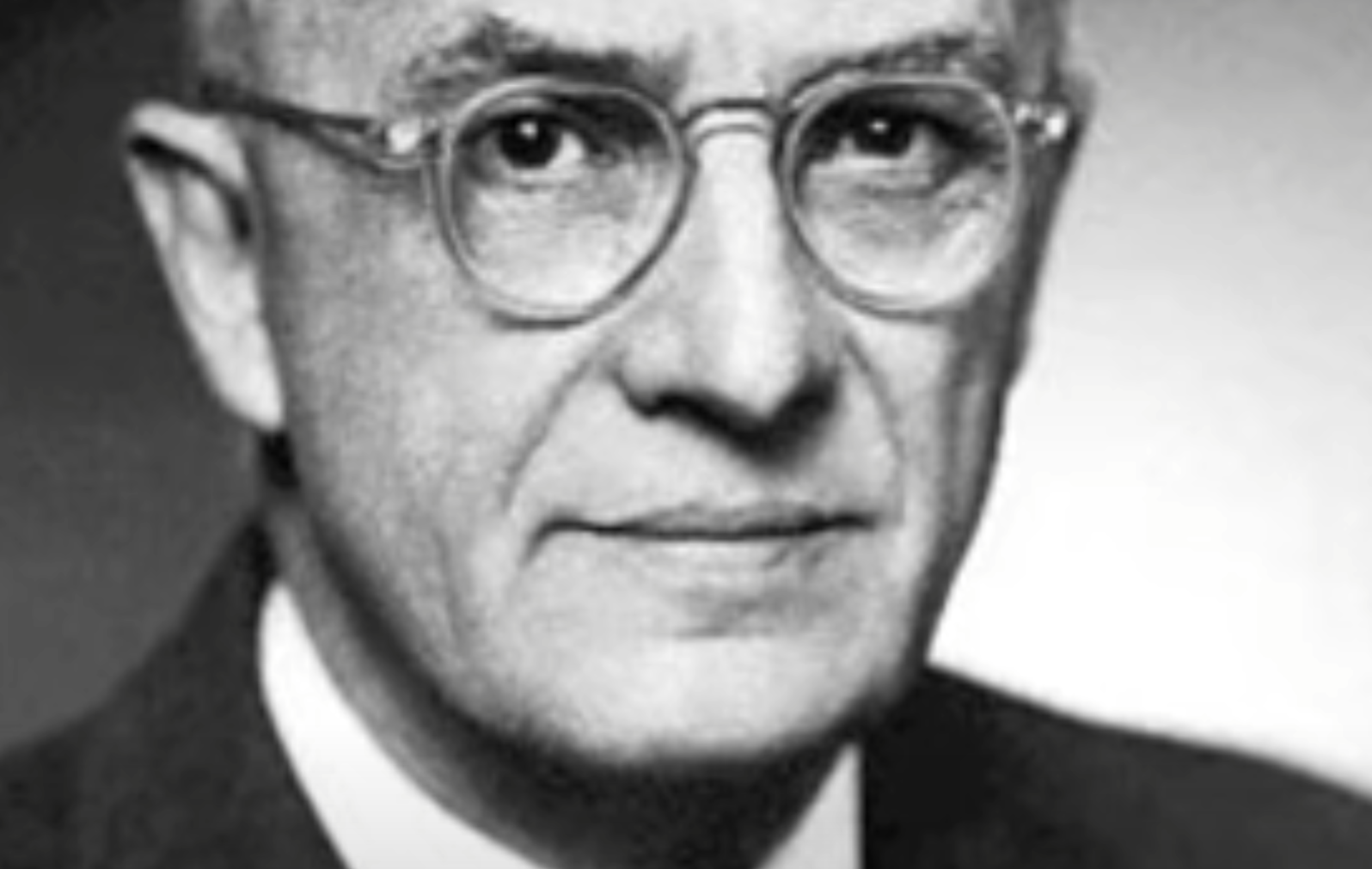
William Carlos Williams

  • -

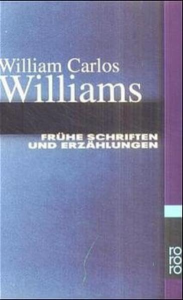
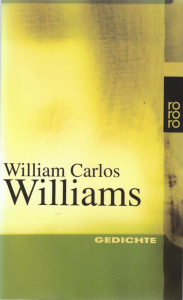
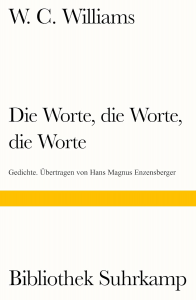
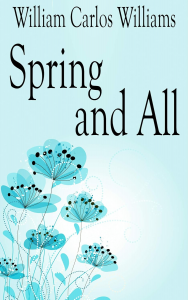
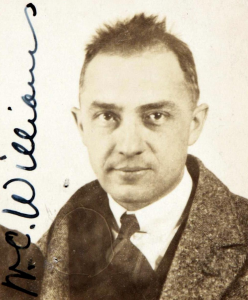
William Carlos Williams

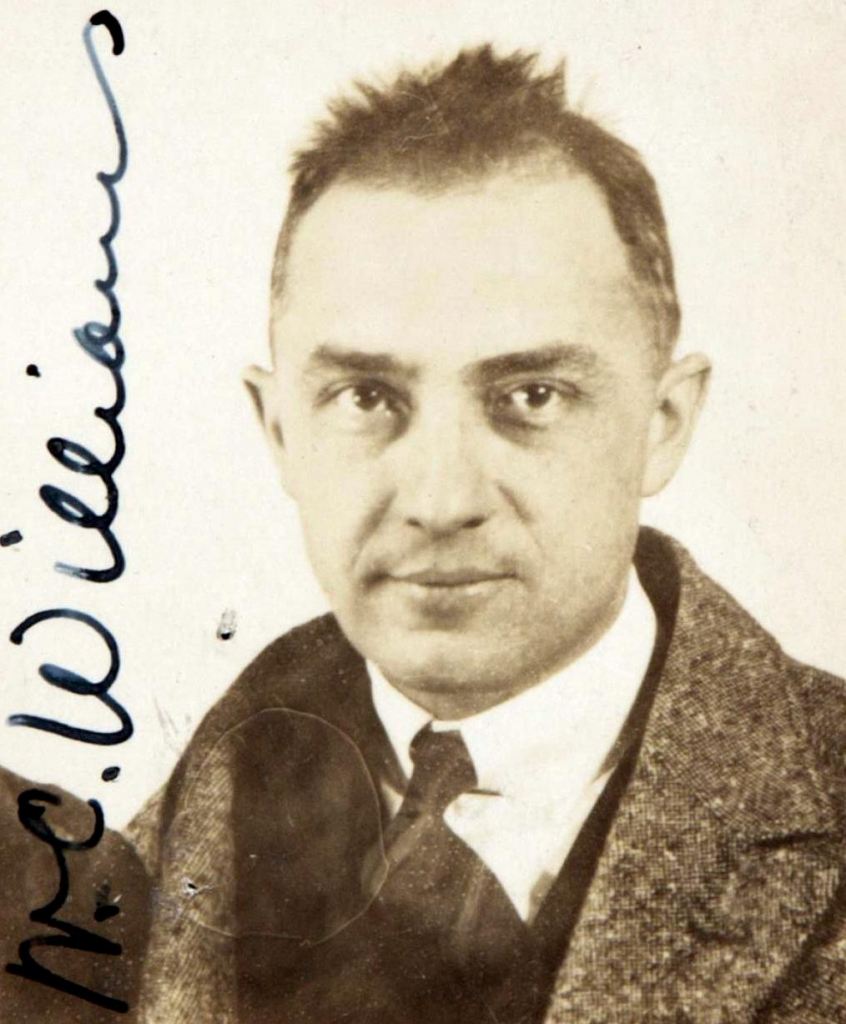
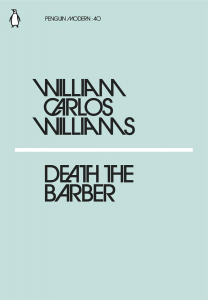
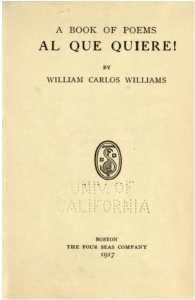
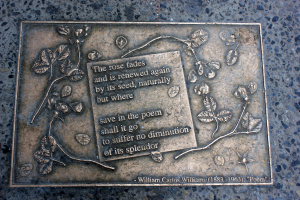
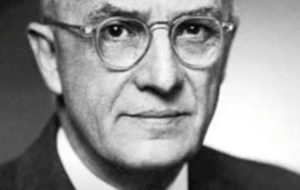
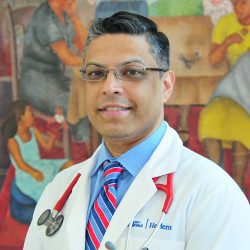
William Carlos Williams (* 17. September 1883 in RutherfordNew Jersey; † 4. März 1963 ebenda), oft abgekürzt WCW, war ein US-amerikanischer Arzt und Lyriker.

Williams’ Leben konzentrierte sich fast vollständig – sieht man von seinen Europa-Reisen ab – auf seine Heimatstadt Rutherford in New Jersey, wo er seit 1910 als Arzt (M.D.) praktizierte.

Neben seiner schriftstellerischen Tätigkeit war Williams lange als Arzt tätig und praktizierte sowohl Kinderheilkunde als auch Allgemeinmedizin. Er war dem Passaic General Hospital angeschlossen, wo er von 1924 bis zu seinem Tod als Chefarzt der Kinderheilkunde fungierte. Das Krankenhaus, das heute St. Mary’s General Hospital heißt, würdigte Williams mit einer Gedenktafel mit der Aufschrift „Wir gehen die Stationen, die Williams ging“.

Im Gegensatz zu Pound, der sich nach europäischen Vorbildern richtete, forderte William Williams in seiner Essaysammlung In the American Grain (1925) eine einfache, aber dennoch avantgardistische Poesie, die sich an der gesprochenen Sprache und der amerikanischen Alltagswelt orientieren sollte.

Williams schreibt in seiner bereits 1951 veröffentlichten[5] Autobiografie: „Ezra war immer sehr darauf bedacht, die Kluft zwischen meinen Bildungslücken und seiner souveränen Gelehrtheit zu überbrücken. Da er mich hierbei keineswegs gönnerhaft behandelt, lasse ich es mir gefallen. Es macht mir aufrichtig Kummer, dass meine literarischen Kenntnisse den seinigen so weit unterlegen sind. Ich respektiere sein Unbehagen und versuche mein Bestes, mich auf seine gutgemeinten Bemühungen einzustellen.“[6] Wenn Williams sich in der europäischen Literatur weniger gut auskannte als Pound, so bemühte er sich auf seiner Europareise, diesen Mangel zu beheben, da er sich vor allem in Paris mit namhaften europäischen Schriftstellern, Intellektuellen und Malern traf. 
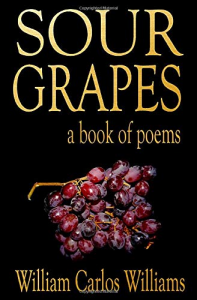
Seine frühen Gedichte sind noch stark vom europäischen Dadaismus und Surrealismus geprägt. 1923 schrieb er sein bis heute wohl bekanntestes Gedicht This is Just to Say.[10] Zusammen mit Pound und Eliot schloss er sich um 1912 den Imagisten an, einer anglo-amerikanischen literarischen Bewegung. Seine Freundschaft zu Pound zerbrach später an künstlerischen Meinungsverschiedenheiten und an Pounds Unterstützung für den italienischen Faschismus, was ihn jedoch nicht daran hinderte, den in den USA internierten Pound zu besuchen (siehe Autobiografie).
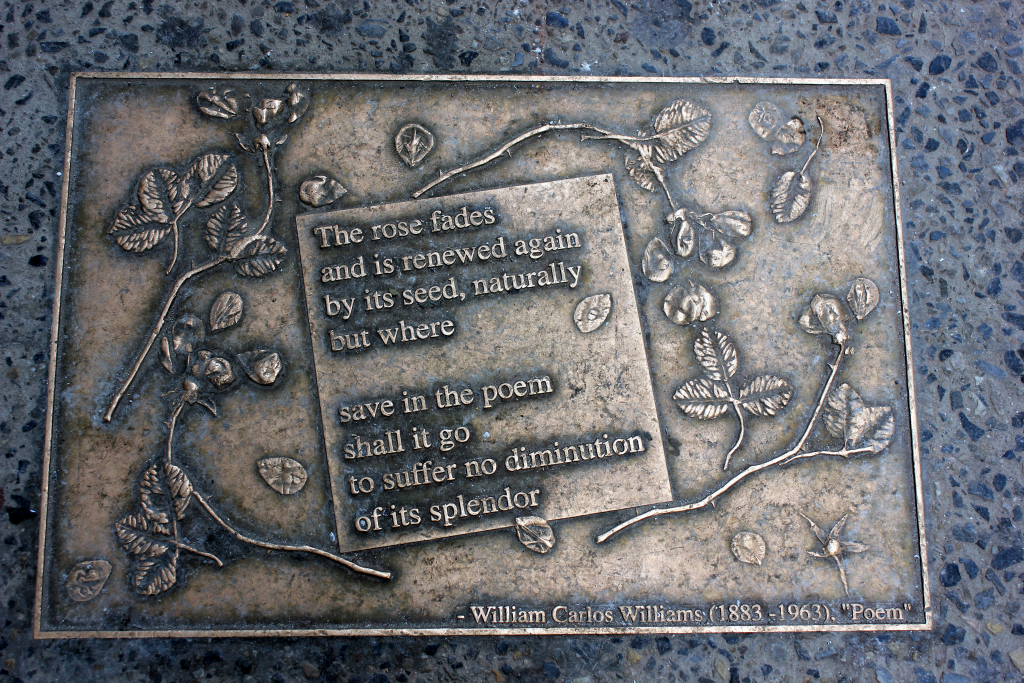
Infolge seines dritten Schlaganfalls (den ersten hatte er 1951) im Oktober 1955 erlitt er eine Lähmung, wodurch sich sein Arbeitstempo verlangsamte. Dennoch brachte er sich selbst bei, mit seiner nicht-gelähmten Hand auf einer elektrischen Schreibmaschine zu tippen.

Im Alter von 79 Jahren starb der Dichterarzt William Carlos Williams im März 1963 in Rutherford, New Jersey, nach einer weiteren Serie schwerer Schlaganfälle.

Audio William Carlos Williams https://writing.upenn.edu/pennsound/x/Williams-WC.php
https://de.wikipedia.org/wiki/William_Carlos_Williams

https://en.wikipedia.org/wiki/William_Carlos_Williams


  • -

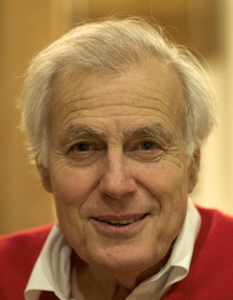
John Diamond

John Diamond (9. August 1934 – 25. April 2021) war Arzt und Autor zum Thema ganzheitliche Gesundheit und Kreativität

Diamond war dreimal verheiratet. Seine erste Frau war Suzanne Gurvich, mit der er drei Kinder hatte: Ian, Kathie und Peter. In den 1970er Jahren heiratete er Betty Peele und 1994 die Opernsängerin Susan Burghardt.[2] Viele Jahre lang spielte Diamond Schlagzeug in einer von ihm gegründeten Jazzband namens „Diamond Jubilators“. Die Band trat in Krankenhäusern und Pflegeheimen auf.[2][1]  In seinen letzten Lebensjahren widmete er sich der Fotografie und Malerei.

ohne John Diamond, aber sicher ähnlich hat es MIT ihm geklungen!

Website

https://www.youtube.com/@JohnDiamondMD

https://en.wikipedia.org/wiki/John_Diamond_(doctor)


  • -

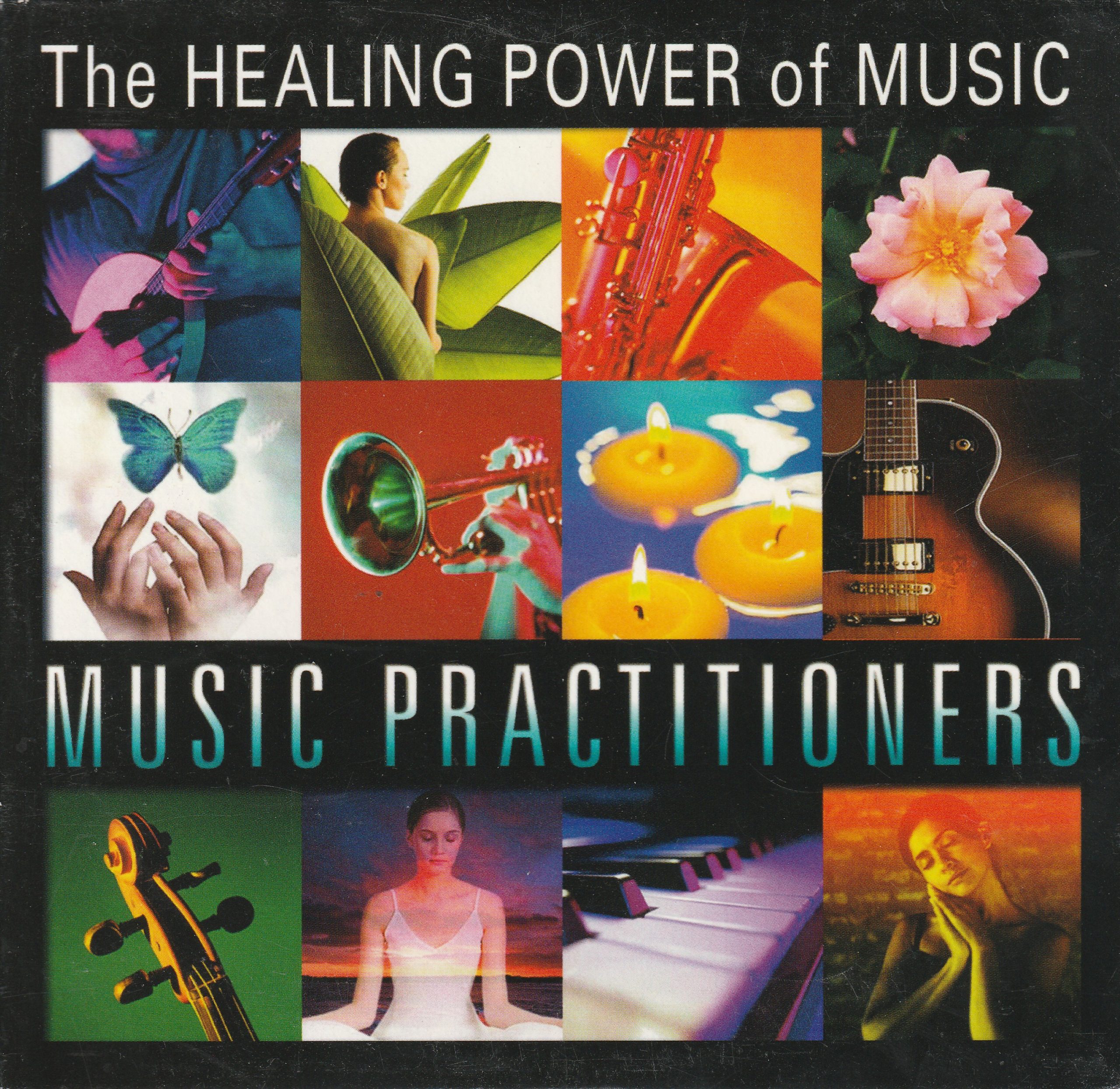
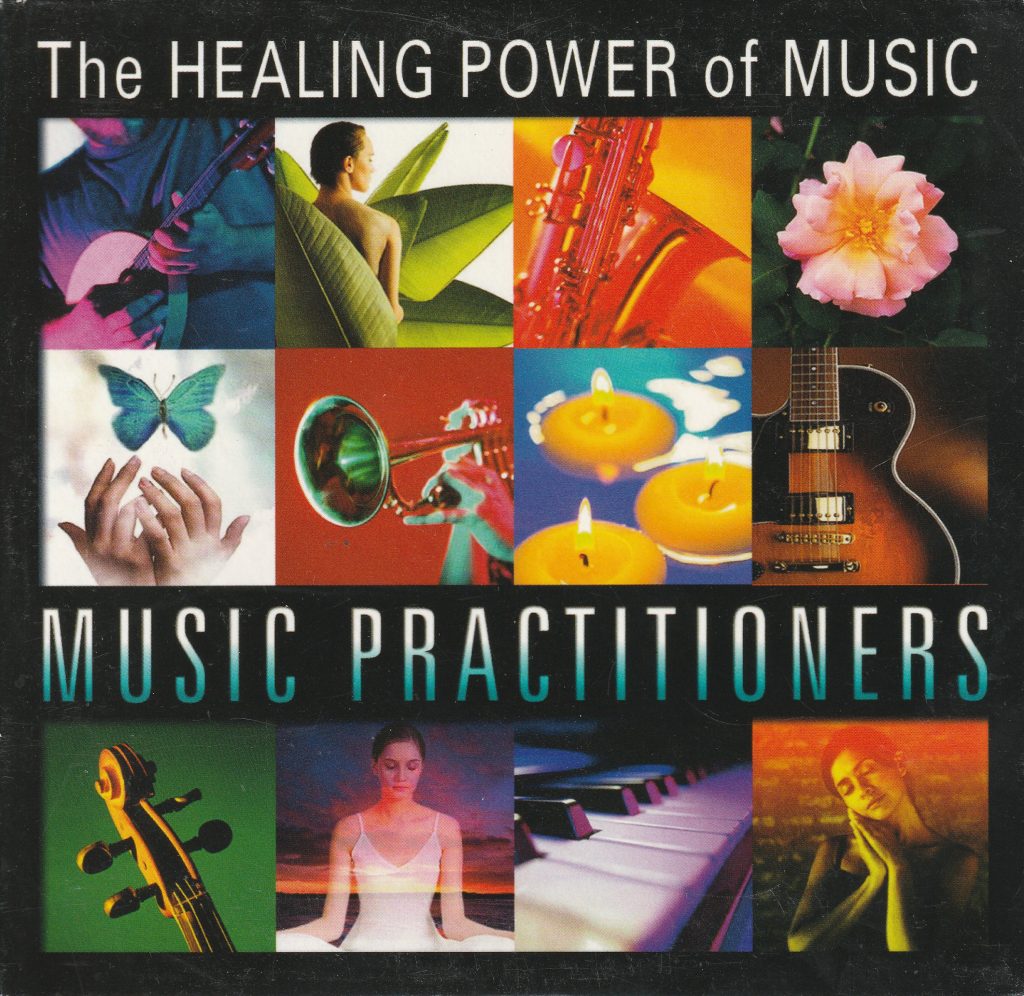
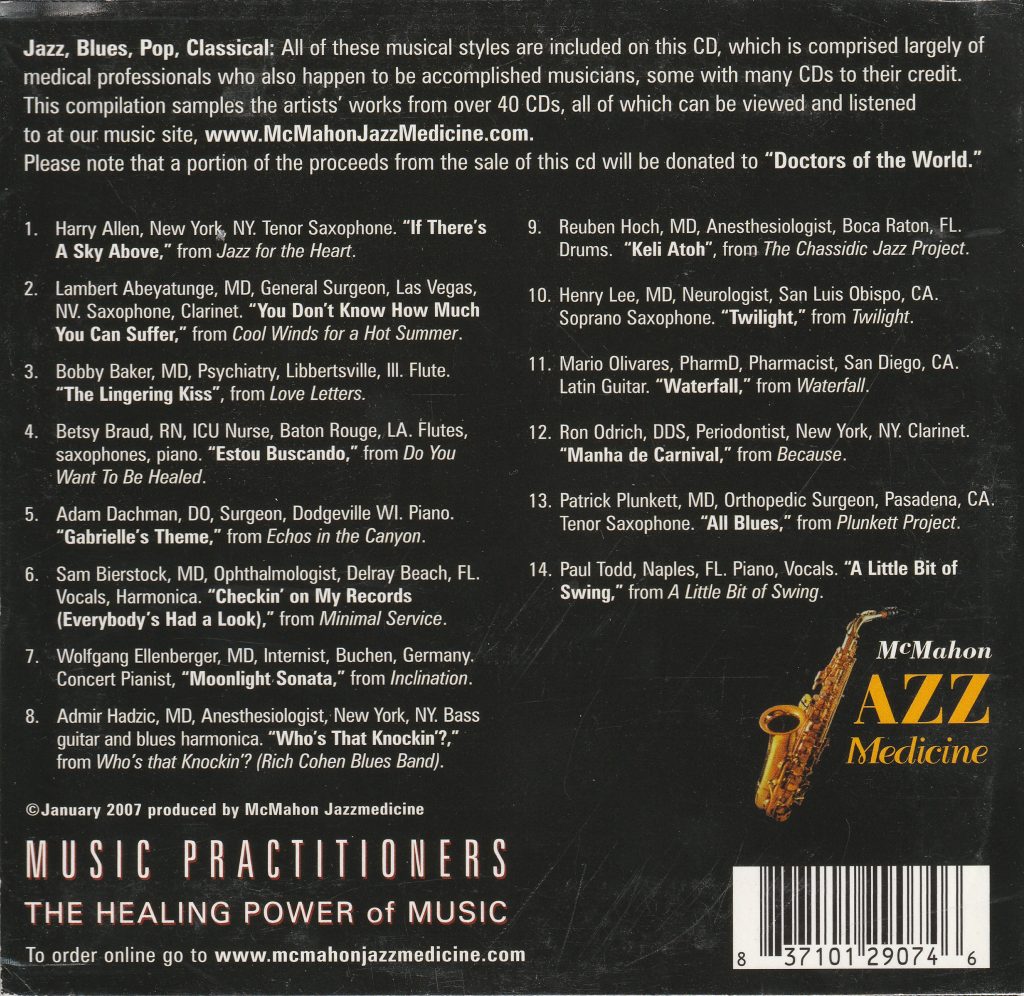
CD The Healing Power of Music | McMahonJazzMedicine

CD The Healing Power of Music | McMahonJazzMedicine

Adam Dachman

Sam Bierstock

Wolfgang Ellenberger


  • -

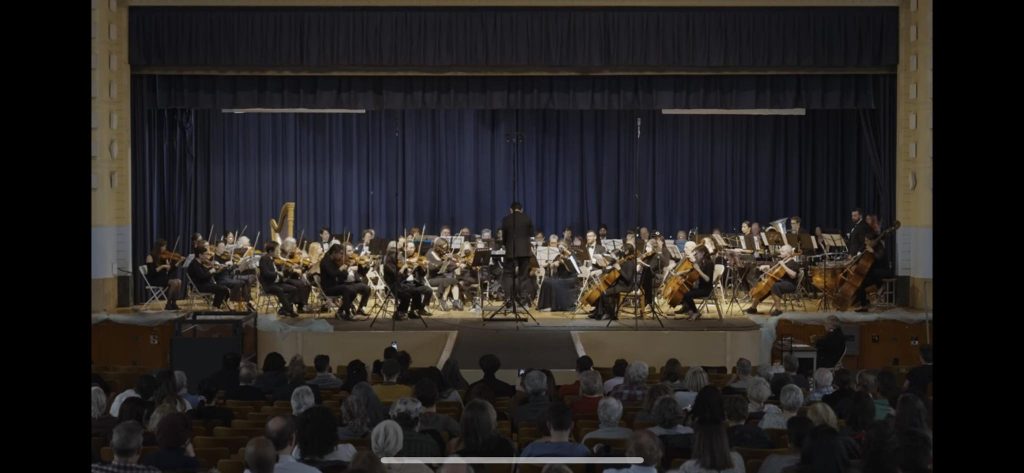
Doctors‘ Orchestral Society of New York

Die DOSNY wurde 1938 von Ärzten gegründet und führte symphonische Musik unter Ignatz Waghalter auf. Bis zu sechs Konzerte jährlich finden in den bekannten Konzertsälen statt, Carnegie Hall, Town Hall und in der Avery Fisher Hall.

DOSNY was founded in 1938 by physicians interested in performing symphonic music under the direction of Ignatz Waghalter. In recent years it has added community musicians representing the diverse professions in the New York metropolitan area.

The Doctors’ Orchestra performs four to six concerts annually, often donating its services for benefits. Depending on the music, the orchestra performs concerts with between 50 and 60 members. The orchestra has performed in New York’s major concert halls including Carnegie Hall, Town Hall and Avery Fisher Hall.

web

youtube

facebook

instagram


  • -

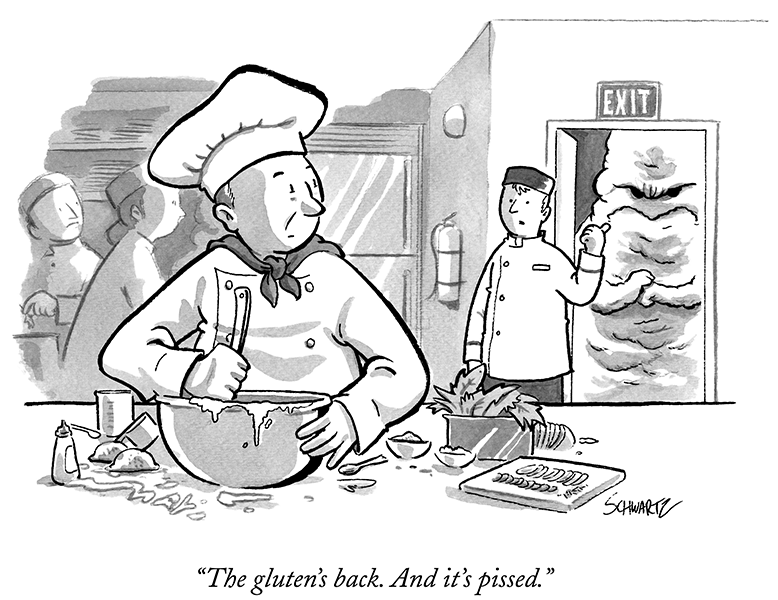
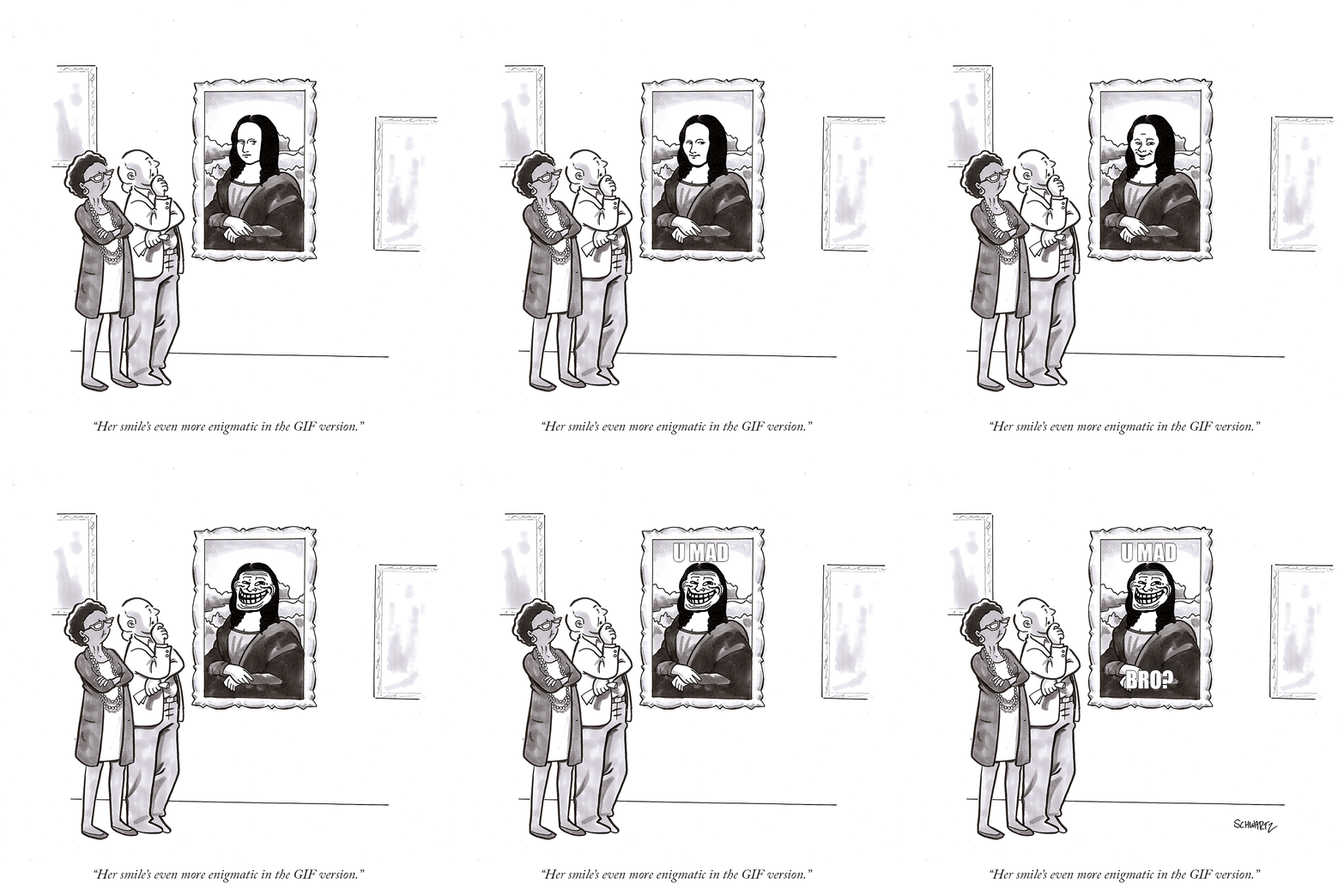
Ben Schwartz

Category : CartoonDocs

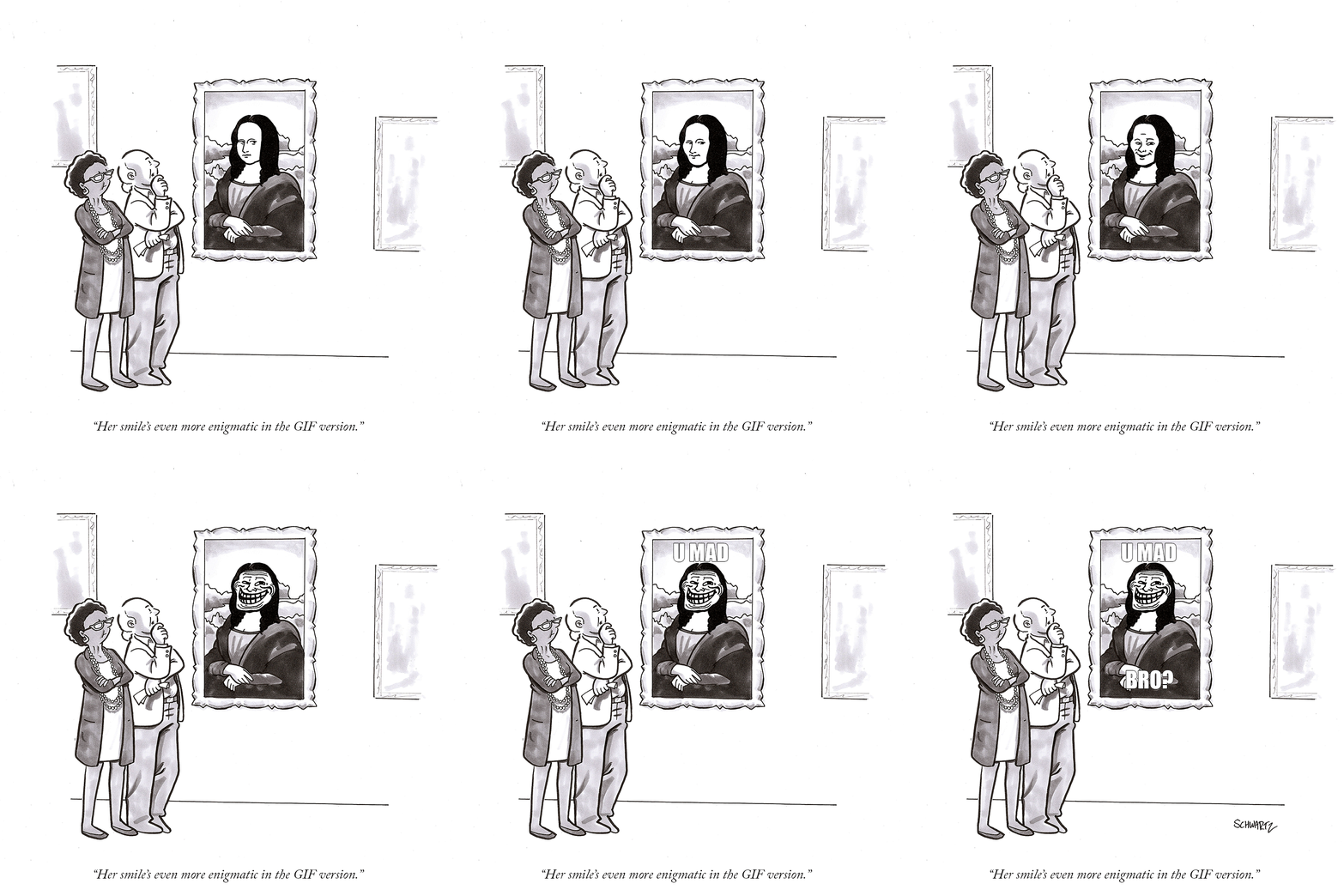
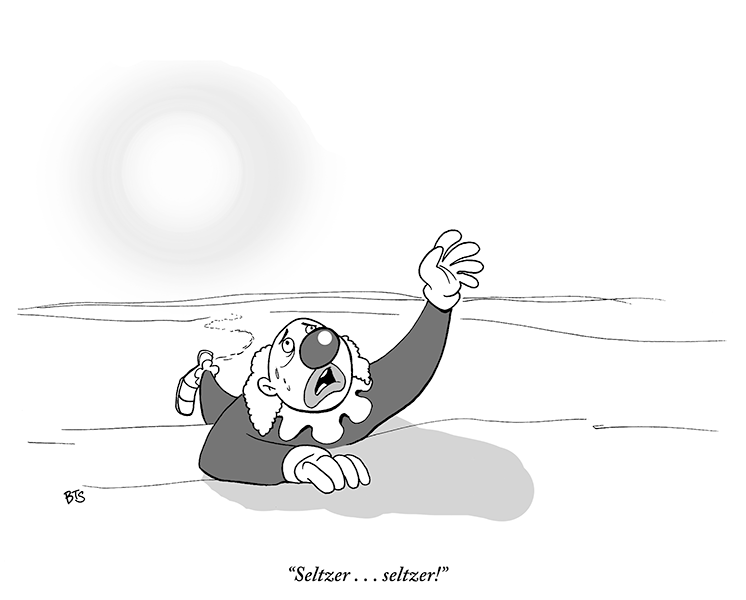
Ben Schwartz sollte in die medizinischen Fußstapfen seines Vaters treten, doch wurde ihm gegen Ende seines Medizinstudiums bewusst, dass er beruflich fortführen wollte, was er seit der Kindheit tat: Cartoons zeichnen. Über einige verschlungene Pfade kam er schließlich dazu, an der Columbia University medizinisch-pädagogische Cartoons zu zeichnen und er wurde sehr bekannt, weil er eine Zeitlang tägliche Cartoons in der New Yorker.

EN Interview: Schwartz made it all the way through his first year as a resident in internal medicine before drawing comics full time. His work regularly appears in The New Yorker and he illustrated the recently published A is for Artisanal: An Alphabet Book for the Hip, Modern Baby. His career has also brought him back to medicine in ways he didn’t expect.

In 2012, Columbia’s Department of Ophthalmology approached Schwartz about developing a comics-based curriculum for its students. He was later asked to teach in Columbia’s Narrative Medicine program, which helps doctors both understand and communicate the patient stories that might not appear on charts. In both areas, Schwartz shares the grown-up value of comics for doctors-in-training.
Q: Where do your ideas for New Yorker cartoons about doctors come from?
A: A lot about medicine lends itself to humor. There’s a very strange power dynamic when you have one person who’s essentially in a costume, with the white coat and the equipment, and another person who’s nearly naked just sitting on a table.

Q: Not all of your work is humorous. You’re currently working on a comics-based curriculum for ophthalmologists.
A: It’s an area where the medium suits the message really well. What we’re talking about in med school is not all abstract and conceptual. We’re talking about anatomy and pathophysiology, things where the visual information is a big part of what you need to know. You need to know where this organ is in relation to this other organ.

It’s natural to teach all of this through a visual medium. Comics have the added bonus of being told through panels. This helps break down complex content into more manageable chunks.

But beyond that, the associations people have with comics make this very complex material more approachable. As a cartoonist, I sometimes fight against the perception that comics are necessarily “kid stuff.” But as an educator, those playful associations are an advantage when you’re disseminating information to stressed-out med students.

Q: You went to medical school yourself. Did cartooning skills ever come in handy?
A: I spent a month doing an elective in narrative medicine, a subject I now teach a class in. Narrative medicine basically teaches students how to better interpret—and tell—the stories of illness and recovery they will encounter as doctors. I spent that class working on a children’s book. The subject was actually a real downer, a child dealing with the death of a parent. That month, all I did was think about this sad story, and how I could bring it to life. Despite the subject matter, it was my favorite month of medical school. It convinced me that maybe there was a value to the space between medicine and art.

Q: What makes cartooning so well suited to teaching?
A: First, I don’t think that cartooning is so special in that regard. All these creative exercises in our field—fiction, poetry—help students focus on this larger idea that doctors are storytellers. Cartooning is just one route to get to that.

That said, I happen to think it’s a pretty good starting point, with unique lessons.

Q: Can you give an example?
A: I do a whole lesson that starts out teaching artistic perspective and how cartoonists use it to enhance narrative perspective. Students tell one story from the doctor’s point of view, then from the patient’s point of view. They explore the physical angle of the doctor standing above the patient, and what effect that has on the story emotionally. From the perspective of the doctor, the patients might seem fragile, or even pathetic. Then when students think about the patient’s perspective, the doctor could appear heroic, standing above, or judgmental, looking down.

It’s a way of understanding what happens in doctors’ offices. It changes when you think about it visually. 

New Yorker

collection | Sammlung cartoons on google

article | Artikel Massachussetts hospital

article | Artikel Columbia News

article | Artikel DoctorsWhoCreate

instagram

twitter


  • -

Richard Kogan

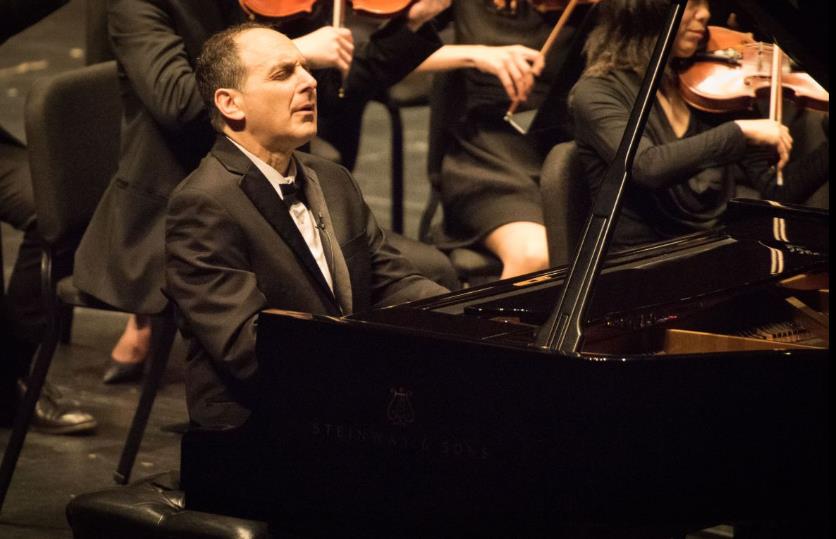
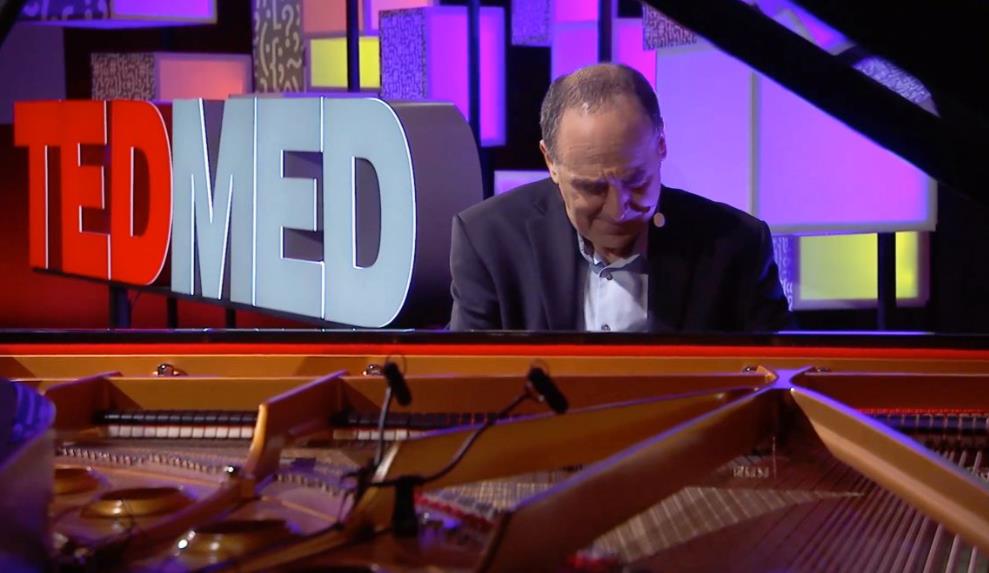
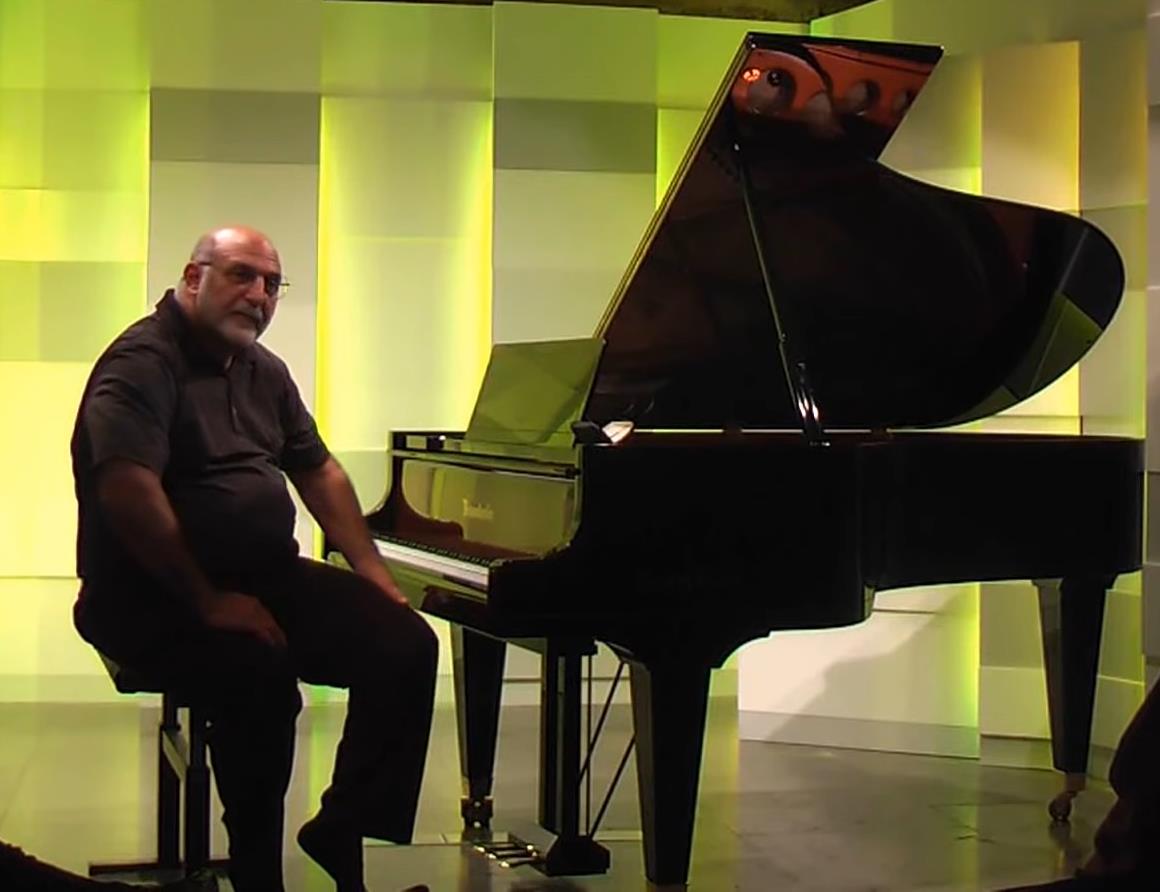
Richard Kogan hat sowohl als Psychiater, als auch als Konzertpianist Karriere gemacht. Als Professor am Weill Cornell Medical College ist er gleichzeitig der Direktor des Weill Cornell Musik-Medizin-Programms.

Er ist bekannt für seine Themenkonzerte, in denen er die heilende Funktion von Musik erklärt und deren Wirkung auf psychiatrische Erkrankungen, und er bespricht gerne die Psychologie in den Gedanken von bekannten Musikern und Komponisten. Er lebt in New York.

web

wikipedia EN

youtube


  • -

Alexie Puran

„Mit JetBlue Airways Inflight Buddy Program konnte ich teilzeitmäßig als Flugbegleiter arbeiten, während ich Medizin studierte. Meine Erfahrungsn als Flugbegleiter haben geholfen, mit zu dem „besseren“ Arzt zu formen, der ich heute bin.

article: How working as a flight attendant made me a better physician

profile


  • -

Tony Cicoria

Nachdem Tony Cicoria vom Blitz getroffen wurde, hatte er ein Out-of-Body-Erlebnis und wurde in diesem Zustand in Form einer Klaviersonate inspiriert. Sodann nahm er Klavierunterricht, schrieb das Stück auf und spielte es auf CD ein. 2013 besuchte er die PianoMusicDocs master-class von Wolfgang Ellenberger in Wien und spielte seine Blitzsonate beim Abschlusskonzert im Mozarthaus. Das ist eine besondere Überwindung dieses Traumas!

Die Kurse sind jetzt in der Schweiz, siehe www.pianoforte.best

Klicke auf den youtube-Link unten und finde etliche Beiträge über ihn, TV-Shows, Interviews.

web

wikipedia DE – wikipedia EN – wikipedia XY

youtube – vimeo – soundcloud

facebook – twitter – instagram – XING

work


  • -

Samuel Wong

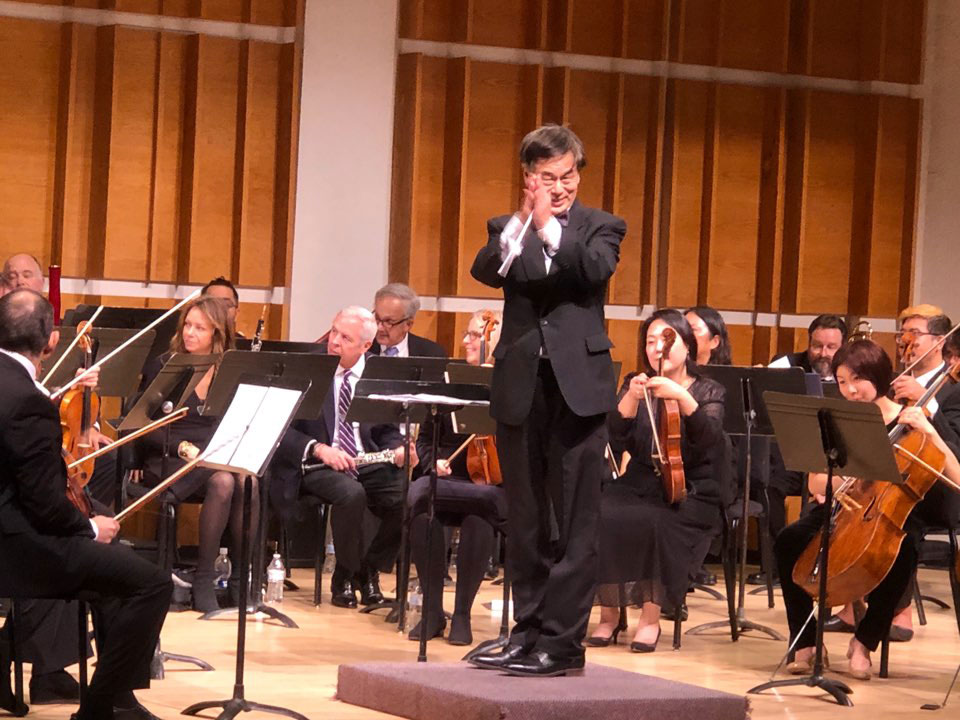
Samuel Wong ist ein 1962 in Hongkong geborener kanadischer Dirigent und Augenarzt. Dr. Wong wurde an der Harvard Medical School und am Columbia University College für Ärzte und Chirurgen ausgebildet und ist Augenchirurg und praktiziert in Manhattan und Brooklyn.

Samuel Wong (Chinese: 黃大德) is a Hong Kong-born Canadian conductor and ophthalmologist [1].

Trained at Harvard Medical School and Columbia University College of Physicians and Surgeons,[1] Dr. Wong is an eye surgeon practicing in Manhattan and Brooklyn.

In another career, he has conducted many international orchestras including the New York PhilharmonicSeattle and Houston Symphonies, Toronto and Montreal Symphonies, orchestras in ItalySpainBelgium, and Israel. Wong led the New York Philharmonic in December 1990 after the untimely death of Leonard Bernstein, and replaced Zubin Mehta in Washington D.C. in January 1991 when Maestro Mehta traveled to Israel in an act of solidarity with the Israel Philharmonic during the Persian Gulf War.

(EN:) Wong pursued his first degree in Toronto at the Royal Conservatory of Music, where he graduated with a degree in piano performance. While there, he also studied composition, tuba and violin.

After obtaining his music degree, Wong moved on to Harvard to pursue a second degree in medicine. Wong was a Magna Cum Laude graduate of the applied mathematics program at Harvard and later graduated from Harvard Medical School with honors in ophthalmology, neurology and psychiatry. He
completed a one year internship in Internal Medicine and then began an ophthalmology residency at Manhattan Eye and Ear Hospital in 1989.

His humanitarian work has brought him to Tibet, China, and Amman, Jordan to restore sight in refugees.

web – Harvard alumni article

wikipedia DE
wikipedia EN

youtube – vimeo

facebook – twitter – instagram

workwork2work3


  • -

Samariter Ärzteorchester

Tags :

Category : OrchesterDocs

Das Gründungskonzert wurde ursprünglich im Namen Nordamerikanisches Ärzteorchester durchgeführt am 16. Dezember 2017 und spielte Konzerte in der Dominikanischen Republiek 2018 und 2019. Nun ist NAMO wiedergeboren als Samariter Ärzteorchester.

web

wikipedia

youtube – vimeo

facebook – twitter – instagram

work