Udo Remmes

  • -

Udo Remmes

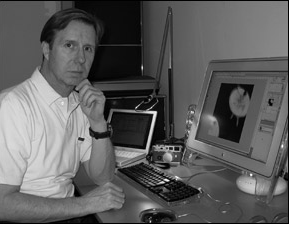
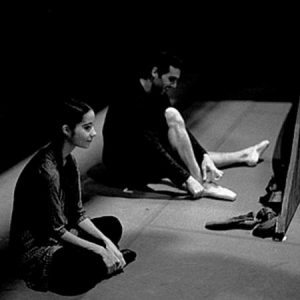
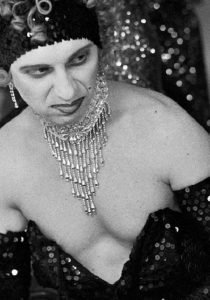
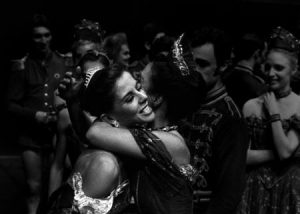
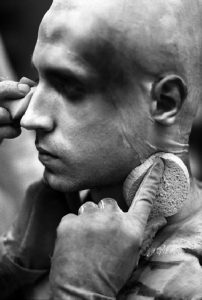
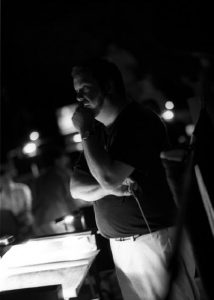
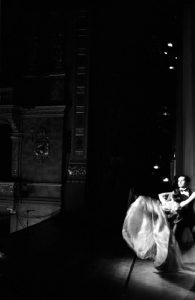
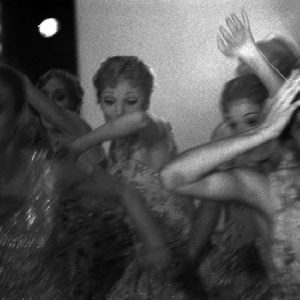
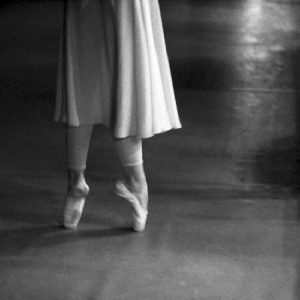
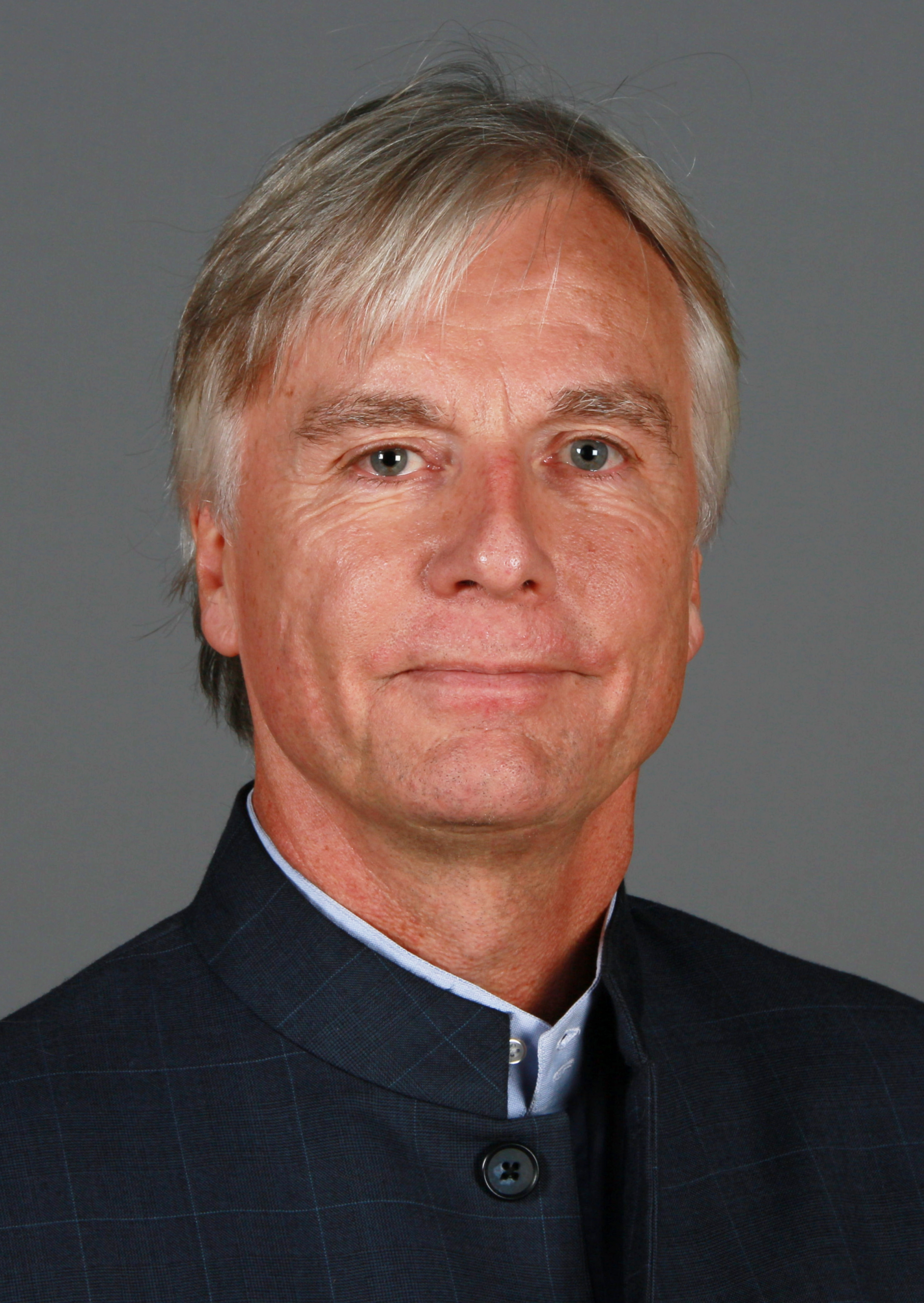
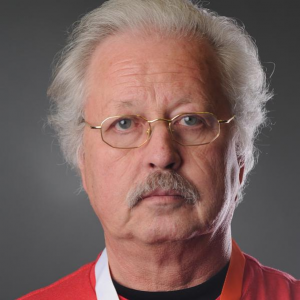
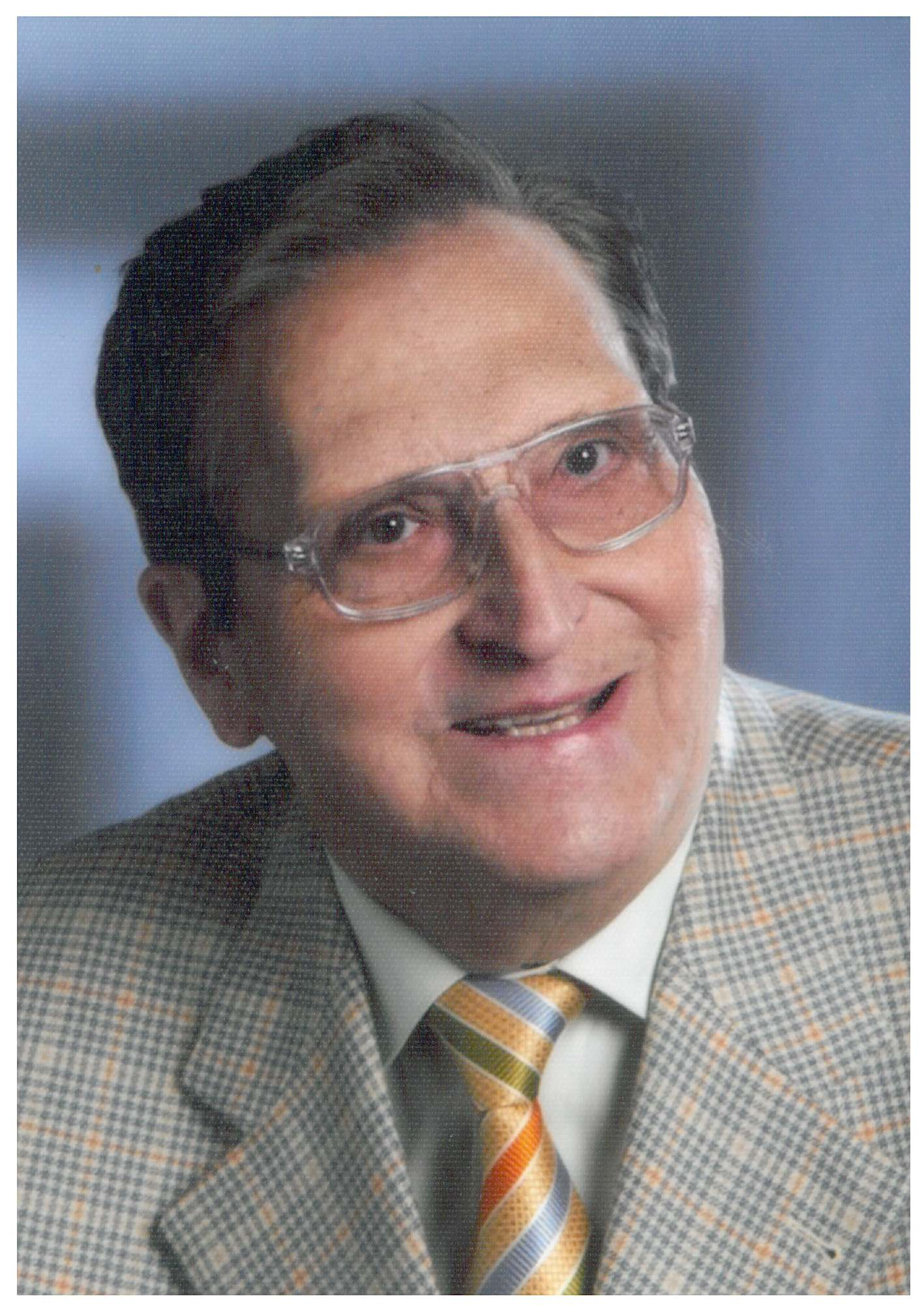
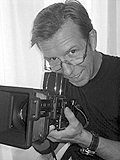
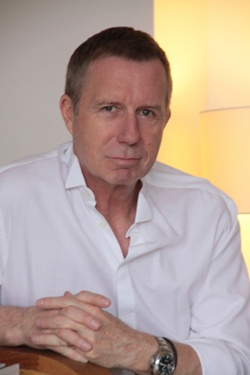
Karl Maria Udo Remmes (born 2 July 1954 in TübingenWest Germany – 25 November 2014 in Köln[1]) was a German photographer and physician. He has become known especially for his work in backstage photography specializing in opera, ballet and musicals. The leading idea of Remmes’ photographic work is not the documentation – he wants to capture the moments when the hard work of acting transmutes into art.

After studying biology and medicine, Remmes did his medical doctorate in 1986 in neuroradiology, and became a consultant radiologist specialized in cross sectional imaging.[3] He was awarded a Graduation in Professional Photography[4] by the New York Institute of Photography.
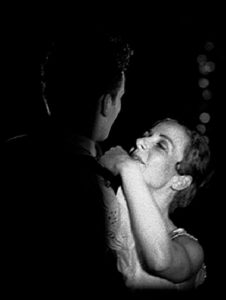
Remmes’ first photo exhibition “Operaria” at the University of Düsseldorf[5] presents a portrait of backstage operations of the Deutsche Oper am Rhein. Remmes worked at various European opera and ballet theatres such as the Teatro Regio of Turin, the Graz Opera, the English National Opera in London, the Savonlinna Opera Festival in Finland and at the Chang’an Grand Theatre in Beijing, China.[6] In 2002, the Theatre Museum Düsseldorf established the “Remmes Collection”. Remmes was elected a Fellow of the Royal Photographic Society (FRPS), Fellow of the Royal Society of Arts (FRSA) and a Fellow of The Royal Society of Medicine. He represented the City of Düsseldorf at the World Exhibition EXPO 2010 in Shanghai, showing his work in an exhibition on the interface between theater work and theatrical stage art in Liu Haisu Art Museum Shanghai[7]

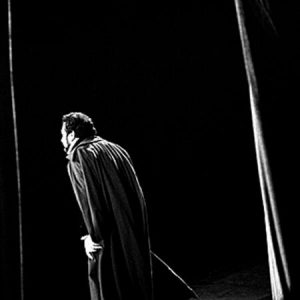
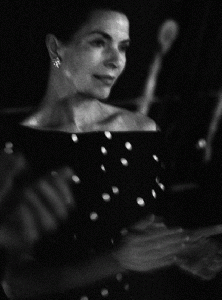
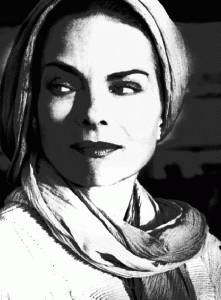
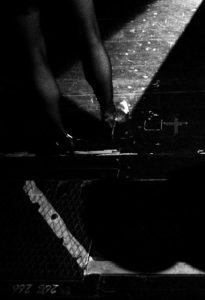
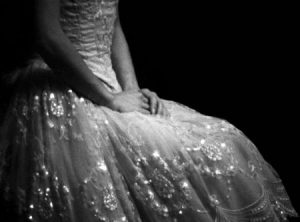
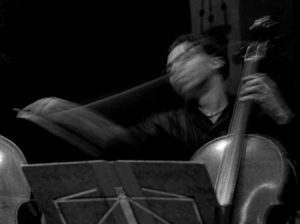
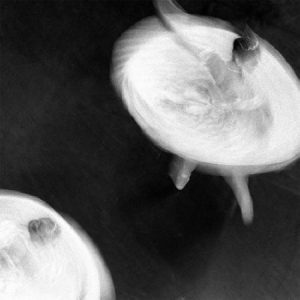
Remmes ‘ photographic style is based on pictorialism. His “Intrinsic Photography” (Remmes about his work) is contrary to the New Objectivity of the Düsseldorf School of Photography founded by Bernd and Hilla Becher. He captures multiple dimensions of theater reality by including diverse temporal, spatial, contextual and reality layers in one image. His pictures tell stories of the theatre machinery. He shows the backgrounds and unwritten laws, the union of scientific and superstitious components behind the scenes.[8] Remmes writes small notes and poems with light to show different realities: the world outside and the artificial world on stage, when actors and singers swap from one world to the other.[9] He represents modern theatre photography but he’s not interested in personality cult or in documentation of the action on stage.[10] He uses unusual prospects, i.e. bird’s eye view.[11] The photographs carry emotion in a different way, by blurred and strong contrasted sujets.[12] Remmes manages to bring the sensitive balance between theatrical work and art to perceptibility
Photographical CV

Exhibits

2000Library Heinrich-Heine-University Dusseldorf, Germany

2001        – Pfalzbau Ludwisghafen, Germany
– In Memoriam 9/11 Johannes Kirche / City Church Dusseldorf

2002        – 105th Joint Meeting of German Physicians, Rostock, Germany
– Serenissima Serenata, Venice goes Charity, Dusseldorf
– Leica Gallery Solms, Leica Headquarters Solms, Germany

2003        – Leica Gallery Tokyo, Japan
– Theatrical Museum Dusseldorf
– Foundation „Collection Remmes“ related to Dumont-Lindemann-Archive
  by the City of Dusseldorf
– Photo-Art Setting new foyer of the Dusseldorf Theatrical Museum

2004        Rathaus (Cityhall) Schoeneberg, Berlin, Germany

2005        – Goethe Institiute, Beijing, China
– He Xiang Ning Art Museum, Shenzhen, China

2006        Gallery Dr Petra Lange, Berlin, Germany

2007        Photo-Art Tour „Tracing C.C.“, Howard E. Lewis Events, Florida / USA

Publications

2002      Sabrina Ceccherini – Die Rock-Lady von LTU, Cover & Photos, UFO No.6

2003      – Moments of Art. Remmes U, Meiszies W (Edt), ISBN 3-929945-19-3

– The Art of Seeing. Remmes U, Sadler R; Cont.Photogr./RPS No.27
– On Stage / Backstage. Remmes U, Matzigkeit R; Schwarzweiss 37

2004      Nô-Images, The Art of Japanese Nô-Costumes, Remmes U

2005      b_fity!, Hommage to Birgit Wessely, Remmes U

2006      Traditional Excellence by Digital Design, Remmes U, RPS-Journal Vol. 146 

2007      Tracing C.C., Photos on the Traces of Christopher Columbus, Remmes U

 Distinctions and Affiliations:

  • Accredited Senior Imaging Scientist (ASIS) and
    Fellow of The Royal Photographic Society (FRPS) of Great Britain.
  • Graduation in „Professional Photography“ by the New York Institute of Photography – NYIP, New York / NY, USA.
  • Marquis Who´s Who in The World, New Providence, USA
  • Hübners Who is Who Bundesrepublik Deutschland, Zurich, Switzerland
https://de.wikipedia.org/wiki/Udo_Remmes


  • -

Rudolf Rehbach

In his time as medical student ans assistant doctor Rehbach still had time for his artistic ambitions. Georg Brenninger and Emil Krieger were supporting him at the Munich Art Academy. He got further impulses from the Phantastic Realism of the Vienna School – Ernst Fuchs and Aric Brauer were protagonists here. But also surrealism – especially Salvador Dalí and Max Ernst wer influencing his visions of shape as well as Henry Moore.

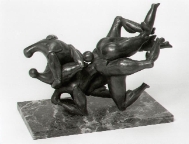
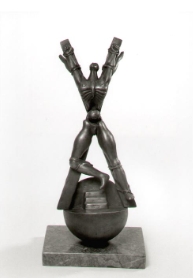
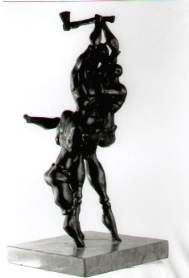
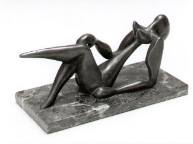
Based on this he mainly makes small sculptures of bronce in the magical-mystical world between erotics and sexuality – as a free style of the new era.

Though his main work for the last 1 5years (2007) is obstetrics and cytology in Neufahrn near Munich/Bavaria/Germany. He is member of an art circle in Echingen and participated in several exhibitions and got a great response about his work.

Nachfolgerin der Praxis


  • -

Frank Rawer

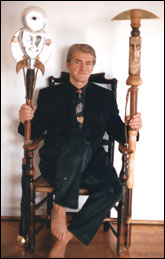
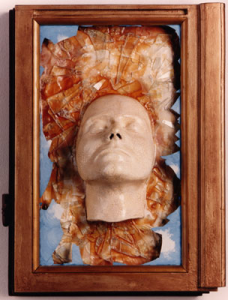
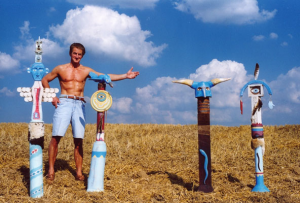
Frank Rawer, physician and artist, was born in Strasbourg. He grew up in Saarland and the Odenwald region; at the Odenwald School (near Heppenheim, Bergstrasse), he served as president of the school council, among other things. He received a travel scholarship from the Fondation des Bourses de Zellidja. He graduated with honors. He studied medicine in Frankfurt am Main, including an internship abroad in New York, USA. He passed the state examination (“very good”), received his doctorate (“magna cum laude”), and passed the ECFMG examination in 1971. He trained and continued his medical education (pediatric clinic, surgery, internal medicine, pathology, anesthesiology with helicopter rescue service, and radiology). He is a specialist in internal medicine and a specialist in radiology, specializing in nuclear medicine. He worked for many years as a senior radiologist.
For a long time (over 40 years), however, he has also worked as an artist, with a now extensive body of work, largely outside the art world for many years.

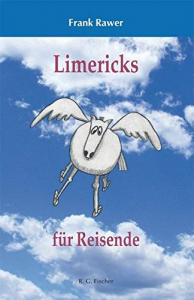
Frank Rawer has also won prizes in several photography competitions and participated in related exhibitions (including the International Book Fair Frankfurt 2000, Photokina Cologne 2004). Frank Rawer is also the author of the poetry collection “Limericks for Travelers” (R.G. Fischer Verlag).

On the occasion of an exhibition, journalist and art historian Ingrid Zehnder (St. Gallen) wrote: “… as a self-taught artist, he has not only achieved astonishing precision and perfection in his craftsmanship, but has also developed a distinctive, independent style in his invention and expressiveness.

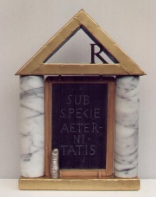
Frank Rawer works with a wide variety of materials: wood and plaster, Carrara marble and feathers, gold and sheet metal, precious woods and found objects from nature, canvas and paper. These are not random assemblages, however; the inherent quality of the material always plays a role.

Frank Rawer’s works are original and imaginative; they make allusions and set chains of ideas in motion. Sometimes they are cheerful and witty, ironic and playful, sometimes serious and critical, ambiguous and subtle.”

https://www.frank-rawer.de


  • -

  • -

Michael Lobisch-Delija

Michael Lobisch-Delija, born in 1952 in Dannenrod, Hesse, and attended high school in Darmstadt, studied medicine at the Justus Liebig University in Giessen from 1970 to 1976. After completing his military service as a military doctor and completing specialist training, he became a senior physician at the Institute of Anesthesiology and Intensive Care Medicine at Darmstadt Hospital in 1984. In 1986, he moved into clinical research and the development of drugs for pain and other chronic diseases.

He wrote his first poems in 1995. These were initially published online on various guest websites, and since 2005, he has also been published in various anthologies. MLD lives and works in the Wetterau region.

His lyrical work is currently divided into five cycles entitled “Emphasis,” “Gaya,” “Kronos,” “Blood,” and “Eros,” which explore the central aspects of human existence.

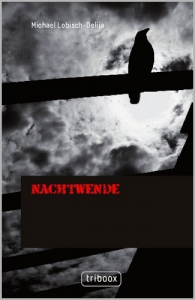
His poetry collection NACHTWENDE (ISBN: 978-3-942384-05-6, triboox Verlag) was published in February 2011.

NACHTWENDE

Independent Publication

The poems from 1995 to 2010 are thematically divided into five cycles (Vita, Gaia, Kronos, Blood, and Eros). They are straightforward poetry, which precisely for this reason evokes strong visual associations in the reader and, despite its relative fluidity, is not free of oppressive elements. After an occasionally laconic beginning in the familiar here and now, the shift to another world can occur suddenly and be disturbing, or unfold a special charm through a skillful punchline at the end. Sometimes one has to read between the lines and understand what appears to be harmless; stylistic elements such as enjambments and playful “going against the grain” are used supportively but casually. Exaggerated clauses are deliberately avoided in favor of vivid metaphors, as this would impair comprehensibility; clarity and depth should take priority.

I’ve been taking photographs since I was 14. Main subjects: People in their environment; symmetries; architecture and other geometries; seafood; travel photography. I work with an SLR (Contax), 28mm f/2 & 100mm f/2, preferably under available light conditions.
I digitize my films/negatives with a Microtek FilmScan (2700 dpi), and post-process them with Photoshop Elements or Photomatix Pro (HDRI images).
Additional images are taken with a Panasonic Lumix FZ28 or Sony Alpha 77V digital camera.

Exhibitions/Awards:

1971 Award at the VDAV State Photo Show
Two awards at the German Youth Photo Prize in Bad Godesberg (organized by the Federal Minister for Youth, Family and Health)
Certificate from the IFAM (International Amateur Photo Championship), organized by hobby magazine.

1972 Two pictures displayed in the 1972 Society exhibition at Photokina in Cologne
1973 Exhibited at the 5th FIAP Photo Forum Youth 1973 of the Federation Internationale de l’Art Photographique (FIAP)
1976 Silver medal at the 5th International European Youth Photography Competition 1976
Due to studies and specialist training, a long break from competitions and exhibitions, but not from photography.
2003 Photo exhibition at the White Tower in Darmstadt
2004 Participation in the photo community’s photo exhibition on the topic of “People in Europe” in Vienna
2009 Photo exhibition at the Orthopedic University Hospital in Giessen
2011 Photo exhibition at the PAPARAZZO Gallery-Restaurant in Friedberg

Book publications:
2011 “Paris without the Eiffel Tower” http://www.blurb.de/user/FotoPoesie
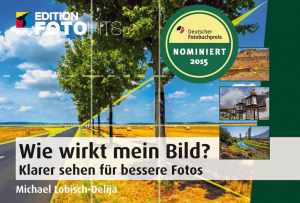
2014 “How does my picture work? See more clearly for better photos” ISBN 978-3-8266-9694-7, mitp-Verlag, FotoHits series

https://www.lobisch-delija.eu

https://www.youtube.com/@MichaelLobischDelija

https://www.facebook.com/lobischdelija?locale=de_DE

https://www.fotocommunity.de/fotograf/michael-lobisch-delija/418367

https://www.autorenwelt.de/person/dr-michael-lobisch-delija


  • -

Hannes Lindemann

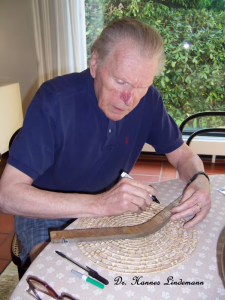
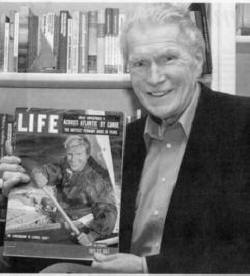
Hans-Günther[1] “Hannes” Lindemann (* 28 December 1922 – † 17 April 2015[2]) was a German physician, sailing pioneer, canoeist and author who became known for his Atlantic crossings in very small boats.

Interview with WDR5 on his 90th birthday in 2012 and report.

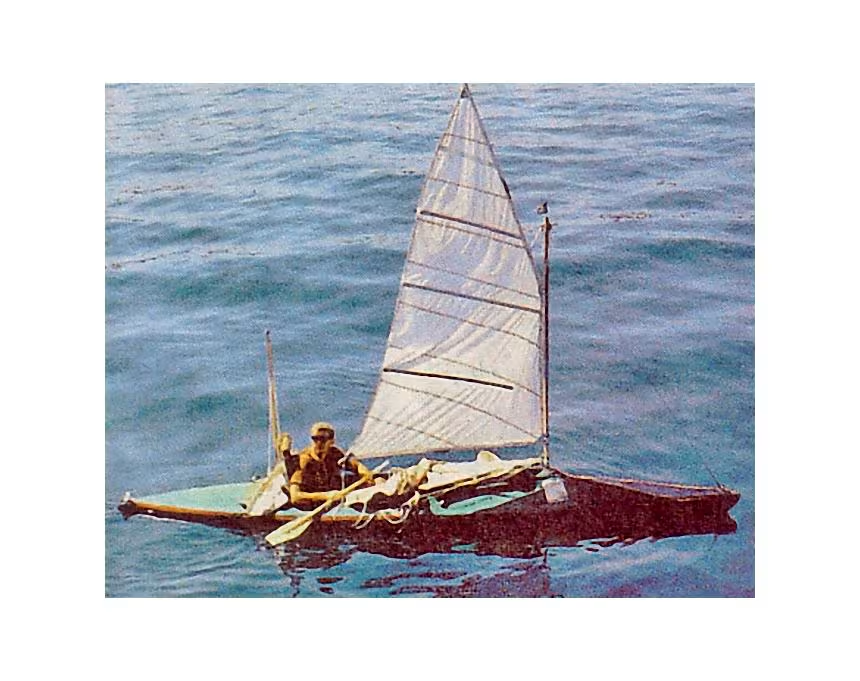
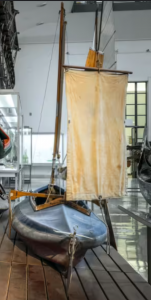
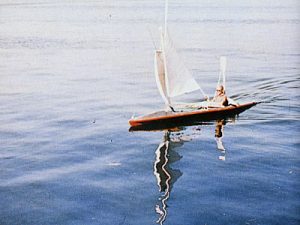
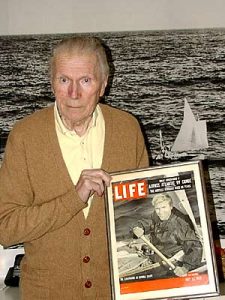
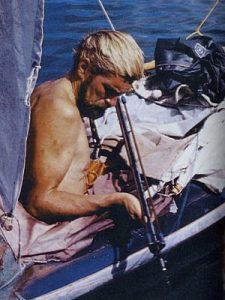
From 1955 onwards, he conducted several self-experiments to test the ability of a shipwrecked sailor to survive on the high seas under extreme psychological and physical stress. In 1955, he sailed the Atlantic in a dugout canoe, the Liberia, measuring 7.70 m x 0.70 m and weighing approximately 600 kg, specially built in Liberia. The following year, he sailed in an even smaller folding canoe (5.20 m x 0.87 m, 27 kg), the Liberia III.

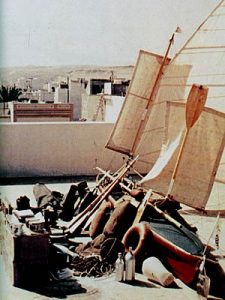
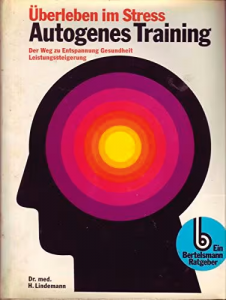
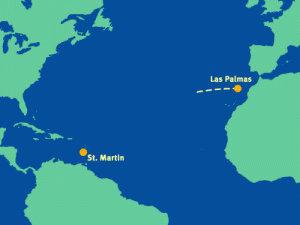
Lindemann equipped a standard two-seater Klepper folding boat of the Aerius II type with 60 cans of food, 96 cans of milk and 72 cans of beer, and 3 liters of water and crossed the Atlantic from the Canary Islands to St. Martin in the Netherlands Antilles. Although he carried a sextant for navigation, a floating anchor for rest breaks, and fishing tackle, he did not use a stove and ate the fish he caught raw. Lindemann cast doubt on Alain Bombard’s theory, which was discussed at the time, that shipwrecked sailors could meet their drinking water needs solely from salt water or the flesh of caught fish: he survived only by supplementing his supplies with collected rainwater. During the 72 days of the Atlantic crossing, he lost 25 kilograms of body weight and survived several hurricanes and two capsizes. He attributed his success to careful mental preparation for his journey through autogenic training and autosuggestion.

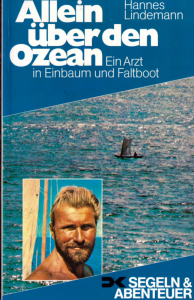
Lindemann subsequently enjoyed success as an author: “Alone Across the Ocean” is a logbook-like account of his first voyages. “One Man, One Boat, Two Continents” describes the experiences of a third Atlantic crossing in 1960 and summarizes conversations with African statesmen and with Albert Schweitzer, with whom he worked for a time as a doctor in Lambaréné (Gabon). He wrote several works on the subject of autogenic training, worked as a health educator for the German Red Cross, and taught at the University of Bonn on the topics of autogenic training and mental hygiene. His guidebooks have appeared in numerous editions.

Hannes Lindemann last lived in Bonn-Bad Godesberg. Wolfgang Ellenberger once had a telephone conversation with him.

https://de.wikipedia.org/wiki/Hannes_Lindemann

https://www.yacht.de/yachten/klassiker/hannes-lindemann-mit-dem-faltboot-ueber-den-atlantik


  • -

Gerhard Kittel

Gerhard Kittel (* March 4, 1925 in Berolzheim, North Baden; † November 9, 2011 in Marloffstein) was a German otolaryngologist, phoniatrist, and pediatric audiologist who, as a university professor in Erlangen, played a key role in establishing the field in Germany and Europe.

Gerhard Kittel also wrote poems and poetry, but his early work was lost in the turmoil of World War II. He subsequently published texts and books, especially after his retirement, including a poetry series published by Specht-Verlag. He was a member of the German Federal Association of Doctor-Writers.

He wrote a poem for the European Congress of Doctor-Writers in October 2002 in Bad Säckingen, Southern Germany:

Gerhard KittelEuropalied“rough” english translation:
Schwestern, Brüder, reicht die Hand,Brothers, sisters take your hand
lasst vergessen Streit und Leid,let´s forget quarrels and suffering
schätzet euer Vaterland,estimate your own country
stärkt Europas Einigkeit.and enforce Europe´s unity.
Lebt in Freiheit ohne Krieg,Live in freedom without war,
haltet Neid für immer fern,hold away jealousy forever,
ist Europa selbst schon Sieg,is Europe already a victory
leuchtet auf der Zukunft Stern.the star of future is gleaming.
Seht den Kontinent im Licht,See the continent in the light
fühlt und denkt und handelt recht,feel, think and act in the right way,
rächet das Vergang´ne nicht,do not revenge the past things
keiner sei des Anderen Knecht!nobody be the knight of the other!

https://de.wikipedia.org/wiki/Gerhard_Kittel_(Mediziner)


  • -

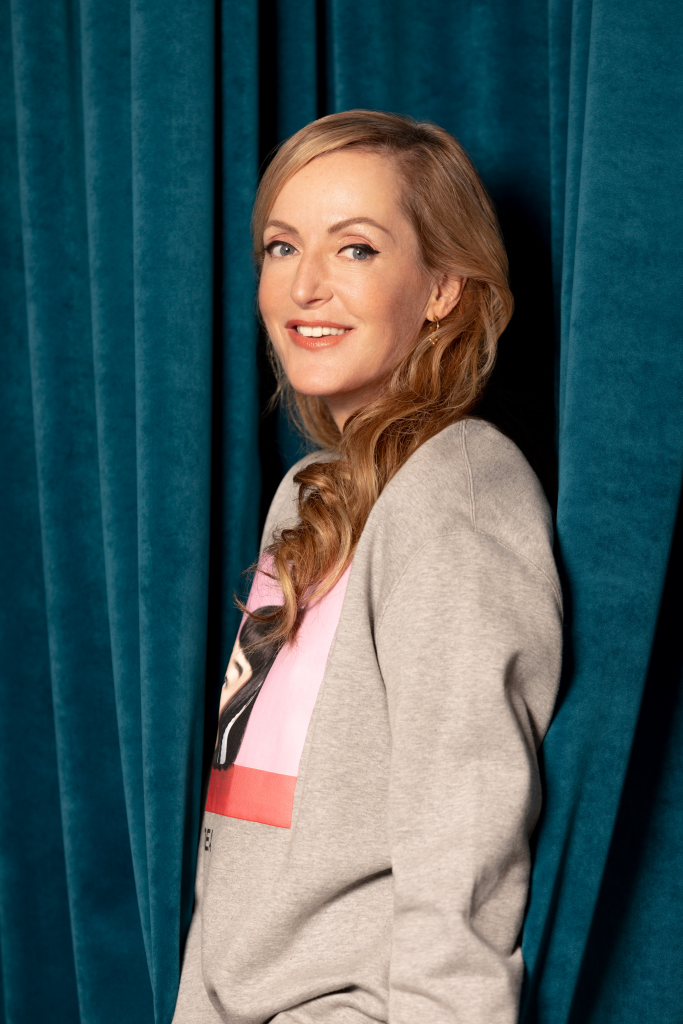
Katja Kessler

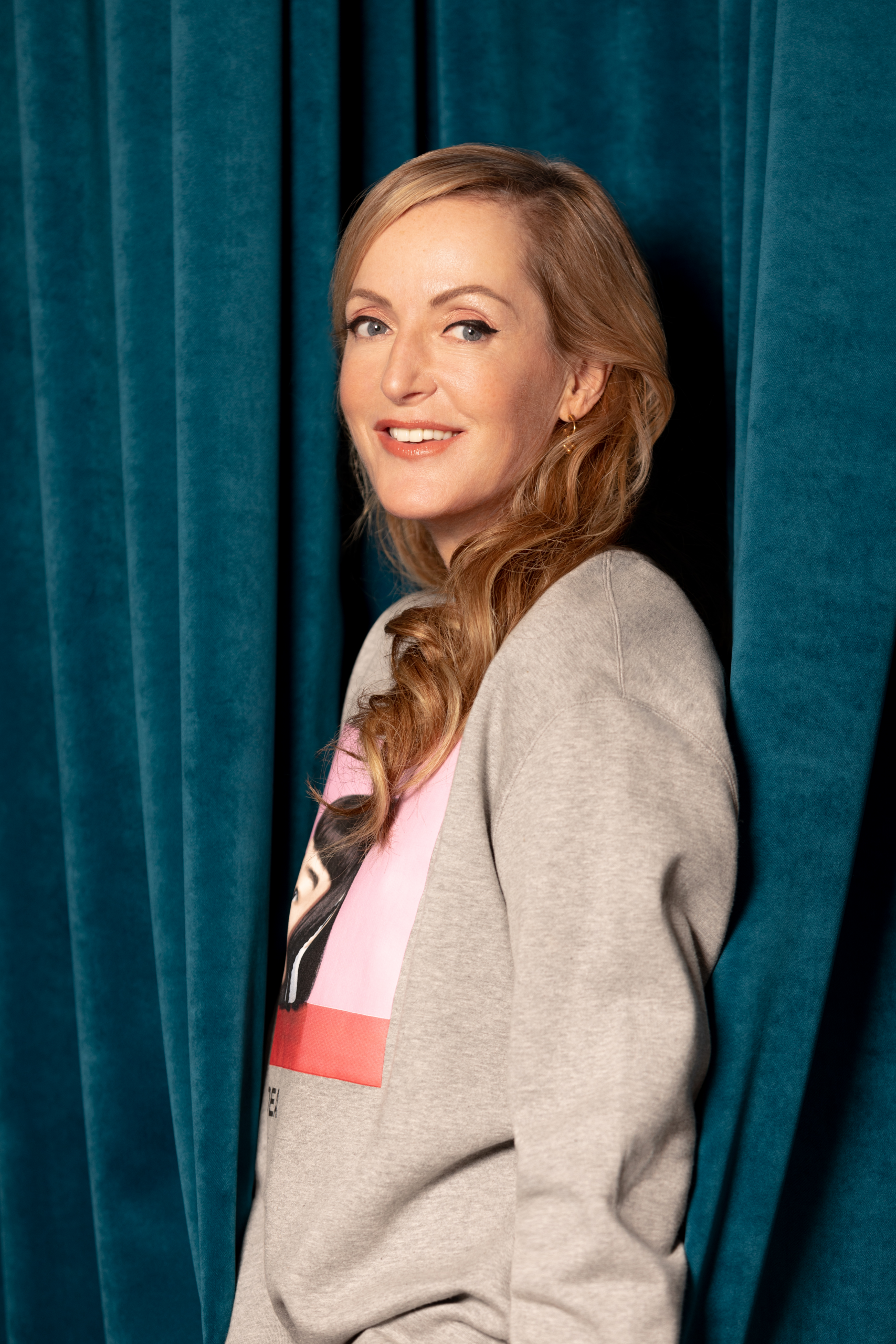
From a humanistic high school straight to dental school, then a career in journalism, later a bestselling author, and now a sought-after interior designer – Katja Kessler has reinvented herself several times over. In the podcast “Der Finanz-Gourmet,” she talks to Carolin Tsalkas and Oliver Morath about her unusual journey.

In the podcast, she provides fascinating insights into the world of design, exposes the most common mistakes in interior design, and reveals her three secrets to success. “The opportunity will present itself at some point,” she says, “but you have to seize it.”

Instead of taking over her father’s practice, Kessler interned at the Axel Springer publishing house and caused a stir with her front-page articles about nude photos of the BILD newspaper. She was given her own column and reported on high society at home and abroad for four years. In 2002, Kessler married Kai Diekmann, then editor-in-chief of Bild and later publisher of the Bild Group. The two have four children[1] and live in Potsdam.

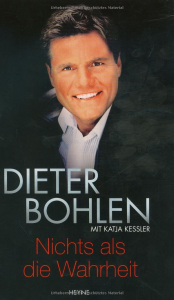
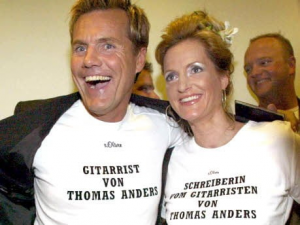
“I was bathed in dragon’s blood,” Kessler says of her path. Studying dentistry, which she completed at her father’s request, felt “like Carnival.” But the courage to change paid off: As a journalist for the Bild newspaper, she met celebrities such as the Dalai Lama and Brad Pitt, spent a year with Dieter Bohlen for his biography (sales: one million copies) and experienced bizarre moments with Prince Albert in Cannes.

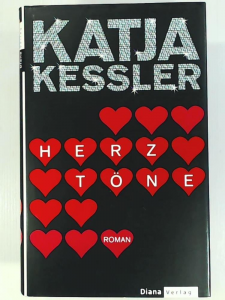
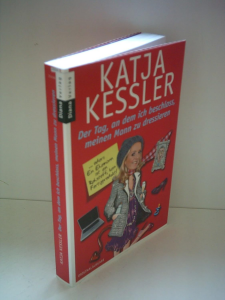
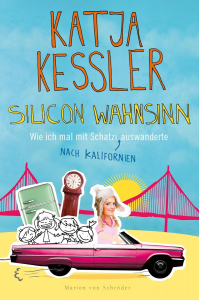
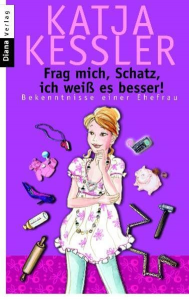
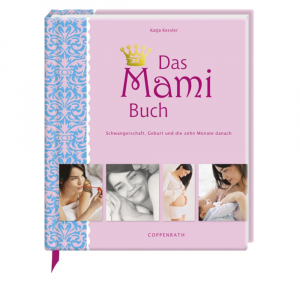
Kessler also published in the FAZ, the Für Sie and the Welt am Sonntag and wrote with Dieter Bohlen his biographies Nothing but the Truth (2002) and Behind the Scenes (2003). For her work she has been awarded, among other things, the Champagne Prize for Joie de Vivre[3] and – together with Bohlen – the Golden Feather. This prize was awarded because the book “was the first time that the feature sections of well-known newspapers dealt with the phenomenon of the tabloids”.[4] Her first novel, Heartbeats, was published in 2007, followed in 2008 by The Mommy Book: Pregnancy, Birth and the Ten Months After, and in 2009 she published Ask Me Honey, I Know Better, a novel in which she writes partly autobiographically about her marriage to Diekmann. On March 8, 2011, Kessler’s funny and factual stories, “The Schatzi Experiment or The Day I Decided to Train My Husband,” were published. In 2014, she published “Silicon Madness: How I Emigrated to California with Schatzi.”

Kessler also appeared as a “parenting expert” on the RTL program “Erwachsen auf Probe.”

She has been self-employed as an interior designer since 2018. In November 2023, four of her interior design projects—Villa Meeresstern and Das Kulm (both in the Baltic Sea resort of Heringsdorf), Berlin’s “Ullsteinhalle,” and the “H1” in Bielefeld—were nominated for the SBID Award in London, which Villa Meeresstern ultimately won.

Webseite

https://de.wikipedia.org/wiki/Katja_Kessler

Bei Dieter Bohlen


  • -

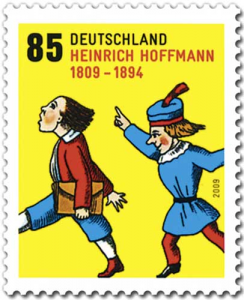
Heinrich Hoffmann

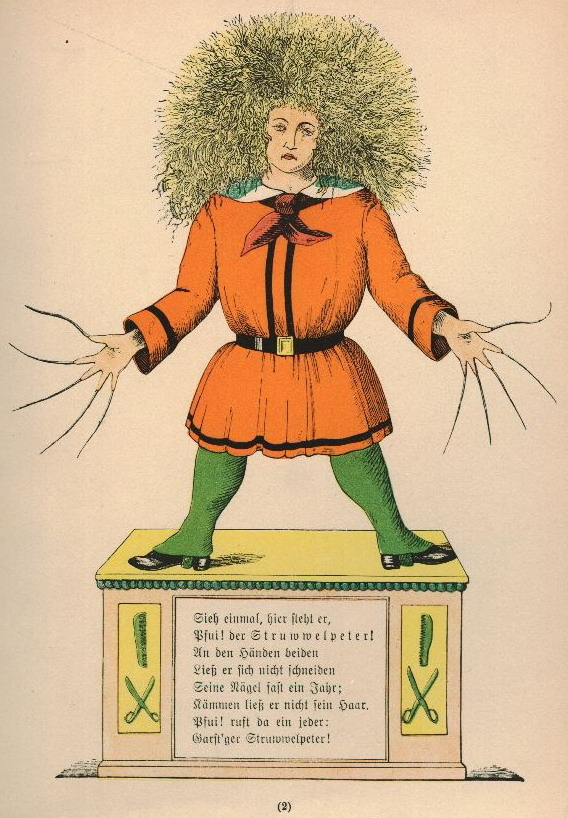
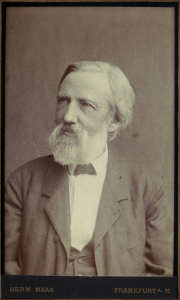
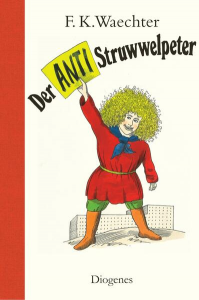
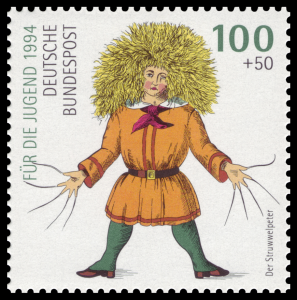
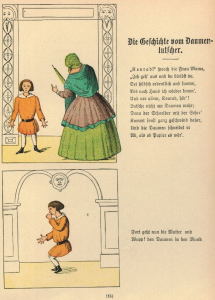
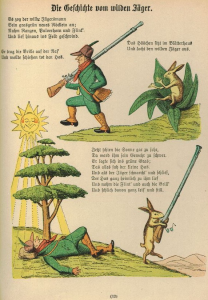
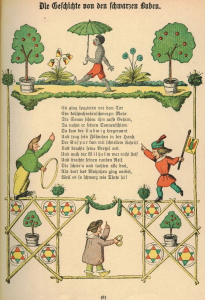
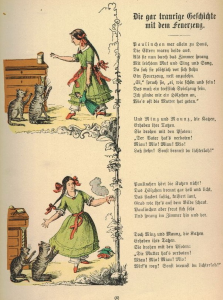
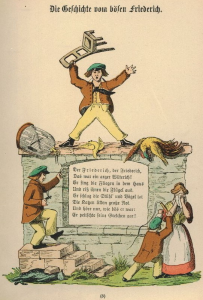
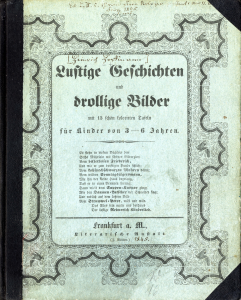
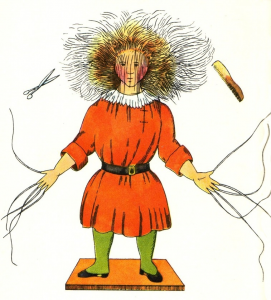
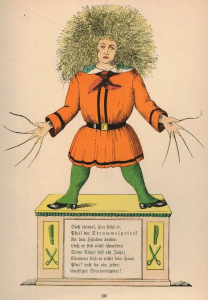
Heinrich Hoffmann (June 13, 1809 in Frankfurt am Main; September 20, 1894 in Frankfurt am Main) was a German psychiatrist, poet, and children’s book author. He is the author of Struwwelpeter (The Struwwel Peter). He also used the pseudonyms Heulalius von Heulenburg, Reimerich Kinderlieb, Peter Struwwel, and Polycarpus Gastfenger.

Politics

In 1848, he was a member of the Frankfurt Preliminary Parliament. He hosted the revolutionary Friedrich Hecker in his household. Hoffmann himself advocated a constitutional monarchy under Prussian rule and was a member of the Hereditary Imperial Party. In his satirical works “Handbook for Diggers or Concise Instructions on Becoming a People’s Man in a Few Days” (1848) and “The Howler Mirror” (1849), he strongly opposed the republicans. In 1866, he supported the annexation of the Free City of Frankfurt by Prussia.

Literarische Werke

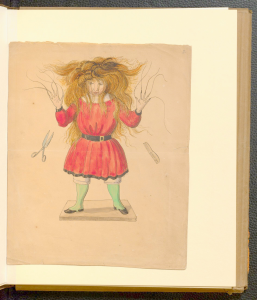
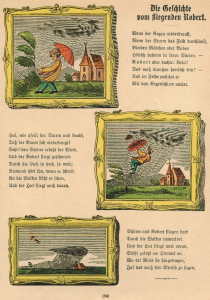
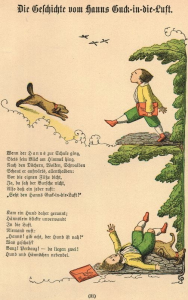
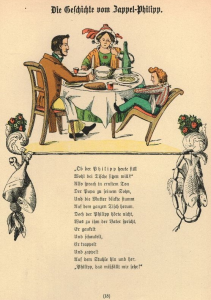
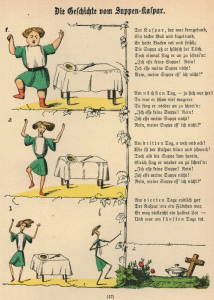
From 1842 onwards, Hoffmann published poems and plays under various pseudonyms. He described himself as an occasional verse writer. He became known worldwide through his children’s book, Struwwelpeter, which he illustrated himself and wrote for his eldest son for Christmas 1844. Presumably in 1858, Hoffmann created a new version with modified illustrations; all subsequent editions of Struwwelpeter are based on this.

In 1851, he published his Christmas fairy tale “King Nutcracker and Poor Reinhold.” The first edition was illustrated with a drawing by the author depicting the Frankfurt Christmas market.

After his retirement, he wrote his memoirs, which were not published until 1926.

Memberships, Private Life

As a student in Heidelberg, Hoffmann had been a member of the Corps Alemannia since 1830, later an honorary member.[3] In 1836, he joined the Masonic lodge “Zur Einigkeit.” After a few years, he left because it did not admit Jews.[4]

In the fall of 1840, Hoffmann founded the Society of Tutti Frutti and its Baths in the Ganges in Frankfurt am Main, a society of writers, artists, and scholars whose members adopted specially chosen “fruit names.” Hoffmann himself was the “Onion.” The members included Franz Xaver Schnyder von Wartensee (“Pine Cone”), Ludwig Braunfels (“Chestnut”), Wilhelm Speyer (“Betel”), Theodor Creizenach (“Deadly Nightshade”), Carl Trost (“Thorn Apple”), Friedrich Maximilian Hessemer (“Date”), Eduard Schmidt von der Launitz (“Juniper”), Lorenz Diefenbach (“Strawberry”), Georg Eduard Steitz (“Nut 2”), Johann David Passavant (“Pomeranian Orange”), Heinrich von Rustige (“Nut”) and Philipp Veit (“Fennel”).

Interesting humorous version of Struwwelpeter by Böhmermann:
https://www.youtube.com/watch?v=–X5XjyynMw

In 1845, he co-founded a medical association and composed “Wine Songs for Doctors” for social occasions.

He died after a stroke and was buried in Frankfurt’s Main Cemetery (at the Wall, No. 541, honorary grave).[6]

A street in Frankfurt-Niederrad is named after him, where the Clinic for Psychiatry, Psychosomatics, and Psychotherapy of the Frankfurt University Hospital is now located. Two museums are dedicated to him, as are several memorial plaques at his former residences in Frankfurt.

Dice Game

Mr. Fix von Bickenbach’s Journey Around the World in 77 Days, Struwwelpeter Museum, Frankfurt am Main, 2012. Available as a facsimile in a slipcase.[7]

Museum

The Heinrich Hoffmann and Struwwelpeter Museum has been located in Frankfurt am Main since 1977, providing information about the life and work of this man and his classic children’s book.[8] In September 2019, the museum, now known as “Struwwelpeter,” moved to its current location.-Museum“, in das Haus zum Esslinger in der Neuen Frankfurter Altstadt.[9]

https://en.wikipedia.org/wiki/Heinrich_Hoffmann_(author)

https://de.wikipedia.org/wiki/Heinrich_Hoffmann

https://de.wikipedia.org/wiki/Struwwelpeter

https://en.wikipedia.org/wiki/Struwwelpeter


  • -

André Hieronymus

No one should later claim they weren’t warned:
The magic shows of dentist Franz, aka André Hieronymus, are not for the sunny-natured.

No glittering curtain, no scantily clad assistant, no half-hour of fussing over a single rabbit trick.


Hieronymus’ magic is short and painful, with no feel-good guarantee, but guaranteed to be funny!

Talk to your doctor or psychologist about risks and side effects.

https://hieronymus.biz

https://www.youtube.com/@andrehieronymus4237