Bodo Schertel
- 2025-04-30
-
- 2025-04-29
-
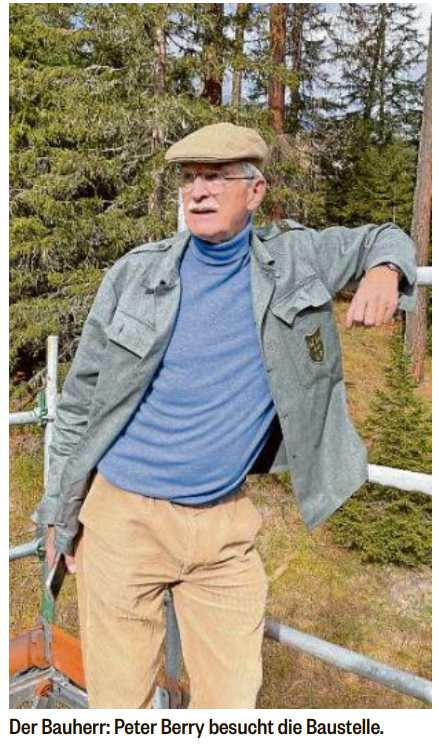
Peter R. Berry IV
Category : CarillonDocs , FlyingDocs
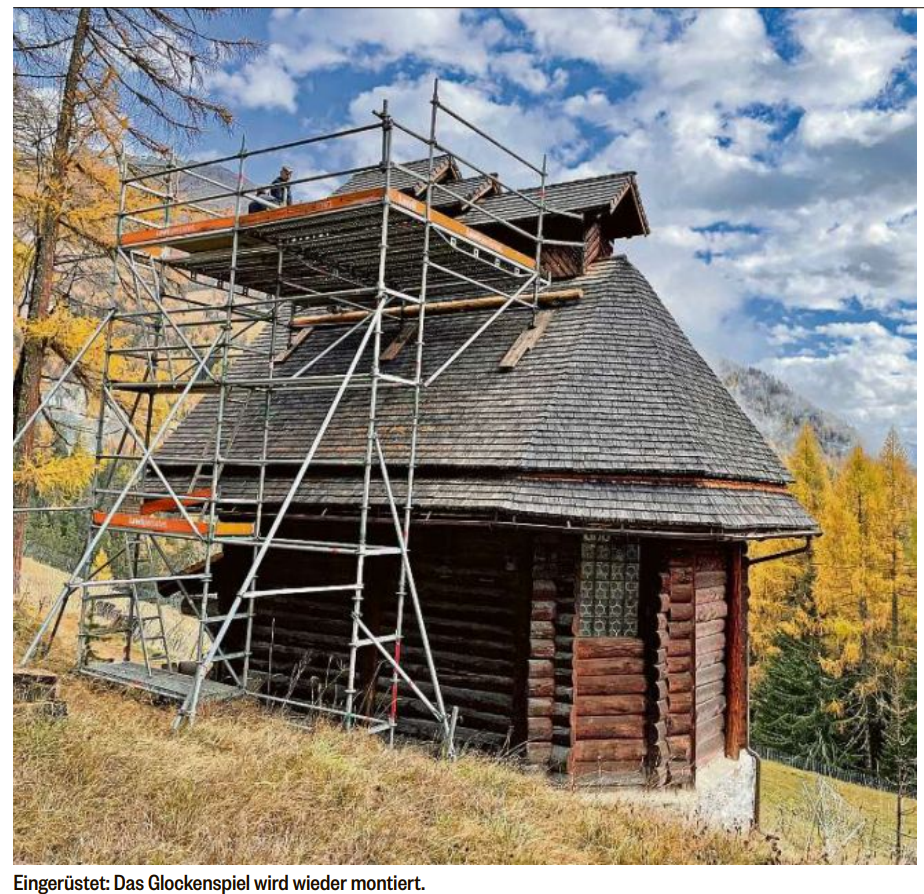
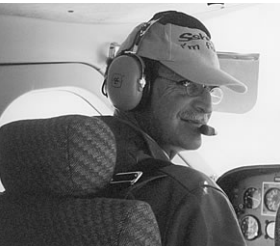
Peter Berry is a CarillonDoc of a special kind: he restored a historic carillon that was once built by Willem Mengelberg near St. Moritz in the mountains:
He also plays some songs himself and, of course, operates the carillon’s electronics!
CV mit seiner Eigenschaft als Notfallpilot, der im Oberengadin ein Flugrettungssystem aufgebaut hat.
From 1978 to 1986, assistant physician in Zurich, Chur, New York, and St. Moritz.
Between 1986 and 2002, self-employed medical practice at the St. Moritz Rehabilitation Clinic, establishing the emergency services in the Upper Engadin region.
Since 1991, entrepreneurial activity in the real estate sector.
In 2003/2004, conceptual design and construction management for the renovation of the Berry Museum.
Membership in Swiss societies for internal medicine, emergency medicine, and nutritional science.
Membership in the Hunters’ and Fishermen’s Association.
Membership in Pro Natura.
Membership in the Swiss Animal Welfare Association.
AOPA pilots/aircraft owners.
Private pilot since 2001.
-
Ian Brunt
Category : CarillonDocs , CollectorDocs , ComposerDocs , EventDocs , FluteDocs , HarpsichordDocs , OrganDocs
The 49-bell Carillon of St Colman’s Cathedral in Cobh is the largest such instrument in Ireland and Britain.
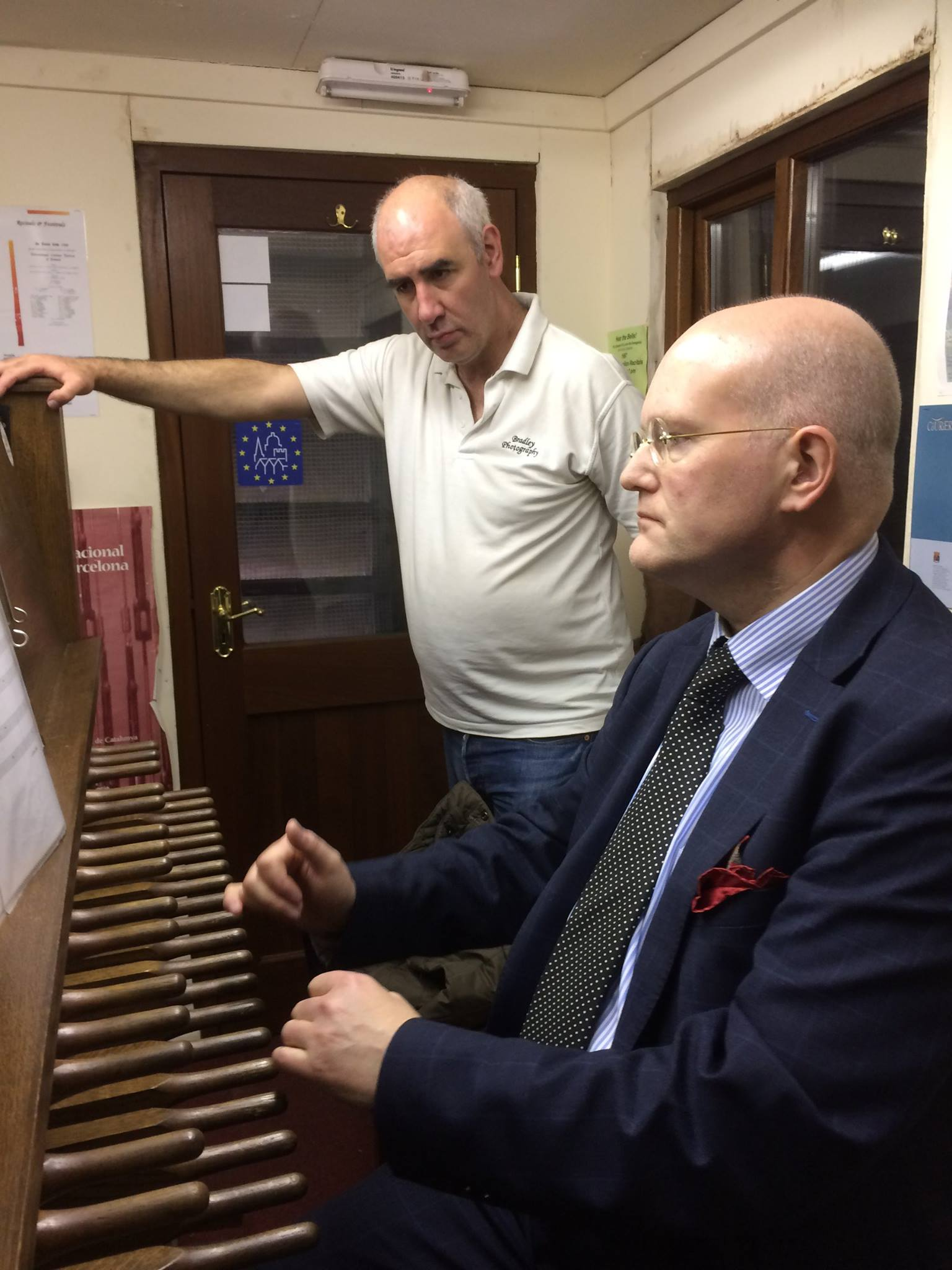
Dr Ian Brunt was Director of The Lanchester Early Music Festival and City Carillonneur of
Newcastle Upon Tyne, regularly giving concerts and recitals on organ, carillon, harpsichord
and fortepiano. He was a member of the National Youth Orchestra of Great Britain 1979-
1981 as flautist, composer and general musician and has specialised in the baroque flute
for over thirty years. He performs with Hexham Collegium Musicum, Anglia Concertante,
Durham Sinfonietta, Tyneside Baroque Players, Durham Baroque, The Hallgate Ensemble,
among others, playing chamber music and giving concerto performances and has recorded
six commercial solo albums on harpsichord, organ and carillon. Recent new music composed includes a pair of Notturni for classical guitar, a setting of George Herbert’s “My
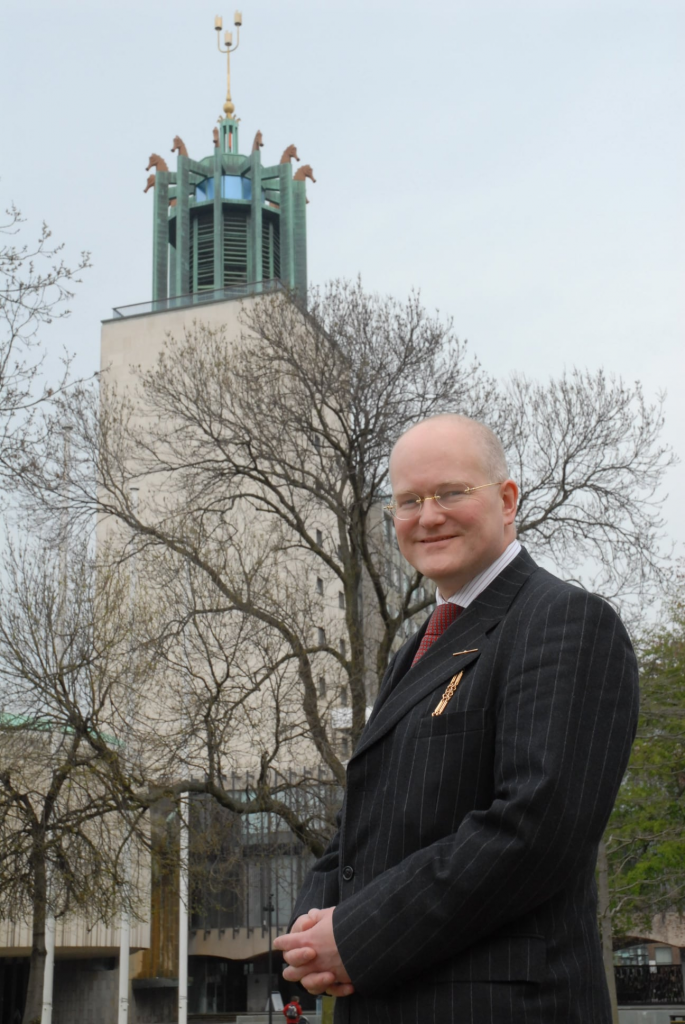
Words and Thoughts” and a solo organ concert piece “Fantazia on a Melody from the Scottish Psalter (1615).” In 2007 he was photographed for The North East Passion Archive project, the images held by Tyne and Wear Museums at The Discovery Museum, Blandford
Square, Newcastle and also accessible on the Internet.
In a tribute to Dr Brunt, Michael Boyd of the British Carillon Society, wrote: “Ian was proud of his Northumberland heritage – he was an exceptionally competent player of the Northumbrian small pipes.
“I believe he wanted to instil a sense of community pride in the Edith Adamson memorial carillon, the first and only carillon to be installed in a civic centre of a major city in Britain. His repertoire also reflected his deep personal connection with the North of England.”
Dr Brunt championed the music of 18th-century Newcastle composer
Charles Avison and was an advocate of folk music on the carillon.
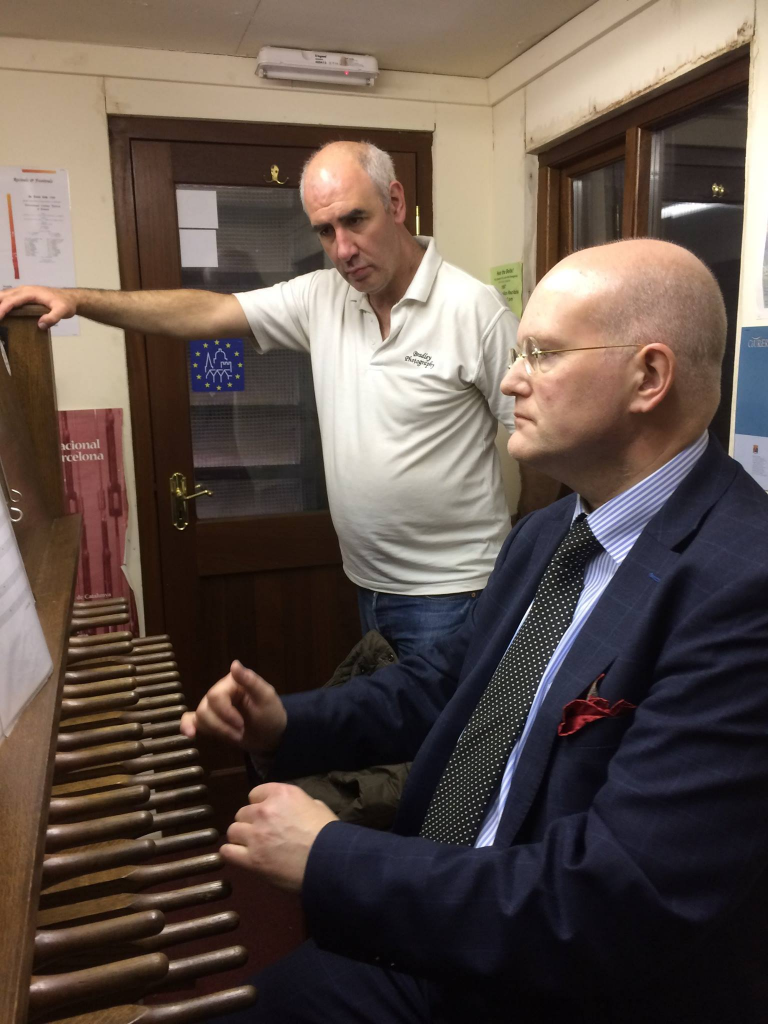
2021: News has just come through of the death this morning at the age of fifty-eight of Ian Brunt, Carillonneur of the Newcastle Civic Centre. Despite his busy workload as a G.P. and ongoing health issues, Ian was also dedicated to his beloved carillon art. He once described how he would swim seventy lengths five times a week in order to keep fit enough to play the carillon, which he claimed was “like going for a five-mile run”! He gave a memorable guest recital in Cobh in July 2007, when this photo was taken. This gentle and cultured man will be sorely missed and long remembered by his colleagues and friends. Requiescat in pace.
https://www.facebook.com/Cobh49bellcarillon
https://www.discogs.com/de/release/7117467-Dr-Ian-Brunt-High-Baroque
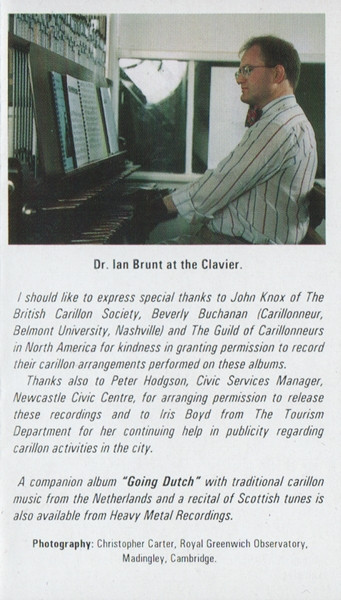
But in addition to being a doctor, he was also a composer and an accomplished musician on a variety of instruments, including piano and flute.
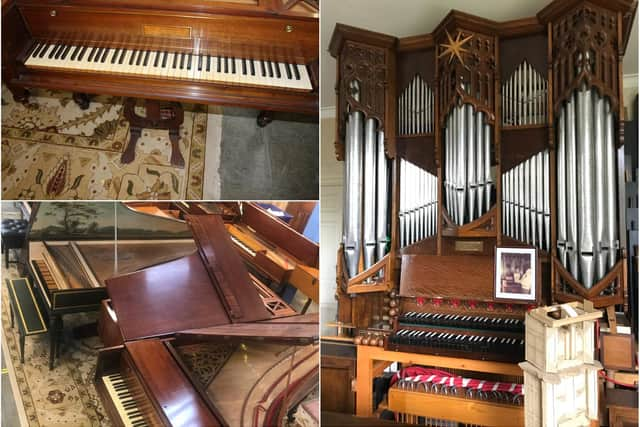
https://www.musicdurham.co.uk/reviews/organ-recital-dr-ian-brunt
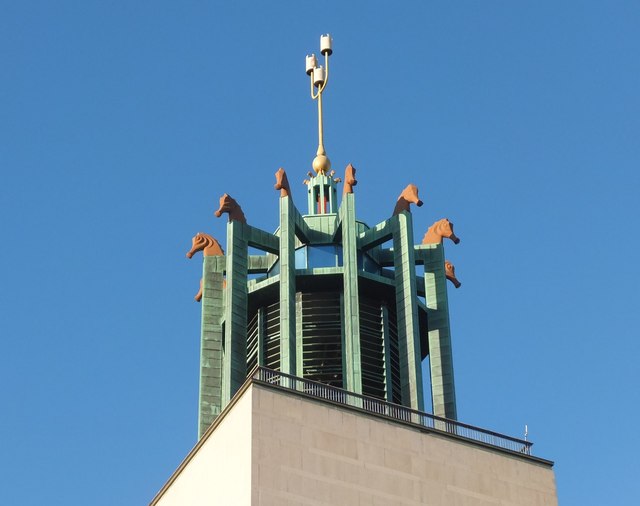
The Edith Adamson Memorial Carillon, constructed in 1966 by J.Taylor and Co and installed in 1967, was given to the city by James Wilfred Adamson in memory of his wife. James (‘Jimmy’) Adamson started his paints business from a horse and cart, and went on to be a driving force in the establishment of British Paints Ltd, see Link
 . The carillon, see Link has 25 bells, the largest of which weighs 71cwt, 1qr, 13lb – which if my maths serves me correctly is 825lb, or 374.214kg – and is tuned to A major. Recitals take place on Saturdays at 2pm and occasionally on Thursday at 7pm – the Carilloneur is Dr Ian Brunt, who swims 70 lengths five times a week in order to keep fit enough to play the carillon, which takes so much physical energy that he describes it as ‘like going for a five-mile run’, see Link . The carillon tower has twelve seahorses and is topped by the three castles of the Newcastle coat-of-arms, see Link .
- 2025-04-28
-
Dagmar Rabensteiner
Category : marathonDocs , RunningDocs
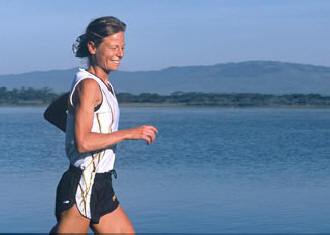
Dagmar Rabensteiner (born June 15, 1963 in Innsbruck) is a former Austrian long-distance runner.
As an elementary school student, she walked the seven-kilometer route from Sadrach, a district of Innsbruck, to school in the city center every day. As a high school student, she undertook climbing and ski tours, and later, with her husband and young son, she embarked on multi-week trips and trekking tours through jungles in Indonesia or into the highlands of Kashmir, all the way to the base of Mount Everest. She didn’t start running until she was 27.
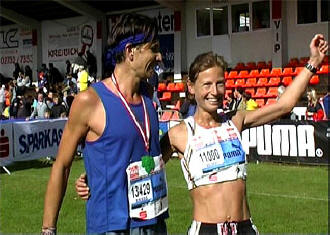
At the age of 30, the medical doctor ran her first marathon in 3:28 hours. After recognizing her talent for the sport, she continually improved and in 1997, she finished sixth in the Florence Marathon with a time of 2:55:19, breaking the three-hour mark for the first time.
Competitive training led to further improvements. In 1999, she finished sixth in the Vienna City Marathon in 2:49:33 hours and won the Graz Marathon in 2:41:46 hours. In 2000, she became Austrian marathon champion, finishing sixth overall in the Vienna City Marathon in 2:39:08, won the Wachau Marathon half marathon, and then broke Carina Lilge-Leutner’s nearly 17-year-old national record by finishing third in the Amsterdam Marathon with a time of 2:35:42. A week later, she became Austrian half marathon champion in Salzburg.
She set her record by finishing third in the 2002 Vienna City Marathon in 2:35:42, beating the time limit for the marathon at the European Athletics Championships in Munich, where she finished 15th.
In 2003, she ran her third national marathon record, finishing tenth in the Berlin Marathon with a time of 2:34:35. However, she missed qualifying for the 2004 Olympic Games by 1:35 minutes, and so she retired from competitive sport after this race. She continues to run up to 150 kilometers per week, achieving sporting successes such as winning the half marathon at the 2004 Regensburg Marathon and finishing 14th (second in the 40-49 age group) at the 2005 Comrades Marathon over 89 km.
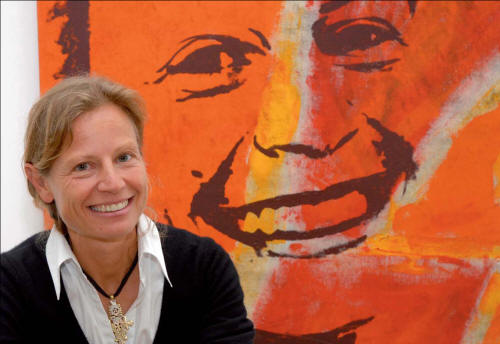
Dagmar Rabensteiner has been married to lawyer and entrepreneur Peter Rabensteiner since 1983; they have a son born in the same year. She is a specialist in internal medicine and a sports doctor, runs a practice in Vienna, and was the official race doctor at the Vienna City Marathon and the Austrian Women’s Run from 2004 to 2008.
https://de.wikipedia.org/wiki/Dagmar_Rabensteiner
https://www.privatklinik-doebling.at/de/arzt/dagmar-rabensteiner
-
Christiane Moersel-Zimmermann
Category : ComedyDocs , DanceDocs , SpeakerDocs , TeacherDocs , WriterDocs
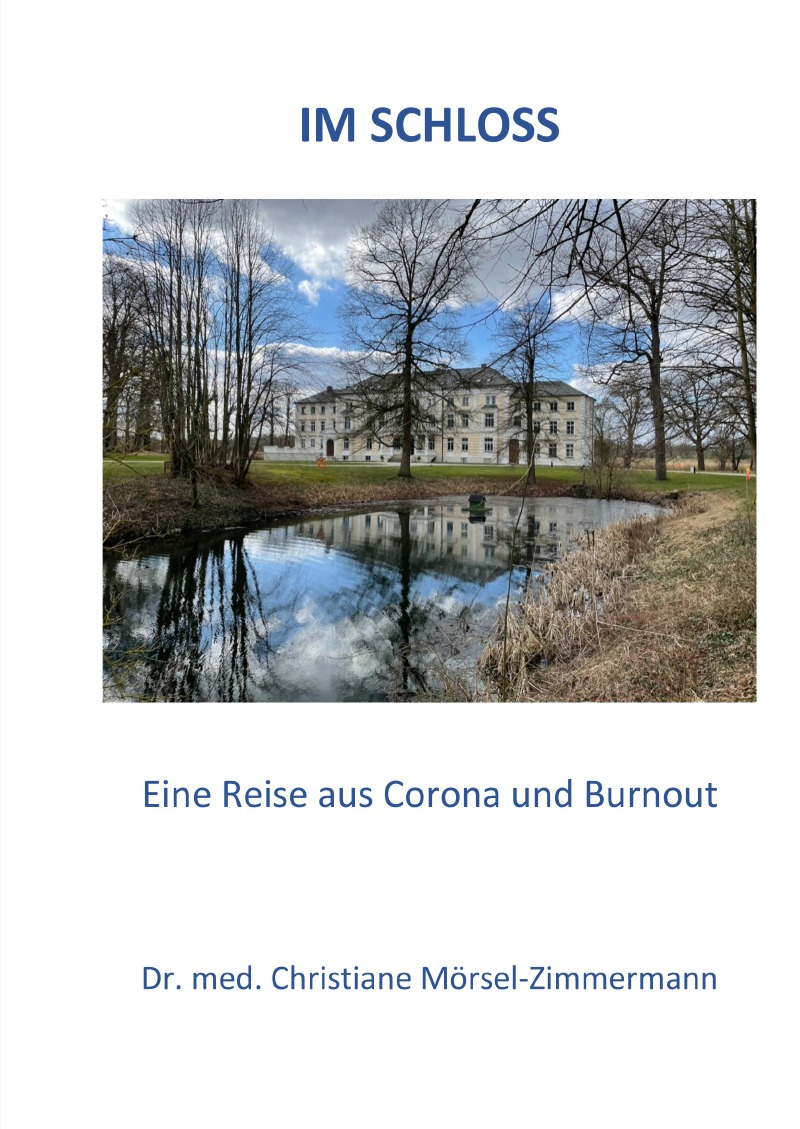
She has worked as a coach and trainer for many years and has studied communication psychology, clarification support, and coaching. She performs as a speaker and comedian and provides supervision.
Additionally she writes books
-

Taslima Nasrin
Category : SpiritualDocs , WriterDocs
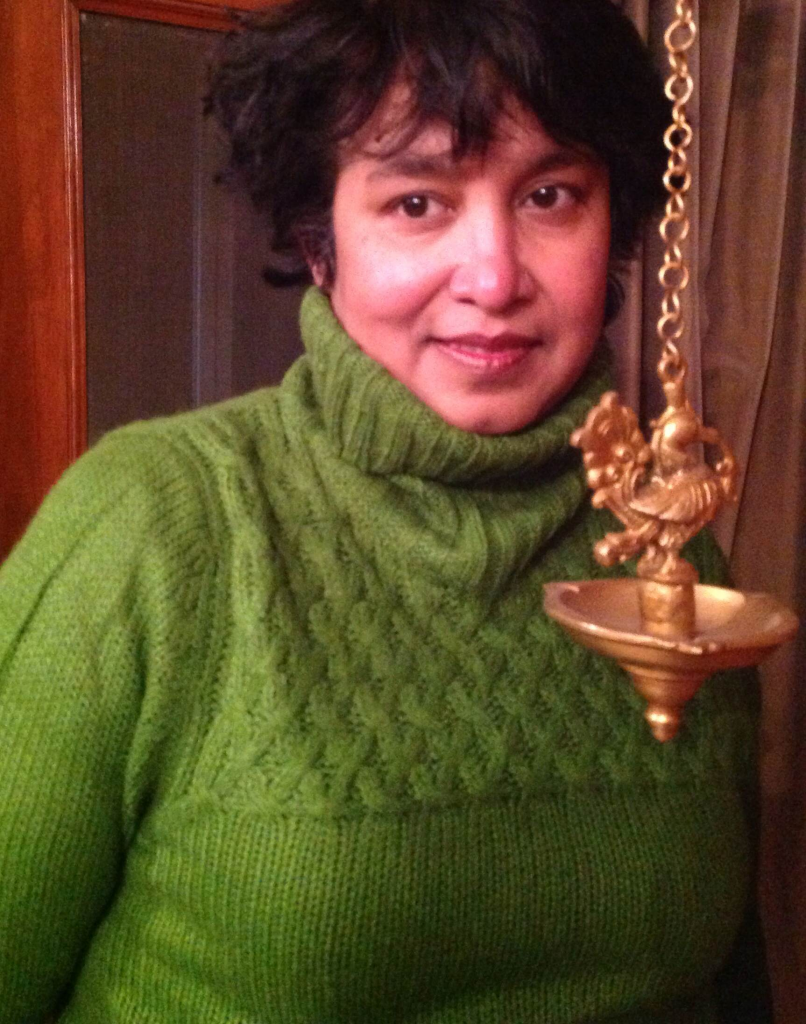
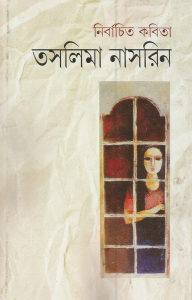
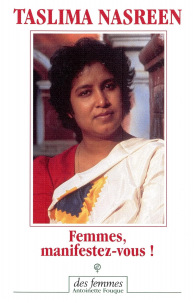
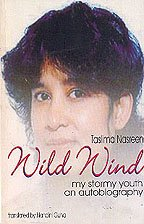
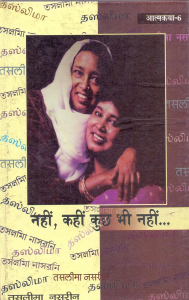
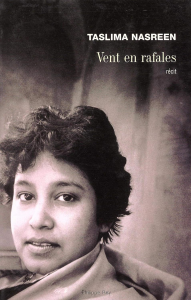
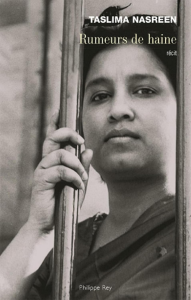
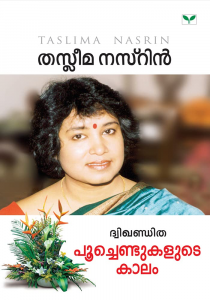
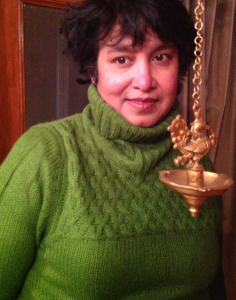
Taslima Nasrin (Bengali: তসলিমা নাসরিন IAST Tasalimā Nāsarin, anglicized: Taslima Nasreen; born August 25, 1962 in Maimansingh) is a Bangladeshi physician and writer.
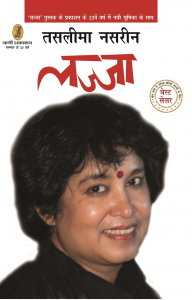
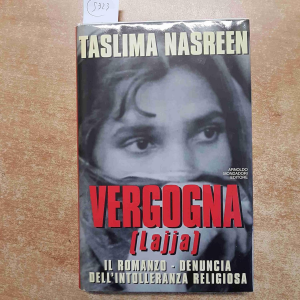
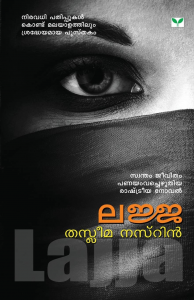
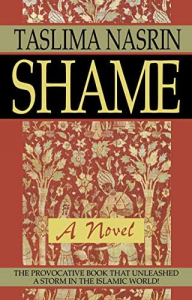
Taslima Nasrin advocates for women’s equality and opposes the oppression of religious minorities in predominantly Islamic societies, such as her native Bangladesh. She has been threatened with death by Islamic fundamentalists, primarily because of her 1993 Bengali documentary novel Lajja (Bengali: Shame), about the persecution of a Hindu minority family in Bangladesh.[1] The book was immediately banned in Bangladesh. In 1994, she was forced to flee her country.[2] She initially sought refuge in Sweden. Nasrin has lived in exile on and off since then. In 1995, she first lived in Berlin.
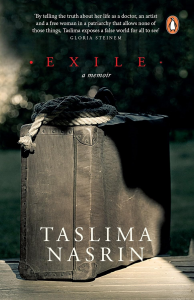
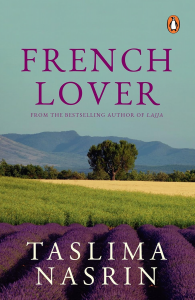
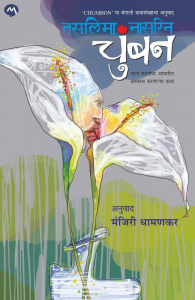
Taslima Nasrin’s literary work has been translated into thirty languages.[3] Sixty thousand copies of her book Lajja (Sham) were sold within five months, but then the book was banned and her passport confiscated.[4] Other works were also banned in Bangladesh and West Bengal.
She is one of the signatories of the Manifesto of the 12 against Islamism as a new totalitarian threat.

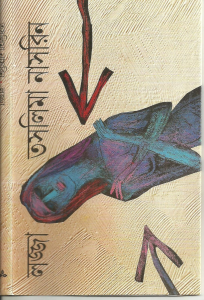
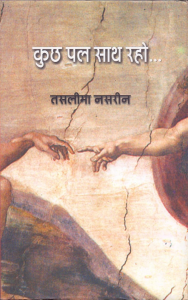

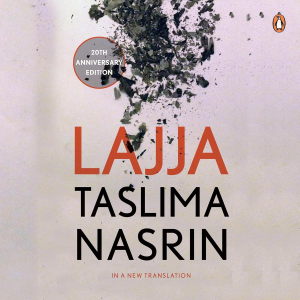

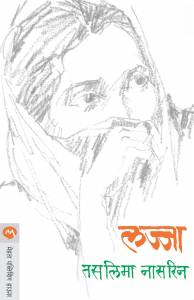

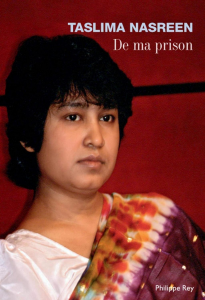
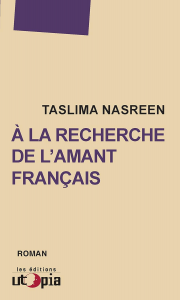
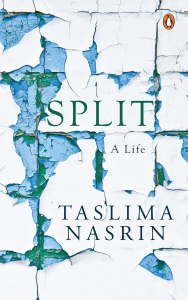
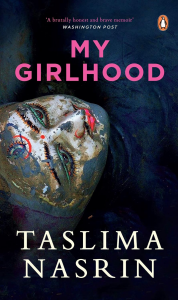
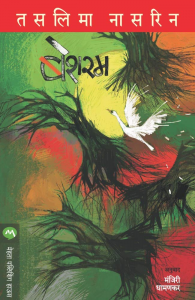




In 2004, an Indian Islamic cleric offered a reward of 20,000 rupees to anyone who would “blacken her face,” an act considered a grave insult. In March 2007, the All India Ibtehad Council offered 500,000 rupees for her beheading. The group’s president, Taqi Raza Khan, said the bounty would be withdrawn only if she apologized, burned her books, and left India.
Nasrin has been the victim of violence because of her beliefs. In August 2007, she was attacked by radical Muslims during a reading in the southern Indian state of Andhra Pradesh.[7] Nasrin intended to settle in exile in West Bengal. After violent protests by Bengali Muslims in Calcutta (Kolkata) in November 2007, which led to the deployment of the army and the imposition of a night-time curfew in the city, Nasrin first moved to Jaipur and from there to Delhi. The Indian central government warned her that her safety could only be guaranteed in Delhi and that her visa might not be renewed if she insisted on moving to Calcutta.[8] After further death threats, she left for Europe in mid-March 2008. In early 2009, it was announced that she would find refuge in France. The city of Paris will provide its honorary citizen with an apartment on February 1.
Critics accuse Taslima Nasrin of advocating for changes to the Quran to achieve more rights for women. She denies this, however.[10] In 1994, she responded to such accusations by saying that she had called for changes to the Sharia, not the Quran, to benefit women.
-
-
Elisabeth Brandner
Category : (water-)skiingDocs , ParaglidingDocs , WaiterDocs
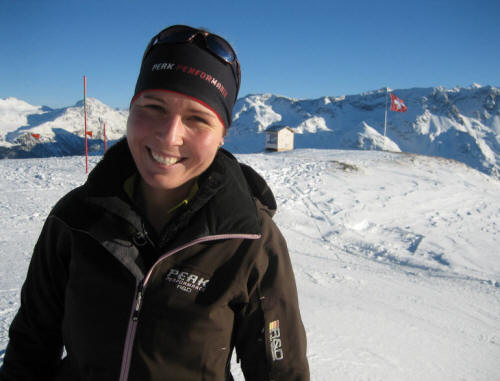
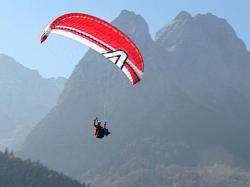
Elisabeth (Lisi) Brandner – her e-mail in german:
Person
I was fortunate enough to grow up in an area where I could indulge in my greatest passion almost every day. I still occasionally visit and love the many small ski lifts and ski areas in the Chiemgau Alps, where everything from gentle slopes to hardcore freeride descents for insiders is offered. For me, these will always be my favorite mountains.
Ski
I discovered my passion for skiing when I was two and a half years old. Since then, I’ve been fascinated by the white splendor and the thrill of gliding down it. In my first year of school, I went on my first ski tours with my father – for the first eight years with simple alpine equipment, with Dad leading the way. To this day, every ascent and descent in unexplored mountain regions is a very special experience that quickly helped me recognize the important things in life.
My passion for skiing naturally led me to join the ski club – as a kindergarten child. At 18, I competed in my first World Cup race. After that, I competed for Germany in the World Cup circuit for five years in the speed disciplines of Super-G and Downhill. Today, I primarily ski for pleasure again, occasionally participating in race training and for state-certified ski instructor exams.
Med
At 23, I said goodbye to the Ski World Cup to begin my medical studies in Munich. I wouldn’t want to miss any of my days as a ski racer, but today I’m very happy with my decision because my work as a doctor brings me great satisfaction.
Pläne
If I had three wishes, I would like to grow old in good health and ski a lot, open my own general practice and teach my children (I don’t have any yet) how to ski.
Wichtig & gern
Fresh air is my most important fuel. Being out and about with my family and friends and occasionally retreating to the familiar tranquility of the mountains keeps me balanced and gives me strength for new adventures.
Yours, Lisi
Press quote:
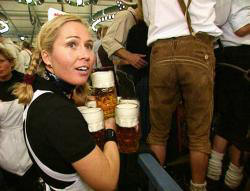
For 16 days a year, Elisabeth H. is working as a WaiterDoc at the Oktoberfest in Munich. She says she is addicted to that job… 14 hours a day carrying beer and serving the guests, who are often out of control. Her strategy is permanence, team power among the waiters, and strong nerves.
In Switzerland, she does paragliding and skiing; she has even been a member of the German national skiing team! In 2005, she took second prize in the Ski-Teacher World Championship in Finland.
https://www.linkedin.com/in/elisabeth-brandner-34485664
https://www.fis-ski.com/DB/general/athlete-biography.html?sector=AL&competitorid=6861&type=result
-
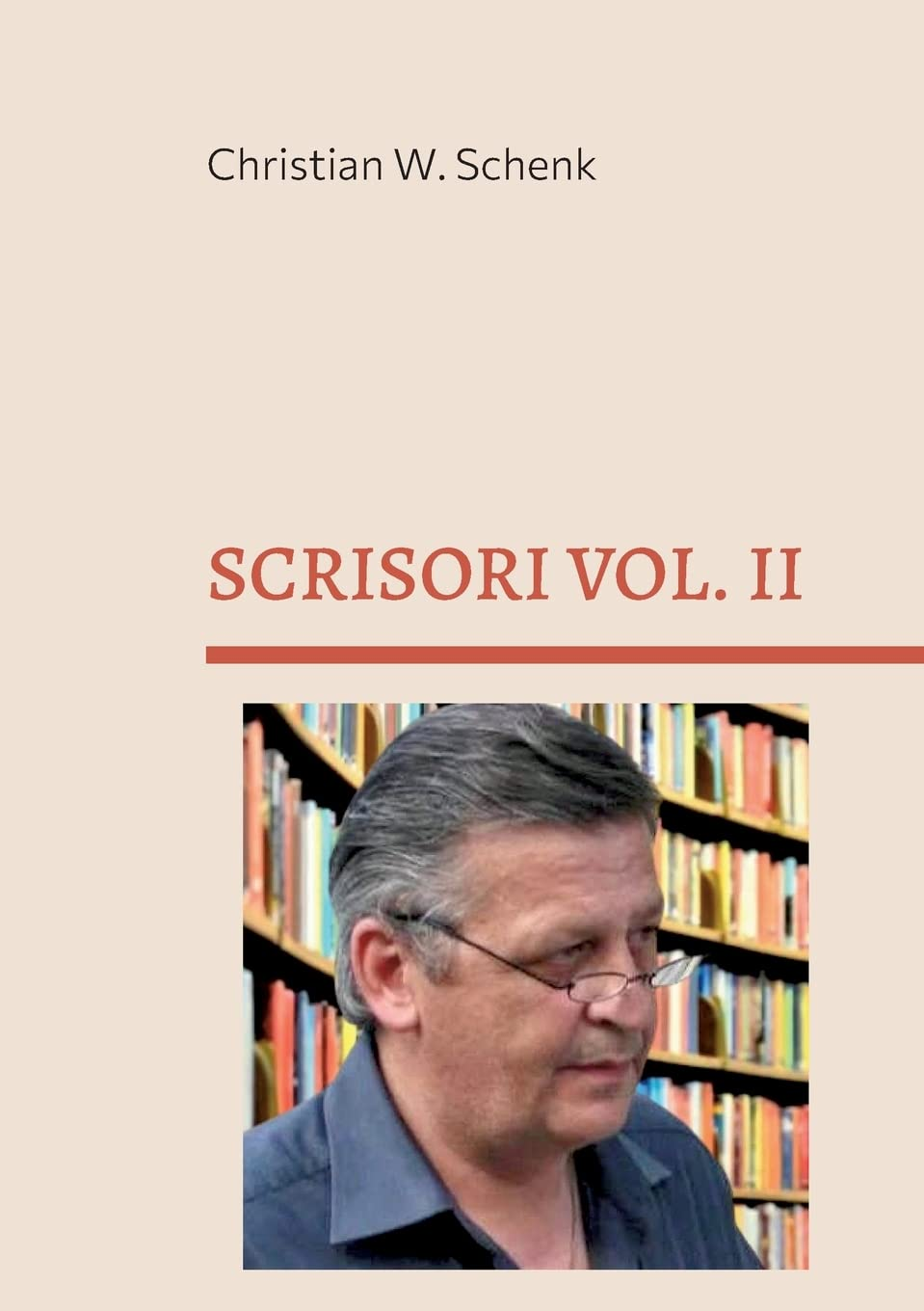
Christian Wilhelm Schenk
Category : TranslatorDocs , WriterDocs
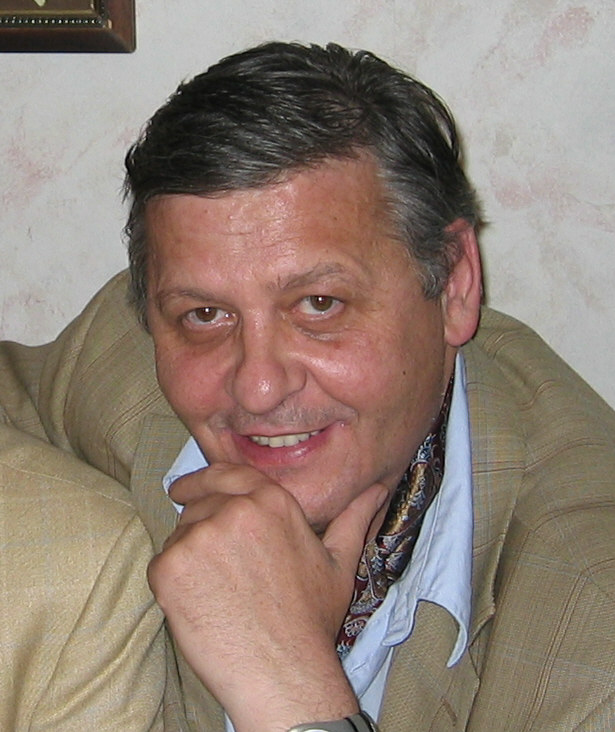
Christian Wilhelm Schenk (born November 11, 1951 in Brașov, People’s Republic of Romania) is a German physician, poet, essayist, translator, and publisher from the Transylvanian Saxon community.
Christian W. Schenk grew up in a small mining settlement near Brașov and was raised trilingually (German, Hungarian, and Romanian). His father is German, his mother Hungarian.
At the end of the 1950s, he made his first attempts at poetry, which led to his first publication in 1961: a poem in the children’s magazine Luminita (Bucharest) under the guidance of the Romanian poet Tudor Arghezi, who was his mentor from 1959 to 1965. His second mentor from 1964 to 1969 was the Transylvanian poet Vasile Copilu-Cheatră.
He attended elementary school in his hometown from 1958 to 1962 and in Wolkendorf from 1962 to 1966. Schenk attended high school in Zeiden, with interruptions, from 1971 to 1973. In between, he supported himself with odd jobs as a projectionist, weaver, or wage laborer. In 1974, he obtained his Abitur (university entrance qualification).
In 1976, Schenk left Romania and emigrated to Germany. Here, he had to retake the Abitur (university entrance qualification) in Wiehl in the Oberbergisches Land region in order to obtain university entrance qualifications in Germany. From 1977 to 1980, he first completed an apprenticeship as a dental technician in Koblenz and then studied medicine/dentistry at the Johannes Gutenberg University in Mainz from 1980 to 1986. In 1985, he received his doctorate in medicine from the same university with a thesis on “The Situation of Severely Disabled People in Working Life.” From 1986 to 1988, Schenk completed the mandatory years of training for health insurance accreditation in Lünen. Starting in 1988, he opened his own practice in Kastellaun. Today, Schenk lives in Boppard.
In 1986, as editor-in-chief of the quadrilingual magazine “Romanian Convergences,” of which he was editor-in-chief from 1984 to 1986, Schenk protested against the demolition of entire cities and cultural sites under dictator Nicolae Ceaușescu, which he described as “urbanization plans.” As a result, he was declared “persona non grata” in Romania, with a lifetime ban from entering the country. He continued to write and translate, but his work was recognized only in the West and among the diaspora. After 1989, he was rehabilitated. He received various awards from the government of the time, including the Presidential Certificate.
Through his memberships in the Association of German Writers, the Romanian Writers’ Association, the Union Mondiale des Écrivains Médecins, the American Romanian Academy of Arts and Sciences (ARA), the Romanian Writers’ Association of Physicians, the Academy of Sciences, Literature, and Culture in Bihor, the Hesperus Society, the Balkan Romance Studies Association, and the South-East European Society, Schenk has been striving for decades to deepen East-West cultural relations. The Dionysos Literature and Theater Publishing House (Kastellaun), which he founded, is also dedicated to this task.
For his outstanding contributions to East-West cultural relations and his own work, Schenk was nominated as an honorary citizen of the university city of Cluj-Napoca in 2000, and in 2006 as a “Knight of the Danubian Order” in Galați on the Danube.
https://de.wikipedia.org/wiki/Christian_W._Schenk
https://www.youtube.com/@dr.christianw.schenk9101/featured
https://www.linkedin.com/in/dr-christian-w-schenk-9921182b/?originalSubdomain=de
-
Gilberto Lacchia
Category : TranslatorDocs
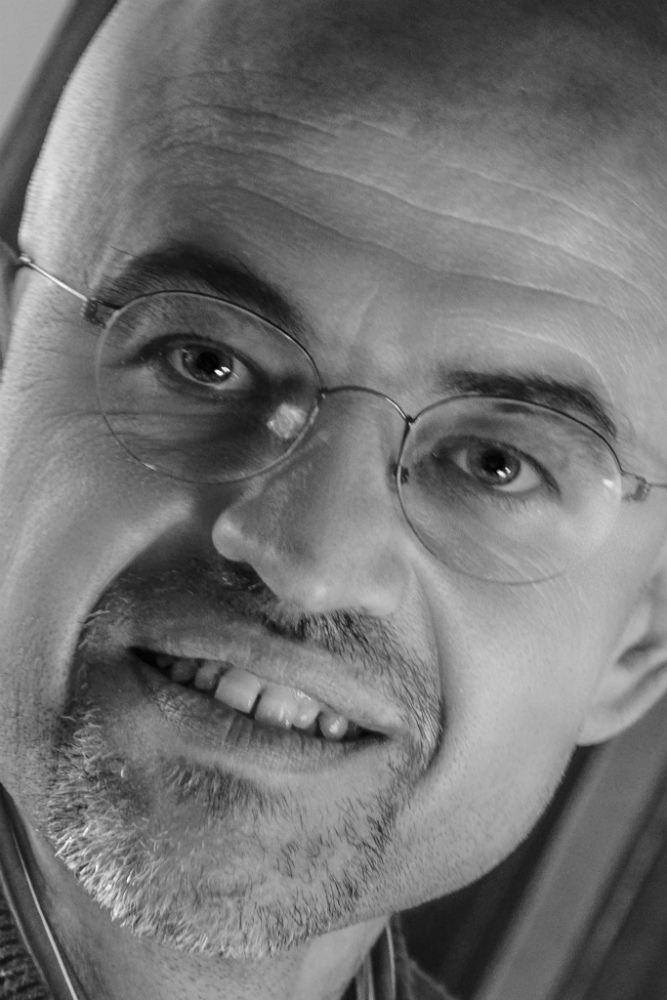
Gilberto Lacchia is professional TranslatorDoc
May 2010 – Certificate of Chinese Proficiency (new HSK level 4 – European CEF level B2) Score 201
May 2009 – Certificate of Chinese Proficiency HSK Test (Basic) – Score 173 (B)
2009-2010 Chinese language course (elementary), www.guavatalk.com)
2008-2009 Chinese language course (basic)
1981 – Scientific High School Diploma (56/60) (English language and literature being subject of the examination)
German Language Study (Deutsch Institut, Via Cerino Zegna, 14 BIELLA (BI) Tel/Fax +39-015-20.307)

