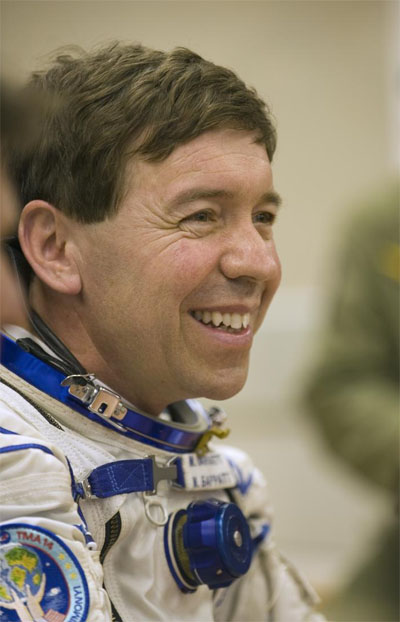
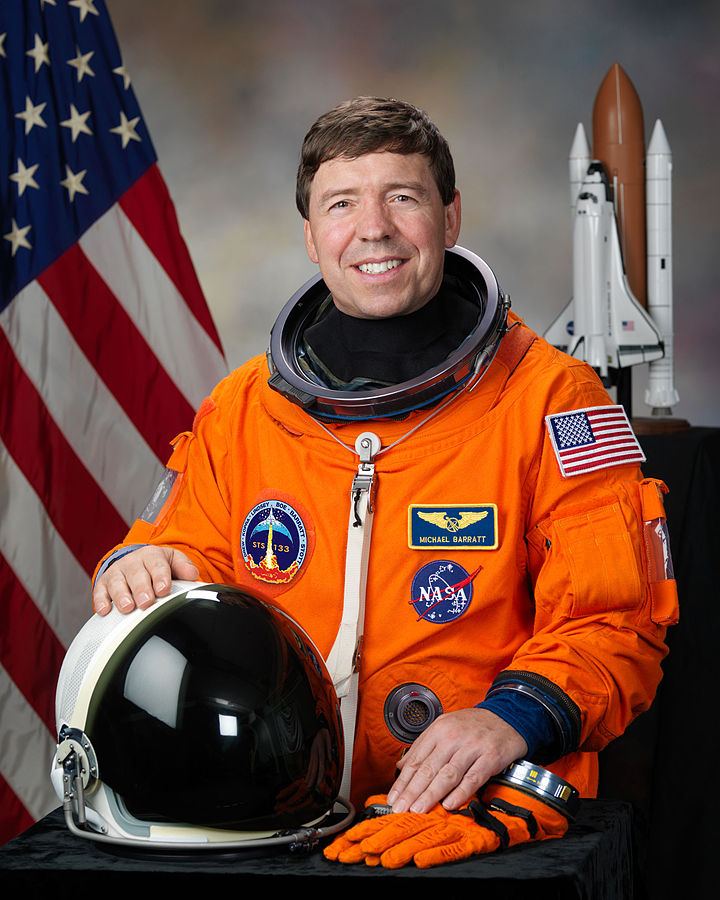
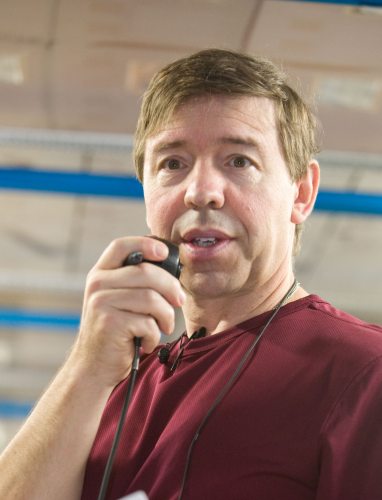
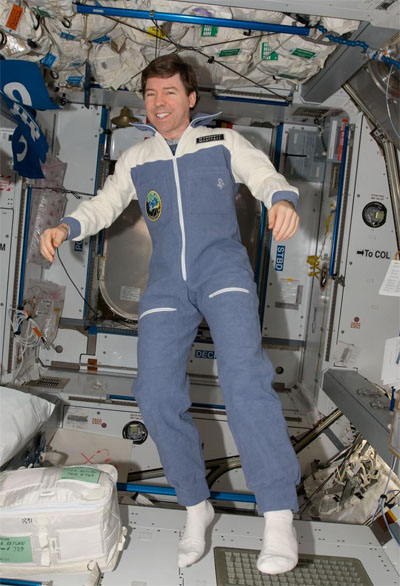
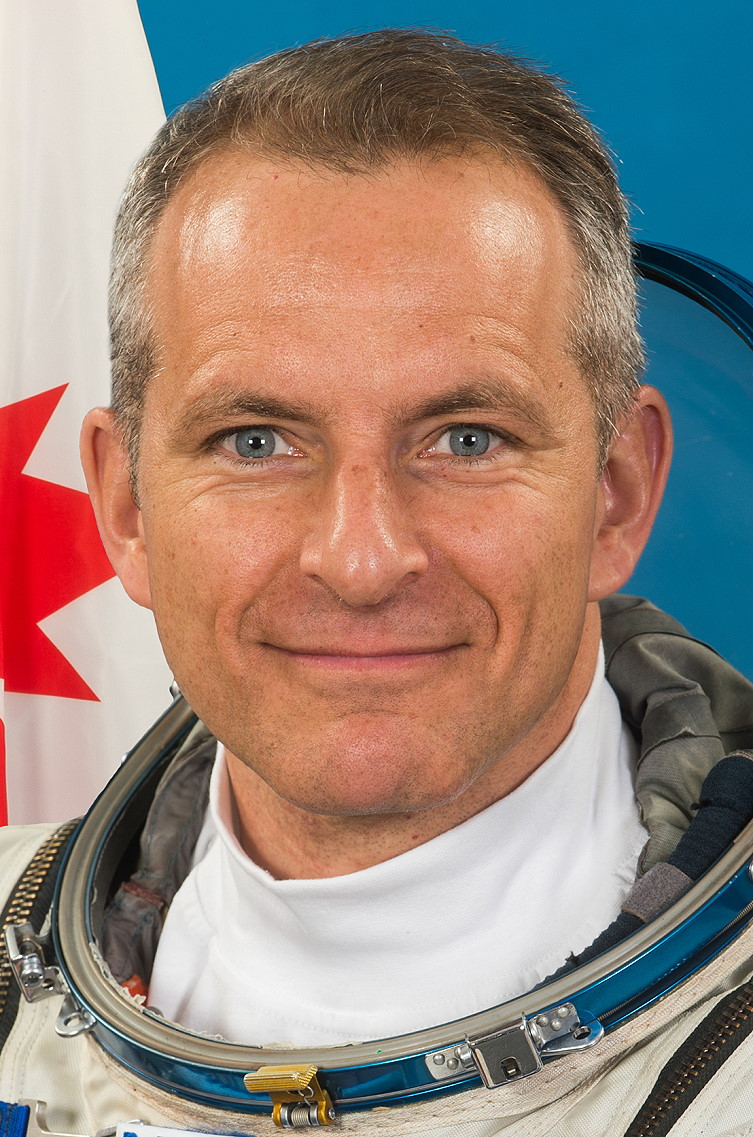
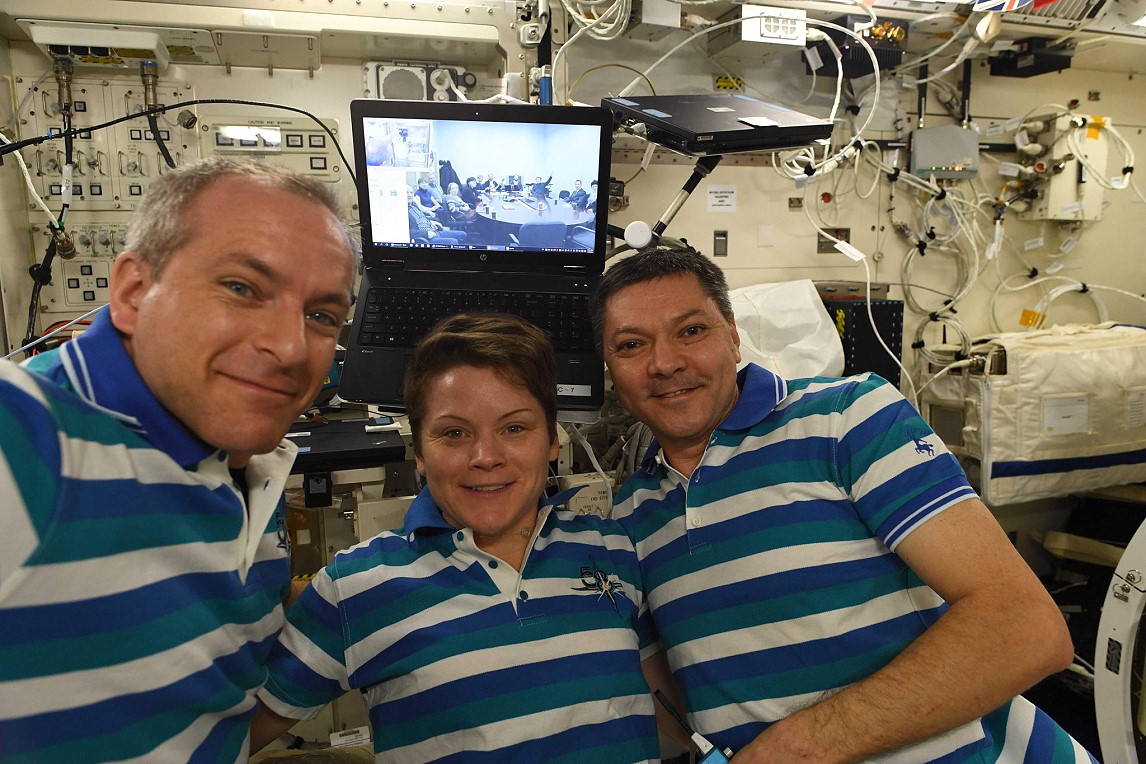
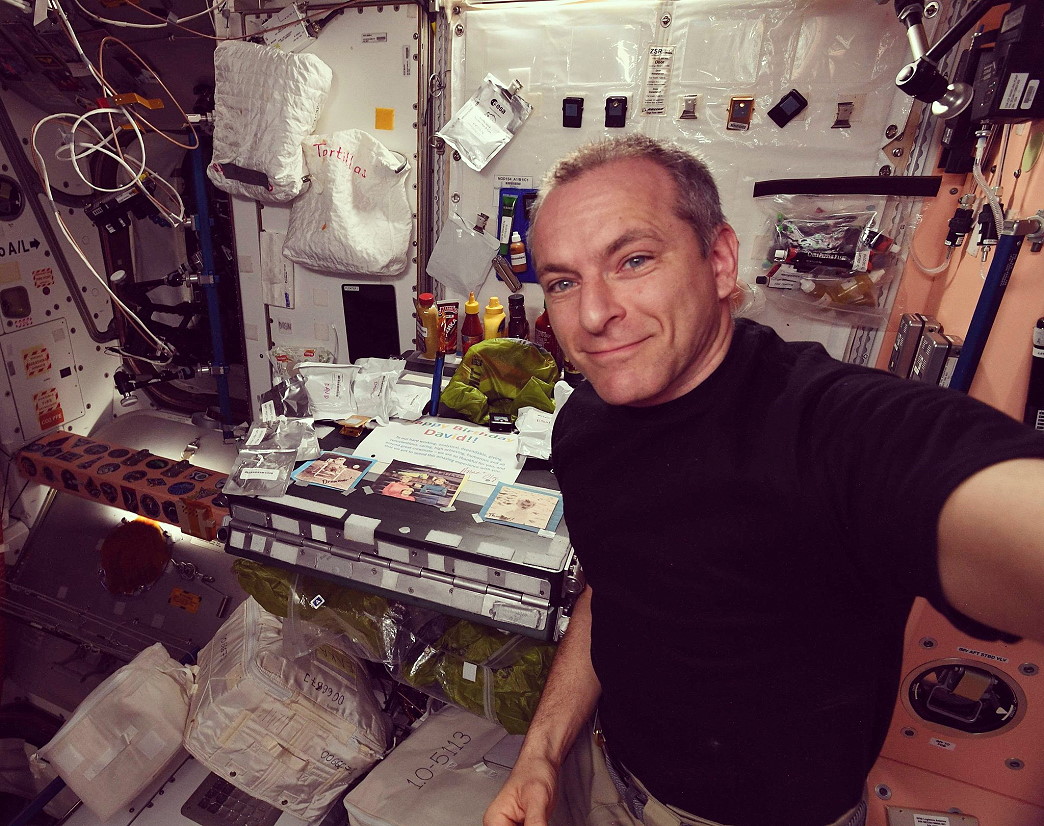
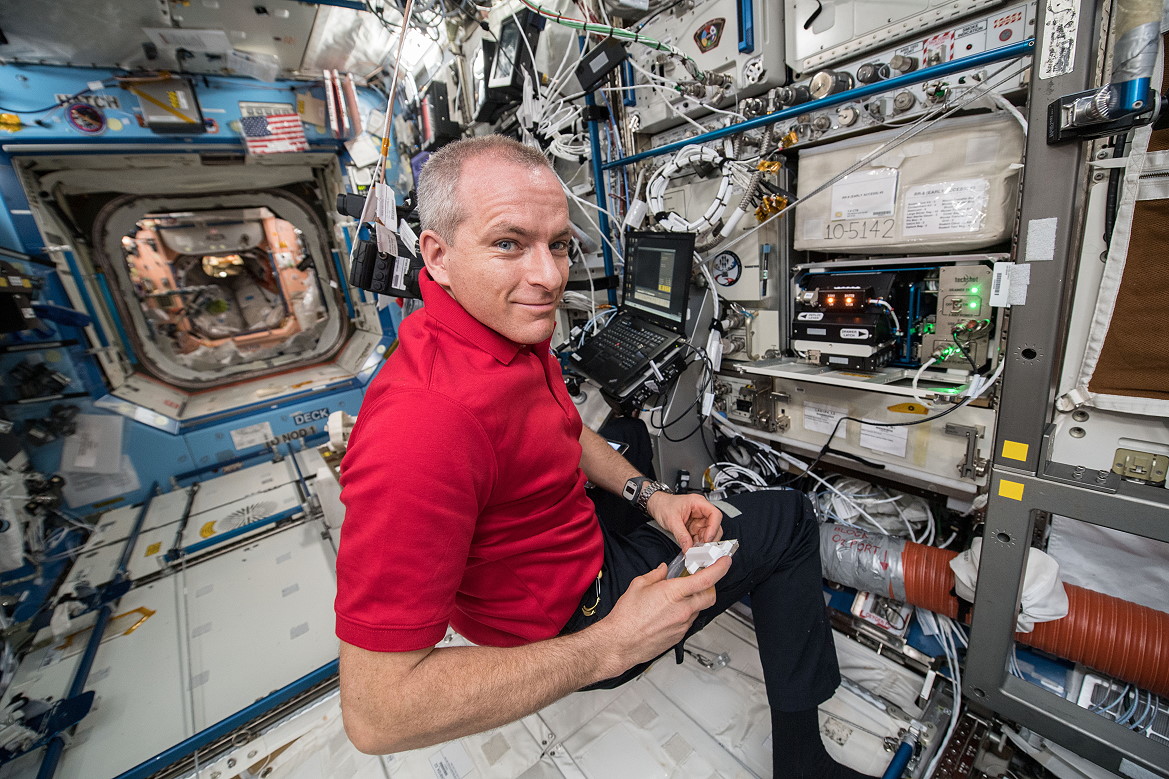
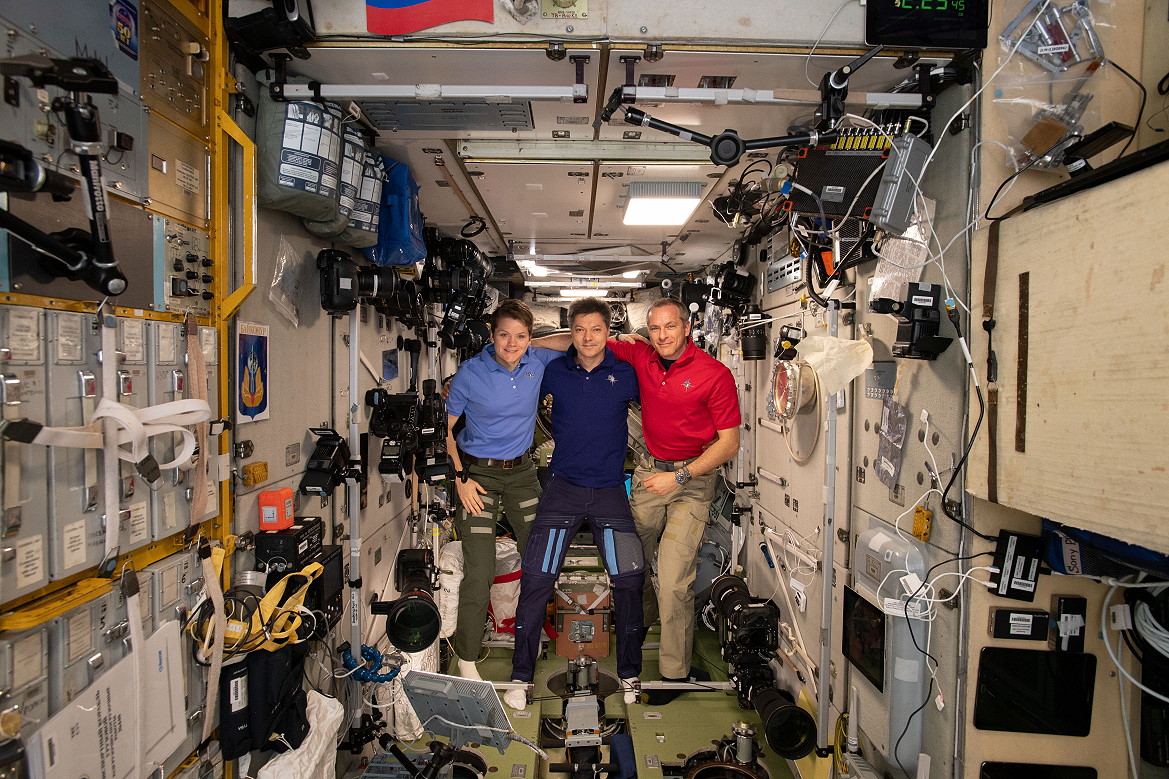
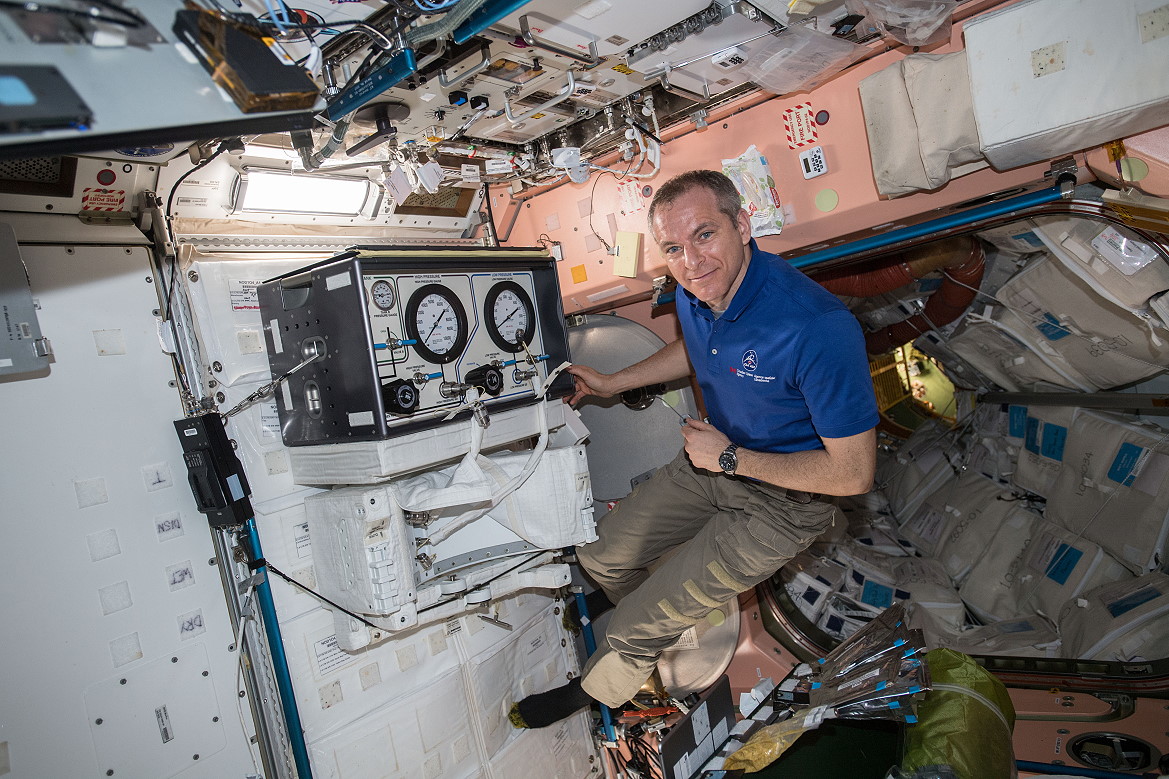
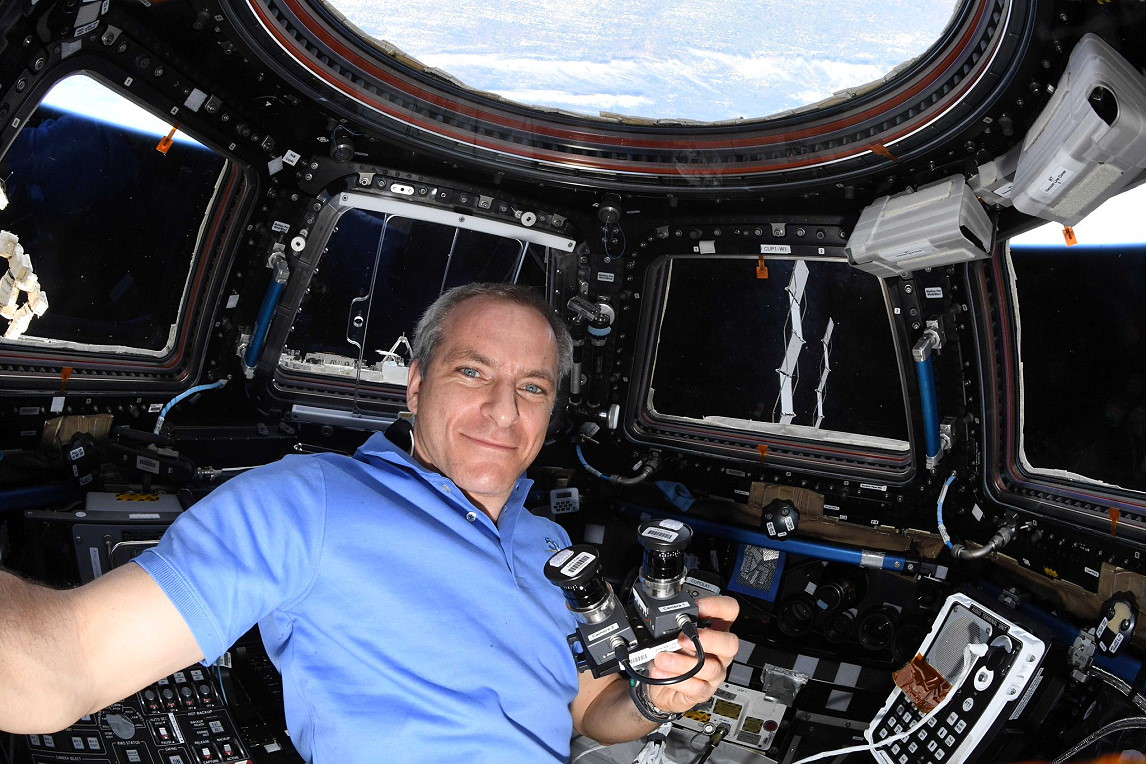
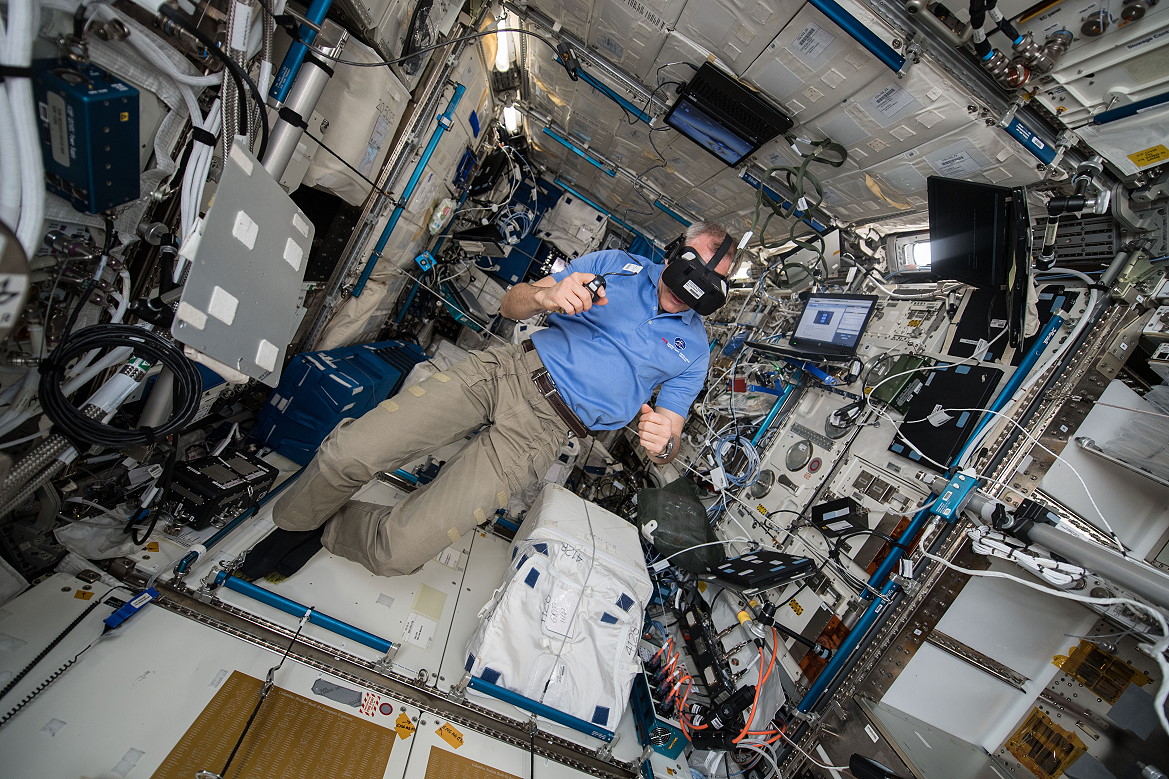
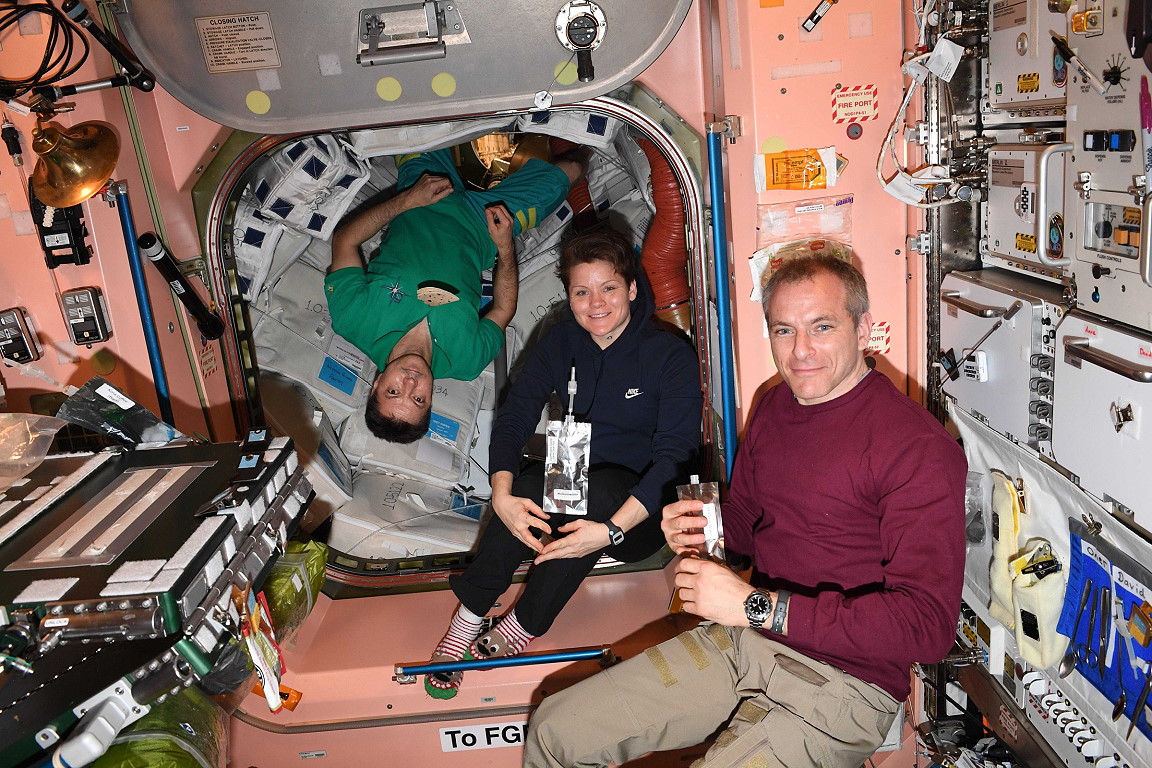
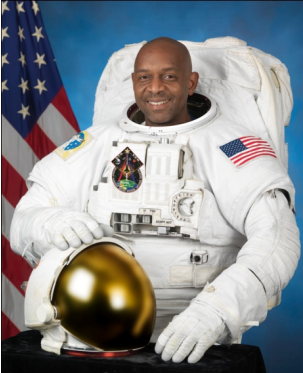
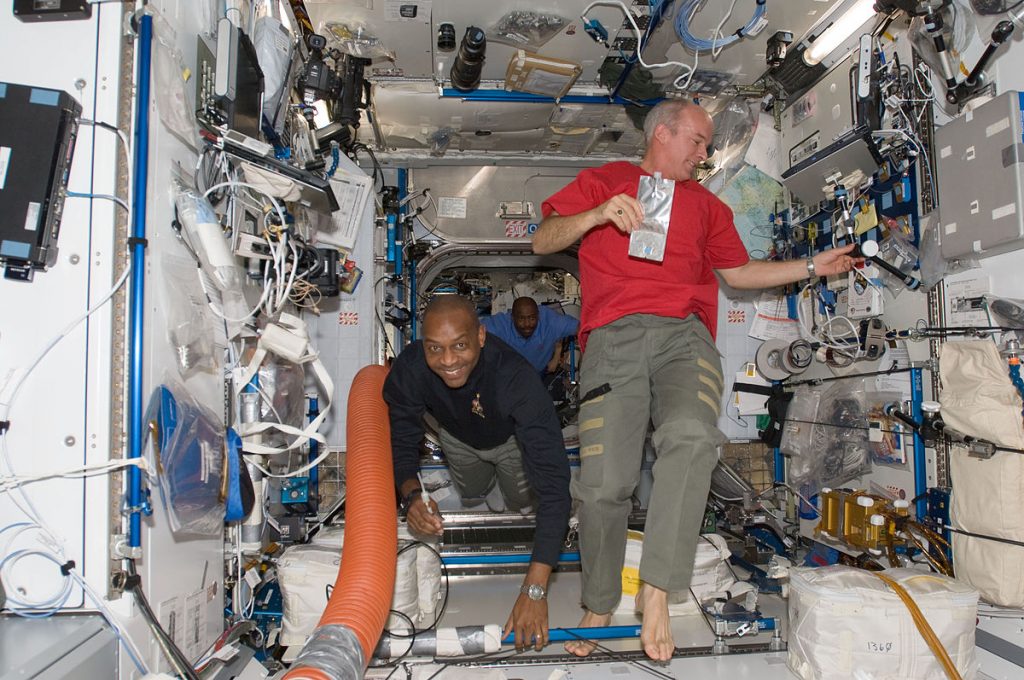
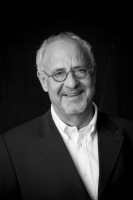
Michael Reed Barratt (born April 16, 1959) is an American physician and a NASAastronaut. Specializing in aerospace medicine, he served as a flight surgeon for NASA before his selection as an astronaut, and has played a role in developing NASA’s space medicine programs for both the Shuttle-Mir Program and International Space Station. His first spaceflight was a long-duration mission to the International Space Station, as a Flight Engineer in the Expedition 19 and 20 crew. In March 2011, Barratt completed his second spaceflight as a crew member of STS-133.
In December 2018, he launched to the International Space Station, as Flight Engineer on Expeditions 57, 58 and 59; he returned to Earth on June 25, 2019.
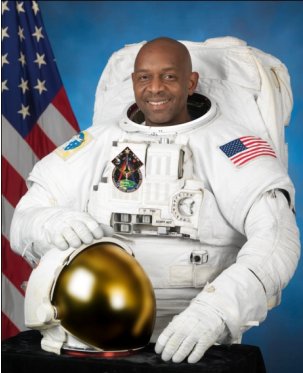
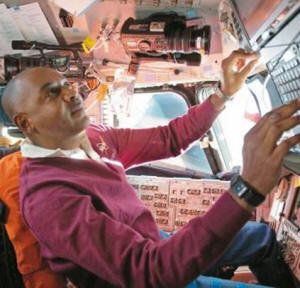
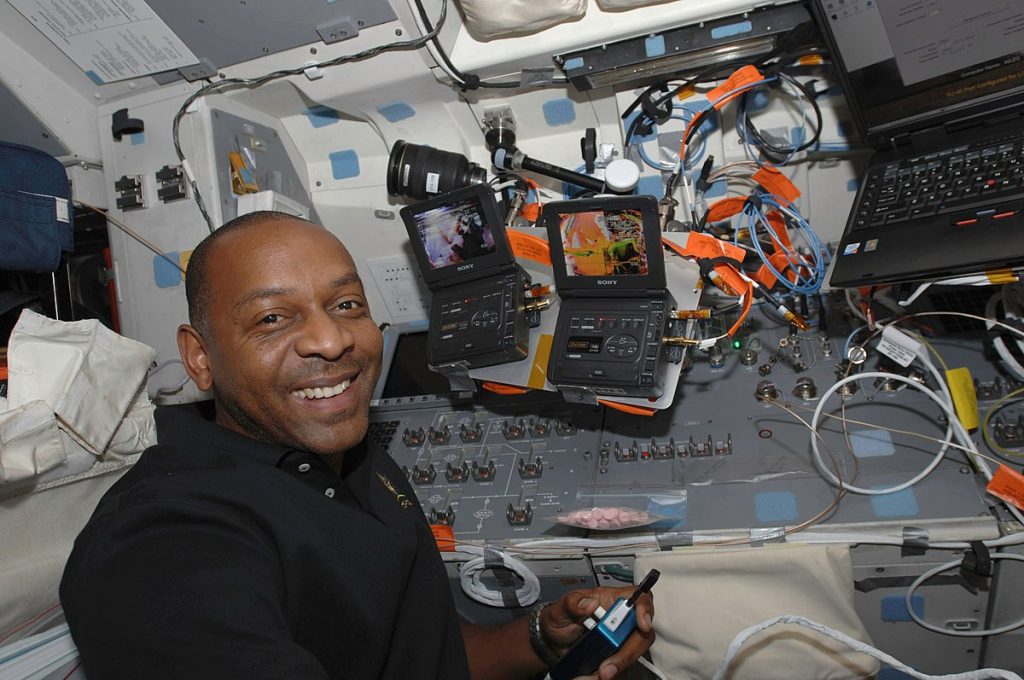
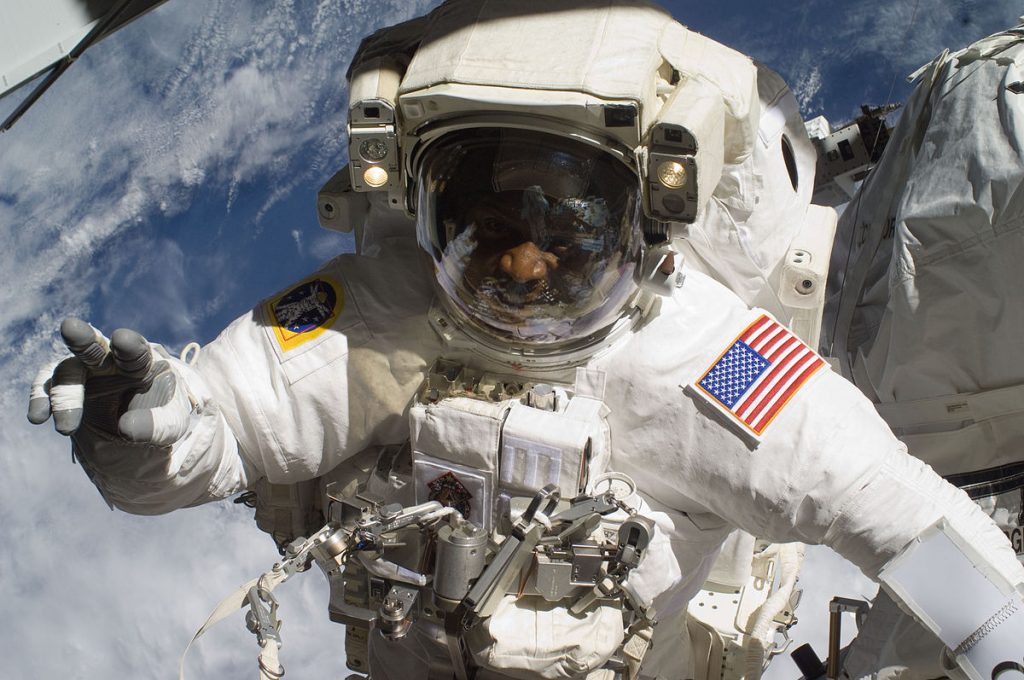
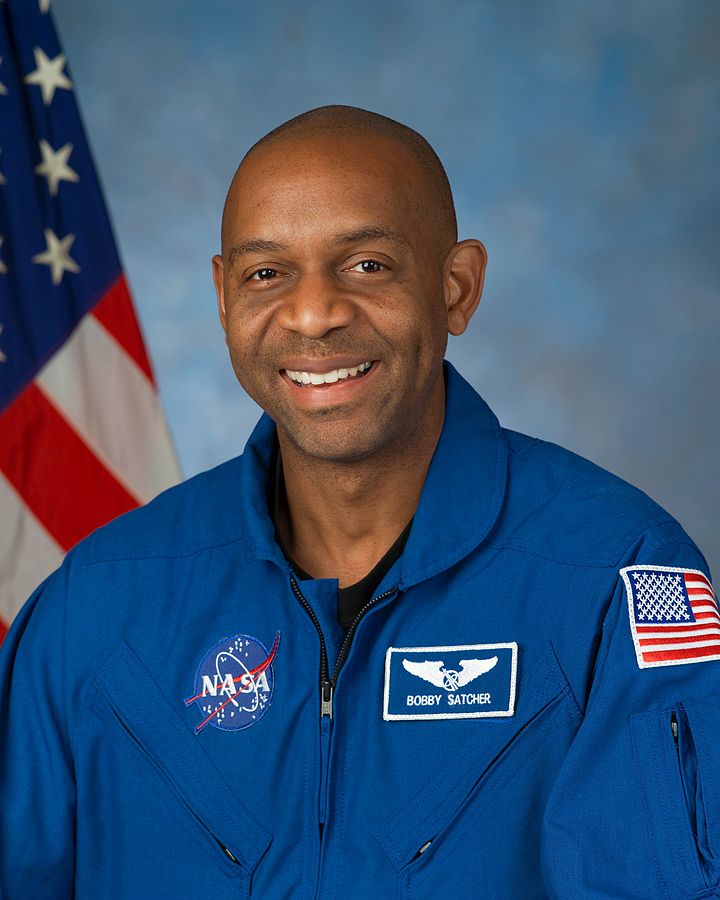
Robert Lee “Bobby” Satcher Jr. (born September 22, 1965) is an American physician, chemical engineer, and former NASAastronaut.[1] He participated in 2 spacewalks during STS-129, accumulating 12hrs 19min of EVA time. Satcher holds two doctorates (Ph.D., M.D.) and has received numerous awards and honors as a surgeon and engineer.
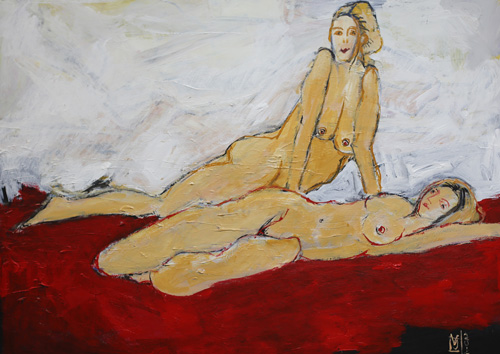
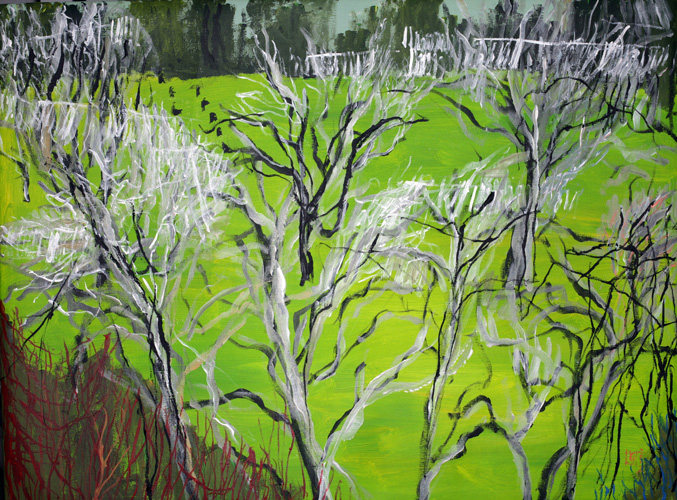
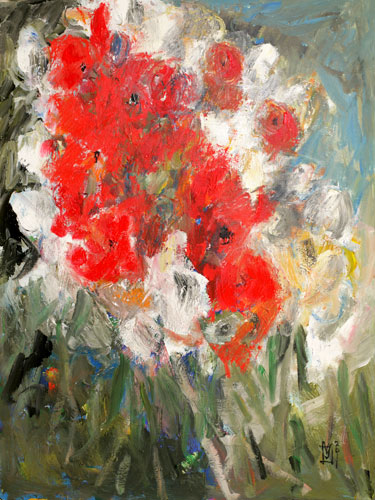
Michelle has studied Philosophy, Psychology and Theater sciences. At the Vienna Art School she studied painting, sculpturing and ceramics (2nd prize for ceramics at the 10-year-jubilee-festival of the school) Further she went to the actors school of Prof. Krauss studying acting and direction. Last not least she did medicine at Vienna University with doctorate degree in 1984.
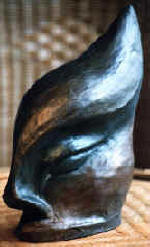
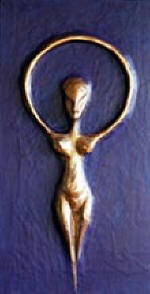
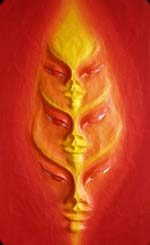
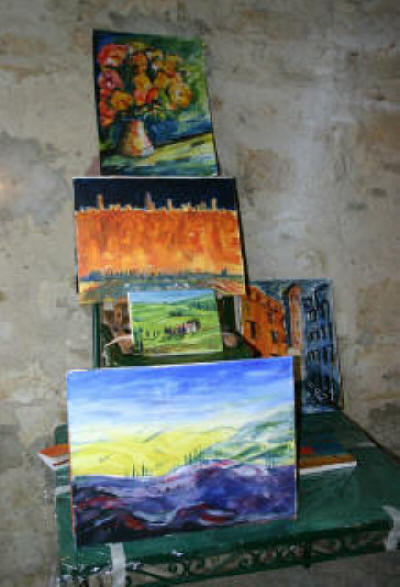
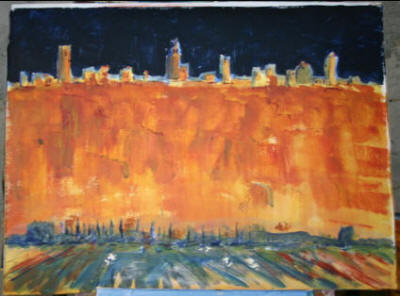
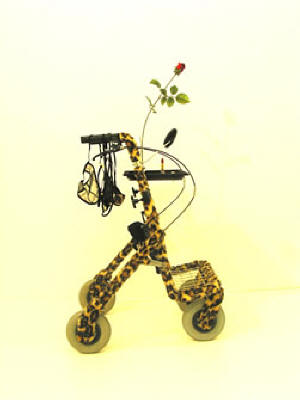
Now she is working as coach and channelling high spiritual power for the benefit of her patients. You MUST visit her web site where she has photos of her art objects which mirror perfectly her high degree of inspiration
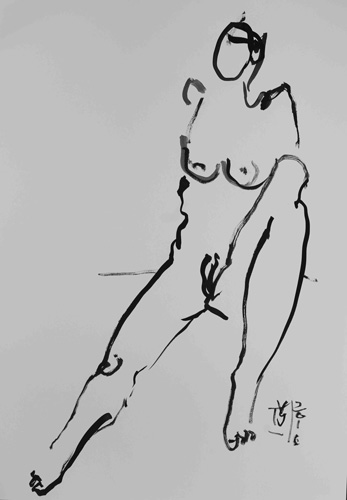
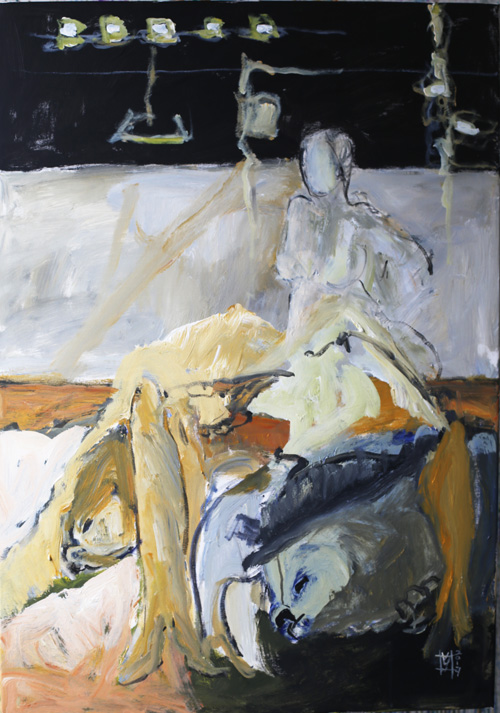
Abitur in Mannheim wishing to become art teacher 1950 art lessons at Kunsthalle Mannheim (Ursula Krebs) 1951 art lessons at Volkshochschule Mannheim (Walter Stallwitz) 1960-1961 “Freie Akademie Mannheim” class Paul Berger-Bergner 1983 Medical degree with doctorate degree
specialisation for obstetrics 1975 to 2005 working in own office in Neckargemünd art lessons with Glyn Forster in Dossenheim Yearly classes at European Art Academy Trier and artist association Artefact in Bonn
1998 own Atelier in Langenzell free-lance professionals since January 2006
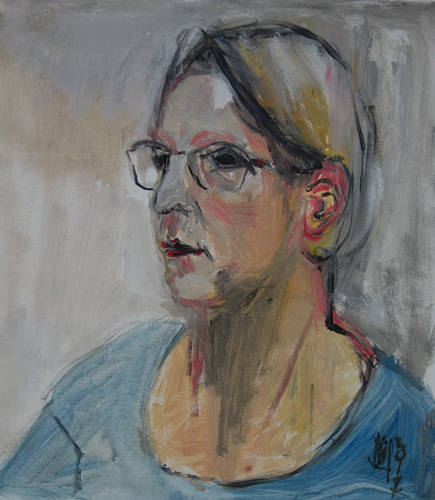
1974 Studium der Biologie, Bonn, Rheinische Friedrich-Wilhelms-Universität 1976 Studium der Medizin, Bonn, Rheinische Friedrich-Wilhelms-Universität mit Examen 1981 1982 Beginn der Assistenzarzt-Tätigkeit in den Fächern Innere Medizin und Chirurgie 1982 Promotion im Fachbereich Medizin, Medizinische Mikrobiologie 1985 Niederlassung als Ärztin in einer Gemeinschaftspraxis 1999 – 2005 Studium im Studiengang freie Kunst an der Kunstakademie Münster, bei Paul Isenrath und Guillaume Bijl 2015 Beendigung der ärztlichen Praxistätigkeit
Michelangelo didn’t have it. Renoir was missing it. As for Picasso, luck didn’t deal it to him.
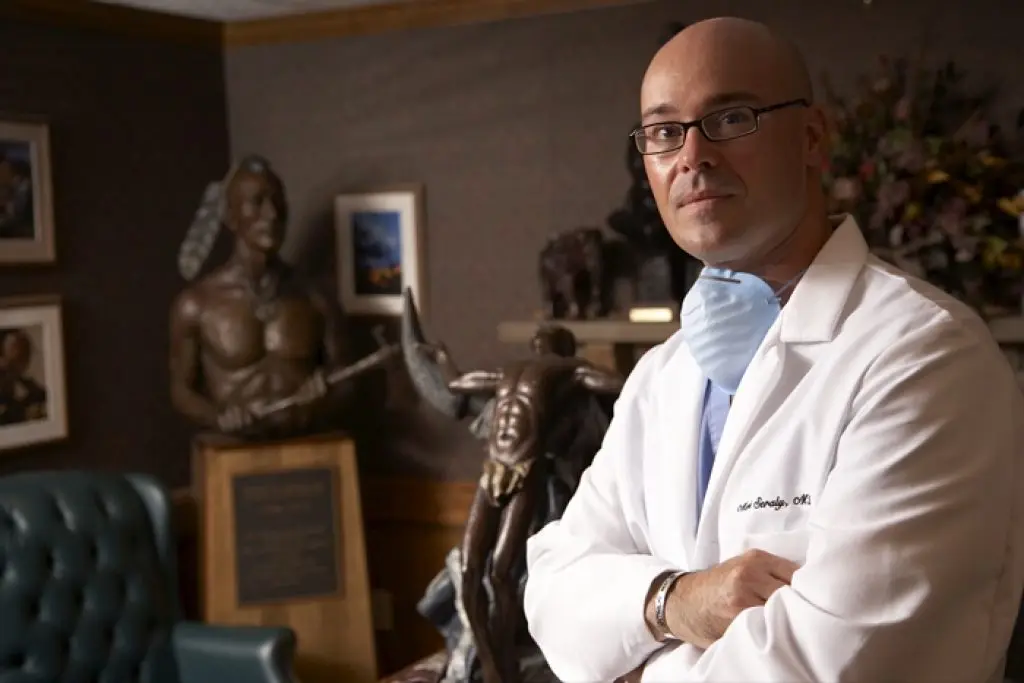
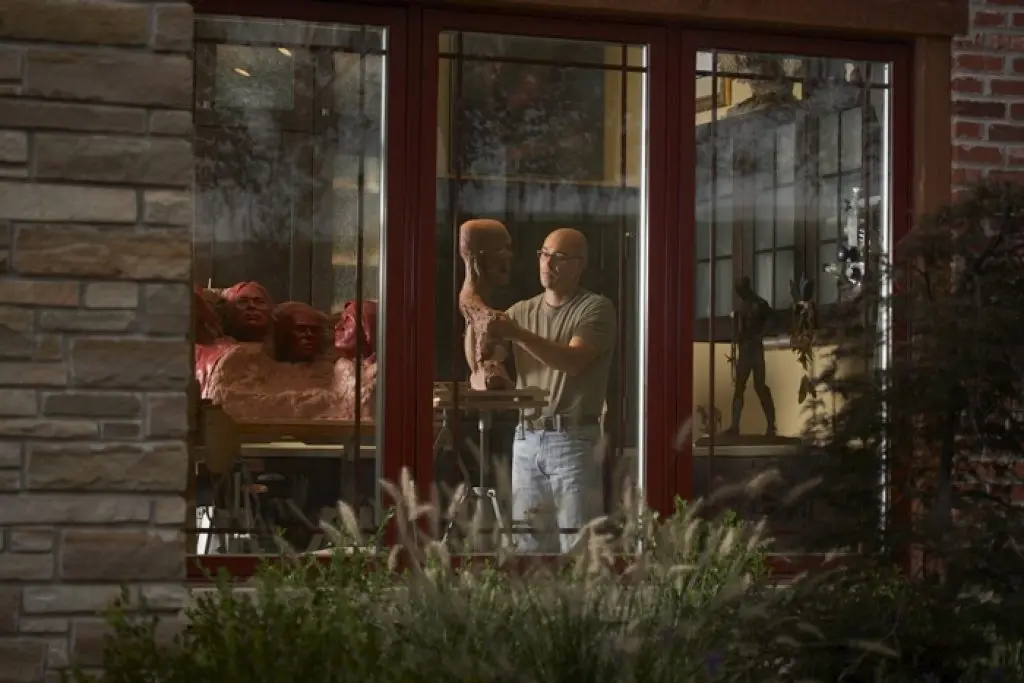
But self-made sculptor Dr. Mark Seraly has it—a day job that delivers his subject matter in a steady stream of people. True, they were all inspired, but inspiration comes from a subject he knows best—the human body.
The 46-year-old Canonsburg dermatologist, of course, treats patients with conditions of the skin, but when he’s out of his scrubs and in his studio, he creates bodies of art.
It was just 14 years ago that Seraly first touched the cold moist clay to blaze a trail to this surprising and fruitful second career. In 1996, he was at the University of Pittsburgh working on his dermatology and chief residency when he commented on a patient’s earrings.
“It turns out she made them and then asked me if I had any interest in art. I told her I liked sculpture,” he said.
Then she hooked him up with well-known sculptor Susan Wagner. Her pieces adorn PNC Park with the likes of Willie Stargell, Bill Mazeroski and Roberto Clemente. Not a bad hook-up.
From there he took a class at the Center for the Arts where he says he was “the only bald guy in the room with a bunch of backpacking kids.” By the time he completed the class, his instructor told him he ought to be a professional sculptor.
Since then he has worked tirelessly in an eternal pursuit to understand the human form. “I never grew up thinking I was an artist. Things I’ve gravitated toward are right brain. This is a natural fit with things I do as a doctor,” he said.
Seraly attributes his role as a dermatologist to his success in sculpting.
“I get to study the human form. I see smiles, tears, the changing of body posture,” all which translate into his attention to detail on his pieces. “What I’ve learned in my career goes hand-in-hand with my art. Not a lot of sculptors can have that,” he said.
Born in Brunswick, Maine, where his father served at the Naval Air Base, he was raised a Navy child. He claims his father’s influence, along with a certain dose of his maternal grandfather’s OCD (obsessive compulsive disorder) tendencies, have likely helped him along the way.
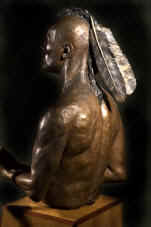
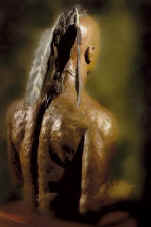
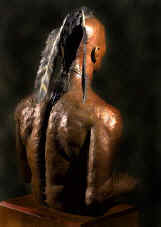
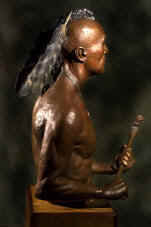
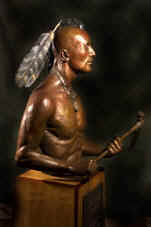
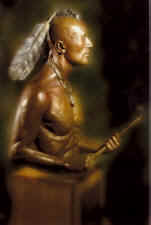
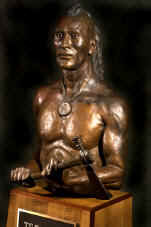
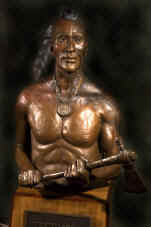
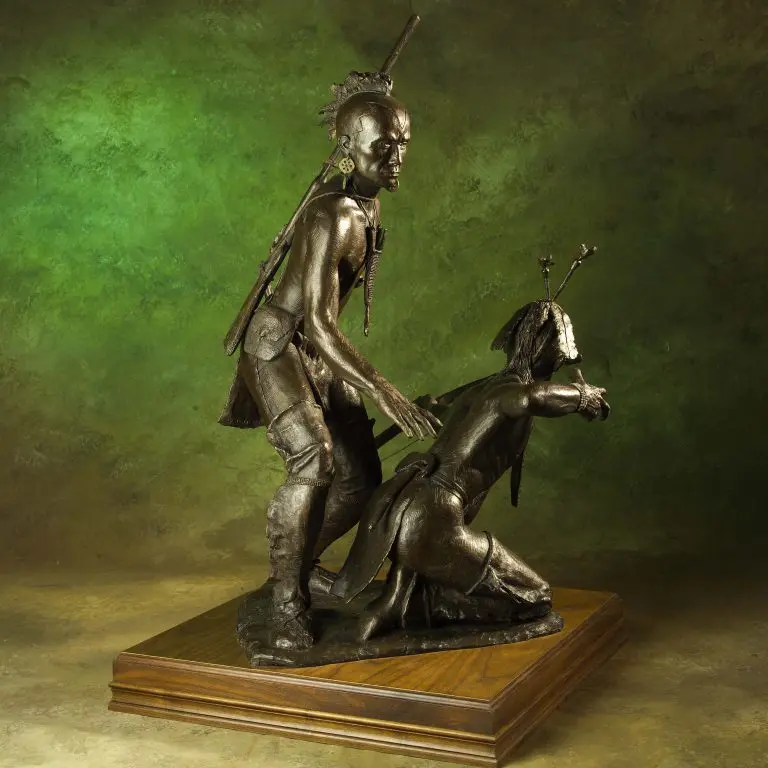
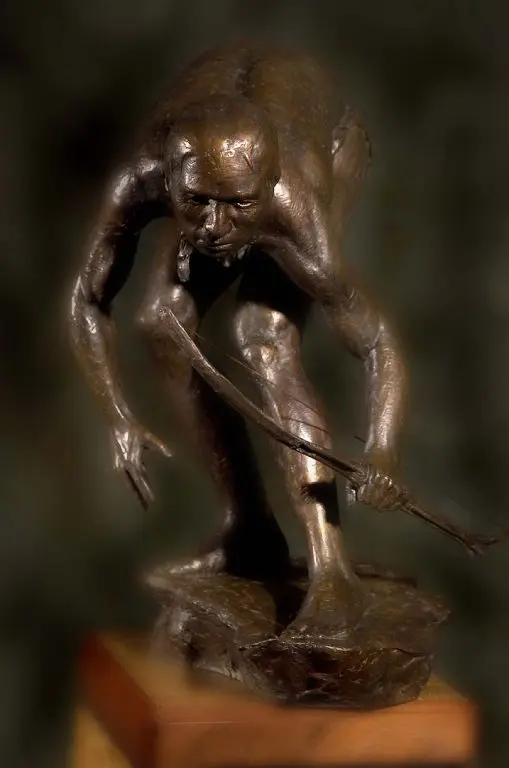
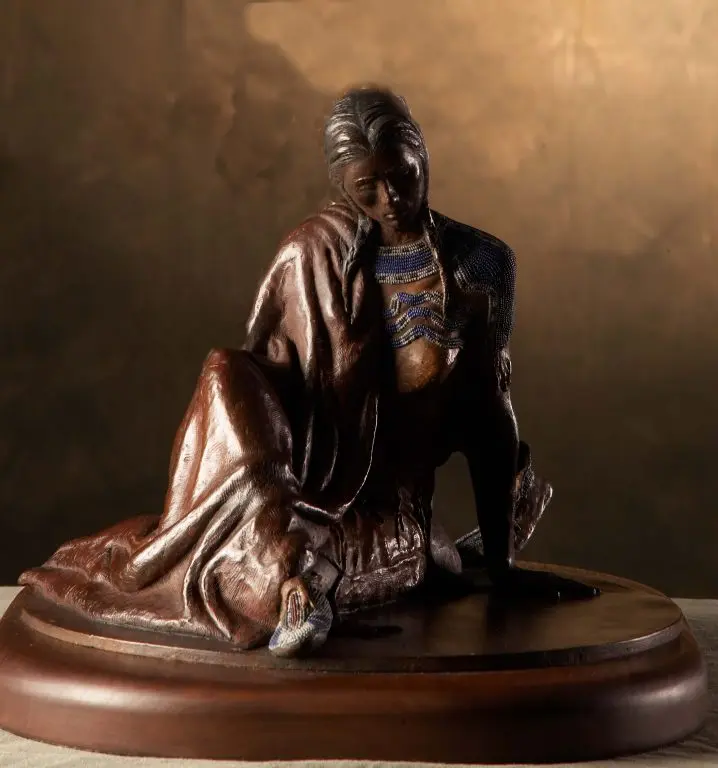
He spent grade school through high school in Succasunna, New Jersey, where he developed his love for the West and Native American traditions. He studied, collecting American Indian artifacts, and always fueling his passion. He takes that history and applies it directly to his pieces where the observer can take in the accuracy of his work and place himself alongside Chief Gall at the Victory Dance, the Hopi Girl or Ishi, in the spirit of the hunt.
His latest piece, Indian on Horseback Fighting Bear, is almost complete.
Seraly will hand deliver it to Coopermill Bronzeworks in Zanesville, Ohio where it will undergo the casting and molding process. He’s come to know the foundry owner Charlie Leasure, who has taught him yet another phase of the artistic process, allowing Seraly to see his pieces through to the finished product.
Seraly’s work surrounds his patient waiting area, office and home, but never did he dream his pieces would be included in private, public and corporate art collections.
A bust of Peter Rossin was commissioned by the Rossin family and sits in the Rossin Campus Center at his alma mater, Washington and Jefferson College in Washington, PA.
Given the choice of whether to practice as a dermatologist or spend his days sculpting, he answered, “Both. I tell my patients my commitment to them is 150 percent. I’m not just a doctor with a hobby.”
Without his patients, his work wouldn’t have the edge it does.