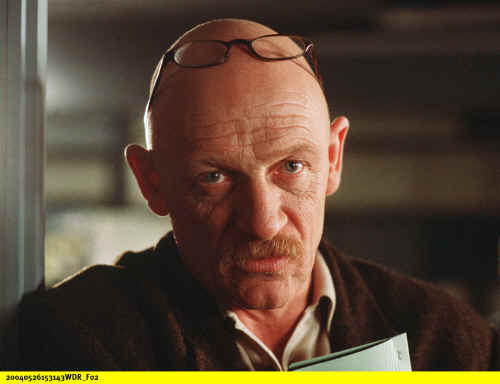
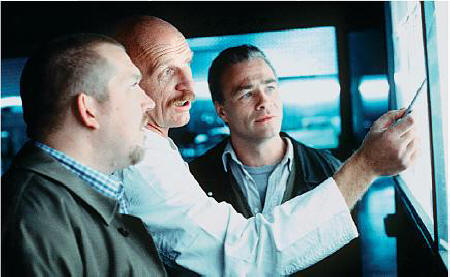
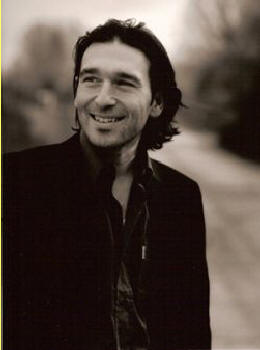
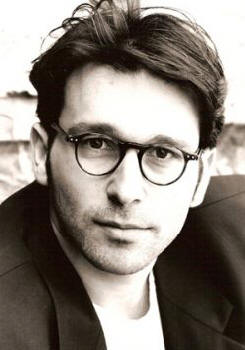
Tatort Köln: Freddy Schenk (Dietmar Bär), Joseph Roth (Josef Bausch-Hölterhoff) und Max Ballauf (Klaus J. Behrendt, von links) sind ein eingespieltes Team. Foto:WDR
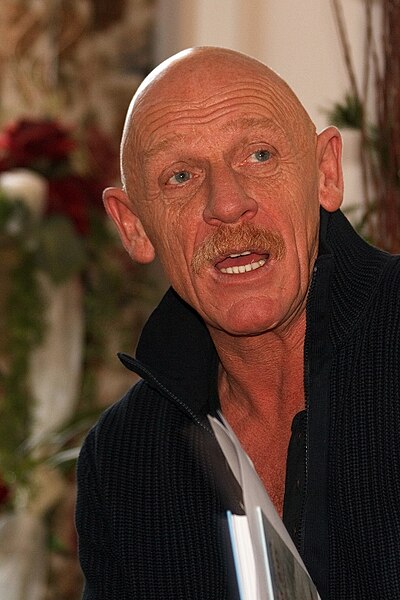
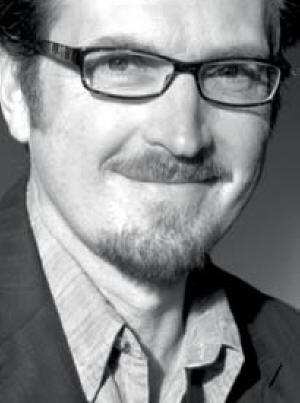
Joe Bausch (Hermann-Joseph Bernhard Anton Maria Bausch-Hölterhoff; * 19. April1953 in Ellar) is a German MD, author, actor and speaker of audio books.
Bausch-Hölterhoff was born in the Westerwald as son of a farmer, later studied theatre sciences, politicc, germanistics and law, in 1985 he got his medical degree.
During his studies he founded a theatre group “TPI – theatre pathologic institute” and wrote the librettos of Mister Buffo nach Dario Fo, Mein Traum …, Hotel der verlorenen Träume, Und sie legten den Blumen Handschellen an nach Fernando Arrabal.
He also acted in the Prinzregententheater Bochum.
Joes first appearance in the German criminal series “Tatort” in “Manila” underlined the problems of Philippinian children living in the streets. He and his colleagues founded the association “Tatort – Straßen der Welt” which is engaged for children´s rights world-wide.
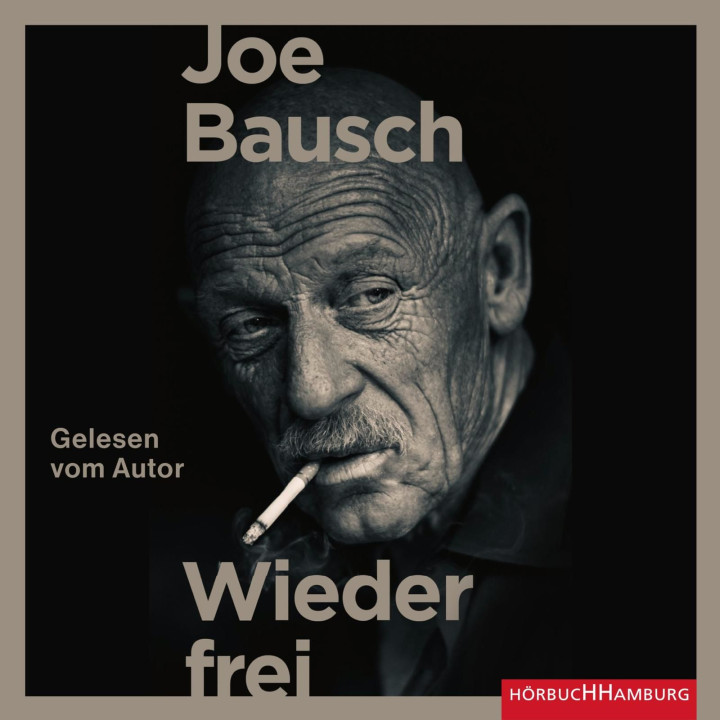
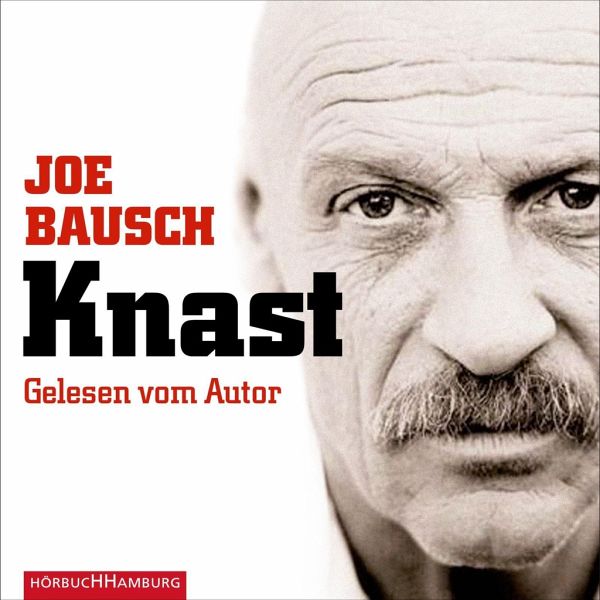
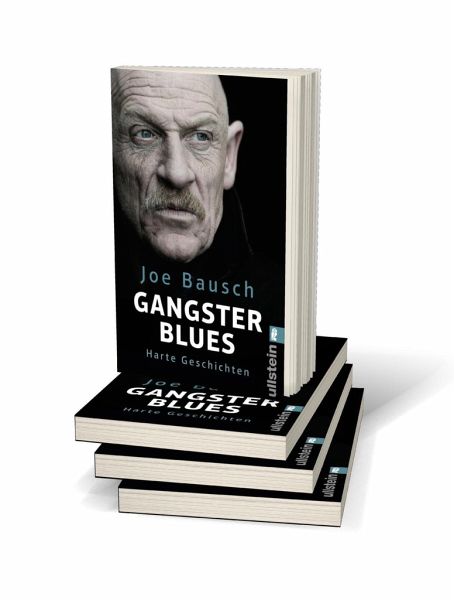
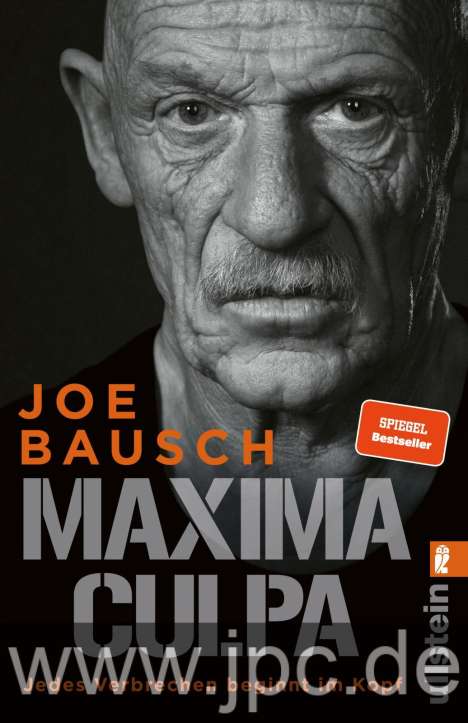
Having worked in the jail hospital of Werl he wrote som books about his experiences (see gallery).
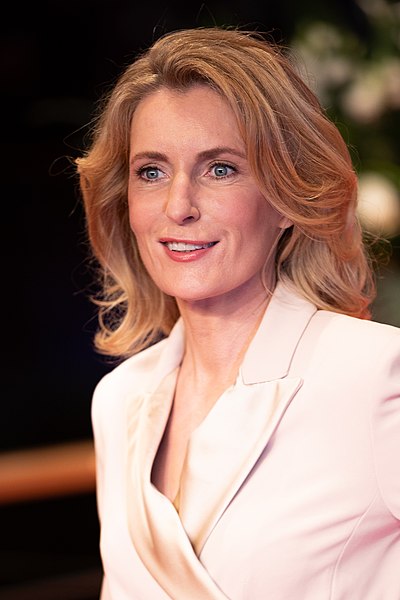
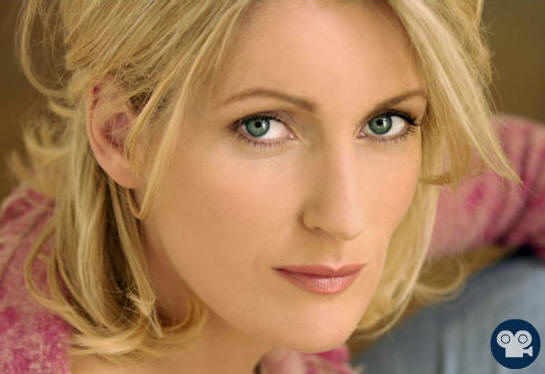
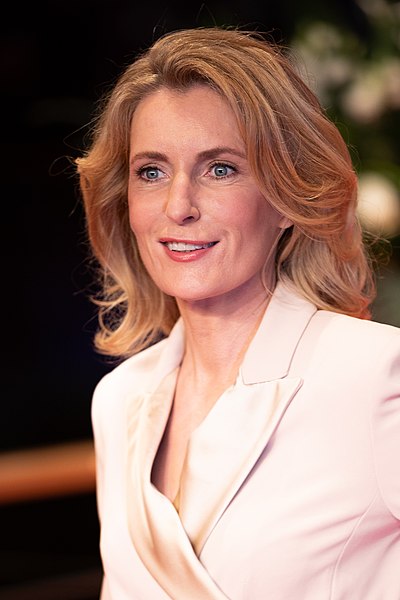
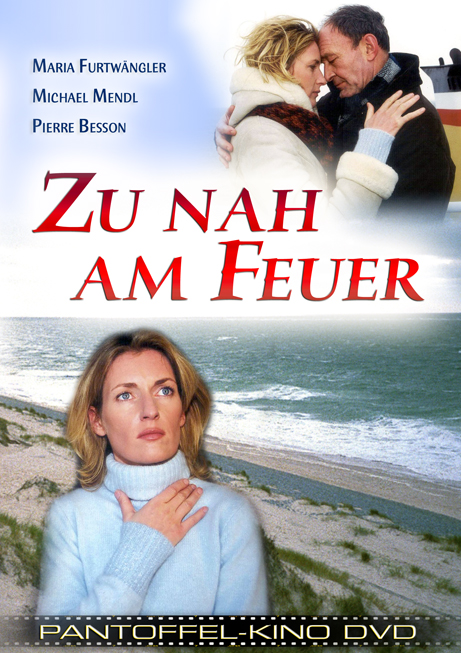
Maria Furtwängler-Burda (short version: German: [maˈʁiːa ˈfʊʁtvɛŋlɐ]ⓘ; born 13 September 1966) is a German physician and television actress.
Maria Furtwängler-Burda is a daughter of architect Bernhard Furtwängler and actress Kathrin Ackermann, great-niece and step-granddaughter of conductor Wilhelm Furtwängler, and granddaughter of politician Katharina von Kardorff-Oheimb. She has two older brothers, David and Felix. She was given her first movie role, for which she earned a bike, at the age of seven in Zum Abschied Chrysanthemen, produced by her uncle Florian Furtwängler. Her mother taught her acting and she later took acting classes in Germany and other countries.[1]
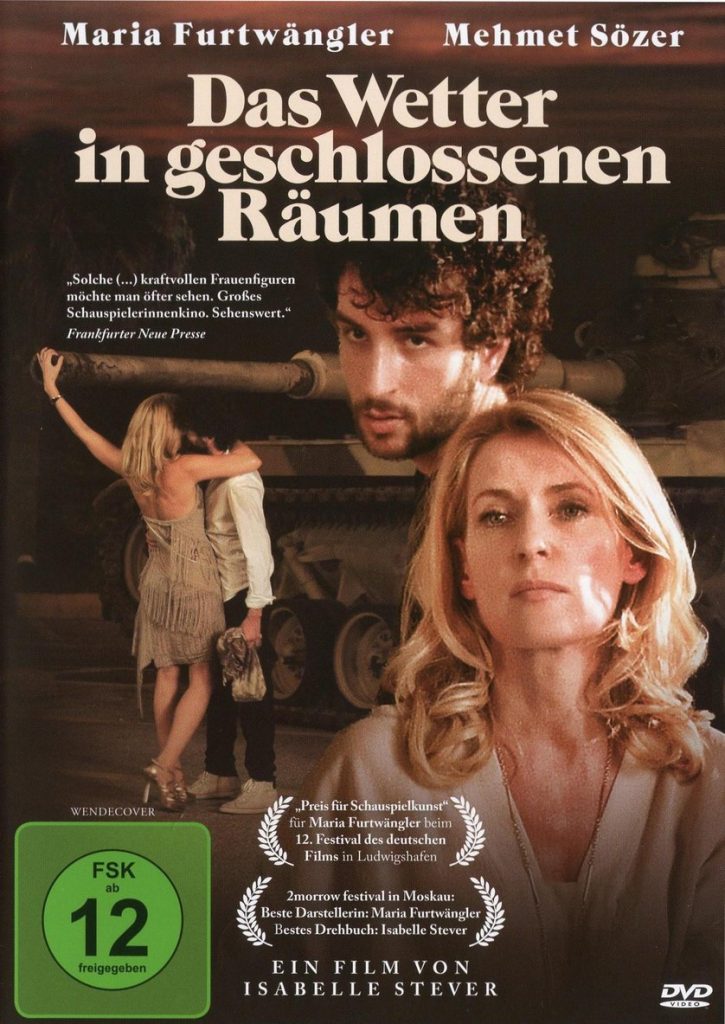
Furtwängler began her acting career in the mid-1990s. Since then, she has acted in German television series and productions such as the Tatort series, as Hanover-based police detective Charlotte Lindholm since 2002, the successful television movies March of Millions, and Die Schicksalsjahre and cinema production The Weather Inside [de] (Das Wetter in geschlossenen Räumen).[4]
For her work in Tatort and March of Millions, Furtwängler was honored with Germany’s most important award in the field of acting. With the movie The Weather Inside she won best actress at the 2morrow festival in Moscow; she was shortlisted in the Deutscher Filmpreis (German film prize). The film opened at the 2016 German Film Festival in New York City.
Since its inception in 2005, Furtwängler has been involved in the Burda-sponsored Digital Life Design (DLD) conference series. She annually hosts a joint Burda/DLD networking reception at the World Economic Forum meeting in Davos.
In 2010 Furtwängler founded the MALISAhome in the Philippines. For the ONE Campaign, she became a goodwill ambassador for Women, Girls and Child Health. In 2015 she co-signed the ONE Campaign’s open letter to ChancellorAngela Merkel and Nkosazana Dlamini-Zuma, urging them to focus on women. Also in 2015, she interviewed Merkel on development policy issues for the Chancellor’s weekly podcast.[6]
In 2013, after a meeting with Eve Ensler in Berlin, Furtwängler became more involved campaigning to end violence against women and girls in Germany. She is particularly interested in the role of the media in perpetuating harmful gender stereotypes. She has been inspired by the Geena Davis Institute and by the Women’s Media Center in the US.[7]
On International Women’s Day 2016, Furtwängler supported the call of UN Women‘s German National Committee for a reform of the German legislation on sexual violence, based around the No Means No consent principle, which is currently not recognised in Germany. Also on International Women’s Day 2016, she co-authored an op-ed with Manuela Schwesig, the German Minister for family, older people, women, and youth, highlighting the need for a stronger sexual violence law and for an end to stereotyping of women and men, particularly in the media.[8]
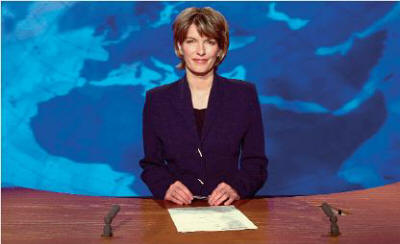
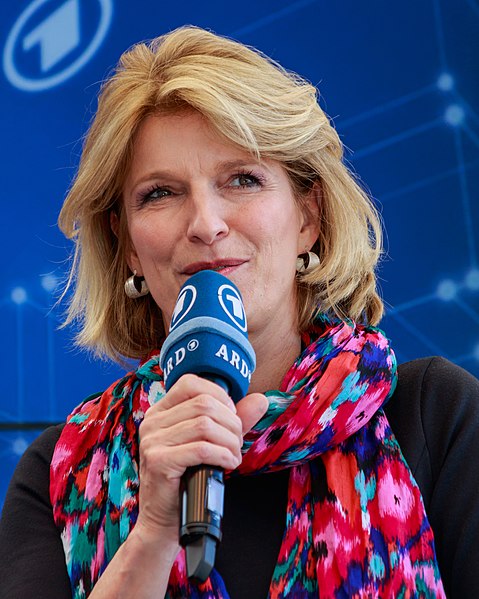
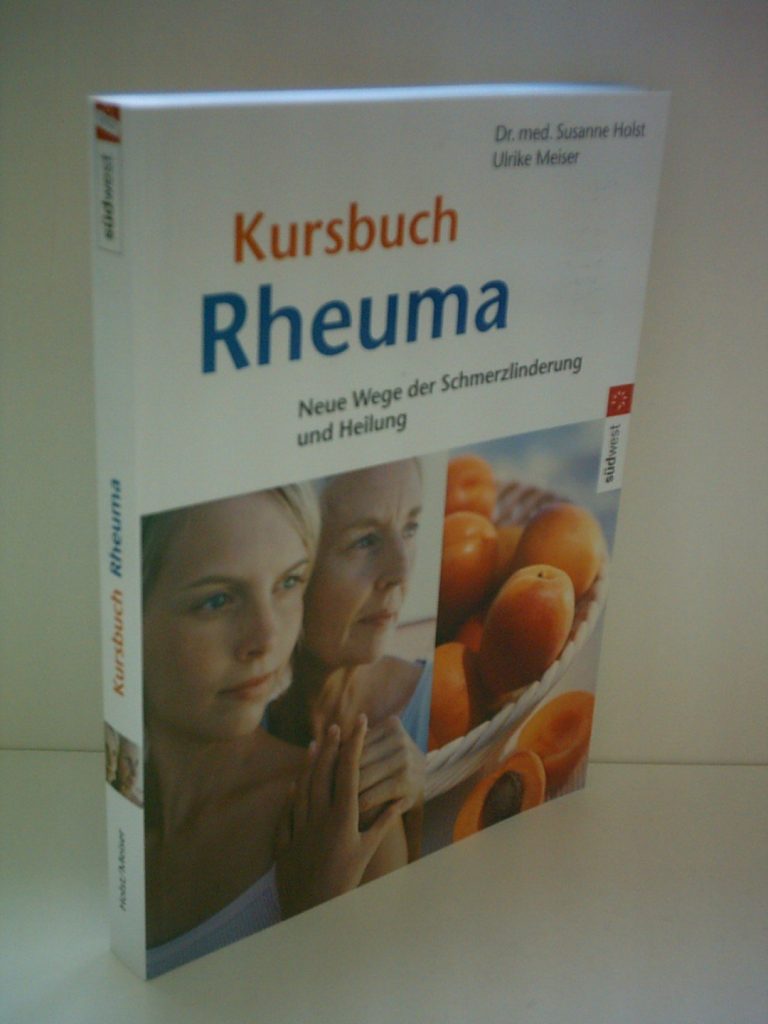
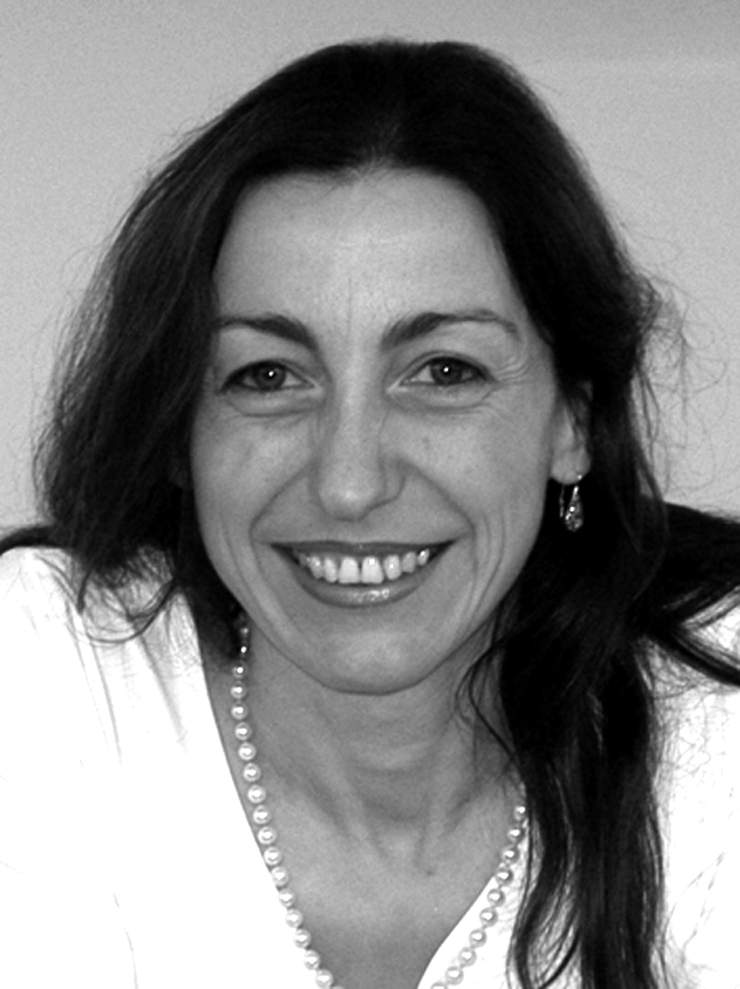
Susanne Holst (* 19. September1961 in Hamburg) is a German MD, medical journalist, author and TV moderator.
She worked as moderator for Sat1 morning magazine, then a health magazine and other productions.
Since 2001 she moderates the German news magazine Tagesschau and Tagesthemen.
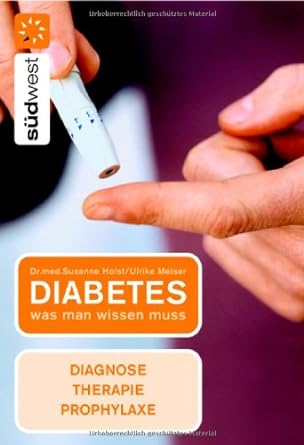
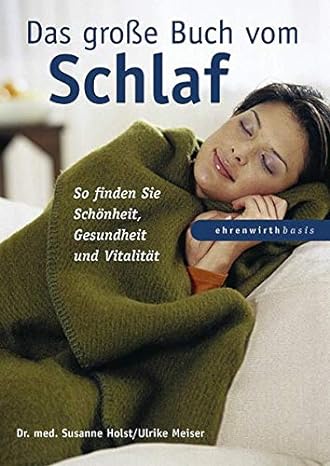
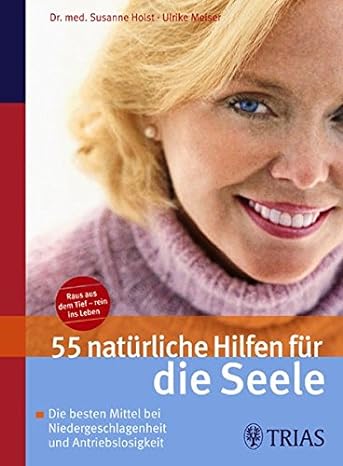
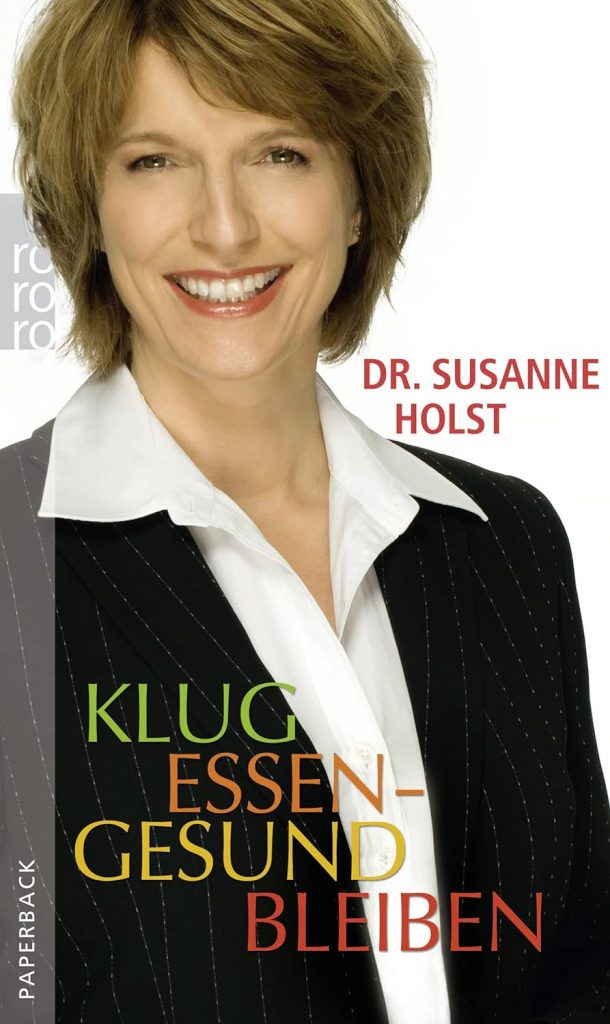
She has written several medicine books about diabetes, pain therapy, sleep and rheumatic diseases.
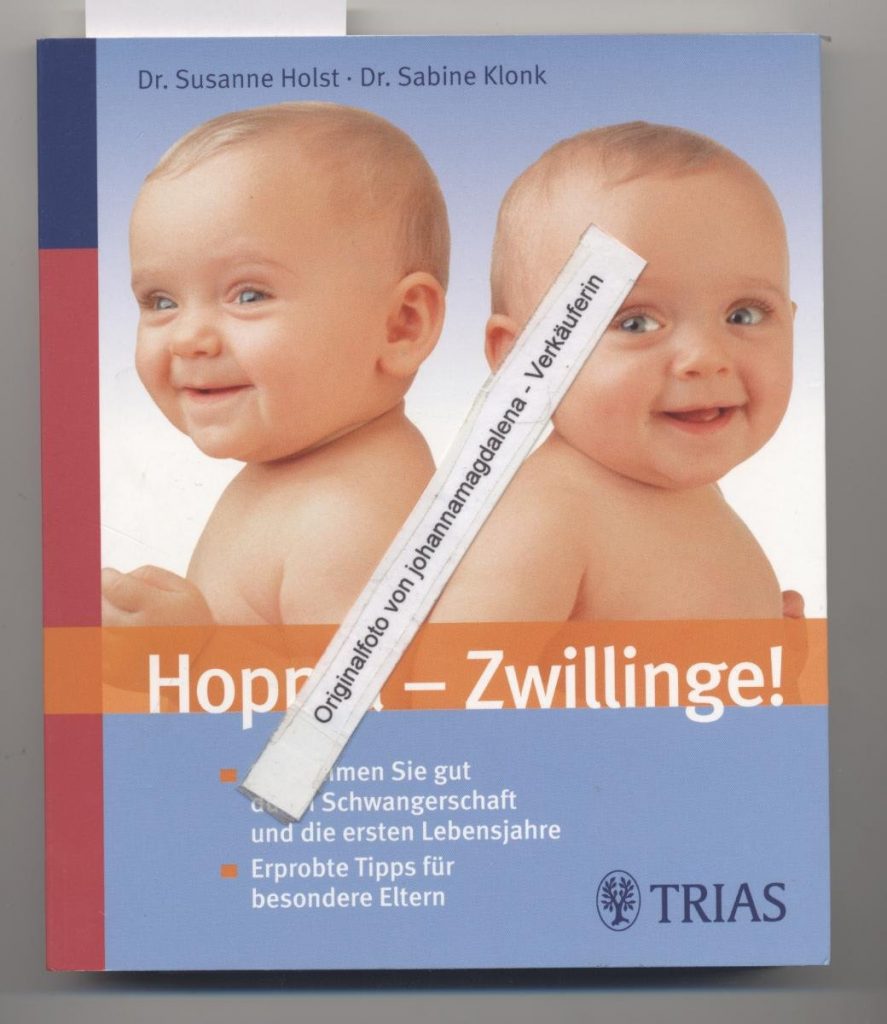
She is married with Halko Weiss since 1992, a psycho-therapist and specialist for Hakomi, they have twins (see book title!) but live separated actually.
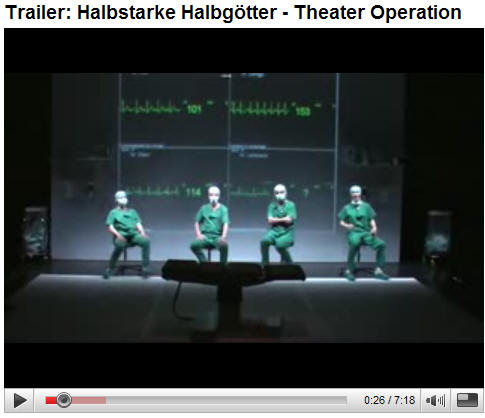
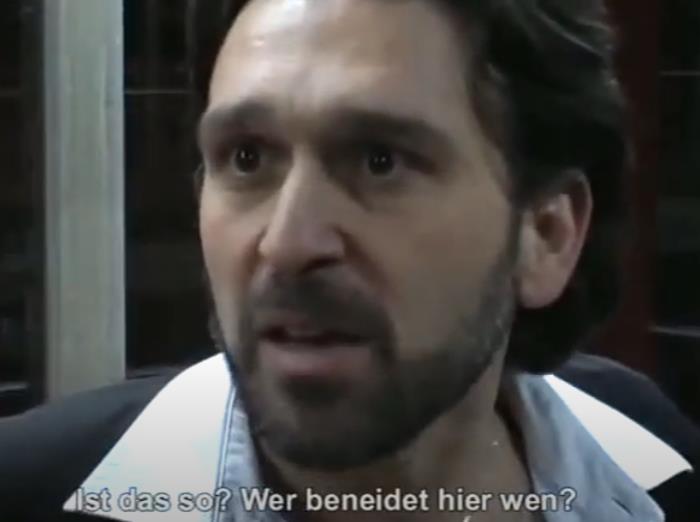
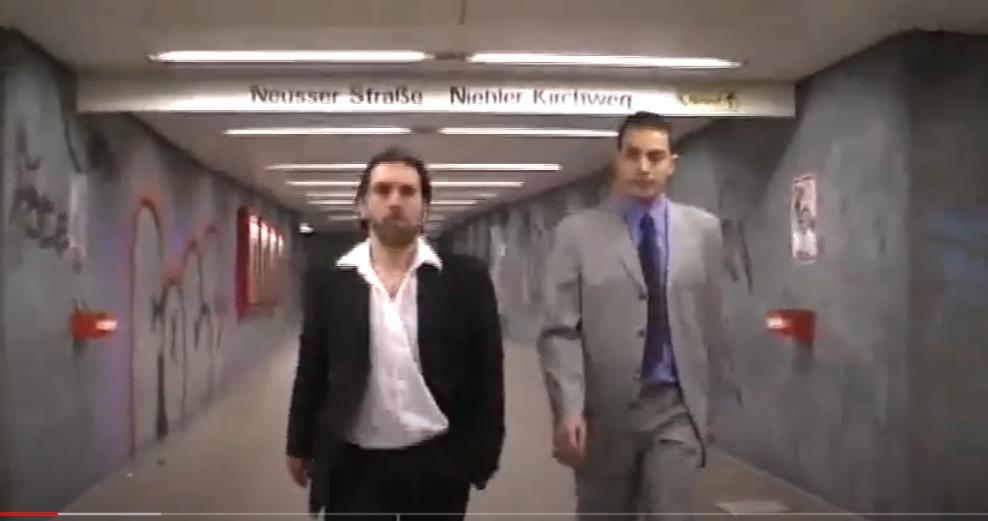
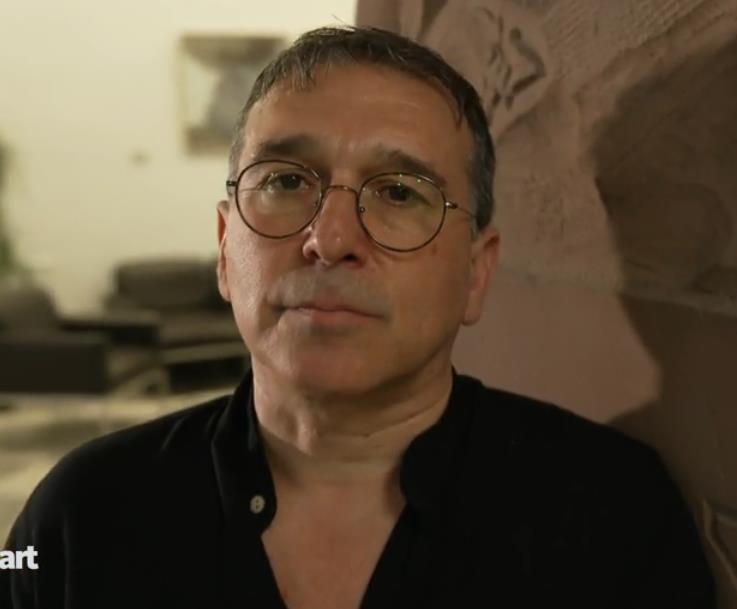
Tuğsal Moğul (* 1969 in Neubeckum) is a German-Turkish director, theatre author and MD.
Parallel to his medical studies in Lübeck he studied acting in Hannover. Working as MD in Berlin he began writing works about medical questions as “Halbstarke Halbgötter” (2008), “Somnia” (2010) und “Die Angehörigen” (2014) which he realised with he realized with his ensemble THEATER OPERATION (Bettina Lamprecht, Carmen Dalfogo, Stefan Otteni, Dietmar Pröll und Ariane Salzbrunn).
Besides medical themes he worked about migration and racism as about the NSU killings:
Report in WDR about an actual film about the killings of Hanau:
Isabella Vértes-Schütter (* 22. April1962 in Hamburg) is a German actress and politician in the senate of Hamburg
Isabella Vértes-Schütter is daughter of the opera singer Helga Pilarczyk. She is widow – her husband Friedrich Schütter was director of the Ernst-Deutsch-Theater in Hamburg – they have two children. Already during school she took acting lessons from Annemarie Marks-Rocke. After the Abitur she studied medicine and studied acting. She wasinvolved with the Hammoniale – Festival der Frauen in the Kampnagel Fabrik. Later she played at the Ernst Deutsch Theater and Thalia Theater (Hamburg). In 1994 she became director of the Hammoniale – Festival der Frauen. Since 1995 Isabella Vértes-Schütter is dierector of the Ernst Deutsch Theaters following her deceased husband.
Isabella Vértes-Schütter is member of the SPD political party. She got mandates in the parliament of Hamburg in 2011 and 2015 and 2020.
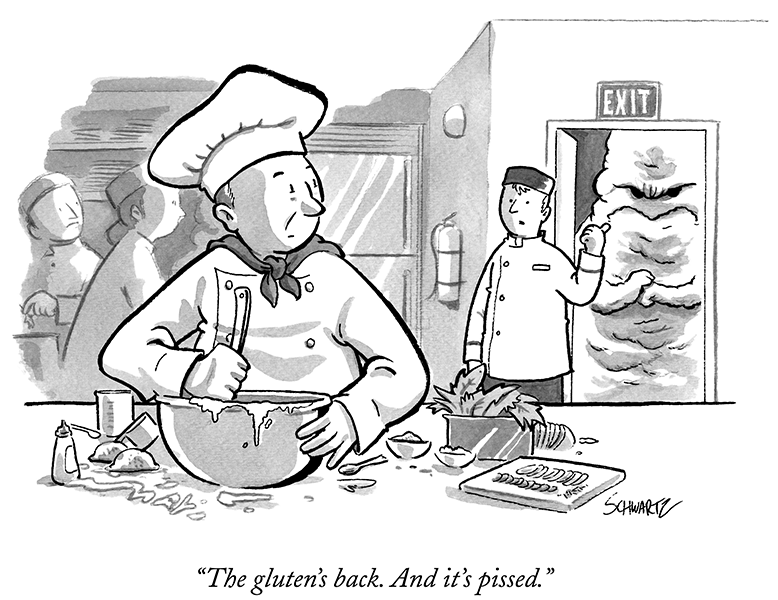
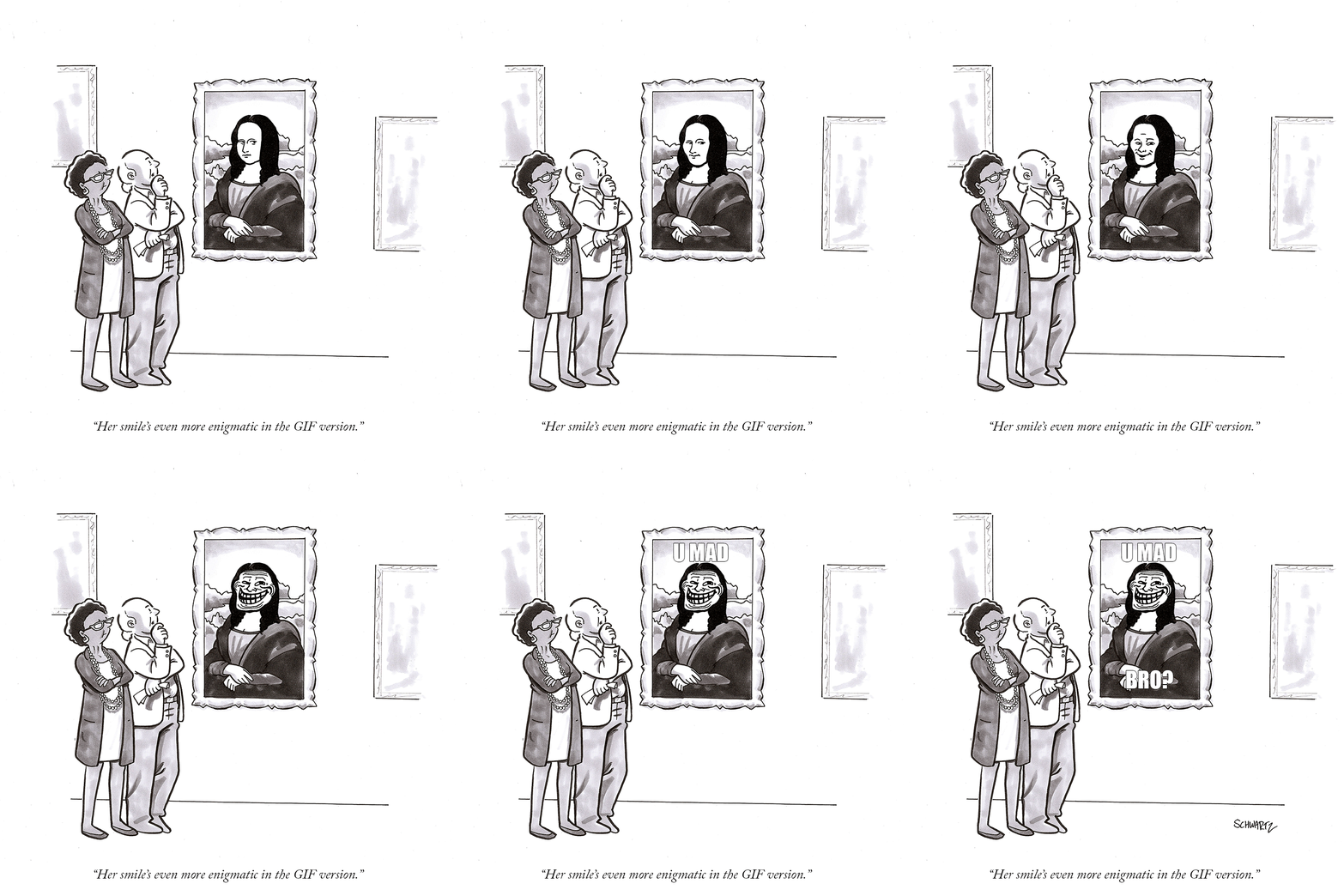
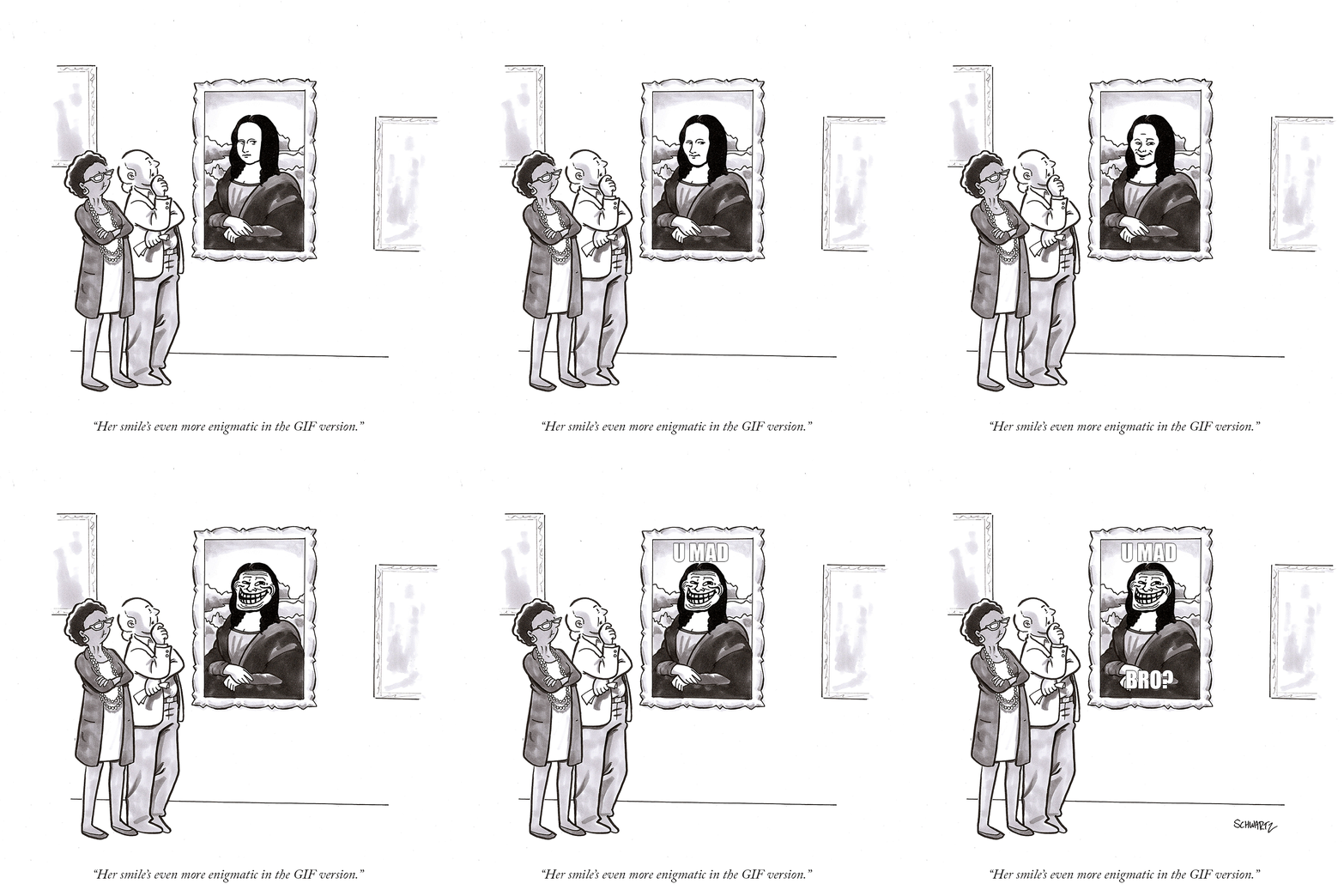
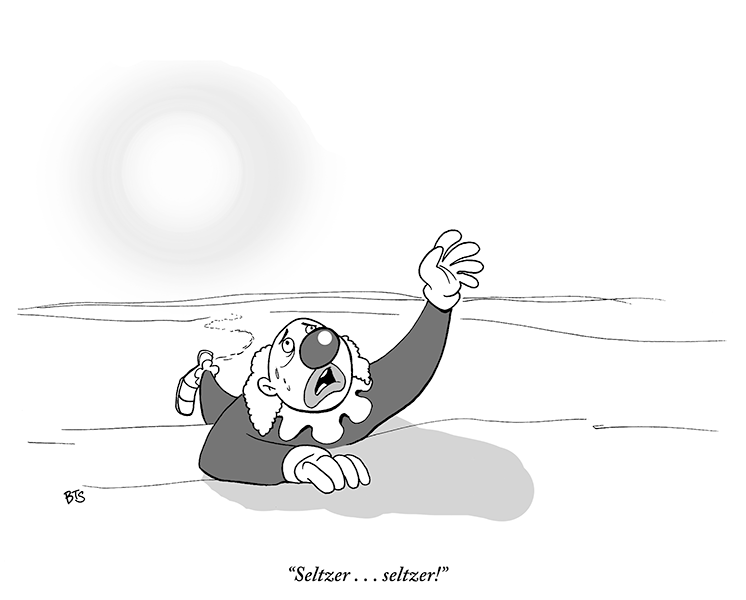
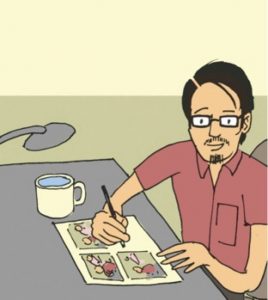
Ben Schwartz’s path to cartooning happened by way of a long flirtation with a medical career. He entered college planning to fulfil his premed requirements, dropped that after a year (opting for a psychology major), then returned to the sciences just in time to prepare for admission to Columbia’s College of Physicians and Surgeons. Through all of his studies, one thing stayed constant: He drew.
Schwartz made it all the way through his first year as a resident in internal medicine before drawing comics full time. His work regularly appears in The New Yorker and he illustrated the recently published A is for Artisanal: An Alphabet Book for the Hip, Modern Baby. His career has also brought him back to medicine in ways he didn’t expect.
In 2012, Columbia’s Department of Ophthalmology approached Schwartz about developing a comics-based curriculum for its students. He was later asked to teach in Columbia’s Narrative Medicine program, which helps doctors both understand and communicate the patient stories that might not appear on charts. In both areas, Schwartz shares the grown-up value of comics for doctors-in-training.
Q: Where do your ideas for New Yorker cartoons about doctors come from? A: A lot about medicine lends itself to humor. There’s a very strange power dynamic when you have one person who’s essentially in a costume, with the white coat and the equipment, and another person who’s nearly naked just sitting on a table.
Q: Not all of your work is humorous. You’re currently working on a comics-based curriculum for ophthalmologists. A: It’s an area where the medium suits the message really well. What we’re talking about in med school is not all abstract and conceptual. We’re talking about anatomy and pathophysiology, things where the visual information is a big part of what you need to know. You need to know where this organ is in relation to this other organ.
It’s natural to teach all of this through a visual medium. Comics have the added bonus of being told through panels. This helps break down complex content into more manageable chunks.
But beyond that, the associations people have with comics make this very complex material more approachable. As a cartoonist, I sometimes fight against the perception that comics are necessarily “kid stuff.” But as an educator, those playful associations are an advantage when you’re disseminating information to stressed-out med students.
Q: You went to medical school yourself. Did cartooning skills ever come in handy? A: I spent a month doing an elective in narrative medicine, a subject I now teach a class in. Narrative medicine basically teaches students how to better interpret—and tell—the stories of illness and recovery they will encounter as doctors. I spent that class working on a children’s book. The subject was actually a real downer, a child dealing with the death of a parent. That month, all I did was think about this sad story, and how I could bring it to life. Despite the subject matter, it was my favorite month of medical school. It convinced me that maybe there was a value to the space between medicine and art.
Q: What makes cartooning so well suited to teaching? A: First, I don’t think that cartooning is so special in that regard. All these creative exercises in our field—fiction, poetry—help students focus on this larger idea that doctors are storytellers. Cartooning is just one route to get to that.
That said, I happen to think it’s a pretty good starting point, with unique lessons.
Q: Can you give an example? A: I do a whole lesson that starts out teaching artistic perspective and how cartoonists use it to enhance narrative perspective. Students tell one story from the doctor’s point of view, then from the patient’s point of view. They explore the physical angle of the doctor standing above the patient, and what effect that has on the story emotionally. From the perspective of the doctor, the patients might seem fragile, or even pathetic. Then when students think about the patient’s perspective, the doctor could appear heroic, standing above, or judgmental, looking down.
It’s a way of understanding what happens in doctors’ offices. It changes when you think about it visually.
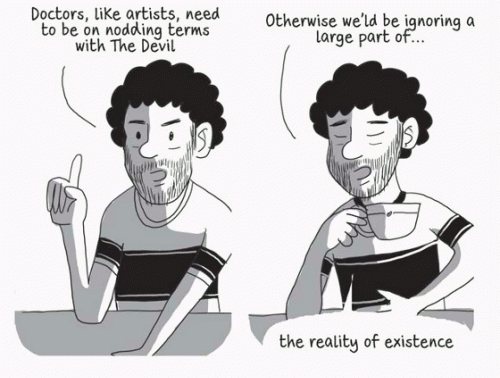
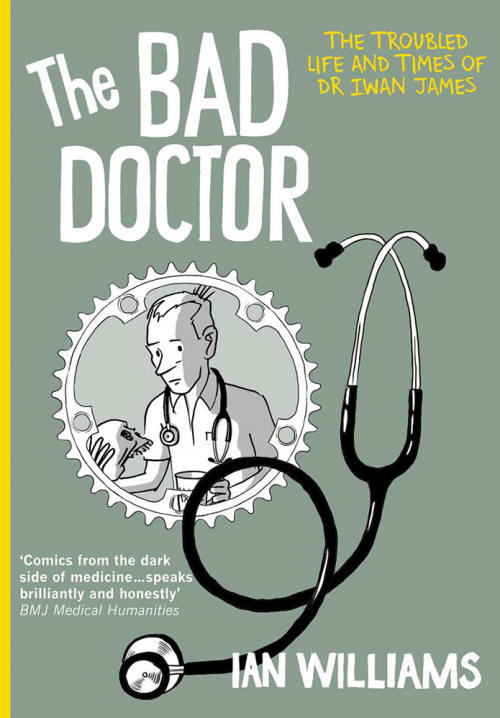
The phrase graphic medicine was coined by Dr. Ian Williams,[3][4] founder of GraphicMedicine.org, to denote “the intersection between the medium of comics and the discourse of healthcare”.[5] Comics offer an engaging, powerful, and accessible method of delivering illnessnarratives.[6] The academic appraisal of graphic fiction is in its infancy, but its examination by academics involved in healthcare-related studies is increasing, with work emerging in journals.[4]
It is notable that the medical humanities movement in many medical schools advocates the framework and use of literature in exploring illness, from practitioner and patient perspectives.[4]
A late-2010s entry to the scholarly study of graphic medicine is the PathoGraphics Research Group, an Einstein Foundation-funded project at the Free University of Berlin (2016–2019) under the direction of Irmela Marei Krüger-Fürhoff, and with the collaboration of Susan M. Squier of the Pennsylvania State University.[7] The group is concerned with the study of illness narratives, or “pathographies,” and works of graphic medicine.[8]
according to his c.v. he is a notable key-note speaker.
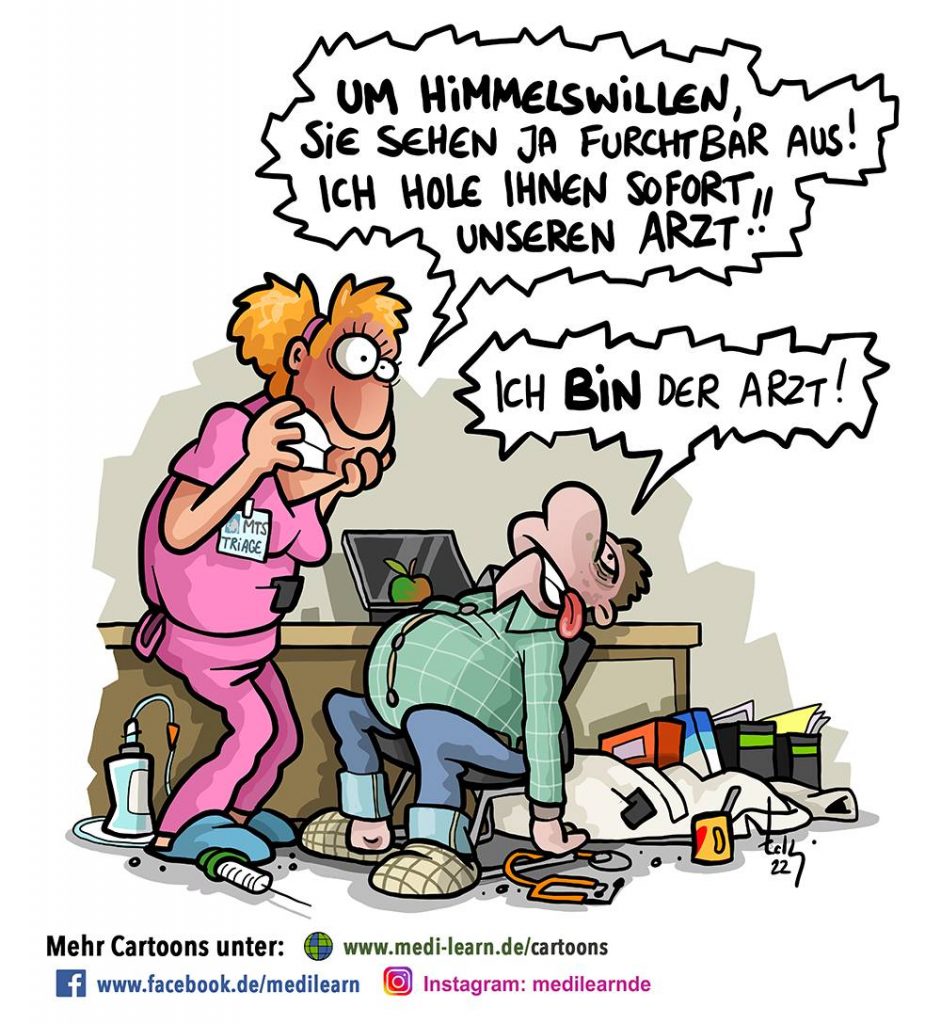
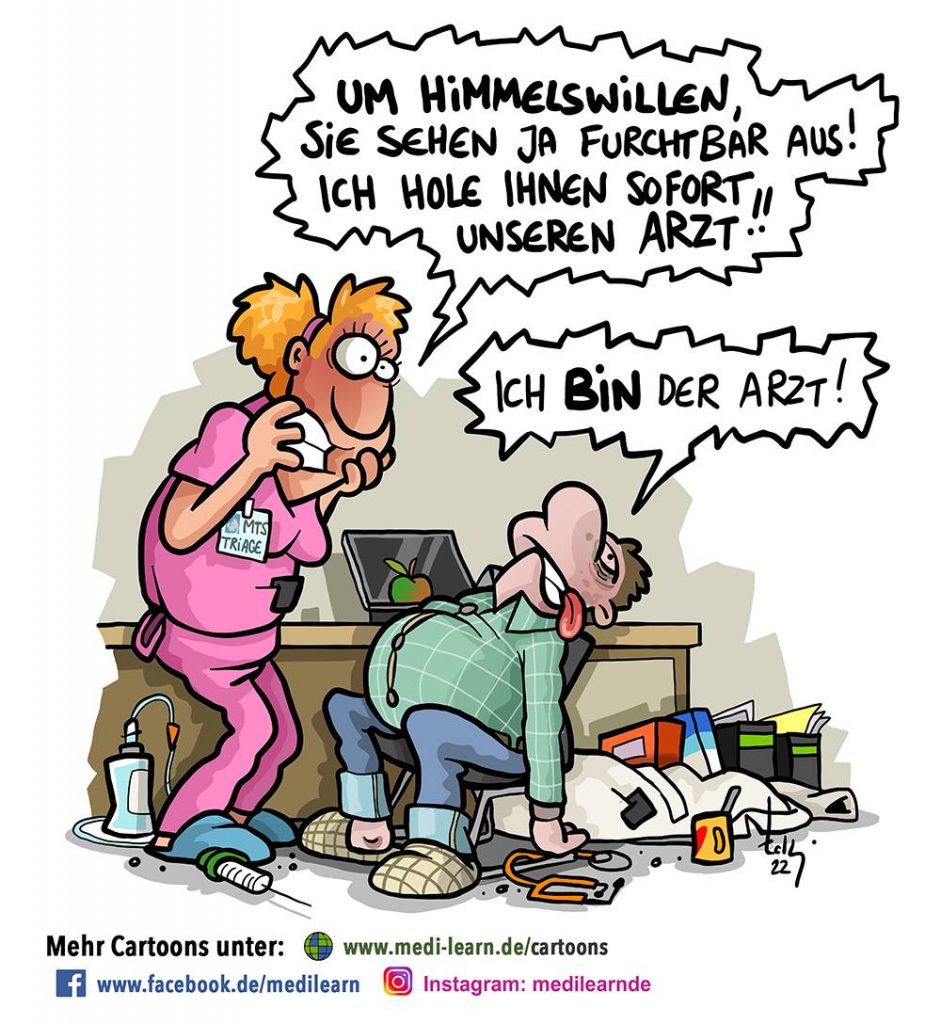
for gods sake you look bad I will get you a doctor. – “I AM the doctor!”
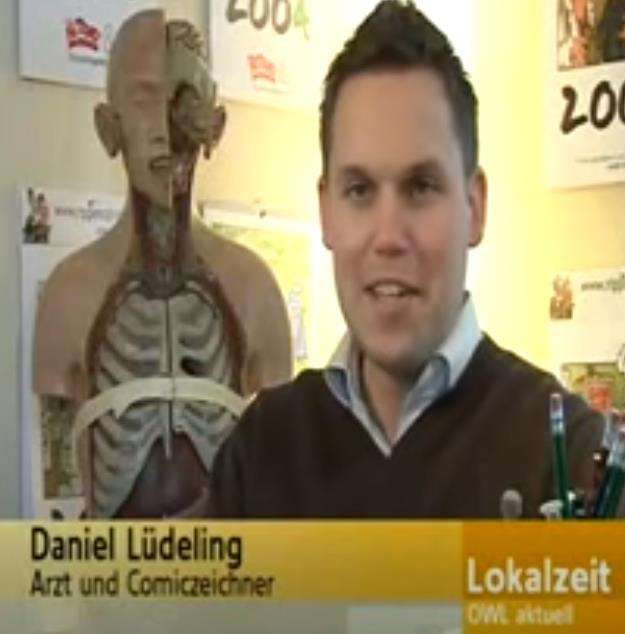
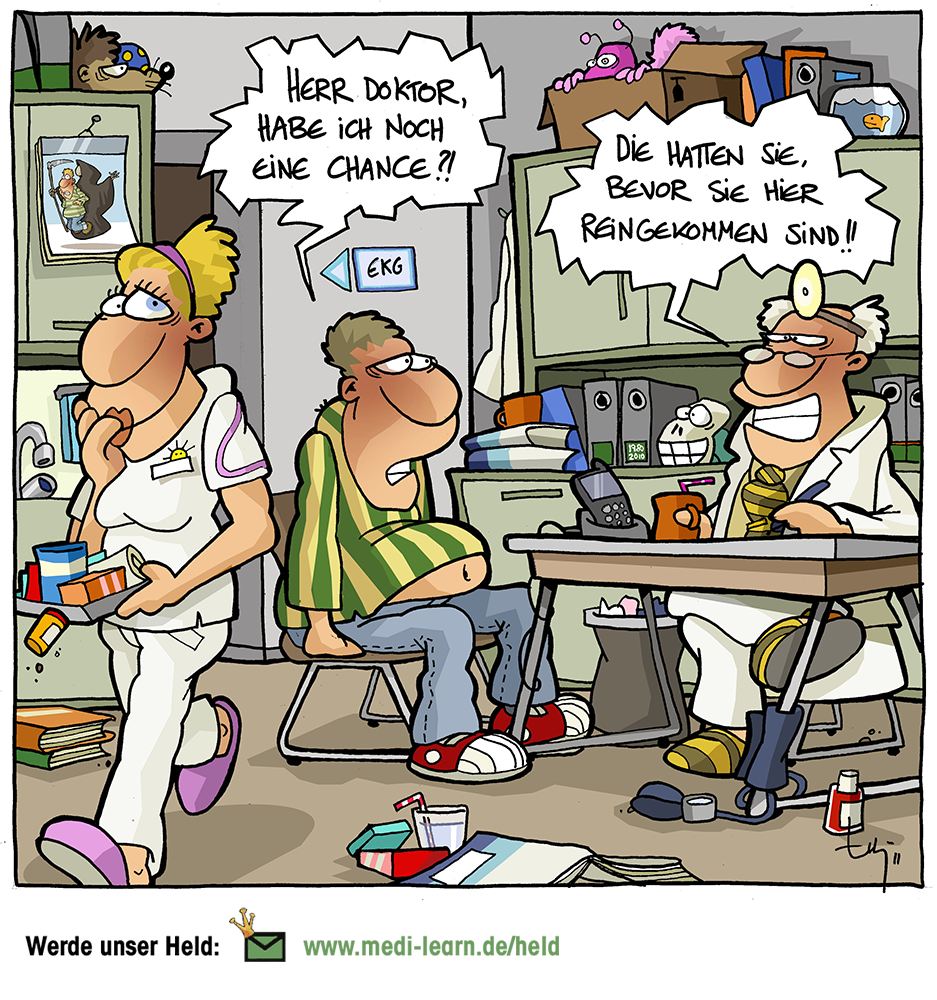
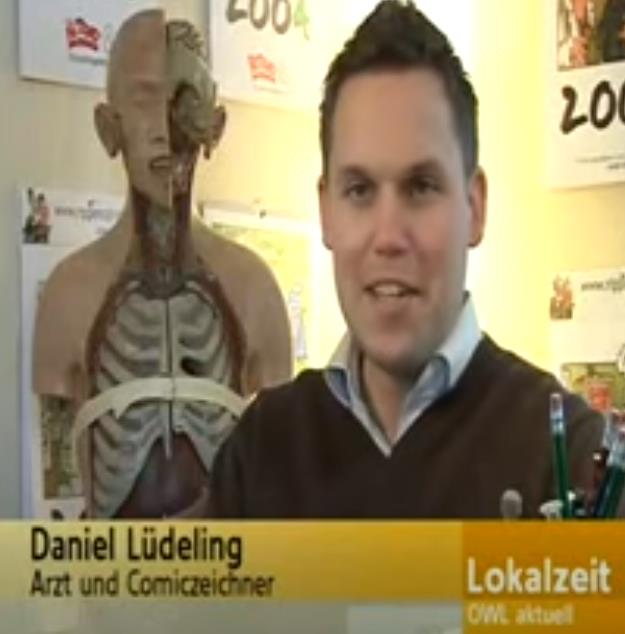
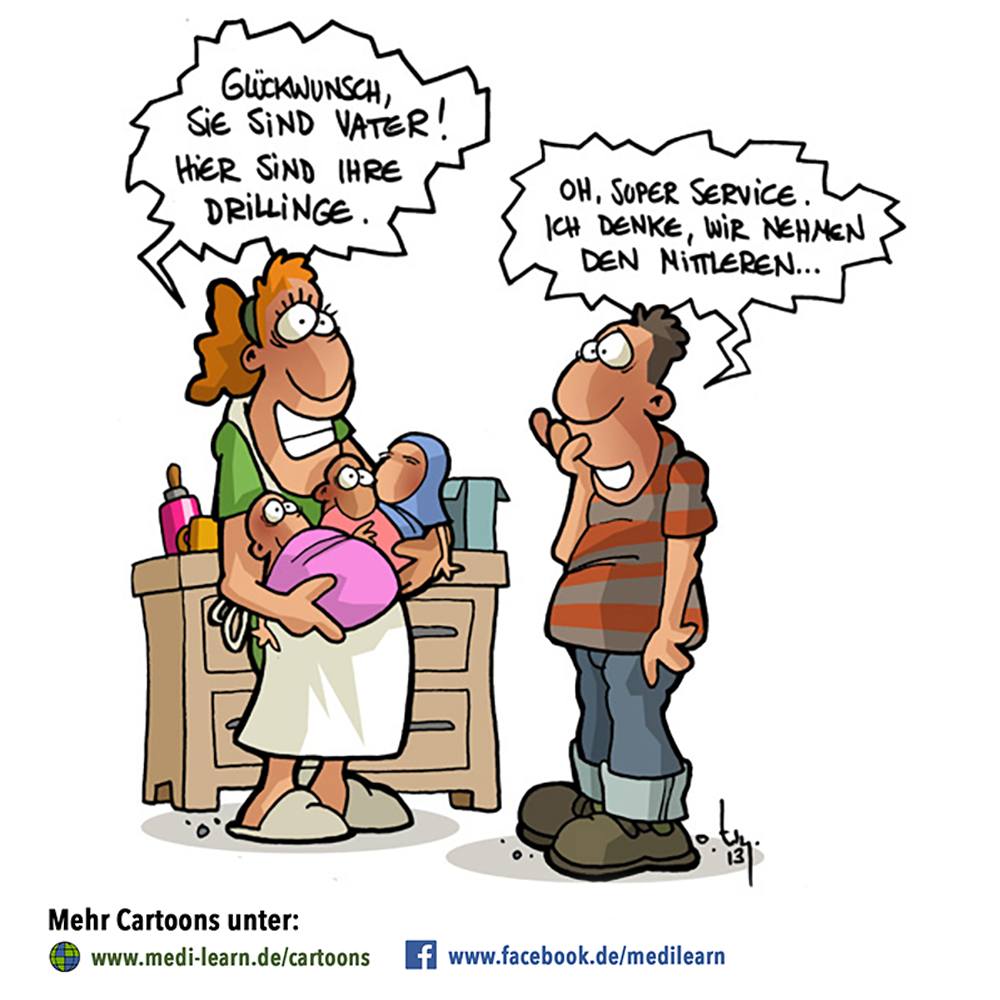
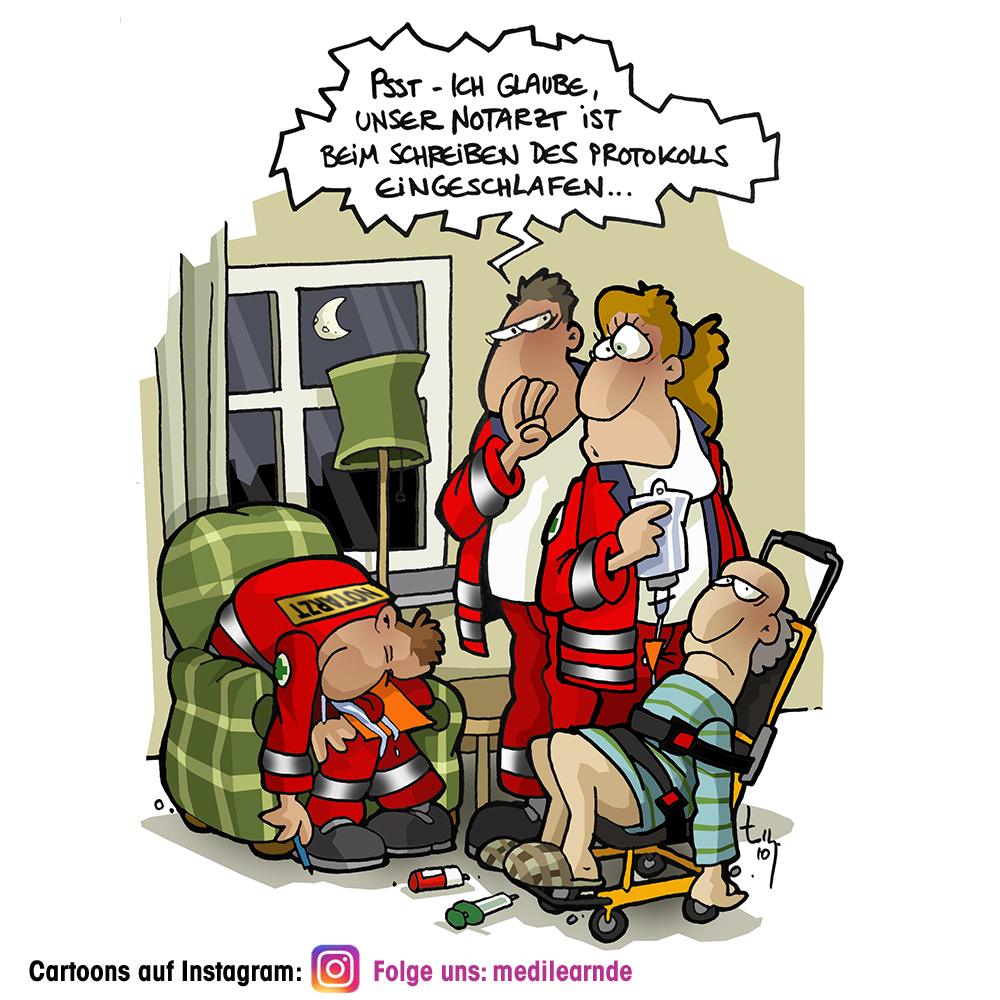
Rippenspreizer.com is Germany´s biggest fun and cartoon portal in medicine! It contains far more than 800 cartoons, the community has 10.000 members and in the forum discussions are about serios but also funny things. The cartoons are created by daniel Lüdeling born in 1974 in Garmisch-Partenkirchen.
Vita (DE):
geb 1974
1987 Zivildienst beim Rettungsdienst. In dessen Rahmen die Thematik der Cartoons mehr und mehr medizinisch bzw. notfallmedizinisch werden.
1996 Beginn des Medizinstudiums
1999 Unter der neu erwobenen Domain www.bluelight.de werden erstmal im größeren Rahmen die Cartoons der Öffentlichkeit präsentiert.
2002 Umzug der Domain auf die Medi-learn Server. Das von Christian Weier initiierte und geführte Medizinstudentenportal www.medi-learn.de veröffentlicht regelmäßig Cartoons und übernimmt den Onlinebereich von Bluelight.
2003 entsteht die Internetseite www.rippenspreizer.de auf Basis eines von Herrn Weier konzipierten Content-Management Systems (CMS),auf der neben den Cartoongalerien auch erstmals ein Forum entsteht. Im Nov. 2003 beendet Daniel Lüdeling sein Medizinstudium mit dem 3.Staatsexamen
2004 wird die Rippenspreizer GbR gegründet. Die Gesellschafter und Geschäftsführer sind Daniel Lüdeling und Christian Weier, weitere Gesellschafter: Dr.med Dipl.psych Bringfried Müller und Thomas Brockfeld (Medi-Learn/Repetitorien)
2005 Ribspreader.com, ein englischsprachiger Abzeig der Rippenspreizer.com wird geplant Wandkalender für Siemens-International (Ostasien/Pazifik) werden erstellt Die Internet.Community auf Rippenspreizer.com erreicht erstmals 7.000 Mitglieder
2006 Die Rippenspreizer.Community umfasst knapp 10.000 Mitglieder, auf der Internetseite sind über 800 Cartoons veröffentlicht. Der Shopbereich beinhaltet 248 Produkte. Seit 2003 veröffentlich Rippenspreizer jede Woche einen neuen Cartoon, im Forenbereich sind bis 2007 bereits 341000 Beiträge in 6700 Themen geschrieben worden. Gestützt wird die Rippenspreizer.com GbR durch ein Team von Mediengestaltern und Programmierern von Medi-Learn in Kiel. Koperationspartner sind: Deutsche Ärztefinanz (DÄV), Sieme-Fachverlag, Springer-Verlag Frohberg-Medizinbuchhandlung, 3bScientific-Lehrmaterialien Daniel Lüdeling erwirbt die Zusatzbezeichnung „Notfallmedizin“ ÄKWL
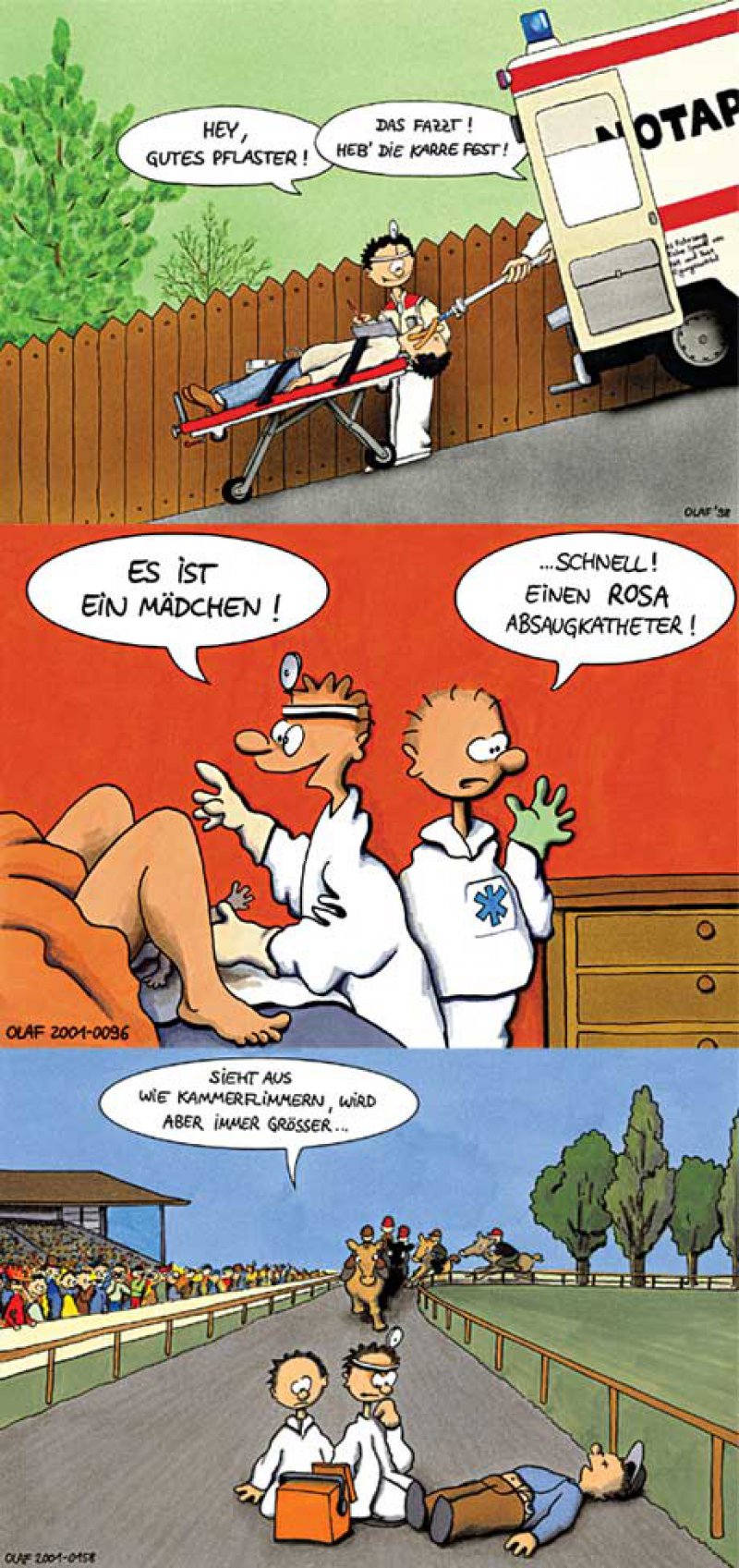
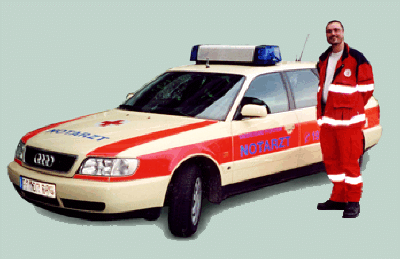
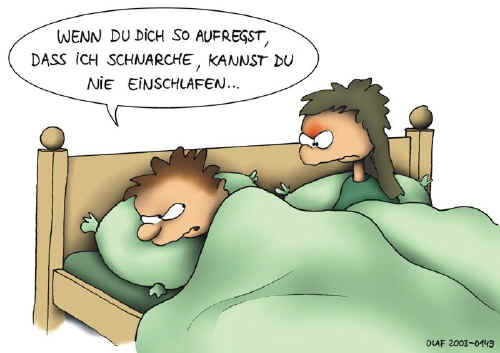
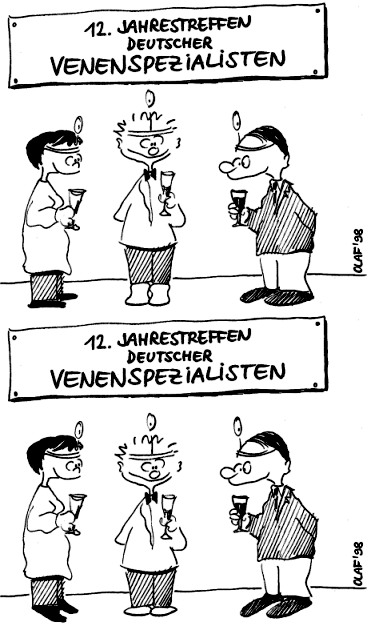
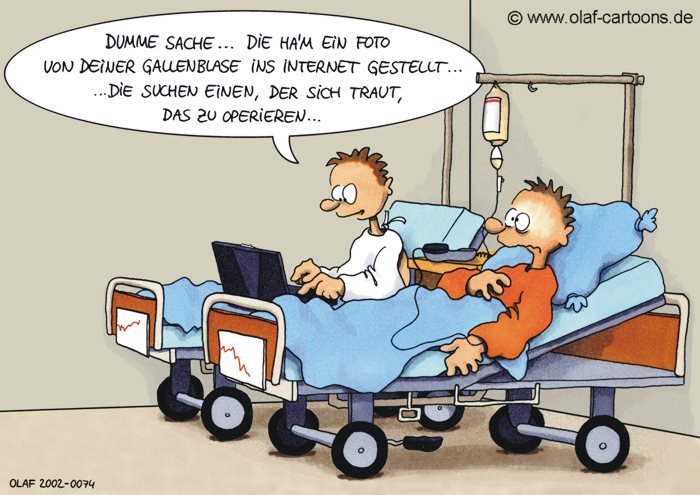
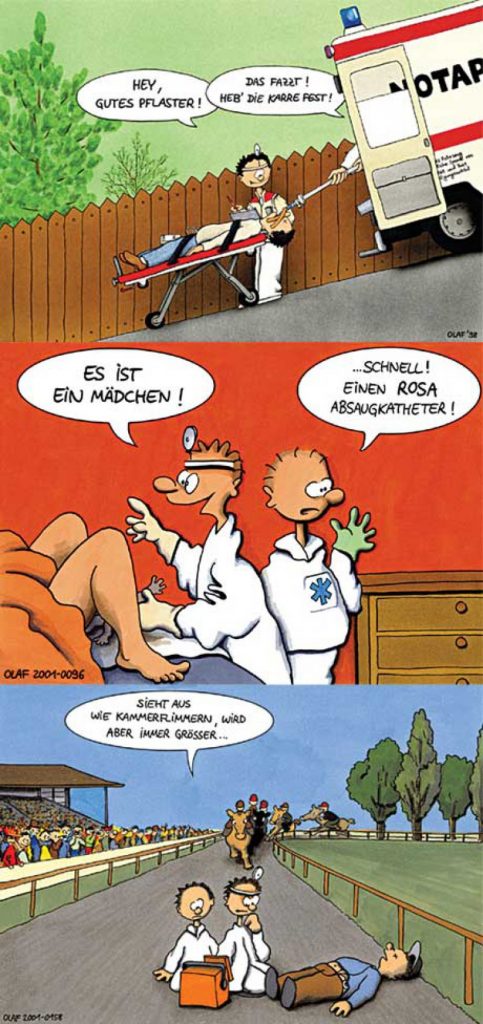
Dr. Ralf Schnelle is medical doctor for emergency medicine and his cartoons are very kind of black humour in this specialisation…………..
DE: Wenn man seinen Einsatz überlebt hätte, fände man sich möglicherweise als knubbelnasige Figur in einem von Schnelles Cartoons wieder. Denn der 40-jährige Stuttgarter hat einen zweiten Beruf. Als „Olaf“ zeichnet er, was ihm im Job so ein- und auffällt: Notärzte im Kampf mit Defibrillatoren. Sanitäter, denen zum wiederholten Mal das Essen kalt wird. Einsätze bei Sturm und Regen, was im Cartoon immerhin den Vorteil hat, dass Windböen die Infusionsflasche in der richtigen Höhe halten . . . Seine Zeichnungen erscheinen regelmäßig in der Mitgliederzeitschrift des Marburger Bundes. Schnelle hat einen bebilderten Reanimationsleitfaden „Schock empfohlen . . .“ geschrieben und gezeichnet, ein Nachtdienst-Kochbuch illustriert, ein Fachbuch ist in Arbeit.
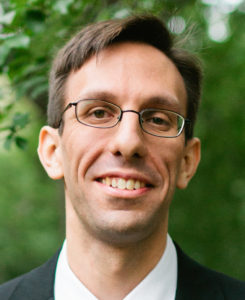
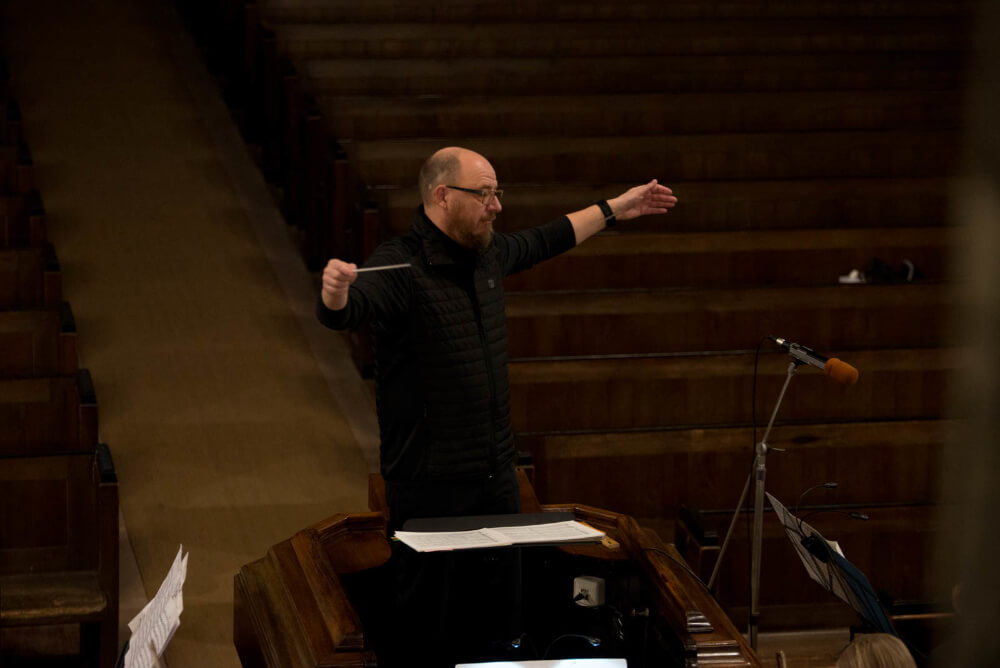
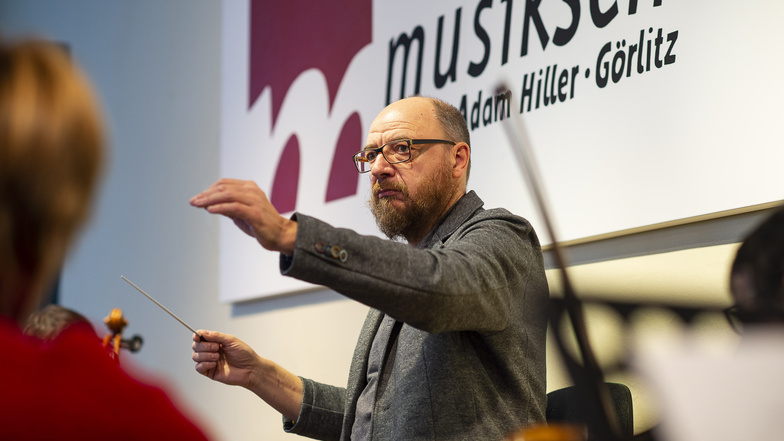
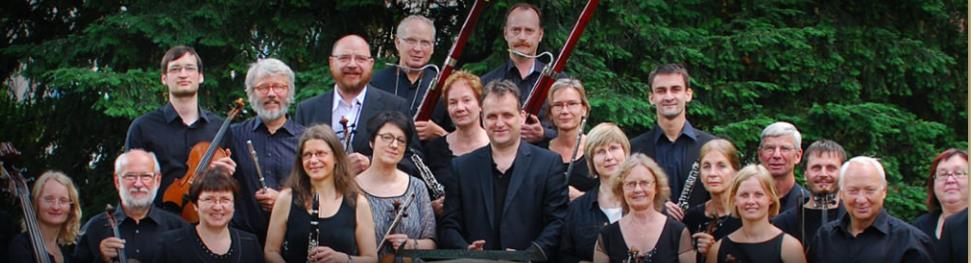
He is has completed a project as “ArchitectDoc” restauring a 200-year-old mill……! Click on the Fotocommunity-Link to see his huge picture gallery with extraordinary pictures of the big flood in Dresden covering the Semper Opera House and the Hilton Hotel and the banks of the Elbe river! He is conducting an amateur orchestra after an education as conductor.
Seit seiner Kindheit ist Ulf Winkler Fotograf. Auch arbeitet er an einem Architekturprojekt, der Restaurierung einer alten Mühle.
Und: Der Bautzener Kinderarzt Ulf Winkler leitet in der aktuellen Saison das Görlitzer Liebhaberorchester „sinfonietta meridiana“, das sein Jahreskonzert in der Musikschule am Fischmarkt vorbereitet hat.
Ich fotografiere seit meiner Kindheit, früher mit der guten alten EXA Ia + Schwarz-Weiß-Labor in der Abstellkammer, später mit Olympus IS 1000 bzw. 3000 sowie Nikon F65 in Farbe auf Dias und Papier. Seit Mai 2002 bin ich mit der Nikon Coolpix 5000 in die digitale Bilderwelt eingestiegen. Endlich kann ich ohne Qualitätsverluste durch Scan die Bilder wie früher im Labor am PC optimieren und bearbeiten. Die CP 5000 habe ich später wieder abgegeben zugunsten einer Minolta Dimage 7i, dann A1. Lange fotografierte ich mit der Canon EOS 350D sowie als Hosentaschenfoto einer Panasonic Lumix FX5. Seit Oktober 2008 bin ich im Besitz einer Fujifilm S5Pro. Dazu sind inzwischen eine Nikon D5000 und eine Fujifilm X10 gekommen, um für alle Situationen gewappnet zu sein. Ich fotografiere viel auf Reisen oder unterwegs, viel meine Kinder oder gehe einfach so auf Fotopirsch… Ich suche in meinen Bildern die Schönheit des Lebens und der Natur.